From 11:00 pm to 12:00 pm EST ( 8:00 pm to 9:00 pm PST ) on January 6th, the website will be under maintenance. We are sorry for the inconvenience. Please arrange your schedule properly.
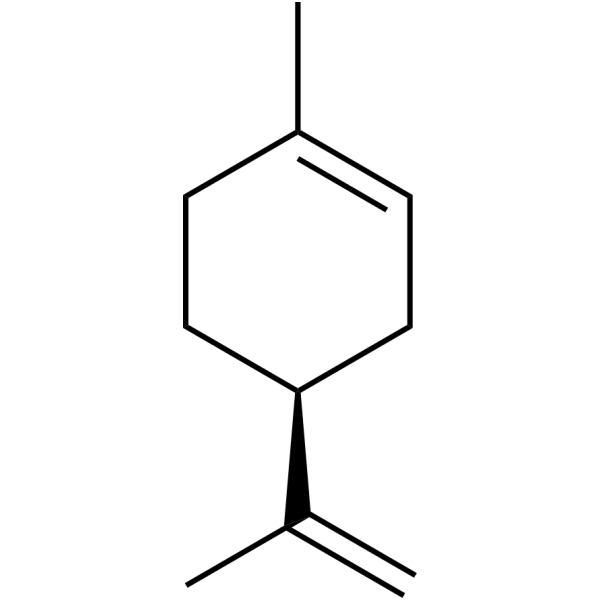
(-)-Limonene ((S)-(-)-Limonene) is orally active and can cause mild bronchoconstriction. (-)-Limonene alleviates cytosolic and mitochondrial oxidative stress by inhibiting the increase of calcium ions (Ca 2+) and Ca 2+/calmodulin-dependent protein kinase II (CaMKII). It also exerts anti-stress effects by inhibiting the activity of the hypothalamic-pituitary-adrenal (HPA) axis. Additionally, (-)-Limonene can be used as an antibacterial agent in aquaculture .
Lipopolysaccharides, from E. coli (Escherichia coli) O26:B6 are lipopolysaccharide endotoxins and TLR-4 activators derived from E. coli, classified as S-type LPS, which can activate pathogen-associated molecular patterns (PAMP) of the immune system and induce cellular secretion of migrasomes. Lipopolysaccharides, from E. coli O26:B6 exhibit a typical three-part structure: O-antigen, core oligosaccharide, and lipid A, and can be recognized by the core-specific monoclonal antibody MAb J8-4C10. Lipopolysaccharides, from E. coli O26:B6 can promote an increase in pro-inflammatory cytokines in plasma, thereby triggering hypothalamic-pituitary-adrenal (HPA) activation and leading to adrenal oxidative damage. The pathogenic effects of Lipopolysaccharides, from E. coli O26:B6 can be used to construct various models, such as cellular inflammation models, sepsis, acute lung injury models, adrenal dysfunction models, and bladder infection models, etc .
It is recommended to prepare a solution with concentration ≥2 mg/mL. Vortex thoroughly for more than 10 minutes. Due to the adsorption characteristics of LPS, silanized container or low adsorption centrifuge tubes should be used for aliquoting and storage, and mix thoroughly before use.
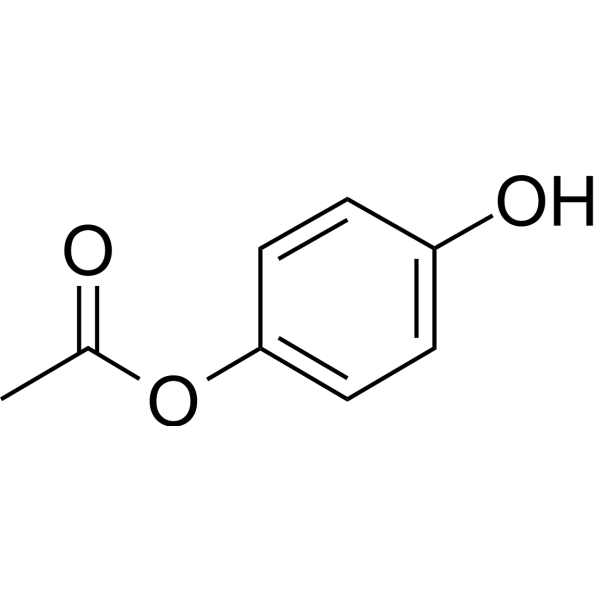
4-Hydroxyphenyl acetate (4-HPA) is a natural antioxidant and protects cells from oxidative stress-induced necrosis. 4-Hydroxyphenyl acetate blocks the increase of cellular ROS induced by oxidative stress, and up-regulates NQO1 and HO-1 genes by stabilizing and inducing the nuclear translocation of NRF2 transcription factor .
LEI-401 is a first-in-class, selective, and CNS-active NAPE-PLD (N-acylphosphatidylethanolamine phospholipase D) inhibitor, with an IC50 of 27 nM. LEI-401 modulates emotional behavior in mice .
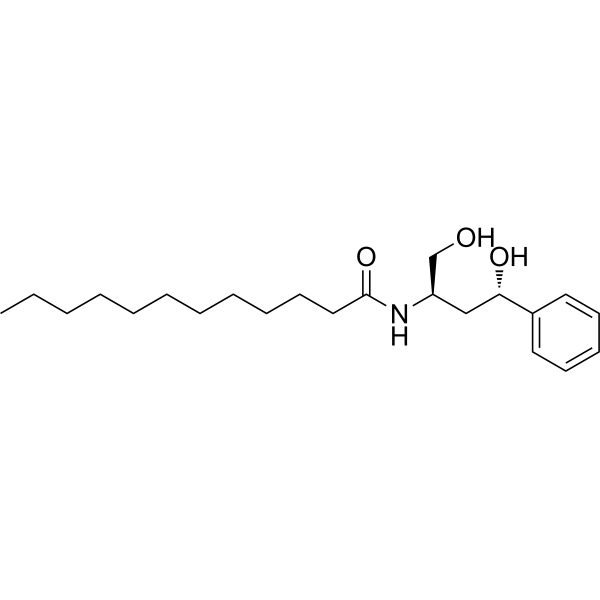
HPA-12 is a blood-brain barrier-permeable small-molecule inhibitor of ceramide transfer protein (CERT) with four stereoisomers (the (1R,3R)-stereoisomer exhibits the highest activity). HPA-12 blocks the transport of ceramide from the endoplasmic reticulum to the Golgi apparatus by binding to the START domain of CERT, leading to intracellular ceramide accumulation and inhibition of sphingomyelin (SM) synthesis. HPA-12 induces endoplasmic reticulum stress via the GRP78/ATF6/CHOP axis and activates mitochondrial autophagy, thereby inhibiting cell growth and inducing apoptosis. In in vivo experiments, HPA-12 significantly reduces the leukemia burden and splenomegaly in mouse models of acute myeloid leukemia (AML) and prolongs survival. HPA-12 is applicable for the research of lipid metabolism in acute myeloid leukemia and Alzheimer's disease .
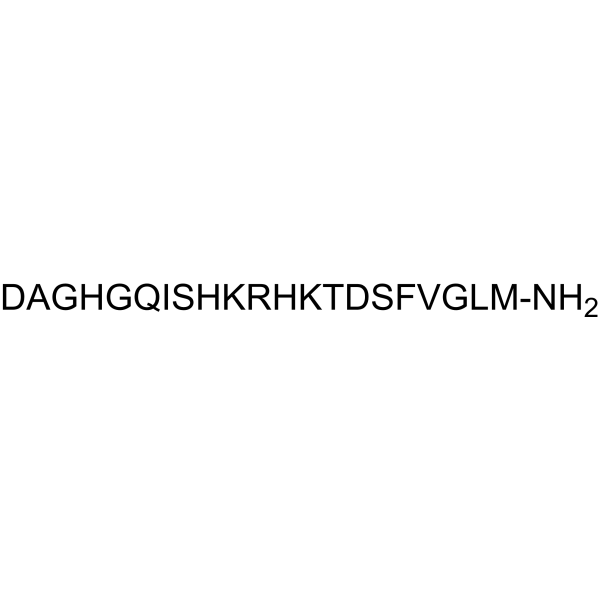
Adrenocorticotropic hormone (ACTH; Adrenocorticotrophic hormone) is a polypeptide tropic hormone produced by the anterior pituitary gland. Adrenocorticotropic hormone stimulates cortisol secretion from the adrenal cortex via the hypothalamic-pituitary-adrenal (HPA) axis. Adrenocorticotropic hormone regulates cortisol and androgen production. Adrenocorticotropic hormone can promote the development of spermatogenesis. Adrenocorticotropic hormone can relieve acute inflammation in gout models by inhibiting the polarization of macrophages to M1 type, inhibiting ROS and proinflammatory factor production and protecting mitochondrial function. Adrenocorticotropic hormone can be used for the researches of inflammation, endocrinology, metabolic disease, such as gout and nephrotic syndrome .
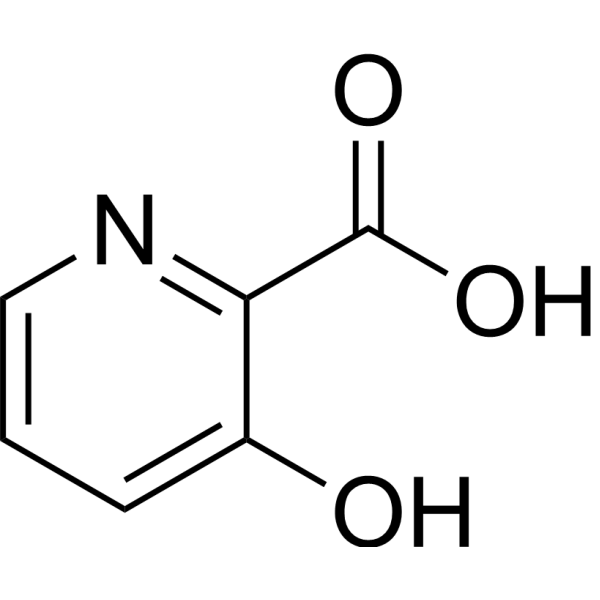
3-Hydroxypicolinic acid, matrix substance for MALDI-MS is a matrix. 3-Hydroxypicolinic acid, matrix substance for MALDI-MS coordinates with metal ions such as copper to form complexes with cytotoxic and antimycobacterial activity. 3-Hydroxypicolinic acid, matrix substance for MALDI-MS is used for the analysis of oligodeoxynucleotides in matrix-assisted laser desorption ionization time-of-flight mass spectrometry (MALDI-TOF MS). 3-Hydroxypicolinic acid, matrix substance for MALDI-MS is useful for nucleic acid analysis and anti-tuberculosis compound development .
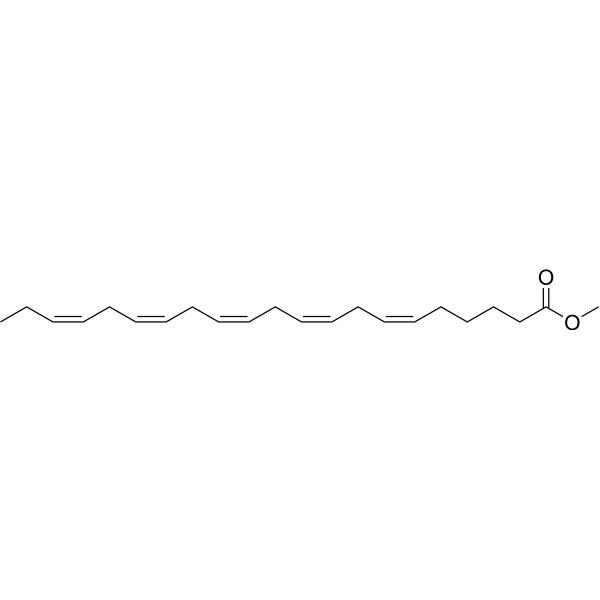
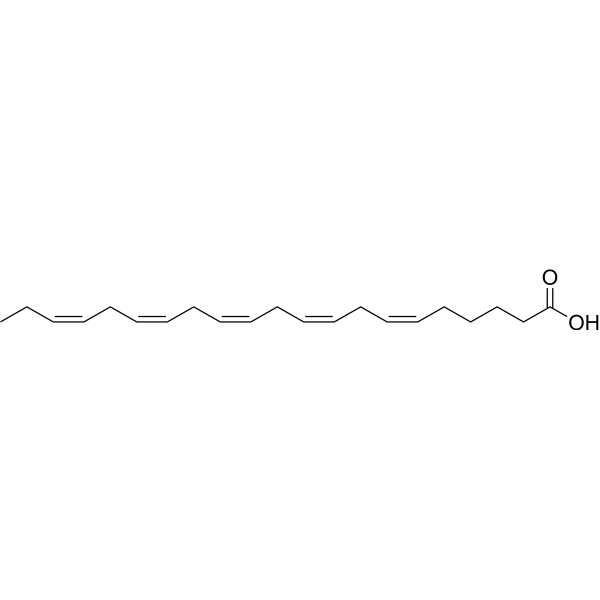
6,9,12,15,18-Heneicosapentaenoic acid (HPA) is a ∆5 desaturase inhibitor. 6,9,12,15,18-Heneicosapentaenoic acid serves as a weak substrate for Prostaglandin H synthase and 5-lipoxygenase, yet it inactivates Prostaglandin H synthase at a rate comparable to that of AA, EPA and DHA. 6,9,12,15,18-Heneicosapentaenoic acid is a weak inducer of Aacyl-CoA oxidase. 6,9,12,15,18-Heneicosapentaenoic acid incorporates into phospholipids and triacylglycerols in cell culture. 6,9,12,15,18-Heneicosapentaenoic acid can be used in research related to liver cancer .
Kisspeptin 13 TFA is the TFA salt form of Kisspeptin 13 (HY-P3641). Kisspeptin-13 TFA inhibits glucose-induced insulin secretion with an IC50 of 1.2 nM. Kisspeptin 13 TFA activates the hypothalamic-pituitary-adrenal (HPA) axis, causes hyperthermia, motor behavior and anxiety in rats. Kisspeptin 13 TFA interacts with α2-adrenergic and 5-HT2 serotonin receptors, exhibits antidepressant efficacy. Kisspeptin 13 TFA is an activator for GPR54 and GnRH receptor, which enhances memory and can be used in Alzheimer's disease research .
Adrenocorticotropic hormone (ACTH; Adrenocorticotrophic hormone) TFA is a polypeptide tropic hormone produced by the anterior pituitary gland. Adrenocorticotropic hormone TFA stimulates cortisol secretion from the adrenal cortex via the hypothalamic-pituitary-adrenal (HPA) axis. Adrenocorticotropic hormone TFA regulates cortisol and androgen production. Adrenocorticotropic hormone TFA can promote the development of spermatogenesis. Adrenocorticotropic hormone TFA can relieve acute inflammation in gout models by inhibiting the polarization of macrophages to M1 type, inhibiting ROS and proinflammatory factor production and protecting mitochondrial function. Adrenocorticotropic hormone TFA can be used for the researches of inflammation, endocrinology, metabolic disease, such as gout and nephrotic syndrome .
TASP0390325 is a high affinity and orally active arginine vasopressin receptor 1B (V1B receptor) antagonist with antidepressant and anxiolytic activities .
γ-Neuropeptide (rabbit) can be isolated from rabbit intestine. γ-Neuropeptide is an endogenous neurokinin peptide that acts as a neurokinin 2 (NK2) receptor agonist. γ-Neuropeptide mediates hypothalamic-pituitary-adrenal (HPA) axis, as well as reproductive hormone release .
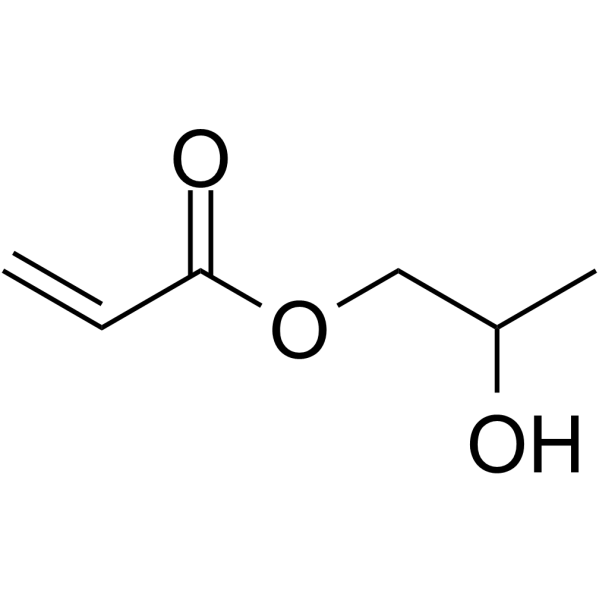
2-Hydroxypropyl acrylate (HPA) is a severe irritant and corrosive to the skin. 2-Hydroxypropyl acrylate (HPA) is extensively applied in fibre, adhesives, rubber industry, paints and coatings industry .
Heneicosapentaenoic Acid (HPA) is a 21:5 omega-3 fatty acid found in trace amounts in the green alga B. pennata and in fish oils. Its chemical composition is similar to eicosapentaenoic acid (EPA), except that a carbon is extended at the carboxy terminus, placing the first double bond at the δ6 position. HPA can be used to study the importance of double bond position in omega-3 fatty acids. It incorporates phospholipids and triacylglycerols in vivo with the same efficiency as EPA and docosahexaenoic acid, and exhibits a strong inhibitory effect on the synthesis of arachidonic acid from linoleic acid. HPA is a poor substrate for prostaglandin H synthase (PGHS) (cyclooxygenase) and 5-lipoxygenase, but retains the ability to rapidly inactivate PGHS.
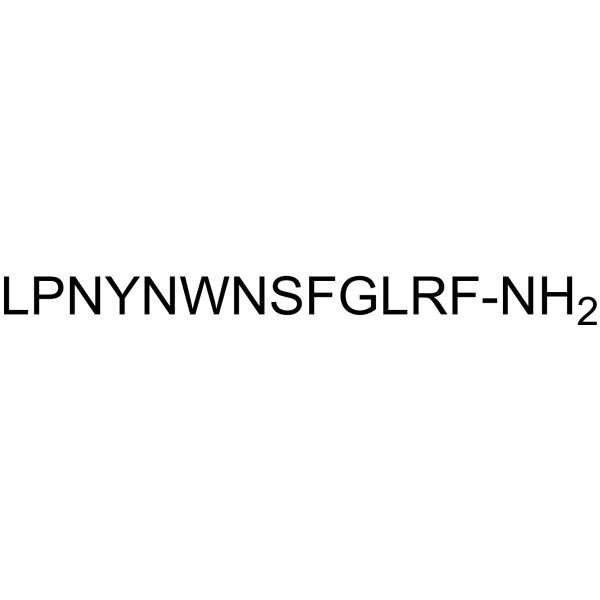
Neuropeptide SF human augments paraventricular corticotrophin-releasing hormone (CRH) release and increases adrenocorticotropic hormone (ACTH) and corticosterone levels in the plasma. Neuropeptide SF human play a physiologic role in the regulation of such circadian functions as the activity of motor centers and the HPA axis, through the release of CRH .
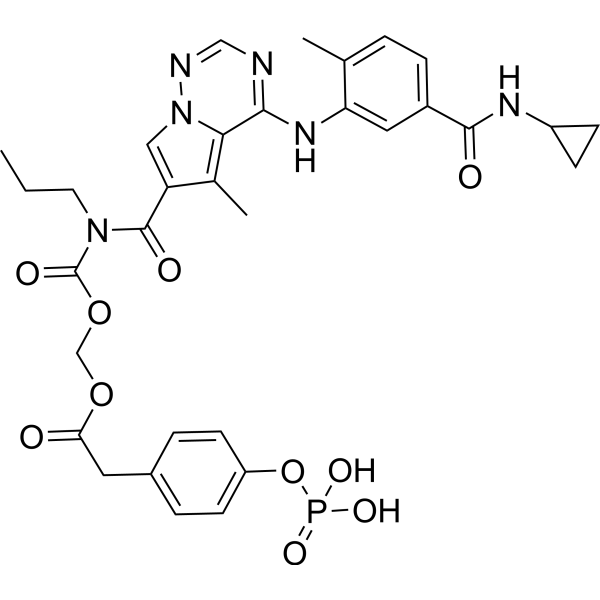
BMS-751324 is a p38α MAPK inhibitor. BMS-751324 equips a precursor of carbamyl-methyl linkage, containing esters and phosphate functional groups derived from hydroxyphenylacetic acid (HPA). BMS-751324 effectively inhibits foot swelling and LPS-induced TNFα production in an arthritic rat model .
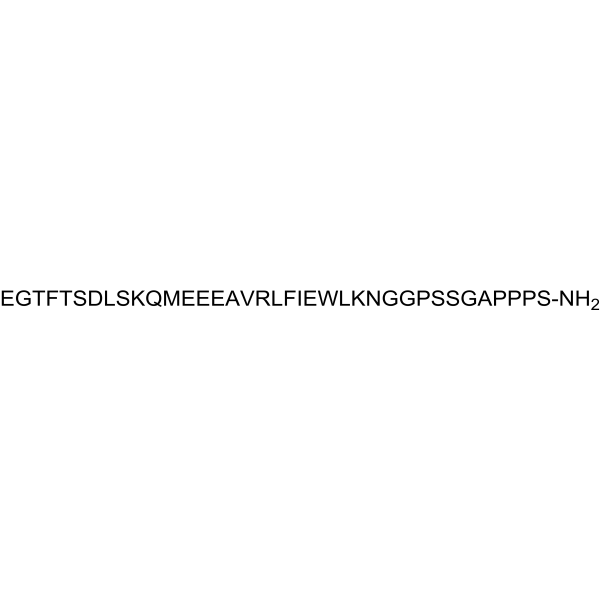
Exendin-4 (3-39) is a peptide. Exendin-4 (3-39) is a truncated form of Exendin-4 (HY-13443) that lacks the first two amino acids. Exendin-4 is a potent Glucagon-like peptide-1 receptor (GLP-1r) agonist. Exendin-4 (3-39) and Exendin-4 can be used for the research of diabetic and hypothalamic-pituitary-adrenal (HPA) axis .
Kisspeptin 13 inhibits glucose-induced insulin secretion with an IC50 of 1.2 nM. Kisspeptin 13 activates the hypothalamic-pituitary-adrenal (HPA) axis, causes hyperthermia, motor behavior and anxiety in rats. Kisspeptin 13 interacts with α2-adrenergic and 5-HT2 serotonin receptors, exhibits antidepressant efficacy. Kisspeptin 13 is an activator for GPR54 and GnRH receptor, which enhances memory and can be used in Alzheimer's disease research .
Miricorilant (CORT 118335) is a dual selective glucocorticoid (GR) modulator/mineralocorticoid (MR) antagonist. Miricorilant can be used for the research of hypothalamic-pituitary-adrenal (HPA) axis related disorders .
HPA-IN-1 (Compound 1) is a potent and selective human pancreatic α-amylase (HPA) inhibitor with IC50 values of 12.0 μM and 410.4 μM against HPA and α-glucosidase, respectively .
HPA-IN-2 (Compound 2a-1) is a potent and selective human pancreatic α-amylase (HPA) inhibitor with IC50 values of 8.2 μM and 450.7 μM against HPA and α-glucosidase, respectively .
Neuropeptide W-30 (rat) is an important stress mediator in the central nervous system that modulates the hypothalamus-pituitary-adrenal (HPA) axis and sympathetic outflow. Neuropeptide W-30 (rat) is an endogenous ligand for the two structurally related orphan G-protein-coupled receptors (GPCRs) GPR7 and GPR8. NPW-30 activates and binds to both GPR7 and GPR8 at similar effective doses .
Neuropeptide W-30 (human) is an important stress mediator in the central nervous system that modulates the hypothalamus-pituitary-adrenal (HPA) axis and sympathetic outflow. Neuropeptide W-30 (human) is an endogenous ligand for the two structurally related orphan G-protein-coupled receptors (GPCRs) GPR7 and GPR8. Neuropeptide W-30 (human) activates and binds to both GPR7 and GPR8 at similar effective doses .
4-Hydroxyphenyl acetate (Standard) is the analytical standard of 4-Hydroxyphenyl acetate. This product is intended for research and analytical applications. 4-Hydroxyphenyl acetate (4-HPA) is a natural antioxidant and protects cells from oxidative stress-induced necrosis. 4-Hydroxyphenyl acetate blocks the increase of cellular ROS induced by oxidative stress, and up-regulates NQO1 and HO-1 genes by stabilizing and inducing the nuclear translocation of NRF2 transcription factor .
Hpse Rat Pre-designed siRNA Set A contains three designed siRNAs for Hpse gene (Rat), as well as a negative control, a positive control, and a FAM-labeled negative control.
HPSE Human Pre-designed siRNA Set A contains three designed siRNAs for HPSE gene (Human), as well as a negative control, a positive control, and a FAM-labeled negative control.
Neuropeptide SF (human) acetate augments paraventricular corticotrophin-releasing hormone (CRH) release and increases adrenocorticotropic hormone (ACTH) and corticosterone levels in the plasma. Neuropeptide SF (human) acetate play a physiologic role in the regulation of such circadian functions as the activity of motor centers and the HPA axis, through the release of CRH .
P2Y1 antagonist 1 (compound 10q) is a potent antagonist of P2Y1, with the IC50s of 1.1 nM and 0.24 μM in FLIPR assay and hPA assay, respectively. P2Y1 antagonist 1 plays an important role in antiplatelet research .
T3SS-IN-1 (compound B9) is a potent inhibitor of type III secretion system (T3SS) inhibitor. T3SS-IN-1 can also inhibits hpa1 promoter activity and harpin protein expression without affecting bacterial growth .
Neuropeptide W-30 (rat) is an important stress mediator in the central nervous system that modulates the hypothalamus-pituitary-adrenal (HPA) axis and sympathetic outflow. Neuropeptide W-30 (rat) is an endogenous ligand for the two structurally related orphan G-protein-coupled receptors (GPCRs) GPR7 and GPR8. NPW-30 activates and binds to both GPR7 and GPR8 at similar effective doses .
PPARγ agonist 15 (Compound 7c) is an agonist for PPARγ. PPARγ agonist 15 inhibits the expression of alpha-amylase (HPA) and alpha-glucosidase (HLAG) with IC50 of 28.35 µM and 26.21 µM. PPARγ agonist 15 enhances glucose uptake in the L6 myotube cell. PPARγ agonist 15 improves glucose homeostasis, insulin sensitivity, and lipid metabolism in rat Streptozotocin (HY-13753)-induced diabetes model .
FMS586 free base is a selective neuropeptide Y Y5 receptor antagonist with oral activity. FMS586 can completely block the significant increase in adrenocorticotropic hormone (ACTH) and cortisol caused by the Y(5) selective agonist hPP. FMS586 also reversed the significant upregulation of adrenocorticotropic hormone (CRF) and antidiuretic hormone (AVP) mRNA expression induced by central injection of hPP. FMS586 provides the first evidence that selective stimulation of Y(5) receptors triggers activation of the HPA axis .
HPA3NT3-A2 is an analogue of the HP (2-20) peptide, antimicrobial peptide. HPA3NT3-A2 shows antimicrobial activities against multi-reagent resistant bacteria strains .
Hpse Mouse Pre-designed siRNA Set A contains three designed siRNAs for Hpse gene (Mouse), as well as a negative control, a positive control, and a FAM-labeled negative control.
Lipopolysaccharides, from E. coli (Escherichia coli) O26:B6 are lipopolysaccharide endotoxins and TLR-4 activators derived from E. coli, classified as S-type LPS, which can activate pathogen-associated molecular patterns (PAMP) of the immune system and induce cellular secretion of migrasomes. Lipopolysaccharides, from E. coli O26:B6 exhibit a typical three-part structure: O-antigen, core oligosaccharide, and lipid A, and can be recognized by the core-specific monoclonal antibody MAb J8-4C10. Lipopolysaccharides, from E. coli O26:B6 can promote an increase in pro-inflammatory cytokines in plasma, thereby triggering hypothalamic-pituitary-adrenal (HPA) activation and leading to adrenal oxidative damage. The pathogenic effects of Lipopolysaccharides, from E. coli O26:B6 can be used to construct various models, such as cellular inflammation models, sepsis, acute lung injury models, adrenal dysfunction models, and bladder infection models, etc .
It is recommended to prepare a solution with concentration ≥2 mg/mL. Vortex thoroughly for more than 10 minutes. Due to the adsorption characteristics of LPS, silanized container or low adsorption centrifuge tubes should be used for aliquoting and storage, and mix thoroughly before use.
3-Hydroxypicolinic acid, matrix substance for MALDI-MS is a matrix. 3-Hydroxypicolinic acid, matrix substance for MALDI-MS coordinates with metal ions such as copper to form complexes with cytotoxic and antimycobacterial activity. 3-Hydroxypicolinic acid, matrix substance for MALDI-MS is used for the analysis of oligodeoxynucleotides in matrix-assisted laser desorption ionization time-of-flight mass spectrometry (MALDI-TOF MS). 3-Hydroxypicolinic acid, matrix substance for MALDI-MS is useful for nucleic acid analysis and anti-tuberculosis compound development .
Heneicosapentaenoic Acid (HPA) is a 21:5 omega-3 fatty acid found in trace amounts in the green alga B. pennata and in fish oils. Its chemical composition is similar to eicosapentaenoic acid (EPA), except that a carbon is extended at the carboxy terminus, placing the first double bond at the δ6 position. HPA can be used to study the importance of double bond position in omega-3 fatty acids. It incorporates phospholipids and triacylglycerols in vivo with the same efficiency as EPA and docosahexaenoic acid, and exhibits a strong inhibitory effect on the synthesis of arachidonic acid from linoleic acid. HPA is a poor substrate for prostaglandin H synthase (PGHS) (cyclooxygenase) and 5-lipoxygenase, but retains the ability to rapidly inactivate PGHS.
Adrenocorticotropic hormone (ACTH; Adrenocorticotrophic hormone) is a polypeptide tropic hormone produced by the anterior pituitary gland. Adrenocorticotropic hormone stimulates cortisol secretion from the adrenal cortex via the hypothalamic-pituitary-adrenal (HPA) axis. Adrenocorticotropic hormone regulates cortisol and androgen production. Adrenocorticotropic hormone can promote the development of spermatogenesis. Adrenocorticotropic hormone can relieve acute inflammation in gout models by inhibiting the polarization of macrophages to M1 type, inhibiting ROS and proinflammatory factor production and protecting mitochondrial function. Adrenocorticotropic hormone can be used for the researches of inflammation, endocrinology, metabolic disease, such as gout and nephrotic syndrome .
Kisspeptin 13 TFA is the TFA salt form of Kisspeptin 13 (HY-P3641). Kisspeptin-13 TFA inhibits glucose-induced insulin secretion with an IC50 of 1.2 nM. Kisspeptin 13 TFA activates the hypothalamic-pituitary-adrenal (HPA) axis, causes hyperthermia, motor behavior and anxiety in rats. Kisspeptin 13 TFA interacts with α2-adrenergic and 5-HT2 serotonin receptors, exhibits antidepressant efficacy. Kisspeptin 13 TFA is an activator for GPR54 and GnRH receptor, which enhances memory and can be used in Alzheimer's disease research .
Adrenocorticotropic hormone (ACTH; Adrenocorticotrophic hormone) TFA is a polypeptide tropic hormone produced by the anterior pituitary gland. Adrenocorticotropic hormone TFA stimulates cortisol secretion from the adrenal cortex via the hypothalamic-pituitary-adrenal (HPA) axis. Adrenocorticotropic hormone TFA regulates cortisol and androgen production. Adrenocorticotropic hormone TFA can promote the development of spermatogenesis. Adrenocorticotropic hormone TFA can relieve acute inflammation in gout models by inhibiting the polarization of macrophages to M1 type, inhibiting ROS and proinflammatory factor production and protecting mitochondrial function. Adrenocorticotropic hormone TFA can be used for the researches of inflammation, endocrinology, metabolic disease, such as gout and nephrotic syndrome .
γ-Neuropeptide (rabbit) can be isolated from rabbit intestine. γ-Neuropeptide is an endogenous neurokinin peptide that acts as a neurokinin 2 (NK2) receptor agonist. γ-Neuropeptide mediates hypothalamic-pituitary-adrenal (HPA) axis, as well as reproductive hormone release .
Neuropeptide SF human augments paraventricular corticotrophin-releasing hormone (CRH) release and increases adrenocorticotropic hormone (ACTH) and corticosterone levels in the plasma. Neuropeptide SF human play a physiologic role in the regulation of such circadian functions as the activity of motor centers and the HPA axis, through the release of CRH .
Exendin-4 (3-39) is a peptide. Exendin-4 (3-39) is a truncated form of Exendin-4 (HY-13443) that lacks the first two amino acids. Exendin-4 is a potent Glucagon-like peptide-1 receptor (GLP-1r) agonist. Exendin-4 (3-39) and Exendin-4 can be used for the research of diabetic and hypothalamic-pituitary-adrenal (HPA) axis .
Kisspeptin 13 inhibits glucose-induced insulin secretion with an IC50 of 1.2 nM. Kisspeptin 13 activates the hypothalamic-pituitary-adrenal (HPA) axis, causes hyperthermia, motor behavior and anxiety in rats. Kisspeptin 13 interacts with α2-adrenergic and 5-HT2 serotonin receptors, exhibits antidepressant efficacy. Kisspeptin 13 is an activator for GPR54 and GnRH receptor, which enhances memory and can be used in Alzheimer's disease research .
Neuropeptide W-30 (rat) is an important stress mediator in the central nervous system that modulates the hypothalamus-pituitary-adrenal (HPA) axis and sympathetic outflow. Neuropeptide W-30 (rat) is an endogenous ligand for the two structurally related orphan G-protein-coupled receptors (GPCRs) GPR7 and GPR8. NPW-30 activates and binds to both GPR7 and GPR8 at similar effective doses .
Neuropeptide W-30 (human) is an important stress mediator in the central nervous system that modulates the hypothalamus-pituitary-adrenal (HPA) axis and sympathetic outflow. Neuropeptide W-30 (human) is an endogenous ligand for the two structurally related orphan G-protein-coupled receptors (GPCRs) GPR7 and GPR8. Neuropeptide W-30 (human) activates and binds to both GPR7 and GPR8 at similar effective doses .
Neuropeptide SF (human) acetate augments paraventricular corticotrophin-releasing hormone (CRH) release and increases adrenocorticotropic hormone (ACTH) and corticosterone levels in the plasma. Neuropeptide SF (human) acetate play a physiologic role in the regulation of such circadian functions as the activity of motor centers and the HPA axis, through the release of CRH .
Neuropeptide W-30 (rat) is an important stress mediator in the central nervous system that modulates the hypothalamus-pituitary-adrenal (HPA) axis and sympathetic outflow. Neuropeptide W-30 (rat) is an endogenous ligand for the two structurally related orphan G-protein-coupled receptors (GPCRs) GPR7 and GPR8. NPW-30 activates and binds to both GPR7 and GPR8 at similar effective doses .
HPA3NT3-A2 is an analogue of the HP (2-20) peptide, antimicrobial peptide. HPA3NT3-A2 shows antimicrobial activities against multi-reagent resistant bacteria strains .
(-)-Limonene ((S)-(-)-Limonene) is orally active and can cause mild bronchoconstriction. (-)-Limonene alleviates cytosolic and mitochondrial oxidative stress by inhibiting the increase of calcium ions (Ca 2+) and Ca 2+/calmodulin-dependent protein kinase II (CaMKII). It also exerts anti-stress effects by inhibiting the activity of the hypothalamic-pituitary-adrenal (HPA) axis. Additionally, (-)-Limonene can be used as an antibacterial agent in aquaculture .
4-Hydroxyphenyl acetate (4-HPA) is a natural antioxidant and protects cells from oxidative stress-induced necrosis. 4-Hydroxyphenyl acetate blocks the increase of cellular ROS induced by oxidative stress, and up-regulates NQO1 and HO-1 genes by stabilizing and inducing the nuclear translocation of NRF2 transcription factor .
6,9,12,15,18-Heneicosapentaenoic acid (HPA) is a ∆5 desaturase inhibitor. 6,9,12,15,18-Heneicosapentaenoic acid serves as a weak substrate for Prostaglandin H synthase and 5-lipoxygenase, yet it inactivates Prostaglandin H synthase at a rate comparable to that of AA, EPA and DHA. 6,9,12,15,18-Heneicosapentaenoic acid is a weak inducer of Aacyl-CoA oxidase. 6,9,12,15,18-Heneicosapentaenoic acid incorporates into phospholipids and triacylglycerols in cell culture. 6,9,12,15,18-Heneicosapentaenoic acid can be used in research related to liver cancer .
4-Hydroxyphenyl acetate (Standard) is the analytical standard of 4-Hydroxyphenyl acetate. This product is intended for research and analytical applications. 4-Hydroxyphenyl acetate (4-HPA) is a natural antioxidant and protects cells from oxidative stress-induced necrosis. 4-Hydroxyphenyl acetate blocks the increase of cellular ROS induced by oxidative stress, and up-regulates NQO1 and HO-1 genes by stabilizing and inducing the nuclear translocation of NRF2 transcription factor .
Heparanase (HPSE) functions as an endoglycosidase, playing a crucial role in the cleavage of heparan sulfate proteoglycans (HSPGs) into heparan sulfate side chains and core proteoglycans. It is implicated in various cellular processes, including facilitating cell migration associated with metastasis, wound healing, and inflammation. Heparanase also plays a role in cell adhesion to the ECM, independent of its enzymatic activity, and induces AKT1/PKB phosphorylation, thereby increasing cell mobility and invasion. Additionally, Heparanase is involved in the regulation of osteogenesis, promotes angiogenesis through up-regulation of SRC-mediated activation of VEGF, and is implicated in hair follicle inner root sheath differentiation and hair homeostasis. Heparanase/HPSE Protein, Human (CHO, His) is the recombinant human-derived Heparanase/HPSE protein, expressed by CHO , with N-6*His labeled tag.
Hpse Rat Pre-designed siRNA Set A contains three designed siRNAs for Hpse gene (Rat), as well as a negative control, a positive control, and a FAM-labeled negative control.
HPSE Human Pre-designed siRNA Set A contains three designed siRNAs for HPSE gene (Human), as well as a negative control, a positive control, and a FAM-labeled negative control.
Hpse Mouse Pre-designed siRNA Set A contains three designed siRNAs for Hpse gene (Mouse), as well as a negative control, a positive control, and a FAM-labeled negative control.
Inquiry Online
Your information is safe with us. * Required Fields.
Western blot analysis of extracts from THP-1(lane 2(20μg), Jurkat (lane 3(20μg) and NIH3T3(lane 4(20μg) using FOXO1A (HY-P80132) Rabbit mAb. Proteins were transferred
to a PVDF membrane and blocked with 5% non-fat milk in TBST for 2 hour at room temperature. The primary antibody (1/1000) and Loading control antibody (Beta Actin, HY-P80438, 1/10000) was
used in 5% non-fat milk in TBST at 4°C overnight. Goat Anti-Mouse/Rabbit IgG-HRP Secondary Antibody (1/10000) was used for 1 hour at room temperature.
Western blot analysis of extracts from THP-1(lane 2(20μg), Jurkat (lane 3(20μg) and NIH3T3(lane 4(20μg) using FOXO1A (HY-P80132) Rabbit mAb. Proteins were transferred
to a PVDF membrane and blocked with 5% non-fat milk in TBST for 2 hour at room temperature. The primary antibody (1/1000) and Loading control antibody (Beta Actin, HY-P80438, 1/10000) was
used in 5% non-fat milk in TBST at 4°C overnight. Goat Anti-Mouse/Rabbit IgG-HRP Secondary Antibody (1/10000) was used for 1 hour at room temperature.
Western blot analysis of extracts from THP-1(lane 2(20μg), Jurkat (lane 3(20μg) and NIH3T3(lane 4(20μg) using FOXO1A (HY-P80132) Rabbit mAb. Proteins were transferred
to a PVDF membrane and blocked with 5% non-fat milk in TBST for 2 hour at room temperature. The primary antibody (1/1000) and Loading control antibody (Beta Actin, HY-P80438, 1/10000) was
used in 5% non-fat milk in TBST at 4°C overnight. Goat Anti-Mouse/Rabbit IgG-HRP Secondary Antibody (1/10000) was used for 1 hour at room temperature.
Western blot analysis of extracts from THP-1(lane 2(20μg), Jurkat (lane 3(20μg) and NIH3T3(lane 4(20μg) using FOXO1A (HY-P80132) Rabbit mAb. Proteins were transferred
to a PVDF membrane and blocked with 5% non-fat milk in TBST for 2 hour at room temperature. The primary antibody (1/1000) and Loading control antibody (Beta Actin, HY-P80438, 1/10000) was
MedchemExpress Validation 03
Western blot analysis of extracts from THP-1(lane 2(20μg), Jurkat (lane 3(20μg) and NIH3T3(lane 4(20μg) using FOXO1A (HY-P80132) Rabbit mAb. Proteins were transferred
MedchemExpress Validation 04
Western blot analysis of extracts from THP-1(lane 2(20μg), Jurkat (lane 3(20μg) and NIH3T3(lane 4(20μg) using FOXO1A (HY-P80132) Rabbit mAb. Proteins were transferred
to a PVDF membrane and blocked with 5% non-fat milk in TBST for 2 hour at room temperature. The primary antibody (1/1000) and Loading control antibody (Beta Actin, HY-P80438, 1/10000) was
used in 5% non-fat milk in TBST at 4°C overnight. Goat Anti-Mouse/Rabbit IgG-HRP Secondary Antibody (1/10000) was used for 1 hour at room temperature.
MedchemExpress Validation
Western blot analysis of extracts from THP-1(lane 2(20μg), Jurkat (lane 3(20μg) and NIH3T3(lane 4(20μg) using FOXO1A (HY-P80132) Rabbit mAb. Proteins were transferred
to a PVDF membrane and blocked with 5% non-fat milk in TBST for 2 hour at room temperature. The primary antibody (1/1000) and Loading control antibody (Beta Actin, HY-P80438, 1/10000) was
used in 5% non-fat milk in TBST at 4°C overnight. Goat Anti-Mouse/Rabbit IgG-HRP Secondary Antibody (1/10000) was used for 1 hour at room temperature.
Western blot analysis of extracts from THP-1(lane 2(20μg), Jurkat (lane 3(20μg) and NIH3T3(lane 4(20μg) using FOXO1A (HY-P80132) Rabbit mAb. Proteins were transferred
to a PVDF membrane and blocked with 5% non-fat milk in TBST for 2 hour at room temperature. The primary antibody (1/1000) and Loading control antibody (Beta Actin, HY-P80438, 1/10000) was
used in 5% non-fat milk in TBST at 4°C overnight. Goat Anti-Mouse/Rabbit IgG-HRP Secondary Antibody (1/10000) was used for 1 hour at room temperature.
MedchemExpress Validation
Western blot analysis of extracts from THP-1(lane 2(20μg), Jurkat (lane 3(20μg) and NIH3T3(lane 4(20μg) using FOXO1A (HY-P80132) Rabbit mAb. Proteins were transferred
to a PVDF membrane and blocked with 5% non-fat milk in TBST for 2 hour at room temperature. The primary antibody (1/1000) and Loading control antibody (Beta Actin, HY-P80438, 1/10000) was
used in 5% non-fat milk in TBST at 4°C overnight. Goat Anti-Mouse/Rabbit IgG-HRP Secondary Antibody (1/10000) was used for 1 hour at room temperature.
MedchemExpress Validation
Western blot analysis of extracts from THP-1(lane 2(20μg), Jurkat (lane 3(20μg) and NIH3T3(lane 4(20μg) using FOXO1A (HY-P80132) Rabbit mAb. Proteins were transferred
to a PVDF membrane and blocked with 5% non-fat milk in TBST for 2 hour at room temperature. The primary antibody (1/1000) and Loading control antibody (Beta Actin, HY-P80438, 1/10000) was
used in 5% non-fat milk in TBST at 4°C overnight. Goat Anti-Mouse/Rabbit IgG-HRP Secondary Antibody (1/10000) was used for 1 hour at room temperature.
MedchemExpress Validation
Western blot analysis of extracts from THP-1(lane 2(20μg), Jurkat (lane 3(20μg) and NIH3T3(lane 4(20μg) using FOXO1A (HY-P80132) Rabbit mAb. Proteins were transferred
to a PVDF membrane and blocked with 5% non-fat milk in TBST for 2 hour at room temperature. The primary antibody (1/1000) and Loading control antibody (Beta Actin, HY-P80438, 1/10000) was
used in 5% non-fat milk in TBST at 4°C overnight. Goat Anti-Mouse/Rabbit IgG-HRP Secondary Antibody (1/10000) was used for 1 hour at room temperature.
MedchemExpress Validation
Western blot analysis of extracts from THP-1(lane 2(20μg), Jurkat (lane 3(20μg) and NIH3T3(lane 4(20μg) using FOXO1A (HY-P80132) Rabbit mAb. Proteins were transferred
to a PVDF membrane and blocked with 5% non-fat milk in TBST for 2 hour at room temperature. The primary antibody (1/1000) and Loading control antibody (Beta Actin, HY-P80438, 1/10000) was
used in 5% non-fat milk in TBST at 4°C overnight. Goat Anti-Mouse/Rabbit IgG-HRP Secondary Antibody (1/10000) was used for 1 hour at room temperature.
MedchemExpress Validation
Western blot analysis of extracts from THP-1(lane 2(20μg), Jurkat (lane 3(20μg) and NIH3T3(lane 4(20μg) using FOXO1A (HY-P80132) Rabbit mAb. Proteins were transferred
to a PVDF membrane and blocked with 5% non-fat milk in TBST for 2 hour at room temperature. The primary antibody (1/1000) and Loading control antibody (Beta Actin, HY-P80438, 1/10000) was
used in 5% non-fat milk in TBST at 4°C overnight. Goat Anti-Mouse/Rabbit IgG-HRP Secondary Antibody (1/10000) was used for 1 hour at room temperature.
MedchemExpress Validation
Western blot analysis of extracts from THP-1(lane 2(20μg), Jurkat (lane 3(20μg) and NIH3T3(lane 4(20μg) using FOXO1A (HY-P80132) Rabbit mAb. Proteins were transferred
to a PVDF membrane and blocked with 5% non-fat milk in TBST for 2 hour at room temperature. The primary antibody (1/1000) and Loading control antibody (Beta Actin, HY-P80438, 1/10000) was
used in 5% non-fat milk in TBST at 4°C overnight. Goat Anti-Mouse/Rabbit IgG-HRP Secondary Antibody (1/10000) was used for 1 hour at room temperature.
MedChemExpress values your privacy and your trust is important to us. We use cookies to enhance your website experience. Some cookies are necessary to run the website.
Privacy and Cookie Policy

