
1. Search Result
Search Result
Results for "

Laxative

" in MedChemExpress (MCE) Product Catalog:

40

Inhibitors & Agonists

3

Biochemical Assay Reagents

1

Peptides

13

Natural
Products

2

Isotope-Labeled Compounds

2

Oligonucleotides

Cat. No. Product Name Target Research Areas Chemical Structure
  • HY-107799
    Castor oil
    5 Publications Verification

    Environmental Pollutants Biochemical Assay Reagents Others
    Castor oil is a natural triglyceride and a solvent. Castor oil has a laxative effect and induces labor in pregnant females. Castor oil can be used as a solvent, co-solvent, stabilizing agent and polyol for the formation of polymer-nanoparticle composites .
    Castor oil
  • HY-N6070

    Environmental Pollutants Prostaglandin Receptor Inflammation/Immunology
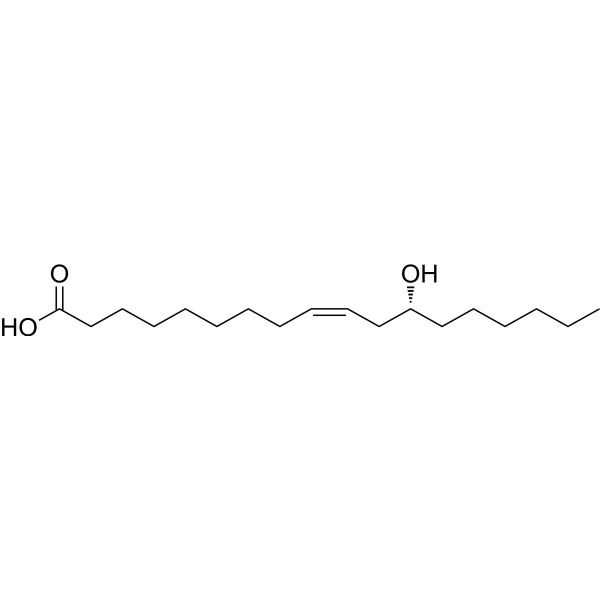
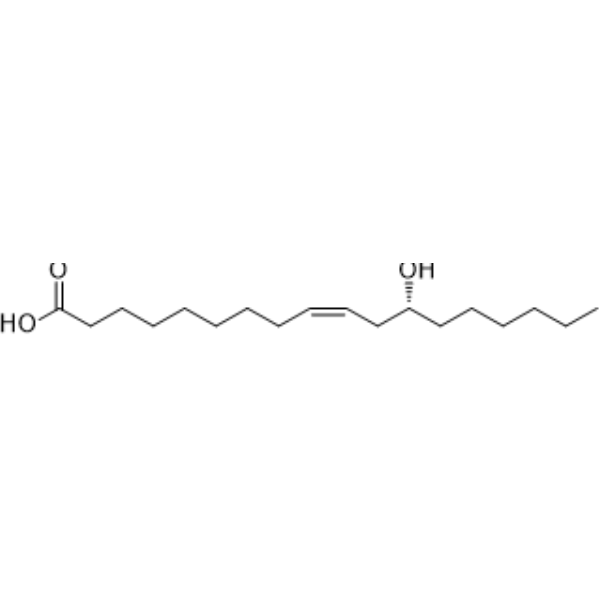
    Ricinoleic acid (purity≥85%), a hydroxy fatty acid, is an attractive feedstock for the production of high-performance lubricants, cosmetics, polymers, surfactants, and coatings. Ricinoleic acid is the main active ingredient of Castor oil (HY-107799). Ricinoleic acid is the agonist for prostaglandin EP3 receptor (EP3 receptor) (EC50 in MEG-01 is 0.5 μM), that causes laxative effects and uterine contraction. Ricinoleic acid exhibits antianxiety-like, anti-inflammatory and pro-inflammatory properties .
    Ricinoleic acid (purity≥85%)
  • HY-Y0308

    Environmental Pollutants Biochemical Assay Reagents Others
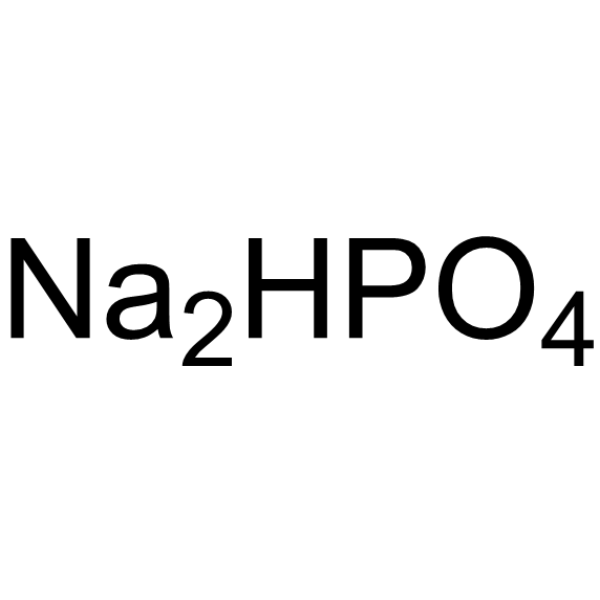
    Disodium phosphate is commonly used as a food additive, buffer and laboratory reagent. Disodium phosphate has unique chemical properties that make it an important ingredient in the manufacture of fertilizers, detergents and water treatment products. Additionally, it is used in various medical applications such as osmotic laxatives and electrolyte replacement solutions.
    Disodium phosphate
  • HY-101714
    Oxyphenisatin acetate
    1 Publications Verification

    Autophagy Cancer
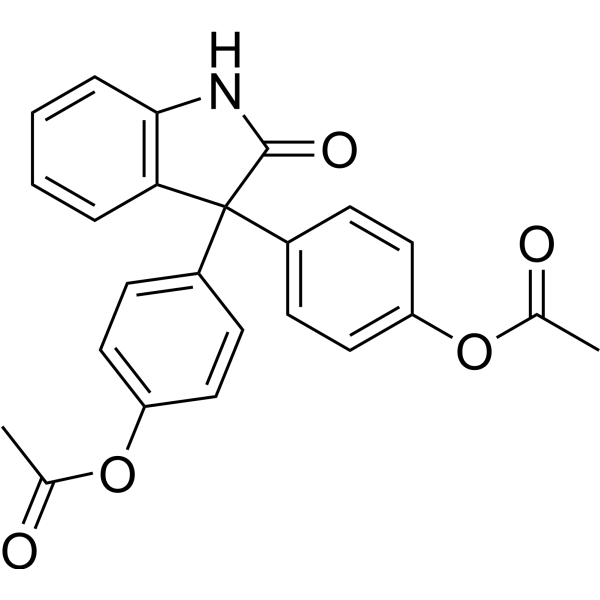
    Oxyphenisatin acetate, the pro-agent of oxyphenisatin, is used to be a laxative.
    Oxyphenisatin acetate
  • HY-B2102

    Oxyphenisatin

    Drug Derivative Cancer
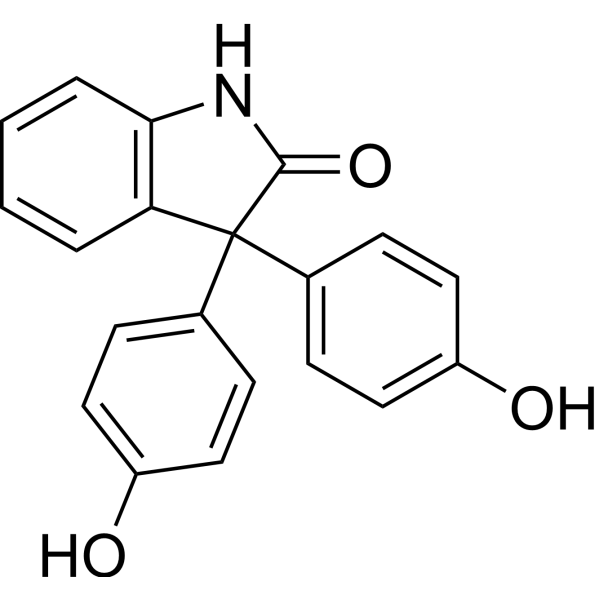
    Oxyphenisatine (Oxyphenisatin) is a laxative. Oxyphenisatin acetate is the pro-agent of oxyphenisatin with anticancer activity.
    Oxyphenisatine
  • HY-B0557
    Bisacodyl
    2 Publications Verification

    Dopamine Transporter Opioid Receptor Metabolic Disease Cancer
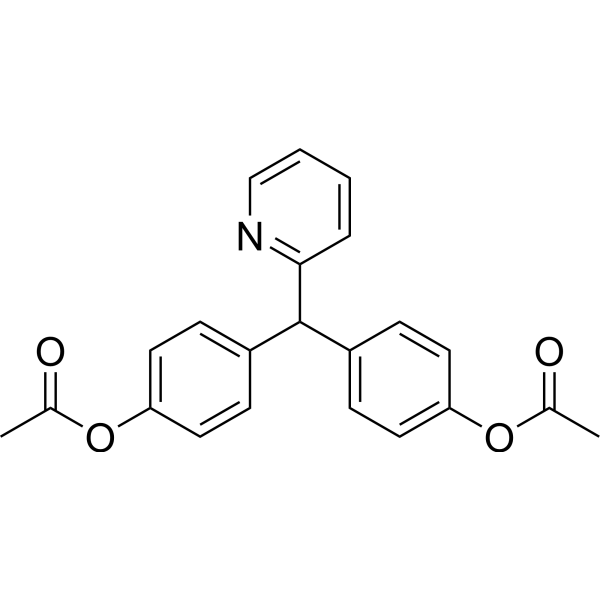
    Bisacodyl is a stimulant laxative agent that works directly on the colon to produce a bowel movement. Bisacodyl increases the secretion of PGE2 by direct activation of colon macrophages. PGE2 acts as a paracrine factor and decreases the expression of AQP3 in the colon, which inhibits water transfer from the luminal to the vascular side and leads to a laxative effect .
    Bisacodyl
  • HY-B0544
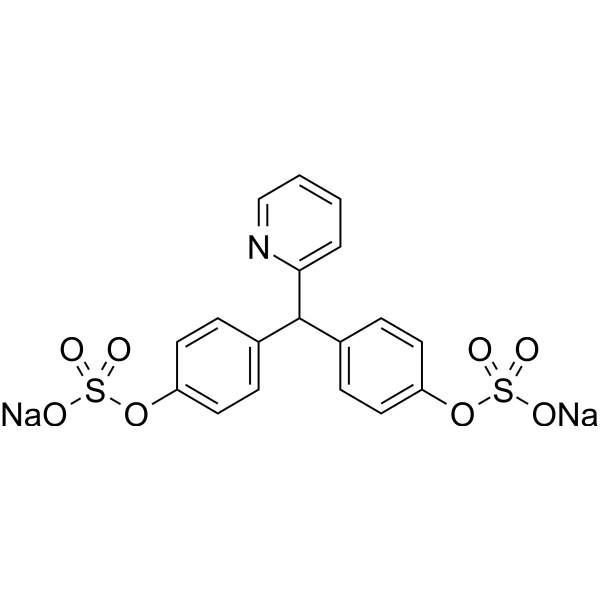
    Sodium Picosulfate
    1 Publications Verification

    Sodium Picosulphate

    Biochemical Assay Reagents Drug Intermediate Metabolic Disease
    Sodium Picosulfate (Sodium Picosulphate) is a contact irritant laxative with oral activity. Sodium Picosulfate inhibits the absorption of water and electrolytes, increasing their production. Sodium Picosulfate can be used in colonoscopy applications .
    Sodium Picosulfate
  • HY-W105835

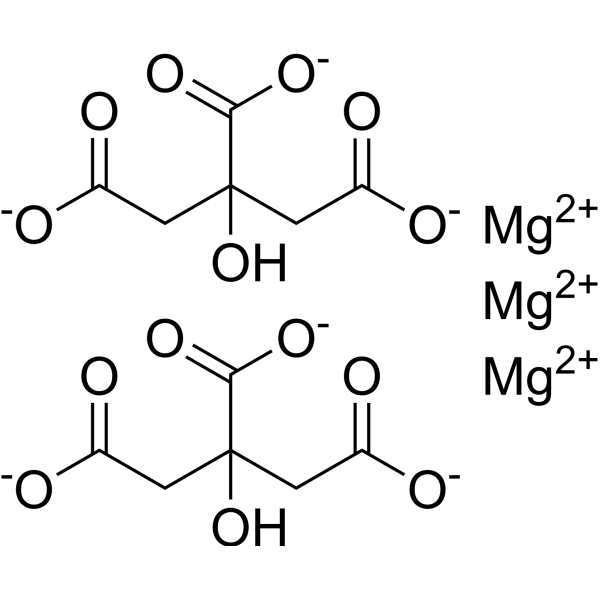
    Trimagnesium dicitrate

    Toll-like Receptor (TLR) Neurological Disease
    Magnesium citrate (Trimagnesium dicitrate) is an orally active magnesium-containing compound that can cross the blood-brain barrier (BBB). Magnesium citrate can be used as an intestinal cleanser and is studied for its application in laxatives. Magnesium citrate can also increase the pain threshold and is studied for pain-relief purposes .
    Magnesium citrate
  • HY-N6070A

    Environmental Pollutants Prostaglandin Receptor Inflammation/Immunology
    Ricinoleic acid (purity≥99%), a hydroxy fatty acid, is an attractive feedstock for the production of high-performance lubricants, cosmetics, polymers, surfactants, and coatings. Ricinoleic acid is the main active ingredient of Castor oil (HY-107799). Ricinoleic acid is the agonist for prostaglandin EP3 receptor (EP3 receptor) (EC50 in MEG-01 is 0.5 μM), that causes laxative effects and uterine contraction. Ricinoleic acid exhibits antianxiety-like, anti-inflammatory and pro-inflammatory properties .
    Ricinoleic acid (purity≥99%)
  • HY-N0886
    Aloin B
    3 Publications Verification

    Isobarbaloin

    SARS-CoV Virus Protease Infection Endocrinology Cancer
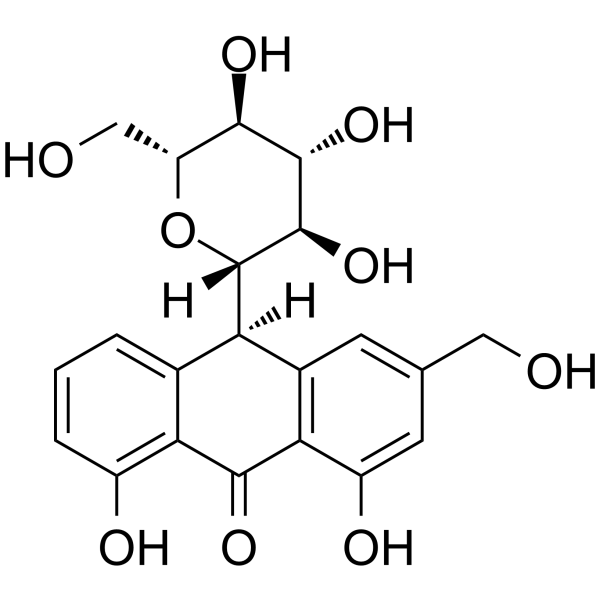
    Aloin B (Isobarbaloin) is an orally active SARS-CoV-2 papain-like protease (PLpro) inhibitor with an IC50 of 16.08 μM (hydrolytic activity) and 17.51 μM (deubiquitinase activity). Aloin B is metabolized by rat intestinal flora into aloe-emodin-9-anthrone to exert laxative effects. Aloin B inhibits TPA (HY-18739)-induced ear edema, putrescine elevation, and tumor promotion in mouse skin. Aloin B can be used in research related to anti-inflammation, tumor promotion inhibition, coronavirus disease 2019 (COVID-19) and constipation .
    Aloin B
  • HY-P3499

    Guanylate Cyclase Inflammation/Immunology
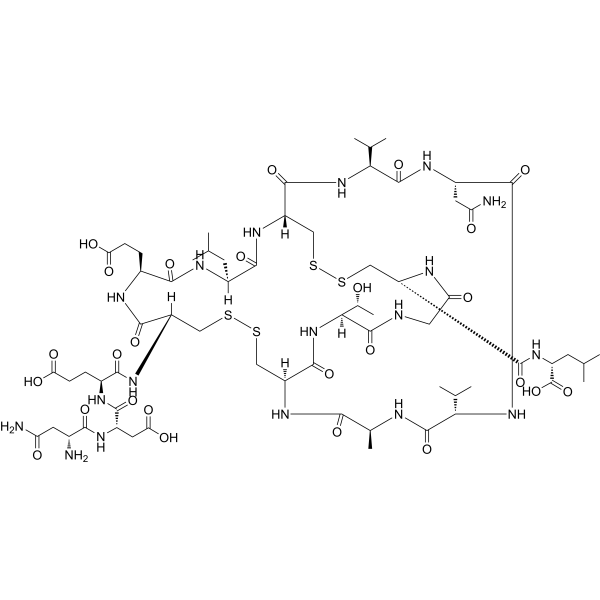
    Dolcanatide is an orally active GC-C (guanylate cyclase-C) agonist. Dolcanatide shows laxative, anti-nociceptive and anti-inflammatory activity. Dolcanatide can be used in inflammatory bowel disease research .
    Dolcanatide
  • HY-N12326

    Bacterial Others
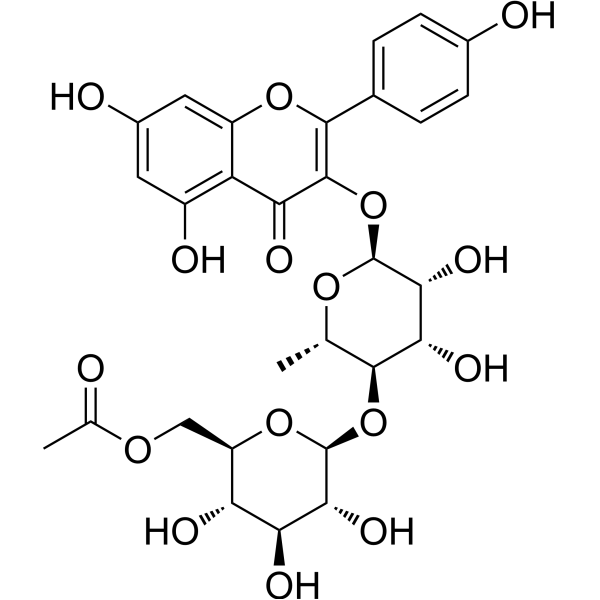
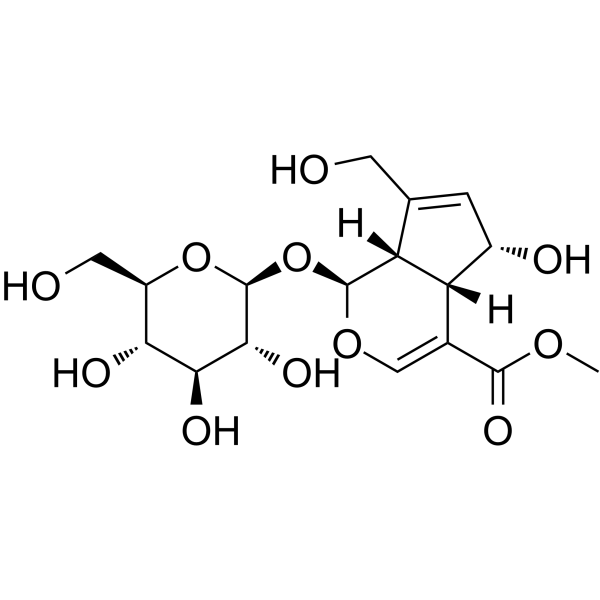
    Multiflorin A is an active ingredient derived from Pruni semen. Multiflorin A has laxative activity. Multiflorin A inhibits intestinal glucose absorption and promotes bacterial metabolism .
    Multiflorin A
  • HY-Y0332C

    Sodium phosphate dihydrate,≥99.0%

    Environmental Pollutants Biochemical Assay Reagents Others
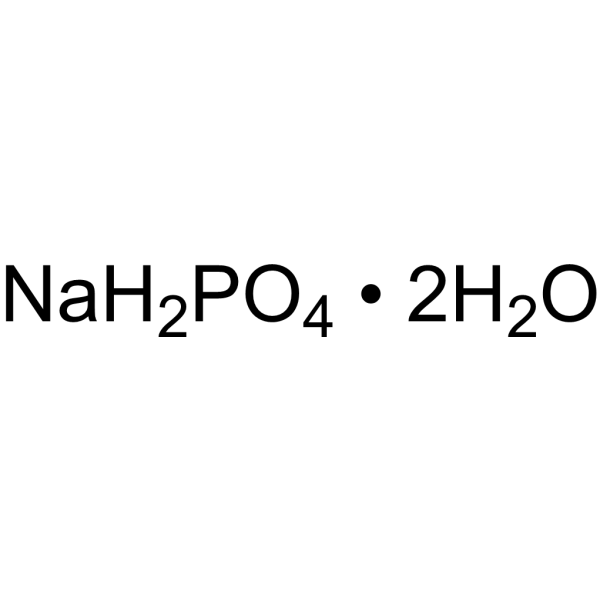
    Sodium dihydrogen phosphate dihydrate,≥99.0% (Sodium phosphate dihydrate,≥99.0%) is used as a buffer capacity reagent in molecular biology, biochemistry, and chromatography. Sodium dihydrogen phosphate dihydrate,≥99.0% is also used as a laxative and pH buffer when combined with other sodium phosphates and also used as fuel and detergent additives .
    Sodium dihydrogen phosphate dihydrate,≥99.0%
  • HY-B2134

    Others Metabolic Disease
    Casanthranol is a concentrated mixture of anthranol glycosides from cascara sagrada (dried bark of Rhamnus p.). Casanthranol can be used as a laxative in constipation and various medical conditions, stimulant laxative. Casanthranol encourages bowel movements by acting on the intestinal wall to increase muscle contractions. Casanthranol is protective in a PFF-induced toxicity model (EC50 = 34.2 μM) of N2a cells .
    Casanthranol
  • HY-131637

    Drug Metabolite Metabolic Disease
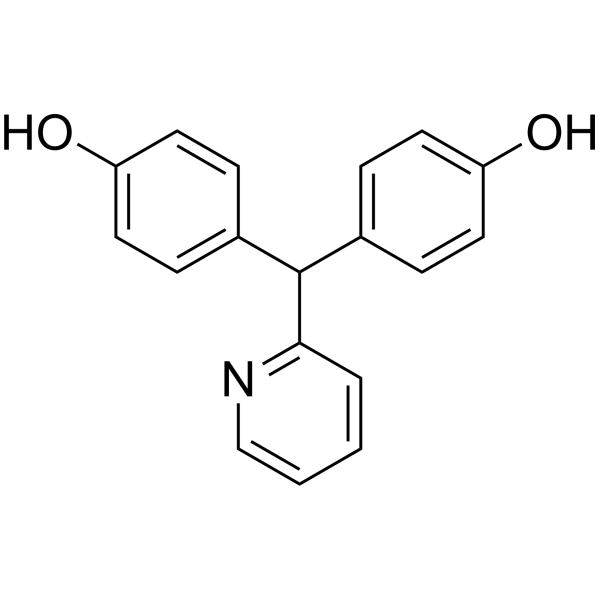
    Desacetyl bisacodyl is the active metabolite of the laxative bisacodyl. Desacetyl bisacodyl induces epithelial Cl(-) secretion in rat colon and rectum. Desacetyl bisacodyl evokes several effects at the colon or rectum, including increased mucus and chloride secretion .
    Desacetyl bisacodyl
  • HY-W094517

    Biochemical Assay Reagents Endocrinology
    Sodium phosphate dibasic heptahydrate is an orally active and osmotic laxative, often used as a component of over-the-counter gastrointestinal lavage drugs. Sodium phosphate dibasic heptahydrate draws water into the intestinal lumen, maintains electrical neutrality by retaining cations in the intestinal lumen, and thereby alters fecal volume, consistency and phosphate levels. Sodium phosphate dibasic heptahydrate can be used to generate self-assembled calcium phosphate tubular scaffolds, which support the adhesion, survival and elongation of mesenchymal stem cells. Sodium phosphate dibasic heptahydrate can be applied to research on factitious disorders and related fields .
    Sodium phosphate dibasic heptahydrate
  • HY-N12281

    Apoptosis MDM-2/p53 PAK Calcium Channel Endocrinology Cancer
    Sennoside is an orally active apoptosis inducer and stimulant laxative, found in Senna (Cassia angustifolia). Sennoside induces overexpression of wild-type p53 and p21/WAF as part of pathways mediating colonic epithelial cell apoptosis. Sennoside stimulates colonic peristalsis, reverses net water, sodium, chloride absorption to secretion and enhances potassium and calcium secretion. Sennoside increases paracellular permeability to small molecules, accelerates colon transit and softens fecal pellets. Sennoside can be used for the research of constipation, melanosis coli, and colorectal cancer .
    Sennoside
  • HY-121068

    Angiotensin-converting Enzyme (ACE) SARS-CoV Infection
    Bisoxatin is a laxative drug used for constipation. Bisoxatin binds substantially at the S-protein-ACE2 interface. Bisoxatin has the potential for inhibiting SARS-CoV-2 entry into the host research .
    Bisoxatin
  • HY-107793
    Picosulfate sodium salt hydrate
    1 Publications Verification

    Drug Derivative Metabolic Disease
    Picosulfate sodium salt hydrate is the hydrate of Sodium Picosulfate (HY-B0544). Picosulfate sodium salt hydrate is an orally active contact irritant laxative. Picosulfate sodium salt hydrate inhibits the absorption of water and electrolytes, increasing their production. Picosulfate sodium salt hydrate can be used in colonoscopy applications .
    Picosulfate sodium salt hydrate
  • HY-N0108R

    Parietin (Standard); Rheochrysidin (Standard)

    Reference Standards Bacterial Infection Inflammation/Immunology Cancer
    Physcion (Standard) is the analytical standard of Physcion. This product is intended for research and analytical applications. Physcion (Parietin) is an anthraquinone isolated from traditional Chinese medicine Radix et Rhizoma Rhei, acts as an inhibitor of 6-phosphogluconate dehydrogenase, with an IC50 and a Kd of 38.5 μM and 26.0 μM, respectively . Physcion (Parietin) exhibits laxative, hepatoprotective, anti-inflammatory, anti-microbial, anti-proliferative and anti-tumor effects .
    Physcion (Standard)
  • HY-167825

    MMP Apoptosis Bcl-2 Family Reactive Oxygen Species (ROS) Neurological Disease Inflammation/Immunology Cancer
    Barakol is a major compound found in Cassia siamea. Barakol inhibits MMP-3 activity. Barakol potentiates the anti-metastatic effect of Doxorubicin (HY-15142). Barakol induces apoptosis, with ROS generation, increase in expression ratio of Bax/Bcl-2, and caspase-9 activation. Barakol has laxative, anxiolytic, CNS depressant, and antioxidant, anticancer effects .
    Barakol
  • HY-W326021

    Estrogen Receptor/ERR Endocrinology
    Phenolphthalol is a laxative in agent preparations and also estrogenically active .
    Phenolphthalol
  • HY-117749

    WY 8138; DB09219 acetate

    Angiotensin-converting Enzyme (ACE) SARS-CoV Metabolic Disease
    Bisoxatin (WY 8138; DB09219) acetate is a laxative agent. Bisoxatin acetate is a stimulant for intestinal peristalsis and has the potential for the research of constipation disorder .
    Bisoxatin acetate
  • HY-122307

    DAN-603

    Bacterial Metabolic Disease
    Sulisatin (DAN-603) is an anionic laxative that is hydrolyzed to diphenolic derivatives by bacterial aryl sulfate sulfohydrolases in the colon during oral administration .
    Sulisatin
  • HY-121068R

    Reference Standards Angiotensin-converting Enzyme (ACE) SARS-CoV Infection
    Bisoxatin (Standard) is the analytical standard of Bisoxatin. This product is intended for research and analytical applications. Bisoxatin is a laxative drug used for constipation. Bisoxatin binds substantially at the S-protein-ACE2 interface. Bisoxatin has the potential for inhibiting SARS-CoV-2 entry into the host research .
    Bisoxatin (Standard)
  • HY-101714R

    Reference Standards Autophagy Cancer
    Oxyphenisatin acetate (Standard) is the analytical standard of Oxyphenisatin acetate. This product is intended for research and analytical applications. Oxyphenisatin acetate, the pro-agent of oxyphenisatin, is used to be a laxative.
    Oxyphenisatin acetate (Standard)
  • HY-B0557R

    Reference Standards Dopamine Transporter Opioid Receptor Metabolic Disease Cancer
    Bisacodyl (Standard) is the analytical standard of Bisacodyl. This product is intended for research and analytical applications. Bisacodyl is a stimulant laxative agent that works directly on the colon to produce a bowel movement. Bisacodyl increases the secretion of PGE2 by direct activation of colon macrophages. PGE2 acts as a paracrine factor and decreases the expression of AQP3 in the colon, which inhibits water transfer from the luminal to the vascular side and leads to a laxative effect .
    Bisacodyl (Standard)
  • HY-B2102R

    Oxyphenisatin (Standard)

    Drug Derivative Reference Standards Cancer
    Oxyphenisatine (Standard) is the analytical standard of Oxyphenisatine. This product is intended for research and analytical applications. Oxyphenisatine (Oxyphenisatin) is a laxative. Oxyphenisatin acetate is the pro-agent of oxyphenisatin with anticancer activity.
    Oxyphenisatine (Standard)
  • HY-122307A

    DAN-603 disodium

    Bacterial Metabolic Disease
    Sulisatin (DAN-603) disodium is an anionic diarrhea-promoting compound. During oral administration, Sulisatin disodium is hydrolyzed to diphenolic derivatives by bacterial aryl sulfate sulfohydrolases in the colon .
    Sulisatin disodium
  • HY-W766709

    Isotope-Labeled Compounds Drug Metabolite Metabolic Disease
    Desdiacetyl bisacodyl-d13 is the deuterium labeled Desacetyl bisacodyl (HY-131637). Desacetyl bisacodyl is the active metabolite of the laxative bisacodyl. Desacetyl bisacodyl induces epithelial Cl(-) secretion in rat colon and rectum. Desacetyl bisacodyl evokes several effects at the colon or rectum, including increased mucus and chloride secretion .
    Desdiacetyl bisacodyl-d13
  • HY-131637R

    Drug Metabolite Reference Standards Metabolic Disease
    Desacetyl bisacodyl (Standard) is the analytical standard of Desacetyl bisacodyl. This product is intended for research and analytical applications. Desacetyl bisacodyl is the active metabolite of the laxative bisacodyl. Desacetyl bisacodyl induces epithelial Cl(-) secretion in rat colon and rectum. Desacetyl bisacodyl evokes several effects at the colon or rectum, including increased mucus and chloride secretion .
    Desacetyl bisacodyl (Standard)
  • HY-N0108S

    Parietin-d3; Rheochrysidin-d3

    Isotope-Labeled Compounds Bacterial Infection Inflammation/Immunology Cancer
    Physcion-d3 (Parietin-d3) is the deuterium labeled Physcion (HY-N0108). Physcion acts as an inhibitor of 6-phosphogluconate dehydrogenase, with an IC50 and a Kd of 38.5 μM and 26.0 μM, respectively. Physcion exhibits laxative, hepatoprotective, anti-inflammatory, anti-microbial, anti-proliferative and anti-tumor effects .
    Physcion-d3
  • HY-N6070AR

    Reference Standards Prostaglandin Receptor Inflammation/Immunology
    Ricinoleic acid (Standard) is the analytical standard of Ricinoleic acid. This product is intended for research and analytical applications. Ricinoleic acid, a hydroxy fatty acid, is an attractive feedstock for the production of high-performance lubricants, cosmetics, polymers, surfactants, and coatings. Ricinoleic acid is the main active ingredient of Castor oil (HY-107799). Ricinoleic acid is the agonist for prostaglandin EP3 receptor (EP3 receptor) (EC50 in MEG-01 is 0.5 μM), that causes laxative effects and uterine contraction. Ricinoleic acid exhibits antianxiety-like, anti-inflammatory and pro-inflammatory properties .
    Ricinoleic acid (Standard)
  • HY-N0886R

    Isobarbaloin (Standard)

    Reference Standards Virus Protease SARS-CoV Infection Metabolic Disease Cancer
    Aloin B (Isobarbaloin) (Standard) is the analytical standard of Aloin B. This product is intended for research and analytical applications. Aloin B is an orally active SARS-CoV-2 papain-like protease (PLpro) inhibitor with an IC50 of 16.08 μM (hydrolytic activity) and 17.51 μM (deubiquitinase activity). Aloin B is metabolized by rat intestinal flora into aloe-emodin-9-anthrone to exert laxative effects. Aloin B inhibits TPA (HY-18739)-induced ear edema, putrescine elevation, and tumor promotion in mouse skin. Aloin B can be used in research related to anti-inflammation, tumor promotion inhibition, coronavirus disease 2019 (COVID-19) and constipation .
    Aloin B (Standard)
  • HY-N18675

    Others Metabolic Disease
    Convolvulus scammonia extract, derived from the roots of the Convolvulus scammonia plant, has laxative and detoxifying properties. It contains active ingredients such as resins and alkaloids.
    Convolvulus scammonia extract
  • HY-N19079

    Others Inflammation/Immunology
    Rheum emodi extract has laxative, anti-inflammatory, and antioxidant properties. Its main active ingredients include anthraquinone compounds (such as emodin, chrysophanol, and aloe-emodin), flavonoids, and tannins.
    Rheum emodi extract
  • HY-N18653

    Others Inflammation/Immunology
    Aloe capensis extract is rich in bioactive compounds such as aloe-emodin, plant minerals, vitamins, amino acids, and polysaccharides. It has a strong laxative effect and can be used in research on constipation.
    Aloe capensis extract
  • HY-N18652

    Bacterial Infection Inflammation/Immunology
    Senna extract contains anthraquinone compounds, such as sennosides A and B, which have laxative properties. Sennosides in senna extract can stimulate colon muscles, promote intestinal peristalsis, and relieve constipation.
    Senna extract
  • HY-107793R

    Reference Standards Others Metabolic Disease
    Picosulfate sodium salt hydrate (Standard) is the analytical standard of Picosulfate (sodium salt hydrate) (HY-107793). This product is intended for research and analytical applications. Picosulfate sodium salt hydrate is the hydrate of Sodium Picosulfate (HY-B0544). Picosulfate sodium salt hydrate is an orally active contact irritant laxative. Picosulfate sodium salt hydrate inhibits the absorption of water and electrolytes, increasing their production. Picosulfate sodium salt hydrate can be used in colonoscopy applications .
    Picosulfate sodium salt hydrate (Standard)
  • HY-N18656

    Bacterial Infection
    Terminalia chebula extract, derived from the fruit of the Terminalia chebula tree. Rich in bioactive compounds such as tannins, flavonoids, phenols, and organic acids like gallic acid and ellagic acid, this extract demonstrates a wide range of pharmacological activities. It acts as a natural laxative, supports digestive health, and exhibits potent antioxidant, anti-inflammatory, and antibacterial properties, effectively targeting various pathogenic bacteria, including Helicobacter pylori, Staphylococcus aureus, and Escherichia coli. Terminalia Chebula Extract also shows significant hepatoprotective effects, shielding the liver from damage through antioxidant and anti-inflammatory mechanisms. It has nephroprotective properties, alleviating renal dysfunction and enhancing kidney health by modulating inflammatory pathways. Additionally, the extract demonstrates neuroprotective activity, reducing neuronal damage and improving memory function. It has potential anti-diabetic effects, enhancing glucose uptake and reducing oxidative stress.
    Terminalia chebula extract

Inquiry Online

Your information is safe with us. * Required Fields.

Salutation


Country or Region *

Applicant Name *


Organization Name *

Department *


Email Address *


Product Name *

Cat. No.


Requested quantity *

Phone Number *


Remarks

Inquiry Online

Inquiry Information

Product Name:
Cat. No.:
Quantity:
MCE Japan Authorized Agent:

