1. Search Result
Search Result
Results for "

Lipid peroxidation

" in MedChemExpress (MCE) Product Catalog:

404

Inhibitors & Agonists

1

Screening Libraries

12

Fluorescent Dyes

10

Biochemical Assay Reagents

7

Peptides

1

MCE Kits

1

Inhibitory Antibodies

157

Natural
Products

34

Isotope-Labeled Compounds

3

Click Chemistry

6

Oligonucleotides

1

GMP Molecules

Cat. No. Product Name Target Research Areas Chemical Structure
  • HY-D1301
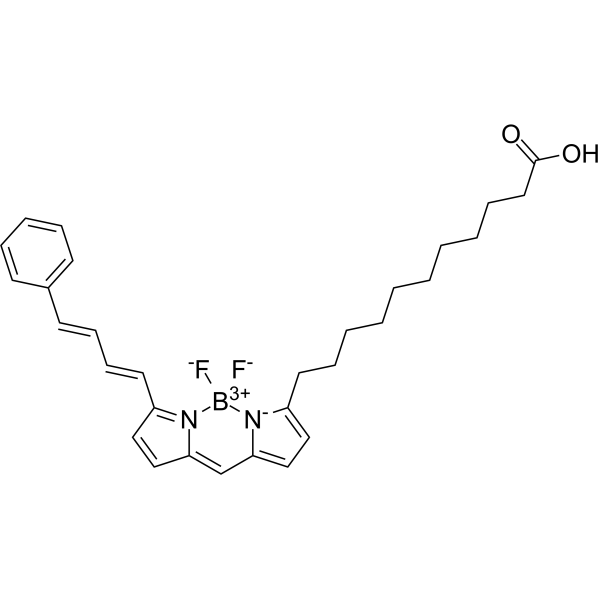
    BODIPY 581/591 C11
    Maximum Cited Publications
    135 Publications Verification

    Fluorescent Dye Ferroptosis Metabolic Disease Inflammation/Immunology Cancer
    BODIPY 581/591 C11 is a BODIPY borofluoroprene derivative with good light stability and low fluorescence artifacts. BODIPY 581/591 C11 can be used for study lipid peroxidation and antioxidant properties in living cells, or detect ferroptosis by reaction with hydroxyl radicals. BODIPY 581/591 C11 is emitted at 591 nm (reduced prototype), or redshifted to 510 nm (oxidized type). The excitation wavelengths were 581 nm (reduced prototype) and 500 nm (oxidized type) .
    BODIPY 581/591 C11
  • HY-B2130
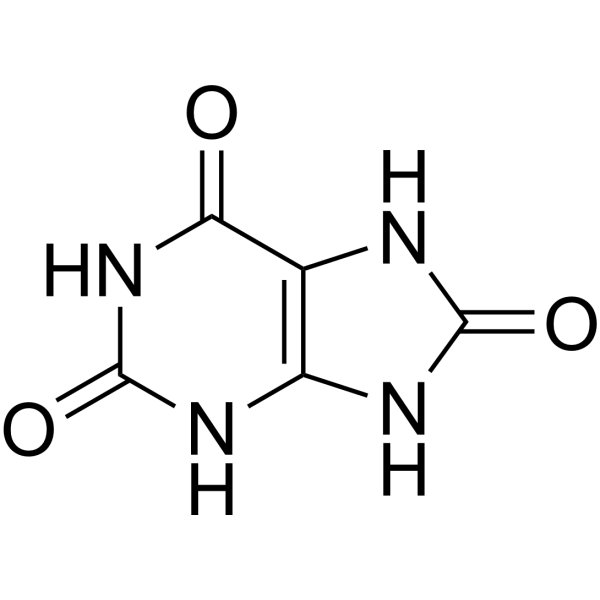
    Uric acid
    Maximum Cited Publications
    21 Publications Verification

    Environmental Pollutants Endogenous Metabolite Reactive Oxygen Species (ROS) Cardiovascular Disease Inflammation/Immunology
    Uric acid, scavenger of oxygen radical, is a very important antioxidant that help maintains the stability of blood pressure and antioxidant stress. Uric acid can remove reactive oxygen species (ROS) such as singlet oxygen and peroxynitrite, inhibiting lipid peroxidation .
    Uric acid
  • HY-B2130A
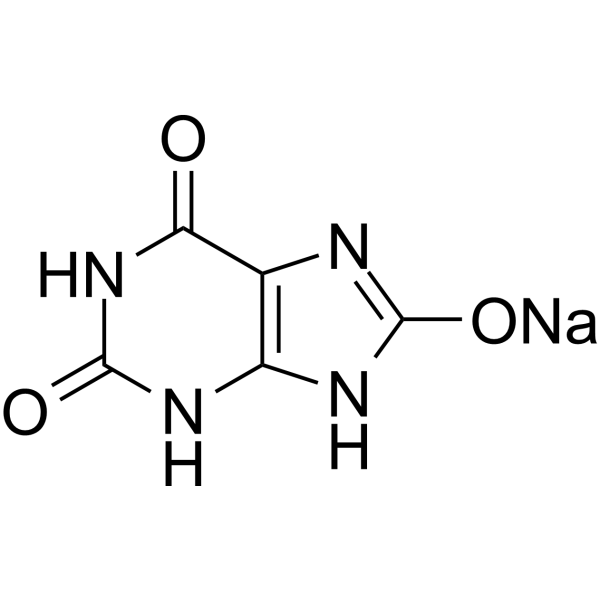
    Uric acid sodium
    Maximum Cited Publications
    21 Publications Verification

    Monosodium urate

    Reactive Oxygen Species (ROS) Endogenous Metabolite Cardiovascular Disease Metabolic Disease
    Uric acid sodium (Monosodium urate), scavenger of oxygen radical, is a very important antioxidant that help maintains the stability of blood pressure and antioxidant stress. Uric acid sodium can remove reactive oxygen species (ROS) such as singlet oxygen and peroxynitrite, inhibiting lipid peroxidation .
    Uric acid sodium
  • HY-B0006
    Carvedilol
    10+ Cited Publications

    BM 14190

    Adrenergic Receptor Autophagy Bacterial Cardiovascular Disease Inflammation/Immunology Cancer
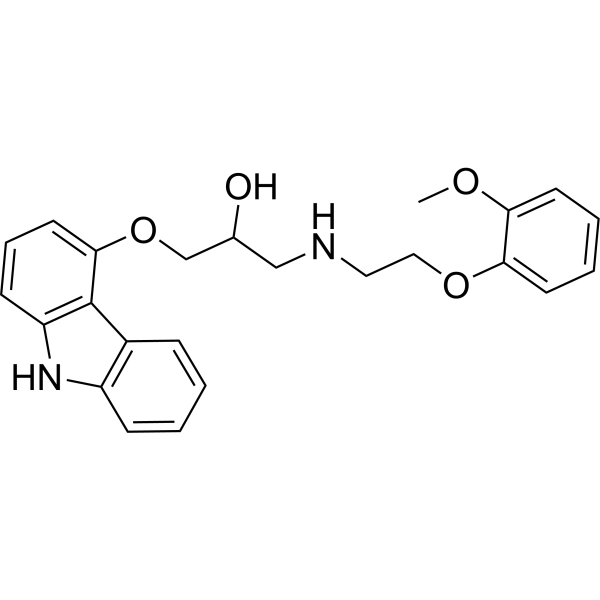
    Carvedilol (BM 14190) is a non-selective β/α-1 blocker . Carvedilol inhibits lipid peroxidation in a dose-dependent manner with an IC50 of 5 μM. Carvedilol is a multiple action antihypertensive agent with potential use in angina and congestive heart failure . Carvedilol is an autophagy inducer that inhibits the NLRP3 inflammasome .
    Carvedilol
  • HY-N0337

    Environmental Pollutants Parasite Reactive Oxygen Species (ROS) Bacterial Apoptosis Ferroptosis Infection Inflammation/Immunology Cancer
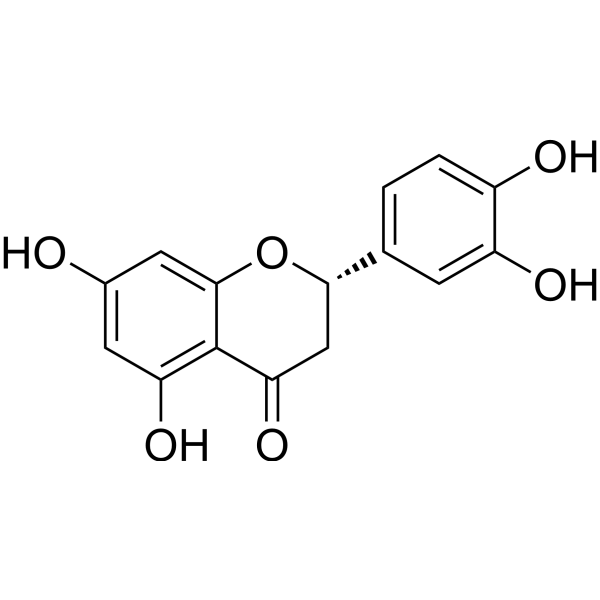
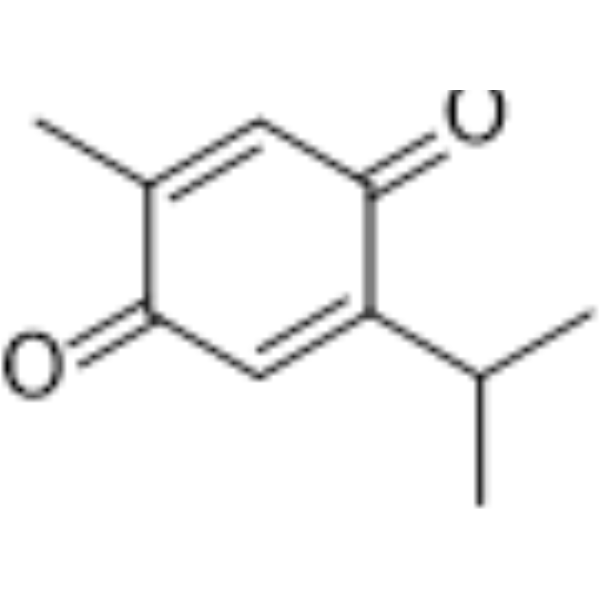
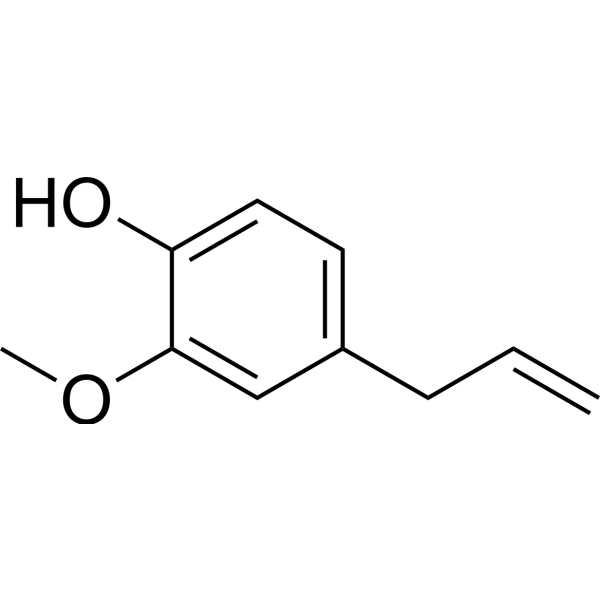
    Eugenol is an essential oil found in cloves with antibacterial, anthelmintic and antioxidant activity. Eugenol is shown to inhibit lipid peroxidation.
    Eugenol,98% (stabilized with TBC)
  • HY-125623
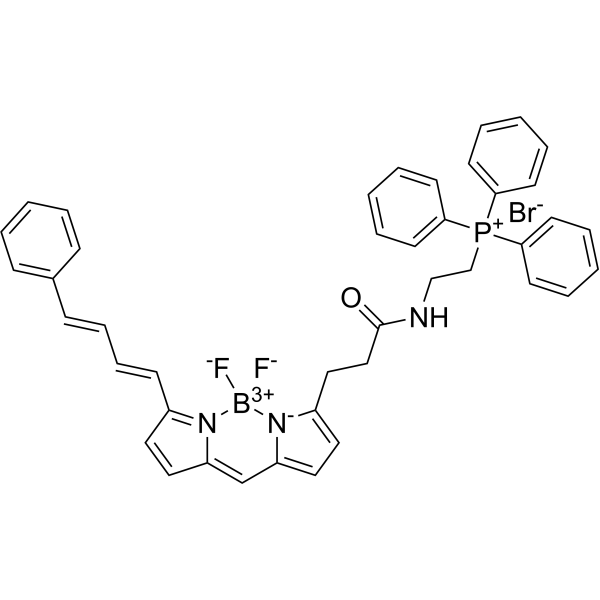
    MitoPerOx
    3 Publications Verification

    Fluorescent Dye Others
    MitoPerOx is a mitochondrial-targeted, lipid peroxidation-indicating fluorescent probe with BODIPY581/591 fluorophores. The triphenylphosphine cation (TPP+) of MitoPerOx can be selectively enriched in mitochondria (depending on membrane potential) and can be used to detect lipid peroxidation in the inner mitochondrial membrane. Under the action of lipid peroxides, the BODIPY581/591 fluorophores of MitoPerOx shift their emission wavelength from 590 nm (reduced state) to 520 nm (oxidized state), and ratiometric detection can be performed at an excitation wavelength of 488 nm. MitoPerOx can specifically monitor the peroxidation of mitochondrial phospholipids (especially cardiolipin) and is used in the study of oxidative stress-related diseases (such as aging, neurodegenerative diseases, and mitochondrial dysfunction)[1][2].
    MitoPerOx
  • HY-Y0262
    Oxalic acid, 99%
    1 Publications Verification

    Ethanedioic acid

    Environmental Pollutants Endogenous Metabolite Infection Inflammation/Immunology
    Oxalic acid, 99% (Ethanedioic acid) is a dicarboxylic acid found in a wide variety of plants. Oxalic acid, 99% shows antioxidant acyivity and suppresses lipid peroxidation. Oxalic acid, 99% is a pathogenicity factor for sclerotinia sclerotiorum, and suppresses the oxidative burst of the host plant. Oxalic acid, 99% exerts acaricidal activity. Oxalic acid can be used for the researches of sclerotinia disease, varroatosis and inflammatory diseases .
    Oxalic acid, 99%
  • HY-77962

    Biochemical Assay Reagents Others
    2-Thiobarbituric acid is a commonly used colorimetric reagent for the detection of malondialdehyde (MDA), a marker of lipid peroxidation. 2-Thiobarbituric acid forms a complex with MDA that can be quantified by colorimetric detection at 532 nm as a measure of lipid peroxidation .
    2-Thiobarbituric acid
  • HY-DY1022

    Ferroptosis Fluorescent Dye Metabolic Disease Inflammation/Immunology Cancer
    BODIPY 581/591 C11 (solution) is a BODIPY borofluoroprene derivative with good light stability and low fluorescence artifacts. BODIPY 581/591 C11 can be used for study lipid peroxidation and antioxidant properties in living cells, or detect ferroptosis by reaction with hydroxyl radicals. BODIPY 581/591 C11 is emitted at 591 nm (reduced prototype) , or redshifted to 510 nm (oxidized type). The excitation wavelengths were 581 nm (reduced prototype) and 500 nm (oxidized type) .
    Solvent and concentration: DMSO: 2 mM
    BODIPY 581/591 C11 (solution)
  • HY-W749411

    Biochemical Assay Reagents Endogenous Metabolite Others
    Malondialdehyde tetrabutylammonium is a quaternary ammonium salt formed by the decomposition of polyunsaturated fatty acids in plant cell membranes. Malondialdehyde tetrabutylammonium can be used for the quantification of malondialdehyde, a biomarker of lipid peroxidation .
    Malondialdehyde tetrabutylammonium
  • HY-N1347
    Robinetin
    1 Publications Verification

    3,3',4',5',7-Pentahydroxyflavone

    Fungal HIV Integrase Bacterial Infection
    Robinetin (3,3',4',5',7-Pentahydroxyflavone), a naturally occurring flavonoid with remarkable ‘two color’ intrinsic fluorescence properties, has antifungal, antiviral, antibacterial, antimutagenesis, and antioxidant activity. Robinetin also can inhibit lipid peroxidation and protein glycosylation .
    Robinetin
  • HY-W195984
    Z57346765
    1 Publications Verification

    Phosphoglycerate Kinase (PGK) Cancer
    Z57346765 is an inhibitor that targets the ADP-binding pocket of PGK1, with a Kd of 20.9 μM for human PGK1, and exhibits anticancer activity. Z57346765 reduces the activity of the metabolic enzyme PGK1 during glycolysis, regulates lipid peroxidation and cancer cell proliferation, and promotes lipid peroxidation in cervical cancer cells. Z57346765 inhibits the proliferation of cervical cancer and clear cell renal cell carcinoma cells in xenograft mouse models, and induces the expression of genes associated with cell metabolism, DNA replication and cell cycle. Z57346765 is used in research related to cervical cancer, clear cell renal cell carcinoma and breast cancer .
    Z57346765
  • HY-W698249

    Ferroptosis Bacterial Cardiovascular Disease Infection
    Ferrous gluconate is a highly water-soluble iron-containing agent with high bioavailability and bactericidal activity. As a non-heme iron, Ferrous gluconate is used for meat product fortification and improvement of iron deficiency anemia. Ferrous gluconate induces ferroptosis in E. coli through Fe 2+ infiltration, reactive oxygen species burst, lipid peroxidation and direct interaction with DNA. Ferrous gluconate also downregulates the SOS responsive transcriptional repressor LexA. In addition, Ferrous gluconate regulates multiple key pathways in E. coli such as fatty acid metabolism, iron-sulfur cluster assembly and pyruvate metabolism, and is applied in studies related to *E. coli* infection and iron deficiency anemia .
    Ferrous gluconate
  • HY-164008

    Ferroptosis Others
    DTUN is a lipophilic hyponitrite radical initiator and can initiates lipid peroxidation. DTUN is a tool for research of ferroptosis .
    DTUN
  • HY-N3220
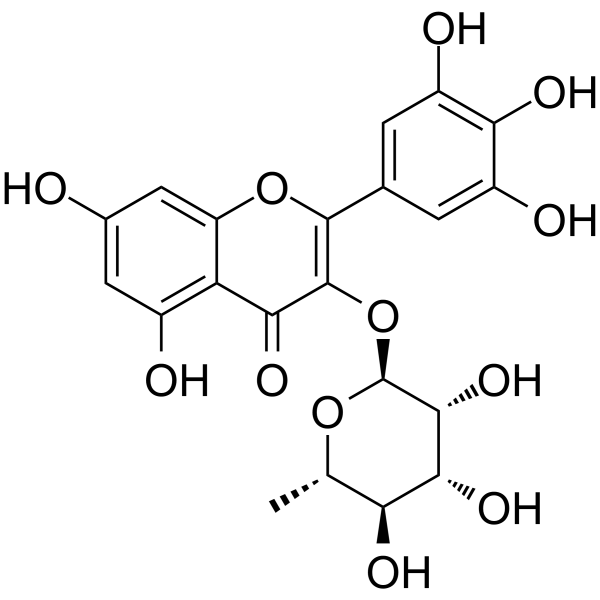
    Myricetin 3-O-galactoside
    1 Publications Verification

    Xanthine Oxidase Metabolic Disease
    Myricetin 3-O-galactoside inhibits xanthine oxidase (XO) activity, lipid peroxidation and scavenges the free radical. Myricetin 3-O-galactoside inhibits lipid peroxidation with an IC50 of 160 μg/mL. Antioxidant activity .
    Myricetin 3-O-galactoside
  • HY-N0627

    LDLR Others
    Kaempferol-7-O-β-D-glucopyranoside is a flavonoid glycoside. Kaempferol-7-O-β-D-glucopyranoside exists in the root bark of Cudrania tricuspidata. Kaempferol-7-O-β-D-glucopyranoside inhibits Cu 2+-induced lipid peroxidation of low-density lipoprotein. Kaempferol-7-O-β-D-glucopyranoside possesses antioxidant activity and scavenges DPPH free radicals .
    Kaempferol-7-O-β-D-glucopyranoside
  • HY-139827
    CuATSM
    1 Publications Verification

    Ferroptosis Neurological Disease Inflammation/Immunology Cancer
    CuATSM is a copper complex that scavenges free radicals, inhibits lipid peroxidation and ferroptosis. CuATSM exhibits antioxidant, anti-inflammatory and neuroprotective activities .
    CuATSM
  • HY-DY1073

    Fluorescent Dye Others
    MitoPerOx (solution) is a mitochondrial-targeted, lipid peroxidation-indicating fluorescent probe with BODIPY581/591 fluorophores. The triphenylphosphine cation (TPP+) of MitoPerOx can be selectively enriched in mitochondria (depending on membrane potential) and can be used to detect lipid peroxidation in the inner mitochondrial membrane. Under the action of lipid peroxides, the BODIPY581/591 fluorophores of MitoPerOx shift their emission wavelength from 590 nm (reduced state) to 520 nm (oxidized state) , and ratiometric detection can be performed at an excitation wavelength of 488 nm. MitoPerOx can specifically monitor the peroxidation of mitochondrial phospholipids (especially cardiolipin) and is used in the study of oxidative stress-related diseases (such as aging, neurodegenerative diseases, and mitochondrial dysfunction) .
    Solvent and concentration: DMSO: 2 mM
    MitoPerOx (solution)
  • HY-160424
    DEANO sodium
    1 Publications Verification

    Diethylamine NONOate sodium; Diethylamine nitric oxide sodium

    Reactive Oxygen Species (ROS) Xanthine Oxidase Others
    DEANO sodium is notric oxide donor. DEANO sodium potentiates the abilitv of hypoxanthine/xanthine oxidase to induce lipid peroxidation as well as DNA single- and double-strand breaks .
    DEANO sodium
  • HY-161929

    Glutathione Peroxidase Ferroptosis Cardiovascular Disease
    GPX4 activator 2 is a GPX4 activator with a Ka value of 0.426 μM for human GPX4. GPX4 activator 2 reduces lipid hydroperoxide levels, prevents lipid peroxide accumulation, and inhibits ferroptosis. GPX4 activator 2 rescues cell death induced by Erastin (HY-15763). GPX4 activator 2 exerts cardioprotective effects in a mouse model of doxorubicin (HY-15142A)-induced myocardial injury .
    GPX4 activator 2
  • HY-B0006A
    Carvedilol phosphate hemihydrate
    10+ Cited Publications

    BM 14190 phosphate hemihydrate

    Adrenergic Receptor Autophagy Bacterial Cardiovascular Disease Inflammation/Immunology Cancer
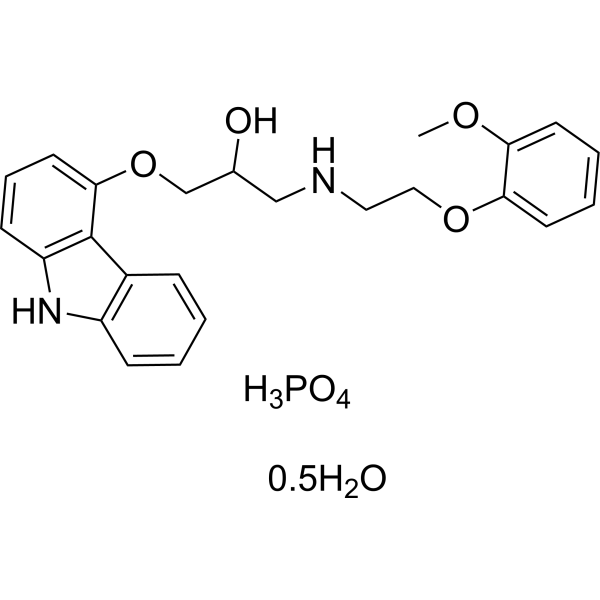
    Carvedilol phosphate hemihydrate (BM 14190 phosphate hemihydrate) is a non-selective β/α-1 blocker . Carvedilol phosphate hemihydrate inhibits lipid peroxidation with an IC50 of 5 μM. Carvedilol phosphate hemihydrate is a multiple action antihypertensive agent with potential use in angina and congestive heart failure . Carvedilol phosphate hemihydrate is an autophagy inducer that inhibits the NLRP3 inflammasome .
    Carvedilol phosphate hemihydrate
  • HY-N10455
    24-Epicastasterone
    2 Publications Verification

    24-epi-Castasterone

    Drug Derivative Others
    24-Epicastasterone (24-epi-Castasterone) is a bioactive brassinosteroid and a ligand of ABCB1 and ABCB19 in Arabidopsis thaliana. 24-Epicastasterone stimulates the ATPase activity of ABCB19 and the ATP hydrolysis activity of ABCB1, which drive the efflux of substances from plant cells. 24-Epicastasterone increases the activities of catalase and guaiacol peroxidase in the roots of wheat seedlings. 24-Epicastasterone alleviates heat-induced lipid peroxidation through a ROS-dependent mechanism and enhances the heat tolerance of common wheat seedlings .
    24-Epicastasterone
  • HY-161928

    Glutathione Peroxidase Ferroptosis Cancer
    GPX4 activator 1 (Compound A9) is a allosteric activator of GPX4 (Kd = 5.86 μM, EC50 = 19.19 μM). GPX4 activator 1 can selectively act on ferroptosis and prevent the accumulation of intracellular lipid peroxides caused by ferroptosis inducers .
    GPX4 activator 1
  • HY-W001542

    Reactive Oxygen Species (ROS) Neurological Disease Metabolic Disease Cancer
    5-Hydroxyoxindole is a structural analog of uric acid for its antioxidant. 5-Hydroxyoxindole has DPPH radical scavenging activities and lipid peroxidation-inhibitory activities. 5-Hydroxyoxindole is a product of partial metabolism of tryptophan involving conversion in the gut lumen of tryptophan to indole through the action of bacterial tryptophanase and tryptophan synthase. 5-Hydroxyoxindole is one of the main molecules responsible for the neurological symptoms of hepatic encephalopathy in rats. 5-Hydroxyoxindole can be used for the research of oxidative stress-mediated disorders .
    5-Hydroxyoxindole
  • HY-146682

    Aldehyde Dehydrogenase (ALDH) Apoptosis Cancer
    KS100 is a potent ALDH inhibitor with IC50s of 230, 1542, 193 nM for ALDH1A1, ALDH2, and ALDH3A1, respectively. KS100 shows antiproliferative and anticancer effects with low low toxic. KS100 significantly increases ROS activity, lipid peroxidation and toxic aldehyde accumulation. KS10600 induces apoptosis and cell cycle arrest at the G2/M phase .
    KS100
  • HY-B2239

    Reactive Oxygen Species (ROS) Metabolic Disease
    Riboflavin Tetrabutyrate is a lipophilic flavin derivative with antioxidative and lipid peroxide-removing activity.
    Riboflavin Tetrabutyrate
  • HY-W013627

    Apoptosis Others
    trans,trans-2,4-Decadienal is a lipid peroxidation product of linolieic acid .
    trans,trans-2,4-Decadienal
  • HY-W002942

    1,2,3,4-Tetrahydroquinolin-8-ol; 8-hydroxy-1,2,3,4-tetrahydroquinoline

    Ferroptosis Reactive Oxygen Species (ROS) Inflammation/Immunology
    Ferroptosis-IN-21 is a ferroptosis inhibitor that protects against renal I/R injury by suppressing ferroptosis and directly scavenging peroxyl radicals. Ferroptosis-IN-21 displays broad-spectrum anti-ferroptotic efficacy across multiple inducers in renal tubular epithelial cells, with nanomolar potency and robust suppression of lipid Reactive Oxygen Species (ROS). Ferroptosis-IN-21 significantly ameliorates renal I/R injury in mice, reducing histological damage, functional impairment, and inflammatory cytokine expression, while decreasing lipid peroxidation biomarkers such as 4-hydroxynonenal. Ferroptosis-IN-12 can be used for research in the field of ferroptosis-targeted drug development .
    Ferroptosis-IN-21
  • HY-N10407

    Others Metabolic Disease
    Quercetin 3-O-rutinoside-7-O-glucoside (compound 8) is an antioxidant agent that canbe found in Hemerocallis fulva. Quercetin 3-O-rutinoside-7-O-glucoside shows strong lipid peroxidation inhibitory activities .
    Quercetin 3-O-rutinoside-7-O-glucoside
  • HY-139369
    QD394
    1 Publications Verification

    Reactive Oxygen Species (ROS) Cancer
    QD394 is a reactive oxygen species (ROS) inducer that can induce lipid peroxidation, increase intracellular ROS accumulation, inhibit STAT3 phosphorylation, and induce ferroptosis .
    QD394
  • HY-U00319

    Reactive Oxygen Species (ROS) Neurological Disease
    Lipid peroxidation inhibitor 1 is a lipid peroxidation inhibitor with an IC50 of 0.07 μM.
    Lipid peroxidation inhibitor 1
  • HY-146683

    Aldehyde Dehydrogenase (ALDH) Apoptosis Cancer
    KS106 is a potent ALDH inhibitor with IC50s of 334, 2137, 360 nM for ALDH1A1, ALDH2, and ALDH3A1, respectively. KS106 shows antiproliferative and anticancer effects with low low toxic.KS106 significantly increases ROS activity, lipid peroxidation and toxic aldehyde accumulation. KS106 induces apoptosis and cell cycle arrest at the G2/M phase .
    KS106
  • HY-125539

    Antibiotic Phosphatase Fungal Infection
    Roridin E is a glucose-6-phosphatase (G6Pase) inhibitor and antibiotic, and is a metabolic byproduct of Roridin A (HY-N9599). Roridin E induces significant oxidative stress, characterized by depletion of glutathione in vivo, induction of hepatic lipid peroxidation, and inhibition of renal superoxide dismutase activity. Roridin E reduces blood glucose levels in rats, but exhibits acute toxicity (which is enhanced when co-administered with linoleic acid (HY-N0729)) and causes hepatotoxicity in male albino mice. Roridin E induces a decrease in total blood protein and increases in the levels of total lipids, γ-glutamyltransferase, alkaline phosphatase, and 5'-nucleotidase. Roridin E can be isolated from molds, and possesses cytostatic and antifungal activities similar to those of Verrucarin A (HY-107426) and Roridin A. Roridin E exhibits in vivo activity in rodents and is commonly used in hepatotoxicity-related studies .
    Roridin E
  • HY-N4070

    Others Others
    6"-O-Acetylgenistin is an isoflavone glycoside isolated from soybeans. 6"-O-Acetylgenistin significantly inhibits lipid peroxidation in rat liver microsome with an IC50 of 10.6 μM .
    6
  • HY-N4071

    Others Others
    6"-O-Acetyldaidzin is an isoflavone glycoside isolated from soybeans. 6"-O-Acetyldaidzin significantly inhibits lipid peroxidation in rat liver microsome with an IC50 of 8.2 μM .
    6
  • HY-N8481
    3,6-Dihydroxyflavone
    1 Publications Verification

    3,6-DHF

    Apoptosis Cancer
    3,6-Dihydroxyflavone is an anti-cancer agent. 3,6-Dihydroxyflavone dose- and time-dependently decreases cell viability and induces apoptosis by activating caspase cascade, cleaving poly (ADP-ribose) polymerase (PARP). 3,6-Dihydroxyflavone increases intracellular oxidative stress and lipid peroxidation .
    3,6-Dihydroxyflavone
  • HY-B2130R

    Reference Standards Reactive Oxygen Species (ROS) Endogenous Metabolite Inflammation/Immunology
    Uric acid (Standard) is the analytical standard of Uric acid. This product is intended for research and analytical applications. Uric acid, scavenger of oxygen radical, is a very important antioxidant that help maintains the stability of blood pressure and antioxidant stress. Uric acid can remove reactive oxygen species (ROS) such as singlet oxygen and peroxynitrite, inhibiting lipid peroxidation .
    Uric acid (Standard)
  • HY-178364

    Glutathione Peroxidase Ferroptosis Lipoxygenase Reactive Oxygen Species (ROS) DNA/RNA Synthesis Cancer
    GPX4-IN-19 is an effective GPX4 inhibitor (IC50 = 0.311 μM), covalently binds to the Sec 46 site of GPX4. GPX4-IN-19 shows strong anti-proliferative activity with high ferroptosis selectivity. GPX4-IN-19 causes intracellular Fe 2+ accumulation, leading to increased levels of lipid peroxides (LPOs) and reactive oxygen species (ROS), which induces ferroptosis and subsequently results in DNA damage. GPX4-IN-19 can be used for the study of Triple-Negative Breast Cancer (TNBC) .
    GPX4-IN-19
  • HY-N7935

    Reactive Oxygen Species (ROS) Cardiovascular Disease Infection Cancer
    Procyanidin B5 is an antioxidant with a IC50 of 0.1 mM in lipid peroxidation assays using mouse liver homogenates. Procyanidin B5 scavenges superoxide anions and hydroxyl radicals, and inhibits lipid peroxidation. Procyanidin B5 can be used in research related to cardiovascular diseases, cancer, and malaria .
    Procyanidin B5
  • HY-163654

    Ferroptosis Cancer
    Ferroptosis-IN-8 is a potent ferroptosis inhibitor with an EC50 of 40.49 nM. Ferroptosis-IN-8 effectively reduces lipid ROS levels in cells. Ferroptosis-IN-8 act as an antioxidant by capturing lipid radicals, leading to a reduction in the accumulation of harmful lipid peroxides and, ultimately, inhibiting ferroptosis .
    Ferroptosis-IN-8
  • HY-W129155

    Drug Intermediate Others
    9,10-Dihydroacridine is a chain-terminating antioxidant that can inhibit lipid peroxidation by capturing peroxide free radicals (LOO•) .
    9,10-Dihydroacridine
  • HY-Y0262A
    Oxalic acid diammonium monohydrate
    1 Publications Verification

    Ethanedioic acid diammonium monohydrate

    Environmental Pollutants Endogenous Metabolite Infection Inflammation/Immunology
    Oxalic acid (Ethanedioic acid) diammonium monohydrate is a dicarboxylic acid found in a wide variety of plants.
    Oxalic acid diammonium monohydrate shows antioxidant acyivity and suppresses lipid peroxidation.
    Oxalic acid diammonium monohydrate is a pathogenicity factor for sclerotinia sclerotiorum, and suppresses the oxidative burst of the host plant. Oxalic acid diammonium monohydrate exerts acaricidal activity. Oxalic acid can be used for the researches of sclerotinia disease varroatosis and inflammatory diseases .
    Oxalic acid diammonium monohydrate
  • HY-142099

    Reactive Oxygen Species (ROS) Others
    Hispaglabridin A is an isoflavone derivative extracted from licorice roots. Hispaglabridin A is an antioxidant that is effective at inhibiting lipid peroxidation .
    Hispaglabridin A
  • HY-W488004

    Lipoxygenase Inflammation/Immunology
    KKII5 is a potent Lipoxygenase (LOX-1) inhibitor with an IC50 of 19 μM. KKII5 inhibits lipid peroxidation .
    KKII5
  • HY-D1412
    LPd peroxida probe-1
    1 Publications Verification

    Ferroptosis Others
    LPd peroxida probe-1, a marker of ferroptosis, is a useful fluorescent probe for investigating the roles of lipid peroxidation in a variety of cell pathophysiologies. LPd peroxida probe-1 reduces lipid hydroperoxides to lipid alcohols and is used for imaging lipid hydroperoxides in living cells .
    LPd peroxida probe-1
  • HY-N15684

    Others Metabolic Disease
    Rhodoxanthin is a carotenoid. Rhodoxanthin exerts antioxidant activity via free radical scavenging and lipid peroxidation inhibition. Rhodoxanthin is promising for research of oxidative stress-related diseases (e.g., UV-induced skin damage) .
    Rhodoxanthin
  • HY-116866

    Lipoxygenase Fungal Infection Inflammation/Immunology
    Sclerotiorin is a reversible and uncompetitive inhibitor against soybean lipoxygenase-1 (LOX-1) (IC50: 4.2 μM). Sclerotiorin also shows antioxidant activity by scavenging free radical (ED50: 0.12 μM), and nonenzymatic lipid peroxidation inhibition activity. Sclerotiorin has antifungal activity, and also inhibits platelet aggregation. Sclerotiorin can be purified from the fermented broth of Penicillium frequentans .
    Sclerotiorin
  • HY-W001542R

    Reference Standards Reactive Oxygen Species (ROS) Neurological Disease Metabolic Disease Cancer
    5-Hydroxyoxindole is a structural analog of uric acid for its antioxidant. 5-Hydroxyoxindole has DPPH radical scavenging activities and lipid peroxidation-inhibitory activities. 5-Hydroxyoxindole is a product of partial metabolism of tryptophan involving conversion in the gut lumen of tryptophan to indole through the action of bacterial tryptophanase and tryptophan synthase. 5-Hydroxyoxindole is one of the main molecules responsible for the neurological symptoms of hepatic encephalopathy in rats. 5-Hydroxyoxindole can be used for the research of oxidative stress-mediated disorders .
    5-Hydroxyoxindole (Standard)
  • HY-179571

    PPTD

    Reactive Oxygen Species (ROS) Ferroptosis Cancer
    ZIP 14-IN-1 (PPTD) is a selective and orally active ZIP14 inhibitor. ZIP 14-IN-1 inhibits ZIP14 while sparing ZIP8 (SLC39A8). ZIP 14-IN-1 efficiently blocks ZIP14-mediated uptake of multiple divalent metals (zinc, iron, manganese and cadmium). ZIP 14-IN-1 binds to a pocket formed at the dimer interface of ZIP14, obstructing the metal transport pathway. ZIP 14-IN-1 effectively reverses the consequent elevation of reactive oxygen species (ROS) and lipid peroxidation, attenuating metal-induced cytotoxicity. ZIP 14-IN-1 can be uses for cancer cachexia research .
    ZIP14-IN-1
  • HY-34765

    Glutathione Peroxidase Reactive Oxygen Species (ROS) Ferroptosis Apoptosis Cancer
    Propiolamide is a monooxygenase (MMO) system activator and glutathione peroxidase 4 (GPX4) inhibitor. Propiolamide induces ROS production through interaction with the MMO system. Propiolamide promotes the accumulation of intracellular cytotoxic lipid peroxides and induces ferroptosis. Propiolamide induces programmed cell death via the apoptosis pathway. Propiolamide can be used in cancer research .
    Propiolamide

Inquiry Online

Your information is safe with us. * Required Fields.

Salutation


Country or Region *

Applicant Name *


Organization Name *

Department *


Email Address *


Product Name *

Cat. No.


Requested quantity *

Phone Number *


Remarks

Inquiry Online

Inquiry Information

Product Name:
Cat. No.:
Quantity:
MCE Japan Authorized Agent:

