


200 Results for "

Liver metabolism

" in MedChemExpress (MCE) Product Catalog:
Products (200)

200 Results for "Liver metabolism" in MCE Product Catalog:

50
50 Publications Verification
Cat. No.: HY-114118
CAS No.: 910463-68-2
Purity:  99.84%
Semaglutide is a long-acting, selective, competitive GLP-1R agonist that can penetrate the blood-brain barrier. After activating GLP-1R, Semaglutide promotes insulin secretion, inhibits gastric emptying and appetite, and at the same time enhances autophagy, inhibits oxidative stress and apoptosis. Semaglutide also regulates mitochondrial function and lipid metabolism (such as reducing de novo lipogenesis in the liver). Semaglutide has activities such as lowering blood sugar, reducing weight, neuroprotection (such as improving motor function in Parkinson's disease models, reducing α-synuclein aggregation) and improving hepatic steatosis. Semaglutide can be used for the study of neurodegenerative diseases and liver diseases such as type 2 diabetes, obesity, Parkinson's disease, metabolic associated fatty liver disease (MASLD), and cancer .
loading...
    loading...
50
50 Publications Verification
Cat. No.: HY-114118B
CAS No.: 1997361-85-9
Purity:  99.92%
Semaglutide acetate is a long-acting, selective, competitive GLP-1R agonist that can penetrate the blood-brain barrier. After activating GLP-1R, Semaglutide acetate promotes insulin secretion, inhibits gastric emptying and appetite, and at the same time enhances autophagy, inhibits oxidative stress and apoptosis. Semaglutide acetate also regulates mitochondrial function and lipid metabolism (such as reducing de novo lipogenesis in the liver). Semaglutide acetate has activities such as lowering blood sugar, reducing weight, neuroprotection (such as improving motor function in Parkinson's disease models, reducing α-synuclein aggregation) and improving hepatic steatosis. Semaglutide acetate can be used for the study of neurodegenerative diseases and liver diseases such as type 2 diabetes, obesity, Parkinson's disease, metabolic associated fatty liver disease (MASLD), and cancer .
loading...
    loading...
50
50 Publications Verification
Cat. No.: HY-114118A
Purity:  99.92%
Semaglutide TFA is a long-acting, selective, competitive GLP-1R agonist that can penetrate the blood-brain barrier. After activating GLP-1R, Semaglutide TFA promotes insulin secretion, inhibits gastric emptying and appetite, and at the same time enhances autophagy, inhibits oxidative stress and apoptosis. Semaglutide TFA also regulates mitochondrial function and lipid metabolism (such as reducing de novo lipogenesis in the liver). Semaglutide TFA has activities such as lowering blood sugar, reducing weight, neuroprotection (such as improving motor function in Parkinson's disease models, reducing α-synuclein aggregation) and improving hepatic steatosis. Semaglutide TFA can be used for the study of neurodegenerative diseases and liver diseases such as type 2 diabetes, obesity, Parkinson's disease, metabolic associated fatty liver disease (MASLD), and cancer .
loading...
    loading...
12
12 Cited Publications
Cat. No.: HY-15259
CAS No.: 591778-68-6
Purity:  99.72%
Research Areas:  

Metabolic Disease

CP-640186 is an orally active and cell-permeable Acetyl-CoA carboxylase (ACC) inhibitor with IC50s of 53 nM and 61 nM for rat liver ACC1 and rat skeletal muscle ACC2 respectively. Acetyl-CoA carboxylase (ACC) is a key enzyme of fatty acid metabolism that enables the synthesis of malonyl-CoA. CP-640186 can also stimulate muscle fatty acid oxidation .
loading...
    loading...
12
12 Cited Publications
Cat. No.: HY-15259A
CAS No.: 591778-70-0
Purity:  99.90%
Research Areas:  

Metabolic Disease

CP-640186 hydrochloride is an orally active and cell-permeable Acetyl-CoA carboxylase (ACC) inhibitor with IC50s of 53 nM and 61 nM for rat liver ACC1 and rat skeletal muscle ACC2 respectively. Acetyl-CoA carboxylase (ACC) is a key enzyme of fatty acid metabolism that enables the synthesis of malonyl-CoA. CP-640186 hydrochloride can also stimulate muscle fatty acid oxidation .
loading...
    loading...
7
7 Cited Publications
Cat. No.: HY-N0010
CAS No.: 27741-01-1
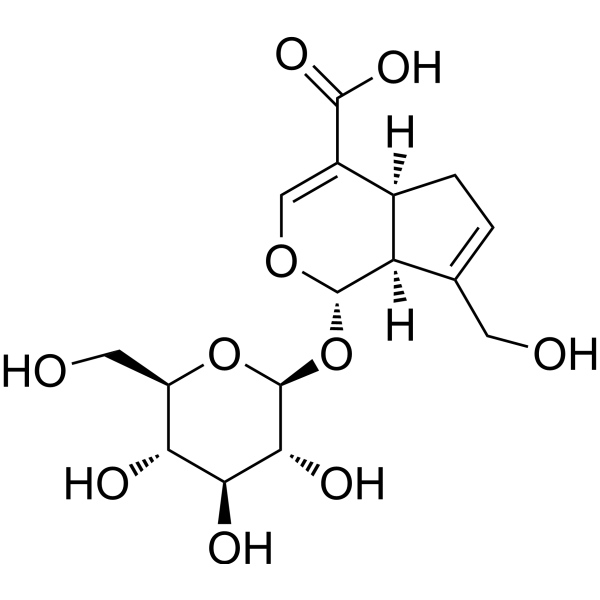
Geniposidic acid is an orally active FXR modulator and SIRT6 activator. Geniposidic acid binds to the Ser332 and His447 sites on the FXR ligand-binding domain, thereby driving nuclear translocation, coactivator recruitment, and transcription of downstream bile acid and cholesterol metabolism-related genes. Geniposidic acid improves metabolic dysfunction-related fatty liver disease by activating the SIRT6 signaling pathway. Geniposidic acid inhibits inflammation and modulates gut microbiota to alleviate colitis. Geniposidic acid can be used in research on drug-induced liver injury, inflammatory bowel disease, metabolic dysfunction-related fatty liver disease, and metabolic dysfunction-related steatohepatitis .
loading...
    loading...
7
7 Cited Publications
Cat. No.: HY-112885A
CAS No.: 1140844-63-8
Purity:  98.81%
Synonyms: Nω-Hydroxy-nor-L-arginine acetate
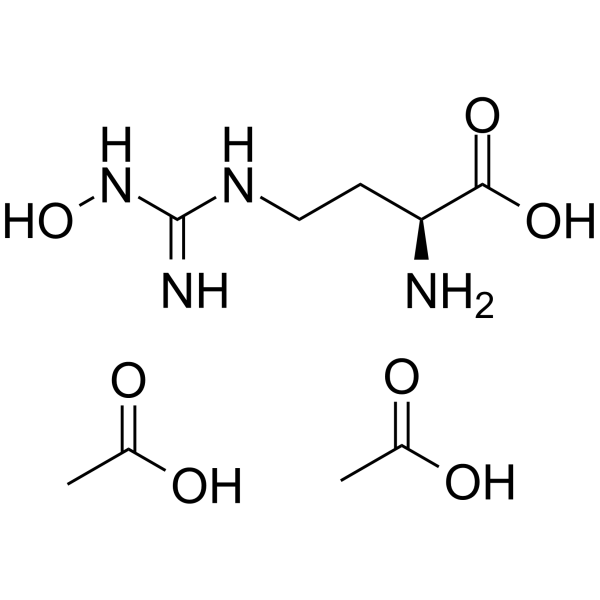
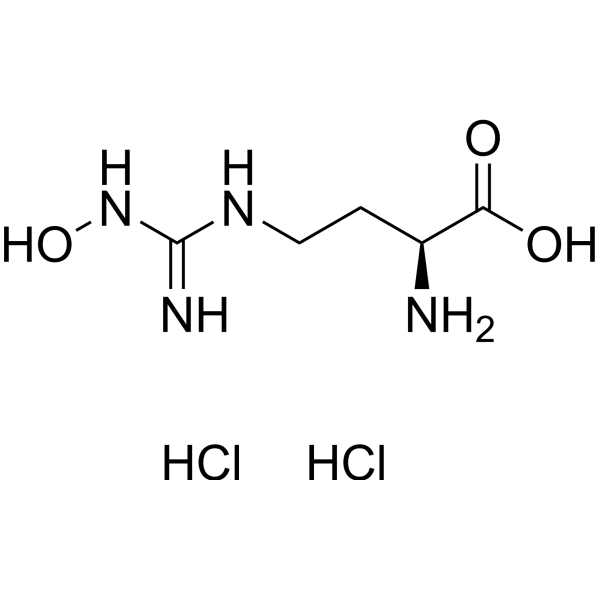
nor-NOHA acetate is a selective and reversible Arginase inhibitor. nor-NOHA acetate induces Apoptosis in ARG2-expressing cells under hypoxia. nor-NOHA acetate has anti-leukemic activity. nor-NOHA acetate improves liver ischemia-reperfusion injury. nor-NOHA acetate can used in study of tuberculosis, endothelial dysfunction, immunosuppression and metabolism .
loading...
    loading...
7
7 Cited Publications
Cat. No.: HY-112885C
CAS No.: 291758-32-2
Purity:  98.85%
Synonyms: Nω-Hydroxy-nor-L-arginine dihydrochloride
nor-NOHA dihydrochloride is a selective and reversible Arginase inhibitor. nor-NOHA dihydrochloride induces Apoptosis in ARG2-expressing cells under hypoxia. nor-NOHA dihydrochloride has anti-leukemic activity. nor-NOHA dihydrochloride improves liver ischemia-reperfusion injury. nor-NOHA dihydrochloride can used in study of tuberculosis, endothelial dysfunction, immunosuppression and metabolism .
loading...
    loading...
6
6 Cited Publications
Cat. No.: HY-N9933
CAS No.: 25696-60-0
Synonyms: TβMCA
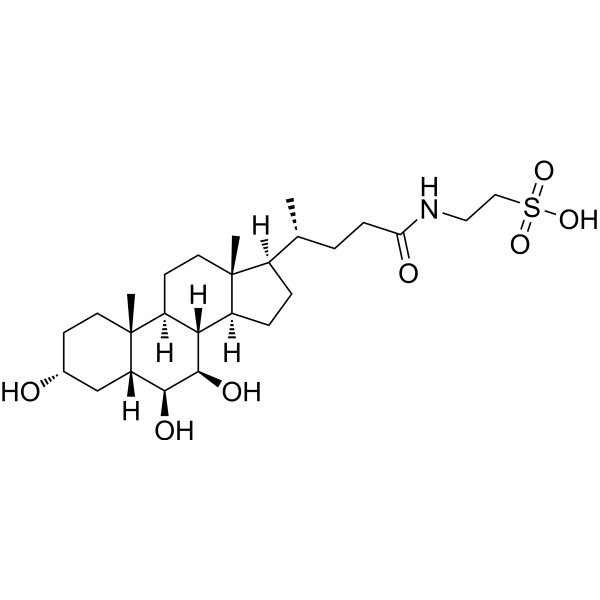
Tauro-β-muricholic acid (TβMCA) is an orally active trihydroxylated bile acid and a competitive, reversible FXR antagonist (IC50=40 μM). Tauro-β-muricholic acid inhibits bile acid-induced hepatocyte apoptosis by maintaining mitochondrial membrane potential, while simultaneously inhibiting intestinal FXR signaling, affecting bile acid synthesis, hepatic lipid metabolism, and insulin sensitivity. Accumulation of tauro-β-muricholic acid disrupts metabolic homeostasis, promoting cancer stem cell proliferation and tumor progression. The mechanisms of tauro-β-muricholic acid involve two aspects: first, inhibiting the translocation of the pro-apoptotic protein Bax to mitochondria and maintaining mitochondrial membrane potential (MMP); and second, blocking the FXR signaling pathway to regulate bile acid metabolism, reduce serum ceramide production, and downregulate the hepatic SREBP1C/CIDEA pathway. Tauro-β-muricholic acid possesses anti-hepatocyte apoptosis, bile acid homeostasis regulation, and liver fat accumulation reduction properties, and also functions as a biomarker, making it useful in the study of diseases such as bile acid metabolism disorders, non-alcoholic fatty liver disease, colorectal cancer, and liver fibrosis .
loading...
    loading...
5
5 Cited Publications
Cat. No.: HY-B1858
CAS No.: 50512-35-1
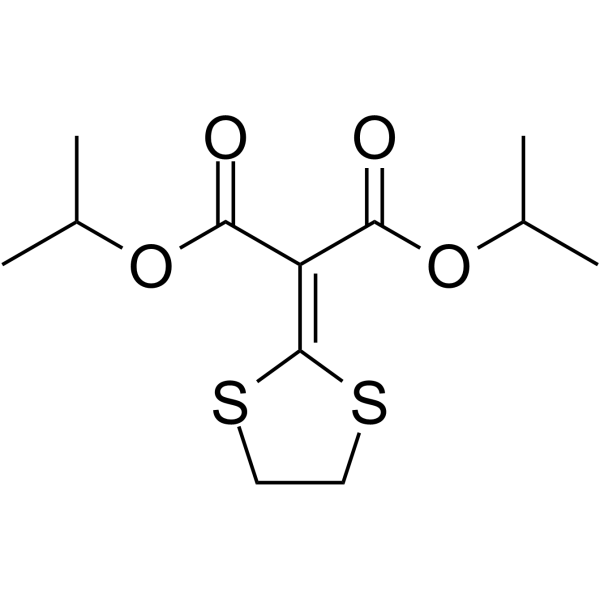
Isoprothiolane is a blast fungicide with antifungal, anti-inflammatory and insecticidal activities. Isoprothiolane primarily acts on fungi during the penetration and growth stages of infecting hyphae. Isoprothiolane can be used as an insecticide, pesticide, etc. In addition, Isoprothiolane can reduce serum phospholipid and total lipid concentrations, regulating lipid metabolism. Isoprothiolane is also used in the research of fatty liver .
loading...
    loading...
4
4 Cited Publications
Cat. No.: HY-113081
CAS No.: 15763-06-1
Purity:  99.21%
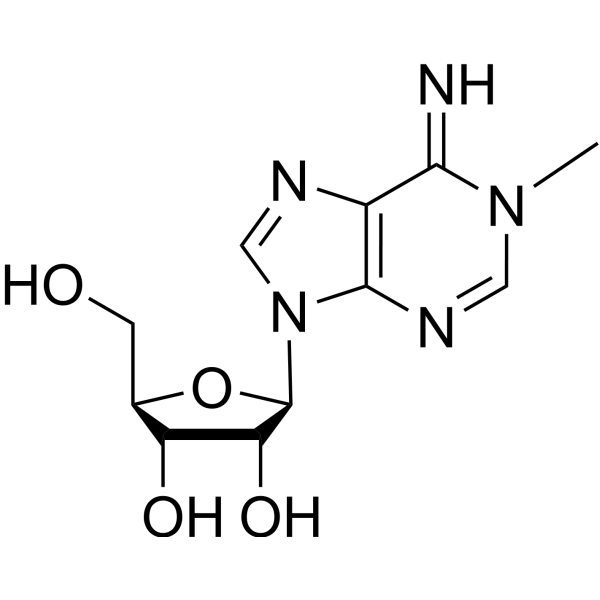
1-Methyladenosine is an RNA modification that can serve as a tumor marker, with elevated levels in the body associated with cancer development. Following 1-methyladenosine methylation, upregulation of PPARδ expression regulates cholesterol metabolism and activates Hedgehog signaling pathway, driving liver tumorigenesis .
loading...
    loading...
4
4 Cited Publications
Cat. No.: HY-N0712
CAS No.: 104472-68-6
Typhaneoside is an orally active activator of PI3K/Akt/mTOR and farnesoid X receptor. Typhaneoside promotes the activation of AMPK and Caspase-3, induces apoptosis, ferroptosis, autophagy, ROS accumulation, cell cycle arrest at the G2/M phase, and reduces cancer cell viability. Typhaneoside improves glucose and lipid metabolism, alleviates inflammatory responses, oxidative stress and hepatic lipid accumulation, and exerts hepatoprotective effects. Typhaneoside can be used in research related to heart failure after myocardial infarction, acute myeloid leukemia, non-alcoholic fatty liver disease and neurological disorders .
loading...
    loading...
4
4 Cited Publications
Cat. No.: HY-N0806
CAS No.: 14215-86-2
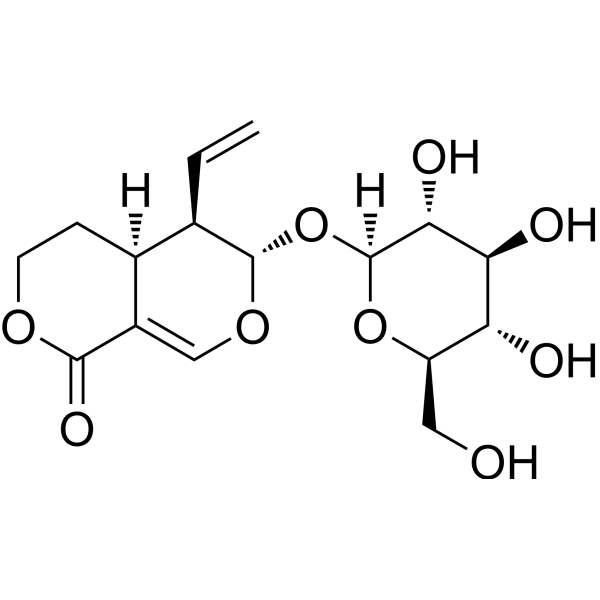
Sweroside is an iridoid glycoside that targets multiple targets, including the Keap1/Nrf2 axis, NLRP3 inflammasome, SIRT1, NF-κB, AMPK/mTOR pathway, and caspase family. Sweroside promotes Nrf2 nuclear translocation by competitively binding to Keap1. Sweroside also inhibits oxidative stress and NLRP3-mediated pyroptosis by activating Nrf2, inhibits NF-κB inflammatory pathway by activating SIRT1, and promotes autophagy and induces caspase-dependent apoptosis via the AMPK/mTOR pathway. Sweroside has antioxidant, anti-inflammatory, anti-apoptotic, and lipid metabolism regulating activities, and can be used in the research of myocardial ischemia-reperfusion injury, leukemia, acute lung injury, non-alcoholic fatty liver disease, and other fields .
loading...
    loading...
4
4 Cited Publications
Cat. No.: HY-N7075
CAS No.: 9005-80-5
Inulin is an orally active prebiotic targeting the intestinal microbiota, selectively promoting the proliferation and activity of beneficial bacteria such as bifidobacteria and lactic acid bacteria, and playing a role in regulating the intestinal microecology. The functions of Inulin include: Fermentation by probiotics in the colon to produce short-chain fatty acids (such as butyrate and propionate), lowering the intestinal pH and inhibiting the overgrowth of harmful bacteria; Enhancing the intestinal barrier function and reducing endotoxin translocation; Directly scavenging free radicals (such as superoxide free radicals, hydroxyl free radicals) and activating antioxidant enzymes (SOD, CAT) to reduce oxidative stress. Inulin can also be used in the study of intestinal diseases (constipation, IBD), metabolic syndrome (diabetes, obesity) and liver damage by regulating glucose and lipid metabolism (such as reducing triglycerides, improving insulin sensitivity) and immune response (enhancing NK cell activity, inhibiting inflammatory factors)[1][2][3][4].
loading...
    loading...
3
3 Cited Publications
Cat. No.: HY-N2181
CAS No.: 24502-78-1
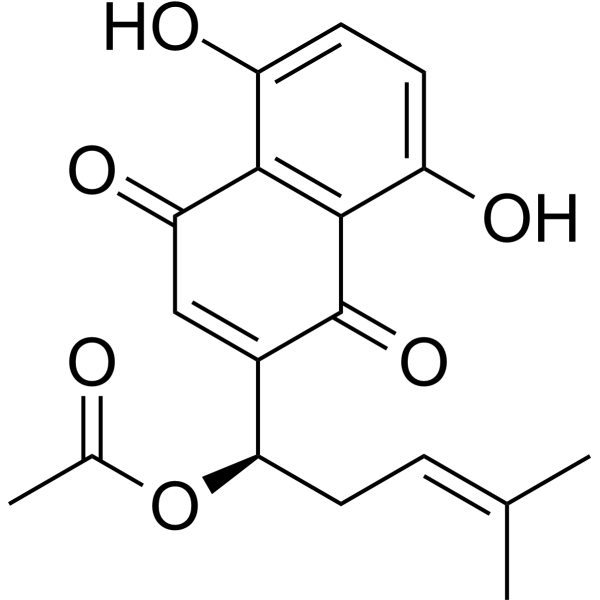
Acetylshikonin is an oral active anti-cancer, anti-inflammatory, antioxidant, anti-fertility, antibacterial, and neuroprotective agent. Acetylshikonin is a inhibitor of acetylcholinase (AChE) (IC50=34.6 μM) and nonselective cytochrome P450. Acetylshikonin can induce Apoptosis and Autophagy in cancer cells. Acetylshikonin regulates blood glucose, liver fat metabolism, and renal fibrosis, and is used in the study of diabetes, diabetic nephropathy (DN), obesity, and nonalcoholic fatty liver disease (NAFLD) .
loading...
    loading...
3
3 Cited Publications
Cat. No.: HY-N0385
CAS No.: 66280-25-9
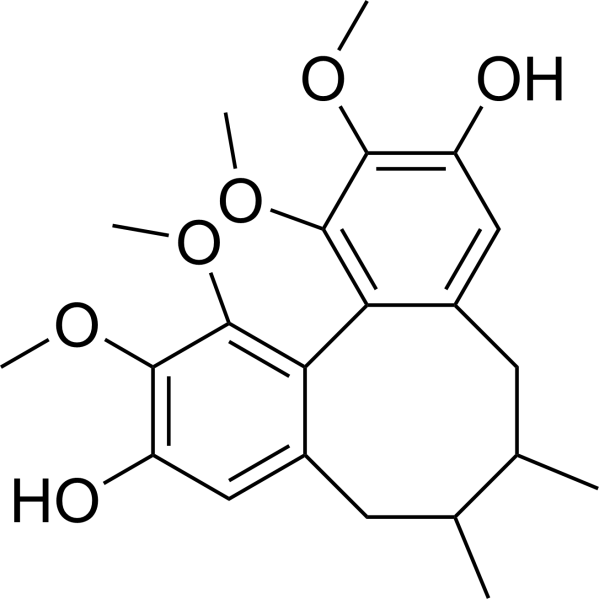
Gomisin J is a Schisandra chinensis-derived lignan that can inhibit multiple targets such as eNOS, AMPK (LKB1, CaMKIIβ), fetuin-A, NF-κB, Nrf2/HO-1, and can pass through the blood-brain barrier. Gomisin J increases NO bioavailability by activating eNOS, regulates lipid metabolism by activating the AMPK pathway, inhibits fetuin-A and NF-κB to exert anti-inflammatory effects, and activates Nrf2/HO-1 to enhance antioxidant capacity. Gomisin J has the activities of anti-hypertension, regulating liver lipid metabolism, and reducing cerebral ischemia-reperfusion injury, and can be used for research on hypertension, non-alcoholic fatty liver disease, cerebral ischemia-reperfusion injury, etc .
loading...
    loading...
2
2 Cited Publications
Cat. No.: HY-N0546
CAS No.: 260413-62-5
Synonyms: Nuezhenoside
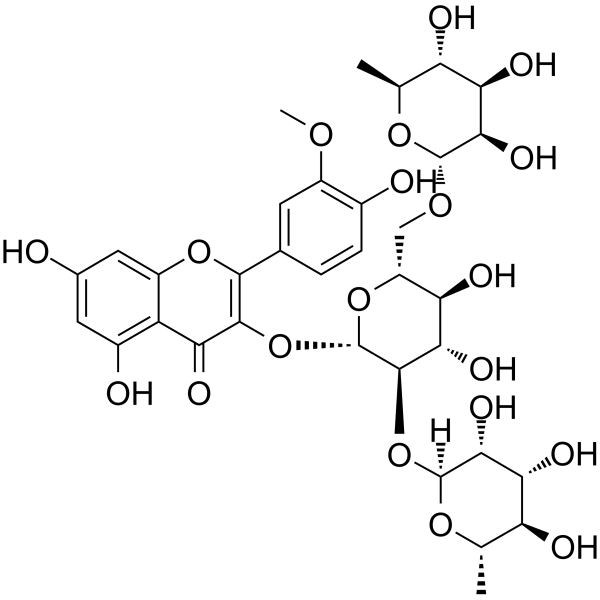
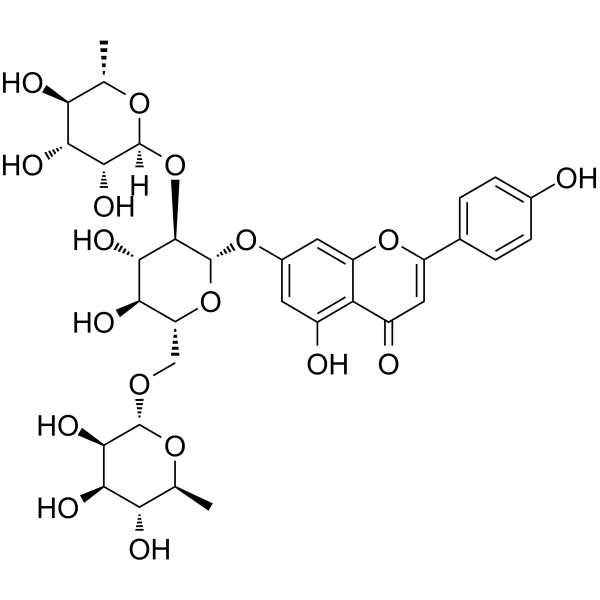
Ligustroflavone is an orally active flavonoid compound. Ligustroflavone can be extracted from Ligustrum lucidum. Ligustroflavone antagonizes the calcium-sensing receptor (CaSR), inhibits the RIPK1/RIPK3/MLKL pathway, and downregulates TGF-β/Smad signaling. Ligustroflavone regulates calcium metabolism, protects bone tissue, reduces cerebral ischemic injury, and inhibits liver fibrosis. Ligustroflavone can be used in the study of diabetic osteoporosis, ischemic stroke, and liver fibrosis .
loading...
    loading...
2
2 Cited Publications
Cat. No.: HY-N10549
CAS No.: 83088-28-2
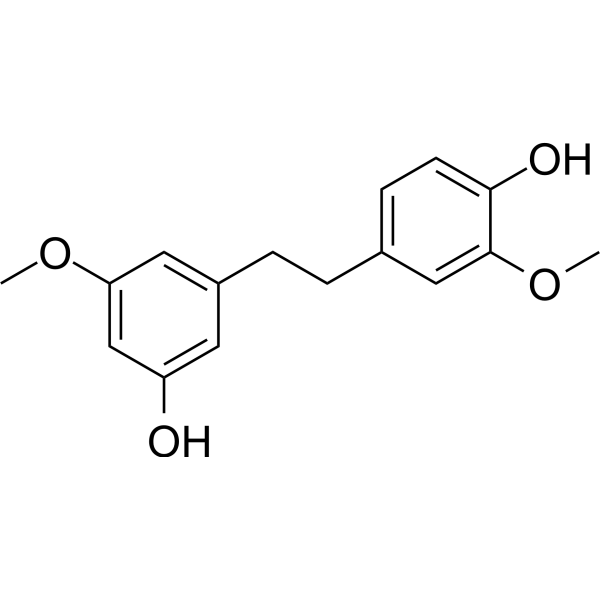
Gigantol is an orally active bibenzyl compound. Gigantol targets MYC to promote its ubiquitin-proteasomal degradation and inhibit the growth of lung cancer cells. Gigantol exerts anti-lung cancer activity by inducing ferroptosis (Ferroptosis) via the SLC7A11-GPX4 axis. Gigantol restores the sensitivity of mcr-harboring multidrug-resistant bacteria to colistin. Gigantol ameliorates carbon tetrachloride-induced liver injury by inhibiting the activation of the JNK/cPLA2/12-LOX inflammatory pathway. Gigantol promotes cholesterol metabolism and progesterone biosynthesis in Leydig cells. Gigantol can be used in studies related to diseases such as lung cancer, multidrug-resistant Gram-negative bacterial infections, and acute liver injury .
loading...
    loading...
2
2 Cited Publications
Cat. No.: HY-B1120
CAS No.: 3383-96-8
Synonyms: Temefos
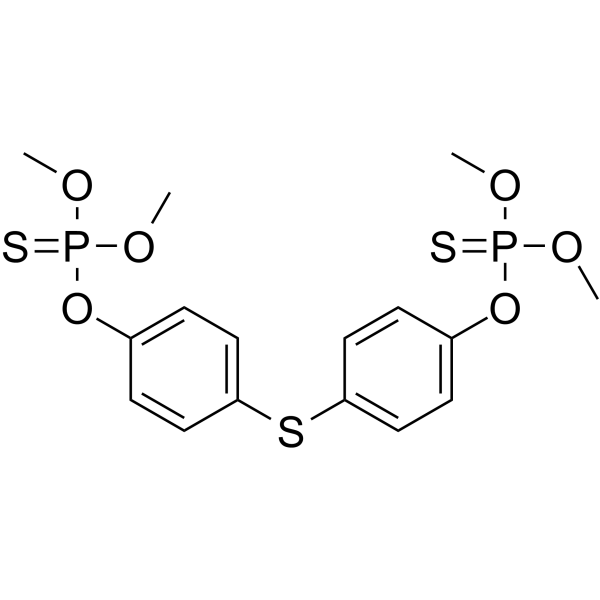
Temephos (Temefos) is an orally active, blood-brain barrier-permeable organophosphate insecticide and AChE inhibitor. By irreversibly inhibiting AChE to induce cholinergic overactivation, Temephos effectively blocks larval development of Aedes aegypti (yellow fever mosquito) and Aedes albopictus (Asian tiger mosquito), and is commonly used in studies related to Dengue Virus, Zika Virus and other relevant pathogens. Temephos exhibits genotoxicity and neurodevelopmental toxicity, and may also cause liver injury, reproductive system abnormalities and cholinergic poisoning symptoms in mammals. Temephos tends to accumulate in adipose tissues and aquatic organisms, and is excreted via feces after metabolism through oxidation and hydrolysis. Note that CYP-mediated metabolic detoxification may reduce the actual larvicidal efficacy of Temephos against some mosquito species. Temephos can be used in research related to dengue fever, Zika virus disease, chikungunya and dracunculiasis .
loading...
    loading...
2
2 Cited Publications
Cat. No.: HY-139093A
CAS No.: 1331891-93-0
Purity:  ≥99.0%
Synonyms: APAP-Cys TFA
Target:  

Drug Derivative

Research Areas:  

Others

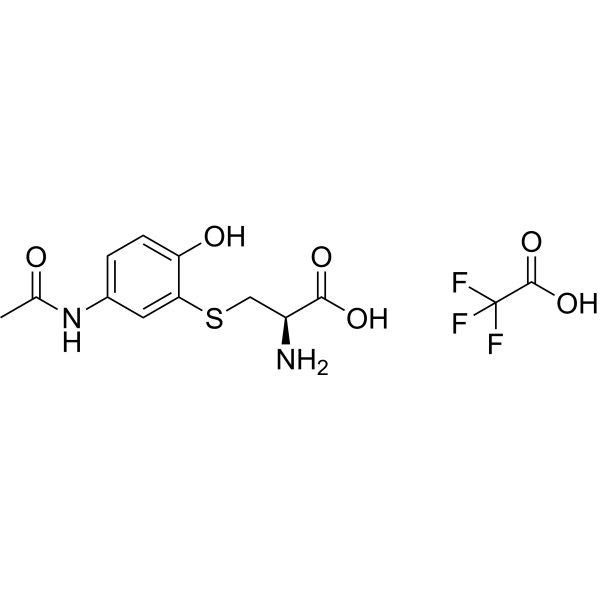
Paracetamol-cysteine TFA (APAP-Cys TFA) is a cysteine adduct of Acetaminophen (HY-66005). It forms when Acetaminophen is oxidized to the reactive metabolite N-acetyl-p-benzoquinone imine (NAPQI) .
loading...
    loading...

