1. Search Result
Search Result
Results for "

LoVo

" in MedChemExpress (MCE) Product Catalog:

56

Inhibitors & Agonists

1

Biochemical Assay Reagents

1

Peptides

2

Inhibitory Antibodies

11

Natural
Products

2

Oligonucleotides

Cat. No. Product Name Target Research Areas Chemical Structure
  • HY-139609
    Camonsertib
    2 Publications Verification

    RP-3500; ATR inhibitor 4

    ATM/ATR mTOR Cancer
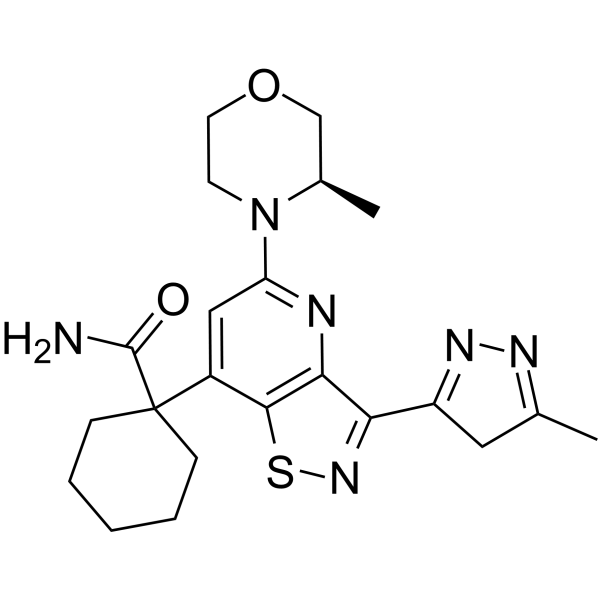
    Camonsertib (RP-3500) is an orally active, selective ATR kinase inhibitor (ATRi) with an IC50 of 1.00 nM in biochemical assays. Camonsertib shows 30-fold selectivity for ATR over mTOR (IC50=120 nM) and >2,000-fold selectivity over ATM, DNA-PK, and PI3Kα kinases. Camonsertib has potent antitumor activity .
    Camonsertib
  • HY-W040329

    Endogenous Metabolite Nucleoside Antimetabolite/Analog Caspase Apoptosis Metabolic Disease Endocrinology Cancer
    2′-Deoxyadenosine is an adenine nucleoside that inhibits glucose-stimulated insulin release. 2′-Deoxyadenosine inhibits glucose-stimulated increases seen in islet cyclic AMP (cAMP) accumulation. 2'-Deoxyadenosine activates caspase-3 and promotes apoptosis. 2'-Deoxyadenosine inhibits the activity of S-adenosyl-L-homocysteine hydrolase (SAHH). 2'-Deoxyadenosine inhibits the growth of various cells. 2'-Deoxyadenosine has an anticancer effect on colon cancer .
    2'-Deoxyadenosine
  • HY-14571
    E7820
    5 Publications Verification

    ER68203-00

    Molecular Glues Integrin Infection Metabolic Disease Cancer
    E7820 (ER68203-00), an orally active aromatic sulfonamide derivative, is a molecular glue that induces the targeted degradation of splicing factor RBM39 by recruiting the E3 ubiquitin ligase CUL4-RBX1-DDB1-DCAF15 (CRL4 DCAF15). E7820 is an angiogenesis inhibitor suppressing an expression of integrin alpha2 subunit on endothelium. E7820 inhibits rat aorta angiogenesis with an IC50 of 0.11 μg/ml. E7820 modulates α-1, α-2, α-3, and α-5 integrin mRNA expression. E7820 can be used for the study of acute myeloid leukemia (AML) .
    E7820
  • HY-N0921

    (+)-Dihydromethysticin

    Carboxylesterase (CES) NOD-like Receptor (NLR) Apoptosis Cancer
    Dihydromethysticin is an orally active natural active ingredient. Dihydromethysticin can be extracted from Piper methysticum. Dihydromethysticin inhibits carboxylesterase 1 (Ki = 68.2 μM) and CYP2A5. Dihydromethysticin upregulates NLRC3 and induces Apoptosis. Dihydromethysticin exhibits anticancer activity against colorectal cancer and lung adenoma .
    Dihydromethysticin
  • HY-W011683

    Endogenous Metabolite Nucleoside Antimetabolite/Analog Caspase Apoptosis Metabolic Disease Endocrinology Cancer
    2′-Deoxyadenosine monohydrate is an adenine nucleoside that inhibits glucose-stimulated insulin release. 2′-Deoxyadenosine monohydrate inhibits glucose-stimulated increases seen in islet cyclic AMP (cAMP) accumulation. 2'-Deoxyadenosine monohydrate activates caspase-3 and promotes apoptosis. 2'-Deoxyadenosine monohydrate inhibits the activity of S-adenosyl-L-homocysteine hydrolase (SAHH). 2'-Deoxyadenosine monohydrate inhibits the growth of various cells. 2'-Deoxyadenosine monohydrate has an anticancer effect on colon cancer .
    2'-Deoxyadenosine monohydrate
  • HY-132259
    Depatuxizumab mafodotin
    1 Publications Verification

    ABT-414

    Antibody-Drug Conjugates (ADCs) EGFR Cancer
    Depatuxizumab mafodotin (ABT-414) is an antibody-drug conjugate (ADC). Depatuxizumab mafodotin specifically targets the epidermal growth factor receptor (EGFR). Depatuxizumab mafodotin can be used in the study of glioma, head and neck squamous cell carcinoma, non-small cell lung cancer, epidermoid carcinoma of the skin, and squamous cell carcinoma of the tongue .
    Depatuxizumab mafodotin
  • HY-N9330

    Xanthine Oxidase Cancer
    Broussoflavonol F is a HER2-RAS-MEK-ERK signaling pathway modulator and mushroom tyrosinase inhibitor, with an IC50 of 82.3 μM against mushroom tyrosinase. Broussoflavonol F reduces the protein expression levels of RAS, HER2, phosphorylated BRAF, phosphorylated MEK and phosphorylated Erk. It induces cell apoptosis, triggers G0/G1 phase cell cycle arrest, and exhibits cytotoxicity against colon cancer cells. Broussoflavonol F is applicable to related research on colon cancer .
    Broussoflavonol F
  • HY-N2693

    Apoptosis Reactive Oxygen Species (ROS) Caspase Akt ERK JNK p38 MAPK Bcl-2 Family Cancer
    6,8-Diprenylorobol, a prenylated isoflavone, is a nature product that could be isolated from the leaves of Cudrania tricuspidata. 6,8-Diprenylorobol antiproliferative effect and induces apoptosis through activation of p53 and generation of ROS .
    6,8-Diprenylorobol
  • HY-50914

    CDK Cancer
    AZD5597 is an inhibitor of CDK with IC50 values of both 2 nM for CDK1 and CDK2. AZD5597 can inhibit the proliferation of tumor cells and has anti-tumor activity .
    AZD5597
  • HY-159480

    Src ATM/ATR Apoptosis mTOR AMPK Cancer
    AD1058 is an orally active, selective, and BBB-permeable inhibitor of ATR (IC50: 1.6 nM). AD1058 exhibits anticancer activity by inhibiting tumor cell proliferation, inducing cell cycle arrest, and promoting apoptosis. AD1058 is suitable for research on advanced malignancies and brain metastases .
    AD1058
  • HY-P99492

    SB-408075; huC242-DM1

    Antibody-Drug Conjugates (ADCs) Microtubule/Tubulin Cancer
    Cantuzumab mertansine (SB-408075; huC242-DM1), an ADC, is an immunoconjugate of the potent maytansine derivative (DM1 (HY-19792)) and the humanized monoclonal antibody (huC242) directed to CanAg. Cantuzumab mertansine has cytotoxic toward colon cancer cells and has broad antitumor efficacy against a range of CanAg-positive human tumor xenografts .
    Cantuzumab mertansine
  • HY-163697

    Wee1 Apoptosis Cancer
    WEE1-IN-7 (compound 12h) is a potent and orally activeWEE1 inhibitor with an IC50 value of 2.1 nM. WEE1-IN-7 induces apoptosis and cell cycle arrest at the S phase. WEE1-IN-7 shows antitumor activity .
    WEE1-IN-7
  • HY-114340

    Histone Methyltransferase Apoptosis Cancer
    LEM-14 is a potent and selective NSD2 inhibitor with an IC50 of 132 µM. LEM-14 has very weak activitv against NSD1 and has no activity against NSD3. LEM-14 inhibits fibrotic gene expression in ND but not DIO BMDMs. LEM-14 combined with ionizing radiation (IR) enhances the apoptosis rate and reduces the colony-formation ability of CRC cells. LEM-14 exhibits enhanced anti-tumor efficacy in Balb/c nude mice bearing LoVo cell xenografts when combined with ionizing radiation. LEM-14 has the potential for the research of multiple myeloma and colorectal cancer .
    LEM-14
  • HY-161880

    Wee1 Cancer
    WEE1-IN-10 (compound 77) is a Wee1 kinase inhibitor. WEE1-IN-10 shows inhibitory activity on LOVO cell growth, with an IC50 of 0.524 μM. WEE1-IN-10 can be used for the research of diseases caused by abnormal activity of Wee1 .
    WEE1-IN-10
  • HY-131446
    Chk1-IN-5
    1 Publications Verification

    Checkpoint Kinase (Chk) Cancer
    Chk1-IN-5 is a potent checkpoint kinase 1 (Chk1) inhibitor. Chk1-IN-5 inhibits Chk1 phosphorylation and inhibits tumor growth in colon cancer xenograft model .
    Chk1-IN-5
  • HY-Y0396

    Biochemical Assay Reagents Survivin Bcl-2 Family Caspase Apoptosis mTOR Akt Cancer
    N-Hydroxyphthalimide is a blocking agent and catalyst. N-Hydroxyphthalimide promotes oxidation reactions by generating PINO free radicals and activating hydrogen atom transfer processes. N-Hydroxyphthalimide reduces the expression of anti-apoptotic proteins Survivin and Bcl-xL and activates caspase 9 and caspase 3. N-Hydroxyphthalimide induces Apoptosis. N-Hydroxyphthalimide inhibits the phosphorylation of mTOR (Ser2448, Ser2481) and Akt (Ser473). N-Hydroxyphthalimide has anticancer effects against breast and colon cancer .
    N-Hydroxyphthalimide
  • HY-177742

    Molecular Glues Phosphoglycerate Dehydrogenase (PHGDH) Cancer
    LXH-3-71 is a PHGDH degrader. LXH-3-71 acts as a molecular glue to enhance the interaction of the PHGDH-DDB1-CRL E3 ligase complex, triggering ubiquitination and proteasomal degradation of PHGDH. LXH-3-71 regulates the stemness of colorectal cancer cells and inhibits tumor proliferation and colony formation. LXH-3-71 can be used in the research of colorectal cancer .
    LXH-3-71
  • HY-170027

    HIF/HIF Prolyl-Hydroxylase AMPK Cancer
    LW1564 is an inhibitor for HIF-1α with an IC50 of 1.2 µM in HepG2. LW1564 inhibits mitochondrial respiration, reduces ATP production, stimulates HIF-1α degradation, and inhibits proliferation of various cancer cells with GI50 of 0.4-4.6 μM. LW1564 activates AMPK signaling pathway and inhibits lipid synthesis. LW1564 exhibits antitumor in HepG2 xenograft mouse model .
    LW1564
  • HY-171745

    ATM/ATR Cancer
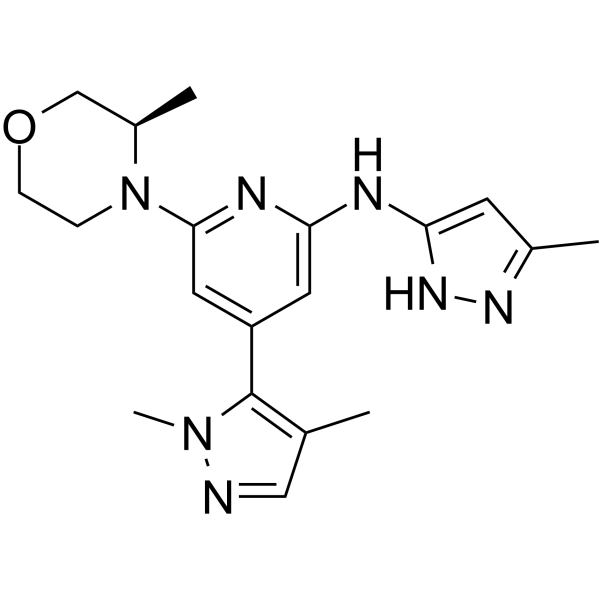
    ATR-IN-32 is an orally active ATR inhibitor. ATR-IN-32 potently inhibits the proliferation of MIA PaCa-2 cells. ATR-IN-32 exerts significant tumor growth inhibition in mice bearing LOVO and HT-29 xenografts. ATR-IN-32 can be used for the study of cancers mediated by ATR protein kinase, such as colorectal cancer, pancreatic cancer .
    ATR-IN-32
  • HY-116852

    Microtubule/Tubulin Apoptosis Cancer
    Thiocolchicine, a derivative modified in the C Ring of Colchicine (HY-16569) with enhanced biological properties. Thiocolchicine is a potent inhibitor of tubulin polymerization (IC50=2.5 µM) and competitively binds to tubulin with a Ki of 0.7 µM. Thiocolchicine induces cell apoptosis . Thiocolchicine can be used as an ADC cytotoxin in ADC technology.
    Thiocolchicine
  • HY-147569

    ATM/ATR Cancer
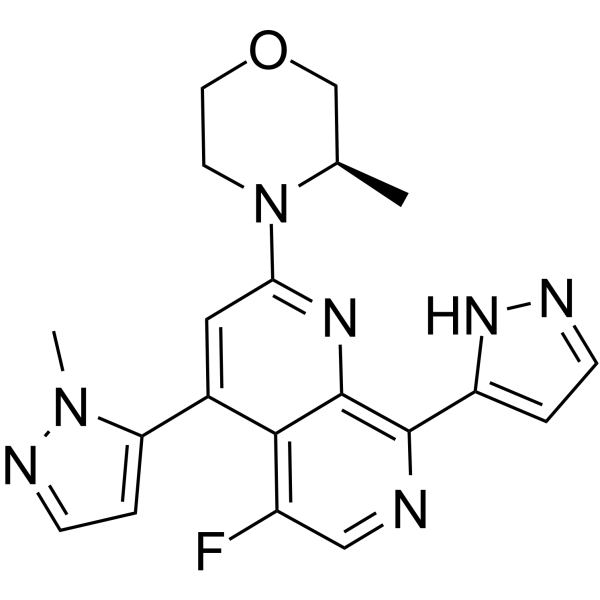
    ATR-IN-17 (compound 88) is a potent ATR kinase inhibitor. ATR-IN-17 shows good anticancer activity in LoVo cells, with an IC50 of 1 nM .
    ATR-IN-17
  • HY-147568

    ATM/ATR Cancer
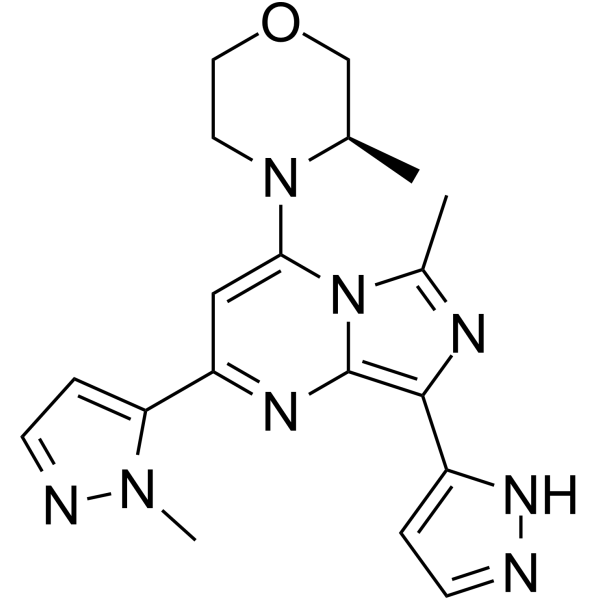
    ATR-IN-16 (compound 46) is a potent ATR kinase inhibitor. ATR-IN-16 shows good anticancer activity in LoVo cells, with an IC50 of 410 nM .
    ATR-IN-16
  • HY-121458

    Apoptosis Cancer
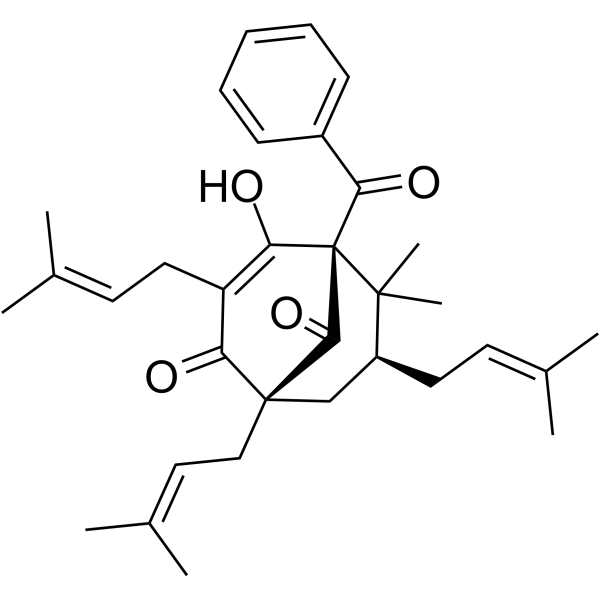
    Nemorosone is the main component of the floral resin of Clusia rosea. Nemorosone has an antiproliferative effect on cancer cells. Nemorosone induces apoptosis in HT-29 and LoVo cells .
    Nemorosone
  • HY-147566

    ATM/ATR Cancer
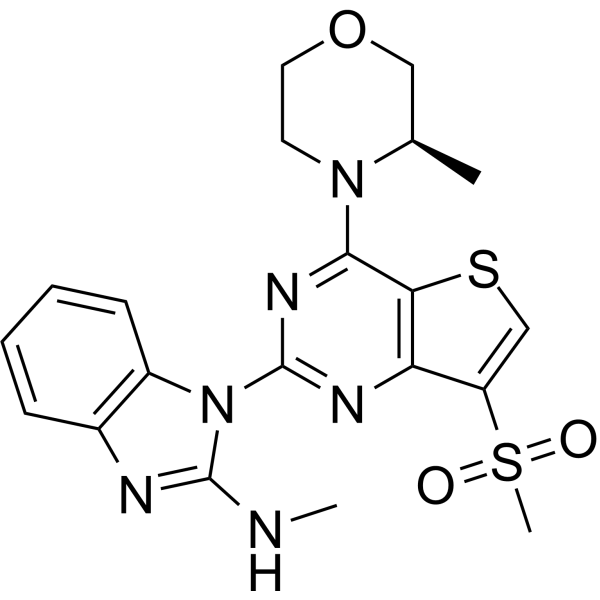
    ATR-IN-14 (compound 1) is a potent ATR kinase inhibitor. ATR-IN-14 inhibits ATR signaling pathways downstream CHKI protein phosphorylation, with inhibition of 98.03% at 25 nM. ATR-IN-14 shows good anticancer activity in LoVo cells, with an IC50 of 64 nM .
    ATR-IN-14
  • HY-147567

    ATM/ATR DNA-PK PI3K Cancer
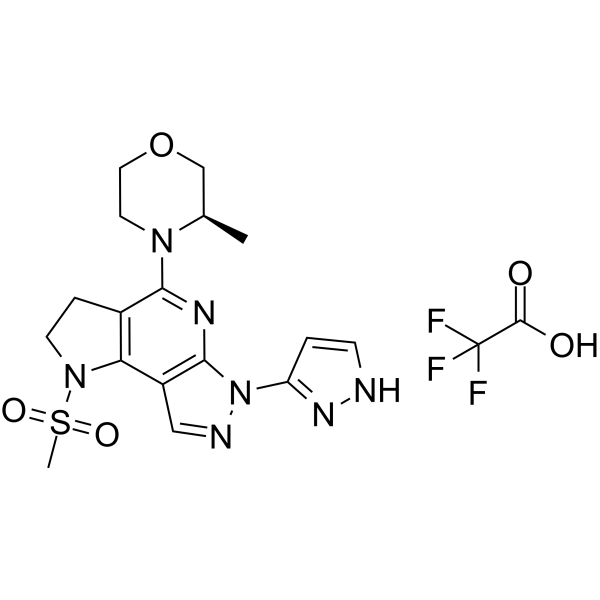
    ATR-IN-15 (compound 1) is an orally active and potent ATR kinase inhibitor, with an IC50 of 8 nM. ATR-IN-15 also inhibits human colon tumor cells LoVo, DNA-PK and PI3K, with IC50 values of 47, 663 and 5131 nM, respectively .
    ATR-IN-15
  • HY-149952

    ATM/ATR Cancer
    ATR-IN-23 (Compound 34) is a potent and selective ATR inhibitor with an IC50 of 1.5 nM. ATR-IN-23 has potent antiproliferative effects on LoVo cells and synthetic lethality on HT-29 cells, and can be used in the study of DNA damage response (DDR)-deficient cancers .
    ATR-IN-23
  • HY-168722

    PARP PROTACs Cancer
    PROTAC PARP1 degrader-3 (Compound C6) is a PROTAC degrader for PARP1 with a DC50 of 58.14 nM. PROTAC PARP1 degrader-3 exhibits cytotoxicity in cancer cell SW-620 and LOVO with IC50 of 1.63 μM and 2.84 μM. PROTAC PARP1 degrader-3 exhibits a synergistic effect with SN-38 (HY-13704) in BRCA-mutated colon cancer cell with a combination index (CI) of 0.487. (Blue: Ligand for E3 ligase Cereblon (HY-23095); Pink: Ligand for target protein (HY-10619); Black: Linker (HY-16872))
    PROTAC PARP1 degrader-3
  • HY-175204

    AUTACs SHP2 Apoptosis Autophagy Atg8/LC3 Cancer
    SHP2 protein degrader-3 is a SHP2 AUTAC degrader. SHP2 protein degrader-3 shows dose-dependent SHP2 degradation ability (DC50 = 3.22 μM) and anti-tumor activity (IC50 = 5.59 μM) in HeLa cells. SHP2 protein degrader-3 induces degradation through the LC3-mediated autophagy pathway, which can be inhibited by lysosome inhibitors. SHP2 protein degrader-3 induces apoptosis in various cancer cells (HeLa cells, HepG2 cells, LoVo cells, Huh-7 cells) (SHP2 Ligand : (HY-100388); LC3 Ligand: (HY-10542); Linker : (HY-128834)) .
    SHP2 protein degrader-3
  • HY-W1126467

    Ras Cancer
    RAS-IN-5 (Example 2) is a RAS inhibitor. RAS-IN-5 significantly inhibits the interaction between RAF1 and active KRAS mutant protein or HRAS WT protein. RAS-IN-5 significantly inhibits the cell viability of KRAS, NRAS, and EGFR mutant cells. RAS-IN-5 can be used in the research of colorectal cancer, liver cancer, and non-small cell lung cancer .
    RAS-IN-5
  • HY-147570

    ATM/ATR Cancer
    ATR-IN-18 (compound 2) is an orally active and potent ATR kinase inhibitor, with an IC50 of 0.69 nM. ATR-IN-18 shows antiproliferative activity in LoVo cells, with an IC50 of 37.34 nM. ATR-IN-18 has anti-tumor activity .
    ATR-IN-18
  • HY-178038

    Microtubule/Tubulin Reactive Oxygen Species (ROS) Cancer
    Tubulin-IN-56 is a tubulin inhibitor. Tubulin-IN-56 exerts cytotoxic effects against colon cancer cell lines (LS180, HCT116, SW620, LoVo). Tubulin-IN-56 downregulates βIII-tubulin and upregulates βIVa-tubulin in colon cancer cell lines. Tubulin-IN-56 inhibits cell invasiveness and elevates intracellular ROS levels in colon cancer cell lines. Tubulin-IN-56 can be used for the study of colon cancer .
    Tubulin-IN-56
  • HY-P10914

    MDM-2/p53 Autophagy Inflammation/Immunology Cancer
    D-CopA3 is the inhibitor for MDM2 and the activator for p53 signaling pathway. D-CopA3 exhibits cytotoxicity in colorectal cancer cells HCT-116, LoVo, and RKO (IC50=15-18 μM), induces JNK/Beclin-1 mediated autophagy. D-CopA3 downregulates the expression of cell cycle inhibitory protein p21Cip1/Waf1, enhances the mucosal barrier function and reduces penetration of inflammatory mediators. D-CopA3 exhibits anti-inflammtory activity in mouse C. difficile toxin A-induced acute enteritis models and DSS (HY-116282)-induced chronic colitis models. D-CopA3 exhibits antitumor efficacy in mouse HCT-116 xenograft models .
    D-CopA3
  • HY-159820

    Others Cancer
    Veonetinib (example 3) is a potent inhibitor of tyrosine kinase, with the IC50 of 0.1 μM and 0.4 μM in A549 cells and LOVO cells, respectively .
    Veonetinib
  • HY-176189

    CDK Cancer
    CDK1-IN-7 (compound M7) is a potent CDK1 inhibitor. CDK1-IN-7 inhibits the proliferation and migration of HCT116 and Lovo cells. CDK1-IN-7 can be used in the study of colorectal cancer .
    CDK1-IN-7
  • HY-168724

    PARP E3 Ligase Ligand-Linker Conjugates Cancer
    Thalidomide-piperidine-C-Pip-C2-Pip-C2-OH (Compound C6) is a conjugate of the linker and E3 ligase ligand, that can be used in synthesis of PROTAC PARP1 degrader-30 (HY-168722) .
    Thalidomide-piperidine-C-Pip-C2-Pip-C2-OH
  • HY-119992

    PARP Cancer
    CEP-6800 is an inhibitor of PARP-1 with chemopotentiating ability. CEP-6800 attenuates irinotecan (HY-16562)- and Temozolomide (HY-17364)-induced poly(ADP-ribose) accumulation in LoVo as well as HT29 xenografts. CEP-6800 can suppress Calu-6 tumor growth. CEP-6800 can be studied in anti-cancer research .
    CEP-6800
  • HY-168583

    DNA/RNA Synthesis Cancer
    WRN inhibitor 11 (Example 17) is an orally active inhibitor of WRN helicase, with the IC50 of 63 nM .
    WRN inhibitor 11
  • HY-N1268

    Others Others
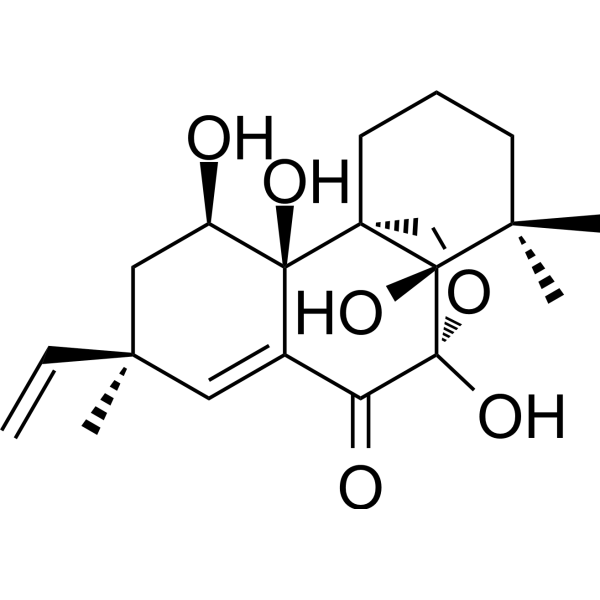
    Scutebata E is a new neoclerodane diterpenoid isolated from Scutellaria barbata with weak cytotoxic activity .
    Scutebata E
  • HY-N1267

    Others Others
    Scutebata C is a neoclerodane diterpenoid isolated from Scutellaria barbata with weak cytotoxic activity .
    Scutebata C
  • HY-150596

    Apoptosis Bcl-2 Family JNK Cancer
    CT1-3 is a potent anticancer agent. CT1-3 induces mitochondria-mediated apoptosis by regulating JNK/Bcl-2/Bax/XIAP pathway. CT1-3 suppresses the epithelial mesenchymal transition (EMT) potential of human cancer cells (HCCs) via regulating the E-cadherin/Snail axis, thus inhibits tumorigenesis. CT1-3 has a strong antitumor effect in mice model and exhibits no significant hepatic and renal toxicity .
    CT1-3
  • HY-144791

    Bcl-2 Family MDM-2/p53 Caspase Apoptosis Cancer
    Bcl-2-IN-6 (compound 10) is a potent Bcl-2 (B-cell lymphoma-2) inhibitor. Bcl-2-IN-7 down-regulates the expression of Bcl-2, and increases the expression of p53, Bax, and caspase-7 mRNA. Bcl-2-IN-7 induces cell cycle arrest and apoptosis in breast cancer MCF-7 cells. Bcl-2-IN-7 shows good anticancer activity, with IC50 values of 20.91, 22.30, 42.29, and 48.00 μM against MCF-7, LoVo, HepG2, and A549 cell lines, respectively .
    Bcl-2-IN-6
  • HY-144792

    Bcl-2 Family MDM-2/p53 Caspase Apoptosis Cancer
    Bcl-2-IN-7 (compound 6) is a potent Bcl-2 (B-cell lymphoma-2) inhibitor. Bcl-2-IN-7 down-regulates the expression of Bcl-2, and increases the expression of p53, Bax, and caspase-7 mRNA. Bcl-2-IN-7 induces cell cycle arrest and apoptosis in breast cancer MCF-7 cells. Bcl-2-IN-7 shows good anticancer activity, with IC50 values of 20.17, 22.64, 45.57, and 51.50 μM against MCF-7, LoVo, HepG2, and A549 cell lines, respectively .
    Bcl-2-IN-7
  • HY-169938

    HDAC Histone Demethylase Apoptosis Cancer
    LSD1/HDAC-IN-2 (Compound 20c) is the inhibitor for LSD and HDAC, that inhibits LSD1, HDAC1, HDAC2, HDAC3, HDAC6, and HDAC8, with IC50s of 39.0, 1.4, 1.0, 1.3, 2.9 and 16.0 nM, respectively. LSD1/HDAC-IN-2 inhibits the proliferation of cancer cells, especially the colorectal cancer cells. LSD1/HDAC-IN-2 arrests the cell cycle at G2/M phase, inhibits cell migration, and induces apoptosis in HCT-116 and HT-29 cells. LSD1/HDAC-IN-2 exhibits antitumor efficacy in mouse model without significant toxicity .
    LSD1/HDAC-IN-2
  • HY-N13192

    Others Cancer
    3-Acetoxyflavone shows antiproliferative activities against LoVo, LoVo/DX and MES-SA cell lines (IC50 from 4.7 μM to 7.8 μM, respectively), which is promising for research of cancers .
    3-Acetoxyflavone
  • HY-149066

    Bacterial Cancer
    Diaporthein B is one of the most highly oxidized pimarane diterpenes. Diaporthein B exhibits activity against M. tuberculosis, with a MIC of 3.1 μg/mL. Diaporthein B reveals IC50s of 1.5-3 μM against HCT 116 and LoVo colon cancer cells .
    Diaporthein B
  • HY-182016

    PROTACs ATM/ATR Checkpoint Kinase (Chk) Apoptosis DNA/RNA Synthesis Caspase Bcl-2 Family MDM-2/p53 Cancer
    PROTAC ATR degrader-3 is a potent CRBN-based ATR PROTAC degrader with a DC50 of 127 nM. PROTAC ATR degrader-3 also degrades CHK1 with an DC50 of 135 nM. PROTAC ATR degrader-3 inhibits cancer cells proliferation, migration and invasion, triggers apoptosis and induces S phase arrest and DNA damage. PROTAC ATR degrader-3 achieves tumor growth inhibition in LoVo xenograft mouse model without apparent toxicity. PROTAC ATR degrader-3 can be used for the research of colorectal cancer .
    PROTAC ATR degrader-3
  • HY-182018

    Target Protein Ligand-Linker Conjugates ATM/ATR Others
    ATR ligand 2-CO-Ph-COOH (Compound 39) is a Target Protein Ligand-Linker Conjugate that incorporates a ligand for ATR (HY-182017) and a PROTAC linker, which recruits E3 ligases. can be used for synthesis of PROTAC ATR degrader-3 (HY-182016) .
    ATR ligand 2-CO-Ph-COOH
  • HY-N16695

    Others Others
    (2S,3S)-Pterosin S 14-O-glucoside is a sesquiterpene glycoside compound that can be isolated from the fern Pteris multifida. (2S,3S)-Pterosin S 14-O-glucoside showed no significant cytotoxicity against A549 (human lung adenocarcinoma), LOVO (colon adenocarcinoma), PANC-1 (human pancreatic cancer), and NCI-H446 (human small cell lung cancer) cell lines (IC50 > 100 μM) .
    (2S,3S)-Pterosin S 14-O-glucoside
  • HY-P992321

    TNF Receptor NF-κB STAT Cancer
    BAY-356, a potent TWEAK receptor agonist, is an aglycosylated anti-TWEAK receptor antibody. BAY-356 triggers TWEAKR hyperactivation, activates NFκB and STAT1 pathways, and undergoes TWEAKR-dependent internalization. BAY-356 can be used for the research of colorectal cancer, bladder cancer, non-small cell lung cancer and pancreatic cancer[1][2].
    BAY-356
  • HY-N13817

    NF-κB Inflammation/Immunology Cancer
    (8R,12R,13R)-8,12-Epoxylabd-14-en-13-ol is a diterpene found in Abies georgei. (8R,12R,13R)-8,12-Epoxylabd-14-en-13-ol is a nuclear factor kappa B (NF-κB) inhibitor that inhibits TNFα-triggered NF-κB activity (IC50 = 8.7 μg/mL). (8R,12R,13R)-8,12-Epoxylabd-14-en-13-ol exhibits anti-inflammatory activity and can inhibit NO production. (8R,12R,13R)-8,12-Epoxylabd-14-en-13-ol shows significant cytotoxicity against tumor cells .
    (8R,12R,13R)-8,12-Epoxylabd-14-en-13-ol

Inquiry Online

Your information is safe with us. * Required Fields.

Salutation


Country or Region *

Applicant Name *


Organization Name *

Department *


Email Address *


Product Name *

Cat. No.


Requested quantity *

Phone Number *


Remarks

Inquiry Online

Inquiry Information

Product Name:
Cat. No.:
Quantity:
MCE Japan Authorized Agent:

