1. Search Result
Search Result
Isoforms Recommended: MEK1
Results for "

MEK1

" in MedChemExpress (MCE) Product Catalog:

127

Inhibitors & Agonists

7

Peptides

13

Natural
Products

4

Recombinant Proteins

7

Isotope-Labeled Compounds

13

Antibodies

3

Oligonucleotides

Targets Recommended:
Cat. No. Product Name Target Research Areas Chemical Structure
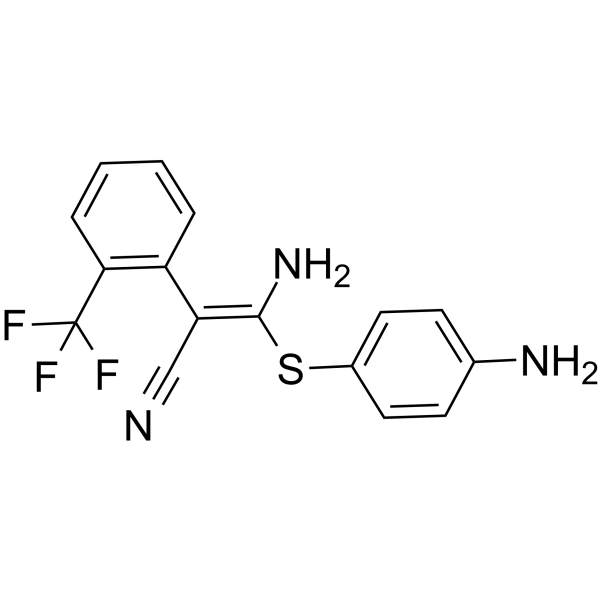
  • HY-10999
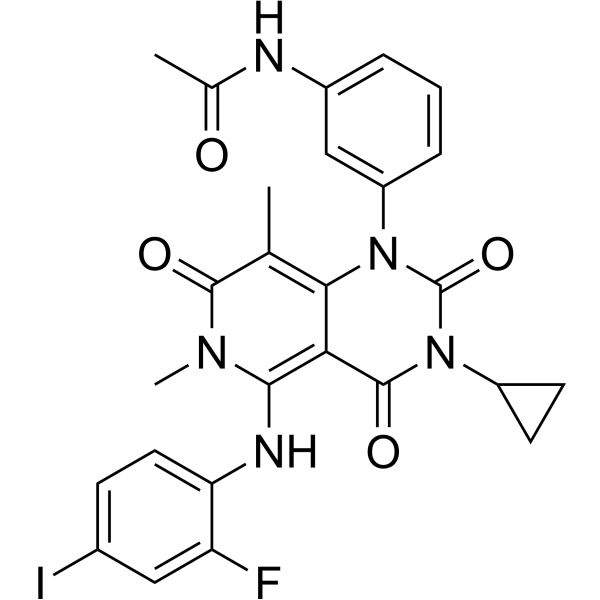
    Trametinib
    285+ Cited Publications

    GSK1120212; JTP-74057

    MEK Autophagy Apoptosis Infection Neurological Disease Metabolic Disease Inflammation/Immunology Cancer
    Trametinib (GSK1120212; JTP-74057) is an orally active MEK inhibitor that inhibits MEK1 and MEK2 with IC50s of about 2 nM. Trametinib activates autophagy and induces apoptosis, cross the blood-brain barrier (BBB), used in research related to subarachnoid hemorrhage (SAH) [1] .
    Trametinib
  • HY-10254
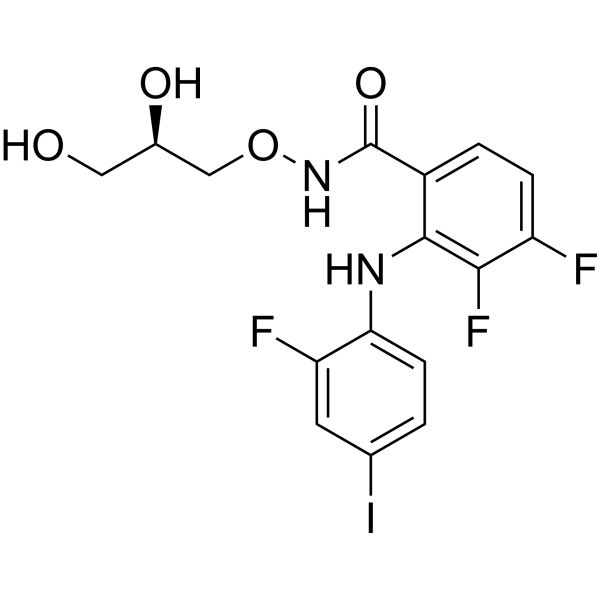
    Mirdametinib
    150+ Cited Publications

    PD0325901; PD325901

    MEK Autophagy Apoptosis Cancer
    Mirdametinib (PD0325901) is an orally active, selective and non-ATP-competitive MEK inhibitor with an IC50 of 0.33 nM. Mirdametinib exhibits a Ki app of 1 nM against activated MEK1 and MEK2. Mirdametinib suppresses the expression of p-ERK1/2 and induces apoptosis. Mirdametinib has anti-cancer activity for a broad spectrum of human tumor xenografts [1] .
    Mirdametinib
  • HY-12031A
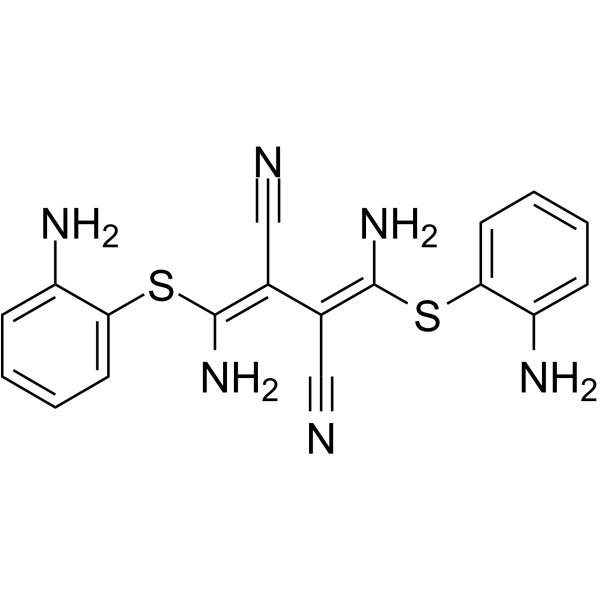
    U0126
    Maximum Cited Publications
    459 Publications Verification

    MEK Autophagy Mitophagy Influenza Virus Cancer
    U0126 is a potent, non-ATP competitive and selective MEK1 and MEK2 inhibitor, with IC50s of 72 nM and 58 nM, respectively. U0126 is an autophagy and mitophagy inhibitor [1] .
    U0126
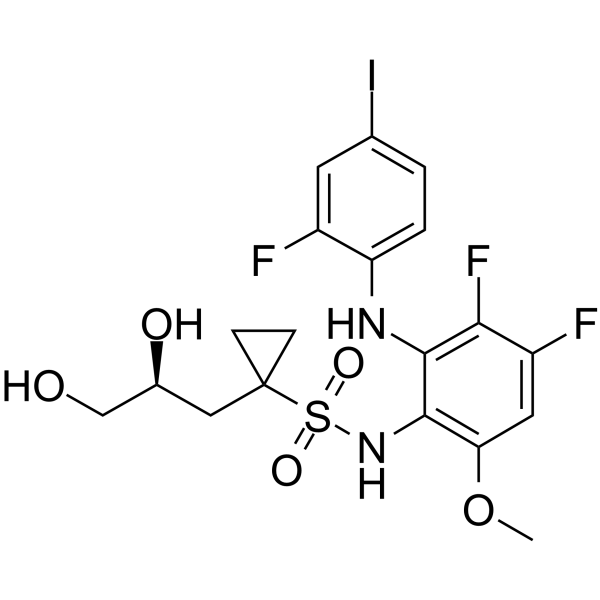
  • HY-50706
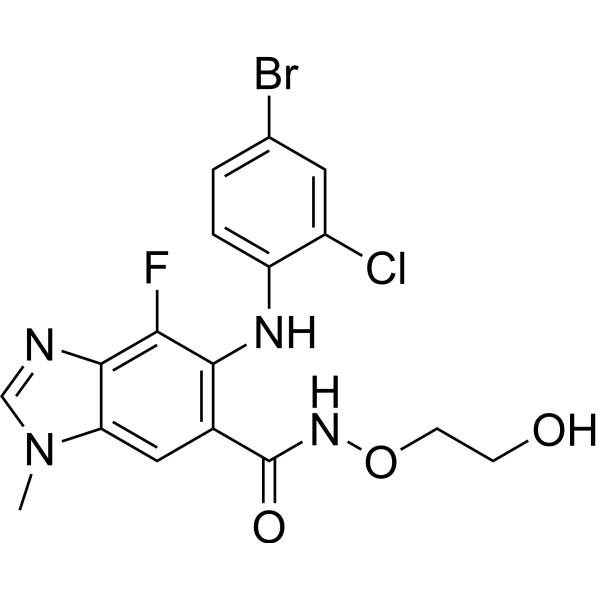
    Selumetinib
    85+ Cited Publications

    AZD6244; ARRY-142886

    MEK Apoptosis Neurological Disease Metabolic Disease Inflammation/Immunology Cancer
    Selumetinib (AZD6244) is selective, non-ATP-competitive oral MEK1/2 inhibitor, with an IC50 of 14 nM for MEK1. Selumetinib (AZD6244) inhibits ERK1/2 phosphorylation. Selumetinib can penetrate the blood brain barrier (BBB) [1] .
    Selumetinib
  • HY-13064
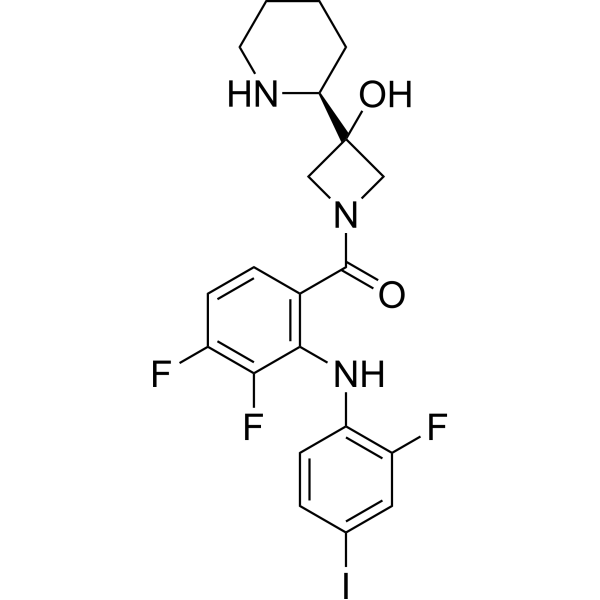
    Cobimetinib
    60+ Cited Publications

    GDC-0973; XL518

    MEK Apoptosis Cancer
    Cobimetinib (GDC-0973, RG7420) is a potent, selective and oral MEK1 inhibitor with an IC50 of 4.2 nM for MEK1.
    Cobimetinib
  • HY-15202
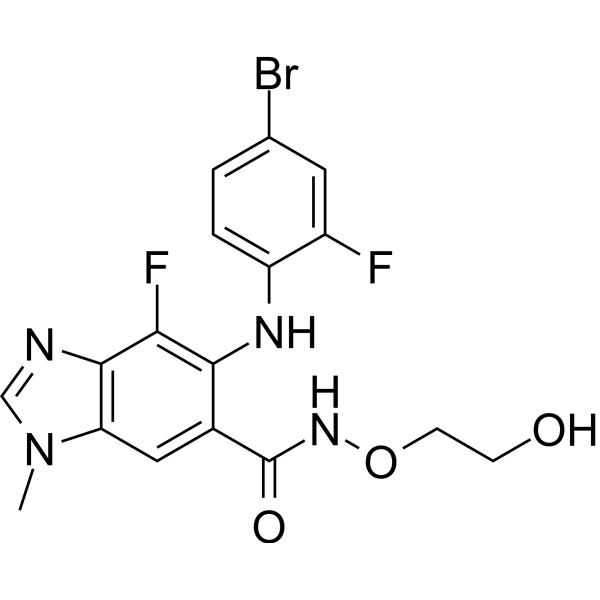
    Binimetinib
    45+ Cited Publications

    MEK162; ARRY-162; ARRY-438162

    MEK Autophagy Cancer
    Binimetinib (MEK162) is an oral and selective MEK1/2 inhibitor. Binimetinib (MEK162) inhibits MEK with an IC50 of 12 nM.
    Binimetinib
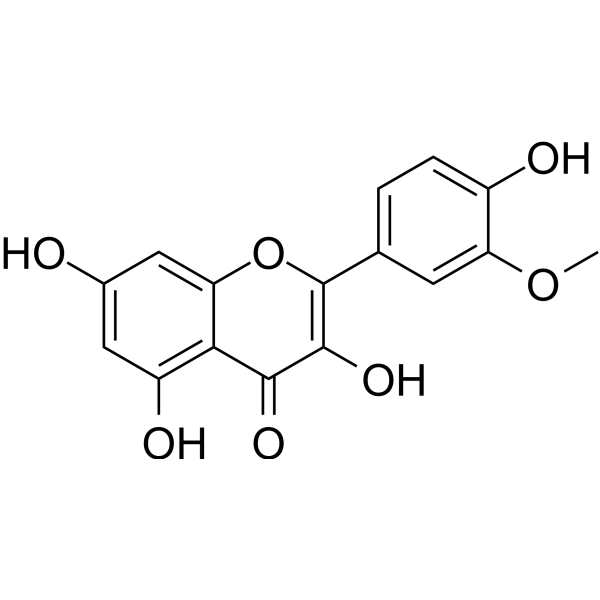
  • HY-N0776
    Isorhamnetin
    Maximum Cited Publications
    17 Publications Verification

    3'-Methylquercetin

    MEK PI3K Endogenous Metabolite Cardiovascular Disease Inflammation/Immunology Cancer
    Isorhamnetin is a flavonoid compound extracted from the Chinese herb Hippophae rhamnoides L.. Isorhamnetin suppresses skin cancer through direct inhibition of MEK1 and PI3K.
    Isorhamnetin
  • HY-12028
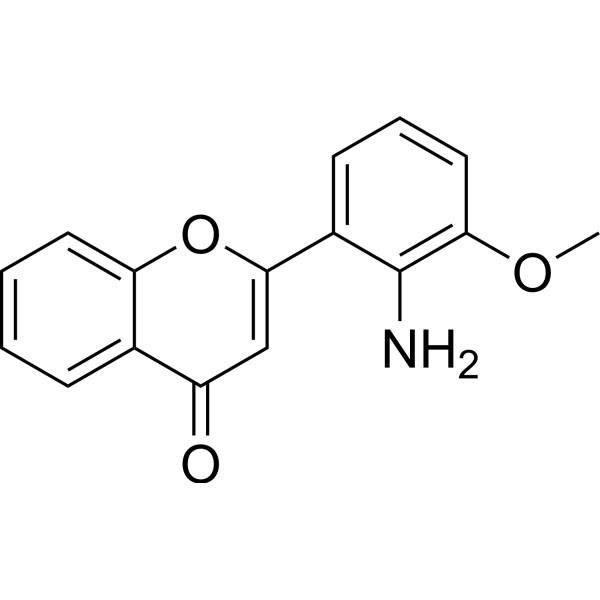
    PD98059
    390+ Cited Publications

    MEK ERK Aryl Hydrocarbon Receptor Autophagy Cancer
    PD98059 is a potent and selective MEK inhibitor with an IC50 of 5 µM. PD98059 binds to the inactive form of MEK, thereby preventing the activation of MEK1 (IC50 of 2-7 µM) and MEK2 (IC50 of 50 µM) by upstream kinases. PD98059 is a ERK1/2 signaling inhibitor. PD98059 is a ligand for the aryl hydrocarbon receptor (AHR), and suppresses TCDD binding (IC50 of 4 μM) and AHR transformation (IC50 of 1 μM). PD98059 also inhibits Mycobacterium bovis Bacillus CalmetteGuerin (BCG)-induced autophagy [1] .
    PD98059
  • HY-12031
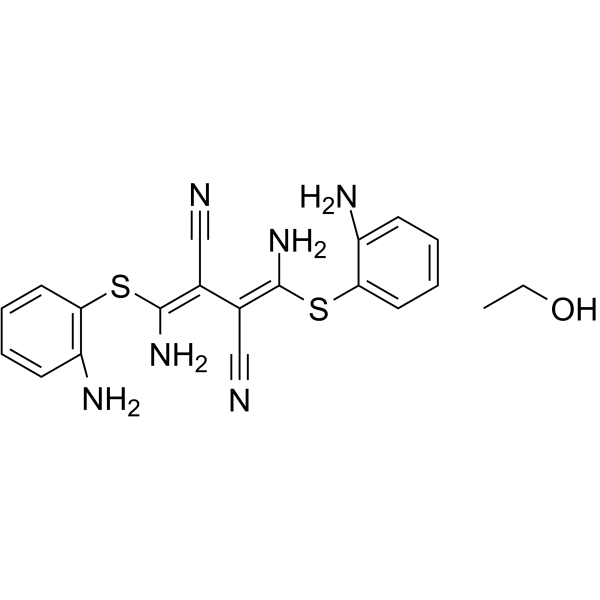
    U0126-EtOH
    Maximum Cited Publications
    459 Publications Verification

    MEK Autophagy Mitophagy Influenza Virus Cancer
    U0126 (U0126-EtOH) is a potent, non-ATP competitive and selective MEK1 and MEK2 inhibitor, with IC50s of 72 nM and 58 nM, respectively. U0126 is an autophagy and mitophagy inhibitor [1] .
    U0126-EtOH
  • HY-50295
    CI-1040
    20+ Cited Publications

    PD 184352

    MEK Apoptosis Cancer
    CI-1040 (PD 184352) is an orally active, highly specific, small-molecule inhibitor of MEK with an IC50 of 17 nM for MEK1.
    CI-1040
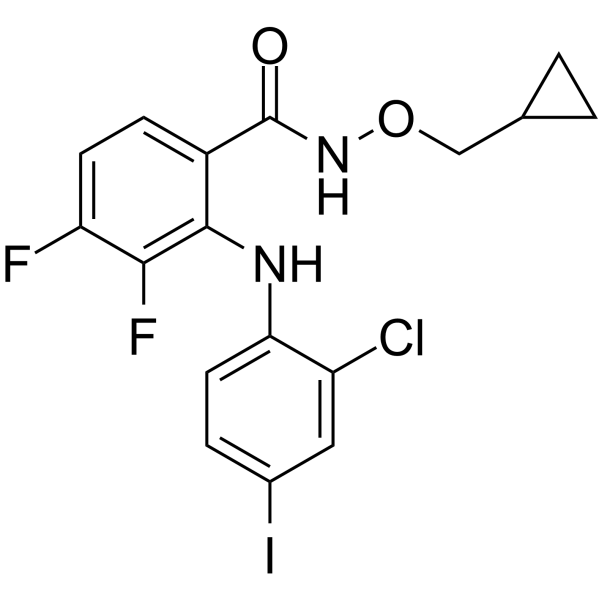
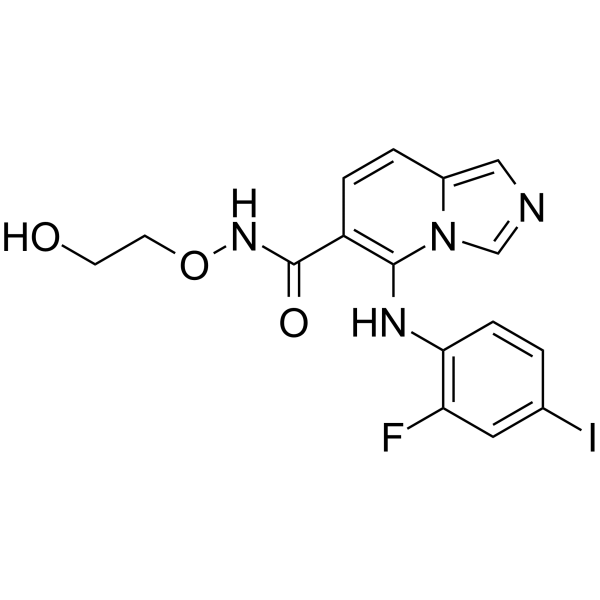
  • HY-132844

    HL-085

    MEK Cancer
    Tunlametinib is a highly selective, orally active MEK1/2 inhibitor (IC50=1.9 nM, MEK1). Tunlametinib blocks the RAS-RAF-MEK-ERK signaling pathway, arrests tumor cell cycle and promotes apoptosis. Tunlametinib potently inhibits the proliferation of RAS/RAF mutant cancer cells (such as BRAF V600E, KRAS G12C mutant cells). Tunlametinib shows synergistic anti-tumor effects with BRAF/KRASG12C/SHP2 inhibitors, Docetaxel (HY-B0011). Tunlametinib can be used to study targeted therapy for RAS/RAF mutation-driven malignancies (such as melanoma, colorectal cancer, and non-small cell lung cancer) [1] .
    Tunlametinib
  • HY-10999A
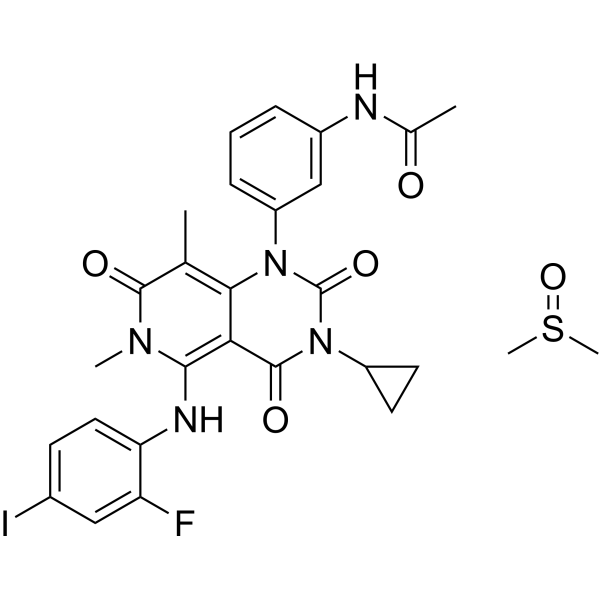
    Trametinib (DMSO solvate)
    285+ Cited Publications

    GSK-1120212 (DMSO solvate); JTP-74057 (DMSO solvate)

    MEK Apoptosis Cancer
    Trametinib (DMSO solvate) (GSK-1120212 (DMSO solvate)) is an orally active MEK inhibitor that inhibits MEK1 and MEK2 with IC50s of about 2 nM. Trametinib (DMSO solvate) activates autophagy and induces apoptosis [1] . This product is in solid form, a DMSO solvate, and a stable crystalline form.
    Trametinib (DMSO solvate)
  • HY-15610
    GDC-0623
    5+ Cited Publications

    RG 7421; MEK inhibitor 1

    MEK Apoptosis Cancer
    GDC-0623 (RG 7421) is a potent, ATP-uncompetitive inhibitor of MEK1 (Ki=0.13 nM, +ATP), and displays 6-fold weaker potency against HCT116 (KRAS (G13D), EC50=42 nM) versus A375 (BRAF V600E, EC50=7 nM).
    GDC-0623
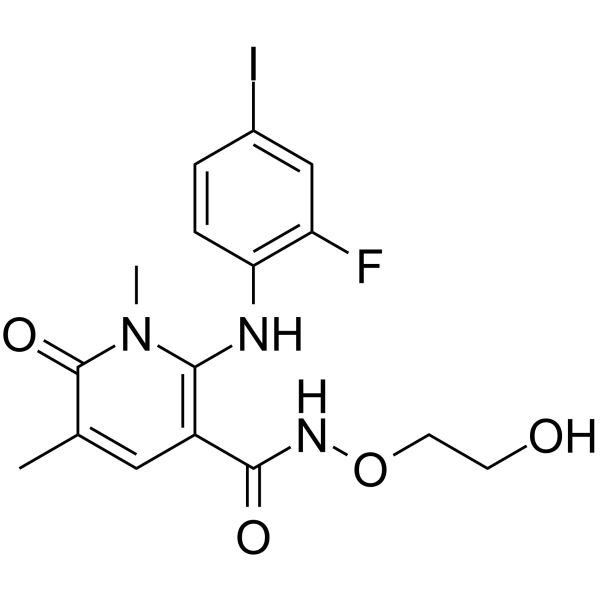
  • HY-12058
    AZD8330
    5+ Cited Publications

    ARRY-424704; ARRY-704

    MEK Cancer
    AZD8330 (ARRY-424704) is a potent, uncompetitive MEK1/MEK2 inhibitor, with an IC50 of 7 nM.
    AZD8330
  • HY-10542
    GW 5074
    5+ Cited Publications

    Raf Apoptosis Cancer
    GW 5074 is a potent and selective c-Raf inhibitor with IC50 of 9 nM, and has no effect on the activities of JNK1/2/3, MEK1, MKK6/7, CDK1/2, c-Src, p38 MAP, VEGFR2 or c-Fms [1] .
    GW 5074
  • HY-P0119
    Lixisenatide
    2 Publications Verification

    GLP Receptor Akt MEK Apoptosis Reactive Oxygen Species (ROS) MMP Cardiovascular Disease Neurological Disease Metabolic Disease Inflammation/Immunology
    Lixisenatide is a glucagon-like peptide-1 (GLP-1) receptor agonist. Lixisenatide inhibits the inflammatory response through down regulation of pro-inflammatory cytokines, and suppresses of the Akt-MEK1/2 signaling pathway. Lixisenatide can inhibit oxidative stress, mitochondrial dysfunction and apoptosis. Lixisenatide can be used for the researches of inflammation, metabolic disease, neurological disease and cardiovascular disease, such as rheumatoid arthritis, diabetes, Alzheimer's disease and atherosclerosis [1] .
    Lixisenatide
  • HY-12042
    Pimasertib
    5+ Cited Publications

    AS703026; MSC1936369B

    MEK Cancer
    Pimasertib (AS703026) is a highly selective, ATP non-competitive allosteric orally available MEK1/2 inhibitor [1] .
    Pimasertib
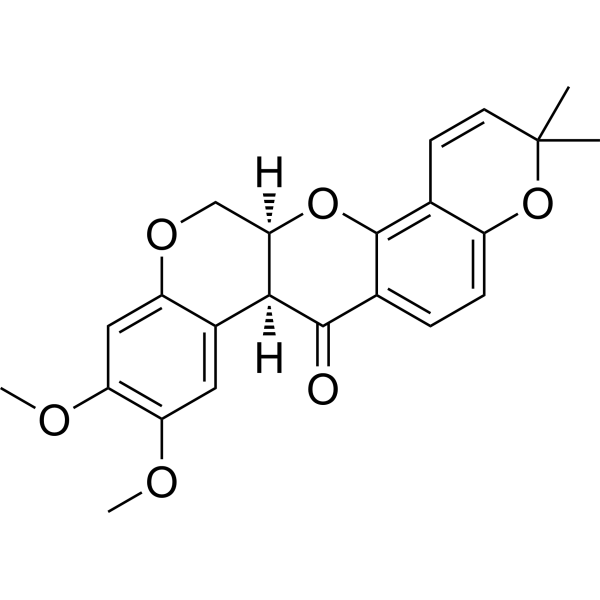
  • HY-13425
    Deguelin
    10+ Cited Publications

    (-)-Deguelin; (-)-cis-Deguelin

    Akt Autophagy Apoptosis Cancer
    Deguelin, a naturally occurring rotenoid, acts as a chemopreventive agent by blocking multiple pathways like PI3K-Akt, IKK-NF-κB, and MAPK-mTOR-survivin-mediated apoptosis. Deguelin binding to Hsp90 leads to a decreased expression of numerous oncogenic proteins, including MEK1/2, Akt, HIF1α, COX-2, and NF-κB.
    Deguelin
  • HY-15196
    TAK-285
    3 Publications Verification

    EGFR Cancer
    TAK-285 is a potent, selective, ATP-competitive and orally active HER2 and EGFR(HER1) inhibitor with IC50 of 17 nM and 23 nM, respectively. TAK-285 is >10-fold selectivity for HER1/2 than HER4, and less potent to MEK1/5, c-Met, Aurora B, Lck, CSK etc. TAK-285 has effective antitumor activity [1]. TAK-285 can cross the blood-brain barrier (BBB) .
    TAK-285
  • HY-14691
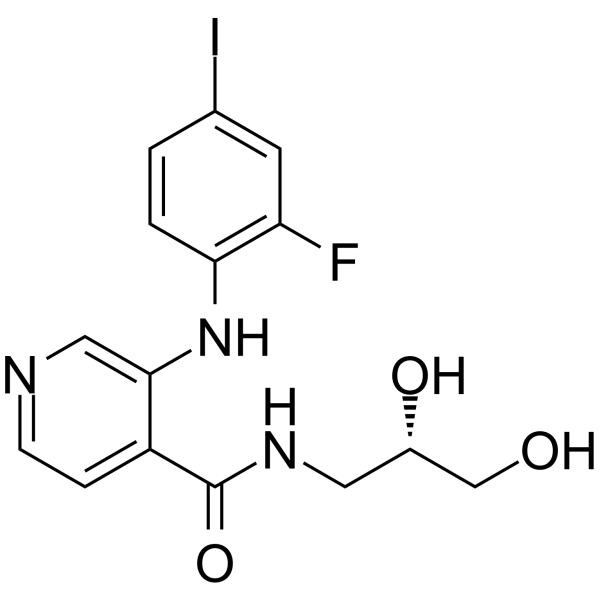
    Refametinib
    10+ Cited Publications

    BAY 869766; RDEA119

    MEK Cancer
    Refametinib (BAY 869766; RDEA119) is an orally available, potent, non-ATP-competitive, selective, allosteric MEK1/MEK2 inhibitor with IC50s of 19 nM and 47 nM, respectively.
    Refametinib
  • HY-50706A
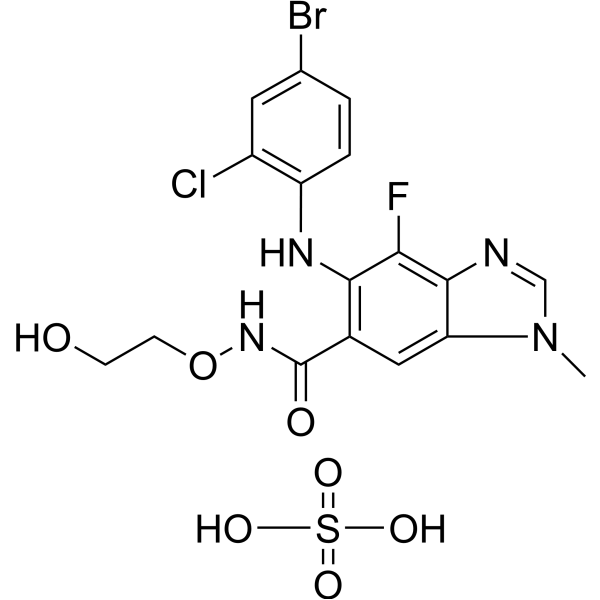
    Selumetinib sulfate
    85+ Cited Publications

    AZD6244 sulfate; ARRY-142886 sulfate

    MEK Apoptosis Neurological Disease Metabolic Disease Inflammation/Immunology Cancer
    Selumetinib (AZD6244) sulfate is selective, non-ATP-competitive oral MEK1/2 inhibitor, with an IC50 of 14 nM for MEK1. Selumetinib (AZD6244) sulfate inhibits ERK1/2 phosphorylation. Selumetinib sulfate can penetrate the blood brain barrier (BBB) [1] .
    Selumetinib sulfate
  • HY-15504A
    RGB-286638 free base
    3 Publications Verification

    CDK GSK-3 MEK JAK Cancer
    RGB-286638 is a CDK inhibitor that inhibits the kinase activity of cyclin T1-CDK9, cyclin B1-CDK1, cyclin E-CDK2, cyclin D1-CDK4, cyclin E-CDK3, and p35-CDK5 with IC50s of 1, 2, 3, 4, 5 and 5 nM, respectively; also inhibits GSK-3β, TAK1, Jak2 and MEK1, with IC50s of 3, 5, 50, and 54 nM.
    RGB-286638 free base
  • HY-13064A
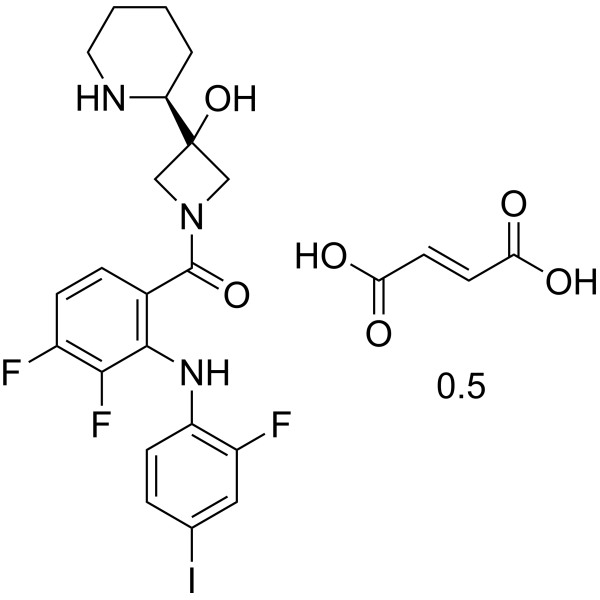
    Cobimetinib hemifumarate
    60+ Cited Publications

    GDC-0973 hemifumarate; XL-518 hemifumarate

    MEK Apoptosis Cancer
    Cobimetinib hemifumarate is a novel selective MEK1 inhibitor, and the IC50 value against MEK1 is 4.2 nM.
    Cobimetinib hemifumarate
  • HY-B0023
    Azelnidipine
    3 Publications Verification

    CS 905

    Calcium Channel MEK Cardiovascular Disease Neurological Disease Inflammation/Immunology Cancer
    Azelnidipine (CS 905) is a dihydropyridine calcium channel blocker that is effective orally. Azelnidipine inhibits the intracellular calcium ion flow and lower blood pressure by selectively blocking L-type calcium channel on the membrane of vascular smooth muscle. Azelnidipine inhibits esophageal squamous cell carcinoma proliferation by targeting MEK1/2. Azelnidipine also has anti-inflammatory, antioxidant and neuroprotective effects [1] .
    Azelnidipine
  • HY-153864

    PROTACs MEK ERK Cancer
    PROTAC MEK1 Degrader-1 is a PROTAC targeting MEK1 with a pIC50 value of 7.0. PROTAC MEK1 Degrader-1 consists of a MEK1 inhibitor and a von Hippel-Lindau ligand. PROTAC MEK1 Degrader-1 can inhibit ERK1/2 phosphorylation. PROTAC MEK1 Degrader-1 shows an antiproliferative activity against A375 cells [1].
    PROTAC MEK1 Degrader-1
  • HY-14719
    RO4987655
    5+ Cited Publications

    CH4987655

    MEK Cancer
    RO4987655 is an orally active and highly selective MEK inhibitor with an IC50 of 5.2 nM for inhibition of MEK1/MEK2.
    RO4987655
  • HY-15437
    SL327
    5+ Cited Publications

    MEK Cancer
    SL327 inhibits MEK1 and MEK2, with IC50 values of 180 nM and 220 nM, respectively.
    SL327
  • HY-12062
    PD318088
    1 Publications Verification

    MEK Cancer
    PD318088 is a potent, allosteric and non-ATP competitive MEK1/2 inhibitor, an analog of PD184352 (HY-50295). PD318088 binds simultaneously with ATP in a region of the MEK1 active site that is adjacent to the ATP-binding site. PD318088 can be used for cancer research [1].
    PD318088
  • HY-18086
    TCS PIM-1 1
    4 Publications Verification

    SC 204330

    Pim Cancer
    TCS PIM-1 1 (SC 204330) is a potent, selective and ATP-competitive Pim-1 kianse inhibitor with an IC50 of 50 nM, displays good selectivity over Pim-2 and MEK1/MEK2 (IC50s >20000 nM) [1].
    TCS PIM-1 1
  • HY-100627

    MEK Cancer
    APS-2-79 is a KSR-dependent MEK antagonist. APS-2-79 inhibits ATP biotin binding to KSR2 within the KSR2-MEK1 complexe with an IC50 of 120 nM. APS-2-79 makes the stabilization of the KSR inactive state antagonizes oncogenic Ras-MAPK signaling [1].
    APS-2-79
  • HY-130602

    PROTACs MEK Cancer
    MS432 is a first-in-class and highly selective PD0325901-based von Hippel-Lindau-recruiting PROTAC degrader for MEK1 and MEK2. MS432 displays good plasma exposure in mice, exhibiting DC50 values of 31 nM and 17 nM for MEK1, MEK2 in HT29 cells respectively [1].
    MS432
  • HY-156625
    Nedometinib
    1 Publications Verification

    NFX-179

    MEK PERK p38 MAPK Cancer
    Nedometinib (NFX-179) is a specific MEK1 inhibitor with an IC50 of 135 nM. Nedometinib inhibits p-ERK, MAPK. Nedometinib exerts anticancer activity against squamous cell carcinoma. Nedometinib can be used for research in dermatosis, neurofibromatosis [1] .
    Nedometinib
  • HY-10999R

    GSK1120212 (Standard); JTP-74057 (Standard)

    Reference Standards MEK Autophagy Apoptosis Cancer
    Trametinib (Standard) is the analytical standard of Trametinib. This product is intended for research and analytical applications. Trametinib (GSK1120212; JTP-74057) is an orally active MEK inhibitor that inhibits MEK1 and MEK2 with IC50s of about 2 nM. Trametinib activates autophagy and induces apoptosis [1] .
    Trametinib (Standard)
  • HY-145702

    MEK ERK Cancer
    MAP855 is a highly potent, selective, ATP-competitive and orally active MEK1/2 kinase inhibitor (MEK1 ERK2 cascade IC50=3 nM, pERK EC50=5 nM). MAP855 shows equipotent inhibition of wild-type and mutant MEK1/2 [1].
    MAP855
  • HY-10999S

    MEK Autophagy Apoptosis Cancer
    Trametinib-d4 is the deuterium labeled Trametinib. Trametinib (GSK1120212; JTP-74057) is an orally active MEK inhibitor that inhibits MEK1 and MEK2 with IC50s of about 2 nM. Trametinib activates autophagy and induces apoptosis [1] .
    Trametinib-d4
  • HY-P0119A
    Lixisenatide acetate
    2 Publications Verification

    GLP Receptor Akt MEK Reactive Oxygen Species (ROS) Apoptosis MMP Cardiovascular Disease Neurological Disease Metabolic Disease Inflammation/Immunology
    Lixisenatide acetate is a glucagon-like peptide-1 (GLP-1) receptor agonist. Lixisenatide acetate inhibits the inflammatory response through down regulation of pro-inflammatory cytokines, and suppresses of the Akt-MEK1/2 signaling pathway. Lixisenatide acetate can inhibit oxidative stress, mitochondrial dysfunction and apoptosis. Lixisenatide acetate can be used for the researches of inflammation, metabolic disease, neurological disease and cardiovascular disease, such as rheumatoid arthritis, diabetes, Alzheimer's disease and atherosclerosis [1] .
    Lixisenatide acetate
  • HY-P4133

    ERK MEK Cancer
    MEK1 Derived Peptide Inhibitor 1 is a peptide inhibitor. MEK1 Derived Peptide Inhibitor 1 can inhibit the in vitro activation of ERK2 by MEK1 with an IC50 value of 30 μM. MEK1 Derived Peptide Inhibitor 1 can be used for the research of cell-permeable [1].
    MEK1 Derived Peptide Inhibitor 1
  • HY-131295
    PD0325901-O-C2-dioxolane
    2 Publications Verification

    MEK Ligands for Target Protein for PROTAC Cancer
    PD0325901-O-C2-dioxolane has main portion of MEK inhibitor PD0325901. PD0325901-O-C2-dioxolane and a ligand of VHL or CRBN E3 ligase can be used in the synthesis of MEK1/2 degrader [1].
    PD0325901-O-C2-dioxolane
  • HY-142042

    MEK TGF-beta/Smad Neurological Disease Inflammation/Immunology Cancer
    3-Hydroxy-4-carboxyalkylamidino-5-arylamino-isothiazoles is an inhibitor for bone morphogenetic protein 2 (BMP2) with an IC50 of 2.2 μM. 3-Hydroxy-4-carboxyalkylamidino-5-arylamino-isothiazoles is inhibitor for mitogen-activated protein kinase 1 (MEK1). 3-Hydroxy-4-carboxyalkylamidino-5-arylamino-isothiazoles exhibits anti-inflammatory and neuroprotective activity in EAE mouse model [1] .
    3-Hydroxy-4-carboxyalkylamidino-5-arylamino-isothiazoles
  • HY-E70746

    MEK Cancer
    MEK1 is the MAP/ERK kinase. The MEK1 kinase directly phosphorylates ERK2, after the activation loop of MEK1 is itself phosphorylated by Raf. MEK1 SESE is a mutant of MEK1. MEK1 SESE Recombinant Human Active Protein Kinase is a recombinant MEK1 SESE protein that can be used to study MEK1 SESE-related functions [1].
    MEK1 SESE Recombinant Human Active Protein Kinase
  • HY-13064S1

    GDC-0973-d4hydrochloride; XL518-d4 hydrochloride

    MEK Apoptosis Isotope-Labeled Compounds Cancer
    Cobimetinib-d4 hydrochloride is deuterated labeled Cobimetinib (HY-13064). Cobimetinib (GDC-0973, RG7420) is a potent, selective and oral MEK1 inhibitor with an IC50 of 4.2 nM for MEK1.
    Cobimetinib-d4 hydrochloride
  • HY-107417

    VEGFR MEK FLT3 PDGFR ERK Cancer
    Hypothemycin, a fungal polyketide, is a multikinase inhibitor with Kis of 10/70 nM, 17/38 nM, 90 nM, 900 nM/1.5 μM, and 8.4/2.4 μM for VEGFR2/VEGFR1, MEK1/MEK2, FLT-3, PDGFRβ/PDGFRα, and ERK1/ERK2, respectively [1] .
    Hypothemycin
  • HY-115674

    Glutathione S-transferase Akt MEK Neurological Disease Inflammation/Immunology
    ML175 is a specific glutathione transferase Omega 1-1 (GSTO1-1) inhibitor. ML175 can significantly activate Akt and MEK1/2 kinases. ML175 can be used in the research of diseases such as Parkinson's disease [1].
    ML175
  • HY-113592
    ERK-IN-4
    1 Publications Verification

    ERK Cancer
    ERK-IN-4 is an ERK inhibitor binds preferentially to ERK2 with a Kd of 5 μM. ERK-IN-4 specificity inhibits ERK Rsk-1 and Elk-1 phosphorylation. ERK-IN-4 has little effect on ERK protein phosphorylation by its upstream activator MEK1/2 [1].
    ERK-IN-4
  • HY-170982

    MEK PROTACs Cancer
    MS910 is an efficient and selective MEK1/2 PROTAC degrader. MS910 exhibits effective MEK1/2 degradation ability and anti proliferative activity in various cancer cells, such as HT-29 (MEK1 DC50 = 118 nM, MEK2 DC50 = 55 nM) and SK-MEL-28 (MEK1 DC50 = 94 nM, MEK2 DC50 = 38 nM) cells. MS910 is commonly used in cancer research. (Pink: MEK1/2 Ligand (HY-10254); Blue: CRBN Ligand (HY-W087383); Black: Linker (HY-W022240)) [1]
    MS910
  • HY-E70744

    MEK Cancer
    MEK1 is the MAP/ERK kinase. The MEK1 kinase directly phosphorylates ERK2, after the activation loop of MEK1 is itself phosphorylated by Raf. MEK1 F53L is a mutant of MEK1. MEK1 F53L Recombinant Human Active Protein Kinase is a recombinant MEK1 F53L protein that can be used to study MEK1 F53L-related functions [1].
    MEK1 F53L Recombinant Human Active Protein Kinase
  • HY-E70745

    MEK Cancer
    MEK1 is the MAP/ERK kinase. The MEK1 kinase directly phosphorylates ERK2, after the activation loop of MEK1 is itself phosphorylated by Raf. MEK1 P124L is a mutant of MEK1. MEK1 P124L Recombinant Human Active Protein Kinase is a recombinant MEK1 P124L protein that can be used to study MEK1 P124L-related functions [1].
    MEK1 P124L Recombinant Human Active Protein Kinase
  • HY-111033

    MEK ERK Apoptosis p38 MAPK CDK PARP Inflammation/Immunology Cancer
    RO5068760 is a potent, orally active and selective non-ATP-competitive MEK1/2 inhibitor with an IC50 of 0.025 μM for MEK1. RO5068760 significantly inhibits MAPK pathway activity, thereby inducing G1 cell cycle arrest and apoptosis to inhibit cancer cell growth. RO5068760 exhibits significant efficacy in a broad spectrum of tumors with aberrant MAPK pathway activation. RO5068760 can be used for melanoma, colorectal cancer, non-small cell lung cancer (NSCLC), and pancreatic cancer research [1].
    RO5068760
  • HY-100627A

    MEK Cancer
    APS-2-79 hydrochloride is a KSR-dependent MEK antagonist. APS-2-79 inhibits ATP biotin binding to KSR2 within the KSR2-MEK1 complexe with an IC50 of 120 nM. APS-2-79 makes the stabilization of the KSR inactive state antagonizes oncogenic Ras-MAPK signaling [1].
    APS-2-79 hydrochloride
  • HY-10999S1

    MEK Autophagy Apoptosis Cancer
    Trametinib- 13C6 is the 13C-labeled Trametinib. Trametinib (GSK1120212; JTP-74057) is an orally active MEK inhibitor that inhibits MEK1 and MEK2 with IC50s of about 2 nM. Trametinib activates autophagy and induces apoptosis [1] .
    Trametinib-13C6

Inquiry Online

Your information is safe with us. * Required Fields.

Salutation


Country or Region *

Applicant Name *


Organization Name *

Department *


Email Address *


Product Name *

Cat. No.


Requested quantity *

Phone Number *


Remarks

Inquiry Online

Inquiry Information

Product Name:
Cat. No.:
Quantity:
MCE Japan Authorized Agent:

