From 11:00 pm to 12:00 pm EST ( 8:00 pm to 9:00 pm PST ) on January 6th, the website will be under maintenance. We are sorry for the inconvenience. Please arrange your schedule properly.
Oxalic acid, 99% (Ethanedioic acid) is a dicarboxylic acid found in a wide variety of plants. Oxalic acid, 99% shows antioxidant acyivity and suppresses lipid peroxidation. Oxalic acid, 99% is a pathogenicity factor for sclerotinia sclerotiorum, and suppresses the oxidative burst of the host plant. Oxalic acid, 99% exerts acaricidal activity. Oxalic acid can be used for the researches of sclerotinia disease, varroatosis and inflammatory diseases .
Aderamastat (FP-025) is an orally active, selective MMP-12 inhibitor. Aderamastat provides protection against house dust mite (HDM)-sensitized allergic asthma. Aderamastat can be used in the research of respiratory diseases, including chronic inflammatory airway diseases and pulmonary fibrosis .
House Dust Mite Extract, from D.farinae is a house dust mite allergen extract derived from Dermatophagoides farinae. House Dust Mite Extract, from D.farinae significantly increases the levels of cytokines (IL-4, IL-5, IL-6) in bronchoalveolar lavage fluid. House Dust Mite Extract, from D.farinae upregulates the overexpression of MUC5AC. House Dust Mite Extract, from D.farinae induces allergic asthma and pulmonary inflammation .
House Dust Mite Extract, from D. pteronyssinus is a house dust mite allergenic extract derived from Dermatophagoides pteronyssinus. House Dust Mite Extract, from D. pteronyssinus increases serum IgE, IgG1 and IgG2a levels, and elevates the levels of Interleukins 4, 5, 6, 10, 13 and 17. House Dust Mite Extract, from D. pteronyssinus induces significant asthmatic pathological changes. House Dust Mite Extract, from D. pteronyssinus can be used in studies related to asthma and allergic conjunctivitis .
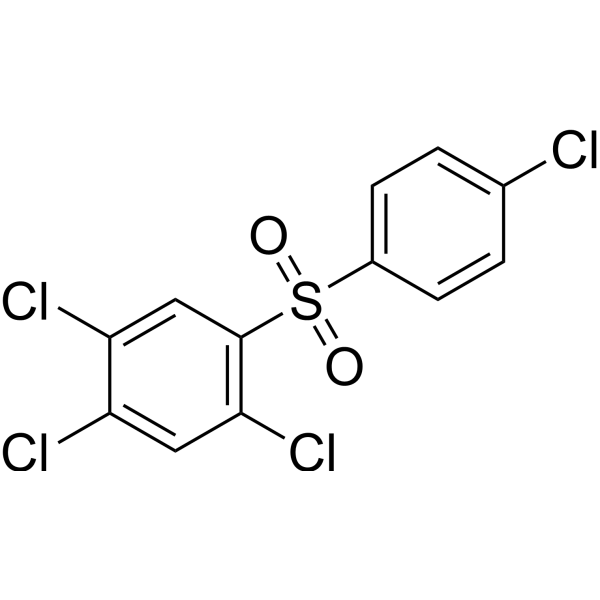
Tetradifon is a broad-spectrum organochlorine insecticide and an inhibitor of the mitochondrial oligomycin sensitivity conferring protein (OSCP), which can be used to control a variety of mites. Tetradifon inhibits energy-related activities such as ADP-stimulated respiration, DNP and Mg 2+-stimulated ATPase, with an IC50 of 4.5-27 nmoL/mg mitochondrial protein. Tetradifon exerts oligomycin-like activity by inhibiting the oxidative phosphorylation process, inducing oxidative stress and interfering with bone metabolism. Tetradifon is currently mainly used in the research of mitochondrial function regulation, bone remodeling mechanism and nephrotoxicity of environmental pollutants .
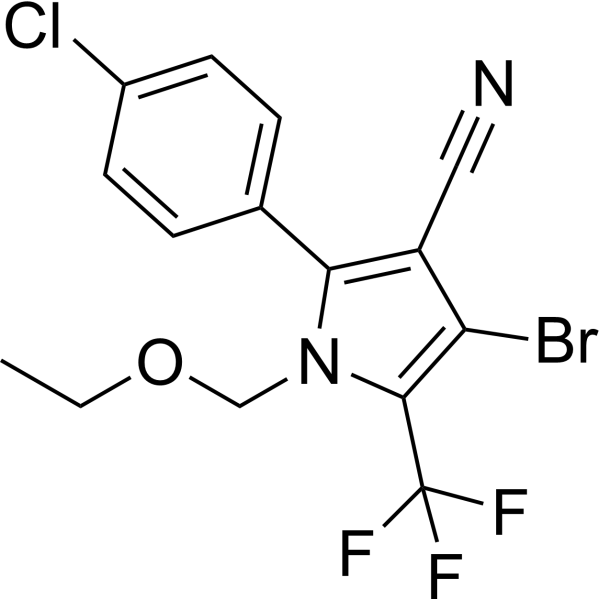
Chlorfenapyr is a pyrrole insecticide. Chlorfenapyr has a mode of action: the mixed function oxidase oxidizes and removes the Nethoxymethyl group to form the active metabolite, CL 303268. Chlorfenapyr is used for termite control and crop protection against a variety of insect and mite pests .
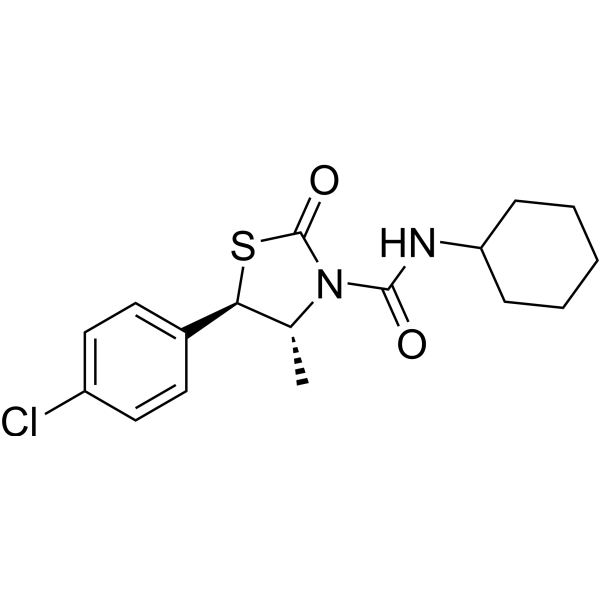
Hexythiazox is a selective acaricide with ovicidal, larvicidal and nymphicidal activities. Hexythiazox is widely used for chemical control of mites on cotton, fruits and vegetables. Hexythiazox is harmless to mammals and has no effect on beneficial insects and predators of mites .
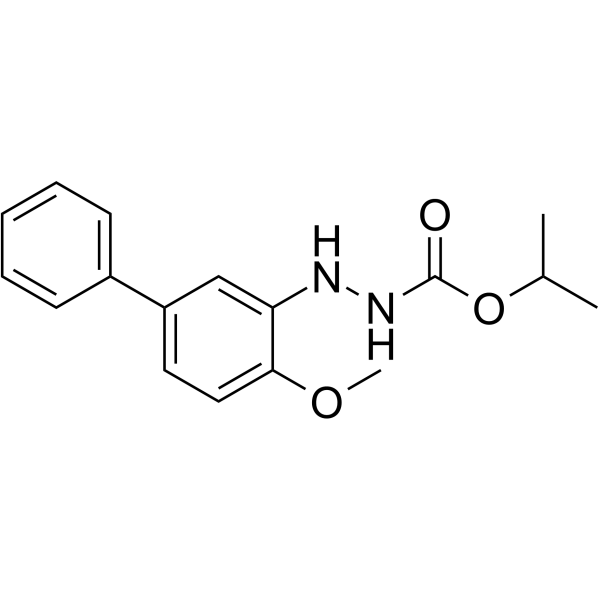
Bifenazate is a carbazate acaricide that control 100% of mites at a concentration of 25 ppm . Bifenazate is a positive allosteric modulator of GABA receptor . Bifenazate is the inhibitor for the mitochondrial electron transport chain complex III .
Pyridaben is a mitochondrial electron transport inhibitor (METI) acaricide that promotes the formation of damaging oxygen and nitrogen radicals. Pyridaben selectively inhibits complex I (NADH dehydrogenase) with an IC50 value of 2.4 nM (assay sites: rat liver and bovine heart mitochondria). Pyridaben also significantly inhibits rat mitochondrial mtNOS function .
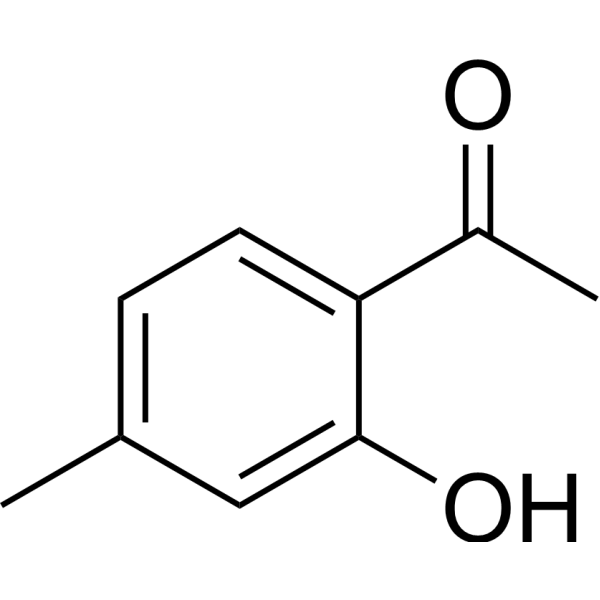
2-Methylacetophenone (O-Methylacetophenone), acetophenone derivative and acaricide, is a xanthine dehydrogenase (XDH) inhibitor. 2-Methylacetophenone competitively binds to the XDH active site, blocking the pathway for xanthine to be converted to uric acid. 2-Methylacetophenone can be used for the study of hyperuricemia and house dust .
Cyflumetofen is a synthetic miticide that strongly inhibits mitochondrial complex II of spider mites, but not of insects, crustaceans, or mammals. Cyflumetofen is not significantly effective in inhibiting aflatoxin production in fungi .
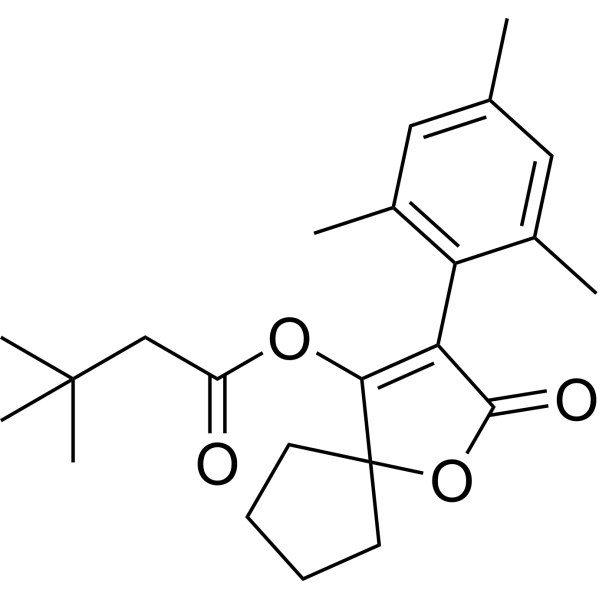
Spiromesifen (BSN 2060) is a broad-spectrum
tetrachloro acid derivative acaricide. Spiromesifen reduces lipid biosynthesis via inhibition of acetyl-CoA carboxylase, and has no cross-resistance to any resistant mite or whitefly
populations .
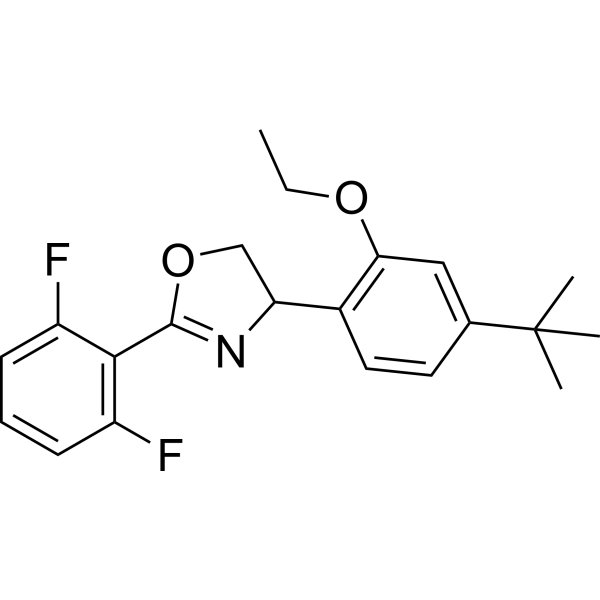
Etoxazole (YI-5301) is an organofluorine insecticide widely used in agriculture. Etoxazole affects the nymphs, eggs, and larvae of spider mites by inhibiting chitin biosynthesis .
Milbemycin A3 is a 16-membered macrocyclic lactone compound found in the soil bacterium Saccharopolyspora hygroscopicus subsp. aureolacrimosus. Milbemycin A3 enhances the opening of glutamate- and GABA-gated chloride channels and exhibits insecticidal activity. Milbemycin A3 can be used in insect resistance-related research .
Chlorfenapyr (Standard) is the analytical standard of Chlorfenapyr. This product is intended for research and analytical applications. Chlorfenapyr is a pyrrole insecticide. Chlorfenapyr has a mode of action: the mixed function oxidase oxidizes and removes the Nethoxymethyl group to form the active metabolite, CL 303268. Chlorfenapyr is used for termite control and crop protection against a variety of insect and mite pests .
2-epi-Abamectin is a degradation product of Abamectin. It is toxic to the two-spotted spider mite in a contact assay with an LC50 value of 4 ppm, which is approximately 100-fold less potent than abamectin.
ADAM17-IN-1 is a selective inhibitor of ADAM17. ADAM17-IN-1 inhibits ADAM17 activity to reduce metabolic activity of dendritic cells (DCs), impair DC antigen-presenting function, suppress allergen-specific Th2 cell polarization, and reduce Th2 cytokine (IL-4, IL-5, IL-13) secretion. ADAM17-IN-1 demonstrates protective efficacy against house dust mite (HDM)-induced type 2/eosinophilic airway inflammation in mice. ADAM17-IN-1 can be used for the study of type 2-high allergic asthma .
Oxalic acid (Ethanedioic acid) diammonium monohydrate is a dicarboxylic acid found in a wide variety of plants. Oxalic acid diammonium monohydrate shows antioxidant acyivity and suppresses lipid peroxidation. Oxalic acid diammonium monohydrate is a pathogenicity factor for sclerotinia sclerotiorum, and suppresses the oxidative burst of the host plant. Oxalic acid diammonium monohydrate exerts acaricidal activity. Oxalic acid can be used for the researches of sclerotinia disease varroatosis and inflammatory diseases .
House dust mite extract, from D.pteronyssinus (biotinylated), the most common source of indoor allergens, induces a variety of allergic diseases, including allergic rhinitis, conjunctivitis, allergic asthma, and atopic dermatitis .
Propoxybenzene (Propyl phenyl ether) is a dialkoxybenzene intermediate. Propoxybenzene has antiparasitic activity. Propoxybenzene can be used in the study of Varroa mite infestation .
Tiadinil is a systemic acquired resistance (SAR) inducer, plant elicitor and antifungal agent. Tiadinil promotes the production of herbivore-induced plant volatiles in Camellia sinensis (tea plant). Tiadinil inhibits mycelial growth, spore germination and germ tube elongation of Stagonosporopsis citrulli in vitro. Tiadinil can be used in studies related to vine blight .
τ-Fluvalinate is an insecticide and in-hive miticide, with its mechanism involving interfering with nervous systems. τ-Fluvalinate binds to the open state of Varroa destructor (VdNaV1) and Apis mellifera (AmNaV1) voltage-dependent sodium channels, with EC50 values of 160 nM and 60 nM respectively. τ-Fluvalinate has higher affinity for AmNaV1, which causes sublethal toxicity to honeybees. τ-Fluvalinate can be applied for research on Varroa destructor infestation in honeybee colonies .
Propargite is a pesticide used to kill mites. Propargite induces β-cell necrosis preceded by DNA damage. Propargite induces MIN6 cell death with an IC50?of?1?μM . Propargite is a click chemistry reagent, it contains an Alkyne group and can undergo copper-catalyzed azide-alkyne cycloaddition (CuAAc) with molecules containing Azide groups.
Triazophos, a non-systemic insecticide and acaricide that acts as an acetylcholinesterase (AChE) inhibitor, covalently and irreversibly binds to the acetylcholine binding site, thus blocking the hydrolysis of acetylcholine and leading to hyperexcitability; it is effective against a variety of soil insects and mites, including aphids, thrips, midges, beetles, Lepidoptera larvae, cutworms, and spider mites in crops such as ornamentals, cotton, rice, maize, soybeans, oil palms, olives, and coffee.
Acrinathrin is a synthetic pyrethroid active ingredient. After experimental treatment for the prevention and control of bee mites, its residues in honey and beeswax are below a certain value, which is more favorable from the perspective of food hygiene.
Spiromesifen (Standard) is the analytical standard of Spiromesifen. Spiromesifen (BSN 2060) is a broad-spectrum tetrachloro acid derivative acaricide. Spiromesifen reduces lipid biosynthesis via inhibition of acetyl-CoA carboxylase, and has no cross-resistance to any resistant mite or whitefly
populations .
Propargite (Standard) is the analytical standard of Propargite. This product is intended for research and analytical applications. Propargite is a pesticide used to kill mites. Propargite induces β-cell necrosis preceded by DNA damage. Propargite induces MIN6 cell death with an IC50 of 1 μM . Propargite is a click chemistry reagent, it contains an Alkyne group and can undergo copper-catalyzed azide-alkyne cycloaddition (CuAAc) with molecules containing Azide groups.
Tetradifon (Standard) is the analytical standard of Tetradifon (HY-119725). This product is intended for research and analytical applications. Tetradifon is a broad-spectrum organochlorine insecticide and an inhibitor of the mitochondrial oligomycin sensitivity conferring protein (OSCP), which can be used to control a variety of mites. Tetradifon inhibits energy-related activities such as ADP-stimulated respiration, DNP and Mg 2+-stimulated ATPase, with an IC50 of 4.5-27 nmoL/mg mitochondrial protein. Tetradifon exerts oligomycin-like activity by inhibiting the oxidative phosphorylation process, inducing oxidative stress and interfering with bone metabolism. Tetradifon is currently mainly used in the research of mitochondrial function regulation, bone remodeling mechanism and nephrotoxicity of environmental pollutants .
Cymiazole (Standard) is the analytical standard of Cymiazole. This product is intended for research and analytical applications. Cymiazole is a miticide .
Hexythiazox-d11 is deuterium labeled Hexythiazox. Hexythiazox is a selective acaricide with ovicidal, larvicidal and nymphicidal activities. Hexythiazox is widely used for chemical control of mites on cotton, fruits and vegetables. Hexythiazox is harmless to mammals and has no effect on beneficial insects and predators of mites .
Hexythiazox (Standard) is the analytical standard of Hexythiazox. This product is intended for research and analytical applications. Hexythiazox is a selective acaricide with ovicidal, larvicidal and nymphicidal activities. Hexythiazox is widely used for chemical control of mites on cotton, fruits and vegetables. Hexythiazox is harmless to mammals and has no effect on beneficial insects and predators of mites .
Chlorbenside is an organochlorine pesticide. Chlorbenside targets organism such as mites and ticks and possesses efficient ovicidal and larvicidal activities .
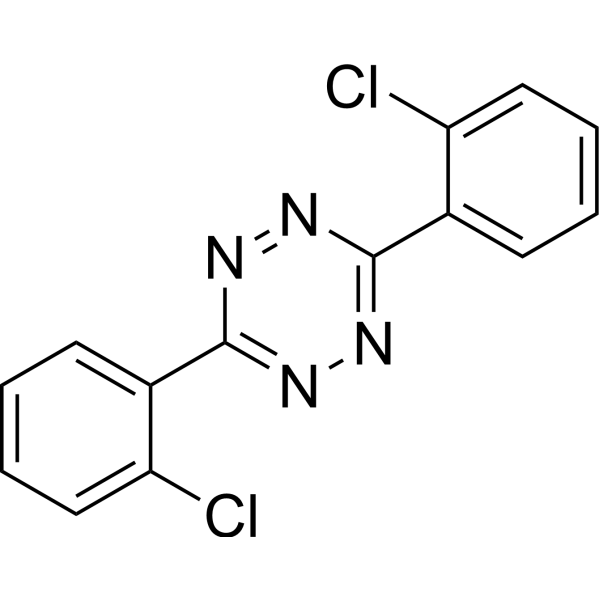
Clofentezine (Standard) is the analytical standard of Clofentezine. This product is intended for research and analytical applications. Clofentezine is a growth inhibitor that is highly lethal to mites .
Triazophos (Standard) is the analytical standard of Triazophos. This product is intended for research and analytical applications. Triazophos, a non-systemic insecticide and acaricide that acts as an acetylcholinesterase (AChE) inhibitor, covalently and irreversibly binds to the acetylcholine binding site, thus blocking the hydrolysis of acetylcholine and leading to hyperexcitability; it is effective against a variety of soil insects and mites, including aphids, thrips, midges, beetles, Lepidoptera larvae, cutworms, and spider mites in crops such as ornamentals, cotton, rice, maize, soybeans, oil palms, olives, and coffee.
Chlorbenside (Standard) is the analytical standard of Chlorbenside. This product is intended for research and analytical applications. Chlorbenside is an organochlorine pesticide. Chlorbenside targets organism such as mites and ticks and possesses efficient ovicidal and larvicidal activities .
AB3127-C is an anti-mite agent that can be isolated from Streptomyces platensis AB3217. AB3127-C exerts a protection coefficient of 90% at a concentration of 100 μg/mL .
Spiromesifen-d9 is a deuterated labeled Spiromesifen . Spiromesifen (BSN 2060) is a broad-spectrum
tetrachloro acid derivative acaricide. Spiromesifen can interfere with lipid
biosynthesis, and has no cross-resistance to any resistant mite or whitefly
populations .
Etoxazole (Standard) is the analytical standard of Etoxazole. This product is intended for research and analytical applications. Etoxazole (YI-5301) is an organofluorine insecticide widely used in agriculture. Etoxazole affects the nymphs, eggs, and larvae of spider mites by inhibiting chitin biosynthesis .
Acequinocyl (CRM) is a certified reference material categorized as a naphthoquinone acaricide.1 Acequinocyl has been found in Cannabis. Formulations containing acequinocyl have been used to control mite populations in agriculture. This product is intended for research and forensic applications.
Cyflumetofen (Standard) is the analytical standard of Cyflumetofen. This product is intended for research and analytical applications. Cyflumetofen is a synthetic miticide that strongly inhibits mitochondrial complex II of spider mites, but not of insects, crustaceans, or mammals. Cyflumetofen is not significantly effective in inhibiting aflatoxin production in fungi .
Bifenazate-d5 is the deuterium labeled Bifenazate (HY-119687). Bifenazate is a carbazate acaricide that control 100% of mites at a concentration of 25 ppm . Bifenazate is a positive allosteric modulator of GABA receptor . Bifenazate is the inhibitor for the mitochondrial electron transport chain complex III .
Bifenazate (Standard) is the analytical standard of Bifenazate. This product is intended for research and analytical applications. Bifenazate is a carbazate acaricide that control 100% of mites at a concentration of 25 ppm . Bifenazate is a positive allosteric modulator of GABA receptor . Bifenazate is the inhibitor for the mitochondrial electron transport chain complex III .
Acequinocyl (Standard) is the analytical standard of Acequinocyl. This product is intended for research and analytical applications. Acequinocyl (CRM) is a certified reference material categorized as a naphthoquinone acaricide.1 Acequinocyl has been found in Cannabis. Formulations containing acequinocyl have been used to control mite populations in agriculture. This product is intended for research and forensic applications.
Vamidothion is a polar organophosphorus insecticide and acaricide with biological activity against insects and mites. Vamidothion is degraded by human serum albumin (HSA) and promotes adduct formation with tyrosine residues. The phosphate amino acid adducts formed after the reaction of vamidothion with HSA are detected by liquid chromatography quadrupole-Orbitrap mass spectrometry. The metabolites of vamidothion can be used in forensic toxicology to help determine deaths caused by organophosphorus poisoning .
Pyridaben (Standard) is the analytical standard of Pyridaben. This product is intended for research and analytical applications. Pyridaben is a mitochondrial electron transport inhibitor (METI) acaricide that promotes the formation of damaging oxygen and nitrogen radicals. Pyridaben selectively inhibits complex I (NADH dehydrogenase) with an IC50 value of 2.4 nM (assay sites: rat liver and bovine heart mitochondria). Pyridaben also significantly inhibits rat mitochondrial mtNOS function .
Altemicidin is a monoterpene alkaloid originally isolated from S. sioyaensis with acaricidal and anticancer activities. It is acaricidal to two-spotted spider mites (T. urticae) in a greenhouse pot test at concentrations of 10 and 100 ppm. Altemicidin inhibits the growth of murine L1210 lymphocytic leukemia and IMC carcinoma cells (IC50s=0.84 and 0.82 μg/mL, respectively). It is toxic to mice with an LD50 value of 0.3 mg/kg.
PI3Kδ-IN-26 (Compound 58) is a selective and orally active PI3Kδ inhibitor with an IC50 of 14 nM. PI3Kδ-IN-26 significantly attenuates the inflammatory responses in house dust mite (HDM) induced chronic asthma mouse models. PI3Kδ-IN-26 can be used for inflammatory, autoimmune and hyperproliferative diseases research .
House dust mite extract, from D.farinae (biotinylated), the most common source of indoor allergens, induces a variety of allergic diseases, including allergic rhinitis, conjunctivitis, allergic asthma, and atopic dermatitis .
Pyrimidifen is a phenoxyethyl amine compound and is an acaricide. Pyrimidifen controls the African red mite, Eutetranychus africanus with a persistency of 14-21 days .
Xiaochongliulin is a organophosphate insecticide. Xiaochongliulin shows insecticidal activity against citrus red mite, citrus scales, cotton bollworm, diamondback moth, and rice planthopper. Xiaochongliulin has low acute oral toxicity in rats .
Nerylformate is a terpenoid derivative secreted by American house dust mites (Dermatophagoides farinae) and European house dust mites (Dermatophagoides pteronyssinus). Nerylformate has a significant attraction effect on both male and female individuals of the two species of house dust mites. Nerylformate guides the mites to gather together to reduce dehydration and enhance defense. Nerylformate can be used for the research of immunology and inflammation, such as allergic rhinitis .
Bentioflumin is a fluoroalkylthiobenzene acaricide with excellent leaf penetration, and its control validity period against mites exceeds 25 days. Bentioflumin can be used in studies related to mite infestation .
Spirobudiclofen is a selective, non-systemic acaricide and insecticide, primarily used to control mites in agriculture. Spirobudiclofen significantly inhibited survival and reproduction of Panonychus citri (Acari: Tetranychidae) , and the effects aggravated as concentration increased.
Triazophos-d5 (Hostathion 40EC-d5) is the deuterium labeled Triazophos(HY-B0828) . Triazophos, a non-systemic insecticide and acaricide that acts as an acetylcholinesterase (AChE) inhibitor, covalently and irreversibly binds to the acetylcholine binding site, thus blocking the hydrolysis of acetylcholine and leading to hyperexcitability; it is effective against a variety of soil insects and mites, including aphids, thrips, midges, beetles, Lepidoptera larvae, cutworms, and spider mites in crops such as ornamentals, cotton, rice, maize, soybeans, oil palms, olives, and coffee.
Pyrimidifen-d4 is the deuterium labeled Pyrimidifen (HY-W703863). Pyrimidifen is a phenoxyethyl amine compound and is an acaricide. Pyrimidifen controls the African red mite, Eutetranychus africanus with a persistency of 14-21 days .
Z226407860 is a RING-box protein 1 (RBX1) inhibitor. Z226407860 reduces house dust mite-induced airway epithelial injury and ROS accumulation by inhibiting RBX1. Z226407860 can be used for the research of asthma .
Flubenzimine is a cyclic amidine acaricide. Flubenzimine significantly reduces the levels of dopamine and its precursor dopa in Rhizoglyphus echinopus .
Benzoyl isothiocyanate is an aromatic isothiocyanate compound found in Sinapis alba L.. Benzoyl isothiocyanate exerts acaricidal activity against Dermatophagoides farina and D. pteronyssinus with LD50 values of 13.8 and 7.63 µg/cm 2. Benzoyl isothiocyanate can be used for the research on house dust mite-related allergic disease .
House Dust Mite Extract, from D.farinae is a house dust mite allergen extract derived from Dermatophagoides farinae. House Dust Mite Extract, from D.farinae significantly increases the levels of cytokines (IL-4, IL-5, IL-6) in bronchoalveolar lavage fluid. House Dust Mite Extract, from D.farinae upregulates the overexpression of MUC5AC. House Dust Mite Extract, from D.farinae induces allergic asthma and pulmonary inflammation .
House Dust Mite Extract, from D. pteronyssinus is a house dust mite allergenic extract derived from Dermatophagoides pteronyssinus. House Dust Mite Extract, from D. pteronyssinus increases serum IgE, IgG1 and IgG2a levels, and elevates the levels of Interleukins 4, 5, 6, 10, 13 and 17. House Dust Mite Extract, from D. pteronyssinus induces significant asthmatic pathological changes. House Dust Mite Extract, from D. pteronyssinus can be used in studies related to asthma and allergic conjunctivitis .
Etoxazole (YI-5301) is an organofluorine insecticide widely used in agriculture. Etoxazole affects the nymphs, eggs, and larvae of spider mites by inhibiting chitin biosynthesis .
Oxalic acid (Ethanedioic acid) diammonium monohydrate is a dicarboxylic acid found in a wide variety of plants. Oxalic acid diammonium monohydrate shows antioxidant acyivity and suppresses lipid peroxidation. Oxalic acid diammonium monohydrate is a pathogenicity factor for sclerotinia sclerotiorum, and suppresses the oxidative burst of the host plant. Oxalic acid diammonium monohydrate exerts acaricidal activity. Oxalic acid can be used for the researches of sclerotinia disease varroatosis and inflammatory diseases .
House dust mite extract, from D.pteronyssinus (biotinylated), the most common source of indoor allergens, induces a variety of allergic diseases, including allergic rhinitis, conjunctivitis, allergic asthma, and atopic dermatitis .
Etoxazole (Standard) is the analytical standard of Etoxazole. This product is intended for research and analytical applications. Etoxazole (YI-5301) is an organofluorine insecticide widely used in agriculture. Etoxazole affects the nymphs, eggs, and larvae of spider mites by inhibiting chitin biosynthesis .
House dust mite extract, from D.farinae (biotinylated), the most common source of indoor allergens, induces a variety of allergic diseases, including allergic rhinitis, conjunctivitis, allergic asthma, and atopic dermatitis .
Oxalic acid, 99% (Ethanedioic acid) is a dicarboxylic acid found in a wide variety of plants. Oxalic acid, 99% shows antioxidant acyivity and suppresses lipid peroxidation. Oxalic acid, 99% is a pathogenicity factor for sclerotinia sclerotiorum, and suppresses the oxidative burst of the host plant. Oxalic acid, 99% exerts acaricidal activity. Oxalic acid can be used for the researches of sclerotinia disease, varroatosis and inflammatory diseases .
2-Methylacetophenone (O-Methylacetophenone), acetophenone derivative and acaricide, is a xanthine dehydrogenase (XDH) inhibitor. 2-Methylacetophenone competitively binds to the XDH active site, blocking the pathway for xanthine to be converted to uric acid. 2-Methylacetophenone can be used for the study of hyperuricemia and house dust .
Triazophos (Standard) is the analytical standard of Triazophos. This product is intended for research and analytical applications. Triazophos, a non-systemic insecticide and acaricide that acts as an acetylcholinesterase (AChE) inhibitor, covalently and irreversibly binds to the acetylcholine binding site, thus blocking the hydrolysis of acetylcholine and leading to hyperexcitability; it is effective against a variety of soil insects and mites, including aphids, thrips, midges, beetles, Lepidoptera larvae, cutworms, and spider mites in crops such as ornamentals, cotton, rice, maize, soybeans, oil palms, olives, and coffee.
Nerylformate is a terpenoid derivative secreted by American house dust mites (Dermatophagoides farinae) and European house dust mites (Dermatophagoides pteronyssinus). Nerylformate has a significant attraction effect on both male and female individuals of the two species of house dust mites. Nerylformate guides the mites to gather together to reduce dehydration and enhance defense. Nerylformate can be used for the research of immunology and inflammation, such as allergic rhinitis .
Blot21 Protein, representing a new group of allergens, is an important Blomia tropicalis allergen. Allergenic components from Blomia tropicalis are important triggers of allergies in the tropics. Blot21 is a paralog of the group 5 allergen Blot5. Blot21 has moderate sequence identity (40.7%) to Blot5 and low to moderate cross-reactivity to Blot5. Blot21 Protein, Blomia tropicalis (His) is the recombinant Blot21 protein, expressed by E. coli , with N-6*His labeled tag.
Blot21 Protein, representing a new group of allergens, is an important Blomia tropicalis allergen. Allergenic components from Blomia tropicalis are important triggers of allergies in the tropics. Blot21 is a paralog of the group 5 allergen Blot5. Blot21 has moderate sequence identity (40.7%) to Blot5 and low to moderate cross-reactivity to Blot5. Blot21 Protein, Blomia tropicalis (HEK293, His) is the recombinant Blot21 protein, expressed by HEK293 , with N-6*His labeled tag.
BLOT5 protein exhibits potential homodimeric and homotrimeric forms and is detected in midgut and hindgut contents as well as fecal pellets. Its presence suggests a role in different physiological processes within these regions. BLOT5 Protein, Blomia tropicalis (P.pastoris, His) is the recombinant BLOT5 protein, expressed by P. pastoris , with C-His labeled tag.
DERP5 protein exhibits a monomeric structure and forms homodimeric trimers through concentration-dependent oligomerization, which plays a key role in allergic reactions. Multiple population studies have shown that DERP5 binds to IgE and is associated with mite allergy symptoms such as asthma and rhinitis. DERP5 Protein, Dermatophagoides pteronyssinus (His) is the recombinant DERP5 protein, expressed by E. coli , with N-His labeled tag.
The Der p 23 protein was identified as a member of the allergic house dust mite proteins and does not exhibit chitin-binding ability in vitro. This unique feature distinguishes Der p 23 from other proteins known for their affinity to chitin, emphasizing its unique properties. Der p 23 Protein, Dermatophagoides pteronyssinus (HEK293, His) is the recombinant Der p 23 protein, expressed by HEK293 , with C-His labeled tag.
Hexythiazox-d11 is deuterium labeled Hexythiazox. Hexythiazox is a selective acaricide with ovicidal, larvicidal and nymphicidal activities. Hexythiazox is widely used for chemical control of mites on cotton, fruits and vegetables. Hexythiazox is harmless to mammals and has no effect on beneficial insects and predators of mites .
Spiromesifen-d9 is a deuterated labeled Spiromesifen . Spiromesifen (BSN 2060) is a broad-spectrum
tetrachloro acid derivative acaricide. Spiromesifen can interfere with lipid
biosynthesis, and has no cross-resistance to any resistant mite or whitefly
populations .
Bifenazate-d5 is the deuterium labeled Bifenazate (HY-119687). Bifenazate is a carbazate acaricide that control 100% of mites at a concentration of 25 ppm . Bifenazate is a positive allosteric modulator of GABA receptor . Bifenazate is the inhibitor for the mitochondrial electron transport chain complex III .
Triazophos-d5 (Hostathion 40EC-d5) is the deuterium labeled Triazophos(HY-B0828) . Triazophos, a non-systemic insecticide and acaricide that acts as an acetylcholinesterase (AChE) inhibitor, covalently and irreversibly binds to the acetylcholine binding site, thus blocking the hydrolysis of acetylcholine and leading to hyperexcitability; it is effective against a variety of soil insects and mites, including aphids, thrips, midges, beetles, Lepidoptera larvae, cutworms, and spider mites in crops such as ornamentals, cotton, rice, maize, soybeans, oil palms, olives, and coffee.
Pyrimidifen-d4 is the deuterium labeled Pyrimidifen (HY-W703863). Pyrimidifen is a phenoxyethyl amine compound and is an acaricide. Pyrimidifen controls the African red mite, Eutetranychus africanus with a persistency of 14-21 days .
Propargite is a pesticide used to kill mites. Propargite induces β-cell necrosis preceded by DNA damage. Propargite induces MIN6 cell death with an IC50?of?1?μM . Propargite is a click chemistry reagent, it contains an Alkyne group and can undergo copper-catalyzed azide-alkyne cycloaddition (CuAAc) with molecules containing Azide groups.
Inquiry Online
Your information is safe with us. * Required Fields.
Western blot analysis of extracts from THP-1(lane 2(20μg), Jurkat (lane 3(20μg) and NIH3T3(lane 4(20μg) using FOXO1A (HY-P80132) Rabbit mAb. Proteins were transferred
to a PVDF membrane and blocked with 5% non-fat milk in TBST for 2 hour at room temperature. The primary antibody (1/1000) and Loading control antibody (Beta Actin, HY-P80438, 1/10000) was
used in 5% non-fat milk in TBST at 4°C overnight. Goat Anti-Mouse/Rabbit IgG-HRP Secondary Antibody (1/10000) was used for 1 hour at room temperature.
Western blot analysis of extracts from THP-1(lane 2(20μg), Jurkat (lane 3(20μg) and NIH3T3(lane 4(20μg) using FOXO1A (HY-P80132) Rabbit mAb. Proteins were transferred
to a PVDF membrane and blocked with 5% non-fat milk in TBST for 2 hour at room temperature. The primary antibody (1/1000) and Loading control antibody (Beta Actin, HY-P80438, 1/10000) was
used in 5% non-fat milk in TBST at 4°C overnight. Goat Anti-Mouse/Rabbit IgG-HRP Secondary Antibody (1/10000) was used for 1 hour at room temperature.
Western blot analysis of extracts from THP-1(lane 2(20μg), Jurkat (lane 3(20μg) and NIH3T3(lane 4(20μg) using FOXO1A (HY-P80132) Rabbit mAb. Proteins were transferred
to a PVDF membrane and blocked with 5% non-fat milk in TBST for 2 hour at room temperature. The primary antibody (1/1000) and Loading control antibody (Beta Actin, HY-P80438, 1/10000) was
used in 5% non-fat milk in TBST at 4°C overnight. Goat Anti-Mouse/Rabbit IgG-HRP Secondary Antibody (1/10000) was used for 1 hour at room temperature.
Western blot analysis of extracts from THP-1(lane 2(20μg), Jurkat (lane 3(20μg) and NIH3T3(lane 4(20μg) using FOXO1A (HY-P80132) Rabbit mAb. Proteins were transferred
to a PVDF membrane and blocked with 5% non-fat milk in TBST for 2 hour at room temperature. The primary antibody (1/1000) and Loading control antibody (Beta Actin, HY-P80438, 1/10000) was
MedchemExpress Validation 03
Western blot analysis of extracts from THP-1(lane 2(20μg), Jurkat (lane 3(20μg) and NIH3T3(lane 4(20μg) using FOXO1A (HY-P80132) Rabbit mAb. Proteins were transferred
MedchemExpress Validation 04
Western blot analysis of extracts from THP-1(lane 2(20μg), Jurkat (lane 3(20μg) and NIH3T3(lane 4(20μg) using FOXO1A (HY-P80132) Rabbit mAb. Proteins were transferred
to a PVDF membrane and blocked with 5% non-fat milk in TBST for 2 hour at room temperature. The primary antibody (1/1000) and Loading control antibody (Beta Actin, HY-P80438, 1/10000) was
used in 5% non-fat milk in TBST at 4°C overnight. Goat Anti-Mouse/Rabbit IgG-HRP Secondary Antibody (1/10000) was used for 1 hour at room temperature.
MedchemExpress Validation
Western blot analysis of extracts from THP-1(lane 2(20μg), Jurkat (lane 3(20μg) and NIH3T3(lane 4(20μg) using FOXO1A (HY-P80132) Rabbit mAb. Proteins were transferred
to a PVDF membrane and blocked with 5% non-fat milk in TBST for 2 hour at room temperature. The primary antibody (1/1000) and Loading control antibody (Beta Actin, HY-P80438, 1/10000) was
used in 5% non-fat milk in TBST at 4°C overnight. Goat Anti-Mouse/Rabbit IgG-HRP Secondary Antibody (1/10000) was used for 1 hour at room temperature.
Western blot analysis of extracts from THP-1(lane 2(20μg), Jurkat (lane 3(20μg) and NIH3T3(lane 4(20μg) using FOXO1A (HY-P80132) Rabbit mAb. Proteins were transferred
to a PVDF membrane and blocked with 5% non-fat milk in TBST for 2 hour at room temperature. The primary antibody (1/1000) and Loading control antibody (Beta Actin, HY-P80438, 1/10000) was
used in 5% non-fat milk in TBST at 4°C overnight. Goat Anti-Mouse/Rabbit IgG-HRP Secondary Antibody (1/10000) was used for 1 hour at room temperature.
MedchemExpress Validation
Western blot analysis of extracts from THP-1(lane 2(20μg), Jurkat (lane 3(20μg) and NIH3T3(lane 4(20μg) using FOXO1A (HY-P80132) Rabbit mAb. Proteins were transferred
to a PVDF membrane and blocked with 5% non-fat milk in TBST for 2 hour at room temperature. The primary antibody (1/1000) and Loading control antibody (Beta Actin, HY-P80438, 1/10000) was
used in 5% non-fat milk in TBST at 4°C overnight. Goat Anti-Mouse/Rabbit IgG-HRP Secondary Antibody (1/10000) was used for 1 hour at room temperature.
MedchemExpress Validation
Western blot analysis of extracts from THP-1(lane 2(20μg), Jurkat (lane 3(20μg) and NIH3T3(lane 4(20μg) using FOXO1A (HY-P80132) Rabbit mAb. Proteins were transferred
to a PVDF membrane and blocked with 5% non-fat milk in TBST for 2 hour at room temperature. The primary antibody (1/1000) and Loading control antibody (Beta Actin, HY-P80438, 1/10000) was
used in 5% non-fat milk in TBST at 4°C overnight. Goat Anti-Mouse/Rabbit IgG-HRP Secondary Antibody (1/10000) was used for 1 hour at room temperature.
MedchemExpress Validation
Western blot analysis of extracts from THP-1(lane 2(20μg), Jurkat (lane 3(20μg) and NIH3T3(lane 4(20μg) using FOXO1A (HY-P80132) Rabbit mAb. Proteins were transferred
to a PVDF membrane and blocked with 5% non-fat milk in TBST for 2 hour at room temperature. The primary antibody (1/1000) and Loading control antibody (Beta Actin, HY-P80438, 1/10000) was
used in 5% non-fat milk in TBST at 4°C overnight. Goat Anti-Mouse/Rabbit IgG-HRP Secondary Antibody (1/10000) was used for 1 hour at room temperature.
MedchemExpress Validation
Western blot analysis of extracts from THP-1(lane 2(20μg), Jurkat (lane 3(20μg) and NIH3T3(lane 4(20μg) using FOXO1A (HY-P80132) Rabbit mAb. Proteins were transferred
to a PVDF membrane and blocked with 5% non-fat milk in TBST for 2 hour at room temperature. The primary antibody (1/1000) and Loading control antibody (Beta Actin, HY-P80438, 1/10000) was
used in 5% non-fat milk in TBST at 4°C overnight. Goat Anti-Mouse/Rabbit IgG-HRP Secondary Antibody (1/10000) was used for 1 hour at room temperature.
MedchemExpress Validation
Western blot analysis of extracts from THP-1(lane 2(20μg), Jurkat (lane 3(20μg) and NIH3T3(lane 4(20μg) using FOXO1A (HY-P80132) Rabbit mAb. Proteins were transferred
to a PVDF membrane and blocked with 5% non-fat milk in TBST for 2 hour at room temperature. The primary antibody (1/1000) and Loading control antibody (Beta Actin, HY-P80438, 1/10000) was
used in 5% non-fat milk in TBST at 4°C overnight. Goat Anti-Mouse/Rabbit IgG-HRP Secondary Antibody (1/10000) was used for 1 hour at room temperature.
MedchemExpress Validation
Western blot analysis of extracts from THP-1(lane 2(20μg), Jurkat (lane 3(20μg) and NIH3T3(lane 4(20μg) using FOXO1A (HY-P80132) Rabbit mAb. Proteins were transferred
to a PVDF membrane and blocked with 5% non-fat milk in TBST for 2 hour at room temperature. The primary antibody (1/1000) and Loading control antibody (Beta Actin, HY-P80438, 1/10000) was
used in 5% non-fat milk in TBST at 4°C overnight. Goat Anti-Mouse/Rabbit IgG-HRP Secondary Antibody (1/10000) was used for 1 hour at room temperature.
MedChemExpress values your privacy and your trust is important to us. We use cookies to enhance your website experience. Some cookies are necessary to run the website.
Privacy and Cookie Policy

