1. Search Result
Search Result
Pathways Recommended: NF-κB
Results for "

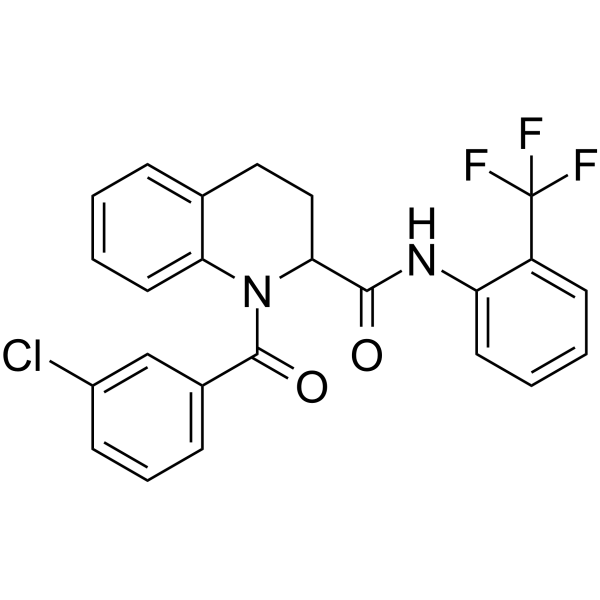
NF-κB-IN-3

" in MedChemExpress (MCE) Product Catalog:

32

Inhibitors & Agonists

1

Fluorescent Dyes

1

Biochemical Assay Reagents

11

Natural
Products

12

Isotope-Labeled Compounds

1

GMP Molecules

Cat. No. Product Name Target Research Areas Chemical Structure
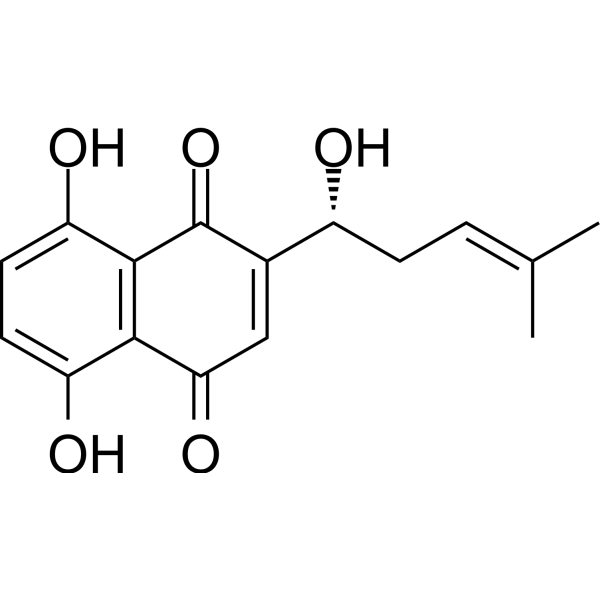
  • HY-N0822
    Shikonin
    Maximum Cited Publications
    66 Publications Verification

    C.I. 75535; IsoarnebIN 4

    Exosomes Chloride Channel Pyruvate Kinase NF-κB TNF Receptor HIV AIM2 Cancer
    Shikonin is a major component of a Chinese herbal medicine named zicao. Shikonin is a potent TMEM16A chloride channel inhibitor with an IC50 of 6.5 μM . Shikonin is a specific pyruvate kinase M2 (PKM2) inhibitor and can also inhibit TNF-α and NF-κB pathway . Shikonin decreases exosome secretion through the inhibition of glycolysis . Shikonin inhibits AIM2 inflammasome activation .
    Shikonin
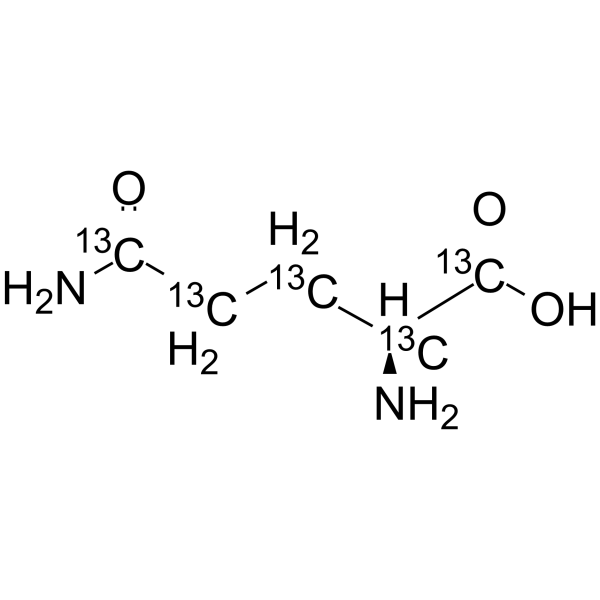
  • HY-N0390S1
    L-Glutamine-13C5
    Maximum Cited Publications
    9 Publications Verification

    L-Glutamic acid 5-amide-13C5

    Isotope-Labeled Compounds mGluR Ferroptosis Environmental Pollutants Endogenous Metabolite HIF/HIF Prolyl-Hydroxylase mTOR STAT NF-κB Cardiovascular Disease Neurological Disease Metabolic Disease Inflammation/Immunology
    L-Glutamine- 13C5 is the 13C-labeled L-Glutamine (HY-N0390). L-Glutamine is an orally active nutritional agent and cellular metabolism regulator. L-Glutamine is taken up in a Na +-dependent manner and targets multiple key molecules including glutaminase, mTORC1, NF-κB, STAT-3 and HIF-1α. L-Glutamine enhances glutaminolytic catabolism, drives the conversion of glutamate to α-ketoglutarate, thereby regulating gene expression, integrating metabolic signals, mediating glutamine flux and maintaining redox homeostasis. L-Glutamine also promotes cell proliferation, osteogenic differentiation and fracture healing, exerts neuroprotective and cardioprotective effects, and inhibits osteoarthritis. L-Glutamine can be applied to research related to osteoporosis, osteoarthritis, ischemic stroke and acute cantharidin-induced cardiotoxicity .
    L-Glutamine-13C5
  • HY-N0390S
    L-Glutamine-15N
    3 Publications Verification

    L-Glutamic acid 5-amide-15N

    Isotope-Labeled Compounds mGluR Ferroptosis Environmental Pollutants Endogenous Metabolite HIF/HIF Prolyl-Hydroxylase mTOR STAT NF-κB Cardiovascular Disease Neurological Disease Metabolic Disease Inflammation/Immunology
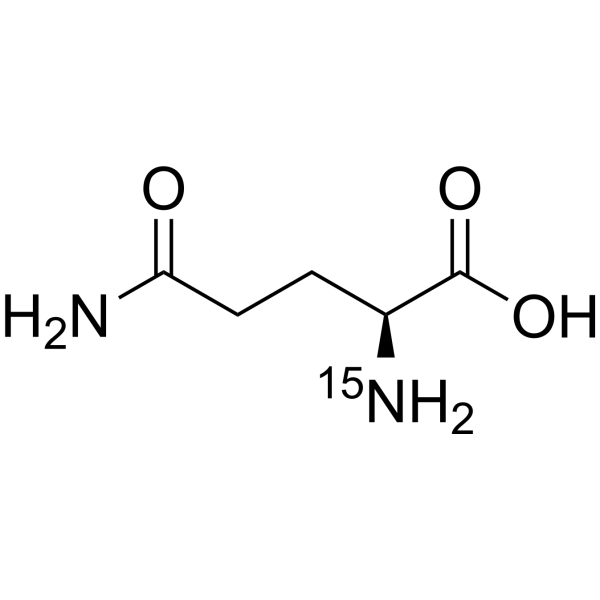
    L-Glutamine- 15N is the 15N-labeled L-Glutamine (HY-N0390). L-Glutamine is an orally active nutritional agent and cellular metabolism regulator. L-Glutamine is taken up in a Na +-dependent manner and targets multiple key molecules including glutaminase, mTORC1, NF-κB, STAT-3 and HIF-1α. L-Glutamine enhances glutaminolytic catabolism, drives the conversion of glutamate to α-ketoglutarate, thereby regulating gene expression, integrating metabolic signals, mediating glutamine flux and maintaining redox homeostasis. L-Glutamine also promotes cell proliferation, osteogenic differentiation and fracture healing, exerts neuroprotective and cardioprotective effects, and inhibits osteoarthritis. L-Glutamine can be applied to research related to osteoporosis, osteoarthritis, ischemic stroke and acute cantharidin-induced cardiotoxicity .
    L-Glutamine-15N
  • HY-N0390S8
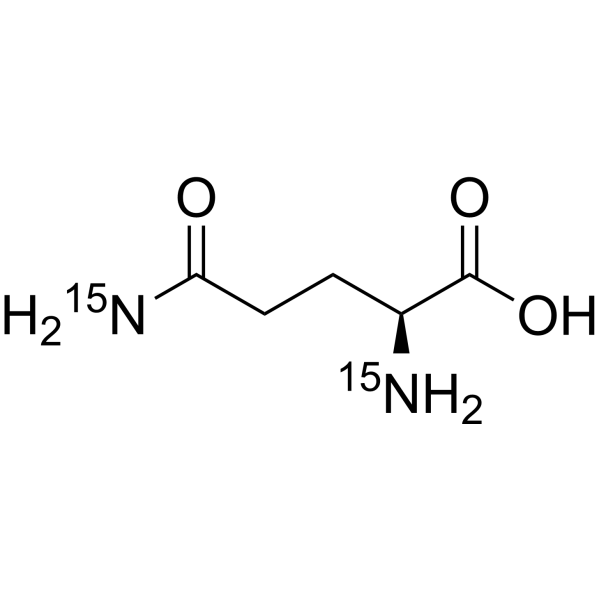
    L-Glutamine-15N2
    1 Publications Verification

    L-Glutamic acid 5-amide-15N2

    Isotope-Labeled Compounds mGluR Ferroptosis Environmental Pollutants Endogenous Metabolite HIF/HIF Prolyl-Hydroxylase mTOR STAT NF-κB Cardiovascular Disease Neurological Disease Metabolic Disease Inflammation/Immunology
    L-Glutamine- 15N2 is the 15N-labeled L-Glutamine (HY-N0390). L-Glutamine is an orally active nutritional agent and cellular metabolism regulator. L-Glutamine is taken up in a Na +-dependent manner and targets multiple key molecules including glutaminase, mTORC1, NF-κB, STAT-3 and HIF-1α. L-Glutamine enhances glutaminolytic catabolism, drives the conversion of glutamate to α-ketoglutarate, thereby regulating gene expression, integrating metabolic signals, mediating glutamine flux and maintaining redox homeostasis. L-Glutamine also promotes cell proliferation, osteogenic differentiation and fracture healing, exerts neuroprotective and cardioprotective effects, and inhibits osteoarthritis. L-Glutamine can be applied to research related to osteoporosis, osteoarthritis, ischemic stroke and acute cantharidin-induced cardiotoxicity .
    L-Glutamine-15N2
  • HY-N0831
    Jaceosidin
    5+ Cited Publications

    Bcl-2 Family COX Apoptosis Inflammation/Immunology Cancer
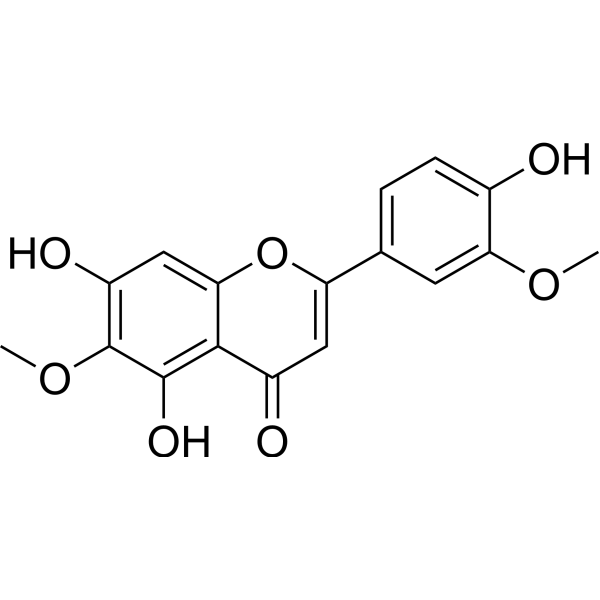
    Jaceosidin is a flavonoid isolated from Artemisia vestita, induces apoptosis in cancer cells, activates Bax and down-regulates Mcl-1 and c-FLIP expression . Jaceosidin exhibits anti-cancer , anti-inflammatory activities, decreases leves of inflammatory markers, and suppresses COX-2 expression and NF-κB activation .
    Jaceosidin
  • HY-N0816
    Polyphyllin VI
    5+ Cited Publications

    Apoptosis Pyroptosis Cancer
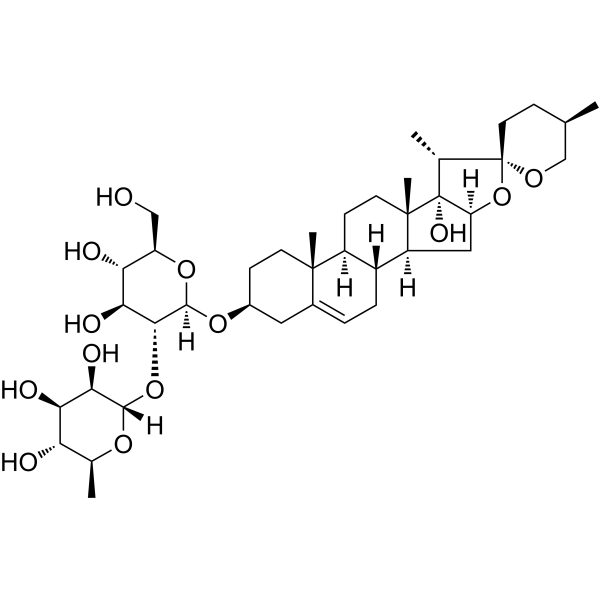
    Polyphyllin VI, an active saponin, possess anti-cancer activities. Polyphyllin VI induces G2/M cell cycle arrest and triggers apoptosis. Polyphyllin VI induces caspase-1-mediated pyroptosis via the induction of ROS/NF-κB/NLRP3/GSDMD signal axis in non-small cell lung cancer .
    Polyphyllin VI
  • HY-N0390S9
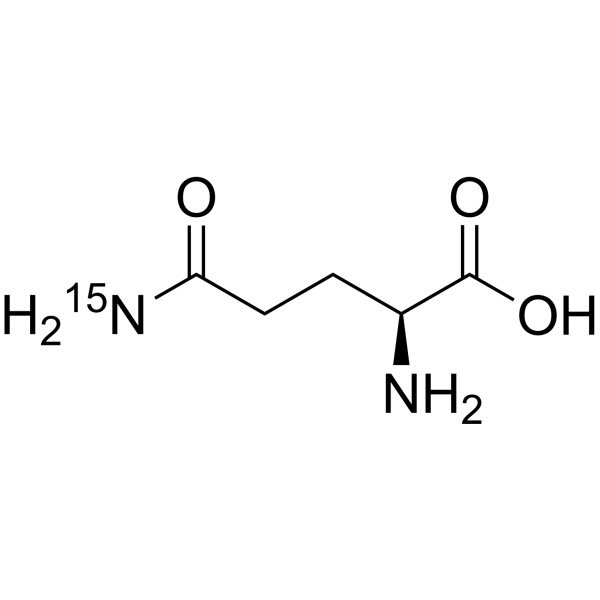
    L-Glutamine-15N-1
    3 Publications Verification

    L-Glutamic acid 5-amide-15N-1

    Isotope-Labeled Compounds mGluR Ferroptosis Environmental Pollutants Endogenous Metabolite HIF/HIF Prolyl-Hydroxylase mTOR STAT NF-κB Cardiovascular Disease Neurological Disease Metabolic Disease Inflammation/Immunology
    L-Glutamine- 15N-1 is the 15N-labeled L-Glutamine (HY-N0390). L-Glutamine is an orally active nutritional agent and cellular metabolism regulator. L-Glutamine is taken up in a Na +-dependent manner and targets multiple key molecules including glutaminase, mTORC1, NF-κB, STAT-3 and HIF-1α. L-Glutamine enhances glutaminolytic catabolism, drives the conversion of glutamate to α-ketoglutarate, thereby regulating gene expression, integrating metabolic signals, mediating glutamine flux and maintaining redox homeostasis. L-Glutamine also promotes cell proliferation, osteogenic differentiation and fracture healing, exerts neuroprotective and cardioprotective effects, and inhibits osteoarthritis. L-Glutamine can be applied to research related to osteoporosis, osteoarthritis, ischemic stroke and acute cantharidin-induced cardiotoxicity .
    L-Glutamine-15N-1
  • HY-N0390S2
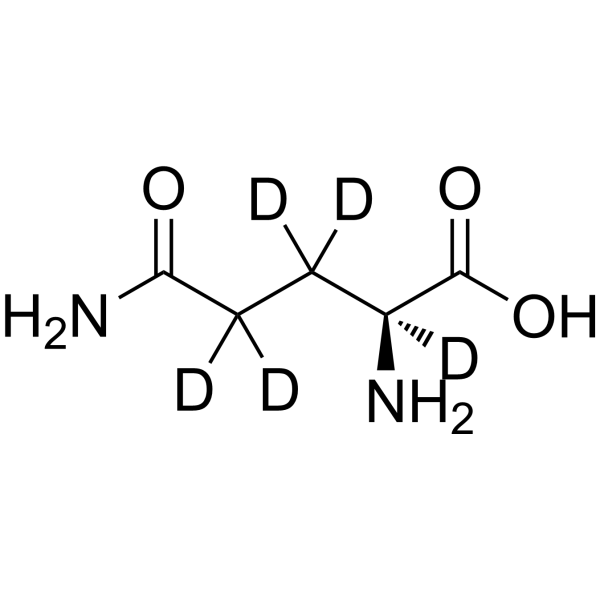
    L-Glutamine-d5
    1 Publications Verification

    L-Glutamic acid 5-amide-d5

    Isotope-Labeled Compounds mGluR Ferroptosis Environmental Pollutants Endogenous Metabolite HIF/HIF Prolyl-Hydroxylase mTOR STAT NF-κB Cardiovascular Disease Neurological Disease Metabolic Disease Inflammation/Immunology
    L-Glutamine-d5 is the deuterium labeled L-Glutamine (HY-N0390). L-Glutamine is an orally active nutritional agent and cellular metabolism regulator. L-Glutamine is taken up in a Na +-dependent manner and targets multiple key molecules including glutaminase, mTORC1, NF-κB, STAT-3 and HIF-1α. L-Glutamine enhances glutaminolytic catabolism, drives the conversion of glutamate to α-ketoglutarate, thereby regulating gene expression, integrating metabolic signals, mediating glutamine flux and maintaining redox homeostasis. L-Glutamine also promotes cell proliferation, osteogenic differentiation and fracture healing, exerts neuroprotective and cardioprotective effects, and inhibits osteoarthritis. L-Glutamine can be applied to research related to osteoporosis, osteoarthritis, ischemic stroke and acute cantharidin-induced cardiotoxicity .
    L-Glutamine-d5
  • HY-N0390S6

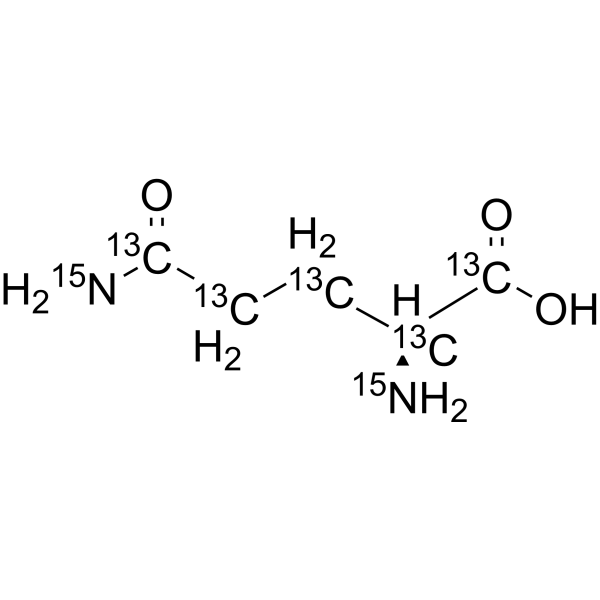
    L-Glutamic acid 5-amide-13C5,15N2

    Isotope-Labeled Compounds mGluR Ferroptosis Environmental Pollutants Endogenous Metabolite HIF/HIF Prolyl-Hydroxylase mTOR STAT NF-κB Cardiovascular Disease Neurological Disease Metabolic Disease Inflammation/Immunology
    L-Glutamine- 13C5, 15N2 is the 13C- and 15N-labeled L-Glutamine (HY-N0390). L-Glutamine is an orally active nutritional agent and cellular metabolism regulator. L-Glutamine is taken up in a Na +-dependent manner and targets multiple key molecules including glutaminase, mTORC1, NF-κB, STAT-3 and HIF-1α. L-Glutamine enhances glutaminolytic catabolism, drives the conversion of glutamate to α-ketoglutarate, thereby regulating gene expression, integrating metabolic signals, mediating glutamine flux and maintaining redox homeostasis. L-Glutamine also promotes cell proliferation, osteogenic differentiation and fracture healing, exerts neuroprotective and cardioprotective effects, and inhibits osteoarthritis. L-Glutamine can be applied to research related to osteoporosis, osteoarthritis, ischemic stroke and acute cantharidin-induced cardiotoxicity .
    L-Glutamine-13C5,15N2
  • HY-N0442

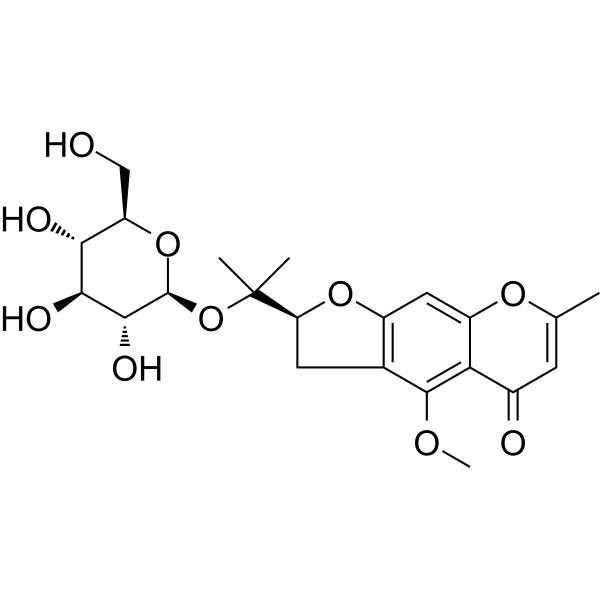
    4'-O-β-D-Glucosyl-5-O-methylvisammINol

    NF-κB p38 MAPK JNK Src TNF Receptor NOD-like Receptor (NLR) Amyloid-β MEK ERK Ferroptosis VEGFR Anaplastic lymphoma kinase (ALK) Reactive Oxygen Species (ROS) Neurological Disease Metabolic Disease Inflammation/Immunology Cancer
    5-O-Methylvisammioside (4'-O-β-D-Glucosyl-5-O-methylvisamminol) is an orally active natural chromone glycoside and multiple biological activities. 5-O-Methylvisammioside inhibits ferroptosis by activating the Nrf2/HO-1 signaling axis. 5-O-Methylvisammioside alleviates intestinal barrier damage by inhibiting the ROS/NF-κB/NLRP3 pathway. 5-O-Methylvisammioside exerts a protective effect against acute liver injury by reducing ALT/AST, decreasing inflammatory infiltration, and inhibiting IκB-α phosphorylation and NF-κB nuclear translocation. 5-O-Methylvisammioside blocks the HMGB1/RAGE/MEK/ERK signaling axis to exert anti-tumor and anti-angiogenic effects. 5-O-Methylvisammioside improves depression-like behaviors by inhibiting Src kinase and the NF-κB pathway .
    5-O-Methylvisammioside
  • HY-161627

    Pyruvate Carboxylase (PC) NOD-like Receptor (NLR) NF-κB Interleukin Related Inflammation/Immunology
    Anemoside A3-methyl 6-aminohexanoate is an orally effective pyruvate carboxylase (PC) inhibitor with a Kd value of 10.1 μM against human PC. Anemoside A3-methyl 6-aminohexanoate exerts its function through the PC/NF-κB/NLRP3 inflammasome axis. Anemoside A3-methyl 6-aminohexanoate significantly alleviates symptoms of DSS (HY-116282C)-induced colitis in mice. Anemoside A3-methyl 6-aminohexanoate can be used in colitis-related research .
    Anemoside A3-methyl 6-aminohexanoate
  • HY-N0390R
    L-Glutamine (Standard)
    25+ Cited Publications

    L-Glutamic acid 5-amide (Standard)

    Reference Standards mGluR Ferroptosis Environmental Pollutants Endogenous Metabolite HIF/HIF Prolyl-Hydroxylase mTOR STAT NF-κB Cardiovascular Disease Neurological Disease Metabolic Disease Inflammation/Immunology
    L-Glutamine (Standard) is the analytical standard of L-Glutamine (HY-N0390). This product is intended for research and analytical applications. L-Glutamine is an orally active nutritional agent and cellular metabolism regulator. L-Glutamine is taken up in a Na +-dependent manner and targets multiple key molecules including glutaminase, mTORC1, NF-κB, STAT-3 and HIF-1α. L-Glutamine enhances glutaminolytic catabolism, drives the conversion of glutamate to α-ketoglutarate, thereby regulating gene expression, integrating metabolic signals, mediating glutamine flux and maintaining redox homeostasis. L-Glutamine also promotes cell proliferation, osteogenic differentiation and fracture healing, exerts neuroprotective and cardioprotective effects, and inhibits osteoarthritis. L-Glutamine can be applied to research related to osteoporosis, osteoarthritis, ischemic stroke and acute cantharidin-induced cardiotoxicity .
    L-Glutamine (Standard)
  • HY-N3807
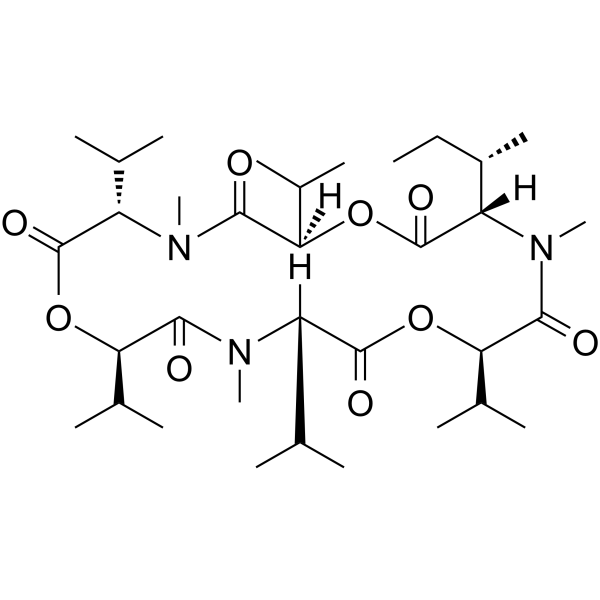
    Enniatin B1
    1 Publications Verification

    Acyltransferase ERK NF-κB Infection Cardiovascular Disease Cancer
    Enniatin B1 is a Fusarium mycotoxin. Enniatin B1 inhibits acyl-CoA: cholesterol acyltransferase (ACAT) activity with an IC50 of 73 μM in an enzyme assay using rat liver microsomes . Enniatin B1 crosss the blood-brain barrier . Enniatin B1 decreases the activation of ERK (p44/p42). Enniatin B1 inhibits moderately TNF-α-induced NF-κB activation .
    Enniatin B1
  • HY-155751

    Interleukin Related TNF Receptor NOD-like Receptor (NLR) Inflammation/Immunology
    HMGB1-IN-1 (compound 6) displays strong NO inhibitory effect in RAW264.7 cells with IC50 value of 15.9 ± 0.6 μM. HMGB1-IN-1 inhibit the HMGB1/NF-κB/NLRP3 pathway. HMGB1-IN-1 shows good anti-inflammatory activity and good anti-sepsis effects in kidney injury .
    HMGB1-IN-1
  • HY-N1510

    Glycosidase Notch Toll-like Receptor (TLR) NF-κB Mucin Reactive Oxygen Species (ROS) Bacterial TGF-beta/Smad Anaplastic lymphoma kinase (ALK) Infection Inflammation/Immunology Cancer
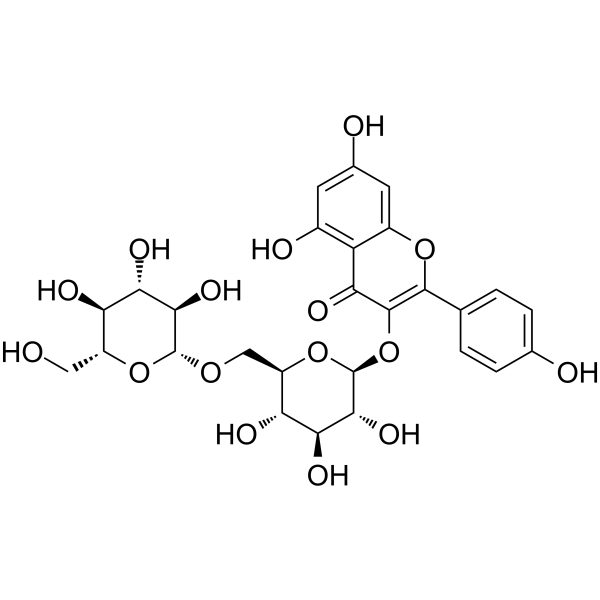
    Kaempferol 3-O-gentiobioside is an orally active flavonoid, with a Ka value of 57 µM against human NOTCH1 and an IC50 value of 50 μM against α-glucosidase. Kaempferol 3-O-gentiobioside inhibits the NOTCH signaling pathway. It downregulates the expression of TLR4 and NLRP3, and suppresses the activation and nuclear translocation of NF-κB. Kaempferol 3-O-gentiobioside inhibits the expression of MUC5AC, reduces nitrite and ROS levels, and attenuates excessive mucus secretion. It exhibits antibacterial activity, reducing the formation and growth of MRSA biofilms. Kaempferol 3-O-gentiobioside blocks the TGF-β/ALK5/Smad signaling pathway and inhibits epithelial-mesenchymal transition. It suppresses the proliferation, migration, invasion and metastatic growth of tumor cells. Kaempferol 3-O-gentiobioside alleviates airway inflammation and mucus hypersecretion in mice with allergic asthma . It reduces the volume of ovarian cancer xenografts in mice. Kaempferol 3-O-gentiobioside can be used in research related to allergic asthma, diabetes, MRSA infection, breast cancer, gastric cancer and ovarian cancer .
    Kaempferol 3-O-gentiobioside
  • HY-N0390S5
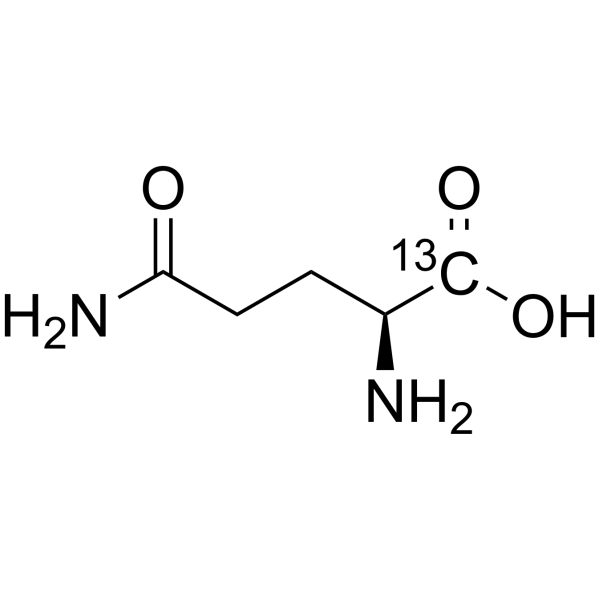
    L-Glutamine-1-13C
    1 Publications Verification

    L-Glutamic acid 5-amide-1-13C

    Isotope-Labeled Compounds mGluR Ferroptosis Environmental Pollutants Endogenous Metabolite HIF/HIF Prolyl-Hydroxylase mTOR STAT NF-κB Cardiovascular Disease Neurological Disease Metabolic Disease Inflammation/Immunology
    L-Glutamine-1- 13C is the 13C-labeled L-Glutamine (HY-N0390). L-Glutamine is an orally active nutritional agent and cellular metabolism regulator. L-Glutamine is taken up in a Na +-dependent manner and targets multiple key molecules including glutaminase, mTORC1, NF-κB, STAT-3 and HIF-1α. L-Glutamine enhances glutaminolytic catabolism, drives the conversion of glutamate to α-ketoglutarate, thereby regulating gene expression, integrating metabolic signals, mediating glutamine flux and maintaining redox homeostasis. L-Glutamine also promotes cell proliferation, osteogenic differentiation and fracture healing, exerts neuroprotective and cardioprotective effects, and inhibits osteoarthritis. L-Glutamine can be applied to research related to osteoporosis, osteoarthritis, ischemic stroke and acute cantharidin-induced cardiotoxicity .
    L-Glutamine-1-13C
  • HY-N0390S4

    L-Glutamic acid 5-amide-5-13C

    Isotope-Labeled Compounds mGluR Ferroptosis Environmental Pollutants Endogenous Metabolite HIF/HIF Prolyl-Hydroxylase mTOR STAT NF-κB Cardiovascular Disease Neurological Disease Metabolic Disease Inflammation/Immunology
    L-Glutamine-5- 13C is the 13C-labeled L-Glutamine (HY-N0390). L-Glutamine is an orally active nutritional agent and cellular metabolism regulator. L-Glutamine is taken up in a Na +-dependent manner and targets multiple key molecules including glutaminase, mTORC1, NF-κB, STAT-3 and HIF-1α. L-Glutamine enhances glutaminolytic catabolism, drives the conversion of glutamate to α-ketoglutarate, thereby regulating gene expression, integrating metabolic signals, mediating glutamine flux and maintaining redox homeostasis. L-Glutamine also promotes cell proliferation, osteogenic differentiation and fracture healing, exerts neuroprotective and cardioprotective effects, and inhibits osteoarthritis. L-Glutamine can be applied to research related to osteoporosis, osteoarthritis, ischemic stroke and acute cantharidin-induced cardiotoxicity .
    L-Glutamine-5-13C
  • HY-N0390S3

    L-Glutamic acid 5-amide-13C5,15N2,d5

    Isotope-Labeled Compounds mGluR Ferroptosis Environmental Pollutants Endogenous Metabolite HIF/HIF Prolyl-Hydroxylase mTOR STAT NF-κB Cardiovascular Disease Neurological Disease Metabolic Disease Inflammation/Immunology
    L-Glutamine- 13C5, 15N2,d5 is the deuterium, 13C-, and 15N-labeled L-Glutamine (HY-N0390). L-Glutamine is an orally active nutritional agent and cellular metabolism regulator. L-Glutamine is taken up in a Na +-dependent manner and targets multiple key molecules including glutaminase, mTORC1, NF-κB, STAT-3 and HIF-1α. L-Glutamine enhances glutaminolytic catabolism, drives the conversion of glutamate to α-ketoglutarate, thereby regulating gene expression, integrating metabolic signals, mediating glutamine flux and maintaining redox homeostasis. L-Glutamine also promotes cell proliferation, osteogenic differentiation and fracture healing, exerts neuroprotective and cardioprotective effects, and inhibits osteoarthritis. L-Glutamine can be applied to research related to osteoporosis, osteoarthritis, ischemic stroke and acute cantharidin-induced cardiotoxicity .
    L-Glutamine-13C5,15N2,d5
  • HY-N0822R

    C.I. 75535 (Standard); IsoarnebIN 4 (Standard)

    Reference Standards Exosomes Chloride Channel Pyruvate Kinase NF-κB TNF Receptor HIV AIM2 Cancer
    Shikonin (Standard) is the analytical standard of Shikonin. This product is intended for research and analytical applications. Shikonin is a major component of a Chinese herbal medicine named zicao. Shikonin is a potent TMEM16A chloride channel inhibitor with an IC50 of 6.5 μM . Shikonin is a specific pyruvate kinase M2 (PKM2) inhibitor and can also inhibit TNF-α and NF-κB pathway . Shikonin decreases exosome secretion through the inhibition of glycolysis . Shikonin inhibits AIM2 inflammasome activation .
    Shikonin (Standard)
  • HY-144744

    NF-κB Cancer
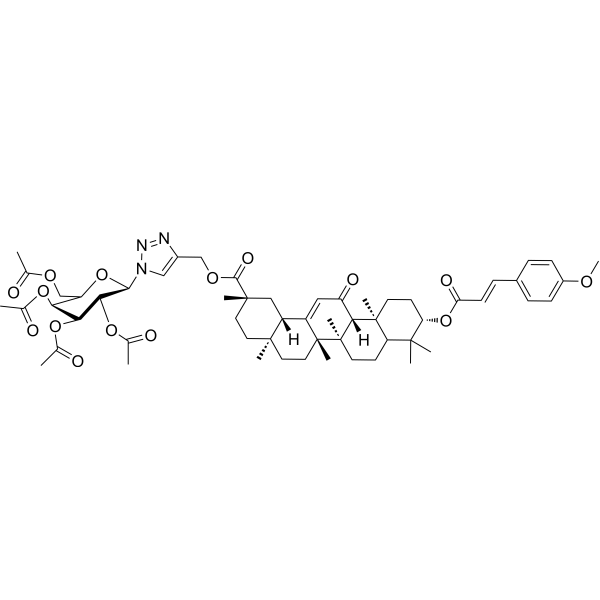
    NF-κB-IN-3 (Compound 2) is a NF-κB inhibitor with an IC50 of 0.70 µM. NF-κB-IN-3 can be used as an antitumor agent .
    NF-κB-IN-3
  • HY-165386

    Toll-like Receptor (TLR) NF-κB STAT MMP COX VEGFR Cancer
    TU-100 is a Japanese herbal medicine. TU-100 exhibits anti-cancer effects by regulating cancer-associated fibroblasts (CAFs) in the TME. TU-100 can antagonize the M2 polarization phenotype of macrophages in the tumor microenvironment by suppressing the TLR4/NF-κB/STAT3 axis. TU-100 can inhibit the high expression of MMP-2, COX-2, and VEGF in TAMs .
    TU-100
  • HY-172620

    IKK Akt Apoptosis PI3K NF-κB CDK Caspase PARP Neurological Disease Metabolic Disease Inflammation/Immunology Cancer
    LIB3S0280 is a potent TBK1 inhibitor with an IC50 value of 493.9 nM. LIB3S0280 exhibits better anticancer effects in pancreatic cancer cell lines with high TBK1 expression. LIB3S0280 inhibits TBK1 downstream signaling pathways, including PI3K/AKT and NF-κB. LIB3S0280 induces G2/M arrest, apoptosis and cellular senescence. LIB3S0280 can be used for pancreatic ductal adenocarcinoma (PDAC) research .
    LIB3S0280
  • HY-185206

    PROTACs Itk NF-κB Cancer
    BSJ-05-037 is an ITK PROTAC degrader that effectively targets and degrades ITK in T-cell lymphoma cell lines. BSJ-05-037 blocks the activation of the NF-κB/GATA-3 signaling pathway, inhibits PLCγ1 phosphorylation, and reduces the proliferative capacity of T-cell lymphoma cells. BSJ-05-037 enhances the sensitivity of T-cell lymphoma cells to chemotherapy. In mouse models of T-cell lymphoma, BSJ-05-037 induces ITK degradation, reduces GATA-3 expression, decreases tumor volume, and reverses chemotherapy resistance. BSJ-05-037 is applicable to research related to T-cell lymphoma .
    BSJ-05-037
  • HY-15027S2

    MesalamINe-13C6; 5-ASA-13C6; MesalazINe-13C6

    PPAR PAK NF-κB Endogenous Metabolite Inflammation/Immunology
    5-Aminosalicylic acid- 13C6 is the 13C labeled 5-Aminosalicylic Acid . 5-Aminosalicylic acid (Mesalamine) acts as a specific PPARγ agonist and also inhibits p21-activated kinase 1 (PAK1) and NF-κB .
    5-Aminosalicylic acid-13C6
  • HY-161266

    COX NOD-like Receptor (NLR) NF-κB Inflammation/Immunology
    COX-2/NLRP3-IN-1 (Compound 6k) is a COX-2/NLRP3 inhibitor with a IC50 of 1.53 μM for COX-2. COX-2/NLRP3-IN-1 exerts anti-inflammatory effects by inhibiting the NF-κB/NLRP3 signaling pathway .
    COX-2/NLRP3-IN-1
  • HY-N0831R

    Reference Standards Bcl-2 Family COX Apoptosis Inflammation/Immunology Cancer
    Jaceosidin (Standard) is the analytical standard of Jaceosidin. This product is intended for research and analytical applications. Jaceosidin is a flavonoid isolated from Artemisia vestita, induces apoptosis in cancer cells, activates Bax and down-regulates Mcl-1 and c-FLIP expression . Jaceosidin exhibits anti-cancer , anti-inflammatory activities, decreases leves of inflammatory markers, and suppresses COX-2 expression and NF-κB activation .
    Jaceosidin (Standard)
  • HY-N0816R

    Reference Standards Apoptosis Pyroptosis Cancer
    Polyphyllin VI (Standard) is the analytical standard of Polyphyllin VI. This product is intended for research and analytical applications. Polyphyllin VI, an active saponin, possess anti-cancer activities. Polyphyllin VI induces G2/M cell cycle arrest and triggers apoptosis. Polyphyllin VI induces caspase-1-mediated pyroptosis via the induction of ROS/NF-κB/NLRP3/GSDMD signal axis in non-small cell lung cancer .
    Polyphyllin VI (Standard)
  • HY-12485R

    Reference Standards Bacterial Antibiotic Infection
    Polyphyllin VI (Standard) is the analytical standard of Polyphyllin VI. This product is intended for research and analytical applications. Polyphyllin VI, an active saponin, possess anti-cancer activities. Polyphyllin VI induces G2/M cell cycle arrest and triggers apoptosis. Polyphyllin VI induces caspase-1-mediated pyroptosis via the induction of ROS/NF-κB/NLRP3/GSDMD signal axis in non-small cell lung cancer .
    TBA-354 (Standard)
  • HY-N0442R

    4'-O-β-D-Glucosyl-5-O-methylvisammINol (Standard)

    Reference Standards p38 MAPK Reactive Oxygen Species (ROS) TNF Receptor MEK ERK VEGFR Src Amyloid-β Anaplastic lymphoma kinase (ALK) NF-κB NOD-like Receptor (NLR) JNK Ferroptosis Neurological Disease Metabolic Disease Inflammation/Immunology Cancer
    5-O-Methylvisammioside (4'-O-β-D-Glucosyl-5-O-methylvisamminol) (Standard) is the analytical standard of 5-O-Methylvisammioside. This product is intended for research and analytical applications. 5-O-Methylvisammioside is an orally active natural chromone glycoside and multiple biological activities. 5-O-Methylvisammioside inhibits ferroptosis by activating the Nrf2/HO-1 signaling axis. 5-O-Methylvisammioside alleviates intestinal barrier damage by inhibiting the ROS/NF-κB/NLRP3 pathway. 5-O-Methylvisammioside exerts a protective effect against acute liver injury by reducing ALT/AST, decreasing inflammatory infiltration, and inhibiting IκB-α phosphorylation and NF-κB nuclear translocation. 5-O-Methylvisammioside blocks the HMGB1/RAGE/MEK/ERK signaling axis to exert anti-tumor and anti-angiogenic effects. 5-O-Methylvisammioside improves depression-like behaviors by inhibiting Src kinase and the NF-κB pathway.
    5-O-Methylvisammioside (Standard)
  • HY-N0390S7

    L-Glutamic acid 5-amide-15N2,d5

    Isotope-Labeled Compounds mGluR Ferroptosis Environmental Pollutants Endogenous Metabolite HIF/HIF Prolyl-Hydroxylase mTOR STAT NF-κB Cardiovascular Disease Neurological Disease Metabolic Disease Inflammation/Immunology
    L-Glutamine- 15N2,d5 is the deuterium and 15N-labeled L-Glutamine (HY-N0390). L-Glutamine is an orally active nutritional agent and cellular metabolism regulator. L-Glutamine is taken up in a Na +-dependent manner and targets multiple key molecules including glutaminase, mTORC1, NF-κB, STAT-3 and HIF-1α. L-Glutamine enhances glutaminolytic catabolism, drives the conversion of glutamate to α-ketoglutarate, thereby regulating gene expression, integrating metabolic signals, mediating glutamine flux and maintaining redox homeostasis. L-Glutamine also promotes cell proliferation, osteogenic differentiation and fracture healing, exerts neuroprotective and cardioprotective effects, and inhibits osteoarthritis. L-Glutamine can be applied to research related to osteoporosis, osteoarthritis, ischemic stroke and acute cantharidin-induced cardiotoxicity .
    L-Glutamine-15N2,d5
  • HY-N3807S

    Isotope-Labeled Compounds Acyltransferase ERK NF-κB Infection
    Enniatin B1- 13C34 is the 13C-labeled Enniatin B1 (HY-N3807). Enniatin B1 is a Fusarium mycotoxin. Enniatin B1 inhibits acyl-CoA: cholesterol acyltransferase (ACAT) activity with an IC50 of 73 μM in an enzyme assay using rat liver microsomes . Enniatin B1 crosss the blood-brain barrier . Enniatin B1 decreases the activation of ERK (p44/p42). Enniatin B1 inhibits moderately TNF-α-induced NF-κB activation .
    Enniatin B1-13C34
  • HY-N0390G

    mTOR NF-κB STAT HIF/HIF Prolyl-Hydroxylase Cardiovascular Disease Neurological Disease Metabolic Disease Inflammation/Immunology
    L-Glutamine GMP is L-Glutamine (HY-N0390) produced by using GMP guidelines. GMP small molecules works appropriately as an auxiliary reagent for cell therapy manufacture. L-Glutamine is an orally active nutritional agent and cellular metabolism regulator. L-Glutamine is taken up in a Na +-dependent manner and targets multiple key molecules including glutaminase, mTORC1, NF-κB, STAT-3 and HIF-1α. L-Glutamine enhances glutaminolytic catabolism, drives the conversion of glutamate to α-ketoglutarate, thereby regulating gene expression, integrating metabolic signals, mediating glutamine flux and maintaining redox homeostasis. L-Glutamine also promotes cell proliferation, osteogenic differentiation and fracture healing, exerts neuroprotective and cardioprotective effects, and inhibits osteoarthritis. L-Glutamine can be applied to research related to osteoporosis, osteoarthritis, ischemic stroke and acute cantharidin-induced cardiotoxicity .
    L-Glutamine

Inquiry Online

Your information is safe with us. * Required Fields.

Salutation


Country or Region *

Applicant Name *


Organization Name *

Department *


Email Address *


Product Name *

Cat. No.


Requested quantity *

Phone Number *


Remarks

Inquiry Online

Inquiry Information

Product Name:
Cat. No.:
Quantity:
MCE Japan Authorized Agent:

