
1. Search Result
Search Result
Results for "

Orphan Receptor

" in MedChemExpress (MCE) Product Catalog:

96

Inhibitors & Agonists

1

Biochemical Assay Reagents

30

Peptides

1

Inhibitory Antibodies

7

Natural
Products

14

Recombinant Proteins

2

Isotope-Labeled Compounds

4

Antibodies

Cat. No. Product Name Target Research Areas Chemical Structure
  • HY-N0155
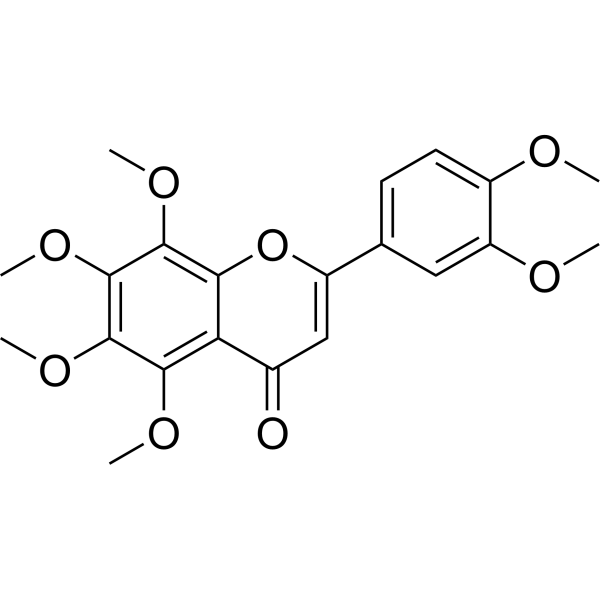
    Nobiletin
    Maximum Cited Publications
    27 Publications Verification

    ROR Reactive Oxygen Species (ROS) Apoptosis Autophagy Neurological Disease Inflammation/Immunology Cancer
    Nobiletin is a poly-methoxylated flavone from the citrus peel that improves memory loss. Nobiletin is a retinoid acid receptor-related orphan receptors (RORs) agonist. Nobiletin can reduce reactive oxygen species (ROS) levels in differentiated C2C12 myotubes and has anti-inflammation and anti-cancer properties, including anti-angiogenesis, anti-proliferation, anti-metastasis and induced apoptosis .
    Nobiletin
  • HY-N2148
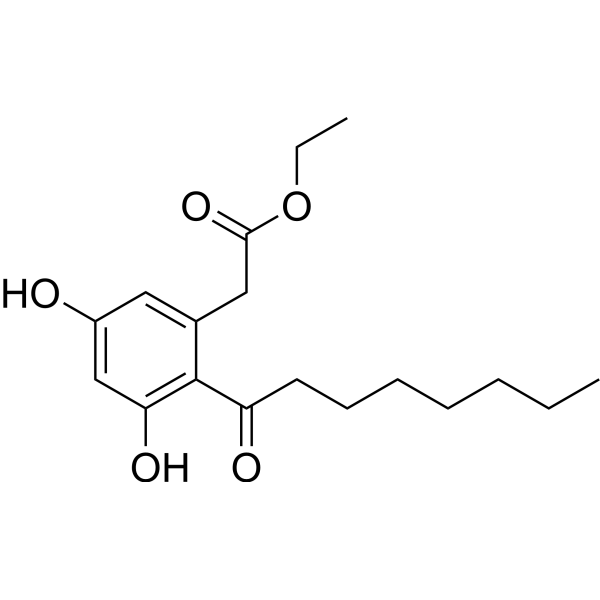
    Cytosporone B
    10+ Cited Publications

    Csn-B; Dothiorelone G

    Nuclear Hormone Receptor 4A/NR4A Cancer
    Cytosporone B (Csn-B; Dothiorelone G) is a naturally occurring nuclear orphan receptor Nur77/NR4A1 agonist with an EC50 of 0.278 nM.
    Cytosporone B
  • HY-14422
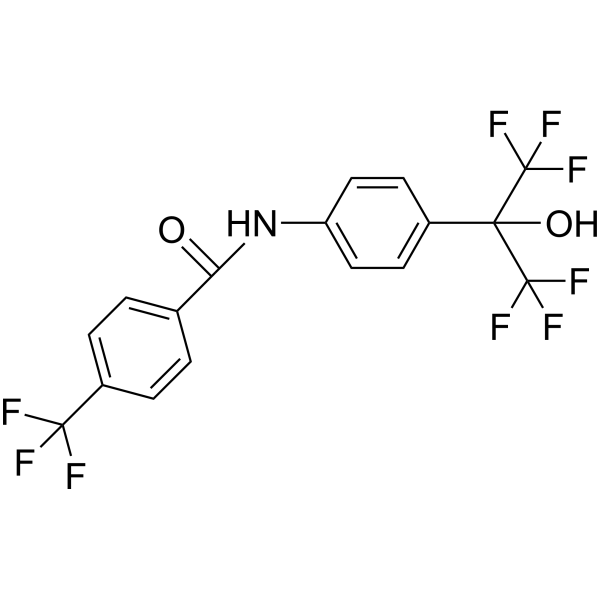
    SR1078
    10+ Cited Publications

    ROR Cancer
    SR1078 is a selective agonist of retinoic acid receptor-related orphan receptor α/γ (RORα/RORγ). SR1078 directly binds to the ligand binding domain of RORα and RORγ and increases the transcriptional activity of these receptors, leading to stimulation of RORα/γ target gene transcription .
    SR1078
  • HY-113962
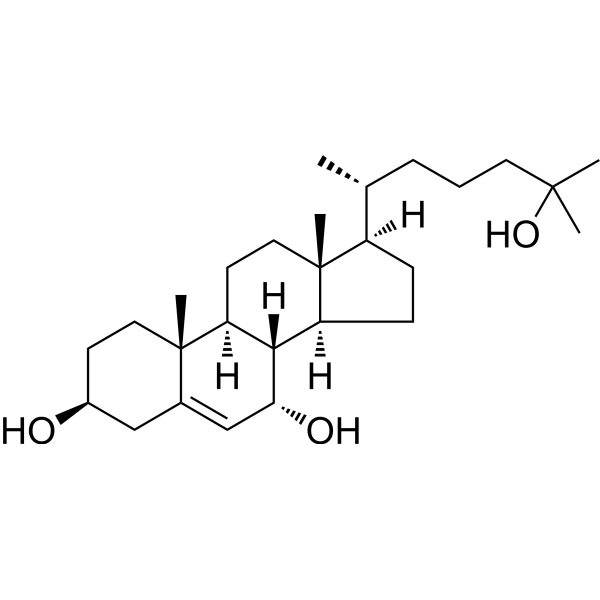
    7α,25-Dihydroxycholesterol
    3 Publications Verification

    7α,25-OHC

    EBI2/GPR183 Endogenous Metabolite Inflammation/Immunology
    7α, 25-dihydroxycholesterol (7α,25-OHC) is a potent and selective agonist and endogenous ligand of the orphan GPCR receptor EBI2 (GPR183). 7α, 25-dihydroxycholesterol is highly potent at activating EBI2 (EC50=140 pM; Kd=450 pM). 7α, 25-dihydroxycholesterol can serve as a chemokine directing migration of B cells, T cells and dendritic cells .
    7α,25-Dihydroxycholesterol
  • HY-162617

    Cannabinoid Receptor Inflammation/Immunology Cancer
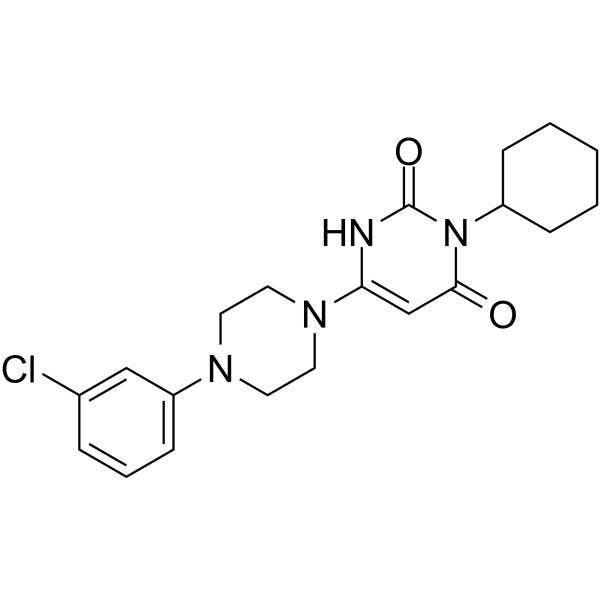
    PSB-KK1415 is a selective agonist for human orphan G protein-coupled receptor GPR18, with EC50 of 19.1 nM .
    PSB-KK1415
  • HY-N15721

    Trp-CA

    Orphan GPCR GLP Receptor Metabolic Disease
    Tryptophan-cholic acid (Trp-CA) is a microbial amino acid-conjugated bile acid that acts as an endogenous ligand and agonist (EC50=9.6 μM) for the orphan G protein-coupled receptor (GPCR) MRGPRE (Mas-related G protein-coupled receptor family member E). Tryptophan-cholic acid is orally effective but has poor oral absorption and does not cross the blood-brain barrier. Tryptophan-cholic acid promotes the secretion of glucagon-like peptide GLP-1, thereby improving glucose tolerance in diabetic mice. Tryptophan-cholic acid improves glucose tolerance, promotes insulin secretion, and alleviates high-fat diet-induced hepatic steatosis without causing pruritus side effects. Tryptophan-cholic acid is primarily used in research on type 2 diabetes (T2D) .
    Tryptophan-cholic acid
  • HY-115613
    ML-180
    5 Publications Verification

    SR1848

    Orphan Nuclear Receptor Cancer
    ML-180 (SR1848) is a potent orphan nuclear receptor liver receptor homolog 1 (LRH-1; NR5A2) inverse agonist with an IC50 of 3.7 μM. ML-180 is inactive for steroidogenic factor-1 (SF-1; NR5A1; IC50>10 μM). ML-180 has the potential for LRH-1-dependent cancers .
    ML-180
  • HY-111492
    DIM-C-pPhOCH3
    1 Publications Verification

    Nuclear Hormone Receptor 4A/NR4A Cancer
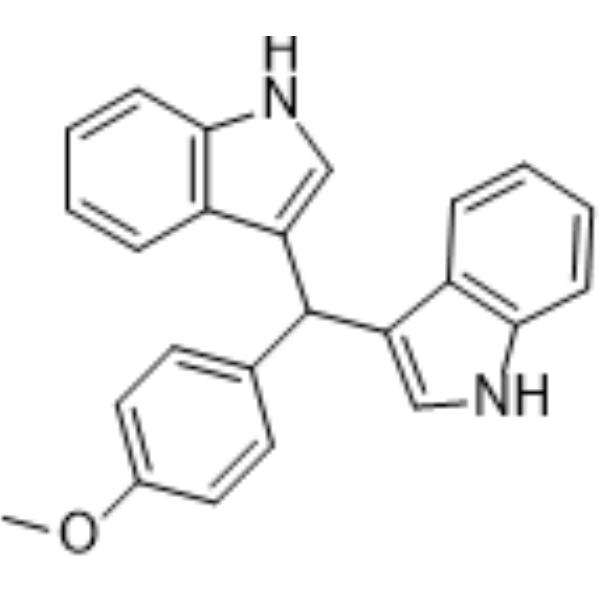
    DIM-C-pPhOCH3 is a Nur77 agonist. Nerve growth factor-induced Bα (NGFI-Bα, Nur77) is an orphan nuclear receptor.
    DIM-C-pPhOCH3
  • HY-107580

    GPR109A Cardiovascular Disease Metabolic Disease Inflammation/Immunology
    GPR109 receptor agonist-1 is a highly selective agonist of the human orphan G protein-coupled receptor GPR109b, and does not activate the mouse homologous receptor PUMA-G. GPR109 receptor agonist-1 functionally modulates the human GPR109b receptor via the cAMP signaling pathway, with an EC50 of 400 nM. GPR109 receptor agonist-1 inhibits isoproterenol (HY-B0468)-stimulated lipolysis in human subcutaneous adipocytes, with efficacy comparable to that of Niacin (HY-B0143), and does not act on β-adrenergic receptors. GPR109 receptor agonist-1 can be used in studies related to dyslipidemia and atherosclerosis .
    GPR109 receptor agonist-1
  • HY-156190A

    Orphan Nuclear Receptor Cancer
    NR2F2-IN-1 (free base) is a potent and selective orphan nuclear receptor COUP-TFII (NR2F2) inhibitor. NR2F2-IN-1 (free base) substantially inhibits COUP-TFII–driven NGFIA reporter expression. NR2F2-IN-1 (free base) directly binds to the COUP-TFII ligand-binding domain and disrupts COUP-TFII interaction with transcription regulators, including FOXA1, thus repressing COUP-TFII activity on target gene regulation .
    NR2F2-IN-1 free base
  • HY-114146

    Orphan GPCR Neurological Disease Metabolic Disease
    CID 1375606 is a surrogate agonist of orphan G protein-coupled receptor GPR27.
    CID 1375606
  • HY-132810

    BI 730357

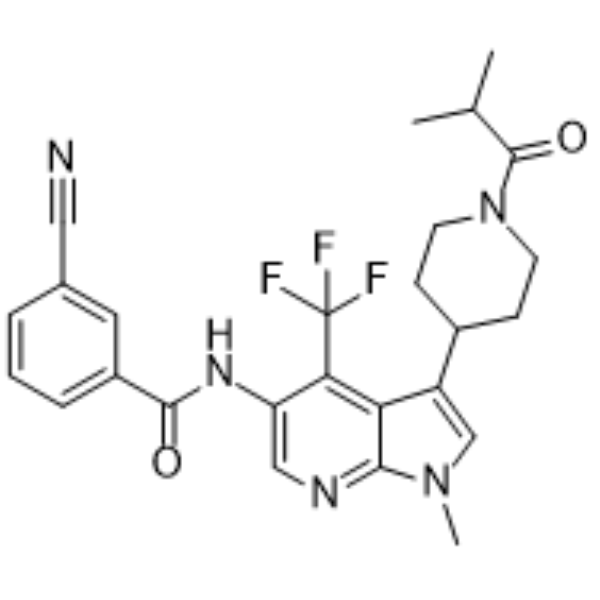
    ROR Inflammation/Immunology Cancer
    Bevurogant (BI 730357) is a retinoid-related orphan receptor-gamma t (RORγt) antagonist. Bevurogant can be used for the research of chronic inflammatory diseases .
    Bevurogant
  • HY-P2210

    GPR171 Metabolic Disease
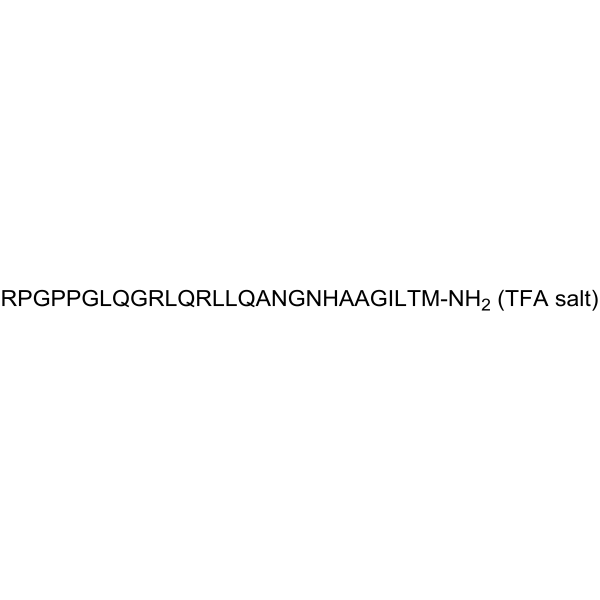
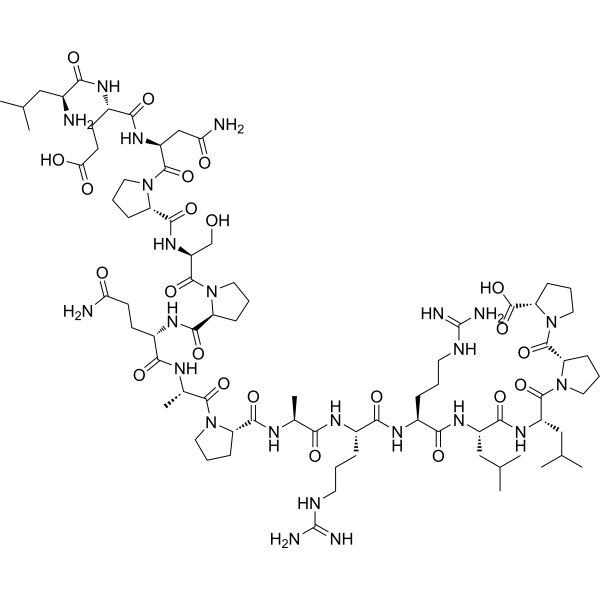
    BigLEN(mouse) is a potent and selective agonist of orphan G protein-coupled receptor 171 (GPR171), with a Kd of ∼0.5 nM. BigLEN(mouse) can be used to regulate responses associated with food intake and metabolism .
    BigLEN(mouse)
  • HY-135572

    Orphan Nuclear Receptor Neurological Disease Cancer
    TLX agonist 1 (ccrp2) is an orphan nuclear receptor tailless (TLX, NR2E1) modulator (EC50=1μM; Kd= 650 nM). TLX agonist 1 potentiates TLX transcriptional repressive activity .
    TLX agonist 1
  • HY-139534
    ARI-1
    1 Publications Verification

    ROR Apoptosis Akt mTOR PARP Cancer
    ARI-1 is a receptor tyrosine kinase-like orphan receptor 1 (ROR1) inhibitor. ARI-1 blocks the PI3K/AKT/mTOR signaling pathway in a ROR1-dependent manner. ARI-1 upregulates cleaved-PARP and p-P38. ARI-1 induces Apoptosis. ARI-1 has anticancer activity against non-small cell lung cancer .
    ARI-1
  • HY-P1066

    Apelin Receptor (APJ) HIV Infection
    Apelin-17(human, bovine) is an endogenous orphan G protein-coupled receptor APJ agonist. Apelin-17(human, bovine) binds to human APJ receptors expressed in HEK 293 cells (pIC50=9.02). Apelin-17(human, bovine) inhibits the entry of some HIV-1 and HIV-2 into the NP2/CD4 cells expressing APJ .
    Apelin-17(human, bovine)
  • HY-126037
    (±)-ML 209
    1 Publications Verification

    ROR Inflammation/Immunology
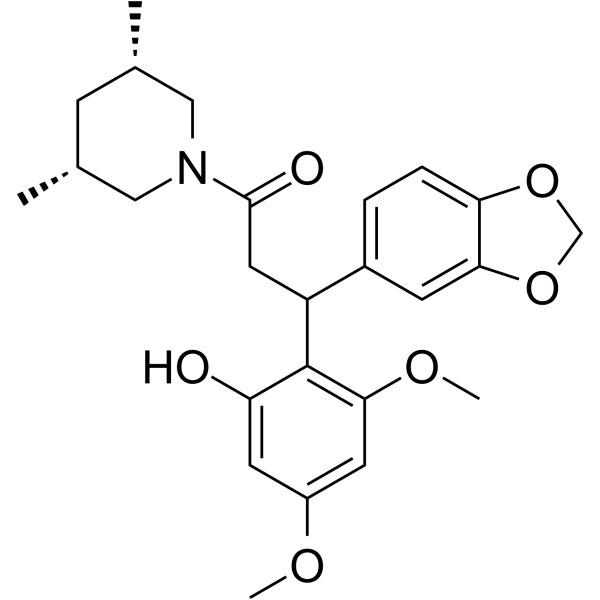
    (±)-ML 209 (compound 4n), a diphenylpropanamide, is a retinoic acid-related orphan receptor RORγ antagonist with an IC50 of 1.1 μM. (±)-ML 209 inhibits RORγt transcriptional activity with an IC50 of 300 nM in HEK293t cells. (±)-ML 209 inhibits the transcriptional activity of RORγt, but not RORα in cells. (±)-ML 209 selectively inhibits murine Th17 cell differentiation without affecting the differentiation of naïve CD4 + T cells into other lineages, including Th1 and regulatory T cells .
    (±)-ML 209
  • HY-113058

    Endogenous Metabolite Metabolic Disease
    3-Hydroxyoctanoic acid is a hydroxylated fatty acid that has been found in the LPS of Pseudomonas aeruginosa and in methyl-branched poly(3-hydroxyalkanoate) (PHA) polymers produced by Pseudomonas oleophores. It is an agonist of the orphan receptor GPR109B, increasing intracellular calcium in human neutrophils endogenously expressing GPR109B. 3-Hydroxycaprylic acid prevents lipolysis in human adipocytes and is upregulated in human plasma in response to a ketogenic diet. Plasma levels of 3-hydroxyoctanoic acid were also increased 3.41-fold in human male runners exhausted on a treadmill and in a mouse model of autism spectrum disorder (ASD) fed a high-glycemic diet.
    3-Hydroxyoctanoic acid
  • HY-112706

    ROR Inflammation/Immunology
    PF-06747711 is a potent, selective, and orally active retinoic acid receptor-related orphan C2 (RORC2, also known as RORγt) inverse agonist, with an IC50 of 4.1 nM. Anti-skin inflammatory activity .
    PF-06747711
  • HY-145627

    BA3021; Anti-ROR2 ADC; CAB-ROR2-ADC

    Antibody-Drug Conjugates (ADCs) Microtubule/Tubulin Cancer
    Ozuriftamab vedotin (BA3021), an antibody-drug conjugate (ADC), is a conditionally active biologic (CAB) anti-receptor tyrosine kinase orphan receptor 2 (ROR2) humanized monoclonal antibody Ozuriftamab (HY-145626) conjugated to VcMMAE (HY-15575). Ozuriftamab vedotin has antitumor activities .
    Ozuriftamab vedotin
  • HY-18618A
    SB-612111 hydrochloride
    2 Publications Verification

    Opioid Receptor Neurological Disease Inflammation/Immunology
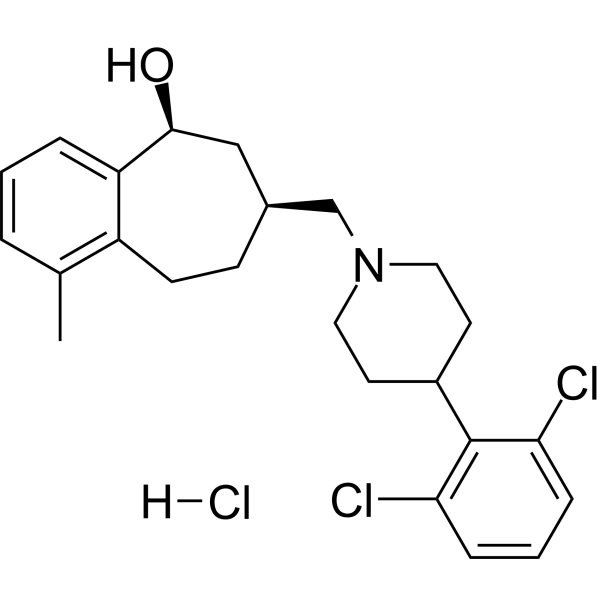
    SB-612111 hydrochloride hydrochloride is a novel and potent opiate receptor-like orphan receptor (ORL-1) antagonist with a high affinity for hORL-1 (Ki=0.33 nM). SB-612111 hydrochloride exhibits selectivity for μ-,?κ- and?δ-receptors with Ki values of?57.6 nM, 160.5 nM and 2109 nM, respecticely. SB-612111 hydrochloride effectively antagonizes the pronociceptive action of Nociceptin (HY-P0183) in an acute pain model .
    SB-612111 hydrochloride
  • HY-P1064

    Apelin Receptor (APJ) HIV Infection Cardiovascular Disease Metabolic Disease
    Apelin-36(human) is an endogenous orphan G protein-coupled receptor APJ agonist, with an EC50 of 20 nM. Apelin-36(human) shows high affinity to human APJ receptors expressed in HEK 293 cells (pIC50=8.61). Apelin-36 has been linked to two major types of biological activities: cardiovascular and metabolic. Apelin-36(human) inhibits the entry of some HIV-1 and HIV-2 into the NP2/CD4 cells expressing APJ .
    Apelin-36(human)
  • HY-135065

    Trace Amine-associated Receptor (TAAR) Metabolic Disease
    3-Iodothyronamine (hydrochloride) is an endogenous and rapid-acting derivative of thyroid hormone. 3-Iodothyronamine potently activates an orphan G protein-coupled receptor in vitro (TAAR1) and induced hypothermia in vivo on a rapid time scale. 3-Iodothyronamine can be used for the research of congestive heart failure .
    3-Iodothyronamine hydrochloride
  • HY-101777

    GPR139 Neurological Disease
    TC-O 9311 is a potent orphan G protein-coupled receptor 139 (GPR139) agonist with an EC50 of 39 nM .
    TC-O 9311
  • HY-P1164A

    Urotensin Receptor Cardiovascular Disease
    Urotensin II (114-124), human TFA, an 11-amino acid residue peptide, is a potent vasoconstrictor and agonist for the orphan receptor GPR14.
    Urotensin II (114-124), human TFA
  • HY-108258

    GPR119 Endocrinology
    PSN 375963 is a potent GPR119 agonist, with EC50s of 8.4 and 7.9 μM for human and mouse GPR119, respectively. PSN 375963 shows similar potency to the endogenous agonist oleoylethanolamide (OEA) .
    PSN 375963
  • HY-W150866

    Hexylparaben

    ROR Inflammation/Immunology
    Hexyl 4-hydroxybenzoate (Hexylparaben) is a retinoic acid-related orphan receptor RORγ(t) agonist with an EC50 of 144 nM. Hexyl 4-hydroxybenzoate is used in the study of autoimmune diseases .
    Hexyl 4-hydroxybenzoate
  • HY-119464
    MRL-871
    1 Publications Verification

    ROR Cancer
    MRL-871 (compound 3) is a potent and allosteric retinoic acid receptor-related orphan receptor γt (RORγt) inverse agonists with an IC50 of 12.7 nM. MRL-871 has a distinct isoxazole chemotype and effectively reduces IL-17a mRNA production in EL4 cells .
    MRL-871
  • HY-111509

    ROR Inflammation/Immunology
    TAK-828F is a potent, selective, and orally available retinoic acid receptor-related orphan receptor γt (RORγt) inverse agonist (binding IC50=1.9 nM, reporter gene IC50=6.1 nM). TAK-828F shows excellent RORγt isoforms selectivity (>5000-fold selectivity against human RORα and RORβ) .
    TAK-828F
  • HY-P1349A
    Orexin B, rat, mouse TFA
    1 Publications Verification

    Rat orexin B TFA; Orexin B (mouse) TFA

    Orexin Receptor (OX Receptor) Neurological Disease Endocrinology
    Orexin B, rat, mouse (Rat orexin B) TFA is an endogenous orexin receptor agonist. Orexin B, rat, mouse TFA binds and activates two closely related orphan G protein-coupled receptors OX1-R and OX2-R. Orexin B, rat, mouse TFA stimulates food intake and energy expenditure and plays a significant role in sleep-wakefulness regulation .
    Orexin B, rat, mouse TFA
  • HY-119366

    ROR Inflammation/Immunology
    S18-000003 is a potent, selective and orally active inhibitor of retinoic acid receptor-related orphan receptor-gamma-t (RORγt), with an IC50 of <30 nM towards human RORγt in competitive binding assays. S18-000003 shows selectivity for RORγt over other ROR family members (IC50>10 μM). S18-000003 can be used for the research of psoriasis with low risk of thymic aberrations .
    S18-000003
  • HY-P1065

    Apelin Receptor (APJ) HIV Infection Cardiovascular Disease Metabolic Disease
    Apelin-36(rat, mouse) is an endogenous orphan G protein-coupled receptor APJ agonist. Apelin-36(rat, mouse) binds to APJ receptors with an IC50 of 5.4 nM, and potently inhibits cAMP production with an EC50 of 0.52 nM. Apelin-36(rat, mouse) blocks entry of some HIV-1 and HIV-2 strains into NP-2/CD4 cells expressing APJ .
    Apelin-36(rat, mouse)
  • HY-156190

    Orphan Nuclear Receptor Cancer
    NR2F2-IN-1 (CIA1) is a potent and selective orphan nuclear receptor COUP-TFII (NR2F2) inhibitor. NR2F2-IN-1 substantially inhibits COUP-TFII-driven NGFIA reporter expression. NR2F2-IN-1 directly binds to the COUP-TFII ligand-binding domain and disrupts COUP-TFII interaction with transcription regulators, including FOXA1, thus repressing COUP-TFII activity on target gene regulation .
    NR2F2-IN-1
  • HY-111323

    ROR Neurological Disease
    ASN06917370 is a former orphan receptor GPR17 ligand for the study of neurodegenerative diseases. ASN06917370 has an EC50 of 268 pM in [35S]GTPyS experiments .
    ASN06917370
  • HY-120785

    ROR Inflammation/Immunology
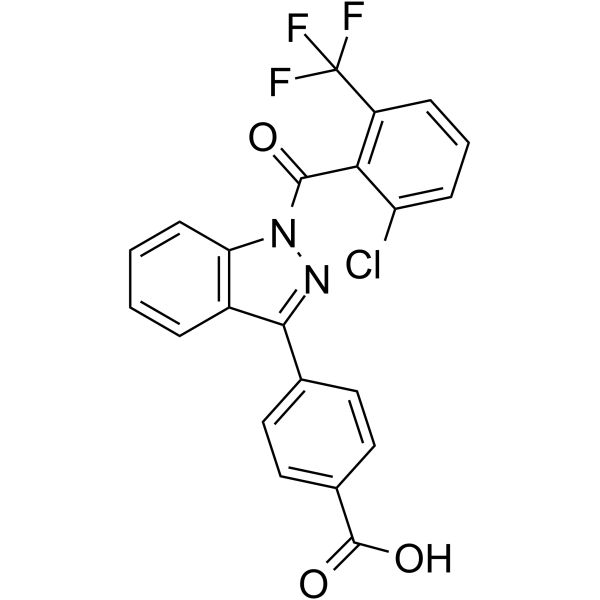
    SR1555 is a specific retinoic acid receptor-related orphan nuclear receptor γ (RORγ) inverse agonist with an IC50 value of 1 μM. SR1555 not only inhibits TH17 cell development and function but also increases the frequency of T regulatory cells, as well as inhibits the expression of IL-17. SR1555 can be used for researching autoimmune diseases .
    SR1555
  • HY-P1525

    MCH (salmon)

    MCHR1 (GPR24) Cardiovascular Disease Neurological Disease Metabolic Disease Endocrinology
    Melanin Concentrating Hormone, salmon is a 19-amino-acid neuropeptide initially identified in the pituitary gland of teleost fish, which regulates food intake, energy balance, sleep state, and the cardiovascular system. Melanin-concentrating hormone is a ligand for an orphan G protein-coupled receptor (SLC-1/GPR24) and MCHR2.
    Melanin Concentrating Hormone, salmon
  • HY-162640

    ROR Cancer
    LDR102 (Compound 19h) is an inhibitor for receptor tyrosine kinase-like orphan receptor 1 (ROR 1) with Ki of 0.10 μM. LDR102 inhibits proliferation of cancer cells H1975, A549 and MDA-MB-231, with IC50 of 0.36 μM, 1.37 μM and 0.47 μM. LDR102 exhibits antitumor efficacy in mice and good pharmacokinetic characteristics in rat models .
    LDR102
  • HY-P1525A

    MCH (salmon) TFA

    MCHR1 (GPR24) Cardiovascular Disease Neurological Disease Metabolic Disease Endocrinology
    Melanin Concentrating Hormone, salmon TFA (MCH (salmon) TFA) is a 19-amino-acid neuropeptide initially identified in the pituitary gland of teleost fish, which regulates food intake, energy balance, sleep state, and the cardiovascular system. Melanin-concentrating hormone is a ligand for an orphan G protein-coupled receptor (SLC-1/GPR24) and MCHR2.
    Melanin Concentrating Hormone, salmon TFA
  • HY-125111

    GPR55 Cannabinoid Receptor Neurological Disease Metabolic Disease Cancer
    PSB-SB-487 is a potent GPR55 antagonist and CB2 agonist with an IC50 value of 0.113 µM for GPR55, and a Ki value of 0.292 µM for human CB2. PSB-SB-487 can be used for researching diabetes, Parkinson’s disease, neuropathic pain, and cancer .
    PSB-SB-487
  • HY-P1064A

    HIV Apelin Receptor (APJ) Infection Cardiovascular Disease Metabolic Disease
    Apelin-36(human) TFA is an endogenous orphan G protein-coupled receptor APJ agonist, with an EC50 of 20 nM. Apelin-36(human) TFA shows high affinity to human APJ receptors expressed in HEK 293 cells (pIC550=8.61). Apelin-36(human) TFA has been linked to two major types of biological activities: cardiovascular and metabolic. Apelin-36(human) TFA inhibits the entry of some HIV-1 and HIV-2 into the NP2/CD4 cells expressing APJ .
    Apelin-36(human) TFA
  • HY-P2537
    Apelin-12
    2 Publications Verification

    HIV Apelin Receptor (APJ) Others
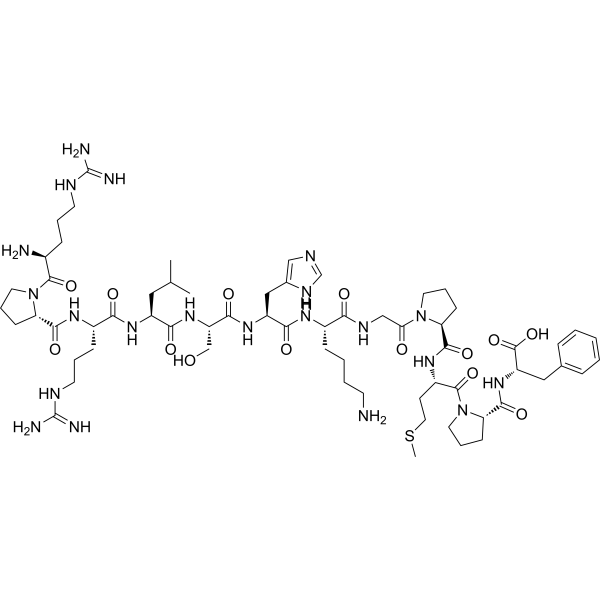
    Apelin-12 is one of the most potent C-terminal fragments of the polypeptide that possesses a high affinity to orphan receptor APJ receptor. Apelin-12 is involved in the regulation of body fluid homeostasis and in the central control of feeding. Apelin-12 blocks HIV-1 entry through APJ receptor. Apelin-12 exerts neuroprotective effect .
    Apelin-12
  • HY-172769

    Histone Methyltransferase Cancer
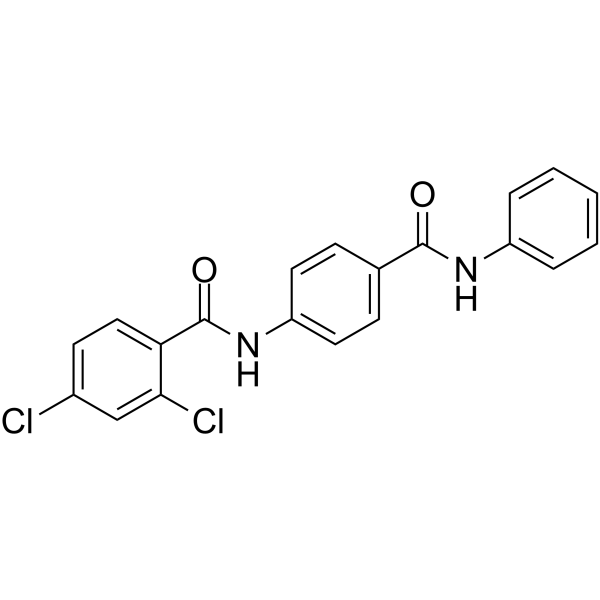
    CM112 is a selective protein arginine methyltransferase 1 (PRMT1) degrader by tethering hydrophobic tag, adamantane, to MS023 with a 5-PEG linker. CM112 induces the degradation of PRMT1 in various solid cancer cell lines. CM112 can also target the nonenzymatic function of PRMT1 by downregulating the stability of the orphan receptor TR3. CM112 is promising for research of cancers .
    CM112
  • HY-16983

    ROR Inflammation/Immunology
    GNE-3500 is a selective, orally active antagonist for Retinoic Acid Receptor-Related Orphan Receptor C (RORc, also known as RORγ or NR1F3) with an EC50 of 12 nM. GNE-3500 exhibits good pharmacokinetic characteristics in rats .
    GNE-3500
  • HY-133128

    ROR Cancer
    FM26 (compound 25) is a potent and allosteric retinoic acid receptor-related orphan receptor γt (RORγt) inverse agonists with an IC50 of 264 nM. FM26 has a distinct isoxazole chemotype and effectively reduces IL-17a mRNA production in EL4 cells .
    FM26
  • HY-P1483A

    Urotensin Receptor Cardiovascular Disease Neurological Disease
    Urotensin II, mouse TFA is an endogenous ligand for the orphan G-protein-coupled receptor GPR14 or SENR. Urotensin II, mouse TFA is a potent vasoconstrictor. Urotensin II, mouse TFA plays a physiological role in the central nervous system .
    Urotensin II, mouse TFA
  • HY-122054A

    Keap1-Nrf2 Cancer
    BPK-29 hydrochloride is a specific ligand that disrupts the atypical orphan nuclear receptor NR0B1-protein (such RBM45 and SNW1) interactions by covalently modifying C274. BPK-29 hydrochloride impairs the anchorage-independent growth of KEAP1-mutant cancer cells .
    BPK-29 hydrochloride
  • HY-113962S

    7α,25-OHC-d6

    Isotope-Labeled Compounds EBI2/GPR183 Endogenous Metabolite Inflammation/Immunology
    7α,25-Dihydroxycholesterol-d6 is deuterium labeled 7α,25-Dihydroxycholesterol. 7α, 25-dihydroxycholesterol (7α,25-OHC) is a potent and selective agonist and endogenous ligand of the orphan GPCR receptor EBI2 (GPR183). 7α, 25-dihydroxycholesterol is highly
    7α,25-Dihydroxycholesterol-d6
  • HY-W649594

    Orphan Nuclear Receptor Inflammation/Immunology Cancer
    NR2F6 modulator-2 (Compound I) is an autorepressed orphan nuclear receptor NR2F6 (Nuclear Receptor subfamily 2 group F member 6) modulator. NR2F6 modulator-2 can inhibits the recruitment of the bio-NSD1 peptide with an IC50 of 2.0 equivalents of NR2F6. NR2F6 modulator-2 can be used for the researches of cancer and immunology .
    NR2F6 modulator-2
  • HY-P3839

    Opioid Receptor Neurological Disease
    Nocistatin, a neuropeptide, is an endogenous ligand for the orphan opioid receptor-like receptor. Nocistatin is also a functional antagonist of neuropeptide nociceptin or orphanin FQ (Noc/OFQ). Nocistatin inhibits 5-HT release via a Gi/o proteinmediated pathway. Nocistatin blocks Nociceptin (Nociceptin)-induced allodynia and hyperalgesia .
    Nocistatin
  • HY-P1164

    Urotensin Receptor Cardiovascular Disease
    Urotensin II (114-124), human, an 11-amino acid residue peptide, is a potent vasoconstrictor and agonist for the orphan receptor GPR14.
    Urotensin II (114-124), human

Inquiry Online

Your information is safe with us. * Required Fields.

Salutation


Country or Region *

Applicant Name *


Organization Name *

Department *


Email Address *


Product Name *

Cat. No.


Requested quantity *

Phone Number *


Remarks

Inquiry Online

Inquiry Information

Product Name:
Cat. No.:
Quantity:
MCE Japan Authorized Agent:

