1. Search Result
Search Result
Results for "

Prostacyclin

" in MedChemExpress (MCE) Product Catalog:

62

Inhibitors & Agonists

1

Fluorescent Dyes

1

Peptides

7

Natural
Products

5

Isotope-Labeled Compounds

2

Antibodies

Cat. No. Product Name Target Research Areas Chemical Structure
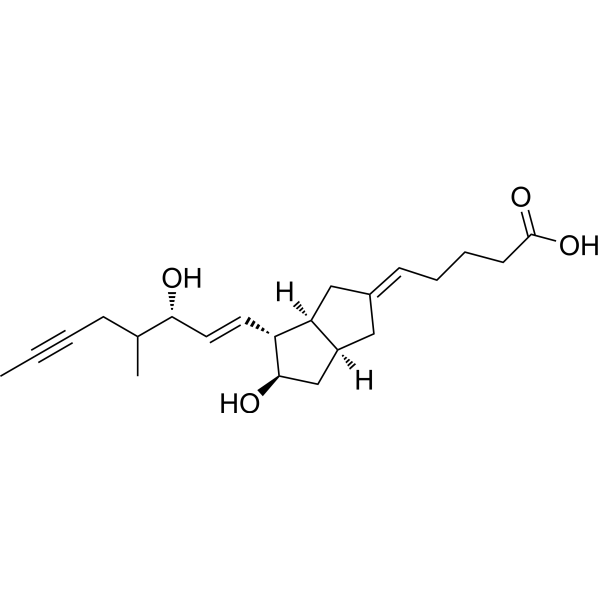
  • HY-A0096
    Iloprost
    5 Publications Verification

    Ciloprost; ZK 36374

    Prostaglandin Receptor Endogenous Metabolite Cardiovascular Disease Endocrinology Cancer
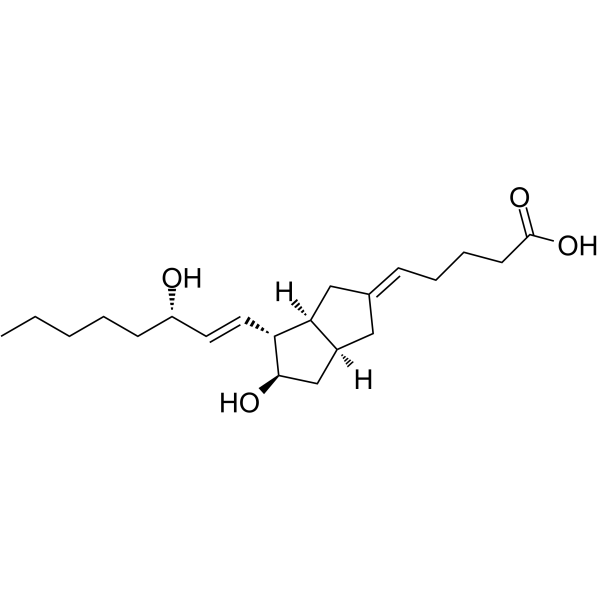
    Iloprost (ZK 36374; Ciloprost) is a prostacyclin (PGI2) analogue, involves in embryo development and inflammation improvement, and inhibits tumor metastasis. Iloprost can be used for peripheral vascular research .
    Iloprost
  • HY-14870
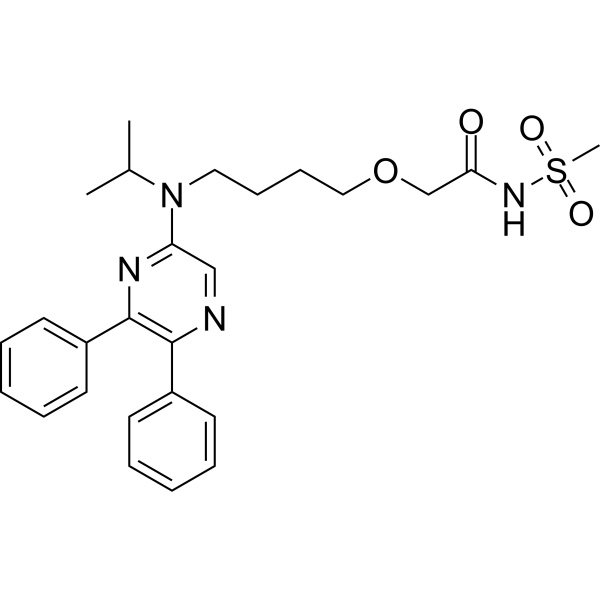
    Selexipag
    3 Publications Verification

    NS-304; ACT-293987

    Prostaglandin Receptor Cardiovascular Disease Endocrinology
    Selexipag (NS-304) is an orally available and potent agonist for the Prostacyclin (PGI2) receptor (IP receptor).
    Selexipag
  • HY-A0126A
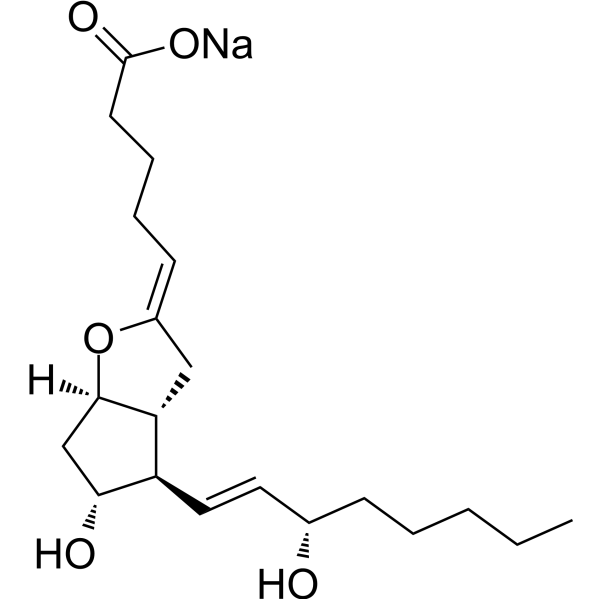
    Epoprostenol sodium
    1 Publications Verification

    Prostaglandin I2 sodium salt; Prostacyclin sodium salt; Flolan

    Endogenous Metabolite Apoptosis Cardiovascular Disease
    Epoprostenol sodium (Prostaglandin I2) sodium salt, the synthetic form of the natural prostaglandin derivative prostacyclin (prostaglandin I2), is registered worldwide for the treatment of Pulmonary arterial hypertension (PAH). Epoprostenol sodium is used in pulmonary hypertension and transplantation as a potent inhibitor of platelet aggregation .
    Epoprostenol sodium
  • HY-124124
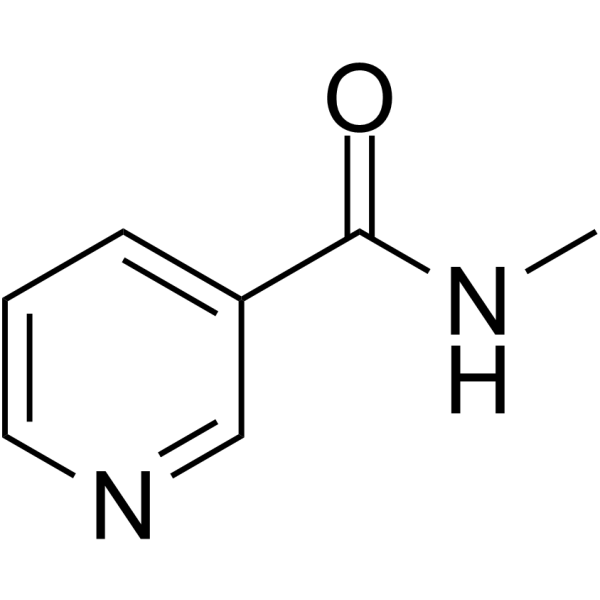
    N-Methylnicotinamide
    1 Publications Verification

    Endogenous Metabolite Drug Metabolite Cardiovascular Disease Metabolic Disease Cancer
    N-Methylnicotinamide is an endogenous metabolite with antithrombotic effect. N-Methylnicotinamide via production/release of prostacyclin inhibits arterial thrombosis development. N-Methylnicotinamide is also the N-methylation product from nicotinamide catalyzed by N-methyltransferase within nicotinate and nicotinamide metabolism pathway .
    N-Methylnicotinamide
  • HY-108912

    CAY10441

    Prostaglandin Receptor Inflammation/Immunology Endocrinology
    RO1138452 is a potent and selective IP (prostacyclin) receptor antagonist. RO1138452 displays high affinity for IP receptors. In human platelets, pKi is 9.3±0.1; in a recombinant IP receptor system, pKi is 8.7±0.06.
    RO1138452
  • HY-16751

    APD811

    Prostaglandin Receptor Cardiovascular Disease Endocrinology
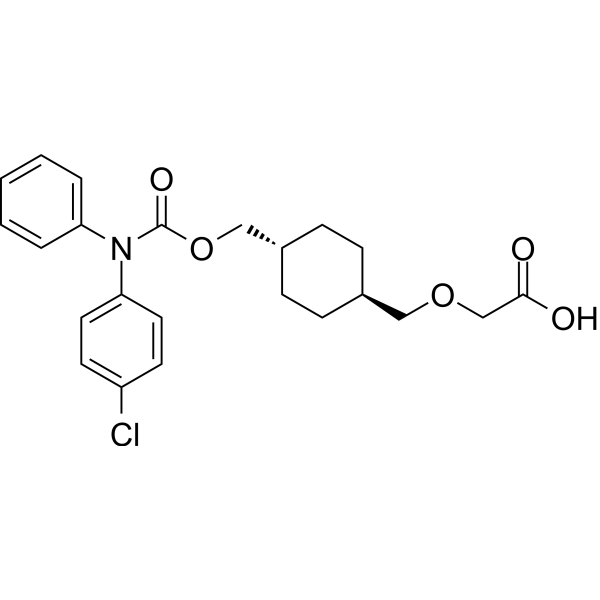
    Ralinepag is a potent, orally bioavailable and non-prostanoid prostacyclin (IP) receptor agonist, with EC50s of 8.5 nM, 530 nM and 850 nM for human and rat IP receptor and human DP1 receptor, respectively.
    Ralinepag
  • HY-13569A

    TRK-100; ML 1129 sodium

    Prostaglandin Receptor Cardiovascular Disease Inflammation/Immunology
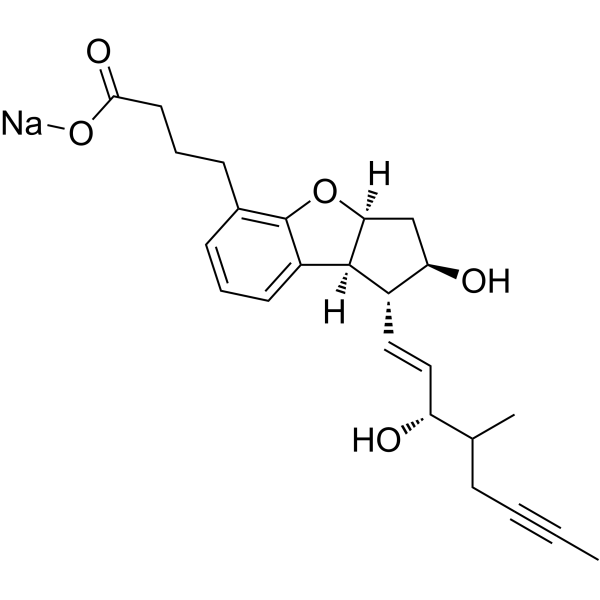
    Beraprost sodium (TRK-100), a prostacyclin analog, is a stable and orally active proagent of PGI2. Beraprost sodium (TRK-100) is a potent vasodilator, has the potential for pulmonary arterial hypertension treatment through expanding renal vessels, improving microcirculation . Beraprost sodium (TRK-100) is a click chemistry reagent, it contains an Alkyne group and can undergo copper-catalyzed azide-alkyne cycloaddition (CuAAc) with molecules containing Azide groups.
    Beraprost sodium
  • HY-B0428
    Ozagrel
    1 Publications Verification

    OKY-046

    Prostaglandin Receptor Cardiovascular Disease Neurological Disease Inflammation/Immunology
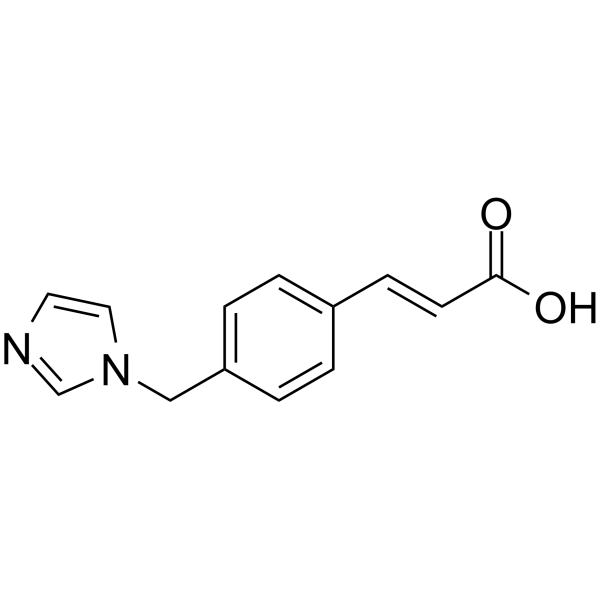
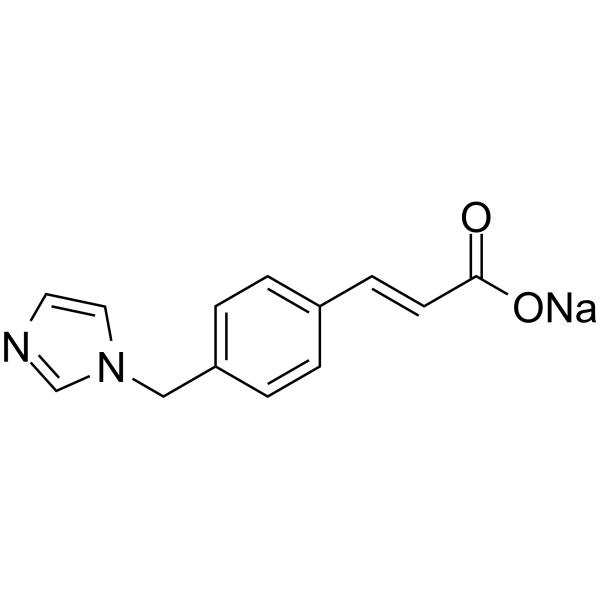
    Ozagrel (OKY-046) is a high selective and orally active thromboxane A2 (TXA2) synthase inhibitor with an IC50 of 11 nM. Ozagrel exerts anti-platelet aggregation, vasodilation and anti-inflammatory effects by inhibiting the production of TXA2 and increasing the production of prostacyclin (PGI2). Ozagrel can be used for the study of ischemic stroke, asthma and thromboembolic diseases .
    Ozagrel
  • HY-B1016

    AR-12008

    PDGFR Phosphodiesterase (PDE) Prostaglandin Receptor Cardiovascular Disease Neurological Disease
    Trapidil (AR-12008) is an orally active vasodilator and antiplatelet agent. Trapidil antagonizes platelet-derived growth factor (PDGF), inhibits phosphodiesterase, thromboxane A2 synthesis and pro-inflammatory cytokine production. Trapidil promotes prostacyclin biosynthesis, reduces lipid peroxidation, regulates nitric oxide metabolism, and inhibits cell proliferation and migration. Trapidil exerts tissue-protective effects, regulates bone turnover, and inhibits pyroptosis via the GPX3/Nrf2 pathway. Trapidil is applicable to research related to renal ischemia-reperfusion injury, chronic stable angina, restenosis, meningioma, diabetic cardiomyopathy and peripheral nerve crush injury .
    Trapidil
  • HY-N6043

    Apoptosis Reactive Oxygen Species (ROS) Bacterial SARS-CoV Estrogen Receptor/ERR Infection Neurological Disease Inflammation/Immunology
    Hydroxytyrosol acetate is an orally active, blood-brain barrier-permeable multi-active compound with multiple effects including antibacterial, antioxidant, anti-platelet aggregation, and neuroprotective activities. Hydroxytyrosol acetate not only inhibits the growth of Vibrio by increasing bacterial membrane permeability, but also interacts with DNA and mediates supercoiled DNA relaxation. Meanwhile, Hydroxytyrosol acetate effectively reduces thrombosis and inhibits lipid oxidation by inhibiting COX activity and promoting vascular nitric oxide production. In terms of neuroprotection, Hydroxytyrosol acetate significantly alleviates neuronal apoptosis and inflammatory responses by up-regulating the expression level of ERβ, thereby improving cognitive function in Alzheimer's disease models. Hydroxytyrosol acetate has been widely used in scientific research related to Vibrio infection, arterial thrombosis, Alzheimer's disease and other related fields .
    Hydroxytyrosol acetate
  • HY-106961

    ONO-AP 500-02

    Prostaglandin Receptor Cardiovascular Disease
    ONO 1301 (ONO-AP 500-02), a prostaglandin (PG) I2 mimetic, is an orally active, long-acting prostacyclin agonist with thromboxane-synthase inhibitory activity. ONO 1301 promotes production of hepatocyte growth factor (HGF) from various cell types and ameliorates ischemia-induced left ventricle dysfunction in the mouse, rat and pig .
    ONO 1301
  • HY-128932
    Cefminox sodium
    1 Publications Verification

    MT-141

    Antibiotic Bacterial PPAR Prostaglandin Receptor PTEN Akt mTOR Infection Cardiovascular Disease Endocrinology
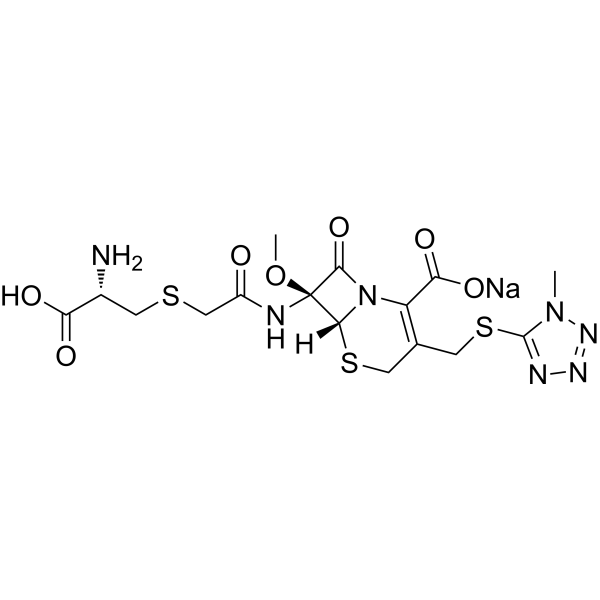
    Cefminox sodium (MT-141) is a semisynthetic cephamycin, which exhibits antibacterial activity. Cefminox sodium is a broad-spectrum, bactericidal cephalosporin antibiotic. Cefminox sodium also acts as a dual agonist of prostacyclin receptor (IP) and PPARγ. Cefminox sodium upregulates cAMP production and PTEN expression and inhibits Akt/mTOR signaling. Cefminox sodium also prevents pulmonary arterial hypertension in rat model .
    Cefminox sodium
  • HY-B0428B
    Ozagrel hydrochloride
    1 Publications Verification

    OKY-046 hydrochloride

    Prostaglandin Receptor Cardiovascular Disease Neurological Disease Inflammation/Immunology
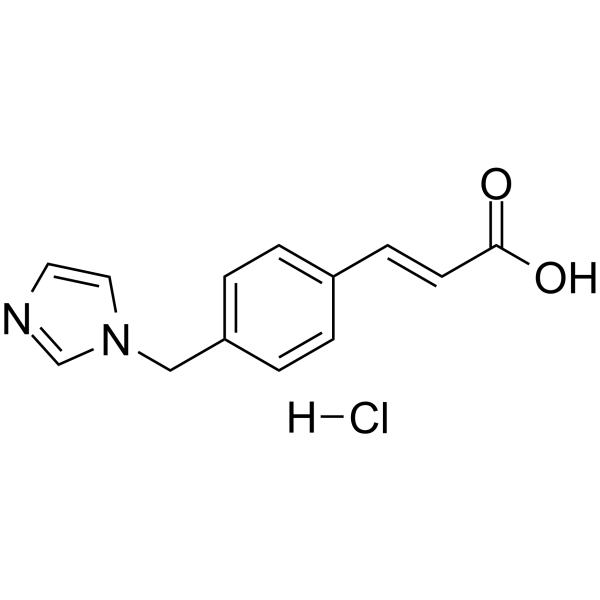
    Ozagrel hydrochloride (OKY-046 hydrochloride) is a high selective and orally active thromboxane A2 (TXA2) synthase inhibitor with an IC50 of 11 nM. Ozagrel hydrochloride exerts anti-platelet aggregation, vasodilation and anti-inflammatory effects by inhibiting the production of TXA2 and increasing the production of prostacyclin (PGI2). Ozagrel hydrochloride can be used for the study of ischemic stroke, asthma and thromboembolic diseases .
    Ozagrel hydrochloride
  • HY-106961A

    (Z)-ONO-AP 500-02

    Prostaglandin Receptor Cardiovascular Disease
    (Z)-ONO 1301 is the isomer of ONO 1301 (HY-106961), and can be used as an experimental control. ONO 1301 (ONO-AP 500-02), a prostaglandin (PG) I2 mimetic, is an orally active, long-acting prostacyclin agonist with thromboxane-synthase inhibitory activity. ONO 1301 promotes production of hepatocyte growth factor (HGF) from various cell types and ameliorates ischemia-induced left ventricle dysfunction in the mouse, rat and pig .
    (Z)-ONO 1301
  • HY-118941

    Prostaglandin Receptor Cardiovascular Disease
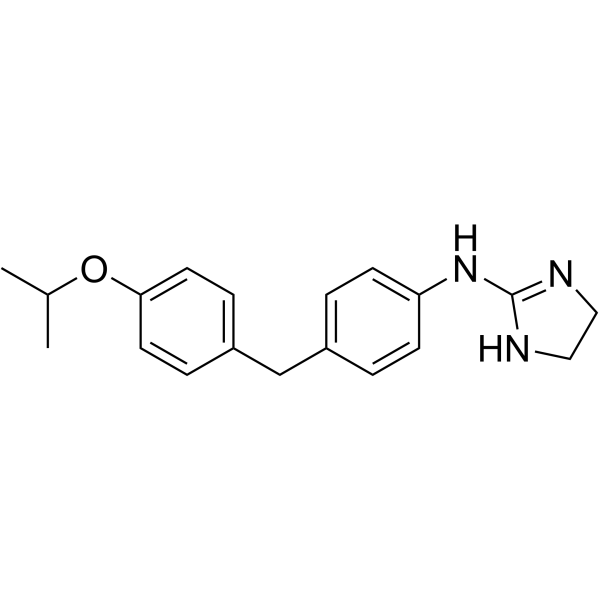
    BAY 73-1449 is a selective antagonist of prostacyclin receptor (IP), with high potency (IC50 of less than 0.1 nM) in cAMP assays in Human HEL cells and rat DRG. BAY 73-1449 can be used in the research of lowering blood pressure .
    BAY 73-1449
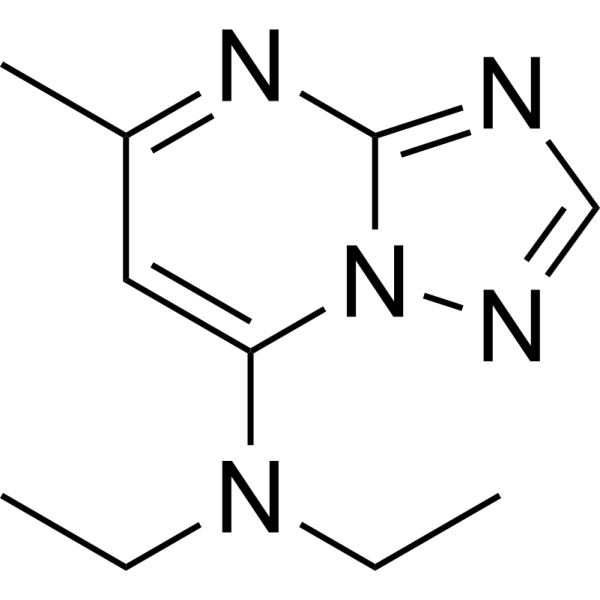
  • HY-112322
    Carbacyclin
    1 Publications Verification

    CarbaProstacyclin; Carba-PGI2

    PPAR Prostaglandin Receptor Carnitine Palmitoyltransferase (CPT) Cardiovascular Disease Metabolic Disease
    Carbacyclin is a PGI2 analogue, acts as a prostacyclin (PGI2) receptor agonist and vasodilator, and potently inhibits platelet aggregation.
    Carbacyclin
  • HY-128039

    Prostaglandin Receptor Others
    17-Phenyl-ω-trinor-PGE2 is a PGE2 (HY-101952) analog, which is an agonist for EP1 and EP3 receptor. 17-Phenyl-ω-trinor-PGE2 inhibits the PAF-induced aggregation of human platelet-rich plasma (PRP) and Cicaprost (HY-19583) induced Cyclic AMP (HY-B1511) production .
    17-Phenyl-ω-trinor-PGE2
  • HY-124124S

    Isotope-Labeled Compounds Endogenous Metabolite Drug Derivative Cardiovascular Disease Metabolic Disease Cancer
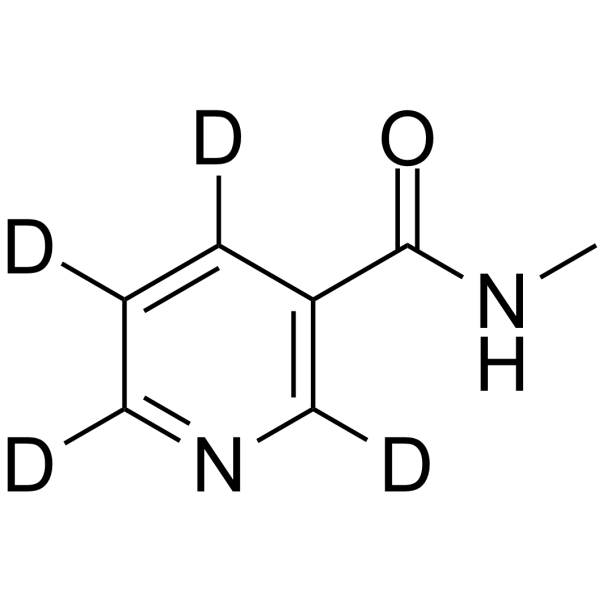
    N-Methylnicotinamide-d4 is the deuterium labeled N-Methylnicotinamide (HY-124124). N-Methylnicotinamide is an endogenous metabolite with antithrombotic effect. N-Methylnicotinamide via production/release of prostacyclin inhibits arterial thrombosis development. N-Methylnicotinamide is also the N-methylation product from nicotinamide catalyzed by N-methyltransferase within nicotinate and nicotinamide metabolism pathway.
    N-Methylnicotinamide-d4
  • HY-B0428A
    Ozagrel sodium
    1 Publications Verification

    OKY-046 sodium

    Prostaglandin Receptor Cardiovascular Disease Neurological Disease Inflammation/Immunology
    Ozagrel sodium (OKY-046 sodium) is a high selective and orally active thromboxane A2 (TXA2) synthase inhibitor with an IC50 of 11 nM. Ozagrel sodium exerts anti-platelet aggregation, vasodilation and anti-inflammatory effects by inhibiting the production of TXA2 and increasing the production of prostacyclin (PGI2). Ozagrel sodium can be used for the study of ischemic stroke, asthma and thromboembolic diseases .
    Ozagrel sodium
  • HY-108565

    Adenylate Cyclase Prostaglandin Receptor Cardiovascular Disease
    BMY 45778 is a non-prostanoid prostacyclin mimetic. BMY 45778 inhibits human (IC50 = 35 nM), rabbit (IC50: 136 nM) and rat (IC50 : 1.3 μM) platelet aggregation. BMY 45778 also activates adenylyl cyclase. BMY 45778 is a partial agonist at the prostacyclin receptor .
    BMY 45778
  • HY-164580

    Prostaglandin Receptor Neurological Disease Inflammation/Immunology
    RO3244794 is a potent and selective IP (prostacyclin) receptor antagonist, with a pKi of 7.7 and 6.9 in human platelet and recombinant IP receptor system, respectively. RO3244794 exhibits analgesic and anti-inflammatory potential .
    RO3244794
  • HY-A0096R

    Ciloprost (Standard); ZK 36374 (Standard)

    Reference Standards Prostaglandin Receptor Endogenous Metabolite Endocrinology Cancer
    Iloprost (Standard) is the analytical standard of Iloprost. This product is intended for research and analytical applications. Iloprost (ZK 36374; Ciloprost) is a prostacyclin (PGI2) analogue, involves in embryo development and inflammation improvement, and inhibits tumor metastasis. Iloprost can be used for peripheral vascular research .
    Iloprost (Standard)
  • HY-114671

    CG-4203

    Prostaglandin Receptor Cardiovascular Disease
    Taprostene (CG-4203) is a synthetic, chemically stable analogue of Prostacyclin (PGI2). Taprostene exhibits endothelium and myocardial protecting actions after acute myocardial ischemia and reperfusion in cats. Taprostene enhances cytoprotective actions, while minimizing unwanted hemodynamic effects .
    Taprostene
  • HY-14870S3

    NS-304-d6; ACT-293987-d6

    Isotope-Labeled Compounds Prostaglandin Receptor Cardiovascular Disease Endocrinology
    Selexipag-d6 is deuterium labeled Selexipag. Selexipag (NS-304) is an orally available and potent agonist for the Prostacyclin (PGI2) receptor (IP receptor).
    Selexipag-d6
  • HY-14870S1

    Isotope-Labeled Compounds Prostaglandin Receptor Cardiovascular Disease Endocrinology
    Selexipag-d7 is the deuterium labeled Selexipag. Selexipag (NS-304) is an orally available and potent agonist for the Prostacyclin (PGI2) receptor (IP receptor) .
    Selexipag-d7
  • HY-A0096S

    Isotope-Labeled Compounds Prostaglandin Receptor Endocrinology
    Iloprost-d4 (Ciloprost-d4) is the deuterium labeled Iloprost. Iloprost (ZK 36374) is a synthetic analogue of prostacyclin PGI2 .
    Iloprost-d4
  • HY-14870R

    NS-304 (Standard); ACT-293987 (Standard)

    Reference Standards Prostaglandin Receptor Cardiovascular Disease Endocrinology
    Selexipag (Standard) is the analytical standard of Selexipag. This product is intended for research and analytical applications. Selexipag (NS-304) is an orally available and potent agonist for the Prostacyclin (PGI2) receptor (IP receptor).
    Selexipag (Standard)
  • HY-173420

    Drug Derivative Cardiovascular Disease Endocrinology Cancer
    15-Keto Iloprost is a C-15 oxidized derivative of Iloprost (HY-A0096). Iloprost (ZK 36374) is a prostacyclin (PGI2) analogue, involves in embryo development and inflammation improvement, and inhibits tumor metastasis .
    15-Keto Iloprost
  • HY-112079

    Integrin Cardiovascular Disease
    NPC-15669 is a novel Mac-1 inhibitor. NPC-15669 reduces plasma levels of ET-1, TxB, prostacyclin, AT-III, and total protein S. NPC-15669 can be used in the research of myocardial infarction .
    NPC-15669
  • HY-108912R

    CAY10441 (Standard)

    Prostaglandin Receptor Reference Standards Inflammation/Immunology Endocrinology
    RO1138452 (Standard) is the analytical standard of RO1138452. This product is intended for research and analytical applications. RO1138452 is a potent and selective IP (prostacyclin) receptor antagonist. RO1138452 displays high affinity for IP receptors. In human platelets, pKi is 9.3±0.1; in a recombinant IP receptor system, pKi is 8.7±0.06.
    RO1138452 (Standard)
  • HY-13569AR

    TRK-100 (Standard); ML 1129 sodium (Standard)

    Reference Standards Prostaglandin Receptor Cardiovascular Disease Inflammation/Immunology
    Beraprost (sodium) (Standard) is the analytical standard of Beraprost (sodium). This product is intended for research and analytical applications. Beraprost sodium, a prostacyclin analog, is a stable and orally active proagent of PGI2. Beraprost sodium is a potent vasodilator, has the potential for pulmonary arterial hypertension treatment through expanding renal vessels, improving microcirculation . Beraprost (sodium) is a click chemistry reagent, it contains an Alkyne group and can undergo copper-catalyzed azide-alkyne cycloaddition (CuAAc) with molecules containing Azide groups.
    Beraprost sodium (Standard)
  • HY-B1016R

    AR-12008 (Standard)

    Reference Standards PDGFR Phosphodiesterase (PDE) Prostaglandin Receptor Cardiovascular Disease Cancer
    Trapidil (Standard) (AR-12008 (Standard)) is the analytical standard of Trapidil (HY-B1016R). This product is intended for research and analytical applications. Trapidil (AR-12008) is an orally active vasodilator and antiplatelet agent. Trapidil antagonizes platelet-derived growth factor (PDGF), inhibits phosphodiesterase, thromboxane A2 synthesis and pro-inflammatory cytokine production. Trapidil promotes prostacyclin biosynthesis, reduces lipid peroxidation, regulates nitric oxide metabolism, and inhibits cell proliferation and migration. Trapidil exerts tissue-protective effects, regulates bone turnover, and inhibits pyroptosis via the GPX3/Nrf2 pathway. Trapidil is applicable to research related to renal ischemia-reperfusion injury, chronic stable angina, restenosis, meningioma, diabetic cardiomyopathy and peripheral nerve crush injury.
    Trapidil (Standard)
  • HY-127162

    PGK1

    Prostaglandin Receptor Others
    Prostaglandin K1 (compound 46) is a structurally modified analog of prostacyclin (prostanoid) with an EC50 of 2800 nM for EP1 and a Ki of 2800 nM .
    Prostaglandin K1
  • HY-114587

    Prostaglandin Receptor Cardiovascular Disease
    RS 93427-007 is an orally active prostacyclin stable mimetic agent. RS 93427-007 can be used for the research of cardiovascular disease, such as atherosclerosis .
    RS 93427-007
  • HY-120309

    Prostaglandin Receptor Cardiovascular Disease
    BMY 42393 is an orally active prostacyclin agonist which suppresses monocyte-macrophage atherogenic activity and cytokine production. BMY 42393 can be used for atherosclerosis research .
    BMY 42393
  • HY-A0126AR

    Prostaglandin I2 sodium salt (Standard); Prostacyclin sodium salt (Standard); Flolan (Standard)

    Reference Standards Endogenous Metabolite Cardiovascular Disease
    Epoprostenol (sodium) (Standard) is the analytical standard of Epoprostenol (sodium). This product is intended for research and analytical applications. Epoprostenol sodium (Prostaglandin I2 (sodium salt)), the synthetic form of the natural prostaglandin derivative prostacyclin (prostaglandin I2), is registered worldwide for the treatment of Pulmonary arterial hypertension (PAH) . Epoprostenol sodium is used in pulmonary hypertension and transplantation as a potent inhibitor of platelet aggregation .
    Epoprostenol sodium (Standard)
  • HY-160993

    9β-Methylcarbacyclin

    Prostaglandin Receptor Cardiovascular Disease
    Ciprostene is analog of prostacyclin (PGI2). Ciprostene inhibits adenosine diphosphate-induced platelet aggregation. Ciprostene can be used for research of peripheral vascular disease .
    Ciprostene
  • HY-122499

    Prostaglandin Receptor Cardiovascular Disease
    Ciprostene calcium is a prostacyclin analogue.Ciprostene calcium inhibits adenosine diphosphate-induced platelet aggregation. Ciprostene calcium can be used for research of peripheral vascular disease .
    Ciprostene calcium
  • HY-142972

    Prostaglandin Receptor Cardiovascular Disease
    19(S)-HETE is an arachidonic acid metabolite produced by cytochrome P450 enzymes. 19(S)-HETE is a full orthosteric agonist of the prostacyclin (IP) receptor with an EC50 value of 567 nM. 19(S)-HETE inhibits platelet activation and relaxation of vessels .
    19(S)-HETE
  • HY-106110

    Prostaglandin Receptor Metabolic Disease
    OP-2507 is a prostacyclin analog. OP-2507 can increase brain glucose levels in mice, suppress the breakdown of energy metabolism under hypoxic conditions, and has a protective effect against changes in cyclic nucleotides in hypoxic brain tissue (specifically, an increase in cyclic AMP and a decrease in cyclic GMP). OP-2507 provides protective effects against brain hypoxia and edema .
    OP-2507
  • HY-123293

    Prostaglandin Receptor Cardiovascular Disease
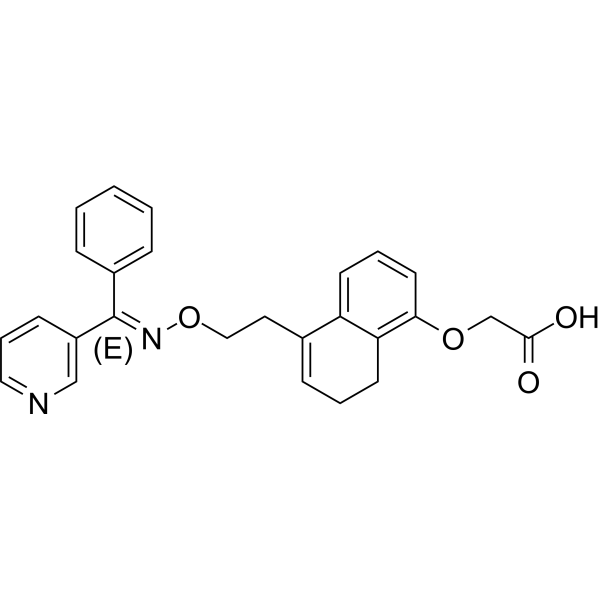
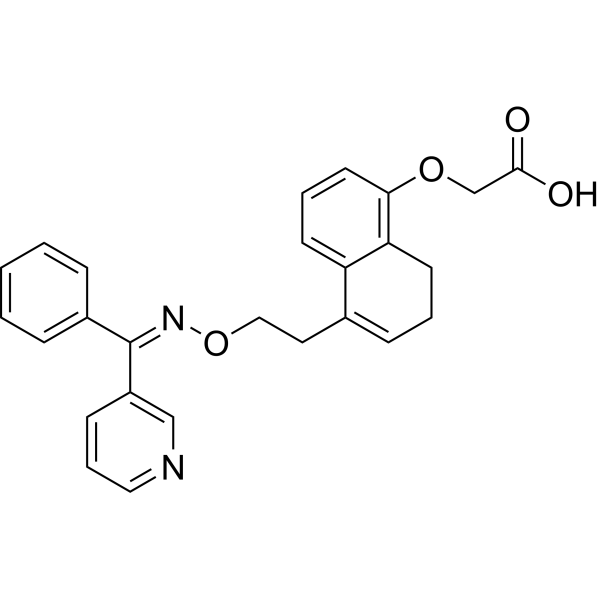
    UK 34787 is a selective thromboxane synthetase inhibitor with little or no activity against cyclooygenase or prostacyclin synthetase .
    UK 34787
  • HY-167091

    (Rac)-TRK-100 free acid; (Rac)-ML 1229

    Prostaglandin Receptor Cardiovascular Disease
    (Rac)-Beraprost ((Rac)-ML 1229) is an orally active prostacyclin analog that inhibits the release of Ca 2+ from intracellular storage sites by binding to prostacyclin membrane receptors (Prostaglandin Receptor), leading to relaxation of smooth muscle cells and vasodilation. Beraprost has vasodilatory, antiplatelet, and cytoprotective effects, making it promising for research in the field of cardiovascular diseases, such as thromboangiitis obliterans and atherosclerosis .
    (Rac)-Beraprost
  • HY-Z7721

    (Rac)-TRK-100; (Rac)-ML 1129 sodium

    Prostaglandin Receptor Cardiovascular Disease
    (Rac)-Beraprost ((Rac)-ML 1129) sodium is a racemic isomer of Beraprost sodium (HY-13569A). Beraprost sodium is an orally active prostacyclin analog that inhibits the release of Ca 2+ from intracellular storage sites by binding to prostacyclin membrane receptors (Prostaglandin Receptor), leading to relaxation of smooth muscle cells and vasodilation. Beraprost sodium has vasodilatory, antiplatelet, and cytoprotective effects, making it promising for research in the field of cardiovascular diseases, such as thromboangiitis obliterans and atherosclerosis .
    (Rac)-Beraprost sodium
  • HY-105315

    Prostaglandin Receptor Endocrinology
    AFP-07 is a derivative of 7, 7-difluoroprostacyclic and is a highly potent and selective prostacyclin receptor IP receptor agonist with a Ki value of 0.561 nM .
    AFP-07
  • HY-166363S

    TRK-100-d3; ML 1129-d3

    Isotope-Labeled Compounds Prostaglandin Receptor Cardiovascular Disease
    Beraprost-d3 (TRK-100-d3) is deuterium labeled (Rac)-Beraprost. (Rac)-Beraprost ((Rac)-ML 1229) is an orally active prostacyclin analog that inhibits the release of Ca 2+ from intracellular storage sites by binding to prostacyclin membrane receptors (Prostaglandin Receptor), leading to relaxation of smooth muscle cells and vasodilation. Beraprost has vasodilatory, antiplatelet, and cytoprotective effects, making it promising for research in the field of cardiovascular diseases, such as thromboangiitis obliterans and atherosclerosis .
    Beraprost-d3
  • HY-129293

    Prostaglandin Receptor Endocrinology
    AFP-07 free acid is a derivative of 7, 7-difluoroprostacyclic and is a highly potent and selective prostacyclin receptor IP receptor agonist with a Ki value of 0.561 nM .
    AFP-07 free acid
  • HY-106699

    CG 4203 sodium

    Prostaglandin Receptor nAChR Cardiovascular Disease
    Taprostene sodium is a partial agonist at prostanoid prostacyclin (IP) receptors. Taprostene sodium interacts additively with Prostaglandin E2 (PGE2) (HY-101952), ONO-AE1-259 (selective EP2 agonist), and acetylcholine. Taprostene sodium exerts a significant cardioprotection .
    Taprostene sodium
  • HY-124124R

    Reference Standards Endogenous Metabolite Drug Metabolite Cardiovascular Disease Metabolic Disease Cancer
    N-Methylnicotinamide (Standard) is the analytical standard of N-Methylnicotinamide (HY-124124). This product is intended for research and analytical applications. N-Methylnicotinamide is an endogenous metabolite with antithrombotic effect. N-Methylnicotinamide via production/release of prostacyclin inhibits arterial thrombosis development. N-Methylnicotinamide is also the N-methylation product from nicotinamide catalyzed by N-methyltransferase within nicotinate and nicotinamide metabolism pathway.
    N-Methylnicotinamide (Standard)
  • HY-137227

    15(R)-Pinanethromboxane A2

    Prostaglandin Receptor Cardiovascular Disease
    15(R)-PTA2 (15(R)-Pinanethromboxane A2) is an antithrombotic agent that inhibits platelet aggregation. 15(R)-PTA2 inhibits stable prostaglandin endoperoxide analog-induced constriction of feline coronary arteries and stabilizes hepatic lysosomes. 15(R)-PTA2 also inhibits thromboxane synthase but has no effect on prostacyclin synthase .
    15(R)-PTA2
  • HY-173419

    5-cis-15(R)-Ciloprost; 5-cis-15(R)-ZK 36374

    Drug Isomer Prostaglandin Receptor Endocrinology Cancer
    5-cis-15(R)-Iloprost (5-cis-15(R)-Ciloprost) is the C-5 cis-isomer and 15(R)-epimer of Iloprost (HY-A0096). Iloprost is a prostacyclin (PGI2) analogue, involves in embryo development and inflammation improvement, and inhibits tumor metastasis. Iloprost can be used for peripheral vascular research .
    5-cis-15(R)-Iloprost

Inquiry Online

Your information is safe with us. * Required Fields.

Salutation


Country or Region *

Applicant Name *


Organization Name *

Department *


Email Address *


Product Name *

Cat. No.


Requested quantity *

Phone Number *


Remarks

Inquiry Online

Inquiry Information

Product Name:
Cat. No.:
Quantity:
MCE Japan Authorized Agent:

