1. Search Result
Search Result
Results for "

RORγt inhibitor

" in MedChemExpress (MCE) Product Catalog:

28

Inhibitors & Agonists

1

Fluorescent Dyes

1

Biochemical Assay Reagents

1

Natural
Products

1

Isotope-Labeled Compounds

Cat. No. Product Name Target Research Areas Chemical Structure
  • HY-125801
    3-Oxo-5β-cholanoic acid
    1 Publications Verification

    Dehydrolithocholic acid; 3-oxoLCA

    ROR Inflammation/Immunology
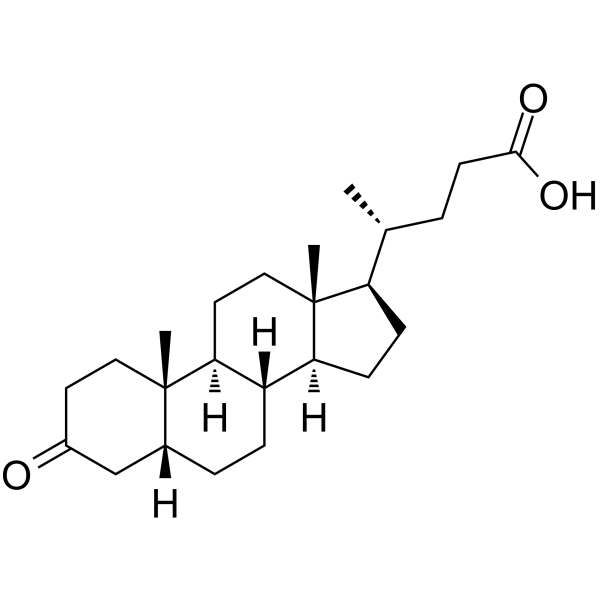
    3-Oxo-5β-cholanoic acid (Dehydrolithocholic acid), a bile acid metabolite, inhibits the diferentiation of TH17 cells by directly binding to the key transcription factor RORγt (Kd=1.13 μM) .
    3-Oxo-5β-cholanoic acid
  • HY-12776
    GSK805
    5 Publications Verification

    ROR Inflammation/Immunology
    GSK805 is an orally active and CNS penetrant RORγt inhibitor. GSK805 inhibits RORγ and Th17 cells differentiation with pIC50 values of 8.4 and >8.2. GSK805 inhibits the function of Th17 cells. GSK805 can be used for the research of immunity .
    GSK805
  • HY-113238A

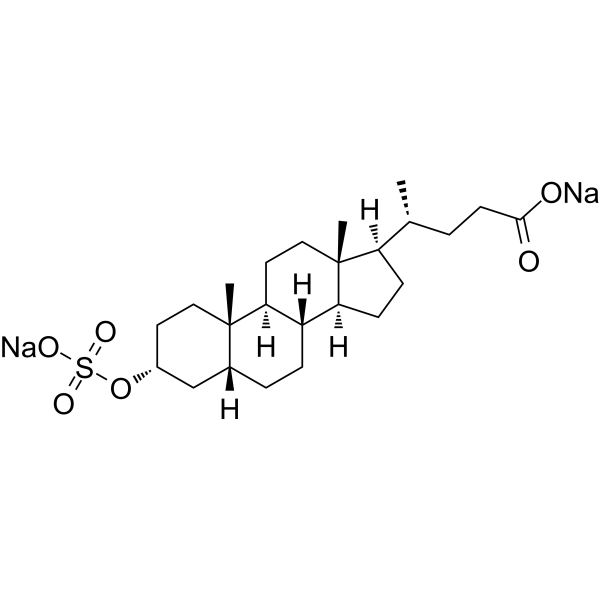
    Sulfolithocholic acid disodium; LCAS disodium

    GPR39 ROR Metabolic Disease Inflammation/Immunology
    Lithocholic acid 3-sulfate disodium is a GPR39 agonist, with EC50 values of 41 μM and 42.4 μM in M39-20 and hGPR39-2 cells, respectively, in the absence of Zn 2+, and 0.88 μM and 0.97 μM in the presence of Zn 2+. Lithocholic acid 3-sulfate disodium acts as a RORγt ligand. Lithocholic acid 3-sulfate disodium stimulates the GPR39 receptor to initiate intracellular calcium signaling, independent of the Zn 2+-binding sites H17 and H19. LCA-3-S selectively inhibits Th17 cell differentiation by targeting RORγt. Lithocholic acid 3-sulfate disodium can be used in the research of cholestatic liver diseases .
    Lithocholic acid 3-sulfate disodium
  • HY-139780

    ROR Inflammation/Immunology
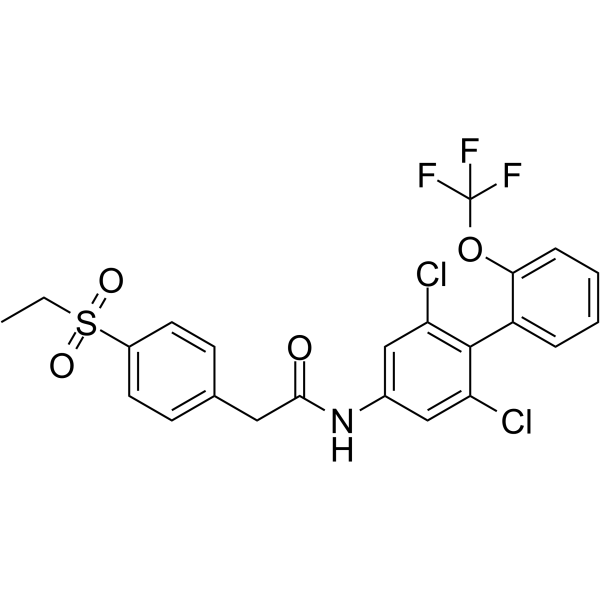
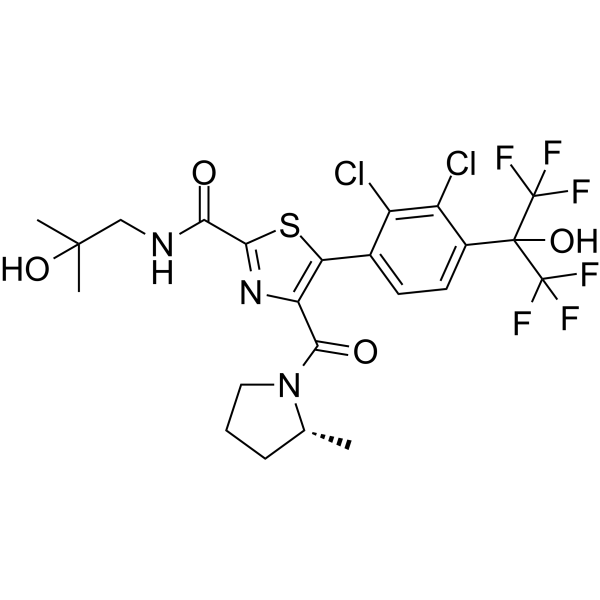
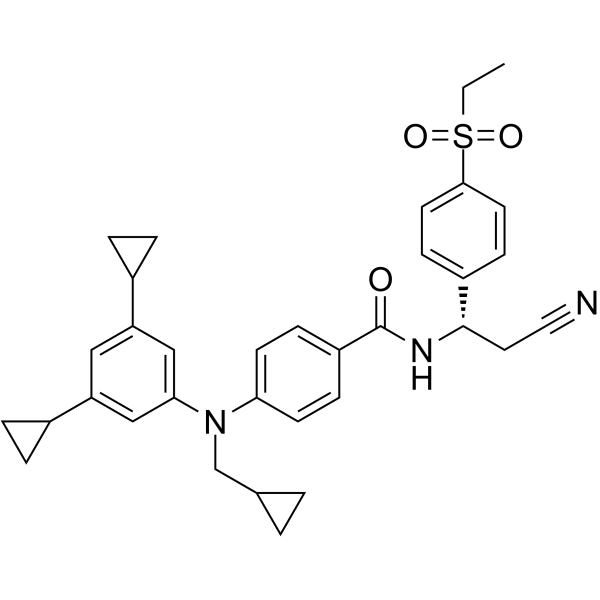
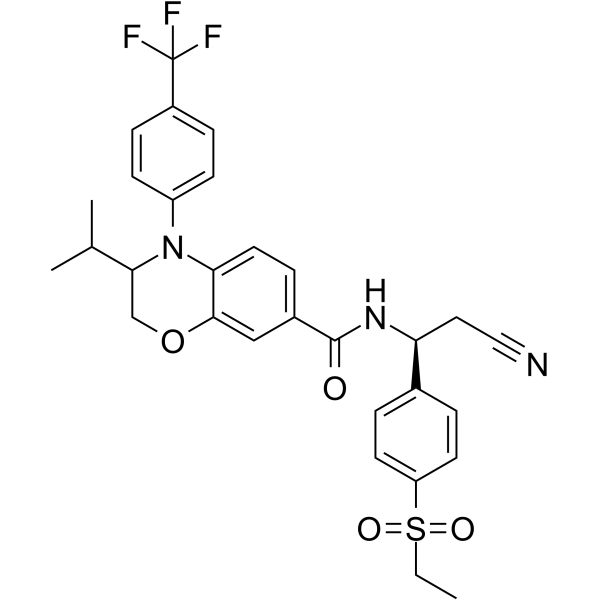
    JNJ-61803534 is a potent and orally active RORγt inverse agonist with an IC50 of 9.6  nM. JNJ-61803534 has anti-inflammatory activity. JNJ-61803534 inhibits IL-17A production in human CD4+ T cells under Th17 differentiation conditions .
    JNJ-61803534
  • HY-126037
    (±)-ML 209
    1 Publications Verification

    ROR Inflammation/Immunology
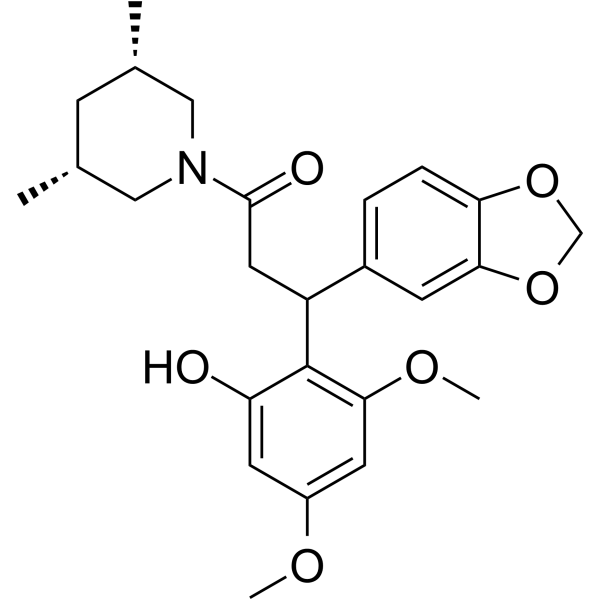
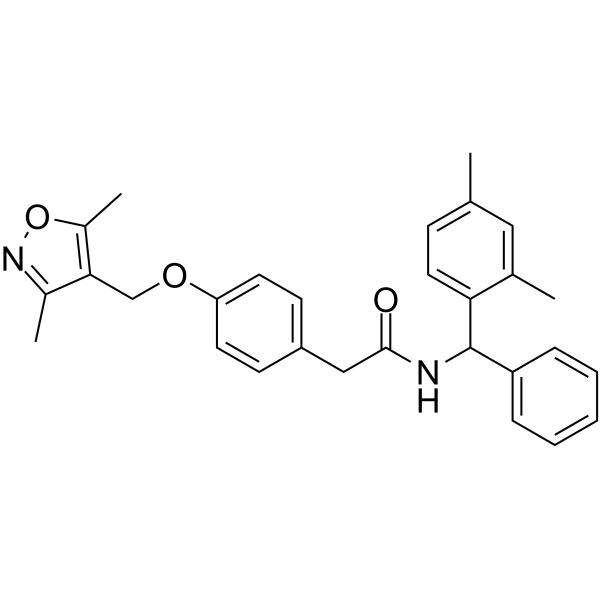
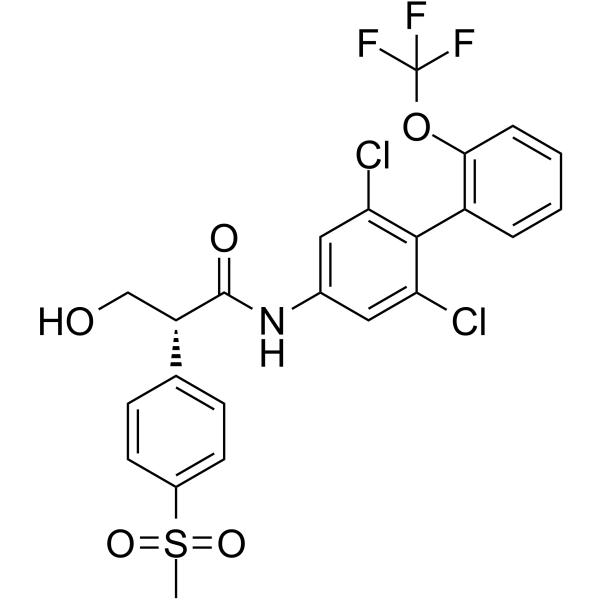
    (±)-ML 209 (compound 4n), a diphenylpropanamide, is a retinoic acid-related orphan receptor RORγ antagonist with an IC50 of 1.1 μM. (±)-ML 209 inhibits RORγt transcriptional activity with an IC50 of 300 nM in HEK293t cells. (±)-ML 209 inhibits the transcriptional activity of RORγt, but not RORα in cells. (±)-ML 209 selectively inhibits murine Th17 cell differentiation without affecting the differentiation of naïve CD4 + T cells into other lineages, including Th1 and regulatory T cells .
    (±)-ML 209
  • HY-117819

    ROR Inflammation/Immunology
    TMP920 is a highly potent and selective RORγt antagonist. TMP920 inhibits RORγt binding to the SRC1 peptide with an IC50 of 0.03 μM .
    TMP920
  • HY-119366

    ROR Inflammation/Immunology
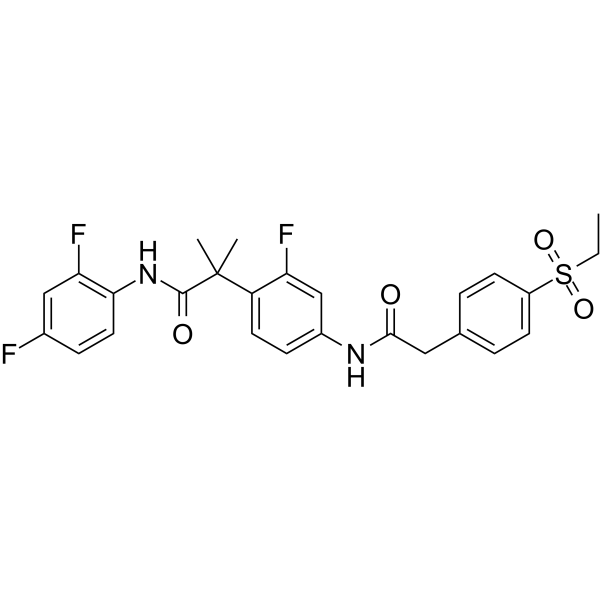
    S18-000003 is a potent, selective and orally active inhibitor of retinoic acid receptor-related orphan receptor-gamma-t (RORγt), with an IC50 of <30 nM towards human RORγt in competitive binding assays. S18-000003 shows selectivity for RORγt over other ROR family members (IC50>10 μM). S18-000003 can be used for the research of psoriasis with low risk of thymic aberrations .
    S18-000003
  • HY-142834

    ROR Dihydroorotate Dehydrogenase Inflammation/Immunology
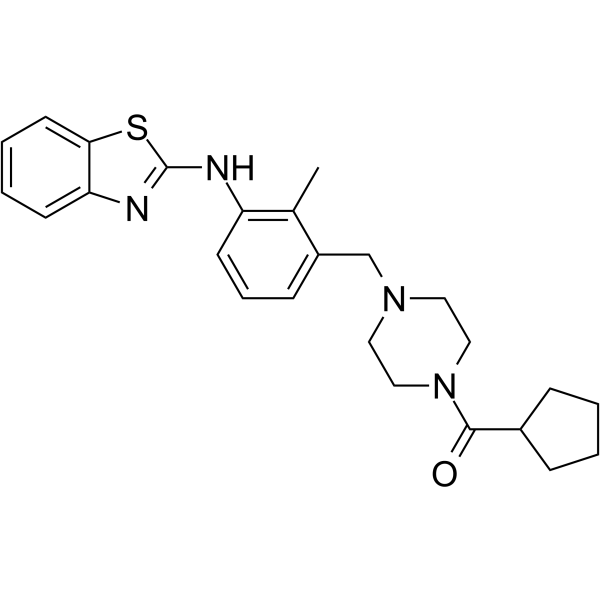
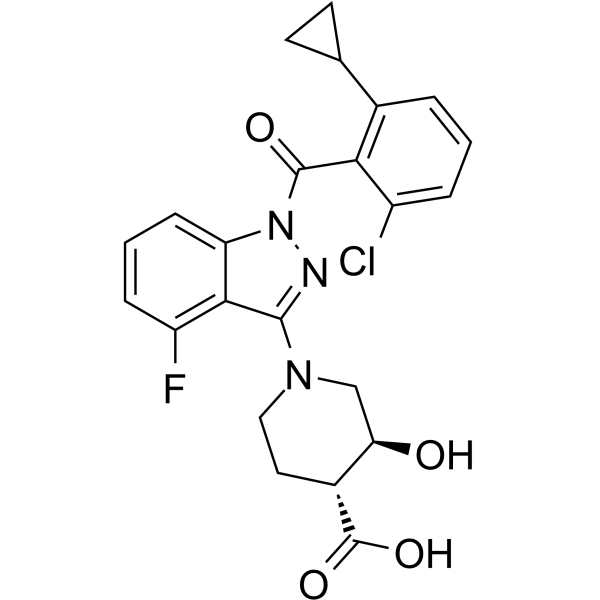
    RORγt/DHODH-IN-2 (compound 1) is a potent dual RORγt/DHODH inhibitor. RORγt/DHODH-IN-2 can be used for inflammatory bowel disease (IBD) research .
    RORγt/DHODH-IN-2
  • HY-103637

    VTP-43742

    ROR Inflammation/Immunology
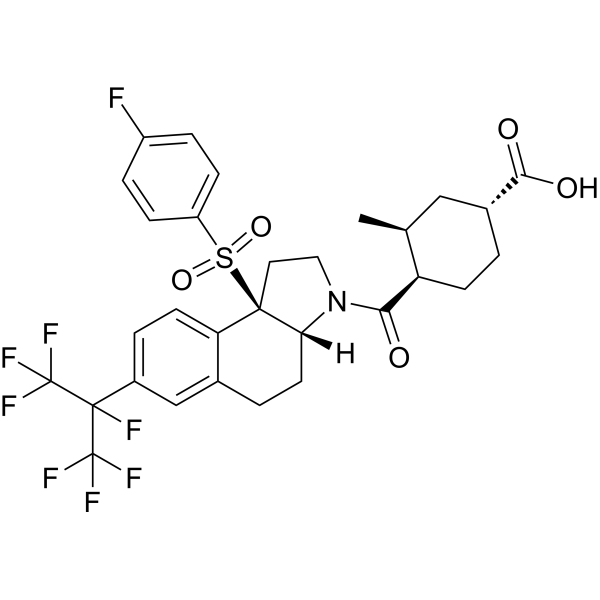
    Vimirogant (VTP-43742) is a potent, selective, and orally active RORγt inhibitor (Ki=3.5 nM; IC50=17 nM). Vimirogant exhibits >1000-fold selectivity versus the RORα and RORβ isotypes. Vimirogant inhibits Th17 differentiation and IL-17A secretion from mouse splenocytes (IC50=57 nM) without affecting Th1, Th2, or Treg cell differentiation. Vimirogant has the potential for autoimmune disorders research .
    Vimirogant
  • HY-142934

    ROR Inflammation/Immunology Cancer
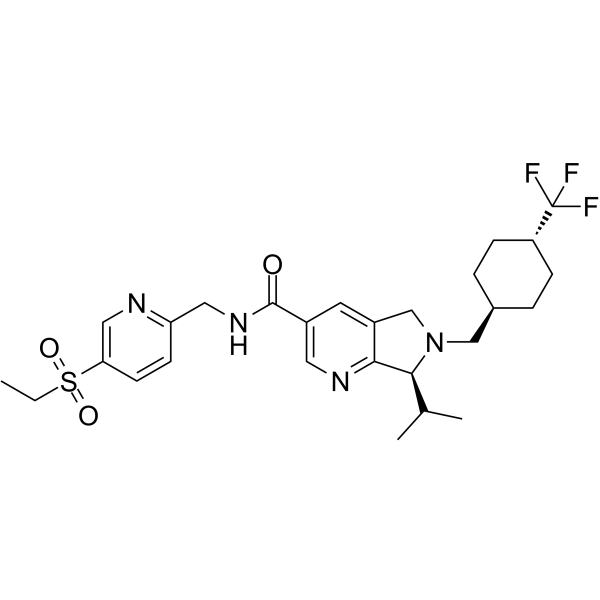
    RORγt inhibitor 2 (Compound 119) is a potent RORγt inhibitor with an IC50 of 9.2 nM. RORγt inhibitor 2 can be used for the research of cancer, inflammation or autoimmune diseases mediated by RORγt .
    RORγt inhibitor 2
  • HY-136527

    ROR Interleukin Related Inflammation/Immunology
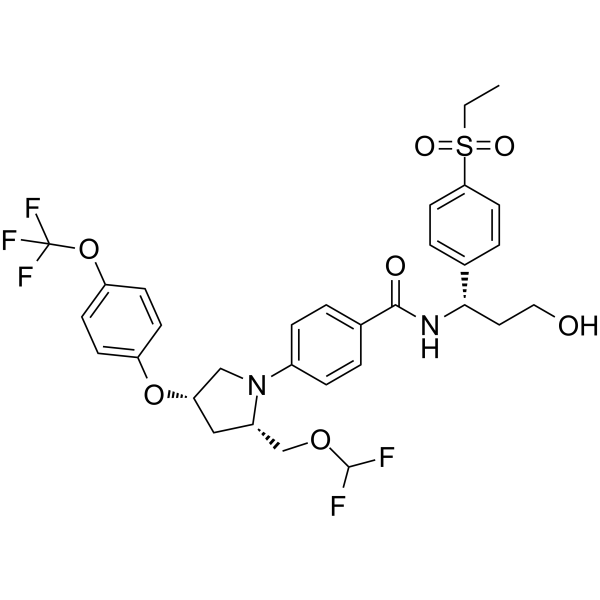
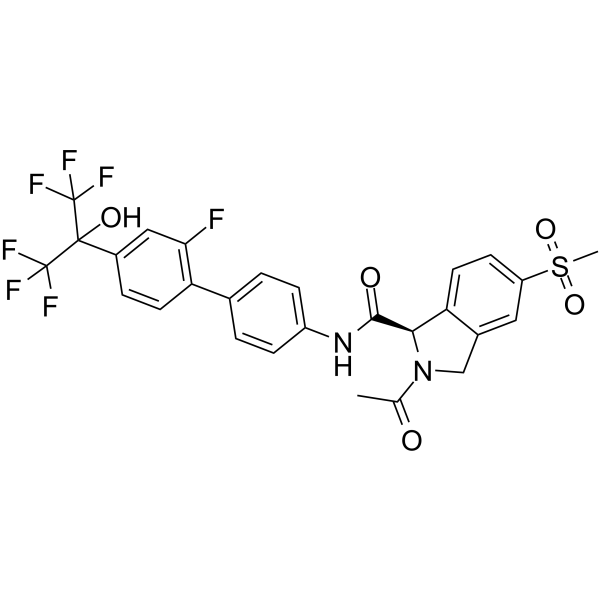
    BMS-986251 is an orally active and selective RORγt inverse agonist with an EC50 of 12 nM for RORγt GAL4. BMS-986251 inhibits IL-17 with an EC50 of 24 nM in human whole blood assay. BMS-986251 demonstrates robust efficacy in mouse acanthosis and Imiquimod-induced (HY-B0180) models (preclinical models of psoriasis) .
    BMS-986251
  • HY-103637A
    Vimirogant hydrochloride
    1 Publications Verification

    VTP-43742 hydrochloride

    ROR Inflammation/Immunology
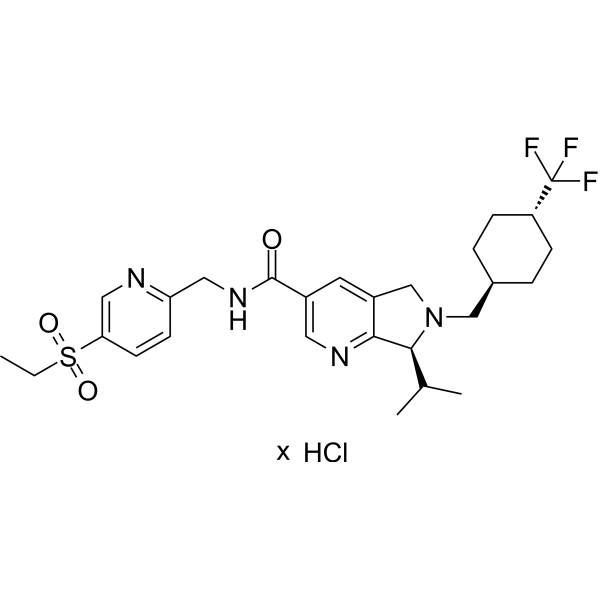
    Vimirogant (VTP-43742) hydrochloride is a potent, selective, and orally active RORγt inhibitor (Ki=3.5 nM; IC50=17 nM). Vimirogant hydrochloride exhibits >1000-fold selectivity versus the RORα and RORβ isotypes. Vimirogant hydrochloride inhibits Th17 differentiation and IL-17A secretion from mouse splenocytes (IC50=57 nM) without affecting Th1, Th2, or Treg cell differentiation. Vimirogant hydrochloride has the potential for autoimmune disorders research .
    Vimirogant hydrochloride
  • HY-162490

    ROR Inflammation/Immunology
    TF-S14 is a reverse agonist of RORγt. TF-S14 reduces Th17 cell-associated cytokine production, including IL-17A, IL-21, and IL-22 by binding to and inhibiting RORγt activity. TF-S14 can be used in the study of autoimmune diseases and rejection in allotransplantation .
    TF-S14
  • HY-19510

    ROR Neurological Disease Inflammation/Immunology
    RORγt inhibitor 4 (Compound 9a) is an orally active and a CNS-penetrating RORγt inhibitor. RORγt inhibitor 4 improves experimental autoimmune encephalomyelitis .
    RORγt inhibitor 4
  • HY-142296

    ROR Inflammation/Immunology
    RORγt inhibitor 1 is a RORγt allosteric inhibitor with an IC50 value of 1 nM.
    RORγt inhibitor 1
  • HY-112863

    ROR Inflammation/Immunology
    RORγt inhibitor 3 is an orally active and potent retinoic acid receptor-related orphan receptor-gamma-t (RORγt) inhibitor. RORγt inhibitor 3 shows high binding affinity and inhibitory activity of Th17 cell differentiation. RORγt inhibitor 3 also shows efficacy in both mouse experimental autoimmune encephalomyelitis (EAE) and collagen induced arthritis (CIA) models .
    RORγt inhibitor 3
  • HY-142703

    ROR Inflammation/Immunology
    RORγt inverse agonist 28 is a potent reverse agonist of RORγt. RORγt inverse agonist 28 regulates the differentiation of Th17 cells and inhibits the production of IL-17. RORγt inverse agonist 28 has the potential for the research of inflammation and autoimmune diseases (extracted from patent WO2021228215A1, compound 6) .
    RORγt inverse agonist 28
  • HY-142806

    ROR Inflammation/Immunology
    RORγt inverse agonist 26 is a potent reverse agonist of RORγt. RORγt inverse agonist 26 regulates the differentiation of Th17 cells and inhibits the production of IL-17. RORγt inverse agonist 26 has the potential for the research of inflammation and autoimmune diseases (extracted from patent WO2021228215A1, compound 1) .
    RORγt inverse agonist 26
  • HY-142938

    ROR Inflammation/Immunology
    RORγt agonist 3 is a potent agonist of RORγt. RORγt agonist 3 promotes the differentiation of Th17 cells and enhances the levels of pro-inflammatory cytokines, thereby increasing the cytotoxicity of lymphocytes. RORγt agonist 3 inhibits the production of regulatory T cells, which suppresses the immune response (extracted from patent WO2021136326A1, compound 23) .
    RORγt agonist 3
  • HY-142937

    ROR Inflammation/Immunology
    RORγt agonist 2 is a potent agonist of RORγt. RORγt agonist 2 promotes the differentiation of Th17 cells and enhances the levels of pro-inflammatory cytokines, thereby increasing the cytotoxicity of lymphocytes. RORγt agonist 2 inhibits the production of regulatory T cells, which suppresses the immune response (extracted from patent WO2021136339A1, compound 17) .
    RORγt agonist 2
  • HY-142847

    ROR Dihydroorotate Dehydrogenase Inflammation/Immunology
    RORγt/DHODH-IN-3 (compound (S)-14d) is a dual RORγt/DHODH inhibitor, with IC50s of 0.098 μM and 0.432 μM, respectively. RORγt/DHODH-IN-3 exhibits remarkable in vivo anti-inflammatory activity .
    RORγt/DHODH-IN-3
  • HY-176273

    ROR Interleukin Related Inflammation/Immunology
    RORγt inverse agonist 35 (Compound 22) is a RORγt inverse agonist with an IC50 of 1.51 μM. RORγt inverse agonist 35 significantly inhibits Th17 differentiation and proinflammatory properties in human CD4 + T cells. RORγt inverse agonist 35 can be used for research of Th17-driven autoimmune diseases, such as psoriasis, multiple sclerosis, and inflammatory bowel disease (IBD) .
    RORγt inverse agonist 35
  • HY-142843

    ROR Dihydroorotate Dehydrogenase Inflammation/Immunology
    RORγt/DHODH-IN-1 (compound (R)-14d) is a potent and orally active dual RORγt/DHODH inhibitor, with IC50s of 0.083 μM and 0.172 μM, respectively. RORγt/DHODH-IN-1 exhibits remarkable in vivo anti-inflammatory activity .
    RORγt/DHODH-IN-1
  • HY-113238F

    FITC-Sulfolithocholic acid

    Fluorescent Dye Others
    FITC-Lithocholic acid 3-sulfate (FITC-Sulfolithocholic acid) is a FITC-labeled Lithocholic acid 3-sulfate, which is a sulfated biliary metabolite. Lithocholic acid 3-sulfate selectively inhibits Th17 cell differentiation by targeting RORγt. Lithocholic acid 3-sulfate can be used for the research of pathogenesis of cholestatic liver diseases .
    FITC-Lithocholic acid 3-sulfate
  • HY-125801R

    Dehydrolithocholic acid (Standard); 3-oxoLCA (Standard)

    Reference Standards ROR Inflammation/Immunology
    3-Oxo-5β-cholanoic acid (Standard) is the analytical standard of 3-Oxo-5β-cholanoic acid. This product is intended for research and analytical applications. 3-Oxo-5β-cholanoic acid (Dehydrolithocholic acid), a bile acid metabolite, inhibits the diferentiation of TH17 cells by directly binding to the key transcription factor RORγt (Kd=1.13 μM)[1].
    3-Oxo-5β-cholanoic acid (Standard)
  • HY-N16465

    Apoptosis Reactive Oxygen Species (ROS) STAT Inflammation/Immunology
    Cinnamtannin D1 is an orally active polyphenolic compound with immunosuppressive activity. Cinnamtannin D1 regulates the balance of Th17/Treg cells by inhibiting AHR expression. Cinnamtannin D1 reduces apoptosis and ROS in INS-1 cells and primary cultured murine islets induced by Palmitic acid (PA) (HY-N0830). Cinnamtannin D1 reduces Th17 cell differentiation via downregulating p-STAT3/RORγt and promotes Treg cell differentiation via upregulating p-STAT5/Foxp3. Cinnamtannin D1 exerts excellent anti-arthritic efficacy in collagen-induced arthritis (CIA) model of mice. Cinnamtannin D1 can be used for the study of rheumatoid arthritis (RA) .
    Cinnamtannin D1
  • HY-183763

    ROR Interleukin Related Inflammation/Immunology
    RORγt inverse agonist 37 is an orally active RORγt inverse agonist with an IC50 of 10.8 nM against human targets. RORγt inverse agonist 37 destabilizes helix 12 of RORγt in the agonist-bound conformation, thereby inhibiting transcriptional activity. RORγt inverse agonist 37 inhibits the secretion of IL-17 in cells and in LPS-induced systemic inflammation mouse models. RORγt inverse agonist 37 improves disease-related symptoms in mouse models of psoriasiform dermatitis. RORγt inverse agonist 37 can be used in research related to psoriasiform dermatitis and systemic inflammation .
    RORγt inverse agonist 37
  • HY-125801S

    Dehydrolithocholic acid-d4; 3-oxoLCA-d4

    Isotope-Labeled Compounds ROR Inflammation/Immunology
    3-Oxo-5β-cholanoic acid-d4 (Dehydrolithocholic acid-d4) is the deuterium labeled 3-Oxo-5β-cholanoic acid (HY-125801). 3-Oxo-5β-cholanoic acid (Dehydrolithocholic acid), a bile acid metabolite, inhibits the diferentiation of TH17 cells by directly binding to the key transcription factor RORγt (Kd=1.13 μM) .
    3-Oxo-5β-cholanoic acid-d4

Inquiry Online

Your information is safe with us. * Required Fields.

Salutation


Country or Region *

Applicant Name *


Organization Name *

Department *


Email Address *


Product Name *

Cat. No.


Requested quantity *

Phone Number *


Remarks

Inquiry Online

Inquiry Information

Product Name:
Cat. No.:
Quantity:
MCE Japan Authorized Agent:

