1. Search Result
Search Result
Results for "

Repellent

" in MedChemExpress (MCE) Product Catalog:

77

Inhibitors & Agonists

3

Biochemical Assay Reagents

28

Natural
Products

13

Isotope-Labeled Compounds

Cat. No. Product Name Target Research Areas Chemical Structure
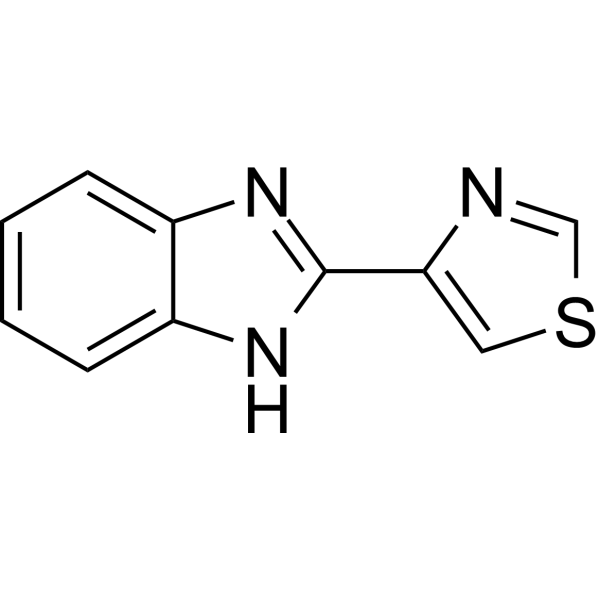
  • HY-B0263
    Thiabendazole
    4 Publications Verification

    Tiabendazole; 2-(4-Thiazolyl)benzimidazole

    Environmental Pollutants Mitochondrial Metabolism Parasite Caspase VEGFR MDM-2/p53 CDK Interleukin Related Infection Cardiovascular Disease Inflammation/Immunology Cancer
    Thiabendazole is an orally available benzimidazole fungicide with repellent and anticancer activities. Thiabendazole can result in developmental malformations. Thiabendazole can be used for modeling .
    Thiabendazole
  • HY-N1500
    Pulegone
    1 Publications Verification

    TRP Channel Bacterial Fungal NO Synthase COX NF-κB p38 MAPK Keap1-Nrf2 Heme Oxygenase (HO) PERK JNK Calcium Channel Infection Neurological Disease Inflammation/Immunology
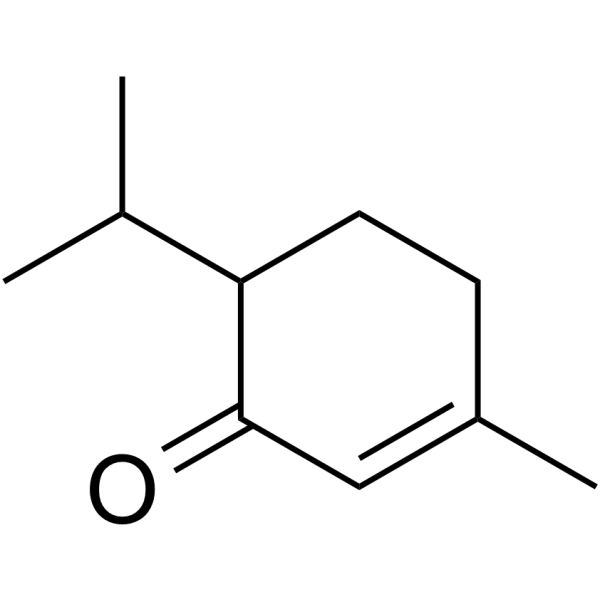
    Pulegone is a monoterpene ketone compound widely present in the essential oils of many plants. Pulegone can also be used as a bird repellent. Pulegone has multiple activities such as anti-inflammatory, antibacterial, antifungal, and anti-hyperalgesic effects. Pulegone is particularly effective against bacteria of the Salmonella species .
    Pulegone
  • HY-B0978

    DEET; N,N-Diethyl-m-toluamide

    Environmental Pollutants Parasite Infection Neurological Disease
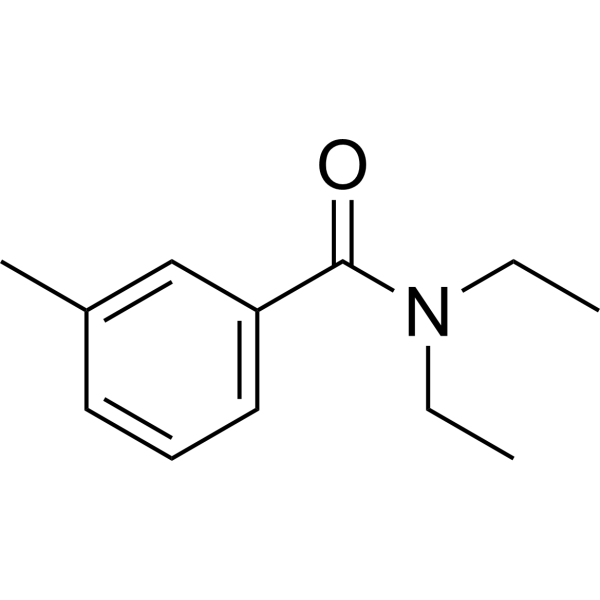
    Diethyltoluamide (DEET) is the most common active ingredient in insect repellents. It is intended to provide protection against mosquitoes, ticks, fleas, chiggers, leeches, and many other biting insects. Diethyltoluamide is toxic to hepatocytes and can lead to many physiological, pharmacological, and behavioral abnormalities, particularly motor deficits and learning and memory dysfunction .
    Diethyltoluamide
  • HY-N2534
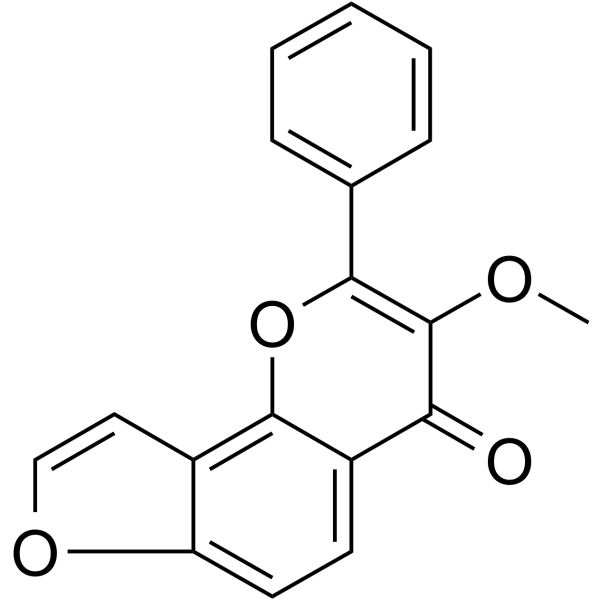
    Karanjin
    2 Publications Verification

    AMPK Apoptosis Cytochrome P450 Phosphatase NF-κB Neurological Disease Metabolic Disease Inflammation/Immunology Endocrinology Cancer
    Karanjin is an orally active furanoflavonoid which can be isolated from several Leguminosae. Karanjin exhibits evident anti-diabetic, anti-cancer, anti-inflammatory, antioxidant, anticolitis, anti-ulcer, anti-Alzheimer properties and multiple insect repellent/insecticidal, acaricide properties, suggesting the potential of Karanjin to be applied to relevant research .
    Karanjin
  • HY-116144
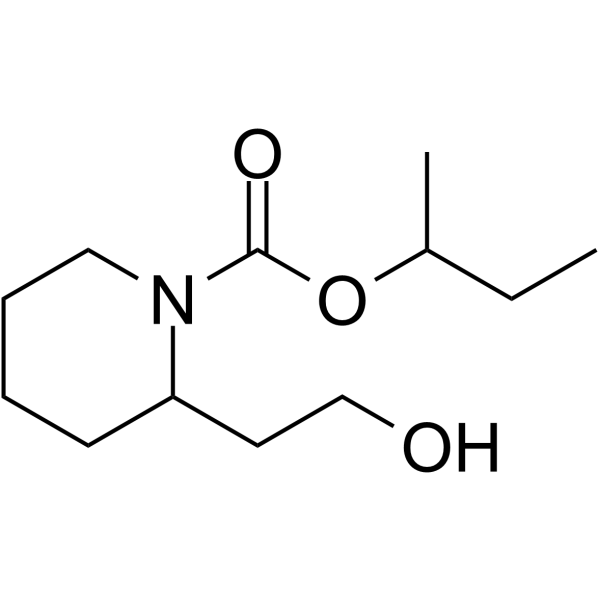
    Picaridin
    3 Publications Verification

    Lcaridin

    Environmental Pollutants Parasite Infection
    Picaridin (Lcaridin) is a broad spectrum arthropod repellent. Picaridin interacts with mosquito and tick olfactory receptor proteins. Picaridin repels Aedes aegypti. Picaridin exhibits considerable antibacterial, anticandidal and antifungal properties .
    Picaridin
  • HY-W017423

    Environmental Pollutants Cholinesterase (ChE) Neurological Disease
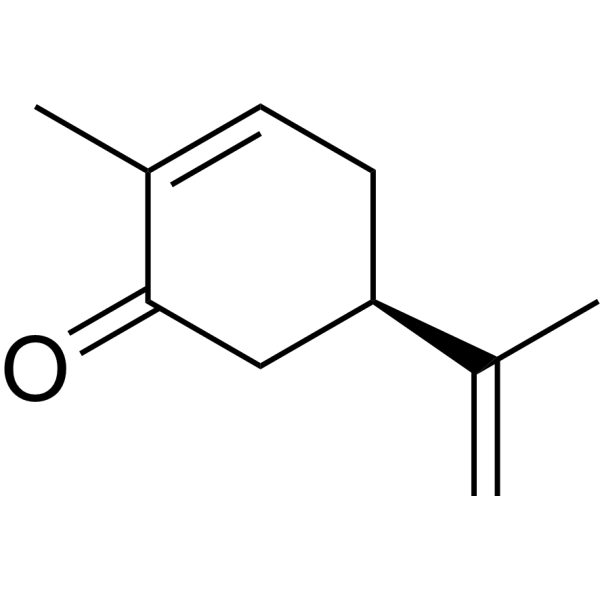
    (-)-Carvone is an insect neurotoxin and a irreversible acetylcholinesterase (AChE) inhibitor. (-)-Carvone can be used as a bird repellent, inhibits larval growth, decreases pupatation rate, and increases mortality of larvae .
    (-)-Carvone
  • HY-W099479

    Ethyl butylacetylaminopropionate; IR-3535

    Environmental Pollutants Apoptosis Reactive Oxygen Species (ROS) Parasite SOD Infection Inflammation/Immunology
    Insect repellent M 3535 (Ethyl butylacetylaminopropionate) is a broad-spectrum, mild insect repellent based on the structure of β-alanine. Insect repellent M 3535 exerts repellent effects by interfering with the olfaction of mosquitoes, but it poses risks of developmental and cardiac toxicity to aquatic organisms such as zebrafish embryos in aquatic environments, and can activate oxidative stress responses .
    Insect repellent M 3535
  • HY-Y0496

    Insecticide Environmental Pollutants Mitosis Cancer
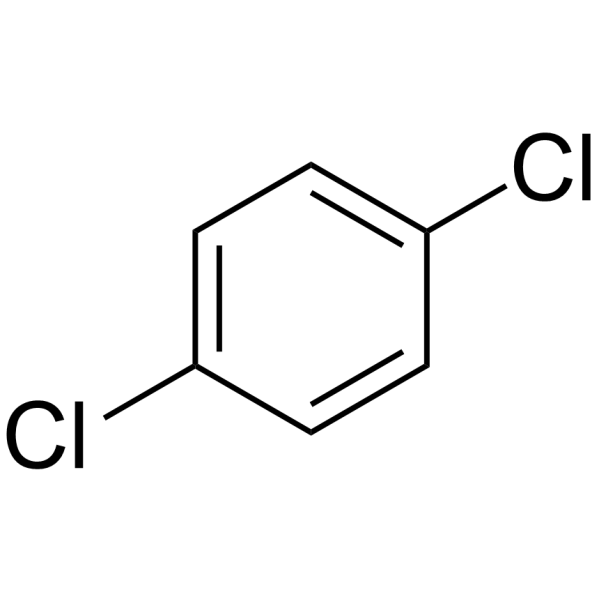
    1,4-Dichlorobenzene is a non-genotoxic, orally active mitogenic/tumor-promoting carcinogen that is also widely used as a dye, resin intermediate, and deodorant, moth repellent/insecticide. 1,4-Dichlorobenzene induces liver tumors in mice and promotes the growth of spontaneous precancerous lesions, but shows no liver tumor-inducing activity in F344 rats. Exposure to 1,4-dichlorobenzene leads to elevated leukocyte counts, serum alanine aminotransferase, and blood urea nitrogen levels. Due to the hepatotoxic characteristics, 1,4-Dichlorobenzene is applicable to liver cancer-related research .
    1,4-Dichlorobenzene
  • HY-W587415

    Others Others
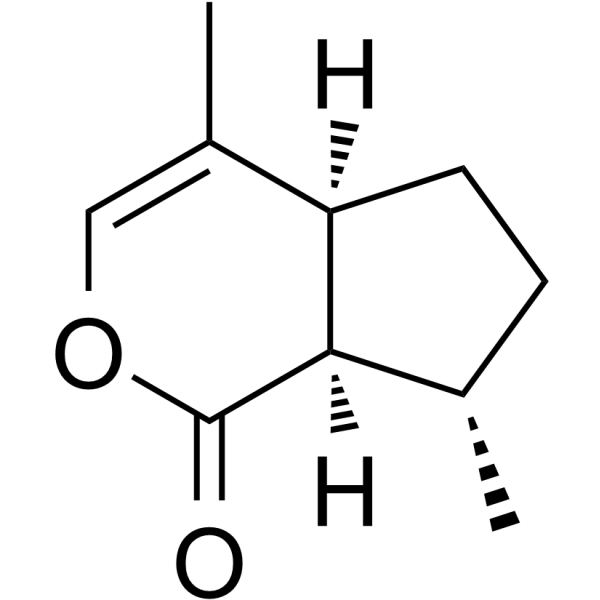
    Nepetalactol is an iridoid. It has been found in Actinidia polygama (the silver vine) as a major cat attractant, and a mosquito repellent.
    cis/trans-Nepetalactol
  • HY-N1096

    Environmental Pollutants Bacterial Parasite Infection
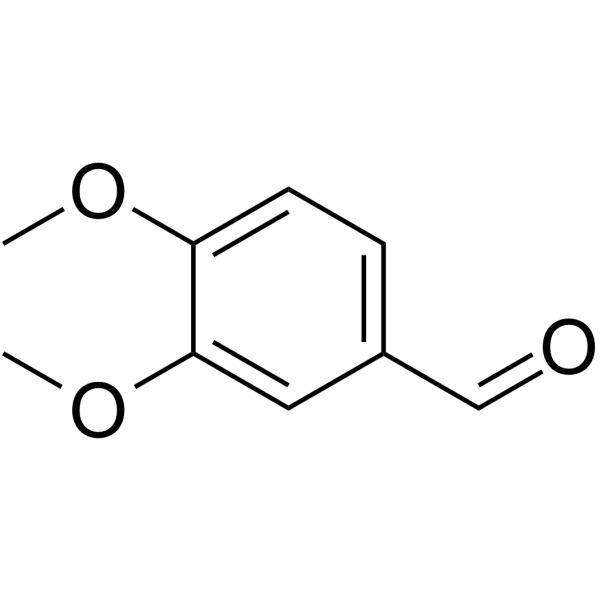
    Veratraldehyde is an orally active aromatic compound and antibacterial agent. Veratraldehyde can be isolated from essential oils of plants such as peppermint and ginger. Veratraldehyde targets the PilY1 protein. Veratraldehyde has antibacterial activity against Pseudomonas aeruginosa. Veratraldehyde has a repellent effect against mosquitoes and ticks. Veratraldehyde can be used as a flavoring agent .
    Veratraldehyde
  • HY-B0887S

    NRDC-143-d5

    Parasite Infection
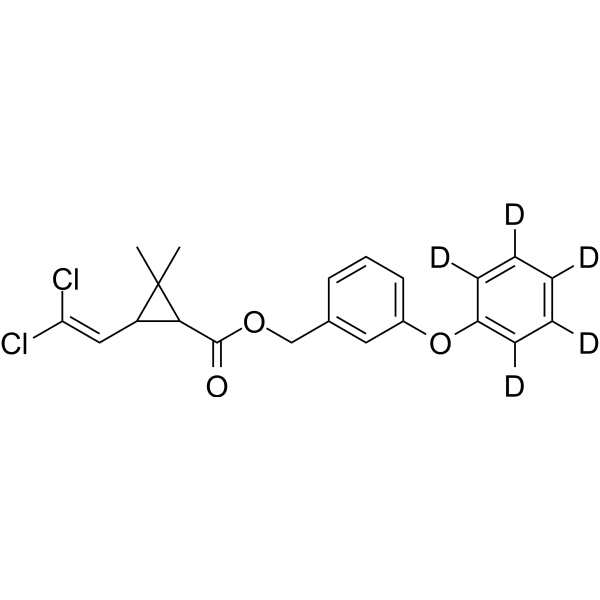
    Permethrin-d5 (NRDC-143-d5) is the deuterium labeled Permethrin. Permethrin (NRDC-143) is an insecticide, acaricide, and insect repellent; functions as a neurotoxin, affecting neuron membranes by prolonging sodium channel activation .
    Permethrin-d5
  • HY-136612

    Drug Metabolite Others
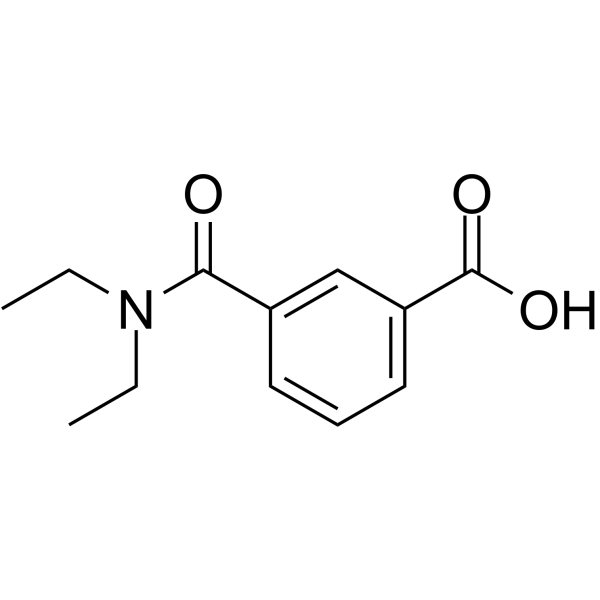
    DCBA is a metabolite of insect repellent N-N-diethyl-meta-toluamide (DEET). The concentration of DCBA in urine can assess exposure to DEET .
    DCBA
  • HY-116144R

    Lcaridin (Standard)

    Reference Standards Parasite Infection
    Picaridin (Standard) is the analytical standard of Picaridin. This product is intended for research and analytical applications. Picaridin (Lcaridin) is a broad spectrum arthropod repellent. The repellent and deterrent activities of Picaridin involve olfactory sensing in mosquitoes, and ticks, via their interactions with odorant receptor proteins .
    Picaridin (Standard)
  • HY-N9496

    Insecticide Infection
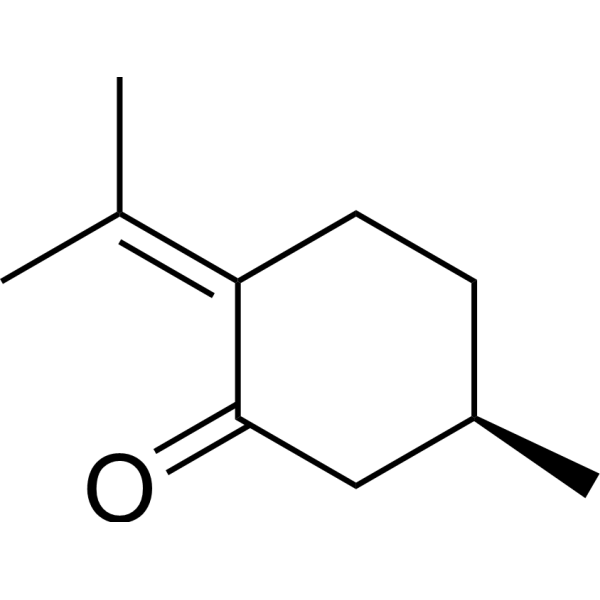
    Piperitone is as a powerful repellent and antiappetent agent. Piperitone is very toxic to Cymbopogon schoenanthus (C. schoenanthus) adults, newly laid eggs and to neonate larvae. Insecticidal activity .
    Piperitone
  • HY-B1559

    Environmental Pollutants Apoptosis Infection Cancer
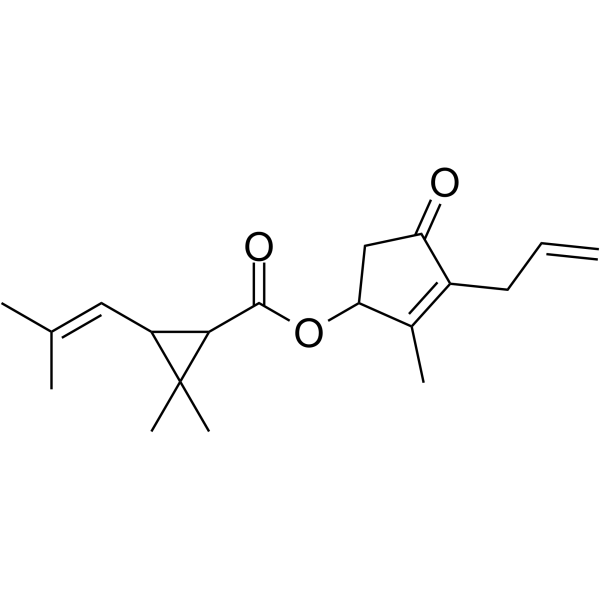
    Allethrin, a pyrethroid insecticide is a major mosquito repellent agent. Allethrin induces oxidative stress, apoptosis and calcium release in rat testicular carcinoma cells (LC540). Allethrin induces BCL-2, caspase-3 activation and release of intracellular calcium .
    Allethrin
  • HY-B0978R

    DEET (Standard); N,N-Diethyl-m-toluamide (Standard)

    Reference Standards Parasite Infection Neurological Disease
    Diethyltoluamide (Standard) is the analytical standard of Diethyltoluamide. This product is intended for research and analytical applications. Diethyltoluamide (DEET) is the most common active ingredient in insect repellents. It is intended to provide protection against mosquitoes, ticks, fleas, chiggers, leeches, and many other biting insects. Diethyltoluamide is toxic to hepatocytes and can lead to many physiological, pharmacological, and behavioral abnormal ities, particularly motor deficits and learning and memory dysfunction .
    Diethyltoluamide (Standard)
  • HY-W014394

    TRP Channel Parasite Infection Cardiovascular Disease
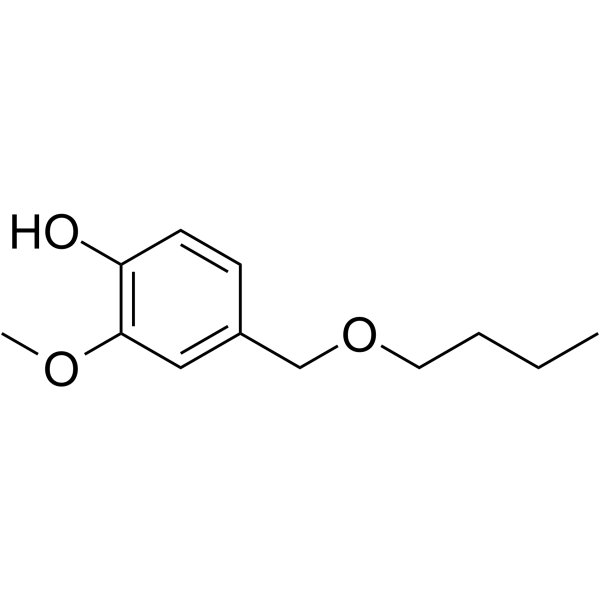
    Vanillyl butyl ether is a major contributor to the characteristic flavor and fragrance of vanilla. Vanillyl butyl ether is one of the eco-friendly and nontoxic substances. Vanillyl butyl ether exhibits mutually inhibitory effects on mammalian TRPV1 and TRPM8 channels. Vanillyl butyl ether shows repellency activity against Tribolium castaneum, T. confusum and L. bostrychophila. Vanillyl butyl ether acts as a mild warming agent, providing a warming sensation and enhancing blood circulation .
    Vanillyl butyl ether
  • HY-W015616

    4-Penylbutan-2-one

    Environmental Pollutants Tyrosinase Infection Metabolic Disease
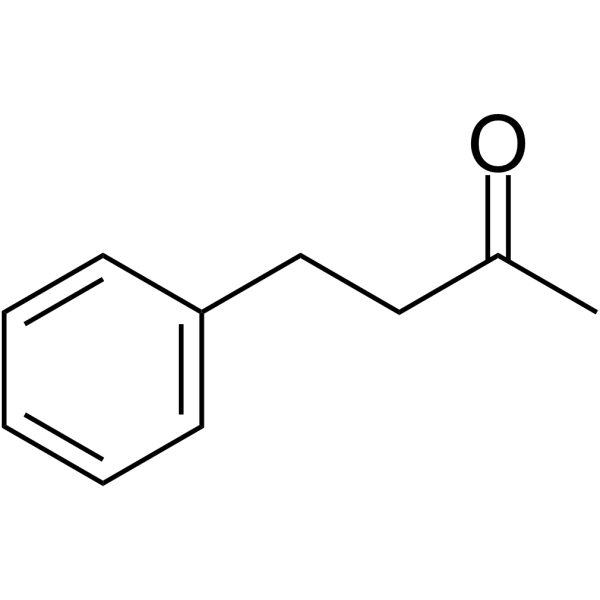
    Benzylacetone (4-Penylbutan-2-one) is an aromatic compound. Benzylacetone is a mushroom tyrosinase inhibitor with an IC50 of 2.8 mM, a Ki of 1.25 mM for monophenolase and an IC50 of 0.6 mM, a Ki of 0.39 mM for diphenolase. Benzylacetone inhibits free mushroom tyrosinase and enzyme-substrate complex. Benzylacetone acts as an appetite enhancer via olfactory stimulation, reduces spontaneous locomotor activity, induces weight gain. Benzylacetone exhibits repellent, fumigant, and contact toxicity against Tribolium castaneum adults .
    Benzylacetone
  • HY-N12378

    NF-κB Toll-like Receptor (TLR) PKA Epigenetic Reader Domain Keap1-Nrf2 Sirtuin AMPK Caspase FASTK ERK ROCK Apoptosis Metabolic Disease Inflammation/Immunology Cancer
    β-Patchoulene is an orally active anti-inflammatory, antioxidant, and anti-apoptotic agent. β-Patchoulene inhibits the NF-κB, TLR4, and cAMP/PKA/CREB signaling pathways; activates the Sirt1/Nrf2 and AMPK signaling pathways; and targets Fas/FasL, Caspase-3, ERK1/2, ROCK1/MLC2 for inhibition. β-Patchoulene regulates cytokine secretion, inflammatory cell infiltration, lipid peroxidation, cell polarization, gut microbiota, and lipid metabolism, restores barrier function, mitochondrial function, and cell viability, and exhibits repellent activity against Spodoptera exigua larvae. β-Patchoulene can be used in research related to various inflammatory, ischemic, fibrosis-associated diseases, as well as hepatocellular carcinoma .
    β-Patchoulene
  • HY-W099479R

    Ethyl butylacetylaminopropionate (Standard); IR-3535 (Standard)

    Reference Standards Reactive Oxygen Species (ROS) Apoptosis Infection Inflammation/Immunology
    Insect repellent M 3535 (Ethyl butylacetylaminopropionate) Standard is the analytical standard of Insect repellent M 3535 (HY-W099479). This product is intended for research and analytical applications. Insect repellent M 3535 (Ethyl butylacetylaminopropionate) is a broad-spectrum, mild insect repellent based on the structure of β-alanine. Insect repellent M 3535 exerts repellent effects by interfering with the olfaction of mosquitoes, but it poses risks of developmental and cardiac toxicity to aquatic organisms such as zebrafish embryos in aquatic environments, and can activate oxidative stress responses.
    Insect repellent M 3535 (Standard)
  • HY-112006

    (+)-alpha-Curcumene

    Drug Derivative Others
    (S)-ar-Curcumene ((+)-alpha-Curcumene), found in oil from Zingiber officinalis, is a natural product. (S)-ar-Curcumene has weak repellent activity against B. tabaci. (S)-ar-Curcumene can be used for research of insect repellent .
    (S)-ar-Curcumene
  • HY-N9496R

    Insecticide Reference Standards Infection
    Piperitone (Standard) is the analytical standard of Piperitone. This product is intended for research and analytical applications. Piperitone is as a powerful repellent and antiappetent agent. Piperitone is very toxic to Cymbopogon schoenanthus (C. schoenanthus) adults, newly laid eggs and to neonate larvae. Insecticidal activity .
    Piperitone (Standard)
  • HY-N0073A

    Insecticide Others
    Spirostan-3-ol is a useful tool to keep bees away from areas recently treated with toxic insecticides .
    Spirostan-3-ol
  • HY-134156A

    Methyl trans-11-octadecenoate

    Parasite Infection
    Methyl vaccinate is a repellent. Methyl vaccinate can be used to control gall thrips on Ficus plants .
    Methyl vaccenate
  • HY-78571

    Biochemical Assay Reagents Others
    3-Methylbenzoic acid is a weakly acidic compound and an important intermediate for the synthesis of various chemicals, drugs and agrochemicals, including the insect repellent DEET .
    3-Methylbenzoic acid
  • HY-W075176

    Insecticide Others
    Transfluthrin is a fast-acting pyrethroid insecticide and mosquito repellent. Transfluthrin is against flying insects, such as mosquito and flies, and in agriculture material pests .
    Transfluthrin
  • HY-W100043

    Insecticide Infection
    p-Menthane-3,8-diol is an insect repellent. p-Menthane-3,8-diol can be used to repel Aedes aegypti .
    p-Menthane-3,8-diol
  • HY-W067479

    Insecticide Others
    (E)-Cinnamamide, the less active isomer of Cinnamamide. Cinnamamide, a derivative of the plant secondary compound Cinnamic acid. Cinnamamide is effective as a non-lethal chemical repellent suitable for reducing avian pest damage .
    (E)-Cinnamamide
  • HY-B0887R

    NRDC-143 (Standard)

    Reference Standards Parasite Mitochondrial Metabolism Infection Neurological Disease
    Permethrin (Standard) is the analytical standard of Permethrin. This product is intended for research and analytical applications. Permethrin (NRDC-143) is an insecticide, acaricide, and insect repellent; functions as a neurotoxin, affecting neuron membranes by prolonging sodium channel activation.
    Permethrin (Standard)
  • HY-B0887C

    1R-cis-NRDC-143

    Parasite Infection
    1R-cis-Permethrin is an insecticide and neurotoxin. 1R-cis-Permethrin affects neuron membranes by prolonging sodium channel activation .
    1R-cis-Permethrin
  • HY-B0978S1

    DEET-d7; N,N-Diethyl-m-toluamide-d7

    Parasite Infection
    Diethyltoluamide-d7 is the deuterium labeled Diethyltoluamide . Diethyltoluamide is the most common active ingredient in insect repellents. It is intended to provide protection against mosquitoes, ticks, fleas, chiggers, leeches, and many other biting insects .
    Diethyltoluamide-d7
  • HY-N8392

    Parasite Infection
    Ascr#9 is a small-molecule pheromone belonging to the ascaroside family, and it is widely present in nematodes. Ascr#9 promotes dispersal or elicits avoidance behavior in various nematode species (such as Caenorhabditis elegans and entomopathogenic nematodes), suggesting that individuals evacuate from adverse environments. Ascr#9 exhibits repellent potential in Meloidogyne incognita .
    Ascr#9
  • HY-W017284

    Environmental Pollutants Insecticide Others
    δ-Nonalactone has potent tsetse repellency effect .
    δ-Nonalactone
  • HY-136611

    Drug Metabolite Infection
    ω-Hydroxy-DEET is a major metabolite of insect repellent N-N-diethyl-meta-toluamide (DEET). ω-Hydroxy-DEET has anti-proliferative effects. DEET is a spatial repellent and an irritant that commonly used to prevent contact with mosquitoes .
    ω-Hydroxy-DEET
  • HY-W075176R

    Insecticide Reference Standards Others
    Transfluthrin (Standard) is the analytical standard of Transfluthrin. This product is intended for research and analytical applications. Transfluthrin is a fast-acting pyrethroid insecticide and mosquito repellent. Transfluthrin is against flying insects, such as mosquito and flies, and in agriculture material pests .
    Transfluthrin (Standard)
  • HY-B0978S

    DEET-d10; N,N-Diethyl-m-toluamide-d10

    Parasite Infection
    Diethyltoluamide-d10 is the deuterium labeled Diethyltoluamide . Diethyltoluamide is the most common active ingredient in insect repellents. It is intended to provide protection against mosquitoes, ticks, fleas, chiggers, leeches, and many other biting insects .
    Diethyltoluamide-d10
  • HY-B1146R

    THS-839 (Standard)

    Insecticide Reference Standards Others
    Denatonium (benzoate) (Standard) is the analytical standard of Denatonium (benzoate). This product is intended for research and analytical applications. Denatonium benzoate (THS-839) is the most bitter compound known, commonly used as an aversion agent (bitter agent) to prevent inappropriate ingestion, used in denatured alcohol, antifreeze, nail biting prevention, respirator mask fit testing , animal repellents, liquid soaps and shampoos.
    Denatonium benzoate (Standard)
  • HY-W009681

    5-HT Receptor Serotonin Transporter Drug Intermediate Infection Neurological Disease
    1-(2-Methoxyphenyl)piperazine hydrochloride is a key agent intermediate of antipsychotics with high affinity to the serotonin receptors and 5-HT, which can be used to synthesize the intestinal worm-repellent agents Piperazine phosphate (HY-B0912C) and Piperazine citrate (HY-17599), as well as Fluphenazine (HY-119980), dihydrochloride, Rifampicin (HY-B0272) .
    1-(2-Methoxyphenyl)piperazine hydrochloride
  • HY-N2534R

    Reference Standards AMPK Apoptosis Cytochrome P450 Phosphatase NF-κB Neurological Disease Metabolic Disease Inflammation/Immunology Endocrinology Cancer
    Karanjin (Standard) is the analytical standard of Karanjin. This product is intended for research and analytical applications. Karanjin is an orally active furanoflavonoid which can be isolated from several Leguminosae. Karanjin exhibits evident anti-diabetic, anti-cancer, anti-inflammatory, antioxidant, anticolitis, anti-ulcer, anti-Alzheimer properties and multiple insect repellent/insecticidal, acaricide properties, suggesting the potential of Karanjin to be applied to relevant research .
    Karanjin (Standard)
  • HY-N10784

    Insecticide Others
    Kaempferol-3-O-[2″,6″-di-O-E-p-coumaroyl]-β-D-glucopyranoside is a acylated keampferol glucoside. Kaempferol-3-O-[2″,6″-di-O-E-p-coumaroyl]-β-D-glucopyranoside can be isolated from the leaves of O. dentata, acts as a repellent against a fouling organism, the blue mussel M. edulis .
    Kaempferol-3-O-[2″,6″-di-O-E-p-coumaroyl]-β-D-glucopyranoside
  • HY-N1096S1

    Isotope-Labeled Compounds Bacterial Parasite Infection
    Veratraldehyde-d3 is the deuterium labeled Veratraldehyde (HY-N1096). Veratraldehyde is an orally active aromatic compound and antibacterial agent. Veratraldehyde can be isolated from essential oils of plants such as peppermint and ginger. Veratraldehyde targets the PilY1 protein. Veratraldehyde has antibacterial activity against Pseudomonas aeruginosa. Veratraldehyde has a repellent effect against mosquitoes and ticks. Veratraldehyde can be used as a flavoring agent .
    Veratraldehyde-d3
  • HY-W010176

    3,7-Dimethyloctan-1-ol

    Environmental Pollutants Biochemical Assay Reagents Others
    3,7-Dimethyloctan-1-ol, 3,7-Dimethyloctan-1-ol is commonly used as a flavor and fragrance ingredient due to its pleasant aroma, it can also be used as a solvent, and in the synthesis of various organic compounds (including pharmaceuticals and agrochemicals), in addition, due to its high energy content and low volatility, 3,7-Dimethyloctan-1-ol has been investigated for its potential use as a biofuel, due to its toxicity to some pests, it has also been studied as a potential repellent and insecticide,
    3,7-Dimethyl-1-octanol
  • HY-Y0496S

    Isotope-Labeled Compounds Insecticide Others
    1,4-Dichlorobenzene-d4 is the deuterium labeled 1,4-Dichlorobenzene. 1,4-Dichlorobenzene is a non-genotoxic, orally active mitogenic/tumor-promoting carcinogen that is also widely used as a dye, resin intermediate, and deodorant, moth repellent/insecticide. 1,4-Dichlorobenzene induces liver tumors in mice and promotes the growth of spontaneous precancerous lesions, but shows no liver tumor-inducing activity in F344 rats. 1,4-Dichlorobenzene increases the levels of white blood cell count, serum alanine aminotransferase and blood urea nitrogen in occupationally exposed populations. 1,4-Dichlorobenzene is metabolized to 2,5-dichlorophenol and excreted in urine, and this metabolite can serve as a biomarker for 1,4-Dichlorobenzene exposure. Due to its specific hepatotoxic characteristics, 1,4-Dichlorobenzene is applicable to liver cancer-related research .
    1,4-Dichlorobenzene-d4
  • HY-B1575

    Environmental Pollutants Insecticide Others
    Butopyronoxyl is an insect repellent that can be mainly used to repel mosquitoes .
    Butopyronoxyl
  • HY-N3878

    Others Others
    Eucamalol is a new mosquito repellent from Eucalyptus camaldulensis, and exhibits significant repellent activity against Aedes albopictus .
    Eucamalol
  • HY-W751460

    Drug Derivative Infection
    (R)-(-)-Curcumene is a 7-epizingiberene derivative and repellent. (R)-(-)-Curcumene can be derived from Tomato. (R)-(-)-Curcumene repells B. tabaci .
    (R)-(-)-Curcumene
  • HY-N3694

    Desacetyl nimbin

    Others Others
    Deacetylnimbin is a limonoid isolated from Azadirachta indica. Deacetylnimbin can be used as a plant metabolite, a food repellent and as a growth regulator for insects such as S. litura, P. ricini and O. fscovittata .
    Deacetylnimbin
  • HY-W017423R

    Reference Standards Cholinesterase (ChE) Neurological Disease
    (-)-Carvone (Standard) is the analytical standard of (-)-Carvone. This product is intended for research and analytical applications. (-)-Carvone is an insect neurotoxin and a irreversible acetylcholinesterase (AChE) inhibitor. (-)-Carvone can be used as a bird repellent, inhibits larval growth, decreases pupatation rate, and increases mortality of larvae .
    (-)-Carvone (Standard)
  • HY-B1559R

    Reference Standards Apoptosis Cancer
    Allethrin (Standard) is the analytical standard of Allethrin. This product is intended for research and analytical applications. Allethrin, a pyrethroid insecticide is a major mosquito repellent agent. Allethrin induces oxidative stress, apoptosis and calcium release in rat testicular carcinoma cells (LC540). Allethrin induces BCL-2, caspase-3 activation and release of intracellular calcium .
    Allethrin (Standard)
  • HY-W131135

    Decanoic acid, butyl ester

    Insecticide Others
    Butyl decanoate (Decanoic acid) serves as an effective insect repellent.
    Butyl decanoate

Inquiry Online

Your information is safe with us. * Required Fields.

Salutation


Country or Region *

Applicant Name *


Organization Name *

Department *


Email Address *


Product Name *

Cat. No.


Requested quantity *

Phone Number *


Remarks

Inquiry Online

Inquiry Information

Product Name:
Cat. No.:
Quantity:
MCE Japan Authorized Agent:

