1. Search Result
Search Result
Results for "

SK

" in MedChemExpress (MCE) Product Catalog:

170

Inhibitors & Agonists

2

Screening Libraries

11

Peptides

2

Inhibitory Antibodies

25

Natural
Products

23

Recombinant Proteins

1

Isotope-Labeled Compounds

17

Antibodies

1

Click Chemistry

2

Oligonucleotides

Cat. No. Product Name Target Research Areas Chemical Structure
  • HY-N0219
    Bicuculline
    35+ Cited Publications

    (+)-Bicuculline

    GABA Receptor Neurological Disease
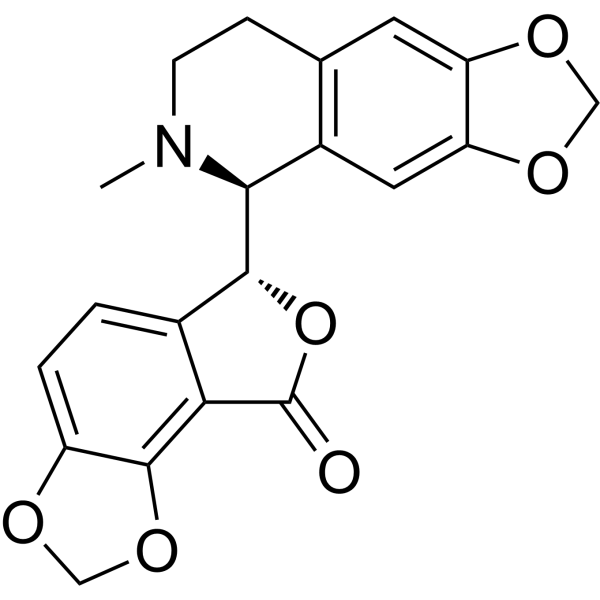
    Bicuculline ((+)-Bicuculline) is A competing neurotransmitter GABAA receptor antagonist (IC50=2 μM). Bicuculline also blocks Ca 2+ activating potassium (SK) channels and subsequently blocks slow post-hyperpolarization (slow AHP). Bicuculline has anticonvulsant activity. Bicuculline can be used to induce seizures in mice .
    Bicuculline
  • HY-P0256
    Apamin
    5+ Cited Publications

    Apamine

    Potassium Channel Neurological Disease Inflammation/Immunology
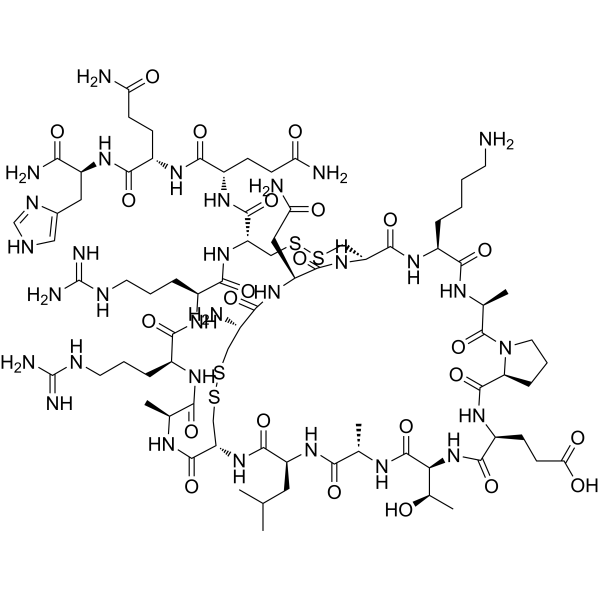
    Apamin (Apamine) is an 18 amino acid peptide neurotoxin found in apitoxin (bee venom), is known as a specifically selective blocker of Ca 2+-activated K + (SK) channels and exhibits anti-inflammatory and anti-fibrotic activity .
    Apamin
  • HY-139156
    SK-575
    5 Publications Verification

    PROTACs PARP Cancer
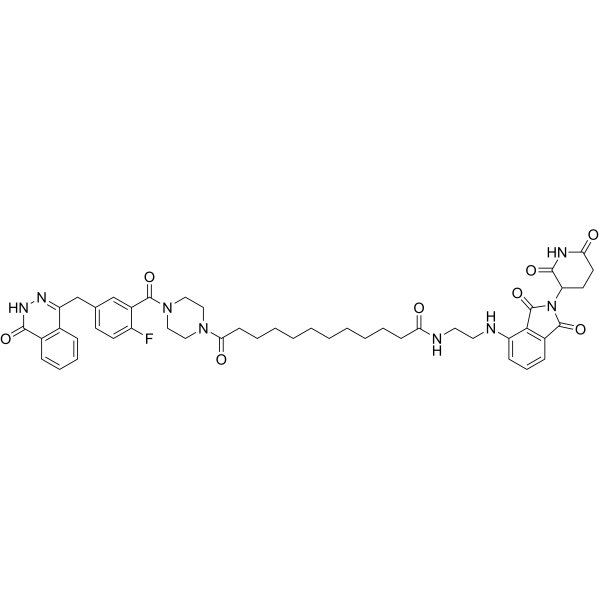
    SK-575 is a highly potent and specific proteolysis-targeting chimera (PROTAC) degrader of PARP1, with an IC50 of 2.30 nM. SK-575 potently inhibits the growth of cancer cells bearing BRCA1/2 mutations .
    SK-575
  • HY-14877
    Anagliptin
    3 Publications Verification

    SK-0403

    Dipeptidyl Peptidase Cardiovascular Disease Metabolic Disease
    Anagliptin (SK-0403) is a highly selective, potent, orally active inhibitor of dipeptidyl peptidase 4 (DPP-4), with an IC50 of 3.8 nM, and less selective at DPP-8 and DDP-9 with IC50s of 68 nM and 60 nM, respectively .
    Anagliptin
  • HY-14930

    SK3530

    Phosphodiesterase (PDE) Glucocorticoid Receptor Wnt β-catenin Apoptosis Neurological Disease Inflammation/Immunology Endocrinology
    Mirodenafil (SK3530) is an orally active, potent, reversible, and selective phosphodiesterase 5 (PDE5) inhibitor. Mirodenafil is a glucocorticoid receptor (GR) modulator Mirodenafil activates the Wnt/β-catenin signaling pathway by downregulating Dkk1 expression. Mirodenafil can be used for the research of erectile dysfunction (ED), Alzheimer’s disease (AD) and systemic sclerosis (SSc) .
    Mirodenafil
  • HY-13822
    SKI II
    5+ Cited Publications

    SphK Wnt Apoptosis Cancer
    SKI-II is an oral active and synthetic inhibitor of sphingosine kinase (SK) activity, with IC50 values of 78 μM and 45 μM for SK1 and for SK2, respectively. SKI II causes an irreversible inhibition of SK1 by inducing its lysosomal and/or proteasomal degradation .
    SKI II
  • HY-16015
    Opaganib
    5+ Cited Publications

    ABC294640

    SphK Cancer
    Opaganib (ABC294640) is a selective, competitive sphingosine kinase 2 (SK2) inhibitor with Ki of 9.8 μM.
    Opaganib
  • HY-109160
    Rimtuzalcap
    2 Publications Verification

    CAD-1883

    Potassium Channel Neurological Disease
    Rimtuzalcap (CAD-1883) is a first-in-class selective positive allosteric modulator of small-conductance calcium-activated potassium channels (SK channels). Rimtuzalcap can be used for the research of movement disorders including essential tremor (ET) and spinocerebellar ataxia (SCA) .
    Rimtuzalcap
  • HY-110105
    NS8593 hydrochloride
    1 Publications Verification

    Potassium Channel Neurological Disease
    NS8593 hydrochloride is a potent and selective small conductance Ca 2+-activated K + channels (SK channels) inhibitor. NS8593 hydrochloride reversibly inhibits SK3-mediated currents with a Kd value of 77 nM. NS8593 hydrochloride inhibits all the SK1-3 subtypes Ca 2+-dependently (Kds of 0.42, 0.60, and 0.73 μM, respectively, at 0.5 μM Ca 2+), and does not affect the Ca 2+-activated K + channels of intermediate and large conductance (hIK and hBK channels, respectively) .
    NS8593 hydrochloride
  • HY-15416

    Potassium Channel Cardiovascular Disease Neurological Disease
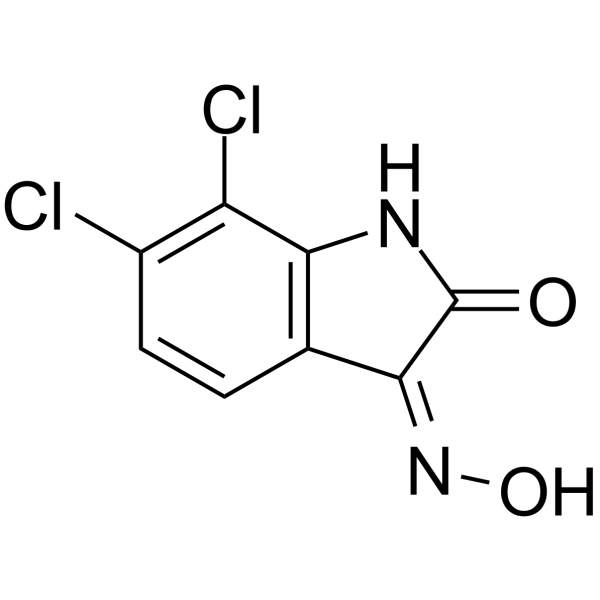
    NS309 is a potent and selective activator of the Ca 2+-activated SK/IK potassium channels, but displays no activity at BK channels .
    NS309
  • HY-171767

    JB325

    PROTACs Apoptosis Caspase Aurora Kinase Cancer
    SK2188 is a highly efficient and selective PROTAC degrader targeting AURKA (DC50 = 3.9 nM). SK2188 induces DNA damage and cell apoptosis. SK2188 indirectly degrades MYCN, inhibits tumor cell proliferation, and provides insights into the study of MYCN-amplified neuroblastoma (Pink: AURKA ligand: MK-5108 (HY-13252); Blue: Thalidomide (HY-14658); Black: Linker: Amino-PEG4-alcohol (HY-W008005)) .
    SK2188
  • HY-126823

    PGSK diacetate (5/6-mixture)

    Fluorescent Dye Others
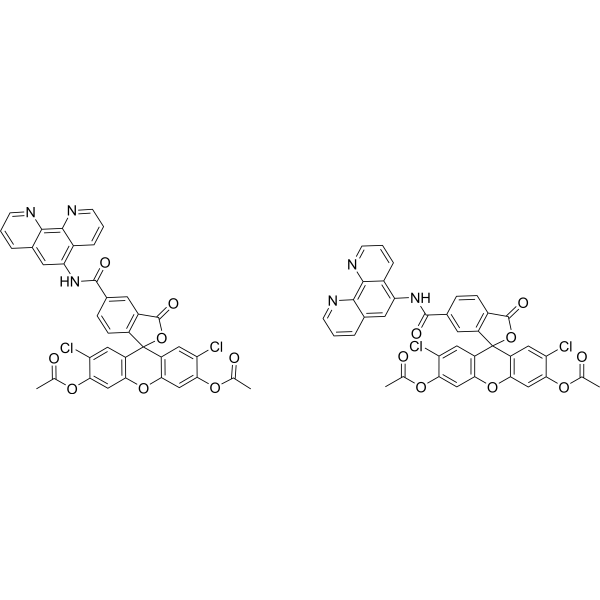
    Phen green SK (PGSK) diacetate (PGSK diacetate (5/6-mixture)) is a metal ion-sensitive fluorescent probe that can penetrate cell membranes. Phen green SK (PGSK) diacetate can react with a variety of metal ions, including Fe 2+, Cd 2+, Co 2+, Ni 2+, Zn 2+, etc. Phen green SK (PGSK) diacetate chelates Fe 2+, resulting in fluorescence quenching, which can be restored when a membrane-permeable chelator is added, thereby reflecting the changes in the intracellular chelatable iron pool. The excitation/emission maxima of Phen green SK diacetate are 507/532 nm, respectively .
    Phen Green SK diacetate (5/6-mixture)
  • HY-14930A

    SK-3530 dihydrochloride

    Phosphodiesterase (PDE) Glucocorticoid Receptor Wnt β-catenin Apoptosis Neurological Disease Inflammation/Immunology Endocrinology
    Mirodenafil (SK3530) dihydrochloride is an orally active, potent, reversible, and selective phosphodiesterase 5 (PDE5) inhibitor. Mirodenafil dihydrochloride is a glucocorticoid receptor (GR) modulator Mirodenafil dihydrochloride activates the Wnt/β-catenin signaling pathway by downregulating Dkk1 expression. Mirodenafil dihydrochloride can be used for the research of erectile dysfunction (ED), Alzheimer’s disease (AD) and systemic sclerosis (SSc) .
    Mirodenafil dihydrochloride
  • HY-137341

    PROTACs YTHDF Cancer
    SK-3-91 is a PROTAC-type multi-kinase degrader that can jointly induce the degradation of the largest number of unique kinases (more than 125 unique kinases). SK-3-91 induces protein degradation through the ubiquitin biotinylation (E-STUB) pathway. SK-3-91 degrades YTHDF2. SK-3-91 inhibits cell proliferation and induces morphological changes. (Pink: TAE648 ligand (HY-169396); Blue: E3 ligase ligand (HY-131717); Black: Linker (HY-140819). The E3 ligase ligand and linker can form a conjugate (HY-169397)) .
    SK-3-91
  • HY-169396

    Ligands for Target Protein for PROTAC Cancer
    TAE648 is a PROTAC target protein ligand (Ligand for Target Protein for PROTAC). TAE648 can be used for synthesis PROTAC SK-3-91 (HY-137341) .
    TAE648
  • HY-102070

    Potassium Channel Neurological Disease
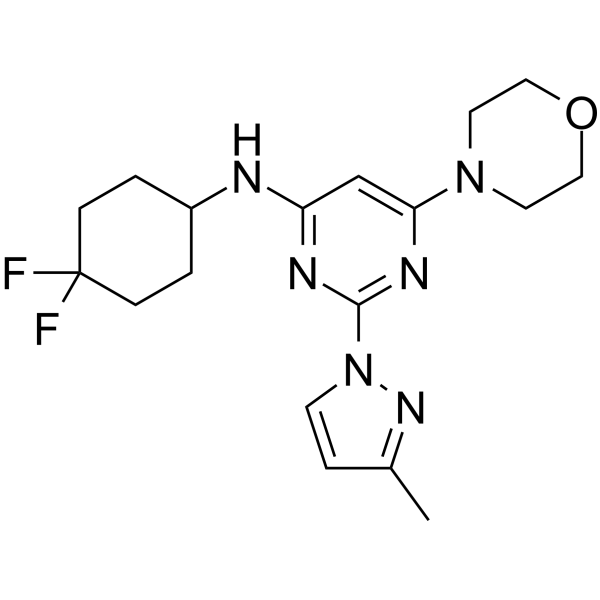
    NS13001 is a potent, selective, orally active allosteric positive modulator of SK channels (small conductance calcium-activated potassium channels). The EC50s are 1.8 and 0.14 μM for SK2 and SK3, respectively. NS13001 holds promise as a potential therapeutic agent for treatment of spinocerebellar ataxia type 2 (SCA2) and possibly other cerebellar ataxias .
    NS13001
  • HY-109106A

    SK-1403; AJT240; PLS240

    CaSR Endocrinology
    Upacicalcet sodium is a non-peptide calcimimetic that acts as a CaSR agonist (EC50 = 10.8 nM). Upacicalcet sodium reduces serum intact parathyroid hormone (iPTH) and serum Ca 2+ levels, reducing hypocalcemia and gastrointestinal complications. Upacicalcet sodium sodium improves vascular calcification and bone disorders in the Adenine (HY-B0152)-induced secondary hyperparathyroidism (SHPT) rat model. Upacicalcet sodium sodium inhibits cortical pore formation and reduces bone fibrosis in rats with chronic kidney disease (CKD). Upacicalcet sodium is useful for studying SHPT .
    Upacicalcet sodium
  • HY-12895
    SKI V
    1 Publications Verification

    SphK PI3K Apoptosis Cancer
    SKI V is a noncompetitive and potent non-lipid sphingosine kinase (SPHK; SK) inhibitor with an IC50 of 2 μM for GST-hSK. SKI V potently inhibits PI3K with an IC50 of 6 μM for hPI3k. SKI V decreases formation of the mitogenic second messenger sphingosine-1-phosphate (S1P). SKI V induces apoptosis and has antitumor activity .
    SKI V
  • HY-122714

    PAI-1 Cancer
    SK-216 is a plasminogen activator inhibitor-1 (PAI-1) inhibitor that acts as an anti-metastatic agent for human osteosarcoma and inhibits lung metastasis of human osteosarcoma .
    SK-216
  • HY-119016
    SK1-I
    1 Publications Verification

    BML-258

    SphK CaMK Cancer
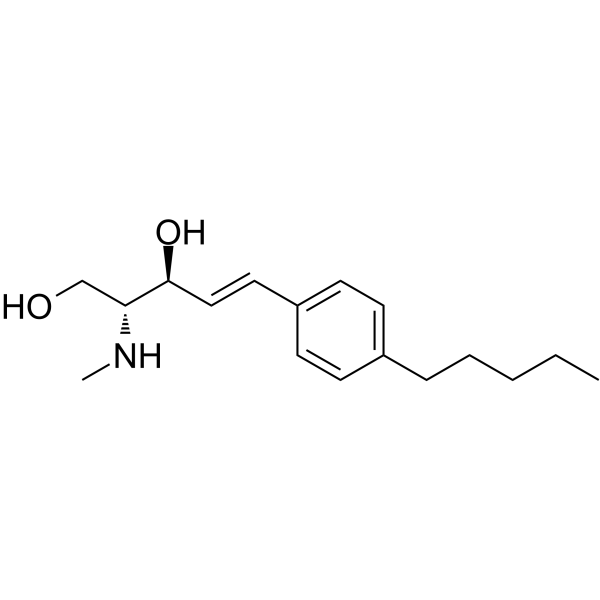
    SK1-I (BML-258), an analog of sphingosine, is an isozyme-specific competitive SPHK1 inhibitor with a Ki value of 10 μM . SK1-I shows no activity at SPHK1 PKCα, PKCδ, PKA, AKT1, ERK1, EGFR, CDK2, IKKβ or CamK2β. SK1-I enhances autophagy and has antitumor activity .
    SK1-I
  • HY-15540

    SK&F 92058

    Histamine Receptor Endocrinology
    Metiamide (SK&F 92058) is a histamine H2-receptor antagonist developed from another H2 antagonist, burimamide.
    Metiamide
  • HY-171768

    JB301

    PROTACs Aurora Kinase Neurological Disease Cancer
    SK2187 is a selective AURKA PROTAC degrader with a DC50 of about 10 nM. SK2187 exhibits growth inhibition against NGP cells with an IC50 of 101.5 nM. SK2187 can be used for the study of MYCN-amplified neuroblastoma (Pink: AURKA ligand: MK-5108 (HY-13252); Blue: E3 ligand (HY-103597); Black: Linker: Amino-PEG3-alcohol (HY-W015088)) .
    SK2187
  • HY-115735

    SphK Apoptosis Cancer
    SKI-I is a potent and selective inhibitor of human sphingosine kinase (SK), with an IC50 of 1.2 μM for ST-hSK. SKI-I also inhibits hERK2 (IC50=11 μM). SKI-I induces apoptosis in tumor cell lines .
    SKI-I
  • HY-P2795

    kininogenase; SK-827

    Endogenous Metabolite Others
    Kallikrein, Porcine pancreas (kininogenase) is capable of forming the kallikrenase kalinin system (KKS) in plasma and tissues, producing bradykinin and kalin peptides, respectively .
    Kallikrein, Porcine pancreas
  • HY-101805
    SK1-IN-1
    2 Publications Verification

    SphK Inflammation/Immunology Cancer
    SK1-IN-1 is a potent sphingosine kinase 1 (SPHK1) inhibitor with an IC50 of 58 nM.
    SK1-IN-1
  • HY-137952

    Potassium Channel TRP Channel Neurological Disease
    NS8593 is an SK channel (small conductance Ca 2+-activated K+ channels) inhibitor. NS8593 reversibly inhibited recombinant SK3-mediated currents (human SK3 and rat SK3). NS8593 inhibits all the SK1-3 subtypes Ca 2+-dependently (Kd = 0.42, 0.60, and 0.73 μM, respectively, at 0.5 μM Ca 2+). NS8593 does not affect the Ca 2+-activated K channels of intermediate and large conductance (hlk and hBK channels, respectively). NS8593 can also inhibit TRPM7 (melastatin-related TRP cation channel 7) (IC50 = 1.6 mM). NS8593 can be used for the study of central nervous system (CNS) related diseases .
    NS8593
  • HY-168574

    PROTACs Sirtuin Apoptosis Cancer
    SZU-B6 is a PROTAC degrader for SIRT6 with DC50 of 45 nM and 154 nM in cell SK-HEP-1 and Huh-7. SZU-B6 inhibits the proliferation of cell SK-HEP-1 with an IC50 of 1.51 μM, inhibits the colony formation of SK-HEP-1 and Huh-7, induces apoptosis and arrests the cell cycle at G2/M phase in SK-HEP-1. SZU-B6 exhibits antitumor efficacy in mouse model. (Pink: ligand for target protein (HY-16605); Black: linker (HY-W012935); BLue: ligand for E3 ligase (HY-W453548)
    SZU-B6
  • HY-173191

    Salt-inducible Kinase (SIK) Endocrinology
    SK-124 is an orally active, selective SIK2/SIK3 inhibitor. SK-124 inhibits SIK2 and SIK3. SK-124 increases P1NP and CTX. SK-124 increases bone formation and bone mass .
    SK-124
  • HY-176464

    TRP Channel Inflammation/Immunology
    SK2220691 is a potent TRPV4 inhibitor. SK2220691 inhibits pulmonary edema induced by GSK1016790. SK2220691 inhibits HCl-induced increases in key factors such as VEGF, keratinocyte-derived chemokine (KC; CXCL1), and granulocyte colony-stimulating factor (GCSF) .
    GSK2220691
  • HY-162259

    PROTACs Histone Acetyltransferase Cancer
    QC-182 is a potent PROTAC degrader of p300/CBP. QC-182 reduces p300 protein in the SK-HEP-1 cells (DC50 = 93nM). QC-182 potently and effectively inhibits cell growth in the SK-HEP-1 and JHH7 cell lines with IC50 values of 0.733 and 0.477 μM, respectively. QC-182 can be used for the research of hepatocellular carcinoma (HCC) .
    QC-182
  • HY-19671

    SR-45023A; SR 9223i; SK&F-99085

    HMG-CoA Reductase (HMGCR) Apoptosis Cancer
    Apomine (SR-45023A) is an orally active antineoplastic agent that inhibits the mevalonate/isoprenoid pathway in cholesterol synthesis. Apomine can accelerate the degradation of 3-hydroxy-3-methylglutaryl-CoA reductase (HMGR). Apomine can also inhibit the growth of various types of cancer cells, including lung cancer, colon cancer, breast cancer, and skin cancer. Apomine is able to induce apoptosis in tumor cell lines derived from leukemia, colon cancer, liver cancer, ovarian cancer, and breast cancer .
    Apomine
  • HY-150401

    ADC Payload Topoisomerase Cancer
    Exatecan-amide-cyclopropanol (compound 1) is a anticancer agent. Exatecan-amide-cyclopropanol shows anti-proliferation activity against SK-BR-3 and U87 cells, with IC50 values of 0.12 and 0.23 nM, respectively .
    Exatecan-amide-cyclopropanol
  • HY-14877A

    SK-0403 hydrochloride

    Dipeptidyl Peptidase Cardiovascular Disease Metabolic Disease
    Anagliptin (SK-0403) hydrochloride is a highly selective, potent, orally active inhibitor of dipeptidyl peptidase 4 (DPP-4), with an IC50 of 3.8 nM, and less selective at DPP-8 and DDP-9 with IC50s of 68 nM and 60 nM, respectively .
    Anagliptin hydrochloride
  • HY-RS03787

    Small Interfering RNA (siRNA) Others

    DKK1 Human Pre-designed siRNA Set A contains three designed siRNAs for DKK1 gene (Human), as well as a negative control, a positive control, and a FAM-labeled negative control.

    DKK1 Human Pre-designed siRNA Set A
    DKK1 Human Pre-designed siRNA Set A
  • HY-N15314

    MDM-2/p53 Akt Apoptosis Cancer
    Syringolin A is a plant elicitor that can be produced by the plant pathogen Pseudomonas syringae pv. syringae. Syringolin A exhibits anti-proliferative activity against a variety of cancer cells (IC50 for SK-N-SH, LAN-1, SKOV3 is 20-25 µM), induces apoptosis in SK-N-SH through upregulation of p53 expression and downregulation of Akt/PKB proteins .
    Syringolin A
  • HY-135732

    Androgen Receptor Cancer
    SK33, a trifluoromethylated enobosarm analog, is a potent, and tissue selective anti-androgen. SK33reduces androgen receptor (AR) transcriptional activity .
    SK33
  • HY-117059

    Dopamine Receptor Neurological Disease
    SK609 hydrochloride is a dopamine D3 receptor (D3R) selective agonist with an EC50 of 1109 nM. SK609 hydrochloride has the potential for parkinson research .
    SK609 hydrochloride
  • HY-174978

    Isocitrate Dehydrogenase (IDH) Others
    SK60 is a dimethylated derivative of GSK321 (HY-18948) with low nanomolar potency and high selectivity for IDH1R132H (IC50 = 14.5 nM). SK60 can be used as a tracer for brain imaging with the fluorescent label [ 18F] .
    SK60
  • HY-14930R

    SK3530 (Standard)

    Phosphodiesterase (PDE) Glucocorticoid Receptor Wnt β-catenin Apoptosis Reference Standards Neurological Disease Inflammation/Immunology Endocrinology
    Mirodenafil (Standard) is the analytical standard of Mirodenafil. This product is intended for research and analytical applications. Mirodenafil (SK3530) is an orally active, potent, reversible, and selective phosphodiesterase 5 (PDE5) inhibitor. Mirodenafil is a glucocorticoid receptor (GR) modulator Mirodenafil activates the Wnt/β-catenin signaling pathway by downregulating Dkk1 expression. Mirodenafil can be used for the research of erectile dysfunction (ED), Alzheimer’s disease (AD) and systemic sclerosis (SSc) .
    Mirodenafil (Standard)
  • HY-N0219R

    (+)-Bicuculline (Standard)

    Reference Standards GABA Receptor Neurological Disease
    Bicuculline (Standard) is the analytical standard of Bicuculline. This product is intended for research and analytical applications. Bicuculline ((+)-Bicuculline) is A competing neurotransmitter GABAA receptor antagonist (IC50=2 μM). Bicuculline also blocks Ca2+ activating potassium (SK) channels and subsequently blocks slow post-hyperpolarization (slow AHP). Bicuculline has anticonvulsant activity. Bicuculline can be used to induce seizures in mice .
    Bicuculline (Standard)
  • HY-123024

    BL-S-640; SK&F 60771

    Apoptosis Bacterial Antibiotic Infection Cancer
    Cefatrizine (BL-S-640) is an orally active and broad-spectrum cephalosporin antibiotic. Cefatrizine is also a eEF2K inhibitor, with anti-proliferative activity in human breast cancer cells, which could induce ER stress, leading to cell death. Cefatrizine can be used in studies of cancer and bacterial infection .
    Cefatrizine
  • HY-N6578

    Others Cancer
    3-epi-Isocucurbitacin B (Compound 5) is a cucurbitane triterpene derived from Trichosanthes kirilowii. 3-epi-Isocucurbitacin B shows significant cytotoxicity to human tumor cells A-549, SK-OV-3, SK-MEL-2, XF-498 and HCT15 .
    3-epi-Isocucurbitacin B
  • HY-109106

    SK-1403 free acid; AJT240 free acid; PLS240 free acid

    CaSR Endocrinology
    Upacicalcet is a non-peptide calcimimetic that acts as a CaSR agonist (EC50 = 10.8 nM). Upacicalcet reduces serum intact parathyroid hormone (iPTH) and serum Ca2+ levels, reducing hypocalcemia and gastrointestinal complications. Upacicalcet improves vascular calcification and bone disorders in the Adenine (HY-B0152)-induced secondary hyperparathyroidism (SHPT) rat model. Upacicalcet inhibits cortical pore formation and reduces bone fibrosis in rats with chronic kidney disease (CKD). Upacicalcet is useful for studying SHPT .
    Upacicalcet
  • HY-P0256A
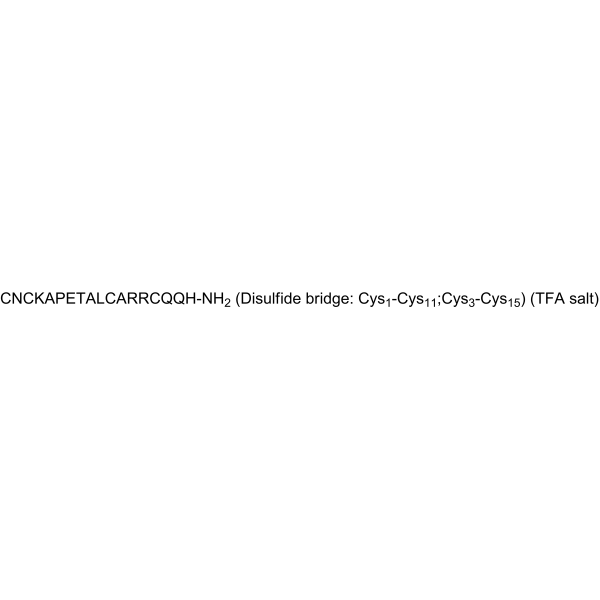
    Apamin TFA
    5+ Cited Publications

    Apamine TFA

    Potassium Channel Neurological Disease Inflammation/Immunology
    Apamin TFA (Apamine TFA) is an 18 amino acid peptide neurotoxin found in apitoxin (bee venom), is known as a specifically selective blocker of Ca 2+-activated K + (SK) channels and exhibits anti-inflammatory and anti-fibrotic activity .
    Apamin TFA
  • HY-22044
    ICA
    1 Publications Verification

    N-[4-(2-Pyridinyl)-2-thiazolyl]-2-pyridinamine

    Parasite Infection Cardiovascular Disease
    ICA (N-(pyridin-2-yl)-4-(pyridin-2-yl)thiazol-2-amine) is a SK channel inhibitor that has antileishmanial activity with an IC50 of 2.1 µM.
    ICA
  • HY-175236

    PD-1/PD-L1 Apoptosis ERK JNK Cadherin p38 MAPK GSK-3 IFNAR Caspase Bcl-2 Family Cancer
    SF-9-2 is a PD-L1/PD-1 binding inhibitor (IC50 = 24.9 nM). SF-9-2 inhibits epithelial-mesenchymal transition, migration, invasion, and proliferation of SK-N-SH cells, and also induces apoptosis and cell cycle arrest. SF-9-2 blocks PD-L1-induced SK-N-SH cell growth through the MAPK signaling pathway. SF-9-2 restores GSK-3β activity and enhances PD-L1 degradation through the ubiquitin-proteasome pathway. SF-9-2 inhibits tumor growth in the SK-N-SH NOG mouse model without significant toxicity. SF-9-2 also acts as an immune checkpoint inhibitor, blocking PD-L1 to restore T cell function. SF-9-2 can be used in neuroblastoma research .
    SF-9-2
  • HY-121512

    HDAC Apoptosis Cancer
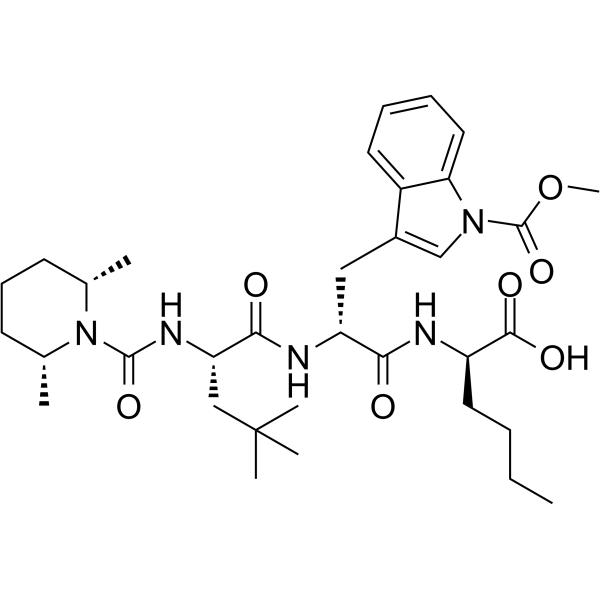
    SK-7041 is a HDAC inhibitor with the IC50 of 172 nM. SK-7041 induces the hyperacetylation of histones H3 and H4 .SK-7041 inhibits tumor cell growth in vivo and in vitro, induces cell apoptosis, and arrests cell cycle at the G1 phase .
    SK-7041
  • HY-147101

    PARP Cancer
    SK-575-NEG (compound 28), a methylation counterpart of SK-575, is synthesized by methylation of the amino group of piperidine-2,6-dione in SK-575 as an control compound. SK-575-NEG is strongly bound to PARP1, with an IC50 of 2.64 nM. SK-575-NEG was completely ineffective in inducing PARP1 degradation in MDA-MB-436 and Capan-1 cells at concentrations up to 1 μM .
    SK-575-NEG
  • HY-W116433

    Dopamine Receptor Neurological Disease
    SK609 is a selective dopamine D3 receptor agonist with activity that improves dopamine and norepinephrine levels in the cerebral cortex. SK609 has been successfully used to suppress dyskinesias in Parkinson's disease models and alleviated muscle twitches induced by L-dopa. SK609 improved performance in sustained attention tasks by significantly reducing misses and false alarms. SK609 may provide an inhibitory option for suppressing movement and cognitive impairment in patients with Parkinson's disease .
    SK609
  • HY-109181

    SK-1404; KRP-N118

    Vasopressin Receptor Others
    Lazuvapagon (SK-1404) is a vasopressin V2 receptor agonist for the research of nocturia .
    Lazuvapagon

Inquiry Online

Your information is safe with us. * Required Fields.

Salutation


Country or Region *

Applicant Name *


Organization Name *

Department *


Email Address *


Product Name *

Cat. No.


Requested quantity *

Phone Number *


Remarks

Inquiry Online

Inquiry Information

Product Name:
Cat. No.:
Quantity:
MCE Japan Authorized Agent:

