1. Search Result
Search Result
Results for "

T47-D

" in MedChemExpress (MCE) Product Catalog:

49

Inhibitors & Agonists

1

Peptides

9

Natural
Products

1

Oligonucleotides

Cat. No. Product Name Target Research Areas Chemical Structure
  • HY-175465

    Interleukin Related STAT Cancer
    SMI-10B13 is an Oncostatin M (OSM) inhibitor with a KD of 6.6 μM. SMI-10B13 inhibits OSM-mediated STAT3 phosphorylation in T47D and MCF-7 cell lines (IC50 = 136 and 164 nM, respectively). SMI-10B13 shows anti-tumor effect in human breast cancer mice models .
    SMI-10B13
  • HY-153932

    PROTACs p38 MAPK Cancer
    NR-7h is a potent and selective p38α and p38β degrader with DC50 values of 24 nM and 27.2 nM for p38α in T47D, MB-MDA-231 cells, respectively .
    NR-7h
  • HY-129578

    Autophagy Cathepsin Infection Inflammation/Immunology Cancer
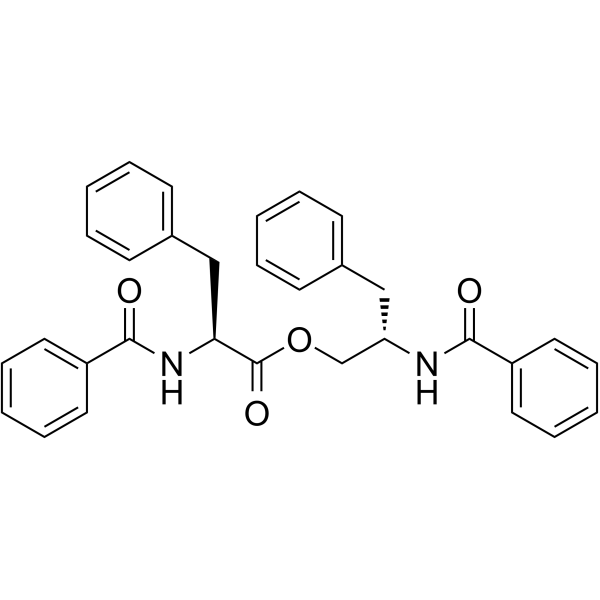
    Asperphenamate, a fungal metabolite of Aspergillus flatiipes with anti-cancer effect, exhibits IC50 values of 92.3 μM, 96.5 μM and 97.9 μM in T47D, MDA-MB-231 and HL-60 cells, respectively .
    Asperphenamate
  • HY-128600
    ERD-308
    1 Publications Verification

    PROTACs Estrogen Receptor/ERR Cancer
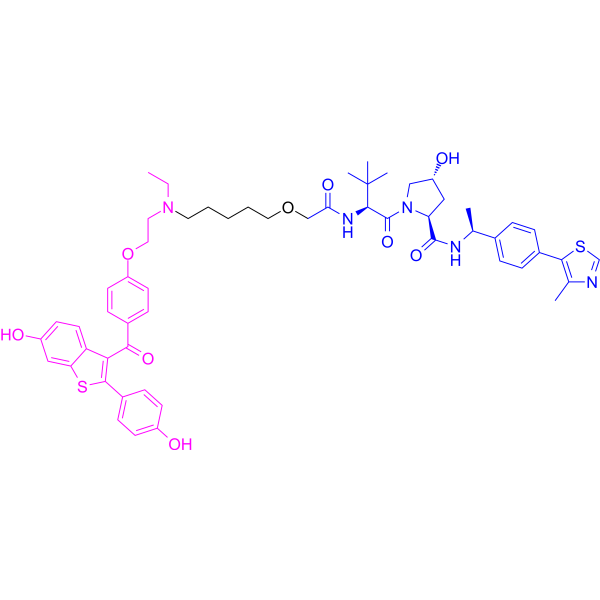
    ERD-308 is a potent estrogen receptor (ER) PROTAC degrader. ERD-308 has DC50 values of 0.17 nM and 0.43 nM in MCF-7 and T47D ER+ cells. ERD-308 can inhibit the proliferation of breast cancer cells and exhibits anti-tumor activity. (Pink: Target Protein Ligand (HY-48027); Black: Linker (HY-172643); Blue: VHL Ligand (HY-112078); VHL Ligand+Linker:(HY-172645))
    ERD-308
  • HY-170620
    PARP1 PROTAC 180055
    1 Publications Verification

    PROTACs PARP Cancer
    PARP1 PROTAC 180055 (Compound 180055) is a selective PARP1 PROTAC degrader (DC50 in T47D and MDA-MB-231 cell lines is 180 nM and 240 nM, respectively). PARP1 PROTAC 180055 promotes ubiquitination and degradation of PARP1 as well as inhibits PARP1 enzyme activity without a noticeable DNA trapping effect. PARP1 PROTAC 180055 inhibits tumors carrying BRCA mutations with a minor impact on the growth of normal cells (Pink: PARP1 ligand (HY-10617A); Blue: E3 ligase VHL ligand (HY-125845); Black: linker (HY-W014787)) .
    PARP1 PROTAC 180055
  • HY-160066

    Transmembrane Glycoprotein Cancer
    SYL3C aptamer sodium is a DNA aptamer that targets epithelial cell adhesion molecule (EpCAM) on the surface of cancer cells. SYL3C aptamer sodium targets a variety of human cancer cell lines including MDA-MB-231, Kato III, HT-29, T47D and SW480. The Kd values of SYL3C aptamer sodium against breast cancer cell line MDA-MB-231 and gastric cancer cell line Kato III are 38 nM and 67 nM, respectively. SYL3C aptamer sodium possesses stability, high binding affinity and selectivity, and can be used for targeted cancer cell imaging and circulating tumor cell detection .
    SYL3C aptamer sodium
  • HY-124053

    HDAC Cancer
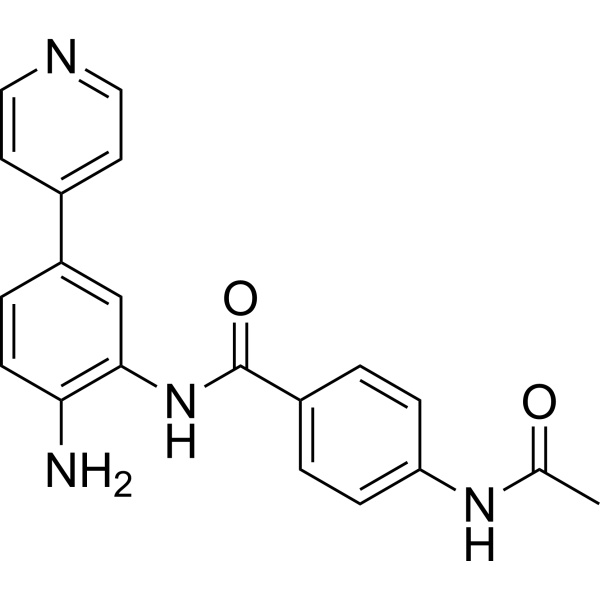
    BRD2492 (compound 6d) is a potent, selective HDAC1 and HDAC2 inhibitor with IC50s of 13.2 nM and 77.2 nM, respecrtively. BRD2492 exhibits >100-fold selectivity for HDAC1/2 over selectivity over HDAC3 and HDAC6. BRD2492 inhibits breast cancer cell lines growth with IC50s of 1.01 μM and 11.13 μM for T-47D and MCF-7 cells, respectively .
    BRD2492
  • HY-N4010

    Others Cancer
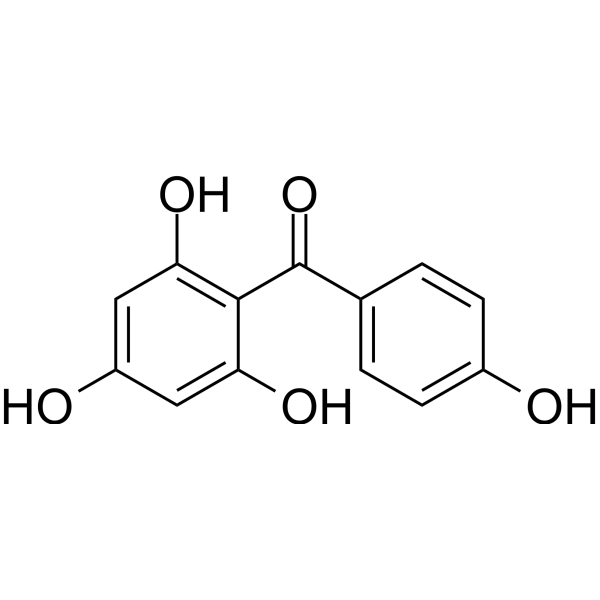
    Iriflophenone, isolated from Aquilaria sinensis, stimulates MCF-7 and T-47D human breast cancer cells proliferation .
    Iriflophenone
  • HY-155231

    Elastase Cancer
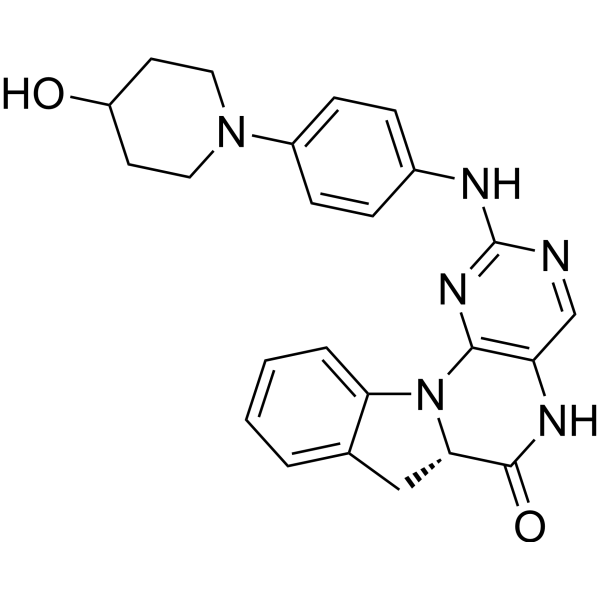
    Neutrophil elastase inhibitor 4 (compound 4f) is a competitive human neutrophil elastase (HNE) inhibitor (IC50: 42.30 nM, Ki: 8.04 nM). Neutrophil elastase inhibitor 4 induces T47D cell apoptosis. Neutrophil elastase inhibitor 4 inhibits cell proliferation with IC50s of 21.25, 34.17, 29.93, 99.11 nM for T47D, RPMI 8226, A549, and HSF cells .
    Neutrophil elastase inhibitor 4
  • HY-125443

    Others Cancer
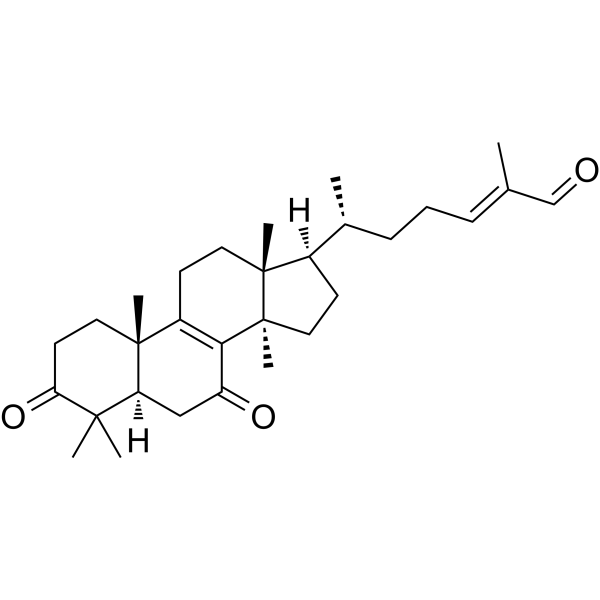
    Lucialdehydes A is a lanostante-type triterpene aldehydes, isolated from the fruiting bodies of Ganoderma lucidum. Lucialdehydes A shows cytotoxic effects on tumor cells, including Lewis lung carcinoma (LLC), T-47D, Sarcoma 180, and Meth-A tumor cell lines .
    Lucialdehyde A
  • HY-109583

    4-Oxo-4-HPR

    Apoptosis Reactive Oxygen Species (ROS) Drug Metabolite Cancer
    4-Oxofenretinide (4-Oxo-4-HPR) is a metabolite of Fenretinide (HY-15373). 4-Oxofenretinide induces cell growth inhibition in ovarian, breast, and neuroblastoma tumor cell lines. 4-Oxofenretinide causes a marked accumulation of cells in G2-M. 4-Oxofenretinide induces cancer cell apoptosis through caspase-9 .
    4-Oxofenretinide
  • HY-N12677

    Caflanone; FBL-03G

    SARS-CoV Apoptosis Autophagy Akt Infection Cancer
    Isocannflavin B (Caflanone) is a flavonoid compound. Isocannflavin B exhibits anti-tumor and anti-viral activities. Isocannflavin B induces apoptosis, autophagy and cell cycle arrest in tumor cells, and inhibits cell proliferation. Isocannflavin B inhibits HCoV-OC43. Isocannflavin B can be used in research related to cancer and COVID-19 .
    Isocannflavin B
  • HY-15668

    MMP Bcl-2 Family Caspase Apoptosis Drug Derivative Cancer
    ST09 is an efficient and low toxicity Curcumin (HY-N0005) derivative. ST09 significantly inhibits cell migration and downregulates the expression of MMP1, MMP2, and Vimentin. ST09 has strong cytotoxicity to breast cancer cells, such as MDA-MB-231, MCF7 and T47D cells. ST09 induces cell apoptosis by upregulating Bax and cleaved caspase-3/9. ST09 can be used in the research of cancer such as breast cancer .
    ST09
  • HY-179148

    EGFR Apoptosis Cancer
    EGFR-IN-184 (compound 5p) is an EGFR inhibitor (IC50 = 65.6 nM). EGFR-IN-184 has anti proliferative activity against various tumor cells, such as T47D (IC50 = 15 μM), PC3 (IC50 = 55 μM), HCT116 (IC50 = 36 μM) cells. EGFR-IN-184 can significantly induce cell apoptosis and block the cell cycle. EGFR-IN-184 can be used for research on various types of cancer .
    EGFR-IN-184
  • HY-125664

    Antibiotic Cancer
    Lucialdehyde B is a tetracyclic triterpene isolated from the substrates of Ganoderma lucidum with antiviral and cytotoxic activities. Lucialdehyde B has cytotoxic effects against Lewis lung cancer (LLC), T-47D, Sarcoma 180 and Meth-A tumor cell lines .
    Lucialdehyde B
  • HY-146087

    Autophagy Cancer
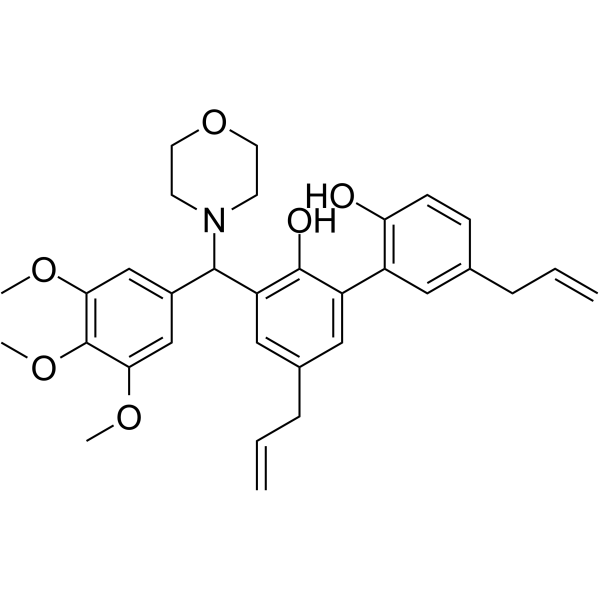
    Autophagy inducer 4 is a Magnolol-based Mannich base derivatives, which can be used as an anticancer agent. Autophagy inducer 4 suppresses cancer cells via inducing autophagy. Autophagy inducer 4 has 76-fold improvement in cytotoxicity against T47D cells compared with Magnolol. Autophagy inducer 4 also possesses suppressive effects on migration of T47D and Hela cancer cells .
    Autophagy inducer 4
  • HY-157151

    Histone Methyltransferase Cancer
    iPRMT1 is a potent and selective PRMT1 inhibitor for breast cancer research. iPRMT1 inhibits breast cancer cell growth in vitro and in vivo with EC50 values of 90, 70, and 9 nM in MCF7, T47D, and MDA-MB-231 cells, respectively .
    iPRMT1
  • HY-172964

    PI3K Akt mTOR Apoptosis Reactive Oxygen Species (ROS) Cancer
    KIM-161 is a PIK3CA inhibitor. KIM-161 has significant antiproliferative activity with IC50 values of 1.428 and 1.562 µM against PI3KCA mutant breast cancer MCF7 and T47D cells, respectively. KIM-161 induces apoptosis and cell cycle arrest by inhibiting the PI3K/AKT/mTOR signaling pathway and inducing ROS production. KIM-161 can be used to study breast cancer and its PI3KCA mutant subtypes .
    KIM-161
  • HY-161995

    Apoptosis Necroptosis FGFR VEGFR PDGFR Cancer
    FGFR1/VEGFR2-IN-2 (compound 6l) is a VEGFR2/FGFR1 dual inhibitor. The IC50 values for VEGFR2 and FGFR1 are 0.025 µM and 0.026 µM respectively, and for EGFR and PDGFR-β, the IC50 values are 0.106 µM and 0.077 µM. FGFR1/VEGFR2-IN-2 showes significant anti-cancer activity (GI=60.38%) on NCI-60 cell line, with an IC50 of 8.51 µM in T-47D cell line and anti-migration. FGFR1/VEGFR2-IN-2 acts to arrest cells in the G1 phase and promote apoptosis and necrosis; the IC50 for MCF-7 cell line exceeds 100 µM, and the IC50 for MDA-MB-231 is 69.17 µM, non-toxic to normal cells .
    FGFR1/VEGFR2-IN-2
  • HY-151120

    Others Cancer
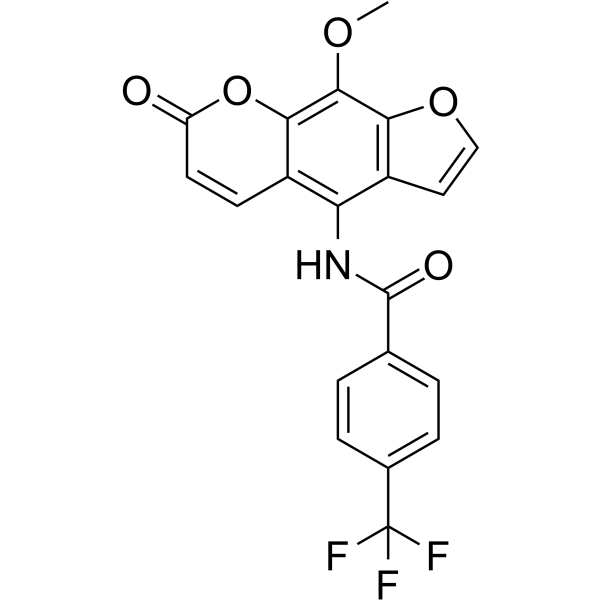
    Anticancer agent 79 (compound 3d) shows good anti-breast cancer activity. Anticancer agent 79 shows good cytotoxic activity in T47-D cells, with an IC50 of 13.64 ± 0.26 μM .
    Anticancer agent 79
  • HY-172112

    VEGFR Apoptosis Cancer
    VEGFR-2-IN-64 (Compound 28) is the inhibitor for VEGFR2 with IC50 of 27.8 nM. VEGFR-2-IN-64 inhibits the proliferation of cancer cell A549, T-47D and Caco-2, exhibits anti-migration and anti-cloning activities in cell T-47D, induces apoptosis in T-47D .
    VEGFR-2-IN-64
  • HY-W698951

    Org4094

    Drug Metabolite Cancer
    3a-Hydroxytibolone is a Tibolone (HY-123047) metabolite. 3a-Hydroxytibolone can be used in the research of breast cancer .
    3a-Hydroxytibolone
  • HY-N4010R

    Reference Standards Others Cancer
    Iriflophenone, isolated from Aquilaria sinensis, stimulates MCF-7 and T-47D human breast cancer cells proliferation .
    Iriflophenone (Standard)
  • HY-155197

    Microtubule/Tubulin Estrogen Receptor/ERR Cancer
    ER degrader 7 (Compound 35t) is an ERα and ERβ degrader. ER degrader 7 inhibits tubulin polymerization. ER degrader 7 inhibits cell viability with IC50s of 0.06, 2.56, 15.84, 1.59, 1.67, 1.37 μM for MCF-7, T47D, MCF-10A, LCC2, T47D D538G, and T47D Y537S cells respectively. ER degrader 7 also inhibits breast cancer tumor growth .
    ER degrader 7
  • HY-173034

    Phosphatase Apoptosis Cancer
    PTP1B-IN-30 (Compound 3j) is the inhibitor for PTP1B with an IC50 of 0.51 µM. PTP1B-IN-30 inhibits the proliferation of cancer cell T47D with an IC50 of 21.21 µM, arrests the cell cycle at S phase, and induces apoptosis in T47D .
    PTP1B-IN-30
  • HY-150543

    Steroid Sulfatase Cancer
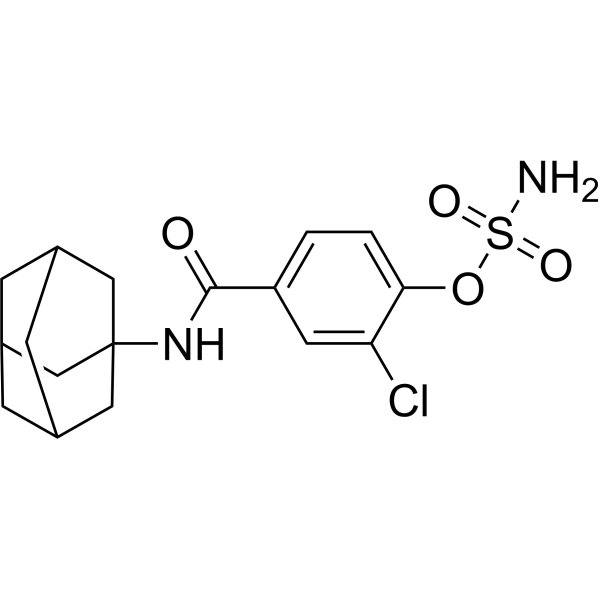
    Steroid sulfatase-IN-3 (compound 1q) is a potent STS (Steroid sulfatase) inhibitor, with an IC50 of 25.8 nM. Steroid sulfatase-IN-3 shows antiproliferative activity against T-47D estrogen-dependent breast cancer cells, with an IC50 of 1.04 µM .
    Steroid sulfatase-IN-3
  • HY-155233

    Steroid Sulfatase Cancer
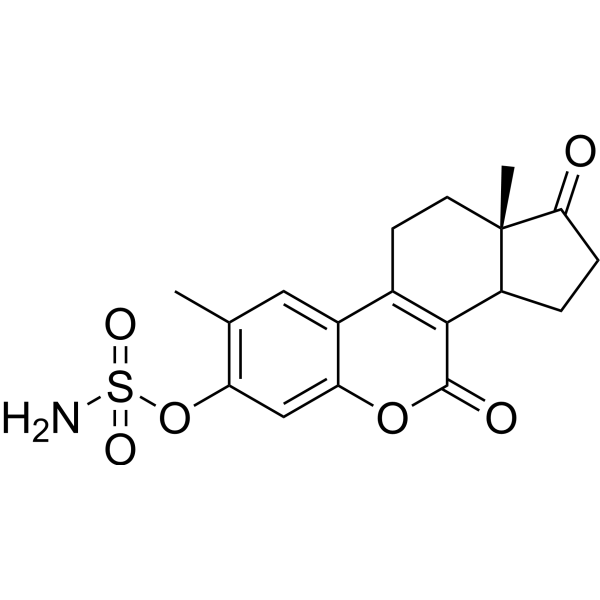
    Steroid sulfatase-IN-5 (compound 10b) is a steroid sulfatase (STS) inhibitor (IC50: 0.32 nM). Steroid sulfatase-IN-5 inhibits T-47D cell proliferation with an IC50 of 35.7 μM. Steroid sulfatase-IN-5 can be used for research of breast cancer .
    Steroid sulfatase-IN-5
  • HY-160282

    PI3K Cancer
    PI3K-IN-49 is a potent PI3K inhibitor. PI3K-IN-49 shows antiproliferative activity for Avg T-47D and Avg SKBR3 cells (WO2023239710A1; example 29) .
    PI3K-IN-49
  • HY-106297

    Org 30659

    Progesterone Receptor Metabolic Disease Cancer
    Tosagestin(Org 30659) is a 19-nortestosterone–derived progestagen. Tosagestinsuppresses ovarian function to a level sufficient to inhibit ovulation. Tosagestininhibits cell growth in T47D-S cells .
    Tosagestin
  • HY-N13118

    Others Cancer
    Sinopodophylline B (compound 2) is a flavonoid glycoside compound that is cytotoxic to breast cancer cells. For example, the IC50 of Sinopodophylline B is 1.5 μM (T47D) and 44.2 μM (MDA-MB-231), respectively .
    Sinopodophylline B
  • HY-N15759

    Biochemical Assay Reagents Cancer
    8,2'-Diprenylquercetin 3-methyl ether is isolated from Sinopodophyllum hexandrum (Royle) Ying (Sinopodophylli Fructus). 8,2'-Diprenylquercetin 3-methyl ether is cytotoxic to MDA-231 and T47D breast cancer cell lines .
    8,2'-Diprenylquercetin 3-methyl ether
  • HY-178463

    Estrogen Receptor/ERR Cancer
    F0840-0093 is a highly selective estrogen receptor α (ERα) degrader. F0840-0093 exhibits potent antiproliferative activity against T47D cells with an IC50 value of 4.65 μM. F0840-0093 is promising for research of estrogen receptor-positive (ER+) breast cancer .
    F0840-0093
  • HY-129578R

    Reference Standards Autophagy Cathepsin Infection Inflammation/Immunology Cancer
    Asperphenamate (Standard) is the analytical standard of Asperphenamate. This product is intended for research and analytical applications. Asperphenamate, a fungal metabolite of Aspergillus flatiipes with anti-cancer effect, exhibits IC50 values of 92.3 μM, 96.5 μM and 97.9 μM in T47D, MDA-MB-231 and HL-60 cells, respectively[1][2].
    Asperphenamate (Standard)
  • HY-163119

    Pim Cancer
    Pim-1 kinase inhibitor 9 (compound 8b) is a selective inhibitor against Pim-1 kinase with IC50 value of 0.24 µM. Pim-1 kinase inhibitor 9 inhibits cell cycle of T47D at S phase. Pim-1 kinase inhibitor 9 reveals antitumor activity .
    Pim-1 kinase inhibitor 9
  • HY-151121

    Others Cancer
    Anticancer agent 80 (Compound 3c) is an anticancer agent. Anticancer agent 80 exhibits the dark cytotoxicity against T47-D with IC50 of 10.14 µM .
    Anticancer agent 80
  • HY-161373

    PI3K Cancer
    PI3Kα-IN-22 (Compound 17) is an orally active, potent and selective inhibitor of PI3Kα H1047R, with an IC50 of 1 nM for pAKT T47D AlphaLISA. PI3Kα-IN-22 can induce tumor regressions in the HCC1954 tumor model in mice .
    PI3Kα-IN-22
  • HY-170336

    PROTACs Estrogen Receptor/ERR Cancer
    PROTAC ERα Degrader-10 (Compound 160a) is an orally active degrader for ERα with DC50 of 0.37-1.1 nM, in cells MCF7, T47D and CAMA-1. PROTAC ERα Degrader-10 exhibits antitumor efficacy in mouse model . (Pink: ligand for target protein (HY-170339); Black: linker (HY-30105); Blue: ligand for E3 ligase Cereblon (HY-168055))
    PROTAC ERα Degrader-10
  • HY-162751

    HSP Apoptosis Cancer
    Anticancer agent 249 (Compound 89) is an inhibitor for Hsp90β with IC50 of 16.5 μM in PC3MM2 cell. Anticancer agent 249 inhibits proliferation of cancer cells MCF-7, T47D, MDA-MB-231, MDA-MB-468 and SKBr3 with IC50 of 1.8-5.3 μM. Anticancer agent 249 induces apoptosis in MDA-MB-231. Anticancer agent 249 exhibits antitumor efficacy in mice .
    Anticancer agent 249
  • HY-169019

    PI3K Apoptosis Cancer
    XJTU-L453 is a PI3Kα inhibitor with an IC50 value of 0.4 nM. XJTU-L453 can inhibit the proliferation of breast cancer cell lines T47D and MCF7, with IC50 values of 0.2 μM and 0.5 μM, respectively. XJTU-L453 can inhibit the PI3K pathway, induce cell cycle arrest, and trigger cell apoptosis (apoptosis). XJTU-L453 also has antitumor activity in MCF7 xenograft mice .
    XJTU-L453
  • HY-179045

    Estrogen Receptor/ERR Apoptosis Cancer
    ERα degrader 14 (Compound B7) is a potent ERα degrader. ERα degrader 14 exhibits significantly potent and selective anti-proliferative activity on two ERα-positive breast cancer cell lines (MCF-7 and T47D). ERα degrader 14 induces cell cycle arrest, inhibits cell migration, and induces cell apoptosis. ERα degrader 14 effectively inhibits tumor growth in mouse models. ERα degrader 14 can be used for the study of breast cancer .
    ERα degrader 14
  • HY-121149B

    (E/Z)-3-Hydroxytamoxifen

    Estrogen Receptor/ERR Apoptosis Cancer
    (E/Z)-Droloxifene is a mixture of (E)-droloxifene (a selective estrogen receptor modulator) and (Z)-droloxifene. (E)-Droloxifene binds to the estrogen receptor (ER) with an IC50 value of 24 nM in rabbit uterine homogenates. (E)-Droloxifene increases uterine weight in immature rats, and reduces estradiol-induced increases in uterine weight in juvenile rats. (E)-Droloxifene also inhibits 17β-estradiol-stimulated growth of MCF-7, ZR-75-1, and T47D human breast cancer cells. (Z)-Droloxifene binds weakly to ER and has no estrogenic or antiestrogenic activity .
    (E/Z)-Droloxifene
  • HY-P10393

    ERα (295-311)

    Apoptosis Cancer
    ERα17p (ERα 295-311) is the epitope of the CaM binding site on the estrogen receptor α (ER), which interacts with calmodulin (CaM) in a calcium-dependent manner. ERα17p regulates the migration of cancer cells MCF-7, SK-BR-3, T47D, and MDA-MB-231 through Rho/ROCK and PI3K/Akt signaling pathways. ERα17p inhibits proliferations of breast cancer cells, induces apoptosis, and inhibits tumor growth in mouse models .
    ERα17p
  • HY-175292

    EGFR Microtubule/Tubulin Cancer
    EGFR WT/T790M-IN-3 is an irreversible covalent EGFR WT and EGFR T790M inhibitor with IC50s value of 28.1 and 24.6 nM. EGFR WT/T790M-IN-3 hampers tubulin polymerization through IC50 value of 5.1 μM. EGFR WT/T790M-IN-3 shows significant anti-proliferative effects on HCT116 and T47D cells, with IC50 values of 3.12 and 4.12 μM, respectively. EGFR WT/T790M-IN-3 can be used for the study of cancers such as non-small cell lung cancer, colon cancer and breast cancer .
    EGFR WT/T790M-IN-3
  • HY-157319

    PI3K Cancer
    PI3Kα-IN-15 is a potent PI3Kα inhibitor with an IC50 of 0.15?μM. PI3Kα-IN-15 also has acceptable anti-proliferative activity (inhibits SKOV-3, T47D, NCI-H1975, NCI-H460, and MCF-7 growth with IC50 values of 26.6?μM, 7.9?μM,? 32.1?μM,? 17.7??μM, and 9.4??μM, respectively. PI3Kα-IN-15 can be used for cancer research .
    PI3Kα-IN-15
  • HY-138089

    Androgen Receptor Estrogen Receptor/ERR LDLR Metabolic Disease Cancer
    17β-Hydroxy exemestane (17-H-EXE) is the primary active metabolite of Exemestane (HY-13632). 17β-Hydroxy exemestane is an aromatase inhibitor (IC50 = 69 nM) and an androgen receptor (AR) agonist (IC50 = 39.6 nM) that is selective for AR over estrogen receptor α (ERα; IC50 = 21.2 μM). 17β-Hydroxy exemestane stimulates growth of AR- and ERα-positive MCF-7 (EC50= 2.7 μM) and T47D breast cancer cells (EC50s = 0.43 and 1500 nM for AR- and ER-mediated growth, respectively) and inhibits proliferation of testosterone-treated aromatase-overexpressing MCF-7 cells. 17β-Hydroxy exemestane inhibits increases in serum cholesterol and LDL levels and prevents decreases in bone mineral density in the lumbar vertebrae and femur, as well as femoral bending strength and compressive strength of the fifth lumbar vertebrae in ovariectomized rats .
    17β-Hydroxy exemestane
  • HY-114631

    Estrogen Receptor/ERR Cancer
    EM-800, an orally active anti-estrogen, serves as an antagonist to the transcriptional functions of estrogen receptors α (ERα) and β (ERβ). EM-800 possesses anticancer activity, capable of inhibiting the growth of breast cancer induced by 7,12-Dimethylbenz[a]anthracene (DMBA) (HY-W011845). Furthermore, in ovariectomized animals, EM-800 effectively slows down bone loss. Additionally, EM-800 shows potential in the research of breast and endometrial cancers, while exerting beneficial effects on bone and lipid metabolism .
    EM-800
  • HY-151119

    Cytochrome P450 Cancer
    Anticancer agent 78 is a potent anticancer agent. Anticancer agent 78 shows cytotoxicity. Anticancer agent 78 exhibits anti-aromatase activity with an IC50 value of 0.9 µM. Anticancer agent 78 has the potential for the research of breast cancer .
    Anticancer agent 78
  • HY-179451

    Apoptosis p38 MAPK Parasite Infection Inflammation/Immunology Cancer
    Apoptosis inducer 53 is an apoptosis inducer. Apoptosis inducer 53 can inhibit proliferation of human tumor cell lines (A549, HeLa, SW1573, T-47D, WiDr) with GI50 values of 2.5-9.1 μM. Apoptosis inducer 53 can induce cancer cells apoptosis and reduce colony formation. Apoptosis inducer 53 can activate p38α MAPK signaling and exerts anti-inflammatory effect. Apoptosis inducer 53 also shows anti-Leishmania donovani activity. Apoptosis inducer 53 can be used for the researches of cancer, infection and inflammation .
    Apoptosis inducer 53
  • HY-179688

    PROTACs CDK Cancer
    PROTAC CDK2/4 Degrader-1 (Compound 5) is a CDK2/4 PROTAC degrader, with its DC50 values for CDK2 and CDK4 both ≤ 10 nM. PROTAC CDK2/4 Degrader-1 exhibits excellent inhibitory activity against cell proliferation in OVCAR3 and T47D cells. PROTAC CDK2/4 Degrader-1 can be used for research on breast cancer and ovarian cancer .
    PROTAC CDK2/4 Degrader-1

Inquiry Online

Your information is safe with us. * Required Fields.

Salutation


Country or Region *

Applicant Name *


Organization Name *

Department *


Email Address *


Product Name *

Cat. No.


Requested quantity *

Phone Number *


Remarks

Inquiry Online

Inquiry Information

Product Name:
Cat. No.:
Quantity:
MCE Japan Authorized Agent:

