215 Results for "

TNF signalling

" in MedChemExpress (MCE) Product Catalog:
Products (215)

215 Results for "TNF signalling" in MCE Product Catalog:

524
524 Publications Verification
Art. -Nr.: HY-11109
CAS. Nr.: 243984-11-4
Reinheit:  98.92%
Synonyms: TAK-242; CLI-095
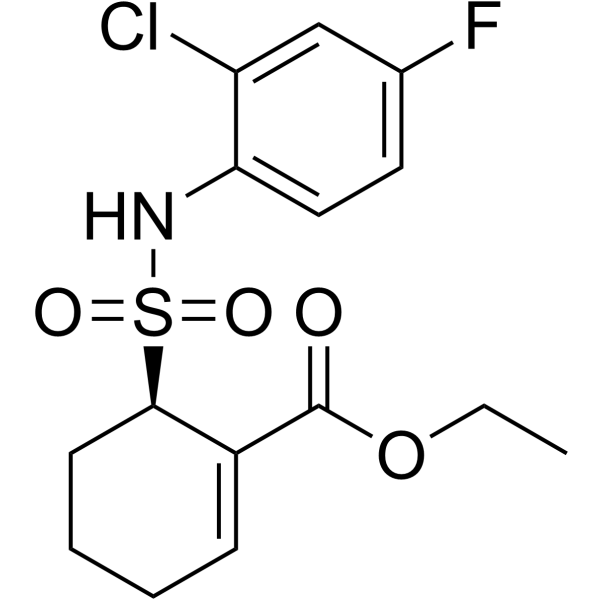
Resatorvid (TAK-242) is a selective Toll-like receptor 4 (TLR4) inhibitor. Resatorvid inhibits NO, TNF-α and IL-6 production with IC50s of 1.8 nM, 1.9 nM and 1.3 nM, respectively. Resatorvid downregulates expression of TLR4 downstream signaling molecules MyD88 and TRIF. Resatorvid inhibits autophagy and plays pivotal role in various inflammatory diseases .
loading...
    loading...
23
23 Cited Publications
Art. -Nr.: HY-N0171
CAS. Nr.: 83-46-5
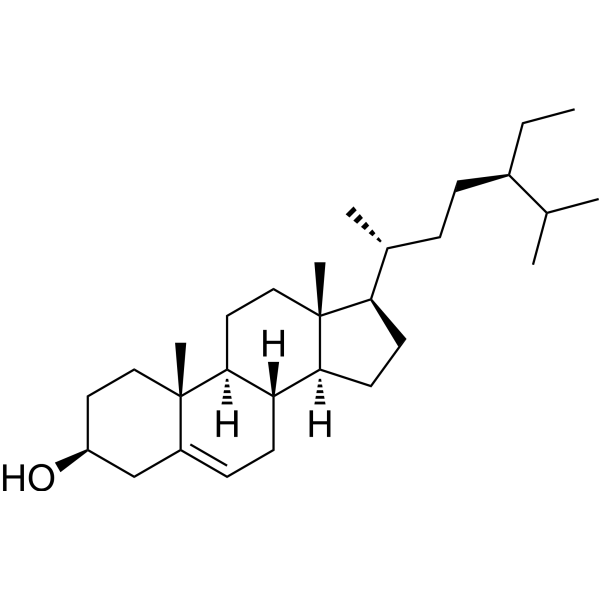
Beta-Sitosterol (purity≥80%) is orally active. Beta-Sitosterol exhibits multiple activities, including anti-inflammatory, anticancer, antioxidant, antimicrobial, antidiabetic, antioxidant enzyme, and analgesic. Beta-Sitosterol inhibits inflammation and impaired adipogenesis in bovine mammary epithelial cells by reducing levels of ROS, TNF-α, IL-1β, and NF-κB p65 and restoring the activity of the HIF-1α/mTOR signaling pathway. Beta-Sitosterol induces apoptosis in cancer cells through ROS-mediated mitochondrial dysregulation and p53 activation. Beta-Sitosterol exerts its anticancer effects in cancer cells by activating caspase-3, caspase-8, and caspase-9, mediating PARP inactivation, MMP loss, altered Bcl-2-Bax ratio, and cytochrome c release. Beta-Sitosterol modulates macrophage polarization and reduces rheumatoid inflammation in mice. Beta-Sitosterol inhibits tumor growth in multiple mouse cancer models. Beta-Sitosterol can be used in the research of arthritis, lung cancer, breast cancer and other cancers, diabetes, etc .
loading...
    loading...
23
23 Cited Publications
Art. -Nr.: HY-N0171A
CAS. Nr.: 83-46-5
Synonyms: β-Sitosterol (purity>98%); 22,23-Dihydrostigmasterol (purity>98%)
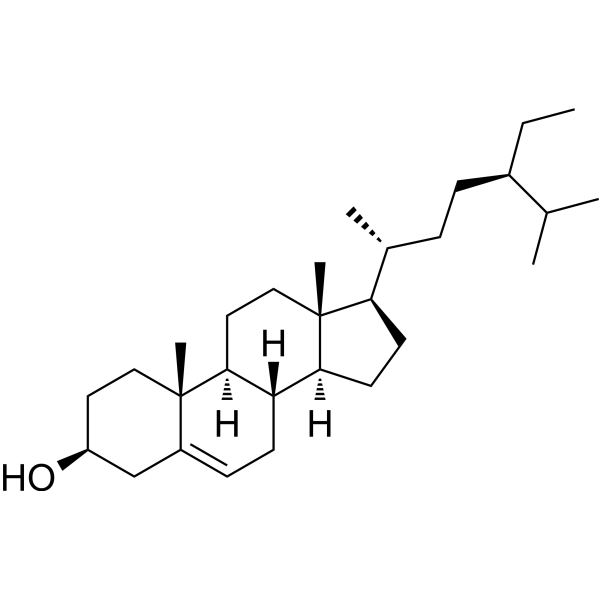
Beta-Sitosterol (purity>98%) is orally active. Beta-Sitosterol exhibits multiple activities, including anti-inflammatory, anticancer, antioxidant, antimicrobial, antidiabetic, antioxidant enzyme, and analgesic. Beta-Sitosterol inhibits inflammation and impaired adipogenesis in bovine mammary epithelial cells by reducing levels of ROS, TNF-α, IL-1β, and NF-κB p65 and restoring the activity of the HIF-1α/mTOR signaling pathway. Beta-Sitosterol induces apoptosis in cancer cells through ROS-mediated mitochondrial dysregulation and p53 activation. Beta-Sitosterol exerts its anticancer effects in cancer cells by activating caspase-3, caspase-8, and caspase-9, mediating PARP inactivation, MMP loss, altered Bcl-2-Bax ratio, and cytochrome c release. Beta-Sitosterol modulates macrophage polarization and reduces rheumatoid inflammation in mice. Beta-Sitosterol inhibits tumor growth in multiple mouse cancer models. Beta-Sitosterol can be used in the research of arthritis, lung cancer, breast cancer and other cancers, diabetes, etc .
loading...
    loading...
19
19 Cited Publications
Art. -Nr.: HY-12326A
CAS. Nr.: 2734909-87-4
Synonyms: Cyclic diadenylate disodium; Cyclic-di-AMP disodium
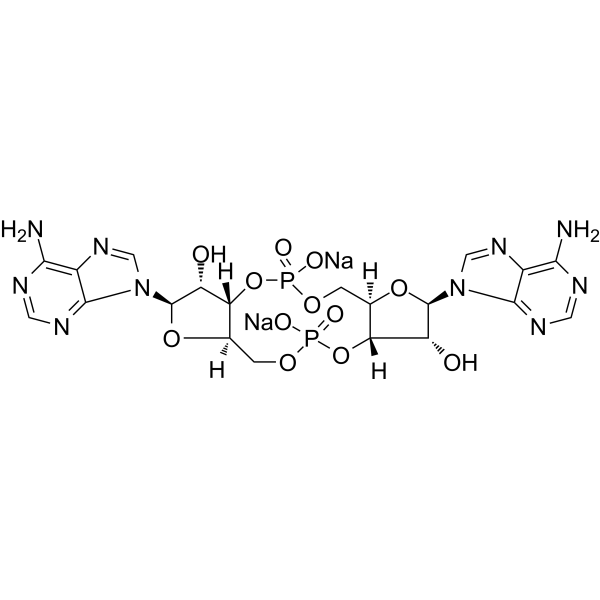
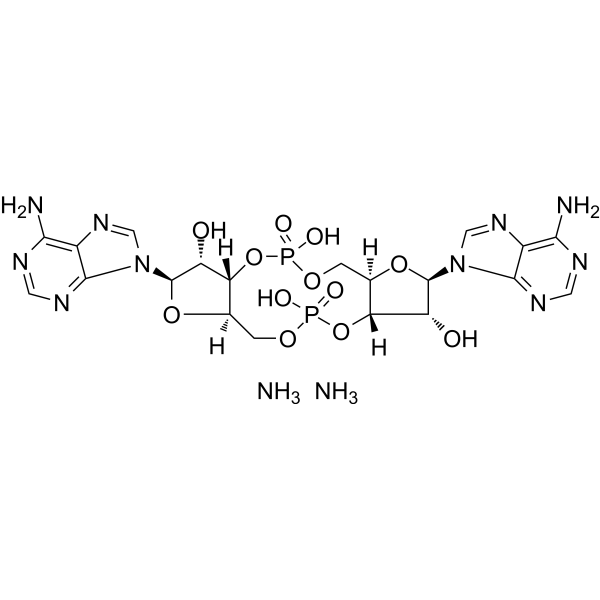
c-di-AMP (Cyclic diadenylate) sodium is a STING agonist, which binds to the transmembrane protein STING thereby activating the TBK3-IRF3 signaling pathway, subsequently triggering the production of type I IFN and TNF. c-di-AMP sodium is also a bacterial second messenger, which regulates cell growth, survival, and virulence, primarily within Gram-positive bacteria, and also regulates host immune response. c-di-AMP sodium acts as a potent mucosal adjuvant stimulating both humoral and cellular responses .
loading...
    loading...
19
19 Cited Publications
Art. -Nr.: HY-12326B
Reinheit:  99.36%
Synonyms: Cyclic diadenylate diammonium; Cyclic-di-AMP diammonium
c-di-AMP diammonium is a STING agonist, which binds to the transmembrane protein STING thereby activating the TBK3-IRF3 signaling pathway, subsequently triggering the production of type I IFN and TNF. c-di-AMP diammonium is also a bacterial second messenger, which regulates cell growth, survival, and virulence, primarily within Gram-positive bacteria, and also regulates host immune response. c-di-AMP diammonium acts as a potent mucosal adjuvant stimulating both humoral and cellular responses .
loading...
    loading...
17
17 Cited Publications
Art. -Nr.: HY-B1272
CAS. Nr.: 58-28-6
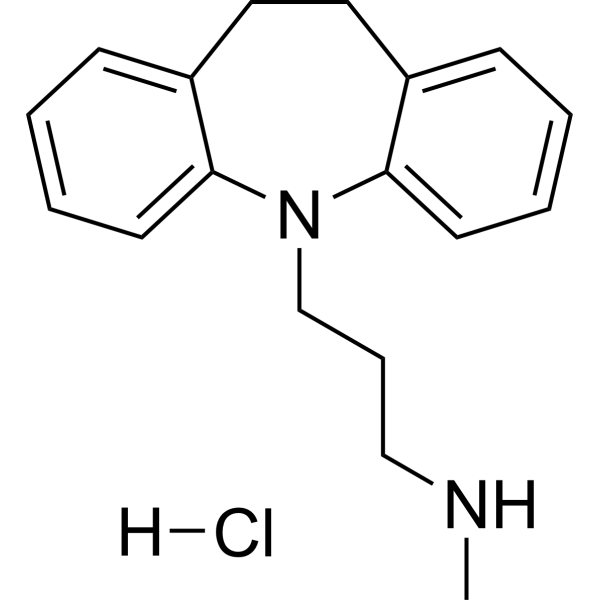
Desipramine hydrochloride is a first-generation tricyclic antidepressant. Desipramine hydrochloride selectively binds to norepinephrine transporter and blocks neuronal norepinephrine reuptake. Desipramine hydrochloride activates MAPK signaling via ERK1/2, JNK, and p38, represses NF-κB and AP-1 activity, and induces apoptosis via ROS elevation, mitochondrial membrane potential reduction, and intracellular calcium increase. Desipramine hydrochloride also shows anyi-inflammatory activity, inhibiting TNF-α production. Desipramine hydrochloride can be used for the research of hepatocellular cancer, inflammation, and neurological diseases .
loading...
    loading...
16
16 Cited Publications
Art. -Nr.: HY-19744
CAS. Nr.: 2437475-16-4
Target:  

MyD88

Forschungsgebiete:  

Inflammation/Immunology

T6167923 is a selective inhibitor of MyD88-dependent signaling pathways. T6167923 directly binds to Toll/IL1 receptor (TIR) domain of MyD88 and disrupts MyD88 homodimeric formation. T6167923 inhibits NF-κB driven Staphylococcus enterotoxin AP (SEAP) activity, and improves anti-inflammatory activity with IC50s of 2.7 μM, 2.9 μM, 2.66 μM and 2.66 μM for IFN-γ, IL-1β, IL-6 and TNF-α, respectively .
loading...
    loading...
16
16 Cited Publications
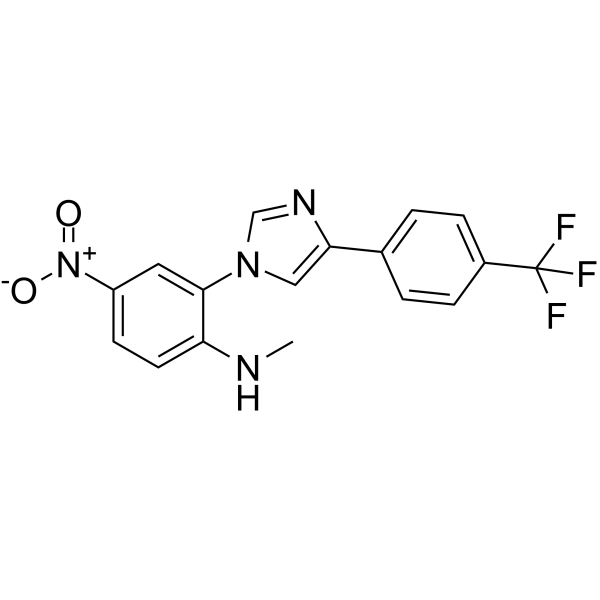
Art. -Nr.: HY-N0637
CAS. Nr.: 552-58-9
Synonyms: Huazhongilexone
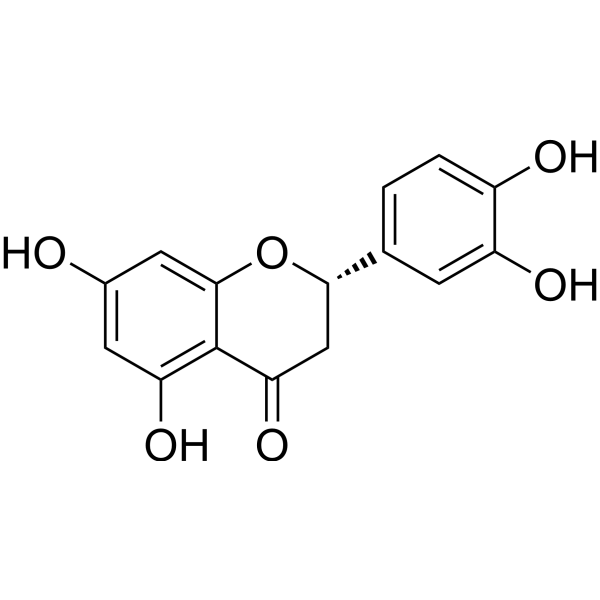
Eriodictyol ((±)-Huazhongilexone; Dihydroluteolin) is an orally active TRPV1 receptor antagonist (IC50=44-47 nM, rTRPV1) with antioxidant and anti-inflammatory activities. Eriodictyol effectively inhibits lipid peroxidation and the release of proinflammatory cytokines by specifically antagonizing the TRPV1 receptor and activating the Nrf2 signaling pathway. Eriodictyol reduces the levels of ICAM-1, VEGF, eNOS and TNF-α in the retina and maintains the integrity of the blood-retinal barrier. Eriodictyol alleviates oxidative stress-induced apoptosis and hyperalgesia, enhances the activity and cytotoxicity of immune cells (such as B lymphocytes, NK cells and macrophages), and increases the levels of antioxidant enzymes simultaneously. Eriodictyol can be used in the research of diabetic retinopathy, acute lung injury and various pain-related diseases .
loading...
    loading...
14
14 Cited Publications
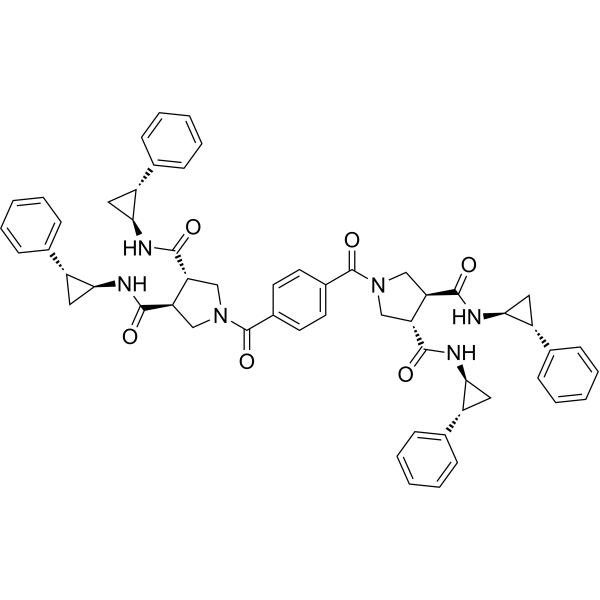
Art. -Nr.: HY-123942
CAS. Nr.: 2170867-89-5
Reinheit:  98.82%
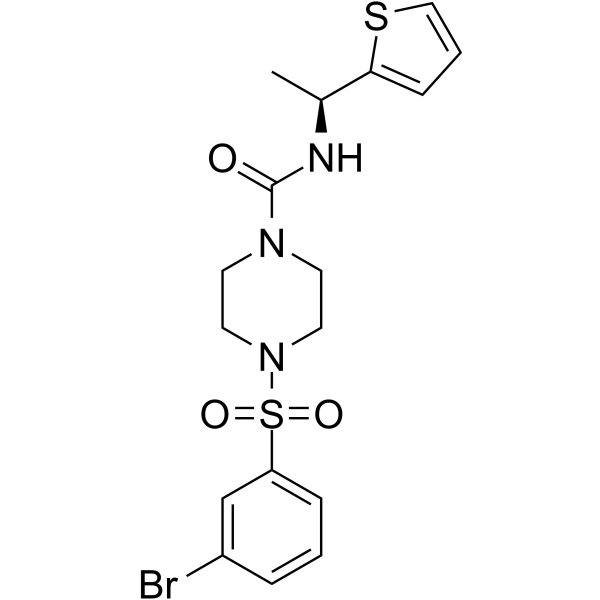
Diprovocim is a potent TLR1/TLR2 agonist. Diprovocim elicits full agonist activity in human THP-1 cells (EC50=110 pM). Diprovocim stimulates the release of TNF-α from mouse macrophages (EC50=1.3 nM). Diprovocim activates downstream MAPK and NF-κB signaling pathway. Diprovocim displays strong adjuvant activity in mice, particularly abetting cellular immune responses .
loading...
    loading...
13
13 Cited Publications
Art. -Nr.: HY-108473
CAS. Nr.: 1279713-77-7
Reinheit:  99.34%
Synonyms: TLR3-IN-1
Forschungsgebiete:  

Cancer

CU-CPT 4a (TLR3-IN-1) is a potent, highly selective TLR3 signaling inhibitor. CU-CPT 4a represses the expression of downstream signaling pathways mediated by the TLR3/dsRNA complex, including TNF-α and IL-1β .
loading...
    loading...
13
13 Cited Publications
Art. -Nr.: HY-110353
CAS. Nr.: 1821387-73-8
Reinheit:  99.96%
Forschungsgebiete:  

Inflammation/Immunology Cancer

CU-T12-9 is a specific TLR1/2 agonist with EC50 of 52.9 nM in HEK-Blue hTLR2 SEAP assay. CU-T12-9 activates both the innate and the adaptive immune systems. CU-T12-9 selectively activates the TLR1/2 heterodimer, not TLR2/6. CU-T12-9 signals through NF-κB and invokes an elevation of the downstream effectors TNF-α, IL-10, and iNOS .
loading...
    loading...
12
12 Cited Publications
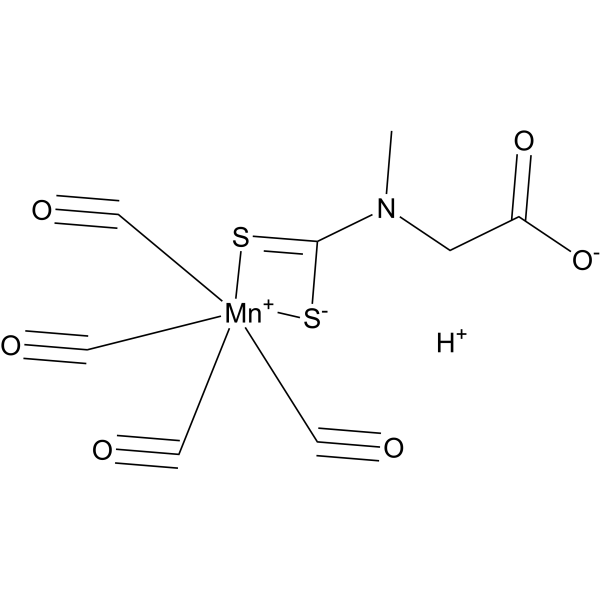
Art. -Nr.: HY-109804
CAS. Nr.: 1001015-18-4
Reinheit:  98.27%
Forschungsgebiete:  

Inflammation/Immunology

CORM-401 is an oxidant-sensitive CO-releasing molecule. CORM-401 induces NO increase in the regulation of endothelial calcium signalling. CORM-401 reduces TNF-α/CHX and H2O2-induced ROS production. CORM-401 uncouples mitochondrial respiration and inhibits glycolysis .
loading...
    loading...
7
7 Cited Publications
Art. -Nr.: HY-112904
CAS. Nr.: 2375193-43-2
Reinheit:  99.08%
Target:  

p62 Autophagy

Forschungsgebiete:  

Cancer

XRK3F2 is a p62 (sequestosome-1) ZZ domain inhibitor that has specificity for the p62-ZZ domain over other p62 signaling domains. XRK3F2 blocks TNFα effects and upregulation in bone marrow stromal cells, and induces multiple myeloma cell apoptosis. XRK3F2 can be used for the research of multiple myeloma bone disease, acute myeloid leukemia, and multiple myeloma .
loading...
    loading...
7
7 Cited Publications
Art. -Nr.: HY-N0631
CAS. Nr.: 131189-57-6
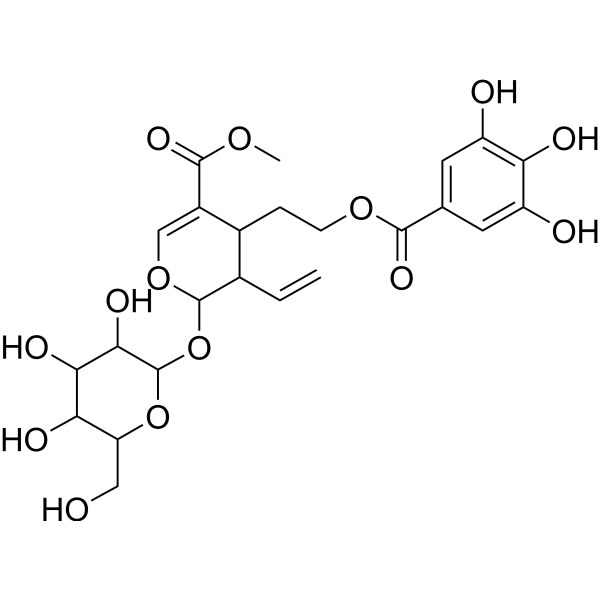
Cornuside is an iridoid glycoside with anti-allergic, anti-inflammatory, and neuroprotective activities. Cornuside exerts anti-allergic activity by downregulating the p38 MAPK, JNK, and NF-κB signaling pathways, and inhibits IgE-mediated histamine release from mast cells. Cornuside improves cognitive impairment in mice by inhibiting BACE1 activity (IC50 = 55.84 μg/mL) and enhancing ChAT activity. Cornuside inhibits LPS (HY-D1056)-induced inflammatory mediators, including iNOS, COX-2, PGE2, TNF-α, IL-6, and IL-1β, by suppressing NF-κB activation .
loading...
    loading...
6
6 Cited Publications
Art. -Nr.: HY-N0405
CAS. Nr.: 28608-75-5
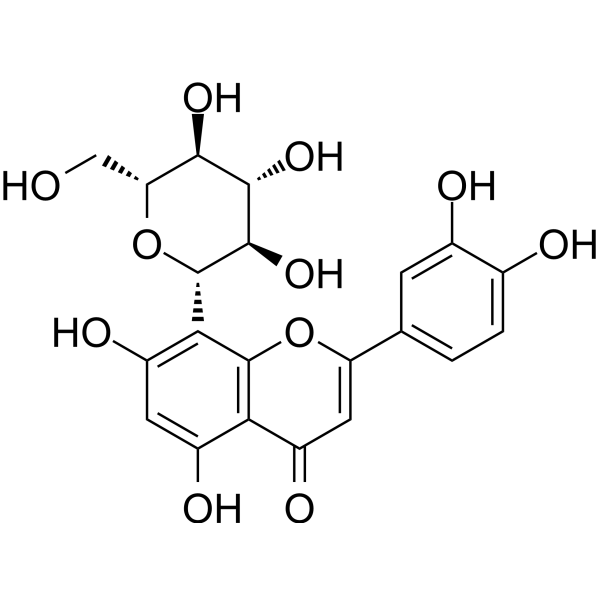
Orientin is a neuroprotective agentinhibits which has anti-inflammation, anti-oxidative, anti-tumor, and cardio protection properties. Orientin inhibits the levels of IL-6, IL-1β and TNF-α. Orientin increases IL-10 level. Orientin exhibits neuroprotective effect by inhibits TLR4 and NF-kappa B signaling pathway. Orientin can used in study neuropathic pain .
loading...
    loading...
4
4 Cited Publications
Art. -Nr.: HY-15509A
CAS. Nr.: 164301-51-3
Reinheit:  98.43%
Synonyms: CNI-1493; CPSI-2364 tetrahydrochloride
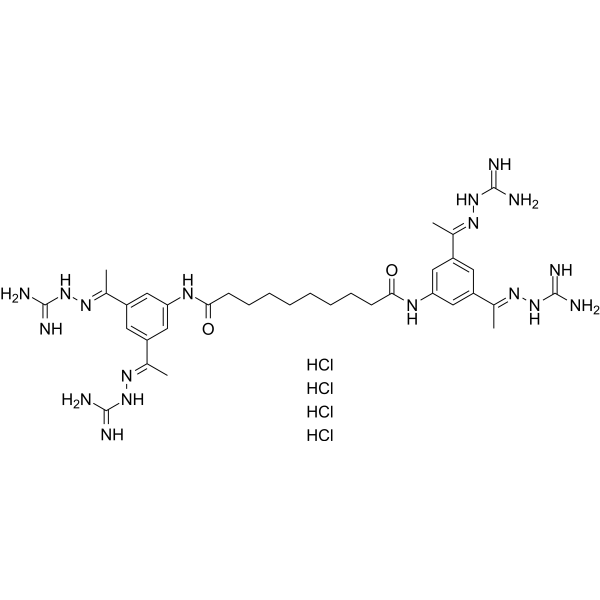
Semapimod tetrahydrochloride (CNI-1493), an inhibitor of proinflammatory cytokine production, can inhibit TNF-α, IL-1β, and IL-6. Semapimod tetrahydrochloride inhibits TLR4 signaling (IC50≈0.3 μM). Semapimod tetrahydrochloride inhibits p38 MAPK and nitric oxide production in macrophages. Semapimod tetrahydrochloride has potential in a variety of inflammatory and autoimmune disorders .
loading...
    loading...
3
3 Cited Publications
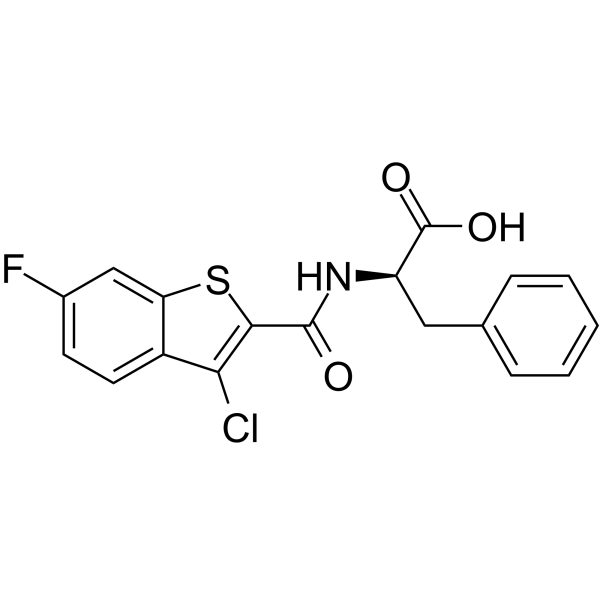
Art. -Nr.: HY-133122
CAS. Nr.: 1515888-53-5
Reinheit:  98.38%
Target:  

TNF Receptor

Forschungsgebiete:  

Inflammation/Immunology Cancer

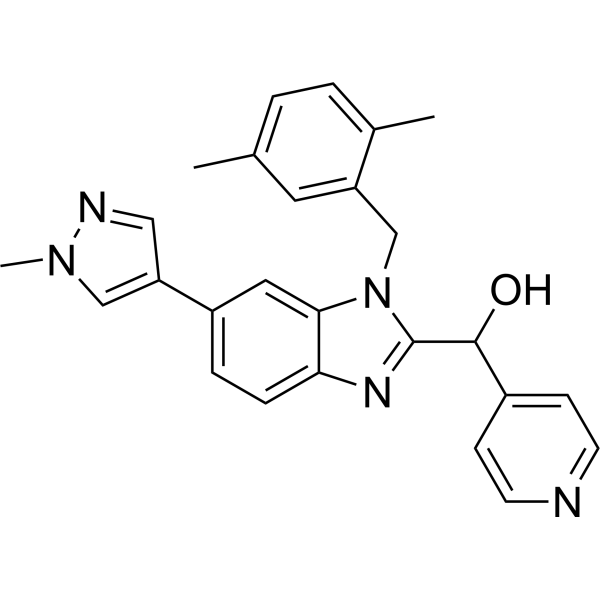
UCB-9260, an orally active compound, inhibits TNF signaling by stabilising an asymmetric form of the trimer. UCB-9260 is selective for TNF over other superfamily members, and binds TNF with a similar Kd of 13 nM .
loading...
    loading...
3
3 Cited Publications
Art. -Nr.: HY-N0617
CAS. Nr.: 80651-76-9
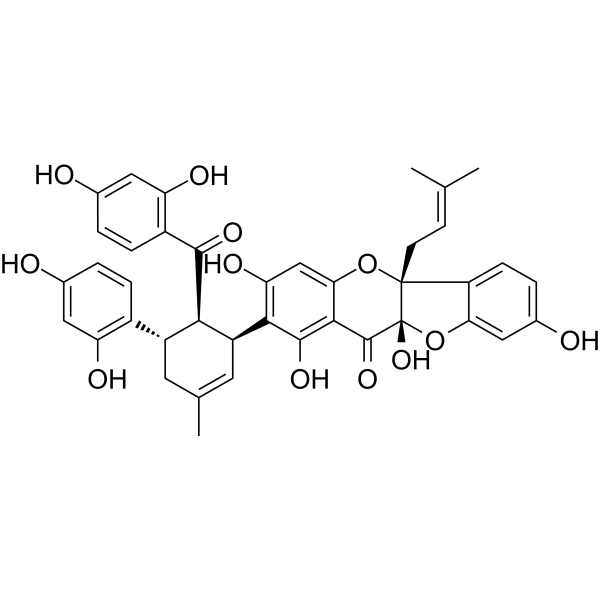
Sanggenon C, a flavonoid, exerts protective effects against cardiac hypertrophy and fibrosis via suppression of the calcineurin/NFAT2 pathway. Sanggenon C inhibits mitochondrial fission to induce apoptosis by blocking the ERK signaling pathway. Sanggenon C inhibits inducible nitric oxide synthase expression in RAW264.7 cells, and TNF-α-stimulated cell adhesion and VCAM-1 expression, by suppressing NF-κB activity. Sanggenon C possesses antioxidant, anti-inflammatory and antitumor activities .
loading...
    loading...
3
3 Cited Publications
Art. -Nr.: HY-107390
CAS. Nr.: 1370544-73-2
Reinheit:  99.29%
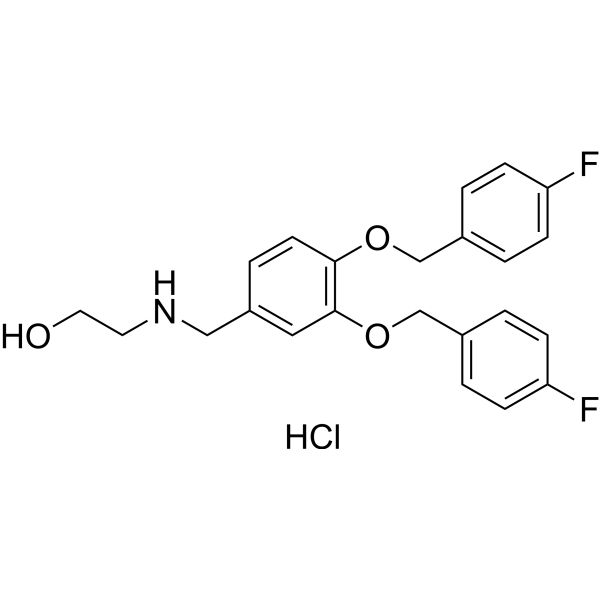
AX-024 is an orally available, first-in-class inhibitor of the TCR-Nck interaction that selectively inhibits TCR-triggered T cell activation with an IC50 ~1 nM. AX-024 modulates cell signaling by targeting SH3 domains. AX-024 has low-acute toxicity and high potency and selectivity, and strongly inhibit the production of IL-6, TNF-α, IFN-γ, IL-10 and IL-17A.
loading...
    loading...
3
3 Cited Publications
Art. -Nr.: HY-107390A
CAS. Nr.: 1704801-24-0
Reinheit:  99.75%
AX-024 hydrochloride is an orally available, first-in-class inhibitor of the TCR-Nck interaction that selectively inhibits TCR-triggered T cell activation with an IC50 ~1 nM. AX-024 hydrochloride modulates cell signaling by targeting SH3 domains. AX-024 hydrochloride has low-acute toxicity and high potency and selectivity, and strongly inhibit the production of IL-6, TNF-α, IFN-γ, IL-10 and IL-17A.
loading...
    loading...

