
Search Result
Results for "
VAL cells
" in MedChemExpress (MCE) Product Catalog:
2
Biochemical Assay Reagents
| Cat. No. |
Product Name |
Target |
Research Areas |
Chemical Structure |
-
- HY-16658
-
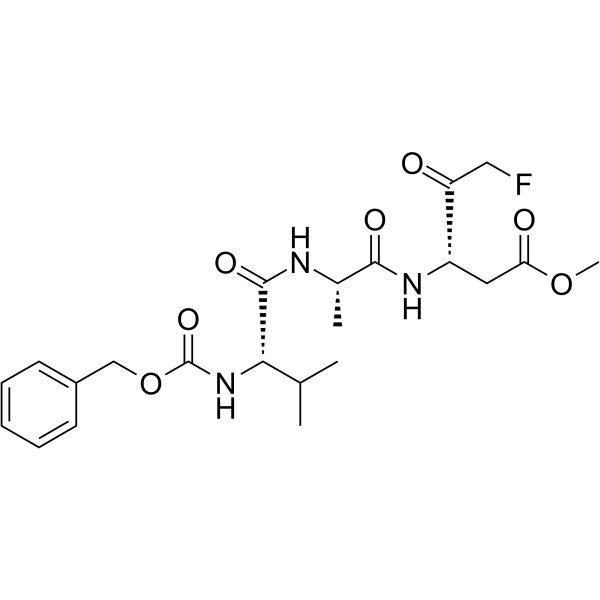
Z-VAD(OMe)-FMK
Maximum Cited Publications
200 Publications Verification
Z-VAL-Ala-Asp(OMe)-FMK
|
Caspase
|
Cancer
|
|
Z-VAD(OMe)-FMK (Z-Val-Ala-Asp(OMe)-FMK) is a cell-permeable and irreversible pan-caspase inhibitor . Z-VAD(OMe)-FMK is an ubiquitin carboxy-terminal hydrolase L1 (UCHL1) inhibitor. Z-VAD(OMe)-FMK irreversibly modifies UCHL1 by targeting the active site of UCHL1 .
|
-
-
- HY-13233A
-
|
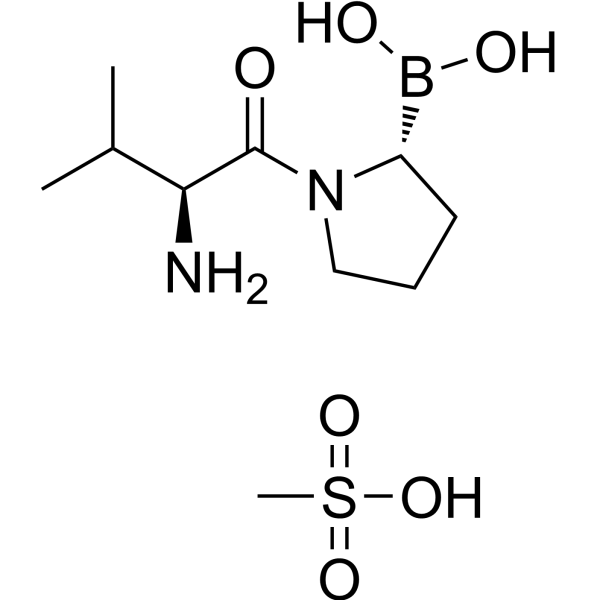
VAL-boroPro mesylate; PT100 mesylate
|
Dipeptidyl Peptidase
|
Inflammation/Immunology
Cancer
|
|
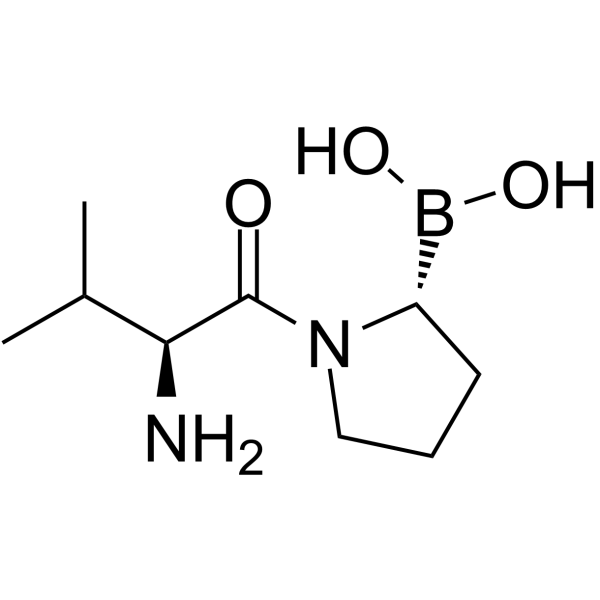
Talabostat mesylate (Val-boroPro mesylate; PT100 mesylate) is an orally active and nonselective dipeptidyl peptidase IV (DPP-IV) inhibitor (IC50 < 4 nM; Ki = 0.18 nM) and the inhibitor of fibroblast activation protein (FAP) (IC50 = 560 nM), inhibits DPP8/9 (IC50 = 4/11 nM; Ki = 1.5/0.76 nM), quiescent cell proline dipeptidase (QPP) (IC50 = 310 nM), DPP2, and some other DASH family enzymes. Antineoplastic and hematopoiesis- stimulating activities .
|
-
-
- HY-131296
-
|
|
Drug Derivative
|
Inflammation/Immunology
|
|
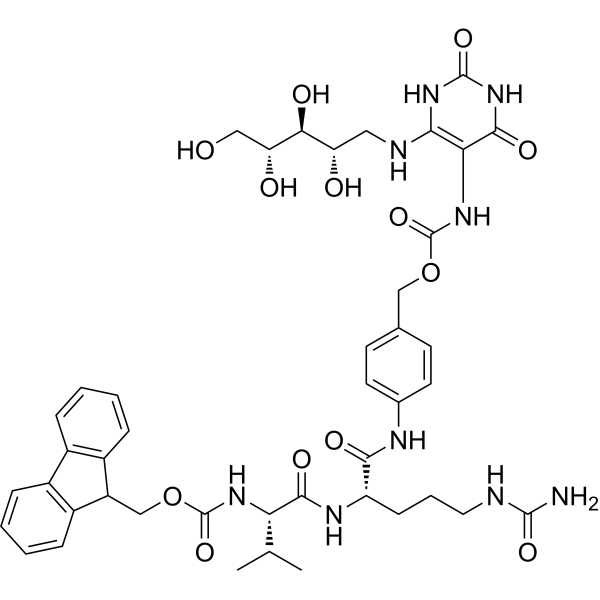
5-A-RU-PABC-Val-Cit-Fmoc is the proagent of 5-A-RU . 5-A-RU, a precursor of bacterial Riboflavin, is a mucosal-associated invariant T (MAIT) cells activator. 5-A-RU forms potent MAIT-activating antigens via non-enzymatic reactions with small molecules, such as glyoxal and methylglyoxal, which are derived from other metabolic pathways .
|
-
-
- HY-13233
-
|
VAL-boroPro; PT100
|
Dipeptidyl Peptidase
|
Inflammation/Immunology
Cancer
|
|
Talabostat (Val-boroPro; PT100) is an orally active and nonselective dipeptidyl peptidase IV (DPP-IV) inhibitor (IC50 < 4 nM; Ki = 0.18 nM) and the first clinical inhibitor of fibroblast activation protein (FAP) (IC50 = 560 nM), inhibits DPP8/9 (IC50 = 4/11 nM; Ki = 1.5/0.76 nM), quiescent cell proline dipeptidase (QPP) (IC50 = 310 nM), DPP2, and some other DASH family enzymes. Antineoplastic and hematopoiesis- stimulating activities .
|
-
-
- HY-112099
-
|
|
ADC Linker
|
Cancer
|
|
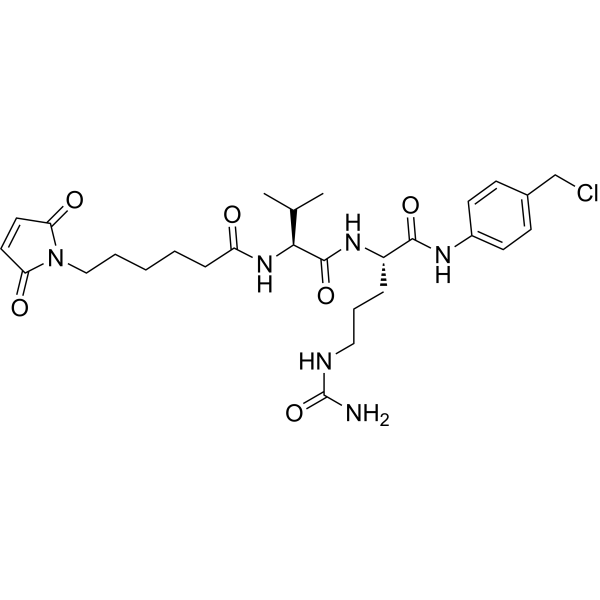
Mc-Val-Cit-PAB-Cl is a cleavable ADC linker. Mc-Val-Cit-PAB-Cl can be used to conjugate MMAE and antibody to form antibody-MC-vc-MMAE (e.g., anti-CD22-MC-VC-PABC-MMAE with IC50s of 3.3 and 0.95 nM for BJAB and WSU cell lines in cytotoxicity assay).
|
-
-
- HY-P99612
-
|
MORAb-202
|
Antibody-Drug Conjugates (ADCs)
|
Cancer
|
|
Farletuzumab ecteribulin (MORAb-202) is an antibody-drug conjugate (ADC), consisting of the humanized anti-human folate receptor alpha (FRA) antibody Farletuzumab (HY-P99153) conjugated via reduced interchain disulfide bonds to Mal-PEG2-Val-Cit-PAB-eribulin. Farletuzumab ecteribulin has a agent-to-antibody ratio of 4.0. Farletuzumab ecteribulin is highly cytotoxic to FRA-positive cells in vitro. Farletuzumab ecteribulin has potent antitumor activity.
|
-
-
- HY-164729
-
|
|
Antibody-Drug Conjugates (ADCs)
Topoisomerase
Apoptosis
|
Cancer
|
|
FZ-AD005 is a DLL3-targeting antibody-drug conjugate (ADC) with high selectivity, composed of the anti-DLL3 antibody FZ-A038 (HY-P990896), a dipeptide linker (Val-Ala), and DXd (HY-13631D). The Kd value of FZ-AD005 for human DLL3 ranges from 13.29 to 58.3 pmol/L. After binding to DLL3 on the cell surface, FZ-AD005 mediates endocytosis, and the payload DXd is released via cleavage by lysosomal cathepsins. DXd inhibits topoisomerase TopI to induce double-strand DNA breaks, cell cycle arrest and apoptosis, and FZ-AD005 exhibits bystander killing activity against adjacent DLL3-negative cells. FZ-AD005 shows stable circulation in vivo, has good tolerance and acceptable pharmacokinetic profiles in rats and cynomolgus monkeys, and effectively inhibits the growth of DLL3-expressing tumor cells. FZ-AD005 serves as a promising candidate molecule for research on small cell lung cancer and human neuroendocrine prostate cancer .
|
-
-
- HY-P4322
-
|
|
ERK
Akt
|
Neurological Disease
Cancer
|
|
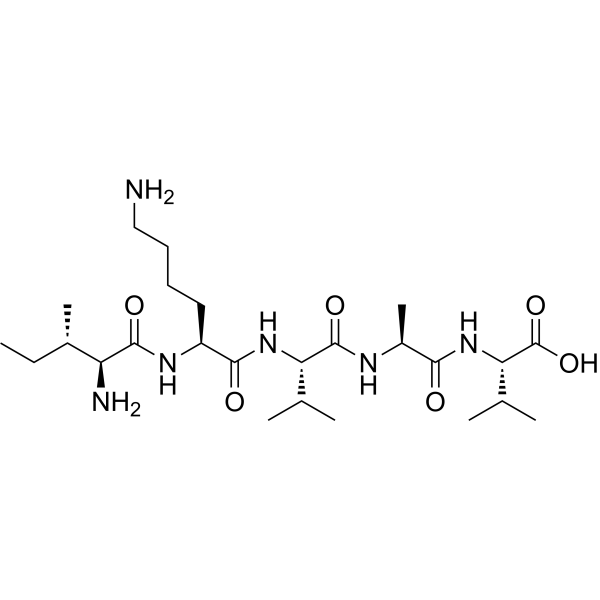
H-Ile-Lys-Val-Ala-Val-OH is one of the most potent active sites of laminin-1. H-Ile-Lys-Val-Ala-Val-OH promotes cell adhesion, neurite outgrowth, and tumor growth. H-Ile-Lys-Val-Ala-Val-OH stimulates BMMSC population growth and proliferation by activating MAPK/ERK1/2 and PI3K/Akt signalling pathways .
|
-
-
- HY-157763
-
|
|
PROTAC-Linker Conjugates for PAC
Btk
|
Cancer
|
|
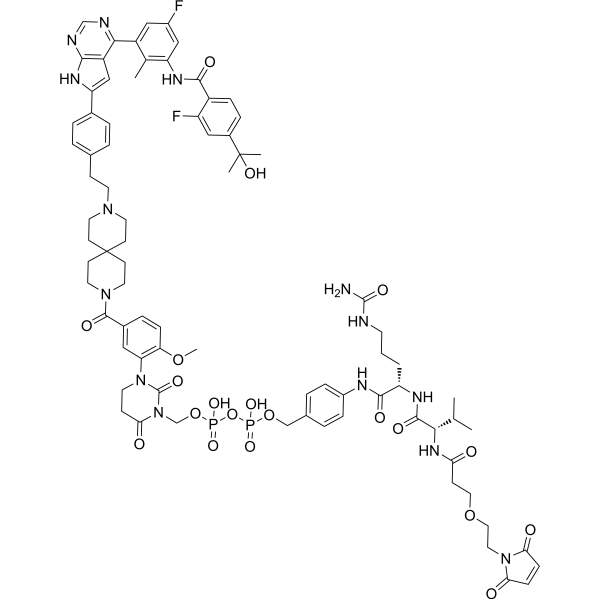
Mal-PEG1-Val-Cit-PABC-diphosphate-BTK degrader-1 is a cleavable linker-payload conjugate and cereblon-binding BTK bifunctional degrader. Mal-PEG1-Val-Cit-PABC-diphosphate-BTK degrader-1 induces BTK degradation and exerts cytotoxic effects when delivered via CD79b monoclonal antibody. Mal-PEG1-Val-Cit-PABC-diphosphate-BTK degrader-1, when formulated as a CD79b antibody-drug conjugate, achieves sustained in vivo BTK degradation in tumor-bearing mice with reduced systemic payload exposure. Mal-PEG1-Val-Cit-PABC-diphosphate-BTK degrader-1 can be used for the research of activated b-cell-like diffuse large b-cell lymphoma (ADC linker: (HY-130944); PROTAC: (HY-163295)) .
|
-
-
- HY-125956
-
|
|
Aurora Kinase
Apoptosis
|
Cancer
|
|
Aurkin A is an allosteric inhibitor for the interaction between Aurora A Kinase (also known also Aurka) and TPX2, through targeting the TPX2 binding sites with Kd of 3.77 μM. Aurkin A can disrupt polyploidy induced by Alisertib (HY-10971) and increase apoptosis of tumor cells. Aurkin A can be used in research on mitosis and cancer .
|
-
-
- HY-141860
-
|
|
PSMA
Microtubule/Tubulin
Reactive Oxygen Species (ROS)
Cytochrome P450
|
Cancer
|
|
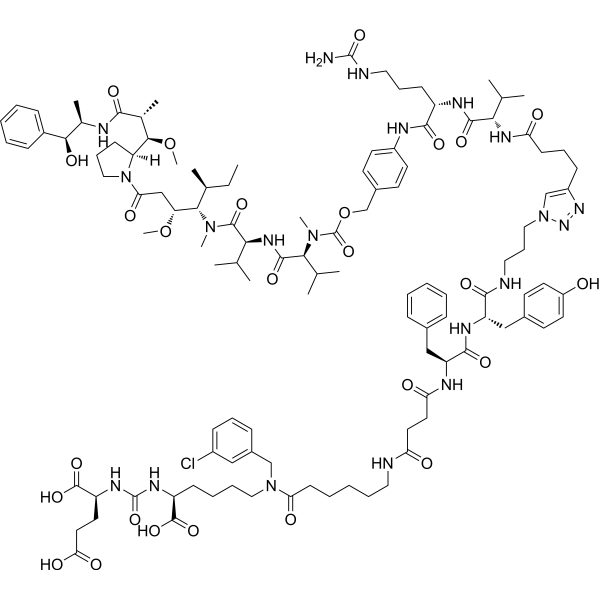
PSMA-Val-Cit-PAB-MMAE is a small-molecule conjugate targeting PSMA, with Monomethyl auristatin E (MMAE) (HY-15162) as its cytotoxic payload. PSMA-Val-Cit-PAB-MMAE binds to PSMA, thereby being delivered into PSMA-expressing prostate cancer cells. Subsequently, the Val-Cit linker is cleaved under the mediation of cathepsin B, releasing active MMAE. PSMA-Val-Cit-PAB-MMAE inhibits CYP3A4 activity (IC50 = 11.2 μM), induces intracellular ROS production and oxidative stress, disrupts the cytoskeleton through microtubule destabilization, and induces prostate cancer cell death. PSMA-Val-Cit-PAB-MMAE can be used in research related to prostate cancer .
|
-
-
- HY-172287
-
|
|
ADC Linker
|
Cancer
|
|
DBCO-PEG2-Val-Cit-PAB-MMAE is an ADC linker featuring a DBCO group, a Val-Cit dipeptide, a PAB motif, and an MMAE warhead. The DBCO group is a click chemistry handle which readily reacts with azide groups, while the Val-Cit is a protease-cleavable dipeptide which releases the MMAE warhead into cells via an elimination mechanism.
|
-
-
- HY-P1407
-
|
|
MALT1
NF-κB
MMP
|
Cancer
|
|
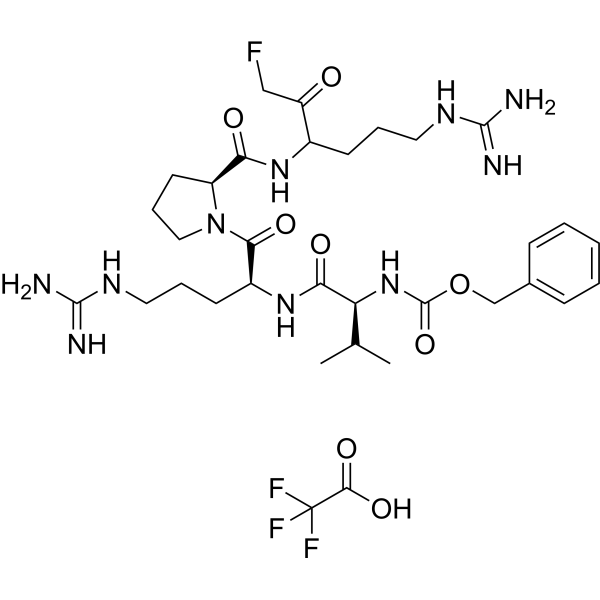
Z-Val-Arg-Pro-DL-Arg-Fluoromethylketone TFA is an irreversible MALT1 protein inhibitor. Z-Val-Arg-Pro-DL-Arg-Fluoromethylketone TFA inhibits the growth and invasion of diffuse large B-cell lymphoma by inhibiting MALT1-induced NF-κB activation and MMP expression .
|
-
-
- HY-126584
-
|
VAL-VAL
|
Drug Intermediate
Oligopeptide Cotransporter
|
Others
|
|
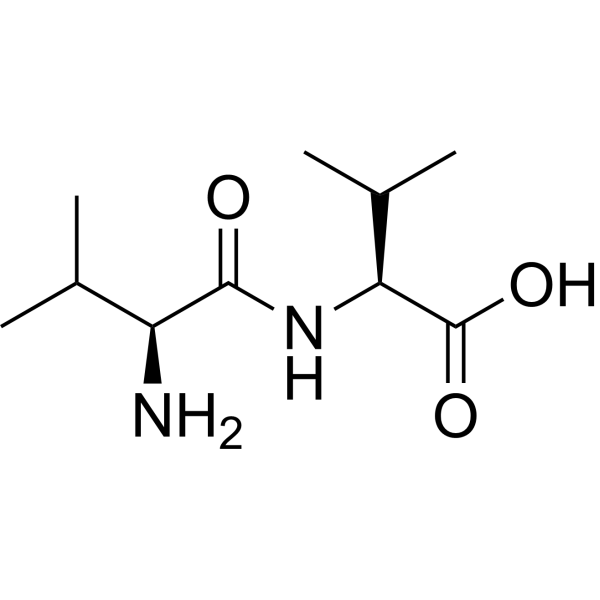
H-Val-Val-OH (Val-Val) is a stereochemistry-dependent substrate and inhibitor of apical oligopeptide transporters. H-Val-Val-OH undergoes apical intracellular accumulation in human intestinal cells via carrier-mediated transport, and inhibits the uptake of Cephalexin (HY-B0200) through interaction with transporters. Substitution of L-valine with D-valine in H-Val-Val-OH abolishes its binding ability to apical oligopeptide transporters .
|
-
-
- HY-177578
-
|
|
Antibody-Drug Conjugates (ADCs)
c-Kit
Apoptosis
Microtubule/Tubulin
ERK
Akt
Caspase
|
Cancer
|
|
NN3201 is a c-Kit-targeting antibody-drug conjugate (ADC) with high affinity (KD = 0.19 pM). NN3201 is composed of 4-(3-Tosyl-2-(tosylmethyl)propanoyl)benzoic acid-glu(PEG24-Me)-val-cit-NH-benzyloxyformic acid-MMAE (HY-178219) and an anti-c-Kit human monoclonal antibody NN2101 (HY-P991293). NN3201 rapidly internalizes and inhibits stem cell factor (SCF)-driven signaling, thereby delivering its payload to induce cell cycle arrest and apoptosis. NN3201 exhibits no Fc-mediated effector functions antibody-dependent cell-mediated cytotoxicity (ADCC)/complement-dependent cytotoxicity (CDC) due to reduced FcγR binding. NN3201 exhibits significant c-Kit-dependent anti-tumor efficacies in various tumor models. NN3201 can be used in small cell lung cancer (SCLC) and gastrointestinal stromal tumor (GIST) and acute myeloid leukemia (AML) research [1][2].
|
-
-
- HY-P3726
-
|
|
Integrin
|
Inflammation/Immunology
Cancer
|
|
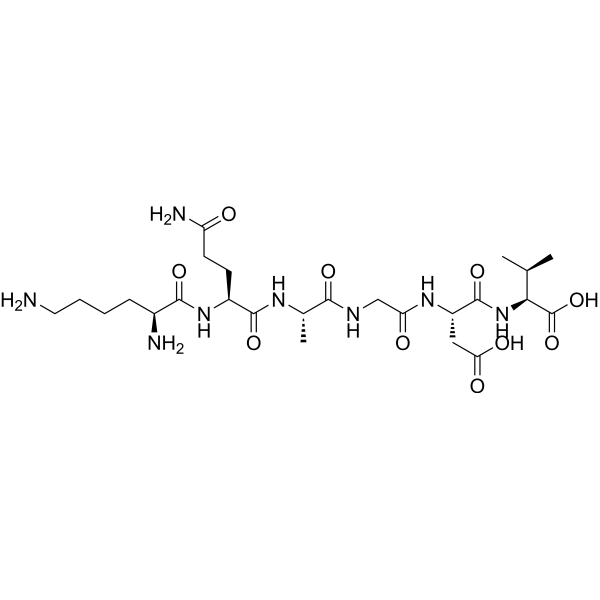
Lys-Gln-Ala-Gly-Asp-Val (KQAGDV) is the six most carboxyl-terminal amino acids in the fibrinogen γ-chain sequence. Lys-Gln-Ala-Gly-Asp-Val is a cell adhesion peptide which is mediated through the α2bβ3 integrin. Lys-Gln-Ala-Gly-Asp-Val is a potent adhesion ligand for smooth muscle cells (SMCs) .
|
-
-
- HY-P4668
-
|
VAL-Leu; H-VAL-Leu-OH
|
Bacterial
|
Infection
|
|
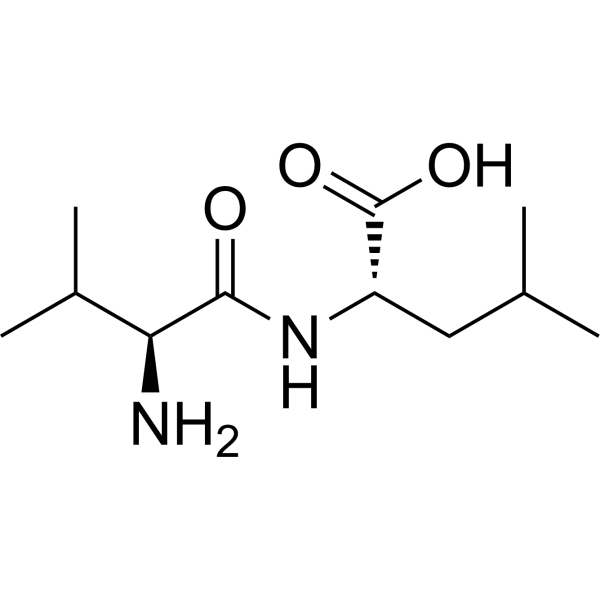
Valylleucine (Val-Leu; H-Val-Leu-OH) is a branched-chain dipeptide that can enter cells independently via bacterial dipeptide transport systems, and is hydrolyzed by dipeptidases to release Val and Leu. Valylleucine, as a model peptide, has its α-amino pK determined to be 7.90 by combining FDNB reaction kinetics with potentiometric titration .
|
-
-
- HY-P4668A
-
|
VAL-Leu TFA; H-VAL-Leu-OH TFA
|
Bacterial
|
Infection
|
|
Valylleucine (Val-Leu; H-Val-Leu-OH) TFA is a branched-chain dipeptide that can enter cells independently via bacterial dipeptide transport systems, and is hydrolyzed by dipeptidases to release Val and Leu. Valylleucine TFA, as a model peptide, has its α-amino pK determined to be 7.90 by combining FDNB reaction kinetics with potentiometric titration .
|
-
-
- HY-P4532
-
|
|
Cathepsin
|
Neurological Disease
|
|
Ac-Leu-Val-Lys-Aldehyde is a potent cathepsin B inhibitor with IC50s of 4 nM. Ac-Leu-Val-Lys-Aldehyde significantly reduces quinolinic acid (HY-100807)-induced striatal cell death and causes accumulation of LC3-II .
|
-
-
- HY-178219
-
|
|
Drug-Linker Conjugates for ADC
Microtubule/Tubulin
Apoptosis
|
Cancer
|
|
Bis-sulfone-(PEG24)-Glu-Val-Cit-PAB-MMAE is a drug-linker conjugate for ADC. Bis-sulfone-(PEG24)-Glu-Val-Cit-PAB-MMAE contains a linker and bioactive small molecule toxins MMAE (HY-15162). Bis-sulfone-(PEG24)-Glu-Val-Cit-PAB-MMAE can conjugate with NN2101 (HY-P991293) (anti c-Kit) for synthesizing NN3201. NN3201 rapidly internalizes and inhibits SCF-driven signaling, thereby delivering its payload to induce cell cycle arrest and apoptosis. NN3201 exhibits significant c-Kit-dependent anti-tumor efficacies in various tumor models, such as small cell lung cancer (SCLC) and gastrointestinal stromal tumor (GIST) .
|
-
-
- HY-12362G
-
|
|
ADC Linker
|
Cancer
|
|
Val-cit-PAB-OH GMP is a GMP grade Val-cit-PAB-OH (HY-12362). GMP small molecules works appropriately as an auxiliary reagent for cell therapy manufacture. Val-cit-PAB-OH is a degradable ADC linker.
|
-
-
- HY-20336G
-
|
|
ADC Linker
|
Cancer
|
|
Mc-Val-Cit-PABC-PNP GMP is a GMP grade Mc-Val-Cit-PABC-PNP (HY-20336). GMP small molecules works appropriately as an auxiliary reagent for cell therapy manufacture. Mc-Val-Cit-PABC-PNP is a cathepsin cleavable ADC linker. Mc-Val-Cit-PABC-PNP can be used in the synthesis of antibody-drug conjugates (ADCs) .
|
-
-
- HY-161780
-
|
|
Drug-Linker Conjugates for ADC
CDK
|
Cancer
|
|
Maleimide-Val-Ala-PAB-SNS032 is a conjugate of ADC toxin and linker. SNS032 is an inhibitor for CDK, inhibiting the cell cycle at G1/S phase and cell viability of cancer cells. Maleimide-Val-Ala-PAB is a cleavable ADC linker. Maleimide-Val-Ala-PAB-SNS032 can be utilized for the synthesis of ADC molecules .
|
-
-
- HY-P5989
-
|
Mu-VAL-HPh-FMK
|
Antibiotic
|
Infection
|
|
Calpain inhibitor V (Mu-Val-HPh-FMK) is a cell-permeable and irreversible inhibitor of calpain that has anti-chlamydial activity .
|
-
-
- HY-108137A
-
|
|
Cathepsin
HSV
SARS-CoV
|
Infection
|
|
Z-L(D-Val)G-CHN2 is the isoform of Z-LVG-CHN2 (HY-108137). Z-LVG-CHN2 is a cell-permeable and irreversible inhibitor of cysteine proteinase. Z-LVG-CHN2 is a tripeptide derivative and mimics part of the human cysteine proteinase-binding center. Z-LVG-CHN2 displays an inhibition on HSV whereas no significant effect on poliovirus replication. Z-LVG-CHN2 effectively blocks SARS-COV-2 replication (EC50=190 nM) via inhibition of SARS-COV-2 3CL pro protease .
|
-
-
- HY-P3972
-
|
|
TGF-β Receptor
|
Cancer
|
|
H-ILE-ARG-VAL-VAL-MET-OH is a pentapeptide from C7 with a domain that supports cell attachment. H-ILE-ARG-VAL-VAL-MET-OH is also the sequence fragment that binds to the thrombospondin-1 (TS1) receptor .
|
-
-
- HY-152919
-
|
|
ADC Linker
|
Cancer
|
|
Mal-amide-PEG8-Val-Cit-PAB-OH is a cleavable ADC linker featuring a maleimide, a hydrophilic PEG spacer, a Val-Cit dipeptide, and a PAB functional group. Maleimide is used to covalently bind free thiols on the cysteine residues of proteins. The Val-Cit dipeptide is cleaved by cellular proteases within the cell to allow for efficient payload delivery with the help of the PAB structure.
|
-
-
- HY-W800837
-
|
|
ADC Linker
|
Cancer
|
|
t-Boc-N-amido-PEG4-Val-Cit is a protease-cleavable ADC linker featuring a Boc-protected amine, a hydrophilic PEG spacer, and a Val-Cit dipeptide. The Val-Cit dipeptide is cleavable by cell proteases and features a carboxylic acid which is free for coupling reactions with amines to form amides. The Boc can be removed under acidic conditions to reveal a free primary amine, which may be used in a variety of reactions such as coupling or reductive amination.
|
-
-
- HY-P4544
-
|
|
MALT1
NF-κB
MMP
|
Cancer
|
|
Z-Val-Arg-Pro-DL-Arg-Fluoromethylketone is an irreversible MALT1 protein inhibitor. Z-Val-Arg-Pro-DL-Arg-Fluoromethylketone inhibits the growth and invasion of diffuse large B-cell lymphoma by inhibiting MALT1-induced NF-κB activation and MMP expression .
|
-
-
- HY-W800625
-
|
|
ADC Linker
|
Cancer
|
|
Boc-PEG4-Val-Cit-PAB-OH is an enzyme-cleavable ADC linker featuring a Boc-protected amine, a hydrophilic PEG spacer, and a Val-Cit-PAB dipeptide. The benzylic alcohol on the PAB can be used to attach with reactive groups such as PNP for conjugation with drug payloads. The Boc protecting group may be removed with acid to reveal a primary amine which may be used in coupling reactions to form amides. The Val-Cit-PAB is cleaved by cellular proteases for efficient release of payloads to the cell.
|
-
-
- HY-W800621
-
|
|
ADC Linker
|
Cancer
|
|
Fmoc-PEG2-Val-Cit-PAB-OH is an enzyme-cleavable ADC linker featuring a Boc-protected amine, a hydrophilic PEG spacer, and a Val-Cit-PAB dipeptide. The benzylic alcohol on the PAB can be used to attach with reactive groups such as PNP for conjugation with drug payloads. The Fmoc protecting group may be removed with piperidine to reveal a primary amine for use in coupling reactions to form amides. The Val-Cit-PAB is cleaved by cellular proteases for efficient release of payloads to the cell.
|
-
-
- HY-W800623
-
|
|
ADC Linker
|
Cancer
|
|
Fmoc-PEG6-Val-Cit-PAB-OH is an enzyme-cleavable ADC linker featuring a Boc-protected amine, a hydrophilic PEG spacer, and a Val-Cit-PAB dipeptide. The benzylic alcohol on the PAB can be used to attach with reactive groups such as PNP for conjugation with drug payloads. The Fmoc protecting group may be removed with piperidine to reveal a primary amine which may be used in coupling reactions to form amides. The Val-Cit-PAB is cleaved by cellular proteases for efficient release of payloads to the cell.
|
-
-
- HY-W800622
-
|
|
ADC Linker
|
Cancer
|
|
Fmoc-PEG4-Val-Cit-PAB-OH is an enzyme-cleavable ADC linker featuring a Boc-protected amine, a hydrophilic PEG spacer, and a Val-Cit-PAB dipeptide. The benzylic alcohol on the PAB can be used to attach with reactive groups such as PNP for conjugation with drug payloads. The Fmoc protecting group may be removed with piperidine to reveal a primary amine which may be used in coupling reactions to form amides. The Val-Cit-PAB is cleaved by cellular proteases for efficient release of payloads to the cell.
|
-
-
- HY-W800624
-
|
|
ADC Linker
|
Cancer
|
|
Boc-PEG2-Val-Cit-PAB-OH is an enzyme-cleavable ADC linker featuring a Boc-protected amine, a hydrophilic PEG spacer, and a Val-Cit-PAB dipeptide. The benzylic alcohol on the PAB can be used to attach with reactive groups such as PNP for conjugation with drug payloads. The Boc protecting group may be removed with acid to reveal a primary amine which may be used in coupling reactions to form amides. The Val-Cit-PAB is cleaved by cellular proteases for efficient release of payloads to the cell.
|
-
-
- HY-W800814
-
|
|
ADC Linker
|
Cancer
|
|
Azido-PEG8-Amido-Val-Cit-PAB is a cleavable ADC linker. The Val-Cit will specifically be cleaved by Cathepsin B. As this enzyme is only present in the lysosome, the ADC payload will be released only in the cell. Azido will react with DBCO, BCN or other alkyne groups through click chemistry. PEG spacer increases aqueous solubility. Reagent grade, for research purpose.
|
-
-
- HY-W011254
-
|
Ac-VAL-Ala-Asp-CHO
|
Caspase
|
Cancer
|
|
Ac-VAD-CHO (Ac-Val-Ala-Asp-CHO) is a pan-caspase inhibitor. Ac-VAD-CHO inhibits dissipation of MMP and cytochrome c release in hypoxia-exposed cells .
|
-
-
- HY-W800618
-
|
|
ADC Linker
|
Others
|
|
NH2-PEG3-Val-Cit-PAB-OH is a cleavable ADC linker featuring a primary amine, a hydrophilic PEG spacer, a Val-Cit dipeptide, and a PAB group. The benzylic alcohol on the PAB can be used to attach with reactive groups such as PNP for conjugation with drug payloads. The primary amine is free to perform a wide variety of reactions such as coupling with carboxylic acids, reductive aminations with ketones or aldehydes, or other more specialized uses such as in SNAr reactions or heterocyclic chemistry. The Val-Cit dipeptide is cleaved by cellular proteases within the cell to allow for efficient payload delivery via an elimination mechanism within the PAB structure.
|
-
-
- HY-W800617
-
|
|
ADC Linker
|
Cancer
|
|
NH2-PEG1-Val-Cit-PAB-OH is a cleavable ADC linker intermediate featuring a primary amine, a hydrophilic PEG spacer, a Val-Cit dipeptide, and a PAB group. The benzylic alcohol on the PAB can be used to attach with reactive groups such as PNP for conjugation with drug payloads. The primary amine is free to perform a wide variety of reactions such as coupling with carboxylic acids, reductive aminations with ketones or aldehydes, or other more specialized uses such as in SNAr reactions or heterocyclic chemistry. The Val-Cit dipeptide is cleaved by cellular proteases within the cell to allow for efficient payload delivery via an elimination mechanism within the PAB structure.
|
-
-
- HY-W800619
-
|
|
ADC Linker
|
Others
|
|
NH2-PEG4-Val-Cit-PAB-OH is a cleavable ADC linker featuring a primary amine, a hydrophilic PEG spacer, a Val-Cit dipeptide, and a PAB group. The benzylic alcohol on the PAB can be used to attach with reactive groups such as PNP for conjugation with drug payloads. The primary amine is free to perform a wide variety of reactions such as coupling with carboxylic acids, reductive aminations with ketones or aldehydes, or other more specialized uses such as in SNAr reactions or heterocyclic chemistry. The Val-Cit dipeptide is cleaved by cellular proteases within the cell to allow for efficient payload delivery via an elimination mechanism within the PAB structure.
|
-
-
- HY-W800620
-
|
|
ADC Linker
|
Others
|
|
NH2-PEG6-Val-Cit-PAB-OH is a cleavable ADC linker featuring a primary amine, a hydrophilic PEG spacer, a Val-Cit dipeptide, and a PAB group. The benzylic alcohol on the PAB can be used to attach with reactive groups such as PNP for conjugation with drug payloads. The primary amine is free to perform a wide variety of reactions such as coupling with carboxylic acids, reductive aminations with ketones or aldehydes, or other more specialized uses such as in SNAr reactions or heterocyclic chemistry. The Val-Cit dipeptide is cleaved by cellular proteases within the cell to allow for efficient payload delivery via an elimination mechanism within the PAB structure.
|
-
-
- HY-P99803
-
|
VAL-1221
|
Glycosidase
|
Others
|
|
Clervonafusp alfa (VAL-1221) is a fusion protein targeting both cytosolic and lysosomal glycogen. Clervonafusp alfa is comprised of the Fab portion of a cell-penetrating antibody and recombinant human acid alpha glucosidase (rhGAA), the former utilizing the nucleoside transporter ENT-2 to gain access to the cytosol, and the latter enters lysosomes via mannose-6-phosphate receptors (M6PRs). Clervonafusp alfa can be used for late-onset Pompe disease research .
|
-
-
- HY-P4900
-
|
|
Caspase
|
Others
|
|
Fluorescein-6-carbonyl-Asp(OMe)-Glu(OMe)-Val-DL-Asp(OMe)-fluoromethylketone is a cell-permeable, non-toxic inhibitor that binds irreversibly to activated caspase-3 in apoptotic cells. The fluorescence intensity can be measured by flow cytometry, microwell plate reader, or fluorescence microscopy .
|
-
-
- HY-186131
-
|
|
Drug Derivative
HBV
|
Infection
|
|
Val-CDCA is a chenodeoxycholate (CDCA) and C-24 L-Valine (HY-N0717) conjugate. Val-CDCA inhibits taurocholate uptake in human NTCP-stably transfected HEK293 cells. Val-CDCA can be used for HBV infection .
|
-
-
- HY-185494
-
|
|
Drug-Linker Conjugates for ADC
DNA Alkylator/Crosslinker
|
Cancer
|
|
Mal-Val-Lys-PAB-CBI-PBD dimer is a Drug-Linker Conjugates for ADC. Mal-Val-Lys-PAB-CBI-PBD dimer consists of the ADC Cytotoxin CBI-PBD dimer and a linker Mal-Val-Lys-PAB. Mal-Val-Lys-PAB-CBI-PBD dimer exhibits alkylating activity at A-T-rich DNA minor groove adenine residues, disrupting DNA integrity. Mal-Val-Lys-PAB-CBI-PBD dimer induces cancer cell growth inhibition and cellular death. Mal-Val-Lys-PAB-CBI-PBD dimer can be used for the research of cancer .
|
-
-
- HY-160756
-
|
|
Drug-Linker Conjugates for ADC
Topoisomerase
|
Cancer
|
|
Val-Cit-Exatecan is a peptide-linked anti-tumor payload that can be used for the synthesis of antibody-drug conjugates (ADC). Val-Cit-Exatecan consists of DNA TopI inhibitor Exatecan (HY-13631) and a cathepsin-cleavable ADC linker (valine-citrulline). Val-Cit-Exatecan can be used in the research of colorectal cancer, gastric cancer, breast cancer, non-small cell lung cancer, ovarian cancer, head and neck cancer, pancreatic cancer, cervical cancer, and melanoma .
|
-
-
- HY-142079
-
|
|
Drug Derivative
|
Cancer
|
|
Br-C1-CONH-C5-CO-Val-Cit-PAB-MMAE (compound 62) is a drug-linker conjugate that contains a monomethyl auristatin E (MMAE) drug moiety, which is linked to a bromoacetamide-containing extension unit via a valine-citrulline (Val-Cit) dipeptide and a self-immolative p-aminobenzyl (PAB) spacer. Br-C1-CONH-C5-CO-Val-Cit-PAB-MMAE is applicable to the research of breast cancer, anaplastic large cell lymphoma and lung adenocarcinoma .
|
-
-
- HY-185428
-
|
|
Antibody-Drug Conjugates (ADCs)
CD20
|
Cancer
|
|
TRS-005 is an anti-CD20 ADC, formed by conjugating an anti-CD20 monoclonal antibody to MMAE (HY-15162) via a Val-Cit (HY-140014) linker. TRS-005 targets CD20-positive tumor cells and delivers MMAE into cells through receptor-mediated endocytosis. TRS-005 can be used for research on relapsed/refractory B-cell non-Hodgkin lymphoma (specifically diffuse large B-cell lymphoma) .
|
-
-
- HY-171982
-
|
|
Biochemical Assay Reagents
|
Others
|
|
ATII (Traseolide), a Polycyclic musk fragrance, is a hydrophobic hapten. ATII has no genotoxicity in the human lymphocytes and the human hepatoma cell line Hep G2. ATII can be bound by antibody M02/05/01 (H93 Val) with superior binding capacity. ATII can be conjugated to carrier proteins for antigen design .
|
-
-
- HY-P992171
-
|
HuBa-1-3D
|
ADC Antibody
EGFR
|
Neurological Disease
Cancer
|
|
ADCT-701 Antibody is a humanized IgG1 antibody against hDLK-1 and an ADC antibody. ADCT-701 Antibody can be conjugated with the PBD dimer cytotoxin SG3199 (HY-101161) via the cleavable Val-Ala (HY-W007035) linker to construct the ADC ADCT-701. ADCT-701 Antibody can be used in the research of neuroblastoma, hepatocellular carcinoma, small cell lung cancer, and rhabdomyosarcoma .
|
-
-
- HY-183282
-
|
|
Deubiquitinase
|
Cancer
|
|
LC-U7-44 is a potent USP7 inhibitor with an IC50 of 0.96 μM. LC-U7-44 binds to the hydrophobic catalytic pocket of USP7, forming hydrogen bonds with Gln297, Arg408, Asp295, Val296, and Gln351, and hydrophobic interactions with Leu406. LC-U7-44 exerts anti-proliferative effects on prostate cancer cells. LC-U7-44 can be used for the research of prostate cancer .
|
-
- HY-182764A
-
|
|
CDK
|
Cancer
|
|
CDK11-IN-1 hydrochloride is a potent, highly selective, and orally active CDK11 inhibitor with an IC50 of 4 nM, showing 32.5-fold and 2700-fold selectivity over CDK7 and CDK9, respectively. CDK11-IN-1 hydrochloride binds competitively to the ATP-binding pocket of CDK11 and forms a hydrogen bond with the hinge region residue Val163. It inhibits tumor cell proliferation and exhibits antitumor activity in lung cancer xenograft models. CDK11-IN-1 hydrochloride can be used for studies on the pathophysiology of CDK11-mediated tumors, as well as research on malignant tumors such as lung cancer .
|
-
- HY-171744
-
|
|
Casein Kinase
|
Cancer
|
|
CX-5279 is an efficient and selective CK2 inhibitor with IC50 values for nCK2 and CK2α of 2.73 and 0.91 nM, respectively. CX-5279 is sensitive to mutations at Val66, Ile174, and V66I174AA, with IC50 values of 13.8, 12.5, and 23.35 nM, respectively. CX-5279's inhibitory activity against PIM1 is very weak, with a IC50 value of 8.52 μM. CX-5279 exhibits anti-proliferative activity in various cancer cell lines. CX-5279 can be used for research on cancers such as pancreatic cancer and leukemia .
|
-
| Cat. No. |
Product Name |
Type |
-
- HY-164729
-
|
|
Fluorescent Dyes
|
|
FZ-AD005 is a DLL3-targeting antibody-drug conjugate (ADC) with high selectivity, composed of the anti-DLL3 antibody FZ-A038 (HY-P990896), a dipeptide linker (Val-Ala), and DXd (HY-13631D). The Kd value of FZ-AD005 for human DLL3 ranges from 13.29 to 58.3 pmol/L. After binding to DLL3 on the cell surface, FZ-AD005 mediates endocytosis, and the payload DXd is released via cleavage by lysosomal cathepsins. DXd inhibits topoisomerase TopI to induce double-strand DNA breaks, cell cycle arrest and apoptosis, and FZ-AD005 exhibits bystander killing activity against adjacent DLL3-negative cells. FZ-AD005 shows stable circulation in vivo, has good tolerance and acceptable pharmacokinetic profiles in rats and cynomolgus monkeys, and effectively inhibits the growth of DLL3-expressing tumor cells. FZ-AD005 serves as a promising candidate molecule for research on small cell lung cancer and human neuroendocrine prostate cancer .
|
-
- HY-12362G
-
|
|
Fluorescent Dyes
|
|
Val-cit-PAB-OH GMP is a GMP grade Val-cit-PAB-OH (HY-12362). GMP small molecules works appropriately as an auxiliary reagent for cell therapy manufacture. Val-cit-PAB-OH is a degradable ADC linker.
|
-
- HY-20336G
-
|
|
Fluorescent Dyes
|
|
Mc-Val-Cit-PABC-PNP GMP is a GMP grade Mc-Val-Cit-PABC-PNP (HY-20336). GMP small molecules works appropriately as an auxiliary reagent for cell therapy manufacture. Mc-Val-Cit-PABC-PNP is a cathepsin cleavable ADC linker. Mc-Val-Cit-PABC-PNP can be used in the synthesis of antibody-drug conjugates (ADCs) .
|
| Cat. No. |
Product Name |
Type |
-
- HY-12362G
-
|
|
Biochemical Assay Reagents
|
|
Val-cit-PAB-OH GMP is a GMP grade Val-cit-PAB-OH (HY-12362). GMP small molecules works appropriately as an auxiliary reagent for cell therapy manufacture. Val-cit-PAB-OH is a degradable ADC linker.
|
-
- HY-20336G
-
|
|
Biochemical Assay Reagents
|
|
Mc-Val-Cit-PABC-PNP GMP is a GMP grade Mc-Val-Cit-PABC-PNP (HY-20336). GMP small molecules works appropriately as an auxiliary reagent for cell therapy manufacture. Mc-Val-Cit-PABC-PNP is a cathepsin cleavable ADC linker. Mc-Val-Cit-PABC-PNP can be used in the synthesis of antibody-drug conjugates (ADCs) .
|
| Cat. No. |
Product Name |
Target |
Research Area |
-
- HY-P4322
-
|
|
ERK
Akt
|
Neurological Disease
Cancer
|
|
H-Ile-Lys-Val-Ala-Val-OH is one of the most potent active sites of laminin-1. H-Ile-Lys-Val-Ala-Val-OH promotes cell adhesion, neurite outgrowth, and tumor growth. H-Ile-Lys-Val-Ala-Val-OH stimulates BMMSC population growth and proliferation by activating MAPK/ERK1/2 and PI3K/Akt signalling pathways .
|
-
- HY-P1407
-
|
|
MALT1
NF-κB
MMP
|
Cancer
|
|
Z-Val-Arg-Pro-DL-Arg-Fluoromethylketone TFA is an irreversible MALT1 protein inhibitor. Z-Val-Arg-Pro-DL-Arg-Fluoromethylketone TFA inhibits the growth and invasion of diffuse large B-cell lymphoma by inhibiting MALT1-induced NF-κB activation and MMP expression .
|
-
- HY-126584
-
|
VAL-VAL
|
Drug Intermediate
Oligopeptide Cotransporter
|
Others
|
|
H-Val-Val-OH (Val-Val) is a stereochemistry-dependent substrate and inhibitor of apical oligopeptide transporters. H-Val-Val-OH undergoes apical intracellular accumulation in human intestinal cells via carrier-mediated transport, and inhibits the uptake of Cephalexin (HY-B0200) through interaction with transporters. Substitution of L-valine with D-valine in H-Val-Val-OH abolishes its binding ability to apical oligopeptide transporters .
|
-
- HY-P3726
-
|
|
Integrin
|
Inflammation/Immunology
Cancer
|
|
Lys-Gln-Ala-Gly-Asp-Val (KQAGDV) is the six most carboxyl-terminal amino acids in the fibrinogen γ-chain sequence. Lys-Gln-Ala-Gly-Asp-Val is a cell adhesion peptide which is mediated through the α2bβ3 integrin. Lys-Gln-Ala-Gly-Asp-Val is a potent adhesion ligand for smooth muscle cells (SMCs) .
|
-
- HY-P4668
-
|
VAL-Leu; H-VAL-Leu-OH
|
Bacterial
|
Infection
|
|
Valylleucine (Val-Leu; H-Val-Leu-OH) is a branched-chain dipeptide that can enter cells independently via bacterial dipeptide transport systems, and is hydrolyzed by dipeptidases to release Val and Leu. Valylleucine, as a model peptide, has its α-amino pK determined to be 7.90 by combining FDNB reaction kinetics with potentiometric titration .
|
-
- HY-P4668A
-
|
VAL-Leu TFA; H-VAL-Leu-OH TFA
|
Bacterial
|
Infection
|
|
Valylleucine (Val-Leu; H-Val-Leu-OH) TFA is a branched-chain dipeptide that can enter cells independently via bacterial dipeptide transport systems, and is hydrolyzed by dipeptidases to release Val and Leu. Valylleucine TFA, as a model peptide, has its α-amino pK determined to be 7.90 by combining FDNB reaction kinetics with potentiometric titration .
|
-
- HY-P4532
-
|
|
Cathepsin
|
Neurological Disease
|
|
Ac-Leu-Val-Lys-Aldehyde is a potent cathepsin B inhibitor with IC50s of 4 nM. Ac-Leu-Val-Lys-Aldehyde significantly reduces quinolinic acid (HY-100807)-induced striatal cell death and causes accumulation of LC3-II .
|
-
- HY-P3703
-
|
|
Peptides
|
Others
|
|
H-Val-Thr-Cys-Gly-OH is a cell attachment peptide. H-Val-Thr-Cys-Gly-OH is a bioactive molecule used for cell adhesion or other cell interactions .
|
-
- HY-P5989
-
|
Mu-VAL-HPh-FMK
|
Antibiotic
|
Infection
|
|
Calpain inhibitor V (Mu-Val-HPh-FMK) is a cell-permeable and irreversible inhibitor of calpain that has anti-chlamydial activity .
|
-
- HY-P3972
-
|
|
TGF-β Receptor
|
Cancer
|
|
H-ILE-ARG-VAL-VAL-MET-OH is a pentapeptide from C7 with a domain that supports cell attachment. H-ILE-ARG-VAL-VAL-MET-OH is also the sequence fragment that binds to the thrombospondin-1 (TS1) receptor .
|
-
- HY-P4544
-
|
|
MALT1
NF-κB
MMP
|
Cancer
|
|
Z-Val-Arg-Pro-DL-Arg-Fluoromethylketone is an irreversible MALT1 protein inhibitor. Z-Val-Arg-Pro-DL-Arg-Fluoromethylketone inhibits the growth and invasion of diffuse large B-cell lymphoma by inhibiting MALT1-induced NF-κB activation and MMP expression .
|
-
- HY-W011254
-
|
Ac-VAL-Ala-Asp-CHO
|
Caspase
|
Cancer
|
|
Ac-VAD-CHO (Ac-Val-Ala-Asp-CHO) is a pan-caspase inhibitor. Ac-VAD-CHO inhibits dissipation of MMP and cytochrome c release in hypoxia-exposed cells .
|
-
- HY-P4900
-
|
|
Caspase
|
Others
|
|
Fluorescein-6-carbonyl-Asp(OMe)-Glu(OMe)-Val-DL-Asp(OMe)-fluoromethylketone is a cell-permeable, non-toxic inhibitor that binds irreversibly to activated caspase-3 in apoptotic cells. The fluorescence intensity can be measured by flow cytometry, microwell plate reader, or fluorescence microscopy .
|
| Cat. No. |
Product Name |
Target |
Research Area |
Image |
-
- HY-P99803
-
|
VAL-1221
|
Glycosidase
|
Others
|
|
Clervonafusp alfa (VAL-1221) is a fusion protein targeting both cytosolic and lysosomal glycogen. Clervonafusp alfa is comprised of the Fab portion of a cell-penetrating antibody and recombinant human acid alpha glucosidase (rhGAA), the former utilizing the nucleoside transporter ENT-2 to gain access to the cytosol, and the latter enters lysosomes via mannose-6-phosphate receptors (M6PRs). Clervonafusp alfa can be used for late-onset Pompe disease research .
|
-
(5)
-
- HY-P992171
-
|
HuBa-1-3D
|
ADC Antibody
EGFR
|
Neurological Disease
Cancer
|
|
ADCT-701 Antibody is a humanized IgG1 antibody against hDLK-1 and an ADC antibody. ADCT-701 Antibody can be conjugated with the PBD dimer cytotoxin SG3199 (HY-101161) via the cleavable Val-Ala (HY-W007035) linker to construct the ADC ADCT-701. ADCT-701 Antibody can be used in the research of neuroblastoma, hepatocellular carcinoma, small cell lung cancer, and rhabdomyosarcoma .
|
-
(5)
| Cat. No. |
Product Name |
|
Classification |
-
- HY-172287
-
|
|
|
DBCO
|
|
DBCO-PEG2-Val-Cit-PAB-MMAE is an ADC linker featuring a DBCO group, a Val-Cit dipeptide, a PAB motif, and an MMAE warhead. The DBCO group is a click chemistry handle which readily reacts with azide groups, while the Val-Cit is a protease-cleavable dipeptide which releases the MMAE warhead into cells via an elimination mechanism.
|
-
- HY-W800814
-
|
|
|
Azide
|
|
Azido-PEG8-Amido-Val-Cit-PAB is a cleavable ADC linker. The Val-Cit will specifically be cleaved by Cathepsin B. As this enzyme is only present in the lysosome, the ADC payload will be released only in the cell. Azido will react with DBCO, BCN or other alkyne groups through click chemistry. PEG spacer increases aqueous solubility. Reagent grade, for research purpose.
|
| Cat. No. |
Product Name |
Target |
Research Areas |
Chemical Structure |
-
- HY-12362G
-
|
|
ADC Linker
|
Cancer
|
|
Val-cit-PAB-OH GMP is a GMP grade Val-cit-PAB-OH (HY-12362). GMP small molecules works appropriately as an auxiliary reagent for cell therapy manufacture. Val-cit-PAB-OH is a degradable ADC linker.
|
-
-
- HY-20336G
-
|
|
ADC Linker
|
Cancer
|
|
Mc-Val-Cit-PABC-PNP GMP is a GMP grade Mc-Val-Cit-PABC-PNP (HY-20336). GMP small molecules works appropriately as an auxiliary reagent for cell therapy manufacture. Mc-Val-Cit-PABC-PNP is a cathepsin cleavable ADC linker. Mc-Val-Cit-PABC-PNP can be used in the synthesis of antibody-drug conjugates (ADCs) .
|
-
Your information is safe with us. * Required Fields.
Inquiry Information
- Product Name:
- Cat. No.:
- Quantity:
- MCE Japan Authorized Agent:

