From 11:00 pm to 12:00 pm EST ( 8:00 pm to 9:00 pm PST ) on January 6th, the website will be under maintenance. We are sorry for the inconvenience. Please arrange your schedule properly.
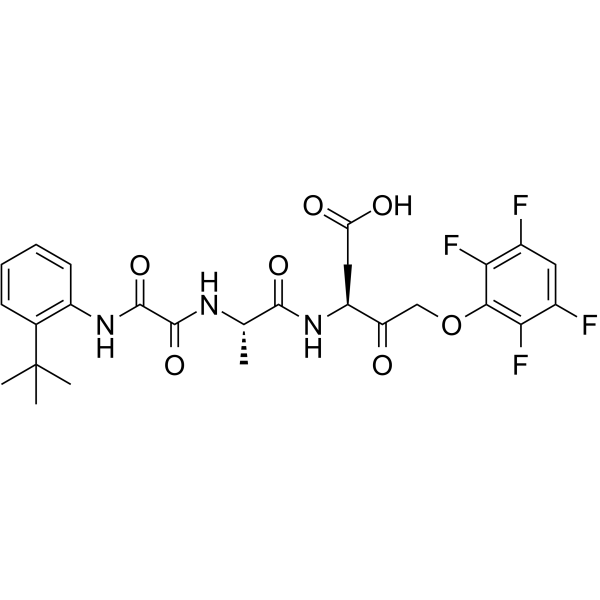
Emricasan (PF 03491390) is an orally active and irreversible pan-caspase inhibitor. Emricasan inhibits Zika virus (ZIKV)-induced increases in caspase-3 activity and protected human cortical neural progenitors .
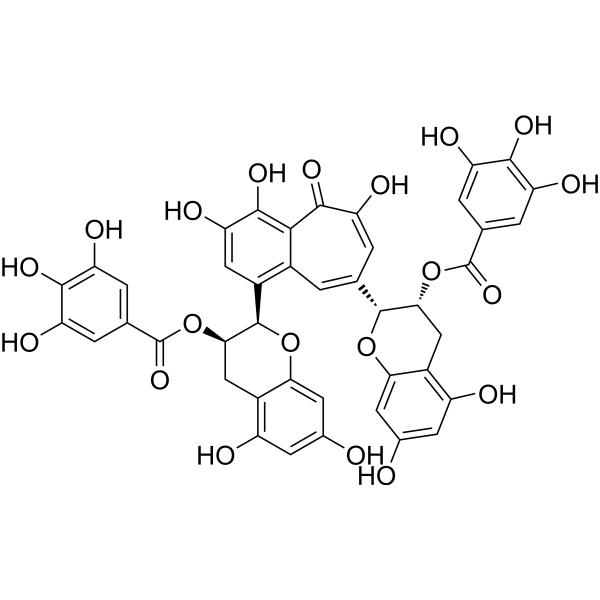
Theaflavin 3,3'-digallate (TF-3) is a potent Zika virus (ZIKV) protease inhibitor with an IC50 of 2.3 μM. Theaflavin 3,3'-digallat directly binds to ZIKVpro (Kd=8.86 μM) and inhibits ZIKV replication. Theaflavin 3,3'-digallat inhibits the activity of gp41 and NS2B-3 protease and has antiviral activity against HSV and HIV-1 . Theaflavin 3,3'-digallate, the typical pigment in black tea, is a potent antitumor agent .
ML-SA1, as a selective TRPML agonist, inhibits Dengue virus 2 (DENV2) and Zika virus (ZIKV) by promoting lysosomal acidification and protease activity. The IC50 value of ML-SA1 against DENV2 RNA and ZIKV RNA is 8.3 μM and 52.99 μM, respectively. ML-SA1 induces autophagy. ML-SA1 can be used for the research of broad-spectrum antiviral .
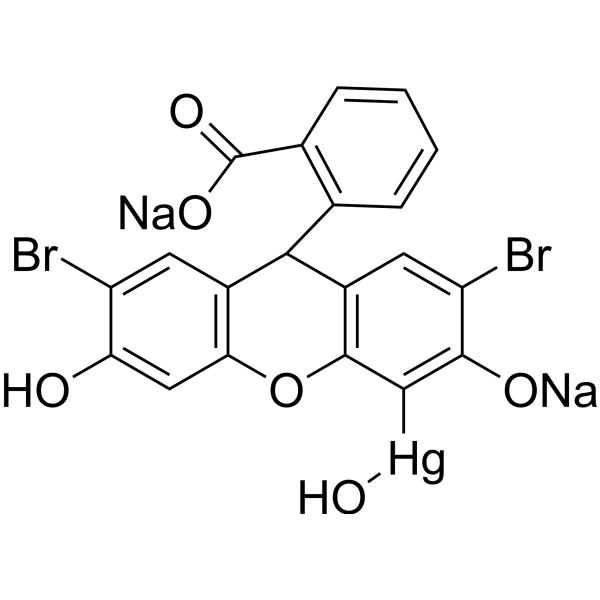
Merbromin is a mixed inhibitor of the 3-chymotrypsin-like protease (3CLpro) of SARS-CoV-2, with an IC50 of 2.7 μM. Merbromin effectively inhibits the replication of the Zika virus (ZIKV) and shows anti-ZIKV activity by inhibiting ZIKVpro. Merbromin can also be used as a topical disinfectant for cuts and scrapes, and it serves as a biological dye .
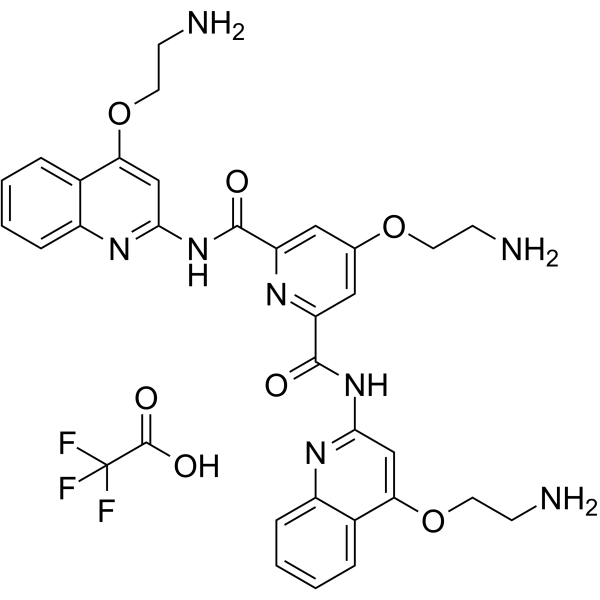
Pyridostatin (RR82) TFA is a G-quadruplex (G4) inducer/stabilizer with a Kd of 490 nM. Pyridostatin TFA also acts as an inhibitor of Zika virus (ZIKV) NS2B-NS3 protease, with an IC50 of 11.0 μM. Pyridostatin TFA interacts with G-quadruplex structures, regulates the expression of SRC and SUB1, and induces replication- and transcription-dependent DNA damage, growth arrest, and genomic instability. Pyridostatin TFA exhibits antiproliferative and antiviral activities. Pyridostatin TFA can be used in studies related to breast cancer, cervical cancer, and Zika virus infection .
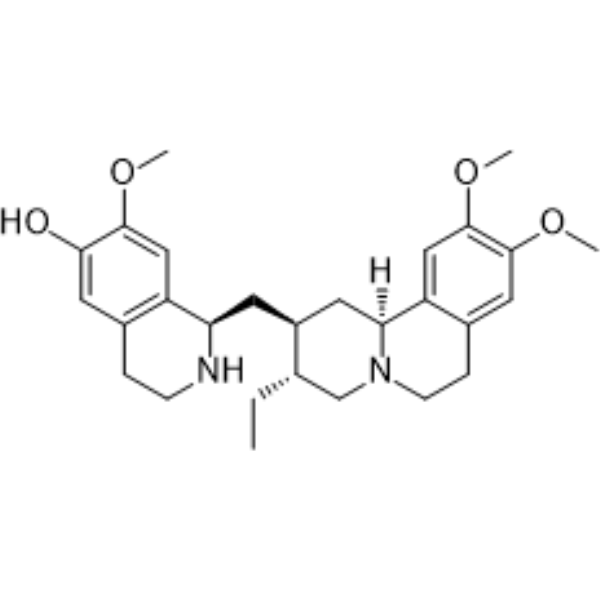
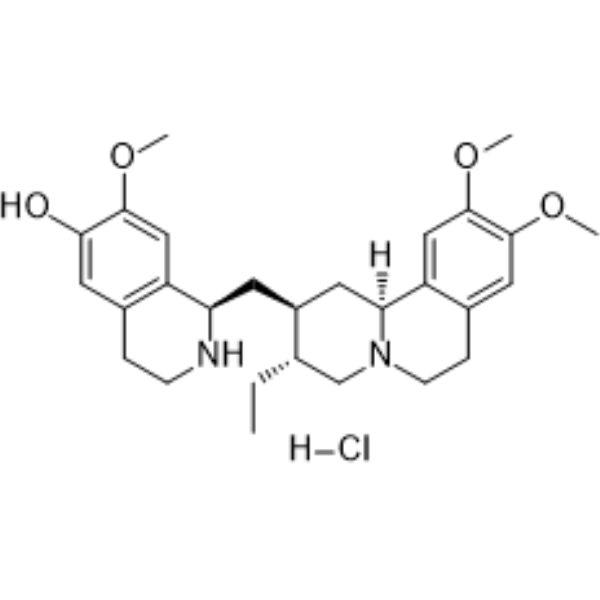
Cephaeline ((-)-Cephaeline), a desmethyl analog of Emetine, is a phenolic alkaloid in Indian Ipecac roots isolated from the Cephaelis ipecacuanha. Cephaeline exhibits potent inhibition of both Zika virus (ZIKV) and Ebola virus (EBOV) infections. Cephaeline is an inductor of histone H3 acetylation and an inhibitor of mucoepidermoid carcinoma cancer stem cells (MEC), which promotes ferroptosis by inhibiting NRF2 to exert anti-lung cancer efficacy .
T-1105, a structural analogue of T-705, is a novel broad-spectrum viral polymerase inhibitor. T-1105 inhibits the polymerases of RNA viruses after being converted to ribonucleoside triphosphate (RTP) metabolite. T-1105 has antiviral activity against various RNA viruses. T-1105 can be formed by nicotinamide mononucleotide adenylyltransferase .
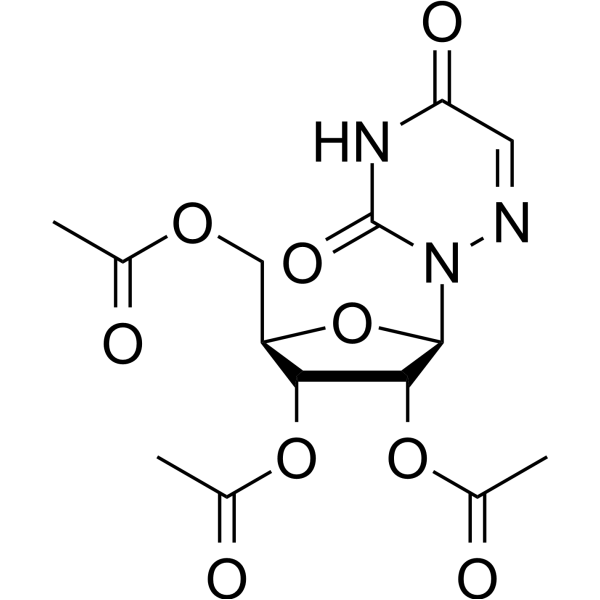
Azaribine (2',3',5'-Tri-O-acetyl-6-azauridine) is a potent orotidine monophosphate decarboxylase (OMPD) inhibitor. Azaribine is an antiviral inhibitor of several RNA viruses and inhibits viral genome replication and gene transcription. Azaribine shows broad-spectrum antiviral activity (EC50=3.80 nM-1.73 μM against influenza A and B viruses; EC50=1.62 μM against ZIKV Paraiba). Azaribine, a triacetate salt of Azauridine, has the potential for psoriasis research .
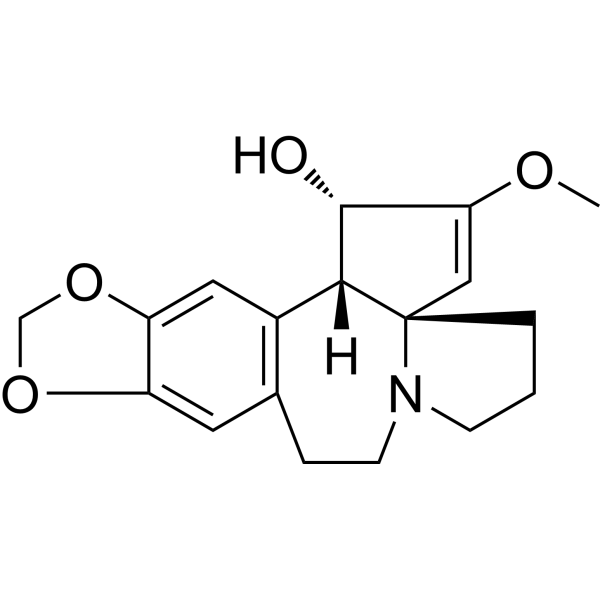
Cephalotaxlen ((-)-Cephalotaxine) is an alkaloid that can be isolated from Cephalotaxus fortunei, with antileukemic and antiviral activities. Cephalotaxlen has anti-ZIKV (Zika virus) activity .
SN 2 is a potent activator of TRPML3 ion channel with an EC50 of 1.8 μM .
SN 2 also acts as a potent inhibitor of Dengue virus 2 (DENV2) and Zika virus (ZIKV) .
10-Undecenoic acid zinc salt (Undecylenic acid zinc salt) is an antifungal agent. 10-Undecenoic acid zinc salt inhibits Aβ oligomerization, scavenges ROS and inhibits μ-calpain activity. 10-Undecenoic acid zinc salt has neuroprotective effects. 10-Undecenoic acid zinc salt has anticancer effects on a variety of tumors. 10-Undecenoic acid zinc salt inhibits C. albicans biofilm formation and MRSA infection. 10-Undecenoic acid zinc salt inhibits quorum sensing signals of Bacillus subtilis and Pseudomonas aeruginosa .
CP26 is a small molecule inhibitor of protein dislocation from the ER lumen to the cytosol. CP26 targets the Hrd1 complex, inhibits ERAD, and induces ER stress .
Pyridostatin (RR82) trihydrochloride is a G-quadruplex (G4) inducer/stabilizer with a Kd of 490 nM. Pyridostatin trihydrochloride also acts as an inhibitor of Zika virus (ZIKV) NS2B-NS3 protease, with an IC50 of 11.0 μM. Pyridostatin trihydrochloride interacts with G-quadruplex structures, regulates the expression of SRC and SUB1, and induces replication- and transcription-dependent DNA damage, growth arrest, and genomic instability. Pyridostatin trihydrochloride exhibits antiproliferative and antiviral activities. Pyridostatin trihydrochloride can be used in studies related to breast cancer, cervical cancer, and Zika virus infection .
JNJ-40418677 is an orally active modulator of γ-secretase, can cross the blood-brain barrier. JNJ-40418677 inhibits Aβ42 and NS2B-NS3 protease, with IC50s of 200 nM and 3.9 μM, respectively. JNJ-40418677 displays good biological tolerance, can be use for Alzheimer’s disease research .
2-Thiouridine is an orally active modified nucleobase. 2-Thiouridine stabilizes U:A base pairs and destabilizes U:G wobble base pairs. 2-Thiouridine significantly improves the efficiency and accuracy of nonenzymatic replication of mixed-sequence A/U-containing RNA templates. 2-Thiouridine exhibits antiviral activity against multiple positive-sense single-stranded RNA viruses (DENV2, ZIKV, YFV, JEV, WNV, CHIKV, human coronaviruses ( [HCoV]-229E, HCoV-OC43, SARS-CoV), and MERS-CoV) .
AH-D peptide is a brain-penetrant antiviral agent disrupting highly curved lipid membranes. AH-D peptide exhibits broad-spectrum antiviral activity against ZIKV, Dengue virus, Chikungunya virus, yellow fever virus and Japanese encephalitis virus, with IC50 values of 11.9, 12.5, 35.7, 206 and 136 nM, respectively. AH-D peptide reduces the viral load in the brain, suppresses inflammation, protects neurons, and does not damage the blood brain barrier. AH-D peptide restores antitumor immunity by decreasing circulating PD-L1 + exosomes, reducing intratumoral immunosuppressive cells (regulatory T cells, myeloid-derived suppressor cells), and enhancing T cell function. AH-D peptide inhibits membrane-enveloped viruses and cancer cell metastasis in vivo. AH-D peptide exhibits no immunogenicity and has negligible effects on normal tissues. AH-D peptide can be used for research in Zika virus and other mosquito-borne viruses, cancer immunotherapy and metastasis .
LabMol-301 inhibits both NS5 RdRp and NS2B-NS3pro activity (IC50: 0.8 and 7.4 μM, respectively). LabMol-301 has a cytoprotective effect and prevents Zika virus (ZIKV)-induced cell death .
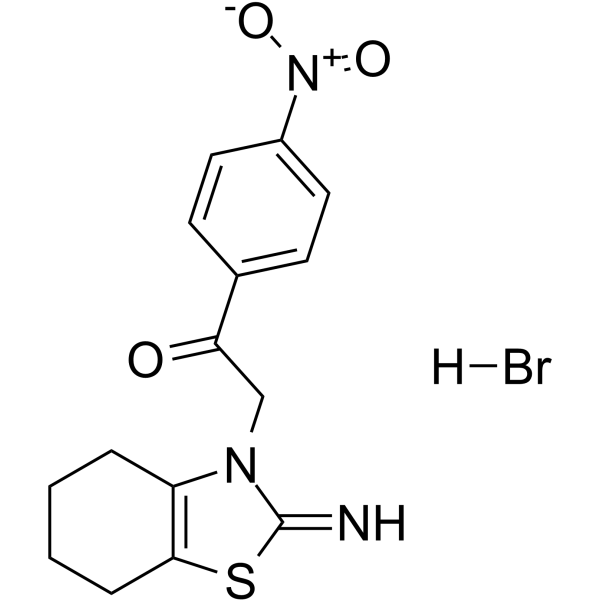
p-nitro-Pifithrin-α, a cell-permeable analog of pifithrin-α, is a potent p53 inhibitor. p-nitro-Pifithrin-α suppresses p53-mediated TGF-β1 expression in HK-2 cells. p-nitro-Pifithrin-α inhibits the activation of caspase-3 by Zika virus (ZIKV) strains. p-nitro-Pifithrin-α attenuates steatosis and liver injury in mice fed a high-fat diet [4].
non-alcoholic fatty liver disease .
DEC-RVRK-CMK (Decanoyl-Arg-Val-Arg-Lys-chloromethylketone) TFA is a peptide-based CMK (chloromethylketone) inhibitor that targets and inactivates the secreted soluble kexin (Kex2) (Ki=8.45 μM). The yeast enzyme Kex2 (kexin, EC 3.4.21.61) is a calcium-dependent transmembrane protease and belongs to the mammalian protease family of the serine protease subtilisin family. The binding mechanism of Kex2 with different CMK inhibitors depends on substrate selectivity, particularly the selective differences between lysine and arginine at the P1 position .
Cephaeline hydrochloride ((-)-Cephaeline hydrochloride) is a phenolic alkaloid in Indian Ipecac roots. Cephaeline hydrochloride exhibits potent inhibition of both Zika virus (ZIKV) and Ebola virus (EBOV) infections .
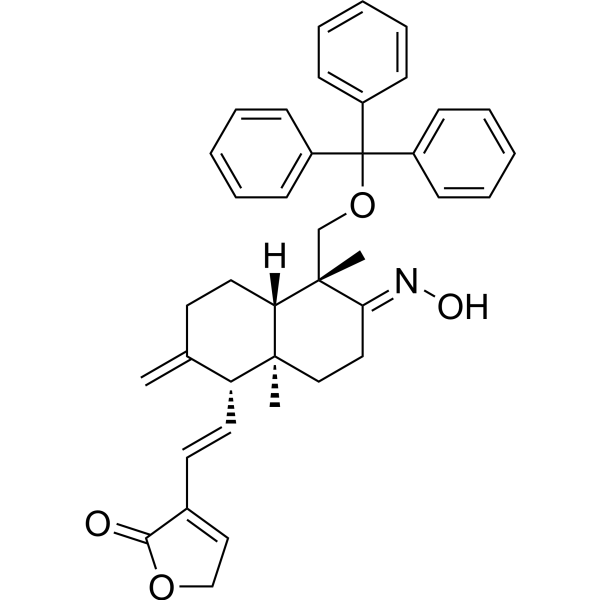
ZIKV-IN-3 (compound 5a), an andrographolide derivatives, is a potent ZIKV NS5 methyl transferase (MTase) inhibitor with an IC50 value of 18.34 μM. ZIKV-IN-3 inhibits ZIKV replication and infection. ZIKV-IN-3 can be used in research of Zika virus (ZIKV) .
CHIKV-IN-1 (Compound 3a) is a compound that inhibits the Chikungunya virus (CHIKV) with an EC50 of 0.12 μM. CHIKV-IN-1 is a potent inhibitor of the S-adenosyl-L-homocysteine hydrolase (SAH hydrolase), with an IC50 of 0.36 μM. CHIKV-IN-1 is only effective against CHIKV and some other alphaviruses, but has no activity against other RNA viruses such as SARS-CoV, MERS-CoV, and ZIKV. CHIKV-IN-1 has extremely low cytotoxicity (CC₅₀ > 250 μM), and it has an extremely high selectivity index (SI > 2083). CHIKV-IN-1 can be used in research on anti-Chikungunya virus .
NSC 288387 is a pan-flavivirus MTase inhibitor. NSC 288387 binds to the SAM-binding pocket. NSC 288387 inhibits ZIKV with an IC50 of 0.2 μM. NSC 288387 also inhibits viral replication in cell culture .
(2R,3S)-Emricasan ((2R,3S)-PF 03491390) is an isomer of Emricasan (HY-10396). Emricasan is an orally active and irreversible pan-caspase inhibitor. Emricasan inhibits Zika virus (ZIKV)-induced increases in caspase-3 activity and protected human cortical neural progenitors .
ZIKV-IN-5 (compound 5c) is a low-cytotoxicity and acid-stable anti-ZIKV agent (EC50=0.71 μM). ZIKV-IN-5 effectively inhibits the activity of ZIKV NS5 MTase .
ZIKV-IN-4 (compound 5b) is a low-cytotoxicity and acid-stable anti-ZIKV agent (EC50=3.49 μM). ZIKV-IN-4 effectively inhibits the activity of ZIKV NS5 MTase .
CYP2C9/CYP2C19-IN-1 (compound 22d) is a potent CYP2C9/CYP2C19 inhibitor, possessing no hepatotoxicity and ames toxicity. CYP2C9/CYP2C19-IN-1 can be used in study of anti-ZIKV .
RYL-634 is a potent broad-spectrum antiviral agent. RYL-634 exerts its antiviral effect by inhibiting the activity of human dihydroorotate dehydrogenase (HsDHODH) and blocking the supply of pyrimidines required for viral replication. RYL-634 shows significant inhibition against many viruses, with the EC50 values against DENV, ZIKV, EV71, HCV and HIV are 7 nM, 20 nM, 4 nM, 5 nM and 13 nM respectively. RYL-634 can be used for the study of various virus infection-related diseases .
Theaflavin 3,3'-digallate (Standard) is the analytical standard of Theaflavin 3,3'-digallate. This product is intended for research and analytical applications. Theaflavin 3,3'-digallate (TF-3) is a potent Zika virus (ZIKV) protease inhibitor with an IC50 of 2.3 μM. Theaflavin 3,3'-digallat directly binds to ZIKVpro (Kd=8.86 μM) and inhibits ZIKV replication. Theaflavin 3,3'-digallat inhibits the activity of gp41 and NS2B-3 protease and has antiviral activity against HSV and HIV-1 . Theaflavin 3,3'-digallate, the typical pigment in black tea, is a potent antitumor agent .
ZIKV-IN-1 is a potent zika virus inhibitor with an EC50 of 2.8 μM and EC90 of 6.8 μM. ZIKV-IN-1 shows anti-ZIKV activity with low cytotoxicity. ZIKV-IN-1 shows a strong affinity to ZIKV RdRp domain . ZIKV-IN-1 is a click chemistry reagent, it contains an Alkyne group and can undergo copper-catalyzed azide-alkyne cycloaddition (CuAAc) with molecules containing Azide groups.
NSC-323241 is a potent STT3A-mediated mega protein complex assembly inhibitor. NSC-323241 disrupts he endoplasmic reticulum (ER) mega complex nucleated by STT3A during dengue virus (DENV) and Zika virus (ZIKV) infection. NSC-323241 targets the binding of STT3A subcomplex with viral nonstructural proteins (e.g., NS2B, NS3) and host translocon proteins, disrupting the formation of viral replication microenvironment. NSC-323241 is promising for research of flavivirus infection, such as dengue fever and Zika virus .
Cephaeline ((-)-Cephaeline), a desmethyl analog of Emetine, is a phenolic alkaloid in Indian Ipecac roots isolated from the Cephaelis ipecacuanha. Cephaeline exhibits potent inhibition of both Zika virus (ZIKV) and Ebola virus (EBOV) infections. Cephaeline is an inductor of histone H3 acetylation and an inhibitor of mucoepidermoid carcinoma cancer stem cells (MEC), which promotes ferroptosis by inhibiting NRF2 to exert anti-lung cancer efficacy .
GNF-2-deg is a PROTAC degrader for dengue virus envelope protein (DENV E protein) with DC50 of 0.83 μM. GNF-2-deg prevents viral entry by inhibiting E-mediated membrane fusion, prevents virion production by protein degradation, and thereby exhibits antiviral activity against DENV 2 with EC90 of 3.5 μM. GNF-2-deg exhibits antiviral activity against ZIKV, JEV, WNV and YFV with EC90 of 1.96-7.79 μM. (Pink: ligand for target protein (HY-161805); Black: linker (HY-42149); Blue: ligand for E3 ligase (HY-23095))
Emricasan (Standard) is the analytical standard of Emricasan. This product is intended for research and analytical applications. Emricasan (PF 03491390) is an orally active and irreversible pan-caspase inhibitor. Emricasan inhibits Zika virus (ZIKV)-induced increases in caspase-3 activity and protected human cortical neural progenitors .
NS2B/NS3-IN-7 (compound 26) is a highly potent Zika virus NS2B-NS3 protease inhibitor with a Ki value of 2.33 nM. NS2B/NS3-IN-7 can reduce amounts of ZIKV-infected cells .
ZIKV-IN-8 (Compound 9b) is a noncompetitive Zika virus (ZIKV) inhibitor. ZIKV-IN-8 shows the best anti-ZIKV activity with a selectivity index of 22.4. ZIKV-IN-8 has significant inhibition of ZIKV with an IC50 value of 25.6 μM. ZIKV-IN-8 can be used for the research of ZIKV infection .
NS2B/NS3-IN-9 (Compound 73) is a broad-spectrum, non-competitive anti-Orthoflavivirus lipopeptide inhibitor targeting the NS2B-NS3 protease. NS2B/NS3-IN-9 exhibits IC50 values for Dengue virus DENV2 NS2B-NS3, West Nile virus WNV NS2B-NS3, and Zika virus ZIKV NS2B-NS3 of 2.4, 7.2, and 1.9 μM, respectively. NS2B/NS3-IN-9 also exhibits antiviral activity at the cellular level against DENV2, WNV, and ZIKV, with EC50 values of 4.1, 4.9, and 5.0 μM, respectively. NS2B/NS3-IN-9 has no significant toxicity to cells. NS2B/NS3-IN-9 can be used for the study of anti-Orthoflavivirus .
ZIKV-IN-2 (compound 3a) is a potent ZIKV NS5 methyl transferase (MTase) inhibitor with an IC50 value of 38.86 μM. ZIKV-IN-2 inhibits ZIKV replication and infection. ZIKV-IN-2 can be used in research of Zika virus (ZIKV) .
ZIKV-IN-6 (compound 22) is an inhibitor of Zika virus (ZIKV), with low cytotoxicity (CC50>50 μM). ZIKV-IN-6 binds to ZIKV RdRp directly and inhibits viral RNA synthesis by ZIKV NS5. ZIKV-IN-6 suppresses the excessive inflammatory response and pyroptosis .
Wulfenioidin H (Compound 5) is a diterpenoid, exhibits activity against Zika virus (ZIKV) with an EC50 value 8.50 μM. Wulfenioidin H interferes with the replication of the ZIKV by inhibiting the expression of the ZIKV envelope (E) protein .
CYP2C1/CYP2C19-IN-2 (compound 21d) is a potent CYP2C9/CYP2C19 inhibitor, possessing no hepatotoxicity and ames toxicity. CYP2C1/CYP2C19-IN-2 can be used in study of anti-ZIKV .
Antiviral agent 54 (compound 33) is a broad-spectrum and orally active antiviral agent. Antiviral agent 54 shows antiviral activity for ZIKV, HCoV-OC43 and influenza A virus (IVA). Antiviral agent 54 decreases the ZIKV RNA and protein level .
SMU-1k is a highly effective and broad-spectrum antiviral agent. SMU-1k inhibits ZIKV and DENV-2 with EC50s of 7.08 and 3.96 μM, respectively. SMU-1k significantly inhibits NS5 protein expression and restores the level of STAT2 .
ZIKV-IN-9 is a ZIKV inhibitor that blocks the early binding of viral particles to the cell surface. ZIKV-IN-9 inhibits ZIKV in various cell models. ZIKV-IN-9 is applicable to research related to Zika virus infection .
CYP2C19-IN-1 (compound 20d) is a potent CYP2C19 inhibitor, possessing no hepatotoxicity and ames toxicity. CYP2C19-IN-1 inhibits RNA-dependent RNA polymerase (RdRP) with a Ki value of 6.16 µM. CYP2C19-IN-1 can be used in study of anti-ZIKV .
Wulfenioidin F is a diterpenoid, that can be isolated from the whole plant of Orthosiphon wulfenioides. Wulfenioidin F exhibits activity against Zika virus (ZIKV) with an EC50 of 8.07 μM. Wulfenioidin F interferes with the replication of the ZIKV by inhibiting the expression of the ZIKV envelope (E) protein .
Antiviral agent 36 (compound 27) is a potent dengue (DENV) and Zika (ZIKV) viruses inhibitor. Antiviral agent 36 inhibits replication of Zika and dengue virus with EC50s of 100 nM, 90 nM, 210 nM, and 120 nM for ZIKV-FLR, ZIKV-HN16, DENV-2, and DENV-3, respectively .
NS2B/NS3-IN-6 (Compound 1a) is an allosteric DENV and ZIKVNS2B/NS3 protease inhibitor with IC50 values of 2.23 µM and 25.2 µM against ZIKV and DENV proteases, respectively .
NS2B/NS3-IN-5 (Compound 25b) is an allosteric DENV2 and ZIKVNS2B/NS3 protease inhibitor with IC50 values of 0.67 µM and 4.38 µM against ZIKV and DENV2 NS2B/NS3 proteases, respectively .
NS2B/NS3-IN-4 (Compound 34e) is an allosteric DENV2 and ZIKVNS2B/NS3 protease inhibitor with IC50 values of 0.69 µM and 1.04 µM against DENV2 and ZIKV NS2B/NS3 proteases, respectively .
10-Undecenoic acid (zinc salt) (Standard) is the analytical standard of 10-Undecenoic acid (zinc salt). This product is intended for research and analytical applications. 10-Undecenoic acid zinc salt (Undecylenic acid zinc salt) is an antifungal agent. 10-Undecenoic acid zinc salt inhibits Aβ oligomerization, scavenges ROS and inhibits μ-calpain activity. 10-Undecenoic acid zinc salt has neuroprotective effects. 10-Undecenoic acid zinc salt has anticancer effects on a variety of tumors. 10-Undecenoic acid zinc salt inhibits C. albicans biofilm formation and MRSA infection. 10-Undecenoic acid zinc salt inhibits quorum sensing signals of Bacillus subtilis and Pseudomonas aeruginosa .
Amustaline (S-303) is a compound used for inactivating pathogens in blood components and belongs to the category of nucleic acid-targeted chemical decontaminants. Amustaline has the ability to inactivate viruses and is effective against mosquito-borne viruses such as Chikungunya virus (CHIKV), Dengue virus (DENV), and Zika virus (ZIKV). When combined with glutathione (Glutathione, GSH), which acts as a neutralizer to counteract adverse reactions, Amustaline ensures the stability of red blood cell membranes. Amustaline is mainly used for inactivating pathogens in red blood cell concentrates (RBCC) to reduce the risk of transfusion-transmitted infections (TTI) .
IRBM-Z-1 is a non-competitive inhibitor of Zika virus (ZIKV)NS2B-NS3 protease, with an IC50 of 1.8 μM. IRBM-Z-1 also exhibits inhibitory activity against the NS2B-NS3 proteases of T156I-mutated dengue virus 2 (DENV2) and West Nile virus (WNV), with IC50 values of 3.9 μM and 4.7 μM, respectively. IRBM-Z-1 inhibits ZIKV replication, attenuates virus-induced cytopathic effects. IRBM-Z-1 is applicable to research related to ZIKV infection .
IRBM-Z-2 is a non-competitive, orally active Zika virus (ZIKV)NS2B-NS3 protease inhibitor, with IC50 values of 0.04 μM and 3.1 μM against the wild-type and I156T mutant strains, respectively. IRBM-Z-2 exhibits broad-spectrum anti-flavivirus potential, with IC50 values of 2.1 μM and 0.09 μM against the NS2B-NS3 proteases of dengue virus 2 (DENV2) and West Nile virus (WNV), respectively. IRBM-Z-1 inhibits ZIKV replication and alleviates virus-induced cytopathic effects. IRBM-Z-1 can be used in studies related to ZIKV infection .
Anti-Zika virus E protein DIII-LR Antibody (ZV-67) reacts with Zika virus envelope (E) protein at the lateral ridge of domain III (DIII-LR). Anti-Zika virus E protein DIII-LR Antibody (ZV-67) specifically detects the recombinant ZIKV E protein DIII and ZIKV E protein reporter virus particles (RVPs) in transfected cells. Recommend Isotype Controls: Mouse IgG2c kappa, Isotype Control (HY-P99981) .
ML-SA1 (Standard) is the analytical standard of ML-SA1 (HY-108462). This product is intended for research and analytical applications. ML-SA1, as a selective TRPML agonist, inhibits Dengue virus 2 (DENV2) and Zika virus (ZIKV) by promoting lysosomal acidification and protease activity. The IC50 value of ML-SA1 against DENV2 RNA and ZIKV RNA is 8.3 μM and 52.99 μM, respectively. ML-SA1 induces autophagy. ML-SA1 can be used for the research of broad-spectrum antiviral .
MTase-IN-2 (compound 32) is a potent NS5 methyltransferase inhibitor with IC50s of 2.14 μM and 2.01 μM against the Dengue virus (DENV3) MTase domain and Zika virus (ZIKV) NS5 MTase domain, respectively .
Retrocyclin-101 (RC-101) TFA is an artificially synthesized, cyclic-structured θ-defensin, a broad-spectrum agent with antimicrobial (covering viruses, bacteria, and fungi) activity and anti-inflammatory activity. Retrocyclin-101 TFA can inhibit the serine protease activity of ZIKV NS2B-NS3, with an IC50 of 7.20 μM. Retrocyclin-101 TFA has significant inhibitory activity against HIV, SARS-CoV-2, flaviviruses, influenza viruses, HSV-1/2, Staphylococcus aureus, etc. Retrocyclin-101 TFA inhibits the signal transduction mediated by TLR4 and TLR2, reducing the expression of pro-inflammatory cytokines .
CN-716 dihydrochloride is a reversible covalent flavivirus NS2B·NS3 protease inhibitor with antiviral activity. CN-716 dihydrochloride effectively inhibits the replication of dengue virus (DENV2), West Nile virus (WNV) and Zika virus (ZIKV). The IC50 values of CN-716 dihydrochloride against the proteases of the above three viruses are 0.066 μM, 0.11 μM and 0.25 μM, respectively, while the Ki values against the same proteases are 0.051 μM, 0.082 μM and 0.04 μM, respectively. CN-716 dihydrochloride can be used to study the infection mechanisms of dengue fever, West Nile fever and Zika virus infection .
DENV-IN-15 is a sulfonyl anthranilic acid derivative and a pan-serotype anti-dengue virus (DENV) inhibitor with broad-spectrum anti-RNA virus activity. The EC50 value of DENV-IN-15 against DENV-2 in Huh-7 cells is 0.7 μM. DENV-IN-15 selectively regulates the translation of mRNAs encoding translation-related proteins and containing a 5'-oligopyrimidine tract. DENV-IN-15 reduces the expression of specific ribosomal proteins, thereby inhibiting viral replication. DENV-IN-15 exhibits enhanced membrane permeability, human plasma stability and human liver microsomal metabolic stability. DENV-IN-15 is applicable to research related to dengue virus infection .
Merbromin is a mixed inhibitor of the 3-chymotrypsin-like protease (3CLpro) of SARS-CoV-2, with an IC50 of 2.7 μM. Merbromin effectively inhibits the replication of the Zika virus (ZIKV) and shows anti-ZIKV activity by inhibiting ZIKVpro. Merbromin can also be used as a topical disinfectant for cuts and scrapes, and it serves as a biological dye .
2-Thiouridine is an orally active modified nucleobase. 2-Thiouridine stabilizes U:A base pairs and destabilizes U:G wobble base pairs. 2-Thiouridine significantly improves the efficiency and accuracy of nonenzymatic replication of mixed-sequence A/U-containing RNA templates. 2-Thiouridine exhibits antiviral activity against multiple positive-sense single-stranded RNA viruses (DENV2, ZIKV, YFV, JEV, WNV, CHIKV, human coronaviruses ( [HCoV]-229E, HCoV-OC43, SARS-CoV), and MERS-CoV) .
AH-D peptide is a brain-penetrant antiviral agent disrupting highly curved lipid membranes. AH-D peptide exhibits broad-spectrum antiviral activity against ZIKV, Dengue virus, Chikungunya virus, yellow fever virus and Japanese encephalitis virus, with IC50 values of 11.9, 12.5, 35.7, 206 and 136 nM, respectively. AH-D peptide reduces the viral load in the brain, suppresses inflammation, protects neurons, and does not damage the blood brain barrier. AH-D peptide restores antitumor immunity by decreasing circulating PD-L1 + exosomes, reducing intratumoral immunosuppressive cells (regulatory T cells, myeloid-derived suppressor cells), and enhancing T cell function. AH-D peptide inhibits membrane-enveloped viruses and cancer cell metastasis in vivo. AH-D peptide exhibits no immunogenicity and has negligible effects on normal tissues. AH-D peptide can be used for research in Zika virus and other mosquito-borne viruses, cancer immunotherapy and metastasis .
DEC-RVRK-CMK (Decanoyl-Arg-Val-Arg-Lys-chloromethylketone) TFA is a peptide-based CMK (chloromethylketone) inhibitor that targets and inactivates the secreted soluble kexin (Kex2) (Ki=8.45 μM). The yeast enzyme Kex2 (kexin, EC 3.4.21.61) is a calcium-dependent transmembrane protease and belongs to the mammalian protease family of the serine protease subtilisin family. The binding mechanism of Kex2 with different CMK inhibitors depends on substrate selectivity, particularly the selective differences between lysine and arginine at the P1 position .
Retrocyclin-101 (RC-101) TFA is an artificially synthesized, cyclic-structured θ-defensin, a broad-spectrum agent with antimicrobial (covering viruses, bacteria, and fungi) activity and anti-inflammatory activity. Retrocyclin-101 TFA can inhibit the serine protease activity of ZIKV NS2B-NS3, with an IC50 of 7.20 μM. Retrocyclin-101 TFA has significant inhibitory activity against HIV, SARS-CoV-2, flaviviruses, influenza viruses, HSV-1/2, Staphylococcus aureus, etc. Retrocyclin-101 TFA inhibits the signal transduction mediated by TLR4 and TLR2, reducing the expression of pro-inflammatory cytokines .
Anti-Zika virus E protein DIII-LR Antibody (ZV-67) reacts with Zika virus envelope (E) protein at the lateral ridge of domain III (DIII-LR). Anti-Zika virus E protein DIII-LR Antibody (ZV-67) specifically detects the recombinant ZIKV E protein DIII and ZIKV E protein reporter virus particles (RVPs) in transfected cells. Recommend Isotype Controls: Mouse IgG2c kappa, Isotype Control (HY-P99981) .
Theaflavin 3,3'-digallate (TF-3) is a potent Zika virus (ZIKV) protease inhibitor with an IC50 of 2.3 μM. Theaflavin 3,3'-digallat directly binds to ZIKVpro (Kd=8.86 μM) and inhibits ZIKV replication. Theaflavin 3,3'-digallat inhibits the activity of gp41 and NS2B-3 protease and has antiviral activity against HSV and HIV-1 . Theaflavin 3,3'-digallate, the typical pigment in black tea, is a potent antitumor agent .
Cephaeline ((-)-Cephaeline), a desmethyl analog of Emetine, is a phenolic alkaloid in Indian Ipecac roots isolated from the Cephaelis ipecacuanha. Cephaeline exhibits potent inhibition of both Zika virus (ZIKV) and Ebola virus (EBOV) infections. Cephaeline is an inductor of histone H3 acetylation and an inhibitor of mucoepidermoid carcinoma cancer stem cells (MEC), which promotes ferroptosis by inhibiting NRF2 to exert anti-lung cancer efficacy .
Cephalotaxlen ((-)-Cephalotaxine) is an alkaloid that can be isolated from Cephalotaxus fortunei, with antileukemic and antiviral activities. Cephalotaxlen has anti-ZIKV (Zika virus) activity .
10-Undecenoic acid zinc salt (Undecylenic acid zinc salt) is an antifungal agent. 10-Undecenoic acid zinc salt inhibits Aβ oligomerization, scavenges ROS and inhibits μ-calpain activity. 10-Undecenoic acid zinc salt has neuroprotective effects. 10-Undecenoic acid zinc salt has anticancer effects on a variety of tumors. 10-Undecenoic acid zinc salt inhibits C. albicans biofilm formation and MRSA infection. 10-Undecenoic acid zinc salt inhibits quorum sensing signals of Bacillus subtilis and Pseudomonas aeruginosa .
2-Thiouridine is an orally active modified nucleobase. 2-Thiouridine stabilizes U:A base pairs and destabilizes U:G wobble base pairs. 2-Thiouridine significantly improves the efficiency and accuracy of nonenzymatic replication of mixed-sequence A/U-containing RNA templates. 2-Thiouridine exhibits antiviral activity against multiple positive-sense single-stranded RNA viruses (DENV2, ZIKV, YFV, JEV, WNV, CHIKV, human coronaviruses ( [HCoV]-229E, HCoV-OC43, SARS-CoV), and MERS-CoV) .
Cephaeline hydrochloride ((-)-Cephaeline hydrochloride) is a phenolic alkaloid in Indian Ipecac roots. Cephaeline hydrochloride exhibits potent inhibition of both Zika virus (ZIKV) and Ebola virus (EBOV) infections .
Theaflavin 3,3'-digallate (Standard) is the analytical standard of Theaflavin 3,3'-digallate. This product is intended for research and analytical applications. Theaflavin 3,3'-digallate (TF-3) is a potent Zika virus (ZIKV) protease inhibitor with an IC50 of 2.3 μM. Theaflavin 3,3'-digallat directly binds to ZIKVpro (Kd=8.86 μM) and inhibits ZIKV replication. Theaflavin 3,3'-digallat inhibits the activity of gp41 and NS2B-3 protease and has antiviral activity against HSV and HIV-1 . Theaflavin 3,3'-digallate, the typical pigment in black tea, is a potent antitumor agent .
Cephaeline ((-)-Cephaeline), a desmethyl analog of Emetine, is a phenolic alkaloid in Indian Ipecac roots isolated from the Cephaelis ipecacuanha. Cephaeline exhibits potent inhibition of both Zika virus (ZIKV) and Ebola virus (EBOV) infections. Cephaeline is an inductor of histone H3 acetylation and an inhibitor of mucoepidermoid carcinoma cancer stem cells (MEC), which promotes ferroptosis by inhibiting NRF2 to exert anti-lung cancer efficacy .
Wulfenioidin H (Compound 5) is a diterpenoid, exhibits activity against Zika virus (ZIKV) with an EC50 value 8.50 μM. Wulfenioidin H interferes with the replication of the ZIKV by inhibiting the expression of the ZIKV envelope (E) protein .
Wulfenioidin F is a diterpenoid, that can be isolated from the whole plant of Orthosiphon wulfenioides. Wulfenioidin F exhibits activity against Zika virus (ZIKV) with an EC50 of 8.07 μM. Wulfenioidin F interferes with the replication of the ZIKV by inhibiting the expression of the ZIKV envelope (E) protein .
10-Undecenoic acid (zinc salt) (Standard) is the analytical standard of 10-Undecenoic acid (zinc salt). This product is intended for research and analytical applications. 10-Undecenoic acid zinc salt (Undecylenic acid zinc salt) is an antifungal agent. 10-Undecenoic acid zinc salt inhibits Aβ oligomerization, scavenges ROS and inhibits μ-calpain activity. 10-Undecenoic acid zinc salt has neuroprotective effects. 10-Undecenoic acid zinc salt has anticancer effects on a variety of tumors. 10-Undecenoic acid zinc salt inhibits C. albicans biofilm formation and MRSA infection. 10-Undecenoic acid zinc salt inhibits quorum sensing signals of Bacillus subtilis and Pseudomonas aeruginosa .
Genome polyprotein is a smaller protein chain of covalent linkages that is a key component of virus survival and replication.Zika virus NS1 Protein (sf9, His) is the recombinant Virus-derived Zika virus NS1 protein, expressed by Sf9 insect cells , with C-His labeled tag.
Genome polyprotein is a smaller protein chain of covalent linkages that is a key component of virus survival and replication.Zika virus NS1 Protein (HEK293, His) is the recombinant Virus-derived Zika virus NS1 protein, expressed by HEK293 , with N-His labeled tag.
Genome polyprotein is a smaller protein chain of covalent linkages that is a key component of virus survival and replication. Zika virus NS5 protein (sf9, His) is the recombinant Virus-derived Zika virus NS5 protein, expressed by Sf9 insect cells , with C-His labeled tag.
Genome polyprotein is a smaller protein chain of covalent linkages that is a key component of virus survival and replication. Zika virus E/Envelope Protein (HEK293, His) is the recombinant Virus-derived Zika virus E/Envelope protein, expressed by HEK293 , with C-His labeled tag.
Genome polyprotein is a smaller protein chain of covalent linkages that is a key component of virus survival and replication.Zika virus E/Envelope Protein (HEK293, His) is the recombinant Virus-derived Zika virus E/Envelope protein, expressed by HEK293 , with C-His labeled tag.
Genome polyprotein is a smaller protein chain of covalent linkages that is a key component of virus survival and replication. Zika virus E/Envelope Protein (HEK293, His, Biotinylated) is the recombinant virus-derived Zika virus E/Envelope, expressed by HEK293, with C-His labeled tag.
Genome polyprotein is a smaller protein chain of covalent linkages that is a key component of virus survival and replication.Zika virus E/Envelope Protein (sf9, His) is the recombinant Virus-derived Zika virus E/Envelope protein, expressed by Sf9 insect cells , with C-His labeled tag.
Genome polyprotein is a smaller protein chain of covalent linkages that is a key component of virus survival and replication.Zika virus E/Envelope Protein (107a.a, HEK293, Fc) is the recombinant Virus-derived Zika virus E/Envelope protein, expressed by HEK293 , with C-hFc labeled tag.
Genome polyprotein is a smaller protein chain of covalent linkages that is a key component of virus survival and replication.Zika virus E/Envelope Protein (HEK293, Fc) is the recombinant Virus-derived Zika virus E/Envelope protein, expressed by HEK293 , with C-hFc labeled tag.
Genome polyprotein is a smaller protein chain of covalent linkages that is a key component of virus survival and replication. Zika virus Membrane protein (HEK293, Fc) is the recombinant Virus-derived Zika virus Membrane protein, expressed by HEK293 , with C-hFc labeled tag.
Genome polyprotein is a smaller protein chain of covalent linkages that is a key component of virus survival and replication.Zika virus E/Envelope Protein (sf9, His) is the recombinant Virus-derived Zika virus E/Envelope protein, expressed by Sf9 insect cells , with C-His labeled tag.
Genome polyprotein is a smaller protein chain of covalent linkages that is a key component of virus survival and replication. Zika virus E/Envelope Protein (Domain III, P.pastoris, His) is the recombinant Virus-derived Zika virus E/Envelope protein, expressed by P. pastoris , with C-His labeled tag.
Genome polyprotein is a smaller protein chain of covalent linkages that is a key component of virus survival and replication. Zika virus E/Envelope Protein (Domain I, His-MBP) is the recombinant virus-derived Zika virus E/Envelope protein, expressed by E. coli, with a His-MBP, N-His and N-MBP labeled tag.
Genome polyprotein is a smaller protein chain of covalent linkages that is a key component of virus survival and replication. Zika virus E/Envelope Protein (T366A, Q367G, W391R, L397R, sf9, His) is the recombinant Virus-derived Zika virus E/Envelope protein, expressed by Sf9 insect cells , with C-His labeled tag.
(5)
Product Comparison
Compare
Clear All
Compare Products
Products
In-stock
-
+
Add to Cart
Cat. No.
Species
Source
Tag
Accession
Gene ID
Molecular Weight
Purity
Endotoxin Level
Biological Activity
Appearance
Formulation
Storage & Stability
Shipping
Free Sample
YesNo
Size
* This product has been "discontinued".
Optimized version of product available:
/
In-stock
-
+
Add to Cart
Get quote
Inquiry Online
Your information is safe with us. * Required Fields.
Western blot analysis of extracts from THP-1(lane 2(20μg), Jurkat (lane 3(20μg) and NIH3T3(lane 4(20μg) using FOXO1A (HY-P80132) Rabbit mAb. Proteins were transferred
to a PVDF membrane and blocked with 5% non-fat milk in TBST for 2 hour at room temperature. The primary antibody (1/1000) and Loading control antibody (Beta Actin, HY-P80438, 1/10000) was
used in 5% non-fat milk in TBST at 4°C overnight. Goat Anti-Mouse/Rabbit IgG-HRP Secondary Antibody (1/10000) was used for 1 hour at room temperature.
Western blot analysis of extracts from THP-1(lane 2(20μg), Jurkat (lane 3(20μg) and NIH3T3(lane 4(20μg) using FOXO1A (HY-P80132) Rabbit mAb. Proteins were transferred
to a PVDF membrane and blocked with 5% non-fat milk in TBST for 2 hour at room temperature. The primary antibody (1/1000) and Loading control antibody (Beta Actin, HY-P80438, 1/10000) was
used in 5% non-fat milk in TBST at 4°C overnight. Goat Anti-Mouse/Rabbit IgG-HRP Secondary Antibody (1/10000) was used for 1 hour at room temperature.
Western blot analysis of extracts from THP-1(lane 2(20μg), Jurkat (lane 3(20μg) and NIH3T3(lane 4(20μg) using FOXO1A (HY-P80132) Rabbit mAb. Proteins were transferred
to a PVDF membrane and blocked with 5% non-fat milk in TBST for 2 hour at room temperature. The primary antibody (1/1000) and Loading control antibody (Beta Actin, HY-P80438, 1/10000) was
used in 5% non-fat milk in TBST at 4°C overnight. Goat Anti-Mouse/Rabbit IgG-HRP Secondary Antibody (1/10000) was used for 1 hour at room temperature.
Western blot analysis of extracts from THP-1(lane 2(20μg), Jurkat (lane 3(20μg) and NIH3T3(lane 4(20μg) using FOXO1A (HY-P80132) Rabbit mAb. Proteins were transferred
to a PVDF membrane and blocked with 5% non-fat milk in TBST for 2 hour at room temperature. The primary antibody (1/1000) and Loading control antibody (Beta Actin, HY-P80438, 1/10000) was
MedchemExpress Validation 03
Western blot analysis of extracts from THP-1(lane 2(20μg), Jurkat (lane 3(20μg) and NIH3T3(lane 4(20μg) using FOXO1A (HY-P80132) Rabbit mAb. Proteins were transferred
MedchemExpress Validation 04
Western blot analysis of extracts from THP-1(lane 2(20μg), Jurkat (lane 3(20μg) and NIH3T3(lane 4(20μg) using FOXO1A (HY-P80132) Rabbit mAb. Proteins were transferred
to a PVDF membrane and blocked with 5% non-fat milk in TBST for 2 hour at room temperature. The primary antibody (1/1000) and Loading control antibody (Beta Actin, HY-P80438, 1/10000) was
used in 5% non-fat milk in TBST at 4°C overnight. Goat Anti-Mouse/Rabbit IgG-HRP Secondary Antibody (1/10000) was used for 1 hour at room temperature.
MedchemExpress Validation
Western blot analysis of extracts from THP-1(lane 2(20μg), Jurkat (lane 3(20μg) and NIH3T3(lane 4(20μg) using FOXO1A (HY-P80132) Rabbit mAb. Proteins were transferred
to a PVDF membrane and blocked with 5% non-fat milk in TBST for 2 hour at room temperature. The primary antibody (1/1000) and Loading control antibody (Beta Actin, HY-P80438, 1/10000) was
used in 5% non-fat milk in TBST at 4°C overnight. Goat Anti-Mouse/Rabbit IgG-HRP Secondary Antibody (1/10000) was used for 1 hour at room temperature.
Western blot analysis of extracts from THP-1(lane 2(20μg), Jurkat (lane 3(20μg) and NIH3T3(lane 4(20μg) using FOXO1A (HY-P80132) Rabbit mAb. Proteins were transferred
to a PVDF membrane and blocked with 5% non-fat milk in TBST for 2 hour at room temperature. The primary antibody (1/1000) and Loading control antibody (Beta Actin, HY-P80438, 1/10000) was
used in 5% non-fat milk in TBST at 4°C overnight. Goat Anti-Mouse/Rabbit IgG-HRP Secondary Antibody (1/10000) was used for 1 hour at room temperature.
MedchemExpress Validation
Western blot analysis of extracts from THP-1(lane 2(20μg), Jurkat (lane 3(20μg) and NIH3T3(lane 4(20μg) using FOXO1A (HY-P80132) Rabbit mAb. Proteins were transferred
to a PVDF membrane and blocked with 5% non-fat milk in TBST for 2 hour at room temperature. The primary antibody (1/1000) and Loading control antibody (Beta Actin, HY-P80438, 1/10000) was
used in 5% non-fat milk in TBST at 4°C overnight. Goat Anti-Mouse/Rabbit IgG-HRP Secondary Antibody (1/10000) was used for 1 hour at room temperature.
MedchemExpress Validation
Western blot analysis of extracts from THP-1(lane 2(20μg), Jurkat (lane 3(20μg) and NIH3T3(lane 4(20μg) using FOXO1A (HY-P80132) Rabbit mAb. Proteins were transferred
to a PVDF membrane and blocked with 5% non-fat milk in TBST for 2 hour at room temperature. The primary antibody (1/1000) and Loading control antibody (Beta Actin, HY-P80438, 1/10000) was
used in 5% non-fat milk in TBST at 4°C overnight. Goat Anti-Mouse/Rabbit IgG-HRP Secondary Antibody (1/10000) was used for 1 hour at room temperature.
MedchemExpress Validation
Western blot analysis of extracts from THP-1(lane 2(20μg), Jurkat (lane 3(20μg) and NIH3T3(lane 4(20μg) using FOXO1A (HY-P80132) Rabbit mAb. Proteins were transferred
to a PVDF membrane and blocked with 5% non-fat milk in TBST for 2 hour at room temperature. The primary antibody (1/1000) and Loading control antibody (Beta Actin, HY-P80438, 1/10000) was
used in 5% non-fat milk in TBST at 4°C overnight. Goat Anti-Mouse/Rabbit IgG-HRP Secondary Antibody (1/10000) was used for 1 hour at room temperature.
MedchemExpress Validation
Western blot analysis of extracts from THP-1(lane 2(20μg), Jurkat (lane 3(20μg) and NIH3T3(lane 4(20μg) using FOXO1A (HY-P80132) Rabbit mAb. Proteins were transferred
to a PVDF membrane and blocked with 5% non-fat milk in TBST for 2 hour at room temperature. The primary antibody (1/1000) and Loading control antibody (Beta Actin, HY-P80438, 1/10000) was
used in 5% non-fat milk in TBST at 4°C overnight. Goat Anti-Mouse/Rabbit IgG-HRP Secondary Antibody (1/10000) was used for 1 hour at room temperature.
MedchemExpress Validation
Western blot analysis of extracts from THP-1(lane 2(20μg), Jurkat (lane 3(20μg) and NIH3T3(lane 4(20μg) using FOXO1A (HY-P80132) Rabbit mAb. Proteins were transferred
to a PVDF membrane and blocked with 5% non-fat milk in TBST for 2 hour at room temperature. The primary antibody (1/1000) and Loading control antibody (Beta Actin, HY-P80438, 1/10000) was
used in 5% non-fat milk in TBST at 4°C overnight. Goat Anti-Mouse/Rabbit IgG-HRP Secondary Antibody (1/10000) was used for 1 hour at room temperature.
MedchemExpress Validation
Western blot analysis of extracts from THP-1(lane 2(20μg), Jurkat (lane 3(20μg) and NIH3T3(lane 4(20μg) using FOXO1A (HY-P80132) Rabbit mAb. Proteins were transferred
to a PVDF membrane and blocked with 5% non-fat milk in TBST for 2 hour at room temperature. The primary antibody (1/1000) and Loading control antibody (Beta Actin, HY-P80438, 1/10000) was
used in 5% non-fat milk in TBST at 4°C overnight. Goat Anti-Mouse/Rabbit IgG-HRP Secondary Antibody (1/10000) was used for 1 hour at room temperature.
MedChemExpress values your privacy and your trust is important to us. We use cookies to enhance your website experience. Some cookies are necessary to run the website.
Privacy and Cookie Policy

