

1. Search Result
Search Result
Pathways Recommended: Stem Cell/Wnt Cell Cycle/DNA Damage
Results for "

activated macrophage cells

" in MedChemExpress (MCE) Product Catalog:

129

Inhibitors & Agonists

2

Screening Libraries

3

Fluorescent Dyes

6

Biochemical Assay Reagents

11

Peptides

12

Inhibitory Antibodies

39

Natural
Products

5

Isotope-Labeled Compounds

6

Oligonucleotides

Cat. No. Product Name Target Research Areas Chemical Structure
  • HY-N7038
    Phytohemagglutinin
    5+ Cited Publications

    PHA-M

    NF-κB COX Interleukin Related Reactive Oxygen Species (ROS) Neurological Disease Inflammation/Immunology Cancer
    Phytohemagglutinin (PHA-M), the major seed lectin of the common bean, Phaseolus vulgaris, is a T-cell activator. Phytohemagglutinin stimulates human mononuclear leukocytes, inducing the expression of ChAT mRNA and potentiating ACh synthesis. Phytohemagglutinin induces dose- and time-dependent toxicity in THP-1 monocytes/macrophages, alters cellular morphology, causes organelle dysfunction, and increases the expression of NF-κB, COX2, IL-1β .
    Phytohemagglutinin
  • HY-113134
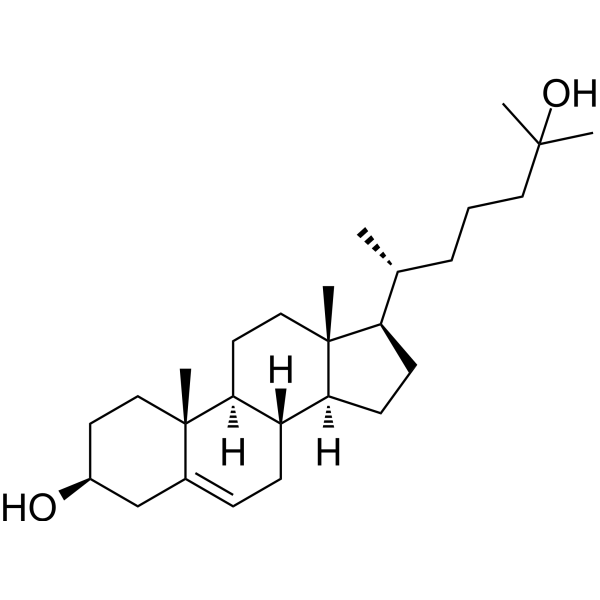
    25-Hydroxycholesterol
    Maximum Cited Publications
    28 Publications Verification

    25-OHC

    Endogenous Metabolite Inflammation/Immunology
    25-Hydroxycholesterol (25-OHC) is a metabolite of cholesterol that is produced and secreted by macrophages in response to Toll-like receptor (TLR) activation. 25-hydroxycholesterol is a potent (EC50≈65 nM) and selective suppressor of IgA production by B cells.
    25-Hydroxycholesterol
  • HY-B0636
    Triamcinolone acetonide
    5+ Cited Publications

    Glucocorticoid Receptor FGFR Cardiovascular Disease Inflammation/Immunology Endocrinology Cancer
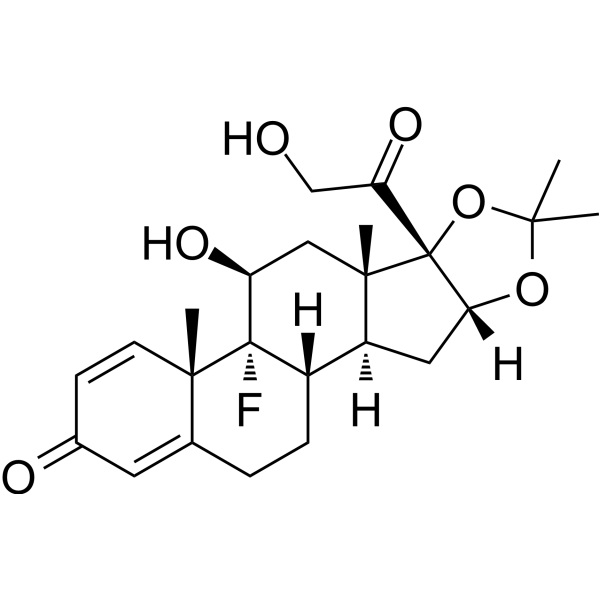
    Triamcinolone acetonide inhibits basic fibroblast growth factor (bFGF) induced proliferation of retinal endothelial cells. Triamcinolone acetonide reduces chondrocyte viability and leads to cartilage destruction. Triamcinolone acetonide activates macrophage with anti-inflammatory characteristics. Triamcinolone acetonide can be used in the study of diseases such as atopic dermatitis .
    Triamcinolone acetonide
  • HY-123942
    Diprovocim
    10+ Cited Publications

    Toll-like Receptor (TLR) TNF Receptor p38 MAPK NF-κB Inflammation/Immunology Cancer
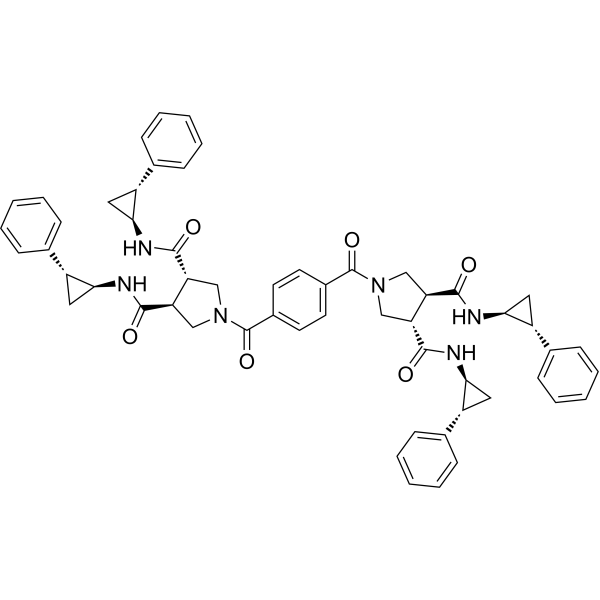
    Diprovocim is a potent TLR1/TLR2 agonist. Diprovocim elicits full agonist activity in human THP-1 cells (EC50=110 pM). Diprovocim stimulates the release of TNF-α from mouse macrophages (EC50=1.3 nM). Diprovocim activates downstream MAPK and NF-κB signaling pathway. Diprovocim displays strong adjuvant activity in mice, particularly abetting cellular immune responses .
    Diprovocim
  • HY-103697

    Toll-like Receptor (TLR) Cancer
    Gardiquimod is an imidazoline TLR7/8 agonist. Gardiquimod inhibits HIV-1 infection of macrophages and activated peripheral blood mononuclear cells (PBMCs). Gardiquimod specifically activates TLR7 at concentrations below 10 μM.
    Gardiquimod
  • HY-N0569
    Madecassic acid
    2 Publications Verification

    NO Synthase COX TNF Receptor Interleukin Related Inflammation/Immunology
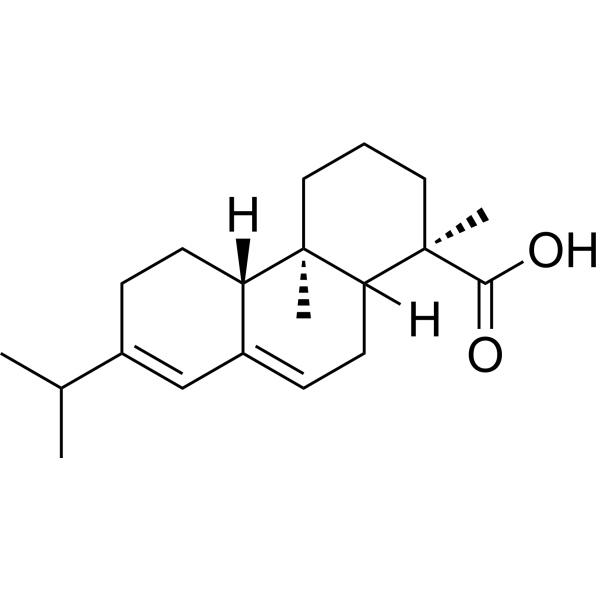
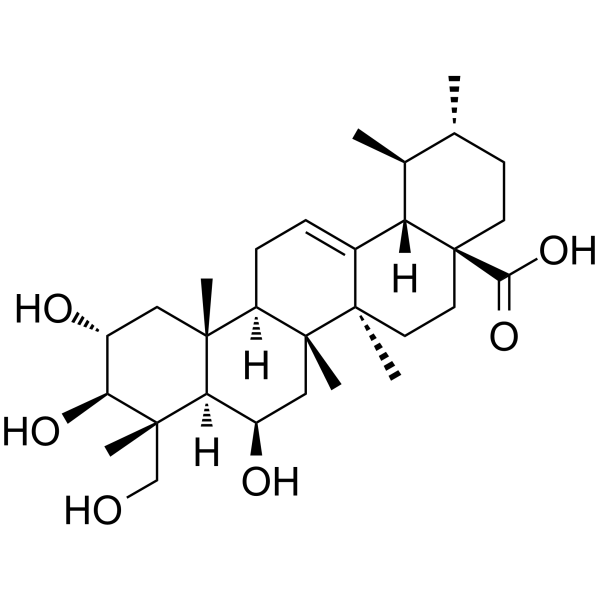
    Madecassic acid is isolated from Centella asiatica (Umbelliferae). Madecassic acid has anti-inflammatory properties caused by iNOS, COX-2, TNF-alpha, IL-1beta, and IL-6 inhibition via the downregulation of NF-κB activation in RAW 264.7 macrophage cells .
    Madecassic acid
  • HY-N0577
    Apiin
    1 Publications Verification

    Apigenin 7-O-apiosylglucoside; Apigenin 7-(2-O-apiosylglucoside)

    NO Synthase Inflammation/Immunology
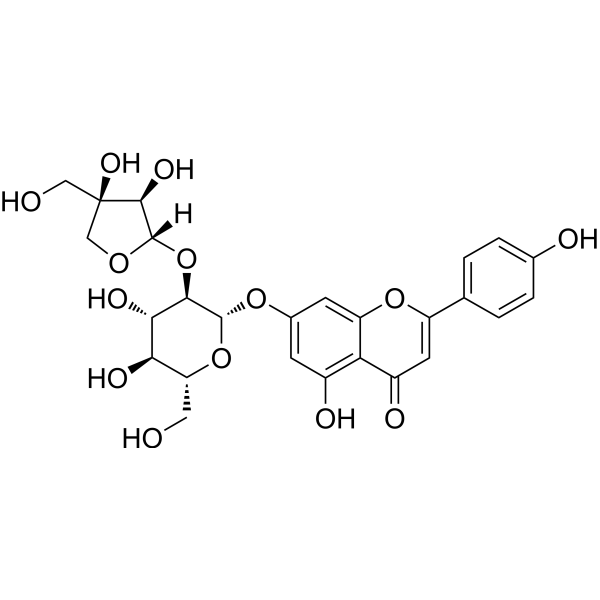
    Apiin is a flavonoid glycoside-based iNOS inhibitor. Apiin inhibits the expression of inducible nitric oxide synthase in activated macrophages. Apiin exhibits anti-inflammatory activity .
    Apiin
  • HY-P1068
    Lysozyme
    5+ Cited Publications

    Muramidase

    Bacterial TNF Receptor Interleukin Related TGF-β Receptor Infection Inflammation/Immunology
    Lysozyme (Muramidase) is a conserved antimicrobial protein. Lysozyme exerts its bactericidal effect by hydrolyzing bacterial cell wall peptidoglycan (PG). Lysozyme plays an important role in limiting bacterial growth on mucosal surfaces and other sites, not only controlling potential pathogens but also limiting overgrowth of microbiota to prevent dysbiosis. Extracellular lysozyme can also degrade polymeric PG into soluble fragments, activate NOD receptors in mucosal epithelial cells, and lead to the secretion of chemokines and activating factors by neutrophils and macrophages .
    Lysozyme
  • HY-N6727
    Gliotoxin
    2 Publications Verification

    Aspergillin

    Apoptosis PKA NF-κB Bacterial Fungal Antibiotic Infection Inflammation/Immunology Cancer
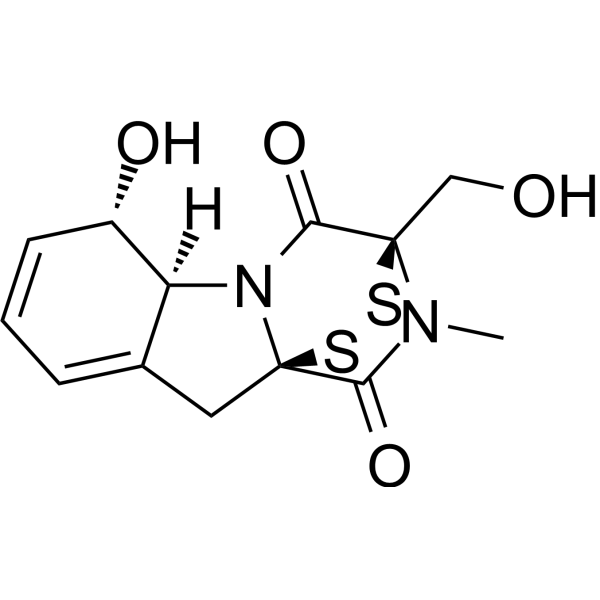
    Gliotoxin is a secondary metabolite, the most abundant mycotoxin secreted by A. fumigatus, inhibits the phagocytosis of macrophages and the immune functions of other immune cells . Gliotoxin inhibits inducible NF-κB activity by preventing IκB degradation, which consequently induces host-cell apoptosis . Gliotoxin activates PKA and increases intracellular cAMP concentration; modulates actin cytoskeleton rearrangement to facilitate A. fumigatus internalization into lung epithelial cells . Gliotoxin is a potent NOTCH2 transactivation inhibitor, can effectively induce apoptosis of chronic lymphocytic leukemia (CLL) cells .
    Gliotoxin
  • HY-N6985
    Baccatin III
    2 Publications Verification

    Others Cancer
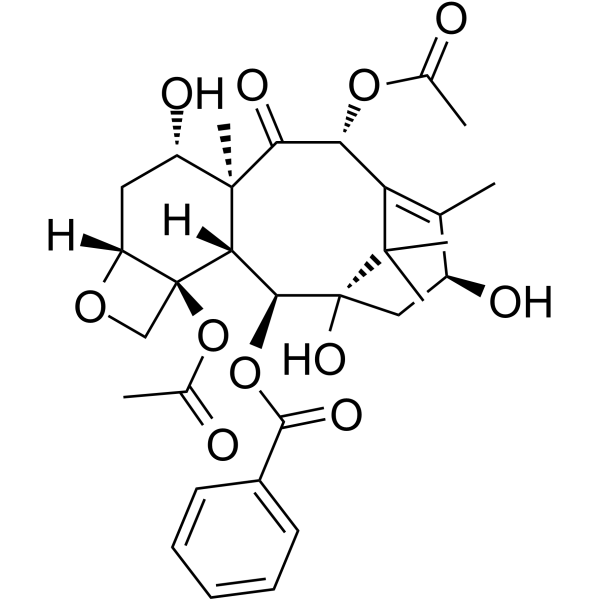
    Baccatin III is an orally available, selective inhibitor of the TGF-β1 signaling pathway and myeloid-derived suppressor cell (MDSC) activation. Baccatin III targets the AKT/STAT6 and Smad2/3 pathways, blocking TGF-β1-induced fibroblast differentiation and MDSC-mediated immunosuppression. Baccatin III exerts anti-inflammatory and anti-fibrotic effects by inhibiting macrophage activation and extracellular matrix deposition, and shows potential in the treatment of pulmonary fibrosis and cancer in terms of regulating the tumor immune microenvironment .
    Baccatin III
  • HY-W011121
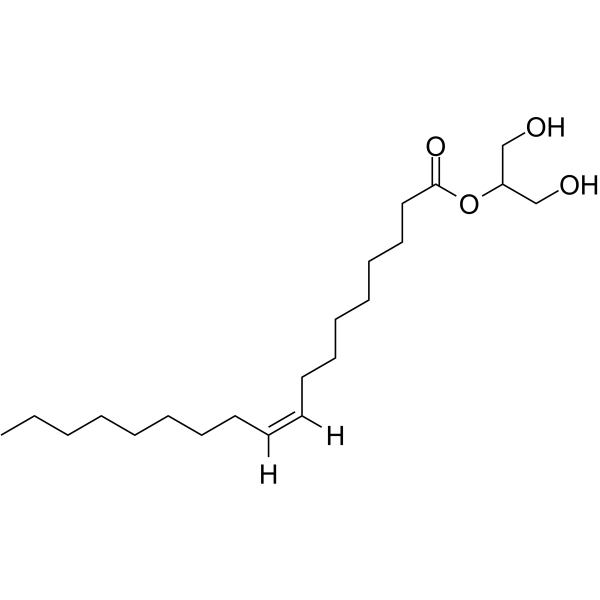
    2-Oleoylglycerol
    1 Publications Verification

    2-OG

    GPR119 NF-κB TGF-beta/Smad GLP Receptor Metabolic Disease
    2-Oleoylglycerol (2-OG) is a lipid found in the diet. It is a GPR119 agonist, with an EC50 value of 2.5 μM in activating hGPR119 in transiently transfected COS-7 cells. 2-Oleoylglycerol enhances the inflammatory response of macrophages and promotes fibrosis by activating the GPR119/TAK1/NF-κB/TGF-β1 signaling pathway. It also stimulates glucagon-like peptide 1 (GLP-1) secretion in vivo. 2-Oleoylglycerol is expected to be used in the research of non-alcoholic steatohepatitis (NASH) .
    2-Oleoylglycerol
  • HY-12687
    Tizoxanide
    10+ Cited Publications

    TIZ

    Bacterial HIV Autophagy Parasite IKK Influenza Virus Infection Cancer
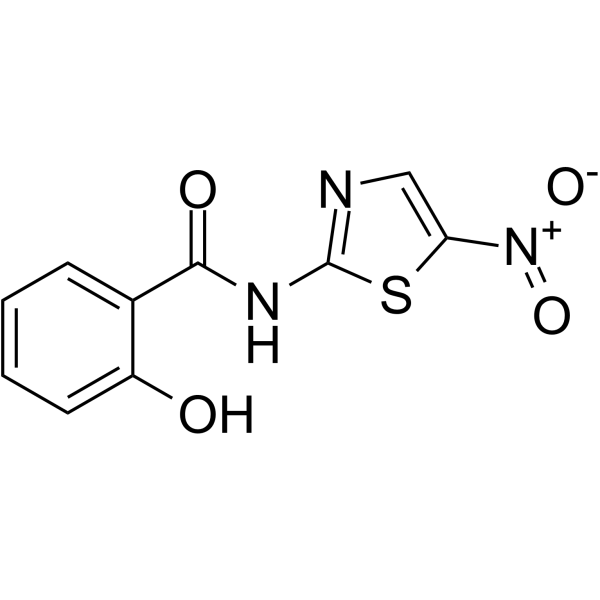
    Tizoxanide (TIZ) is the active metabolite of Nitazoxanide, which is a thiazolide anti-infective compound against anaerobic bacteria, protozoa, and a range of viruses. Tizoxanide (TIZ) has anti-HIV-1 activities and potent inhibition of both HBV and HCV replication with values EC50 of 0.46μM and 0.15 μM, respectively. Tizoxanide also exerts anti-inflammatory effects by inhibiting the production of pro-inflammatory cytokines and suppressing of the activation of the NF-κB and the MAPK signaling pathways in LPS-treated macrophage cells .
    Tizoxanide
  • HY-N0637A

    (±)-Huazhongilexone; Dihydroluteolin

    Melanocortin Receptor TRP Channel Metabolic Disease
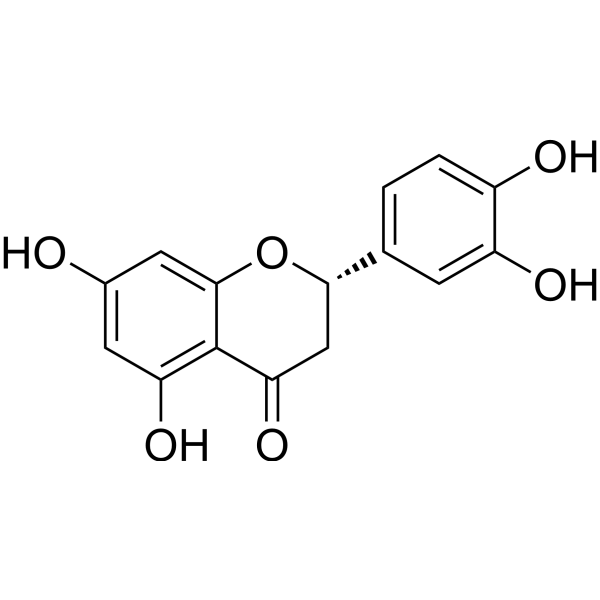
    (±)-Eriodictyol ((±)-Huazhongilexone; Dihydroluteolin) is an orally active TRPV1 receptor antagonist (IC50=44-47 nM, rTRPV1) with antioxidant and anti-inflammatory activities. (±)-Eriodictyol effectively inhibits lipid peroxidation and the release of proinflammatory cytokines by specifically antagonizing the TRPV1 receptor and activating the Nrf2 signaling pathway. (±)-Eriodictyol reduces the levels of ICAM-1, VEGF, eNOS and TNF-α in the retina and maintains the integrity of the blood-retinal barrier. (±)-Eriodictyol alleviates oxidative stress-induced apoptosis and hyperalgesia, enhances the activity and cytotoxicity of immune cells (such as B lymphocytes, NK cells and macrophages), and increases the levels of antioxidant enzymes simultaneously. (±)-Eriodictyol can be used in the research of diabetic retinopathy, acute lung injury and various pain-related diseases .
    (±)-Eriodictyol
  • HY-126213

    18:1 Lyso-PS

    NADPH Oxidase Interleukin Related Apoptosis Inflammation/Immunology
    Oleoyl-2-hydroxy-sn-glycero-3-phospho-L-serine sodium (18:1 Lyso-PS) is a modified PS product generated following NADPH oxidase activation and Lyso-PS signal transduction. 1-Oleoyl-2-hydroxy-sn-glycero-3-phospho-L-serine sodium signals through macrophage G2A to enhance the phagocytic uptake of PS-dependent apoptotic (apoptosis) neutrophils and PS-exposed activated neutrophils. 1-Oleoyl-2-hydroxy-sn-glycero-3-phospho-L-serine sodium enhances macrophage phagocytic uptake of apoptotic cells, carboxylate-modified microspheres, and PS-exposed non-apoptotic activated neutrophils. 1-Oleoyl-2-hydroxy-sn-glycero-3-phospho-L-serine sodium serves as an acyl acceptor substrate for the lysophosphatidyltransferase At1g78690p to generate diacylphosphatidylserine. 1-Oleoyl-2-hydroxy-sn-glycero-3-phospho-L-serine sodium reduces the secretion of IL-8 and decreases the proportion of viable colon cancer cells. 1-Oleoyl-2-hydroxy-sn-glycero-3-phospho-L-serine sodium is applicable to studies on peritonitis and inflammatory bowel disease .
    1-Oleoyl-2-hydroxy-sn-glycero-3-phospho-L-serine sodium
  • HY-W923189

    Interleukin Related COX TNF Receptor NOD-like Receptor (NLR) NO Synthase PERK p38 MAPK Reactive Oxygen Species (ROS) Caspase Autophagy Herbicide Inflammation/Immunology Cancer
    Neral is a plant-derived anti-inflammatory, antioxidant and anticancer agent. Neral inhibits the phosphorylation of ERK1/2, p38 MAPK and IκB in macrophages induced by LPS (HY-D1056), suppresses the secretion of TNF-α and IL-6, as well as the expression of pro-IL-1β, iNOS and COX-2 in cells, and reduces the production of ROS in cells. Neral inhibits the activation of the NLRP3 inflammasome, and decreases the activation of caspase-1 and the secretion of IL-1β in mouse macrophages. Neral induces autophagy, and exhibits antiproliferative activity both in in vitro breast cancer cell models and mouse xenograft models. Neral regulates brassinosteroid, jasmonic acid and ethylene signaling pathways, and induces the expression of AP2/ERF-ERF and bHLH family genes in rice roots. Neral acts as a herbicide safener, alleviates the damage induced by Fenoxaprop-P-ethyl (HY-B2013), and promotes the elongation of rice roots. Neral can be used in research related to breast cancer, inflammatory and immune system diseases, and herbicide safeners .
    Neral
  • HY-W040055
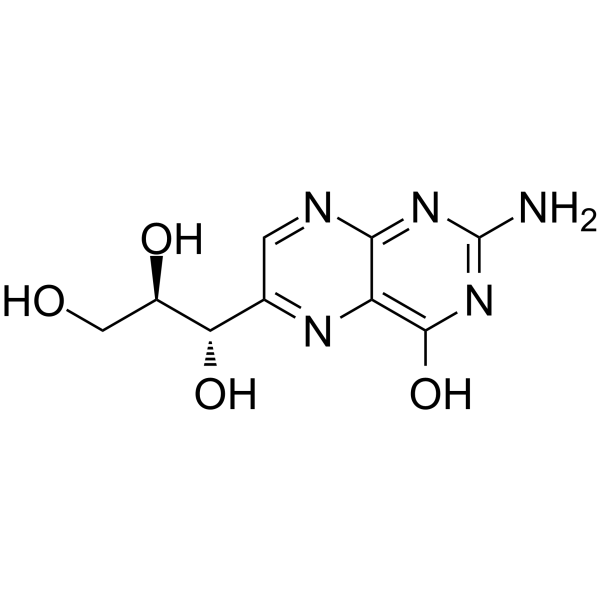
    Neopterin
    1 Publications Verification

    D-(+)-Neopterin; D-erythro-Neopterin

    NF-κB PPAR ERK Raf Src Cardiovascular Disease Inflammation/Immunology
    Neopterin is an immune system activator metabolized by GTP and can be produced by activated macrophages. Neopterin has the potential to resist vascular inflammation and atherosclerosis. Neopterin inhibits the phosphorylation of NF-κB and promotes the expression of PPAR-γ, thereby suppressing the inflammatory response of vascular endothelial cells, reducing the formation of macrophage foam cells, and regulating the migration and proliferation of vascular smooth muscle cells. Neopterin can be used in research fields such as cardiovascular diseases (such as atherosclerosis), inflammation-related diseases and tumor immunomonitoring .
    Neopterin
  • HY-165613

    Dipalmitoyl-S-glyceryl-cysteine; S-[2,3-Bis(palmitoyloxy)propyl]cysteine

    Toll-like Receptor (TLR) Influenza Virus NF-κB Infection Inflammation/Immunology
    Pam2Cys (Dipalmitoyl-S-glyceryl-cysteine; S-[2,3-Bis(palmitoyloxy)propyl]cysteine) is a TLR2 agonist and immunostimulant. Pam2Cys binds to TLR2 to activate dendritic cells and trigger the TLR2-dependent NF-κB signaling pathway. Pam2Cys also induces dendritic cell maturation by upregulating the expression of cell surface MHC II molecules. Pam2Cys activates innate immune signaling pathways, drives pro-inflammatory and antimicrobial responses, enhances the expression of macrophage activation markers, increases phagocytic activity, induces the release of IL-12 and pro-inflammatory cytokines, and polarizes macrophages into a pro-inflammatory, antimicrobial phenotype without interfering with IL-10-induced macrophage polarization. Pam2Cys also serves as the lipid moiety in synthetic lipopeptide vaccines and possesses self-adjuvant properties. Pam2Cys enhances the immunogenicity of conjugated peptide segments and induces cellular and humoral immune responses. However, it does not activate CD4 T cells in mouse splenocyte cultures when used alone. Pam2Cys activates pulmonary TLR2 signaling pathways, triggers innate immune responses, recruits neutrophils and macrophages, induces the secretion of various cytokines, alleviates symptoms and damages associated with influenza A virus infection in mice without impairing adaptive immunity. Pam2Cys can be used in studies related to tuberculosis and influenza A virus infection .
    Pam2Cys
  • HY-B1076
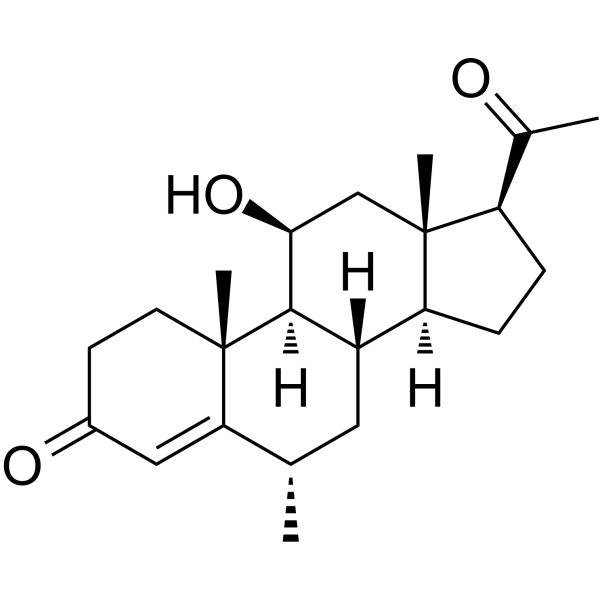
    Medrysone
    1 Publications Verification

    HMS; 6α-Methyl-11β-hydroxyprogesterone

    VEGFR CCR STAT Neurological Disease
    Medrysone (HMS; 6α-Methyl-11β-hydroxyprogesterone) is a STAT6 modulator and M2 macrophage polarization inducer. Medrysone enhances IL-4-triggered STAT6 activation, upregulates the expression of M2 markers, and promotes the secretion of VEGF and CCL2. Medrysone also enhances the pro-migratory activity of M2-like macrophages toward endothelial cells. By regulating macrophage polarization and related repair pathways, Medrysone significantly promotes corneal wound repair in a rat mechanical injury model. Medrysone can be used for research related to corneal injury .
    Medrysone
  • HY-N1966
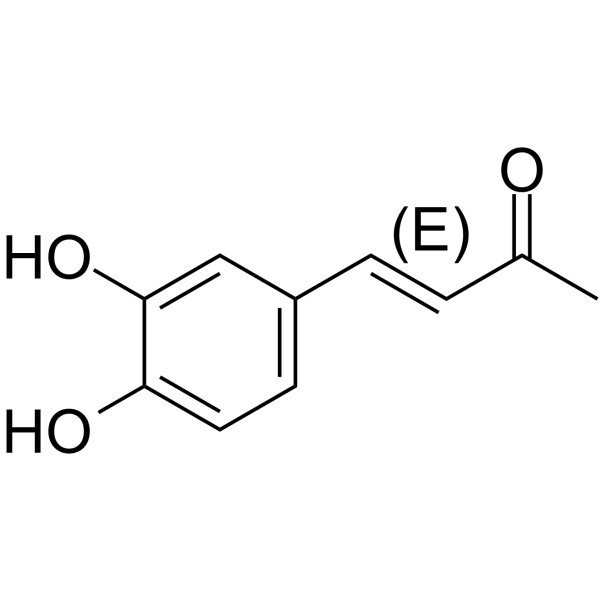
    (E)-Osmundacetone
    2 Publications Verification

    p38 MAPK PPAR Cancer
    (E)-Osmundacetone is an inhibitor of the MAPK pathway. (E)-Osmundacetone inhibits the activation of the MAPK signaling pathway and restores the expression of PPARα/ACOX1. (E)-Osmundacetone abrogates abnormal cell proliferation, migration and liver metastasis induced by PTPRO silencing in colorectal cancer cells. (E)-Osmundacetone blocks OA-RD17-mediated activation of the MAPK signaling pathway, thereby reducing macrophage proliferation and migration. (E)-Osmundacetone is applicable to relevant research on colorectal cancer .
    (E)-Osmundacetone
  • HY-107426
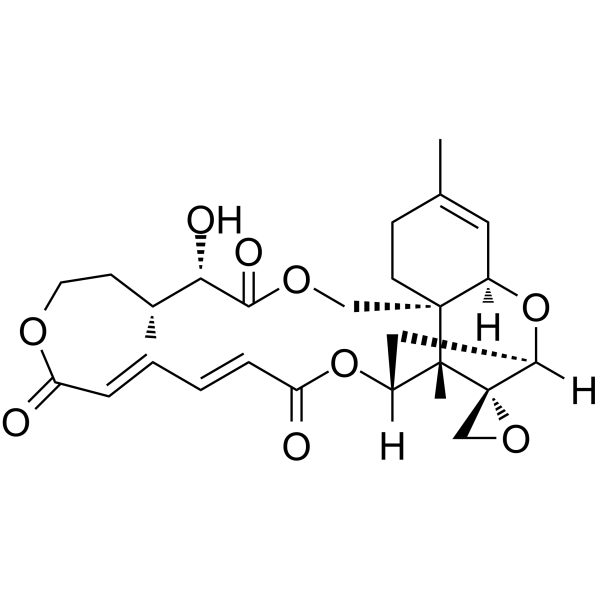
    Verrucarin A
    1 Publications Verification

    Muconomycin A

    Apoptosis Reactive Oxygen Species (ROS) Cancer
    Verrucarin A (Muconomycin A), a Type D macrocyclic mycotoxin derived from the pathogen fungus Myrothecium verrucaria, is an inhibitor of protein synthesis. Verrucarin A inhibits growth of leukemia cell lines and activates caspases and apoptosis and inflammatory signaling in macrophages. Verrucarin A effectively increased the phosphorylation of p38 MAPK and diminished the phosphorylation of ERK/Akt. Verrucarin A caused cell cycle deregulation through the induction of p21 and p53 .
    Verrucarin A
  • HY-136788

    AKST4290; BI144807

    CCR Neurological Disease Inflammation/Immunology Cancer
    ALK4290 (AKST4290) is a potent, orally active and selective CCR3 inhibitor with a Ki of 3.2 nM. ALK4290 blocks CCR3-mediated signaling, abrogates macrophage supernatant-driven mesothelial-to-mesenchymal transition, and decreases p38 phosphorylation. ALK4290 inhibits CCL26-CCR3 axis-driven GPX2-mediated B-cell activation, and targets B cells to inhibit activation by GPX2-overexpressing tumor cells. ALK4290 can be used for the research of hepatocellular carcinome and Parkinson’s disease .
    ALK4290
  • HY-P99236
    Bexmarilimab
    1 Publications Verification

    FP-1305

    Transmembrane Glycoprotein Inflammation/Immunology Cancer
    Bexmarilimab (FP-1305) is a potent humanized anti-CLEVER-1 IgG4 antibody with an IC50 value of 4.51 nM. Bexmarilimab is capable of inducing a phenotypic M2 to M1 immune switch of tumor-associated macrophages. Bexmarilimab can promote antigen presentation and pro-inflammatory cytokine secretion. Bexmarilimab can induce B-cell and T-cell activation. Bexmarilimab can be used in researches of immunology and cancer, such as colorectal carcinoma .
    Bexmarilimab
  • HY-P1181A
    Pam2CSK4 TFA
    1 Publications Verification

    Toll-like Receptor (TLR) NO Synthase IKK Akt PKC NF-κB p38 MAPK Interleukin Related Cardiovascular Disease Infection Inflammation/Immunology Cancer
    Pam2CSK4 TFA is a TLR2 agonist. Pam2CSK4 TFA induces the expression of iNOS and NO in macrophage cell lines via TBK1 and MyD88 molecules. Pam2CSK4 TFA activates the NF-κB and Bruton's tyrosine kinase signaling pathways in platelets, and promotes platelet-endothelial cell interactions. TLR2 activation triggered by Pam2CSK4 TFA expands myeloid-derived suppressor cells (MDSCs) and suppresses anti-tumor immune responses in the tumor microenvironment. Pam2CSK4 TFA acts as a Th2-polarizing adjuvant in mouse vaccine models against Leishmania major and Brugia malayi. Pam2CSK4 TFA can be used in the research of various diseases, including thromboinflammatory diseases, sepsis, atherosclerosis, heart failure, influenza, lymphoma, melanoma, cutaneous leishmaniasis and lymphatic filariasis .
    Pam2CSK4 TFA
  • HY-N0608
    Myrislignan
    1 Publications Verification

    NF-κB Inflammation/Immunology
    Myrislignan, a lignan isolated from Myristica fragrans Houtt, possesses anti-inflammatory activities. Myrislignan attenuates LPS-induced inflammation reaction in murine macrophage cells through inhibition of NF-kB signalling pathway activation .
    Myrislignan
  • HY-N11058

    Lipoxygenase NO Synthase Inflammation/Immunology
    Damnacanthol is a natural product that can be isolated from Damnacanthus major . Damnacanthol has anti-15-lipoxygenase activity and can inhibit nitric oxide production in LPS-activated macrophages RAW 264.7 cells .
    Damnacanthol
  • HY-P991257
    MK-1966
    1 Publications Verification

    Interleukin Related CXCR MHC Cancer
    MK-1966 is an anti-IL-10 antibody. MK-1966 inhibits secretion of cytokines from activated macrophages, production of CC and CXC chemokines, and a TH1 response, down-regulates MHC and costimulatory molecules on dendritic cells (DCs), and induces regulatory T cells. MK-1966 can be used for the research of cancer , such as gastric cancer .
    MK-1966
  • HY-P11108

    NF-κB Apoptosis TNF Receptor Caspase Inflammation/Immunology Cancer
    RP-182 is a synthetic immunomodulatory peptide that exerts anti-tumor effects by targeting the mannose receptor CD206 (Kd = 8 μM) on the surface of tumor-associated macrophages (TAMs). RP-182 induces a conformational switch of the CD206 receptor, which activates NF-κB signaling and phagocytosis in CD206 high TAMs. RP-182 has dual function: activation of canonical NF-κB signaling, triggering TNFα secretion and autocrine activation of the TNF receptor 1 (TNFR1), leading to activation of caspase 8, apoptosis, and cell death. RP-182 is used in pancreatic cancer and melanoma research .
    RP-182
  • HY-W142432

    Biochemical Assay Reagents β-catenin Wnt Arginase TGF-beta/Smad mTOR Akt ERK Atg8/LC3 p62 Autophagy Metabolic Disease Inflammation/Immunology Cancer
    Perfluoroundecanoic acid is a perfluoroalkyl substance (PFAS). Perfluoroundecanoic acid is an orally active oxidative stress inducer. Perfluoroundecanoic acid promotes macrophage M2 polarization, activates Wnt/β-catenin signaling and enhances β-catenin nuclear accumulation. Perfluoroundecanoic acid -induced M2 phenotype macrophage accelerates tumor progression in vitro and in vivo. Perfluoroundecanoic acid induces DNA damage, reproductive and pathophysiological dysfunctions via oxidative stress in male Swiss mice. Perfluoroundecanoic acid inhibits Leydig cell development in pubertal male rats via inducing oxidative stress and autophagy. Perfluoroundecanoic acid accelerates insulitis development in a mouse model of type 1 diabetes. Perfluoroundecanoic acid can be used for the study of ovarian cancer, type 1 diabetes and inflammation .
    Perfluoroundecanoic acid
  • HY-142980

    Dioleoylphosphatidylglycerol

    Liposome Inflammation/Immunology
    DOPG (Dioleoylphosphatidylglycerol) is a negatively charged phosphatidylglycerol phospholipid. DOPG is abundant in prokaryotic cell membranes and mitochondria, and has a low phase transition temperature and a tendency to form stable vesicles. DOPG inhibits the production of inflammatory mediators in macrophages in response to heat shock protein B4 (HSPB4)-activated toll-like receptor 2 (TLR2). DOPG is applicable to studies of membrane biology, drug-membrane interactions (especially in systems targeting negatively charged membranes), construction of drug delivery carriers, as well as research on sterile corneal inflammation and wound healing promotion .
    DOPG
  • HY-139410

    c-Fms Inflammation/Immunology
    Sodium caseinates is a kind of sodium salts of major milk proteins, which act as protein-based biopolymers and innate immune system activators. Sodium caseinates induce granulopoiesis, activation and differentiation, promote the production of M-CSF, and increase serum levels of G-CSF and GM-CSF. Sodium caseinates inhibit the proliferation and reduce the viability of leukemia macrophage-like cells, thereby significantly improving the survival rate of mice inoculated with leukemia cells. Sodium caseinates can serve as carriers for probiotics in edible films and exhibit anti-Listeria activity. Sodium caseinates effectively protect vitamin A from degradation, enhance its stability, bioaccessibility and bioavailability, and regulate protein digestibility when complexed with vitamin A. Sodium caseinates can be applied to research related to acute monocytic leukemia and vitamin A deficiency .
    Sodium caseinates
  • HY-P1181

    Toll-like Receptor (TLR) NO Synthase IKK Akt PKC NF-κB p38 MAPK Interleukin Related Cardiovascular Disease Infection Inflammation/Immunology Cancer
    Pam2CSK4 is a TLR2 agonist. Pam2CSK4 induces the expression of iNOS and NO in macrophage cell lines via TBK1 and MyD88 molecules. Pam2CSK4 activates the NF-κB and Bruton's tyrosine kinase signaling pathways in platelets, and promotes platelet-endothelial cell interactions. TLR2 activation triggered by Pam2CSK4 expands myeloid-derived suppressor cells (MDSCs) and suppresses anti-tumor immune responses in the tumor microenvironment. Pam2CSK4 acts as a Th2-polarizing adjuvant in mouse vaccine models against Leishmania major and Brugia malayi. Pam2CSK4 can be used in the research of various diseases, including thromboinflammatory diseases, sepsis, atherosclerosis, heart failure, influenza, lymphoma, melanoma, cutaneous leishmaniasis and lymphatic filariasis .
    Pam2CSK4
  • HY-N0566

    Anemosapogenin

    Apoptosis Autophagy Bcl-2 Family Caspase Survivin p38 MAPK MMP Cancer
    23-Hydroxybetulinic acid (Anemosapogenin) is an orally active triterpenoid with broad-spectrum anticancer activity. 23-Hydroxybetulinic acid reduces the levels of Bcl-2 and survivin, elevates the level of Bax, promotes the cleavage/activation of caspase-3 and caspase-9, and induces apoptosis via the endogenous mitochondrial pathway involving cytochrome C release and mitochondrial membrane potential disruption. 23-Hydroxybetulinic acid arrests the cell cycle at S and G1 phases, inhibits cancer cell proliferation, blocks the MAPK signaling pathway, regulates MMP2, and induces autophagic apoptosis by upregulating beclin-1. 23-Hydroxybetulinic acid inhibits the activity and efflux function of P-gp, increases the intracellular accumulation of chemotherapeutic drugs, and synergistically enhances cytotoxicity with Doxorubicin (HY-15142). 23-Hydroxybetulinic acid inhibits the phosphorylation and nuclear translocation of STAT6, blocks M2 macrophage polarization, and reduces M2 macrophage-mediated apoptosis resistance of colon cancer cells. 23-Hydroxybetulinic acid can be used in related studies on chronic myeloid leukemia, hepatocellular carcinoma, sarcoma 180, multidrug-resistant breast cancer, leukemia, Doxorubicin-induced cardiotoxicity, and colorectal cancer .
    23-Hydroxybetulinic acid
  • HY-P99746

    3C23K; GM102

    TGF-β Receptor Inflammation/Immunology Cancer
    Murlentamab (3C23K; GM102) is a humanized anti-AMHRII antibody. AMHRII is the anti-Müllerian hormone receptor. Murlentama significantly promotes macrophage-mediated antibody-dependent cell-mediated cytotoxicity (ADCC). Murlentama stimulates pro-inflammatory and anti-tumor internal environment, recruits and activates T cells. Murlentama suppresses tumors growth by inducing naïve macrophage orientation and promoting tumor-associated macrophage (TAM) reprogramming .
    Murlentamab
  • HY-103697A

    Toll-like Receptor (TLR) Cancer
    Gardiquimod diTFA is an imidazoline TLR7/8 agonist. Gardiquimod diTFA inhibits HIV-1 infection of macrophages and activated peripheral blood mononuclear cells (PBMCs). Gardiquimod diTFA specifically activates TLR7 at concentrations below 10 μM.
    Gardiquimod diTFA
  • HY-113134S

    25-OHC-d6

    Isotope-Labeled Compounds Endogenous Metabolite Inflammation/Immunology
    25-Hydroxycholesterol-d6 (25-OHC-d6) is the deuterium labeled 25-Hydroxycholesterol. 25-Hydroxycholesterol is a metabolite of cholesterol that is produced and secreted by macrophages in response to Toll-like receptor (TLR) activation. 25-hydroxycholesterol is a potent (EC50≈65 nM) and selective suppressor of IgA production by B cells .
    25-Hydroxycholesterol-d6
  • HY-P990068

    SRF617

    NTPDase Inflammation/Immunology Cancer
    Perenostobart (SRF617) is a human IgG4 antibody with inhibitory activity against CD39 ATPase. Perenostobart inhibits CD39-mediated hydrolysis of extracellular ATP to AMP, with IC50 values of 1.9 nM (HEK293 OE cells), 0.7 nM (MOLP-8 cells), and 1.2 nM (RBC-lysed whole blood). Perenostobart enhances CD4 + T-cell proliferation, promotes dendritic cell maturation, and boosts inflammasome activation in macrophages in the presence of ATP. Perenostobart demonstrates significant single-agent anti-tumor efficacy in MOLP-8 and H520 xenograft models. Perenostobart can be used for the study of cancer .
    Perenostobart
  • HY-P6084

    NOD-like Receptor (NLR) p38 MAPK Apoptosis Inflammation/Immunology
    RP-220 is a renalase peptide targeting NLRP3. RP220 has anti-inflammatory and anti-apoptotic activities. RP220 inhibits renal tubular epithelial cells apoptosis with alkaline insult by activating MAPK signaling pathway. RP220 significantly inhibits NLRP3 expression and reduces macrophage infiltration and kidney tissue damage in acute kidney injury (AKI) mice model. RP-220 can be uses for systemic lupus erythematosus (SLE) and its complication lupus nephritis (LN) research .
    RP-220
  • HY-N16039

    β-glucuronidase Inflammation/Immunology
    TAN-1030A is an indolocarbazole alkaloid with macrophage-activating properties. TAN-1030A induces spreading of a murine macrophage cell line, Mm 1, and augmentes the phagocytic activity, Fc gamma receptor expression and β-glucuronidase activity of murine macrophage cell lines, Mm 1 and J774A.1. TAN-1030A can activate macrophage functions in mice .
    TAN-1030A
  • HY-P10586A

    MALP-2 TFA

    Toll-like Receptor (TLR) NO Synthase Cardiovascular Disease Metabolic Disease
    Macrophage-activating lipopeptide 2 TFA is an agonist of Toll like receptors TLR-2/TLR-6. Macrophage-activating lipopeptide-2 enhances endothelial nitric oxide synthase (eNOS) phosphorylation and endothelial cell release of NO, thereby improving vasodilation. Macrophage-activating lipopeptide-2 enhances endothelial adhesion of white blood cells and improve perfusion recovery and collateral growth in the hind limbs of hypercholesterolemic Apoe deficient mice undergoing experimental femoral artery ligation (FAL) .
    Macrophage-activating lipopeptide 2 TFA
  • HY-159114

    Biochemical Assay Reagents Inflammation/Immunology
    Whole Glucan Particles is a Dectin-1a agonist. Whole Glucan Particles activates the innate immune system to improve the function of macrophages, monocytes and other immune cells .
    Whole Glucan Particles
  • HY-126390
    (E/Z)-BCI
    1 Publications Verification

    NSC 150117

    Phosphatase Apoptosis Inflammation/Immunology Cancer
    (E/Z)-BCI (NSC 150117) is a dual-specificity phosphatase 6 (DUSP6) inhibitor with anti-inflammatory activities. (E/Z)-BCI attenuates LPS-induced inflammatory mediators and ROS production in macrophage cells via activating the Nrf2 signaling axis and inhibiting the NF-κB pathway .
    (E/Z)-BCI
  • HY-P11107

    Apoptosis TNF Receptor Inflammation/Immunology Cancer
    RP-832c is a synthetic analogue of host defense peptides (HDP), targeting the mannose receptor CD206 on the surface of M2 polarized macrophages (Kd = 3.5 μM). RP-832c binding to CD206 induces a significant conformational change in the receptor, activating signaling pathways that lead to rapid apoptosis and repolarization of CD206-positive M2 macrophages to an M1 phenotype. RP-832c treatment significantly reduces CD206 gene expression in M2 macrophages while transiently increasing expression of TNF-α, a marker for M1 macrophages. RP-832c is used for the studies of T-cell lymphoma (CTCL) and idiopathic pulmonary fibrosis (IPF) .
    RP-832c
  • HY-15872

    Farnesyl Transferase Ras ERK mTOR Caspase Apoptosis Akt PI3K Bacterial Cardiovascular Disease Neurological Disease Cancer
    FTI-277 is a farnesyltransferase (FTase) inhibitor. FTI-277 inhibits Ras farnesylation, blocks the phosphorylation of downstream ERK1/2 and mTOR, and reduces membrane-bound active N-ras protein. FTI-277 activates caspase 3, upregulates Bim expression, induces cell apoptosis, suppresses regulatory T cell expansion, enhances macrophage phagocytosis, and improves bacterial clearance. FTI-277 activates the PI3K/Akt signaling pathway, inhibits osteoblast differentiation, and reduces the proliferation ability of neuroblastoma cells. FTI-277 can be used in research related to head and neck squamous cell carcinoma, neuroblastoma, sepsis, and vascular calcification .
    FTI-277
  • HY-N3001
    Isolinderalactone
    1 Publications Verification

    STAT VEGFR Bcl-2 Family Survivin IAP NF-κB Apoptosis Caspase Neurological Disease Inflammation/Immunology Cancer
    Isolinderalactone is a sesquiterpene that exhibits anti-cancer, anti-inflammatory, and neuroprotective effects. Isolinderalactone inhibits VEGF expression and tyrosine phosphorylation of VEGFR2. Isolinderalactone decreases viability and induces apoptosis in U-87 glioblastoma (GBM) cells and colorectal cancer (CRC) cells. Isolinderalactone induces G2/M phase cell cycle arrest, ROS generation, pJNK/p38 MAPK activation, in colorectal cancer (CRC) cells. Isolinderalactone blocks LPS (HY-D1056)-induced NF-κB activation while activating Nrf2-HMOX1 signaling in RAW264.7 macrophages. Isolinderalactone improves cognitive dysfunction in APP/PS1 mice. Isolinderalactone can be used for the study of Glioblastoma multiforme (GBM), colorectal cancer, Alzheimer’s disease and acute lung injury .
    Isolinderalactone
  • HY-110038

    Farnesyl Transferase Ras ERK mTOR Apoptosis Caspase Akt PI3K Bacterial Cardiovascular Disease Neurological Disease Cancer
    FTI-277 TFA is a farnesyltransferase (FTase) inhibitor. FTI-277 TFA inhibits Ras farnesylation, blocks the phosphorylation of downstream ERK1/2 and mTOR, and reduces membrane-bound active N-ras protein. FTI-277 TFA activates caspase 3, upregulates Bim expression, induces cell apoptosis, suppresses regulatory T cell expansion, enhances macrophage phagocytosis, and improves bacterial clearance. FTI-277 TFA activates the PI3K/Akt signaling pathway, inhibits osteoblast differentiation, and reduces the proliferation ability of neuroblastoma cells. FTI-277 TFA can be used in research related to head and neck squamous cell carcinoma, neuroblastoma, sepsis, and vascular calcification .
    FTI-277 TFA
  • HY-120078

    Phospholipase
    AZD2716 is a selective sPLA2 (secretory phospholipase A2) inhibitor. AZD2716 significantly reduces the production of pro-inflammatory lipids by inhibiting sPLA2-IIa (IC50 = 10 nM), sPLA2-V (IC50 = 40 nM), and sPLA2-X (IC50 = 400 nM), thereby decreasing macrophage activation and foam cell formation. AZD2716 is promising for studying mechanisms related to atherosclerosis and inflammatory diseases associated with sPLA2 .
    AZD2716
  • HY-158990

    Mas-related G-protein-coupled Receptor (MRGPR) Interleukin Related TNF Receptor Akt ERK Inflammation/Immunology
    GE1111 is a MRGPRX2 antagonist (IC50 = 9.4 μM). GE1111 inhibits MRGPRX2/MRGPRB2-mediated mast cell activation. GE1111 reduces the expressions of TSLP, IL-13, MCP-1, TNF-α, IL-1β and periostin, maintains the expression levels of claudin 1 and involucrin, restores the phagocytic activity of macrophages, and attenuates the activation of STIM1 and phosphorylated AKT. GE1111 exerts anti-inflammatory and anti-allergic effects in multiple animal models. GE1111 is applicable to the research related to rosacea, atopic dermatitis and ulcerative colitis .
    GE1111
  • HY-13743

    Linomide; FCF89; ABR212616

    TNF Receptor Interleukin Related IFNAR Neurological Disease Inflammation/Immunology Cancer
    Roquinimex (Linomide) is an orally active immunomodulator with antineoplastic, anti-inflammatory, and antiangiogenic activity. Roquinimex suppresses TH1 lymphocyte cytokines (IL-2, IFN-γ), promotes TH2 lymphocyte cytokines (IL-4, IL-10), increases NK cell, activated monocyte, and T cell activity. Roquinimex blocks macrophage TNF-α production and suppresses IL-1/IL-6 secretion. Roquinimex exhibits in vivo antitumour activity, suppresses rodent autoimmune disease signs, and ameliorates murine colitis and psoriasis. Roquinimex can be used for the research of leukemia, inflammatory bowel disease, multiple sclerosis, and psoriasis .
    Roquinimex
  • HY-142125

    Xanthine Oxidase Reactive Oxygen Species (ROS) Apoptosis Inflammation/Immunology Cancer
    Broussochalcone A is an antioxidant and an inhibitor of Xanthine Oxidase (IC50=2.21 μM), with free radical scavenging activity. Broussochalcone A inhibits iron-induced lipid peroxidation and nitric oxide synthesis in lipopolysaccharide (LPS) -activated macrophages. Broussochalcone A also induces Apoptosis of human renal carcinoma cells by increasing ROS levels and activating FOXO3 signaling pathways .
    Broussochalcone A
  • HY-147385

    CCR Inflammation/Immunology
    CCR4 antagonist 3 is a potent chemokine receptor 4 (CCR4) antagonist with an IC50 value of 1.7 μM for [ 125I]TARC (thymus and activation regulated chemokine). CCR4 antagonist 3 inhibits binding of radiolabeled TARC and macrophage-derived chemokine (MDC) to CCR4 receptors on the surface of CEM cells. CCR4 antagonist 3 also inhibits the in vitro migration of CEM cells mediated by TARC (IC50 = 6.4 μM) .
    CCR4 antagonist 3

Inquiry Online

Your information is safe with us. * Required Fields.

Salutation


Country or Region *

Applicant Name *


Organization Name *

Department *


Email Address *


Product Name *

Cat. No.


Requested quantity *

Phone Number *


Remarks

Inquiry Online

Inquiry Information

Product Name:
Cat. No.:
Quantity:
MCE Japan Authorized Agent:

