



1. Search Result
Search Result
Results for "

airway inflammatory

" in MedChemExpress (MCE) Product Catalog:

76

Inhibitors & Agonists

2

Biochemical Assay Reagents

4

Peptides

3

Inhibitory Antibodies

19

Natural
Products

4

Isotope-Labeled Compounds

2

Oligonucleotides

Cat. No. Product Name Target Research Areas Chemical Structure
  • HY-N0142
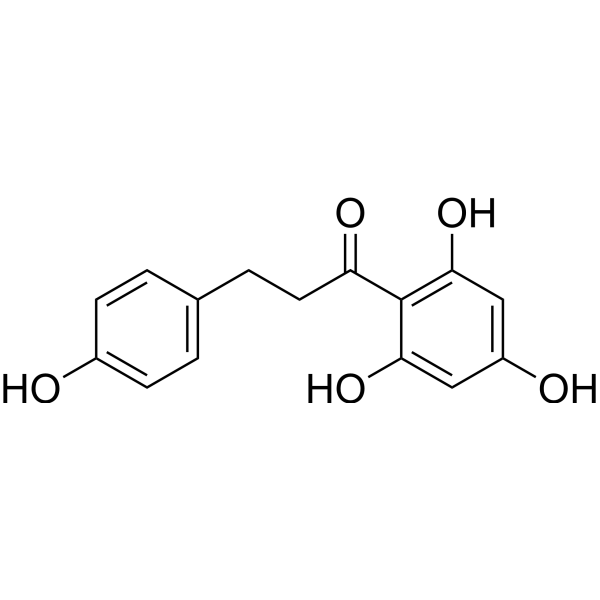
    Phloretin
    Maximum Cited Publications
    24 Publications Verification

    NSC 407292; RJC 02792

    SGLT Endogenous Metabolite GLUT Metabolic Disease Cancer
    Phloretin (NSC 407292; RJC 02792) is a flavonoid extracted from Malus pumila Mill.,has anti-inflammatory activities. Phloridzin is a specific,competitive and orally active inhibitor of sodium/glucose cotransporters in the intestine (SGLT1) and kidney (SGLT2). Phloretin inhibits Yeast-made GLUT1 as well as Human erythrocyte GLUT1 with IC50values of 49 μM and 61 μM,respectively .Phloretin has the potential for the treatment of rheumatoid arthritis (RA) and allergic airway inflammation .
    Phloretin
  • HY-P1098
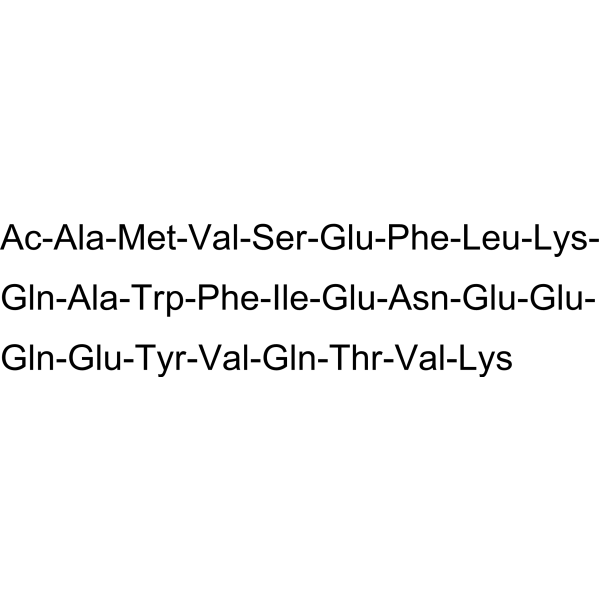
    Ac2-26
    Maximum Cited Publications
    8 Publications Verification

    Annexin A NF-κB Inflammation/Immunology
    Ac2-26 is the N-terminal peptide of annexin 1, and has anti-inflammatory activity. Ac2-26 induces a decrease in IKKβ protein in lysosomes by chaperone-mediated autophagy (CMA). Ac2-26 ameliorates lung ischemia-reperfusion injury. Ac2-26 also inhibits airway inflammation and hyperresponsiveness in an asthma rat model .
    Ac2-26
  • HY-B0809
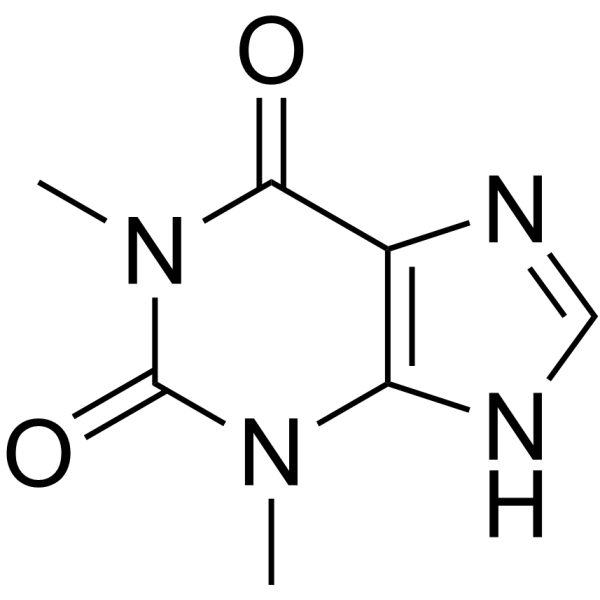
    Theophylline
    10+ Cited Publications

    1,3-Dimethylxanthine; Theo-24

    Phosphodiesterase (PDE) Adenosine Receptor HDAC Apoptosis Interleukin Related TNF Receptor Endogenous Metabolite Infection Neurological Disease Inflammation/Immunology Cancer
    Theophylline (1,3-Dimethylxanthine) is a potent phosphodiesterase (PDE) inhibitor, adenosine receptor antagonist, and histone deacetylase (HDAC) activator. Theophylline (1,3-Dimethylxanthine) inhibits PDE3 activity to relax airway smooth muscle. Theophylline (1,3-Dimethylxanthine) has anti-inflammatory activity by increase IL-10 and inhibit NF-κB into the nucleus. Theophylline (1,3-Dimethylxanthine) induces apoptosis. Theophylline (1,3-Dimethylxanthine) can be used for asthma and chronic obstructive pulmonary disease (COPD) research .
    Theophylline
  • HY-B1640
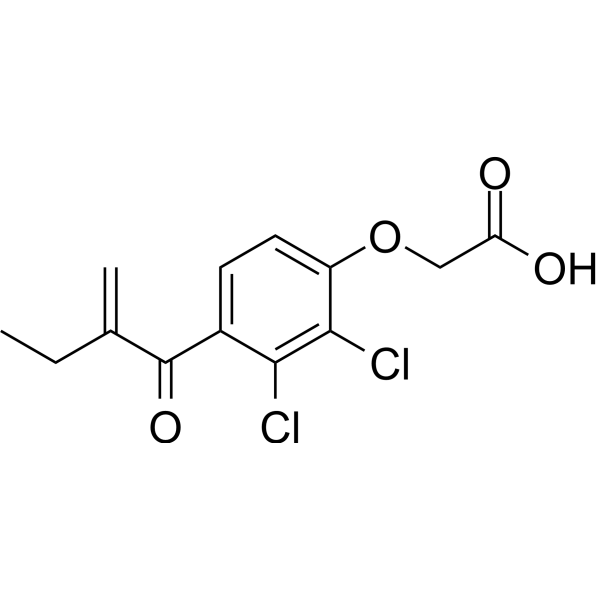
    Ethacrynic acid
    5+ Cited Publications

    Etacrynic acid

    Wnt Glutathione S-transferase NF-κB Calcium Channel NO Synthase Cardiovascular Disease Inflammation/Immunology Cancer
    Ethacrynic acid has anti-inflammatory and anticancer activity. Ethacrynic acid is an orally active diuretic. Ethacrynic acid is an inhibitor of glutathione S-transferase (GSTs) and Wnt signaling pathways. Ethacrynic acid is a radiosensitizer. Ethacrynic acid can inhibit airway smooth muscle (ASM) contraction in mice. Ethacrynic acid can increase the outflow of aqueous humor from the eye for the study of glaucoma .
    Ethacrynic acid
  • HY-N0573
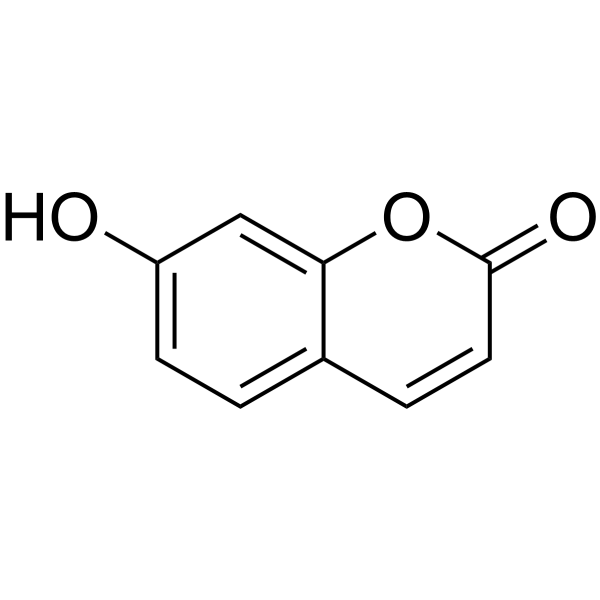
    Umbelliferone
    5 Publications Verification

    7-Hydroxycoumarin; Hydrangin; NSC 19790

    Apoptosis Fluorescent Dye Neurological Disease Inflammation/Immunology Cancer
    Umbelliferone (7-Hydroxycoumarin), a natural orally active product of the coumarin family, is a fluorescing compound which can be used as a sunscreen agent. Umbelliferone induces cell cycle arrest, apoptosis and DNA fragmentation in HepG2 cells. Umbelliferone exhibits significant anticancer effects. Umbelliferone attenuates the alteration characteristics of allergic airway inflammation. Umbelliferone displays the neuroprotective effects and cross the blood-brain barrier. Umbelliferone exhibits anti-inflammatory and antioxidant effects in chronic alcohol-fed rats .
    Umbelliferone
  • HY-N0283
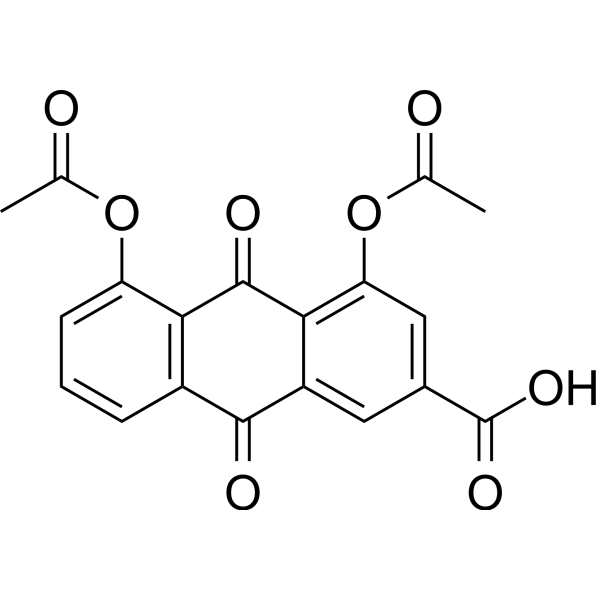
    Diacerein
    5+ Cited Publications

    Diacerhein; Diacetylrhein

    Interleukin Related Calcium Channel Inflammation/Immunology
    Diacerein (Diacerhein), an orally active anthraquinone, reduces production of IL-1 converting enzyme then inhibits the activation of IL-1β by related downstream signaling. Diacerein is an anti-inflammatory and anti-rheumatic drug. Diacerein can relieve bronchospasm and control airway inflammation in asthmatic mice. Diacerein has the potential for slow acting drug in osteoarthritis (SYSADOA) research .
    Diacerein
  • HY-13693
    Mometasone furoate
    3 Publications Verification

    Sch32088

    Glucocorticoid Receptor Inflammation/Immunology Endocrinology Cancer
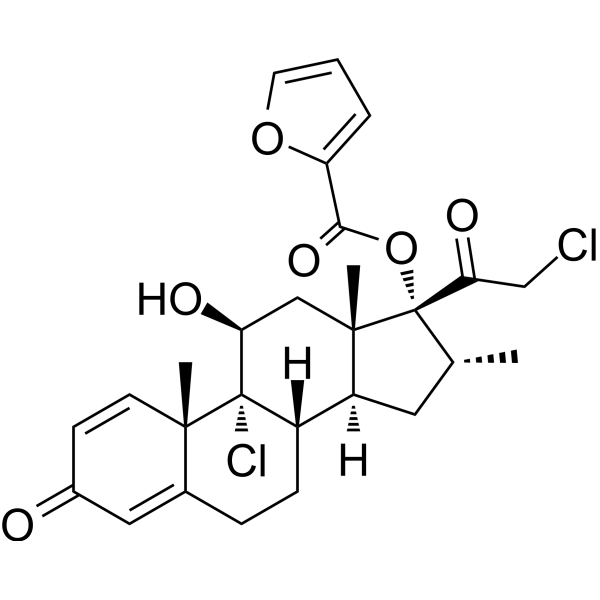
    Mometasone furoate (Sch32088) is a glucocorticoid receptor agonist with anti-inflammatory and anti-allergic activity. Mometasone furoate acts as a corticosteroid agent and used for topical applications in chronic skin eczema and airway inflammation management of asthma in vivo
    Mometasone furoate
  • HY-N0668
    Rubusoside
    2 Publications Verification

    GLUT Amylases NF-κB Metabolic Disease Inflammation/Immunology Cancer
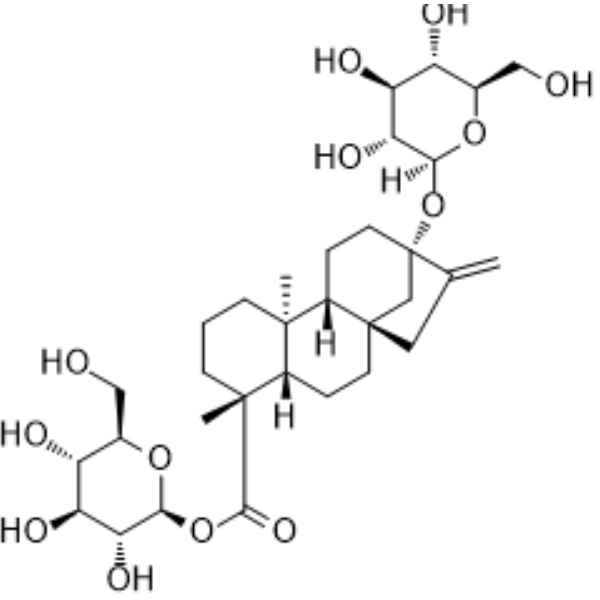
    Rubusoside is a diterpene glycoside that is also a sweetener and solubilizer with anti-angiogenic, anti-cancer, anti-obesity, anti-allergic and anti-asthmatic effects. Rubusoside attenuates airway hyperresponsiveness and reduces inflammatory cells in bronchoalveolar lavage fluid (BALF), reducing OVA (HY-W250978)-induced airway inflammation. Rubusoside also prevents palmitic acid-induced lipotoxicity in pancreatic INS-1 cells, reduces the transport of human glucose transporters GLUT-1 and fructose GLUT-5, and inhibits NF-κB and α-amylase (α-amylase) .
    Rubusoside
  • HY-156963

    FP-025

    MMP Inflammation/Immunology
    Aderamastat (FP-025) is an orally active, selective MMP-12 inhibitor. Aderamastat provides protection against house dust mite (HDM)-sensitized allergic asthma. Aderamastat can be used in the research of respiratory diseases, including chronic inflammatory airway diseases and pulmonary fibrosis .
    Aderamastat
  • HY-N3519
    Platycodin D3
    1 Publications Verification

    HCV Branched Chain Amino Acid Transaminase (BCAT) Interleukin Related NF-κB ERK p38 MAPK JNK Infection Inflammation/Immunology
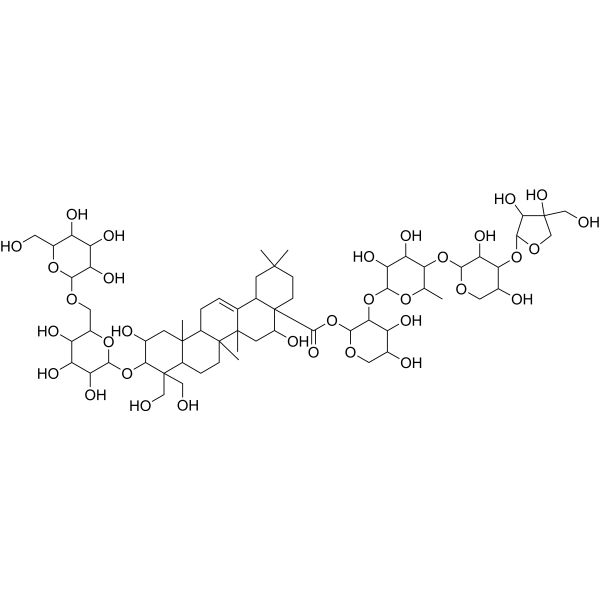
    Platycodin D3 is a triterpenoid saponin that can be found in Platycodon grandiflorum. Platycodin D3 exhibits multiple activities including anti-inflammation, regulation of airway mucus secretion, improvement of asthmatic airway inflammation and remodeling, and inhibition of hepatitis C virus (HCV) replication. The IC50 value of Platycodin D3 against HCV NS5B RNA-dependent RNA polymerase is 8 μg/mL. Platycodin D3 can be used in studies related to asthma, hepatitis C virus infection and inflammatory diseases .
    Platycodin D3
  • HY-N0863

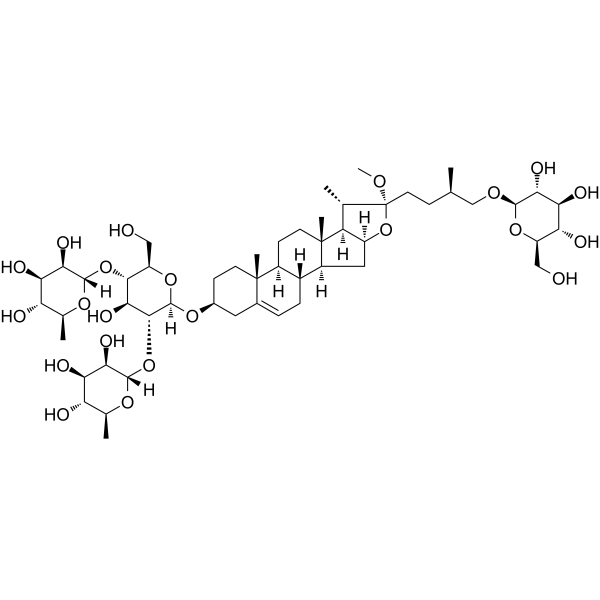
    NSC-698790; Smilax saponin B

    Bcl-2 Family Apoptosis Akt c-Myc ERK p38 MAPK JNK FOXO Cancer
    Methyl protodioscin (NSC-698790; Smilax saponin B) is a multi-target, selective, steroidal diglycoside inhibitor with antitumor activity that induces cell cycle arrest. The mechanism of action of Methyl protodioscin is complex, involving the induction of G2/M cell cycle arrest, regulation of the Bcl-2/Bax apoptotic pathway, inhibition of the Akt1/c-Myc axis and MAPK/ERK signaling, while simultaneously downregulating ADAM15 and inducing FOXO1 to reduce cholesterol synthesis. It also inhibits the JNK/c-Jun pathway, reducing the production of inflammatory factors (IL-6, TNF-α). Methyl protodioscin exhibits significant antitumor (inhibiting proliferation, migration, invasion, and inducing apoptosis), anti-inflammatory, and anti-restenosis activities. Methyl protodioscin can be used in research on lung cancer, prostate cancer, pancreatic cancer, and other tumors, as well as inflammatory diseases such as airway inflammation and enteritis .
    Methyl protodioscin
  • HY-N6013

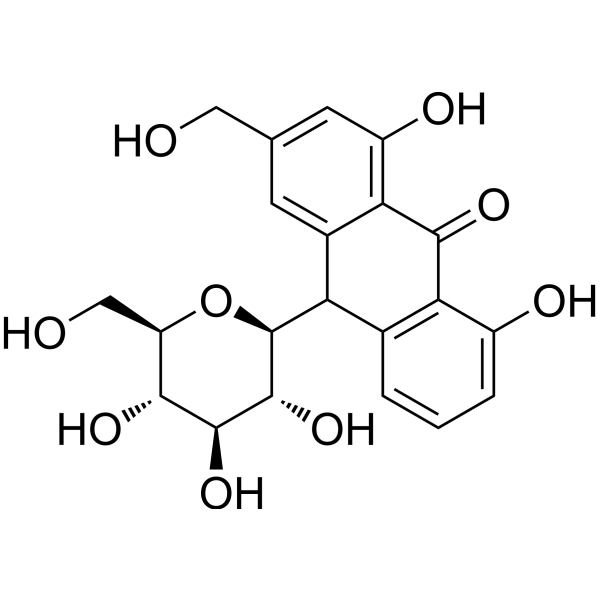
    MMP Proteasome Keap1-Nrf2 TGF-beta/Smad Interleukin Related SOD Bacterial Fungal Infection Neurological Disease Metabolic Disease Inflammation/Immunology Cancer
    Aloin (mixture of A&B) is an orally active anthraquinone derivative isolated from Aloe vera. Aloin (mixture of A&B) mitigates airway impairment and exerts neuroprotective, anti-inflammatory, antioxidant, antibacterial, antifungal, antiviral and antitumor effects. Aloin (mixture of A&B) inhibits Clostridium histolyticum collagenase, granulocyte matrix metalloproteinases and human 20S proteasome. Aloin (mixture of A&B) upregulates the Nrf2/HO-1 pathway, suppresses the TGF-β/Smad2/3 pathway. Aloin (mixture of A&B) reduces IL-4/IL-5/IL-13 levels, and reverses oxidative stress markers (MDA, SOD, GSH). Aloin (mixture of A&B) can be used for research on chronic ulcers, burns, wounds, inflammatory and degenerative disorders, asthma and neuroblastoma .
    Aloin (mixture of A&B)
  • HY-108858
    Dornase alfa
    1 Publications Verification

    rhDNase

    DNA/RNA Synthesis Endonuclease Inflammation/Immunology
    Dornase alfa (rhDNase) is a recombinant human deoxyribonuclease I (rhDNase) that can specifically degrade extracellular DNA. Dornase alfa catalyzes the cleavage of DNA released by neutrophils in respiratory mucus, reduces sputum viscosity, thereby improving mucus clearance efficiency, reducing airway obstruction and alleviating inflammatory responses. Dornase alfa can be used to improve lung function (such as FEV_1) in cystic fibrosis (CF), reduce the risk of acute pulmonary exacerbations, and has good in vivo tolerability. Dornase alfa acts locally on the respiratory tract through aerosol inhalation, specifically improving the high viscosity of mucus caused by DNA accumulation and related respiratory symptoms .
    Dornase alfa
  • HY-N1193

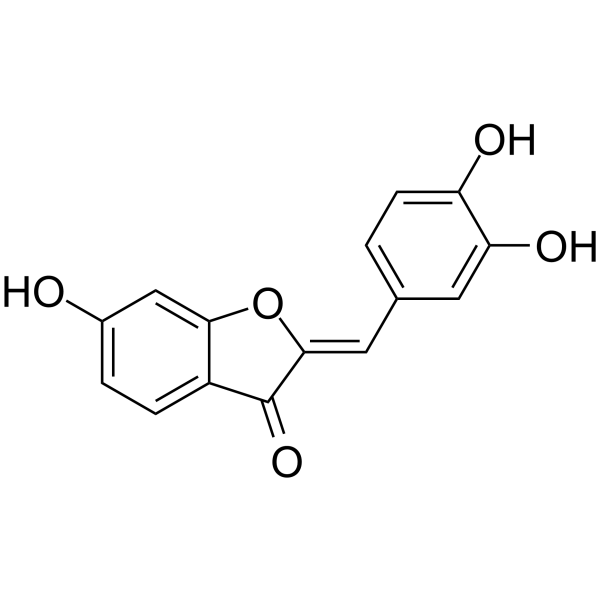
    NF-κB Inflammation/Immunology
    Sulfuretin inhibits the inflammatory response by suppressing the NF-κB pathway. Sulfuretin can be used for the research of allergic airway inflammation. Sulfuretin reduces oxidative stress, platelet aggregation, and mutagenesis . Sulfuretin is a competitive and potent inhibitor of monophenolase and diphenolase activities with the IC50 of 13.64 μM .
    Sulfuretin
  • HY-P99244

    ILV 094

    Interleukin Related JAK STAT Caspase Bcl-2 Family Inflammation/Immunology
    Fezakinumab (ILV 094) is an anti-IL-22 monoclonal antibody. Fezakinumab inhibits IL-22 signal transduction, and regulates the JAK1/STAT3 pathway as well as apoptotic proteins. Fezakinumab alleviates airway remodeling, alveolar enlargement and inflammatory cell infiltration in lung tissues. Fezakinumab reduces the levels of neutrophils, lymphocytes, eosinophils and macrophages in lung tissues. Fezakinumab can be used in the research of chronic obstructive pulmonary disease and skin diseases .
    Fezakinumab
  • HY-P990094

    CSL311

    c-Fms Inflammation/Immunology
    Trabikibart (CSL311) is a specific inhibitor targeting the βc receptor (CSF2RB) that inhibits signal transduction mediated by GM-CSF, IL-5, and IL-3. Trabikibart exhibits significant anti-inflammatory and anti-edema effects, reduces myeloid cell infiltration, and inhibits inflammatory cell survival. Trabikibart also possesses antiviral immune functions, which alleviate pulmonary inflammation, reverse airway dysfunction and fibrosis, and thereby restore impaired pulmonary function. Trabikibart can be used in research on related diseases such as acute respiratory distress syndrome, viral pneumonia, asthma, and chronic rhinosinusitis with nasal polyps .
    Trabikibart
  • HY-19393

    Phosphodiesterase (PDE) Cardiovascular Disease Inflammation/Immunology Cancer
    SCH 351591 is a highly selective, orally active PDE4 inhibitor, with IC50 values of 58 nM and 153 nM in humans and rats, respectively. SCH 351591 effectively inhibits pathological processes such as cytokine production, eosinophilia, airway hyperresponsiveness and bronchospasm. SCH 351591 also induces microvascular injury, activates mast cells and endothelial cells, and causes increases in serum histamine and various inflammatory factors, leading to early vascular damage. SCH 351591 has been widely used in studies related to asthma, chronic obstructive pulmonary disease and drug-induced vascular injury .
    SCH 351591
  • HY-15178

    GRC 3886

    Phosphodiesterase (PDE) Inflammation/Immunology
    Oglemilast (GRC 3886) is a potent and orally active phosphodiesterase-4 (PDE4) inhibitor with an IC50 of 0.5 nM for PDE4D3. Oglemilast inhibits pulmonary cell infiltration, including eosinophilia and neutrophilia in vitro and in vivo. Oglemilast has the potential for inflammatory airway diseases .
    Oglemilast
  • HY-149478

    NOD-like Receptor (NLR) Pyroptosis Inflammation/Immunology
    JT002 is an orally active and selective NLRP3 inflammasome assembly inhibitor. JT002 reduces NLRP3-dependent proinflammatory cytokine (such as IL-1β, IL-1α, IL-18) production and pyroptosis. JT002 blocks NLRP3 inflammasome complex formation. JT002 reduces airway hyperresponsiveness and airway neutrophilia in mice. JT002 can be used for the study of a variety of inflammatory diseases, such as Muckle-Wells syndrome (MWS) .
    JT002
  • HY-118545

    STAT Inflammation/Immunology Cancer
    Butamirate is an orally active antitussive agent that acts centrally through the receptors in the brainstem. Butamirate also reduces the resistance in the airways by inhibiting bronchospasm and anti-inflammatory effect. Butamirate inhibits glioblastoma (GBM) growth and STAT3 activity. Butamirate can be used for the study of glioblastoma .
    Butamirate
  • HY-P1098A
    Ac2-26 TFA
    Maximum Cited Publications
    8 Publications Verification

    Annexin A NF-κB Inflammation/Immunology
    Ac2-26 TFA is the N-terminal peptide of annexin 1, and has anti-inflammatory activity. Ac2-26 induces a decrease in IKKβ protein in lysosomes by chaperone-mediated autophagy (CMA). Ac2-26 ameliorates lung ischemia-reperfusion injury. Ac2-26 also inhibits airway inflammation and hyperresponsiveness in an asthma rat model .
    Ac2-26 TFA
  • HY-W145486

    Environmental Pollutants Biochemical Assay Reagents Neurological Disease Metabolic Disease Inflammation/Immunology
    Calcium gluconate is an orally effective calcium salt supplement . Calcium gluconate reduces elevated serum potassium, decreased serum calcium, and postoperative myalgia associated with succinylcholine administration. Calcium gluconate restores calcium homeostasis, skeletal integrity, bone mineralization and bone density, and maintains levels of parathyroid hormone, bone resorption markers and osteoclasts. Calcium gluconate reverses LPS (HY-D1056)-induced ERK phosphorylation, inflammatory cytokine release and acute lung injury, alleviates airway inflammatory damage and suppresses immune responses. Calcium gluconate can be used in research related to postoperative myalgia, osteoporosis/osteomalacia and acute lung injury .
    Calcium gluconate
  • HY-119684

    NOD-like Receptor (NLR) Interleukin Related Neurological Disease Inflammation/Immunology
    Maresin 2 is an anti-inflammatory and pro-resolving mediator. Maresin 2 drives intestinal epithelial cell migration by activating the focal cell-matrix adhesion signaling pathway in primary human intestinal epithelial cells, thereby promoting mucosal wound repair. Maresin 2 alleviates nociceptive and anxiety-like behaviors in rats with type 1 diabetes by inhibiting IL-1β in the spinal cord and prefrontal cortex. Maresin 2 attenuates allergic airway inflammation in mice by inhibiting the activation of the NLRP3 inflammasome, Th2-type immune responses, and oxidative stress. Maresin 2 inhibits inflammatory and neuropathic trigeminal neuralgia and reduces neuronal activation in the trigeminal ganglion. Maresin 2 promotes inflammation resolution and mucosal repair after DSS-induced colitis or biopsy-induced colonic mucosal injury .
    Maresin 2
  • HY-108617

    Phosphodiesterase (PDE) Inflammation/Immunology
    YM976 is a phosphodiesterase 4 (PDE4) inhibitor with an IC50 of 2.2 nM. YM976 shows the dissociation of anti-inflammatory activities from emetic effects and inhibits the antigen-induced airway responses .
    YM976
  • HY-138542

    Integrin Inflammation/Immunology
    RO0270608, the active metabolite of R411, is a dual alpha4beta1-alpha4beta7 (α4β1/α4β7) integrin antagonist. Antiinflammatory activity .
    RO0270608
  • HY-18263C

    SB-656933 tosylate

    CXCR Interleukin Related Inflammation/Immunology
    Elubrixin tosylate (SB-656933 tosylate) is a potent, selective, competitive, reversible and orally active CXCR2 antagonist and an IL-8 receptor antagonist. Elubrixin tosylate inhibits neutrophil CD11b upregulation (IC50 of 260.7 nM) and shape change (IC50 of 310.5 nM). Elubrixin tosylate has the potential for inflammatory diseases research, such as inflammatory bowel disease and airway inflammation .
    Elubrixin tosylate
  • HY-118545A

    STAT Inflammation/Immunology Cancer
    Butamirate citrate is an orally active antitussive agent that acts centrally through the receptors in the brainstem. Butamirate citrate also reduces the resistance in the airways by inhibiting bronchospasm and anti-inflammatory effect. Butamirate citrate inhibits glioblastoma (GBM) growth and STAT3 activity. Butamirate citrate can be used for the study of glioblastoma .
    Butamirate citrate
  • HY-N0074
    Byakangelicol
    1 Publications Verification

    COX Inflammation/Immunology
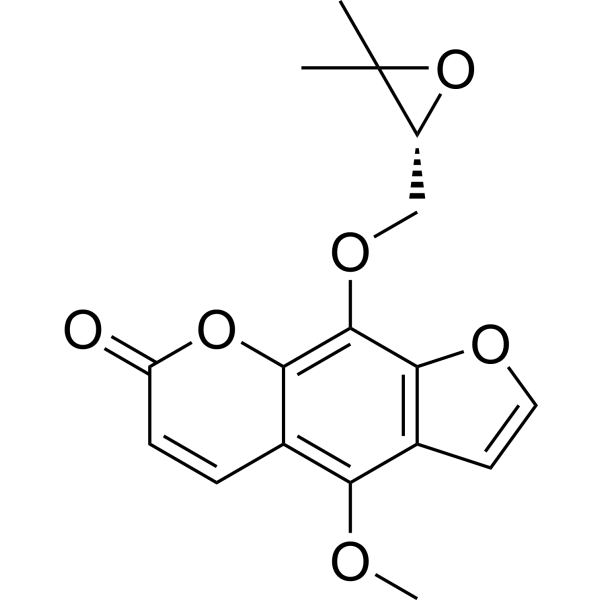
    Byakangelicol, isolated from Angelica dahurica, inhibits interleukin-1beta (IL-1beta) -induced prostaglandin E2 (PGE2) release in A549 cells mediated by suppression of cyclooxygenase-2 (COX-2) expression and the activity of COX-2 enzyme. Byakangelicol has therapeutic potential as an anti-inflammatory agent on airway inflammation .
    Byakangelicol
  • HY-B0809A
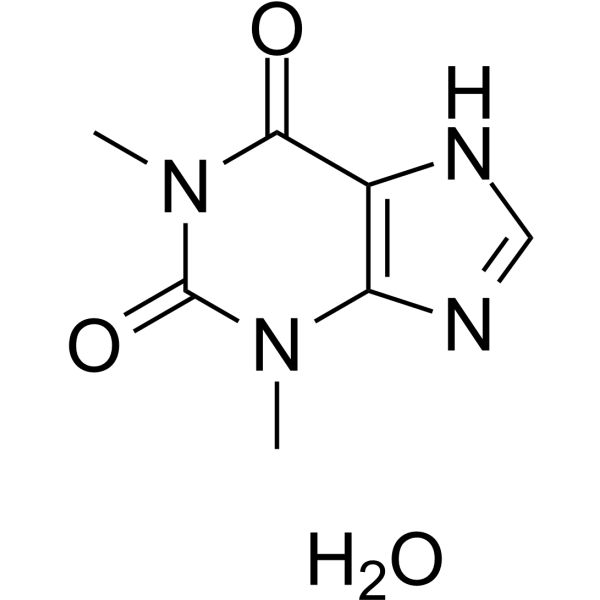
    Theophylline monohydrate
    5+ Cited Publications

    1,3-Dimethylxanthine monohydrate; Theo-24 monohydrate

    Phosphodiesterase (PDE) Adenosine Receptor HDAC Apoptosis Interleukin Related TNF Receptor Cancer
    Theophylline (1,3-Dimethylxanthine) monohydrate is a potent phosphodiesterase (PDE) inhibitor, adenosine receptor antagonist, and histone deacetylase (HDAC) activator. Theophylline (1,3-Dimethylxanthine) monohydrate inhibits PDE3 activity to relax airway smooth muscle. Theophylline (1,3-Dimethylxanthine) monohydrate has anti-inflammatory activity by increase IL-10 and inhibit NF-κB into the nucleus. Theophylline (1,3-Dimethylxanthine) monohydrate induces apoptosis. Theophylline (1,3-Dimethylxanthine) monohydrate can be used for asthma and chronic obstructive pulmonary disease (COPD) research .
    Theophylline monohydrate
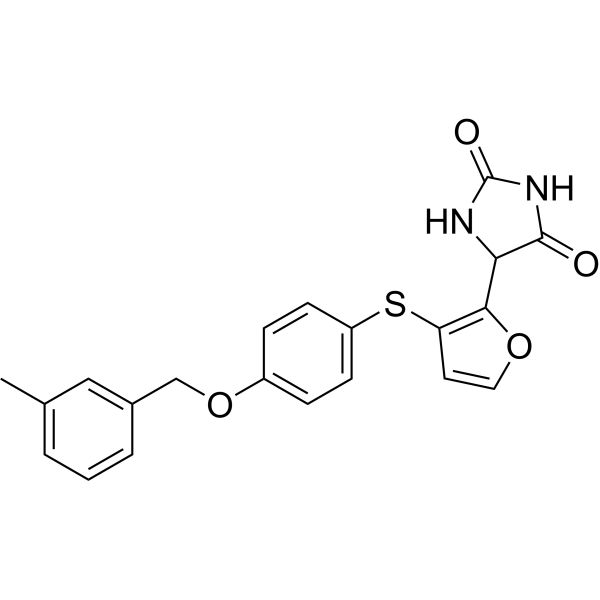
  • HY-P991278

    Interleukin Related Inflammation/Immunology
    ABM-125 is a IL-25 neutralizer and immune response modulator. ABM-125 neutralizes human and mouse IL-25 and blocks type 2 immune activation function. ABM-125 regulates virus-induced inflammatory cytokine expression and increases the expression level of antiviral interferons in rhinovirus-infected asthmatic bronchial epithelial cells. For the isotype control of ABM-125, refer to Human IgG1 kappa, Isotype Control (HY-P99001). ABM-125 is applicable to research related to virus-induced acute asthma exacerbations .
    ABM-125
  • HY-101445R

    Reference Standards Reactive Oxygen Species (ROS) Ferroptosis Apoptosis Cancer
    Butamirate (citrate) (Standard) is the analytical standard of Butamirate (citrate). This product is intended for research and analytical applications. Butamirate citrate is an orally active cough suppressant that acts centrally through the receptors in the brainstem. Butamirate citrate also reduces the resistance in the airways by inhibiting bronchospasm and anti-inflammatory effect .
    Trolox (Standard)
  • HY-174903

    Itk Inflammation/Immunology
    ITK-IN-6 is a highly potent and selective ITK inhibitor (Kd = 387 nM). ITK-IN-6 directly binds to the ITK kinase domain. ITK-IN-6 blocks the release of pro-inflammatory cytokines and the activation and differentiation of Th2 and Th17 cells. ITK-IN-6 improves asthma progression by reducing inflammatory cell infiltration, mucus and IgE production. ITK-IN-6 significantly inhibits airway inflammation and is used in asthma research .
    ITK-IN-6
  • HY-108047

    Phosphodiesterase (PDE) Metabolic Disease Inflammation/Immunology
    MK-0873 is a selective phosphodiesterase-4 (PDE4) inhibitor. MK-0873 increases intracellular levels of cyclic adenosine phosphate (cAMP) by inhibiting the activity of the PDE4 enzyme and subsequently activates protein kinase A (PKA). Activated PKA inhibits the activity of inflammatory cells and leads to direct relaxation of airway smooth muscle. MK-0873 can be used in studies of chronic obstructive pulmonary disease (COPD) .
    MK-0873
  • HY-P1098B
    Ac2-26 ammonium
    Maximum Cited Publications
    8 Publications Verification

    IKK Inflammation/Immunology
    Ac2-26 ammonium is the N-terminal peptide of annexin 1, and has anti-inflammatory activity. Ac2-26 ammonium induces a decrease in IKKβ protein in lysosomes by chaperone-mediated autophagy (CMA). Ac2-26 ammonium ameliorates lung ischemia-reperfusion injury. Ac2-26 ammonium also inhibits airway inflammation and hyperresponsiveness in an asthma rat model .
    Ac2-26 ammonium
  • HY-B1640R
    Ethacrynic acid (Standard)
    5+ Cited Publications

    Etacrynic acid (Standard)

    Reference Standards Glutathione S-transferase NF-κB Calcium Channel Inflammation/Immunology Cancer
    Ethacrynic acid (Standard) is the analytical standard of Ethacrynic acid. This product is intended for research and analytical applications. Ethacrynic acid (Etacrynic acid) is a diuretic. Ethacrynic acid is an inhibitor of glutathione S-transferases (GSTs). Ethacrynic acid is a potent inhibitor of NF-kB-signaling pathway, and also modulates leukotriene formation. Ethacrynic acid also inhibits L-type voltage-dependent and store-operated calcium channel, leading to relaxation of airway smooth muscle (ASM) cells. Ethacrynic acid has anti-inflammatory properties that reduces the retinoid-induced ear edema in mice .
    Ethacrynic acid (Standard)
  • HY-N0573R

    7-Hydroxycoumarin (Standard); Hydrangin (Standard); NSC 19790 (Standard)

    Reference Standards Apoptosis Fluorescent Dye Neurological Disease Inflammation/Immunology Cancer
    Umbelliferone (Standard) (7-Hydroxycoumarin (Standard)) is the analytical standard of Umbelliferone (HY-N0573). This product is intended for research and analytical applications. Umbelliferone (7-Hydroxycoumarin), a natural orally active product of the coumarin family, is a fluorescing compound which can be used as a sunscreen agent. Umbelliferone induces cell cycle arrest, apoptosis and DNA fragmentation in HepG2 cells. Umbelliferone exhibits significant anticancer effects. Umbelliferone attenuates the alteration characteristics of allergic airway inflammation. Umbelliferone displays the neuroprotective effects and cross the blood-brain barrier. Umbelliferone exhibits anti-inflammatory and antioxidant effects in chronic alcohol-fed rats.
    Umbelliferone (Standard)
  • HY-N0573S

    7-Hydroxycoumarin-d5; Hydrangin-d5; NSC 19790-d5

    Isotope-Labeled Compounds Apoptosis Fluorescent Dye Neurological Disease Inflammation/Immunology Cancer
    Umbelliferone-d5 (7-Hydroxycoumarin-d5) is the deuterium labeled Umbelliferone (HY-N0573 ). Umbelliferone (7-Hydroxycoumarin), a natural orally active product of the coumarin family, is a fluorescing compound which can be used as a sunscreen agent. Umbelliferone induces cell cycle arrest, apoptosis and DNA fragmentation in HepG2 cells. Umbelliferone exhibits significant anticancer effects. Umbelliferone attenuates the alteration characteristics of allergic airway inflammation. Umbelliferone displays the neuroprotective effects and cross the blood-brain barrier. Umbelliferone exhibits anti-inflammatory and antioxidant effects in chronic alcohol-fed rats .
    Umbelliferone-d5
  • HY-B0809R
    Theophylline (Standard)
    5+ Cited Publications

    1,3-Dimethylxanthine(Standard); Theo-24 (Standard)

    Reference Standards Phosphodiesterase (PDE) Adenosine Receptor HDAC Apoptosis Interleukin Related TNF Receptor Endogenous Metabolite Cancer
    Theophylline (Standard) is the analytical standard of Theophylline. This product is intended for research and analytical applications. Theophylline (1,3-Dimethylxanthine) is a potent phosphodiesterase (PDE) inhibitor, adenosine receptor antagonist, and histone deacetylase (HDAC) activator. Theophylline (1,3-Dimethylxanthine) inhibits PDE3 activity to relax airway smooth muscle. Theophylline (1,3-Dimethylxanthine) has anti-inflammatory activity by increase IL-10 and inhibit NF-κB into the nucleus. Theophylline (1,3-Dimethylxanthine) induces apoptosis. Theophylline (1,3-Dimethylxanthine) can be used for asthma and chronic obstructive pulmonary disease (COPD) research .
    Theophylline (Standard)
  • HY-Y1269D

    Salmiac, for molecular biology

    TGF-beta/Smad Apoptosis Chloride Channel Neurological Disease Cancer
    Ammonium chloride (Salmiac), for molecular biology is an inhibitor of Slc26a4 and SMAD2. Ammonium chloride, for molecular biology reduces the protein expression level of Slc26a4 in lung tissue, and attenuates ozone-induced increases in proinflammatory cytokines, inflammatory cells, pulmonary resistance, goblet cell hyperplasia, peribronchial inflammation and thiocyanate levels in mouse tissues and bronchoalveolar lavage fluid. Ammonium chloride, for molecular biology decreases the level of phosphorylated SMAD2, inhibits autophagy by reducing autophagy-related proteins, and enhances Cisplatin (HY-17394)-induced cancer cell apoptosis and DNA double-strand breaks. Ammonium chloride, for molecular biology also inhibits the TCA cycle, reduces ATP production, increases glucose utilization, regulates the levels of lactic acid, glutamic acid and ATP, and induces morphological degeneration of neuroblastoma cells. Ammonium chloride, for molecular biology can be used in studies related to ozone-induced airway injury, hepatocellular carcinoma, human cervical cancer, hepatic encephalopathy, Reye syndrome, epilepsy and neurodegenerative diseases .
    Ammonium chloride, for molecular biology
  • HY-111477

    (E/Z)-RPL-554

    Phosphodiesterase (PDE) Neurological Disease
    (E/Z)-Ensifentrine is a dual inhibitor of PDE3/4. (E/Z)-Ensifentrine reduces the inflammatory cells into the airways. (E/Z)-Ensifentrine has bronchodilatory and anti-inflammatory activities in vitro and in vivo model .
    (E/Z)-Ensifentrine
  • HY-125019

    JAK STAT Inflammation/Immunology
    iJak-381 is a JAK1/2 inhibitor with anti-inflammatory activity. iJak-381 blocks IL-13 signaling and also inhibits IL-4 and IL-6 signaling pathways. iJak-381 also reduced p-STAT6 levels and inhibited the influx of inflammatory cells into the lungs of mice. iJak-381 inhibits airway hyperresponsiveness (AHR) .
    iJak-381
  • HY-155300

    Leukotriene Receptor Inflammation/Immunology
    BLT2 antagonist-1 (compound 15b) is a selective BLT2 antagonist that inhibits the chemotaxis of CHO-BLT2 cells with an IC50 of 224 nM. BLT2 antagonist-1 does not inhibits the chemotaxis of CHO-BLT1 cells. BLT2 antagonist-1 also inhibits the binding of LTB4 and BLT2 with a Ki value of 132 nM. BLT2 antagonist-1 can be used for the research of the inflammatory airway diseases such as asthma and chronic obstructive pulmonary disease .
    BLT2 antagonist-1
  • HY-18263A

    SB-656933

    CXCR Interleukin Related Inflammation/Immunology
    Elubrixin (SB-656933) is a potent, selective, competitive, reversible and orally active CXCR2 antagonist and an IL-8 receptor antagonist. Elubrixin inhibits neutrophil CD11b upregulation (IC50 of 260.7 nM) and shape change (IC50 of 310.5 nM). Elubrixin has the potential for inflammatory diseases research, such as inflammatory bowel disease and airway inflammation .
    Elubrixin
  • HY-13693R
    Mometasone furoate (Standard)
    3 Publications Verification

    Sch32088 (Standard)

    Reference Standards Glucocorticoid Receptor Inflammation/Immunology Endocrinology Cancer
    Mometasone furoate (Standard) is the analytical standard of Mometasone furoate. This product is intended for research and analytical applications. Mometasone furoate (Sch32088) is a glucocorticoid receptor agonist with anti-inflammatory and anti-allergic activity. Mometasone furoate acts as a corticosteroid agent and used for topical applications in chronic skin eczema and airway inflammation management of asthma in vivo
    Mometasone furoate (Standard)
  • HY-118545AR

    Reference Standards STAT Inflammation/Immunology Cancer
    Butamirate citrate (Standard) is the analytical standard of Butamirate citrate (HY-118545A). This product is intended for research and analytical applications. Butamirate citrate is an orally active antitussive agent that acts centrally through the receptors in the brainstem. Butamirate citrate also reduces the resistance in the airways by inhibiting bronchospasm and anti-inflammatory effect. Butamirate citrate inhibits glioblastoma (GBM) growth and STAT3 activity. Butamirate citrate can be used for the study of glioblastoma .
    Butamirate citrate (Standard)
  • HY-107909

    1,3-Dimethylxanthine sodium glycinate; Theo-24 sodium glycinate

    Adenosine Receptor HDAC Apoptosis Interleukin Related TNF Receptor Cancer
    Theophylline (1,3-Dimethylxanthine) sodium glycinate is a potent phosphodiesterase (PDE) inhibitor, adenosine receptor antagonist, and histone deacetylase (HDAC) activator. Theophylline sodium glycinate inhibits PDE3 activity to relax airway smooth muscle. Theophylline sodium glycinate has anti-inflammatory activity by increase IL-10 and inhibit NF-κB into the nucleus. Theophylline sodium glycinate induces apoptosis. Theophylline sodium glycinate can be used for asthma and chronic obstructive pulmonary disease (COPD) research .
    Theophylline sodium glycinate
  • HY-N0142R
    Phloretin (Standard)
    Maximum Cited Publications
    24 Publications Verification

    NSC 407292 (Standard); RJC 02792 (Standard)

    Reference Standards SGLT Endogenous Metabolite GLUT Metabolic Disease Cancer
    Phloretin (Standard) is the analytical standard of Phloretin. This product is intended for research and analytical applications. Phloretin (NSC 407292; RJC 02792) is a flavonoid extracted from Malus pumila Mill., has anti-inflammatory activities. Phloridzin is a specific, competitive and orally active inhibitor of sodium/glucose cotransporters in the intestine (SGLT1) and kidney (SGLT2). Phloretin inhibits Yeast-made GLUT1 as well as Human erythrocyte GLUT1 with IC50values of 49 μM and 61 μM, respectively .Phloretin has the potential for the treatment of rheumatoid arthritis (RA) and allergic airway inflammation .
    Phloretin (Standard)
  • HY-123164

    XRP 1745A

    Integrin Inflammation/Immunology
    IVL 745 (XRP 1745A) is a very late antigen 4 (VLA-4, integrin α4β1) antagonist. IVL 745 reduces the airway inflammatory response of sensitized rats and sheep. IVL 745 can be used for airway inflammation and asthma research .
    IVL 745
  • HY-P3648

    AAPV-CMK

    Elastase Inflammation/Immunology
    Ala-Ala-Pro-Val-chloromethylketone is an irreversible human neutrophil elastase (NE) inhibitor for use in the study of chronic inflammatory airway diseases .
    Ala-Ala-Pro-Val-chloromethylketone
  • HY-177309

    mAChR Neurological Disease
    Muscarinic M3 receptor antagonist-1 (Example 4) is a muscarinic acetylcholine receptor M3 antagonist. Muscarinic M3 receptor antagonist-1 can be used to study inflammatory and obstructive airway diseases .
    Muscarinic M3 receptor antagonist-1

Inquiry Online

Your information is safe with us. * Required Fields.

Salutation


Country or Region *

Applicant Name *


Organization Name *

Department *


Email Address *


Product Name *

Cat. No.


Requested quantity *

Phone Number *


Remarks

Inquiry Online

Inquiry Information

Product Name:
Cat. No.:
Quantity:
MCE Japan Authorized Agent:

