402 Results for "

antimicrobial agents

" in MedChemExpress (MCE) Product Catalog:
Products (402)

402 Results for "antimicrobial agents" in MCE Product Catalog:

15
15 Publications Verification
Referencia número: HY-N0575
No. CAS: 480-39-7
Synonyms: (+)-Pinocoembrin; Dihydrochrysin; Galangin flavanone
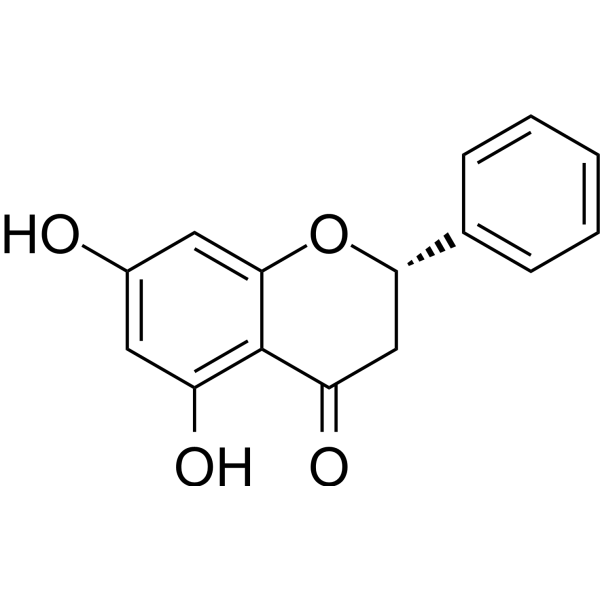
Pinocembrin ((+)-Pinocoembrin) is a flavonoid found in propolis, acts as a competitive inhibitor of histidine decarboxylase, and is an effective anti-allergic agent, with antioxidant, antimicrobial and anti-inflammatory properties .
loading...
    loading...
15
15 Publications Verification
Referencia número: HY-13685
No. CAS: 58066-85-6
Pureza:  99.92%
Synonyms: HePC; Hexadecyl phosphocholine
Target:  

Akt HIV Parasite

Áreas de investigación:  

Infection Cancer

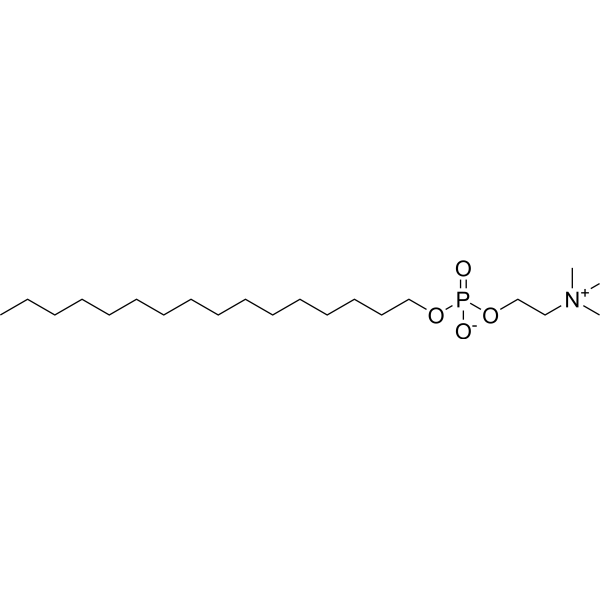
Miltefosine is a broad spectrum antimicrobial, anti-leishmanial, phospholipid agent acting by inhibiting the PI3K/Akt activity . Miltefosine is an inhibitor of CTP-phosphocholine cytidyltransferase (CCT) .
loading...
    loading...
13
13 Cited Publications
Referencia número: HY-B1145
No. CAS: 3697-42-5
Áreas de investigación:  

Infection

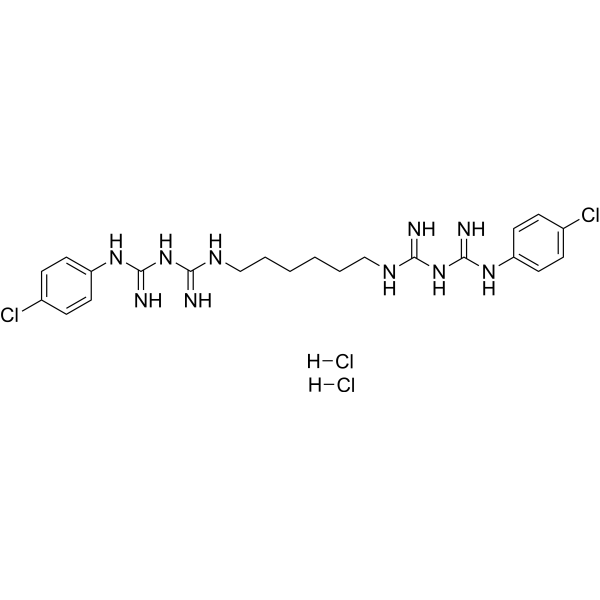
Chlorhexidine dihydrochloride is a orally active cationic antimicrobial agent that targets microbial cell membranes. Chlorhexidine dihydrochloride binds to cell membrane phospholipids non-specifically, destroys membrane structure and induces leakage of cell contents. Chlorhexidine dihydrochloride has broad-spectrum bactericidal activity against both Gram-positive and Gram-negative bacteria. Chlorhexidine dihydrochloride can interfere with membrane permeability, cause protein precipitation and energy metabolism disorders, such as rapid inhibition of microbial growth and induction of cell death (necrosis or apoptosis) .
loading...
    loading...
13
13 Cited Publications
Referencia número: HY-B1248
No. CAS: 55-56-1
Áreas de investigación:  

Infection

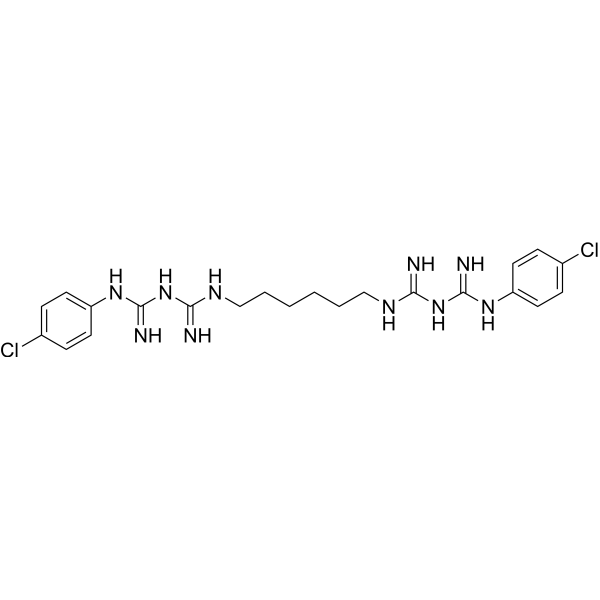
Chlorhexidine is a orally active cationic antimicrobial agent that targets microbial cell membranes. Chlorhexidine binds to cell membrane phospholipids non-specifically, destroys membrane structure and induces leakage of cell contents. Chlorhexidine has broad-spectrum bactericidal activity against both Gram-positive and Gram-negative bacteria. Chlorhexidine can interfere with membrane permeability, cause protein precipitation and energy metabolism disorders, such as rapid inhibition of microbial growth and induction of cell death (necrosis or apoptosis) .
loading...
    loading...
13
13 Cited Publications
Referencia número: HY-W013699
No. CAS: 56-95-1
Áreas de investigación:  

Infection

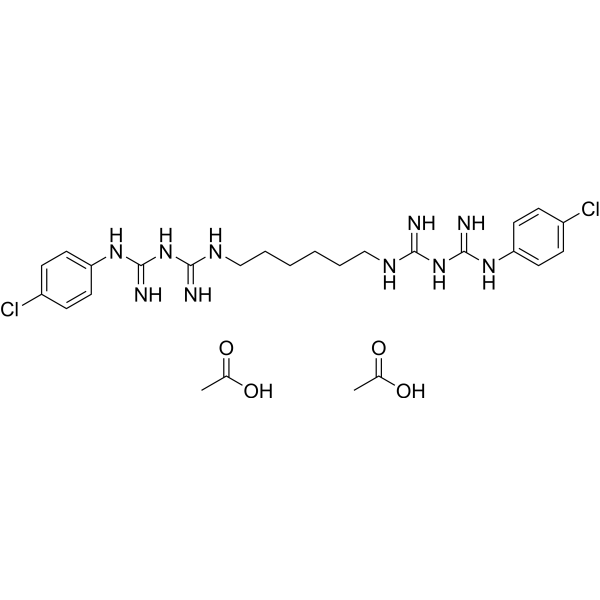
Chlorhexidine diacetate is a orally active cationic antimicrobial agent that targets microbial cell membranes. Chlorhexidine diacetate binds to cell membrane phospholipids non-specifically, destroys membrane structure and induces leakage of cell contents. Chlorhexidine diacetate has broad-spectrum bactericidal activity against both Gram-positive and Gram-negative bacteria. Chlorhexidine diacetate can interfere with membrane permeability, cause protein precipitation and energy metabolism disorders, such as rapid inhibition of microbial growth and induction of cell death (necrosis or apoptosis) .
loading...
    loading...
13
13 Cited Publications
Referencia número: HY-B0608
No. CAS: 18472-51-0
Áreas de investigación:  

Infection

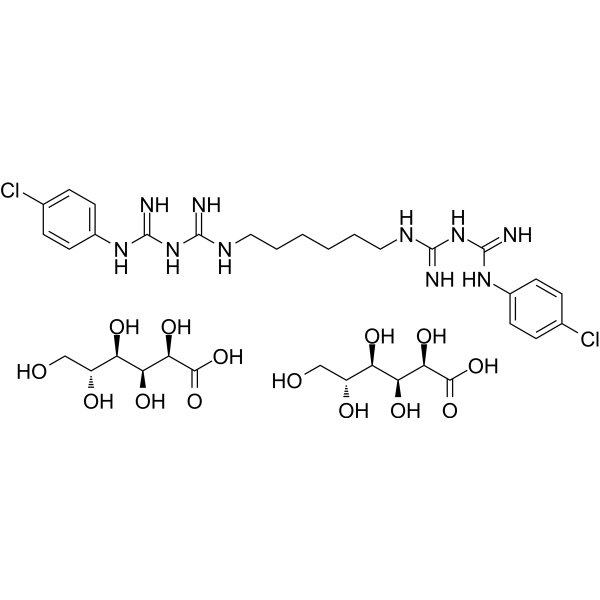
Chlorhexidine digluconate (20% in water) is a orally active cationic antimicrobial agent that targets microbial cell membranes. Chlorhexidine digluconate (20% in water) binds to cell membrane phospholipids non-specifically, destroys membrane structure and induces leakage of cell contents. Chlorhexidine digluconate (20% in water) has broad-spectrum bactericidal activity against both Gram-positive and Gram-negative bacteria. Chlorhexidine digluconate (20% in water) can interfere with membrane permeability, cause protein precipitation and energy metabolism disorders, such as rapid inhibition of microbial growth and induction of cell death (necrosis or apoptosis) .
loading...
    loading...
10
10 Cited Publications
Referencia número: HY-A0090
No. CAS: 67-20-9
Target:  

Bacterial Antibiotic

Áreas de investigación:  

Infection

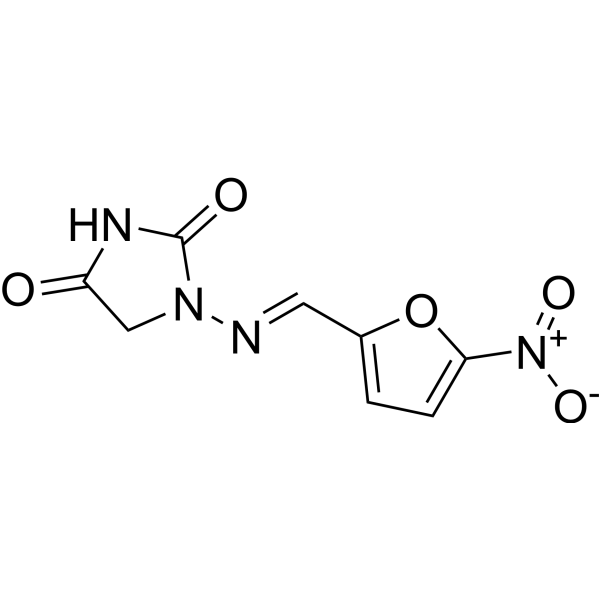
Nitrofurantoin is a potent and orally active broad-spectrum beta-lactamase antimicrobial agent. Nitrofurantoin acts as an antibiotic and can be used for the study of urinary tract infections (UTIs), including cystitis and kidney infections .
loading...
    loading...
9
9 Cited Publications
Referencia número: HY-B0537
No. CAS: 100-33-4
Synonyms: MP-601205
Áreas de investigación:  

Infection Cancer

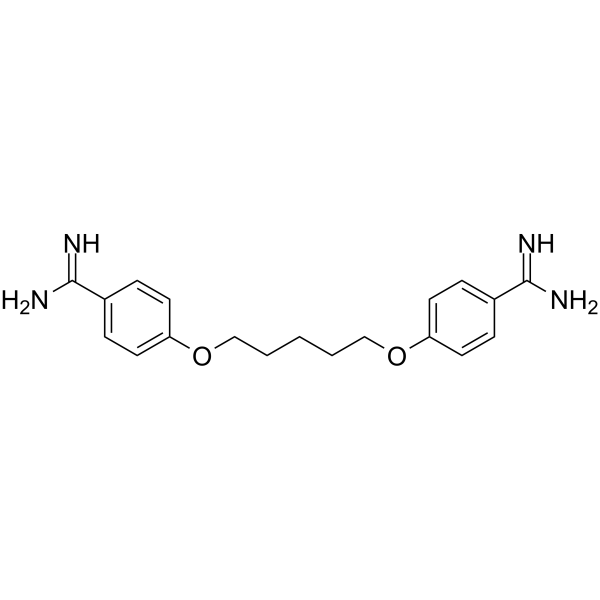
Pentamidine (MP-601205) is an antimicrobial agent and interferes with DNA biosynthetics. Pentamidine inhibits parasite Leishmania infantum with an IC50 of 2.5 μM. Pentamidine is a potent and selective protein tyrosine phosphatases (PTPases) and phosphatase of regenerating liver (PRL) inhibitor. Pentamidine has the potential for Gambian trypanosomiasis, antimony-resistant leishmaniasis, and Pneumocystis carinii pneumonia treatment. Antitumor and antibacterial activities .
loading...
    loading...
9
9 Cited Publications
Referencia número: HY-B0537B
No. CAS: 140-64-7
Synonyms: MP-601205 isethionate
Áreas de investigación:  

Infection Cancer

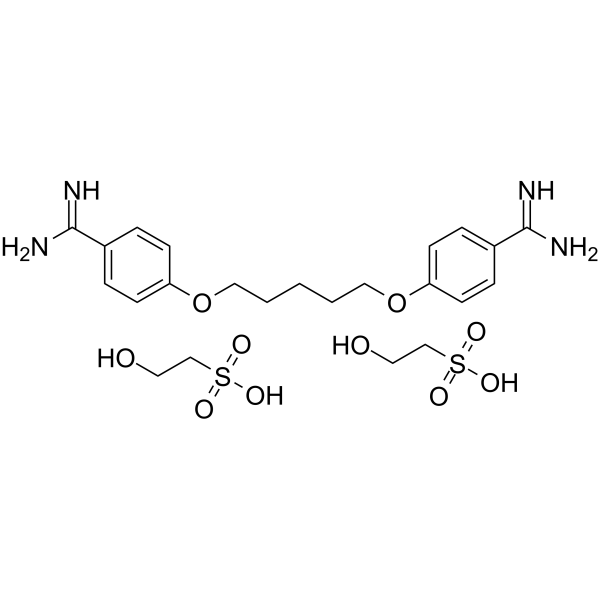
Pentamidine isethionate (MP-601205 isethionate) is an antimicrobial agent and interferes with DNA biosynthetics. Pentamidine isethionate inhibits parasite Leishmania infantum with an IC50 of 2.5 μM. Pentamidine isethionate is a potent and selective protein tyrosine phosphatases (PTPases) and phosphatase of regenerating liver (PRL) inhibitor. Pentamidine isethionate has the potential for Gambian trypanosomiasis, antimony-resistant leishmaniasis, and Pneumocystis carinii pneumonia treatment. Antitumor and antibacterial activities .
loading...
    loading...
6
6 Cited Publications
Referencia número: HY-14603
No. CAS: 130-26-7
Pureza:  99.84%
Synonyms: Iodochlorohydroxyquinoline
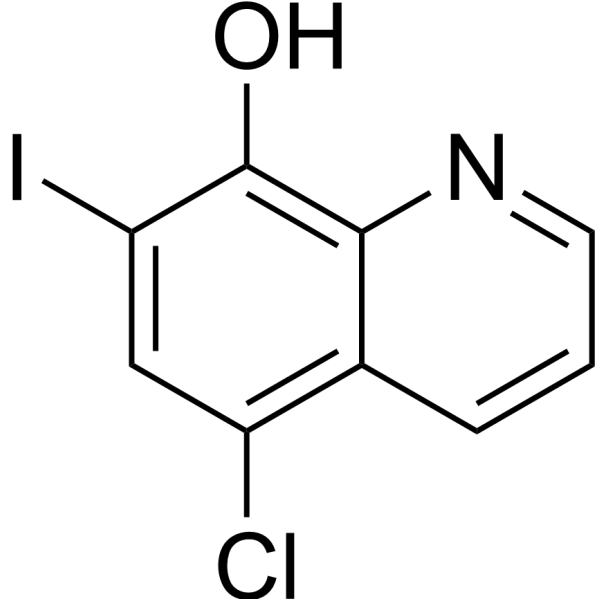
Clioquinol (Iodochlorhydroxyquin) is a topical antifungal agent with anticancer activity. Clioquinol acts as an oral antimicrobial agent for the research of diarrhea and skin infections. Antibiotic . Clioquinol is a chelator that binds to Zn 2+ and Cu 2+ with a greater affinity than it binds to Ca 2+ and Mg 2+. Clioquinol freely crosses the blood-brain barrier. Clioquinol can be used for the study of Alzheimer's disease .
loading...
    loading...
5
5 Cited Publications
Referencia número: HY-B1064
No. CAS: 24729-96-2
Synonyms: Clindamycin 2-phosphate; U-28508
Áreas de investigación:  

Infection Cancer

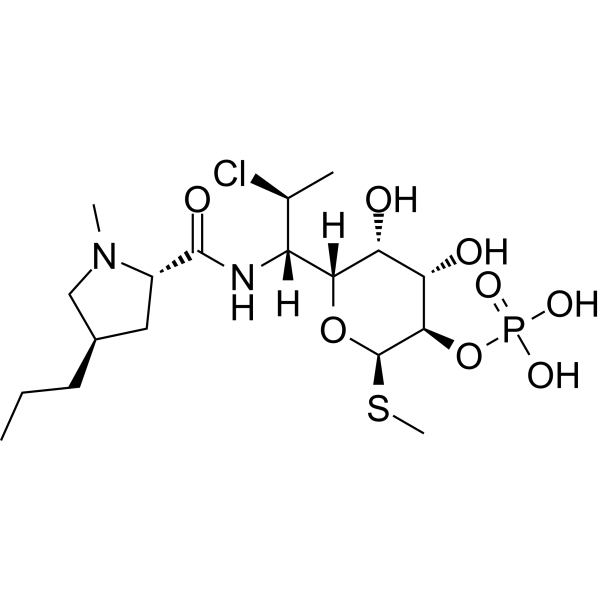
Clindamycin phosphate (Clindamycin 2-phosphate) is a broad-spectrum bacteriostatic lincosamide antibiotic. Clindamycin phosphate is the proagent of Clindamycin (HY-B1455) with no antimicrobial activity in vitro but can be rapidly converted in vivo to the active parent agent, Clindamycin, by phosphatase ester hydrolysis. Clindamycin phosphate can be used for researching acne and bacterial vaginosis . Clindamycin phosphate has no cytotoxicity. Combined with platelet rich fibrin (PRF), PRF-Clindamycin phosphate enhances antimicrobial properties .
loading...
    loading...
4
4 Cited Publications
Referencia número: HY-N8461
No. CAS: 2134-29-4
Synonyms: 3-Hydroxypropionaldehyde; 3-Hydroxypropanal
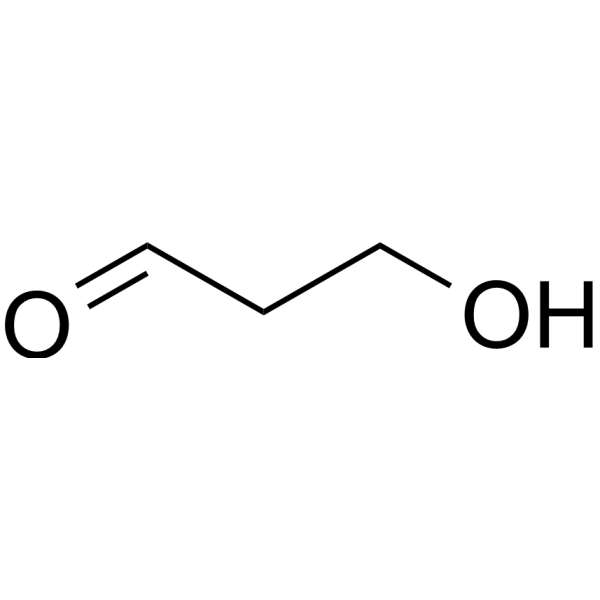
Reuterin is a broad-spectrum antimicrobial agent active against Gram positive and Gram negative bacteria, as well as yeasts, moulds and protozoa. Reuterin is produced by specific strains of Lactobacillus reuteri during anaerobic metabolism of glycerol. Reuterin also demonstrates potent antimicrobial activity against a broad panel of human and poultry meat campylobacter spp. Isolates .
loading...
    loading...
4
4 Cited Publications
Referencia número: HY-10392
No. CAS: 168828-58-8
Pureza:  99.40%
Synonyms: PNU-100480; U-100480; PF-02341272
Target:  

Bacterial Antibiotic

Áreas de investigación:  

Infection

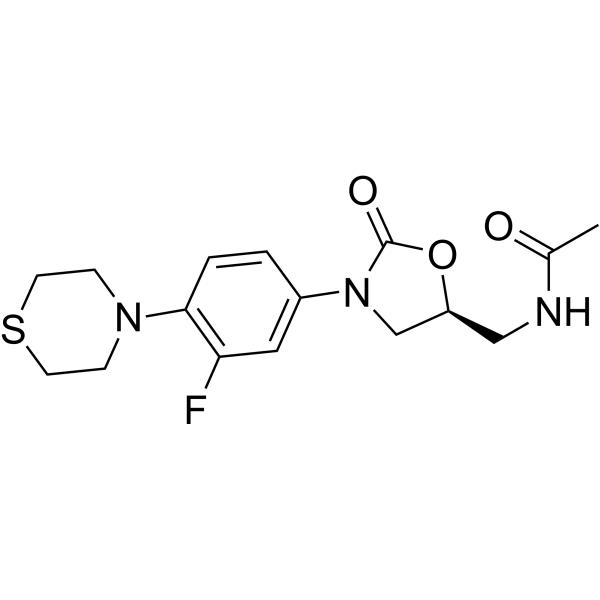
Sutezolid (PNU-100480), an orally active oxazolidinone antimicrobial agent, acts by inhibiting bacterial protein synthesis. Sutezolid has potent activity against mycobacteria, and is used for the research of drug-resistant tuberculosis .
loading...
    loading...
3
3 Cited Publications
Referencia número: HY-N10473
No. CAS: 957-86-8
Target:  

Bacterial Fungal

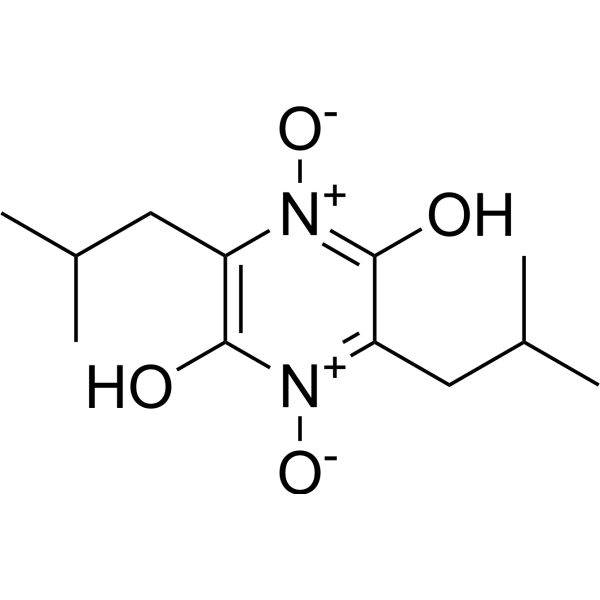
Pulcherriminic acid is a cyclic dipeptide antimicrobial agent with high affinity for Fe 3+, found mainly in Bacillus and yeast. Pulcherriminic acid chelates iron ions through a non-enzymatic reaction to form the extracellular red pigment pulcherrimin, which competes for iron nutrition and thus achieves an antibacterial effect. Pulcherriminic acid has great applications in food, agriculture and medical industries .
loading...
    loading...
3
3 Cited Publications
Referencia número: HY-17593
No. CAS: 760981-83-7
Synonyms: CEM-101; OP-1068
Target:  

Bacterial Antibiotic

Áreas de investigación:  

Infection

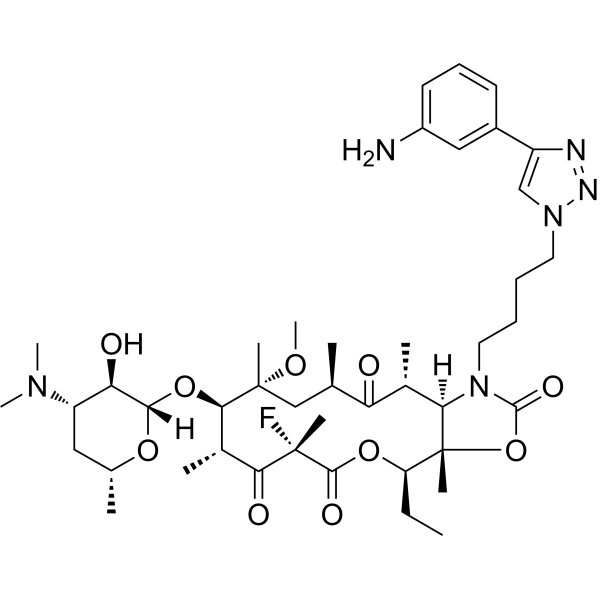
Solithromycin (CEM-101) is an orally bioavailable, effective antimicrobial agent, with IC50s for inhibition of cell viability, protein synthesis, and growth rate are 7.5 ng/mL, 40 ng/mL, and 125 ng/mL for Streptococcus pneumonia, Staphylococcus aureus, and Haemophilus influenzae, respectively. Solithromycin binds to the large 50S subunit of the ribosome and inhibits protein biosynthesis .
loading...
    loading...
3
3 Cited Publications
Referencia número: HY-114495
No. CAS: 21802-37-9
Pureza:  ≥98.0%
Synonyms: Cerulomycin; Caerulomycin
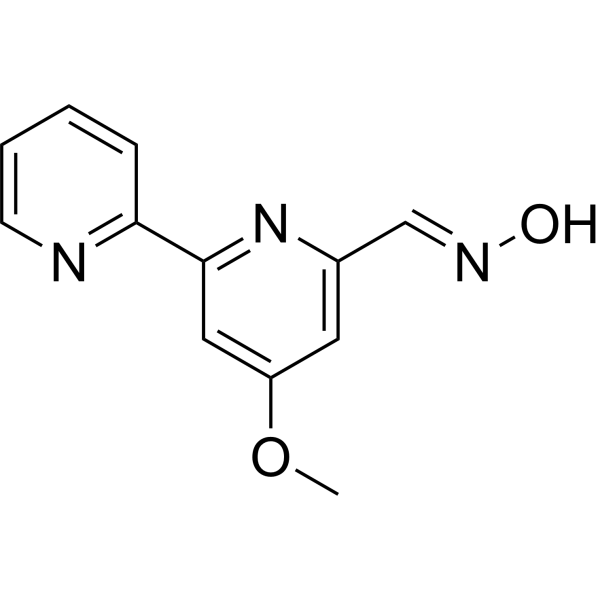
Caerulomycin A is an orally active immunomodulator and antimicrobial agent. Caerulomycin A targets Smad3, STAT1 and GATA-3. Caerulomycin A downregulates GATA-3 expression, inhibits Th2 cell differentiation and Th2 cytokine production, reduces IgE levels, and alleviates pulmonary inflammatory responses and eosinophil infiltration. Caerulomycin A ameliorates collagen-induced arthritis symptoms, reduces joint inflammation and synovitis, and decreases the levels of proinflammatory cytokines in joints. Caerulomycin A inhibits the growth of some filamentous fungi, yeasts and specific bacteria. Caerulomycin A can be used in research related to arthritis and asthma .
loading...
    loading...
2
2 Cited Publications
Referencia número: HY-B2232
No. CAS: 8001-54-5
Synonyms: Alkyldimethylbenzylammonium chloride
Áreas de investigación:  

Infection

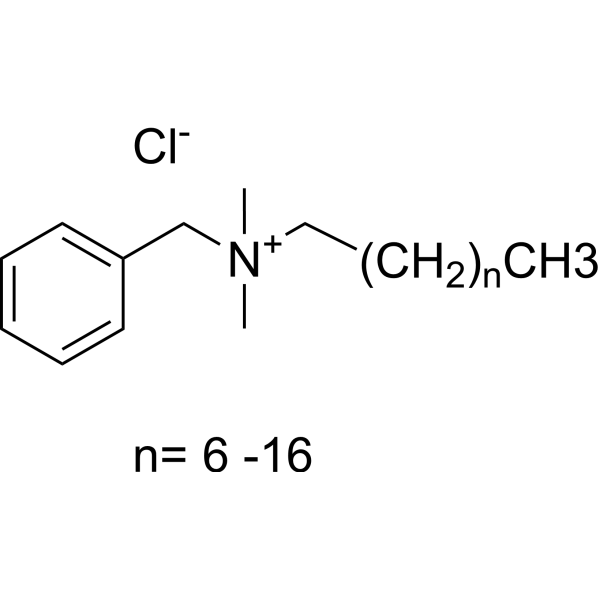
Benzalkonium (Alkyldimethylbenzylammonium) chloride (51% in water) is a quaternary ammonium preservative, cationic surfactant, and antimicrobial (Antimicrobial) agent. Benzalkonium chloride (51% in water) is toxic .
loading...
    loading...
2
2 Cited Publications
Referencia número: HY-B2232A
No. CAS: 8001-54-5
Synonyms: Alkyldimethylbenzylammonium chloride (solid)
Áreas de investigación:  

Infection

Benzalkonium chloride (solid) (Alkyldimethylbenzylammonium chloride (solid)) is a quaternary ammonium preservative, cationic surfactant, and antimicrobial (Antimicrobial) agent. Benzalkonium chloride (solid) is toxic .
loading...
    loading...
2
2 Cited Publications
Referencia número: HY-W895978
No. CAS: 27523-40-6
Target:  

Fungal

Áreas de investigación:  

Infection

Isoconazole is an antifungal agent against Candida albicans. Isoconazole is a broad-spectrum antimicrobial azole that can be studied in research on dermatomycoses .
loading...
    loading...
2
2 Cited Publications
Referencia número: HY-B1267
No. CAS: 57-67-0
Target:  

Bacterial Antibiotic

Áreas de investigación:  

Infection

Sulfaguanidine is an orally active antimicrobial agent/antibiotic of sulfonamide class. Sulfaguanidine can be used for the research of enteric infections such as bacillary dysentery .
loading...
    loading...

