1. Search Result
Search Result
Pathways Recommended: Anti-infection
Results for "

antiparasitic infection

" in MedChemExpress (MCE) Product Catalog:

28

Inhibitors & Agonists

3

Peptides

8

Natural
Products

1

Isotope-Labeled Compounds

Cat. No. 상품명 Target 연구분야 Chemical Structure
  • HY-N0176
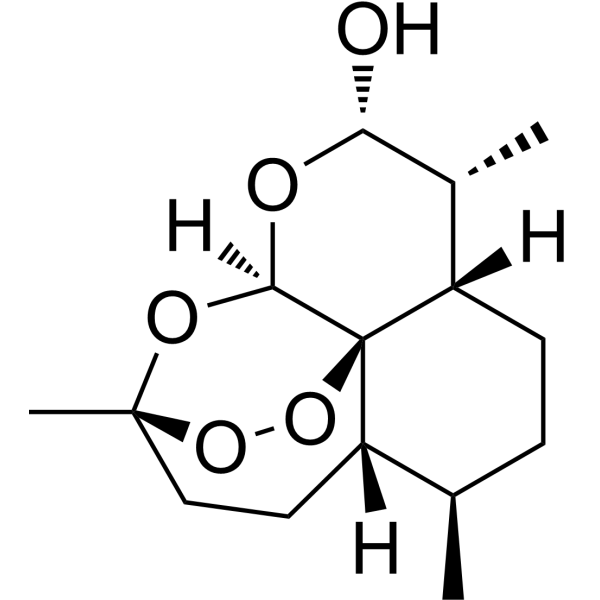
    Dihydroartemisinin
    Maximum Cited Publications
    45 Publications Verification

    Dihydroqinghaosu; β-Dihydroartemisinin; Artenimol

    Parasite NF-κB Autophagy Reactive Oxygen Species (ROS) Drug Metabolite Infection Neurological Disease Metabolic Disease Inflammation/Immunology Cancer
    Dihydroartemisinin is an orally active metabolite of rtemisinin (HY-B0094) and antimalarial agent. Dihydroartemisinin induces Autophagy by inhibiting NF-κB activation. Dihydroartemisinin promotes ROS accumulation. Dihydroartemisinin exhibits anticancer activity in esophageal cancer cells. Dihydroartemisinin shows schistosomicidal activity against juvenile and adult worms of Schistosoma japonicum, reduces worm burden, and displays antiparasitic activity. Dihydroartemisinin can be used in research related to multiple myeloma, promyelocytic leukemia, esophageal cancer, and Schistosoma japonicum infection .
    Dihydroartemisinin
  • HY-W071746
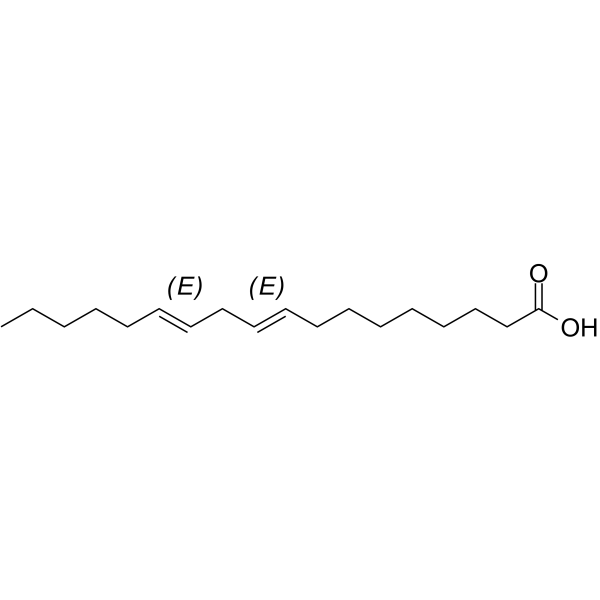
    Linolelaidic acid
    1 Publications Verification

    Linoelaidic acid

    Endogenous Metabolite Parasite Apoptosis Infection Inflammation/Immunology
    Linolelaidic acid (Linoelaidic acid) is an omega-6 trans fatty acid (TFA) that is an essential nutrient with oral activity. Linolelaidic acid can be added to enteral nutrition (oral), parenteral nutrition (intravenous), and infant formula. Linolelaidic acid has anti-inflammatory and anti-parasitic ((Parasite)) activities, and can induce Apoptosis. Linolelaidic acid is useful for research in infections .
    Linolelaidic acid
  • HY-B0740

    MK130 hydrochloride

    5-HT Receptor Parasite Infection Neurological Disease
    Cyclobenzaprine (MK130) hydrochloride is an orally active 5-HT2 receptor antagonist. Cyclobenzaprine hydrochloride acts centrally, providing skeletal muscle relaxation, alleviating muscle spasms, and reducing pain. Cyclobenzaprine hydrochloride also possesses antiparasitic activity. Cyclobenzaprine hydrochloride holds promise for research in the fields of acute, painful skeletal muscle disorders and infectious diseases .
    Cyclobenzaprine hydrochloride
  • HY-P1752

    CRFR Bacterial Parasite NF-κB ERK Metabolic Disease
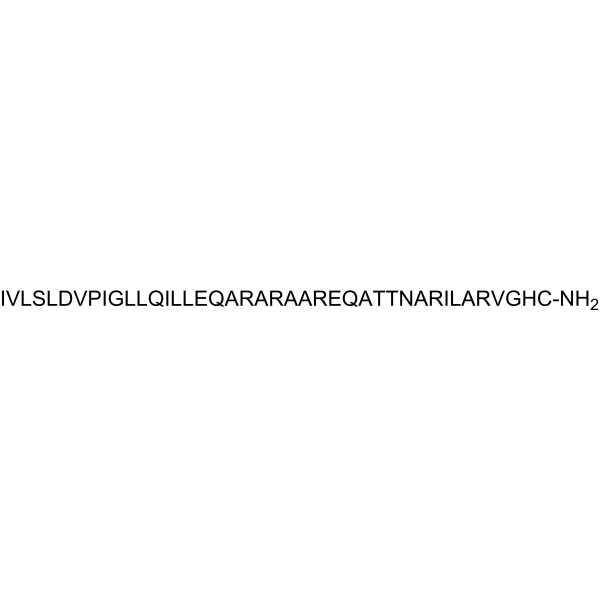
    Urocortin II, human is a selective endogenous peptide agonist of type-2 corticotropin-releasing factor (CRF2) receptor. Urocortin II, human has an effect of promoting satiet and neuroprotective effect. Urocortin II, human also has bactericidal, antiparasitic and pro-inflammation activity. Urocortin II, human can activate NF-κB pathway and ERK1/2 MAP kinase. Urocortin II, human can reduce pulmonary arterial hypertension and shows cardiac protection effect. Urocortin II, human can be used for the researches of infection, inflammation, metabolic, neurological and cardiovascular disease .
    Urocortin II, human
  • HY-17035
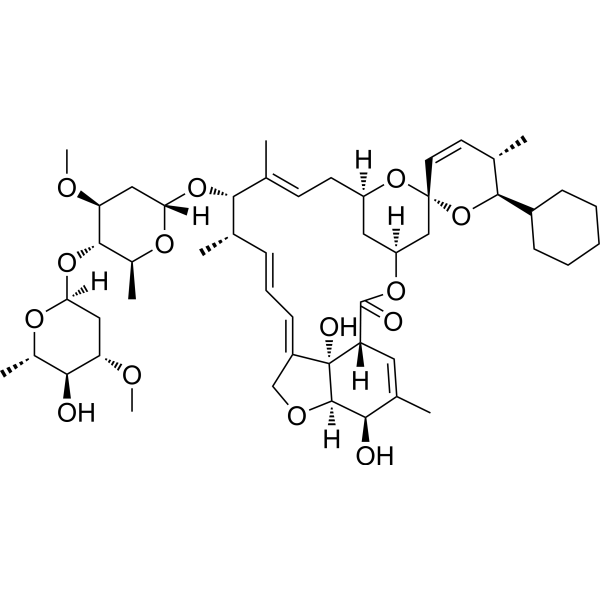
    Doramectin
    5 Publications Verification

    Parasite Antibiotic Bacterial Infection
    Doramectin is a derivative of Ivermectin (HY-15310). Doramectin is a potent antiparasitic antibiotic. Doramectin is an active compound against S.mansoni in an NMRI mouse infection model .
    Doramectin
  • HY-B0319
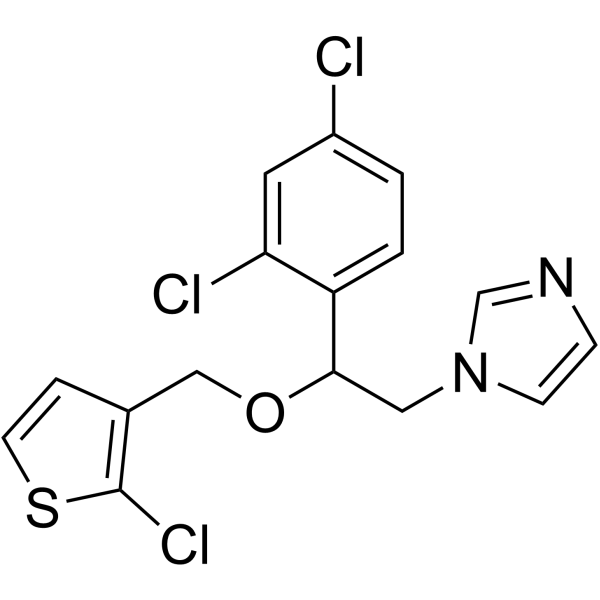
    Tioconazole
    4 Publications Verification

    UK-20349

    Fungal Antibiotic Parasite Akt PI3K mTOR Autophagy Infection Cancer
    Tioconazole (UK-20349) is a broad-spectrum antifungal imidazole derivative. Tioconazole inhibits several dermatophytes and yeasts, with MIC50 values of less than 3.12 mg/L and 9 mg/L, respectively. Additionally, Tioconazole exhibits anti-parasitic activity. Tioconazole exerts anticancer activity by inhibiting the PI3K/AKT/mTOR signaling pathway and blocking autophagy. Tioconazole is applicable for research in the fields of anti-infection and anticancer therapy .
    Tioconazole
  • HY-B1212
    Broxyquinoline
    2 Publications Verification

    Dibromohydroxyquinoline; 5,7-Dibromo-8-hydroxyquinoline

    Parasite Influenza Virus Infection
    Broxyquinoline (Dibromohydroxyquinoline) is an effective inhibitor of severe fever with thrombocytopenia syndrome virus (SFTSV) with an IC50 of 5.8 µM. Additionally, Broxyquinoline is an inhibitor of CpACBP1 with an IC50 of 64.9 μM. CpACBP1 is a fatty acyl-CoA binding protein of Cryptosporidium parvum, thus Broxyquinoline has the potential to inhibit parasite growth. Broxyquinoline shows promise for research in the field of infectious diseases .
    Broxyquinoline
  • HY-B1056

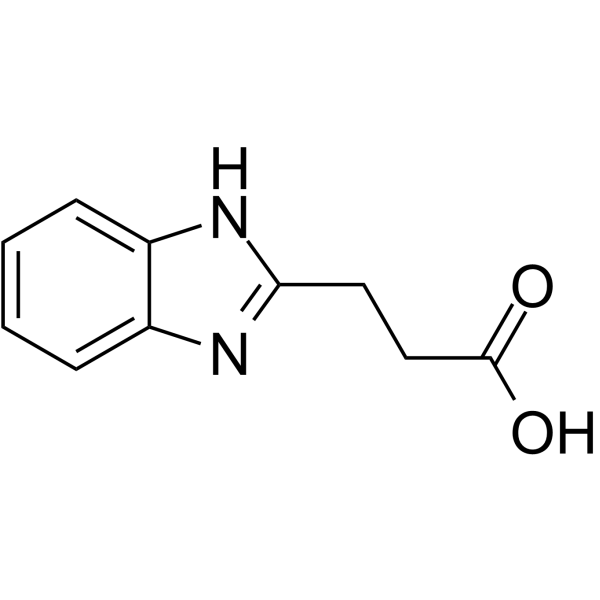
    Propazol; 2-Benzimidazolepropionic acid

    Bacterial Parasite Antibiotic Carbonic Anhydrase Infection Cancer
    Procodazole is an orally active enhancer and a non-specific active immune protector against viral and bacterial infections. Procodazole also exhibits antiparasitic activity. In addition, Procodazole is a carbonic anhydrase inhibitor with antitumor activity .
    Procodazole
  • HY-108170
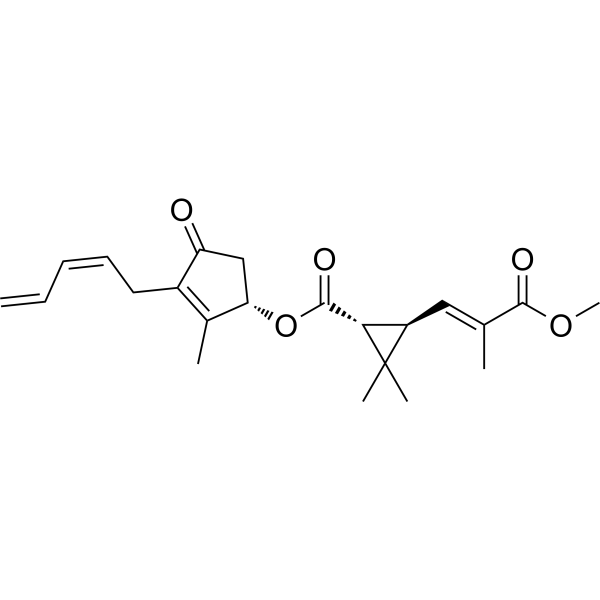
    Pyrethrin II
    1 Publications Verification

    Insecticide Parasite Infection Inflammation/Immunology
    Pyrethrin II is an orally active insecticidal ester of chrysanthemum acid found in Chrysanthemum cinerariifolium and C. coccineum Willd., an active constituent of pyrethrum extract with low mammalian toxicity. Pyrethrin II exhibits antiparasitic activity. Pyrethrin II can be used for the research of allergic contact dermatitis and parasitic infections .
    Pyrethrin II
  • HY-17532

    Parasite Infection
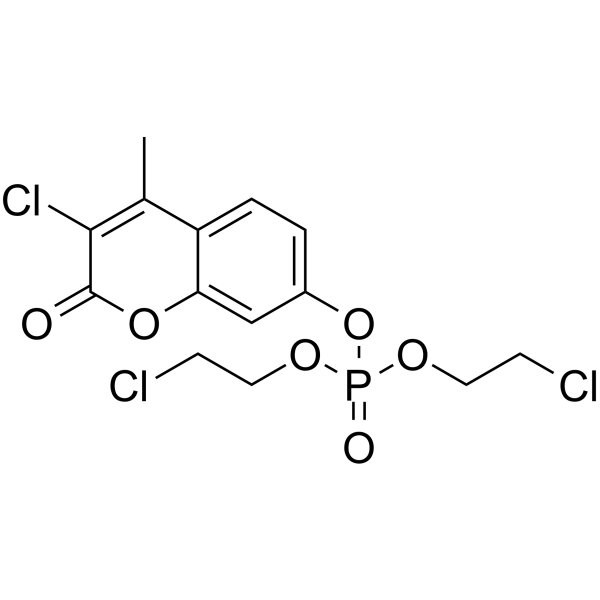
    Haloxon is an anti-parasitic agent. Haloxon can be used for the research of infections of Parascaris equorum, Oxyuris equi and Strongylus vulgaris. Haloxon also can be used in control of ascarids and hookworms in domesticated animals in combination with Bidimazium .
    Haloxon
  • HY-P1752B

    CRFR Bacterial Parasite NF-κB ERK Metabolic Disease
    Urocortin II, human acetate is a selective endogenous peptide agonist of type-2 corticotropin-releasing factor (CRF2) receptor. Urocortin II, human acetate has an effect of promoting satiet and neuroprotective effect. Urocortin II, human acetate also has bactericidal, antiparasitic and pro-inflammation activity. Urocortin II, human acetate can activate NF-κB pathway and ERK1/2 MAP kinase. Urocortin II, human acetate can reduce pulmonary arterial hypertension and shows cardiac protection effect. Urocortin II, human acetate can be used for the researches of infection, inflammation, metabolic, neurological and cardiovascular disease .
    Urocortin II, human acetate
  • HY-169728

    Hexokinase Parasite Infection
    SID 24785302 is a hexokinase inhibitor with antiparasitic activity. SID 24785302 exhibits activity against T. brucei and Leishmania. SID 24785302 can be used for the research of mitochondrial DNA disorders and parasitic infection .
    SID 24785302
  • HY-17035R

    Reference Standards Parasite Antibiotic Bacterial Infection
    Doramectin (Standard) is the analytical standard of Doramectin. This product is intended for research and analytical applications. Doramectin is a derivative of Ivermectin (HY-15310). Doramectin is a potent antiparasitic antibiotic. Doramectin is an active compound against S.mansoni in an NMRI mouse infection model .
    Doramectin (Standard)
  • HY-W783297

    Parasite Infection
    8a-OH-Avermectin B1a is a key primary monooxygenated degradate generated during the photodegradation of Avermectin B1a (HY-15308). 8a-OH-Avermectin B1a can be used for the study of antiparasitic infection .
    8a-OH-Avermectin B1a
  • HY-W071746R

    Linoelaidic acid (Standard)

    Reference Standards Endogenous Metabolite Parasite Apoptosis Infection Inflammation/Immunology
    Linolelaidic acid (Standard) is the analytical standard of Linolelaidic acid. This product is intended for research and analytical applications. Linolelaidic acid (Linoelaidic acid) is an omega-6 trans fatty acid (TFA) that is an essential nutrient with oral activity. Linolelaidic acid can be added to enteral nutrition (oral), parenteral nutrition (intravenous), and infant formula. Linolelaidic acid has anti-inflammatory and anti-parasitic ((Parasite)) activities, and can induce Apoptosis. Linolelaidic acid is useful for research in infections[1][2][3].
    Linolelaidic acid (Standard)
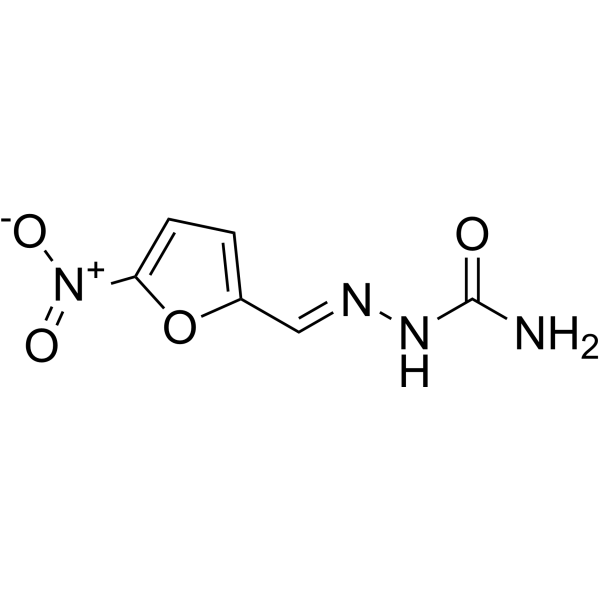
  • HY-B0226A

    (E)-Nitrofural

    Bacterial Parasite Infection
    (E)-Nitrofurazone ((E)-Nitrofural) is a topical broad-spectrum antibacterial agent effective against both Gram-negative and Gram-positive bacteria. (E)-Nitrofurazone also possesses antiprotozoal and antiparasitic activities. (E)-Nitrofurazone is commonly used in the research of superficial wounds, burns, skin infections, pyoderma, infectious skin diseases, trypanosomiasis, and acute bacillary dysentery .
    (E)-Nitrofurazone
  • HY-115550

    Parasite Infection
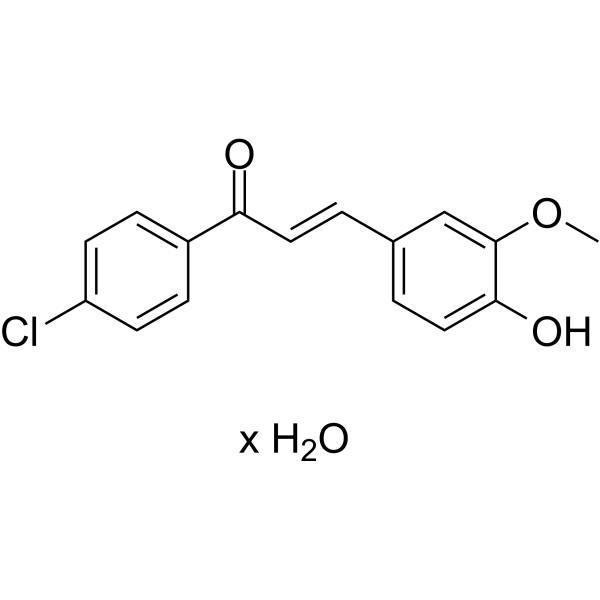
    Chalcone 4 hydrate is an anti-parasitic agent. Chalcone 4 hydrate inhibits the growth and proliferation of Babesia and Theileria in vitro. Chalcone 4 hydrate reduces the viability of mammalian fibroblasts and kidney cells in vitro. Chalcone 4 hydrate can be used for the research of parasitic infections .
    Chalcone 4 hydrate
  • HY-122382

    NF-602

    Parasite Bacterial Infection
    Levofuraltadone (NF-602) is an antibacterial and antiparasitic agent. Levofuraltadone has anti-trypanosomiasis activity and can be used in the study of human african trypanosomiasis as well as bacterial infections .
    Levofuraltadone
  • HY-175648

    Parasite Infection
    Antiparasitic agent-28 is an orally active, selective inhibitor of Toxoplasma gondii phenylalanine tRNA synthetase (TgcPheRS) with blood-brain barrier penetration. Antiparasitic agent-28 inhibits the growth of T. gondii tachyzoites (TgME49-Fluc strain) an (EC50 = 1 nM) and T. gondii bradyzoites (Tg68nLuc strain) induced by alkaline (EC50 = 3 nM) and glutamine-rich medium (EC50 = 0.1 nM). Antiparasitic agent-28 demonstrates potent anti-toxoplasmosis efficacy in mice infected with TgME49-Fluc tachyzoites. Antiparasitic agent-28 can be used for the study of Toxoplasma gondii infection .
    Antiparasitic agent-28
  • HY-17532R

    Parasite Infection
    Haloxon (Standard) is the analytical standard of Haloxon. This product is intended for research and analytical applications. Haloxon is an anti-parasitic agent. Haloxon can be used for the research of infections of Parascaris equorum, Oxyuris equi and Strongylus vulgaris. Haloxon also can be used in control of ascarids and hookworms in domesticated animals in combination with Bidimazium .
    Haloxon (Standard)
  • HY-172523

    Fungal Parasite Reactive Oxygen Species (ROS) Infection
    CDA-IN-3 (NCDI) is an inhibitor of chitin deacetylase (CDA) with anti-parasitic activity. CDA-IN-3 disrupts the chitin metabolism of nematodes, leading to an increase in the level of ROS in nematodes and causing cell damage. CDA-IN-3 has a significant inhibitory effect on all developmental stages of Caenorhabditis elegans. CDA-IN-3 can be used in the research of the anti-infection field .
    CDA-IN-3
  • HY-N7236

    Parasite Fungal Infection
    Pervicoside B is a glycoside C isolated from Neothyone gibbosa sea cucumber. In vitro studies have shown that Pervicoside B has a potent antiparasitic effect against Leishmania mexicana, inhibiting 100% of promastigotes at 5-10 μg/mL. Pervicoside B also exhibits strong antifungal activity against Aspergillus niger, with MIC values ranging from 4.65 to 16.7 μg/mL. Pervicoside B has potential applications in the inhibition of parasitic infections and fungal diseases .
    Pervicoside B
  • HY-P1752A

    CRFR Bacterial Parasite NF-κB ERK Metabolic Disease
    Urocortin II, human TFA is a selective endogenous peptide agonist of type-2 corticotropin-releasing factor (CRF2) receptor. Urocortin II, human TFA has an effect of promoting satiet and neuroprotective effect. Urocortin II, human TFA also has bactericidal, antiparasitic and pro-inflammation activity. Urocortin II, human TFA can activate NF-κB pathway and ERK1/2 MAP kinase. Urocortin II, human TFA can reduce pulmonary arterial hypertension and shows cardiac protection effect. Urocortin II, human TFA can be used for the researches of infection, inflammation, metabolic, neurological and cardiovascular disease .
    Urocortin II, human TFA
  • HY-W783593

    Parasite Infection
    Avermectin A1a is a potent and broad-spectrum antiparasitic agent. Avermectin A1a targets nematodes and arthropods by binding to their glutamate-gated chloride channels to block nerve signal transmission and induce paralysis. Avermectin A1a can be used for the study of parasitic infection .
    Avermectin A1a
  • HY-180337

    Parasite Infection
    Antiparasitic agent-38 is an orally active antischistosomal agent that effectively clears Schistosoma mansoni infections in mice (single oral LD50=0.8 g/kg) and significantly inhibits S. mansoni infection. Antiparasitic agent-38 can be used for research on schistosomiasis, particularly S. mansoni infection .
    Antiparasitic agent-38
  • HY-180418

    Parasite Infection
    Homidium chloride is a potent antiparasitic agent exhibiting activity against Trypanosoma rhodesiense and Trypanosoma congolense. Homidium chloride can reduce parasitaemia in murine models of infection. Homidium chloride can be used for trypanosomiasis research .
    Homidium chloride
  • HY-180388

    Fructose-1,6-bisphosphate aldolase Parasite Phosphatase Infection
    Stibophen is a potent antiparasitic agent is effective against Litomosoides carinii, Dipetalonema witei, and Brugia pahangi. Stibophen inhibits lactate accumulation and phosphofructokinases (PFK) activity in adult filariids. Stibophen also inhibits Ascaris and Hymenolepis diminuta PFK without inhibiting mammalian liver PFK. Stibophen can be used for the research of schistosomiasis and filariid infections .
    Stibophen
  • HY-N0176S6

    Dihydroqinghaosu-d; β-Dihydroartemisinin-d; Artenimol-d

    Isotope-Labeled Compounds Parasite NF-κB Autophagy Reactive Oxygen Species (ROS) Drug Metabolite Infection Neurological Disease Metabolic Disease Inflammation/Immunology Cancer
    Dihydroartemisinin-d (Dihydroqinghaosu-d) is the deuterium labeled Dihydroartemisinin (HY-N0176). Dihydroartemisinin is an orally active metabolite of rtemisinin (HY-B0094) and antimalarial agent. Dihydroartemisinin induces Autophagy by inhibiting NF-κB activation. Dihydroartemisinin promotes ROS accumulation. Dihydroartemisinin exhibits anticancer activity in esophageal cancer cells. Dihydroartemisinin shows schistosomicidal activity against juvenile and adult worms of Schistosoma japonicum, reduces worm burden, and displays antiparasitic activity. Dihydroartemisinin can be used in research related to multiple myeloma, promyelocytic leukemia, esophageal cancer, and Schistosoma japonicum infection.
    Dihydroartemisinin-d

온라인 문의

Your information is safe with us. * Required Fields.

호칭


Country or Region *

고객명 *


회사명 *

Department *


메일주소 *


상품명 *

Cat. No.


Requested quantity *

전화번호 *


비고

온라인 문의

Inquiry Information

상품명:
Cat. No.:
수량:
MCE Japan Authorized Agent:

