1. Search Result
Search Result
Results for "

bacterium

" in MedChemExpress (MCE) Product Catalog:

98

Inhibitors & Agonists

1

Fluorescent Dye

7

Peptides

41

Natural
Products

Cat. No. Product Name Target Research Areas Chemical Structure
  • HY-112779

    Endogenous Metabolite Infection
    Pertussis Toxin is a protein-based AB5-type exotoxin produced by the bacterium Bordetella pertussis, which causes whooping cough. Pertussis Toxin inhibits G protein-coupled receptor (GPR) signaling through Gi proteins .
    Pertussis Toxin
  • HY-128780B
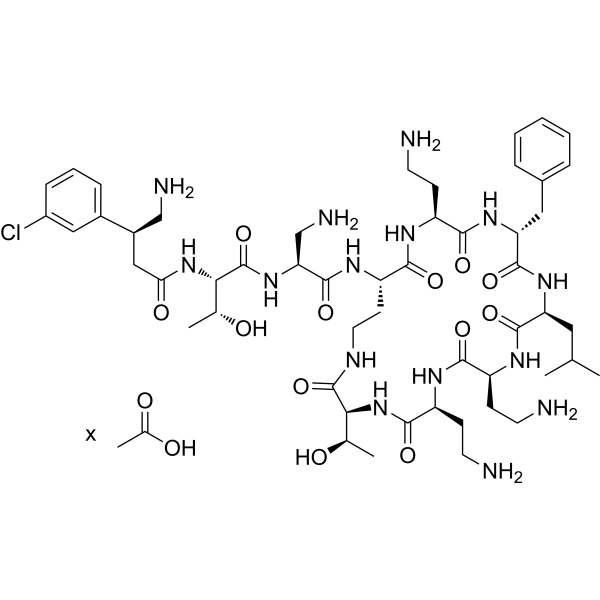
    SPR206 acetate
    1 Publications Verification

    Bacterial Antibiotic Infection
    SPR206 acetate is a polymyxin analog with antibiotic activity against Gram-negative pathogens, including multidrug-resistant (MDR) variants. SPR206 acetate has an anti-bacterial infection effect by interacting with the bacterium’s outer membrane. The MIC values of SPR206 acetate against Pseudomonas aeruginosa Pa14 and Acinetobacter baumannii NCTC13301 are both 0.125 mg/L .
    SPR206 acetate
  • HY-113227
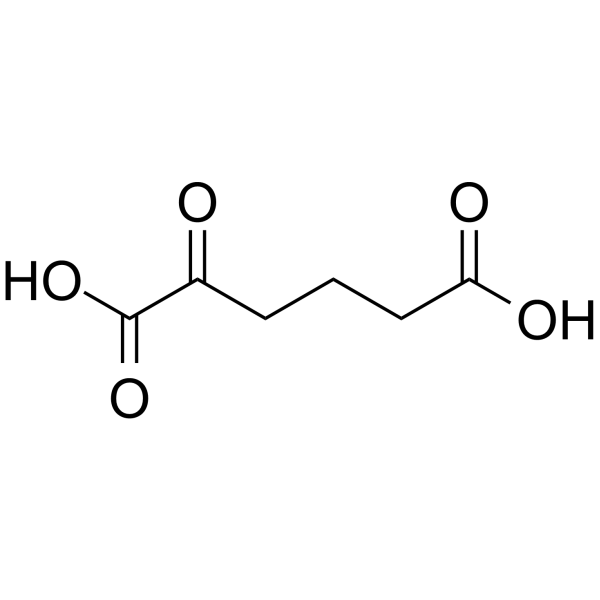
    Oxoadipic acid
    1 Publications Verification

    Endogenous Metabolite Inflammation/Immunology
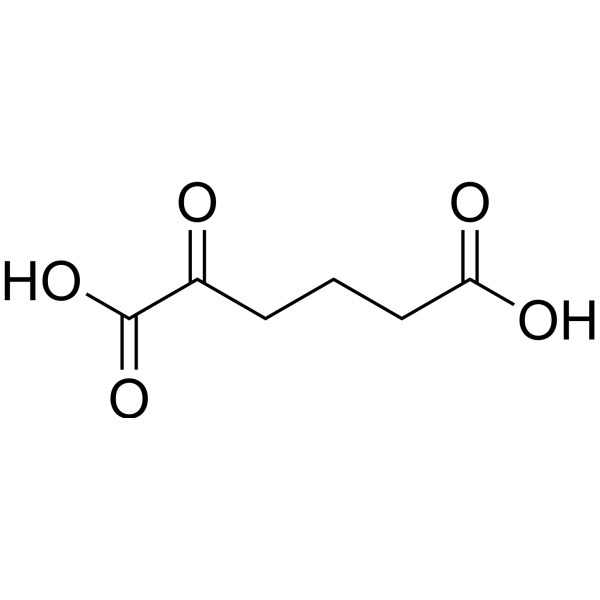
    Oxoadipic acid is a key intermediate metabolite in the lysine degradation pathway. The level of Oxoadipic acid is significantly negatively correlated with the abundance of Staphylococcus. That is, the higher the abundance of Staphylococcus-a potential pathogenic bacterium that usually increases in ulcerative colitis-the lower the level of Oxoadipic acid. Oxoadipic acid can be used in the research of ulcerative colitis .
    Oxoadipic acid
  • HY-B1339

    Dicycloverine hydrochloride

    mAChR Neurological Disease
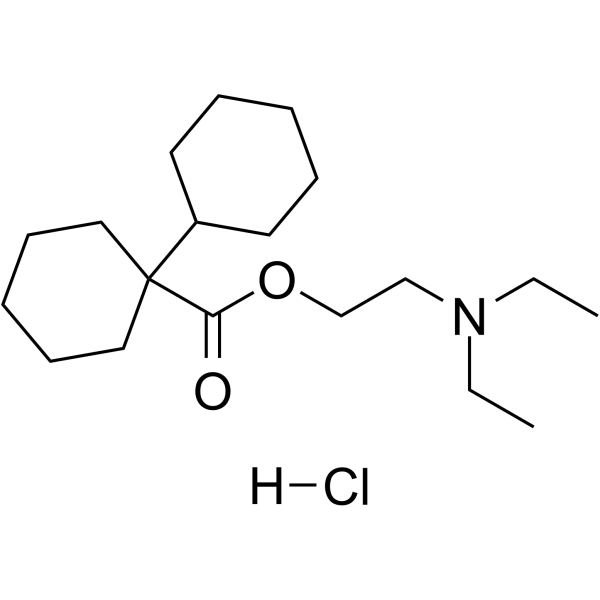
    Dicyclomine hydrochloride is a potent and orally active muscarinic cholinergic receptors antagonist. Dicyclomine hydrochloride shows high affinity for muscarinic M1 receptor subtype (Ki=5.1 nM) and M2 receptor subtype (Ki=54.6 nM) in brush-border membrane and basal plasma membranes, respectively . Dicyclomine is an antispasmodic agent and relieves smooth muscle spasm of the gastrointestinal tract in vivo .
    Dicyclomine hydrochloride
  • HY-W042191

    Fungal Apoptosis Caspase Bcl-2 Family MDM-2/p53 PARP Infection Cancer
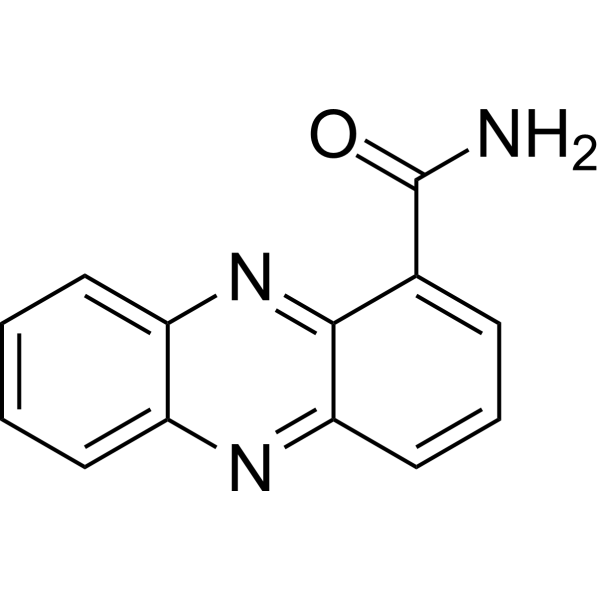
    Oxychloroaphine could be isolated from the bacterium Pantoea agglomerans naturally present in soil. Oxychloroaphine has broad-spectrum antifungal activity. Oxychloroaphine has cytotoxicity in a dose-dependent manner and induces apoptosis. Oxychloroaphine can be used in research of cancer .
    Oxychlororaphine
  • HY-132177B

    Glycosidase Metabolic Disease
    α1-2,4,6 Fucosidase O (EC 3.2.1.51) is a broad specificity exoglycosidase that catalyzes the hydrolysis of terminal α1-2, α1-4 and α1-6 linked fucose residues from oligosaccharides, with α1-6 fucose residues more efficiently .
    α1-2,4,6 Fucosidase O, Omnitrophica bacterium
  • HY-101128
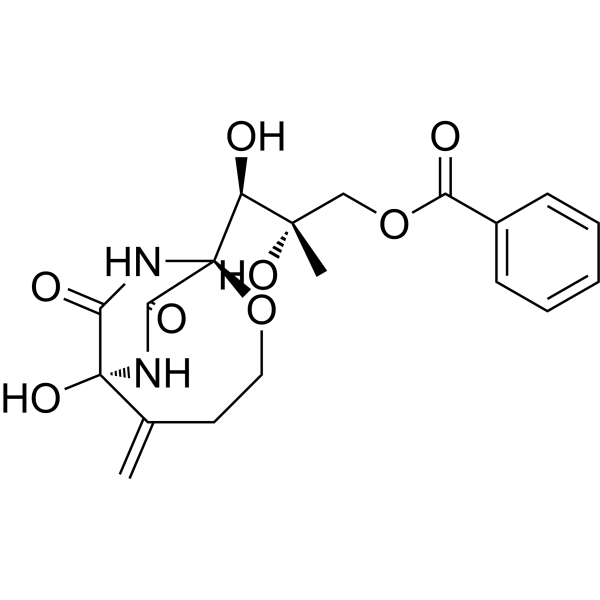
    Bicyclomycin benzoate
    2 Publications Verification

    FR2054

    Bacterial Antibiotic Infection
    Bicyclomycin benzoate is an antibiotic exhibiting activity against a broad spectrum of Gram-negative bacteria and against the Gram-positive bacterium.
    Bicyclomycin benzoate
  • HY-W001963

    Endogenous Metabolite Others
    Pyrrole-2-carboxylic acid is a natural alkaloid from the marine bacterium Pelomonas puraquae sp. Nov. Pyrrole-2-carboxylic acid is a biological form of pyrrole that is often encountered in natural compounds. Pyrrole-2-carboxylic acid serves as a precursor for various pyrrole derivatives like clorobiocin, coumermycin A1, pyoluteorin, leupyrrins, and undecylprodigiosin in biosynthetic processes .
    Pyrrole-2-carboxylic acid
  • HY-48814

    Bacterial FXR Infection Inflammation/Immunology
    3-Epideoxycholic acid is a secondary bile acid and a microbial metabolite of Deoxycholic acid (HY-N0593). 3-Epideoxycholic acid targets FXR in dendritic cells, reduces their immunostimulatory properties, promotes the generation of Treg cells, and exerts anti-inflammatory activity. 3-Epideoxycholic acid can promote the growth of the bacterium Bacteroides. 3-Epideoxycholic acid can be used in research related to inflammatory and immune diseases as well as bacterial infections .
    3-Epideoxycholic acid
  • HY-E70518

    Bacterial Infection
    Oxalate decarboxylase, Microorganism (EC 4.1.1.2), a stress-response enzyme in certain soil bacteria, is a Mn-dependent enzyme in the cupin superfamily and is found in fungi and soil bacteria. Oxalate decarboxylase catalyzes the decarboxylation of the oxalate mono-anion in the soil bacterium Bacillus subtilis. Enzymatic activity of OxDC is strongly pH dependent, with a maximum at around pH 4.0 .
    Oxalate decarboxylase, Microorganism
  • HY-W074648

    MOFs Bacterial Infection
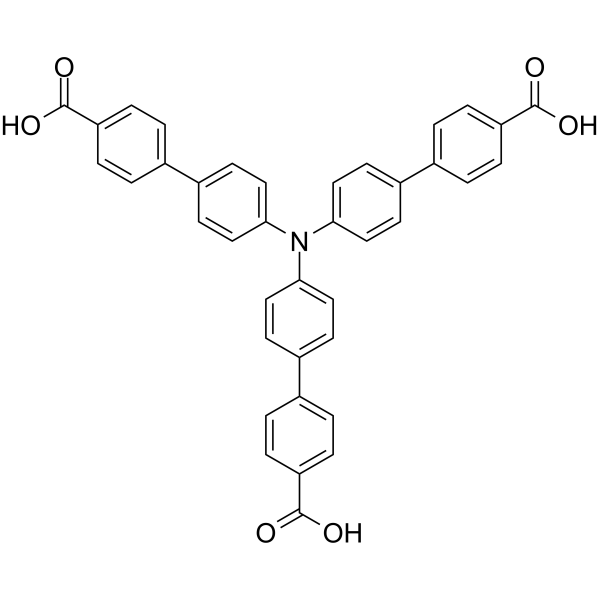
    Antibacterial agent 18 is a multi-arm AIE molecule extracted from patent CN110123801A, compound 23. Antibacterial agent 18 can be used for resisting Gram-positive and Gram-negative bacteria. Antibacterial agent 18 can be conjugated in the cell wall of rigid arm configuration insertion bacterium, and block cell wall turns sugar and turns peptide process, to inhibit or kill bacterium .
    Antibacterial agent 18
  • HY-D0705

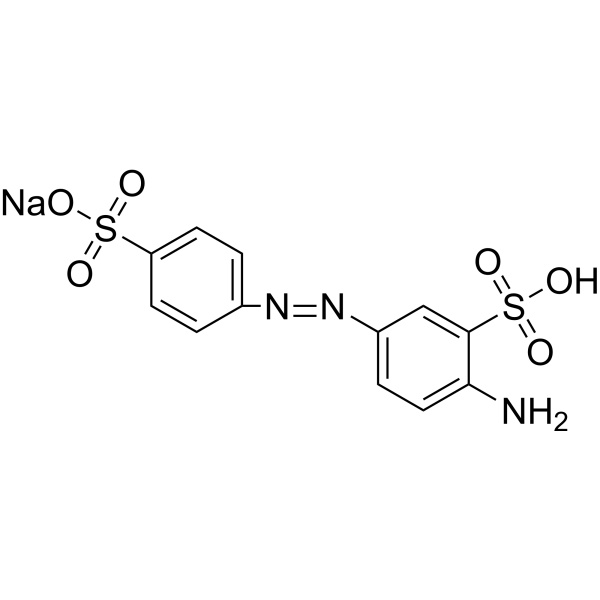
    Hydrogen 4-aminoazobenzene-3,4'-disulphonate sodium salt

    Fluorescent Dye Others
    Acid Yellow 9 monosodium salt is an azo dye, degraded by Pseudomonas fluorescens as sole source of carbon, nitrogen and energy for the bacterium .
    Acid Yellow 9 monosodium salt
  • HY-135024

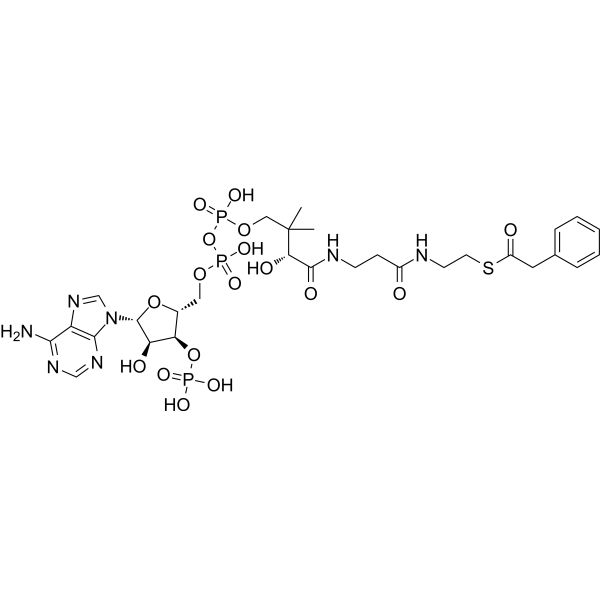
    Phenylacetyl Coenzyme A

    Endogenous Metabolite Metabolic Disease
    Phenylacetyl CoA is an acceptor oxidoreductase. Phenylacetyl CoA is a membrane-bound molybdenum–iron–sulfur enzyme involved in anaerobic metabolism of phenylalanine in the denitrifying bacterium Thauera aromatica .
    Phenylacetyl CoA
  • HY-167887

    Endogenous Metabolite Infection
    7PPD-Q is a substituted p-phenylenediamine antioxidants derivatives. 7PPD-Q has toxic to the bacterium V. fischeri (EC50 = 14.9 mg/L) .
    7PPD-Q
  • HY-W012595A

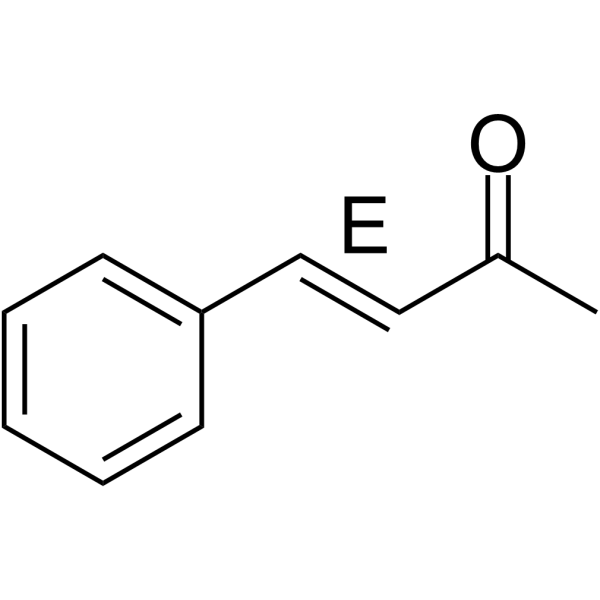
    trans-Benzalacetone

    Environmental Pollutants Phospholipase Inflammation/Immunology
    trans-Benzylideneacetone (trans-Benzalacetone), a metabolite of gram-negative entomopathogenic bacterium Xenorhabdus nematophila, is an enzyme inhibitor against phospholipase A2 (PLA2). trans-Benzylideneacetone is an immunosuppressant .
    trans-Benzylideneacetone
  • HY-130423

    Insecticide Infection
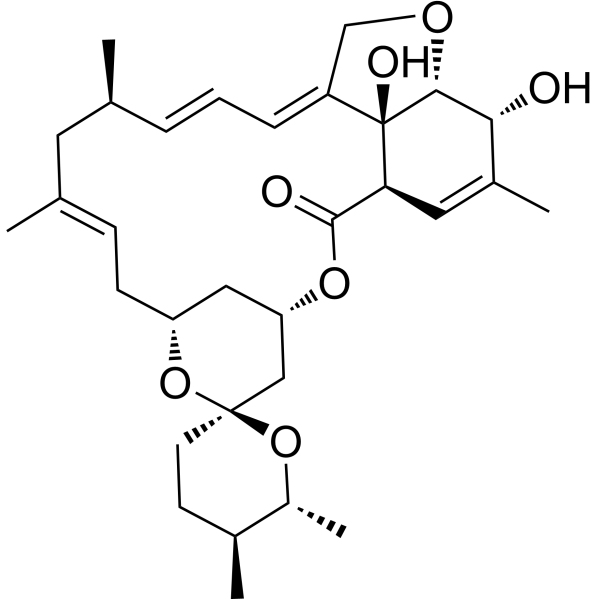
    Milbemycin A3 is a 16-membered macrocyclic lactone compound found in the soil bacterium Saccharopolyspora hygroscopicus subsp. aureolacrimosus. Milbemycin A3 enhances the opening of glutamate- and GABA-gated chloride channels and exhibits insecticidal activity. Milbemycin A3 can be used in insect resistance-related research .
    Milbemycin A3
  • HY-118448

    Antibiotic Bacterial Fungal Parasite Infection
    2,4-Diacetylphloroglucinol is a polyketide antibiotic produced by Pseudomonas fluorescens. 2,4-Diacetylphloroglucinol exhibits broad-spectrum toxicity against various organisms such as bacteria, fungi, oomycetes, and nematodes. 2,4-Diacetylphloroglucinol can also inhibit plant pathogens and affect the root development of tomato seedlings .
    2,4-Diacetylphloroglucinol
  • HY-175045

    Bacterial Infection
    77PD-Q is a p-phenylenediamine (PPD) derivative. 77PD-Q exhibits toxic to the aquatic bacterium V. fischeri. 77PD-Q can be used as an exposure biomarker in environmental monitoring .
    77PD-Q
  • HY-Y0403

    m-Chlorobenzoic acid

    Endogenous Metabolite Bacterial Infection
    3-Chlorobenzoic acid (m-Chlorobenzoic acid) is the only carbon source for the bacterium .
    3-Chlorobenzoic acid
  • HY-N11554

    Bacterial Infection
    (-)-Codonopsine is an alkaloid with antibacterial activity. (-)-Codonopsine exerts antibacterial activity against the Gram-positive bacterium *Staphylococcus aureus*. (-)-Codonopsine can be used in studies related to bacterial infections .
    (-)-Codonopsine
  • HY-111903

    Bacterial Infection
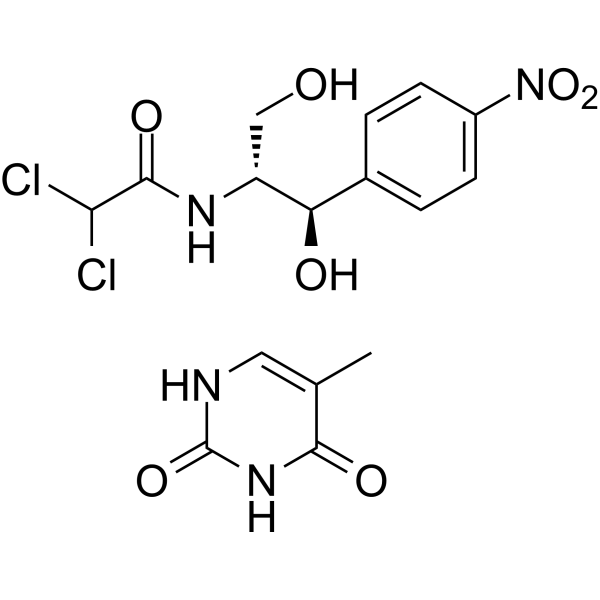
    Levomecol (Chloramphenicol), made up of Chloramphenicol, Methyluracil, is a broad-spectrum antibiotic that is derived from the bacterium Streptomyces venezuelae. Levomecol (Chloramphenicol)) stops bacterial growth by binding to the bacterial ribosome (blocking peptidyl transferase) and inhibiting protein synthesis .
    Levomecol
  • HY-113227R

    Reference Standards Endogenous Metabolite Inflammation/Immunology
    Oxoadipic acid (Standard) is the analytical standard of Oxoadipic acid. This product is intended for research and analytical applications. Oxoadipic acid is a key intermediate metabolite in the lysine degradation pathway. The level of Oxoadipic acid is significantly negatively correlated with the abundance of Staphylococcus. That is, the higher the abundance of Staphylococcus-a potential pathogenic bacterium that usually increases in ulcerative colitis-the lower the level of Oxoadipic acid. Oxoadipic acid can be used in the research of ulcerative colitis .
    Oxoadipic acid (Standard)
  • HY-W714137

    Lesquerellin; 6-Methylthiohexyl isothiocyanate

    Bacterial Infection
    (6-Isothiocyanatohexyl)(methyl)sulfane (Lesquerellin; 6-Methylthiohexyl isothiocyanate) is an isothiocyanate found in wasabi (W. japonica) and has various biological activities. (6-Isothiocyanatohexyl)(methyl)sulfane is active against the bacterium Bacillus subtilis and the fungus T. mentagrophytes (MIC=25 μg/mL). (6-Isothiocyanatohexyl)(methyl)sulfane also has anthelmintic activity against blue mussel (M. edulis). (6-Isothiocyanatohexyl)(methyl)sulfane has antifouling activity when applied to polyvinyl chloride (PVC) panels at a concentration of 50 μmol/cm2 in a conventional immersion test.
    (6-Isothiocyanatohexyl)(methyl)sulfane
  • HY-N6705

    Bacterial Antibiotic Infection
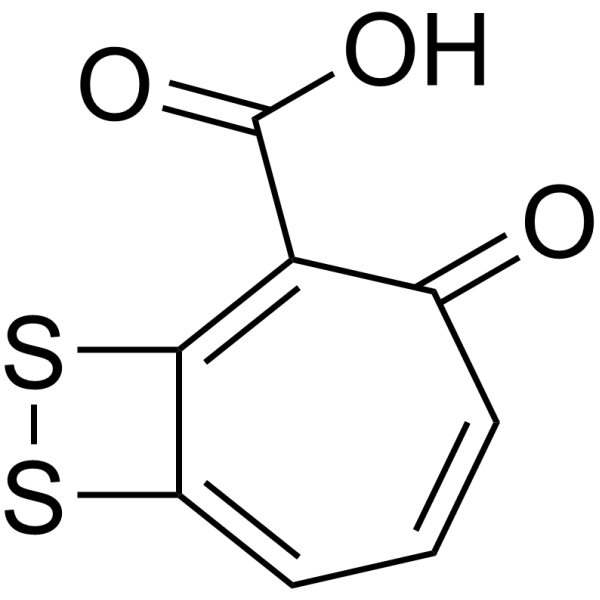
    Tropodithietic acid is a sulfur-containing antibiotic produced by the marine bacterium Phaeobacter inhibens. Tropodithietic acid exhibits a strong antibiotic activity against a broad spectrum of bacteria including alpha- and gammaproteobacteria, flavobacteria and actinobacteria .
    Tropodithietic acid
  • HY-142075

    Bacterial Infection
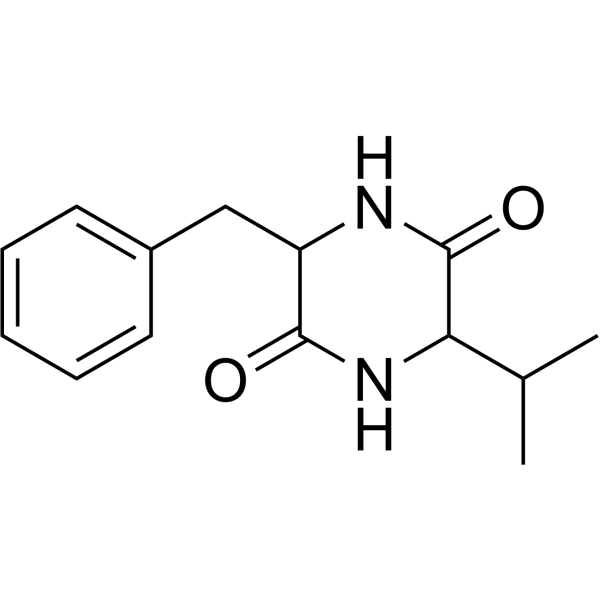
    Antibacterial agent 134 (compound 1) is an diketopiperazine alkaloid with antimicrobial activity. Antibacterial agent 134 is the major metabolite in the culture of Hymeniacidon perleve associated bioactive bacterium Pseudomonas sp. NJ6-3-1 .
    Antibacterial agent 134
  • HY-12480

    GSK 1322322

    Bacterial Infection
    Lanopepden (GSK 1322322) is a peptidyl peptidase (PDF) inhibitor. Lanopepden inhibits PDF activity, preventing bacterial protein synthesis, thereby exerting antibacterial activity. Lanopepden is primarily effective against Gram-positive bacteria. Lanopepden is used in the study of acute bacterial skin and skin structure infections .
    Lanopepden
  • HY-153626

    Bacterial Antibiotic Infection Inflammation/Immunology
    Chlamydia pneumoniae-IN-1 (compound 55), a benzimidazole, shows high activity against the bacterium. Chlamydia pneumoniae-IN-1 has 99% inhibition of C. pneumoniae Growth at 10 μM, and has 95% inhibition effect on the viability of the host cells at 10 μM. Chlamydia pneumoniae-IN-1 inhibits the growth of the CV-6 strain with a MIC of 12.6 μM. Chlamydia pneumoniae-IN-1 has antichlamydial efficiency .
    Chlamydia pneumoniae-IN-1
  • HY-N16392

    Endogenous Metabolite Infection
    14-epi-Berkeleylactone F (Compound 8) is a C-14 epimer of Berkeleylactone F (HY-N8386). 14-epi-Berkeleylactone F can be isolated from Penicillium turbatum NRRL 5630. 14-epi-Berkeleylactone F has no significant biological activity against bacterium (Staphylococcus aureus, Bacillus subtilis and E. coli), fungi Candida albicans, the parasite Giardia duodenalis and NS-1 murine myeloma cells .
    14-epi-Berkeleylactone F
  • HY-125617

    Antibiotic Bacterial Infection
    α-Lipomycin is an acyclic polyene antibiotic isolated from the gram-positive bacterium Streptomyces aureofaciens Tü117 .
    α-Lipomycin
  • HY-107027

    Polymyxin E2 sulfate

    Antibiotic Infection
    Polymyxin E2 sulfate is an antibiotic produced by the soil bacterium Bacillus polymyxa .
    Colistin B sulfate
  • HY-P2120

    Bacterial Others
    Pseudobactin A is a non-fluorescent extracellular iron carrier produced by the plant growth-promoting bacterium Pseudomonas B10 .
    Pseudobactin A
  • HY-137911

    Bacterial Infection Cancer
    Sparsomycin is a metabolite of the bacterium Streptomyces sparsogenes. Sparsomycin inhibits protein synthesis in both eukaryotic cells and bacteria. Sparsomycin inhibits the translation extension of ribosome PTC .
    Sparsomycin
  • HY-120066

    Autophagy Cancer
    Seriniquinone, a selective anti-melanoma agent that targets Dermcidin, induces cell death by autophagocytosis. Seriniquinone is a metabolite produced by a rare marine bacterium of the genus Serinicoccus .
    Seriniquinone
  • HY-W015786

    Bacterial Infection Metabolic Disease
    4-Ethoxyphenol is a natural compound isolated from marine gorgonian-associated bacterium Bacillus amyloliquefaciens SCSIO 00856. 4-Ethoxyphenol shows potent antilarval activity towards Bacillus amphitrite larvae with an EC50 value of 24.1 μg/mL .
    4-Ethoxyphenol
  • HY-N15299

    Endogenous Metabolite Others
    iso-C15:0 3-OH is a fatty acid that can be isolated from strain PLR T. PLR T is a rod shaped, Gram-stain-negative, chemo-organotrophic, heterotrophic, strictly aerobic bacterium isolated from faeces of the mollusc Aplysia punctata .
    iso-C15:0 3-OH
  • HY-125117

    DNA/RNA Synthesis Bacterial Infection Cancer
    Simocyclinone D8 is an anthracycline antibiotic with antibacterial and antitumor activity against Gram-positive bacteria. Simocyclinone D8 inhibits DNA gyrase and thus has an inhibitory effect on a variety of tumor cell lines .
    Simocyclinone D8
  • HY-B1339A

    Dicycloverine

    mAChR Neurological Disease
    Dicyclomine (Dicycloverine) is a potent and orally active muscarinic cholinergic receptors antagonist. Dicyclomine (Dicycloverine) shows high affinity for muscarinic M1 receptor subtype (Ki=5.1 nM) and M2 receptor subtype (Ki=54.6 nM) in brush-border membrane and basal plasma membranes, respectively . Dicyclomine is an antispasmodic agent and relieves smooth muscle spasm of the gastrointestinal tract in vivo .
    Dicyclomine
  • HY-N16657

    LI-F 04b

    Bacterial Infection
    Fusaricidin B (LI-F 04b) is one of the components of a lipopeptide biosurfactant extracted from the marine bacterium Paenibacillus polymyxa. Fusaricidin B can significantly inhibit the formation of multiple single species biofilms, including Gram positive and Gram negative bacteria. Fusaricidin B also has inhibitory effects on complex biofilms and can effectively destroy mature biofilms that have already formed. Fusaricidin B can be used for research on bacterial infections .
    Fusaricidin B
  • HY-N8280

    Fungal Infection
    IKD-8344 is a macrocyclic dilactone originally isolated from an actinomycete species and has diverse biological activities, including anticancer, antimicrobial, and anthelmintic properties. It is cytotoxic to L5178Y murine leukemia cells (IC50=0.54 ng/ml).1 IKD-8344 inhibits growth of the mycelial form of C. albicans (MIC=6.25 μg/mL) and potentiates the activity of polymyxin B against the multidrug-resistant pathogenic bacterium B. cenocepacia.
    IKD-8344
  • HY-P11027

    Bacterial Antibiotic Infection
    Thiazoplanomicin (Compound 1) is a thiazolyl peptide antibiotic. Thiazoplanomicin can be isolated from the leaf-litter actinomycete Actinoplanes sp. MM794L-181F6. Thiazoplanomicin has potent antimicrobial activities against gonococcal strains (especially drug-resistant strains) and Gram-positive bacterium with MICs of 31.2-125 and 0.5-15.6 ng/mL, respectively. Thiazoplanomicin has no antibacterial activity against E.coli. Thiazoplanomicin can be used for bacterial infections research .
    Thiazoplanomicin
  • HY-162329

    Bacterial Fungal Antibiotic Infection Inflammation/Immunology
    Antibacterial agent 195 (compound A20), a Matrine (HY-N0164) derivative, is a potent antibiotic. Antibacterial agent 195 shows antibacterial activity against Gram-positive bacterium (MICS.aureus=0.021 mg/mL; MICP.acnes=0.030 mg/mL), Gram-negative bacterium (MICE.coli=0.092 mg/mL; MICC.albicans=0.379 mg/mL) and Fungus (MIC=2.806 mg/mL) .
    Antibacterial agent 195
  • HY-174326

    Bacterial Infection
    Antibacterial agent 282 (Compound CP7), a seleno-Ciprofloxacin (HY-B0356) derivative, is an Antibacterial agent. Antibacterial agent 282 has significant antibacterial activity against gram-positive bacterium and gram-negative bacterium with MICs of 0.1-1.56 and 0.1-3.13 μg/mL, respectively (MBCs of 0.2-1.56 and 0.39-12.5 μg/mL). Antibacterial agent 282 potently disrupts and prevents biofilms formation of P. aeruginosa. Antibacterial agent 282 shows significant inhibitory activity towards the DNA gyrase from E. coli .
    Antibacterial agent 282
  • HY-W012595AR

    trans-Benzalacetone (Standard)

    Reference Standards Phospholipase Inflammation/Immunology
    trans-Benzylideneacetone (Standard) is the analytical standard of trans-Benzylideneacetone. This product is intended for research and analytical applications. trans-Benzylideneacetone (trans-Benzalacetone), a metabolite of gram-negative entomopathogenic bacterium Xenorhabdus nematophila, is an enzyme inhibitor against phospholipase A2 (PLA2). trans-Benzylideneacetone is an immunosuppressant[1].
    trans-Benzylideneacetone (Standard)
  • HY-176776

    Bacterial Antibiotic Infection
    Antibacterial agent 287 (Compound 26), a derivative of Deoxynybomycin (HY-116926), is an antibacterial agent. Antibacterial agent 287 has potent antibacterial activity against a variety of Gram-negative bacterium with MICs of 0.5, 0.5 and 0.06 μg/mL for WT S. aureus, WT E. coli and E. coli ΔtolC, respectively. Antibacterial agent 287 can be used for multidrug-resistant (MDR) bacterium infections research .
    Antibacterial agent 287
  • HY-122467

    Bacterial Infection Cancer
    Kumbicin C is a bis-indolyl benzenoid compound from an Australian soil fungus, Aspergillus kumbius. Kumbicin C inhibits the growth of mouse myeloma cells and the Gram-positive bacterium Bacillus subtilis .
    Kumbicin C
  • HY-N12096

    α-Acetylsalazinic acid

    Bacterial Infection
    Galbinic acid (α-Acetylsalazinic acid), a lichen acid, shows antibacterial activities against the Gram-positive bacteria B. cereus, B. subtilis, and S. aureus (MICs=62.5, 62.5, 250 μg/ml, respectively). Galbinic acid inhibits the Gram-negative bacterium E. coli (MIC=125 μg/ml) .
    Galbinic acid
  • HY-N14526

    Bacterial Fungal Infection
    Octacosamicin A has the function of resisting bacterium, yeast, and filamentous fungus, but the function of resisting bacterium is weak .
    Octacosamicin A
  • HY-N14527

    Bacterial Fungal Infection
    Octacosamicin B has the function of resisting bacterium, yeast, and filamentous fungus, but the function of resisting bacterium is weak .
    Octacosamicin B
  • HY-111902

    Bacterial Infection
    MCB-3681 is the antibacterial Oxaquin's active substance, active against gram-positive bacterium .
    MCB-3681
  • HY-N14341

    Antibiotic Bacterial Infection
    Mannosyl glucosaminide is an aminoglycoside antibiotic. Mannosyl glucosaminide has anti-bacterium, mycobacterium and beer yeast effects .
    Mannosyl glucosaminide

Inquiry Online

Your information is safe with us. * Required Fields.

Salutation


Country or Region *

Applicant Name *


Organization Name *

Department *


Email Address *


Product Name *

Cat. No.


Requested quantity *

Phone Number *


Remarks

Inquiry Online

Inquiry Information

Product Name:
Cat. No.:
Quantity:
MCE Japan Authorized Agent:

