1. Search Result
Search Result
Results for "

c-MYC

" in MedChemExpress (MCE) Product Catalog:

211

Inhibitors & Agonists

2

Screening Libraries

1

Biochemical Assay Reagents

2

Peptides

2

MCE Kits

1

Inhibitory Antibodies

19

Natural
Products

20

Recombinant Proteins

1

Isotope-Labeled Compounds

15

Antibodies

1

Click Chemistry

2

Oligonucleotides

Targets Recommended:
Cat. No. Product Name Target Research Areas Chemical Structure
  • HY-126477
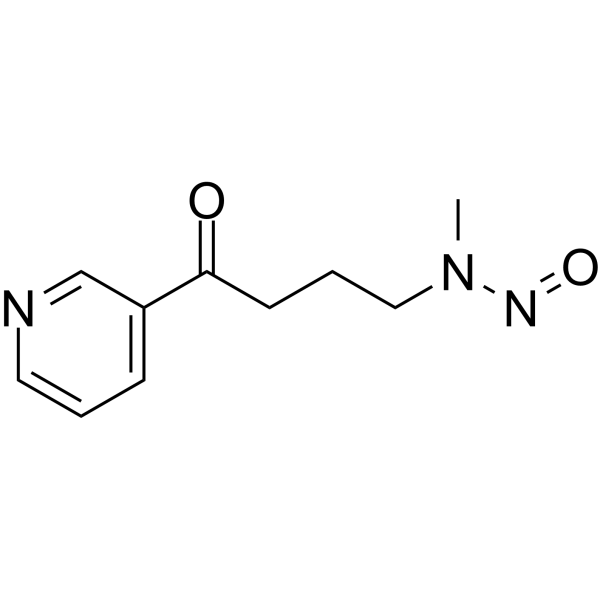
    NNK
    2 Publications Verification

    Endogenous Metabolite Cancer
    NNK is a nicotine-nitrosated derivative. NNK simultaneously stimulates Bcl2 phosphorylation exclusively at Ser 70 and c-Myc at Thr 58 and Ser 62 through activation of both ERK1/2 and PKCα . NNK induces survival and proliferation of human lung cancer cells. NNK can be used for lung cancer mice model structure .
    NNK
  • HY-13241
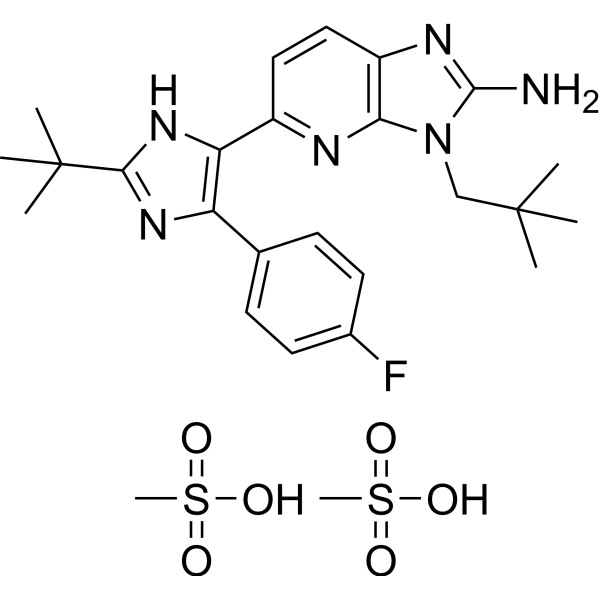
    Ralimetinib dimesylate
    10+ Cited Publications

    LY2228820 dimesylate

    p38 MAPK Autophagy Apoptosis Inflammation/Immunology Cancer
    Ralimetinib dimesylate (LY2228820 dimesylate) is a selective, ATP-competitive inhibitor of p38 MAPK α/β with IC50s of 5.3 and 3.2 nM, respectively. Ralimetinib (LY2228820) selectively inhibits phosphorylation of MK2 (Thr334), with no effect on phosphorylation of p38a MAPK, JNK, ERK1/2, c-Jun, ATF2, or c-Myc.
    Ralimetinib dimesylate
  • HY-145898

    14-D-Valine-TPL

    c-Myc Molecular Glues Cancer
    WBC100 (14-D-Valine-TPL) is a potent, selective, and orally active c-Myc molecule glue degrader. WBC100 is a c-Myc degrader and targets ubiquitin E3 ligase CHIP mediated 26S proteasome pathway. WBC100 is used for c-Myc overexpressing tumors research .
    WBC100
  • HY-17381A
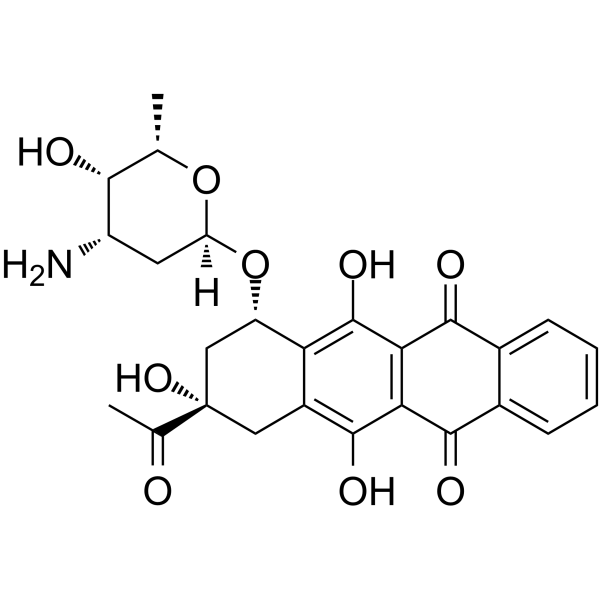
    Idarubicin
    15+ Cited Publications

    4-Demethoxydaunorubicin

    Topoisomerase Bacterial Fungal Autophagy c-Myc DNA/RNA Synthesis Antibiotic Infection Cancer
    Idarubicin is an orally active and potent anthracycline antileukemic agent. Idarubicin inhibits the topoisomerase II interfering with the replication of DNA and RNA transcription. Idarubicin shows induction of DNA damage. Idarubicin inhibits DNA synthesis and of c-myc expression. Idarubicin inhibits the growth of bacteria and yeasts .
    Idarubicin
  • HY-16291
    APTO-253
    20+ Cited Publications

    LOR-253; LT-253

    c-Myc KLF Apoptosis Inflammation/Immunology Cancer
    APTO-253 (LOR-253) is a small molecule that inhibits c-Myc expression, stabilizes G-quadruplex DNA, and induces cell cycle arrest and apoptosis in acute myeloid leukemia cells. APTO-253 mediates anticancer activity through induction of the Krüppel-like factor 4 (KLF4) tumor suppressor . APTO-253 has antiarthritic activity .
    APTO-253
  • HY-12702
    10058-F4
    Maximum Cited Publications
    55 Publications Verification

    c-Myc Autophagy Cancer
    10058-F4 is a c-Myc inhibitor that prevents c-Myc-Max dimerization and transactivation of c-Myc target gene expression.
    10058-F4
  • HY-148836

    c-Myc Infection Cardiovascular Disease Cancer
    c-Myc inhibitor 6 (compound A102) is a c-Myc inhibitor. c-Myc inhibitor 6 decreases cancer cell viability and degrades c-Myc protein. c-Myc inhibitor 6 can be used for the research of c-Myc imbalance, such as cancer, cardiovascular diseases, and viral infection .
    c-Myc inhibitor 6
  • HY-134761
    EN4
    2 Publications Verification

    c-Myc Cancer
    EN4 is a covalent ligand that targets cysteine 171 (C171) of MYC. EN4 is selective for c-MYC over N-MYC and L-MYC. EN4 inhibits MYC transcriptional activity, downregulates MYC targets, and impairs tumorigenesis .
    EN4
  • HY-19763

    BEBT-908

    PI3K Ferroptosis c-Myc Akt Reactive Oxygen Species (ROS) Histone Acetyltransferase mTOR Neurological Disease Metabolic Disease Inflammation/Immunology Cancer
    Ifupinostat (BEBT-908) is a blood-brain barrier-permeable PI3K/HDAC inhibitor. Ifupinostat exerts anticancer activity against hematologic malignancies, lung cancer, colon cancer, brain cancer and other cancers. Ifupinostat inhibits the PI3K/AKT/mTOR signaling pathway, suppresses c-Myc expression and induces ferroptosis. Ifupinostat can be used in tumor research .
    Ifupinostat
  • HY-145669
    DIF-3
    5+ Cited Publications

    Wnt CDK GSK-3 Infection Cancer
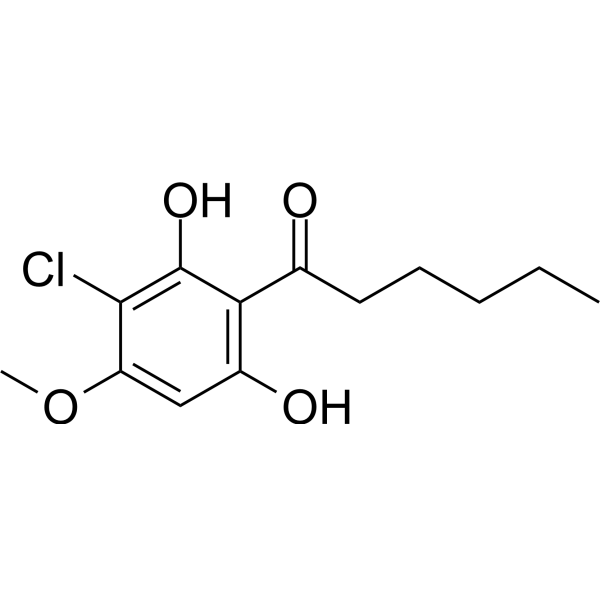
    DIF-3 is an orally active anticancer agent. DIF-3 reduces the expression levels of cyclin D1 and c-Myc by facilitating their degradation via activation of GSK-3β. DIF-3 inhibits Wnt/β-catenin signaling pathway-related proteins in cells. DIF-3 induces reactive oxygen species (ROS) and autophagy. DIF suppresses the growth of Trypanosoma. cruzi in HT1080 cells. DIF-3 exerts antitumor effects both in vitro and in vivo .
    DIF-3
  • HY-P0312
    c-Myc Peptide TFA
    1 Publications Verification

    c-Myc Cancer
    c-Myc Peptide (TFA) is a synthetic peptide corresponding to the C-terminal amino acids (410-419) of human c-myc protein, and participates in regulation of growth-related gene transcription.
    c-Myc Peptide TFA
  • HY-100669
    Mycro 3
    5 Publications Verification

    c-Myc Autophagy Cancer
    Mycro 3 is an orally active, potent and selective inhibitor of Myc-associated factor X (MAX) dimerization. Mycro 3 also inhibit DNA binding of c-Myc . Mycro 3 could be used for the research of pancreatic cancer .
    Mycro 3
  • HY-124447

    IGF-1R c-Myc Apoptosis TGF-beta/Smad Cancer
    BTYNB is a structure-specific nucleic acid binder and IGF2BP1 inhibitor (with an IC50 of 5 μM against hBTYNB). BTYNB disrupts the IGF2BP1-RNA interaction and blocks its binding to oncogenic mRNAs such as c-Myc, MDM2, PD-L1. BTYNB completely blocks the INHBA-Smad2/3 pathway, disrupts the MYCN/IGF2BP1 loop, and thereby induces apoptosis and cell cycle arrest, effectively inhibiting the proliferation and survival of cancer cells. In addition, BTYNB acts as an immune activator and tumor microenvironment modulator, enhances T cell-mediated tumor killing, and produces significant synergistic effects with inhibitors of PD-1, BRD and BIRC5. BTYNB can be used in relevant research on various malignant tumors including ovarian cancer, neuroblastoma, leukemia and melanoma .
    BTYNB
  • HY-148837

    PROTACs c-Myc Casein Kinase Infection Cardiovascular Disease Cancer
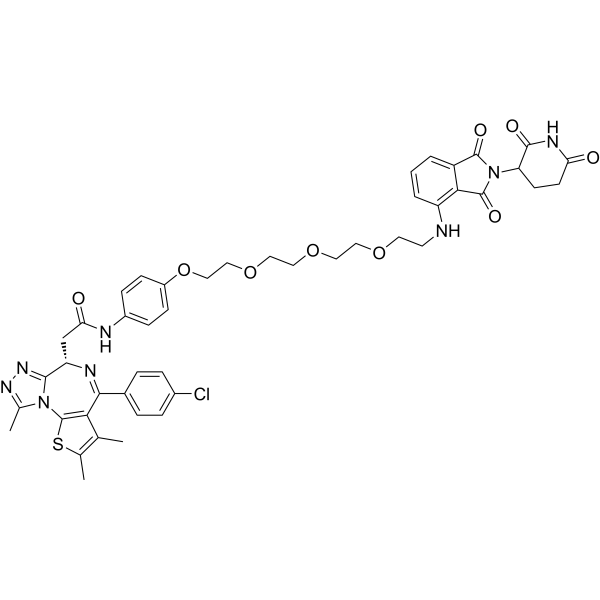
    PROTAC c-Myc degrader-1 (Compound A153) is a multiple target protein degrader (PROTAC). PROTAC c-Myc degrader-1 effective degrades c-MYC, CK1α, GSPT1 and IKZF1/2/3 proteins in a variety of tumor cells. PROTAC c-Myc degrader-1 can be used for c-Myc high expression related disease research, such as cancer, cardiovascular and cerebrovascular diseases, and viral infection (Pink: c-Myc ligand (HY-168685); Blue: E3 ligase ligand (HY-W093472); Black: linker (HY-W015808)) .
    GT19630
  • HY-16366

    ON 014185

    Eukaryotic Initiation Factor (eIF) CDK c-Myc MDM-2/p53 Caspase Apoptosis Cancer
    Briciclib (ON 014185) is a eukaryotic translation initiation factor 4E (eIF4E) inhibitor. Briciclib exhibits broad-spectrum anti-cancer activity, including in mantle cell leukemia, breast cancer, gastric cancer, and esophageal cancer cells. Briciclib reduces the expression of cyclin D1 and c-Myc, and enhances the expression of P53 and Cleaved Caspase 3 pro-apoptotic proteins. Briciclib can be used for the study of hematological system tumors and solid tumors .
    Briciclib
  • HY-19759
    SRT 2183
    3 Publications Verification

    Sirtuin Apoptosis Cancer
    SRT 2183 is a selective Sirtuin-1 (SIRT1) activator with an EC1.5 value of 0.36 μM . SRT 2183 induces growth arrest and apoptosis, concomitant with deacetylation of STAT3 and NF-κB, and reduction of c-Myc protein levels .
    SRT 2183
  • HY-109050
    Alobresib
    2 Publications Verification

    GS-5829

    Epigenetic Reader Domain Cancer
    Alobresib (GS-5829) is a BET bromodomain inhibitor, which represents a highly effective therapeutics agent against recurrent/chemotherapy resistant uterine serous carcinoma (USC) overexpressing c-Myc. Alobresib can be used in the metastatic castration-resistant prostate cancer (mCRPC) research .
    Alobresib
  • HY-133131

    PROTACs Epigenetic Reader Domain Cancer
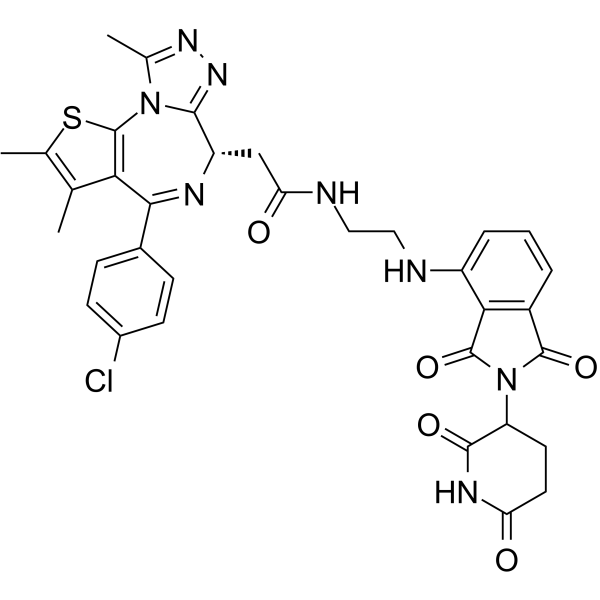
    PROTAC BRD4 Degrader-1 is a PROTAC connected by ligands for Cereblon and BRD4 with an IC50 of 41.8 nM against BRD4 BD1. PROTAC BRD4 Degrader-1 can effectively degrade BRD4 protein and suppress c-Myc expression .
    PROTAC BRD4 Degrader-1
  • HY-107194

    FGFR c-Myc DNA/RNA Synthesis Caspase Reactive Oxygen Species (ROS) Cancer
    NSC12 is an orally active pan-FGF trap. NSC12 inhibits the interaction between FGF2/FGFR. NSC12 suppresses the phosphorylation of FGFR3. NSC12 reduces c-Myc levels, induces DNA damage, triggers the cleavage of Caspase 3, and promotes ROS production. NSC12 exhibits anticancer activity against lung cancer and multiple myeloma .
    NSC12
  • HY-135691

    c-Myc Apoptosis Cancer
    hnRNPK-IN-1 is a heterogeneous nuclear ribonucleoprotein K (hnRNPK) binding ligand with Kd values of 4.6 μM and 2.6 μM measured with SPR and MST, respectively. hnRNPK-IN-1 inhibits c-myc transcription by disrupting the binding of hnRNPK and c-myc promoter. hnRNPK-IN-1 induces Hela cells apoptosis and has strongly anti-tumor activities .
    hnRNPK-IN-1
  • HY-168685

    c-Myc Ligands for Target Protein for PROTAC Cancer
    c-Myc ligand 1, a c-Myc inhibitor, is a PROTAC target protein ligand (Ligand for Target Protein for PROTAC). c-Myc ligand 1 can be used for synthesis PROTAC c-Myc inhibitor 7 (HY-148837) .
    c-Myc ligand 1
  • HY-111411
    IZCZ-3
    2 Publications Verification

    c-Myc Autophagy Cancer
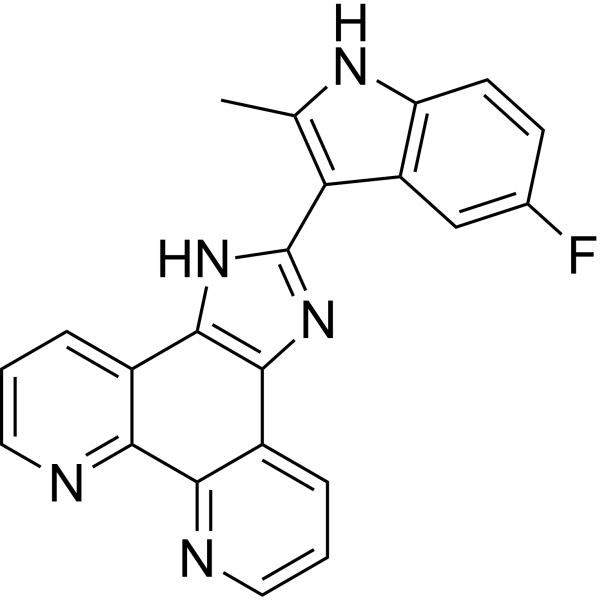
    IZCZ-3 is a potent c-MYC transcription inhibitor with antitumor activity .
    IZCZ-3
  • HY-12703
    KSI-3716
    2 Publications Verification

    c-Myc Autophagy Cancer
    KSI-3716 is a potent c-Myc inhibitor that blocks c-MYC/MAX binding to target gene promoters. KSI-3716 is an effective intravesical chemotherapy agent for bladder cancer .
    KSI-3716
  • HY-121418

    c-Myc Cancer
    Lusianthridin, a pure compound from Dendrobium venustum, have an anti-migratory effect. Lusianthridin enhances c-Myc degradation through the inhibition of Src-STAT3 signaling .
    Lusianthridin
  • HY-149230

    Deubiquitinase Cancer
    USP28-IN-4 is a USP28 inhibitor (IC50=0.04 μM) with high selectivity over USP2, USP7, USP8, USP9x, UCHL3 and UCHL5. USP28-IN-4 shows cytotoxicity against cancer cells, down-regulates the cellular level of c-Myc through ubiquitin-proteasome system. USP28-IN-4 also decreases the ankyrase-1/2 level in vitro. USP28-IN-4 enhance the sensitivity of colorectal cancer cells to Regorafenib (HY-10331) .
    USP28-IN-4
  • HY-176142

    CDK c-Myc Apoptosis Bcl-2 Family Cancer
    YX0798 is a selective and orally active CDK9 inhibitor (Kd: 0.28 nM). YX0798 downregulates the oncoprotein c-MYC and pro-survival protein MCL-1. YX0798 disrupts the cell cycle and results in transcriptomic reprogramming, eventually leading to cell apoptosis. YX0798 has antitumor activity .
    YX0798
  • HY-N11576

    Apoptosis GSK-3 c-Myc β-catenin Cancer
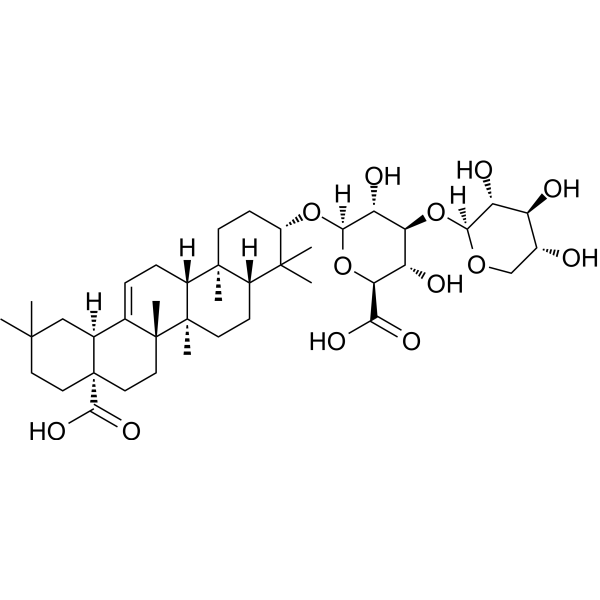
    Secalonic acid D is a toxic compound against tumor cells. Secalonic acid D can be isolated from the metabolites of Aspergillus aculeatus. Secalonic acid D activates GSK3-β, and degrades β-catenin. Thus, Secalonic acid D down-regulates c-Myc expression, arrests cell cycle at G1 phase, induces cell apoptosis .
    Secalonic acid D
  • HY-22445

    c-Myc Cancer
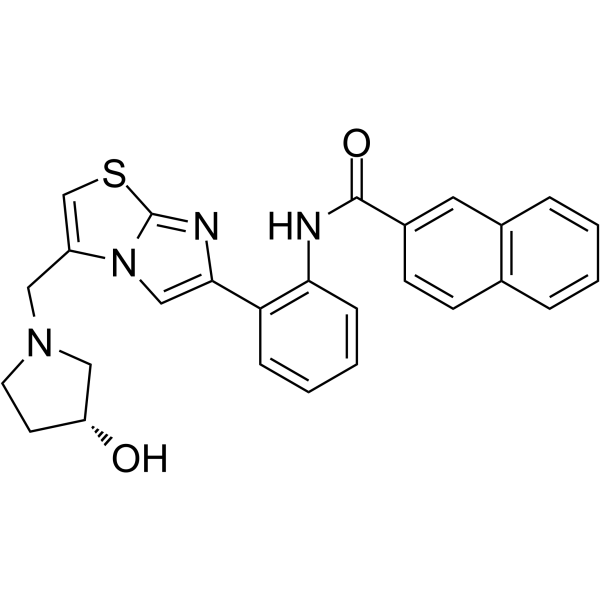
    MY05 selectively targets c-MYC in cells and disrupts MYC-MAX interaction. MY05 engages intracellular c-MYC, modulates c-MYC thermal stability, reduces c-MYC transcriptional targets, and possesses anticancer activity (TNBC, Triple-Negative Breast Cancer) .
    MY05
  • HY-124129

    c-Myc Cancer
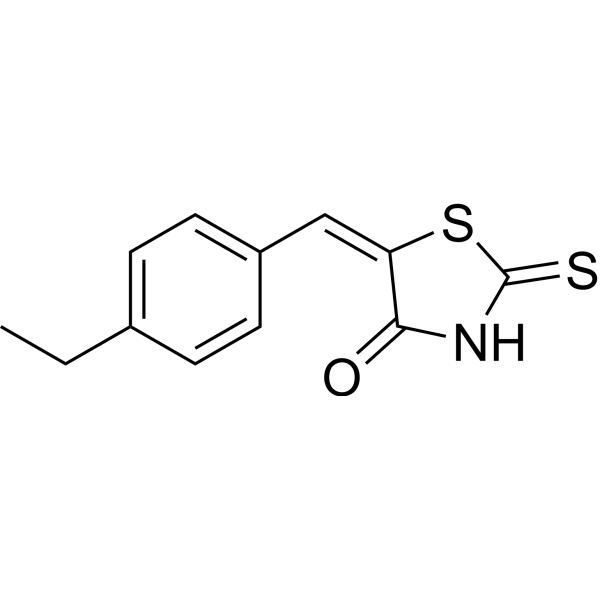
    10074-A4 is a c-Myc inhibitor. 10074-A4 could bind to c-Myc370-409 at different sites along the peptide chain. 10074-A4 has anticancer effects .
    10074-A4
  • HY-148838

    c-Myc Cancer
    c-Myc inhibitor 8 (compound 56) is a c-Myc inhibitor. c-Myc inhibitor 8 effectively inhibits cell viability of a variety of cancer cells. c-Myc inhibitor 8 inhibits human prostate and lung cancer growth in mouse models. c-Myc inhibitor 8 can be used for cancer research .
    c-Myc inhibitor 8
  • HY-112316

    Epigenetic Reader Domain Cancer
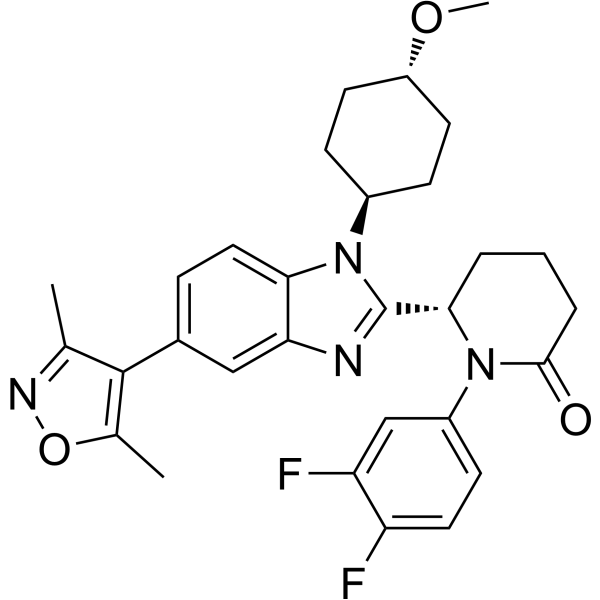
    BAY1238097 is a potent and selective inhibitor of BET binding to histones and has strong anti-proliferative activity in different AML (acute myeloid leukemia) and MM (multiple myeloma) models through down-regulation of c-Myc levels and its downstream transcriptome (IC50 <100 nM).
    BAY1238097
  • HY-112799

    Wnt β-catenin c-Myc CDK Survivin Cancer
    DK419 is a potent and orally active Wnt/β-catenin signaling inhibitor, with an IC50 of 0.19 μM. DK419 reduces protein lelvels of Axin2, β-catenin, c-Myc, Cyclin D1 and Survivin and induces production of pAMPK .
    DK419
  • HY-125236

    Epigenetic Reader Domain Cancer
    BET-IN-19 (Compound 146) is a BET inhibitor. BET-IN-19 inhibits hlL-6 mRNA transcription (IC50 ≤0.3 uM), and c-myc activity in human AML MV4-11 cell (IC50 ≤0.3 uM)。BET-IN-19 inhibits tetra-acetylated histone H4 binding to BRD4 bromodomain 1 (IC50 ≤0.3 uM) .
    BET-IN-19
  • HY-134333

    Apoptosis Cancer
    ICCB280 is a potent inducer of C/EBPα. ICCB280 exhibits anti-leukemic properties including terminal differentiation, proliferation arrest, and apoptosis through activation of C/EBPα and affecting its downstream targets (such as C/EBPε, G-CSFR and c-Myc) .
    ICCB280
  • HY-145748

    G-quadruplex Autophagy c-Myc Cancer
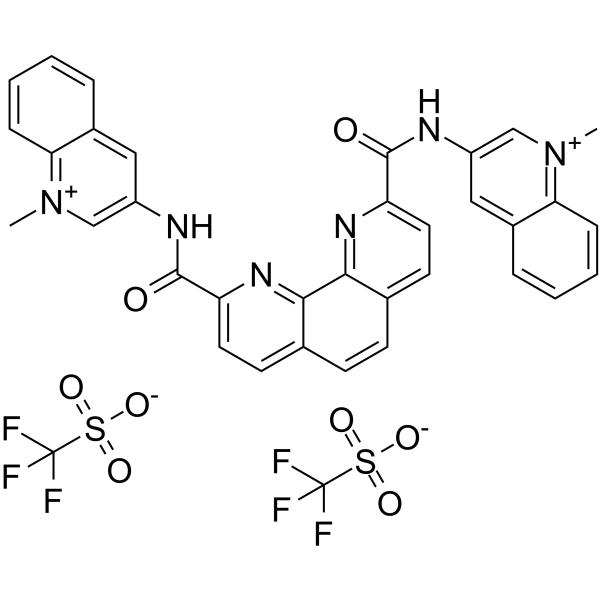
    SYUIQ-5 is a G-quadruplex ligand. SYUIQ-5 stabilizes G-quadruplex and induce senescence. SYUIQ-5 inhibits c-myc gene promoter activity. SYUIQ-5 induces cancer cells autophagy by triggering telomere damage through TRF2 delocalization from telomeres .
    SYUIQ-5
  • HY-160549

    c-Myc Cancer
    c-Myc inhibitor 14 (Compound 13A) is a c-Myc protein inhibitor. The IC50 value of HL60 inhibitor is <100 nM. c-Myc inhibitor 14 shows antitumor activity .
    c-Myc inhibitor 14
  • HY-147651

    β-catenin CDK c-Myc Cancer
    β-catenin-IN-4 (Compound 39) is a β-catenin inhibitor with a Ki of 0.64 μM. β-catenin-IN-4 reduces the protein expression levels of cyclin D1 and c-Myc .
    β-catenin-IN-4
  • HY-145843

    c-Myc Cancer
    c-Myc inhibitor 5 (DA3) is a fluorescent, long chain-bridged bispurine that selectively targets the c-MYC G-quadruplex (KD of 16 μM). c-Myc inhibitor 5 shows inhibition on c-MYC expression rather than other G4-driven oncogenes .
    c-Myc inhibitor 5
  • HY-124811

    c-Myc Cancer
    IRES-C11 is a spectfic c-MYC internal ribosome entry site (IRES) translation inhibitor. IRES-C11 blocks the interaction of a requisite c-MYC IRES trans-acting factor, heterogeneous nuclear ribonucleoprotein A1, with its IRES. IRES-C11 does not inhibits BAG-1, XIAP and p53 IRESes .
    IRES-C11
  • HY-162294

    c-Myc Cancer
    c-Myc inhibitor 13 (compound A6) is a c-MYC transcription inhibitor. c-Myc inhibitor 13 selectively stabilizes c-MYC G4 and inhibits G4-associated c-MYC transcription .
    c-Myc inhibitor 13
  • HY-148839

    c-Myc Cancer
    c-Myc inhibitor 9 (compound 332) is a c-Myc inhibitor with an logEC50 of ≥6. c-Myc inhibitor 9 inhibits tumor growth in nude mouse models. c-Myc inhibitor 9 can be used for cancer research .
    c-Myc inhibitor 9
  • HY-155507

    c-Myc Cancer
    c-Myc inhibitor 11 (Compound 67e) is a c-MYC inhibitor (pEC50: 6.4). c-Myc inhibitor 11 has high clearance levels, moderate volume of distribution and short half-life in rat pharmacokinetic assay. c-Myc inhibitor 11 can be used for cancer research .
    c-Myc inhibitor 11
  • HY-131203

    PROTACs Epigenetic Reader Domain Apoptosis c-Myc Caspase Cancer
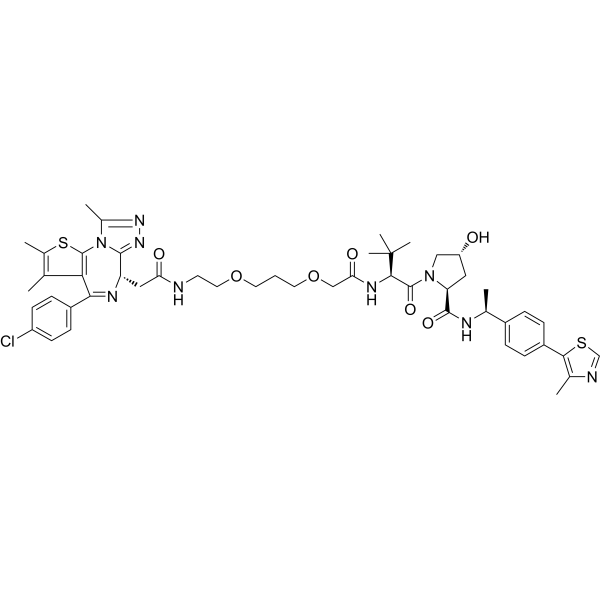
    PROTAC BRD4 Degrader-6 (compound 32a) is a potent small-molecule BRD4PROTAC degrader with IC50 value of 2.7 nM for BRD4 BD1. PROTAC BRD4 Degrader-6 potently degrades BRD4 protein and inhibits the expression of c-Myc. PROTAC BRD4 Degrader-6 inhibits the proliferation of pancreatic cancer cell line BxPC3 and induces apoptosis. PROTAC BRD4 Degrader-6 can be used for human pancreatic cancer research (Pink: Mivebresib (HY-100015); Black: linker, Azido-PEG1-CH2CO2H (HY-108369); Blue: Lenalidomide (HY-A0003)) .
    PROTAC BRD4 Degrader-6
  • HY-154839

    c-Myc Cancer
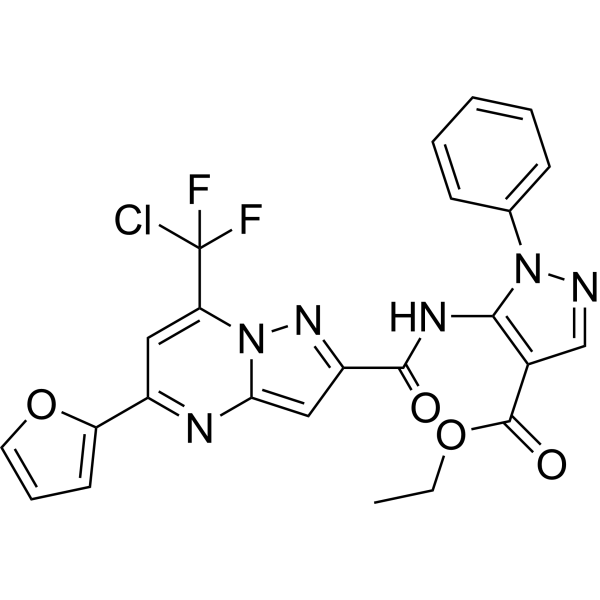
    c-Myc inhibitor 10 (compound 17), a c-Myc inhibitor, exhibits increased cellular potency, consistent with an increase in permeability with methylation of the morpholine nitrogen .
    c-Myc inhibitor 10
  • HY-139885

    c-Myc Cancer
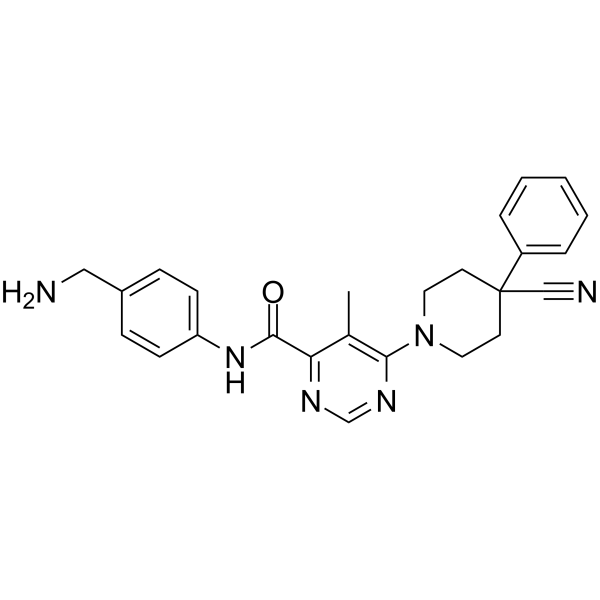
    c-Myc inhibitor 4 is a potent, orally bioavailable c-MYC-reducing compound.
    c-Myc inhibitor 4
  • HY-162470

    Aurora Kinase Cancer
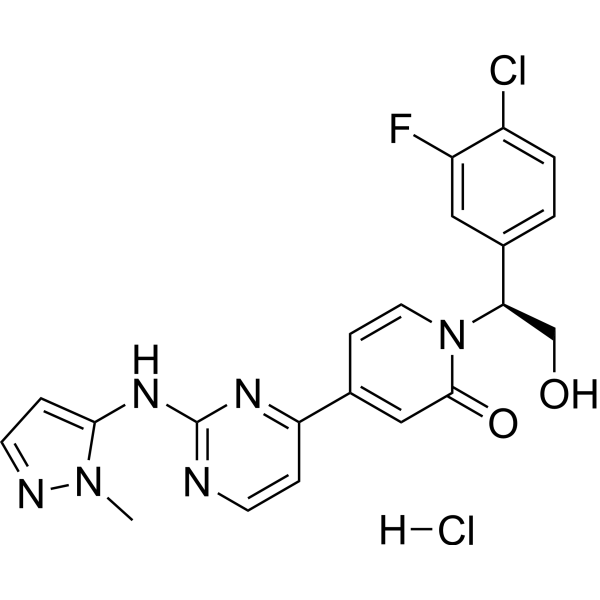
    DBPR728 is an acyl prodrug of 6K465 that carries fewer hydrogen bond donors. 6K465 acts as an Aurora kinase inhibitor that destabilizes MYC family cancer proteins and has antitumor efficacy. DBPR728 has the potential to inhibit cancers that overexpress C-MYC and N-MYC, with a 10-fold increase in oral bioavailability compared to 6K465 .
    DBPR728
  • HY-178909

    c-Myc Apoptosis Reactive Oxygen Species (ROS) Cancer
    Y502-2304 is a c-Myc G-quadruplex stabilizer. Y502-2304 exhibits potent antiproliferative activity in multiple myeloma (MM) cells. Y502–2304 downregulates c-Myc mRNA and protein expression. Y502-2304 induces apoptosis in MM cells, characterizes by elevated γH2AX levels, increases reactive oxygen species (ROS) generation, and mitochondrial dysfunction. Y502-2304 significantly inhibits tumor growth in a xenograft MM model. Y502-2304 can be used for the study of multiple myeloma .
    Y502-2304
  • HY-176066A

    c-Myc Apoptosis Cancer
    c-Myc inhibitor 16 iodide (Compound W11) is a selective c-Myc G-quadruplex (c-Myc G4) inhibitor. c-Myc inhibitor 16 iodide inhibits the transcription and translation of the c-Myc gene, disrupts the tumor cell cycle, arrests cell growth in the G0/G1 phase and activates the mitochondrial apoptosis pathway to induce early apoptosis of cancer cells. c-Myc inhibitor 16 iodide is promising for research of breast cancer .
    c-Myc inhibitor 16 iodide
  • HY-P990850

    c-Myc Cancer
    Anti-c-myc Antibody (9E10) is a kind of mouse IgG1 chimeric antibody, targeting to human c-myc. Anti-c-myc Antibody (9E10) reacts with human c-myc, which is over-expressing in several types of human cancers including lung, breast and colon carcinomas. Anti-c-myc Antibody (9E10) can be can be used for the detections of western blot, ELISA, immunoprecipitation and flow cytometry .
    Anti-c-myc Antibody (9E10)
  • HY-162469

    Aurora Kinase c-Myc Cancer
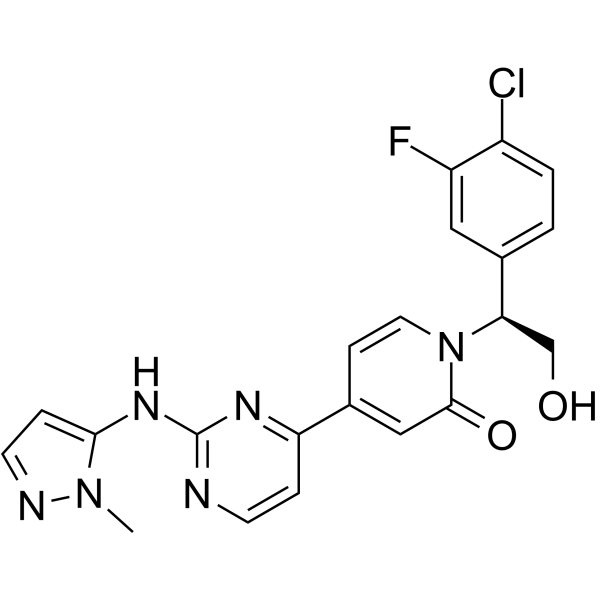
    6K465 is a pyrimidine-based Aurora A (AURKA) inhibitor. 6K465 can reduce the levels of c-MYC and N-MYC oncoproteins, demonstrating anticancer activity .
    6K465

Inquiry Online

Your information is safe with us. * Required Fields.

Salutation


Country or Region *

Applicant Name *


Organization Name *

Department *


Email Address *


Product Name *

Cat. No.


Requested quantity *

Phone Number *


Remarks

Inquiry Online

Inquiry Information

Product Name:
Cat. No.:
Quantity:
MCE Japan Authorized Agent:

