1. Search Result
Search Result
Results for "

capping agent

" in MedChemExpress (MCE) Product Catalog:

36

Inhibitors & Agonists

1

Fluorescent Dyes

1

Biochemical Assay Reagents

1

Peptides

2

Natural
Products

9

Isotope-Labeled Compounds

Cat. No. Product Name Target Research Areas Chemical Structure
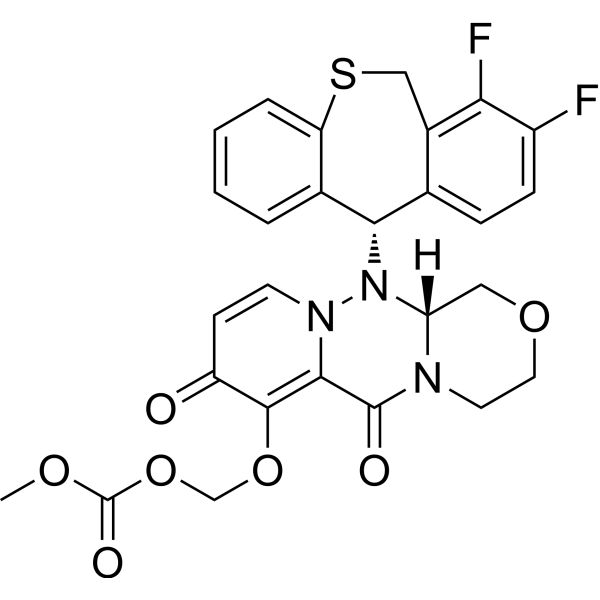
  • HY-109025
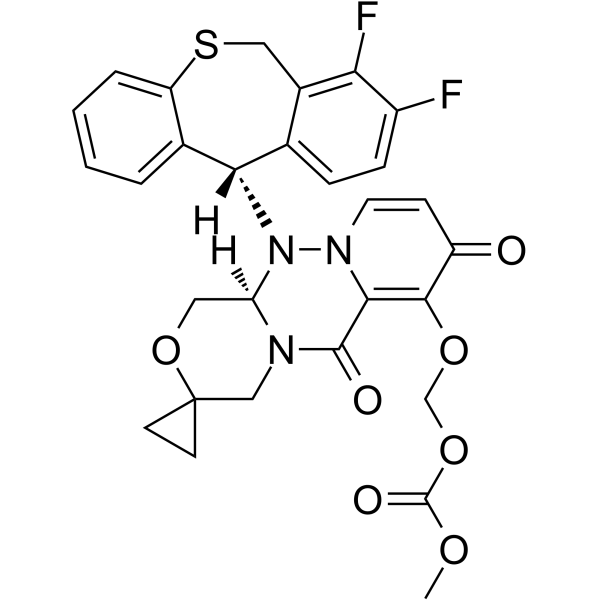
    Baloxavir marboxil
    Maximum Cited Publications
    13 Publications Verification

    S-033188; RG 6152

    Influenza Virus Infection Cancer
    Baloxavir marboxil (S-033188) is a selective inhibitor of influenza cap-dependent endonuclease. Baloxavir marboxil, a potent antiviral agent, shows activity against influenza A and B virus .
    Baloxavir marboxil
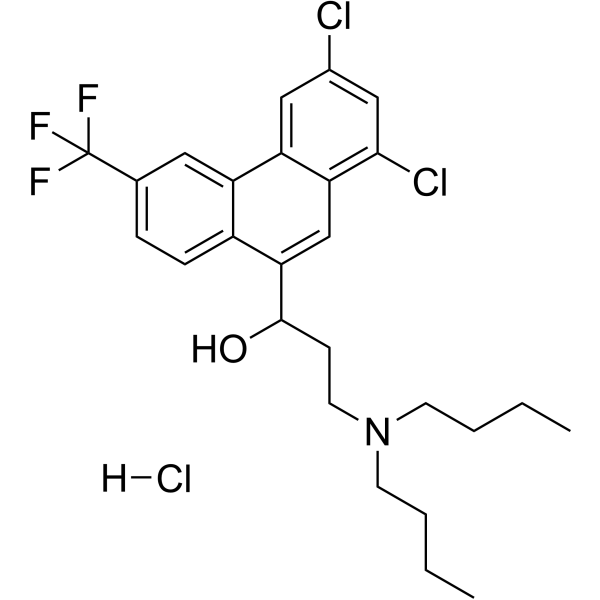
  • HY-A0148A
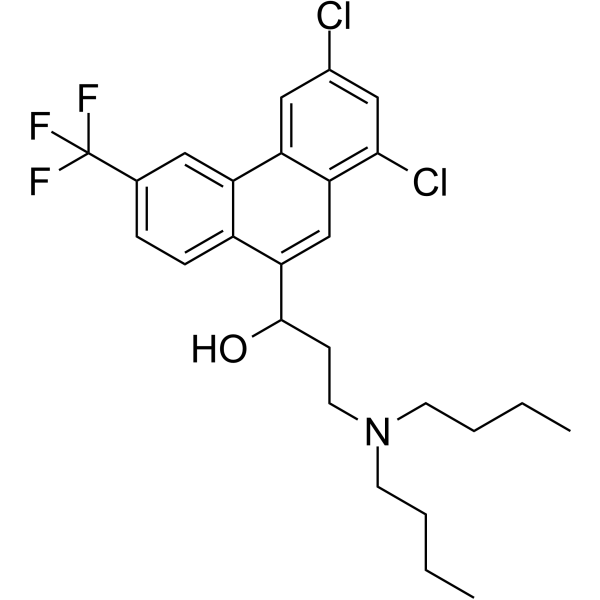
    Halofantrine hydrochloride
    2 Publications Verification

    SKF-102886; WR-171669 hydrochloride

    Parasite Fungal Reactive Oxygen Species (ROS) Potassium Channel Infection
    Halofantrine hydrochloride (SKF-102886 hydrochloride; WR-171669 hydrochloride) is a blocker that delays the delayed rectifier potassium current by inhibiting human ERG channels, and it is a potent antimalarial agent with oral activity. Halofantrine hydrochloride inhibits the Cap1-dependent oxidative stress response of Candida albicans, suppresses ROS responses, and enhances the antifungal (Fungal) activity of oxidative damage agents. Halofantrine hydrochloride exhibits antifungal activity in the Galleria mellonella model, and shows antimalarial activity against Plasmodium strains both in vitro and in animal models. Halofantrine hydrochloride can be used in studies related to invasive candidiasis, falciparum malaria, and vivax malaria .
    Halofantrine hydrochloride
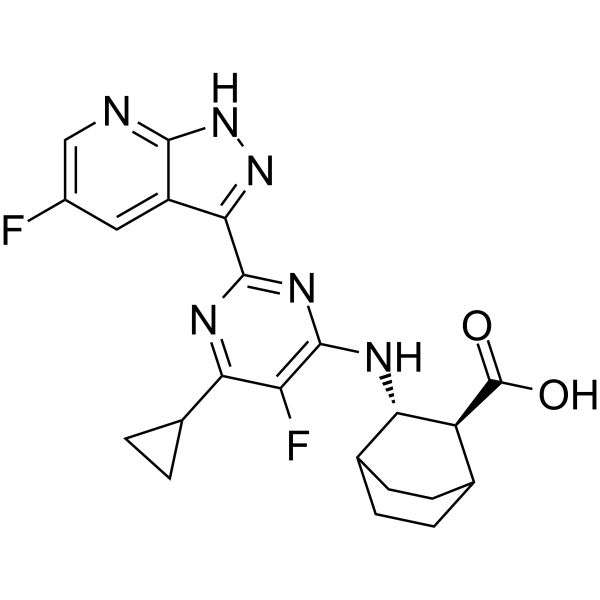
  • HY-145586

    ZSP1273

    Influenza Virus DNA/RNA Synthesis Infection
    Onradivir (ZSP1273) is an orally active antiviral agent targeting influenza A virus RNA polymerase PB2 subunit with an IC50 of 0.562 nM. Onradivir inhibits cap binding to influenza A virus RNA polymerase PB2 subunit, suppresses viral replication, reduces viral titres and RNA loads, and inhibits influenza A virus infection. Onradivir maintains high survival rates in influenza A virus-infected mice, and reduces influenza A virus titers in a murine model. Onradivir can be used for the research of influenza A virus infection .
    Onradivir
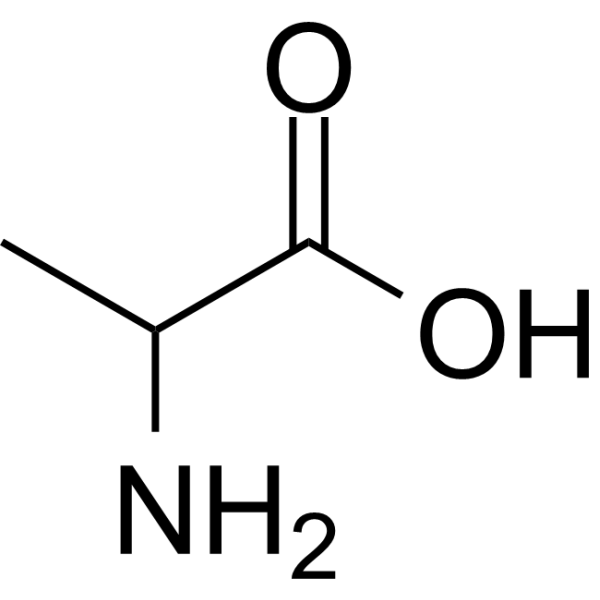
  • HY-N2362

    DL-2-Aminopropionic acid

    Endogenous Metabolite Metabolic Disease
    DL-alanine, an orally active amino acid, is the racemic compound of L- and D-alanine. DL-alanine is employed both as a reducing and a capping agent, used with silver nitrate aqueous solutions for the production of nanoparticles. DL-alanine can be used for the research of transition metals chelation, such as Cu(II), Zn(II), Cd(11). DL-alanine, a sweetener, is classed together with glycine and sodium saccharin. DL-alanine plays a key role in the glucose-alanine cycle between tissues and liver .
    DL-Alanine
  • HY-105172

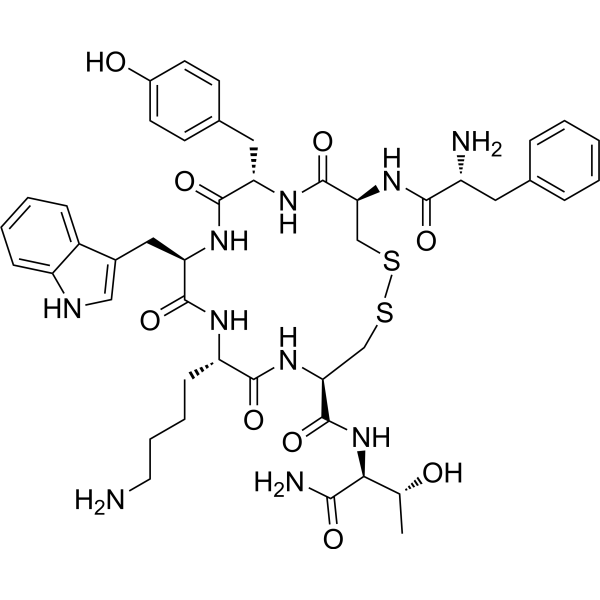
    CAP-232; TLN-232

    Somatostatin Receptor Inflammation/Immunology Cancer
    TT-232 (CAP-232), a somatostatin derivative, is a peptide SSTR1/SSTR4 agonist. TT-232 inhibits cancer cell proliferation and induces apoptosis. TT-232 is also a broad-spectrum anti-inflammatory and analgesic agent .
    TT-232
  • HY-133887

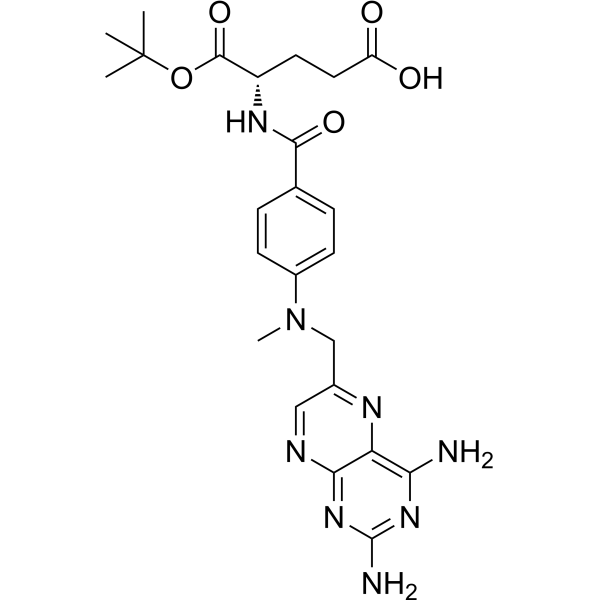
    Antifolate DNA/RNA Synthesis Cancer
    Methotrexate α-tert-butyl ester, capped by OtBu, significantly reduces tumor growth in HT1080 tumor bearing mice. Methotrexate is an antimetabolite and antifolate agent and is also an immunosuppressant and antineoplastic agent .
    Methotrexate α-tert-butyl ester
  • HY-109025R

    S-033188 (Standard); RG 6152 (Standard)

    Reference Standards Influenza Virus Infection
    Baloxavir marboxil (Standard) is the analytical standard of Baloxavir marboxil. This product is intended for research and analytical applications. Baloxavir marboxil (S-033188) is a selective inhibitor of influenza cap-dependent endonuclease. Baloxavir marboxil, a potent antiviral agent, shows activity against influenza A and B virus .
    Baloxavir marboxil (Standard)
  • HY-N6772

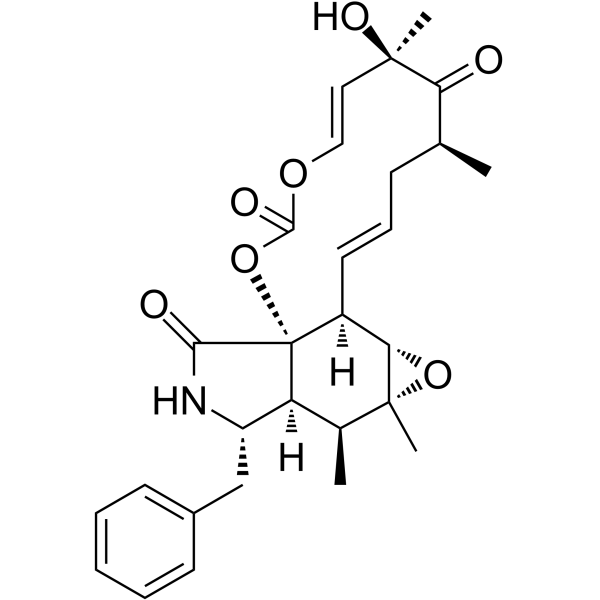
    Autophagy Cancer
    Cytochalasin E, an epoxide containing Aspergillus-derived fungal metabolite, inhibits angiogenesis and tumor growth. Cytochalasin E is a potent actin depolymerization agent, and it binds and caps the barbed end of actin filaments to prevent actin elongation .
    Cytochalasin E
  • HY-D0948

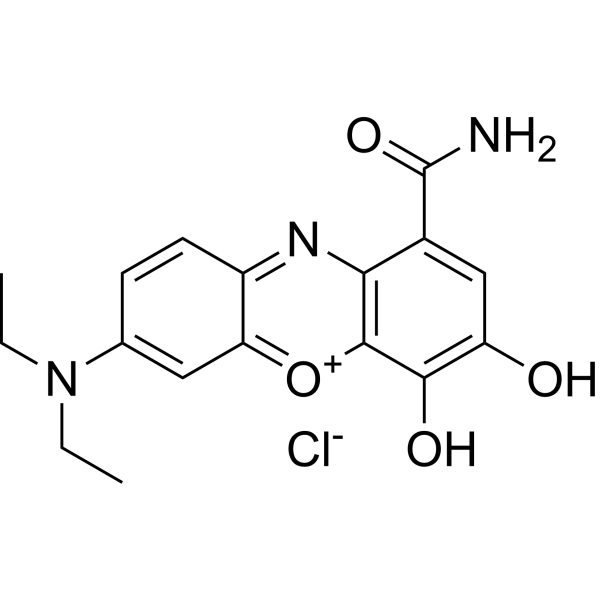
    Fluorescent Dye Infection
    Celestine Blue is a electroactive indicator in DNA biosensors. Celestine Blue is strongly adsorbed on the spinel phases and CNT (carbon nanotubes), facilitates dispersion, acts as a capping agent and allows for the fabrication of spinel decorated CNT. Celestine Blue is an efficient charge transfer mediator, which allows for significant improvement of capacitive behavior. TiO2 nanoparticles doped with Celestine Blue can be used as a label in a sandwich immunoassay for the hepatitis C virus (HCV) core antigen .
    Celestine Blue
  • HY-160958

    Biochemical Assay Reagents Others
    Cap B (Acetonitrile/N-methylimidazole /pyridine, 50/20/30 v/v/v) is a biochemical reagent, which contains 50% Acetonitrile, 20 N-methylimidazole and 30% pyridine. Cap B (Acetonitrile/N-methylimidazole /pyridine, 50/20/30 v/v/v) is utilized as capping agent in oligonucleotide synthesis .
    Cap B Acetonitrile/N-methylimidazole /pyridine, 50/20/30 v/v/v
  • HY-143744

    GP681; Cap-dependent endonuclease-IN-3

    Endonuclease Influenza Virus Infection
    Suraxavir marboxil (GP681; Cap-dependent endonuclease-IN-3) is a PA subunit cap-dependent endonuclease inhibitor with antiviral activity. Suraxavir marboxil inhibits PA subunit cap-dependent endonuclease activity and inhibits influenza A and/or influenza B viral replication. Suraxavir marboxil can be used alone or in combination with other anti-influenzal agents for the prevention of influenza A and/or influenza B viral infectious diseases. Suraxavir marboxil can be used for the research of influenza A and/or influenza B viral infectious diseases .
    Suraxavir marboxil
  • HY-A0148

    SKF-102886 free base; WR-171669

    Parasite Fungal Potassium Channel Reactive Oxygen Species (ROS) Infection Cancer
    Halofantrine (SKF-102886 hydrochloride; WR-171669 hydrochloride) is a blocker that delays the delayed rectifier potassium current by inhibiting human ERG channels, and it is a potent antimalarial agent with oral activity. Halofantrine inhibits the Cap1-dependent oxidative stress response of Candida albicans, suppresses ROS responses, and enhances the antifungal (Fungal) activity of oxidative damage agents. Halofantrine exhibits antifungal activity in the Galleria mellonella model, and shows antimalarial activity against Plasmodium strains both in vitro and in animal models. Halofantrine can be used in studies related to invasive candidiasis, falciparum malaria, and vivax malaria .
    Halofantrine
  • HY-170524

    SARS-CoV DNA Methyltransferase Cytochrome P450 Infection
    TDI-015051 is a highly selective, orally active antiviral agent that targets the coronavirus NSP14 guanine-N7 methyltransferase. TDI-015051 binds to substrates in a non-competitive manner and forms a stable ternary complex, precisely blocking the capping and methylation processes of viral mRNA. TDI-015051 potently inhibits a variety of coronaviruses (including SARS-CoV-2 and MERS). By impairing viral replication and translation and inducing a moderate type I interferon-mediated immune response, it significantly reduces pulmonary viral load and exhibits a synergistic effect with Nirmatrelvir (HY-138687). In addition, TDI-015051 does not inhibit non-coronavirus methyltransferases, and the drug-resistant mutations it induces impair viral fitness, demonstrating excellent antiviral properties and safety. TDI-015051 can be used for research on COVID-19 and the replication mechanism of coronaviruses .The IC50 values of TDI-015051 against SARS-CoV-2, α-hCoV-NL63, α-hCoV-229E, β-hCoV-MERS are 0.15 nM, 1.7 nM, 2.6 nM and 3.6 nM, respectively, and the Ka value against SARS-CoV-2 is 0.061 nM .
    TDI-015051
  • HY-79096

    Biochemical Assay Reagents Drug Intermediate Others
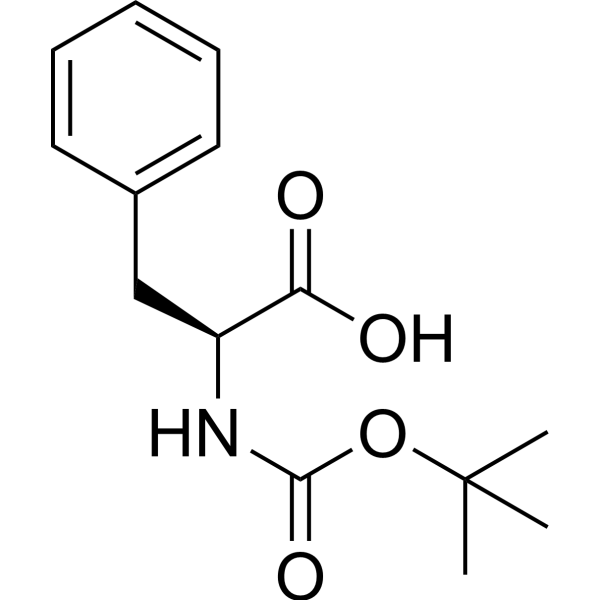
    Boc-L-phenylalanine is a Boc-protected L-phenylalanine that can be used in the synthesis of other active compounds. Boc-L-phenylalanine is also a capping agent .
    Boc-L-phenylalanine
  • HY-109659

    Biochemical Assay Reagents DNA Alkylator/Crosslinker Others
    1-(3-Aminopropyl)-4-methylpiperazine is a capping agent. The 1-(3-Aminopropyl)-4-methylpiperazine-capped Poly (β-amino ester) (PBAE) poly (1,4-butanediol diacrylate-co-4-amino-1-butanol) undergoes electrostatic interactions with anionic molecules such as DNA and exhibits low cytotoxicity. The 1-(3-Aminopropyl)-4-methylpiperazine-capped Poly (1,4-butanediol diacrylate-co-4-amino-1-butanol) PBAE effectively delivers nucleic acids in various systems .
    1-(3-Aminopropyl)-4-methylpiperazine
  • HY-116229

    SB-265805; LB20304

    Antibiotic Bacterial Infection
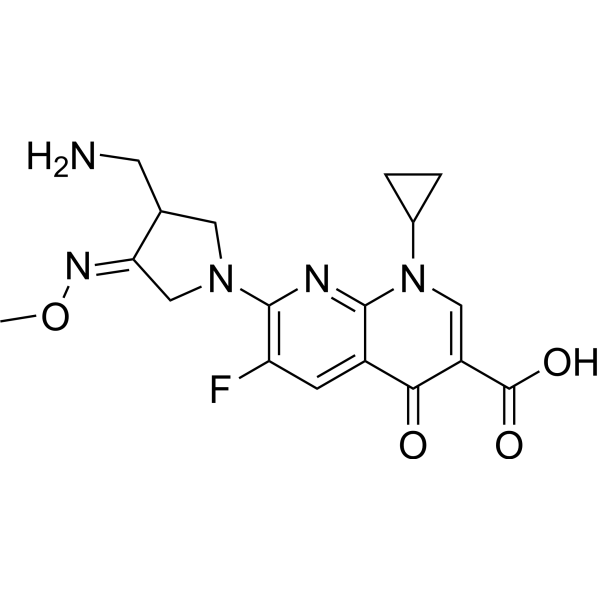
    Gemifloxacin, a fluoroquinolone, is a potent and orally active antipneumococcal agent. Gemifloxacin shows bactericidal activity against highly quinolone-resistant pneumococci.Gemifloxacin can be used for the research of respiratory infections, such as community-acquired pneumonia (CAP) and acute exacerbation of chronic bronchitis (AECB) .
    Gemifloxacin
  • HY-N2362S2

    DL-2-Aminopropionic acid-d3

    Endogenous Metabolite Metabolic Disease
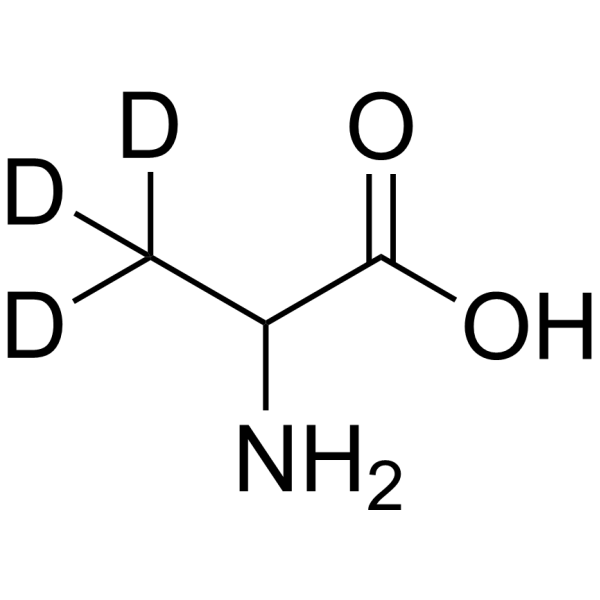
    DL-Alanine-d3 is the deuterium labeled DL-Alanine. DL-alanine, an amino acid, is the racemic compound of L- and D-alanine. DL-alanine is employed both as a reducing and a capping agent, used with silver nitrate aqueous solutions for the production of nanoparticles. DL-alanine can be used for the research of transition metals chelation, such as Cu(II), Zn(II), Cd(11). DL-alanine, a sweetener, is classed together with glycine, and sodium saccharin. DL-alanine plays a key role in the glucose-alanine cycle between tissues and liver .
    DL-Alanine-d3
  • HY-W112199

    Biochemical Assay Reagents Others
    9-anthracenamine is an end-capping agent. 9-anthracenamine caps both ends of polyrotaxanes and free PPG chains to avoid dethreading .
    9-Anthracenamine
  • HY-149263

    Influenza Virus Virus Protease Infection
    HAA-09 is an orally active and potent anti-influenza agent, targeting the influenza PB2_cap binding domain. HAA-09 displays potent anti-influenza A virus activity, with an EC50 of 0.03 μM. HAA-09 shows polymerase inhibition, with an IC50 of 0.06±0.004 μM. HAA-09 blocks virus replication without causing obvious cytotoxicity .
    HAA-09
  • HY-145586A

    ZSP1273 monohydrate

    Influenza Virus DNA/RNA Synthesis Infection
    Onradivir (ZSP1273) monohydrate is an orally active antiviral agent targeting influenza A virus RNA polymerase PB2 subunit with an IC50 of 0.562 nM. Onradivir monohydrate inhibits cap binding to influenza A virus RNA polymerase PB2 subunit, suppresses viral replication, reduces viral titres and RNA loads, and inhibits influenza A virus infection. Onradivir monohydrate maintains high survival rates in influenza A virus-infected mice, and reduces influenza A virus titers in a murine model. Onradivir monohydrate can be used for the research of influenza A virus infection .
    Onradivir monohydrate
  • HY-162242

    Influenza Virus Infection
    Cap-dependent endonuclease-IN-27 (Compound 8) is an orally active potent cap-dependent endonuclease (CEN) inhibitor. Cap-dependent endonuclease-IN-27, an antiviral agent, shows activity against influenza B virus. Cap-dependent endonuclease-IN-27 has inhibitory activity against IFV A/WSN/33 (H1N1) polymerase (EC50 = 12.26 nM) .
    Cap-dependent endonuclease-IN-27
  • HY-143755

    DNA/RNA Synthesis Influenza Virus Infection
    Cap-dependent endonuclease-IN-9 is a potent inhibitor of cap-dependent endonuclease (CEN). Not only can Cap-dependent endonuclease-IN-9 inhibit influenza virus well, but also has lower cytotoxicity, better in vivo agent kinetic properties and in vivo pharmacodynamic properties. Cap-dependent endonuclease-IN-9 has strong inhibitory effect on RNA polymerase activity of A virus (extracted from patent CN112521386A, compound VI-1) .
    Cap-dependent endonuclease-IN-9
  • HY-143743

    DNA/RNA Synthesis Influenza Virus Infection
    Cap-dependent endonuclease-IN-2 is a potent inhibitor of cap-dependent endonuclease (CEN). Not only can Cap-dependent endonuclease-IN-2 inhibit influenza virus well, but also has lower cytotoxicity, better in vivo agent kinetic properties and in vivo pharmacodynamic properties. Cap-dependent endonuclease-IN-2 has strong inhibitory effect on RNA polymerase activity of A virus (extracted from patent WO2019052565A1, compound 28) .
    Cap-dependent endonuclease-IN-2
  • HY-115693

    Bacterial Infection
    CAP 3 is a cholic acid-peptide conjugate (CAP) antimicrobial agent. CAP 3 effectively inhibits Gram-negative bacteria, with MIC99 (minimum inhibitory concentration for 99% bacterial killing) values of 8 μM, 16 μM, and 16 μM against E. coli, Klebsiella pneumoniae and Acinetobacter baumannii, respectively. CAP 3 exerts its antibacterial effects by disrupting the structural integrity of the bacterial lipopolysaccharide (LPS) outer membrane. CAP 3 rapidly kills bacteria, inhibits biofilm formation, and effectively combats drug-resistant strains and persistent bacterial infections .
    CAP 3
  • HY-79096S2

    Isotope-Labeled Compounds Biochemical Assay Reagents Drug Intermediate Others
    BOC-L-phenylalanine-d8 is the deuterium labeled BOC-L-phenylalanine (HY-79096). Boc-L-phenylalanine is a Boc-protected L-phenylalanine that can be used in the synthesis of other active compounds. Boc-L-phenylalanine is also a capping agent .
    BOC-L-phenylalanine-d8
  • HY-79096S1

    Isotope-Labeled Compounds Biochemical Assay Reagents Drug Intermediate Others
    BOC-L-phenylalanine-d5 is the deuterium labeled BOC-L-phenylalanine (HY-79096). Boc-L-phenylalanine is a Boc-protected L-phenylalanine that can be used in the synthesis of other active compounds. Boc-L-phenylalanine is also a capping agent .
    BOC-L-phenylalanine-d5
  • HY-A0148AR

    SKF-102886 (Standard); WR-171669 hydrochloride (Standard)

    Reference Standards Parasite Fungal Potassium Channel Reactive Oxygen Species (ROS) Infection
    Halofantrine hydrochloride (Standard) is the analytical standard of Halofantrine hydrochloride. This product is intended for research and analytical applications. Halofantrine hydrochloride (SKF-102886 hydrochloride; WR-171669 hydrochloride) is a blocker that delays the delayed rectifier potassium current by inhibiting human ERG channels, and it is a potent antimalarial agent. Halofantrine hydrochloride inhibits the Cap1-dependent oxidative stress response of Candida albicans, suppresses ROS responses, and enhances the antifungal (Fungal) activity of oxidative damage agents. Halofantrine hydrochloride exhibits antifungal activity in the Galleria mellonella model, and shows antimalarial activity against Plasmodium strains both in vitro and in animal models. Halofantrine hydrochloride can be used in studies related to invasive candidiasis, falciparum malaria, and vivax malaria.
    Halofantrine hydrochloride (Standard)
  • HY-79096S

    Isotope-Labeled Compounds Biochemical Assay Reagents Drug Intermediate Metabolic Disease
    BOC-L-Phenylalanine- 13C is a 13C-labeled BOC-L-Phenylalanine (HY-79096). Boc-L-phenylalanine is a Boc-protected L-phenylalanine that can be used in the synthesis of other active compounds. Boc-L-phenylalanine is also a capping agent .
    BOC-L-Phenylalanine-13C
  • HY-N2362S5

    DL-2-Aminopropionic acid-15N

    Endogenous Metabolite Metabolic Disease
    DL-Alanine- 15N is the 15N labeled DL-Alanine . DL-alanine, an amino acid, is the racemic compound of L- and D-alanine. DL-alanine is employed both as a reducing and a capping agent, used with silver nitrate aqueous solutions for the production of nanoparticles. DL-alanine can be used for the research of transition metals chelation, such as Cu(II), Zn(II), Cd(11). DL-alanine, a sweetener, is classed together with glycine, and sodium saccharin. DL-alanine plays a key role in the glucose-alanine cycle between tissues and liver .
    DL-Alanine-15N
  • HY-N2362S

    DL-2-Aminopropionic acid-13C-1

    Endogenous Metabolite Metabolic Disease
    DL-Alanine- 13C-1 is the 13C-labeled DL-Alanine. DL-alanine, an amino acid, is the racemic compound of L- and D-alanine. DL-alanine is employed both as a reducing and a capping agent, used with silver nitrate aqueous solutions for the production of nanoparticles. DL-alanine can be used for the research of transition metals chelation, such as Cu(II), Zn(II), Cd(11). DL-alanine, a sweetener, is classed together with glycine, and sodium saccharin. DL-alanine plays a key role in the glucose-alanine cycle between tissues and liver .
    DL-Alanine-13C-1
  • HY-N2362S1

    DL-2-Aminopropionic acid-13C-3

    Isotope-Labeled Compounds Endogenous Metabolite Metabolic Disease
    DL-Alanine- 13C-3 is the 13C-labeled DL-Alanine. DL-alanine, an amino acid, is the racemic compound of L- and D-alanine. DL-alanine is employed both as a reducing and a capping agent, used with silver nitrate aqueous solutions for the production of nanoparticles. DL-alanine can be used for the research of transition metals chelation, such as Cu(II), Zn(II), Cd(11). DL-alanine, a sweetener, is classed together with glycine, and sodium saccharin. DL-alanine plays a key role in the glucose-alanine cycle between tissues and liver .
    DL-Alanine-13C-3
  • HY-134809A

    CADA hydrochloride

    HIV Infection
    Cyclotriazadisulfonamide (CADA) hydrochloride is a specific CD4-targeted HIV entry inhibitor with activity against HIV-1 replication. Cyclotriazadisulfonamide hydrochloride can specifically downregulate the expression of CD4 receptors on the cell surface, effectively inhibiting HIV transmission. Cyclotriazadisulfonamide hydrochloride can inhibit HIV-1(NL4.3) and SIV(mac251), and has a synergistic effect when used in combination with cellulose acetate (CAP). Cyclotriazadisulfonamide hydrochloride can also be used as a microbial gel formulation to maintain CD4 downregulation and antiviral activity, and is a broad-spectrum anti-HIV agent.
    Cyclotriazadisulfonamide hydrochloride
  • HY-N2362S8

    DL-2-Aminopropionic acid-d7

    Isotope-Labeled Compounds Metabolic Disease
    DL-Alanine-d7 (DL-2-Aminopropionic acid-d7) is deuterium labeled DL-Alanine. DL-alanine, an orally active amino acid, is the racemic compound of L- and D-alanine. DL-alanine is employed both as a reducing and a capping agent, used with silver nitrate aqueous solutions for the production of nanoparticles. DL-alanine can be used for the research of transition metals chelation, such as Cu(II), Zn(II), Cd(11). DL-alanine, a sweetener, is classed together with glycine and sodium saccharin. DL-alanine plays a key role in the glucose-alanine cycle between tissues and liver .
    DL-Alanine-d7
  • HY-N2362S9

    DL-2-Aminopropionic acid-13C2,15N2

    Isotope-Labeled Compounds Endogenous Metabolite Metabolic Disease
    DL-Alanine- 13C2, 15N (DL-2-Aminopropionic acid- 13C2, 15N) is 13C and 15N labeled DL-Alanine. DL-alanine, an orally active amino acid, is the racemic compound of L- and D-alanine. DL-alanine is employed both as a reducing and a capping agent, used with silver nitrate aqueous solutions for the production of nanoparticles. DL-alanine can be used for the research of transition metals chelation, such as Cu(II), Zn(II), Cd(11). DL-alanine, a sweetener, is classed together with glycine and sodium saccharin. DL-alanine plays a key role in the glucose-alanine cycle between tissues and liver .
    DL-Alanine-13C2,15N
  • HY-181521

    Proteasome Cap Targeting Chimeras Histone Methyltransferase Proteasome Cancer
    RAPRMT5 is a PRMT5 CAP-TAC (proteinase complex-targeted chimeric agent) degrader. RAPRMT5 can induce PRMT5 to undergo proteasome-dependent, ubiquitin-independent degradation. RAPRMT5 can be used in the research of various cancers .
    RAPRMT5
  • HY-184263

    DNA/RNA Synthesis CHIKV Infection
    CHVB-032 is an antiviral agent and SFV nsP1 inhibitor. CHVB-032 inhibits the methyltransferase and guanylyltransferase activities of nsP1, blocks viral RNA capping process, and suppresses post-entry steps in CHIKV replication. CHVB-032 inhibits CHIKV replication across different isolates, but shows no activity against other alphaviruses. CHVB-032 can be used in research related to chikungunya fever and CHIKV infection .
    CHVB-032

Inquiry Online

Your information is safe with us. * Required Fields.

Salutation


Country or Region *

Applicant Name *


Organization Name *

Department *


Email Address *


Product Name *

Cat. No.


Requested quantity *

Phone Number *


Remarks

Inquiry Online

Inquiry Information

Product Name:
Cat. No.:
Quantity:
MCE Japan Authorized Agent:

