
1. Search Result
Search Result
Results for "

chronic obstructive pulmonary disease. Asthma

" in MedChemExpress (MCE) Product Catalog:

97

Inhibitors & Agonists

1

Screening Libraries

1

Peptides

3

Inhibitory Antibodies

6

Natural
Products

12

Isotope-Labeled Compounds

Cat. No. Product Name Target Research Areas Chemical Structure
  • HY-B1037
    Salbutamol
    5+ Cited Publications

    Albuterol; AH-3365

    Adrenergic Receptor ERK Inflammation/Immunology Cancer
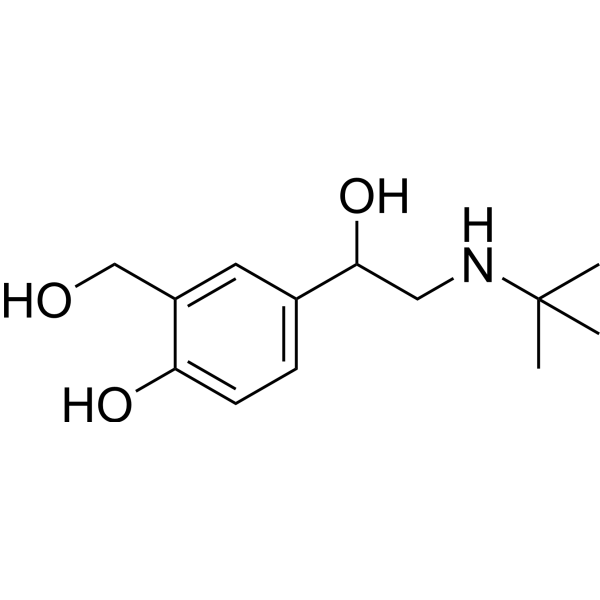
    Salbutamol (Albuterol) is an orally active short-acting β2-adrenergic receptor agonist. Salbutamol promotes tumorigenesis in gastric cancer cells through the β2-AR/ERK/EMT pathway. Salbutamol can relax bronchial smooth muscle and is used to study bronchospasm induced by asthma and chronic obstructive pulmonary disease .
    Salbutamol
  • HY-B0809
    Theophylline
    Maximum Cited Publications
    12 Publications Verification

    1,3-Dimethylxanthine; Theo-24

    Phosphodiesterase (PDE) Adenosine Receptor HDAC Apoptosis Interleukin Related TNF Receptor Endogenous Metabolite Infection Neurological Disease Inflammation/Immunology Cancer
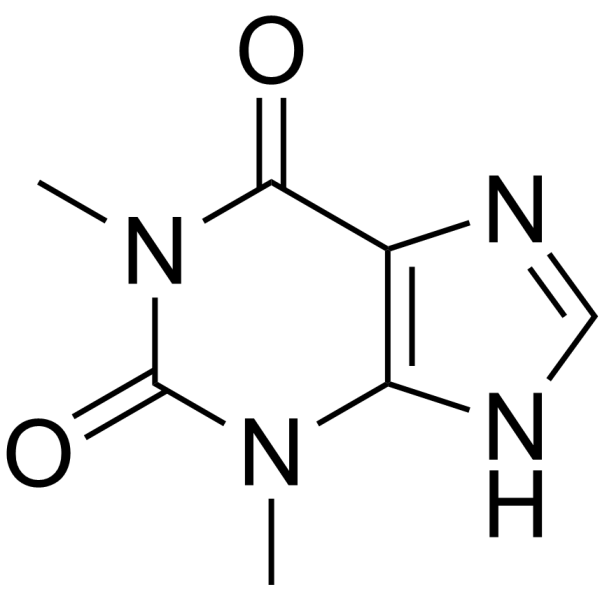
    Theophylline (1,3-Dimethylxanthine) is a potent phosphodiesterase (PDE) inhibitor, adenosine receptor antagonist, and histone deacetylase (HDAC) activator. Theophylline (1,3-Dimethylxanthine) inhibits PDE3 activity to relax airway smooth muscle. Theophylline (1,3-Dimethylxanthine) has anti-inflammatory activity by increase IL-10 and inhibit NF-κB into the nucleus. Theophylline (1,3-Dimethylxanthine) induces apoptosis. Theophylline (1,3-Dimethylxanthine) can be used for asthma and chronic obstructive pulmonary disease (COPD) research .
    Theophylline
  • HY-17360
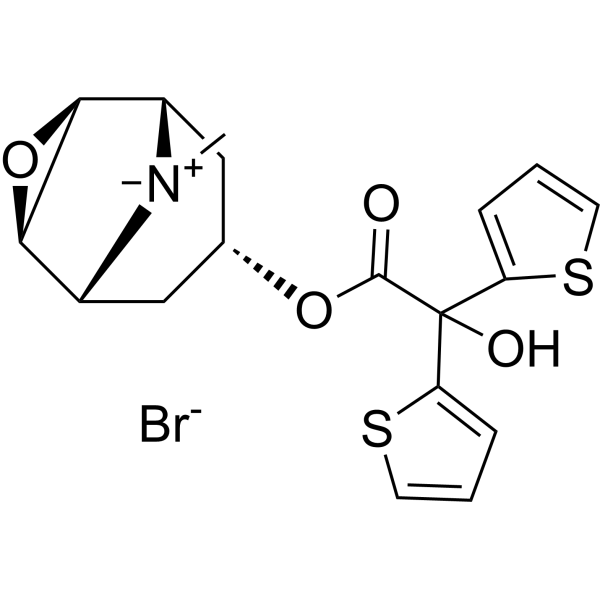
    Tiotropium Bromide
    2 Publications Verification

    BA679 BR

    mAChR Inflammation/Immunology
    Tiotropium bromide (BA-679 BR) is a long-acting anticholinergic bronchodilator. Tiotropium bromide blocks the action of acetylcholine at muscarinic M1, M2, and M3 receptors, prevents bronchoconstriction, and dilates bronchial airways. Tiotropium bromide is applicable to research related to chronic obstructive pulmonary disease and asthma .
    Tiotropium Bromide
  • HY-P990774

    ASP-7266; TRAB-1; UPB-101

    Interleukin Related Inflammation/Immunology
    Verekitug (ASP-7266; TRAB-1; UPB-101) is a human monoclonal antibody targeting the thymic stromal lymphopoietin receptor (TSLPR), with a mean half-life of approximately 20 days. At doses of Verekitug ≥100 mg, complete and sustained TSLPR-specific occupancy is achieved, and the antibody does not bind to IL-7Rα. By inhibiting TSLP-driven inflammatory responses, Verekitug blocks TSLP-induced cell proliferation and TARC expression, while reducing fractional exhaled NO levels, blood eosinophil counts, and levels of IL-5 and IgE. Verekitug significantly improves scores for nasal polyps, nasal congestion and olfactory dysfunction, with favorable safety and good tolerability; potential adverse reactions include headache, upper respiratory tract infection, sinusitis and nasopharyngitis. Verekitug is used in relevant studies on asthma, chronic rhinosinusitis with nasal polyps and chronic obstructive pulmonary disease .
    Verekitug
  • HY-P99673
    Itepekimab
    1 Publications Verification

    REGN-3500; SAR-440340

    Interleukin Related NF-κB Inflammation/Immunology
    Itepekimab (REGN-3500) is an IgG4 monoclonal antibody against IL-33. Itepekimab reduced airway inflammation and related tissue damage in preliminary clinical studies. Itepekimab has potential effects in asthma, chronic obstructive pulmonary disease (COPD), and atopic dermatitis (AD) .
    Itepekimab
  • HY-B0436
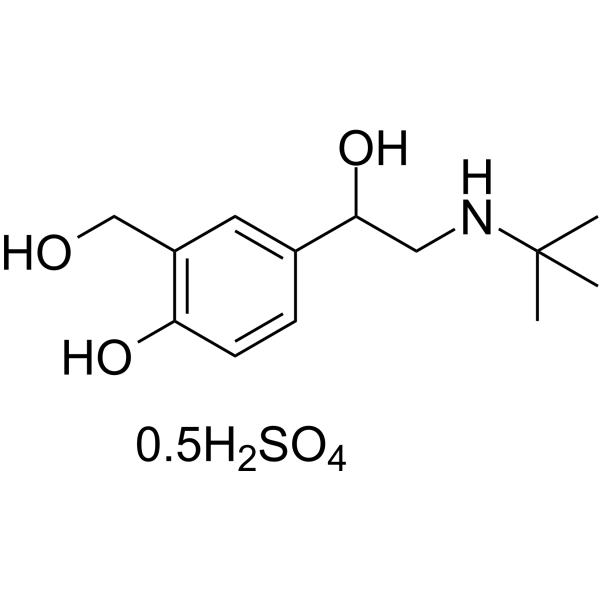
    Salbutamol hemisulfate
    5+ Cited Publications

    Albuterol hemisulfate; AH-3365 hemisulfate

    Adrenergic Receptor ERK Inflammation/Immunology Cancer
    Salbutamol (Albuterol) hemisulfate is an orally active short-acting β2-adrenergic receptor agonist. Salbutamol hemisulfate promotes tumorigenesis in gastric cancer cells through the β2-AR/ERK/EMT pathway. Salbutamol hemisulfate can relax bronchial smooth muscle and is used to study bronchospasm induced by asthma and chronic obstructive pulmonary disease .
    Salbutamol hemisulfate
  • HY-B1810
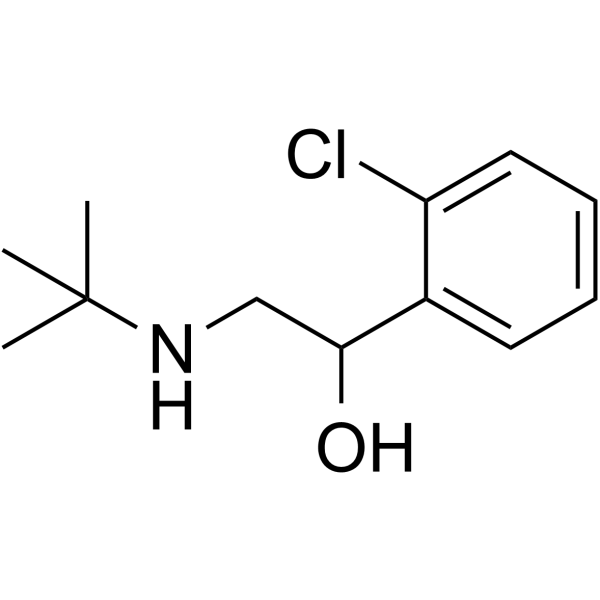
    Tulobuterol
    2 Publications Verification

    C-78 free base

    Adrenergic Receptor Inflammation/Immunology Endocrinology
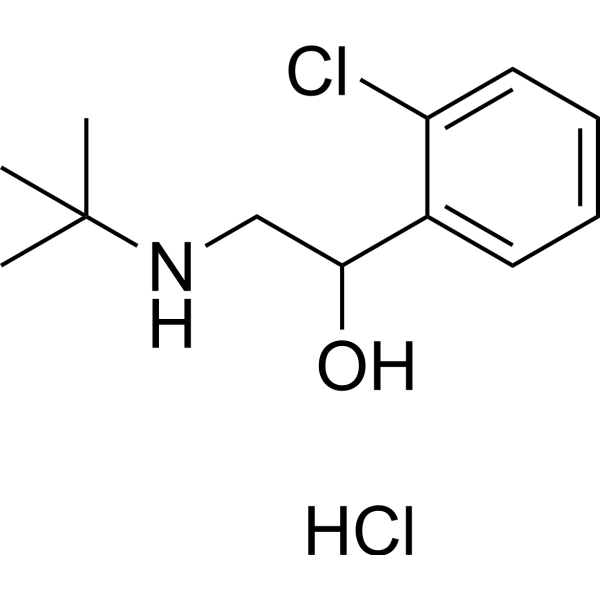
    Tulobuterol (C-78 free base) is a long-acting β2-adrenoceptor agonist, which reduces the frequency of exacerbations of chronic obstructive pulmonary disease and bronchial asthma. Tulobuterol is also a sympathomimetic agent used as a transdermal patch, and increases normal diaphragm muscle strength .
    Tulobuterol
  • HY-B0004

    Adenosine Receptor Phosphodiesterase (PDE) Reactive Oxygen Species (ROS) Inflammation/Immunology
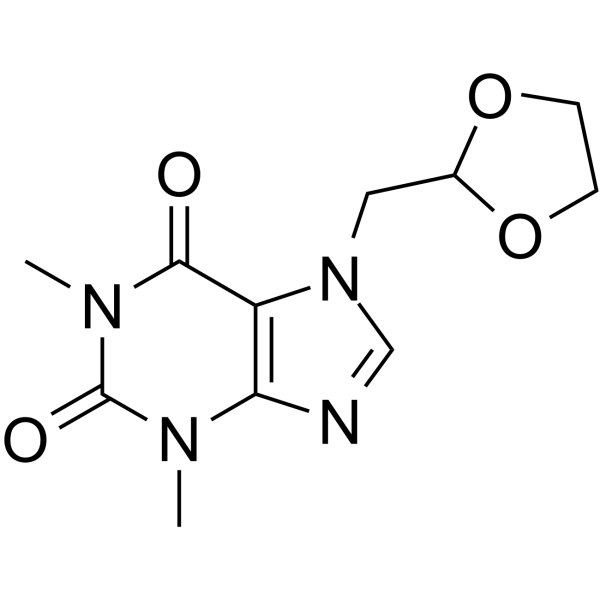
    Doxofylline is an orally active PDE IV inhibitor and A1AR antagonist. Doxofylline reduces inflammation in epithelial cells via inhibiting mitochondrial ROS production and amelioration of multiple cellular pathways (NLRP3-TXNIP inflammasome activation). Doxophylline can be used in studies of asthma, chronic obstructive pulmonary disease, and bronchospasm .
    Doxofylline
  • HY-B0010
    Formoterol fumarate
    5+ Cited Publications

    (±)Formoterol fumarate

    Adrenergic Receptor Inflammation/Immunology
    Formoterol fumarate ((±)Formoterol fumarate) is a selective β2-adrenoceptor agonist. Formoterol fumarate is at least as β2-adrenoceptor selective as Salbutamol (HY-B1037) and Terbutaline (HY-B0802A). Formoterol fumarate abolishs the contraction induced by Acetylcholine in bronchioles. Formoterol fumarate can be used for the research of chronic obstructive pulmonary disease and bronchial asthma .
    Formoterol fumarate
  • HY-12463

    Adrenergic Receptor Inflammation/Immunology
    Carmoterol hydrochloride is a highly potent, selective and long-acting β2-adrenoceptor agonist with the pEC50 of 10.19. Carmoterol has 53 times higher affinity for the β2-adrenoceptors than for the β1-adrenoceptors. Carmoterol hydrochloride can be used for the research of asthma and chronic obstructive pulmonary disease (COPD) .
    Carmoterol hydrochloride
  • HY-B0241
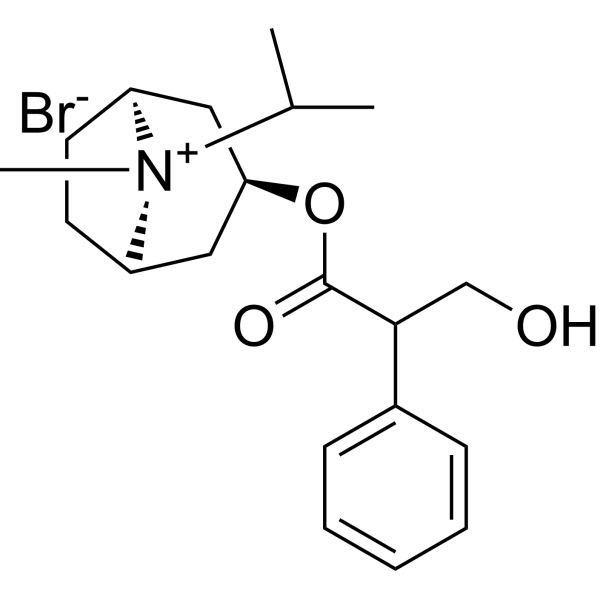
    Ipratropium bromide
    1 Publications Verification

    Sch 1000

    mAChR Neurological Disease Inflammation/Immunology
    Ipratropium bromide (Sch 1000) is a muscarinic receptor antagonist, with IC50s of 2.9 nM, 2 nM, and 1.7 nM for M1, M2, and M3 receptors, respectively. Ipratropium bromide relaxes smooth muscle, can be used in the research for COPD (chronic obstructive pulmonary disease) and asthma .
    Ipratropium bromide
  • HY-153265

    Taste Receptor Inflammation/Immunology
    TAS2R14 agonist-2 (compound 28.1) is a potent and selective TAS2R14 agonist with an EC50 value of 72 nM. TAS2R14 agonist-2 reveals marked selectivity over a panel of 24 non-bitter taste human G protein-coupled receptors. TAS2R14 agonist-2 can be used for the studies of asthma or chronic obstructive pulmonary disease .
    TAS2R14 agonist-2
  • HY-10790
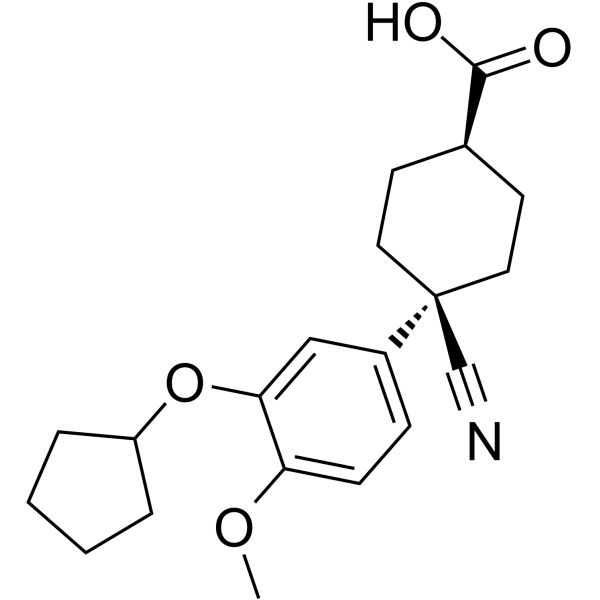
    Cilomilast
    3 Publications Verification

    SB-207499

    Phosphodiesterase (PDE) Inflammation/Immunology
    Cilomilast (SB-207499) is a potent, selective and orally active inhibitor of Phosphodiesterase 4 (PDE4), with IC50s of ~100 and 120 nM for LPDE4 and HPDE4, respectively. Cilomilast shows selectivity for PDE4 over PDE1, PDE2, PDE3 and PDE5 (IC50=74, 65, >100, and 83 μM, respectively). Cilomilast has anti-inflammatory and immunomodulatory effects and can be used for thr research of asthma and chronic obstructive pulmonary disease (COPD) .
    Cilomilast
  • HY-19393

    Phosphodiesterase (PDE) Cardiovascular Disease Inflammation/Immunology Cancer
    SCH 351591 is a highly selective, orally active PDE4 inhibitor, with IC50 values of 58 nM and 153 nM in humans and rats, respectively. SCH 351591 effectively inhibits pathological processes such as cytokine production, eosinophilia, airway hyperresponsiveness and bronchospasm. SCH 351591 also induces microvascular injury, activates mast cells and endothelial cells, and causes increases in serum histamine and various inflammatory factors, leading to early vascular damage. SCH 351591 has been widely used in studies related to asthma, chronic obstructive pulmonary disease and drug-induced vascular injury .
    SCH 351591
  • HY-14117

    Adenosine Receptor Phosphodiesterase (PDE) Inflammation/Immunology
    Enprofylline acts as a selective and competitive A2B receptor antagonist with the Ki of 7 μM. Enprofylline also acts as a phosphodiesterase inhibitor. Enprofylline can be used for the research of asthma, chronic obstructive pulmonary disease .
    Enprofylline
  • HY-B0460
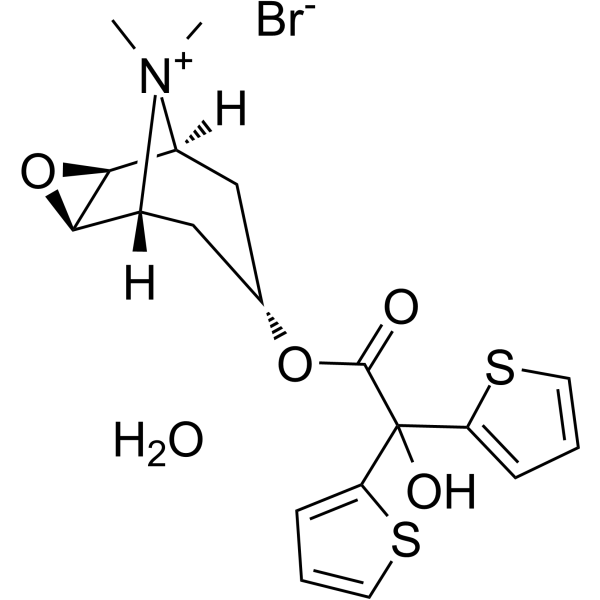
    Tiotropium bromide monohydrate
    2 Publications Verification

    BA-679 BR monohydrate

    mAChR Inflammation/Immunology
    Tiotropium bromide monohydrate (BA-679 BR monohydrate) is a long-acting anticholinergic bronchodilator. Tiotropium bromide monohydrate blocks the action of acetylcholine at muscarinic M1, M2, and M3 receptors, prevents bronchoconstriction, and dilates bronchial airways. Tiotropium bromide monohydrate is applicable to research related to chronic obstructive pulmonary disease and asthma .
    Tiotropium bromide monohydrate
  • HY-B1332
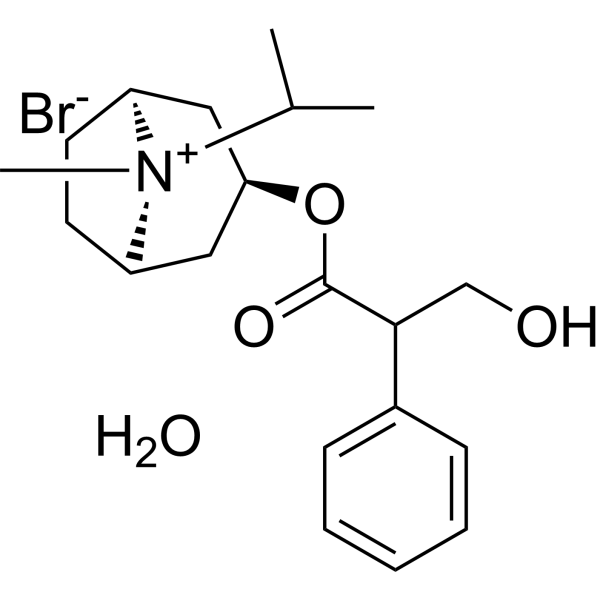
    Ipratropium bromide hydrate
    1 Publications Verification

    Sch 1000 bromide hydrate

    mAChR Neurological Disease Inflammation/Immunology
    Ipratropium bromide (Sch 1000) hydrate is a muscarinic receptor antagonist, with IC50s of 2.9 nM, 2 nM, and 1.7 nM for M1, M2, and M3 receptors, respectively. Ipratropium bromide hydrate relaxes smooth muscle, can be used in the research for COPD (chronic obstructive pulmonary disease) and asthma .
    Ipratropium bromide hydrate
  • HY-W011733
    Tulobuterol hydrochloride
    2 Publications Verification

    C-78

    Adrenergic Receptor Influenza Virus Antibiotic Infection Inflammation/Immunology Endocrinology
    Tulobuterol hydrochloride (C-78) is a long-acting β2-adrenoceptor agonist, which reduces the frequency of exacerbations of chronic obstructive pulmonary disease and bronchial asthma. Tulobuterol hydrochloride is also a sympathomimetic agent used as a transdermal patch, increases normal diaphragm muscle strength . Tulobuterol hydrochloride inhibit rhinovirus replication and modulate airway inflammation .
    Tulobuterol hydrochloride
  • HY-17360S1

    BA679 BR-d6

    Isotope-Labeled Compounds mAChR Neurological Disease
    Tiotropium-d6 (bromide) is deuterium labeled Tiotropium (Bromide). Tiotropium bromide (BA-679 BR) is a long-acting anticholinergic bronchodilator. Tiotropium bromide blocks the action of acetylcholine at muscarinic M1, M2, and M3 receptors, prevents bronchoconstriction, and dilates bronchial airways. Tiotropium bromide is applicable to research related to chronic obstructive pulmonary disease and asthma .
    Tiotropium-d6 bromide
  • HY-111144

    AZD0548; LAS100977

    Adrenergic Receptor Inflammation/Immunology
    Abediterol (LAS100977) is an inhaled long-acting β2-adrenoceptor agonist (LABA) and can be used for the research of asthma and chronic obstructive pulmonary disease (COPD) .
    Abediterol
  • HY-108901
    Formoterol hemifumarate hydrate
    5+ Cited Publications

    Adrenergic Receptor Neurological Disease Inflammation/Immunology
    Formoterol hemifumarate hydrate is a selective, long-acting beta 2-adrenoceptor agonist. Formoterol is a bronchodilator used for the research of the asthma and chronic obstructive pulmonary disease (COPD). Formoterol hemifumarate hydrate induces mitochondrial biogenesis and promotes cognitive recovery after traumatic brain injury .
    Formoterol hemifumarate hydrate
  • HY-14190

    R-411 free base

    Integrin Inflammation/Immunology
    Valategrast (R-411 free base) is a potent and orally active integrin α4β1 (VLA-4) and α4β7 dual antagonist. Valategrast has the potential for Chronic obstructive pulmonary disease (COPD) and asthma treatment .
    Valategrast
  • HY-120595

    RV568

    p38 MAPK Src Inflammation/Immunology
    JNJ-49095397 (RV568) is an inhaled narrow-spectrum kinase inhibitor (NSKI) against both the α and γ isoforms of p38 MAPK. JNJ-49095397 also inhibits SRC kinase family, specifically haematopoietic kinase (HCK) JNJ-49095397 shows potent anti-inflammatory effects and can be used for the research of chronic obstructive pulmonary disease (COPD) and asthma .
    JNJ-49095397
  • HY-146346

    PROTACs HDAC Inflammation/Immunology
    HD-TAC7 is a potent PROTAC HDAC degrader with IC50 values of 3.6 μM, 4.2 μM and 1.1 μM for HDAC1, HDAC2 and HDAC3, respectively. HD-TAC7 can decreases NF-κB p65 in RAW 264.7 macrophages. HD-TAC7 can be used for the research of inflammatory diseases like asthma and chronic obstructive pulmonary disease (COPD) .
    HD-TAC7
  • HY-12093A

    Drug Isomer MMP Cadherin Inflammation/Immunology
    (R)-MMP408 is an isomer of MMP408 (HY-12093). MMP408 is an orally active MMP-12 inhibitor (IC50=2.0 nM for hMMP-12) that effectively interferes with the epithelial-mesenchymal transition (EMT) process. MMP408 significantly upregulates the expression of E-cadherin in nasal epithelial cells, while inhibiting mesenchymal markers such as vimentin, α-smooth muscle actin and fibronectin, thereby reversing the EMT phenotype. MMP408 is used in studies of airway remodeling-related diseases, including chronic rhinosinusitis with nasal polyps, chronic obstructive pulmonary disease (COPD) and asthma .
    (R)-MMP408
  • HY-B1037S

    Albuterol-d3; AH-3365-d3

    Isotope-Labeled Compounds ERK Adrenergic Receptor Inflammation/Immunology Cancer
    Salbutamol-d3 (Albuterol-d3) is the deuterium labeled Salbutamol (HY-B1037). Salbutamol (Albuterol) is an orally active short-acting β2-adrenergic receptor agonist. Salbutamol promotes tumorigenesis in gastric cancer cells through the β2-AR/ERK/EMT pathway. Salbutamol can relax bronchial smooth muscle and is used to study bronchospasm induced by asthma and chronic obstructive pulmonary disease .
    Salbutamol-d3
  • HY-B1037S2

    Albuterol-d9; AH-3365-d9

    Isotope-Labeled Compounds ERK Adrenergic Receptor Inflammation/Immunology Cancer
    Salbutamol-d9 (Albuterol-d9) is the deuterium labeled Salbutamol (HY-B1037). Salbutamol (Albuterol) is an orally active short-acting β2-adrenergic receptor agonist. Salbutamol promotes tumorigenesis in gastric cancer cells through the β2-AR/ERK/EMT pathway. Salbutamol can relax bronchial smooth muscle and is used to study bronchospasm induced by asthma and chronic obstructive pulmonary disease .
    Salbutamol-d9
  • HY-B0809A
    Theophylline monohydrate
    5+ Cited Publications

    1,3-Dimethylxanthine monohydrate; Theo-24 monohydrate

    Phosphodiesterase (PDE) Adenosine Receptor HDAC Apoptosis Interleukin Related TNF Receptor Cancer
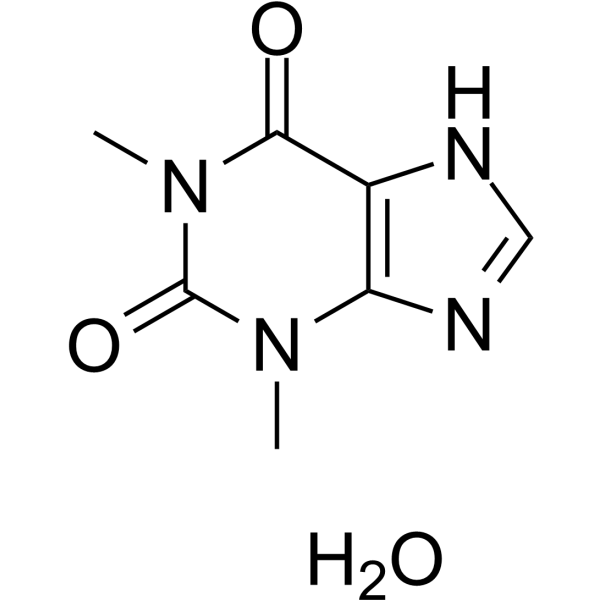
    Theophylline (1,3-Dimethylxanthine) monohydrate is a potent phosphodiesterase (PDE) inhibitor, adenosine receptor antagonist, and histone deacetylase (HDAC) activator. Theophylline (1,3-Dimethylxanthine) monohydrate inhibits PDE3 activity to relax airway smooth muscle. Theophylline (1,3-Dimethylxanthine) monohydrate has anti-inflammatory activity by increase IL-10 and inhibit NF-κB into the nucleus. Theophylline (1,3-Dimethylxanthine) monohydrate induces apoptosis. Theophylline (1,3-Dimethylxanthine) monohydrate can be used for asthma and chronic obstructive pulmonary disease (COPD) research .
    Theophylline monohydrate
  • HY-P4846
    Ac-Pro-Gly-Pro-OH
    2 Publications Verification

    CXCR Apoptosis IFNAR TNF Receptor Interleukin Related Infection Inflammation/Immunology
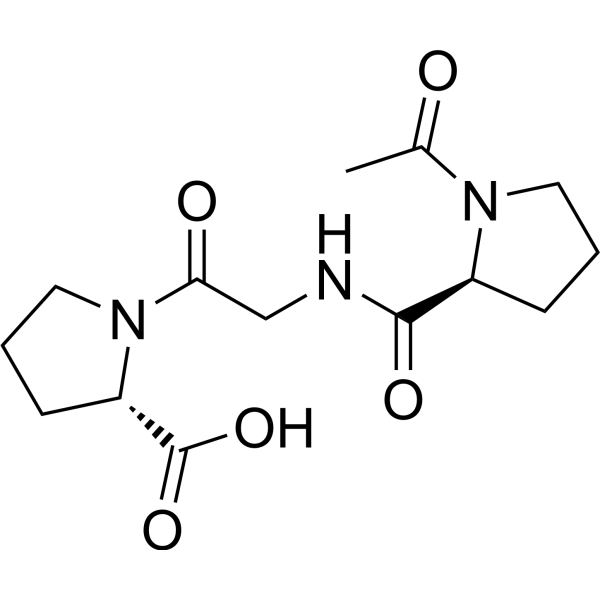
    Ac-Pro-Gly-Pro-OH is an endogenous degradation product of extracellular collagen and acts as a CXCR2 agonist . Ac-Pro-Gly-Pro-OH exerts bactericidal activity by generating hydrogen peroxide, inhibits pulmonary inflammation, and reduces immune cell apoptosis (apoptosis). Ac-Pro-Gly-Pro-OH promotes the production of IFN-γ and inhibits the production of TNF-α and IL-6 in leukocytes. Ac-Pro-Gly-Pro-OH increases the survival rate of mice in sepsis models, enhances the bactericidal activity of neutrophils, acts as a neutrophil chemoattractant, induces neutrophil polarization, and regulates inflammatory and repair processes. Ac-Pro-Gly-Pro-OH induces chronic inflammation and tissue remodeling through sustained action. Ac-Pro-Gly-Pro-OH is released via alkaline hydrolysis of corneal proteins in alkali-injured eyes, thereby driving the early infiltration of neutrophils into the cornea. Ac-Pro-Gly-Pro-OH is applicable to research related to sepsis, chronic obstructive pulmonary disease, cystic fibrosis, bronchiolitis obliterans syndrome, severe asthma, idiopathic pulmonary fibrosis, and corneal ulcer .
    Ac-Pro-Gly-Pro-OH
  • HY-175650

    STAT Interleukin Related Inflammation/Immunology
    STAT6-IN-9 is a potent STAT6 inhibitor with an EC50 value of 4 nM. STAT6-IN-9 effectively blocks STAT6 activation mediated by the IL-13-IL-13 receptor/IL-4 receptor pathway. STAT6-IN-9 inhibits CCL17 secretion with an IC50 value of 4.6 nM. STAT6-IN-9 can be used to investigate various chronic inflammatory diseases mediated by STAT6, such as allergy, asthma, and chronic obstructive pulmonary disease .
    STAT6-IN-9
  • HY-B1037R

    Albuterol (Standard); AH-3365 (Standard)

    Reference Standards Adrenergic Receptor ERK Inflammation/Immunology Cancer
    Salbutamol (Standard) is the analytical standard of Salbutamol. This product is intended for research and analytical applications. Salbutamol (Albuterol) is a short-acting beta-2 adrenergic receptor agonist with oral activity. Salbutamol promotes tumorigenesis of gastric cancer cells through the β2-AR/ERK/EMT pathway. Salbutamol is used to study bronchospasms caused by asthma and chronic obstructive pulmonary disease (COPD) .
    Salbutamol (Standard)
  • HY-12463A

    Adrenergic Receptor Inflammation/Immunology
    Carmoterol is a highly potent and selective long-acting β2-adrenergic receptor agonist with a pEC50 of 10.19. Carmoterol shows 53-fold higher affinity for β2-adrenergic receptors than for β1-adrenergic receptors. Carmoterol stimulates cyclic adenosine monophosphate accumulation, induces airway smooth muscle relaxation, inhibits bronchoconstriction, reduces thromboxane B2 release, and prolongs survival time. Carmoterol can be used in research related to asthma and chronic obstructive pulmonary disease (COPD) .
    Carmoterol
  • HY-B0809R
    Theophylline (Standard)
    5+ Cited Publications

    1,3-Dimethylxanthine(Standard); Theo-24 (Standard)

    Reference Standards Phosphodiesterase (PDE) Adenosine Receptor HDAC Apoptosis Interleukin Related TNF Receptor Endogenous Metabolite Cancer
    Theophylline (Standard) is the analytical standard of Theophylline. This product is intended for research and analytical applications. Theophylline (1,3-Dimethylxanthine) is a potent phosphodiesterase (PDE) inhibitor, adenosine receptor antagonist, and histone deacetylase (HDAC) activator. Theophylline (1,3-Dimethylxanthine) inhibits PDE3 activity to relax airway smooth muscle. Theophylline (1,3-Dimethylxanthine) has anti-inflammatory activity by increase IL-10 and inhibit NF-κB into the nucleus. Theophylline (1,3-Dimethylxanthine) induces apoptosis. Theophylline (1,3-Dimethylxanthine) can be used for asthma and chronic obstructive pulmonary disease (COPD) research .
    Theophylline (Standard)
  • HY-19830

    Phosphodiesterase (PDE) Inflammation/Immunology
    AN3199 is a PDE4 inhibitor with an IC50 of 94.5 nM. AN3199 can be used for the research of inflammation-associated diseases such as asthma and chronic obstructive pulmonary disease (COPD) .
    AN3199
  • HY-159536

    KN-002; VR-588

    JAK Inflammation/Immunology
    Frevecitinib (KN-002) is a potent pan-JAK inhibitor (i.e. JAK1, JAK2, JAK3, TYK2). Frevecitinib can be used for the study of asthma and other respiratory conditions such as chronic obstructive pulmonary disease (COPD).
    Frevecitinib
  • HY-136409R

    C10-HSL (Standard)

    Reference Standards Bacterial Reactive Oxygen Species (ROS) Infection
    Formoterol (hemifumarate hydrate) (Standard) is the analytical standard of Formoterol (hemifumarate hydrate). This product is intended for research and analytical applications. Formoterol hemifumarate hydrate is a selective, long-acting beta 2-adrenoceptor agonist. Formoterol is a bronchodilator used for the research of the asthma and chronic obstructive pulmonary disease (COPD). Formoterol hemifumarate hydrate induces mitochondrial biogenesis and promotes cognitive recovery after traumatic brain injury .
    N-Decanoyl-L-homoserine lactone (Standard)
  • HY-174383

    Phosphodiesterase (PDE) Inflammation/Immunology
    PDE3/4-IN-2 is a dual PDE3A and PDE4B1 inhibitor, with an IC50 of 0.13 nM against PDE3A and 50 nM against PDE4B1. PDE3/4-IN-2 exhibits higher systemic exposure and longer retention time in lung tissues in ICR mice. PDE3/4-IN-2 can be used in research on respiratory diseases such as asthma and chronic obstructive pulmonary disease, as well as autoimmune inflammation-related studies .
    PDE3/4-IN-2
  • HY-125251

    Phosphodiesterase (PDE) Neurological Disease Inflammation/Immunology
    D159153 is a highly selective phosphodiesterase 4 (PDE4) inhibitor. D159153 is promising for research of asthma, chronic obstructive pulmonary disease (COPD), and neuroinflammatory disorders .
    D159153
  • HY-14298

    GSK-159797C

    Adrenergic Receptor Endocrinology
    Milveterol hydrochloride is a long-acting β2-adrenergic receptor agonist. Milveterol hydrochloride can be used in study asthma and chronic obstructive pulmonary disease (COPD) .
    Milveterol hydrochloride
  • HY-155300

    Leukotriene Receptor Inflammation/Immunology
    BLT2 antagonist-1 (compound 15b) is a selective BLT2 antagonist that inhibits the chemotaxis of CHO-BLT2 cells with an IC50 of 224 nM. BLT2 antagonist-1 does not inhibits the chemotaxis of CHO-BLT1 cells. BLT2 antagonist-1 also inhibits the binding of LTB4 and BLT2 with a Ki value of 132 nM. BLT2 antagonist-1 can be used for the research of the inflammatory airway diseases such as asthma and chronic obstructive pulmonary disease .
    BLT2 antagonist-1
  • HY-107909

    1,3-Dimethylxanthine sodium glycinate; Theo-24 sodium glycinate

    Adenosine Receptor HDAC Apoptosis Interleukin Related TNF Receptor Cancer
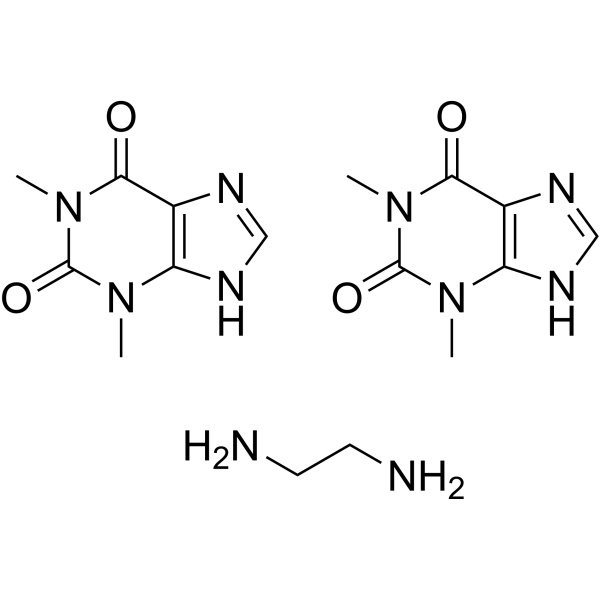
    Theophylline (1,3-Dimethylxanthine) sodium glycinate is a potent phosphodiesterase (PDE) inhibitor, adenosine receptor antagonist, and histone deacetylase (HDAC) activator. Theophylline sodium glycinate inhibits PDE3 activity to relax airway smooth muscle. Theophylline sodium glycinate has anti-inflammatory activity by increase IL-10 and inhibit NF-κB into the nucleus. Theophylline sodium glycinate induces apoptosis. Theophylline sodium glycinate can be used for asthma and chronic obstructive pulmonary disease (COPD) research .
    Theophylline sodium glycinate
  • HY-B0436R

    Albuterol hemisulfate (Standard); AH-3365 hemisulfate (Standard)

    Reference Standards Adrenergic Receptor ERK Inflammation/Immunology Cancer
    Salbutamol (Albuterol) hemisulfate (Standard) is the analytical standard of Salbutamol hemisulfate (HY-B0436). This product is intended for research and analytical applications. Salbutamol (Albuterol) hemisulfate is an orally active short-acting β2-adrenergic receptor agonist. Salbutamol hemisulfate promotes tumorigenesis in gastric cancer cells through the β2-AR/ERK/EMT pathway. Salbutamol hemisulfate can relax bronchial smooth muscle and is used to study bronchospasm induced by asthma and chronic obstructive pulmonary disease.
    Salbutamol hemisulfate (Standard)
  • HY-B1037S3

    Albuterol-d9 acetate; AH-3365-d9 acetate

    Isotope-Labeled Compounds ERK Adrenergic Receptor Inflammation/Immunology Cancer
    Salbutamol-d9 (Albuterol-d9) acetate is the deuterium labeled Salbutamol (HY-B1037). Salbutamol (Albuterol) is an orally active short-acting β2-adrenergic receptor agonist. Salbutamol promotes tumorigenesis in gastric cancer cells through the β2-AR/ERK/EMT pathway. Salbutamol can relax bronchial smooth muscle and is used to study bronchospasm induced by asthma and chronic obstructive pulmonary disease .
    Salbutamol-d9 acetate
  • HY-161877

    RSV Infection
    GS-7682 is an antiviral compound. GS-7682 has inhibitory activity against pneumoviruses and picornaviruses. GS-7682 can be used in the study of respiratory diseases such as asthma and chronic obstructive pulmonary disease .
    GS-7682
  • HY-19672

    BAY 19-8004

    Phosphodiesterase (PDE) Inflammation/Immunology
    Lirimilast (BAY 19-8004) is a potent, selective and orally active phosphodiesterase-4 (PDE4) inhibitor with an IC50 value of 49 nM. Lirimilast can be used for the treatment of asthma or chronic obstructive pulmonary disease (COPD). Lirimilast has potently anti-inflammatory properties .
    Lirimilast
  • HY-W173257

    6-Amino-5-1,3-dimethyl-5-(formamido)uracil

    Others
    Theophylline EP impurity C is an alkaloid with anti-bronchial smooth muscle spasm activity. Theophylline EP impurity C can be used to assess the purity and quality of compounds. Theophylline EP impurity C has potential clinical value in the suppression of asthma and chronic obstructive pulmonary disease.
    Theophylline EP impurity C
  • HY-107591B

    IKK Inflammation/Immunology
    PF-184 is a potent and selective IKK-2 inhibitor (IC50: 37 nM) over rhIKK-1, IKKi, and more than 30 tyrosine and serine/threonine kinases. PF-184 can be used in the research of inflammation, such as asthma and chronic obstructive pulmonary disease .
    PF-184
  • HY-130786

    BRL 30892

    Phosphodiesterase (PDE) Others Inflammation/Immunology
    Denbufylline (BRL 30892) is an inhibitor of phosphodiesterase-4 (PDE4). Denbufylline is able to block the degradation of intracellular cAMP (cyclic adenosine phosphate) thereby increasing the level of intracellular cAMP, which helps regulate a variety of cellular functions. Denbufylline can be used in the study of chronic obstructive pulmonary disease (COPD), asthma and other inflammatory diseases .
    Denbufylline
  • HY-B0241S

    Sch 1000-d3

    mAChR Neurological Disease Inflammation/Immunology
    Ipratropium-d3 (bromide) is the deuterium labeled Ipratropium bromide. Ipratropium bromide (Sch 1000) is a muscarinic receptor antagonist, with binding IC50 values of 2.9 nM, 2 nM, and 1.7 nM for M1, M2, and M3 receptors, respectively. Ipratropium bromide can be used in the research for COPD (chronic obstructive pulmonary disease) and asthma .
    Ipratropium-d3 bromide
  • HY-17360S

    BA679 BR-d3

    Isotope-Labeled Compounds mAChR Neurological Disease
    Tiotropium-d3 (bromide) is the deuterium labeled Tiotropium (Bromide). Tiotropium bromide (BA-679 BR) is a long-acting anticholinergic bronchodilator. Tiotropium bromide blocks the action of acetylcholine at muscarinic M1, M2, and M3 receptors, prevents bronchoconstriction, and dilates bronchial airways. Tiotropium bromide is applicable to research related to chronic obstructive pulmonary disease and asthma .
    Tiotropium-d3 bromide

Inquiry Online

Your information is safe with us. * Required Fields.

Salutation


Country or Region *

Applicant Name *


Organization Name *

Department *


Email Address *


Product Name *

Cat. No.


Requested quantity *

Phone Number *


Remarks

Inquiry Online

Inquiry Information

Product Name:
Cat. No.:
Quantity:
MCE Japan Authorized Agent:

