
1. Search Result
Search Result
Results for "

cognition

" in MedChemExpress (MCE) Product Catalog:

104

Inhibitors & Agonists

2

Screening Libraries

2

Biochemical Assay Reagents

2

Peptides

1

Inhibitory Antibodies

18

Natural
Products

3

Isotope-Labeled Compounds

Cat. No. Product Name Target Research Areas Chemical Structure
  • HY-N0293
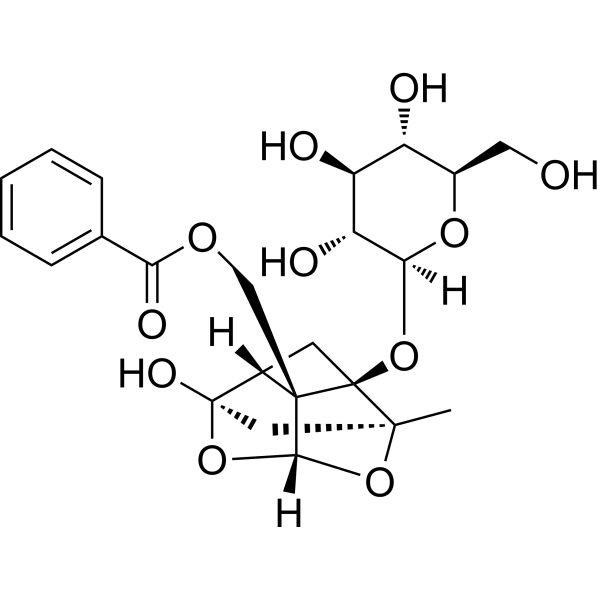
    Paeoniflorin
    Maximum Cited Publications
    38 Publications Verification

    Peoniflorin

    HSP Infection Neurological Disease Cancer
    Paeoniflorin is a heat shock protein-inducing compound and commonly exists in the plants of Paeoniaceae family, with various biological activities, including anticancer activity, anti-inflammatory activity, enhancing cognition and attenuating learning impairment, anti-oxidative stress, antiplatelet aggregation, expansion of blood vessels, and reducing blood viscosity .
    Paeoniflorin
  • HY-N0824
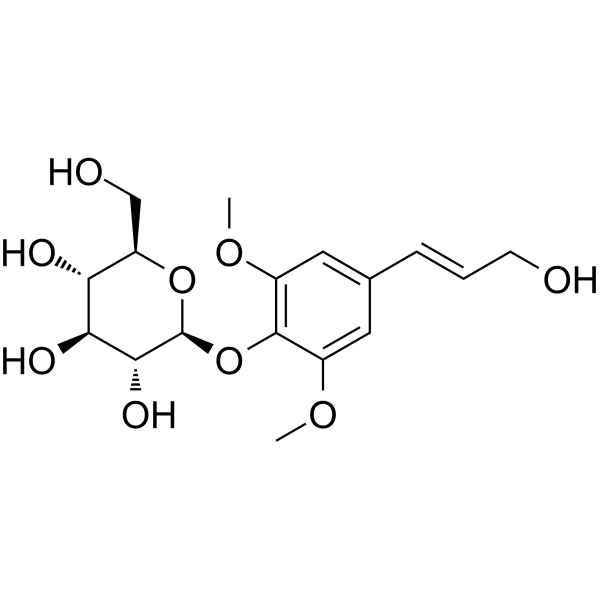
    Syringin
    3 Publications Verification

    Eleutheroside B

    Environmental Pollutants Autophagy Cardiovascular Disease Neurological Disease Inflammation/Immunology Cancer
    Syringin (Eleutheroside B) is an active natural phenolic glycoside possessing various pharmacological activities, including anti-inflammatory, anti-irradiation, anti-osteoporosis and anticancer activities. Syringin also can be used to enhance memory, relieve fatigue, improve human cognition and protect ischemia heart against cerebrovascular damage, etc .
    Syringin
  • HY-W010892

    Hyoscine hydrobromide trihydrate

    mAChR 5-HT Receptor Neurological Disease
    Scopolamine (Hyoscine) hydrobromide trihydrate is a high-affinity muscarinic antagonist that can cross the blood-brain barrier. Scopolamine hydrobromide trihydrate competitively antagonizes 5-HT3 receptors with an IC50 of 2.09 μM. Scopolamine hydrobromide trihydrate can induce cognitive and memory deficits in animals. Scopolamine hydrobromide trihydrate can be used in the research of preventing postoperative nausea and vomiting, motion sickness, nervous system diseases, etc .
    Scopolamine hydrobromide trihydrate
  • HY-W094474
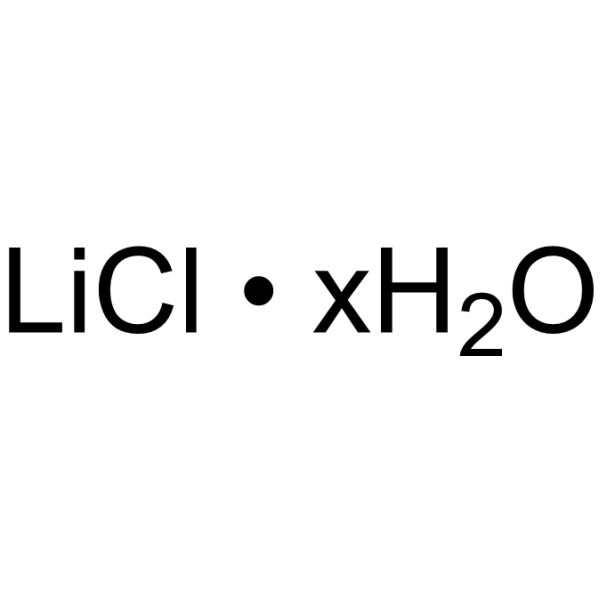
    Lithium chloride hydrate
    5+ Cited Publications

    hydrate/monohydrateortrihydrate

    GSK-3 Apoptosis Infection Neurological Disease
    Lithium chloride hydrate, an orally active mood stabilizer, is a potent virus inhibitor and effective immunomodulatory agent. Lithium chloride hydrate has antidepressant activity by inhibiting GSK3β and promoting neurogenesis. Lithium chloride hydrate alleviates cognition dysfunction and the symptoms of acute mania and depression. Lithium chloride hydrate can also be used for research of virus infection and Alzheimer's disease .
    Lithium chloride hydrate
  • HY-14564A
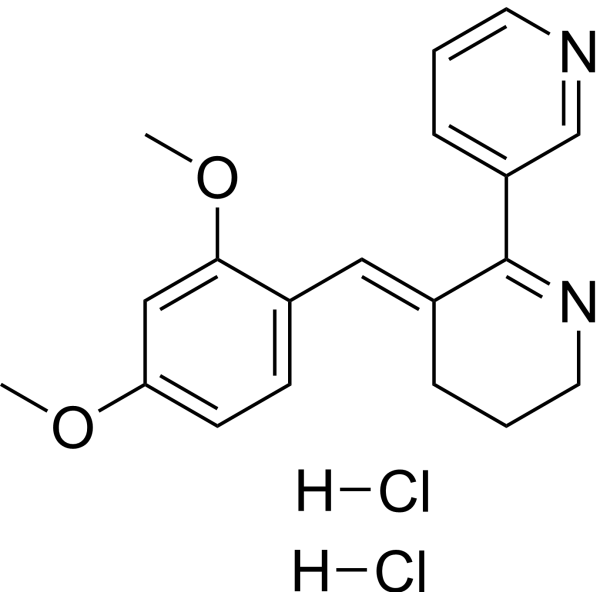
    GTS-21 dihydrochloride
    10+ Cited Publications

    DMXB-A; DMBX-anabaseine

    nAChR 5-HT Receptor Inflammation/Immunology
    GTS-21 dihydrochloride is a selective alpha7 nicotinic acetylcholine receptor (α7-nAChR) agonist with anti inflammatory and cognition enhancing activities. GTS-21 dihydrochloride is also a α4β2 (Ki=20 nM for humanα4β2) and 5-HT3A receptor (IC50=3.1 μM) antagonist .
    GTS-21 dihydrochloride
  • HY-W040821
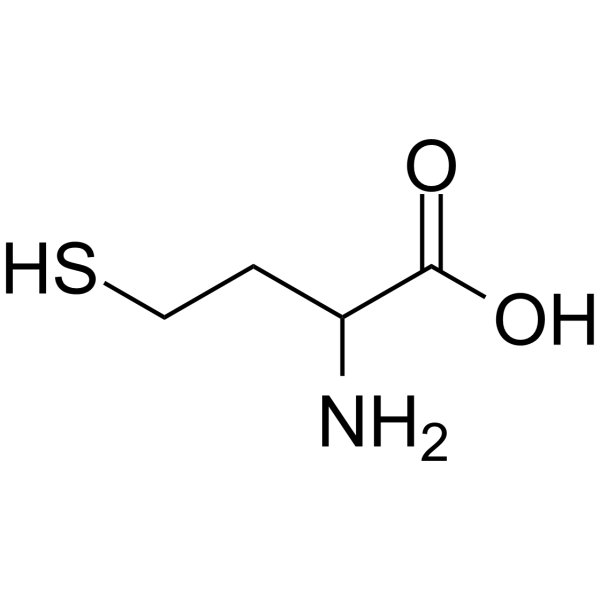
    DL-Homocysteine
    4 Publications Verification

    Endogenous Metabolite Neurological Disease
    DL-Homocysteine is a weak neurotoxin, and can affect the production of kynurenic acid in the brain. DL-Homocysteine is correlated with Vitamin B12, renal functions and folate levels, affects the cross-sectional cognition indirectly through white matter microstructural integrity .
    DL-Homocysteine
  • HY-105321

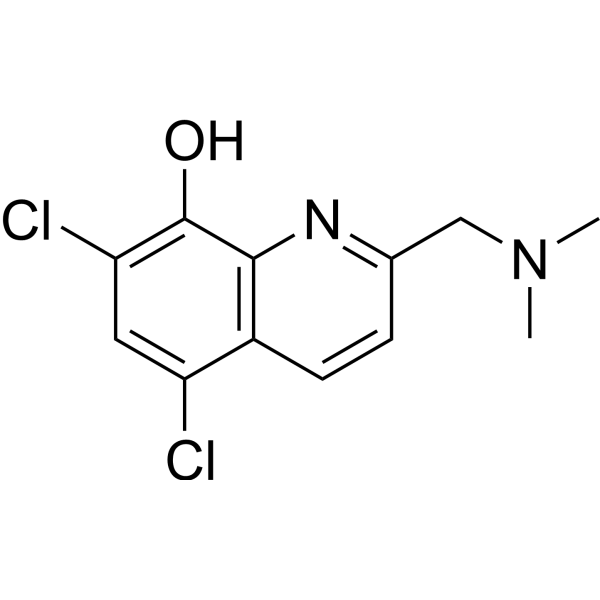
    PBT 2

    Bacterial Neurological Disease
    PBT 1033 (PBT 2) is an orally active copper/zinc ionophore. PBT 1033 restores cognition in mouse models of Alzheimer's disease (AD). PB 1033 also has antibacterial activity against Gram-positive bacteria .
    PBT 1033
  • HY-14380
    PF-3845
    2 Publications Verification

    FAAH Autophagy Inflammation/Immunology Cancer
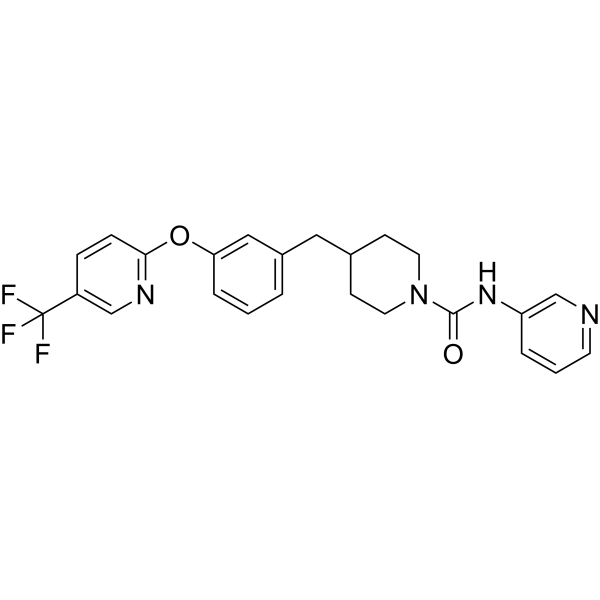
    PF-3845 is a potent, selective, irreversible and orally active inhibitor of fatty acid amide hydrolase (FAAH), with a Ki of 0.23 μM. PF-3845 is a covalent inhibitor that carbamylates FAAH's serine nucleophile. PF-3845 can reduce pain sensation, inflammation, and anxiety/depression without substantial effects on motility or cognition .
    PF-3845
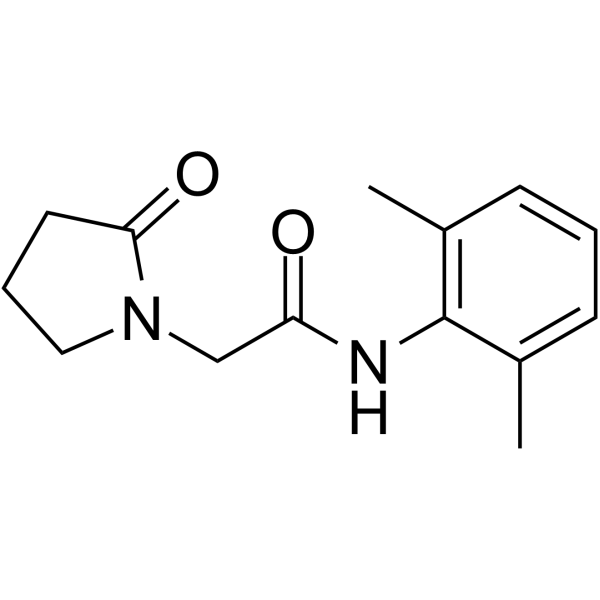
  • HY-B0340

    DM9384; DZL-221

    nAChR iGluR mGluR PKC GABA Receptor Calcium Channel Neurological Disease
    Nefiracetam is a cognition-enhancing agent. Nefiracetam is an activator of nAChR, N-methyl-D-aspartate receptor (NMDAR), mGluR5, PKC, gamma-aminobutyric acid (GABA), and N/L-type Ca 2+ channels. Nefiracetam promotes neuroplasticity and enhances neuroprotection. Nefiracetam can be used in Alzheimer's disease, epilepsy, and cerebral ischemia research .
    Nefiracetam
  • HY-W250122
    Glutamic acid sodium salt
    1 Publications Verification

    Monosodium glutamate

    Biochemical Assay Reagents Reactive Oxygen Species (ROS) Mitochondrial Metabolism Apoptosis HSP Bcl-2 Family Neurological Disease Metabolic Disease Inflammation/Immunology
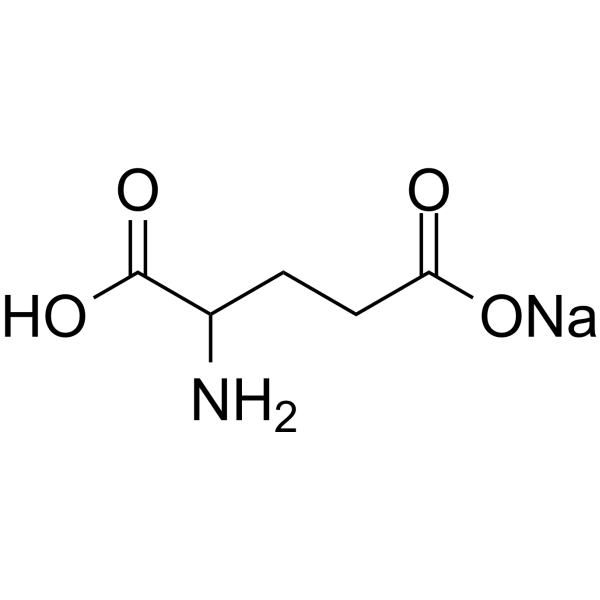
    Glutamic acid sodium salt (Monosodium glutamate) is an orally active food flavor enhancer. Glutamic acid sodium salt causes ROS generation, mitochondrial dysfunction, and Apoptosis. Glutamic acid sodium salt upregulates CHOP, Grp78, and Bcl-2. Glutamic acid sodium salt impairs cognition, induces depressive-like behavior, induces hyperalgesia, and induces obesity and insulin resistance. Glutamic acid sodium salt can be used to study neurotoxicity (e.g., brain damage, cognitive impairment), metabolic disorders (e.g., obesity, insulin resistance), hepatotoxicity, and renal toxicity, as well as pain-related disorders .
    Glutamic acid sodium salt
  • HY-P99555

    OPN-305

    Toll-like Receptor (TLR) MyD88 NOD-like Receptor (NLR) Tau Protein Interleukin Related Cardiovascular Disease Neurological Disease Inflammation/Immunology Cancer
    Tomaralimab (OPN-305) is a humanized anti-TLR2 IgG4 monoclonal antibody. Tomaralimab inhibits TLR2, MyD88, NLRP3, and reduces pro-inflammatory cytokine (IL-1β, IL-6, IL-8) production. Tomaralimab reduces tau pathology. Tomaralimab improves cognition, atopic dermatitis. Tomaralimab has anticancer effects on pancreatic ductal adenocarcinoma. Tomaralimab is being studied in myelodysplastic syndrome (MDS), atopic dermatitis, pancreatic ductal adenocarcinoma, Alzheimer's disease, and myocardial ischemia/reperfusion injury .
    Tomaralimab
  • HY-122924

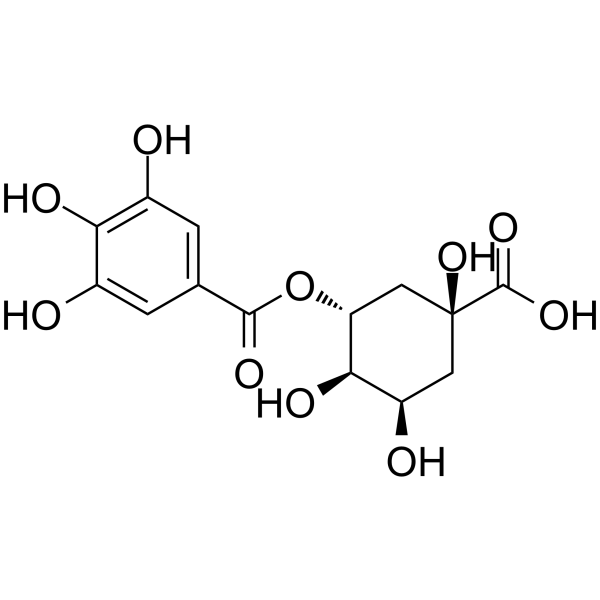
    3-Galloylquinic acid

    Others Neurological Disease
    Theogallin (3-Galloylquinic acid) is an active ingredient in decaffeinated green tea extract. Theogallin has antidepressive and cognition enhancing effect .
    Theogallin
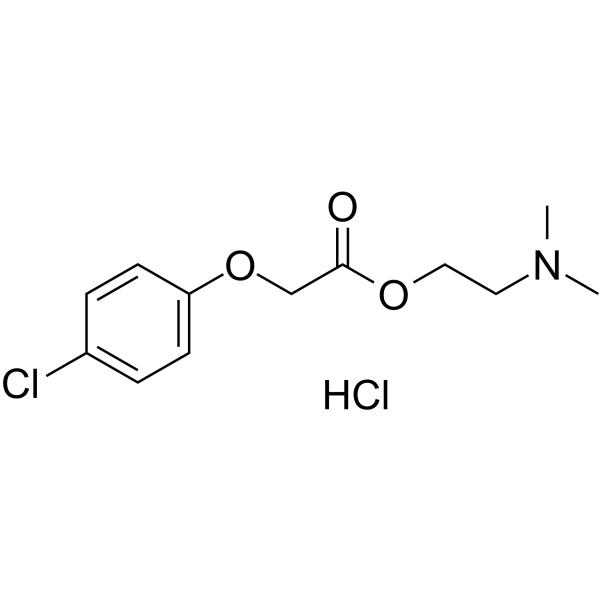
  • HY-17555

    Centrophenoxine hydrochloride

    nAChR iGluR Neurological Disease
    Meclofenoxate (Centrophenoxine) hydrochloride is an ester synthesized from DMAE and pCPA, capable of crossing the blood-brain barrier, and can stimulate memory and enhance cognition .
    Meclofenoxate hydrochloride
  • HY-N3121

    PERK Keap1-Nrf2 Apoptosis Cardiovascular Disease Neurological Disease Metabolic Disease Cancer
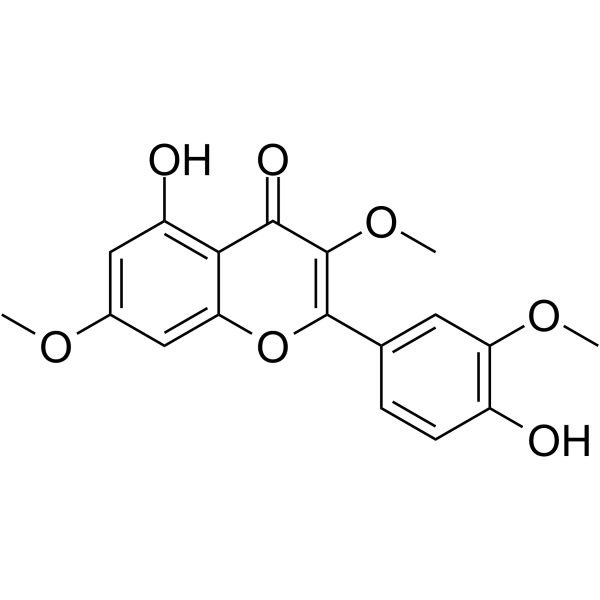
    Pachypodol is an orally active methoxyflavonoid compound. Pachypodol activates the ERK-dependent Nrf2 pathway and inhibits Apoptosis. Pachypodol exhibits activities such as antioxidant, cytoprotective, anti-inflammatory effects. Pachypodol improves cognition. Pachypodol exerts protective effects against cardiac and liver damage. Pachypodol has anticancer activity against colon cancer .
    Pachypodol
  • HY-108403

    β-Phenyl-GABA; 4-Amino-3-phenylbutanoic acid

    GABA Receptor Neurological Disease
    Phenibut (β-Phenyl-GABA) is a GABA-B agonist . Phenibut acts as a GABA-mimetic, primarily at GABAB receptors. Phenibut has anxiolytic and nootropic (cognition enhancing) effects .
    Phenibut
  • HY-W041333

    β-Phenyl-GABA hydrochloride; 4-Amino-3-phenylbutanoic acid hydrochloride; 4-Amino-3-phenylbutyric acid hydrochloride

    GABA Receptor Neurological Disease
    Phenibut (β-Phenyl-GABA) hydrochloride is an orally active GABA-B agonist . Phenibut hydrochloride acts as a GABA-mimetic, primarily at GABAB?receptors. Phenibut hydrochloride has anxiolytic and nootropic (cognition enhancing) effects .
    Phenibut hydrochloride
  • HY-14880

    JNJ-31001074

    Histamine Receptor Neurological Disease Metabolic Disease
    Bavisant (JNJ-31001074) is an orally active, potent, brain-penetrating and highly selective antagonist of the histamine H3 receptor. Bavisant can be used for attention-deficit hyperactivity disorder (ADHD) research .
    Bavisant
  • HY-W014971
    Tryptamine hydrochloride
    1 Publications Verification

    Biochemical Assay Reagents Others
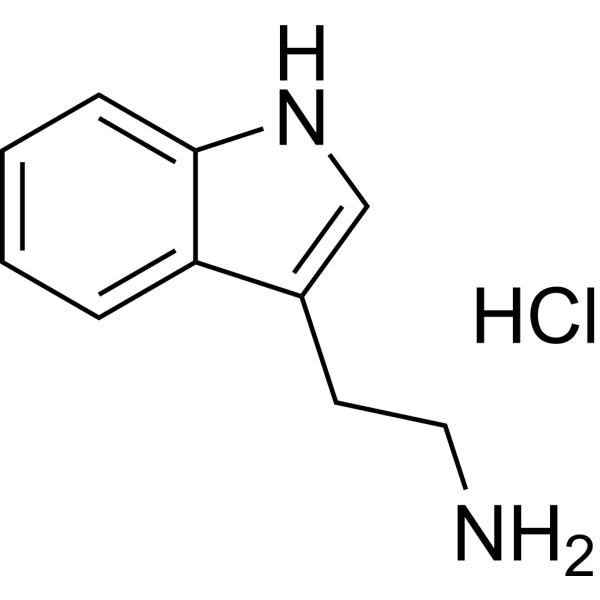
    Tryptamine hydrochloride belongs to the class of indole alkaloids and is a derivative of the amino acid tryptophan. Tryptamine hydrochloride is psychoactive and acts as a neurotransmitter in the body, affecting mood, perception and cognition. In its hydrochloride form, Tryptamine hydrochloride hydrochloride, it is commonly used as a research chemical and as a starting material for the synthesis of other organic compounds. It can also occur naturally in certain plants and animals, including fungi and mammals. Due to the psychoactive properties of Tryptamine hydrochloride and its derivatives, its use and possession are controlled substances in many countries.
    Tryptamine hydrochloride
  • HY-109968

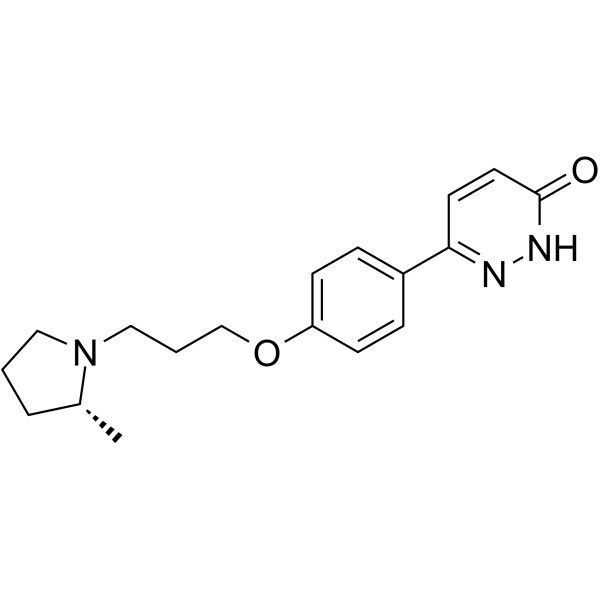
    CEP-26401

    Histamine Receptor Neurological Disease Metabolic Disease
    Irdabisant (CEP-26401) is a selective, orally active and blood-brain barrier (BBB) penetrant histamine H3 receptor (H3R) inverse agonist/inverse agonist with Ki values of 7.2 nM and 2.0 nM for rat H3R and human H3R, respectively. Irdabisant has relatively low inhibitory activity against hERG current with an IC50 of 13.8 μM. Irdabisant has cognition-enhancing and wake-promoting activities in the rat social recognition model. Irdabisant can be used to research schizophrenia or cognitive impairment .
    Irdabisant
  • HY-B2065
    Scopolamine hydrochloride
    20+ Cited Publications

    (-)-Scopolamine hydrochloride; Hyoscine hydrochloride

    mAChR 5-HT Receptor Neurological Disease
    Scopolamine (Hyoscine) hydrochloride is a high-affinity muscarinic antagonist that can cross the blood-brain barrier. Scopolamine hydrochloride competitively antagonizes 5-HT3 receptors with an IC50 of 2.09 μM. Scopolamine hydrochloride can induce cognitive and memory deficits in animals. Scopolamine hydrochloride can be used in the research of preventing postoperative nausea and vomiting, motion sickness, nervous system diseases, etc .
    Scopolamine hydrochloride
  • HY-W020468
    Linopirdine
    2 Publications Verification

    DuP 996

    Potassium Channel TRP Channel Neurological Disease
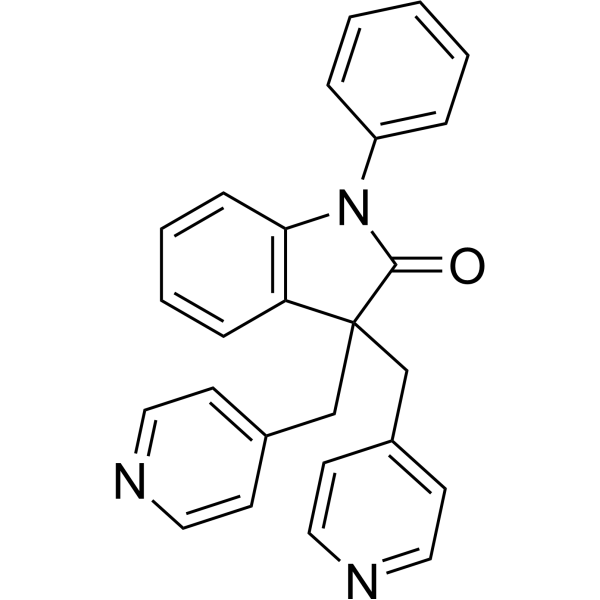
    Linopirdine (DuP 996) is an orally active, selective M-type K + current (IM; Kv7; KCNQ Channels) inhibitor with an IC50 of 2.4 μM. Linopirdine is a TRPV1 agonist. Linopirdine, a putative cognition enhancing agent, increases acetylcholine release in rat brain tissue .
    Linopirdine
  • HY-106003

    Phosphodiesterase (PDE) Neurological Disease Inflammation/Immunology
    GSK356278 is a potent, selective, orally bioavailable and brain-penetrant inhibitor of phosphodiesterase 4 (PDE4), with pIC50s of 8.6, 8.8, and 8.7 for human PDE4A, PDE4B, and PDE4D, respectively. GSK356278 has anti-inflammatory activity, and exhibits anxiolytic and cognition-enhancing effects .
    GSK356278
  • HY-109118A

    SUVN-502 mesylate

    5-HT Receptor Neurological Disease
    Masupirdine mesylate (SUVN-502 mesylate) is a potent, selective, orally active, and brain-penetrating 5-HT6 receptor antagonist (Ki of 2.04 nM for human 5-HT6 receptor). Masupirdine mesylate has pro-cognitive effects on all stages of cognition (acquisition, consolidation, and retention), and can reverse Scopolamine (HY-N0296), MK-801 (HY-15084B)-induced and aging-related memory deficits. Masupirdine mesylate can be used in the research of Alzheimer's disease .
    Masupirdine mesylate
  • HY-103506

    NO-711 hydrochloride

    GABA Receptor Neurological Disease
    NNC-711 (NO-711 hydrochloride) is a potent and selective inhibitor of GAT-1 (GABA transporter 1) with IC50 values of 0.04, 0.38, 171, 1700, 349, 622 μM for human GAT-1, rat GAT-1, rGAT-2, hGAT-3, rGAT-3, hBGT-3, respectively. NNC-711 has anticonvulsant and analgesic effect in vivo and exhibits cognition-enhancing activity .
    NNC-711
  • HY-W097625

    Toll-like Receptor (TLR) MyD88 p38 MAPK NF-κB Heme Oxygenase (HO) Neurological Disease Inflammation/Immunology Cancer
    6-Methoxyflavone is an orally active methoxyflavone. 6-Methoxyflavone suppresses neuroinflammation in microglia through the inhibition of TLR4/MyD88/p38 MAPK/NF-κB dependent pathways and the activation of HO-1/NQO-1 signaling. 6-Methoxyflavone induces S-phase arrest through the CCNA2/CDK2/p21CIP1 signaling pathway in HeLa cells. 6-Methoxyflavone inhibits NFAT Translocation into the nucleus and suppresses T cell activation. 6-Methoxyflavone partially restores chronic ethanol-induced behavioral deficits in mice. 6-Methoxyflavone antagonizes chronic constriction injury and diabetes associated neuropathic nociception expression. 6-Methoxyflavone can be used for the study of cancer, inflammation and neurological diseases .
    6-Methoxyflavone
  • HY-N0293R

    Peoniflorin (Standard)

    Reference Standards HSP Infection Neurological Disease Cancer
    Paeoniflorin (Standard) is the analytical standard of Paeoniflorin. This product is intended for research and analytical applications. Paeoniflorin is a heat shock protein-inducing compound and commonly exists in the plants of Paeoniaceae family, with various biological activities, including anticancer activity, anti-inflammatory activity, enhancing cognition and attenuating learning impairment, anti-oxidative stress, antiplatelet aggregation, expansion of blood vessels, and reducing blood viscosity .
    Paeoniflorin (Standard)
  • HY-129824

    Endogenous Metabolite Neurological Disease
    3-Methyl orsellinic acid is the fungal metabolite. 3-Methyl orsellinic acid can be used for synthesis of tripodalsporormielones AeC, and exhibits potential in researches related to memory and cognition .
    3-Methyl orsellinic acid
  • HY-W068771

    Endogenous Metabolite Neurological Disease Metabolic Disease
    (E)-3-(4-Methoxyphenyl)acrylic acid (compound 3) is isolated from Arachis hypogaea, Scrophularia buergeriana Miquel, Aquilegia vulgaris, Anigozanthos preissii and so on. (E)-3-(4-Methoxyphenyl)acrylic acid shows significant hepatoprotective activity, anti-amnesic, cognition-enhancing activity, antihyperglycemic, and neuroprotective activities .
    (E)-3-(4-Methoxyphenyl)acrylic acid
  • HY-153763

    Amino acid Transporter Neurological Disease
    PROT-IN-1 (Compound 2) is a proline transporter (PROT) inhibitor (IC50: 1.48 μM). PROT-IN-1 can be used for research of cognitive disorders .
    PROT-IN-1
  • HY-108057A

    RG3487 hydrochloride

    nAChR 5-HT Receptor Neurological Disease
    Facinicline hydrochloride (RG3487 hydrochloride) is an orally active nicotinic α7 receptor partial agonist, with a Ki of 6 nM for α7 human nAChR. Facinicline hydrochloride (RG3487 hydrochloride) improves cognition and sensorimotor gating in rodents. Facinicline hydrochloride (RG3487 hydrochloride) shows high affinity (antagonist) to 5-HT3Rs with a Ki value of 1.2 nM .
    Facinicline hydrochloride
  • HY-116463

    Sigma Receptor Neurological Disease
    E1R is a positive allosteric modulator of sigma-1 receptors (Sig1R PAM) with cognition-enhancing activity .
    E1R
  • HY-108621

    Phosphodiesterase (PDE) Neurological Disease Metabolic Disease Inflammation/Immunology Cancer
    RS-25344 hydrochloride is a selective cAMP-phosphodiesterase 4 (PDE 4; PDE IV) inhibitor with an IC50 of 0.28 nM in human lymphocytes. RS-25344 hydrochloride has only weak inhibitory effects on PDE I, II, III (IC50 of >100 μM, 160 μM, 330 μM, respectively). RS-25344 hydrochloride has anti-inflammatory, memory- and cognition enhancing, and antineoplastic effects .
    RS-25344 hydrochloride
  • HY-137447A

    IRL752 fumarate

    Adrenergic Receptor Neurological Disease
    Pirepemat (IRL752) fumarate is a corticalpreferring catecholamine- and cognition-promoting agent. Pirepemat fumarate is used for the study of Parkinson's disease .
    Pirepemat fumarate
  • HY-107203

    HWA 285

    Phosphodiesterase (PDE) Neurological Disease Inflammation/Immunology
    Propentofylline is a xanthine-derivative that inhibits adenosine uptake and blocks phosphodiesterase activity. Propentofylline has neuroprotective, antiproliferative, and anti-inflammatory effects that improve cognition and dementia severity in patients with Alzheimer's disease or vascular dementia.
    Propentofylline
  • HY-14880B

    JNJ31001074AAC; JNJ31001074 dihydrochloride hydrate

    Histamine Receptor Neurological Disease Metabolic Disease
    Bavisant (JNJ31001074AAC) dihydrochloride hydrate is an orally active, potent, brain-penetrating and highly selective antagonist of the histamine H3 receptor. Bavisant dihydrochloride hydrate can be used for attention-deficit hyperactivity disorder (ADHD) research .
    Bavisant dihydrochloride hydrate
  • HY-N0824R

    Eleutheroside B (Standard)

    Reference Standards Autophagy Cardiovascular Disease Neurological Disease Inflammation/Immunology Cancer
    Syringin (Standard) is the analytical standard of Syringin. This product is intended for research and analytical applications. Syringin (Eleutheroside B) is an active natural phenolic glycoside possessing various pharmacological activities, including anti-inflammatory, anti-irradiation, anti-osteoporosis and anticancer activities. Syringin also can be used to enhance memory, relieve fatigue, improve human cognition and protect ischemia heart against cerebrovascular damage, etc .
    Syringin (Standard)
  • HY-103146

    5-HT Receptor Neurological Disease
    GR125487 sulfamate is an orally active and selective antagonist of 5-HT4R. GR125487 sulfamate effectively blocks the cognition enhancing effect. GR125487 sulfamate can be used to study memory disorders, gastrointestinal disorders, mood disorders and urinary tract dysfunction .
    GR125487 sulfamate
  • HY-137447

    IRL752

    Dopamine Receptor Cholinesterase (ChE) Adrenergic Receptor Neurological Disease
    Pirepemat (IRL752) is a corticalpreferring catecholamine- and cognition-promoting agent. Pirepemat (IRL752) is used for the study of Parkinson's disease . IRL752 is a selective enhancer of cortical dopamine, acetylcholine and norepinephrine .
    Pirepemat
  • HY-133555

    mGluR Neurological Disease
    mGluR2 antagonist 1 is a highly potent, orally bioavailable and selective class of mGluR2 negative allosteric modulator (IC50 of 9 nM) with excellent brain permeability .
    mGluR2 antagonist 1
  • HY-P0252B

    α-Melanocyte-Stimulating Hormone free acid

    Melanocortin Receptor Neurological Disease
    α-MSH free acid (α-Melanocyte-Stimulating Hormone free acid) is an MC3R and MC4R agonist with EC50s of 0.16 nM and 5.6 nM, respectively. α-MSH free acid activates cAMP generation at MC3R and MC4R .
    α-MSH free acid
  • HY-106809

    BMS-181168

    Drug Derivative Neurological Disease
    BMY-21502 (BMS-181168) is a pyrrolidinone derivative with memory- and cognition-enhancing activities. BMS-181168 attenuates hypoxia-induced deterioration in brain function, as delta/theta decreases, alpha activity increases and the centroid of the combined delta/theta waves is accelerated .
    BMY-21502
  • HY-169116

    Dopamine Receptor Neurological Disease
    D5R agonist 1 (Compound 5j) is a selective, orally active and BBB penetrable D5R partial agonist (EC50: 269.7 nM). D5R agonist 1 enhances the cognition in the Scopolamine (HY-N0296)-induced amnesia model .
    D5R agonist 1
  • HY-155126

    Reactive Oxygen Species (ROS) Neurological Disease
    LZWL02003 is an anti-neuroinflammatory agent. LZWL02003 has protective effect on MPP +-induced neuronal damage, and reduces the expression of ROS. LZWL02003 improves cognition, memory, learning, and athletic ability in a Rotenone (HY-B1756)-induced PD rat model. LZWL02003 can be used for research of neurodegenerative disease .
    LZWL02003
  • HY-173347

    CDK Neurological Disease
    BLINK11 is a BBB-penetrant CDK5 inhibitor. BLINK11 lowers CDK5 activity for both complexes CDK5/p35 (IC50 = 17.09 nM) and CDK5/p25 (IC50 = 14.69 nM). BLINK11 offers anti-diabetic and neuroprotective benefits. BLINK11 lowers blood glucose, enhances cognition, and reduces neurodegeneration in T2D mice .
    BLINK11
  • HY-153369

    BAY 1165747

    Guanylate Cyclase Cardiovascular Disease Neurological Disease
    BAY-747 (BAY 1165747) is an orally active and brain-penetrant stimulator of soluble guanylate cyclase (sGC). BAY-747 reverses L-NAME induced memory impairments and enhances cognition of rats in the object location task (OLT). BAY-747 also decreases blood pressure in both conscious normotensive and spontaneously hypertensive rats (SHR). BAY-747 improves function of the skeletal muscle associated with Duchenne muscular dystrophy (DMD) in mdx/mTRG2 mice model .
    BAY-747
  • HY-14564

    nAChR 5-HT Receptor Inflammation/Immunology
    GTS-21 dihydrochloride is a selective alpha7 nicotinic acetylcholine receptor (α7-nAChR) agonist with anti inflammatory and cognition enhancing activities. GTS-21 dihydrochloride is also a α4β2 (Ki=20 nM for humanα4β2) and 5-HT3A receptor (IC50=3.1 μM) antagonist. GTS-21 can be used in age-associated memory impairment (AAMI) and Alzheimer's disease research .
    GTS-21
  • HY-149340

    Cholinesterase (ChE) Neurological Disease
    PD07 is an orally active AChE inhibitor (IC50: 0.29 μM for hAChE). PD07 also inhibits ChEs, BACE1 (IC50: 13.42 μM), and Aβ1–42 aggregation in in vitro. PD07 is an antioxidant, and shows DPPH inhibitory activity (IC50: 26.46 μM). PD07 improves memory and cognition in Scopolamine (HY-N0296)-induced amnesia rats. PD07 can be used for research of Alzheimer’s disease .
    PD07
  • HY-17555A

    Centrophenoxine

    nAChR iGluR Neurological Disease
    Meclofenoxate (Centrophenoxine) is an ester synthesized from DMAE and pCPA, which has the activity of stimulating memory and improving cognition .
    Meclofenoxate
  • HY-106432

    SB-202026; Memric

    mAChR Neurological Disease
    Sabcomeline (SB-202026) is a potent and functionally selective muscarinic M1 receptor partial agonist that improve cognition. Sabcomeline can be used for Alzheimer's disease research .
    Sabcomeline
  • HY-105321A

    PBT 2 hydrochloride

    Bacterial Neurological Disease
    PBT 1033 hydrochloride is an orally active copper/zinc ionophore. PBT 1033 hydrochloride restores cognition in mouse models of Alzheimer's disease (AD). PB 1033 also has antibacterial activity against Gram-positive bacteria .
    PBT 1033 hydrochloride

Inquiry Online

Your information is safe with us. * Required Fields.

Salutation


Country or Region *

Applicant Name *


Organization Name *

Department *


Email Address *


Product Name *

Cat. No.


Requested quantity *

Phone Number *


Remarks

Inquiry Online

Inquiry Information

Product Name:
Cat. No.:
Quantity:
MCE Japan Authorized Agent:

