1. Search Result
Search Result
Results for "

colorectal tumors

" in MedChemExpress (MCE) Product Catalog:

307

Inhibitors & Agonists

2

Screening Libraries

4

Fluorescent Dyes

2

Biochemical Assay Reagents

10

Peptides

45

Inhibitory Antibodies

37

Natural
Products

7

Isotope-Labeled Compounds

4

Click Chemistry

3

Oligonucleotides

1

GMP Molecules

Cat. No. Product Name Target Research Areas Chemical Structure
  • HY-A0061
    Trifluridine
    3 Publications Verification

    Trifluorothymidine; 5-Trifluorothymidine; TFT

    Thymidylate Synthase HSV Nucleoside Antimetabolite/Analog Orthopoxvirus DNA/RNA Synthesis Apoptosis Autophagy Cancer
    Trifluridine (Trifluorothymidine) is an irreversible and orally active thymidylate synthase inhibitor, and thereby suppressing DNA synthesis. Trifluridine is an antiviral molecule used for research of HSV, rhabdovirus and orthopoxvirus infection. Trifluridine induces cell apoptosis and autophagy. Trifluridine is also an anticancer agent used in studies of metastatic colorectal cancer, gastrointestinal tumors .
    Trifluridine
  • HY-P99275
    Patritumab
    1 Publications Verification

    AMG-888; U3-1287

    EGFR Akt ERK PARP Survivin Cancer
    Patritumab (Human Anti-ERBB3 Recombinant Antibody) is a neutralizing monoclonal antibody to ERBB3. Patritumab shows a synergy with Cetuximab (HY-P9905), potently inhibits the phosphorylation of EGFR, HER2, HER3, ERK, and AKT. Patritumab also induces cell apoptosis and suppresses the growth of pancreatic, non-small cell lung cancer, and colorectal cancer xenograft tumors .
    Patritumab
  • HY-A0033
    Darifenacin
    5+ Cited Publications

    UK-88525

    mAChR p38 MAPK Akt Neurological Disease Metabolic Disease Cancer
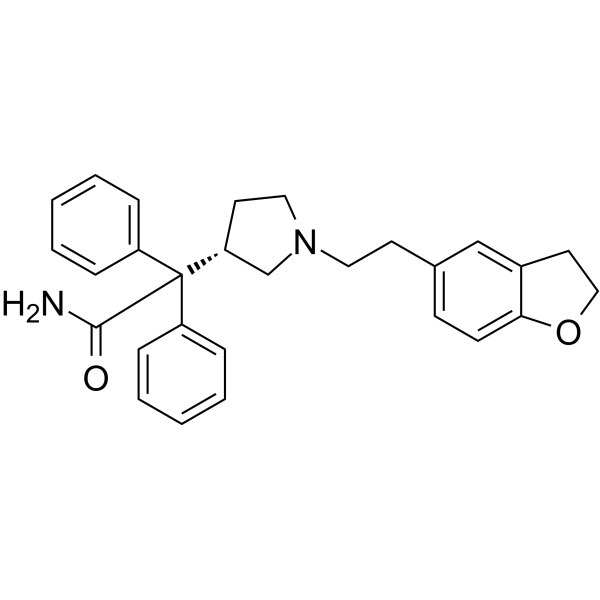
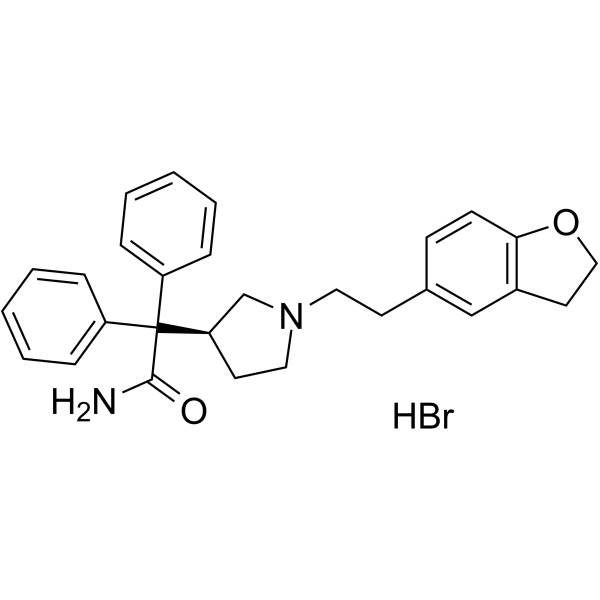
    Darifenacin (UK-88525) is a selective and orally active M3 muscarinic receptor (M3R) antagonist with a pKi of 8.9. Darifenacin binds >20-fold more specifically to M3R than to other muscarinic receptors. Darifenacin can be used in the study of urinary incontinence and other symptoms of overactive bladder. Darifenacin inhibits tumor growth in colorectal cancer cells and has anti-tumor effects .
    Darifenacin
  • HY-171945

    ABBV-400; Temab-A

    Antibody-Drug Conjugates (ADCs) Topoisomerase c-Met/HGFR Cancer
    Telisotuzumab Adizutecan (ABBV-400) is an anti-c-Met antibody-drug conjugate (ADC). Telisotuzumab Adizutecan is composed of the humanized anti-c-Met antibody Telisotuzumab (HY-P99391) and the topoisomerase 1 inhibitor (7-MAD-MDCPT) (HY-132162). Telisotuzumab Adizutecan exhibits significant anti-tumor activity against advanced solid tumors such as colorectal cancer, gastric cancer, and non-small cell lung cancer .
    Telisotuzumab Adizutecan
  • HY-150190
    F5446
    1 Publications Verification

    Histone Methyltransferase Apoptosis Cancer
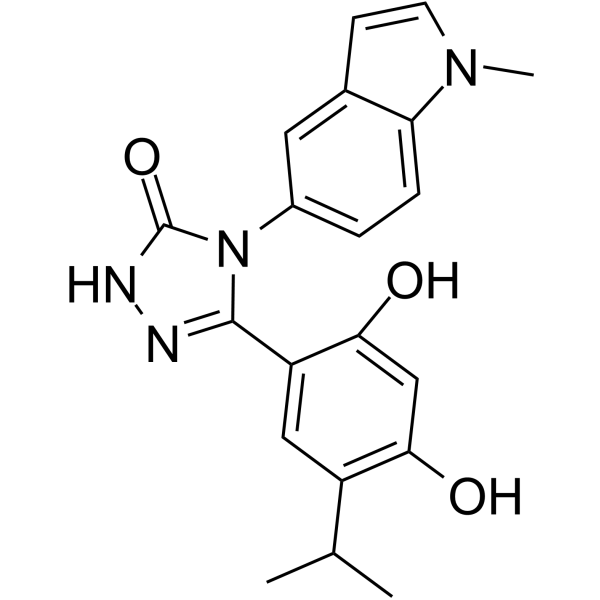
    F5446 (Compound 1) is a selective small molecule inhibitor of SUV39H1 methyltransferase. F5446 decreases H3K9me3 deposition at the FAS promoter, increases Fas expression and increases colorectal carcinoma cell sensitivity to FasL-induced apoptosis in vitro. F5446 suppresses human colon tumor xenograft growth in vivo .
    F5446
  • HY-145120

    RG6344; RO7276389; B-Raf IN 2

    Raf Cancer
    BRAF inhibitor. RG6344 can be used for the study of BRAF V600-mutant solid tumors, such as colorectal cancer (CRC) .
    Mosperafenib
  • HY-15888
    PTC-209
    15+ Cited Publications

    BMI1 Autophagy Cancer
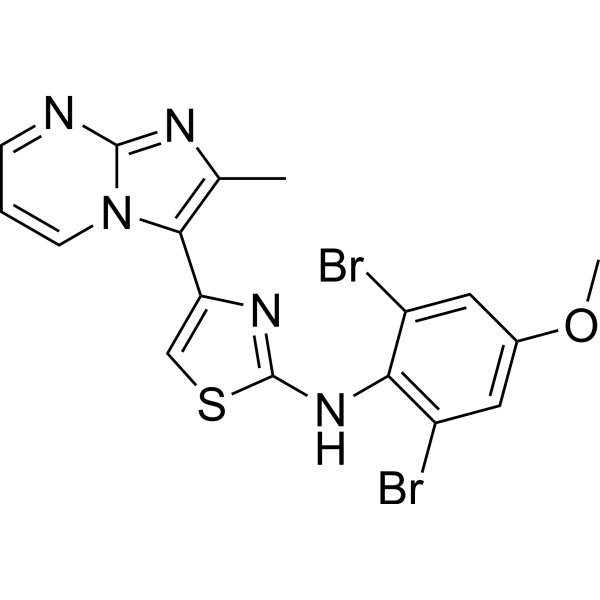
    PTC-209 is a specific BMI-1 inhibitor with an IC50 of 0.5 μM in HEK293T cell line. PTC-209 irreversibly impairs colorectal cancer-initiating cells (CICs). PTC-209 shows potent anti-myeloma activity and impairs the tumor microenvironment .
    PTC-209
  • HY-W015273A
    trans-3-Indoleacrylic acid
    1 Publications Verification

    Endogenous Metabolite Ferroptosis Metabolic Disease Cancer
    Trans-3-Indoleacrylic acid is a tryptophan metabolite, which promotes tumor development through inhibition of RSL3 (HY-100218A) induced ferroptosis via AHR-ALDH1A3-FSP1-CoQ10 axis, and facilitates colorectal carcinogenesis
    trans-3-Indoleacrylic acid
  • HY-156112

    Ser/Thr Protease Cancer
    LM2I is a derivative of Spinosyn A (SPA). LM2I is argininosuccinate synthase (ASS1) enzyme activator, and tumor inhibitor that directly interact with ASS1. LM2I has significant antiproliferative activity in seven colorectal cancer cell-lines and xenograft tumors of colorectal cancer. LM2I inhibits colorectal cancer cell growth via the EGFR pathway .
    LM2I
  • HY-175751

    mTOR Cancer
    LRK-4189 is an orally active PIP4K2C (a regulator of mTOR complex) degrader and type 1 immune activator. LRK-4189 induces the degradation of the lipid kinase PIP4K2C. LRK-4189 triggers the interferon signaling pathway in microsatellite-stable (MSS) colorectal cancer cells, activates immunogenic tumor killing, and induces endogenous cell death. LRK-4189 sensitizes microsatellite-stable colorectal cancer tumors to NK cell killing and dendritic cell phagocytosis. LRK-4189 can be used for the research of microsatellite-stable colorectal cancer .
    LRK-4189
  • HY-W782083

    Biochemical Assay Reagents Radionuclide-Drug Conjugates (RDCs) Bombesin Receptor EGFR Cancer
    p-SCN-Bn-NOTA trihydrochloride is a macrocyclic chelator. p-SCN-Bn-NOTA trihydrochloride can be covalently coupled to molecules such as peptides through the thiocyanate group to form hexacoordinate copper (such as 64Cu) complexes. p-SCN-Bn-NOTA trihydrochloride specifically binds to GRPR or EGFR highly expressed on the surface of tumor cells, mediating tumor enrichment of radioactive probes. p-SCN-Bn-NOTA trihydrochloride can be used to study malignant tumors expressing GRPR or EGFR, such as prostate cancer and colorectal cancer .
    p-SCN-Bn-NOTA trihydrochloride
  • HY-160421

    Apoptosis Inflammation/Immunology Cancer
    TREM2-IN-1 (OPA) is a TREM2 inhibitor derived from oxaliplatin and artesunate. TREM2-IN-1 can relieves immunosuppressive tumor microenvironment and enhancing chemical anticancer efficiency. TREM2-IN-1 deters the tumor growth in mice models bearing MC38 colorectal tumor by reducing the number of CD206 + and CX3CR1 + immunosuppressive macrophages. TREM2-IN-1 also promotes the expansion and infiltration of immunostimulatory dendritic, cytotoxic T and natural killer cells .
    TREM2-IN-1
  • HY-N0589
    Dehydrodiisoeugenol
    4 Publications Verification

    NF-κB COX Apoptosis Autophagy NO Synthase PERK JNK p38 MAPK CDK NOD-like Receptor (NLR) Infection Neurological Disease Metabolic Disease Inflammation/Immunology Cancer
    Dehydrodiisoeugenol is an orally active anti-inflammatory and anti-tumor agent. Dehydrodiisoeugenol inhibits the proliferation of colorectal cancer cells, and induces apoptosis, autophagy, endoplasmic reticulum stress and cell cycle arrest. Dehydrodiisoeugenol also exerts anti-inflammatory effects by inhibiting the activation of NF-κB and the expression of COX-2. Dehydrodiisoeugenol can be used in the research related to colorectal cancer, inflammatory diseases and ulcerative colitis .
    Dehydrodiisoeugenol
  • HY-171579

    NF-κB HCV Apoptosis Pim c-Myc Neurological Disease Metabolic Disease Inflammation/Immunology Cancer
    RS47 is a selective RelB inhibitor with a Kd value of 1.1 μM. RS47 also acts as an inhibitor of HCV replication. RS47 can block the non-canonical NF-κB signaling pathway without affecting the canonical pathway. RS47 exerts anti-tumor effects of inhibiting proliferation and promoting apoptosis on colorectal cancer, B-cell lymphoma and other related tumors both in vitro and in vivo by disrupting the binding of RelB to target DNA. RS47 can be used for the research of tumors and infectious diseases .
    RS47
  • HY-137465

    PROTACs Trk Receptor Cancer
    CG428 is a potent and selective CRBN-dependent tropomyosin receptor kinase (TRK) PROTAC degrader that has anti-tumor activity. CG428 reduces levels of the tropomyosin 3 TPM3-TRKA fusion protein in KM12 colorectal carcinoma cells (DC50 = 0.36 nM) and inhibits downstream PLCγ1 phosphorylation (IC50 = 0.33 nM). CG428 has a higher binding affinity for TRKA than TRKB and TRKC (Kd = 1 nM, 28 nM and 4.2 nM, respectively). CG428 can be used for the research of colorectal carcinoma .
    CG428
  • HY-D2363

    Radionuclide-Drug Conjugates (RDCs) FAP Prolyl Endopeptidase (PREP) Cancer
    DOTA.SA.FAPi TFA is a selective FAP inhibitor with an IC50 value of 0.9 nM against FAP. DOTA.SA.FAPi TFA forms stable complexes with 68Ga and serves as a PET radiotracer for preclinical imaging of FAP-expressing tumors. DOTA.SA.FAPi TFA can be used in the research of colorectal adenocarcinoma and various other cancers .
    DOTA.SA.FAPi TFA
  • HY-160215

    TGF-β Receptor p38 MAPK TGF-beta/Smad Interleukin Related Cancer
    GFH018 is an orally active, selective and ATP-competitive TGF-βR1 inhibitor with an IC50 of 40 nM. GFH018 reactivates the immune system by blocking the immunosuppression mediated by regulatory T cells and M2 macrophages. GFH018 inhibits tumor angiogenesis. GFH018 suppresses tumor growth in mouse tumor models. GFH018 can be used for the research of solid tumors, hepatocellular carcinoma, colorectal cancer, breast cancer, and relapsed/metastatic nasopharyngeal carcinoma .
    GFH018
  • HY-114988

    tetranor-PGEM

    Drug Metabolite Metabolic Disease Inflammation/Immunology Cancer
    PGE-M (tetranor-PGEM) is a metabolite of Prostaglandin E2 (HY-101952) and also an inflammatory biomarker. Urinary PGE-M is a potential biomarker for detecting advanced colorectal tumors. PGE-M can be used in studies related to colorectal cancer, obesity, aging and breast cancer .
    PGE-M
  • HY-156782
    DHX9-IN-1
    1 Publications Verification

    DNA/RNA Synthesis Cancer
    DHX9-IN-1 is an inhibitor of ATP-dependent RNA helicase A (DHX9). Its EC50 value is 1.41 μM. DHX9-IN-1 has anti-tumor activity and can be used in colorectal cancer research .
    DHX9-IN-1
  • HY-16726

    CG100649

    COX Carbonic Anhydrase Cancer
    Polmacoxib (CG100649) is a first-in-class, orally active nonsteroidal anti-inflammatory agent (NSAID) which is a dual inhibitor of COX-2 (IC50 around 0.1 μg/ml) and carbonic anhydrase . Polmacoxib inhibits colorectal adenoma and tumor growth in mouse models .
    Polmacoxib
  • HY-P99852

    ABT165; PR1283233

    VEGFR Notch Cancer
    Dilpacimab (ABT165) is a bispecific variable domain immunoglobulin. Dilpacimab binds to and inhibits DLL4 and VEGF and acts as a tumor growth inhibitor. Dilpacimab can be used in research related to metastatic colorectal cancer and advanced solid tumors .
    Dilpacimab
  • HY-153863

    PROTACs MEK Raf Cancer
    MS934 is a novel improved VHL-recruiting MEK 1/2 PROTAC degrader. MS934 also degrades CRAF. MS934 can be used for the research of variety of human cancers, such as melanoma, nonsmall cell lung cancer (NSCLC), colorectal cancer, primary brain tumors, and hepatocellular carcinoma (Pink: Target protein ligand (HY-168288); Black: linker (HY-168289); Blue: E3 ligase ligand (HY-112078)) .
    MS934
  • HY-113041

    PGA2; Medullin

    Apoptosis Caspase PARP ERK MDM-2/p53 JNK HSV Infection Cancer
    Prostaglandin A2 (PGA2) is a Cyclopentenone prostaglandin. Prostaglandin A2 induces Caspase-dependent Apoptosis, activates p53. Prostaglandin A2 activates ERK2 and JNK1/SAPK. Prostaglandin A2 shows antiviral activity against HSV-1. Prostaglandin A2 has anti-tumor effects. Prostaglandin A2 can be used for the research of colorectal cancer, colorectal carcinoma, breast carcinoma, and herpetic keratitis .
    Prostaglandin A2
  • HY-164493

    Ras Cancer
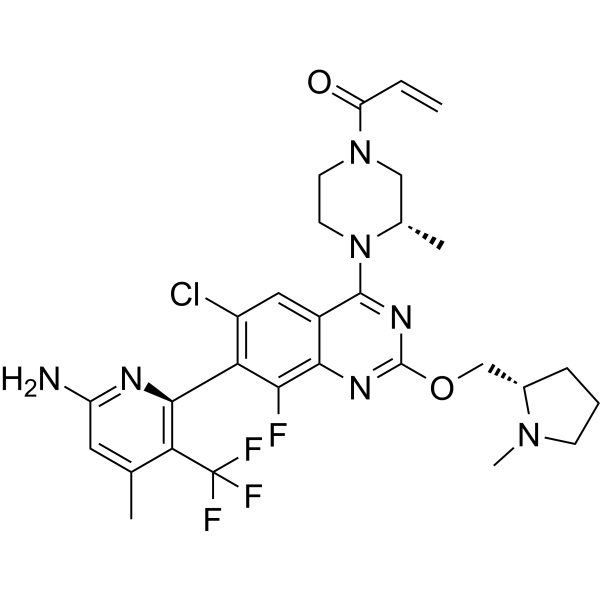
    KRASG12C IN-13 (LY3499446) is a potent KRAS G12C inhibitor. KRASG12C IN-13 is promising for research of advanced solid tumors including non-small cell lung cancer and colorectal cancer .
    KRASG12C IN-13
  • HY-142118A
    Trabedersen sodium
    1 Publications Verification

    AP 12009 sodium

    TGF-beta/Smad Cancer
    Trabedersen (AP 12009) sodium is an orally active synthetic antisense phosphorothioate oligodeoxynucleotide that selectively targets human TGFβ2 mRNA. Trabedersen sodium blocks TGFβ2 protein production, enters the nucleus without a transfection vector, and exerts dose-dependent antitumor effects. By reversing TGFβ2-induced immunosuppression and enhancing immune cytotoxicity, Trabedersen sodium exhibits significant antiproliferative, antimigratory, and antimetastatic activities, with favorable safety profiles. Trabedersen sodium is widely used in research related to various solid tumors, including anaplastic astrocytoma, glioblastoma, colorectal tumor, and melanoma .
    Trabedersen sodium
  • HY-176296

    SR-8541A

    Phosphodiesterase (PDE) STING Cancer
    Vizenpistat (SR-8541A) is an orally active ENPP1 inhibitor. Vizenpistat increases cGAMP levels, blocks 2′3′-cGAMP hydrolysis, inhibits adenosine production, regulates innate immune signaling mediated by the STING pathway, and modulates anti-tumor immune responses. Vizenpistat is applicable to research related to breast cancer and metastatic microsatellite-stable colorectal cancer .
    Vizenpistat
  • HY-145928B
    Divarasib adipate
    5+ Cited Publications

    GDC-6036 adipate

    Ras Cancer
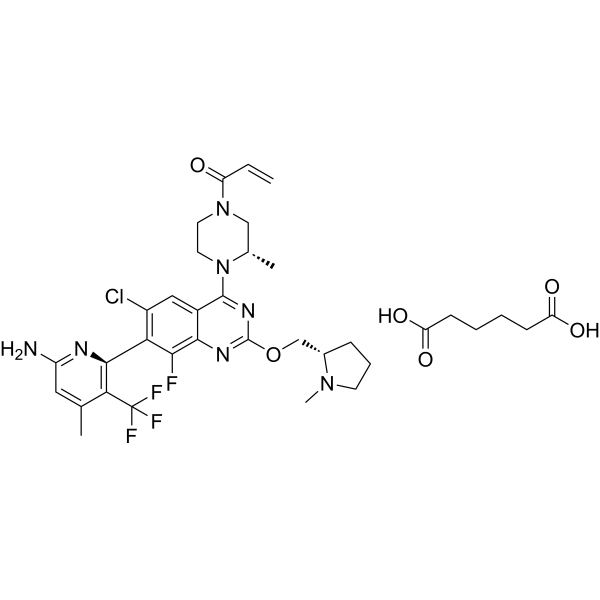
    Divarasib (GDC-6036) adipate is an orally active, selective KRASG12C inhibitor with an IC50 of <0.01 μM. Divarasib adipate covalently binds Cys12 in GDP-bound KRASG12C, occupies the switch II pocket, blocks GTP binding and SOS-mediated reactivation, and inhibits oncogenic KRAS signaling. Divarasib adipate induces tumor shrinkage and robust tumor growth inhibition in KRASG12C-positive models and cancer cells. Divarasib adipate can be used for the research of non-small cell lung cancer, colorectal adenocarcinoma, pancreatic ductal adenocarcinoma, and other KRASG12C-mutated solid tumors .
    Divarasib adipate
  • HY-P11060

    Adpgk peptide

    MHC Cancer
    MC38 SLP Adpgk (Adpgk peptide) is an H-2 K b-restricted colorectal cancer neoantigen peptide. MC38 SLP Adpgk is formulated into PCNP nanocomplexes together with CpG ODN. PCNP vaccines significantly enhance the co-delivery efficiency of neoantigens and adjuvants to lymphoid organs, and activate cytotoxic T cells. PCNP vaccines not only protect mice from MC-38 colorectal tumor invasion, but also exhibit anti-tumor efficacy in established colorectal tumor models and significantly prolong the survival of tumor-bearing mice .
    MC38 SLP Adpgk
  • HY-P3099

    Guanylate Cyclase Cancer
    Uroguanylin (human) is a natural ligand for the Guanylyl Cyclase (GCC) receptor expressed in metastatic colorectal cancer tumors. Uroguanylin (human) has anti-tumor actions in an animal model for human colon cancer .
    Uroguanylin (human)
  • HY-169779

    p62 Cancer
    PTX80 is an antagonist of p62 with an IC50 value of 31.18 nM. PTX80 reduces tumor volume in an HCT116 colorectal cancer mouse xenograft model .
    PTX80
  • HY-W998345

    PROTACs PDK-1 Akt Cancer
    SMART1 is a highly specific and CRBN-dependent PROTAC that can effectively degrade Smurf1. SMART1 can block the PDK1-Akt signaling pathway in KRAS mutant colorectal cancer. SMART1 can inhibit tumor growth in KRAS mutant colorectal cancer (CRC) xenograft models.(Blue: CRBN ligand; Black: linker; Pink: Smurf1 ligand (Smurf1-L)) .
    SMART1
  • HY-149830
    PD-L1-IN-2
    1 Publications Verification

    PD-1/PD-L1 Cancer
    PD-L1-IN-2 is a potential tumor immunological agent by inhibiting PD-L1. PD-L1-IN-2 is a Naamidine J derivative and exerts antitumor effects in vivo by reducing PD-L1 expression and enhancing tumor-infiltrating T-cell immunity. PD-L1-IN-2 is used for colorectal cancer research .
    PD-L1-IN-2
  • HY-168593

    β-catenin PROTACs Wnt Histone Demethylase Cancer
    PROTAC KDM3 degrader-1 (Compound 4) is a CRBN-recruiting PROTAC designed based on the IOX1 (HY-12304) scaffold. PROTAC KDM3 degrader-1 selectively degrades the KDM3A and KDM3B proteins, thereby inhibiting the Wnt/β-catenin signaling pathway. PROTAC KDM3 degrader-1 significantly suppresses the self-renewal capacity of colorectal cancer stem cells and inhibits the growth of colorectal cancer tumors. PROTAC KDM3 degrader-1 is suitable for research on colorectal cancer (Target protein ligand (Pink): HY-12304; linker (Black): HY-22335; Conjugate of E3 ligase ligand and linker: HY-112599; E3 ligase (Blue): HY-41547) .
    PROTAC KDM3 degrader-1
  • HY-15888A
    PTC-209 hydrobromide
    15+ Cited Publications

    BMI1 Autophagy Cancer
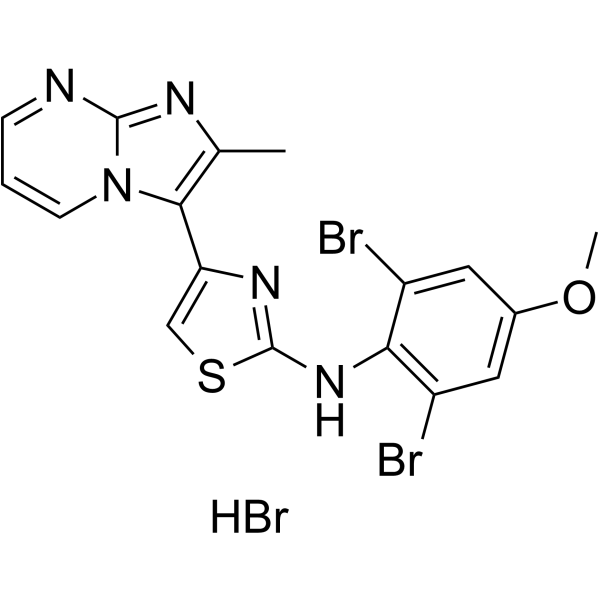
    PTC-209 hydrobromide is a specific BMI-1 inhibitor with an IC50 of 0.5 μM in HEK293T cell line. PTC-209 hydrobromide irreversibly impairs colorectal cancer-initiating cells (CICs). PTC-209 hydrobromide shows potent anti-myeloma activity and impairs the tumor microenvironment .
    PTC-209 hydrobromide
  • HY-157014

    Tryptophan Hydroxylase Cancer
    TPT-004 is a selective and oraly active tryptophan hydroxylases (TPH) inhibitor with IC50s of 77 nM and 16 nM for TPH1 and TPH2, repsectively. TPT-004 exhibits exceptional selectivity for TPH1 compared with other members of the AAAH family. TPT-004 shows efficacy peripheral serotonin attenuation and colorectal tumor growth in mice[1][2].
    TPT-004
  • HY-177742

    Molecular Glues Phosphoglycerate Dehydrogenase (PHGDH) Cancer
    LXH-3-71 is a PHGDH degrader. LXH-3-71 acts as a molecular glue to enhance the interaction of the PHGDH-DDB1-CRL E3 ligase complex, triggering ubiquitination and proteasomal degradation of PHGDH. LXH-3-71 regulates the stemness of colorectal cancer cells and inhibits tumor proliferation and colony formation. LXH-3-71 can be used in the research of colorectal cancer .
    LXH-3-71
  • HY-148918

    β-catenin Wnt Bcl-2 Family Inflammation/Immunology Cancer
    E722-2648 is an inhibitor targeting the BCL9 and β-catenin complex with antitumor activity. E722-2648 blocks complex formation by disrupting the interaction between the two proteins, thereby inhibiting β-catenin-mediated transcriptional activity and downregulating the expression of WNT target genes. E722-2648 effectively inhibits tumor growth in colon cancer xenograft models and colorectal cancer mouse models. E722-2648 can be used for the research of colon cancer and colorectal cancer .
    E722-2648
  • HY-P991646

    heMab

    Transmembrane Glycoprotein Cancer
    ING-1 (heMab) is a high-affinity humanized monoclonal antibody against epithelial cell adhesion molecule (Ep-CAM). ING-1 is a transmembrane glycoprotein mediating Ca 2+. ING-1 binds to Ep-CAM on tumor cells and exhibits potent in vitro activity, targeting and inhibiting tumor growth and metastasis in mouse cancer models. ING-1 is useful in the research of breast, colorectal, and lung cancers, among other cancers .
    ING-1
  • HY-177083

    AVA-6000

    FAP Cancer
    Faridoxorubicin (AVA-6000) is a prodrug targeting fibroblast activation protein α (FAPα). Faridoxorubicin releases active doxorubicin through FAPα-mediated cleavage, enhancing intratumoral drug exposure and reducing cardiac toxicity. Faridoxorubicin is promising for research of solid tumors (e.g., colorectal cancer liver metastasis) .
    Faridoxorubicin
  • HY-P3099A

    Guanylate Cyclase Cancer
    Uroguanylin (human) (TFA) is a natural ligand for the Guanylyl Cyclase (GCC) receptor expressed in metastatic colorectal cancer tumors. Uroguanylin (human) (TFA) has anti-tumor actions in an animal model for human colon cancer .
    Uroguanylin (human) TFA
  • HY-155068

    Microtubule/Tubulin Reactive Oxygen Species (ROS) Apoptosis PERK Eukaryotic Initiation Factor (eIF) IRE1 Cancer
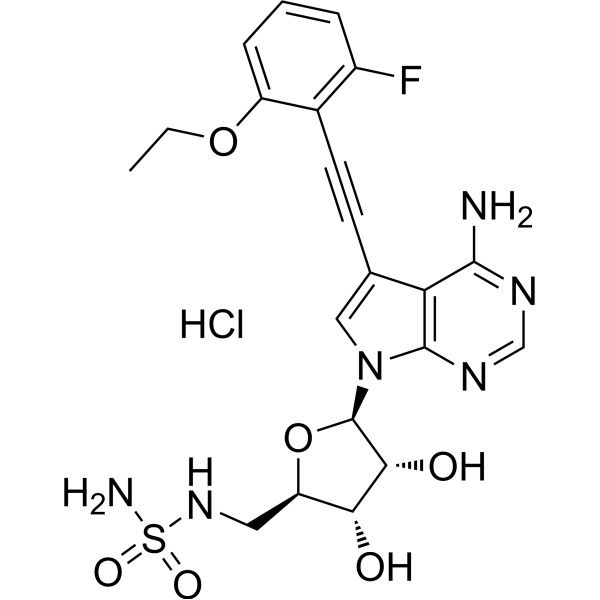
    FC-11 is a tubulin inhibitor. FC-116 inhibits the proliferation of colorectal cancer (CRC) cells, with IC50 values of 4.52 nM for HCT116 cells and 18.69 nM for CT26 cells. FC-11 can induce ER stress to generate excess ROS, leading to mitochondrial damage, thereby promoting apoptosis in colorectal cancer (CRC) cells by targeting microtubules. FC-116 exerts potent anti-tumor effects in vivo. FC-11 can be used for the study of colorectal cancer .
    FC-116
  • HY-13675

    NV-143

    Wnt Endogenous Metabolite Cancer
    ME-143 is a second-generation tumor-specific inhibitor of NADH oxidase. ME-143 inhibits the WNT/β-catenin pathway in colorectal cancer cells. ME-143 has broadly active against cancers in vitro and in vivo .
    ME-143
  • HY-164492

    Raf Cancer
    LSN3074753, an analog of LY3009120 (HY-12558), is a pan-RAF and Raf dimer inhibitor. LSN3074753 demonstrates activity against tumor cells with MAPK pathway activation driven by BRAF monomer or RAF dimers including BRAF- or KRAS-mutant colorectal cancer. LSN3074753 combined with Cetuximab (HY-P9905) shows additive and synergistic effects for colorectal cancer PDX models, particularly those with KRAS or BRAF mutation .
    LSN3074753
  • HY-160215A

    TGF-β Receptor p38 MAPK TGF-beta/Smad Interleukin Related Cancer
    GFH018 is an orally active, selective and ATP-competitive TGF-βR1 inhibitor with an IC50 of 40 nM. GFH018 reactivates the immune system by blocking the immunosuppression mediated by regulatory T cells and M2 macrophages. GFH018 inhibits tumor angiogenesis. GFH018 suppresses tumor growth in mouse tumor models. GFH018 can be used for the research of solid tumors, hepatocellular carcinoma, colorectal cancer, breast cancer, and relapsed/metastatic nasopharyngeal carcinoma .
    GFH018 methylbenzenesulfonate
  • HY-143655

    BMI1 Autophagy Cancer
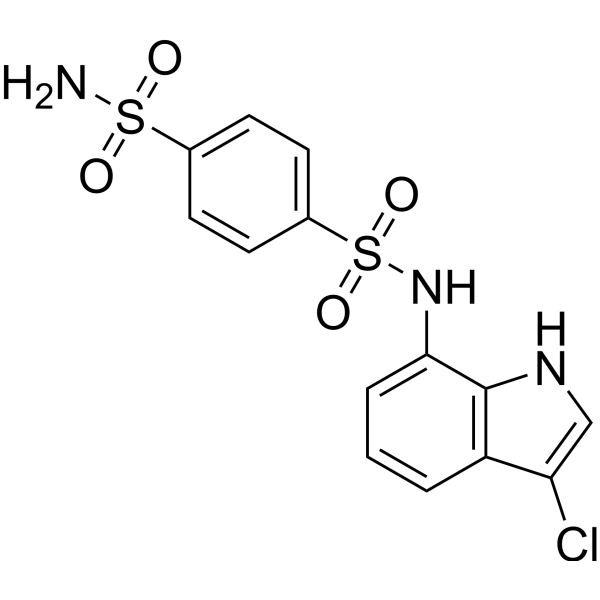
    QW24 exerts potent anti-tumor activity by down-regulating BMI-1 and is used as an effective therapeutic agent for clinical colorectal cancer research.
    QW24
  • HY-P991635

    TNF Receptor Cancer
    PF-07329640 is a humanized monoclonal antibody inhibitor targeting TNFRSF3. PF-07329640 can be used for advanced/metastatic solid tumors like non-small cell lung cancer (NSCLC) and colorectal cancer (CRC) research .
    PF-07329640
  • HY-P991244

    EGFR Cancer
    REGN-1400 is a humanized monoclonal antibody inhibitor targeting ErbB3. REGN-1400 reduces tumor cell proliferation by inhibiting ErbB3 and blocking related signaling pathways. REGN-1400 is promising for research of solid tumors such as non-small cell lung cancer (NSCLC), colorectal cancer (CRC), and squamous cell carcinoma of the head and neck (SCCHN) .
    REGN-1400
  • HY-177913

    PDK-1 Cancer
    OSU-02067 is a selective 3-phosphoinositide-dependent protein kinase-1 (PDK-1) inhibitor (IC50=9 μM). OSU-02067 is promising for research of solid tumors (e.g., prostate, breast, colorectal cancers) .
    OSU-02067
  • HY-P991391

    Transmembrane Glycoprotein Cancer
    COM902 is a human IgG4 monoclonal antibody (mAb) targeting TIGIT. COM902 enhances anti-tumor immune responses. COM902 can be used in Multiple myeloma, Solid tumours and Colorectal cancer research. Recommended isotype control: IgG4-lambda .
    COM902
  • HY-175265

    c-Myc Ras Apoptosis Cancer
    PQ32 is an antitumor agent that targets c-MYC Pu27 and KRAS G-quadruplexes. PQ32 inhibits tumor cell proliferation, arrests the cell cycle at the G2 phase, and induces apoptosis. PQ32 inhibits the expression of c-MYC and KRAS genes. PQ32 can inhibit tumor growth in mice and is used in the study of lymphoma, breast cancer, lung cancer, hepatocellular carcinoma, colorectal cancer, and other cancers .
    PQ32

Inquiry Online

Your information is safe with us. * Required Fields.

Salutation


Country or Region *

Applicant Name *


Organization Name *

Department *


Email Address *


Product Name *

Cat. No.


Requested quantity *

Phone Number *


Remarks

Inquiry Online

Inquiry Information

Product Name:
Cat. No.:
Quantity:
MCE Japan Authorized Agent:

