



Delivery of temperature sensitive items including proteins and kits will be paused on 6/19 for the Juneteenth holiday. For urgent orders please contact customer service.
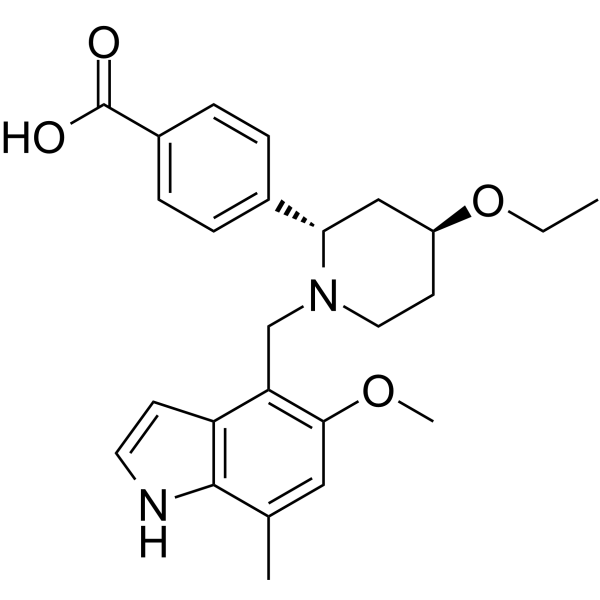
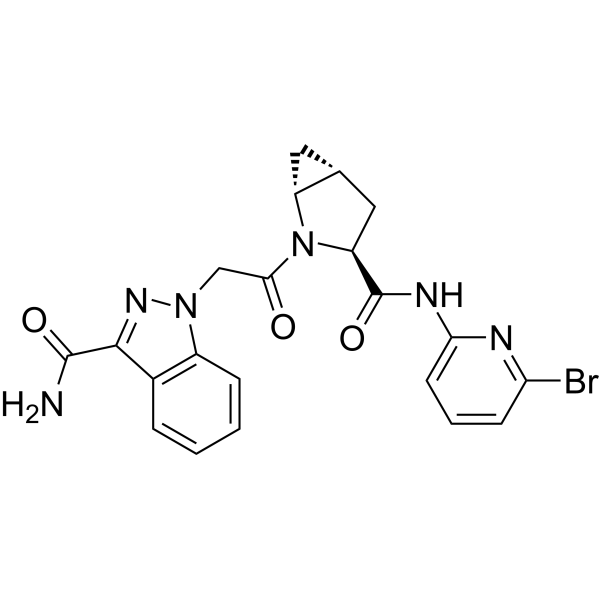
Iptacopan (LNP023) is an effective and orally-active highly selective factor B inhibitor with an IC50 value of 10 nM and KD of 7.9 nM. Iptacopan exerts a proximal effect in the complement cascade reaction, preventing the destruction (hemolysis) of red blood cells in PNH and the damage of renal cells in IgAN and C3G. Iptacopan can be used for the study of complement-mediated diseases, particularly paroxysmal nocturnal hemoglobinuria (PNH), primary immunoglobulin A nephropathy (IgAN), and complement 3 glomerulopathy (C3G) .
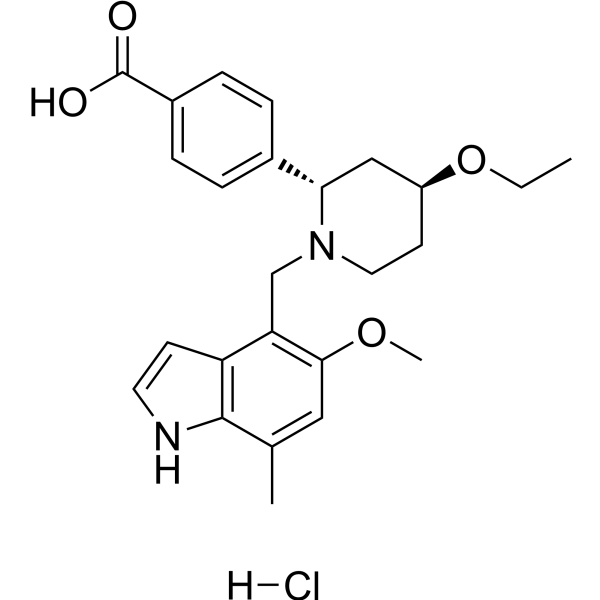
Iptacopan (LNP023) hydrochloride is an effective and orally-active highly selective factor B inhibitor with an IC50 value of 10 nM and KD of 7.9 nM. Iptacopan hydrochloride exerts a proximal effect in the complement cascade reaction, preventing the destruction (hemolysis) of red blood cells in PNH and the damage of renal cells in IgAN and C3G. Iptacopan hydrochloride can be used for the study of complement-mediated diseases, particularly paroxysmal nocturnal hemoglobinuria (PNH), primary immunoglobulin A nephropathy (IgAN), and complement 3 glomerulopathy (C3G) .
Avacincaptad pegol (ARC1905) sodium is a 40KDa PEG-conjugated aptamer. Avacincaptad pegol sodium targets complementfactor 5 (C5), inhibits the cleavage of C5 into C5a and C5b, limits inflammatory stimulation and complement membrane attack complex (MAC), and is used to study age-related macular degeneration (AMD). Avacincaptad pegol sodium limits irregular cell apoptosis by targeting downstream factors in the complement cascade while preserving the early steps of the complement system .
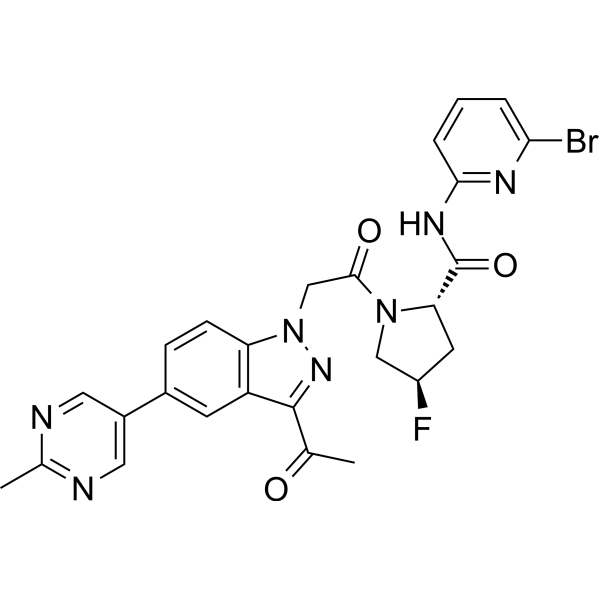
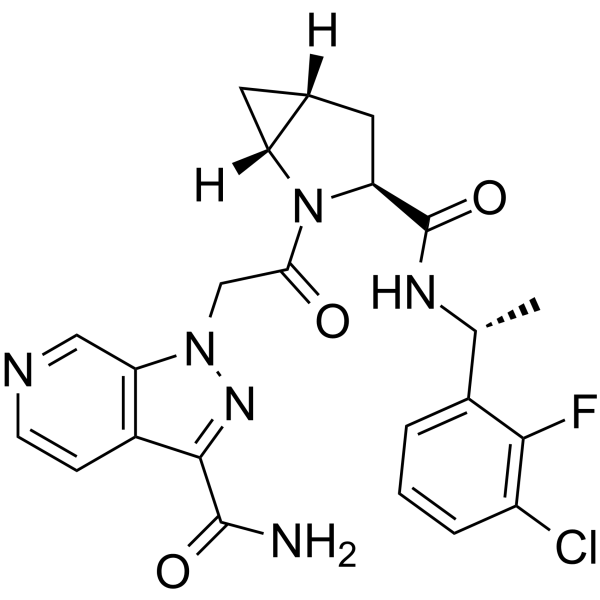
Danicopan (ACH-4471), a selective and orally active small-molecule factor D inhibitor, shows high binding affinity to human Factor D with Kd value of 0.54 nM. Danicopan (ACH-4471) inhibits alternative pathway of complement (APC) activity, has potential to block the alternative pathway of complement in paroxysmal nocturnal hemoglobinuria (PNH) and atypical hemolytic uremic syndrome (aHUS) .
Pelecopan (BCX9930) is a potent, selective, orally active inhibitor of complementfactor D with an IC50 value of 14.3 nM. Pelecopan can target factor D to prevent both intravascular and extravascular hemolysis in PNH. Pelecopan also be used for other alternative pathway (AP) mediated diseases .
Cobra Venom Factor (CVF) is a selective activator targeting complement components C3, C5, and factor B in the complement system. After binding to factor B, Cobra Venom Factor is cleaved by factor D, forming a stable C3/C5 convertase resistant to regulatory proteins H and I. This continuously hydrolyzes C3 and C5, depleting serum complement while inducing neutrophil migration, vascular leakage, and increased TNF-α levels. Cobra Venom Factor can be used to deplete complement and mimic complement activation-related pathological states, and is applied in animal models of complement-mediated diseases such as acute respiratory distress syndrome (ARDS), sepsis, and shock. Cobra Venom Factor can be isolated from the venom of cobras (e.g., Naja atra, Naja melanoleuca, Naja kaouthia, etc.) .
FD-IN-1 (Compound 12) is an orally bioavailable and selective factor D (FD) inhibitor with an IC50 of 12 nM. Complement FD, a highly specific S1 serine protease, plays a central role in the alternative complement pathway of the innate immune system. FD-IN-1 also inhibits factor XIa (FXIa) and Tryptase β2 with IC50s of 7.7 and 6.5 µM, respectively .
Zaltenibart (OMS906) is an IgG4 humanized monoclonal antibody and MASP-3 inhibitor. By inhibiting MASP-3, Zaltenibart achieves upstream inhibition of the alternative complement pathway. MASP-3 is an upstream activator of Factor D (Factor D), a key enzyme in the alternative complement pathway. Zaltenibart prevents both intravascular hemolysis and extravascular hemolysis. Zaltenibart is applicable to research related to paroxysmal nocturnal hemoglobinuria .
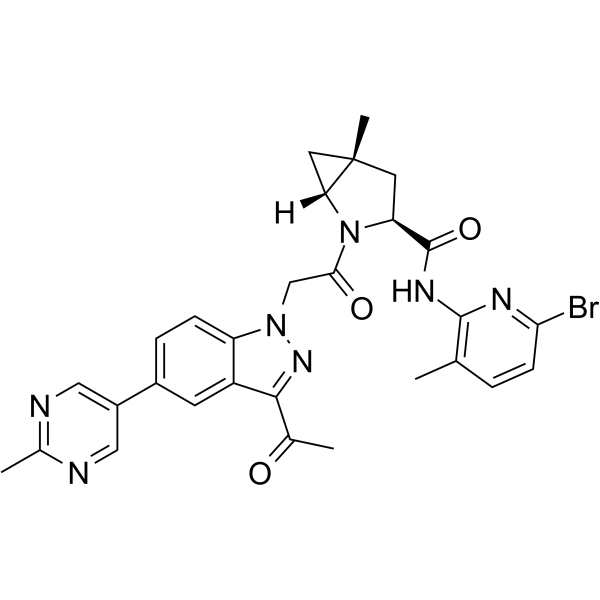
Vemircopan (ALXN2050) is an orally active complementfactor D (FD) inhibitor. Vemircopan can be used in the research of diseases such as myasthenia gravis, lupus nephritis, IgA nephropathy, and paroxysmal nocturnal hemoglobinuria .
Mucinase StcE is a zinc metalloproteinase belonging to the M66 family, which is secreted by enterohemorrhagic Escherichia coli via the type II general secretion pathway. Mucinase StcE specifically recognizes and cleaves the 'T*XT' motif in mucin-type glycoproteins with α-O-glycans (such as MUC2, Mucin 7, Glycoprotein 340, CD45, CD43, C1 Esterase Inhibitor (HY-P991629), etc.). By degrading the mucus layer to reduce its viscosity, inhibiting complement cascade activation, and localizing complement regulatory factors to the cell membrane, Mucinase StcE helps bacteria penetrate the mucosal barrier, adhere to host cells, and evade immune clearance. Mucinase StcE can serve as a mucin-specific proteolytic tool for research on mucinous carcinomas derived from the colon, esophagus, and salivary glands .
Factor D inhibitor 6 is a potent, highly selective and orally active factor D (FD) inhibitor with an IC50 of 30 nM and a Kd of 6 nM. Factor D inhibitor 6 is inactive against factor B, lassical and lectin complement-pathway activation, and a broad assay panel of receptors, ion channels, kinases and proteases .
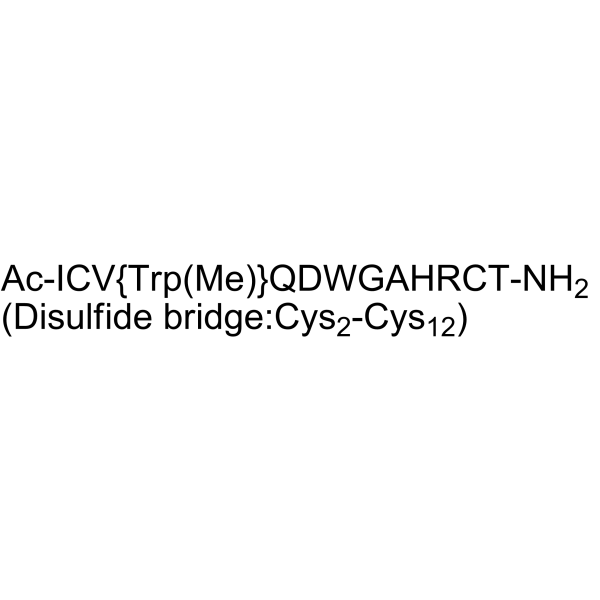
POT-4 (AL-78898A), a Compstatin derivative, is a potent inhibitor of complementfactor C3 activation. POT-4 can be used for age-related macular degeneration research
Complementfactor D-IN-1 is a potent and selective small-molecule reversible factor d inhibitor, with IC50s of 0.006 and 0.05 μM in FD Thioesterolytic Fluorescent Assay and a MAC Deposition Assay, respectively.
Sefaxersen sodium is a specific antisense oligonucleotide (ASO) targeting complementfactor B (CFB). Sefaxersen sodium effectively reduces circulating levels of CFB, and can be used for geographic atrophy (GA) research .
Sefaxersen (IONIS-FB-LRx) is a specific antisense oligonucleotide (ASO) targeting complementfactor B (CFB). Sefaxersen effectively reduces circulating levels of CFB. Sefaxersen can be used for geographic atrophy (GA) research .
NN3201 is a c-Kit-targeting antibody-drug conjugate (ADC) with high affinity (KD = 0.19 pM). NN3201 is composed of 4-(3-Tosyl-2-(tosylmethyl)propanoyl)benzoic acid-glu(PEG24-Me)-val-cit-NH-benzyloxyformic acid-MMAE (HY-178219) and an anti-c-Kit human monoclonal antibody NN2101 (HY-P991293). NN3201 rapidly internalizes and inhibits stem cell factor (SCF)-driven signaling, thereby delivering its payload to induce cell cycle arrest and apoptosis. NN3201 exhibits no Fc-mediated effector functions antibody-dependent cell-mediated cytotoxicity (ADCC)/complement-dependent cytotoxicity (CDC) due to reduced FcγR binding. NN3201 exhibits significant c-Kit-dependent anti-tumor efficacies in various tumor models. NN3201 can be used in small cell lung cancer (SCLC) and gastrointestinal stromal tumor (GIST) and acute myeloid leukemia (AML) research [1][2].
Lampalizumab (RG 7417) is a humanised monoclonal antibody targeting complementFactor D in the alternative complement pathway. Lampalizumab binds an exosite and sterically blocks Factor B access to the active site. Lampalizumab can be used for age-related macular degeneration (AMD) research .
Zoracopan is a selective complementfactor D (CFD) inhibitor. When administered systemically (orally or intravenously), Zoracopan accumulates and is sustained-released in ocular tissues, primarily in the choroid-retinal pigment epithelium (C-RPE) and/or iridociliary body (I-CB) .
Vensobafusp alfa (KP-104) is a fusion protein composed of an IgG4 monoclonal antibody directed against terminal complement protein C5 fused to the complementfactor H 1-5 domain (FH1-5). Vensobafusp alfa shows anti-inflammatory and immunomodulatory activities. The isotype control for Vensobafusp alfa can refer to Human IgG4 (S228P) kappa, Isotype Control (HY-P99003) . .
Complementfactor D-IN-2 is an inhibitor of complementfactor D extracted from patent WO2015130838A1, compound 190. Complementfactor D-IN-2 targets factor D and inhibits the complement cascade at an early and essential point in the alternative complement pathway. Complementfactor D-IN-2 can be used for the research of autoimmune diseases .
Refinicopan is a complementfactor D inhibitor with an IC50 of 10 nM. Refinicopan inhibits hemolysis of rabbit red blood cells. Refinicopan can be used to study diseases mediated by complementfactor D .
Anti-ComplementFactor P/Properdin Antibody is a humanized antibody expressed in CHO, targeting ComplementFactor P/Properdin. Anti-ComplementFactor P/Properdin Antibody has a huIgG1 heavy chain and a huκ light chain, with a predicted molecular weight (MW) of 150 kDa. The isotype control for Anti-ComplementFactor P/Properdin Antibody can be referenced as Human IgG1 kappa, Isotype Control (HY-P99001).
Iptacopan (LNP023) hydrochloride hydrate is an effective and orally-active highly selective factor B inhibitor with an IC50 value of 10 nM and KD of 7.9 nM. Iptacopan hydrochloride hydrate exerts a proximal effect in the complement cascade reaction, preventing the destruction (hemolysis) of red blood cells in PNH and the damage of renal cells in IgAN and C3G. Iptacopan hydrochloride hydrate can be used for the study of complement-mediated diseases, particularly paroxysmal nocturnal hemoglobinuria (PNH), primary immunoglobulin A nephropathy (IgAN), and complement 3 glomerulopathy (C3G) .
Complementfactor D is a serine protease. Complementfactor D activates C3 convertase by specifically cleaving complementFactor B. Complementfactor D is promising for research of autoimmune diseases (e.g., paroxysmal nocturnal hemoglobinuria, C3 glomerulopathy), age-related macular degeneration, and thrombotic microangiopathies .
POT-4 TFA (AL-78898A TFA), a Compstatin derivative, is a potent inhibitor of complementfactor C3 activation. POT-4 TFA can be used for age-related macular degeneration research .
Complementfactor I is a serine protease that downregulates complement activity in the fluid phase and/or on cell surfaces in conjunction with one of its cofactors, factor H (FH), complement receptor 1 (CR1/CD35), C4 binding protein (C4BP) or membrane cofactor protein (MCP/CD46) .
N-((Allyloxy)carbonyl)-N-methyl-L-alanine is a Alanine derivative. N-((Allyloxy)carbonyl)-N-methyl-L-alanine can be used for the synthesis of inhibitors of complementfactor D. Complementfactor D inhibitors can be used in the research of immune system related disease .
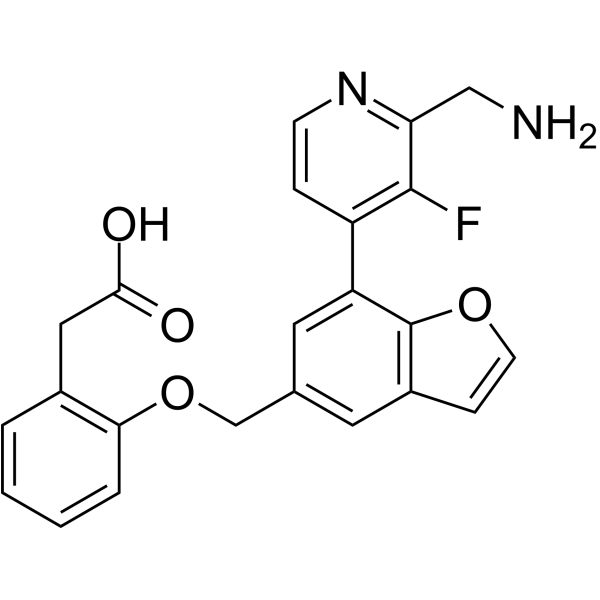
Factor B-IN-7 (Compound (I)) is a selective Factor B inhibitor. Factor B-IN-7 inhibits Factor B-C3b interaction to suppress complement hyperactivation. Factor B-IN-7 is promising for research of paroxysmal nocturnal hemoglobinuria (PNH), C3 glomerulopathy, and age-related macular degeneration (AMD) associated with complement-mediated diseases .
Factor B-IN-5 is an orally active complementfactor B (CFB) inhibitor. Factor B-IN-5 alleviates kidney damage in diabetes nephropathy by inhibiting the over activation of complement system and improving mitochondrial function. Factor B-IN-5 can improve renal tubulointerstitial inflammation and fibrosis. Factor B-IN-5 can be used for research on diabetic nephropathy .
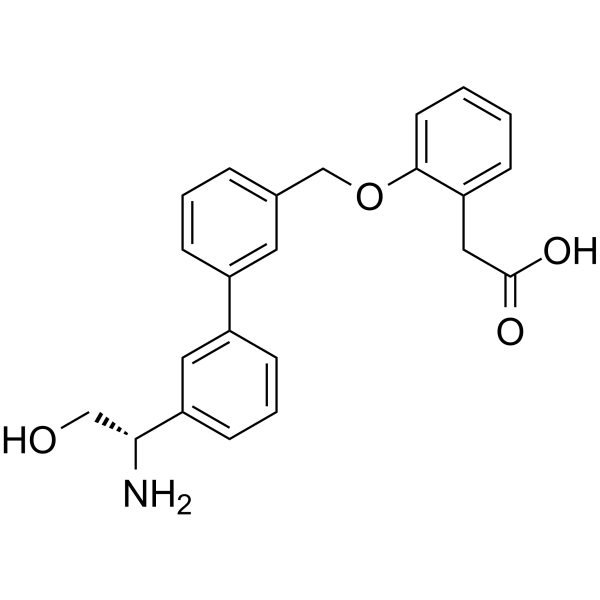
Factor B-IN-3 (Example 3 target compound) is a potent complementfactor B inhibitor. Factor B-IN-3 can be used for the research of diseases related to inflammation and immunity .
Factor B-IN-4 (Example 13 target compound) is a potent complementfactor B inhibitor, with an IC50 of 1 μM. Factor B-IN-4 can be used for the research of diseases related to inflammation and immunity .
Factor B-IN-5 (Example 5 target compound) is a potent complementfactor B inhibitor, with an IC50 of 1.2 μM. Factor B-IN-5 can be used for the research of diseases related to inflammation and immunity .
Factor B-IN-2 (Example 1 target compound) is a potent complementfactor B inhibitor, with an IC50 of 1.5 μM. Factor B-IN-2 can be used for the research of diseases related to inflammation and immunity .
Complementfactor D-IN-1 (Standard) is the analytical standard of Complementfactor D-IN-1 (HY-102034). This product is intended for research and analytical applications. Complementfactor D-IN-1 is a potent and selective small-molecule reversible factor d inhibitor, with IC50s of 0.006 and 0.05 μM in FD Thioesterolytic Fluorescent Assay and a MAC Deposition Assay, respectively.
SAR-443809 is a selective alternative complement system inhibitor and monoclonal antibody targeting complementfactor Bb. SAR-443809 blocks the cleavage of C3 and factor B by selectively binding to the activated form of factor Bb, with a KD of 7.3 nM for human factor Bb. SAR-443809 inhibits the amplification loop of the alternative complement pathway and C3 activation, reduces C3b deposition, and blocks the activation of pathways associated with intravascular and extravascular hemolysis. SAR-443809 can be used for the research of hematological and renal disorders mediated by abnormal alternative complement pathway .
Iptacopan (LNP023) TFA is an effective and orally-active highly selective factor B inhibitor with an IC50 value of 10 nM and KD of 7.9 nM. Iptacopan TFA exerts a proximal effect in the complement cascade reaction, preventing the destruction (hemolysis) of red blood cells in PNH and the damage of renal cells in IgAN and C3G. Iptacopan TFA can be used for the study of complement-mediated diseases, particularly paroxysmal nocturnal hemoglobinuria (PNH), primary immunoglobulin A nephropathy (IgAN), and complement 3 glomerulopathy (C3G) .
Ruxoprubart (NM8074) is an inhibitor of complementfactor B (Bbsubunit). Ruxoprubart selectively binds to active Bb to inhibit the alternative complement pathway without affecting the classical complement pathway. By blocking the activities of AP C3 and C5 convertases, Ruxoprubart effectively inhibits red blood cell hemolysis and reduces C3b deposition, thereby preventing intravascular and extravascular hemolysis. Ruxoprubart can be used in research related to paroxysmal nocturnal hemoglobinuria, atypical hemolytic uremic syndrome, C3 glomerulopathy, and IgA nephropathy .
GT103 is a human-derived monoclonal antibody targeting complementfactor H (CFH). GT103 binds to a conformationally distinct epitope of CFH on tumor cells. GT103 activates the classical complement pathway, induces complement-dependent cytotoxicity, and triggers antibody-dependent cellular phagocytosis (ADCP) of tumor cells. GT103 increases calreticulin translocation to tumor cell plasma membranes. GT103 mediates B-cell activation via Syk kinase phosphorylation. GT103 inhibits tumor growth and metastasis in animal models. GT103 can be used for the research of non-small cell lung cancer .
Factor B-IN-8 (Compound (3R ,4R )-15) is a potent, selective and orally active factor B inhibitor with an IC50 of 10.2 nM. Factor B-IN-8 can effectively inhibit the binding of factor B to C3b and the subsequent formation of C3 convertase (C3bBb). Factor B-IN-8 can inhibit the deposition of membrane attack complex (MAC) mediated by alternativepathway with an IC50 of 59.3 nM. Factor B-IN-8 can reduce the cleavage of factor B protein and decrease the deposition of complement C3d in the glomeruli and renal tubules. Factor B-IN-8 can be used for researches of arthritis and paroxysmal nocturnal hemoglobinuria (PNH) .
Elfritatug (UCB4594) is a humanized monoclonal antibody targeting human leukocyte antigen-G (HLA-G). By binding to HLA-G on the surface of tumor cells, Elfritatug blocks its immunosuppressive effect, thereby enhancing the body's immune response against tumors .
Cobra Venom Factor (CVF) is a selective activator targeting complement components C3, C5, and factor B in the complement system. After binding to factor B, Cobra Venom Factor is cleaved by factor D, forming a stable C3/C5 convertase resistant to regulatory proteins H and I. This continuously hydrolyzes C3 and C5, depleting serum complement while inducing neutrophil migration, vascular leakage, and increased TNF-α levels. Cobra Venom Factor can be used to deplete complement and mimic complement activation-related pathological states, and is applied in animal models of complement-mediated diseases such as acute respiratory distress syndrome (ARDS), sepsis, and shock. Cobra Venom Factor can be isolated from the venom of cobras (e.g., Naja atra, Naja melanoleuca, Naja kaouthia, etc.) .
POT-4 (AL-78898A), a Compstatin derivative, is a potent inhibitor of complementfactor C3 activation. POT-4 can be used for age-related macular degeneration research
POT-4 TFA (AL-78898A TFA), a Compstatin derivative, is a potent inhibitor of complementfactor C3 activation. POT-4 TFA can be used for age-related macular degeneration research .
N-((Allyloxy)carbonyl)-N-methyl-L-alanine is a Alanine derivative. N-((Allyloxy)carbonyl)-N-methyl-L-alanine can be used for the synthesis of inhibitors of complementfactor D. Complementfactor D inhibitors can be used in the research of immune system related disease .
Zaltenibart (OMS906) is an IgG4 humanized monoclonal antibody and MASP-3 inhibitor. By inhibiting MASP-3, Zaltenibart achieves upstream inhibition of the alternative complement pathway. MASP-3 is an upstream activator of Factor D (Factor D), a key enzyme in the alternative complement pathway. Zaltenibart prevents both intravascular hemolysis and extravascular hemolysis. Zaltenibart is applicable to research related to paroxysmal nocturnal hemoglobinuria .
Lampalizumab (RG 7417) is a humanised monoclonal antibody targeting complementFactor D in the alternative complement pathway. Lampalizumab binds an exosite and sterically blocks Factor B access to the active site. Lampalizumab can be used for age-related macular degeneration (AMD) research .
Vensobafusp alfa (KP-104) is a fusion protein composed of an IgG4 monoclonal antibody directed against terminal complement protein C5 fused to the complementfactor H 1-5 domain (FH1-5). Vensobafusp alfa shows anti-inflammatory and immunomodulatory activities. The isotype control for Vensobafusp alfa can refer to Human IgG4 (S228P) kappa, Isotype Control (HY-P99003) . .
Anti-ComplementFactor P/Properdin Antibody is a humanized antibody expressed in CHO, targeting ComplementFactor P/Properdin. Anti-ComplementFactor P/Properdin Antibody has a huIgG1 heavy chain and a huκ light chain, with a predicted molecular weight (MW) of 150 kDa. The isotype control for Anti-ComplementFactor P/Properdin Antibody can be referenced as Human IgG1 kappa, Isotype Control (HY-P99001).
Anti-ComplementFactor B Antibody is a CHO-expressed human antibody that targets ComplementFactor B. The Anti-ComplementFactor B Antibody carries a huIgG1 type heavy chain and a huκ type light chain, with a predicted molecular weight (MW) of 150 kDa. The isotype control for Anti-ComplementFactor B Antibody can refer to Human IgG1 kappa, Isotype Control (HY-P99001).
SAR-443809 is a selective alternative complement system inhibitor and monoclonal antibody targeting complementfactor Bb. SAR-443809 blocks the cleavage of C3 and factor B by selectively binding to the activated form of factor Bb, with a KD of 7.3 nM for human factor Bb. SAR-443809 inhibits the amplification loop of the alternative complement pathway and C3 activation, reduces C3b deposition, and blocks the activation of pathways associated with intravascular and extravascular hemolysis. SAR-443809 can be used for the research of hematological and renal disorders mediated by abnormal alternative complement pathway .
Ruxoprubart (NM8074) is an inhibitor of complementfactor B (Bbsubunit). Ruxoprubart selectively binds to active Bb to inhibit the alternative complement pathway without affecting the classical complement pathway. By blocking the activities of AP C3 and C5 convertases, Ruxoprubart effectively inhibits red blood cell hemolysis and reduces C3b deposition, thereby preventing intravascular and extravascular hemolysis. Ruxoprubart can be used in research related to paroxysmal nocturnal hemoglobinuria, atypical hemolytic uremic syndrome, C3 glomerulopathy, and IgA nephropathy .
GT103 is a human-derived monoclonal antibody targeting complementfactor H (CFH). GT103 binds to a conformationally distinct epitope of CFH on tumor cells. GT103 activates the classical complement pathway, induces complement-dependent cytotoxicity, and triggers antibody-dependent cellular phagocytosis (ADCP) of tumor cells. GT103 increases calreticulin translocation to tumor cell plasma membranes. GT103 mediates B-cell activation via Syk kinase phosphorylation. GT103 inhibits tumor growth and metastasis in animal models. GT103 can be used for the research of non-small cell lung cancer .
Anti-c-RET Antibody is a CHO-expressed human antibody that targets c-RET. The Anti-c-RET Antibody is equipped with a huIgG1 heavy chain and a huκ light chain, with a predicted molecular weight (MW) of 145 kDa. For the isotype control of Anti-c-RET Antibody, please refer to Human IgG1 kappa, Isotype Control (HY-P99001).
Elfritatug (UCB4594) is a humanized monoclonal antibody targeting human leukocyte antigen-G (HLA-G). By binding to HLA-G on the surface of tumor cells, Elfritatug blocks its immunosuppressive effect, thereby enhancing the body's immune response against tumors .
Complement factor H/CFH Protein, Human (HEK293, His) is a recombinant complement factor H (CFH) protein with His tag. Human complement factor H, a central complement control protein, is a member of the regulators of complement activation family.
Properdin is a key regulator in the alternative pathway of complement activation, enhancing stability by binding to the C3 and C5 convertase complexes. It prevents CFI-CFH-mediated degradation of C3b to form plasma dimers, trimers, or tetramers. Complement Factor D/CFP Protein, Human (HEK293, His) is the recombinant human-derived Complement Factor D/CFP protein, expressed by HEK293, with C-His labeled tag.
Complement factor H/CFH Protein, Human (HEK293, His, solution) is a recombinant complement factor H (CFH) protein with His tag. Human complement factor H, a central complement control protein, is a member of the regulators of complement activation family.
Complement factor H (CFH) protein has C3b and heparin-binding activity and plays a multifaceted role in various processes such as organ development, complement activation, and vasculature development. It is present in different cellular compartments and expressed in different structures, including the adrenal gland, bone, central nervous system, humeral cartilage condensation, and metanephros. Complement factor H/CFH Protein, Mouse (HEK293, Fc) is the recombinant mouse-derived Complement factor H/CFH protein, expressed by HEK293 , with C-hFc labeled tag.
CFB is an important component of the alternative pathway of the complement system and is cleaved by factor D, producing two fragments: Ba and Bb. The Bb fragment is characterized as a serine protease and subsequently forms a complex with complement factor 3b, ultimately producing a C3 or C5 convertase. Complement Factor B/CFB Protein, Mouse (His) is the recombinant mouse-derived CFB protein, expressed by E. coli , with N-6*His labeled tag.
Complement factor H/CFH proteins regulate complement activation and act as soluble inhibitors to prevent complement amplification on the cell surface. Complement factor H/CFH Protein, Human (372a.a, HEK293, His) is the recombinant human-derived Complement factor H/CFH protein, expressed by HEK293 , with C-His labeled tag.
Complement factor D, also known as Adipsin, plays a crucial role in the alternative pathway of the complement system and when complexed with factor C3b, it cleaves factor B. This cleavage activates the C3bbb complex, converting it to the C3 convertase of the alternative pathway. Complement Factor D/Adipsin Protein, Human (HEK293, His) is the recombinant human-derived Complement Factor D/Adipsin protein, expressed by HEK293 , with C-10*His labeled tag.
Complement factor D, also known as Adipsin, plays a crucial role in the alternative pathway of the complement system and when complexed with factor C3b, it cleaves factor B. This cleavage activates the C3bbb complex, converting it to the C3 convertase of the alternative pathway. Complement Factor D/Adipsin Protein, Human (HEK293, His, Solution) is the recombinant human-derived Complement Factor D/Adipsin protein, expressed by HEK293 , with C-10*His labeled tag.
Complement Factor D/Adipsin Protein cleaves factor B in complex with factor C3b, activating the C3bbb complex to form the C3 convertase in the alternate pathway, analogous to C1s in the classical pathway. Complement Factor D/Adipsin Protein, Mouse (HEK293, His) is the recombinant mouse-derived Complement Factor D/Adipsin protein, expressed by HEK293 , with C-6*His labeled tag.
Complement Factor B/CFB Protein, Human (HEK293, His) is the recombinant human-derived Complement Factor B/CFB protein, expressed by HEK293, with C-6*His labeled tag.
Complement Factor D/Adipsin Protein is pivotal, cleaving factor B within the factor C3b complex to activate the C3bbb complex, serving as the C3 convertase in the alternate pathway—analogous to C1s in the classical pathway. Complement Factor D/Adipsin Protein, Rat (P.pastoris, His) is the recombinant rat-derived Complement Factor D/Adipsin protein, expressed by P. pastoris , with N-6*His labeled tag.
Complement Factor D/Adipsin Protein cleaves factor B in complex with factor C3b, activating the C3bbb complex to form the C3 convertase in the alternate pathway, analogous to C1s in the classical pathway. Complement Factor D/Adipsin Protein, Mouse (HEK293, Fc) is the recombinant mouse-derived Complement Factor D/Adipsin protein, expressed by HEK293 , with C-hFc labeled tag.
Complement factor D, also known as Adipsin, plays a crucial role in the alternative pathway of the complement system and when complexed with factor C3b, it cleaves factor B. This cleavage activates the C3bbb complex, converting it to the C3 convertase of the alternative pathway. Complement Factor D/Adipsin Protein, Human (HEK293, Fc) is the recombinant human-derived Complement Factor D/Adipsin protein, expressed by HEK293 , with C-hFc labeled tag.
Complement Factor D/Adipsin Protein is a member of the S1, or chymotrypsin, family of serine peptidases. Complement Factor D is expressed by adipose cells, plays an important role in both physiology and pathophysiology, where it plays a regulatory role in the complement system. Complement Factor D cleaves factor B when the latter is complexed with factor C3b, activating the C3bbb complex, which then becomes the C3 convertase of the alternate pathway. Complement Factor D/Adipsin Protein, Rhesus macaque (HEK293, His) is the recombinant Rhesus Macaque-derived Complement Factor D/Adipsin protein, expressed by HEK293 , with C-His labeled tag.
Complement Factor D/Adipsin Protein is a member of the S1, or chymotrypsin, family of serine peptidases. Complement Factor D is expressed by adipose cells, plays an important role in both physiology and pathophysiology, where it plays a regulatory role in the complement system. Complement Factor D cleaves factor B when the latter is complexed with factor C3b, activating the C3bbb complex, which then becomes the C3 convertase of the alternate pathway. Complement Factor D/Adipsin Protein, Rhesus macaque (HEK293, Fc) is the recombinant mouse-derived Complement Factor D/Adipsin protein, expressed by HEK293, with C-hFc labeled tag.
The CD55/DAF protein is critical in the immune system, recognizing C4b and C3b fragments, interfering with their enzymatic conversion and preventing the formation of complement cascade amplifying convertase. This regulatory mechanism alleviates complement-induced damage by inhibiting complement activation. CD55/DAF Protein, Human (HEK293, His) is the recombinant human-derived CD55/DAF protein, expressed by HEK293 , with C-6*His labeled tag.
The CD55/DAF protein is critical in the immune system, recognizing C4b and C3b fragments, interfering with their enzymatic conversion and preventing the formation of complement cascade amplifying convertase. This regulatory mechanism alleviates complement-induced damage by inhibiting complement activation. CD55/DAF Protein, Human (HEK293, hFc) is the recombinant human-derived CD55/DAF protein, expressed by HEK293 , with C-hFc labeled tag.
The CD55/DAF protein is critical in the immune system and recognizes C4b and C3b fragments. It interacts with cell-associated C4b and C3b, interfering with their enzymatic conversion and preventing the formation of complement cascade amplifying convertase. CD55/DAF Protein, Mouse (HEK293, His) is the recombinant mouse-derived CD55/DAF protein, expressed by HEK293 , with C-His labeled tag.
The CD55/DAF protein lacks conserved residues critical for feature annotation propagation and exhibits unique qualities that have prompted exploration of its structural and functional implications. This unique property suggests underlying nuances in molecular interactions and regulatory mechanisms. CD55/DAF Protein, Rat (HEK293, Fc) is the recombinant rat-derived CD55/DAF protein, expressed by HEK293 , with C-hFc labeled tag.
CFHR4, a key regulator of complement, intricately orchestrates the complement system. It associates with lipoproteins, suggesting involvement in lipid metabolism. Operating as a homodimer, CFHR4 plays a crucial role in balancing complement activation and regulation. CFHR4 Protein, Human (HEK293, His) is the recombinant human-derived CFHR4 protein, expressed by HEK293 , with C-6*His labeled tag.
CFHR5 is a first-line complement regulator that is actively involved in the complex dynamics of the regulatory system. Dimeric CFHR5 has significant affinity for tissue-bound complement fragments, thereby challenging CFH. CFHR5 Protein, Human (HEK293, His) is the recombinant human-derived CFHR5 protein, expressed by HEK293 , with C-6*His labeled tag.
rHucomplementfactor H-related protein 2/CFHR2, His; complementfactor H-Related Protein 2; FHR-2; DDESK59; H factor-Like 3; H factor-Like Protein 2; CFHR2; CFHL2; FHR2; HFL3
CFHR2, a key complement regulator, competently rivals CFH by avidly interacting with tissue-bound complement fragments. It also associates with lipoproteins, hinting at a role in lipid metabolism. With a distinctive head-to-tail homodimeric structure, CFHR2 forms heterodimers with CFHR1 or CFHR5, showcasing its versatile involvement in the regulatory dynamics of the complement system. CFHR2 Protein, Human (HEK293, His) is the recombinant human-derived CFHR2 protein, expressed by HEK293 , with C-6*His labeled tag.
CFHR3 Protein is implicated in regulating the complement system. CFHR3 Protein, Human (HEK293, His) is the recombinant human-derived CFHR3 protein, expressed by HEK293 , with C-6*His labeled tag.
C1ATNF3; C1q and tumor necrosis factor related protein 3 complement C1q tumor necrosis factor related protein 3 ; complement C1q tumor necrosis factor-related protein 3; Corcs; CORS 26; Cors; CORS26; CTRP3; FLJ37576
C1QTNF3/CTRP3 Protein is a secreted protein of the C1q/ TNF-associated protein (CTRPs) family. C1QTNF3/CTRP3 Protein by participating in the TGF-尾1/Smad, Sirtuin 1/NF-魏B, AMPK and Signaling pathways such as LAMP1/JIP2/JNK have extensive effects on tumor, inflammation, metabolism, and insulin sensitization. C1QTNF3/CTRP3 Protein, Human (His) is the recombinant human-derived C1QTNF3/CTRP3 protein, expressed by E. coli , with N-His labeled tag.
CFHR1, a key complement regulator, actively engages in the finely tuned complement system. Dimerized CFHR1 demonstrates avidity for tissue-bound complement fragments, challenging CFH. It also associates with lipoproteins, suggesting involvement in lipid metabolism. With a unique head-to-tail homodimeric structure, CFHR1 forms heterodimers with CFHR2 or CFHR5, showcasing its versatile role in complement-related processes. CFHR1 Protein, Human (HEK293, His) is the recombinant human-derived CFHR1 protein, expressed by HEK293 , with C-6*His labeled tag.
C1QTNF1/CTRP1 Protein, Human (HEK293, His) is a recombinant human C1q/TNF-related protein 1 (CTRP1) produced in HEK293 cells, with His tag. CTRP1 is an adipokine that is mainly expressed in adipose-derived cells and adipocytes.
CORS26 Protein is a secreted protein of the C1q/ TNF-associated protein (CTRPs) family. CORS26 Protein involved in the LAMP1-STAT3, SIRT1/NF-魏B/p53, NF-魏B and TGF-尾1/Smad3 pathways play anti-inflammatory effects. CORS26 Protein also inhibited the expression of antimicrobial peptide (CAMP) in adipocytes induced by toll-like receptors (TLR). CORS26 Protein, Mouse (Myc, His) is the recombinant mouse-derived CORS26 protein, expressed by E. coli , with N-His, C-Myc labeled tag.
Avacincaptad pegol (ARC1905) sodium is a 40KDa PEG-conjugated aptamer. Avacincaptad pegol sodium targets complementfactor 5 (C5), inhibits the cleavage of C5 into C5a and C5b, limits inflammatory stimulation and complement membrane attack complex (MAC), and is used to study age-related macular degeneration (AMD). Avacincaptad pegol sodium limits irregular cell apoptosis by targeting downstream factors in the complement cascade while preserving the early steps of the complement system .
Sefaxersen sodium is a specific antisense oligonucleotide (ASO) targeting complementfactor B (CFB). Sefaxersen sodium effectively reduces circulating levels of CFB, and can be used for geographic atrophy (GA) research .
Sefaxersen (IONIS-FB-LRx) is a specific antisense oligonucleotide (ASO) targeting complementfactor B (CFB). Sefaxersen effectively reduces circulating levels of CFB. Sefaxersen can be used for geographic atrophy (GA) research .
Western blot analysis of extracts from THP-1(lane 2(20μg), Jurkat (lane 3(20μg) and NIH3T3(lane 4(20μg) using FOXO1A (HY-P80132) Rabbit mAb. Proteins were transferred
to a PVDF membrane and blocked with 5% non-fat milk in TBST for 2 hour at room temperature. The primary antibody (1/1000) and Loading control antibody (Beta Actin, HY-P80438, 1/10000) was
used in 5% non-fat milk in TBST at 4°C overnight. Goat Anti-Mouse/Rabbit IgG-HRP Secondary Antibody (1/10000) was used for 1 hour at room temperature.
Western blot analysis of extracts from THP-1(lane 2(20μg), Jurkat (lane 3(20μg) and NIH3T3(lane 4(20μg) using FOXO1A (HY-P80132) Rabbit mAb. Proteins were transferred
to a PVDF membrane and blocked with 5% non-fat milk in TBST for 2 hour at room temperature. The primary antibody (1/1000) and Loading control antibody (Beta Actin, HY-P80438, 1/10000) was
used in 5% non-fat milk in TBST at 4°C overnight. Goat Anti-Mouse/Rabbit IgG-HRP Secondary Antibody (1/10000) was used for 1 hour at room temperature.
Western blot analysis of extracts from THP-1(lane 2(20μg), Jurkat (lane 3(20μg) and NIH3T3(lane 4(20μg) using FOXO1A (HY-P80132) Rabbit mAb. Proteins were transferred
to a PVDF membrane and blocked with 5% non-fat milk in TBST for 2 hour at room temperature. The primary antibody (1/1000) and Loading control antibody (Beta Actin, HY-P80438, 1/10000) was
used in 5% non-fat milk in TBST at 4°C overnight. Goat Anti-Mouse/Rabbit IgG-HRP Secondary Antibody (1/10000) was used for 1 hour at room temperature.
Western blot analysis of extracts from THP-1(lane 2(20μg), Jurkat (lane 3(20μg) and NIH3T3(lane 4(20μg) using FOXO1A (HY-P80132) Rabbit mAb. Proteins were transferred
to a PVDF membrane and blocked with 5% non-fat milk in TBST for 2 hour at room temperature. The primary antibody (1/1000) and Loading control antibody (Beta Actin, HY-P80438, 1/10000) was
MedchemExpress Validation 03
Western blot analysis of extracts from THP-1(lane 2(20μg), Jurkat (lane 3(20μg) and NIH3T3(lane 4(20μg) using FOXO1A (HY-P80132) Rabbit mAb. Proteins were transferred
MedchemExpress Validation 04
Western blot analysis of extracts from THP-1(lane 2(20μg), Jurkat (lane 3(20μg) and NIH3T3(lane 4(20μg) using FOXO1A (HY-P80132) Rabbit mAb. Proteins were transferred
to a PVDF membrane and blocked with 5% non-fat milk in TBST for 2 hour at room temperature. The primary antibody (1/1000) and Loading control antibody (Beta Actin, HY-P80438, 1/10000) was
used in 5% non-fat milk in TBST at 4°C overnight. Goat Anti-Mouse/Rabbit IgG-HRP Secondary Antibody (1/10000) was used for 1 hour at room temperature.
MedchemExpress Validation
Western blot analysis of extracts from THP-1(lane 2(20μg), Jurkat (lane 3(20μg) and NIH3T3(lane 4(20μg) using FOXO1A (HY-P80132) Rabbit mAb. Proteins were transferred
to a PVDF membrane and blocked with 5% non-fat milk in TBST for 2 hour at room temperature. The primary antibody (1/1000) and Loading control antibody (Beta Actin, HY-P80438, 1/10000) was
used in 5% non-fat milk in TBST at 4°C overnight. Goat Anti-Mouse/Rabbit IgG-HRP Secondary Antibody (1/10000) was used for 1 hour at room temperature.
Western blot analysis of extracts from THP-1(lane 2(20μg), Jurkat (lane 3(20μg) and NIH3T3(lane 4(20μg) using FOXO1A (HY-P80132) Rabbit mAb. Proteins were transferred
to a PVDF membrane and blocked with 5% non-fat milk in TBST for 2 hour at room temperature. The primary antibody (1/1000) and Loading control antibody (Beta Actin, HY-P80438, 1/10000) was
used in 5% non-fat milk in TBST at 4°C overnight. Goat Anti-Mouse/Rabbit IgG-HRP Secondary Antibody (1/10000) was used for 1 hour at room temperature.
MedchemExpress Validation
Western blot analysis of extracts from THP-1(lane 2(20μg), Jurkat (lane 3(20μg) and NIH3T3(lane 4(20μg) using FOXO1A (HY-P80132) Rabbit mAb. Proteins were transferred
to a PVDF membrane and blocked with 5% non-fat milk in TBST for 2 hour at room temperature. The primary antibody (1/1000) and Loading control antibody (Beta Actin, HY-P80438, 1/10000) was
used in 5% non-fat milk in TBST at 4°C overnight. Goat Anti-Mouse/Rabbit IgG-HRP Secondary Antibody (1/10000) was used for 1 hour at room temperature.
MedchemExpress Validation
Western blot analysis of extracts from THP-1(lane 2(20μg), Jurkat (lane 3(20μg) and NIH3T3(lane 4(20μg) using FOXO1A (HY-P80132) Rabbit mAb. Proteins were transferred
to a PVDF membrane and blocked with 5% non-fat milk in TBST for 2 hour at room temperature. The primary antibody (1/1000) and Loading control antibody (Beta Actin, HY-P80438, 1/10000) was
used in 5% non-fat milk in TBST at 4°C overnight. Goat Anti-Mouse/Rabbit IgG-HRP Secondary Antibody (1/10000) was used for 1 hour at room temperature.
MedchemExpress Validation
Western blot analysis of extracts from THP-1(lane 2(20μg), Jurkat (lane 3(20μg) and NIH3T3(lane 4(20μg) using FOXO1A (HY-P80132) Rabbit mAb. Proteins were transferred
to a PVDF membrane and blocked with 5% non-fat milk in TBST for 2 hour at room temperature. The primary antibody (1/1000) and Loading control antibody (Beta Actin, HY-P80438, 1/10000) was
used in 5% non-fat milk in TBST at 4°C overnight. Goat Anti-Mouse/Rabbit IgG-HRP Secondary Antibody (1/10000) was used for 1 hour at room temperature.
MedchemExpress Validation
Western blot analysis of extracts from THP-1(lane 2(20μg), Jurkat (lane 3(20μg) and NIH3T3(lane 4(20μg) using FOXO1A (HY-P80132) Rabbit mAb. Proteins were transferred
to a PVDF membrane and blocked with 5% non-fat milk in TBST for 2 hour at room temperature. The primary antibody (1/1000) and Loading control antibody (Beta Actin, HY-P80438, 1/10000) was
used in 5% non-fat milk in TBST at 4°C overnight. Goat Anti-Mouse/Rabbit IgG-HRP Secondary Antibody (1/10000) was used for 1 hour at room temperature.
MedchemExpress Validation
Western blot analysis of extracts from THP-1(lane 2(20μg), Jurkat (lane 3(20μg) and NIH3T3(lane 4(20μg) using FOXO1A (HY-P80132) Rabbit mAb. Proteins were transferred
to a PVDF membrane and blocked with 5% non-fat milk in TBST for 2 hour at room temperature. The primary antibody (1/1000) and Loading control antibody (Beta Actin, HY-P80438, 1/10000) was
used in 5% non-fat milk in TBST at 4°C overnight. Goat Anti-Mouse/Rabbit IgG-HRP Secondary Antibody (1/10000) was used for 1 hour at room temperature.
MedchemExpress Validation
Western blot analysis of extracts from THP-1(lane 2(20μg), Jurkat (lane 3(20μg) and NIH3T3(lane 4(20μg) using FOXO1A (HY-P80132) Rabbit mAb. Proteins were transferred
to a PVDF membrane and blocked with 5% non-fat milk in TBST for 2 hour at room temperature. The primary antibody (1/1000) and Loading control antibody (Beta Actin, HY-P80438, 1/10000) was
used in 5% non-fat milk in TBST at 4°C overnight. Goat Anti-Mouse/Rabbit IgG-HRP Secondary Antibody (1/10000) was used for 1 hour at room temperature.
MedChemExpress values your privacy and your trust is important to us. We use cookies to enhance your website experience. Some cookies are necessary to run the website.
Privacy and Cookie Policy

