
1. Search Result
Search Result
Results for "

complexation property

" in MedChemExpress (MCE) Product Catalog:

50

Inhibitors & Agonists

9

Screening Libraries

1

Fluorescent Dyes

13

Biochemical Assay Reagents

3

Peptides

1

Inhibitory Antibodies

7

Natural
Products

4

Isotope-Labeled Compounds

3

Oligonucleotides

Cat. No. Product Name Target Research Areas Chemical Structure
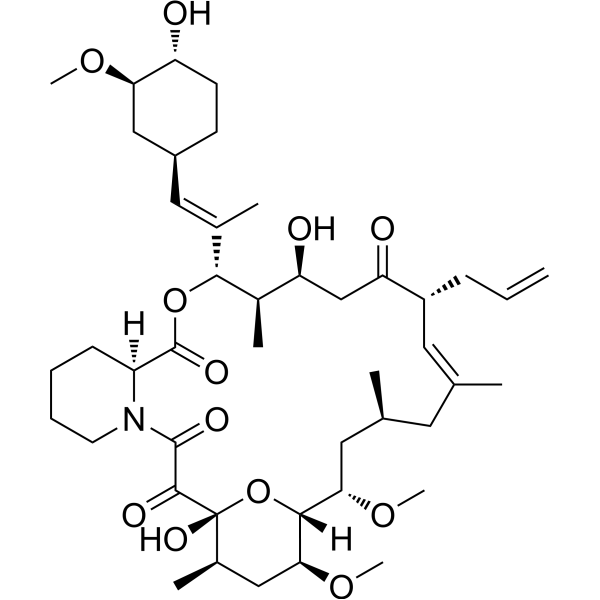
  • HY-13756
    Tacrolimus
    100+ Cited Publications

    FK506; Fujimycin; FR900506

    Phosphatase FKBP Bacterial Autophagy Antibiotic Infection Inflammation/Immunology Cancer
    Tacrolimus (FK506), a macrocyclic lactone, binds to FK506 binding protein (FKBP) to form a complex. Tacrolimus inhibits calcineurin phosphatase, which inhibits T-lymphocyte signal transduction and IL-2 transcription. Immunosuppressive properties .
    Tacrolimus
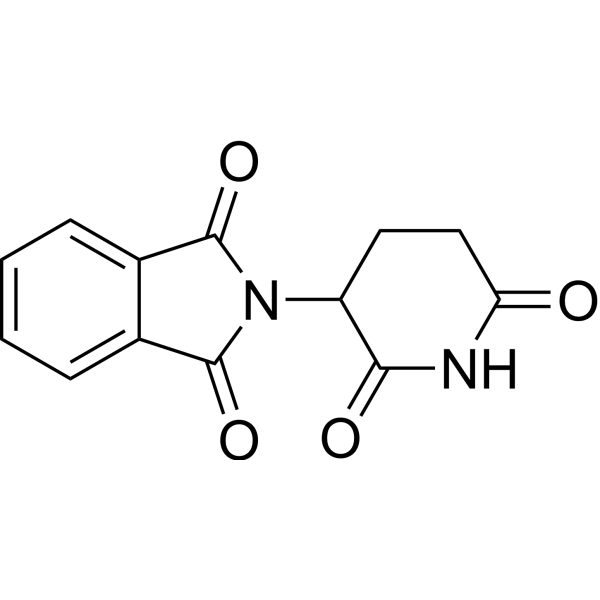
  • HY-14658
    Thalidomide
    20+ Cited Publications

    Ligands for E3 Ligase Autophagy Apoptosis Molecular Glues Inflammation/Immunology Cancer
    Thalidomide inhibits cereblon (CRBN), a part of the cullin-4 E3 ubiquitin ligase complex CUL4-RBX1-DDB1, with a Kd of ∼250 nM, and has immunomodulatory, anti-inflammatory and anti-angiogenic cancer properties. Thalidomide can work as molecular glue to potentiate substrate.
    Thalidomide
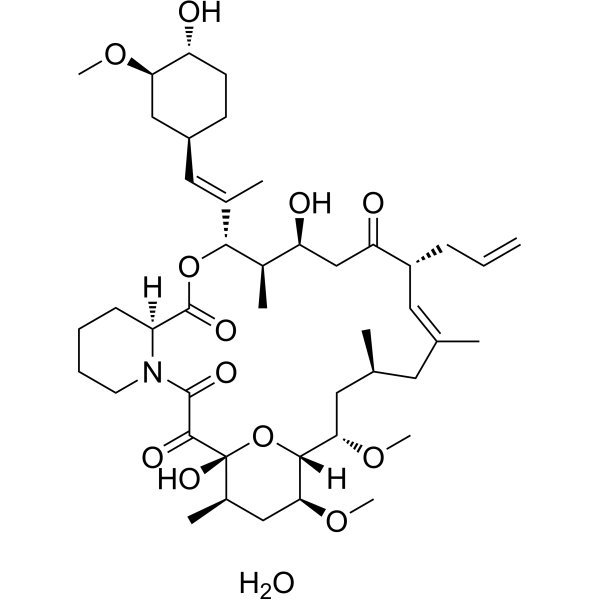
  • HY-13756A
    Tacrolimus monohydrate
    100+ Cited Publications

    FK506 monohydrate; Fujimycin monohydrate; FR900506 monohydrate

    Phosphatase FKBP Autophagy Bacterial Antibiotic Infection Inflammation/Immunology Cancer
    Tacrolimus monohydrate (FK506 monohydrate), a macrocyclic lactone, binds to FK506 binding protein (FKBP) to form a complex and inhibits calcineurin phosphatase, which inhibits T-lymphocyte signal transduction and IL-2 transcription. Immunosuppressive properties .
    Tacrolimus monohydrate
  • HY-B0278
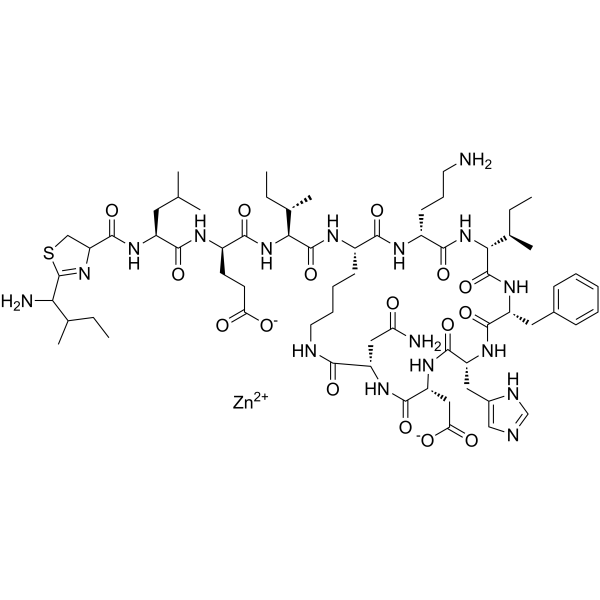
    Bacitracin Zinc
    1 Publications Verification

    Zinc bacitracin

    Environmental Pollutants Antibiotic Bacterial Infection
    Bacitracin Zinc is a complex formed by the binding of Bacitracin (HY-107193) with zinc ions. Bacitracin Zinc is an orally active polypeptide antibiotic with bactericidal properties. Bacitracin Zinc can cause DNA and deoxyribose damage, as well as improve the gut microbiota of broiler and beef cattle .
    Bacitracin Zinc
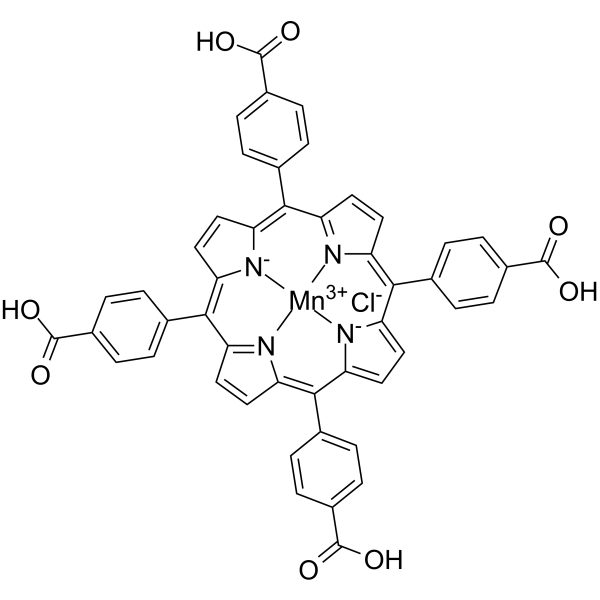
  • HY-126397
    MnTBAP chloride
    5+ Cited Publications

    NF-κB Inflammation/Immunology
    MnTBAP chloride is a superoxide dismutase (SOD) mimetic and peroxynitrite scavenger. MnTBAP chloride is a manganic porphyrin complex and has anti-oxidative property. MnTBAP chloride mediates anti-inflammatory effects through upregulation of BMPR-II and inhibition of the NFκB signaling. MnTBAP chloride has the potential for the fibrotic response in chronic kidney diseases (CKDs) research .
    MnTBAP chloride
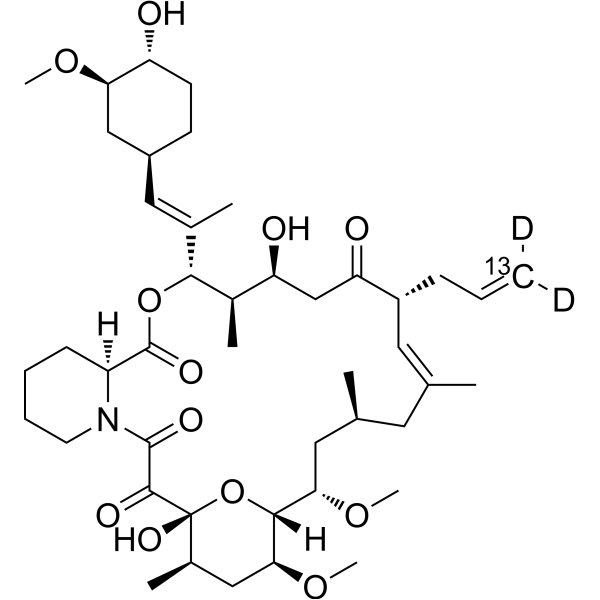
  • HY-13756S
    Tacrolimus-13C,d2
    1 Publications Verification

    FK506-13C,d2; Fujimycin-13C,d2; FR900506-13C,d2

    Phosphatase FKBP Bacterial Autophagy Antibiotic Infection Inflammation/Immunology Cancer
    Tacrolimus- 13C,d2 is a 13C-labeled and deuterium labeled Tacrolimus. Tacrolimus (FK506), a macrocyclic lactone, binds to FK506 binding protein (FKBP) to form a complex. Tacrolimus inhibits calcineurin phosphatase, which inhibits T-lymphocyte signal transduction and IL-2 transcription. Immunosuppressive properties .
    Tacrolimus-13C,d2
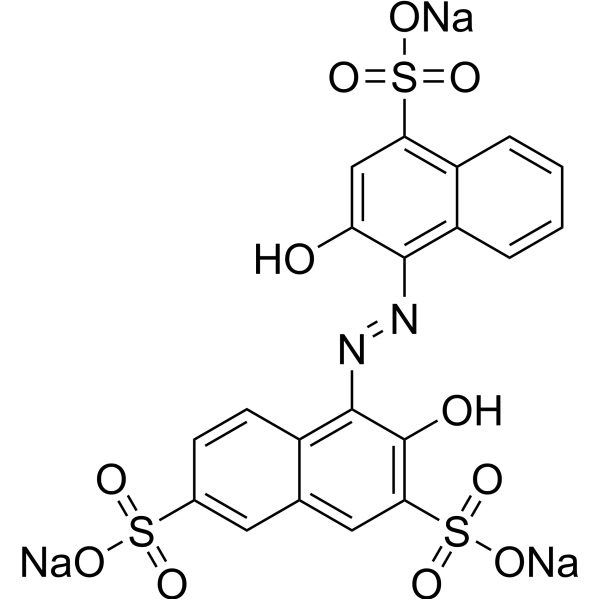
  • HY-D1247

    Biochemical Assay Reagents Others
    Hydroxynaphthol Blue is an azo dye and serves as a metal indicator. Hydroxynaphthol Blue binds to specific metal ions to form stable complexes with distinct color and fluorescence properties. Hydroxynaphthol Blue is used for the visual monitoring of isothermal nucleic acid amplification results. A visible color difference appears between positive and negative nucleic acid amplification reactions, allowing result discrimination by the naked eye without opening the reaction tube .
    Hydroxynaphthol Blue
  • HY-145795

    Liposome Others
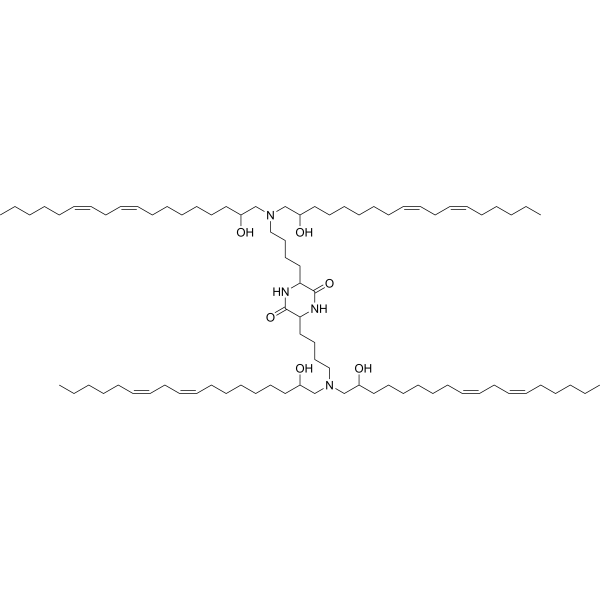
    OF-02 is an ionizable lipid for mRNA delivery and a key component of lipid nanoparticles (LNPs). OF-02 is protonated in the acidic endosomal environment to promote endosomal escape of mRNA and efficiently induce protein expression in target cells. OF-02 relies on the pH-responsive membrane fusion properties to form a complex with mRNA and destroy the endosomal membrane structure to achieve mRNA release in the cytoplasm. OF-02 is mainly used in the development of mRNA vaccines, gene editing, and protein replacement therapy[1][2][3].
    OF-02
  • HY-132848

    Vimdemer

    Biochemical Assay Reagents Drug Intermediate Cancer
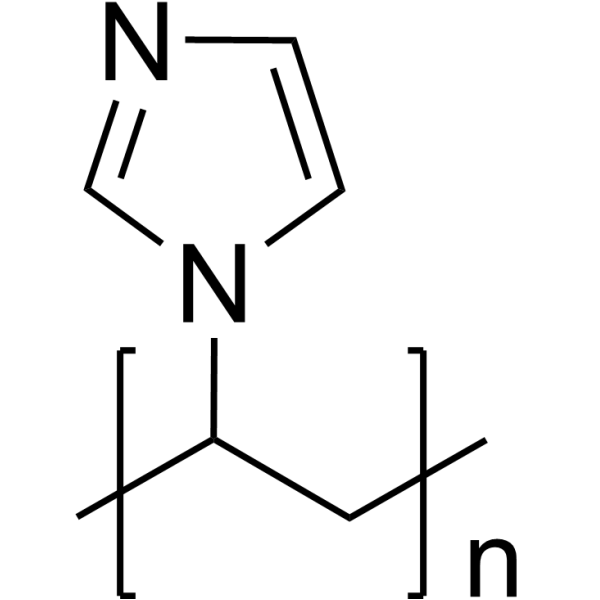
    Polyvinylimidazole (Vimdemer) is a weakly alkaline polyelectrolyte. Polyvinylimidazole can form an anticancer complex with Cadmium chloride. Polyvinylimidazole can be used as a model polyelectrolyte to study the adsorption properties of various minerals .
    Polyvinylimidazole
  • HY-13756R

    FK506 (Standard); Fujimycin (Standard); FR900506 (Standard)

    Reference Standards Phosphatase FKBP Bacterial Autophagy Antibiotic Infection Inflammation/Immunology Cancer
    Tacrolimus (Standard) is the analytical standard of Tacrolimus. This product is intended for research and analytical applications. Tacrolimus (FK506), a macrocyclic lactone, binds to FK506 binding protein (FKBP) to form a complex. Tacrolimus inhibits calcineurin phosphatase, which inhibits T-lymphocyte signal transduction and IL-2 transcription. Immunosuppressive properties .
    Tacrolimus (Standard)
  • HY-P99638

    ALXN-1720

    Complement System Inflammation/Immunology
    Gefurulimab (ALXN-1720) is a high-affinity antibody inhibitor targeting complement protein C5, which can specifically bind to C5 and inhibit its cleavage into C5a and C5b. Gefurulimab can block the activation of the terminal complement pathway and reduce inflammatory damage. Gefurulimab can effectively reduce the formation of membrane attack complex (MAC) and has good pharmacokinetic properties. Gefurulimab can be used to study kidney and autoimmune diseases related to abnormal activation of the complement system, such as IgA nephropathy, lupus nephritis, and myasthenia gravis .
    Gefurulimab
  • HY-D0876

    Biochemical Assay Reagents Others
    POPSO is a zwitterionic buffer, increases osmolality and shows marked inhibition of anion uniport. POPSO inhibits chloride uniport with an IC50 value of 24 mM. POPSO enhances copper uptake and toxicity in alga, impairs mitochondrial inner membrane. The working pH range of POPSO sesquisodium salt is 7.2-8.5 .
    POPSO
  • HY-B1250

    Biochemical Assay Reagents Cancer
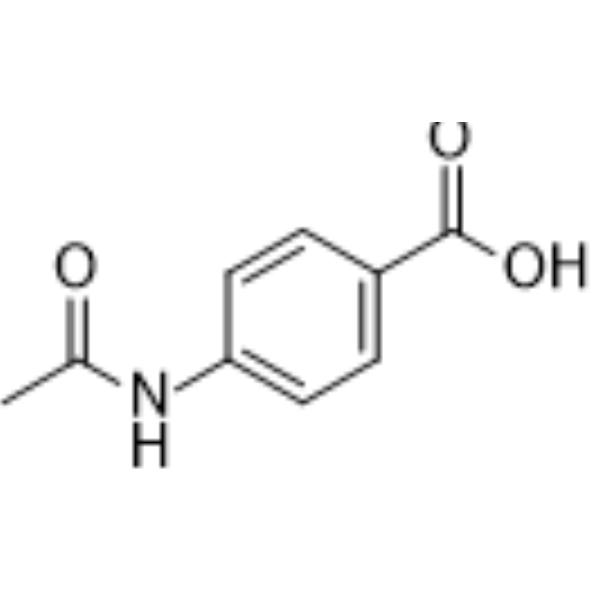
    Acedoben is a biochemical agent. Acedoben and iron ions can construct a fast self-assembled coordination complex. The Fe-Ace coordination complex can not only serve as a carrier of tumor antigens, but also enhance antigen-specific anti-tumor immunity due to its inherent adjuvant properties .
    Acedoben
  • HY-W127820

    Tetrakis(2-N-methylpyridyl)porphine chloride

    Biochemical Assay Reagents Fluorescent Dye Others
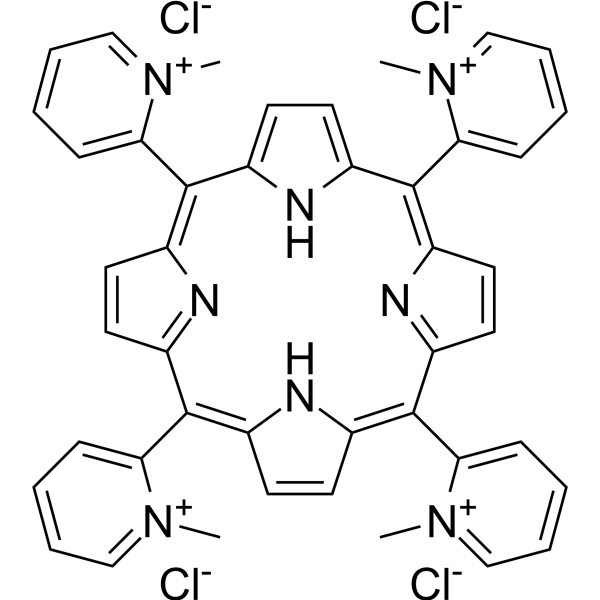
    H2TMpyP-2 (tetrakis(2-N-methylpyridyl)porphine) chloride is an active photosensitizer with strong absorption properties in the visible to near-infrared region and excellent singlet oxygen quantum yield. Captisol-TMPyP complexes can be used in supramolecular nanosynthesis to increase singlet oxygen production, improve photostability and better photosensitization, and support photodynamic therapy activity. The Captisol:TMPyP complex also exhibited antibacterial activity against Escherichia coli and was cytotoxic against lung cancer A549 cells .
    H2TMpyP-2 chloride
  • HY-13756S2

    FK506-d3; Fujimycin-d3; FR900506-d3

    Isotope-Labeled Compounds Autophagy FKBP Bacterial Antibiotic Phosphatase Infection Inflammation/Immunology Cancer
    Tacrolimus-d3 (FK506-d3) is deuterium labeled Tacrolimus. Tacrolimus (FK506), a macrocyclic lactone, binds to FK506 binding protein (FKBP) to form a complex. Tacrolimus inhibits calcineurin phosphatase, which inhibits T-lymphocyte signal transduction and IL-2 transcription. Immunosuppressive properties .
    Tacrolimus-d3
  • HY-14658R

    Ligands for E3 Ligase Autophagy Apoptosis Reference Standards Inflammation/Immunology Cancer
    Thalidomide (Standard) is the analytical standard of Thalidomide. This product is intended for research and analytical applications. Thalidomide inhibits cereblon (CRBN), a part of the cullin-4 E3 ubiquitin ligase complex CUL4-RBX1-DDB1, with a Kd of ∼250 nM, and has immunomodulatory, anti-inflammatory and anti-angiogenic cancer properties. Thalidomide can work as molecular glue to potentiate substrate.
    Thalidomide (Standard)
  • HY-W035133

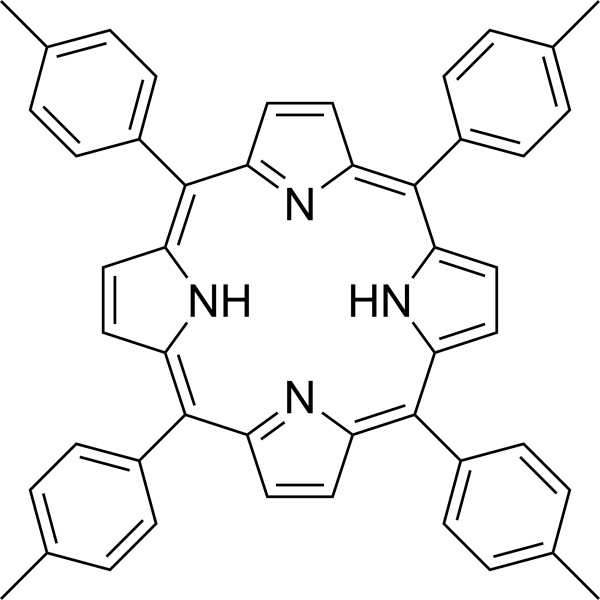
    5,10,15,20-Tetra-p-tolyl-21H,23H-porphine

    MOFs Others
    5,10,15,20-Tetrakis(p-tolyl)porphyrin (TTP) is an organic compound belonging to the class of porphyrins, a cyclic molecule composed of four pyrrole rings linked together. TTP is a synthetic porphyrin commonly used as a sensitizer for dye-sensitized solar cells and a catalyst for organic reactions. Due to its unique structure, TTP has a series of interesting properties, including at specific wavelengths and its potential as a catalyst for various chemical reactions. In dye-sensitized solar cells, TTPs help convert sunlight into electricity by absorbing photons and transferring electrons to the semiconductor layer of the device. In organic chemistry, TTP is often used as a catalyst for various organic compounds in reactions such as oxidation and reduction. Its ability to selectively bind certain substrates makes it a useful tool for synthesizing complex molecules and studying their properties.
    5,10,15,20-Tetrakis(p-tolyl)porphyrin
  • HY-W014159

    Biochemical Assay Reagents Others
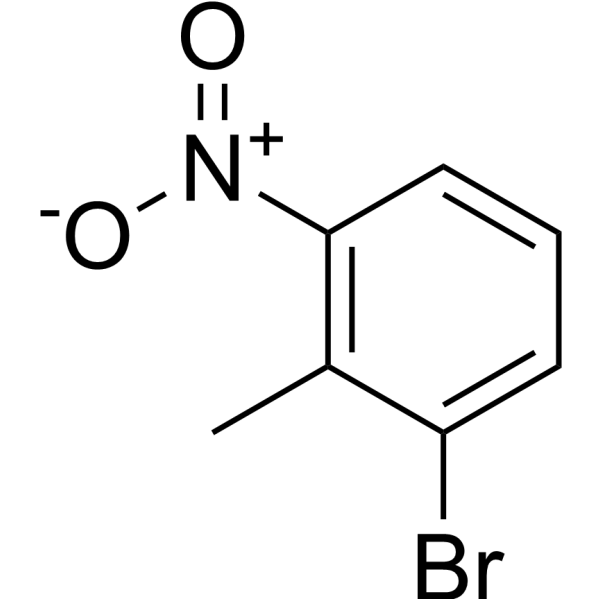
    1-Bromo-2-methyl-3-nitrobenzene is an organic synthesis intermediate. 1-Bromo-2-methyl-3-nitrobenzene participates in chemical reactions such as electrophilic substitution and coupling through the bromine atom and nitro group in the molecule, and acts as a synthetic precursor. 1-Bromo-2-methyl-3-nitrobenzene can construct complex molecular structures by relying on the leaving property of bromine and the electron-withdrawing property of nitro group, and can be used in the synthesis of benzimidazole VISTA inhibitors in medicinal chemistry .
    1-Bromo-2-methyl-3-nitrobenzene
  • HY-P11358

    Angiotensin-converting Enzyme (ACE) Acetyl-CoA Carboxylase Mitochondrial Metabolism Inflammation/Immunology
    IRW is an orally active tripeptide produced from egg white with angiotensin converting enzyme (ACE) inhibitory properties. IRW can prevent high-fat diet (HFD)-induced Non-alcoholic fatty liver disease (NAFLD) by modulating hepatic lipid metabolism and increasing mitochondrial content. IRW decreases hepatic triglyceride content and lipid droplet size. IRW increases the hepatic mitochondrial complexes and citrate synthase activity, phosphorylation of 5’-AMP-activated protein kinase and microsomal triglyceride transfer protein abundance. IRW increases phosphorylated acetyl CoA carboxylase and mitochondrial complexes, IRW can be used for the research of inflammation .
    IRW
  • HY-150177

    Drug Intermediate Metabolic Disease
    Mannose 6 phosphate is an essential precursor for mannosyl glycoconjugates, including lipid-linked oligosaccharides (LLO; glucose3mannose9GlcNAc2-P-P-dolichol) used for protein N-glycosylation. Mannose 6 phosphate causes specific LLO cleavage. Mannose 6 phosphate causes specific degradation of G3M9Gn2-P-P-Dol. Complexes containing Mannose 6 phosphate can remodel the dermal collagen network, improve skin biomechanical properties, and reverse visible signs of aging. Mannose 6 phosphate can be used in research related to skin aging .
    Mannose 6 phosphate
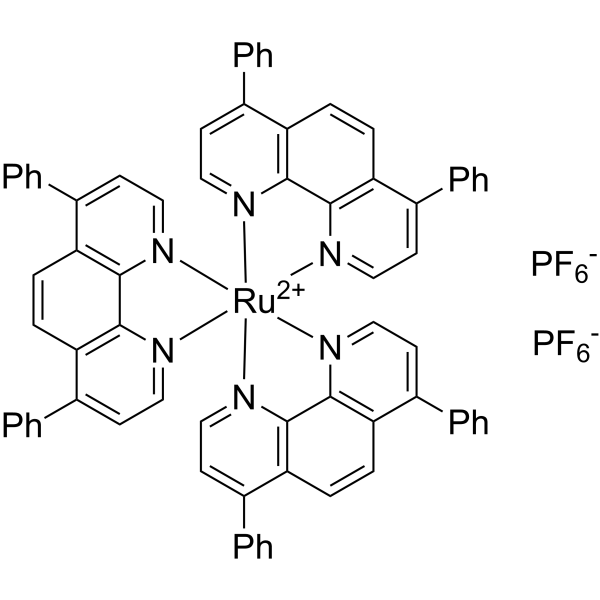
  • HY-W127832
    Ru(dpp)3(PF6)2
    1 Publications Verification

    Fluorescent Dye Others
    Ru(dpp)3(PF6)2 is a complex containing metallic ruthenium (Ru) and is a chemiluminescent oxygen probe. [Ru(dpp)3] 2+ is a luminescent substance that can undergo metal-to-ligand charge transfer (MLCT), and fluorescence will appear during the transfer of Ru to the ligand. At the same time, the fluorescence of Ru(dpp)3(PF6)2 is effectively quenched by molecular oxygen, so it is widely used in biosensors, environmental monitoring, and materials science. The property of Ru(dpp)3(PF6)2, which oxidizes Ru 2+ to Ru 3+, has also been used to design and construct solid-state light-emitting electrochemical cells .
    Ru(dpp)3(PF6)2
  • HY-170524

    SARS-CoV DNA Methyltransferase Cytochrome P450 Infection
    TDI-015051 is a highly selective, orally active antiviral agent that targets the coronavirus NSP14 guanine-N7 methyltransferase. TDI-015051 binds to substrates in a non-competitive manner and forms a stable ternary complex, precisely blocking the capping and methylation processes of viral mRNA. TDI-015051 potently inhibits a variety of coronaviruses (including SARS-CoV-2 and MERS). By impairing viral replication and translation and inducing a moderate type I interferon-mediated immune response, it significantly reduces pulmonary viral load and exhibits a synergistic effect with Nirmatrelvir (HY-138687). In addition, TDI-015051 does not inhibit non-coronavirus methyltransferases, and the drug-resistant mutations it induces impair viral fitness, demonstrating excellent antiviral properties and safety. TDI-015051 can be used for research on COVID-19 and the replication mechanism of coronaviruses .The IC50 values of TDI-015051 against SARS-CoV-2, α-hCoV-NL63, α-hCoV-229E, β-hCoV-MERS are 0.15 nM, 1.7 nM, 2.6 nM and 3.6 nM, respectively, and the Ka value against SARS-CoV-2 is 0.061 nM .
    TDI-015051
  • HY-N6706

    Bacterial Acyltransferase Apoptosis Infection Cancer
    Enniatin complex is a mixture of cyclohexadepsipeptides isolated largely from Fusarium species of fungi, and has ionophoric, antibiotic, and in vitro hypolipidaemic properties. Enniatin complex inhibits enzymes like acyl-CoA: cholesterol acyl transferase and induces apoptosis in several cancer lines .
    Enniatin complex
  • HY-B1250A

    Biochemical Assay Reagents Cancer
    Acedoben sodium is the sodium salt form of Acedoben. Acedoben and iron ions can construct a rapidly self-assembled coordination complex, and the Fe-Ace coordination complex can not only serve as a carrier of tumor antigens, but also enhance antigen-specific anti-tumor immunity due to its inherent adjuvant properties .
    Acedoben sodium
  • HY-105454

    Wy-42362

    Sodium Channel Cardiovascular Disease
    Recainam (Wy-42362) is an orally active anti-arrhythmic agent with Class I electrophysiological properties. Recainam suppresses complex ventricular arrhythmias. Racainam exhibits a good pharmacokinetic character in Sprague Dawley rats .
    Recainam
  • HY-14658S

    Molecular Glues Ligands for E3 Ligase Autophagy Apoptosis Inflammation/Immunology Cancer
    Thalidomide-d4 is a deuterium labeled Thalidomide. Thalidomide inhibits cereblon (CRBN), a part of the cullin-4 E3 ubiquitin ligase complex CUL4-RBX1-DDB1, with a Kd of ~250 nM, and has immunomodulatory, anti-inflammatory and anti-angiogenic cancer properties .
    Thalidomide-d4
  • HY-174613

    mRNA Inflammation/Immunology
    Human IL27 mRNA encodes the human interleukin 27 (IL27) protein, one of the subunits of a heterodimeric cytokine complex. IL-27 has pro- and anti-inflammatory properties, that can regulate T-helper cell development, suppress T-cell proliferation, stimulate cytotoxic T-cell activity and induce isotype switching in B-cells.
    Human IL27 mRNA
  • HY-W004617

    4,4',4''-(1,3,5-Triazine-2,4,6-triyl)tribenzoic acid

    MOFs Others
    2,4,6-Tris(4-carboxyphenyl)-1,3,5-triazine (4,4',4''-(1,3,5-Triazine-2,4,6-triyl) tribenzoic acid) is a metal-organic framework. 2,4,6-Tris(4-carboxyphenyl)-1,3,5-triazine is a C3-symmetric organic ligand with temperature-sensitive ratioluminescent properties. Complexes derived from 2,4,6-Tris(4-carboxyphenyl)-1,3,5-triazine exhibit strong emissivity and can be used for highly sensitive ratiometric fluorescent temperature sensing .
    2,4,6-Tris(4-carboxyphenyl)-1,3,5-triazine
  • HY-W013327

    Biochemical Assay Reagents Others
    Cyclohexyldiphenylphosphine is a chemical compound commonly used as a ligand in coordination chemistry and organometallic synthesis. Cyclohexyldiphenylphosphine facilitates various catalytic reactions through acting as a stabilizing agent. Cyclohexyldiphenylphosphine is a ligand for some nickel(II) complexes. Cyclohexyldiphenylphosphine exhibits anti-cancer properties against SNO cancer cells when formed complex with silver .
    Cyclohexyldiphenylphosphine
  • HY-W131302

    N,N-Ethylenediglycine

    Endogenous Metabolite Cancer
    Ethylenediaminediacetic acid (N,N-Ethylenediglycine) is an important ligand that enhances the antiproliferative activity of metal complexes. The complexes formed by ethylenediacetic acid and metal ions exhibited significant antiproliferative properties in MCF-7 cancer cell line. The metal complexes of ethylenediacetic acid were able to interact with DNA and were studied by CD and EPR spectroscopy techniques. Ethylenediaminediacetic acid and its metal complexes were able to induce cell cycle arrest at the G(0)/G(1) phase. The crystal structure analysis of ethylenediacetic acid provided important structural information for understanding its biological activity .
    Ethylenediaminediacetic acid
  • HY-114865

    RGS Protein Calcium Channel Neurological Disease
    BMS-192364 is targeting the Gα-RGS interaction to produce an inactive Gα-RGS complex. BMS-192364 reduces urinary bladder contraction and exert RGS-agonist properties by increasing the action of GAPs on Gq proteins. BMS-192364 inhibits calcium flux .
    BMS-192364
  • HY-D2987

    Fluorescent Dye Bacterial Others
    BacGO is a highly selective, wash free fluorescent probe for Gram positive bacteria. BacGO binds to the carbohydrate structure in peptidoglycan through boric acid and exhibits depolymerization induced luminescence (DIE) properties. BacGO can be used for imaging complex environmental samples (such as activated sludge) and flat plate bacteria without affecting bacterial activity .
    BacGO
  • HY-D0223

    1-Pyridylazo-2-naphthol

    Biochemical Assay Reagents Others
    1-(2-Pyridylazo)-2-naphthol (1-Pyridylazo-2-naphthol) is an azo compound. 1-(2-Pyridylazo)-2-naphthol can be used as a chelating precipitant, flocculant, auxiliary complexing agent, and as a ligand for anchoring on other supports with the purpose of introducing chelating property .
    1-(2-Pyridylazo)-2-naphthol
  • HY-114133

    Radionuclide-Drug Conjugates (RDCs) Somatostatin Receptor Cancer
    Depreotide is a nove tumor tarcer, can be complexed with technetium-99m ( 99mTc-depreotide) for optimal imaging properties. 99mTc-depreotide somatostain receptor imaging has been playing an important role in medical diagnosis research . Depreotide can be used for the synthesis/research of Radionuclide-Drug Conjugates (RDCs).
    Depreotide
  • HY-106981

    OR 1384

    NADPH Oxidase Reactive Oxygen Species (ROS) Apoptosis NF-κB NO Synthase STAT Inflammation/Immunology
    Orazipone (OR 1384) is a small molecule immunomodulator with strong anti-inflammatory properties. Orazipone exerts its immunomodulatory effect by forming reversible thiol complexes, which bind to intracellular signaling proteins and the thiol groups of glutathione. Orazipone exhibits potent anti-eosinophilic activity by inducing apoptosis. Orazipone inhibits activation of inflammatory transcription factors NF-kB and STAT 1 and decreases inducible iNOS expression and NO production in response to inflammatory stimuli. Orazipone reduces NADPH oxidase activity and thereby decreases ROS production. Orazipone has a protective effect in intestinal radiation injury .
    Orazipone
  • HY-169987

    Fungal Infection
    bc1 Complex-IN-1 (compound 12g) is a potent bc1 complex inhibitor. bc1 Complex-IN-1 shows fungicidal properties against Cucumber downy mildew (CDM) .
    bc1 Complex-IN-1
  • HY-105454A

    Wy-42362 hydrochloride

    Sodium Channel Cardiovascular Disease
    Recainam (Wy-42362) hydrochloride is an orally active anti-arrhythmic agent with Class I electrophysiological properties. Recainam suppresses complex ventricular arrhythmias. Racainam hydrochloride exhibits a good pharmacokinetic character in Sprague Dawley rats .
    Recainam hydrochloride
  • HY-135765

    Others Cancer
    Micordilin is a complex Elemanolide-like compound isolated from the medicinal plant Mikania cordifolia. Micordilin is an endogenous hemiacetal of C-14-acetylated dialdehyde elemanolide. Micordilin has antitumor dilactone properties and can be used in the study of antitumor activity .
    Micordilin
  • HY-100760S

    Xanthothricin-13C4; Toxoflavine-13C4; PKF-118-310-13C4

    Isotope-Labeled Compounds β-catenin Bacterial Antibiotic Infection Cancer
    Toxoflavin- 13C4 is the 13C-labeled Toxoflavin. Toxoflavin (Xanthothricin) is an antagonist of transcription factor 4 (TCF4)/β-catenin complex, also acts as an inhibitor of KDM4A, with antitumor activity . Antibiotic properties.
    Toxoflavin-13C4
  • HY-W598230A

    Biochemical Assay Reagents Others
    m-PEG2000-NH2 hydrochloride is a barrier permeation compound involved in the preparation of hybrid gels with adsorption and size exclusion chromatography (AdSEC) properties. m-PEG-NH2 helps AdSEC gels separate from complex biological mixtures such as blood, urine, sweat, and tears.
    m-PEG2000-NH2 hydrochloride
  • HY-B0278R

    Zinc bacitracin (Standard)

    Reference Standards Bacterial Antibiotic Infection
    Bacitracin Zinc (Standard) is the analytical standard of Bacitracin Zinc (HY-B0278). Bacitracin Zinc (Standard) is a complex formed by the binding of Bacitracin (HY-107193) with zinc ions. Bacitracin Zinc (Standard) is an orally active polypeptide antibiotic with bactericidal properties. Bacitracin Zinc (Standard) can cause DNA and deoxyribose damage, as well as improve the gut microbiota of broiler and beef cattle .
    Bacitracin Zinc (Standard)
  • HY-169083

    Apoptosis Bcl-2 Family Cancer
    Bcl-2-IN-22 (compound 1) is a gold(I) NHC complex with anticancer activity. Bcl-2-IN-22 induces apoptosis via the mitochondrial pathway with an IC50 value of 0.014 μM. In addition, Bcl-2-IN-22 targets BCL-2 family members and exhibits pro-apoptosis and resensitization properties in multidrug-resistant leukemia cells that overexpress BCL-2 .
    Bcl-2-IN-22
  • HY-W075744

    Biochemical Assay Reagents Endogenous Metabolite
    SK-J002-1n is a highly efficient catalyst with excellent cross-coupling reaction activity. SK-J002-1n is widely used in organic synthesis to construct complex molecular structures. The chiral properties of SK-J002-1n make it play an important role in the pharmaceutical industry and provide support for the synthesis of chiral compounds. SK-J002-1n can significantly improve the conversion efficiency and is an important component of transition metal catalysts.
    SK-J002-1n
  • HY-138185

    SF 2738A

    Bacterial Apoptosis Cancer
    Collismycin A is a bacterial metabolite originally isolated from Streptomyces that has diverse biological activities, including antibacterial, antiproliferative, and neuroprotective properties. It is active against a variety of bacteria (MICs=6.25 and 100 μg/mL) and fungi (MICs=12.5-100 μg/mL). It inhibits proliferation of A549 lung, HCT116 colon, and HeLa cervical cancer cells (IC50s=0.3, 0.6, and 0.3 μM, respectively) and NIH373 fibroblasts (IC50=56.6 μM) but not MDA-MD-231 breast cancer cells (IC50=>100 μM). Collismycin A forms a complex with Fe(II) and Fe(III) at a 2:1 ratio, and the addition of iron ions inhibits the antiproliferative effect of collismycin A on HeLa cells, an effect that does not occur with the addition of zinc, manganese, copper, or magnesium ions.3 Collismycin A (1 μM) prevents apoptosis in the brain region of zebrafish larvae in a model of neuronal cell death induced by all-trans retinoic acid.
    Collismycin A
  • HY-B1250R

    Biochemical Assay Reagents Reference Standards Cancer
    Acedoben (Standard) is the analytical standard of Acedoben. This product is intended for research and analytical applications. Acedoben is a biochemical agent. Acedoben and iron ions can construct a fast self-assembled coordination complex. The Fe-Ace coordination complex can not only serve as a carrier of tumor antigens, but also enhance antigen-specific anti-tumor immunity due to its inherent adjuvant properties .
    Acedoben (Standard)
  • HY-P11743

    Biochemical Assay Reagents Reactive Oxygen Species (ROS) Metabolic Disease
    Mitochondrial penetrating peptide is a peptide sequence (FrFKFrFK-CONH2) that selectively transports cargo into mitochondria. Mitochondrial penetrating peptide possesses special physicochemical properties, enabling it to selectively translocate dinuclear Ru (II) polypyridine complexes into mitochondria of living mammalian cells without the aid of solvents or membrane permeabilization treatments, thus achieving precise mitochondrial localization and enrichment of the complexes while excluding their distribution in the nucleus. Mitochondrial penetrating peptide enables dynamic monitoring of mitochondrial oxygen concentration and ROS production in living mammalian cells via changes in the luminescence lifetime of the coupled Ru (II) complex .
    Mitochondrial penetrating peptide
  • HY-105454R

    Wy-42362 (Standard)

    Reference Standards Others Cardiovascular Disease
    Recainam (Standard) is the analytical standard of Recainam. This product is intended for research and analytical applications. Recainam (Wy-42362) is an orally active anti-arrhythmic agent with Class I electrophysiological properties. Recainam suppresses complex ventricular arrhythmias. Racainam exhibits a good pharmacokinetic character in Sprague Dawley rats .
    Recainam (Standard)
  • HY-N19041

    Bacterial Infection Inflammation/Immunology
    The active ingredients in Eurycoma longifolia extract include quassinolides (such as tongkatarin), alkaloids, triterpenoids, complex peptides, and saponins. Eurycoma longifolia extract possesses antioxidant, anti-inflammatory, and antibacterial properties, helping to enhance overall immunity and reduce inflammation. Eurycoma longifolia extract is also being used in research to improve athletic performance, promote sexual health, and alleviate fatigue.
    Eurycoma longifolia extract
  • HY-177153

    Drug Derivative Others
    Allantoin calcium pantothenate is a complex formed by Allantoin (HY-N0543) and Calcium pantothenate (HY-N0681). Allantoin calcium pantothenate has protective, anti-irritant, soothing and moisturizing properties. Allantoin calcium pantothenate can be safely used as an anti-irritant, wound healing agent and conditioning agent. Allantoin calcium pantothenate can be incorporated at 0.2-2% in most formulations. Allantoin calcium pantothenate can be used in cosmetics-related research .
    Allantoin calcium pantothenate
  • HY-W150770

    Isophthalic acid diamide

    Drug Intermediate Others
    Isophthalamide (Isophthalic acid diamide) is a widely used chemical scaffold for the design of high-performance fluorescent chemosensors.Isophthalamide, with its inherent hydrogen-bond-donating properties and tunable chelating cavity, enables highly selective recognition and detection of various analytes ranging from inorganic ions to complex organic molecules.Isophthalamide can be incorporated with various fluorophores to develop sensors displaying “turn-on” or “turn-off” signal responses.Isophthalamide-based sensors are thus capable of detecting diverse analytes including metal ions, anions, neutral molecules, pharmaceuticals, and explosives .
    Isophthalamide

Inquiry Online

Your information is safe with us. * Required Fields.

Salutation


Country or Region *

Applicant Name *


Organization Name *

Department *


Email Address *


Product Name *

Cat. No.


Requested quantity *

Phone Number *


Remarks

Inquiry Online

Inquiry Information

Product Name:
Cat. No.:
Quantity:
MCE Japan Authorized Agent:

