


1. Search Result
Search Result
Results for "

cutaneous

" in MedChemExpress (MCE) Product Catalog:

126

Inhibitors & Agonists

1

Screening Libraries

1

Fluorescent Dye

1

Biochemical Assay Reagents

6

Peptides

8

Inhibitory Antibodies

19

Natural
Products

8

Recombinant Proteins

6

Isotope-Labeled Compounds

3

Antibodies

1

Click Chemistry

3

Oligonucleotides

Cat. No. Product Name Target Research Areas Chemical Structure
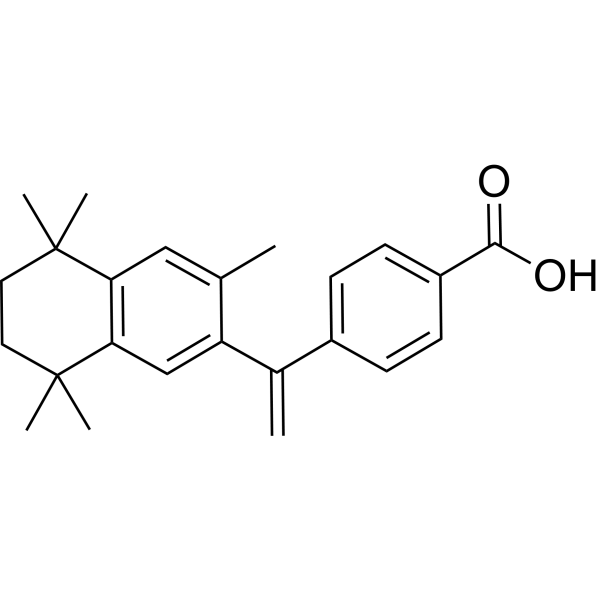
  • HY-14171
    Bexarotene
    20+ Cited Publications

    LGD1069

    RAR/RXR Autophagy Cancer
    Bexarotene (LGD1069) is a high-affinity and selective retinoid X receptors (RXR) agonist with EC50s of 33, 24, 25 nM for RXRα, RXRβ, and RXRγ, respectively. Bexarotene shows limited affinity for RAR receptors (EC50 >10000 nM) . Bexarotene can be used for the research of cutaneous T-cell lymphoma.
    Bexarotene
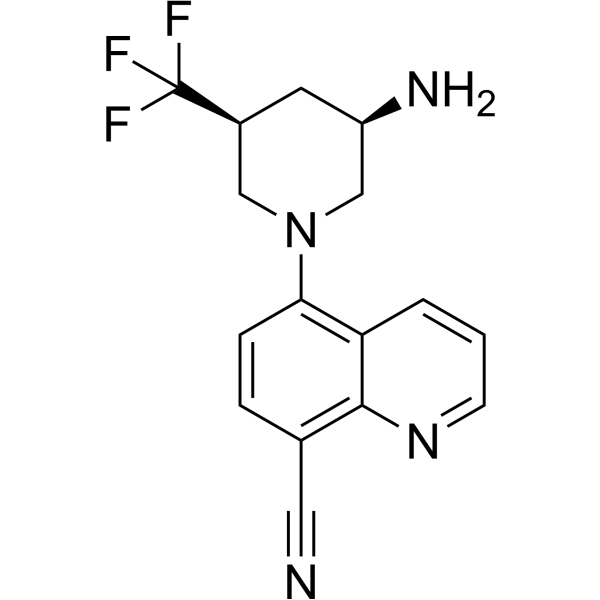
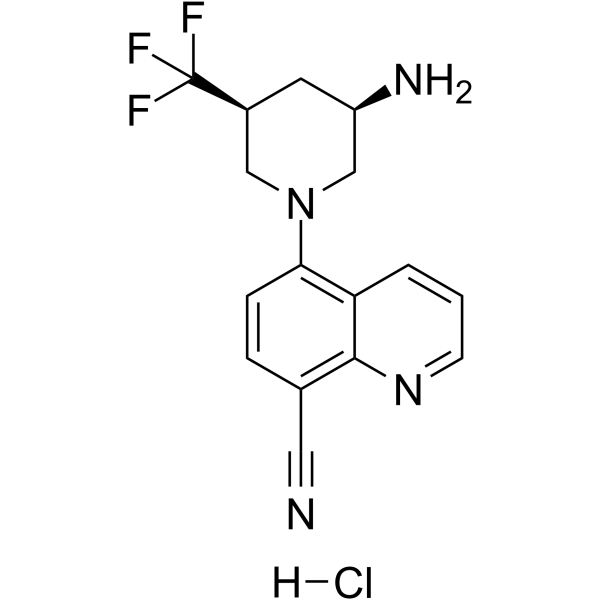
  • HY-156730

    Molecular Glues STAT Cancer
    KT-333 is a molecular glues that degrades STAT3 protein. KT-333 mediates the selective degradation of STAT3 through the ubiquitin-proteasome system by binding to STAT3 protein and E3 ubiquitin ligase von Hippel-Lindau protein (VHL). KT-333 has strong selectivity for STAT3 protein degradation and good antitumor activity. KT-333 can be used in the study of hematologic malignancies such as large granular lymphocytic leukemia (LGL-L), peripheral T-cell lymphoma (PTCL), and cutaneous T-cell lymphoma (CTCL) .
    KT-333
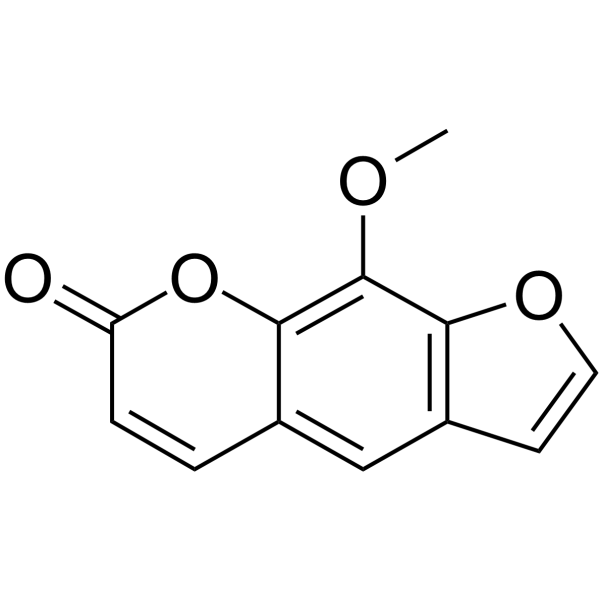
  • HY-30151
    Methoxsalen
    Maximum Cited Publications
    17 Publications Verification

    8-Methoxypsoralen; Xanthotoxin; 8-MOP

    Cytochrome P450 Inflammation/Immunology Cancer
    Methoxsalen (8-Methoxypsoralen) is a furanocoumarin compound used in psoralen, used in studies of psoriasis, eczema, vitiligo and some sun-exposed cutaneous lymphomas, and is a P450 inhibitor.
    Methoxsalen
  • HY-N1389

    Carmine red

    Fluorescent Dye Inflammation/Immunology Cancer
    Carmine (Carmine red), a natural red dye extracted from the dried females of the insect Dactylopius coccus var. Costa (cochineal). Carmine is a widely used food additive. Carmine provokes both an immediate hypersensitivity and a delayed systemic response with cutaneous expression .
    Carmine
  • HY-145588

    INCB54707

    JAK Inflammation/Immunology
    Povorcitinib (INCB54707) is a potent and selective JAK1 inhibitor that effectively reduces abscesses and inflammatory nodules. Povorcitinib is used to study cutaneous lupus erythematosus (CLE) and lichen planus (LP) .
    Povorcitinib
  • HY-P990717

    IMC-F106C

    CD3 Cancer
    Brenetafusp is a TCR/anti-CD3 bispecific fusion protein, consisting of a TCR targeting the PRAME peptide and an anti-CD3 scFv effector domain. Brenetafusp redirects CD3 + T cells to kill PRAME + tumor cells. Brenetafusp can be used in research related to cutaneous melanoma, non-small cell lung cancer, ovarian cancer, endometrial cancer, triple-negative breast cancer, and small cell lung cancer .
    Brenetafusp
  • HY-135982
    GPR81 agonist 1
    4 Publications Verification

    Hydroxycarboxylic Acid Receptor (HCAR) Metabolic Disease
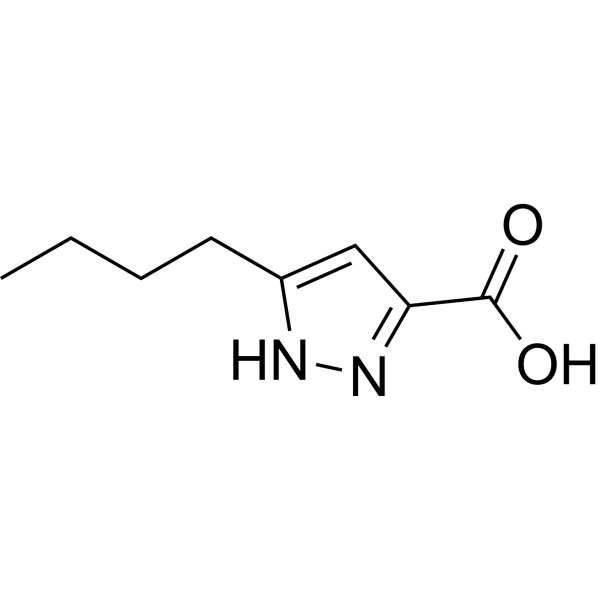
    GPR81 agonist 1 is a potent and highly selective GPR81 agonist, with EC50s of 58 nM and 50 nM for human and mouse GPR81, respectively. GPR81 agonist 1 inhibits lipolysis in differentiated 3T3-L1 adipocytes. GPR81 agonist 1 suppresses lipolysis in mice without cutaneous flushing. GPR81 agonist 1 displays remarkable selectivity for GPR81 over GPR109a .
    GPR81 agonist 1
  • HY-P9947
    Efalizumab
    1 Publications Verification

    Integrin Others
    Efalizumab is a targeted T cell modulator, and is a humanized monoclonal antibody of CD11a, the α subunit of LFA-1. Efalizumab inhibits T cell activation, cutaneous T cell trafficking, and T cell adhesion to keratinocytes, can be used for plaque psoriasis research .
    Efalizumab
  • HY-132302

    Akt PKA PKC ROCK Ribosomal S6 Kinase (RSK) SGK Cancer
    Hu7691 is an orally active, selective Akt inhibitor with IC50s of 4.0 nM, 97.5 nM, 28 nM for Akt1, Akt2 and Akt3, respectively. Hu7691 inhibits tumor growth and enables decrease of cutaneous toxicity in mice .
    Hu7691
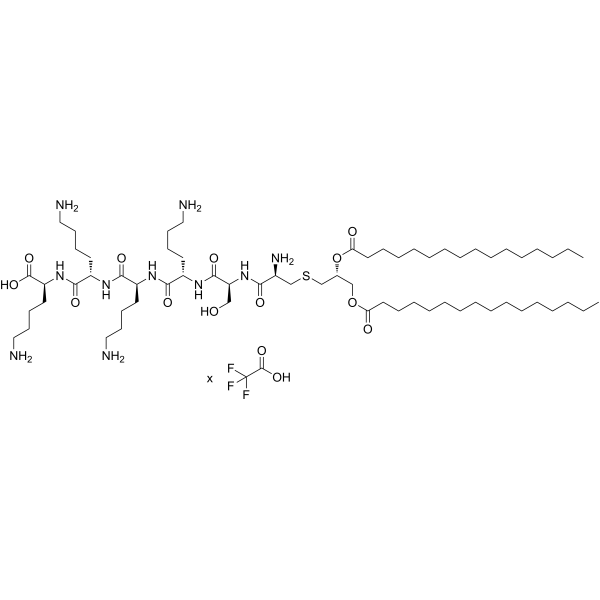
  • HY-P1181A
    Pam2CSK4 TFA
    1 Publications Verification

    Toll-like Receptor (TLR) NO Synthase IKK Akt PKC NF-κB p38 MAPK Interleukin Related Cardiovascular Disease Infection Inflammation/Immunology Cancer
    Pam2CSK4 TFA is a TLR2 agonist. Pam2CSK4 TFA induces the expression of iNOS and NO in macrophage cell lines via TBK1 and MyD88 molecules. Pam2CSK4 TFA activates the NF-κB and Bruton's tyrosine kinase signaling pathways in platelets, and promotes platelet-endothelial cell interactions. TLR2 activation triggered by Pam2CSK4 TFA expands myeloid-derived suppressor cells (MDSCs) and suppresses anti-tumor immune responses in the tumor microenvironment. Pam2CSK4 TFA acts as a Th2-polarizing adjuvant in mouse vaccine models against Leishmania major and Brugia malayi. Pam2CSK4 TFA can be used in the research of various diseases, including thromboinflammatory diseases, sepsis, atherosclerosis, heart failure, influenza, lymphoma, melanoma, cutaneous leishmaniasis and lymphatic filariasis .
    Pam2CSK4 TFA
  • HY-B1148
    Furaltadone hydrochloride
    1 Publications Verification

    Altafur hydrochloride

    Bacterial Infection Inflammation/Immunology
    Furaltadone hydrochloride is an orally active antibacterial agent that can be used for the study of intestinal Salmonella infections. Furaltadone has in vitro inhibitory effects on Staphylococcus. In addition, Furaltadone shows inhibitory effects on allergic reactions .
    Furaltadone hydrochloride
  • HY-B1460
    Sulconazole mononitrate
    3 Publications Verification

    (±)-Sulconazole mononitrate

    Fungal Bacterial Infection
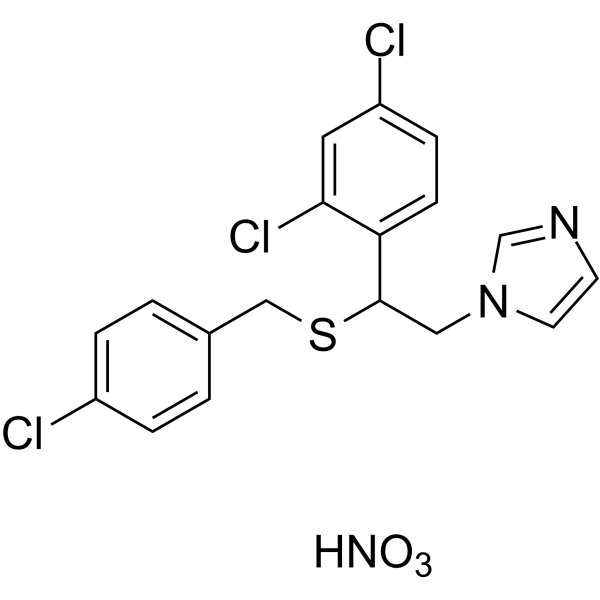
    Sulconazole mononitrate ((±)-Sulconazole mononitrate), an imidazole derivative, is a broad-spectrum fungicide. Sulconazole mononitrate can be used for the research of dermatomycoses, pityriasis versicolor, and cutaneous candidiasis .
    Sulconazole mononitrate
  • HY-P1181

    Toll-like Receptor (TLR) NO Synthase IKK Akt PKC NF-κB p38 MAPK Interleukin Related Cardiovascular Disease Infection Inflammation/Immunology Cancer
    Pam2CSK4 is a TLR2 agonist. Pam2CSK4 induces the expression of iNOS and NO in macrophage cell lines via TBK1 and MyD88 molecules. Pam2CSK4 activates the NF-κB and Bruton's tyrosine kinase signaling pathways in platelets, and promotes platelet-endothelial cell interactions. TLR2 activation triggered by Pam2CSK4 expands myeloid-derived suppressor cells (MDSCs) and suppresses anti-tumor immune responses in the tumor microenvironment. Pam2CSK4 acts as a Th2-polarizing adjuvant in mouse vaccine models against Leishmania major and Brugia malayi. Pam2CSK4 can be used in the research of various diseases, including thromboinflammatory diseases, sepsis, atherosclerosis, heart failure, influenza, lymphoma, melanoma, cutaneous leishmaniasis and lymphatic filariasis .
    Pam2CSK4
  • HY-135304

    Protein Arginine Deiminase Inflammation/Immunology Cancer
    PAD-IN-2 is a potent pad4 inhibitor (IC50: <1 μM). PAD-IN-2 can be used in the research of auto-immune diseases and cancers, such as rheumatoid arthritis, vasculitis, systemic lupus erythematosis, cutaneous lupus erythematosis, ulcerative colitis, cystic fibrosis, asthma, multiple sclerosis and psoriasis .
    PAD-IN-2
  • HY-P99253
    Mogamulizumab
    1 Publications Verification

    KW-0761

    CCR Inflammation/Immunology Cancer
    Mogamulizumab (KW-0761) is a recombinant anti-CCR4 monoclonal antibody (MAb). Mogamulizumab can eliminate tumor cells by antibody-dependent cellular cytotoxicity (ADCC). Mogamulizumab can be used in the research of cancers, adult T-cell leukemia/lymphoma (ATLL), cutaneous T-cell lymphoma (CTCL) .
    Mogamulizumab
  • HY-P3443
    Peanut agglutinin
    1 Publications Verification

    PNA

    Biochemical Assay Reagents Cancer
    Peanut agglutinin (PNA) is a carbohydrate-recognition protein that binds competitively and irreversibly to cell-surface β-D-Gal (1-3)-GalNAc, and this binding can be inhibited by D-galactose and asialofetuin. Peanut agglutinin recognizes exposed glycoepitopes and reflects the glycosylation status of cells. Peanut agglutinin can label glycoconjugates at neuromuscular junctions to safely visualize synaptic structures. Peanut agglutinin can be used to synthesize dyes to distinguish between normal and tumor tissues. Peanut agglutinin provides support for research on leukemia, Burkitt's tumors, and cutaneous squamous lesions .
    Peanut agglutinin
  • HY-U00128

    Parasite Infection Inflammation/Immunology
    PPA-904 is a specific phenothiazine photosensitizer in photodynamic research (PDT) research, especially topical application for cutaneous leishmaniasis in vivo .
    PPA-904
  • HY-P99266

    Anti-Human CD4 Recombinant Antibody

    Transmembrane Glycoprotein Inflammation/Immunology Cancer
    Zanolimumab (Anti-Human CD4 Recombinant Antibody) is a fully human monoclonal antibody targets CD4. Zanolimumab effectively inhibits T-cell receptor (TCR) signal transduction. Zanolimumab can be used for the research of heumatoid arthritis, psoriasis, melanoma, cutaneous and peripheral T-cell lymphoma .
    Zanolimumab
  • HY-B1288A

    Benoxinate; Novesinol; Oxybucaine

    Sodium Channel Cardiovascular Disease Neurological Disease
    Oxybuprocaine is a short-acting ester anesthetic. Oxybuprocaine binds to sodium channels and reversibly stabilizes neuronal membranes. Oxybuprocaine has cutaneous analgesic properties. Oxybuprocaine is less potent than Bupivacaine (HY-B0405) at producing central nervous system and cardiovascular toxicity. Oxybuprocaine can be used in ophthalmology and otolaryngology .
    Oxybuprocaine
  • HY-10979

    Bacterial Infection Inflammation/Immunology
    AN0128 is a boron-containing antibacterial and anti-inflammatory agent. AN0128 against S. aureus, S. epidermidis, P. acnes, B. subtilis with minimum inhibitory concentration (MIC) values of 1, 0.5, 0.3, 1 μg/mL. AN0128 can be used for the research of periodontal disease and cutaneous diseases .
    AN0128
  • HY-162066

    Parasite Infection
    DNDI-6174 is an orally active Leishmania cytochrome b (Qi site of cytochrome bc1 complex/complex III) inhibitor. DNDI-6174 binds to the Qi site of Leishmania cytochrome b, inhibits cytochrome bc1 complex activity in the parasite's electron transport chain across promastigote and axenic amastigote stages. DNDI-6174 reduces parasite burden in rodent models, inhibits growth of various Leishmania species, drug-resistant clinical isolates, and Trypanosoma cruzi, with marginal activity against Trypanosoma brucei. DNDI-6174 can be used for the research of visceral leishmaniasis, cutaneous leishmaniasis .
    DNDI-6174
  • HY-100976

    Hydroxycarboxylic Acid Receptor (HCAR) Metabolic Disease
    LUF6283 is a potent and orally active HCA(2) partial agonist, with a Ki of 0.55 µM. LUF6283 can achieve the beneficial lipid lowering effect of niacin without producing the unwanted cutaneous flushing side effect .
    LUF6283
  • HY-106934A
    Peldesine dihydrochloride
    1 Publications Verification

    BCX 34 dihydrochloride

    Nucleoside Antimetabolite/Analog HIV Infection Inflammation/Immunology Cancer
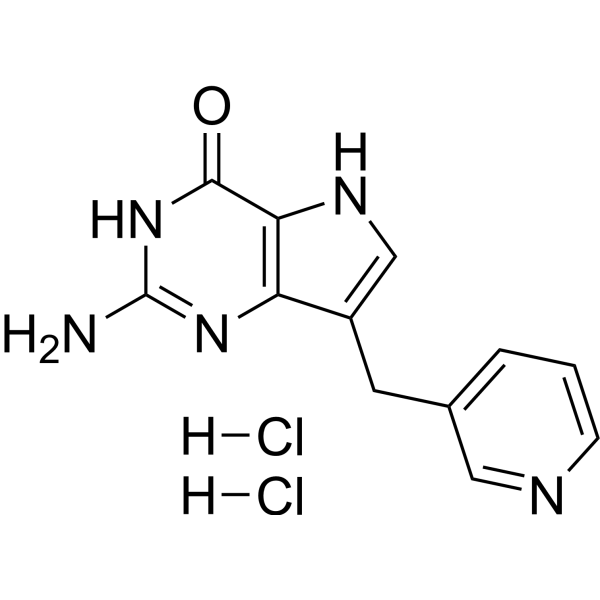
    Peldesine (BCX 34) dihydrochloride is a potent, competitive, reversible and orally active purine nucleoside phosphorylase (PNP) inhibitor with IC50s of 36 nM, 5 nM, and 32 nM for human, rat, and mouse red blood cell (RBC) PNP, respectively. Peldesine dihydrochloride is also a T-cell proliferation inhibitor with an IC50 of 800 nM. Peldesine dihydrochloride has the potential for cutaneous T-cell lymphoma, psoriasis and HIV infection research .
    Peldesine dihydrochloride
  • HY-129959

    AlClPc

    Environmental Pollutants Parasite MOFs Infection
    Aluminum phthalocyanine chloride is a photosensitizer that effectively inhibits the parasite Leishmania amazonensis (the causative agent of cutaneous leishmaniasis) by light-mediated cytolysis. Aluminum phthalocyanine chloride causes parasite morphology and cytolysis of isolated amasilians, while higher photosensitizer concentrations and light intensities are required to induce lysis of mammalian cells. Aluminum phthalocyanine chloride lyses parasites within infected J774 macrophages and can be used to further investigate the study of leishmaniasis .
    Aluminum phthalocyanine chloride
  • HY-132602A

    MRG-201 sodium

    MicroRNA Inflammation/Immunology
    Remlarsen (MRG-201), a miR-29b mimic, acts a miR-29b agonist. Remlarsen sodium has the potential for preventiong formation of a fibrotic scar or cutaneous fibrosis .
    Remlarsen sodium
  • HY-132602

    MRG-201

    MicroRNA Inflammation/Immunology
    Remlarsen (MRG-201), a miR-29b mimic, acts a miR-29b agonist. Remlarsen has the potential for preventiong formation of a fibrotic scar or cutaneous fibrosis .
    Remlarsen
  • HY-13710

    Histamine Receptor Potassium Channel Endogenous Metabolite Neurological Disease
    Dimethindene is a potent, selective histamine H1 antagonist. Dimethindene impairs cutaneous wound healing (WH). Dimethindene can block K + currents .
    Dimethindene
  • HY-121660

    Drug Derivative Cardiovascular Disease
    Hexyl nicotinate is a lipid-soluble nicotinic acid ester and cutaneous vasodilator. Hexyl nicotinate induces localized cutaneous vasodilation and increases blood flow. Hexyl nicotinate can be used for the research of Raynaud's phenomenon .
    Hexyl nicotinate
  • HY-145588A

    INCB54707 phosphate

    JAK Inflammation/Immunology
    Povorcitinib (INCB54707) phosphate is a potent and selective JAK1 inhibitor that effectively reduces abscesses and inflammatory nodules. Povorcitinib phosphate can be used to study cutaneous lupus erythematosus (CLE) and lichen planus (LP) (information extracted from patent WO2021076124A1) .
    Povorcitinib phosphate
  • HY-14171S

    LGD1069 d4

    RAR/RXR Autophagy Cancer
    Bexarotene-d4 is a deuterium labeled Bexarotene (LGD1069). Bexarotene (LGD1069) is a selective retinoid X receptors (RXR) agonist for the treatment of cutaneous T-cell lymphoma .
    Bexarotene-d4
  • HY-113042

    Endogenous Metabolite Cardiovascular Disease Endocrinology
    Prostaglandin B2 is a prostaglandin. Prostaglandin B2 is the main substance in cord blood mesenchymal stem cells, to inhibit DC-T Cell proliferation. Prostaglandin B2 also induces cutaneous vasoconstriction of the canine hind paw .
    Prostaglandin B2
  • HY-100365
    Remetinostat
    1 Publications Verification

    SHP-141

    HDAC Inflammation/Immunology Cancer
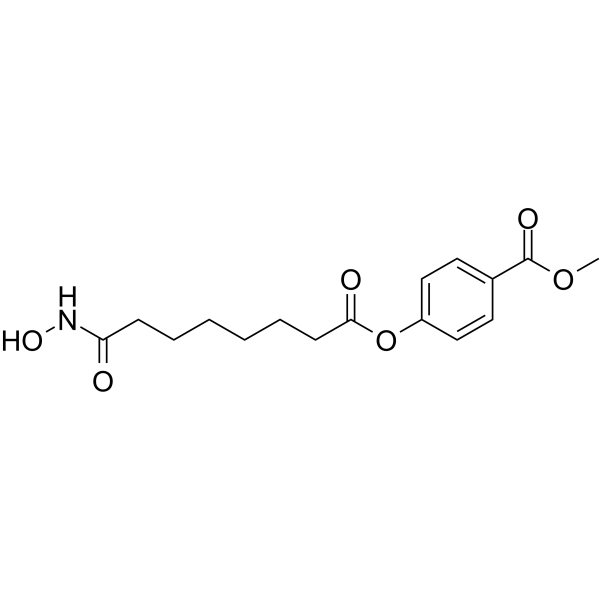
    Remetinostat (SHP-141) is a hydroxamic acid-based histone deacetylase (HDAC) inhibitor. Remetinostat alleviates Imiquimod (HY-B0180)-induced psoriatic dermatitis. Remetinostat can be used for study of cutaneous T-cell lymphoma .
    Remetinostat
  • HY-30151S

    8-Methoxypsoralen-d3; Xanthotoxin-d3; 8-MOP-d3

    Cytochrome P450 Inflammation/Immunology
    Methoxsalen-d3 is the deuterium labeled Methoxsalen[1]. Methoxsalen (8-Methoxypsoralen) is a potent tricyclic furocoumarin suicide inhibitor of CYP (cytochrome P-450), is an agent used to treat psoriasis, eczema, vitiligo and some cutaneous Lymphomas in conjunction with exposing the skin to sunlight[2].
    Methoxsalen-d3
  • HY-106358

    CR 2039 free base; Dizolast free base

    Phosphodiesterase (PDE) Inflammation/Immunology
    Andolast (CR 2039) (free base) is an anti-allergic agent. Andolast can inhibit cAMP-phosphodiesterase with an IC50 value of 50 μM. Andolast can be used for the research of asthma .
    Andolast free base
  • HY-19704

    CT327; SNA-120

    Trk Receptor Inflammation/Immunology Cancer
    Pegcantratinib (CT327) is a potent and selective TRKA antagonist with activity against TRKB and TRKC. Pegcantratinib can be used for research of CYLD cutaneous syndrome (CCS) and inflammatory dermatoses, such as psoriasis and concomitant pruritus .
    Pegcantratinib
  • HY-B1568A

    Ambodryl hydrochloride

    Histamine Receptor Bacterial Infection Inflammation/Immunology
    Bromodiphenhydramine hydrochloride is a potent antihistamine with antimicrobial property. Bromodiphenhydramine hydrochloride inhibits a large number of Gram negative and Gram positive bacteria. Bromodiphenhydramine hydrochloride can be used for cutaneous allergies research .
    Bromodiphenhydramine hydrochloride
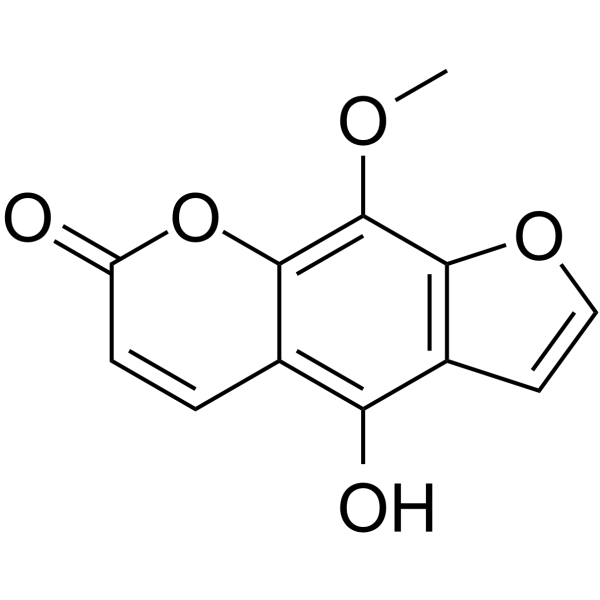
  • HY-134039
    5-Hydroxy-8-methoxypsoralen
    1 Publications Verification

    5-Hydroxyxanthotoxin

    Drug Metabolite Inflammation/Immunology
    5-Hydroxy-8-methoxypsoralen (5-Hydroxyxanthotoxin) is a metabolite of Xanthotoxin. Xanthotoxin is a potent tricyclic furocoumarin suicide inhibitor of CYP (cytochrome P-450), is an agent used to treat psoriasis, eczema, vitiligo and some cutaneous Lymphomas in conjunction with exposing the skin to sunlight .
    5-Hydroxy-8-methoxypsoralen
  • HY-178227

    Wnt β-catenin CDK Neurological Disease Metabolic Disease Inflammation/Immunology Cancer
    KY19334 is a CXXC5-DVL inhibitor. KY19334 can activate the Wnt/β-catenin pathway by inhibiting CXXC5-Dvl interaction. KY19334 can inhibit cancer cells proliferation, migration, invasion and transformation by inhibiting CDK1. KY19334 can accelerate wound healing and exert regenerative effects. KY19334 can be used for the researches of cancer, inflammation, metabolic and neurological disease, such as cutaneous squamous cell carcinoma and diabetes .
    KY19334
  • HY-N12127
    Gymnoside I
    1 Publications Verification

    Others Others
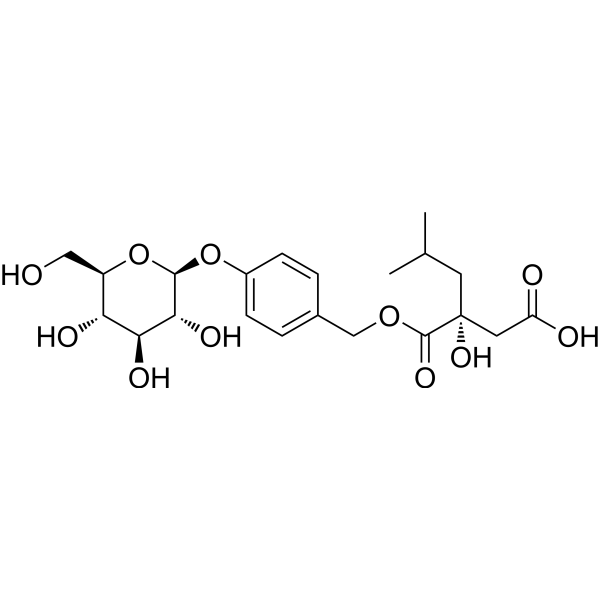
    Gymnoside I (compound 1) is a glycosidoxybenzyl 2-isobutylmalic acid. Gymnoside I shows antiallergic activity in passive cutaneous allergic reaction (PCA) in mice. Gymnoside I can be used in research to research asthma, neurasthenia and chronic hepatitis .
    Gymnoside I
  • HY-148160

    Dimazole

    Fungal Infection
    Diamthazole (Dimazole) is an antifungal agent. Diamthazole can be used for the research of infection .
    Diamthazole
  • HY-P991051

    Interleukin Related Inflammation/Immunology
    GSK-2330811 is a humanized IgG1 antibody that targets Oncostatin M (OSM). GSK-2330811 has the potential for the study of diffuse cutaneous systemic sclerosis (dcSSc). The isotype control for GSK-2330811 can refer to Human IgG1 kappa, Isotype Control (HY-P99001) .
    GSK-2330811
  • HY-106358A

    CR 2039; Dizolast

    Phosphodiesterase (PDE) Inflammation/Immunology
    Andolast (CR 2039) is an anti-allergic agent. Andolast can inhibit cAMP-phosphodiesterase with an IC50 value of 50 μM. Andolast can be used for the research of asthma .
    Andolast
  • HY-10635

    TRP Channel Inflammation/Immunology Cancer
    ABT-102 is a potent and highly selective Vanilloid Receptor (TRPV1) receptor antagonist. ABT-102 potently and reversibly increases heat pain thresholds and reduced painfulness of suprathreshold oral/cutaneous heat. ABT-102 reduces nociceptive responses of animals in models of inflammatory, bone cancer, postoperative, and osteoarthritic pain .
    ABT-102
  • HY-106934

    BCX 34

    Nucleoside Antimetabolite/Analog HIV Infection Inflammation/Immunology Cancer
    Peldesine (BCX 34) is a potent, competitive, reversible and orally active purine nucleoside phosphorylase (PNP) inhibitor with IC50s of 36 nM, 5 nM, and 32 nM for human, rat, and mouse red blood cell (RBC) PNP, respectively. Peldesine is also a T-cell proliferation inhibitor with an IC50 of 800 nM. Peldesine has the potential for cutaneous T-cell lymphoma, psoriasis and HIV infection research .
    Peldesine
  • HY-B1568

    Ambodryl

    Histamine Receptor Bacterial Infection Inflammation/Immunology
    Bromodiphenhydramine (Ambodryl) is a potent antihistamine with antimicrobial property. Bromodiphenhydramine inhibits a large number of Gram negative and Gram positive bacteria. Bromodiphenhydramine can be used for cutaneous allergies research .
    Bromodiphenhydramine
  • HY-156132

    Parasite Infection
    DNDI-0690 is a potent orally active analogue of DNDI-VL-2098, exhibiting potent activity against cutaneous leishmaniasis (CL). DNDI-0690 shows potent in vitro activity against CL-causing Leishmania species (EC50 = 0.17 μM against visceral leishmaniasis (VL), and < 5 μM against CL-causing species). DNDI-0690 exerts effects in a mouse model of L. major CL. DNDI-0690 can be used for CL research .
    DNDI-0690
  • HY-132302A

    Akt PKA PKC ROCK Ribosomal S6 Kinase (RSK) SGK Cancer
    Hu7691 free base is an orally active, selective Akt inhibitor with IC50s of 4.0 nM, 97.5 nM, 28 nM for Akt1, Akt2 and Akt3, respectively. Hu7691 free base inhibits tumor growth and enables decrease of cutaneous toxicity in mice .
    Hu7691 free base
  • HY-139903

    Fungal Calcineurin p38 MAPK Infection
    Antifungal agent 18 is an antifungal agent. Antifungal agent 18 shows a broad-spectrum antifungal activity against major human fungal pathogens. Antifungal agent 18 compromises fungal cell wall integrity by targeting the unfolded protein response (UPR), calcineurin, and MAPK pathways. Antifungal agent 18 shows antifungal activity in virto and vivo. Antifungal agent 18 can be used for the research of invasive fungal pathogens and cutaneous dermatophytes .
    Antifungal agent 18
  • HY-139430

    4-IPC

    Tyrosinase Inflammation/Immunology
    4-Isopropylcatechol is a potent and irreversible cutaneous depigmenting agent. 4-Isopropylcatechol significantly inhibits protein biosynthesis in mouse melanoma cells containing high levels of tyrosinase. 4-Isopropylcatechol can be use to study hyperpigmentation of skins .
    4-Isopropylcatechol
  • HY-W018475

    MK 462 free base

    5-HT Receptor Neurological Disease
    Rizatriptan (MK 462 free base) is an orally active 5-HT1B/5-HT1D receptor agonist, with BBB permeability. Rizatriptan exerts significant anti-migraine effects by constricting intracranial and extracranial blood vessels and inhibiting neuropeptide release. Rizatriptan exhibits species- and tissue-specific metabolic characteristics; for example, it undergoes oxidative deamination mainly by MAO-A in the liver of brown rats, so co-administration with MAO-A inhibitors is prohibited. Rizatriptan may also exacerbate nitroglycerin-induced cutaneous allodynia, prolong the duration of central sensitization, and increase anxiety-like behavior and active drug-seeking behavior in mice. Rizatriptan has been widely used in studies related to migraine and medication-overuse headache .
    Rizatriptan

Inquiry Online

Your information is safe with us. * Required Fields.

Salutation


Country or Region *

Applicant Name *


Organization Name *

Department *


Email Address *


Product Name *

Cat. No.


Requested quantity *

Phone Number *


Remarks

Inquiry Online

Inquiry Information

Product Name:
Cat. No.:
Quantity:
MCE Japan Authorized Agent:

