121 Results for "

cytotoxic metabolite

" in MedChemExpress (MCE) Product Catalog:
Products (121)

121 Results for "cytotoxic metabolite" in MCE Product Catalog:

7
7 Publications Verification
Cat. No.: HY-16307
CAS No.: 261365-11-1
Target:  

FBPase

Research Areas:  

Metabolic Disease Cancer

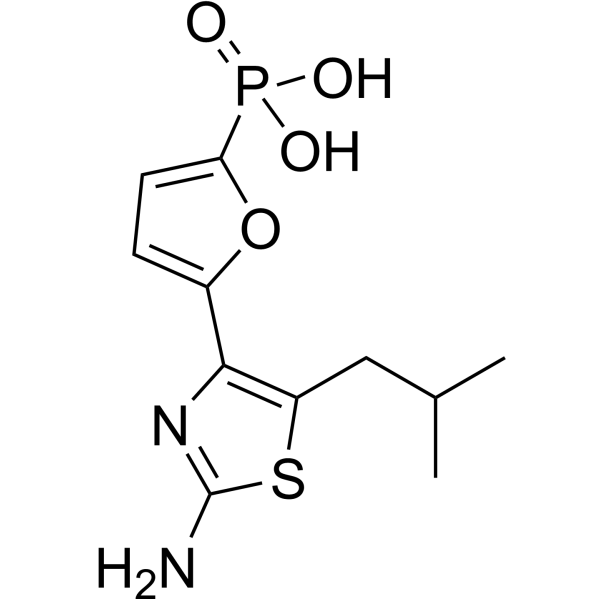
MB05032 is a fructose-1,6-bisphosphatase (FBP1/FBPase) inhibitor with an IC50 value of 16 nM. MB05032 blocks FBP1-mediated glycolysis inhibition in NK cells, restores NK cell glucose uptake, lactate production, degranulation, perforin production, and cytotoxicity against gastric cancer cells. MB05032 elevates ATP/ADP ratios, increases glucose utilization, and enhances insulin secretion in pancreatic β-cells. MB05032 increases neutrophil adhesion, phagocytosis, and mRNA abundance of HKII, ITGA9, CD36 in subclinically hypocalcemic dairy cows. MB05032 inhibits gluconeogenesis in hepatocytes, acts as the active metabolite of prodrug Managlinat dialanetil (MB06322) (HY-14955). MB05032 can be used for the research of gastric cancer, type 2 diabetes, subclinical hypocalcemia, and insulin resistance .
loading...
    loading...
2
2 Cited Publications
Cat. No.: HY-N2374
CAS No.: 855-96-9
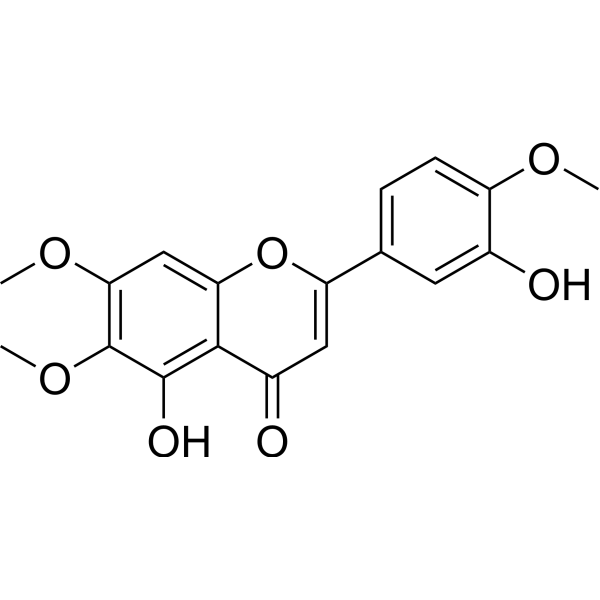
Eupatorin is an orally active flavonoid with antiproliferative and vasodilatory properties. Eupatorin downregulates the expression levels of NF-κB, MMP9, IL-1β and TNF-α. Eupatorin induces apoptosis, G2/M phase cell cycle arrest, and reactive oxygen species (ROS) production. Eupatorin modulates the activities of muscarinic receptors and β-adrenergic receptors; inhibits sarcoplasmic reticulum calcium release and calcium channels; and activates the NO/sGC/cGMP pathway, indomethacin-sensitive pathway, and potassium channel pathway. Eupatorin exerts cytotoxic effects on cancer cell lines, and is metabolized by CYP1A1 and CYP1 family enzymes to form metabolites with antiproliferative activity. Eupatorin can be used in research related to breast cancer, hypertension, and leukemia .
loading...
    loading...
1
1 Cited Publications
Cat. No.: HY-135470
CAS No.: 13411-16-0
Purity:  98.70%
Synonyms: P-7138
Target:  

Bacterial

Research Areas:  

Infection

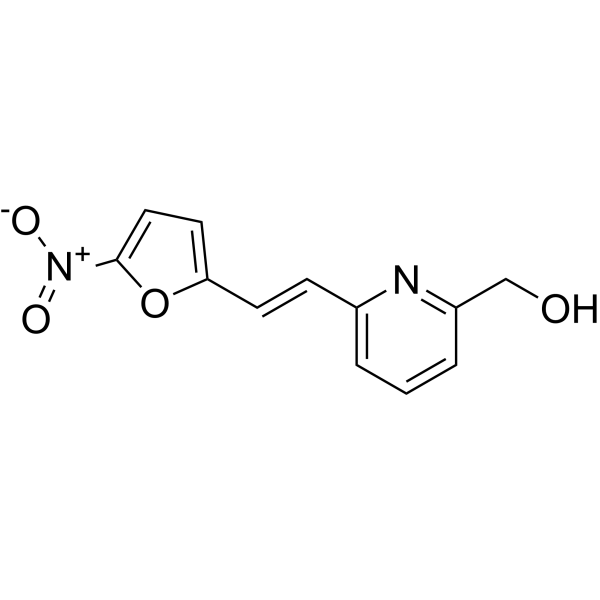
Nifurpirinol (P-7138) is a selective prosubstrate of bacterial nitroreductase (NTR). NTR catalyzes the reduction of nifurpirinol to generate cytotoxic metabolites that induce apoptosis in target cells. Nifurpirinol selectively ablates NTR-expressing cells such as pancreatic β cells, osteoblasts, dopaminergic neurons, and podocytes in transgenic zebrafish models. Nifurpirinol can be used in regeneration studies and disease modeling such as focal segmental glomerulosclerosis (FSGS) .
loading...
    loading...
1
1 Cited Publications
Cat. No.: HY-N2040
CAS No.: 7755-01-3
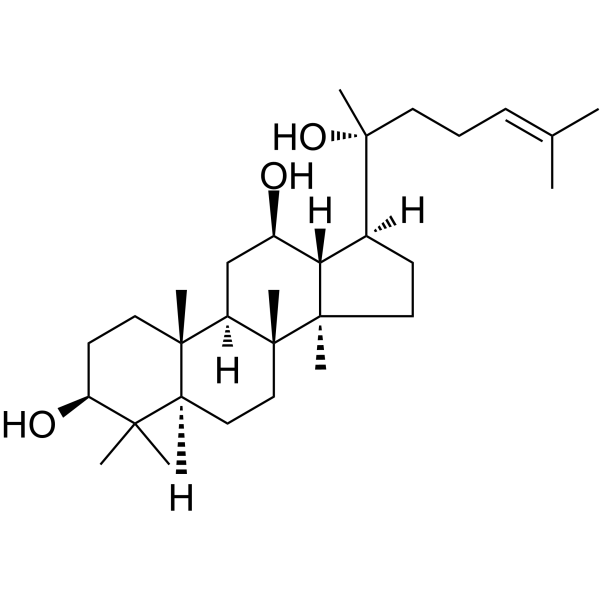
(20R)-Protopanaxadiol is a metabolite of ginsenosides. (20R)-Protopanaxadiol has anti-inflammatory and antibacterial activities, but shows no significant cytotoxicity against tumor cell lines. In addition, (20R)-Protopanaxadiol can inhibit the uptake of 2-deoxy-D-glucose (2-DG) .
loading...
    loading...
1
1 Cited Publications
Cat. No.: HY-D0300
CAS No.: 129-73-7
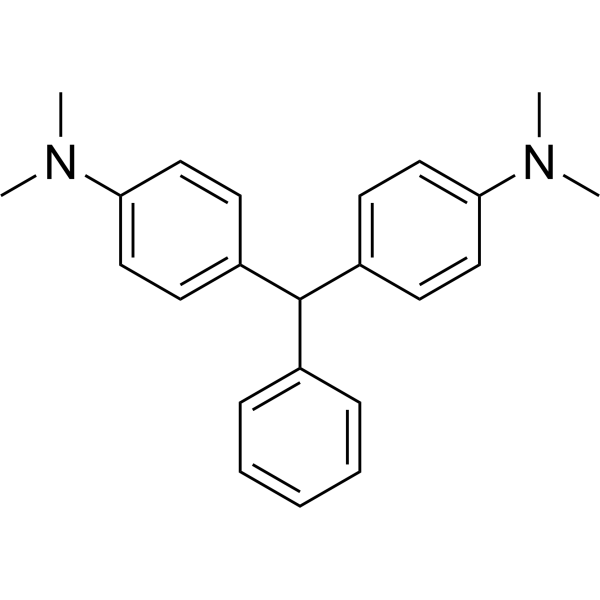
Leucomalachite green is the major reduced metabolite of malachite green (MG) and has lower cytotoxicity (such as HEp-2 and Caco-2) than malachite green. Leucomalachite green may be involved in interfering with cell metabolism or redox balance and can be used to evaluate its potential harm to human cells as a food contaminant .
loading...
    loading...
1
1 Cited Publications
Cat. No.: HY-148818
CAS No.: 890654-03-2
Purity:  99.03%
Target:  

ADC Payloads

Research Areas:  

Others

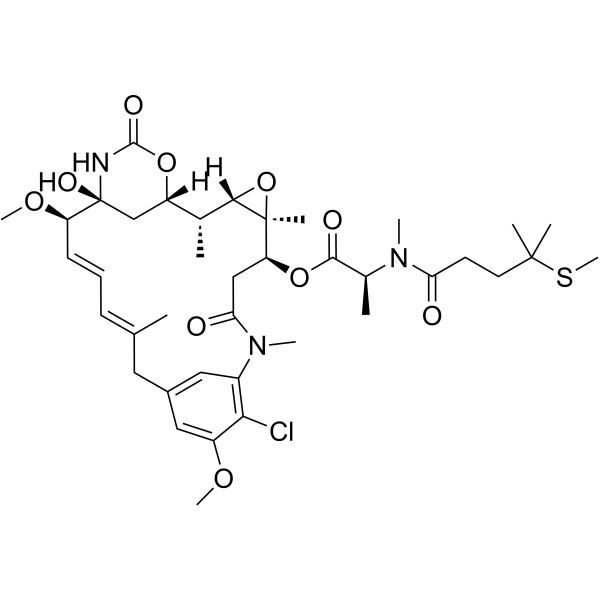
S-Me-DM4 is a metabolite of DM4 S-methylated by intracellular enzyme. DM4 (HY-100503) is a microtubule-depolymerizing maytansinoid with strong cytotoxicity. DM4 can be used as an ADC Cytotoxin molecule .
loading...
    loading...
1
1 Cited Publications
Cat. No.: HY-107831
CAS No.: 13110-96-8
Purity:  99.84%
Target:  

Drug Derivative

Research Areas:  

Inflammation/Immunology Cancer

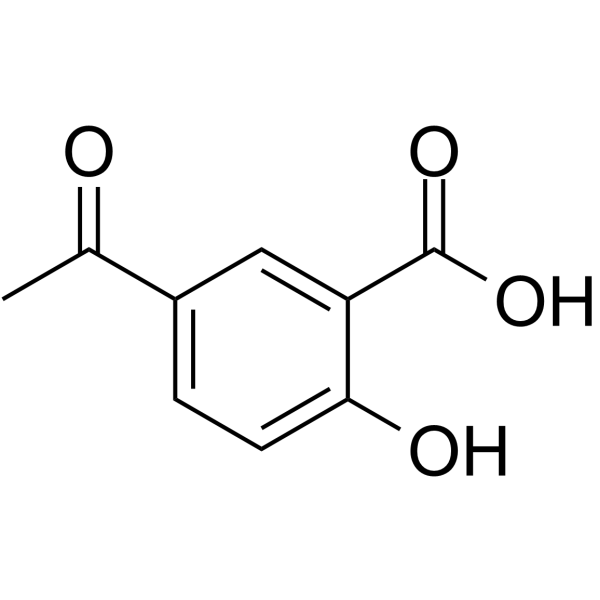
5-Acetylsalicylic acid is the derivate of Aspirin (HY-14654), with anti-inflammatory property. 5-Acetylsalicylic acid is the active metabolite of Sulfasalazine (HY-14655) and its production is regulated by beneficial bacteria in the gut but is confined to the intestinal tract. 5-Acetylsalicylic acid exhibits a mild cytotoxicity effect on B16F10 cells. 5-Acetylsalicylic acid can be used for the study of inflammatory bowel disease (IBD) such as ulcerative colitis (UC) .
loading...
    loading...
Cat. No.: HY-16700
CAS No.: 202350-68-3
Research Areas:  

Cancer

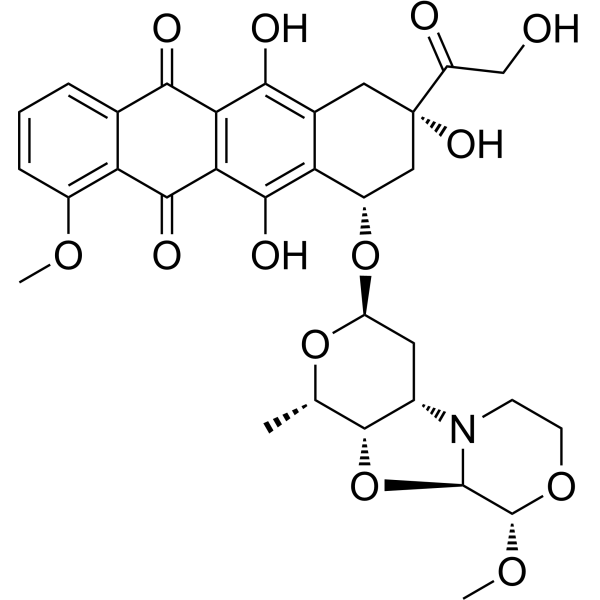
PNU-159682, a metabolite of the anthracycline Nemorubicin, is a highly potent DNA topoisomerase II inhibitor with excellent cytotoxicity. PNU-159682 acts as a more potent and tolerated ADC cytotoxin than Doxorubicin for ADC synthesis. PNU-159682 can be used in EDV-nanocell technology to overcome agent resistance.
loading...
    loading...
Cat. No.: HY-121252
CAS No.: 5707-55-1
Purity:  ≥77.0%
Dopal is a metabolite and aldehyde neurotoxin of Dopamine (HY-B0451). Dopal exhibits cytotoxicity, induces α-synuclein oligomerization and aggregation, and is closely associated with the pathogenesis of Parkinson's disease. Dopal can be used in research related to Parkinson's disease .
loading...
    loading...
Cat. No.: HY-125348
CAS No.: 153212-75-0
Purity:  99.93%
Target:  

Drug Metabolite

Research Areas:  

Cancer

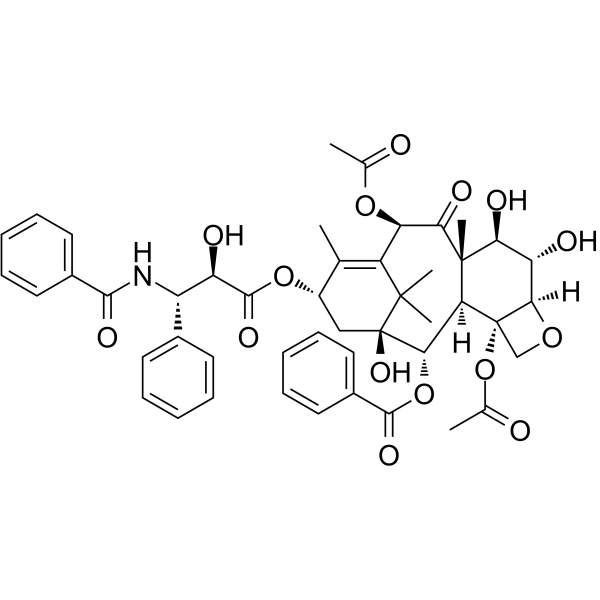
6α-Hydroxy paclitaxel is one of the main metabolites of Paclitaxel (PTX) (HY-B0015), and it is generated by the liver cytochrome P450 enzyme CYP2C8. 6α-Hydroxy paclitaxel has bone marrow toxicity, but it can enhance the cytotoxicity of PTX against leukemia cells without causing cell toxicity. 6α-Hydroxy paclitaxel can be used in leukemia research .
loading...
    loading...
Cat. No.: HY-W587530
CAS No.: 2393-61-5
Synonyms: 6-Ketolithocholic acid
Research Areas:  

Endocrinology

6-Oxolithocholic acid is a bile acid metabolite derived from Lithocholic acid (HY-B0172). 6-Oxolithocholic acid has high cytotoxicity and can induce apoptosis, especially in hepatocytes. 6-Oxolithocholic acid can participate in the regulation of bile acid metabolism and synthesis and affect the metabolic pathway of cholesterol. 6-Oxolithocholic acid can be used to study the role of bile acids in health and disease, especially in the context of digestive and liver diseases .
loading...
    loading...
Cat. No.: HY-129476
CAS No.: 496-93-5
Purity:  ≥95.0%
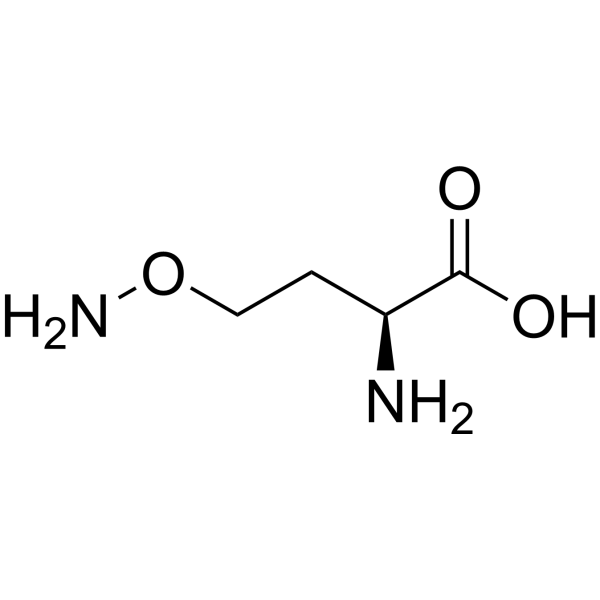
L-Canaline is a nonprotein amino acid stored in many leguminous plants. L-Canaline is a cytotoxic metabolite catalyzed by L-canavanine and its arginase. L-Canaline is a potent and irreversible inhibitor of ornithine aminotransferase. L-Canaline inhibits the growth of the malaria parasite Plasmodium falciparum with an IC50 of 297 nM. L-Canaline has anticancer and antiproliferative effects .
loading...
    loading...
Cat. No.: HY-16496
CAS No.: 26599-17-7
Synonyms: OSI-7836
Target:  

DNA/RNA Synthesis

Research Areas:  

Cancer

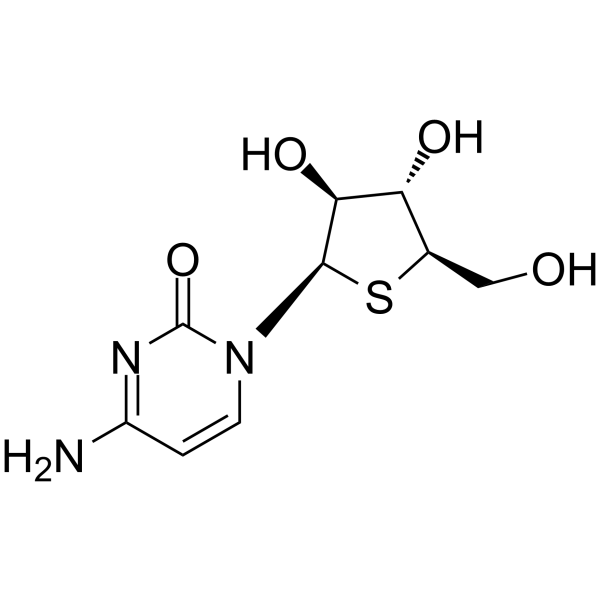
Thiarabine (OSI-7836) is an orally active cytotoxic antitumor agent that acts as a deoxycytidine kinase substrate and a DNA chain terminator. Thiarabine is metabolized to form its major active metabolite T-araCTP, which potently inhibits DNA synthesis and exhibits a long retention time in tumor cells. Thiarabine is widely applicable to research related to leukemia, lymphoma, hematologic malignancies, acute myeloid leukemia, and advanced solid malignancies .
loading...
    loading...
Cat. No.: HY-128442
CAS No.: 937-34-8
Purity:  99.56%
Synonyms: Phenyl hydrogen sulfate
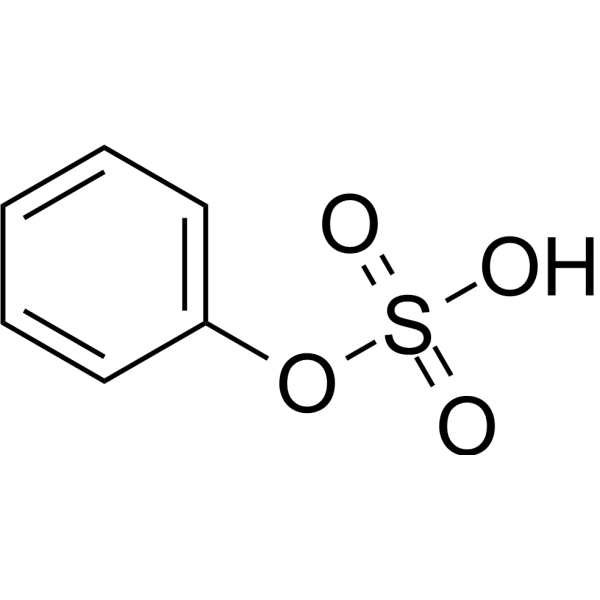
Phenyl sulfate (Phenyl hydrogen sulfate) is an orally active gut microbiota-derived metabolite. Phenyl sulfate undergoes hepatic sulfation via SULT1A1. Phenyl sulfate induces podocyte injury, albuminuria, renal pro-inflammatory and pro-fibrotic effects, cytotoxicity, glutathione depletion, mitochondrial dysfunction, and sensitizes renal tubular cells to oxidative stress. Phenyl sulfate can be used in research on diabetic nephropathy .
loading...
    loading...
Cat. No.: HY-169325
Research Areas:  

Cancer

(S)-ACE‑OH is the active metabolite of Acepromazine (HY-B1506), acting as a molecular glue degrader. (S)-ACE-OH induces functional interaction between TRIM21 and NUP98, promoting protein ubiquitination and degradation of TRIM21 at the nuclear pore complex. (S)-ACE-OH triggers nucleocytoplasmic transport disorder and exerts interferon-potentiated cytotoxic effects on certain cancer cells. (S)-ACE-OH can be used in cancer-related research .
loading...
    loading...
Cat. No.: HY-N8796
CAS No.: 75679-58-2
Target:  

Endogenous Metabolite

Research Areas:  

Cancer

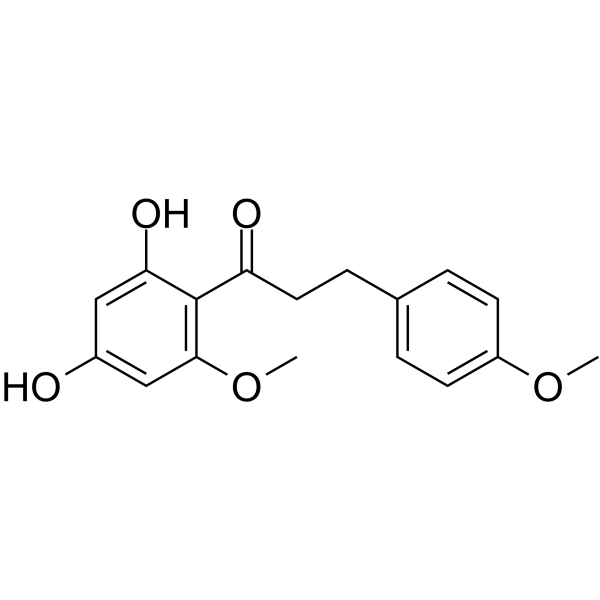
2',4'-Dihydroxy-4,6'-diMethoxydihydrochalcone is a dihydrochalcone compound isolated from Iryanthera juruensis Warb. 2',4'-Dihydroxy-4,6'-diMethoxydihydrochalcone is a major cytotoxic metabolite when tested against a panel of cancer cell lines .
loading...
    loading...
Cat. No.: HY-75564
CAS No.: 4526-77-6
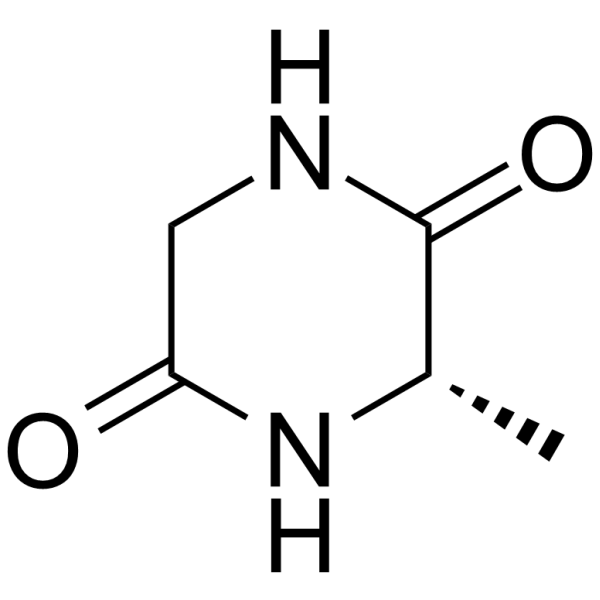
Cyclo(Ala-Gly), a metabolite of a mangrove endophytic fungus, Penicillium thomi, exhibits cytotoxicity against A549, HepG2 and HT29 cells. The IC50 values range from 9.5 to 18.1 μM .
loading...
    loading...
Cat. No.: HY-136591
CAS No.: 963-39-3
Purity:  ≥99.0%
Target:  

Drug Metabolite

Research Areas:  

Neurological Disease Cancer

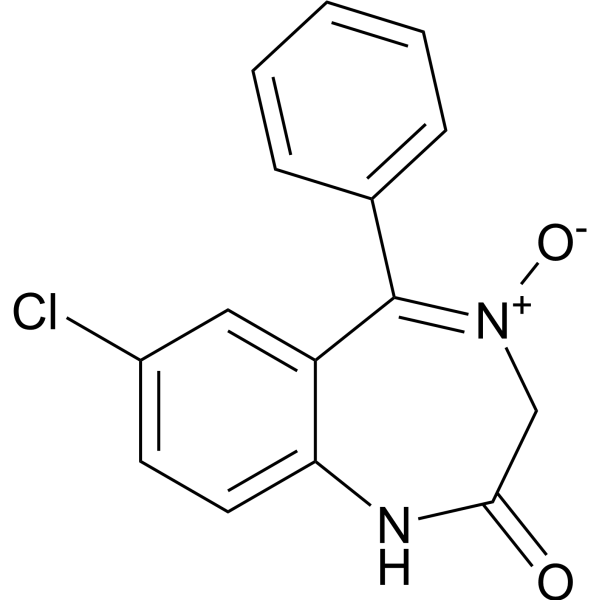
Demoxepam is a major metabolite of Chlordiazepoxide. Demoxepam exhibits cytotoxicity activity against cancer cell lines. Demoxepam has anticonvulsant and anxiolytic effects. Demoxepam has an inhibitory effect on in vitro [ 3H]tryptophan binding to rat hepatic nuclei .
loading...
    loading...
Cat. No.: HY-130082
CAS No.: 796073-68-2
Purity:  99.99%
Research Areas:  

Cancer

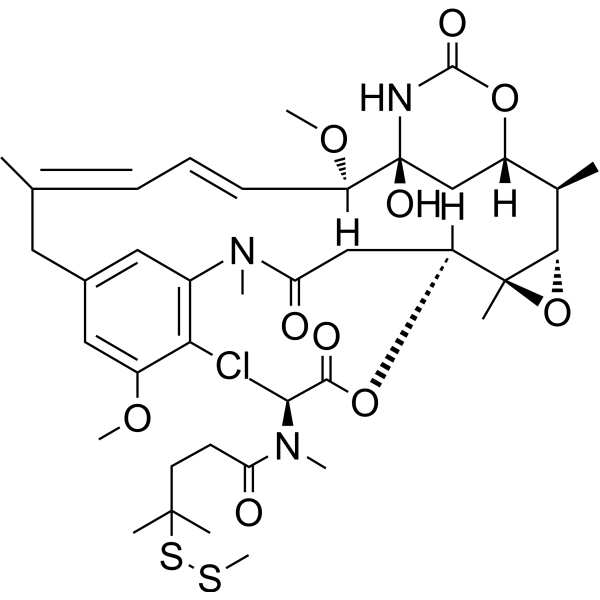
DM4-SMe is a metabolite of antibody-maytansin conjugates (AMCs) and a tubulin inhibitor, and also a cytotoxic moiety of antibody-drug conjugates (ADCs), which can be linked to antibody through disulfide bond or stable thioether bond. DM4-SMe inhibits KB cells with an IC50 of 0.026 nM. DM4-SMe is a highly toxic metabolite that can be oxidized and detoxified by human liver microsomes .
loading...
    loading...
Cat. No.: HY-116364B
CAS No.: 106060-92-8
Purity:  99.45%
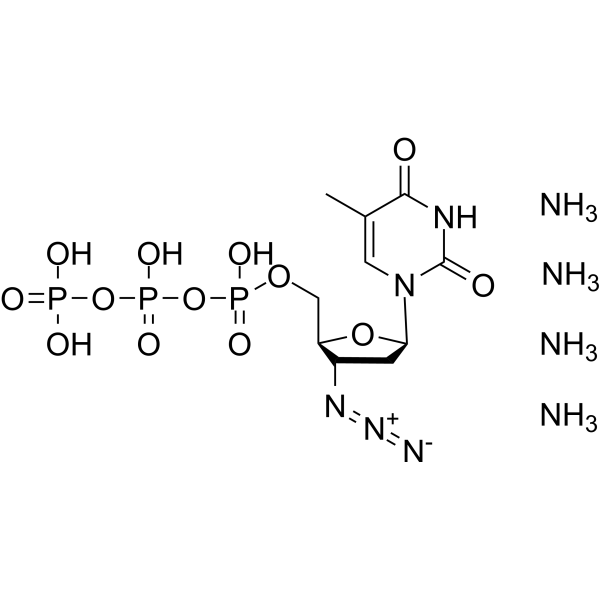
Synonyms: 3'-Azido-3'-deoxythymidine-5'-triphosphate tetraammonium
AZT triphosphate (3'-Azido-3'-deoxythymidine-5'-triphosphate) tetraammonium is an active triphosphate metabolite of Zidovudine (AZT). AZT triphosphate tetraammonium exhibits antiretroviral activity and inhibits replication of HIV. AZT triphosphate tetraammonium also inhibits the DNA polymerase of HBV. AZT triphosphate tetraammonium activates the mitochondria-mediated apoptosis pathway .
loading...
    loading...

