

1. Search Result
Search Result
Results for "

defense

" in MedChemExpress (MCE) Product Catalog:

166

Inhibitors & Agonists

5

Screening Libraries

7

Biochemical Assay Reagents

28

Peptides

52

Natural
Products

11

Isotope-Labeled Compounds

10

Oligonucleotides

Cat. No. Product Name Target Research Areas Chemical Structure
  • HY-19543
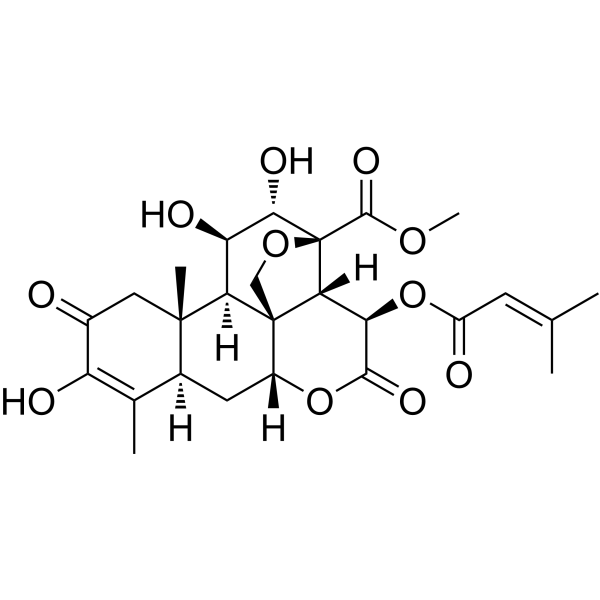
    Brusatol
    Maximum Cited Publications
    40 Publications Verification

    NSC 172924

    Keap1-Nrf2 Apoptosis Cancer
    Brusatol (NSC 172924) is a unique inhibitor of the Nrf2 pathway that sensitizes a broad spectrum of cancer cells to Cisplatin and other chemotherapeutic agents. Brusatol enhances the efficacy of chemotherapy by inhibiting the Nrf2-mediated defense mechanism. Brusatol can be developed into an adjuvant chemotherapeutic agent . Brusatol increases cellular apoptosis .
    Brusatol
  • HY-113485
    Melanin
    1 Publications Verification

    Endogenous Metabolite Others
    Melanin is a unique pigment with myriad functions. It is multifunctional, providing defense against environmental stresses such as ultraviolet (UV) light, oxidizing agents and ionizing radiation.
    Melanin
  • HY-134124

    Reactive Oxygen Species (ROS) Metabolic Disease
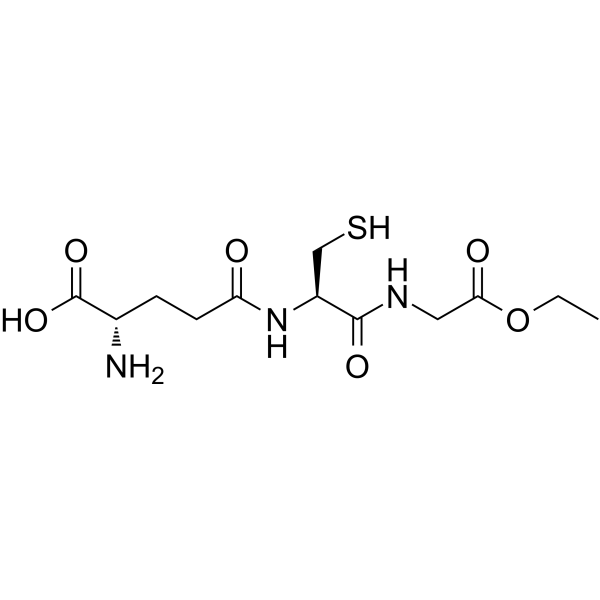
    Glutathione ethyl ester is a cell-permeable GSH donor and provides an efficient supply of GSH to the oocyte. Glutathione ethyl ester shows positive effect on the in vitro production of embryos by enhancement of the antioxidative defense .
    Glutathione ethyl ester
  • HY-B1897A

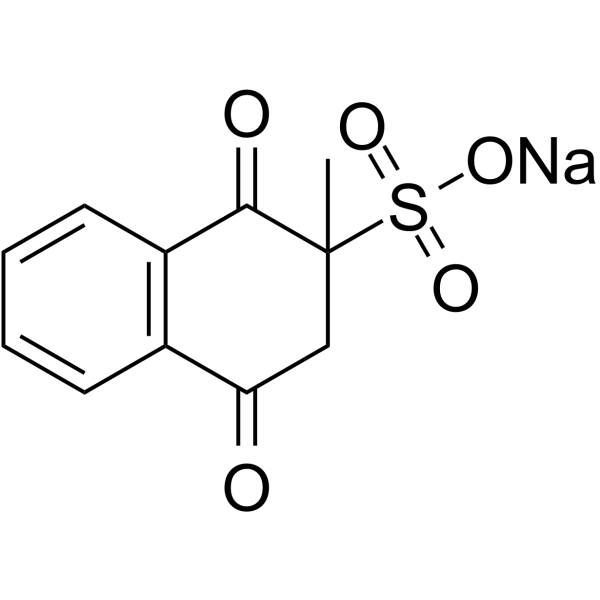
    Menadione sodium bisulfite; Vitamin K3 sodium bisulfite

    Endogenous Metabolite Others
    Menadione bisulfite (sodium) is used as an agent to induce acute oxidative stress, and to function as a plant-defense activator against several pathogens.
    Menadione bisulfite sodium
  • HY-N1913
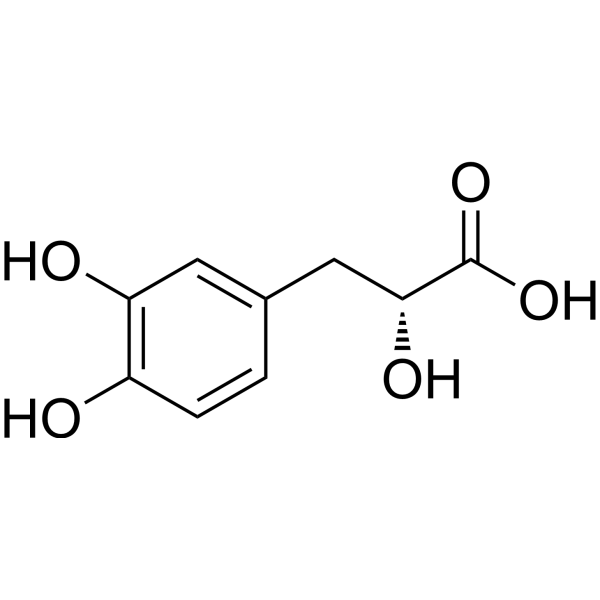
    Danshensu
    5+ Cited Publications

    Dan shen suan A; Salvianic acid A

    Keap1-Nrf2 NF-κB Reactive Oxygen Species (ROS) SARS-CoV Apoptosis Infection Cardiovascular Disease Inflammation/Immunology Cancer
    Danshensu (Dan shen suan A), an orally active phenolic compound, can induce Nrf2/HO-1 activation and inhibition of NF-κB pathway. Danshensu reduces reactive oxygen species (ROS) production, upregulates antioxidant defense mechanism and inhibits intrinsic apoptotic pathway. Danshensu displays a potent antiviral activity against SARS-CoV-2 with EC50 of 0.97 μM. Danshensu has anti-oxidation, anti-apoptosis, anti-lung inflammatory and has the potential for COVID-19, cardiovascular and cerebrovascular diseases research .
    Danshensu
  • HY-A0261
    Pentagastrin
    1 Publications Verification

    ICI-50123

    Cholecystokinin Receptor Metabolic Disease Cancer
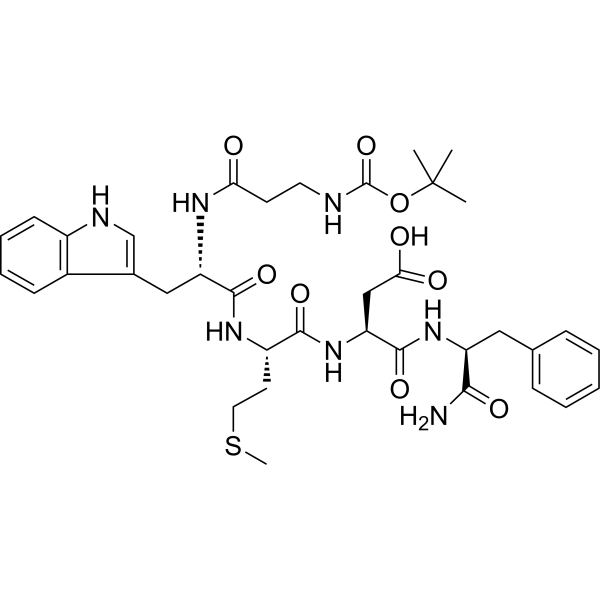
    Pentagastrin (ICI-50123) is a potent, selective Cholecystokinin B (CCKB) receptor agonist with an EC50 value of 11 nM. Pentagastrin enhances gastric mucosal defense mechanisms against acid and protects the gastric mucosa from experimental injury .
    Pentagastrin
  • HY-N0325
    DL-Methionine
    2 Publications Verification

    Environmental Pollutants Parasite Infection Inflammation/Immunology
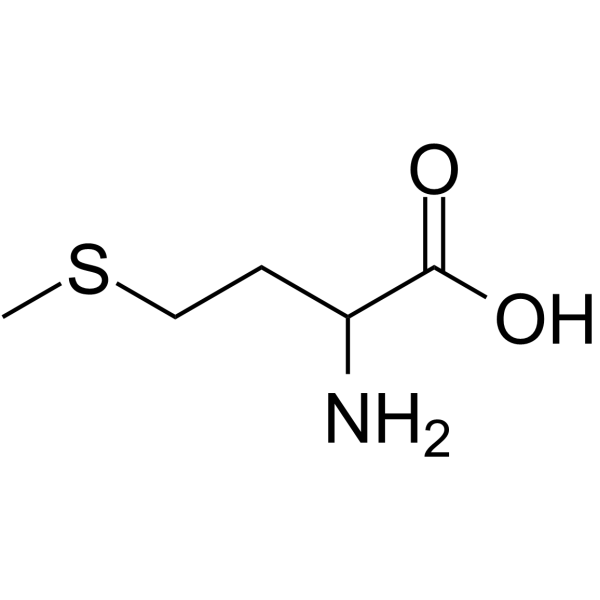
    DL-Methionine is an essential amino acid containing sulfur with oxidative stress defense effects. DL-Methionine can be used for animal natural feed. DL-Methionine also kills H. rostochiensis on potato plants .
    DL-Methionine
  • HY-116956

    Biochemical Assay Reagents Others
    D-Erythrose is a four-carbon sugar classified as an aldose. D-Erythrose has unique chemical properties that make it an important intermediate in various metabolic pathways, especially in the biosynthesis of amino acids and nucleotides. It also plays a role in the pentose phosphate pathway, which generates reducing equivalents for biosynthetic reactions and cellular defense against oxidative damage.
    D-Erythrose (50% in water)
  • HY-101415
    Coenzyme Q9
    1 Publications Verification

    Ubiquinone Q9; CoQ9; Ubiquinone 9

    Apoptosis Endogenous Metabolite Cardiovascular Disease
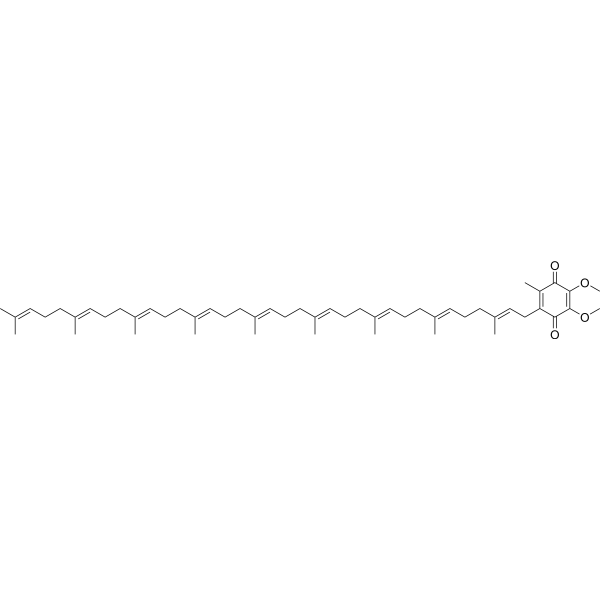
    Coenzyme Q9 (Ubiquinone Q9), the major form of ubiquinone in rodents, is an amphipathic molecular component of the electron transport chain that functions as an endogenous antioxidant. Coenzyme Q9 attenuates the diabetes-induced decreases in antioxidant defense mechanisms. Coenzyme Q9 improves left ventricular performance and reduces myocardial infarct size and cardiomyocyte apoptosis .
    Coenzyme Q9
  • HY-N6253
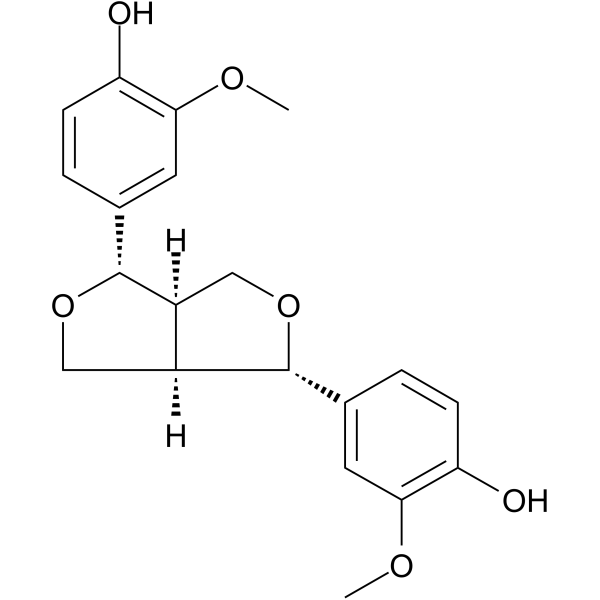
    Pinoresinol
    1 Publications Verification

    (+)-Pinoresinol

    Apoptosis Cancer
    Pinoresinol is a lignol of plant origin serving for defense in a caterpillar. Pinoresinol drastically sensitizes cancer cells against TNF-related apoptosis-inducing ligand (TRAIL) -induced apoptosis .
    Pinoresinol
  • HY-N0106

    (Rac)-Danshensu sodium; (Rac)-Tanshinol sodium

    Keap1-Nrf2 NF-κB Mitochondrial Metabolism Apoptosis Infection Cardiovascular Disease Inflammation/Immunology
    (Rac)-Salvianic acid A sodium is the racemic form of Salvianic acid A (HY-N1913). Salvianic acid A is an orally active phenolic compound that induces Nrf2/HO-1 activation and inhibits the NF-κB pathway, and it also activates the mitochondrial antioxidant defense system (Mitochondrial Metabolism). Salvianic acid A exhibits anti-inflammatory, antioxidant, and anti-apoptotic properties (Apoptosis), demonstrating potential for research into inflammation and cardiovascular diseases .
    (Rac)-Salvianic acid A sodium
  • HY-142006A

    (±)-JA-L-Ile

    Phytohormone Others
    (±)-Jasmonic-L-isoleucine ((±)-JA-L-Ile) is a mixture of (±)-Jasmonic acid (HY-122464) and isoleucine isomers. (±)-Jasmonic-L-isoleucine is a phytohormone that participates in the jasmonic acid signaling pathway. (±)-Jasmonic-L-isoleucine regulates biological processes in plants, including defense responses, growth and development, and stress tolerance .
    (±)-Jasmonic-L-isoleucine
  • HY-P2076

    SGX942

    p62 Bacterial Infection Cancer
    Dusquetide (SGX942) is a first-in-class innate defense regulator (IDR). Dusquetide modulates the innate immune response to both PAMPs and DAMPs by binding to p62. Dusquetide shows activity in both reducing inflammation and increasing clearance of bacterial infection . DAMPs: damage-associated molecular patterns; PAMPs: pathogen-associated molecular patterns
    Dusquetide
  • HY-N7058

    Environmental Pollutants Insecticide Others
    Cis-Jasmone is a plant-derived natural product. Cis-Jasmone is constitutively released by many flowers and sometimes by leaves as an attractant for pollinators or as a chemical cue for host location by insect flower herbivores. Cis-Jasmone treatment of crop plants not only induces direct defense against herbivores, but also induces indirect defense by releasing VOCs that attract natural enemies .
    cis-​Jasmone
  • HY-101572

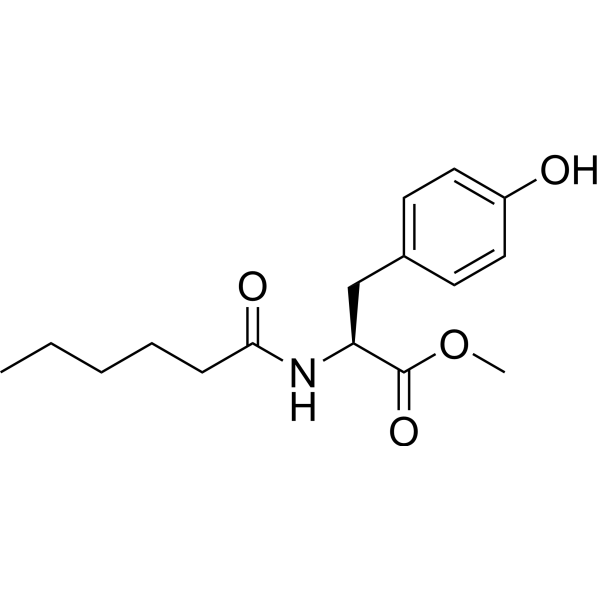
    Methyl caprooyl tyrosinate

    SphK Inflammation/Immunology Cancer
    MHP (Methyl caprooyl tyrosinate) is an activator of sphingosine kinase (SPHK1), and significantly stimulates CAMP mRNA and protein production. MHP (Methyl caprooyl tyrosinate) enhances antimicrobial defense and innate immunity .
    MHP
  • HY-138354A

    Drug Intermediate Infection
    Pyrroline-5-carboxylate sodium is a key intermediate in proline anabolism and catabolism. Pyrroline-5-carboxylate sodium plays important roles in plant defense against pathogen invasion, as well as in redox regulation, nucleotide synthesis and other processes in animal cells .
    Pyrroline-5-carboxylate sodium
  • HY-B0842
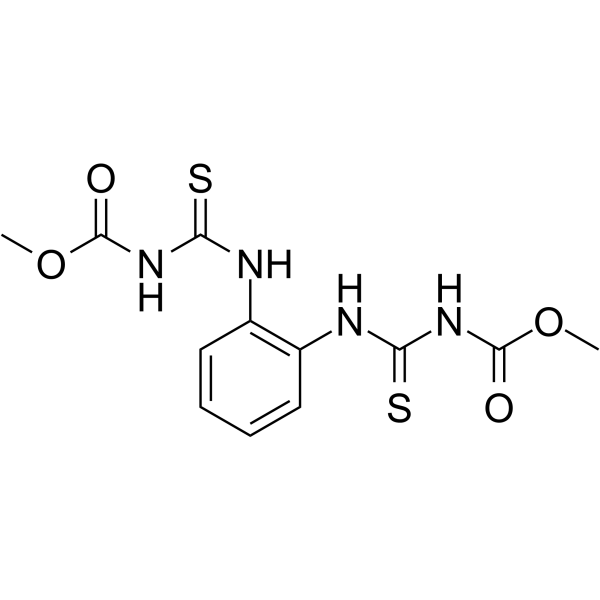
    Thiophanate-Methyl
    3 Publications Verification

    Environmental Pollutants Fungal Apoptosis Bcl-2 Family Caspase TNF Receptor SOD Reactive Oxygen Species (ROS) Infection
    Thiophanate-Methyl is a pesticide residue and fungicide. Thiophanate-Methyl induces hepatotoxicity via caspase-3-mediated apoptosis and oxidative stress, thereby causing metabolic imbalance in the liver of zebrafish. Thiophanate-Methyl impairs the rhizobacteria-mediated defense response of cucumber against fusarium wilt .
    Thiophanate-Methyl
  • HY-W075256

    Environmental Pollutants Bacterial Others
    Isotianil is a plant defense inducer that has no direct antimicrobial effect but instead activates typical plant defense responses. Isotianil can be used as a plant protection agent for controlling rice blast .
    Isotianil
  • HY-128113

    Formyl Peptide Receptor (FPR) Inflammation/Immunology
    AG-09/1 is a specific formyl peptide receptor 1 (FPR1) agonist. N-formyl peptide receptors (FPR) are important in host defense .
    AG-09/1
  • HY-132426S

    Fungal Reactive Oxygen Species (ROS) Infection
    Thiram-d12 is the deuterium labeled Thiram. Thiram, a fungicides, is widely used on seeds and as foliar agent on turf, vegetables and fruit.Thiram acts as a vulcanization accelerator in the rubber industry . Thiram induces antioxidant defense and oxidative stress. Thiram can act as a prooxidant resulting in the formation of reactive oxygen species (ROS) .
    Thiram-d12
  • HY-N1913A
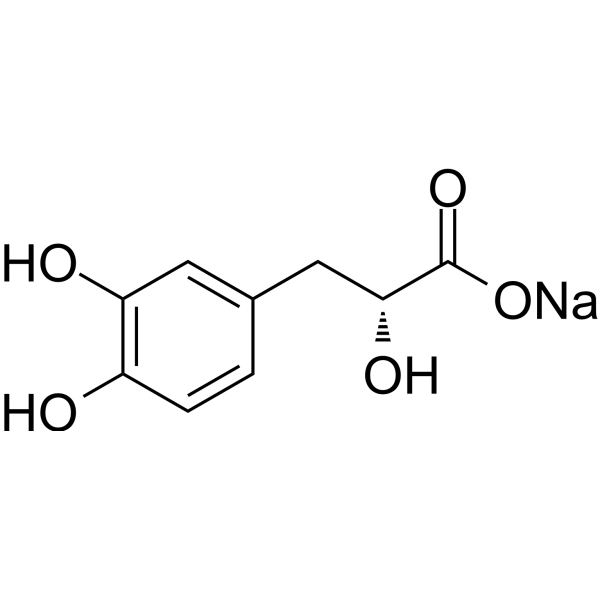
    Danshensu sodium
    5+ Cited Publications

    Dan shen suan A sodium; Salvianic acid A sodium

    Keap1-Nrf2 NF-κB Reactive Oxygen Species (ROS) SARS-CoV Apoptosis Infection Cardiovascular Disease Inflammation/Immunology Cancer
    Danshensu (Dan shen suan A) sodium, an orally active phenolic compound, can induce Nrf2/HO-1 activation and inhibition of NF-κB pathway. Danshensu sodium reduces reactive oxygen species (ROS) production, upregulates antioxidant defense mechanism and inhibits intrinsic apoptotic pathway. Danshensu sodium displays a potent antiviral activity against SARS-CoV-2 with EC50 of 0.97 μM. Danshensu sodium has anti-oxidation, anti-apoptosis, anti-lung inflammatory and has the potential for COVID-19, cardiovascular and cerebrovascular diseases research .
    Danshensu sodium
  • HY-Y1004

    Decyl alcohol

    Environmental Pollutants Biochemical Assay Reagents Parasite Apoptosis Infection
    1-Decanol (Decyl alcohol) is a nematicidal agent derived from Houttuynia cordata, with an LC50 of 31.5 μg/mL against potato cyst nematodes (PCN). 1-decanol directly damages nematode surface structures, induces cellular apoptosis, and disrupts the oxidative stress regulation system, while also downregulating defense-related metabolic pathways in potato, thereby promoting the reallocation of metabolic resources from defense to growth. 1-Decanol can be used for the research of potato cyst nematode infestation .
    1-Decanol
  • HY-Y1058

    BHA

    Fungal Infection
    Benzohydroxamic acid (BHA) is a chitin deacetylase (CDA) inhibitor with significant antifungal activity. The Ki values of BHA against the CDAs of Verticillium dahliae and Puccinia striiformis f. sp. tritici are 8.31 μM and 9.83 μM, respectively. Benzohydroxamic acid can restore the defense responses of infected host plants, upregulate the expression of defense-related genes, and reduce the growth and reproduction of fungi in plants. Benzohydroxamic acid can be used in the research of the field of controlling agricultural fungal diseases, such as various plant fungal diseases caused by Verticillium dahliae, Puccinia striiformis and other fungi, like cotton wilt and wheat stripe rust .
    Benzohydroxamic acid
  • HY-139427

    β-Methylglutaconic acid

    GABA Receptor Cardiovascular Disease Neurological Disease Metabolic Disease
    3-Methylglutaconic acid is the major metabolites accumulating in 3-Methylglutaconic aciduria (MGTA). 3-Methylglutaconic acid can induce lipid oxidative damage and protein oxidative. 3-Methylglutaconic acid decreases the non-enzymatic antioxidant defenses in cerebral cortex supernatants to elicit oxidative stress in the cerebral cortex. 3-Methylglutaconic acid can be used for brain damage disease research .
    3-Methylglutaconic acid
  • HY-B0871

    Environmental Pollutants Herbicide Others
    Quinclorac, an herbicide widely applied in agriculture, induces oxidative stress due to free radical generation and changes in the antioxidant defense system .
    Quinclorac
  • HY-P3361A

    Parasite Bacterial Antibiotic Infection Inflammation/Immunology
    IDR-1018 acetate is an innate defense regulator conjugate, with MICs of 16 μg/mL for MRSA USA300 LAC, MRSA SAP 0017 and S. epidermidis ATCC14990. IDR-1018 acetate can be used to synthesis V-IDR1018 (vancomycin-innate defense regulator conjugate) .
    IDR-1018 acetate
  • HY-P3021
    Human milk lysozyme
    2 Publications Verification

    Bacterial Biochemical Assay Reagents Infection
    Human milk lysozyme is the lysozyme found in human milk. Human milk lysozyme is thought to be a key defense factor in protecting the gastrointestinal tract of newborns against bacterial infection .
    Human milk lysozyme
  • HY-W041831

    Ethanedioic acid ammonium

    Environmental Pollutants Biochemical Assay Reagents Others
    Oxalic acid (ammonium) is a oxalic acid bound to ammonium. Oxalic acid has high acidity, reducibility, and chelation ability. Oxalic acid plays important roles in the regulation of plant growth and development, the response to both biotic and abiotic stresses such as plant defense and heavy metals detoxification, and food quality .
    Oxalic acid ammonium
  • HY-N0325S4

    Parasite Cancer
    DL-Methionine-d4 is the deuterium labeled DL-Methionine. DL-Methionine is an essential amino acid containing sulfur with oxidative stress defense effects. DL-Methionine can be used for animal natural feed. DL-Methionine also kills H. rostochiensis on potato plants .
    DL-Methionine-d4
  • HY-P3361

    Parasite Bacterial Antibiotic Infection Inflammation/Immunology
    IDR-1018 is an innate defense regulator conjugate, with MICs of 16 μg/mL for MRSA USA300 LAC, MRSA SAP 0017 and S. epidermidis ATCC14990. IDR-1018 can be used to synthesis V-IDR1018 (vancomycin-innate defense regulator conjugate) .
    IDR-1018
  • HY-119898

    Fungal Infection
    Alloocimene is a diterpenoid that activates defense genes and induces resistance to Botrytis cinerea in Arabidopsis thaliana .
    Alloocimene
  • HY-P3979

    HNP 4

    Bacterial Melanocortin Receptor Infection
    Defensin HNP 4 (HNP 4) is a host-defense peptide that has antimicrobial activity against Gram-negative bacteria. Defensin HNP 4 inhibits ACTH stimulated synthesis of Corticosterone (HY-B1618) in rat adrenal cell suspensions .
    Defensin HNP 4
  • HY-N7698A

    Bacterial Inflammation/Immunology
    Penta-N-acetylchitopentaose elicits plant defense systems. Penta-N-acetylchitopentaose is a substrate for the Rhizobium leguminosarum nodulation protein NodL .
    Penta-N-acetylchitopentaose
  • HY-116536

    oxo-C14-HSL

    Bacterial Infection
    N-3-Oxo-tetradecanoyl-L-homoserine lactone (oxo-C14-HSL) is a rhizobacterial inducer and can improve basic defense against nematodes .
    N-3-Oxo-tetradecanoyl-L-homoserine lactone
  • HY-N3570

    Fungal Infection
    Cerebroside B, a sphingolipid compound, is a non-racespecific elicitor, which elicits defense responses in rice .
    Cerebroside B
  • HY-N7058R

    Reference Standards Insecticide Others
    cis-Jasmone (Standard) is the analytical standard of cis-Jasmone. This product is intended for research and analytical applications. Cis-Jasmone is a plant-derived natural product. Cis-Jasmone is a plant-derived natural product. Cis-Jasmone is constitutively released by many flowers and sometimes by leaves as an attractant for pollinators or as a chemical cue for host location by insect flower herbivores. Cis-Jasmone treatment of crop plants not only induces direct defense against herbivores, but also induces indirect defense by releasing VOCs that attract natural enemies .
    cis-?Jasmone (Standard)
  • HY-P3472

    Cyclo(L-Pro-L-Ile)

    Amino Acid Derivatives Inflammation/Immunology
    Cyclo(IP) (Cyclo-(L-Pro-L-Ile)), a Diketopiperazine can be derived From Bacillus thuringiensis JCK-1233, results in suppression of PWD severity and increased the expression of defense-related genes similarly to Bacillus thuringiensis JCK-1233 treatment .
    Cyclo(IP)
  • HY-W698586

    Drug Isomer Others
    (R)-Lotaustralin is a cyanogenic compound derived from Manihot Utilissima, playing a role in the plant's biological defense mechanism. When plant tissue is damaged, (R)-Lotaustralin is hydrolyzed by enzymes such as linamarase, releasing cyanide and thereby exerting a toxic defensive effect .
    (R)-Lotaustralin
  • HY-109158

    COX Inflammation/Immunology
    Rebamipide mofetil is an orally active proagent of Rebamipide (OPC12759). Rebamipide is a mucoprotective agent. Rebamipide induces COX-2 expression, increases PGE2 levels, and enhances gastric mucosal defense in a COX-2-dependent manner .
    Rebamipide mofetil
  • HY-138354

    Drug Intermediate Infection
    Pyrroline-5-carboxylate is a key intermediate in proline anabolism and catabolism. Pyrroline-5-carboxylate plays important roles in plant defense against pathogen invasion, as well as in redox regulation, nucleotide synthesis and other processes in animal cells .
    Pyrroline-5-carboxylate
  • HY-157618

    Bacterial Others
    18:0-18:1 PG sodium is a hydrogenated phospholipid that contributes to the stability of photosystem I and II protein complexes and plays a role in bacterial defense mechanisms, featuring two extra methylene groups in its saturated sn-1 chain, and is present in the thylakoid membranes of higher plants and cyanobacteria.
    18:0-18:1 PG sodium
  • HY-W052234

    Insecticide Others
    4-Fluorophenoxyacetic acid is a herbicide and plant defense inducer. 4-Fluorophenoxyacetic can inhibit the heading of monocotyledonous weeds and induce their sterility. Additionally, 4-Fluorophenoxyacetic acid can induce the defense mechanism of cereals to suppress pest populations and increase the yield of field crops .
    4-Fluorophenoxyacetic acid
  • HY-B0360S

    OPC12759-d4; Proamipide-d4

    Isotope-Labeled Compounds COX Prostaglandin Receptor Inflammation/Immunology Cancer
    Rebamipide-d4 is deuterium labeled Rebamipide. Rebamipide is a mucoprotective agent. Rebamipide induces COX-2 expression, increases PGE2 levels, and enhances gastric mucosal defense in a COX-2-dependent manner .
    Rebamipide-d4
  • HY-B0779A

    (5E,9E,13E)-Geranylgeranylacetone

    HSP Metabolic Disease
    (5E,9E,13E)-Teprenone ((5E,9E,13E)-Geranylgeranylacetone) is an isomer of Teprenone with antiulcer activity. (5E,9E,13E)-Teprenone induces transcriptional activation of HSP genes that may increase gastric mucosal defense at conditions of stress .
    (5E,9E,13E)-Teprenone
  • HY-P2076A

    SGX942 TFA

    p62 Bacterial Infection Cancer
    Dusquetide (SGX942) TFA is a first-in-class innate defense regulator (IDR). Dusquetide TFA modulates the innate immune response to both PAMPs and DAMPs by binding to p62. Dusquetide TFA shows activity in both reducing inflammation and increasing clearance of bacterial infection . DAMPs: damage-associated molecular patterns; PAMPs: pathogen-associated molecular patterns
    Dusquetide TFA
  • HY-148205A

    Drug Derivative Others
    Trypanothione TFA is a bis-glutathionyl derivative, can be isolated from trypanosomatids. Trypanothione TFA itself or assisted by different enzymatic systems is involved in anti-oxidant defense, cell proliferation, removal of toxic compounds and metabolites and iron-sulfur metabolism .
    Trypanothione TFA
  • HY-N0325S

    Isotope-Labeled Compounds Parasite Infection Inflammation/Immunology
    DL-Methionine- 13C is the 13C-labeled DL-Methionine. DL-Methionine is an essential amino acid containing sulfur with oxidative stress defense effects. DL-Methionine can be used for animal natural feed. DL-Methionine also kills H. rostochiensis on potato plants .
    DL-Methionine-13C
  • HY-N0325R

    Reference Standards Parasite Infection Inflammation/Immunology
    DL-Methionine (Standard) is the analytical standard of DL-Methionine. This product is intended for research and analytical applications. DL-Methionine is an essential amino acid containing sulfur with oxidative stress defense effects. DL-Methionine can be used for animal natural feed. DL-Methionine also kills H. rostochiensis on potato plants .
    DL-Methionine (Standard)
  • HY-174620

    mRNA Inflammation/Immunology
    Human IL22 mRNA encodes the human interleukin 22 (IL22) protein, a member of the IL10 family of cytokines that mediate cellular inflammatory responses. IL22 functions in antimicrobial defense at mucosal surfaces and in tissue repair. It also has pro-inflammatory properties and plays a role in in the pathogenesis of several intestinal diseases.
    Human IL22 mRNA
  • HY-107355

    Reactive Oxygen Species (ROS) Inflammation/Immunology
    Letosteine is an orally active, potent and safe expectorant. Letosteine has the effect of scavenging reactive oxygen species (ROS). Letosteine dissolves bronchial mucus and reduces respiratory inflammation symptoms, and restores gas exchanges and natural defense mechanisms in the lung. Letosteine can be used for acute or chronic respiratory diseases (such as bronchopneumopathies) research .
    Letosteine

Inquiry Online

Your information is safe with us. * Required Fields.

Salutation


Country or Region *

Applicant Name *


Organization Name *

Department *


Email Address *


Product Name *

Cat. No.


Requested quantity *

Phone Number *


Remarks

Inquiry Online

Inquiry Information

Product Name:
Cat. No.:
Quantity:
MCE Japan Authorized Agent:

