


79 Results for "

differential pulse voltammetry

" in MedChemExpress (MCE) Product Catalog:
Products (79)

79 Results for "differential pulse voltammetry" in MCE Product Catalog:

853
853 Publications Verification
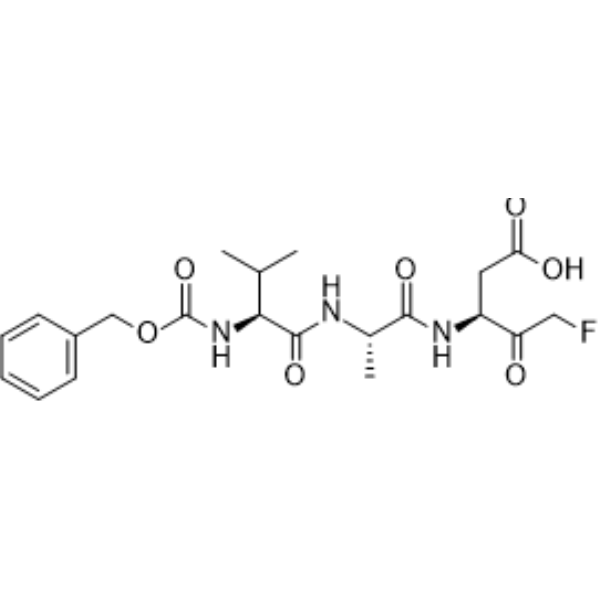
Cat. No.: HY-16658B
CAS No.: 161401-82-7
Synonyms: Z-VAD(OH)-FMK
Z-VAD-FMK is a pan-caspase inhibitor and also an ICE-like protease inhibitor, which inhibits apoptosis by preventing the processing of CPP32 to its active form. Z-VAD-FMK sensitivity varies primarily due to differential expression of receptor-interacting protein 1 (RIP1). Z-VAD-FMK limits the cryopreservation-induced apoptosis by reducing caspase-3 activity of in vitro produced bovine embryos. Z-VAD-FMK is immunosuppressive in vitro and inhibits T cell proliferation without blocking the processing of caspase-8 and caspase-3. Z-VAD-FMK leads to a decrease in intracellular glutathione (GSH) with a concomitant increase in reactive oxygen species (ROS) levels in activated T cells. Z-VAD-FMK is due to oxidative stress via the depletion of GSH. Z-VAD-FMK can be used for the study of acute pancreatitis .
loading...
    loading...
21
21 Cited Publications
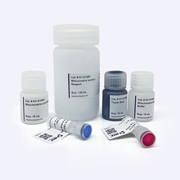
Cat. No.: HY-K1060

MCE Mitochondria Isolation Kit for Cultured Cells enables the fast and efficient isolation of intact mitochondria from cells using differential centrifugation.


loading...
    loading...
11
11 Cited Publications
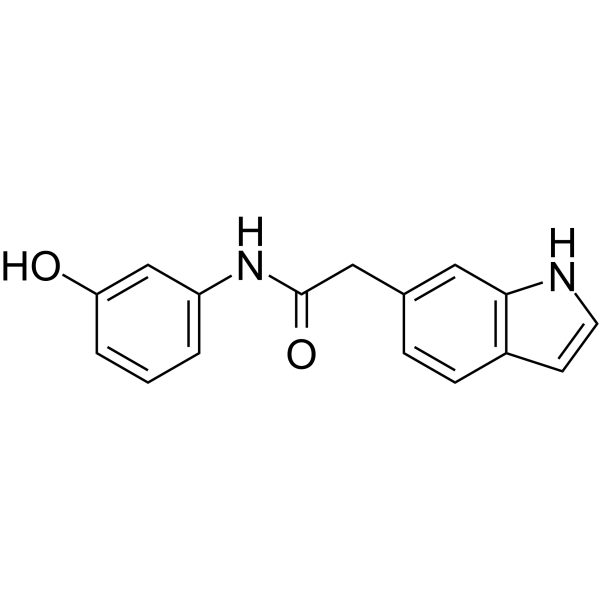
Cat. No.: HY-144226
CAS No.: 1787787-60-3
Purity:  98.23%
NLRP3/AIM2-IN-3 (compound 59) is a potent inhibitor with differential species specific effects against NLRP3 and AIM2 inflammasome-dependent pyroptosis. NLRP3/AIM2-IN-3 shows inhibitory efficacy against pyroptosis in THP-1 macrophages stimulated with LPS/nigericin, with an IC50 of 0.077 ± 0.008 μM. NLRP3/AIM2-IN-3 disturbs the interaction of NLRP3 or AIM2 with the adaptor protein ASC and inhibited ASC oligomerization .
loading...
    loading...
10
10 Cited Publications
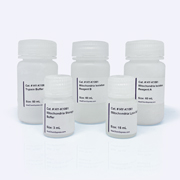
Cat. No.: HY-K1061

MCE Mitochondria Isolation Kit for Tissue enables the fast and efficient isolation of intact mitochondria from tissue using differential centrifugation.


loading...
    loading...
7
7 Cited Publications
Cat. No.: HY-D0143
CAS No.: 130-95-0
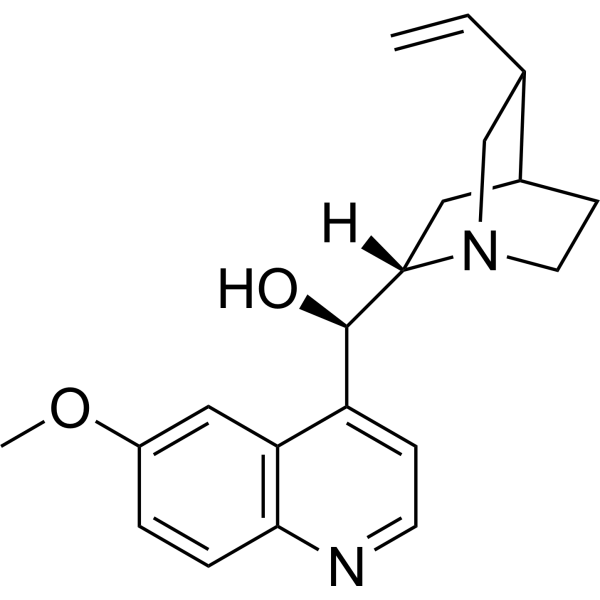
Quinine is an orally active alkaloid extracted from cinchona bark, possessing various biological activities including antimalarial, antidengue virus (DENV), and anticancer properties. Quinine is a potassium channel inhibitor that inhibits WT mouse Slo3 (KCa5.1) channel currents evoked by voltage pulses to +100 mV with an IC50 of 169 μM .
loading...
    loading...
7
7 Cited Publications
Cat. No.: HY-B0433A
CAS No.: 6119-47-7
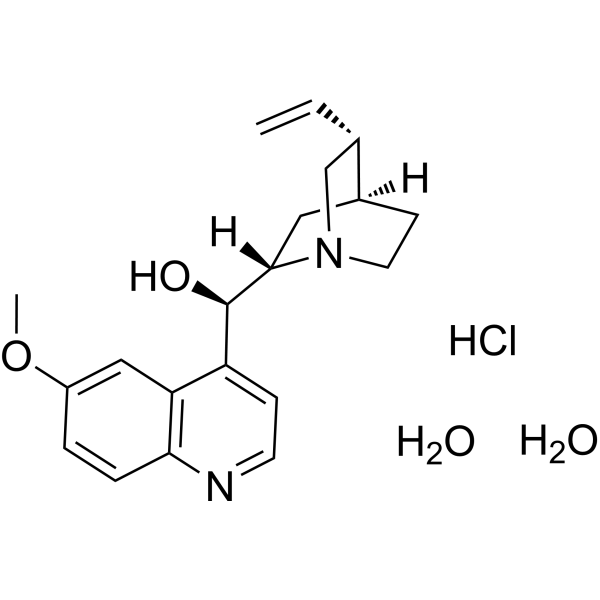
Quinine hydrochloride dihydrate (Qualaquin) is an orally active and can be used in anti-malarial studies. Quinine hydrochloride dihydrate is a potassium channel inhibitor that inhibits WT mouse Slo3 (KCa5.1) channel currents evoked by voltage pulses to +100 mV with an IC50 of 169 μM .
loading...
    loading...
7
7 Cited Publications
Cat. No.: HY-W010668
CAS No.: 6119-70-6
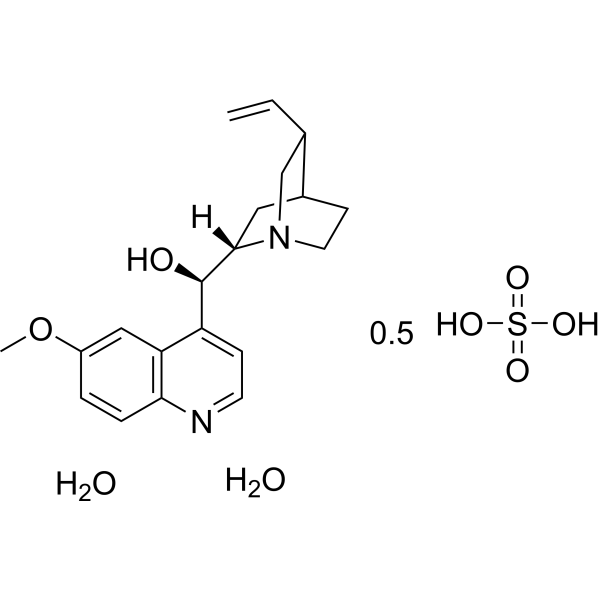
Quinine sulfate hydrate (2:1:4) is an orally active alkaloid extracted from cinchona bark and can be used in anti-malarial studies. Quinine sulfate hydrate (2:1:4) is a potassium channel inhibitor that inhibits WT mouse Slo3 (KCa5.1) channel currents evoked by voltage pulses to +100 mV with an IC50 of 169 μM .
loading...
    loading...
7
7 Cited Publications
Cat. No.: HY-D0143B
CAS No.: 207671-44-1
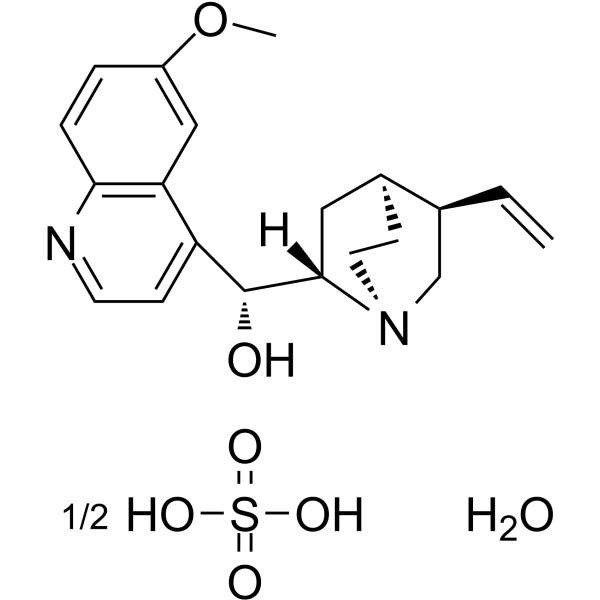
Quinine hemisulfate hydrate is an orally active alkaloid extracted from cinchona bark, possessing various biological activities including antimalarial, antidengue virus (DENV), and anticancer properties. Quinine hemisulfate hydrate acts as a potassium channel inhibitor that suppresses the +100 mV current of MT mSlo3 (KCa5.1) channels induced by voltage pulses, with an IC50 value of 169 μM. Quinine hemisulfate hydrate serves as a fluorescence standard reference substance with fluorescence spectrum calibration and validation activity .
loading...
    loading...
7
7 Cited Publications
Cat. No.: HY-D0143A
CAS No.: 60-93-5
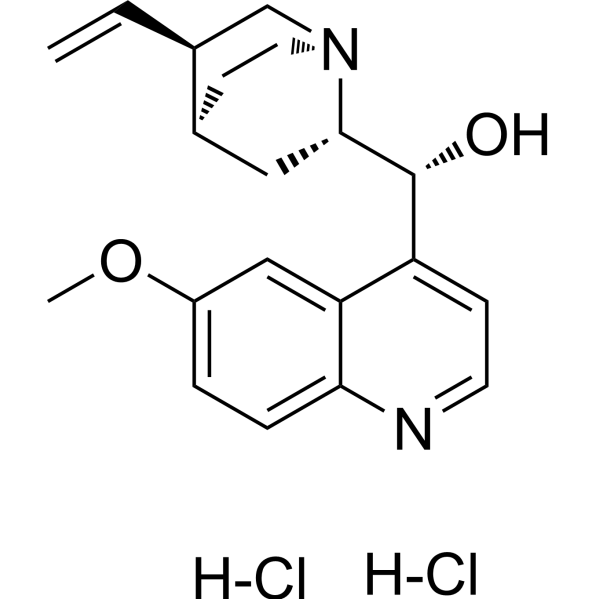
Quinine dihydrochloride is an orally active alkaloid extracted from cinchona bark, possessing various biological activities including antimalarial, antidengue virus (DENV), and anticancer properties. Quinine dihydrochloride is a potassium channel inhibitor that inhibits WT mouse Slo3 (KCa5.1) channel currents evoked by voltage pulses to +100 mV with an IC50 of 169 μM .
loading...
    loading...
5
5 Cited Publications
Cat. No.: HY-10199A
CAS No.: 159634-47-6
Purity:  98.52%
Synonyms: MK-677 free base; MK-0677 free base
Ibutamoren (MK-677 free base; MK-0677 free base) is an orally active non-peptide growth hormone secretagogue receptor agonist. Ibutamoren activates signal cascades by mimicking endogenous ligands, triggers pulsatile release of growth hormone from the pituitary gland, and increases serum levels of IGF-1 and insulin-like growth factor-binding protein 3. Ibutamoren not only increases the frequency of growth hormone pulses in male individuals, but also promotes elevated bone formation markers in female individuals with postmenopausal osteoporosis. The combination of Ibutamoren with Alendronate sodium hydrate (HY-11101) significantly increases bone mineral density at the femoral neck. However, Ibutamoren may cause mild, reversible adverse reactions such as increased appetite, fluid retention, and elevated fasting blood glucose. Ibutamoren has been widely used in studies related to idiopathic growth hormone deficiency, sarcopenia, Alzheimer's disease, and osteoporosis .
loading...
    loading...
1
1 Cited Publications
Cat. No.: HY-W088070A
CAS No.: 9012-36-6
Agarose,Low melting point is a kind of agarose, a kind of polysaccharide that can be derived from seaweed. It is commonly used in molecular biology and biochemistry to isolate and purify DNA and RNA fragments. Agarose,Low melting point is a low melting point agarose, which is suitable for the recovery of large DNA fragments and enzymatic reactions in gels and other applications. In addition, it has been used in various techniques, such as pulsed field gel electrophoresis and capillary electrophoresis for analyzing genetic material.
loading...
    loading...
1
1 Cited Publications
Cat. No.: HY-W015560
CAS No.: 99-10-5
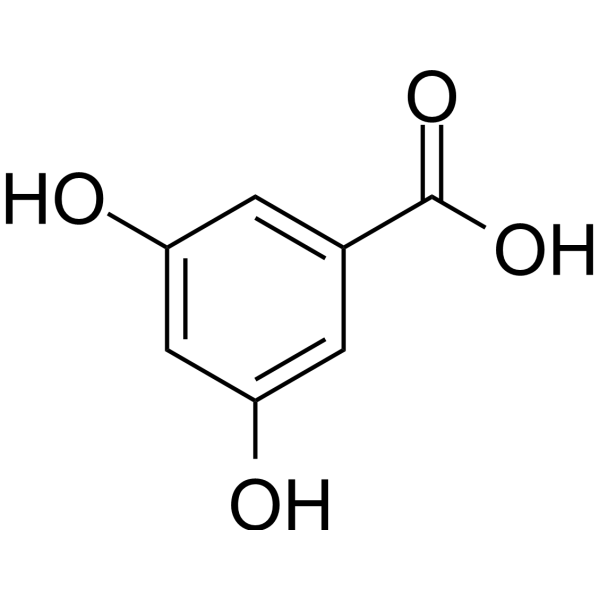
3,5-Dihydroxybenzoic acid a potential biomarker for the consumption of many food products, including beer, nuts, peanut, and pulses. 3,5-Dihydroxybenzoic acid is the agonist for hydroxycarboxylic acid receptor 1 (HCA1, also known as GPR81) that inhibits lipolysis in adipocytes. 3,5-Dihydroxybenzoic acid is the competitive inhibitor for tyrosine phenol-lyase (TPL), exhibits an affinity of Ki=25.7 μM. 3,5-Dihydroxybenzoic acid is orally active .
loading...
    loading...
1
1 Cited Publications
Cat. No.: HY-N0913A
CAS No.: 3371-50-4
Research Areas:  

Metabolic Disease

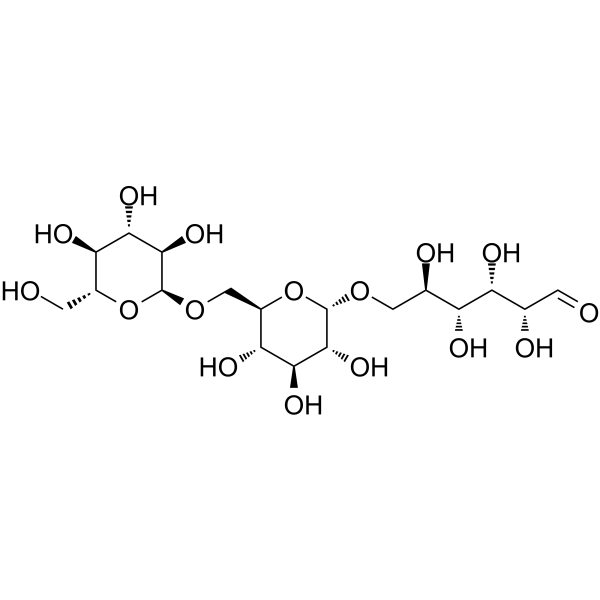
Isomaltotriose is a type of isomaltooligosaccharide belonging to the α-glucan family. Isomaltotriose acts not only as an important prebiotic component that can be differentially metabolized by beneficial intestinal bacteria to regulate the intestinal flora, but also as a valuable chemical synthesis precursor that can be modified enzymatically to introduce hydrophobic groups and converted into high-value functional molecules .
loading...
    loading...
1
1 Cited Publications
Cat. No.: HY-NP0147
Synonyms: WGA (Fluorescein)
Wheat Germ Agglutinin (WGA) Fluorescein is a classic fluorescent label that specifically binds to sugar residues such as N-acetylglucosamine, N-acetylneuraminic acid and sialic acid. Wheat Germ Agglutinin Fluorescein performs regionally differential fluorescent staining of the ocular surface epithelial glycocalyx to assess its integrity, and causes no damage to the eye at safe concentrations. Wheat Germ Agglutinin Fluorescein is also used for staining structures including red blood cells, cultured cells, bacteria and pine wood nematodes, and facilitates the isolation of wheat-associated plant-growth-promoting rhizobacterial strains. Wheat Germ Agglutinin Fluorescein can be applied to the detection of ocular glycocalyx integrity and the research of related diseases such as pine wilt disease .
loading...
    loading...
1
1 Cited Publications
Cat. No.: HY-113048A
Purity:  97.5%
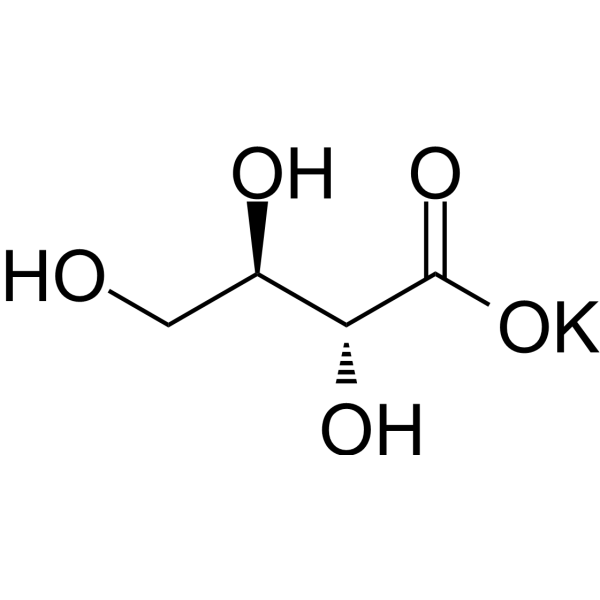
Erythronic acid potassium is a urinary metabolite that serves as a diagnostic marker for transaldolase (TALDO) deficiency. Erythronic acid potassium is a differential urinary metabolite associated with renal injury in hyperuricemic rats. Erythronic acid potassium can be used in studies related to transaldolase deficiency and hyperuricemia .
loading...
    loading...
Cat. No.: HY-12522
CAS No.: 1436391-86-4
Purity:  99.47%
Synonyms: Aur0101; Auristatin-0101
Research Areas:  

Cancer

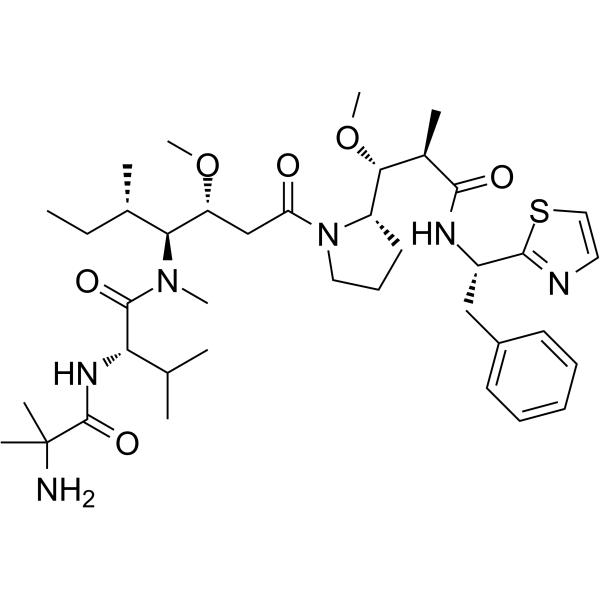
PF-06380101 (Aur0101), an auristatin microtubule inhibitor, is a cytotoxic Dolastatin 10 analogue. PF-06380101 (Aur0101) shows excellent potencies in tumor cell proliferation assays and differential ADME properties when compared to other synthetic auristatin analogues that are used in the preparation of ADCs.
loading...
    loading...
Cat. No.: HY-P1248
CAS No.: 99566-27-5
Synonyms: NPFF
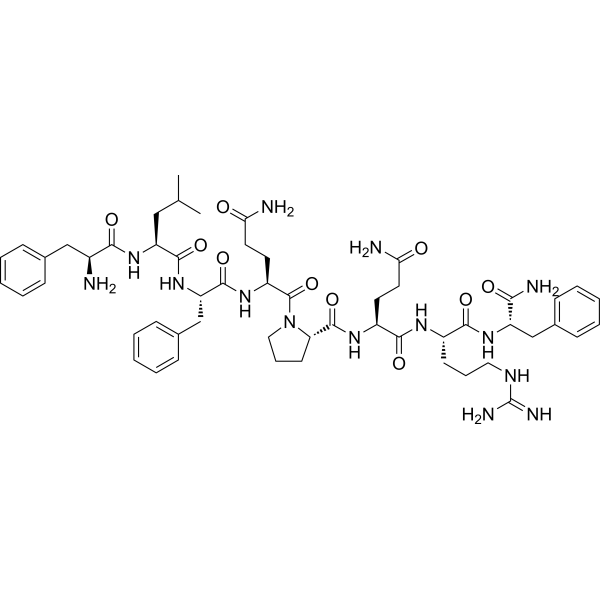
Neuropeptide FF (NPFF), an octapeptide belonging to the RF-amide family of peptides, is a NPFF1 and NPFF2 receptors agonist with Ki values of 2.82 nM and 0.21 nM, respectively. Neuropeptide FF induces abstinence syndrome, exerts antiopioid and analgesic effects, releases via calcium-dependent mechanisms from rat spinal cord, regulates memory, autonomic function, and neuroendocrine function, modulates pain and opioid antinociception, reduces food intake, stimulates water intake, alters cardiovascular parameters, and shows differential activity in hypothalamic paraventricular nucleus neurons. Neuropeptide FF is present in mammalian central nervous system and periphery, with NPFF-immunoreactivity increases in rat cerebrospinal fluid during opiate tolerance, and its NPFF gene and NPFF-R2 gene are up-regulated in rat spinal cord and dorsal root ganglia during peripheral inflammation. Neuropeptide FF can be used for the research of opioid tolerance, morphine-induced analgesia, abstinence syndrome, pain, hypertension, nociception, inflammatory pain, and neuropathic pain .
loading...
    loading...
Cat. No.: HY-W088068
CAS No.: 68988-92-1
Wright's stain is a composite cell stain that mainly binds to intracellular nucleic acids, proteins and other components through thiazine dyes (such as methylene blue) and eosin. Wright's stain is pH-dependent (optimal pH 6.4-6.7) and achieves cell morphology resolution by differentially staining the cytoplasm and nucleus. Under alkaline conditions, thiazine dyes bind to nucleic acids to form purple, and acidic eosin binds to cytoplasmic proteins to form red, which can form contrasting cell morphological features. Wright's stain can clearly display the fine structures of blood cells and bone marrow cells (such as nuclear chromatin and granules) and quickly evaluate cell morphological abnormalities .
loading...
    loading...
Cat. No.: HY-W008425
CAS No.: 10160-24-4
Synonyms: 7-Bromoheptan-1-ol
Research Areas:  

Cancer

7-Bromo-1-heptanol (7-Bromoheptan-1-ol) acts as a HaloTag-GPSM2 inhibitor and an organic synthesis intermediate. It forms a covalent irreversible bond with HaloTag-GPSM2, thereby blocking the subsequent labeling effect of fluorescent HaloTag ligands and enabling pulse-chase analysis of protein turnover. 7-Bromo-1-heptanol can be used to synthesize PROTAC BET degraders and multivalent glycoporphyrin antiviral compounds. It is applicable to cancer-related research .
loading...
    loading...
Cat. No.: HY-P99431
CAS No.: 2489390-15-8
Synonyms: Alomfilimab; SAR 445256

Target:  

CD28

Research Areas:  

Inflammation/Immunology Cancer

KY-1044 (Alomfilimab; SAR 445256) is a fully human IgG1 antibody targeting inducible costimulatory receptor (ICOS). KY-1044 depletes ICOS high cells via antibody-dependent cellular cytotoxicity (ADCC) through the engagement of FcgRIIIa. KY-1044 act as a costimulatory molecule on cells expressing lower ICOS levels, such as CD8 + TEff cells (through FcgR-dependent clustering). KY-1044 exploit the differential expression of ICOS on T-cell subtypes to improve the intratumoral immune contexture and restore an antitumor immune response .
loading...
    loading...

