1. Search Result
Search Result
Results for "

fat absorption

" in MedChemExpress (MCE) Product Catalog:

35

Inhibitors & Agonists

4

Fluorescent Dye

3

Biochemical Assay Reagents

12

Natural
Products

13

Isotope-Labeled Compounds

3

Oligonucleotides

2

GMP Molecules

Cat. No. Product Name Target Research Areas Chemical Structure
  • HY-N0324
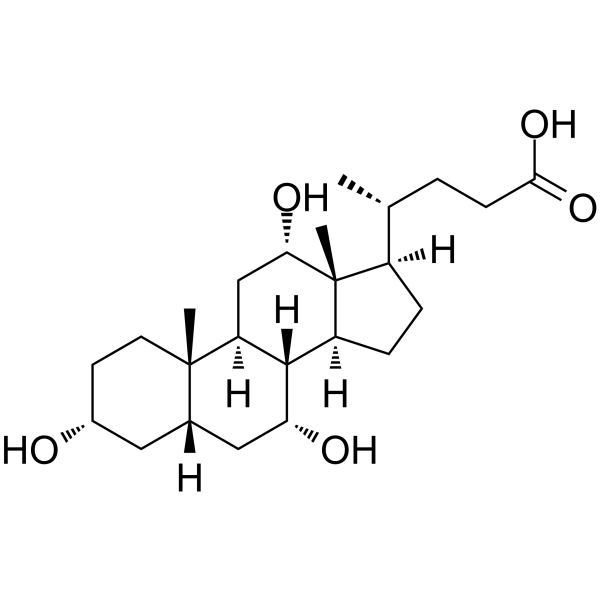
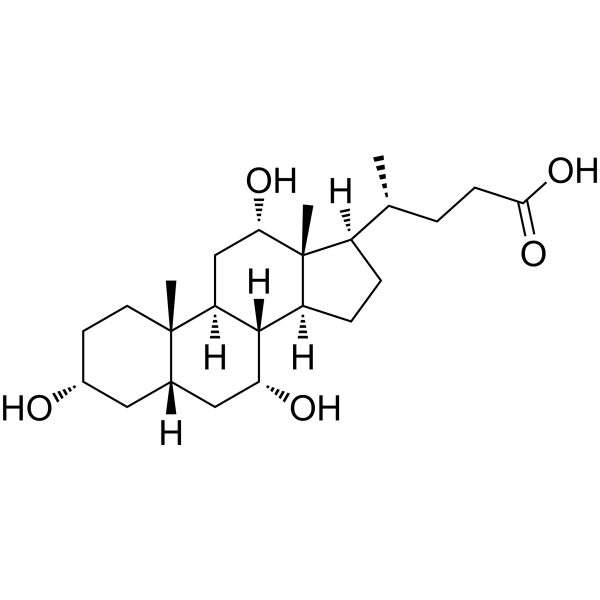
    Cholic acid
    15+ Cited Publications

    Endogenous Metabolite Metabolic Disease
    Cholic acid is a major primary bile acid produced in the liver and usually conjugated with glycine or taurine. It facilitates fat absorption and cholesterol excretion. Cholic acid is orally active .
    Cholic acid
  • HY-N0378
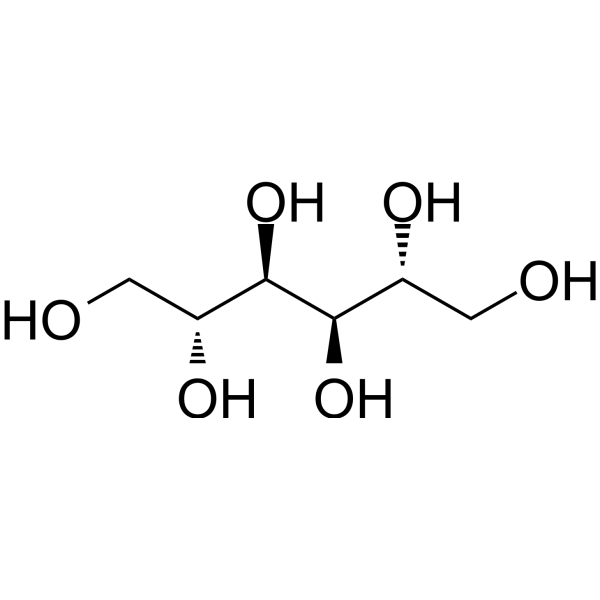
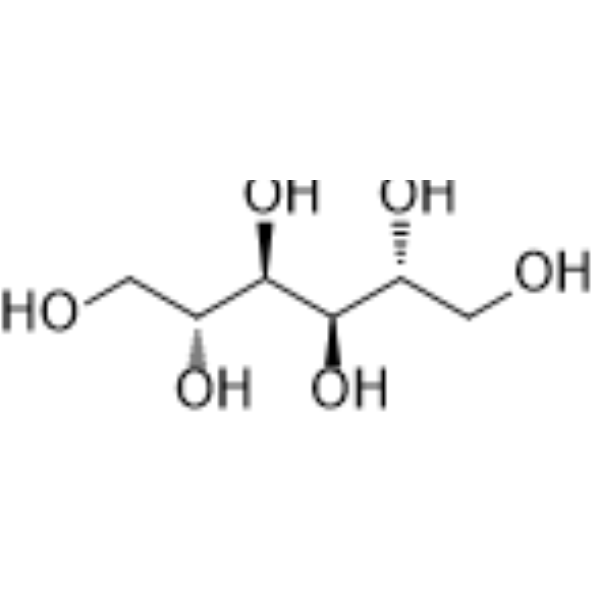
    D-Mannitol
    10+ Cited Publications

    Mannitol; Mannite

    Environmental Pollutants Endogenous Metabolite Apoptosis PGC-1α PKA Adrenergic Receptor Cardiovascular Disease Metabolic Disease Cancer
    D-Mannitol (Mannitol) is an oral, resistant sugar widely used in the food and pharmaceutical industries to promote the absorption and retention of calcium and magnesium through cecal fermentation, while acting as a osmotic diuretic to reduce tissue edema. D-Mannitol can enhance brown fat formation, improve insulin effect, reduce blood sugar levels, And through the start the β3-adrenergic receptor (β3-AR), PGC1α and PKA induced by means of white fat cells into brown fat cells . D-Mannitol is commonly used to maintain osmotic pressure between the plant cytoplasm and the culture medium and protect cells when the cell wall is weakened or even removed .
    D-Mannitol
  • HY-N0145
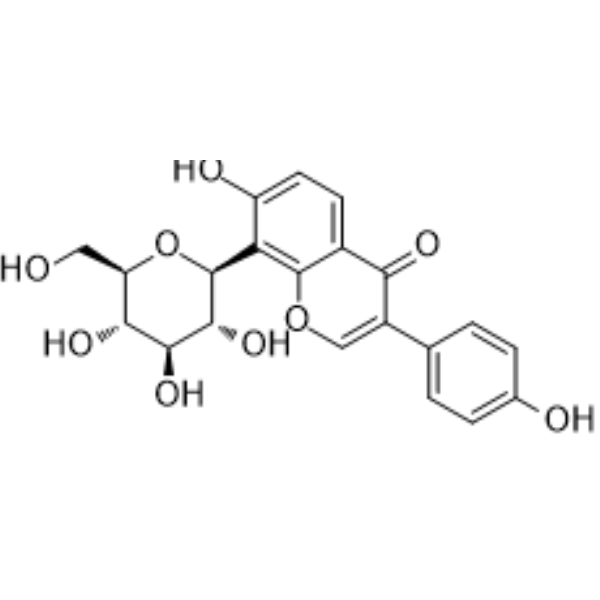
    Puerarin
    Maximum Cited Publications
    29 Publications Verification

    5-HT Receptor Cardiovascular Disease Infection Neurological Disease Metabolic Disease Inflammation/Immunology Cancer
    Puerarin is an isoflavone extracted from Pueraria root and is a 5-HT2C receptor antagonist. Puerarin inhibits the dorsal motor nucleus of the vagus (DMV)-vagus nerve pathway, which in turn leads to decreased fat absorption .
    Puerarin
  • HY-D1168
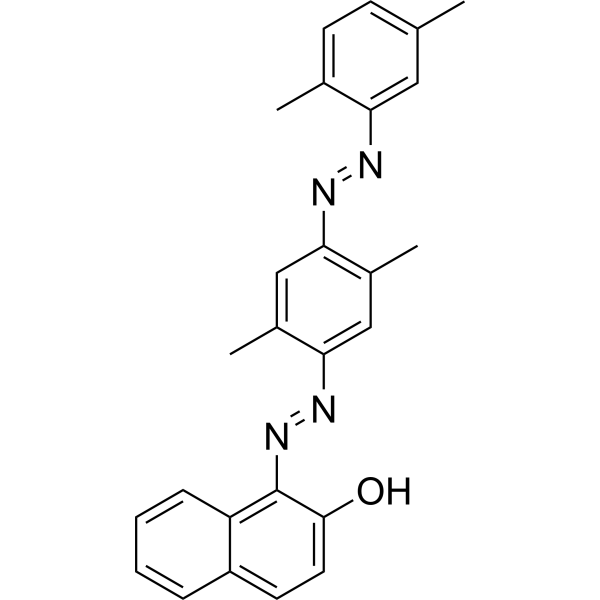
    Oil Red O
    10+ Cited Publications

    Environmental Pollutants Fluorescent Dye Metabolic Disease
    Oil Red O is a fat-soluble diazol dye, with a maximum absorption at 518 nm. Oil Red O stains neutral lipids and cholesteryl esters but not biological membranes. Oil Red O can be used for detecting and quantifying hepatic steatosis in mouse liver biopsies. Oil Red O staining efficiently helps to visualize the radical changes that occur in tissues as metabolic disease occurs and progresses .
    Oil Red O
  • HY-N0324S
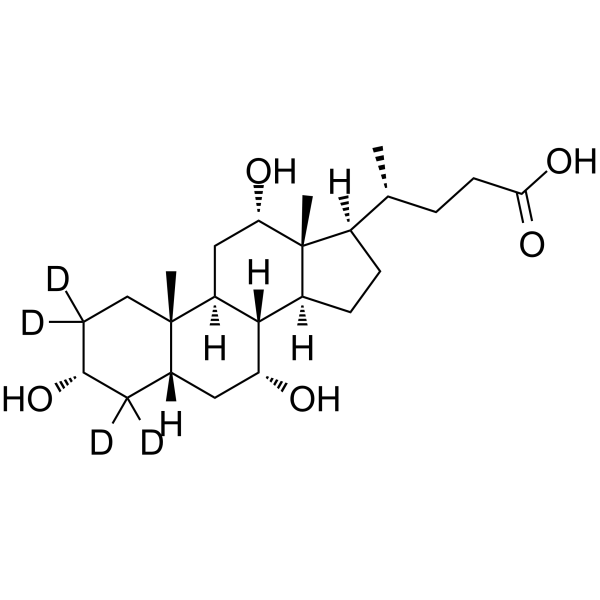
    Cholic acid-d4
    3 Publications Verification

    Endogenous Metabolite Metabolic Disease
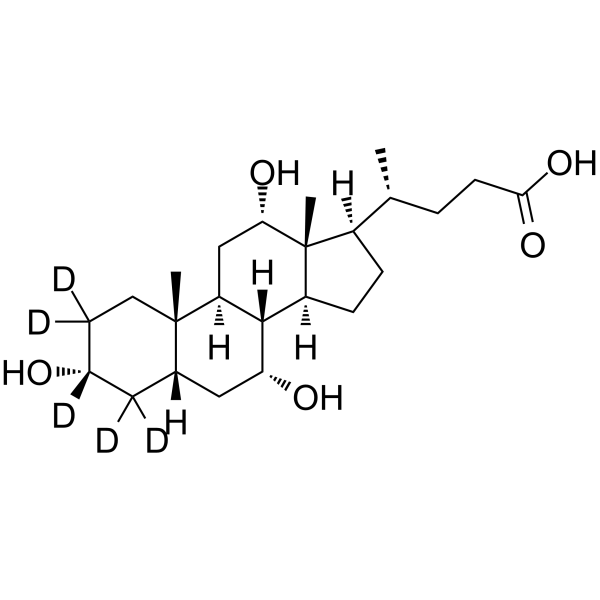
    Cholic acid-d4 is the deuterium labeled Cholic acid. Cholic acid is a major primary bile acid produced in the liver and usually conjugated with glycine or taurine. It facilitates fat absorption and cholesterol excretion.
    Cholic acid-d4
  • HY-N0324A
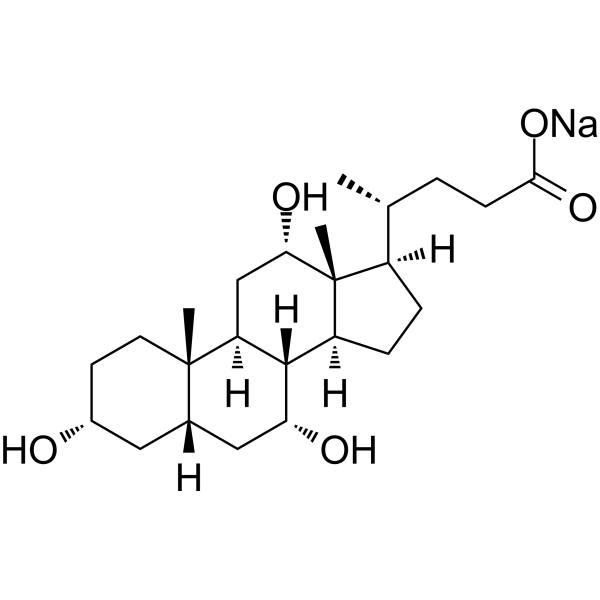
    Cholic acid sodium
    15+ Cited Publications

    Sodium cholate

    Endogenous Metabolite Metabolic Disease
    Cholic acid sodium is a major primary bile acid produced in the liver and usually conjugated with glycine or taurine. It facilitates fat absorption and cholesterol excretion. Cholic acid sodium is orally active .
    Cholic acid sodium
  • HY-N15721

    Trp-CA

    Orphan GPCR GLP Receptor Metabolic Disease
    Tryptophan-cholic acid (Trp-CA) is a microbial amino acid-conjugated bile acid that acts as an endogenous ligand and agonist (EC50=9.6 μM) for the orphan G protein-coupled receptor (GPCR) MRGPRE (Mas-related G protein-coupled receptor family member E). Tryptophan-cholic acid is orally effective but has poor oral absorption and does not cross the blood-brain barrier. Tryptophan-cholic acid promotes the secretion of glucagon-like peptide GLP-1, thereby improving glucose tolerance in diabetic mice. Tryptophan-cholic acid improves glucose tolerance, promotes insulin secretion, and alleviates high-fat diet-induced hepatic steatosis without causing pruritus side effects. Tryptophan-cholic acid is primarily used in research on type 2 diabetes (T2D) .
    Tryptophan-cholic acid
  • HY-N0378R
    D-Mannitol (Standard)
    10+ Cited Publications

    Mannitol(Standard); Mannite (Standard)

    Reference Standards Endogenous Metabolite Apoptosis PGC-1α Adrenergic Receptor PKA Cardiovascular Disease Metabolic Disease Cancer
    D-Mannitol (Standard) is the analytical standard of D-Mannitol (HY-N0378). This product is intended for research and analytical applications. D-Mannitol (Mannitol) is an oral, resistant sugar widely used in the food and pharmaceutical industries to promote the absorption and retention of calcium and magnesium through cecal fermentation, while acting as a osmotic diuretic to reduce tissue edema. D-Mannitol can enhance brown fat formation, improve insulin effect, reduce blood sugar levels, And through the start the β3-adrenergic receptor (β3-AR), PGC1α and PKA induced by means of white fat cells into brown fat cells . D-Mannitol is commonly used to maintain osmotic pressure between the plant cytoplasm and the culture medium and protect cells when the cell wall is weakened or even removed .
    D-Mannitol (Standard)
  • HY-B1245
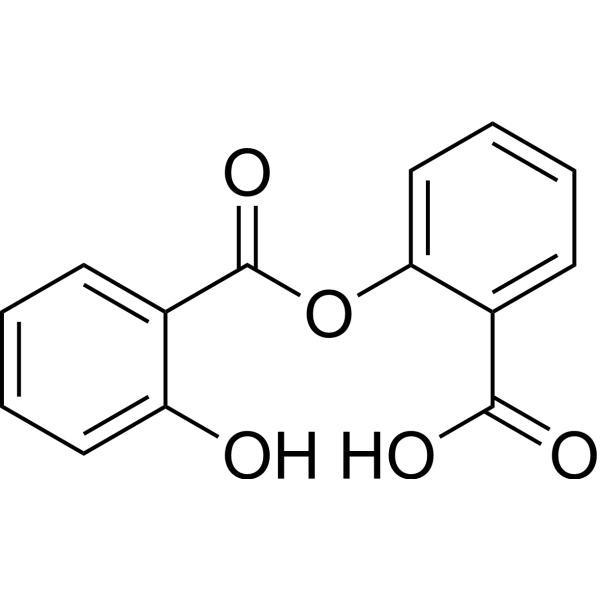
    Salsalate
    2 Publications Verification

    Salicylsalicylic acid; Disalicylic acid

    Reactive Oxygen Species (ROS) Inflammation/Immunology Cancer
    Salsalate is a potent antirheumatic drug with oral activity that reduces irritation during gastric absorption and avoids direct inhibition of cyclooxygenase. Salsalate not only has significant anti-inflammatory effects, but also reduces blood sugar levels, improves insulin resistance, and reduces the expression of cytokines. Salsalate can protect mice from metabolic disorders caused by high-fat diet and effectively improve the symptoms of type 2 diabetes, atherosclerosis and non-alcoholic steatohepatitis [2 ] .
    Salsalate
  • HY-133971

    5α,6α-Epoxycholesterol

    Liposome Others
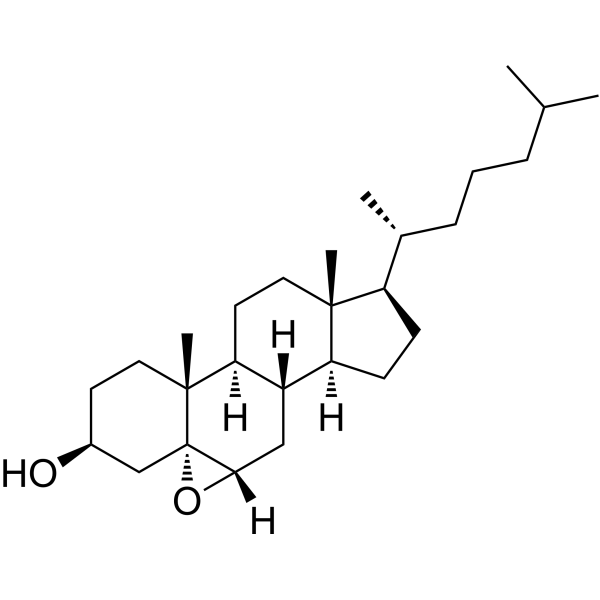
    Cholesterol-5α,6α-epoxide is an epoxide derivative of cholesterol formed by the enzymatic oxidation of cholesterol in the liver and other tissues. Cholesterol-5α,6α-epoxide has unique chemical properties that make it an important intermediate in the biosynthesis of bile acids, which play a key role in the digestion and absorption of dietary fats. It also has a potential physiological role in regulating cholesterol metabolism and transport, although its biological function is not fully understood.
    Cholesterol 5α,6α-epoxide
  • HY-N0324S2

    Endogenous Metabolite Metabolic Disease
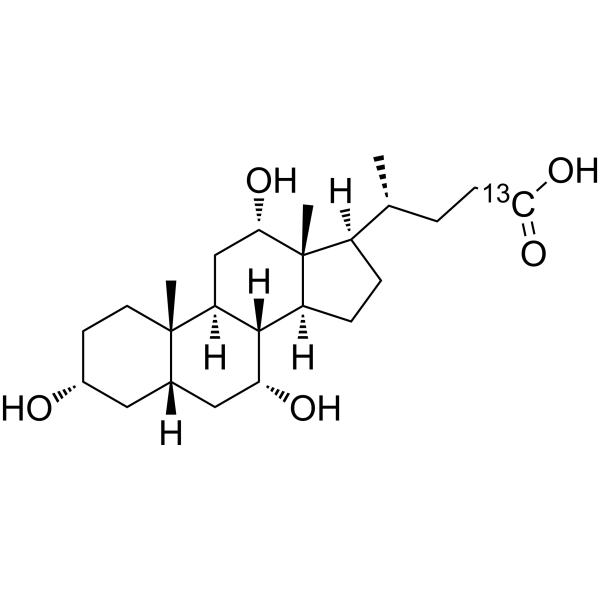
    Cholic acid- 13C is the 13C-labeled Cholic acid. Cholic acid is a major primary bile acid produced in the liver and usually conjugated with glycine or taurine. It facilitates fat absorption and cholesterol excretion.
    Cholic acid-13C
  • HY-N2334S

    Chenodeoxycholylglycine-d4

    Isotope-Labeled Compounds Endogenous Metabolite Apoptosis Cancer
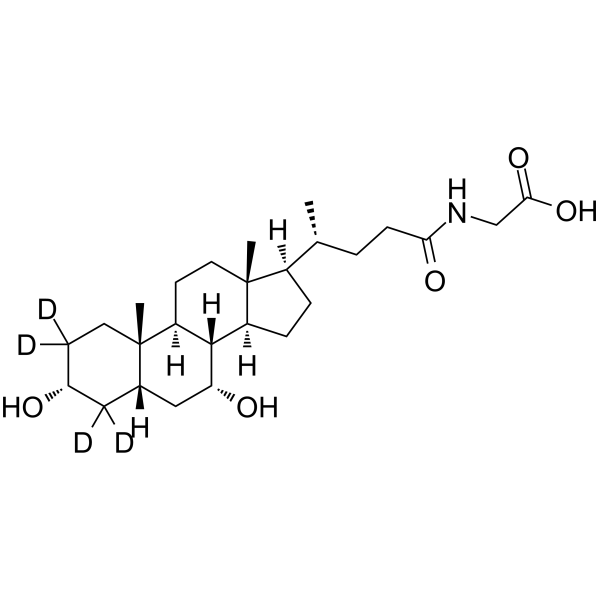
    Glycochenodeoxycholic acid-d4 is the deuterium labeled Glycochenodeoxycholic acid. Glycochenodeoxycholic acid (Chenodeoxycholylglycine) is a bile acid formed in the liver from chenodeoxycholate and glycine. It acts as a detergent to solubilize fats for absorption and is itself absorbed. Glycochenodeoxycholic acid (Chenodeoxycholylglycine) induces hepatocyte apoptosis .
    Glycochenodeoxycholic acid-d4
  • HY-N0324S1

    Endogenous Metabolite Metabolic Disease
    Cholic acid-d5 is the deuterium labeled Cholic acid. Cholic acid is a major primary bile acid produced in the liver and usually conjugated with glycine or taurine. It facilitates fat absorption and cholesterol excretion.
    Cholic acid-d5
  • HY-N0324R
    Cholic acid (Standard)
    15+ Cited Publications

    Reference Standards Endogenous Metabolite Metabolic Disease
    Cholic acid (Standard) is the analytical standard of Cholic acid. This product is intended for research and analytical applications. Cholic acid is a major primary bile acid produced in the liver and usually conjugated with glycine or taurine. It facilitates fat absorption and cholesterol excretion. Cholic acid is orally active .
    Cholic acid (Standard)
  • HY-N0324F

    Fluorescent Dye Metabolic Disease
    Cholic acid-Biotin is a biotin-labeled Cholic acid (HY-N0324). Cholic acid is a major primary bile acid produced in the liver and usually conjugated with glycine or taurine. It facilitates fat absorption and cholesterol excretion. Cholic acid has orally activity .
    Cholic acid-Biotin
  • HY-N0378S1

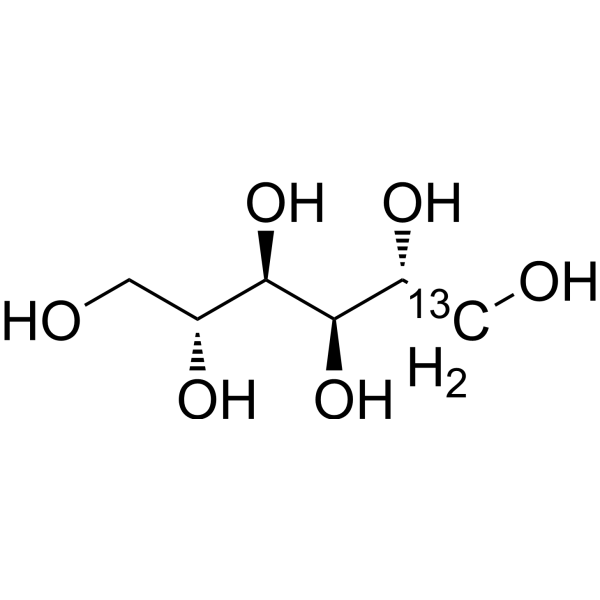
    Mannitol-13C; Mannite-13C

    Isotope-Labeled Compounds Endogenous Metabolite Apoptosis PGC-1α Adrenergic Receptor PKA Cardiovascular Disease Metabolic Disease Cancer
    D-Mannitol- 13C is the 13C labeled D-Mannitol (HY-N0378). D-Mannitol (Mannitol) is an oral, resistant sugar widely used in the food and pharmaceutical industries to promote the absorption and retention of calcium and magnesium through cecal fermentation, while acting as a osmotic diuretic to reduce tissue edema. D-Mannitol can enhance brown fat formation, improve insulin effect, reduce blood sugar levels, And through the start the β3-adrenergic receptor (β3-AR), PGC1α and PKA induced by means of white fat cells into brown fat cells . D-Mannitol is commonly used to maintain osmotic pressure between the plant cytoplasm and the culture medium and protect cells when the cell wall is weakened or even removed .
    D-Mannitol-13C
  • HY-N0378S2

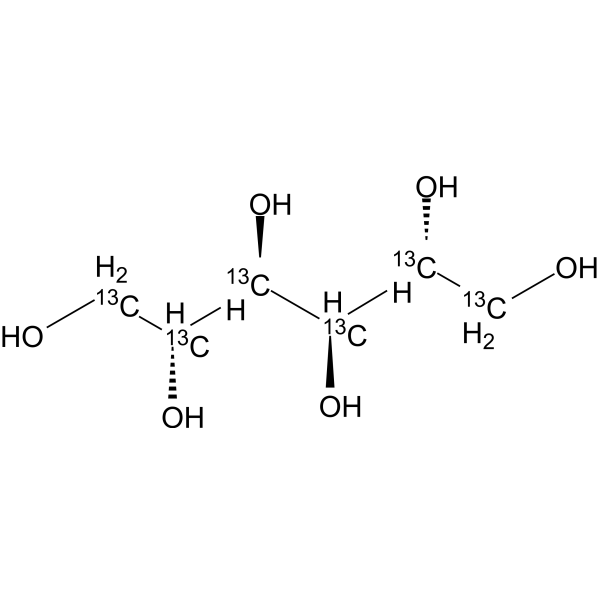
    Mannitol-13C6; Mannite-13C6

    Isotope-Labeled Compounds Endogenous Metabolite Apoptosis PGC-1α Adrenergic Receptor PKA Cardiovascular Disease Metabolic Disease Cancer
    D-Mannitol- 13C6 is the 13C labeled D-Mannitol (HY-N0378). D-Mannitol (Mannitol) is an oral, resistant sugar widely used in the food and pharmaceutical industries to promote the absorption and retention of calcium and magnesium through cecal fermentation, while acting as a osmotic diuretic to reduce tissue edema. D-Mannitol can enhance brown fat formation, improve insulin effect, reduce blood sugar levels, And through the start the β3-adrenergic receptor (β3-AR), PGC1α and PKA induced by means of white fat cells into brown fat cells . D-Mannitol is commonly used to maintain osmotic pressure between the plant cytoplasm and the culture medium and protect cells when the cell wall is weakened or even removed .
    D-Mannitol-13C6
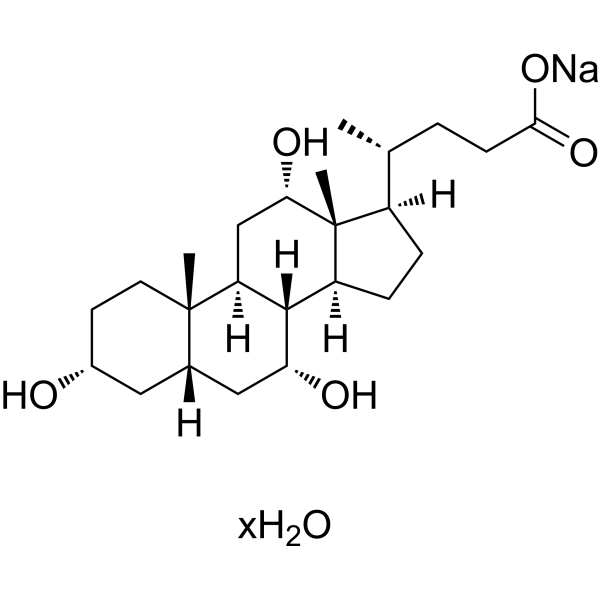
  • HY-N0324B

    Endogenous Metabolite Metabolic Disease
    Cholic acid sodium hydrate is a major primary bile acid produced in the liver and usually conjugated with glycine or taurine. Cholic acid sodium hydrate facilitates fat absorption and cholesterol excretion. Cholic acid sodium hydrate is orally active .
    Cholic acid sodium hydrate
  • HY-W754527

    Allithiamin

    Drug Derivative Metabolic Disease
    Allithiamine is a thiamin derivative with absorption characteristics similar to fat-soluble vitamins. Allithiamine acts as a cofactor precursor for thiamin pyrophosphate (TPP), which participates in carbohydrate metabolism by supporting the pyruvate dehydrogenase (PDH) complex to facilitate pyruvate entry into the tricarboxylic acid (TCA) cycle as acetyl CoA. Allithiamine can be used for researching thiamin metabolism .
    Allithiamine
  • HY-N0378AGL

    Mannitol, M200 (GMP Like); Mannite, M200 (GMP Like)

    Endogenous Metabolite Apoptosis Adrenergic Receptor PGC-1α PKA Cardiovascular Disease Metabolic Disease Cancer
    D-Mannitol, M200 (GMP Like) (Mannitol, M200 (GMP Like)) is the GMP Like class D-Mannitol that can be used as pharmaceutical excipients. D-Mannitol (Mannitol) is an oral, resistant sugar widely used in the food and pharmaceutical industries to promote the absorption and retention of calcium and magnesium through cecal fermentation, while acting as a osmotic diuretic to reduce tissue edema. D-Mannitol can enhance brown fat formation, improve insulin effect, reduce blood sugar levels, And through the start the β3-adrenergic receptor (β3-AR), PGC1α and PKA induced by means of white fat cells into brown fat cells .
    D-Mannitol, M200 (GMP Like)
  • HY-N0378S4

    Mannitol-d2; Mannite-d2

    Isotope-Labeled Compounds Endogenous Metabolite Apoptosis PGC-1α Adrenergic Receptor PKA Cardiovascular Disease Metabolic Disease Cancer
    D-Mannitol-d2 is the deuterium labeled D-Mannitol (HY-N0378). D-Mannitol (Mannitol) is an oral, resistant sugar widely used in the food and pharmaceutical industries to promote the absorption and retention of calcium and magnesium through cecal fermentation, while acting as a osmotic diuretic to reduce tissue edema. D-Mannitol can enhance brown fat formation, improve insulin effect, reduce blood sugar levels, And through the start the β3-adrenergic receptor (β3-AR), PGC1α and PKA induced by means of white fat cells into brown fat cells . D-Mannitol is commonly used to maintain osmotic pressure between the plant cytoplasm and the culture medium and protect cells when the cell wall is weakened or even removed .
    D-Mannitol-d2
  • HY-101397R

    Reference Standards Parasite Drug Metabolite Endogenous Metabolite Infection
    Cholic acid (Standard) is the analytical standard of Cholic acid. This product is intended for research and analytical applications. Cholic acid is a major primary bile acid produced in the liver and usually conjugated with glycine or taurine. It facilitates fat absorption and cholesterol excretion. Cholic acid is orally active .
    Allopurinol riboside (Standard)
  • HY-N2334AS

    Chenodeoxycholylglycine-d7 sodium; Sodium glycochenodeoxycholate-d7

    Isotope-Labeled Compounds Endogenous Metabolite Apoptosis Cancer
    Glycochenodeoxycholic acid-d7 (sodium) is the deuterium labeled Glycochenodeoxycholic acid (sodium salt). Glycochenodeoxycholic acid sodium salt (Chenodeoxycholylglycine sodium salt) is a bile acid formed in the liver from chenodeoxycholate and glycine. It acts as a detergent to solubilize fats for absorption and is itself absorbed. Glycochenodeoxycholic acid sodium salt (Chenodeoxycholylglycine sodium salt) induces hepatocyte apoptosis .
    Glycochenodeoxycholic acid-d7 sodium
  • HY-177830

    Liposome Metabolic Disease
    Liposomal Vitamin D3 is a specialized delivery system that encapsulates vitamin D3 within tiny liposomes. These liposomes act as protective shells, enhancing the absorption and bioavailability of vitamin D3. Vitamin D3 (cholecaciferol) is a fat-soluble vi
    Liposomal Vitamin D3
  • HY-N0324AR

    Sodium cholate (Standard)

    Reference Standards Endogenous Metabolite Metabolic Disease
    Cholic acid (sodium) (Standard) is the analytical standard of Cholic acid (sodium). This product is intended for research and analytical applications. Cholic acid sodium is a major primary bile acid produced in the liver and usually conjugated with glycine or taurine. It facilitates fat absorption and cholesterol excretion. Cholic acid sodium is orally active[1][2].
    Cholic acid sodium (Standard)
  • HY-135505

    Acyltransferase Metabolic Disease
    JTP-103237 is a MGAT2 inhibitor (IC50: 0.019 μM and 6.423 μM for hMGAT2 and hMGAT3 respectively). JTP-103237 modulates fat absorption, decreases plasma glucose levels and prevents diet-induced obesity .
    JTP-103237
  • HY-177831

    Liposome Metabolic Disease
    Liposomal Vitamin K2 is a specialized delivery system that encapsulates vitamin K2 within tiny liposomes. These liposomes act as protective shells, enhancing the absorption and bioavailability of vitamin K2. Vitamin K2 (menaquinone-7) is?a fat-soluble nut
    Liposomal Vitamin K2
  • HY-113024R

    Endogenous Metabolite Reference Standards Metabolic Disease
    D-Mannitol (Standard) is the analytical standard of D-Mannitol. This product is intended for research and analytical applications. D-Mannitol (Mannitol) is an oral, resistant sugar widely used in the food and pharmaceutical industries to promote the absorption and retention of calcium and magnesium through cecal fermentation, while acting as a osmotic diuretic to reduce tissue edema. D-Mannitol can enhance brown fat formation, improve insulin effect, reduce blood sugar levels, And through the start the β3-adrenergic receptor (β3-AR), PGC1α and PKA induced by means of white fat cells into brown fat cells .
    Pristanic acid (Standard)
  • HY-N0378BGL

    Mannitol, M100 (GMP Like); Mannite, M100 (GMP Like)

    Endogenous Metabolite Apoptosis Adrenergic Receptor PGC-1α PKA Cardiovascular Disease Metabolic Disease Cancer
    D-Mannitol, M100 (GMP Like) (Mannitol, M100 (GMP Like)) is the GMP Like class D-Mannitol that can be used as pharmaceutical excipients. D-Mannitol (Mannitol) is an oral, resistant sugar widely used in the food and pharmaceutical industries to promote the absorption and retention of calcium and magnesium through cecal fermentation, while acting as a osmotic diuretic to reduce tissue edema. D-Mannitol can enhance brown fat formation, improve insulin effect, reduce blood sugar levels, And through the start the β3-adrenergic receptor (β3-AR), PGC1α and PKA induced by means of white fat cells into brown fat cells .
    D-Mannitol, M100 (GMP Like)
  • HY-N0378S

    Mannitol-d8; Mannite-d8

    Isotope-Labeled Compounds Endogenous Metabolite Apoptosis PGC-1α Adrenergic Receptor PKA Cardiovascular Disease Metabolic Disease Cancer
    D-Mannitol-d8 is the deuterium labeled D-Mannitol (HY-N0378). D-Mannitol (Mannitol) is an oral, resistant sugar widely used in the food and pharmaceutical industries to promote the absorption and retention of calcium and magnesium through cecal fermentation, while acting as a osmotic diuretic to reduce tissue edema. D-Mannitol can enhance brown fat formation, improve insulin effect, reduce blood sugar levels, And through the start the β3-adrenergic receptor (β3-AR), PGC1α and PKA induced by means of white fat cells into brown fat cells . D-Mannitol is commonly used to maintain osmotic pressure between the plant cytoplasm and the culture medium and protect cells when the cell wall is weakened or even removed .
    D-Mannitol-d8
  • HY-N0378S5

    Mannitol-d1; Mannite-d1

    Isotope-Labeled Compounds Endogenous Metabolite Apoptosis PGC-1α Adrenergic Receptor PKA Cardiovascular Disease Metabolic Disease Cancer
    D-Mannitol-d is the deuterium labeled D-Mannitol (HY-N0378). D-Mannitol (Mannitol) is an oral, resistant sugar widely used in the food and pharmaceutical industries to promote the absorption and retention of calcium and magnesium through cecal fermentation, while acting as a osmotic diuretic to reduce tissue edema. D-Mannitol can enhance brown fat formation, improve insulin effect, reduce blood sugar levels, And through the start the β3-adrenergic receptor (β3-AR), PGC1α and PKA induced by means of white fat cells into brown fat cells . D-Mannitol is commonly used to maintain osmotic pressure between the plant cytoplasm and the culture medium and protect cells when the cell wall is weakened or even removed .
    D-Mannitol-d1
  • HY-N0378S3

    Mannitol-2-13C; Mannite-2-13C

    Isotope-Labeled Compounds Endogenous Metabolite Apoptosis PGC-1α Adrenergic Receptor PKA Cardiovascular Disease Metabolic Disease Cancer
    D-Mannitol-2- 13C is the 13C labeled D-Mannitol (HY-N0378). D-Mannitol (Mannitol) is an oral, resistant sugar widely used in the food and pharmaceutical industries to promote the absorption and retention of calcium and magnesium through cecal fermentation, while acting as a osmotic diuretic to reduce tissue edema. D-Mannitol can enhance brown fat formation, improve insulin effect, reduce blood sugar levels, And through the start the β3-adrenergic receptor (β3-AR), PGC1α and PKA induced by means of white fat cells into brown fat cells . D-Mannitol is commonly used to maintain osmotic pressure between the plant cytoplasm and the culture medium and protect cells when the cell wall is weakened or even removed .
    D-Mannitol-2-13C
  • HY-N0378S6

    Mannitol-13C,d2; Mannite-13C,d2

    Isotope-Labeled Compounds Endogenous Metabolite Apoptosis PGC-1α Adrenergic Receptor PKA Cardiovascular Disease Metabolic Disease Cancer
    D-Mannitol- 13C,d2 is the deuterium and 13C labeled D-Mannitol (HY-N0378). D-Mannitol (Mannitol) is an oral, resistant sugar widely used in the food and pharmaceutical industries to promote the absorption and retention of calcium and magnesium through cecal fermentation, while acting as a osmotic diuretic to reduce tissue edema. D-Mannitol can enhance brown fat formation, improve insulin effect, reduce blood sugar levels, And through the start the β3-adrenergic receptor (β3-AR), PGC1α and PKA induced by means of white fat cells into brown fat cells . D-Mannitol is commonly used to maintain osmotic pressure between the plant cytoplasm and the culture medium and protect cells when the cell wall is weakened or even removed .
    D-Mannitol-13C,d2
  • HY-120984

    Endogenous Metabolite Metabolic Disease
    AcylCoA:cholesterol acyltransferase (ACAT) is an intracellular cholesteryl ester synthase tied closely to the absorption of dietary cholesterol.1 Oleic acid-2,6-diisopropylanilide is an inhibitor of acylCoA:cholesterol acyltransferase with an IC50 of 7 nM.2 When co-administered to rabbits or rats fed a high fat, high cholesterol diet, oleic acid-2,6-diisopropylanilide decreased low density lipoproteins and elevated high density lipoprotein levels when administered at 0.05%.
    Oleic Acid-2,6-diisopropylanilide
  • HY-178413S

    Mannitol-d4; Mannite-d4

    Isotope-Labeled Compounds PKA Apoptosis Adrenergic Receptor PGC-1α Endogenous Metabolite Cardiovascular Disease Metabolic Disease Cancer
    D-Mannitol-d4 (Mannitol-d4) is the deuterium labeled D-Mannitol (HY-N0378). D-Mannitol (Mannitol) is an oral, resistant sugar widely used in the food and pharmaceutical industries to promote the absorption and retention of calcium and magnesium through cecal fermentation, while acting as a osmotic diuretic to reduce tissue edema. D-Mannitol can enhance brown fat formation, improve insulin effect, reduce blood sugar levels, And through the start the β3-adrenergic receptor (β3-AR), PGC1α and PKA induced by means of white fat cells into brown fat cells . D-Mannitol is commonly used to maintain osmotic pressure between the plant cytoplasm and the culture medium and protect cells when the cell wall is weakened or even removed .
    D-Mannitol-d4

Inquiry Online

Your information is safe with us. * Required Fields.

Salutation


Country or Region *

Applicant Name *


Organization Name *

Department *


Email Address *


Product Name *

Cat. No.


Requested quantity *

Phone Number *


Remarks

Inquiry Online

Inquiry Information

Product Name:
Cat. No.:
Quantity:
MCE Japan Authorized Agent:

