44 Results for "

gray mould

" in MedChemExpress (MCE) Product Catalog:
Products (44)

44 Results for "gray mould" in MCE Product Catalog:

5
5 Cited Publications
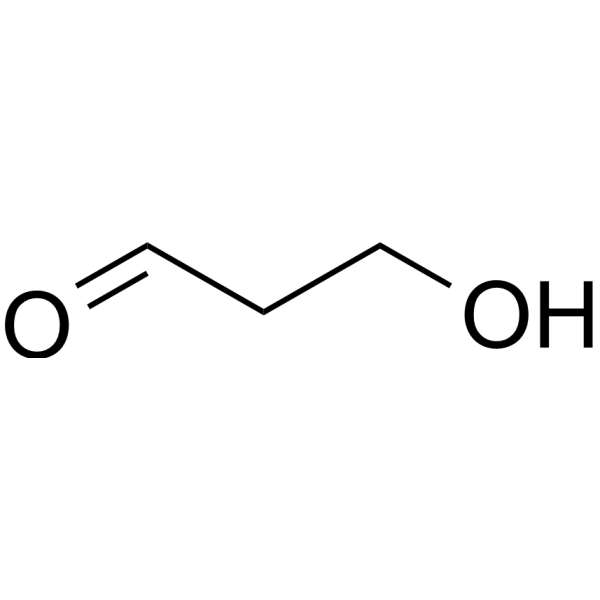
Cat. No.: HY-N8461
CAS No.: 2134-29-4
Synonyms: 3-Hydroxypropionaldehyde; 3-Hydroxypropanal
Reuterin is a broad-spectrum antimicrobial agent active against Gram positive and Gram negative bacteria, as well as yeasts, moulds and protozoa. Reuterin is produced by specific strains of Lactobacillus reuteri during anaerobic metabolism of glycerol. Reuterin also demonstrates potent antimicrobial activity against a broad panel of human and poultry meat campylobacter spp. Isolates .
loading...
    loading...
3
3 Cited Publications
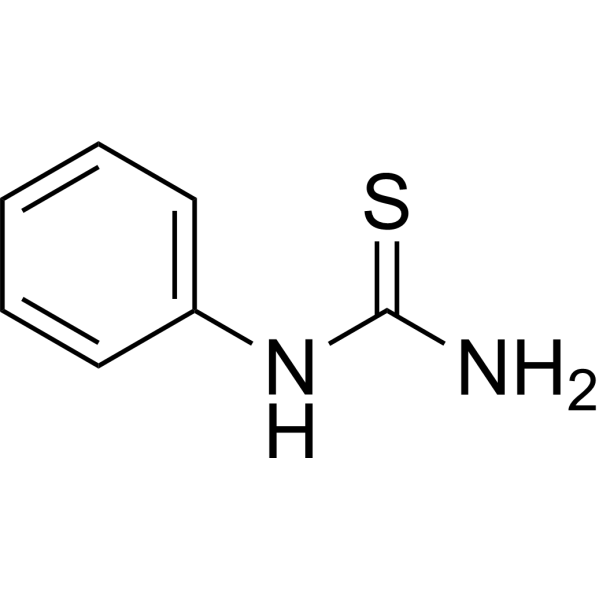
Cat. No.: HY-Y0351
CAS No.: 103-85-5
Synonyms: Phenylthiocarbamide
Research Areas:  

Others

Phenylthiourea (Phenylthiocarbamide) is an inhibitor for phenoloxidase. Phenylthiourea inhibits enzymatic oxidation of DOPA by phenoloxidase (Ki = 0.21 μM). Phenylthiourea is an effective inhibitor for tyrosinase. Phenylthiourea can lead to graying of hair in black rats due to the interference with melanin formation .
loading...
    loading...
3
3 Cited Publications
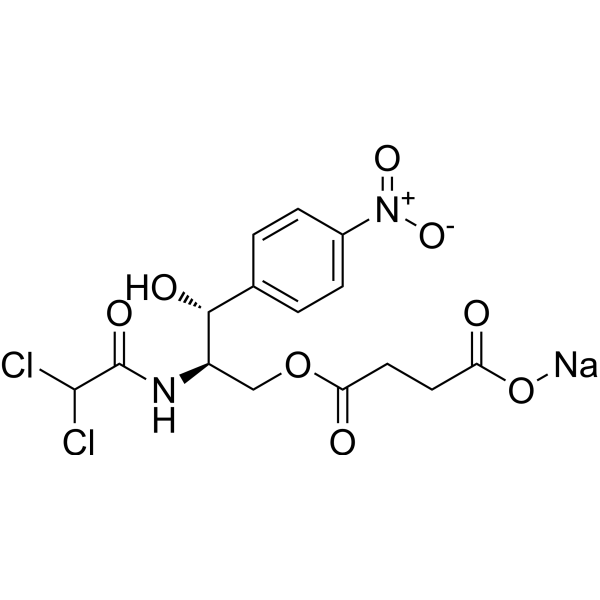
Cat. No.: HY-N7114A
CAS No.: 982-57-0
Chloramphenicol succinate sodium is a prodrug of Chloramphenicol (HY-B0239), acting as a P2Y14R inhibitor with an IC50 of 1.585 nM. Chloramphenicol succinate sodium serves as a competitive substrate and inhibitor of succinate dehydrogenase (SDH), which may account for its toxicity. Chloramphenicol succinate sodium exerts a significant inhibitory effect on colitis. Chloramphenicol succinate sodium can be used in research related to myelosuppression, gray baby syndrome, aplastic anemia, bacterial meningitis and inflammatory bowel disease .
loading...
    loading...
1
1 Cited Publications
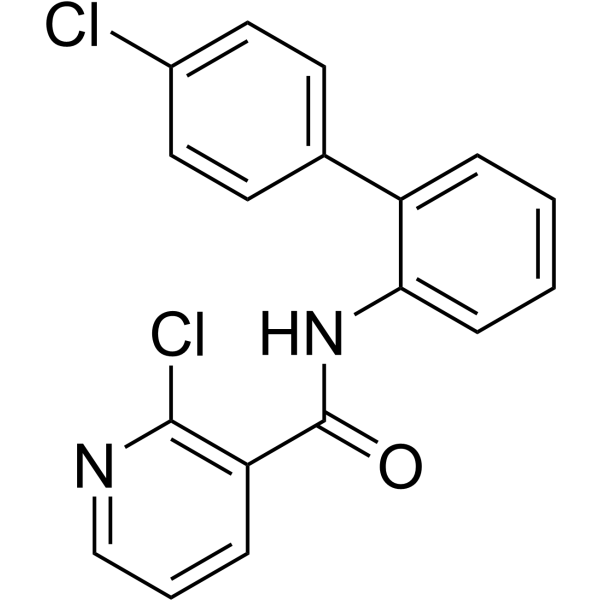
Cat. No.: HY-119976
CAS No.: 188425-85-6
Purity:  99.29%
Boscalid is a succinate dehydrogenase (SDHI) inhibitor with antifungal activity. Boscalid binds to the ubiquinone-binding site of fungal mitochondrial complex II, blocks ATP production and aerobic respiration, exhibits good control efficacy against a variety of plant fungal diseases including gray mold, sclerotinia rot and powdery mildew, and is widely used for disease control in agriculture. Boscalid induces apoptosis, altered lipid metabolism, mitochondrial dysfunction, respiratory impairment, oxidative stress, ROS accumulation and neurodevelopmental disorders in zebrafish. Boscalid reduces foraging ability, shortens median death time and causes chronic toxicity in exposed honeybees. Boscalid also possesses genotoxicity, cytotoxicity, elevated mitochondrial superoxide levels and early-stage apoptosis .
loading...
    loading...
Cat. No.: HY-W004263
CAS No.: 629-96-9
Synonyms: Arachidyl alcohol
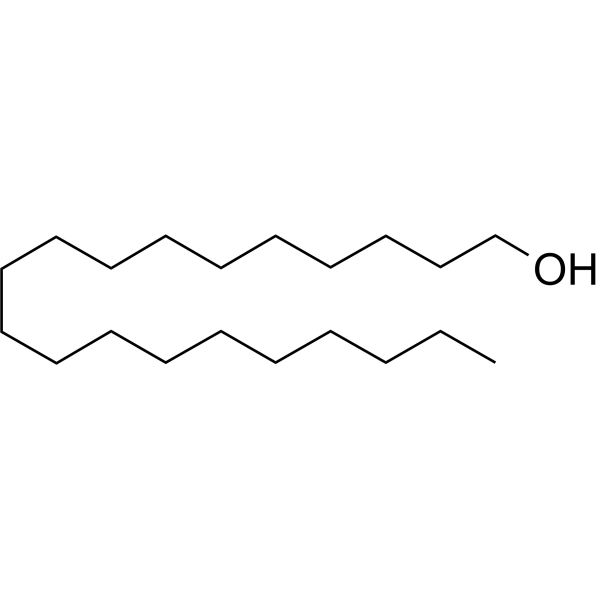
1-Eicosanol (Arachidyl alcohol) is a long-chain fatty alcohol and volatile organic compound that can be isolated from the leaves of Leea indica and produced by Bacillus velezensis ZJ1. 1-Eicosanol inhibits mycelial growth of Alternaria solani and Botrytis cinerea. 1-Eicosanol is applicable to research related to tomato early blight and tomato gray mold .
loading...
    loading...
Cat. No.: HY-N9497
CAS No.: 3687-64-7
Category:  

Natural Products

Target:  

Galectin Fungal

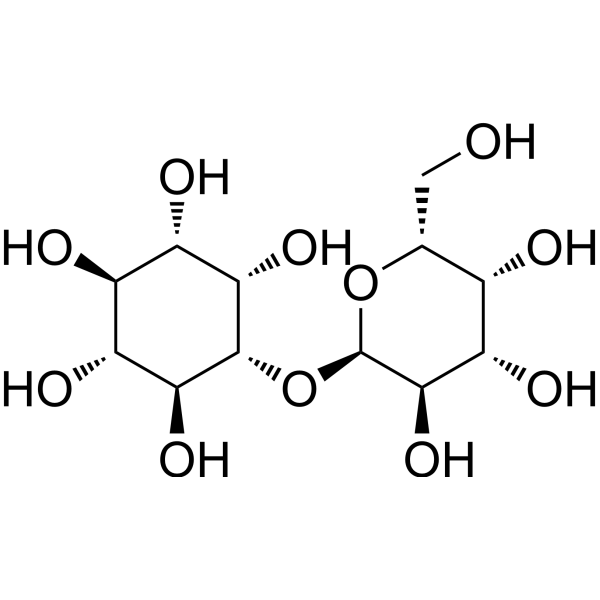
Galactinol is a disaccharide carbohydrate serving as a galactosyl donor, which belongs to the raffinose family oligosaccharide pathway and acts as an important osmoprotectant. Galactinol not only induces disease resistance in plants against fungal and bacterial pathogens, but also significantly enhances plant tolerance to abiotic stresses such as drought, high salinity, low temperature and oxidative damage. In addition, Galactinol has the ability to scavenge hydroxyl radicals, can act as a signaling component for root colonization-induced systemic resistance, and is positively correlated with seed longevity in various crops, making it a potential biomarker for evaluating seed vigor. Therefore, Galactinol can be used in the research of various plant diseases including fungal leaf spot, bacterial angular leaf spot, gray mold and soft rot .
loading...
    loading...
Cat. No.: HY-N6784
CAS No.: 11050-94-5
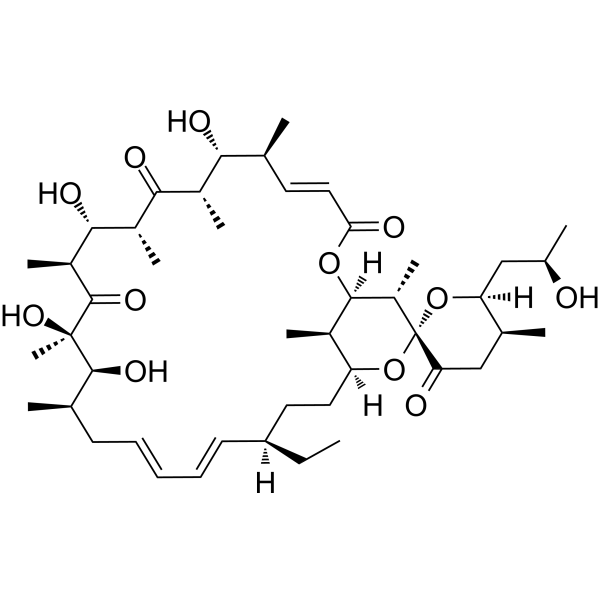
Oligomycin B is an antibiotic that acts as a non-selective inhibitor of ATP Synthase. Oligomycin B increases mitochondrial membrane potential. Oligomycin B induces apoptosis and necrosis. Oligomycin B impairs the motility of Plasmopara viticola zoospores and induces their lysis. Oligomycin B inhibits Magnaporthe oryzae (wheat blast fungus) and suppresses the development of wheat blast. Oligomycin B reduces hyphal growth and spore germination of Botrytis cinerea, and protects Arabidopsis thaliana against Botrytis cinerea infection. Oligomycin B exacerbates cytotoxic brain edema in rats with cerebral cortical contusion, increases intracranial pressure and brain water content, and aggravates mitochondrial damage in these rats. Oligomycin B is used in studies related to grape downy mildew, traumatic brain injury, wheat blast, and gray mold .
loading...
    loading...
Cat. No.: HY-P5247
Synonyms: PTP20
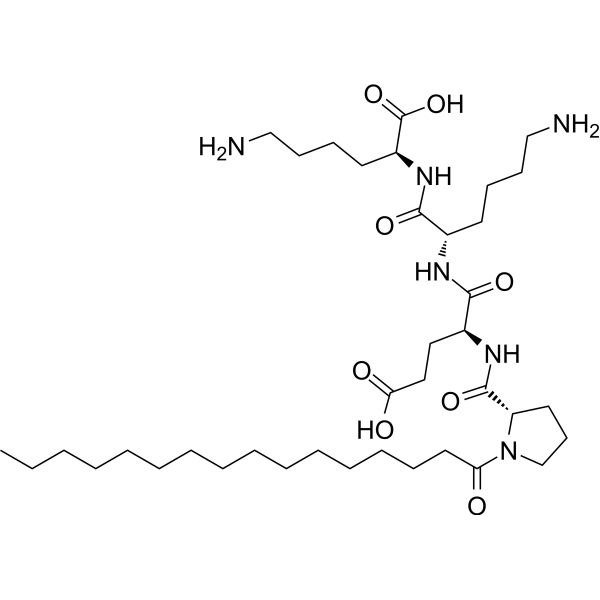
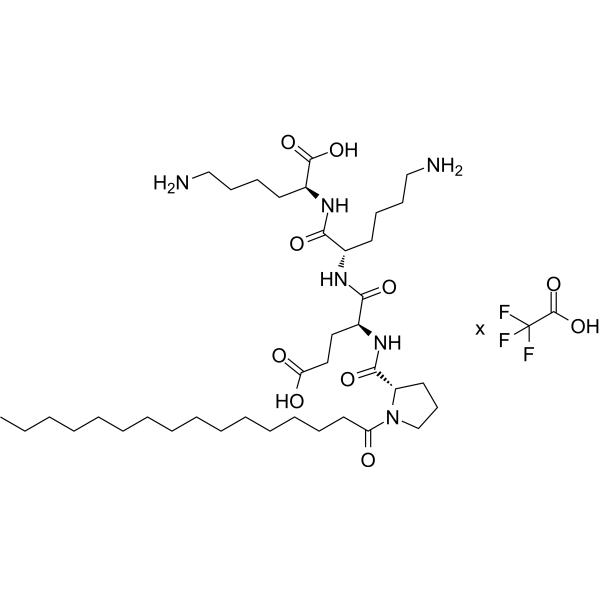
Palmitoyl tetrapeptide-20 (PTP20) is a biomimetic peptide agonist of α-MSH. Palmitoyl tetrapeptide-20 promotes hair pigmentation and delays hair graying by activating the MC1-R pathway (AC50: 0.16 nM), enhancing catalase activity to reduce H2O2 accumulation, and upregulating SIRT1 activity. Palmitoyl tetrapeptide-20 can be used in research on preventing hair loss and improving hair graying .
loading...
    loading...
Cat. No.: HY-N125722
CAS No.: 33538-71-5
Synonyms: Aabomycin A1
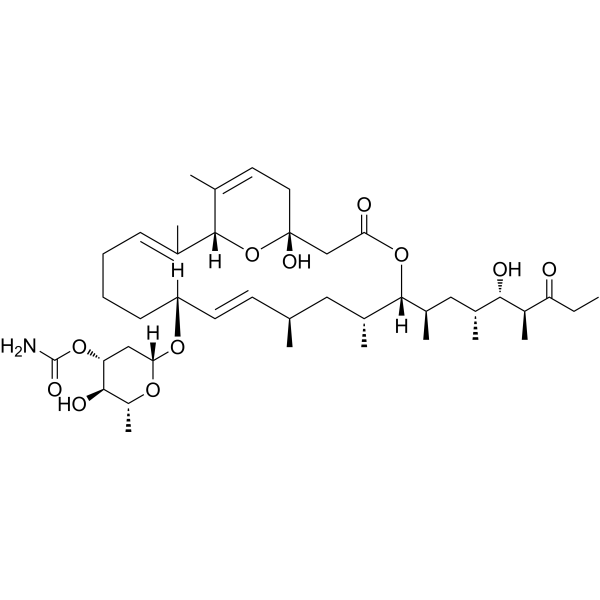
Venturicidin A (Aabomycin A1) is a natural product derived from Streptomyces, possessing antifungal, anti-Trypanosoma brucei, anti-Leishmania donovani, and ATP synthase inhibitory activities. Venturicidin A acts as an antibiotic adjuvant, promoting the uptake of aminoglycoside antibiotics and enhancing bactericidal efficacy. Venturicidin A inhibits ATP synthesis by blocking proton translocation through the FO subunit. In bloodstream-form Trypanosoma brucei, Venturicidin A causes collapse of the mitochondrial membrane potential; in fungi, it disrupts cell membrane integrity, induces leakage of cytoplasmic contents, elevates ROS levels, and downregulates the expression of fungal pathogenicity-related genes. Venturicidin A exhibits antifungal activity against Botrytis cinerea. Venturicidin A is used in research on bacterial infections, trypanosome/leishmania infections, and gray mold disease .
loading...
    loading...
Cat. No.: HY-P10447
CAS No.: 103651-09-8
Synonyms: Fengycin IX; SNA-60-367-3
Target:  

Phospholipase Fungal

Research Areas:  

Infection

Plipastatin A1 (Fengycin IX; SNA-60-367-3) is a lipopeptide with phospholipase A2 inhibitory activity. Plipastatin A1 inhibits conidial germination of Botrytis cinerea in vitro and reduces the incidence of gray mold on tomato leaves. Plipastatin A1 is applicable to research related to gray mold [1][2].
loading...
    loading...
Cat. No.: HY-W775091
CAS No.: 875915-78-9
Synonyms: IKF-5411
Research Areas:  

Infection

Isofetamid (IKF-5411) is a succinate dehydrogenase inhibitor and a fungicide. Isofetamid exhibits good control effects against various fungal diseases such as gray mold, white mold, and powdery mildew. Isofetamid is promising for research of plant fungal diseases .
loading...
    loading...
Cat. No.: HY-P5220
CAS No.: 448944-47-6
Synonyms: Melitane
Target:  

Melanocortin Receptor

Research Areas:  

Others

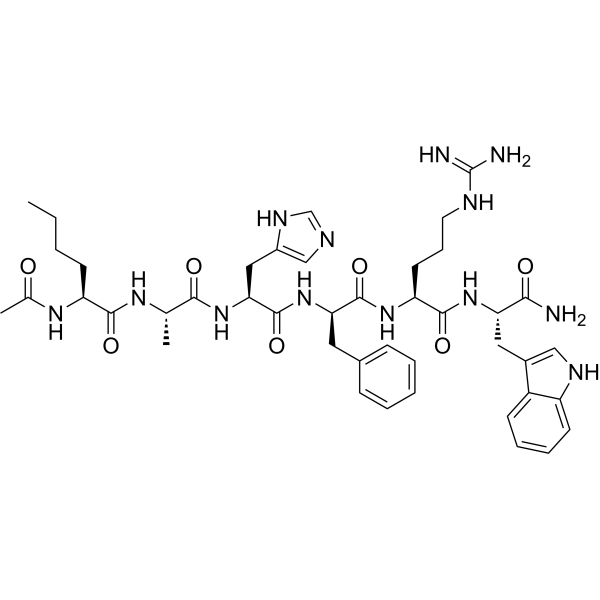
Acetyl hexapeptide-1 (Melitane) is a biomimetic peptide that mimics the activity of α-melanocyte-stimulating hormone (α-MSH). Acetyl hexapeptide-1 regulates muscle contraction, thereby reducing facial expression lines. Acetyl hexapeptide-1 is one of the components of anti-aging skincare serums targeting dynamic wrinkles. Acetyl hexapeptide-1 can be used in research related to mild photoaged facial skin and premature gray hair .
loading...
    loading...
Cat. No.: HY-P5220A
CAS No.: 2828433-36-7
Synonyms: Melitane acetate
Target:  

Melanocortin Receptor

Research Areas:  

Others

Acetyl hexapeptide-1 (Melitane) acetate is a biomimetic peptide that mimics the activity of α-melanocyte-stimulating hormone (α-MSH). Acetyl hexapeptide-1 acetate can regulate muscle contraction, thereby reducing facial expression lines. Acetyl hexapeptide-1 acetate is one of the components of anti-aging skin care essences targeting dynamic wrinkles. Acetyl hexapeptide-1 acetate can be used in studies related to mild photo-aged facial skin and premature graying of hair .
loading...
    loading...
Cat. No.: HY-P5247A
Synonyms: PTP20 TFA
Palmitoyl tetrapeptide-20 (PTP20) TFA is a biomimetic peptide agonist of α-MSH. Palmitoyl tetrapeptide-20 TFA promotes hair pigmentation and delays hair graying by activating the MC1-R pathway (AC50: 0.16 nM), enhancing catalase activity to reduce H2O2 accumulation, and upregulating SIRT1 activity. Palmitoyl tetrapeptide-20 TFA can be used in research on preventing hair loss and improving hair graying .
loading...
    loading...
Cat. No.: HY-135258
CAS No.: 1217474-91-3
Purity:  ≥98.0%
Target:  

Galectin Fungal

Research Areas:  

Others

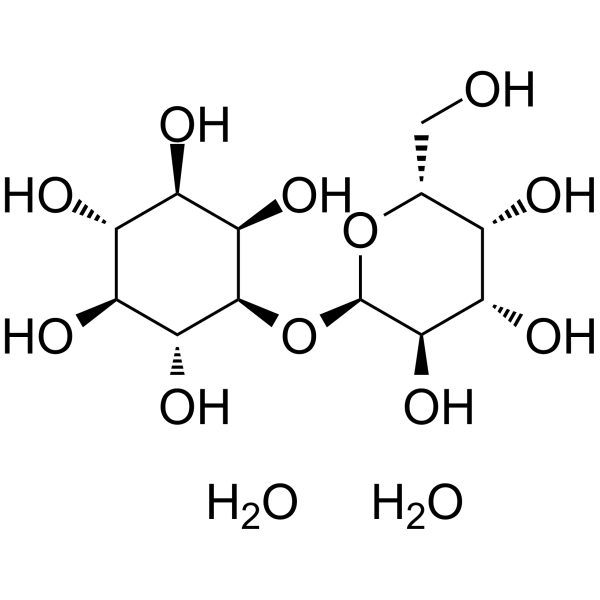
Galactinol dihydrate is a disaccharide carbohydrate serving as a galactosyl donor, which belongs to the raffinose family oligosaccharide pathway and acts as an important osmoprotectant. Galactinol dihydrate not only induces disease resistance in plants against fungal and bacterial pathogens, but also significantly enhances plant tolerance to abiotic stresses such as drought, high salinity, low temperature and oxidative damage. In addition, Galactinol dihydrate has the ability to scavenge hydroxyl radicals, can act as a signaling component for root colonization-induced systemic resistance, and is positively correlated with seed longevity in various crops, making it a potential biomarker for evaluating seed vigor. Therefore, Galactinol dihydrate can be used in the research of various plant diseases including fungal leaf spot, bacterial angular leaf spot, gray mold and soft rot .
loading...
    loading...
Cat. No.: HY-160052
Target:  

Interleukin Related

Research Areas:  

Inflammation/Immunology Cancer

IL-6 aptamer sodium is an aptamer that specifically binds to IL-6, and can serve as a biological recognition receptor for high-sensitivity detection. IL-6 aptamer sodium enables label-free specific detection through changes in electrical signals of carbon nanotube microarrays or alterations in capacitive impedance on the surface of gold sensors. IL-6 aptamer sodium still maintains high selectivity even below the gray zone threshold for cancer diagnosis, and shows no significant non-specific binding to bovine serum albumin. IL-6 aptamer sodium can form an ordered self-assembled monolayer with 6-mercapto-1-hexanol on gold surfaces, making it suitable for reagent-free capacitive impedance biosensing platforms. IL-6 aptamer sodium is widely used in research related to fields such as cancer, inflammatory diseases, myeloma, liver cancer and glioma .
loading...
    loading...
Cat. No.: HY-N11546
CAS No.: 30994-75-3
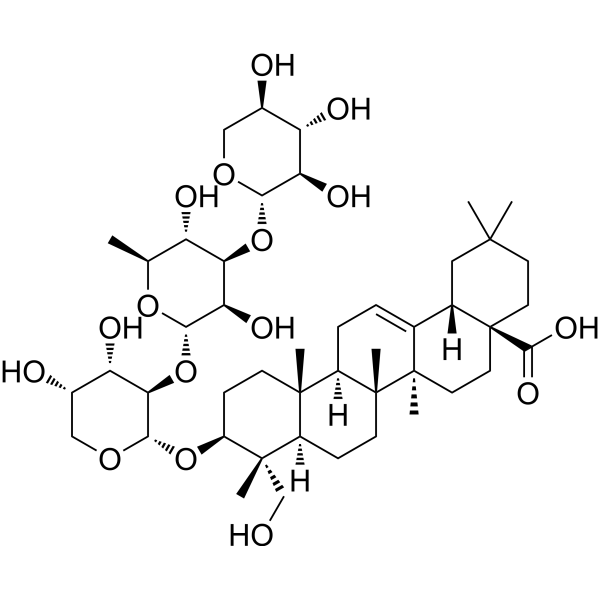
Sapindoside B is a substance with hepatoprotective activity, and also acts as a cytochrome P-450 (cytochrome P-450) inhibitor, antibacterial agent and membrane-disrupting agent. Sapindoside B reversibly inhibits the content of cytochrome P-450 in liver microsomes, suppresses the phenobarbital-induced increase in enzyme content, reduces the production of active metabolites mediated by cytochrome P-450, and alleviates hepatotoxic injury. Sapindoside B binds to Cutibacterium acnes lipase, reduces lipase activity, inhibits biofilm formation, and decreases bacterial adhesion. Sapindoside B exhibits cytotoxicity against human cancer, liver cancer, leukemia and glioblastoma cells. Sapindoside B inhibits mycelial growth of phytopathogenic fungal strains, possesses antibacterial activity against dermatophytes, and also has hemolytic/membrane-lytic activity. Sapindoside B can be used in research related to liver injury, Cutibacterium acnes biofilm-associated infections, gastric cancer, carcinoma, promyelocytic leukemia, glioblastoma, apple scab and grape gray mold .
loading...
    loading...
Cat. No.: HY-N8133
CAS No.: 1629852-63-6
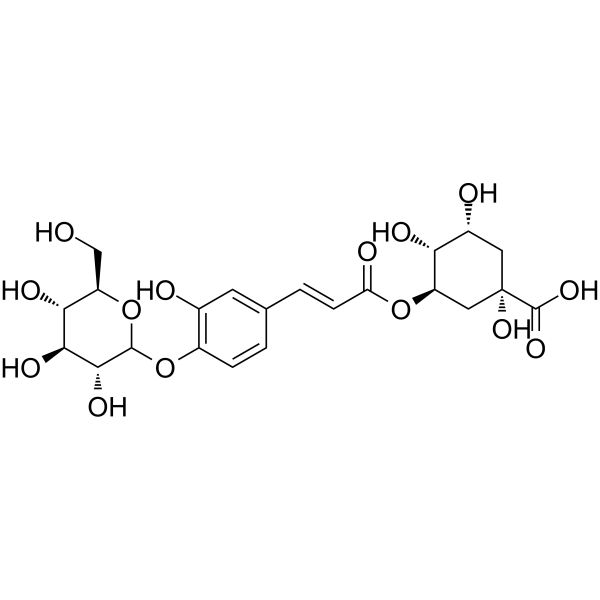
5-O-(3'-O-Glucosylcaffeoyl)quinic acid (compound 19) is a phenolic compound found in the leaves of Ilex glabra L. Gray (Aquifoliaceae) .
loading...
    loading...
Cat. No.: HY-179212
CAS No.: 10070-33-4
Target:  

Drug Derivative Fungal

Research Areas:  

Infection

(±)-Coladonin (Compound (±)-12), Coumarin (HY-N0709) derivative, is an antifungal agent. (±)-Coladonin exhibits potent inhibitory effect on the plant pathogenic fungus Botrytis cinerea. (±)-Coladonin is mainly used for the research on the prevention and control of gray mold disease in crops .
loading...
    loading...
Cat. No.: HY-N15600
CAS No.: 68053-32-7
Synonyms: (-)-Merulidial
Merulidial (Compound 1) is an antibiotic and cytotoxic agent with a sesquiterpene dialdehyde structure. Merulidial significantly inhibits the germination of spores and the hyphal growth of the wood-roting basidiomycete Heterobasidion annosum (H. annosum) and the saprophytic mould Cladosporium cucumerinum (C.cucumerinum). Merulidial also inhibits a variety of bacteria, algae and DNA synthesis of ECA cells. Merulidial shows a strong anticancer activity with IC50 s of 20 and 10 μg/mL for ECA and L1210 cells, respectively .
loading...
    loading...

