
307 Results for "

helical fibre networks

" in MedChemExpress (MCE) Product Catalog:
Products (307)

307 Results for "helical fibre networks" in MCE Product Catalog:

87
87 Publications Verification
Cat. No.: HY-14519
CAS No.: 59-05-2
Purity:  99.87%
Synonyms: Amethopterin; CL14377; WR19039
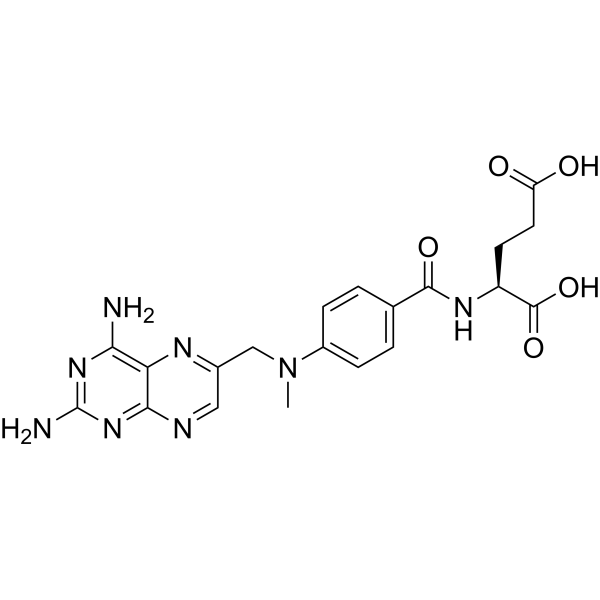
Methotrexate (Amethopterin; CL14377; WR19039) is an orally active antifolate (Antifolate). Methotrexate inhibits dihydrofolate reductase (DHFR), blocks tetrahydrofolate production, suppresses purine/pyrimidine synthesis and transmethylation, and causes intracellular accumulation of AICAR. Methotrexate promotes extracellular adenosine release, regulates the cytokine network, and inhibits the alarmin function of HMGB1. Methotrexate induces apoptosis and cytotoxicity, upregulates the expression of iNOS and COX-2, suppresses hippocampal neurogenesis, and induces pulmonary fibrosis. Methotrexate is used in the research of various immune and inflammation-related diseases such as arthritis, psoriasis, systemic lupus erythematosus, as well as pulmonary fibrosis and breast cancer .
loading...
    loading...
87
87 Publications Verification
Cat. No.: HY-14519B
CAS No.: 133073-73-1
Purity:  98.41%
Synonyms: Amethopterin hydrate; CL14377 hydrate; WR19039 hydrate
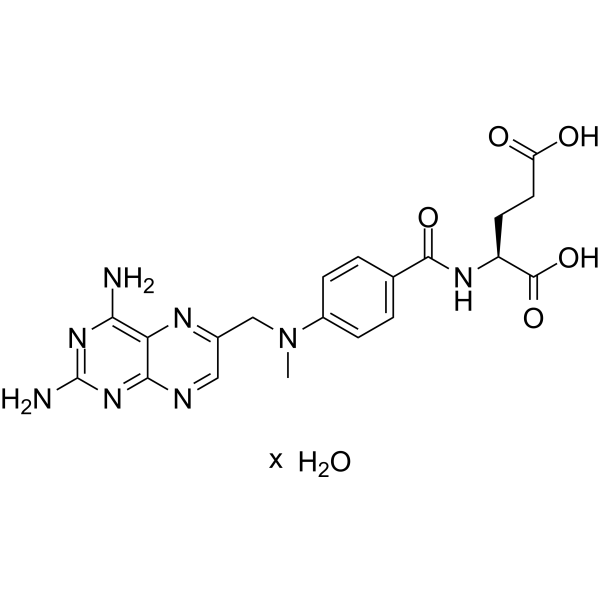
Methotrexate hydrate (Amethopterin hydrate; CL14377 hydrate; WR19039 hydrate) is an orally active antifolate (Antifolate). Methotrexate hydrate inhibits dihydrofolate reductase (DHFR), blocks tetrahydrofolate production, suppresses purine/pyrimidine synthesis and transmethylation, and causes intracellular accumulation of AICAR. Methotrexate hydrate promotes extracellular adenosine release, regulates the cytokine network, and inhibits the alarmin function of HMGB1. Methotrexate hydrate induces apoptosis and cytotoxicity, upregulates the expression of iNOS and COX-2, suppresses hippocampal neurogenesis, and induces pulmonary fibrosis. Methotrexate hydrate is used in the research of various immune and inflammation-related diseases such as arthritis, psoriasis, systemic lupus erythematosus, as well as pulmonary fibrosis and breast cancer .
loading...
    loading...
87
87 Publications Verification
Cat. No.: HY-14519A
CAS No.: 7413-34-5
Purity:  99.71%
Synonyms: Amethopterin disodium; CL14377 disodium; WR19039 disodium
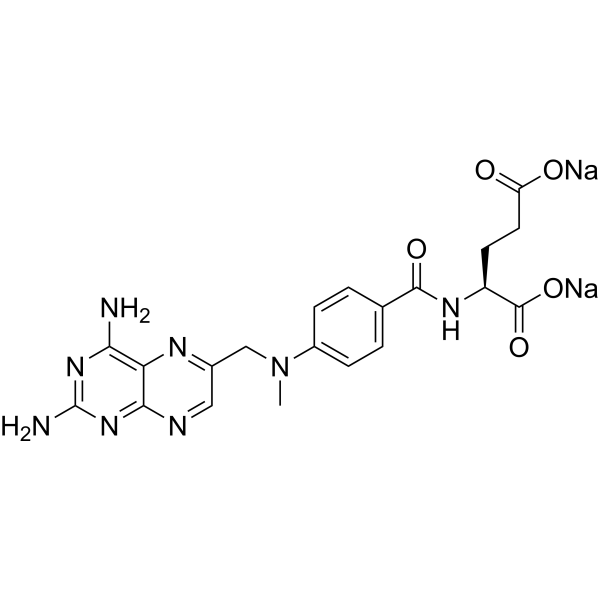
Methotrexate disodium (Amethopterin disodium; CL14377 disodium; WR19039 disodium) is an orally active antifolate (Antifolate). Methotrexate disodium inhibits dihydrofolate reductase (DHFR), blocks tetrahydrofolate production, suppresses purine/pyrimidine synthesis and transmethylation, and causes intracellular accumulation of AICAR. Methotrexate disodium promotes extracellular adenosine release, regulates the cytokine network, and inhibits the alarmin function of HMGB1. Methotrexate disodium induces apoptosis and cytotoxicity, upregulates the expression of iNOS and COX-2, suppresses hippocampal neurogenesis, and induces pulmonary fibrosis. Methotrexate disodium is used in the research of various immune and inflammation-related diseases such as arthritis, psoriasis, systemic lupus erythematosus, as well as pulmonary fibrosis and breast cancer .
loading...
    loading...
3
3 Cited Publications
Cat. No.: HY-15985
CAS No.: 1439934-41-4
Target:  

Akt

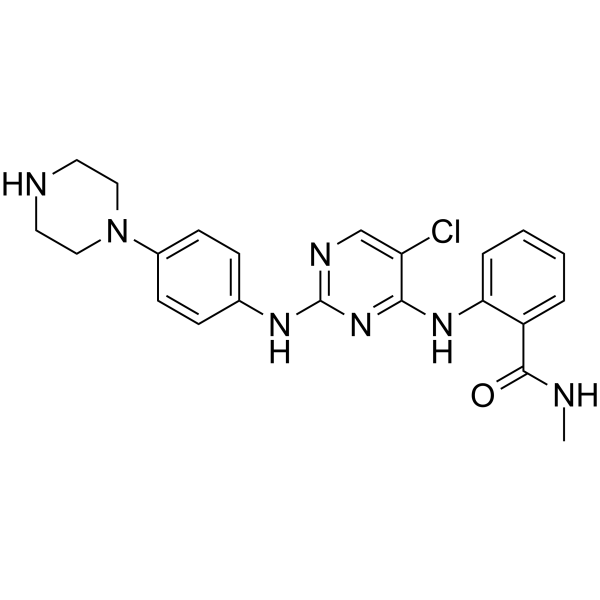
CTX-0294885 is a broad spectrum kinase inhibitor that can capture 235 kinases from MDA-MB-231 cells, and can capture all members of the AKT family. CTX-0294885 is a powerful reagent for analysis of kinome signaling networks that can be used for the research of diseases like inflammation, diabetes, and cancer .
loading...
    loading...
3
3 Cited Publications
Cat. No.: HY-15985A
CAS No.: 2319590-02-6
Target:  

Akt

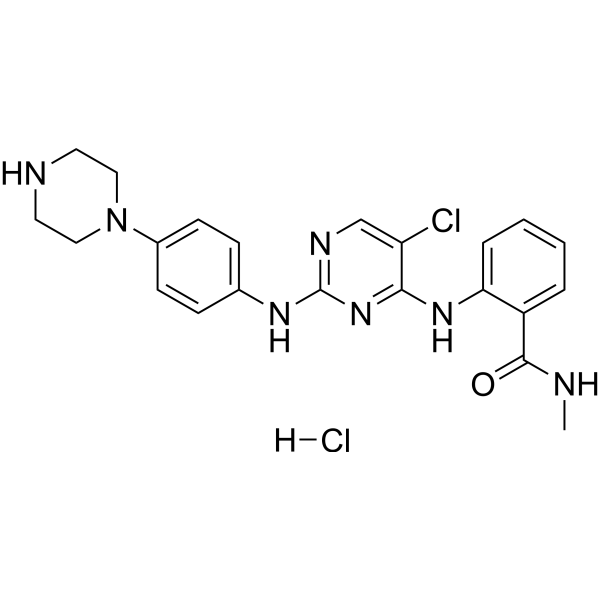
CTX-0294885 hydrochloride is a broad spectrum kinase inhibitor that can capture 235 kinases from MDA-MB-231 cells, and can capture all members of the AKT family. CTX-0294885 hydrochloride is a powerful reagent for analysis of kinome signaling networks that can be used for the research of diseases like inflammation, diabetes, and cancer .
loading...
    loading...
2
2 Cited Publications
Cat. No.: HY-N6708
CAS No.: 27061-78-5
Alamethicin is a linear 20-amino acid antibiotic, which can induce voltage-gated conductance in model and cell membranes. Alamethicin exhibits antimicrobial activity against Gram-positive bacteria, but not Gram-negative bacteria. Alamethicin can form an amphipathic α-helical structure in biological membranes .
loading...
    loading...
2
2 Cited Publications
Cat. No.: HY-122571
CAS No.: 1201652-50-7
Purity:  ≥98.0%
Research Areas:  

Infection Cancer

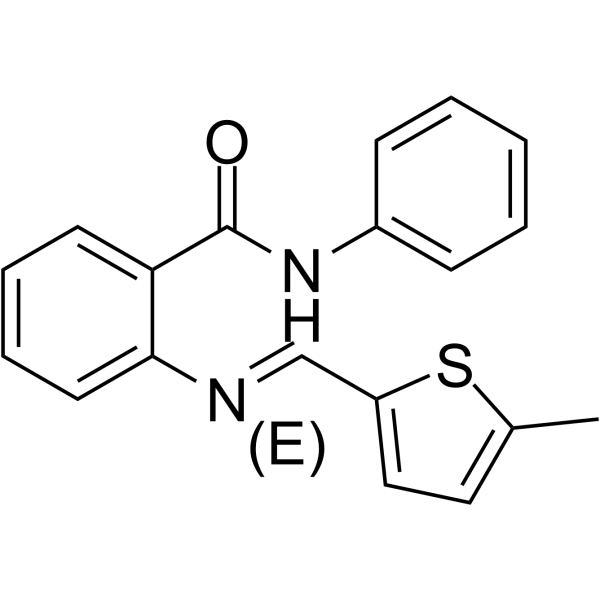
Retro-2 is a selective inhibitor of retrograde protein trafficking at the endosome-trans-Golgi network interface. Retro-2 is an ebolavirus (EBOV) infection inhibitor with an EC50 of 12.2 μM in HeLa cells. Retro-2 induces cell autophagy .
loading...
    loading...
2
2 Cited Publications
Cat. No.: HY-153918
CAS No.: 2955634-67-8
Purity:  99.50%
Target:  

Androgen Receptor

Research Areas:  

Cancer

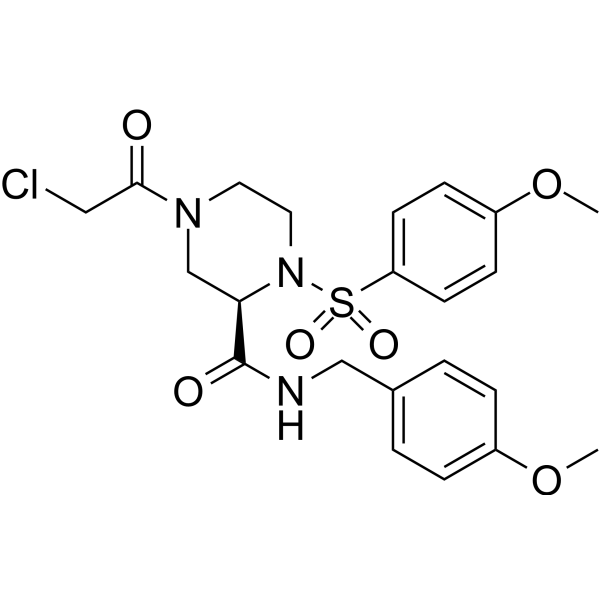
(R)-SKBG-1 is a covalent inhibitor targeting the RNA binding protein NONO. (R)-SKBG-1 can reduce the expression of androgen receptor (AR) and its splice variants, inhibiting cancer cell proliferation. (R)-SKBG-1 inhibits androgen receptor expression with IC50 of 3.1 μM and 5.5 μM for AR-FL mRNA and AR-V7 mRNA, respectively. (R)-SKBG-1 interferes with the gene regulatory network of cancer cells and inhibits cancer cell growth by stabilizing the interaction between NONO and mRNA. (R)-SKBG-1 can be used in the study of cancers related to NONO dysfunction, such as prostate cancer .
loading...
    loading...
1
1 Cited Publications
Cat. No.: HY-137441
CAS No.: 1000999-96-1
Purity:  99.52%
Synonyms: PU-HZ151
Target:  

HSP

Research Areas:  

Neurological Disease Cancer

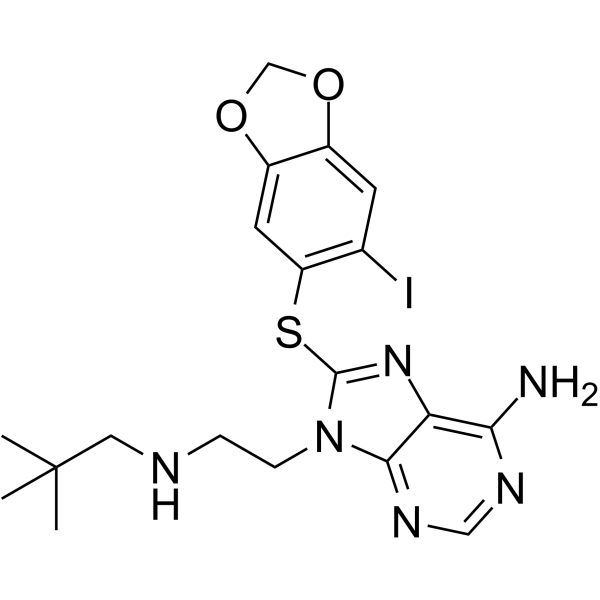
Icapamespib (PU-HZ151; PU-AD) is a selective, orally active inhibitor of Epichaperomes assembled by HSP90 with slow dissociation kinetics. Icapamespib can cross the blood-brain barrier (BBB) ??and induce epichaperome disassembly by non-covalently binding to HSP90, restoring the normal protein-protein interaction network. Icapamespib can specifically disrupt disease-related abnormal protein interaction networks, reduce neurotoxic protein aggregation and tumor cell survival signals. Icapamespib can be used in the research of neurodegenerative diseases such as Alzheimer's disease, as well as cancers such as glioblastoma and metastatic breast cancer .
loading...
    loading...
1
1 Cited Publications
Cat. No.: HY-137441A
CAS No.: 2267287-26-1
Purity:  98.67%
Synonyms: PU-HZ151 hydrochloride
Target:  

HSP

Research Areas:  

Neurological Disease Cancer

Icapamespib (PU-HZ151; PU-AD) hydrochloride is a selective, orally active inhibitor of Epichaperomes assembled by HSP90 with slow dissociation kinetics. Icapamespib hydrochloride can cross the blood-brain barrier (BBB) ??and induce epichaperome disassembly by non-covalently binding to HSP90, restoring the normal protein-protein interaction network. Icapamespib hydrochloride can specifically disrupt disease-related abnormal protein interaction networks, reduce neurotoxic protein aggregation and tumor cell survival signals. Icapamespib hydrochloride can be used in the research of neurodegenerative diseases such as Alzheimer's disease, as well as cancers such as glioblastoma and metastatic breast cancer .
loading...
    loading...
1
1 Cited Publications
Cat. No.: HY-B1283
CAS No.: 59-47-2
Target:  

iGluR

Research Areas:  

Neurological Disease

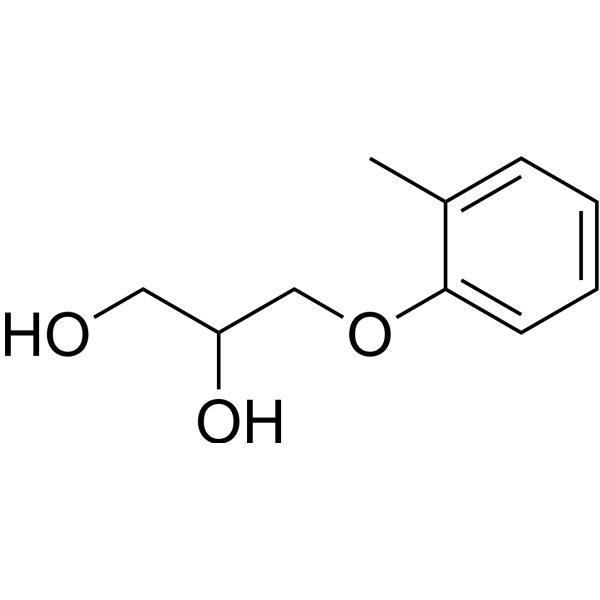
Mephenesin is an NMDA receptor antagonist. Mephenesin is also a central muscle relaxant with antianxiety, muscle-paralyzing and anticonvulsant effects. Mephenesin acts directly on the skeletal muscle fibres to produce skeletal muscle relaxation. Mephenesin is promising for research of spasticity or painful muscle spasm .
loading...
    loading...
1
1 Cited Publications
Cat. No.: HY-P70589
Purity:  ≥ 95%, as determined by reducing SDS-PAGE.
Synonyms: MAPT; Tau-Derived Paired helical Filament Hexapeptide; Prev. MAPTL; Microtubule-Associated Protein Tau; Prev. DDPAC; Neurofibrillary Tangle Protein; MTBT1; Paired helical Filament-Tau; PPP1R103; MGC138549; Tau-PHF6; FLJ31424; FTDP-17; PHF-Tau; Tau-40; Mic
Species:  
Human
Source:  
E. coli
loading...
    loading...
1
1 Cited Publications
Cat. No.: HY-P71102
Purity:  ≥ 90%, as determined by reducing SDS-PAGE.
Synonyms: MAPT; Tau-Derived Paired helical Filament Hexapeptide; Prev. MAPTL; Microtubule-Associated Protein Tau; Prev. DDPAC; Neurofibrillary Tangle Protein; MTBT1; Paired helical Filament-Tau; PPP1R103; MGC138549; Tau-PHF6; FLJ31424; FTDP-17; PHF-Tau; Tau-40; Mic
Species:  
Human
Source:  
E. coli
loading...
    loading...
1
1 Cited Publications
Cat. No.: HY-N6028
CAS No.: 59219-65-7
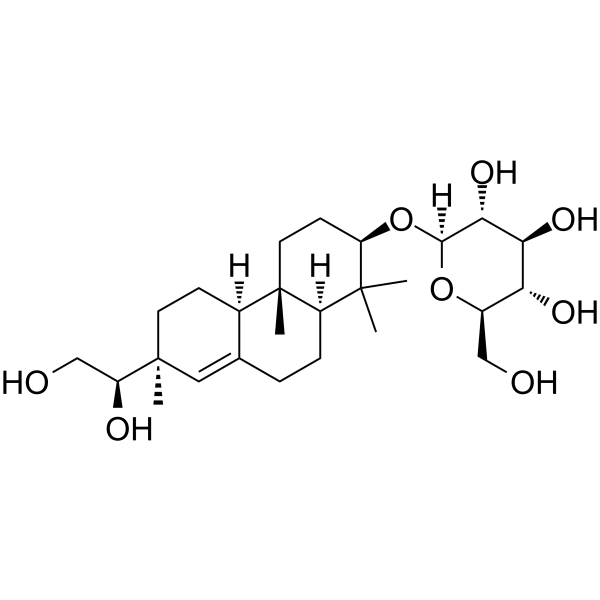
Darutoside is an orally effective diterpene compound with significant anti-inflammatory, analgesic, wound healing promotion, and immunomodulatory activities. Darutoside reduces edema and pain responses by inhibiting the expression of COX-2 and the migration of inflammatory cells. It regulates macrophage polarization towards the M2 type by inhibiting the NF-κB pathway, alleviating inflammation and promoting wound healing. Through multi-target regulation of metabolic networks, Darutoside significantly alleviates acute gouty arthritis .
loading...
    loading...
1
1 Cited Publications
Cat. No.: HY-128342
CAS No.: 2365402-67-9
Purity:  99.14%
Target:  

Complement System

Research Areas:  

Inflammation/Immunology

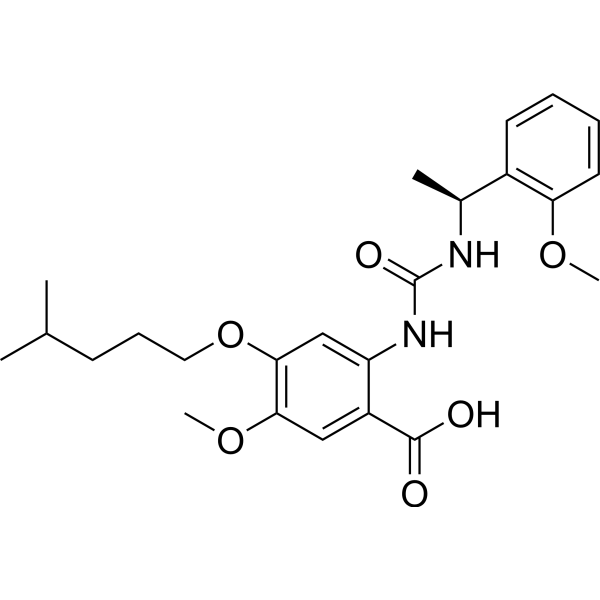
Complement C5-IN-1 is a Complement C5 inhibitor with an IC50 of less than 0.005 μM in serum inhibition assays. Complement C5-IN-1 stabilizes the α-helical conformation, thereby burying the cleavage site and preventing cleavage of C5 by C5 convertase. Complement C5-IN-1 inhibits membrane attack complex deposition in human serum and whole blood complement activation assays. Complement C5-IN-1 can be used in research related to complement-mediated diseases, such as paroxysmal nocturnal hemoglobinuria .
loading...
    loading...
1
1 Cited Publications
Cat. No.: HY-13101
CAS No.: 1108147-88-1
Purity:  99.98%
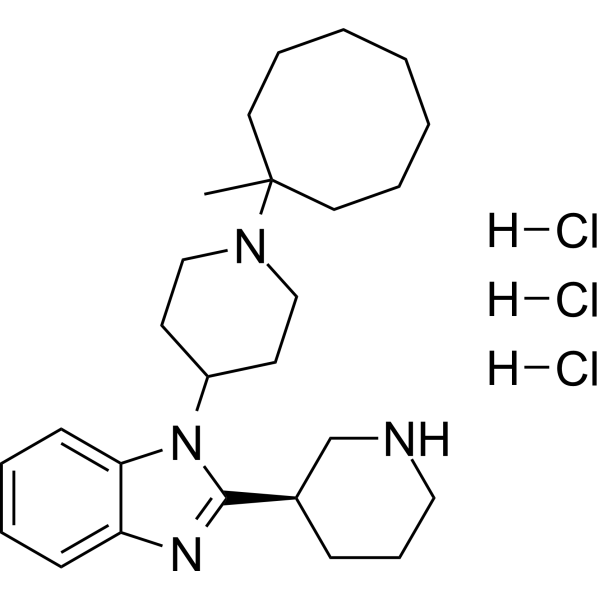
MCOPPB trihydrochloride is a NOP/ORL1 G protein-coupled receptor agonist and autophagy inhibitor that can cross the blood-brain barrier. MCOPPB trihydrochloride clears senescent cells, regulates locomotion, lipid storage and immune responses, and inhibits fibrosis and angiogenesis. MCOPPB trihydrochloride blocks autophagic flux, induces changes in locomotion and lipid storage, and activates the stress-responsive immune transcription network, thereby improving post-infarction cardiac function and exerting anxiolytic effects. MCOPPB trihydrochloride can be applied to research fields such as aging-related diseases and ischemic heart failure .
loading...
    loading...
1
1 Cited Publications
Cat. No.: HY-13747
CAS No.: 13909-09-6
Purity:  ≥98.0%
Research Areas:  

Cancer

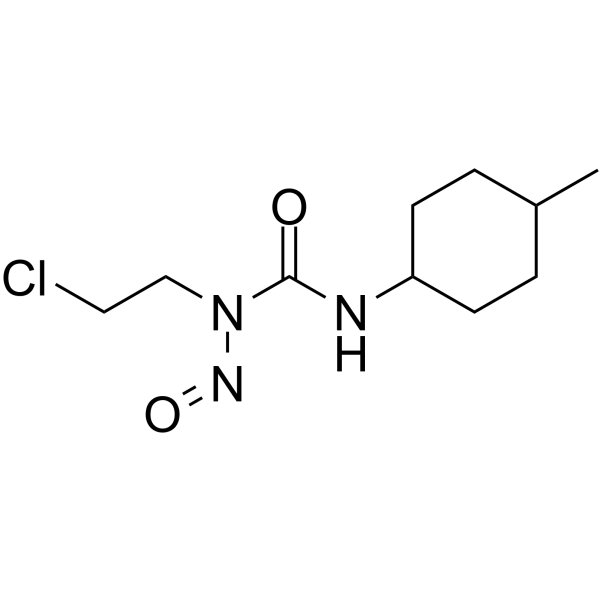
Semustine is an orally active, blood-brain barrier permeable antitumor alkylating agent with a binding affinity of 1.53 × 10 3 M -1 for guanine and thymine residues in bovine DNA. Semustine undergoes major groove-directed alkylation at guanine residues to form O6-chloroethylguanine and N1-O6-ethanoguanine adducts, and generates dG-dC interstrand crosslinks. Semustine induces partial B- to C-type transition of DNA, base stacking and helical structure distortion, mild dehydration, as well as partial DNA double-strand unwinding. Semustine can be used in research related to Lewis lung cancer, leukemia, Hodgkin's lymphoma, malignant melanoma, glioma, and diffuse large B-cell lymphoma .
loading...
    loading...
1
1 Cited Publications
Cat. No.: HY-18540
CAS No.: 1402612-55-8
Target:  

MAGL DAGL

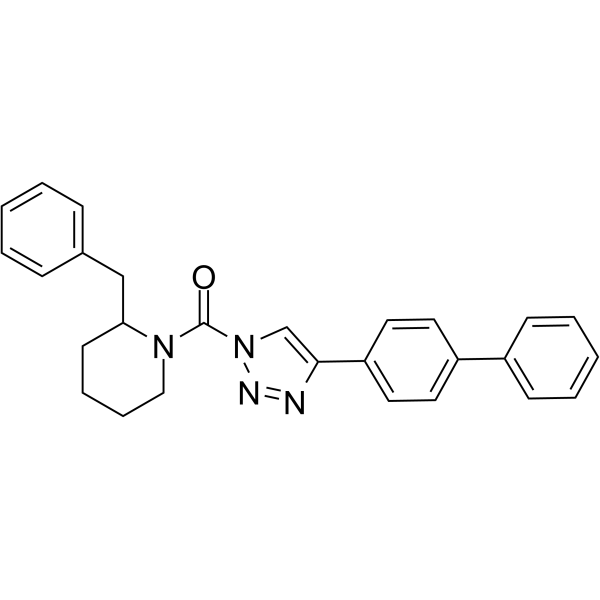
KT109 is a potent and an isoform-selective inhibitor of diacylglycerol lipase-β (DAGLβ) with an IC50 of 42 nM. KT109 has ~60-fold selectivity for DAGLβ over DAGLα. KT109 shows inhibitory activity against PLA2G7 (IC50=1 µM). KT109 shows negligible activity against FAAH, MGLL, ABHD11, and cytosolic phospholipase A2 (cPLA2 or PLA2G4A). KT109 perturbs a lipid network involved in macrophage inflammatory responses and lowers 2-Arachidonoylglycerol (HY-W011051), Arachidonic acid (HY-109590) and eicosanoids in mouse peritoneal macrophages .
loading...
    loading...
1
1 Cited Publications
Cat. No.: HY-156675A
Purity:  99.34%
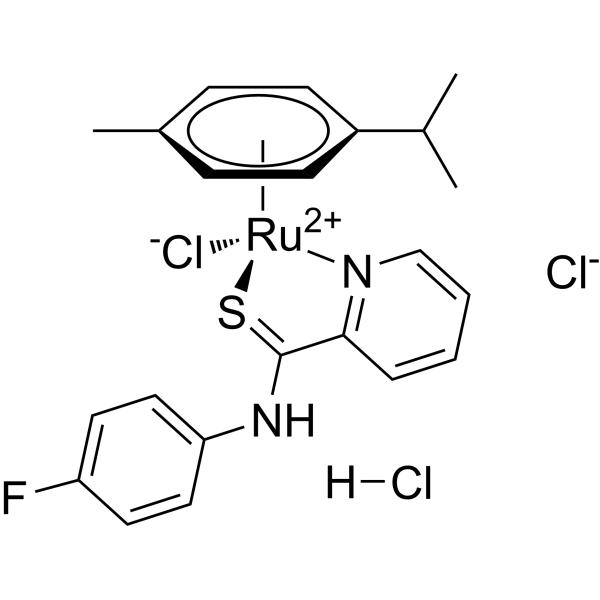
Plecstatin-1 hydrochloride is a metal complex that drives the aggregation and collapse of the plectin network, and disrupts the cytoskeletal structures of α‑tubulin and F‑actin. Plecstatin-1 hydrochloride triggers oxidative stress, mediates the phosphorylation of eIF2α, and induces molecular features associated with immunogenic cell death, including calreticulin membrane exposure, membrane localization of HSP70/HSP90, ATP secretion, and HMGB‑1 release. Plecstatin-1 hydrochloride induces apoptosis via the intrinsic mitochondrial pathway and exerts anti-invasive activity. Plecstatin-1 hydrochloride inhibits sphere proliferation and reduces clonogenicity in the 3D tumor spheroid model of colon cancer cells. Plecstatin-1 hydrochloride is applicable to relevant research on colorectal cancer .
loading...
    loading...
1
1 Cited Publications
Cat. No.: HY-N0910
CAS No.: 155683-00-4
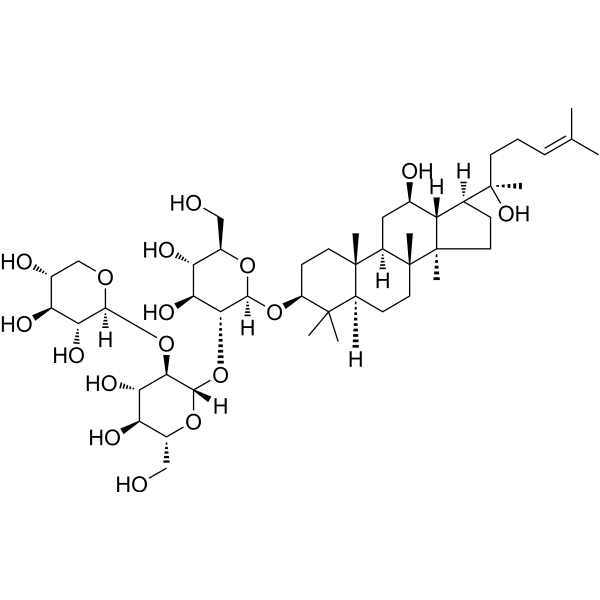
Notoginsenoside Ft1 is an orally active bioactive saponin. Notoginsenoside Ft1 inhibits the PI3K/AKT/mTOR signaling pathway, activates the p38 MAPK and ERK1/2 signaling pathways, and increases the proportion of CD8 + T cells, thereby inducing apoptosis and lysosomal cell death in various cancer cells, and promoting angiogenesis. Notoginsenoside Ft1 causes vasodilation by activating glucocorticoid receptors (GR) and estrogen receptor beta (ERβ) in endothelial cells. Notoginsenoside Ft1 increases intracellular Ca 2+ accumulation, reduces cAMP levels by activating a signaling network mediated through P2Y12 receptors, and promotes platelet aggregation, thereby exerting a procoagulant effect. Notoginsenoside Ft1 inhibits ferroptosis (ferroptosis) in renal tubular epithelial cells by activating the TGR5 receptor, thereby demonstrating a renal protective effect. Notoginsenoside Ft1 acts as a TGR5 agonist and an FXR antagonist to combat obesity and insulin resistance .
loading...
    loading...

