




1. Search Result
Search Result
Results for "

hereditary

" in MedChemExpress (MCE) Product Catalog:

49

Inhibitors & Agonists

2

Screening Libraries

1

Biochemical Assay Reagents

3

Peptides

4

Inhibitory Antibodies

1

Natural
Products

3

Isotope-Labeled Compounds

1

Antibodies

1

Click Chemistry

13

Oligonucleotides

Cat. No. Product Name Target Research Areas Chemical Structure
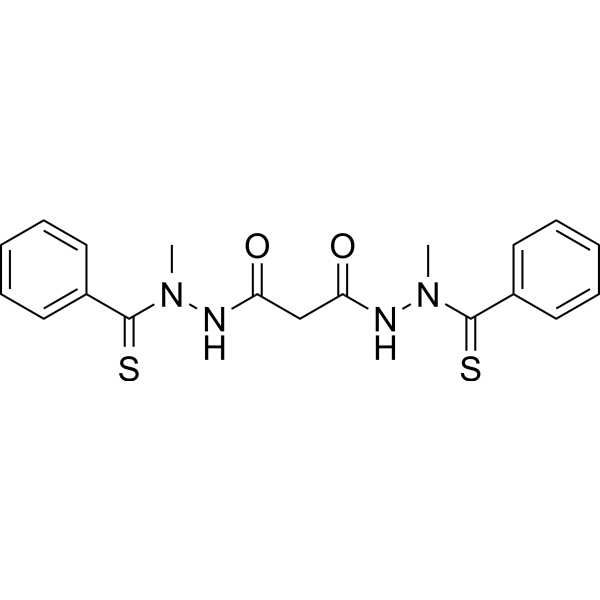
  • HY-12040
    Elesclomol
    Maximum Cited Publications
    115 Publications Verification

    STA-4783

    Reactive Oxygen Species (ROS) Apoptosis Cuproptosis Cancer
    Elesclomol (STA-4783) is a potent copper ionophore and promotes copper-dependent cell death (cuproptosis). Elesclomol specifically binds ferredoxin 1 (FDX1) α2/α3 helices and β5 strand. Elesclomol inhibits FDX1-mediated Fe-S cluster biosynthesis. Elesclomol is an oxidative stress inducer that induces cancer cell apoptosis. Elesclomol is a reactive oxygen species (ROS) inducer. Elesclomol can be used for Menkes and associated disorders of hereditary copper deficiency research .
    Elesclomol
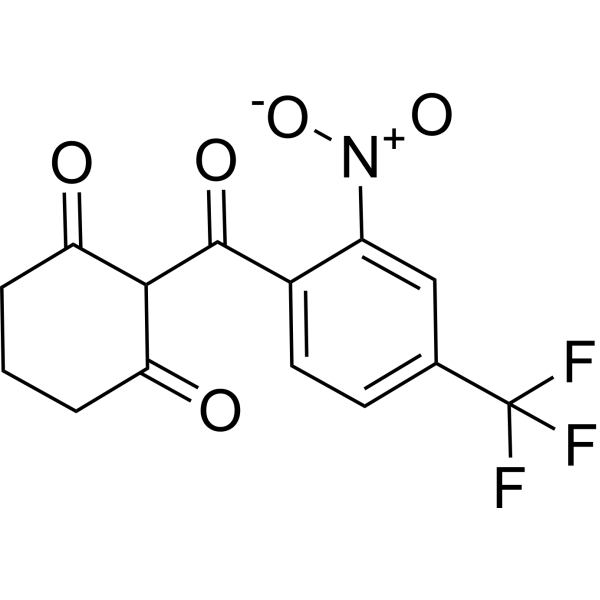
  • HY-B0607
    Nitisinone
    2 Publications Verification

    NTBC; Nitisone; SC0735

    HPPD Metabolic Disease
    Nitisinone is an orally active, competitive and reversible 4-hydroxyphenylpyruvate dioxygenase (4-HPPD) inhibitor with an IC50 of 173 nM. Nitisinone promotes tyrosine accumulation in a dose-dependent manner. nitisinone can be used in studies of hereditary tyrosinemia type 1 (HT-1) (a rare genetic disorder) and albinism .
    Nitisinone
  • HY-132609
    Patisiran sodium
    1 Publications Verification

    Small Interfering RNA (siRNA) Transthyretin (TTR) Neurological Disease
    Patisiran sodium is a double-stranded small interfering RNA that targets a sequence within the transthyretin (TTR) messenger RNA. Patisiran sodium specifically inhibits hepatic synthesis of mutant and wild-type TTR. Patisiran sodium can be used for the research of hereditary TTR amyloidosis .
    Patisiran sodium
  • HY-P10272

    PTG-300

    Ferroportin Others
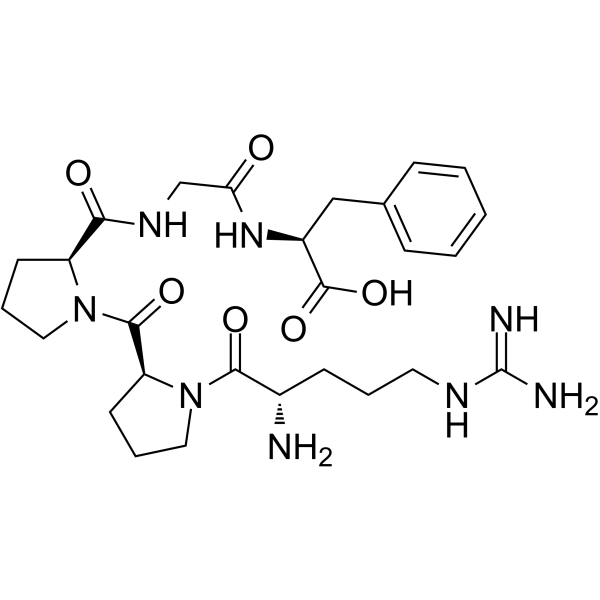
    Rusfertide is a peptide mimetic of natural hepcidin, which targets and degrades ferroportin, reduces serum iron and transferrin-saturation, and thus regulates the production of red blood cells. Rusfertide ameliorates the polycythemia vera, β-thalassemia and hereditary hemochromatosis .
    Rusfertide
  • HY-16735
    Avoralstat
    4 Publications Verification

    BCX4161

    Kallikrein Others
    Avoralstat (BCX4161), a potent and orally active plasma kallikrein (PKK) inhibitor, is used for hereditary angioedema research .
    Avoralstat
  • HY-P99631
    Garadacimab
    1 Publications Verification

    CSL312

    Factor Xa Cardiovascular Disease
    Garadacimab (CSL312) is a first-in-class, fully human IgG4 monoclonal antibody targeting activated factor XII (FXIIa). Garadacimab has the potential for hereditary angioedema research .
    Garadacimab
  • HY-132608

    ISIS-420915 sodium

    Transthyretin (TTR) Neurological Disease
    Inotersen (ISIS-420915) sodium is a 2′-O-methoxyethyl-modified antisense oligonucleotide. Inotersen sodium inhibits the production of transthyretin (TTR) protein by targeting the TTR RNA transcript and reduces the levels of the TTR transcript. Inotersen sodium can be used for the research of hereditary TTR amyloidosis polyneuropathy .
    Inotersen sodium
  • HY-112974

    GSK-2998728; ISIS-420915

    Transthyretin (TTR) Cardiovascular Disease Neurological Disease
    Inotersen (GSK-2998728; ISIS-420915) is a 2'-O-methoxyethyl-modified antisense oligonucleotide and transthyretin (TTR) inhibitor with low genotoxicity. Inotersen triggers RNase H1-mediated degradation by binding to TTR mRNA, thereby effectively reducing the production of both mutant and wild-type transthyretin in the liver. Inotersen significantly reduces amyloid fiber deposition, yet specific toxicities such as inflammation or tumors are observed at high doses in some animal models. Inotersen is used in studies of hereditary transthyretin amyloidosis and the associated polyneuropathy and cardiomyopathy .
    Inotersen
  • HY-109127
    Berotralstat
    1 Publications Verification

    BCX7353

    Kallikrein Cardiovascular Disease Cancer
    Berotralstat (BCX7353) is an orally active plasma kallikrein inhibitor. Berotralstat can reduce brain edema and is being studied for glioblastoma and hereditary angioedema .
    Berotralstat
  • HY-173189A

    2′,5′-ApApA pentasodium; 2′,5′-trioligoadenylate pentasodium; 5'-O-Triphosphoryladenylyl-(2'→5')-adenylyl-(2'→5')-adenosine pentasodium

    RSV DNA/RNA Synthesis Infection Cancer
    2-5A (2′,5′-ApApA) pentasodium solution 100 mM is a high-affinity (Ka=0.04 nM) RNase L binder. 2-5A pentasodium solution 100 mM activates the nuclease activity of latent RNase L to cleave single-stranded RNA by inducing conformational changes and dimerization of latent RNase L, thereby mediating critical antiviral responses and enhancing interferon effects. 2-5A pentasodium solution 100 mM not only effectively inhibits Rauscher murine leukemia virus replication, reduces viremia and splenomegaly, but also enhances antileukemic efficacy when combined with amphotericin B and exhibits favorable high-dose tolerance. 2-5A pentasodium solution 100 mM is an important tool molecule for investigating the pathological mechanisms of viral infection, hereditary prostate cancer and leukemia .
    2-5A pentasodium solution (100 mM)
  • HY-150229

    Liposome Cancer
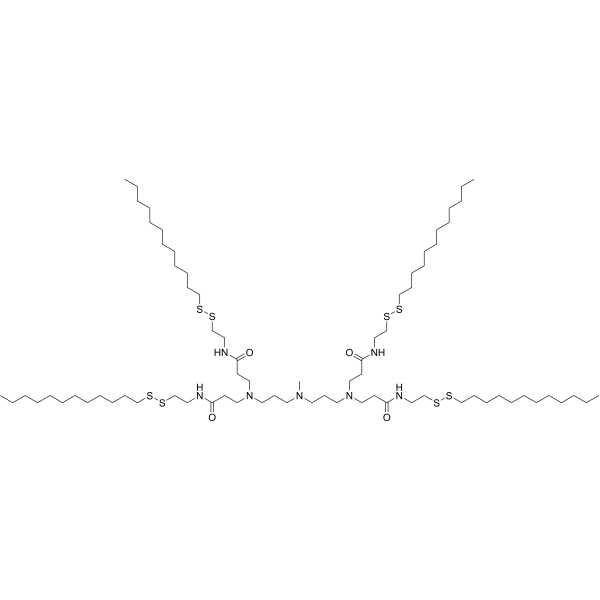
    306-N16B is a selective lung-targeted lipid nanoparticle that reversibly targets lung endothelial cells and specific immune cells through selective adsorption of a protein corona mediated by differences in tail structure (such as fibrinogen β/γ chain). 306-N16B binds to specific plasma proteins in the blood to form a protein corona, which guides the particles to be enriched in the lungs, releases mRNA and promotes target cell gene expression, exerts efficient lung cell transfection activity, and can precisely regulate gene delivery of different cell types in the lungs (such as endothelial cells and macrophages). 306-N16B can be used in gene therapy technologies for hereditary lung diseases including pulmonary lymphangioleiomyomatosis (LAM), restoring tumor suppressor function by delivering Tsc2 mRNA, and can also be used for lung-specific mRNA vaccines and gene editing therapies .
    306-N16B
  • HY-P99110

    SHP643; DX-2930; X124-G01

    Kallikrein Inflammation/Immunology
    Lanadelumab (SHP643) is a human IgG1 monoclonal antibody against plasma kallikrein (pKal) with an Ki value of 0.12 nM. Lanadelumab inhibits both free and HMWK (high molecular weight kininogen)-bound pKal. Lanadelumab has the potential for the research of hereditary angioedema .
    Lanadelumab
  • HY-126301
    DMT1 blocker 1
    3 Publications Verification

    Ferroportin Metabolic Disease
    DMT1 blocker 1 is an orally active blocker of divalent metal transporter 1 (DMT1) with an IC50 of 0.64 μM. DMT1 blocker 1 inhibits intestinal cell absorption of non-heme iron, thereby alleviating iron overload by blocking the DMT1 transporter. DMT1 blocker 1 demonstrates significant efficacy in rodent models of acute iron hyperabsorption. DMT1 blocker 1 is useful for studying iron overload disorders such as hereditary hemochromatosis and thalassemia .
    DMT1 blocker 1
  • HY-150151A

    LYTACs Cardiovascular Disease
    GalNac-siRNA negative control (21nt) is the negative control form of GalNac-siRNA. GalNac-siRNA is an Asialoglycoprotein receptor (ASGPR)-targeted inhibitor conjugate. GalNac-siRNA is promising for research of hereditary transthyretin amyloidosis, acute hepatic porphyria, hemophilia and hypercholesterolemia .
    GalNac-siRNA negative control (21nt)
  • HY-139787

    ISIS-721744 free acid; IONIS-PKK-LRX free acid

    Kallikrein Cardiovascular Disease Inflammation/Immunology
    Donidalorsen (ISIS-721744; IONIS-PKK-LRX free acid) is an antisense oligonucleotide targeting prekallikrein (PKK). Donidalorsen inhibits kallikrein activity and reduces the production of Bradykinin (HY-P0206) by specifically binding to and degrading PKK mRNA in the liver. Donidalorsen can be used in the research of hereditary angioedema .
    Donidalorsen
  • HY-139787A

    ISIS-721744; IONIS-PKK-LRX

    Kallikrein Cardiovascular Disease Inflammation/Immunology
    Donidalorsen (ISIS-721744; IONIS-PKK-LRX) sodium is an antisense oligonucleotide targeting prekallikrein (PKK). Donidalorsen sodium inhibits kallikrein activity and reduces the production of Bradykinin (HY-P0206) by specifically binding to and degrading PKK mRNA in the liver. Donidalorsen sodium can be used in the research of hereditary angioedema .
    Donidalorsen sodium
  • HY-153609

    Transthyretin (TTR) Small Interfering RNA (siRNA) Neurological Disease
    AS-Patisiran sodium is an antisense strand of Patisiran. Patisiran is a double-stranded small interfering RNA that targets a sequence within the transthyretin (TTR) messenger RNA. Patisiran specifically inhibits hepatic synthesis of mutant and wild-type TTR. Patisiran can be used for the research of hereditary TTR amyloidosis .
    AS-Patisiran sodium
  • HY-160928

    E1/E2/E3 Enzyme Cardiovascular Disease
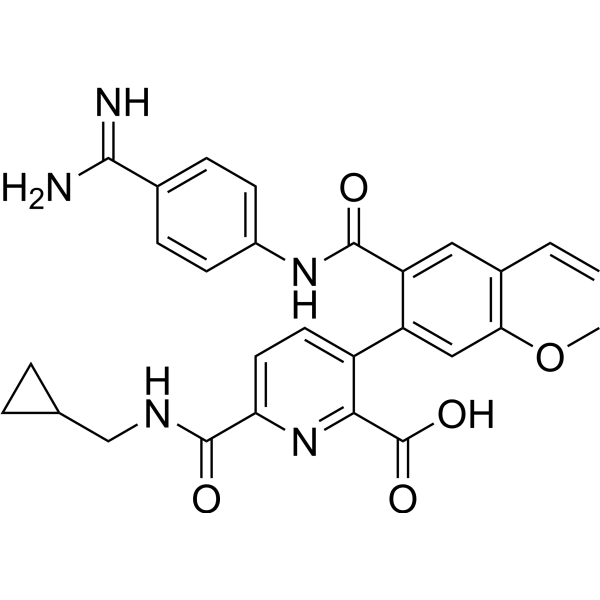
    Smurf1 modulator-1 (Compound 20) is a selective inhibitor for Smad ubiquitination regulatory factor 1 (Smurf1), with IC50 of 180 nM .
    Smurf1 modulator-1
  • HY-132590A

    ALN-TTRSC sodium

    Small Interfering RNA (siRNA) Transthyretin (TTR) Neurological Disease
    Revusiran (ALN-TTRSC) sodium is an RNA interference agent targeting the mRNA of transthyretin (Transthyretin, TTR). Revusiran sodium mediates sequence-specific degradation of TTR mRNA through RNA interference, reduces the synthesis of TTR protein, binds to GalNAc ligands, and is taken up by hepatocytes via the asialoglycoprotein receptor. Revusiran sodium exhibits favorable nonclinical safety profiles. Revusiran sodium can be used in studies related to transthyretin-mediated amyloidosis .
    Revusiran sodium
  • HY-109127A
    Berotralstat dihydrochloride
    1 Publications Verification

    BCX7353 dihydrochloride

    Kallikrein Cardiovascular Disease Cancer
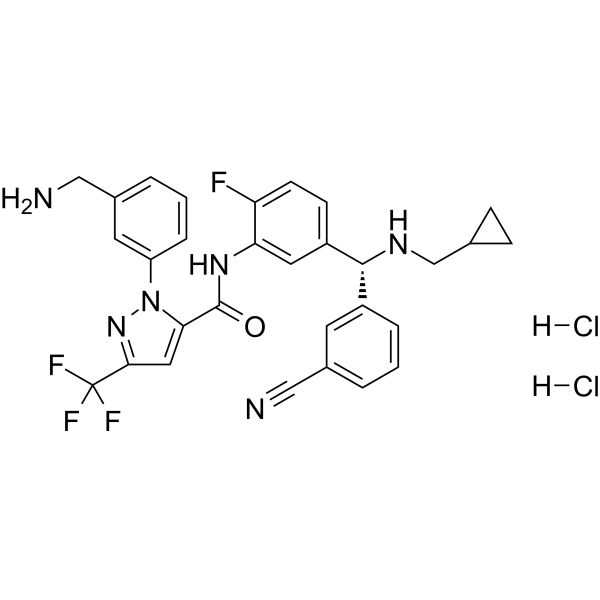
    Berotralstat dihydrochloride (BCX7353 dihydrochloride) is an orally active plasma kallikrein inhibitor. Berotralstat can reduce brain edema and is being studied for glioblastoma and hereditary angioedema .
    Berotralstat dihydrochloride
  • HY-P991629

    Ser/Thr Protease Inflammation/Immunology
    C1 Esterase Inhibitor (Human) is a C1 Esterase inhibitor derived from human plasma. C1 Esterase Inhibitor (Human), a glycoprotein, is a serum protease inhibitor (serpin) that binds covalently and inactivates C1r, C1s, and mannan-binding protein-associated proteases (MASPs). C1 Esterase Inhibitor (Human) has anti-inflammatory effects. C1 Esterase Inhibitor (Human) can be used to prevent angioedema attacks associated with hereditary angioedema .
    C1 Esterase Inhibitor (Human)
  • HY-147278

    Divesiran; SLN124

    Ser/Thr Protease Small Interfering RNA (siRNA) TMPRSS6 Cardiovascular Disease
    Manusiran (Divesiran) is a GalNac-siRNA targeting liver and transmembrane serine protease 6 (Serine protease 6). Manusiran increases hepatic Hepcidin synthesis and plasma levels by silencing TMPRSS6, a negative regulator of hepcidin production, and limits the availability of iron required for erythropoiesis. Combined use of Manusiran with Deferiprone (HY-B0568) reduces ineffective erythropoiesis and hepatic iron overload in a mouse model of β-thalassemia. Manusiran can be used for research on polycythemia vera, type 1 hereditary hemochromatosis, and β-thalassemia .
    Manusiran
  • HY-111302

    Progesterone Receptor Endocrinology
    Norgestrienone is a progestin receptor agonist. Norgestrienone is commonly used as a progesterone compound in birth control pills and can be combined with ethinylestradiol. Norgestrienone is a click chemical. It contains Alkyne groups and can undergo copper-catalyzed azide-alkyne cycloaddition reactions (CuAAc) with molecules containing Azide groups. Norgestrienone can be used in the study of hereditary angioneurotic edema .
    Norgestrienone
  • HY-N2093
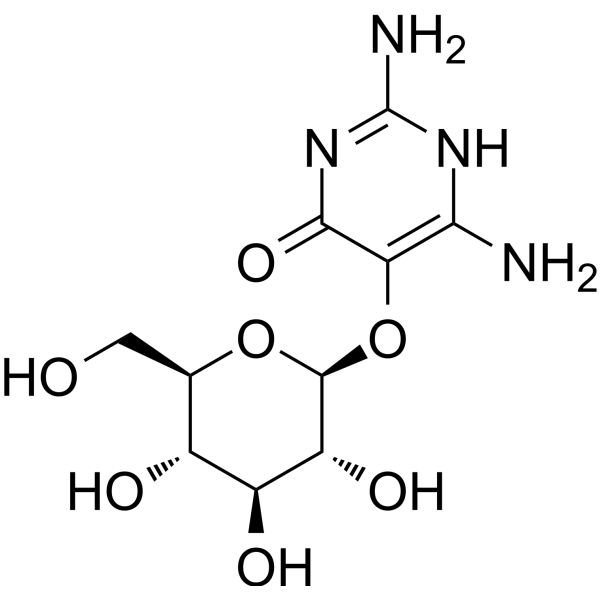
    Vicine
    2 Publications Verification

    Drug Metabolite Cardiovascular Disease Metabolic Disease
    Vicine, an alkaloid glycoside found mainly in fava beans, is toxic in individuals who have a hereditary loss of the enzyme glucose-6-phosphate dehydrogenase and may cause haemolytic anaemia.Vicine is an inactive compound that is hydrolysed by the intestinal microflora to a highly reactive free radical generating compound, the aglycone divicine when Vicine enters the body through food .
    Vicine
  • HY-B0607R
    Nitisinone (Standard)
    2 Publications Verification

    NTBC (Standard); Nitisone (Standard); SC0735 (Standard)

    HPPD Reference Standards Metabolic Disease
    Nitisinone (Standard) is the analytical standard of Nitisinone. This product is intended for research and analytical applications. Nitisinone is an orally active, competitive and reversible 4-hydroxyphenylpyruvate dioxygenase (4-HPPD) inhibitor with an IC50 of 173 nM. Nitisinone promotes tyrosine accumulation in a dose-dependent manner. nitisinone can be used in studies of hereditary tyrosinemia type 1 (HT-1) (a rare genetic disorder) and albinism .
    Nitisinone (Standard)
  • HY-150052

    Kallikrein Cardiovascular Disease Metabolic Disease
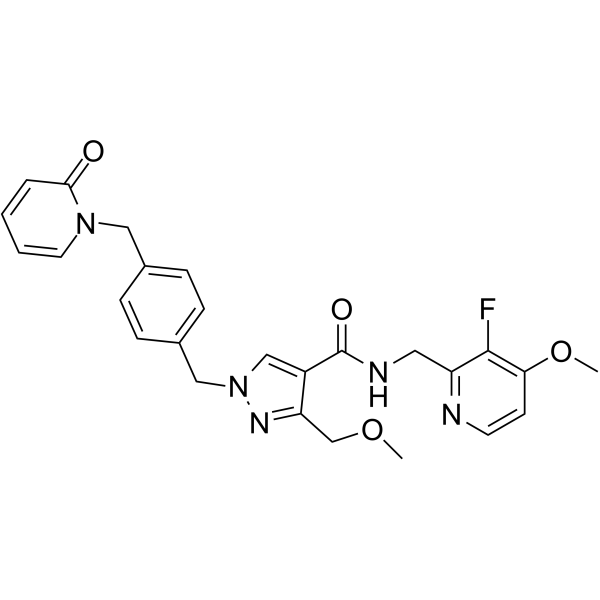
    Plasma kallikrein-IN-3 is a plasma kallikrein inhibitor (IC50: 0.15 μM). Plasma kallikrein-IN-3 can be used for hereditary angioedema, diabetic macular edema, and diabetic retinopathy research .
    Plasma kallikrein-IN-3
  • HY-122583

    RAD51 Cancer
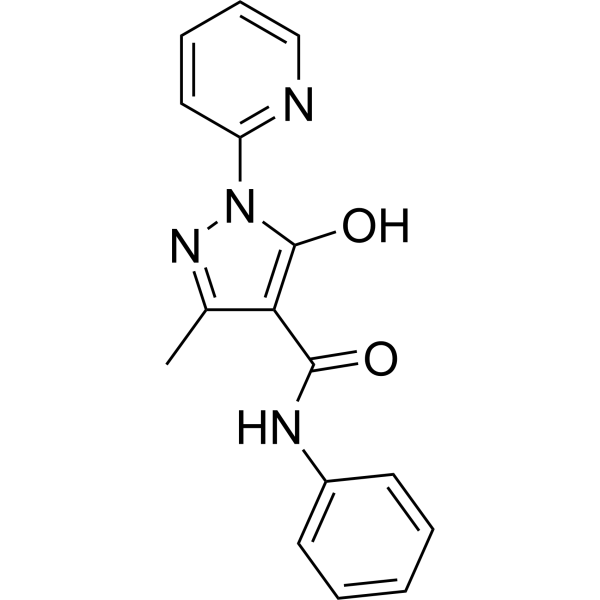
    D-G23 is a selective RAD52 inhibitor. D-G23 disrupts RAD52-mediated DNA repair pathways and suppresses the growth of BRCA1- and BRCA2-deficient cancer cells. D-G23 is promising for research of homologous recombination-related cancers, such as hereditary breast cancer and ovarian cancer caused by BRCA1/2 mutations .
    D-G23
  • HY-P11260

    Ser/Thr Protease Thrombin Metabolic Disease
    MD5 is a selective TMPRSS6 mimetic peptide inhibitor with an IC50 for recombinant human TMPRSS6 protein of 22 nM and a Ki of 3.4 nM. MD5 exhibits the significantly reduced inhibitory effect on Matriptase, with an IC50 of 352 nM and a Ki of 99.2 nM. MD5 exhibits good target specificity and only has a weak inhibitory effect on thrombin (Thrombin), with Ki of 120 nM. MD5 demonstrates good initial drugability and can be used for the study of iron overload diseases (such as hereditary hemochromatosis, β-thalassemia) .
    MD5
  • HY-143476

    Kallikrein Cardiovascular Disease Metabolic Disease
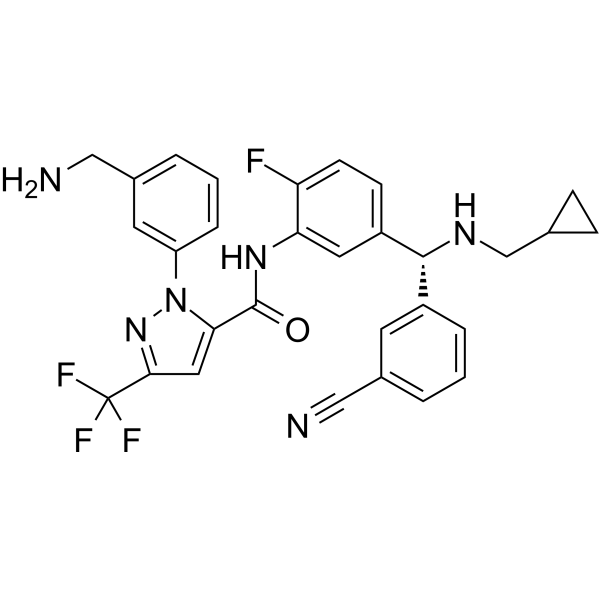
    Plasma kallikrein-IN-2 (Compound 198) is a potent plasma kallikrein (PKal) inhibitor with an IC50 of 0.1 nM. Plasma kallikrein-IN-2 can be used for hereditary angioedema, diabetic macular edema, and diabetic retinopathy research .
    Plasma kallikrein-IN-2
  • HY-124044

    Phosphatase Cardiovascular Disease
    ML 086 is a highly selective PHOSPHO1 phosphatase inhibitor (IC50=0.14 μM). ML 086 is promising for research of hereditary vascular calcification disorders (e.g., generalized arterial calcification of infancy) and spinal ligament ossification .
    ML 086
  • HY-101207

    GABA Receptor Neurological Disease
    NCS-382 is a potent GABA receptor antagonist and also a GHBR receptor antagonist. NCS-382 has anticonvulsant and antisedative activity. NCS-382 is used in the related research of hereditary nervous system diseases .
    NCS-382
  • HY-153141

    RNA MTase Cancer
    MP-1 is a potent Fumarate hydratase-dependent hit. MP-1 engages an array of functional cysteines, including one lying in the Zn-finger domain of the tRNA methyltransferase enzyme TRMT1. MP-1 causes fumarate hydratase-dependent synthetic lethality in a metastatic hereditary leiomyomatosis and renal cell carcinoma cell line .
    MP-1
  • HY-12040S

    STA-4783-d2

    Isotope-Labeled Compounds Reactive Oxygen Species (ROS) Apoptosis Cuproptosis Cancer
    Elesclomol-d2 (STA-4783-d2) is a deuterium labeled Elesclomol (HY-12040). Elesclomol (STA-4783) is a potent copper ionophore and promotes copper-dependent cell death (cuproptosis). Elesclomol specifically binds ferredoxin 1 (FDX1) α2/α3 helices and β5 strand. Elesclomol inhibits FDX1-mediated Fe-S cluster biosynthesis. Elesclomol is an oxidative stress inducer that induces cancer cell apoptosis. Elesclomol is a reactive oxygen species (ROS) inducer. Elesclomol can be used for Menkes and associated disorders of hereditary copper deficiency research .
    Elesclomol-d2
  • HY-163464

    Kallikrein Cardiovascular Disease
    Plasma kallikrein-IN-5 (Compound 20) is a potent covalent inhibitor of plasma potassium kinin peptide (Pka) with IC50 values of 66 nM and 70 pM at 1 minute and 24 hours, respectively. Plasma kallikrein-IN-5 can be used IN the study of hereditary angioedema (HAE) .
    Plasma kallikrein-IN-5
  • HY-163329

    Biochemical Assay Reagents Neurological Disease
    BCH-HSP-C01 is a lead compound that restores AP-4-dependent protein trafficking in neuronal models of adapter protein complex 4 (AP-4)-associated hereditary spastic paraplegia. BCH-HSP-C01 can be used for the research of autophagy-associated diseases .
    BCH-HSP-C01
  • HY-109127R

    BCX7353 (Standard)

    Reference Standards Ser/Thr Protease Cardiovascular Disease Cancer
    Berotralstat (Standard) is the analytical standard of Berotralstat. This product is intended for research and analytical applications. Berotralstat (BCX7353) is an orally active plasma kallikrein inhibitor. Berotralstat can reduce brain edema and is being studied for glioblastoma and hereditary angioedema.
    Berotralstat (Standard)
  • HY-W414498

    Endogenous Metabolite Neurological Disease
    1-Deoxysphingosine is elevated in lymphoblasts of individuals with hereditary sensory neuropathy type 1 (HSAN1) disorder; it features a (4E) double bond in its structure and is produced through the catabolism of 1-deoxyceramide catalyzed by the ceramidase enzyme, classifying it as an unsaturated deoxy-sphingoid base.
    1-Deoxysphingosine
  • HY-145343A

    γ-secretase Amyloid-β Neurological Disease
    (9R)-RO7185876 (Compound example 16) is a γ-secretase inhibitor. (9R)-RO7185876 inhibits Αβ42 secretion. (9R)-RO7185876 can be used for the researches of Alzheimer's disease, cerebral amyloid angiopathy, hereditary cerebral hemorrhage with amyloidosis, multi-infarct dementia, dementia pugilistica or Down syndrome .
    (9R)-RO7185876
  • HY-B0607S

    NTBC-d3; Nitisone-d3; SC0735-d3

    Isotope-Labeled Compounds HPPD Metabolic Disease
    Nitisinone-d3 (NTBC-d3) is deuterium labeled Nitisinone. Nitisinone is an orally active, competitive and reversible 4-hydroxyphenylpyruvate dioxygenase (4-HPPD) inhibitor with an IC50 of 173 nM. Nitisinone promotes tyrosine accumulation in a dose-dependent manner. nitisinone can be used in studies of hereditary tyrosinemia type 1 (HT-1) (a rare genetic disorder) and albinism .
    Nitisinone-d3
  • HY-W777526

    Isotope-Labeled Compounds Others
    Nitisinone- 13C6 is a 13C-labeled Nitisinone (HY-B0607). Nitisinone is an orally active, competitive and reversible 4-hydroxyphenylpyruvate dioxygenase (4-HPPD) inhibitor with an IC50 of 173 nM. Nitisinone promotes tyrosine accumulation in a dose-dependent manner. nitisinone can be used in studies of hereditary tyrosinemia type 1 (HT-1) (a rare genetic disorder) and albinism .
    Nitisinone-13C6
  • HY-186173

    ERK FGFR Metabolic Disease
    MD-3-A45 is an inhibitor of fibroblast growth factor 23 (FGF-23). MD-3-A45 blocks the activation of the FGFRs/α-klotho signaling pathway by FGF-23 and inhibits FGF-23-induced ERK activation. MD-3-A45 can be used in the research of chronic kidney disease, hereditary hypophosphatemic rickets and acquired hypophosphatemic rickets .
    MD-3-A45
  • HY-185319

    Plasminogen/Plasmin Others
    Pexamsiran is a siRNA that inhibits plasminogen synthesis, and can be use for the study of hereditary haemorrhagic telangiectasia.
    Pexamsiran
  • HY-185319A

    Plasminogen/Plasmin Others
    Pexamsiran sodium is a siRNA that inhibits plasminogen synthesis reducer, and can be use for the study of hereditary haemorrhagic telangiectasia.
    Pexamsiran sodium
  • HY-118523

    Endogenous Metabolite Metabolic Disease
    AL-321 is an insulin sensitizer. AL-321 exhibits significant hypoglycemic and hypolipidemic activities in insulin resistance models. AL-321 can be used in the research of hereditary obesity-related diabetes .
    AL-321
  • HY-141489

    Biochemical Assay Reagents Liposome Neurological Disease
    DSPE-PEG2000-Carboxy NHS sodium is a linker. DSPE-PEG2000-Carboxy NHS sodium enables conjugation of targeting peptides to lipid nanoparticles after their preparation. DSPE-PEG2000-Carboxy NHS (sodium) is applicable to the research of hereditary retinal degeneration .
    DSPE-PEG2000-Carboxy NHS sodium
  • HY-P991994

    Factor Xa Cardiovascular Disease
    REGN9533 is a human-derived monoclonal antibody against FXII/FXIIa with high affinity for FXII, FXIIa and β-FXIIa. REGN9533 selectively inhibits the intrinsic coagulation pathway and FXIIa-driven plasma kallikrein activity. REGN9533 is applicable to FXIIa-related diseases such as thrombosis and hereditary angioedema .
    REGN9533
  • HY-P11698

    DNA Alkylator/Crosslinker Transthyretin (TTR) Cancer
    Guanidino-G-Clamp-PNA is a highly efficient sequence-specific RNA binder and gene silencer. Guanidino-G-Clamp-PNA precisely targets such targets as miR-155 or transthyretin (TTR) mRNA through base pairing: the former regulates tumor-related signaling pathways by reducing microRNA activity, while the latter inhibits the translation of harmful proteins via steric hindrance. Guanidino-G-Clamp-PNA effectively stabilizes DNA/RNA duplexes, induces cancer cell apoptosis, and suppresses tumor growth. In addition, Guanidino-G-Clamp-PNA can be conjugated with targeting ligands to improve tissue-specific delivery and reduce in vivo adverse reactions, and it can also enhance the splicing regulation efficacy of other oligonucleotide platforms (such as PMO) when integrated into them. Guanidino-G-Clamp-PNA is applicable to the research of various diseases including diffuse large B-cell lymphoma and hereditary transthyretin-related amyloidosis .
    Guanidino-G-Clamp-PNA
  • HY-180217

    TMPRSS6 Factor Xa Cardiovascular Disease
    WGU55 is a selective and potent reversible type II transmembrane serine protease TMPRSS6 inhibitor with a Ki of 12.15 nM. WGU55 inhibits TMPRSS6 activity with an IC50 of 138 nMin KEK293 cells. WGU55 has a Ki of 3510 nM (SI = 289) against the homologous protease matriptase and a Ki of 5.2 μM against the coagulation key protease Factor Xa. WGU55 can be used for the research of iron overload related diseases, such as hereditary hemochromatosis .
    WGU55
  • HY-182792

    TERN-701

    Bcr-Abl Cancer
    Embibatinib (TERN-701) (Compound 1) is a highly selective, orally effective BCR-ABL allosteric inhibitor. Embibatinib is applicable for cancer research, particularly leukemia .
    Embibatinib

Inquiry Online

Your information is safe with us. * Required Fields.

Salutation


Country or Region *

Applicant Name *


Organization Name *

Department *


Email Address *


Product Name *

Cat. No.


Requested quantity *

Phone Number *


Remarks

Inquiry Online

Inquiry Information

Product Name:
Cat. No.:
Quantity:
MCE Japan Authorized Agent:

