55 Results for "

instability

" in MedChemExpress (MCE) Product Catalog:
Products (55)

55 Results for "instability" in MCE Product Catalog:

34
34 Publications Verification
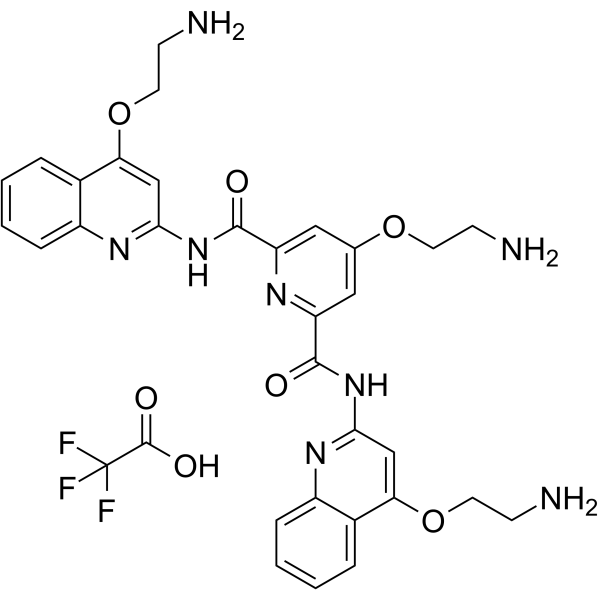
Cat. No.: HY-15176B
CAS No.: 1472611-44-1
Purity:  99.54%
Synonyms: RR82 TFA
Pyridostatin (RR82) TFA is a G-quadruplex (G4) inducer/stabilizer with a Kd of 490 nM. Pyridostatin TFA also acts as an inhibitor of Zika virus (ZIKV) NS2B-NS3 protease, with an IC50 of 11.0 μM. Pyridostatin TFA interacts with G-quadruplex structures, regulates the expression of SRC and SUB1, and induces replication- and transcription-dependent DNA damage, growth arrest, and genomic instability. Pyridostatin TFA exhibits antiproliferative and antiviral activities. Pyridostatin TFA can be used in studies related to breast cancer, cervical cancer, and Zika virus infection .
loading...
    loading...
34
34 Publications Verification
Cat. No.: HY-15176C
CAS No.: 2517456-88-9
Synonyms: RR82 trihydrochloride
Pyridostatin (RR82) trihydrochloride is a G-quadruplex (G4) inducer/stabilizer with a Kd of 490 nM. Pyridostatin trihydrochloride also acts as an inhibitor of Zika virus (ZIKV) NS2B-NS3 protease, with an IC50 of 11.0 μM. Pyridostatin trihydrochloride interacts with G-quadruplex structures, regulates the expression of SRC and SUB1, and induces replication- and transcription-dependent DNA damage, growth arrest, and genomic instability. Pyridostatin trihydrochloride exhibits antiproliferative and antiviral activities. Pyridostatin trihydrochloride can be used in studies related to breast cancer, cervical cancer, and Zika virus infection .
loading...
    loading...
18
18 Cited Publications
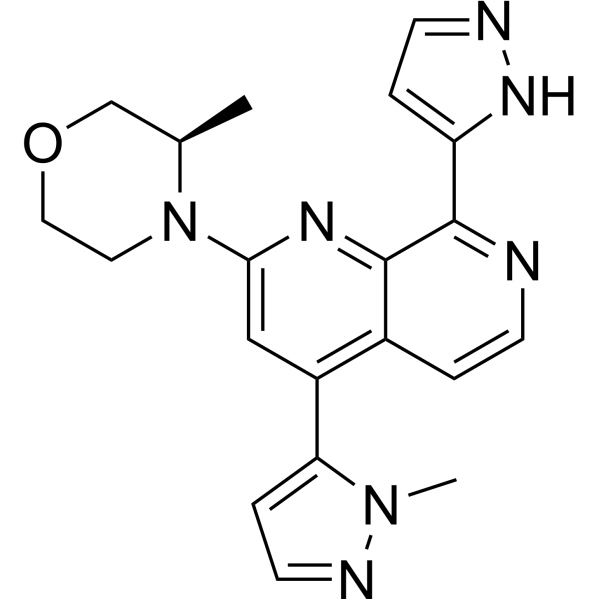
Cat. No.: HY-101566
CAS No.: 1876467-74-1
Purity:  99.99%
Synonyms: BAY 1895344
Target:  

ATM/ATR

Research Areas:  

Cancer

Elimusertib (BAY-1895344) is a potent, orally active and selective ATR inhibitor with an IC50 of 7 nM. Elimusertib has anti-tumor activity . Elimusertib can be used for the research of solid tumors and lymphomas .
loading...
    loading...
18
18 Cited Publications
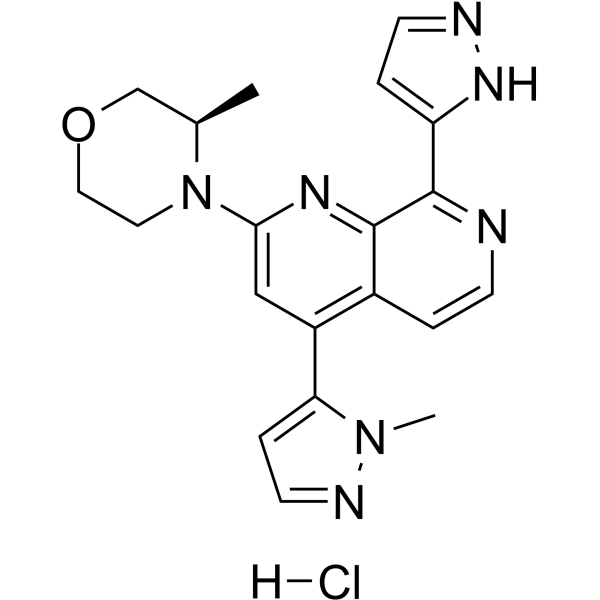
Cat. No.: HY-101566A
Purity:  99.85%
Synonyms: BAY 1895344 hydrochloride
Target:  

ATM/ATR

Research Areas:  

Cancer

Elimusertib (BAY 1895344) hydrochloride is a potent, orally active and selective ATR inhibitor with an IC50 of 7 nM. Elimusertib hydrochloride has anti-tumor activity . Elimusertib hydrochloride can be used for the research of solid tumors and lymphomas .
loading...
    loading...
13
13 Cited Publications
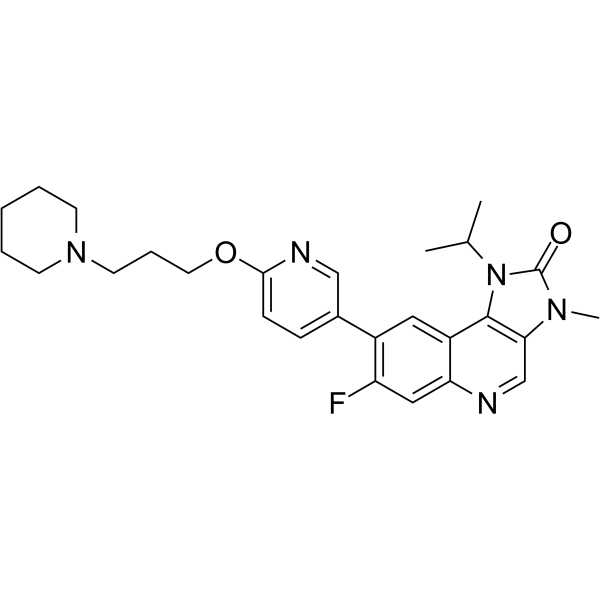
Cat. No.: HY-109566
CAS No.: 2089288-03-7
Purity:  99.22%
Synonyms: AZD1390
Research Areas:  

Cancer

Elrelesertib (AZD1390) is an orally active, brain-penetrant ATM kinase inhibitor with IC50 values of 0.78 nM. Elrelesertib blocks ATM-dependent DNA damage response, inhibits ATM autophosphorylation and downstream Chk2, Rad50 phosphorylation, and accumulates at DNA breaks. Elrelesertib acts as a radiosensitizer, induces apoptosis, genomic instability, G2-M cell cycle arrest, ROS elevation, and mitochondrial membrane potential alteration. Elrelesertib has low efflux liability against P-gp and BCRP. Elrelesertib can be used for the research of central nervous system malignancies, glioblastoma multiforme, glioma, lung cancer brain metastases, and breast cancer .
loading...
    loading...
12
12 Cited Publications
Cat. No.: HY-112210
CAS No.: 914805-33-7
Purity:  99.73%
Synonyms: Shld1
Target:  

FKBP

Research Areas:  

Others

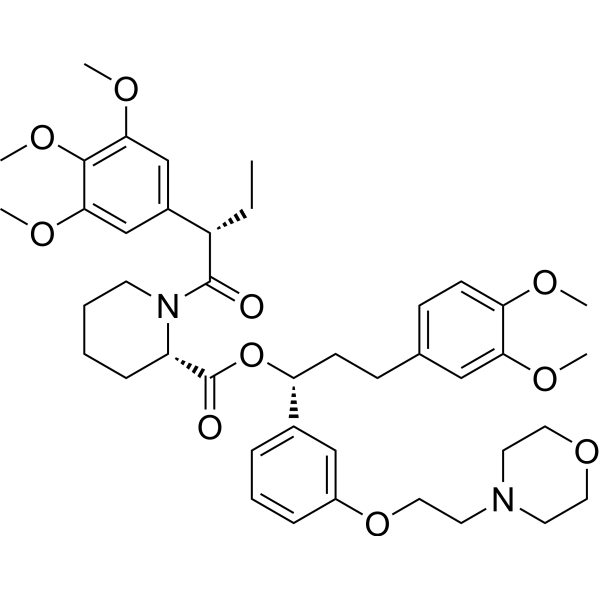
Shield-1 (Shld1) is a specific, cell-permeant and high-affinity ligand of FK506-binding protein-12 (FKBP), and reverses the instability by binding to mutated FKBP (mtFKBP), allowing conditional expression of mtFKBP-fused proteins. Shield-1 can stabilize proteins tagged with a mutated FKBP12-derived destabilization domain (DD) .
loading...
    loading...
1
1 Cited Publications
Cat. No.: HY-B1847
CAS No.: 5915-41-3
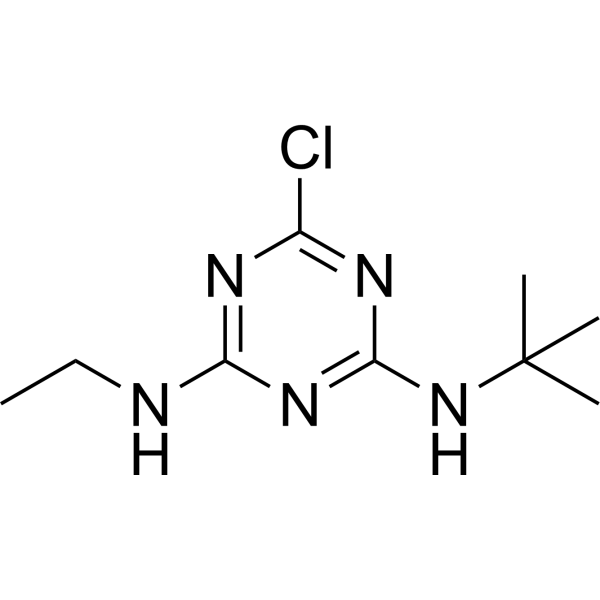
Terbuthylazine is an inhibitor of acetolactate syntase (ALS), is a selective herbicide. Terbuthylazine blocks electron transport in photosystem II via interaction with the D1-protein .
loading...
    loading...
1
1 Cited Publications
Cat. No.: HY-137864
CAS No.: 31098-42-7
Purity:  ≥95.0%
Synonyms: WR-1065
Target:  

MDM-2/p53

Research Areas:  

Cancer

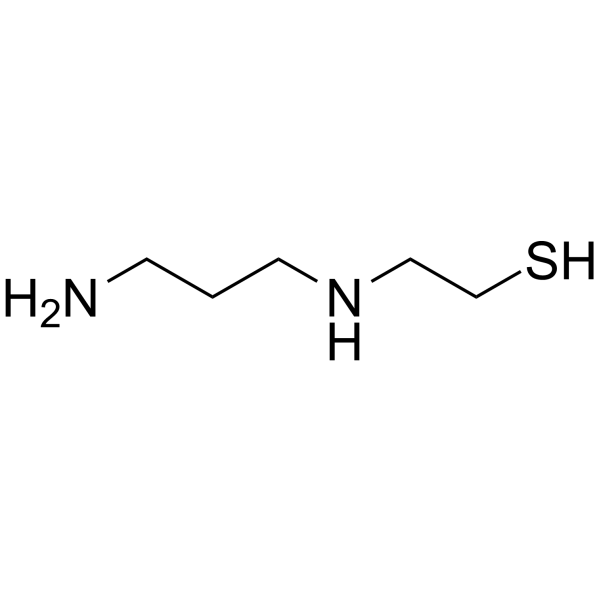
Amifostine thiol (WR-1065) is an active metabolite of the cytoprotector Amifostine (HY-B0639). Amifostine thiol is a cytoprotective agent with radioprotective abilities. Amifostine thiol activates p53 through a JNK-dependent signaling pathway .
loading...
    loading...
Cat. No.: HY-158116
CAS No.: 3026500-20-6
Purity:  99.76%
Synonyms: RO7589831; VVD-133214
Target:  

DNA/RNA Synthesis

Research Areas:  

Cancer

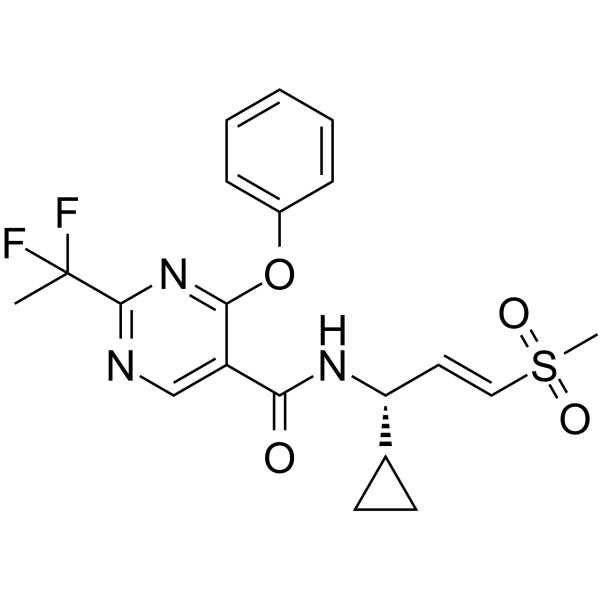
VVD-214 is a synthetic lethal allosteric inhibitor of WRN helicase with an IC50 of 0.1316 µM. VVD-214 covalently binds to cysteine 727 of WRN and inhibits ATP hydrolysis and helicase activity. VVD-214 is potent in causing double-stranded DNA breaks, nuclear swelling, and cell death in high microsatellite instability (MSI) cancers .
loading...
    loading...
Cat. No.: HY-169422
CAS No.: 3064599-36-3
Synonyms: IDE275
Target:  

DNA/RNA Synthesis

Research Areas:  

Cancer

GSK4418959 (IDE275) is a selective, reversible and orally active WRN helicase inhibitor. GSK4418959 shows >10,000-fold selectivity over other helicases. GSK4418959 inhibits ATPase and DNA unwinding functions in an ATP-competitive manner. GSK4418959 can be used for the study of microsatellite instability-high (MSI-H) cancer, such as colorectal cancer (CRC) and endometrial cancer (EC) .
loading...
    loading...
Cat. No.: HY-W127709
CAS No.: 519-62-0
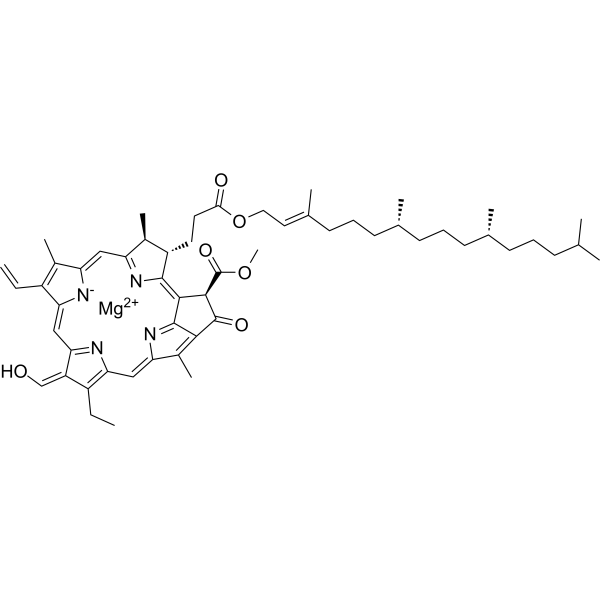
Chlorophyll b is an orally active tetrapyrrole derivative and pigment. Chlorophyll b can be obtained from photosynthetic organisms such as plants and algae. Chlorophyll b acts as a hydrogen donor and increases Glutathione levels. Chlorophyll b has antioxidant activity and functionally replaces chlorophyll a in photosystem II to participate in photosynthesis. Chlorophyll b reduces Cisplatin (HY-17394)-induced DNA damage, chromosome instability, and oxidative stress. Chlorophyll b is mainly used in the study of plant photosynthesis mechanism .
loading...
    loading...
Cat. No.: HY-170430
CAS No.: 3055558-98-7
Research Areas:  

Cancer

HGC652 is a molecular glue degrader targeting TRIM21 with a TRIM21-dependent nuclear membrane disruption effect. HGC652 binds to the PRY-SPRY domain of TRIM21 with high affinity (Ka=0.061 μM), mediates the interaction between TRIM21 and NUP98, and redirects E3 ligase activity. By triggering the polyubiquitination and proteasomal degradation of nucleoporins (such as NUP155 and GLE1), HGC652 disrupts nuclear membrane integrity, alters nuclear morphology, induces genomic instability, and thereby induces cancer cell death .
loading...
    loading...
Cat. No.: HY-162110
CAS No.: 2446872-46-2
Research Areas:  

Cancer

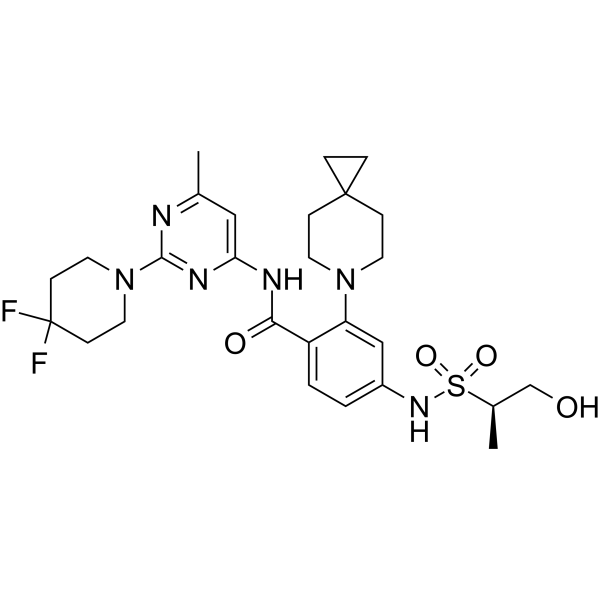
AM-9022 is an orally active, potent, selective KIF18A inhibitor that can be used for research on cancer .
loading...
    loading...
Cat. No.: HY-168555
CAS No.: 3053716-98-3
Target:  

PROTACs CDK Apoptosis Akt mTOR

Research Areas:  

Cancer

YJ1206 is an orally active selective CDK12/CDK13 PROTAC degrader. YJ1206 induces DNA damage and genomic instability, activates the AKT pathway, and triggers apoptosis. YJ1206 reduces tumor cell viability, inhibits tumor growth, and attenuates tumor cell dissemination. YJ1206 is applicable to research related to prostate cancer and high-grade serous tubo-ovarian cancer .
loading...
    loading...
Cat. No.: HY-W143531
CAS No.: 133331-77-8
Synonyms: NOV03; SHR8058
Research Areas:  

Inflammation/Immunology

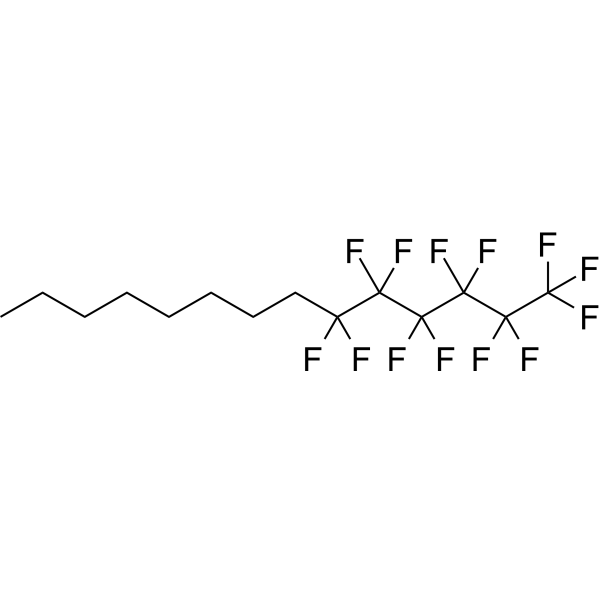
Perfluorohexyloctane (NOV03), a semifluorinated alkane, reduces tear film instability in Meibomian gland dysfunction and evaporative dry eye disease. Perfluorohexyloctane is a long-term tamponade agent. Perfluorohexyloctane increases tear film breakup time and lipid layer thickness .
loading...
    loading...
Cat. No.: HY-124325
CAS No.: 622795-76-0
Purity:  ≥98.0%
Research Areas:  

Cancer

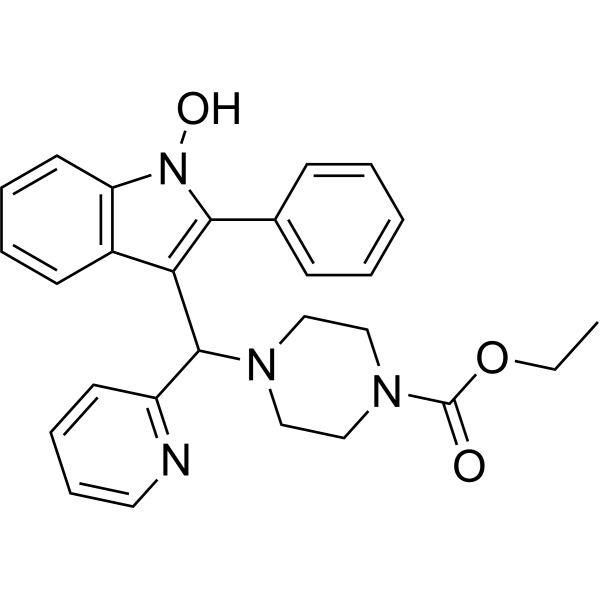
PIP-199 is a selective inhibitor of RMI (RecQ-mediated genome instability protein) core complex/MM2 interaction, with an IC50 of 36 μM. PIP-199 can be used for the research of sensitizing resistant tumors to DNA crosslinking chemotherapeutics .
loading...
    loading...
Cat. No.: HY-153804
CAS No.: 864627-58-7
Purity:  99.68%
Synonyms: NCD
Target:  

Molecular Glues

Research Areas:  

Neurological Disease Cancer

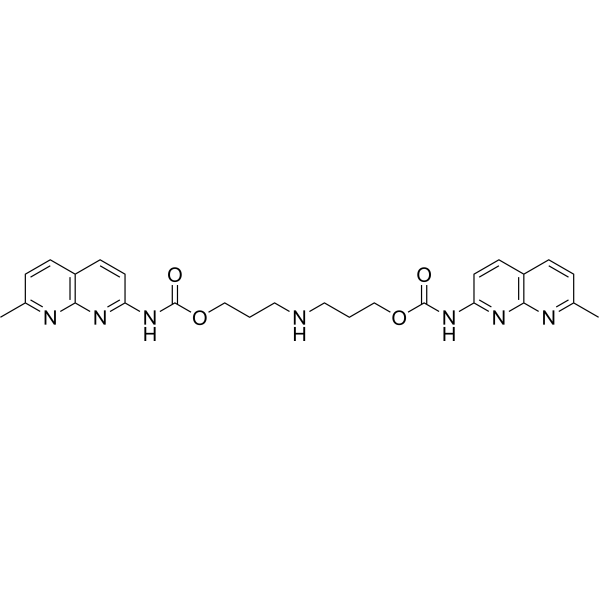
Naphthyridine carbamate dimer (NCD) is a molecular glue. Naphthyridine carbamate dimer induces designed structural changes in target functional DNA, thereby regulating its function. As a molecular glue, naphthyridine carbamate dimer stabilizes non-spontaneously formed GG homologous mismatched double-stranded DNA. Naphthyridine carbamate dimer reduces the formation of toxic RNA foci and regulates CGG repeat instability associated with fragile X syndrome and spinocerebellar ataxia type 31. Naphthyridine carbamate dimer can be used in research related to fragile X syndrome and spinocerebellar ataxia type 31 .
loading...
    loading...
Cat. No.: HY-139621
CAS No.: 2916559-62-9
Research Areas:  

Cancer

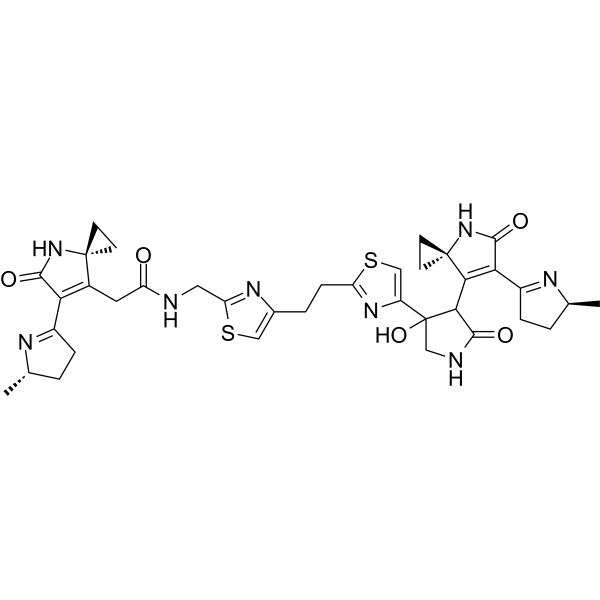
Colibactin 742 is a covalently binding DNA-damaging agent targeting DNA, with an IC50 of 5.2 μM against human cervical cancer cells (HeLa). Colibactin 742 covalently binds to DNA, forming interstrand crosslinks (ICLs), activating the Fanconi anemia DNA repair pathway, inducing γH2AX and FANCD2 foci formation and cell cycle arrest, while exacerbating mismatch repair deficiency (MMRd)-related mutations. Colibactin 742 can mimic the genotoxicity of natural Colibactin while avoiding its instability, and is mainly used in colorectal cancer (CRC) related research, including microbial tumorigenesis mechanisms, DNA damage repair pathways, and mutation signature analysis .
loading...
    loading...
Cat. No.: HY-100504
CAS No.: 912569-84-7
Purity:  99.58%
Research Areas:  

Cancer

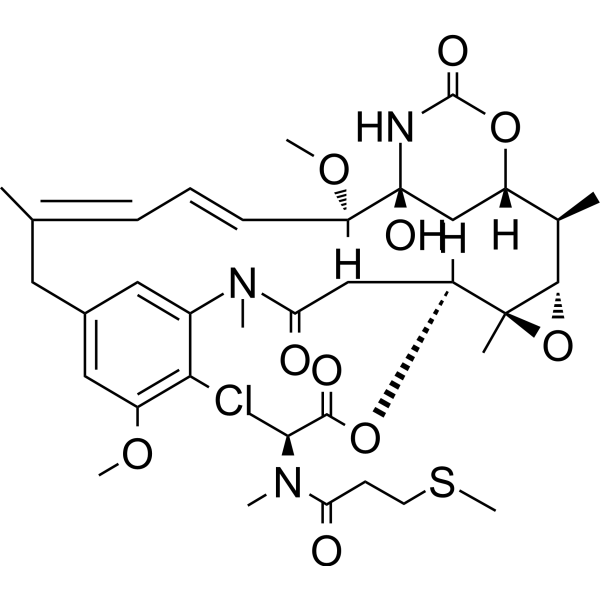
S-methyl DM1 is a thiomethyl derivative of Maytansine. S-methyl DM1 binds to tubulin with a Kd of 0.93 μM and inhibts microtubule polymerization. S-methyl DM1 potently suppresses microtubule dynamic instability and has anticancer effects .
loading...
    loading...
Cat. No.: HY-P2040
CAS No.: 118399-22-7
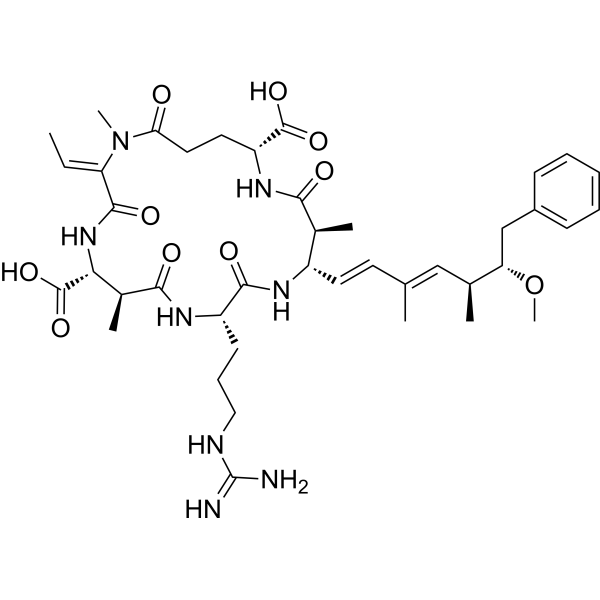
Nodularin is a hepatotoxin, tumor promoter, and protein phosphatase inhibitor. Nodularin induces apoptosis (apoptosis) in normal cells (including caspase activation, upregulation of Bcl-XS, and upregulation of BAX/P53), triggers hyperphosphorylation of the MAPK/ERK, mTOR/S6K and p38 MAPK signaling pathways, and induces oxidative stress, endoplasmic reticulum membrane instability, peroxisome proliferation and increased lysosomal enzyme activity. Nodularin promotes DEN (HY-N7434)-initiated hepatocyte proliferation and adenoma formation, and inhibits proliferation, phagocytosis and chemotaxis of normal lymphocytes, oocyte maturation and vitellogenesis, as well as angiogenesis. Nodularin exhibits hepatotoxicity, reproductive and endocrine toxicity, and embryonic developmental toxicity in various animal models. Nodularin can be used in studies related to liver cancer, hepatotoxicity and reproductive endocrine toxicity .
loading...
    loading...

