1. Search Result
Search Result
Results for "

keratitis

" in MedChemExpress (MCE) Product Catalog:

41

Inhibitors & Agonists

4

Biochemical Assay Reagents

2

Peptides

1

Inhibitory Antibodies

5

Natural
Products

9

Isotope-Labeled Compounds

1

Antibodies

Cat. No. Product Name Target Research Areas Chemical Structure
  • HY-B1773A
    Sodium propionate
    3 Publications Verification

    Environmental Pollutants Apoptosis Endogenous Metabolite Bacterial Autophagy HSV PPAR NF-κB COX NO Synthase Infection Neurological Disease Inflammation/Immunology Cancer
    Sodium propionate is an orally active short-chain fatty acid. Sodium propionate can be produced by intestinal bacteria from the metabolism of dietary fiber. Sodium propionate increases PPAR-γ, inhibits NF-κB activation, and reduces COX-2 expression and NO production. Sodium propionate also induces Apoptosis and Autophagy. Sodium propionate reduces HSV-1-induced keratitis. Sodium propionate has anticancer effects against glioblastoma. Sodium propionate exhibits neuroprotective, antioxidant, and anti-inflammatory activities. Sodium propionate can be used in the research of spinal cord injury and Alzheimer's disease .
    Sodium propionate
  • HY-B0133
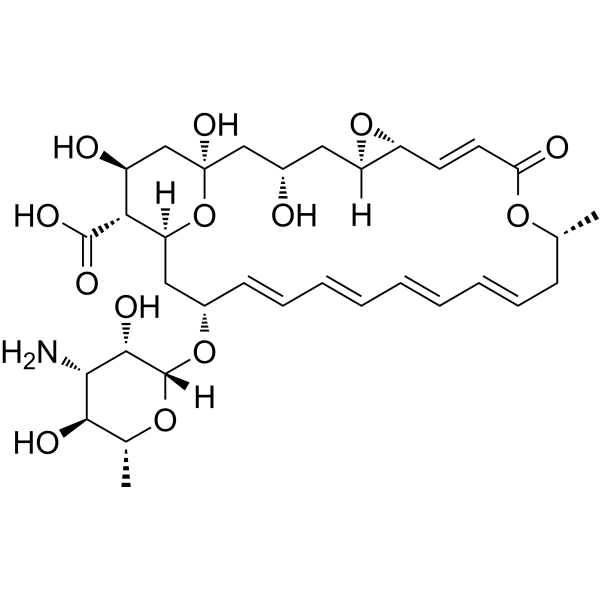
    Natamycin
    5+ Cited Publications

    Pimaricin

    Environmental Pollutants Antibiotic Endogenous Metabolite Fungal Bacterial Infection
    Natamycin (Pimaricin) is a macrolide antibiotic agent produced by several Streptomyces strains. Natamycin inhibits the growth of fungi via inhibition of amino acid and glucose transport across the plasma membrane. Natamycin is a food preservative, an antifungal agent in agriculture, and is widely used for fungal keratitis research .
    Natamycin
  • HY-B0307
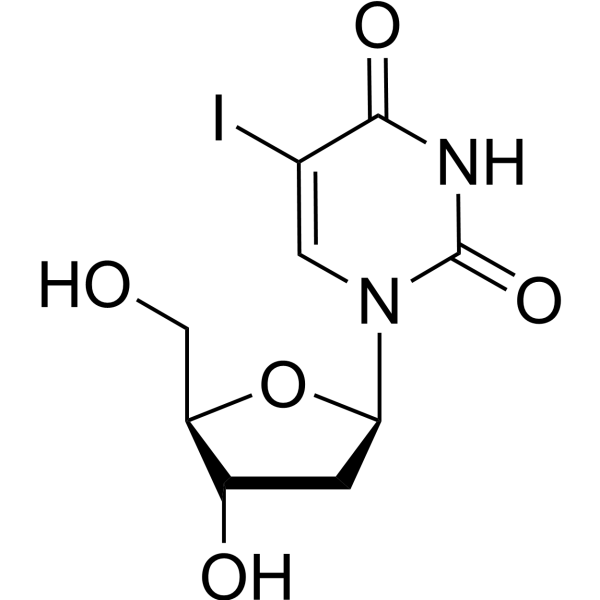
    Idoxuridine
    Maximum Cited Publications
    10 Publications Verification

    5-Iodo-2′-deoxyuridine; 5-IUdR; IdUrd

    DNA/RNA Synthesis Phosphatase Orthopoxvirus Infection Cancer
    Idoxuridine (5-Iodo-2′-deoxyuridine, 5-IUdR, IdUrd) is an iodinated thymidine analogue that competitively inhibits phosphorylases. Idoxuridine can inhibit viral activity, particularly viral eye infections, including herpes simplex keratitis, by inhibiting DNA polymerase and affecting viral replication. Idoxuridine against feline herpesvirus has the IC50 value of 4.3 μM . Idoxuridine shows anti-orthopoxvirus activity.
    Idoxuridine
  • HY-100373
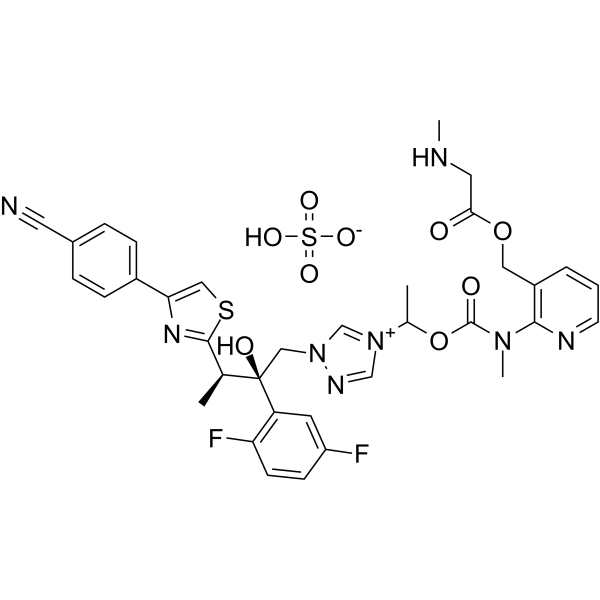
    Isavuconazonium sulfate
    3 Publications Verification

    BAL8557-002

    Fungal Infection
    Isavuconazonium sulfate (BAL8557-002) is an orally active broad-spectrum antifungal molecule. Isavuconazonium sulfate is a precursor of the triazole antifungal active molecule Isavuconazole. Isavuconazonium sulfate can be used in the study of invasive aspergillosis, mucormycosis, blastomycosis, and Acanthamoeba keratitis .
    Isavuconazonium sulfate
  • HY-111355B

    Sirtuin Endogenous Metabolite PKC AMPK DOCK Metabolic Disease Inflammation/Immunology Cancer
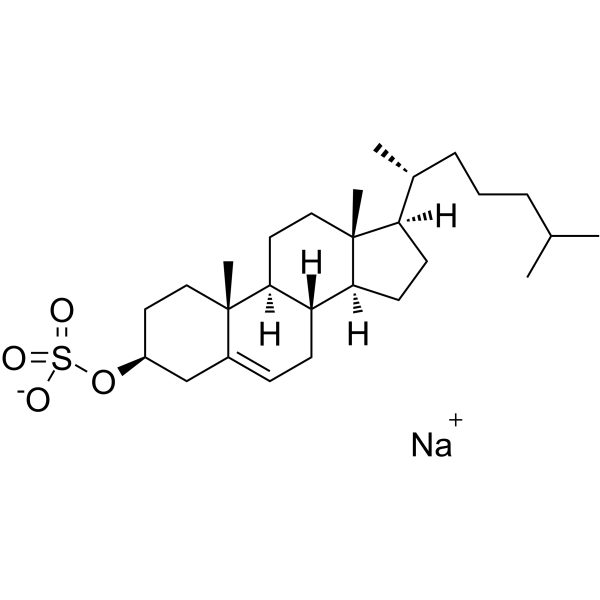
    Cholesterol sulfate sodium is a naturally occurring, orally active cholesterol derivative that is widely distributed in various tissues and body fluids. Cholesterol sulfate sodium acts as a DOCK2 inhibitor, with IC50 values of 2 μM and 2.9 μM against mouse and human targets, respectively. Cholesterol sulfate sodium restricts excessive neutrophil infiltration and alleviates intestinal inflammation and damage. Cholesterol sulfate sodium serves as an activator of protein kinase C (PKC), which promotes squamous cell differentiation and inhibits skin carcinogenesis. Cholesterol sulfate sodium regulates cholesterol homeostasis and cellular metabolism by activating the AMPK-Sirt1 pathway. Cholesterol sulfate sodium can be used in research related to actinic keratitis, ulcerative colitis, skin cancer, and other conditions .
    Cholesteryl sulfate sodium
  • HY-10801
    CAY10650
    5+ Cited Publications

    Phospholipase Inflammation/Immunology
    CAY10650 is a highly potent cytosolic phospholipase A2α (cPLA2α) inhibitor with an IC50 value of 12 nM. CAY10650 suppresses lipid droplets formation and PGE2 secretion .
    CAY10650
  • HY-B1773AS3

    Isotope-Labeled Compounds Apoptosis NF-κB Bacterial PPAR COX NO Synthase Autophagy HSV Endogenous Metabolite Infection Neurological Disease Inflammation/Immunology Cancer
    Sodium propionate- 13C-3 is the 13C-labeled Propionate sodium (HY-B1773A). Sodium propionate is an orally active short-chain fatty acid. Sodium propionate can be produced by intestinal bacteria from the metabolism of dietary fiber. Sodium propionate increases PPAR-γ, inhibits NF-κB activation, and reduces COX-2 expression and NO production. Sodium propionate also induces Apoptosis and Autophagy. Sodium propionate reduces HSV-1-induced keratitis. Sodium propionate has anticancer effects against glioblastoma. Sodium propionate exhibits neuroprotective, antioxidant, and anti-inflammatory activities. Sodium propionate can be used in the research of spinal cord injury and Alzheimer's disease .
    Sodium propionate-13C3
  • HY-B0336
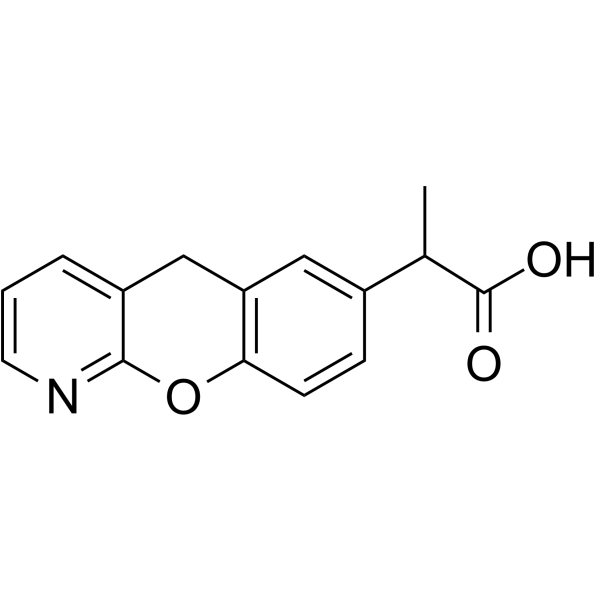
    Pranoprofen
    2 Publications Verification

    COX Apoptosis PGE synthase Inflammation/Immunology Cancer
    Pranoprofen is a non-steroidal anti-inflammatory agent (NSAID) for the research of keratitis or other ophthalmology diseases. Pranoprofen inhibit COX-1 and COX-2 enzymes, thus blocking arachidonic acid converted to eicosanoids and reducing prostaglandins synthesis .
    Pranoprofen
  • HY-111355

    Endogenous Metabolite DOCK PKC AMPK Sirtuin Metabolic Disease Inflammation/Immunology Cancer
    Cholesterol sulfate is a naturally occurring, orally active cholesterol derivative that is widely distributed in various tissues and body fluids. Cholesterol sulfate acts as a DOCK2 inhibitor, with IC50 values of 2 μM and 2.9 μM against mouse and human targets, respectively. Cholesterol sulfate restricts excessive neutrophil infiltration and alleviates intestinal inflammation and damage. Cholesterol sulfate serves as an activator of protein kinase C (PKC), which promotes squamous cell differentiation and inhibits skin carcinogenesis. Cholesterol sulfate regulates cholesterol homeostasis and cellular metabolism by activating the AMPK-Sirt1 pathway. Cholesterol sulfate can be used in research related to actinic keratitis, ulcerative colitis, skin cancer, and other conditions .
    Cholesterol sulfate
  • HY-159069

    Toll-like Receptor (TLR) TNF Receptor Connexin Infection Cancer
    Zymosan (ZM), 95% is a yeast cell wall-derived carbohydrate-rich preparation and immunomodulator. Zymosan (ZM), 95% binds to and activates TLR-2, TLR-4, and Dectin-1 receptor to trigger downstream signaling pathways. Zymosan (ZM), 95% upregulates TLR-2, TLR-4, and TNF-α mRNA expression, increases serum TNF-α levels, and stimulates splenocyte number and viability in mice. Zymosan (ZM), 95% attenuates melanoma growth progression, modulates macrophage marker gene expression, and mediates phagocytosis, ROS generation, and cytokine production. Zymosan (ZM), 95% reduces Connexin 43 protein and mRNA levels, inhibits gap junctional intercellular communication, and induces proinflammatory factor production in human corneal cells. Zymosan (ZM), 95% induces peritoneal inflammation in mice, functions as a drug carrier, and supports fibroblast cell attachment in hydrogel formulations. Zymosan (ZM), 95% can be used for the research of melanoma, tumors, fungal keratitis, ocular surface inflammatory disorders, and peritoneal inflammation .
    Zymosan (ZM), 95%
  • HY-113041

    PGA2; Medullin

    Apoptosis Caspase PARP ERK MDM-2/p53 JNK HSV Infection Cancer
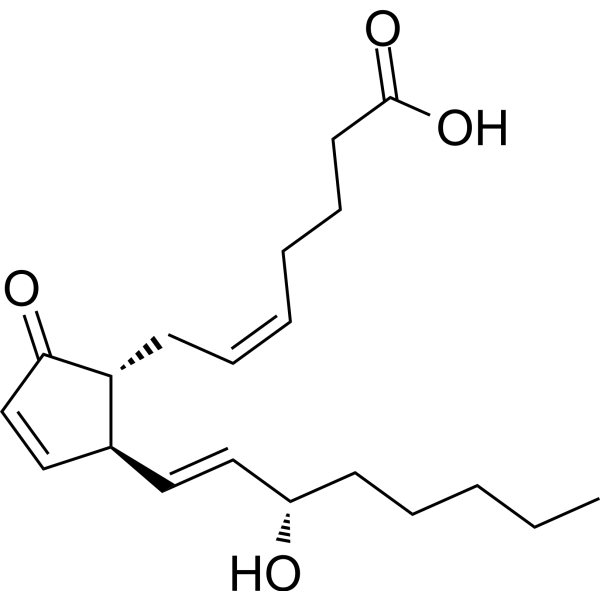
    Prostaglandin A2 (PGA2) is a Cyclopentenone prostaglandin. Prostaglandin A2 induces Caspase-dependent Apoptosis, activates p53. Prostaglandin A2 activates ERK2 and JNK1/SAPK. Prostaglandin A2 shows antiviral activity against HSV-1. Prostaglandin A2 has anti-tumor effects. Prostaglandin A2 can be used for the research of colorectal cancer, colorectal carcinoma, breast carcinoma, and herpetic keratitis .
    Prostaglandin A2
  • HY-P1452A
    RNAIII-inhibiting peptideTFA
    1 Publications Verification

    Bacterial Infection
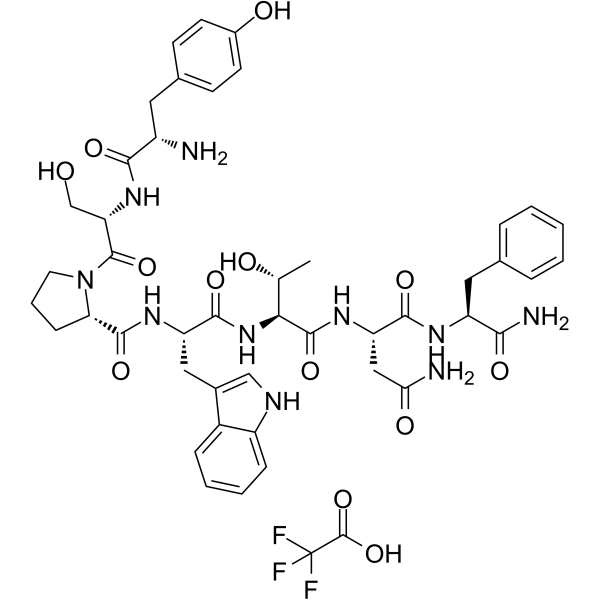
    RNAIII-inhibiting peptide(TFA) is a potent inhibitor of Staphylococcus aureus, effective in the diseases such as cellulitis, keratitis, septic arthritis, osteomylitis and mastitis.
    RNAIII-inhibiting peptideTFA
  • HY-Y0850U5

    Polyvinyl alcohol (Mw 27000, 98-99% hydrolyzed, ~600 polymerization); Poly(Ethenol) (Mw 27000, 98-99% hydrolyzed, ~600 polymerization)

    Biochemical Assay Reagents Fungal Infection
    PVA (Polyvinyl alcohol) (Mw 27000, 98-99% hydrolyzed, ~600 polymerization) is a nonionic ethanol homopolymer with hydrophilicity, water solubility and biodegradability. PVA (Mw 27000, 98-99% hydrolyzed, ~600 polymerization) exhibits biocompatibility, non-toxicity and non-carcinogenicity, as well as antibacterial activity against Gram-positive bacteria, Gram-negative bacteria and fungal strains. PVA (Mw 27000, 98-99% hydrolyzed, ~600 polymerization) can serve as a solubilizer, stabilizer, mucoadhesive agent and sustained-release agent, and has a synergistic solubilizing effect on voriconazole/sulfobutyl ether β-cyclodextrin complexes. By stabilizing such complexes, PVA (Mw 27000, 98-99% hydrolyzed, ~600 polymerization) forms freeze-thaw hydrogels with high mucoadhesion, sustained drug release and ex vivo corneal permeability. When compounded with hyaluronic acid hydrogels, PVA (Mw 27000, 98-99% hydrolyzed, ~600 polymerization) supports chondrocyte growth in vitro, and also forms complexes with Cu 2+, Co 2+, Ni 2+ and Zn 2+ ions. PVA (Mw 27000, 98-99% hydrolyzed, ~600 polymerization) can be used in studies related to fungal keratitis, bacterial infections and fungal infections .
    PVA (Mw 27000, 98-99% hydrolyzed, ~600 polymerization)
  • HY-B1773AS4

    Isotope-Labeled Compounds Apoptosis NF-κB Bacterial PPAR COX NO Synthase Autophagy HSV Endogenous Metabolite Infection Neurological Disease Inflammation/Immunology Cancer
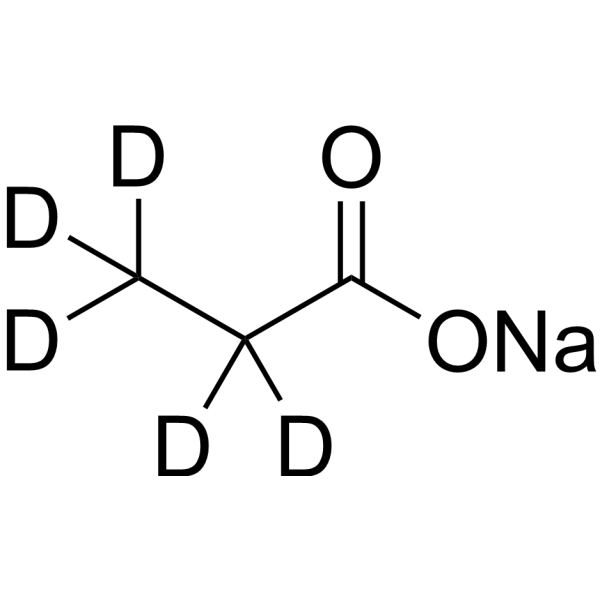
    Sodium propionate-d5 is the deuterium labeled Propionate sodium (HY-B1773A). Sodium propionate is an orally active short-chain fatty acid. Sodium propionate can be produced by intestinal bacteria from the metabolism of dietary fiber. Sodium propionate increases PPAR-γ, inhibits NF-κB activation, and reduces COX-2 expression and NO production. Sodium propionate also induces Apoptosis and Autophagy. Sodium propionate reduces HSV-1-induced keratitis. Sodium propionate has anticancer effects against glioblastoma. Sodium propionate exhibits neuroprotective, antioxidant, and anti-inflammatory activities. Sodium propionate can be used in the research of spinal cord injury and Alzheimer's disease .
    Sodium propionate-d5
  • HY-B1773AS

    Isotope-Labeled Compounds Apoptosis NF-κB Bacterial PPAR COX NO Synthase Autophagy HSV Endogenous Metabolite Infection Neurological Disease Inflammation/Immunology Cancer
    Sodium propionate- 13C is the 13C labeled Propionate sodium (HY-B1773A). Sodium propionate is an orally active short-chain fatty acid. Sodium propionate can be produced by intestinal bacteria from the metabolism of dietary fiber. Sodium propionate increases PPAR-γ, inhibits NF-κB activation, and reduces COX-2 expression and NO production. Sodium propionate also induces Apoptosis and Autophagy. Sodium propionate reduces HSV-1-induced keratitis. Sodium propionate has anticancer effects against glioblastoma. Sodium propionate exhibits neuroprotective, antioxidant, and anti-inflammatory activities. Sodium propionate can be used in the research of spinal cord injury and Alzheimer's disease .
    Sodium propionate-13C
  • HY-130402A

    Parasite Infection
    Propamidine (isethionate) is an agent in the diamidine class. Propamidine (isethionate) can be used in research of Acanthamoeba keratitis .
    Propamidine isethionate
  • HY-136081A

    Insecticide Infection
    Hexamidine diisethionate is an antimicrobial agent targeting Acanthamoeba protozoa. Hexamidine diisethionate is promising for research of ocular infectious diseases such as Acanthamoeba keratitis .
    Hexamidine diisethionate
  • HY-B0133R

    Pimaricin (Standard)

    Reference Standards Fungal Endogenous Metabolite Antibiotic Bacterial Infection
    Natamycin (Standard) is the analytical standard of Natamycin. This product is intended for research and analytical applications. Natamycin (Pimaricin) is a macrolide antibiotic agent produced by several Streptomyces strains. Natamycin inhibits the growth of fungi via inhibition of amino acid and glucose transport across the plasma membrane. Natamycin is a food preservative, an antifungal agent in agriculture, and is widely used for fungal keratitis research .
    Natamycin (Standard)
  • HY-W780208

    Isotope-Labeled Compounds Endogenous Metabolite Bacterial PPAR NF-κB COX NO Synthase Apoptosis Autophagy HSV Infection Neurological Disease Inflammation/Immunology Cancer
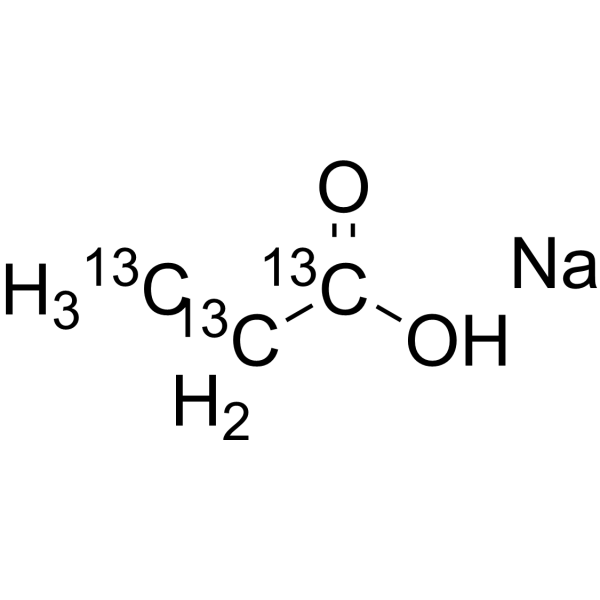
    Propanoic acid- 13C3 is the 13C-labeled Propanoic acid (HY-W020017). Propanoic acid is an orally active short-chain fatty acid. Propanoic acid can be produced by intestinal bacteria from the metabolism of dietary fiber. Propanoic acid increases PPAR-γ, inhibits NF-κB activation, and reduces COX-2 expression and NO production. Propanoic acid also induces Apoptosis and Autophagy. Propanoic acid reduces HSV-1-induced keratitis. Propanoic acid has anticancer effects against glioblastoma. Propanoic acid exhibits neuroprotective, antioxidant, and anti-inflammatory activities. Propanoic acid can be used in the research of spinal cord injury and Alzheimer's disease .
    Propanoic acid-13C3
  • HY-111355S

    Isotope-Labeled Compounds Sirtuin Endogenous Metabolite PKC AMPK DOCK Metabolic Disease Inflammation/Immunology Cancer
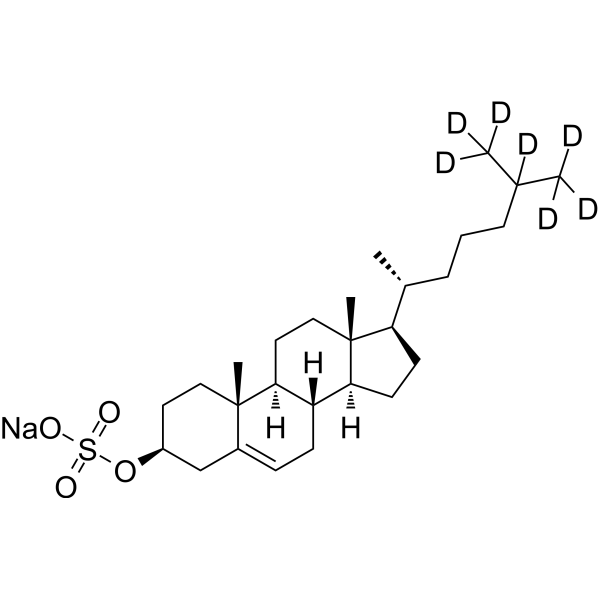
    Cholesterol sulfate sodium-d7 is the deuterium labeled Cholesterol sulfate sodium. Cholesterol sulfate sodium is a naturally occurring, orally active cholesterol derivative that is widely distributed in various tissues and body fluids. Cholesterol sulfate sodium acts as a DOCK2 inhibitor, with IC50 values of 2 μM and 2.9 μM against mouse and human targets, respectively. Cholesterol sulfate sodium restricts excessive neutrophil infiltration and alleviates intestinal inflammation and damage. Cholesterol sulfate sodium serves as an activator of protein kinase C (PKC), which promotes squamous cell differentiation and inhibits skin carcinogenesis. Cholesterol sulfate sodium regulates cholesterol homeostasis and cellular metabolism by activating the AMPK-Sirt1 pathway. Cholesterol sulfate sodium can be used in research related to actinic keratitis, ulcerative colitis, skin cancer, and other conditions.
    Cholesterol sulfate-d7 sodium
  • HY-B1773AS5

    Isotope-Labeled Compounds Apoptosis NF-κB Bacterial PPAR COX NO Synthase Autophagy HSV Endogenous Metabolite Infection Neurological Disease Inflammation/Immunology Cancer
    Sodium propionate-d3 is the deuterium labeled Propionate sodium (HY-B1773A). Sodium propionate is an orally active short-chain fatty acid. Sodium propionate can be produced by intestinal bacteria from the metabolism of dietary fiber. Sodium propionate increases PPAR-γ, inhibits NF-κB activation, and reduces COX-2 expression and NO production. Sodium propionate also induces Apoptosis and Autophagy. Sodium propionate reduces HSV-1-induced keratitis. Sodium propionate has anticancer effects against glioblastoma. Sodium propionate exhibits neuroprotective, antioxidant, and anti-inflammatory activities. Sodium propionate can be used in the research of spinal cord injury and Alzheimer's disease .
    Sodium propionate-d3
  • HY-P990304

    TNF Receptor Infection Inflammation/Immunology Cancer
    Anti-Mouse 4-1BBL/CD137L Antibody (TKS-1) is a rat-derived IgG2a κ antibody inhibitor, targeting to mouse 4-1BBL/CD137L. Anti-Mouse 4-1BBL/CD137L Antibody (TKS-1) can block 4-1BB ligand (4-1BBL) and inhibit CD4 + and CD8 + T cells. Anti-Mouse 4-1BBL/CD137L Antibody (TKS-1) can be used for the researches of cancer, infection, inflammation and immunology, such as MC38 tumor, lymphocytic choriomeningitis virus (LCMV) infection and herpetic stromal keratitis (HSK) .
    Anti-Mouse 4-1BBL/CD137L Antibody (TKS-1)
  • HY-P10371

    txCD47

    Reactive Oxygen Species (ROS) Thrombopoietin Receptor Mitochondrial Metabolism HSP HSV CD47 Infection Inflammation/Immunology Cancer
    PKHB1 (txCD47) is a CD47 agonist and Thrombospondin-1 peptide mimetic. PKHB1 activates CD47 and triggers Caspase-independent, calcium-dependent cell death via mitochondrial alterations, ROS production, endoplasmic reticulum morphological changes, and dissipation of mitochondrial membrane potential. PKHB1 induces the exposure of Calreticulin, HSP70, and HSP90, thereby driving immunogenic cell death. PKHB1 promotes intratumoral CD8 + T cell infiltration and inhibits breast tumorigenesis. PKHB1 reduces HSV-1 levels and alleviates the severity of herpes simplex keratitis. PKHB1 can be used in research related to breast cancer, herpes simplex keratitis, and T-cell acute lymphoblastic leukemia .
    PKHB1
  • HY-W099582

    Lexamine M-13; MAPD

    Environmental Pollutants Antibiotic Biochemical Assay Reagents Bacterial Fungal Insecticide Inflammation/Immunology
    Myristamidopropyl dimethylamine (MAPD) is an antimicrobial agent (including against bacteria and fungi) and an insecticide, exhibiting inhibitory activity against Pseudomonas aeruginosa, Staphylococcus aureus, Candida albicans, Fusarium solani, and Acanthamoeba polyphaga. Myristamidopropyl dimethylamine can be used in research on microbial-induced keratitis .
    Myristamidopropyl dimethylamine
  • HY-B0307R

    5-Iodo-2′-deoxyuridine (Standard); 5-IUdR (Standard); IdUrd (Standard)

    Reference Standards Phosphatase Orthopoxvirus Infection Cancer
    Idoxuridine (Standard) is the analytical standard of Idoxuridine. This product is intended for research and analytical applications. Idoxuridine (5-Iodo-2′-deoxyuridine, 5-IUdR, IdUrd) is an iodinated thymidine analogue that competitively inhibits phosphorylases. Idoxuridine can inhibit viral activity, particularly viral eye infections, including herpes simplex keratitis, by inhibiting DNA polymerase and affecting viral replication. Idoxuridine against feline herpesvirus has the IC50 value of 4.3 μM . Idoxuridine shows anti-orthopoxvirus activity.
    Idoxuridine (Standard)
  • HY-136081

    Parasite Infection
    Hexamidine has amoebicidal effect that can be used for the research of Acanthamoeba keratitis .
    Hexamidine
  • HY-B0336R

    Reference Standards COX Apoptosis PGE synthase Inflammation/Immunology Cancer
    Pranoprofen (Standard) is the analytical standard of Pranoprofen. This product is intended for research and analytical applications. Pranoprofen is a non-steroidal anti-inflammatory agent (NSAID) for the research of keratitis or other ophthalmology diseases. Pranoprofen inhibit COX-1 and COX-2 enzymes, thus blocking arachidonic acid converted to eicosanoids and reducing prostaglandins synthesis .
    Pranoprofen (Standard)
  • HY-147546

    Bacterial Infection
    Antibacterial agent 107 (compound 14) is a potent antibacterial agent. Antibacterial agent 107 shows potent antibacterial activity against Gram-positive bacteria, with a MIC of 1.56 μg/mL (MRSA). Antibacterial agent 107 exhibits low hemolytic activity, high membrane selectivity, and rapid bactericidal activity. Antibacterial agent 107 shows effective in vivo efficacy in the murine model of bacterial keratitis caused by Staphylococcus aureus ATCC29213 .
    Antibacterial agent 107
  • HY-163179

    NOD-like Receptor (NLR) Pyroptosis Inflammation/Immunology
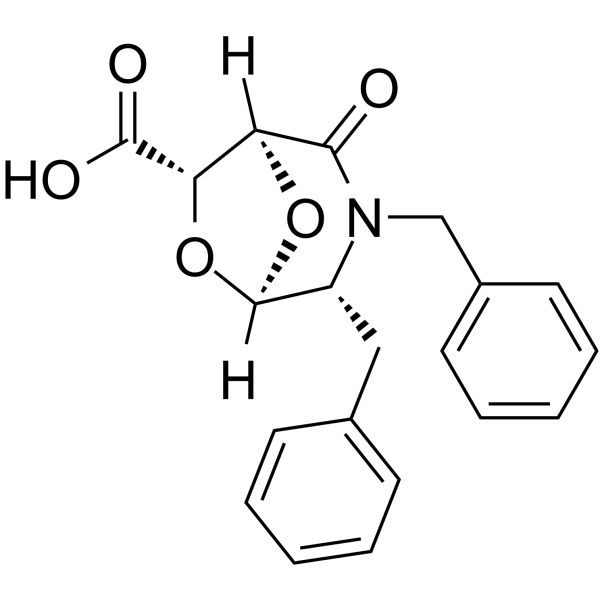
    NLRP3-IN-28 (compound N77) is a potent inhibitor of NLRP3. NLRP3-IN-28 inhibits Nigericin (HY-127019)-induced pyroptosis with an EC50 of 0.07μM. NLRP3-IN-28 alleviates the inflammatory reaction in vivo .
    NLRP3-IN-28
  • HY-19590

    Ro 15-1570

    Drug Derivative Cancer
    Etarotene (Ro 15-1570) is a derivative of Arotinoid (HY-106735). Etarotene is an orally active antitumor agent against DMBA (HY-W011845)-induced mammary tumor and causes toxic symptoms of hypervitaminosis A in rat model .
    Etarotene
  • HY-B0307A

    5-Iodo-2′-deoxyuridine hydrate; 5-IUdR hydrate; IdUrd hydrate

    DNA/RNA Synthesis Phosphatase Infection Cancer
    Idoxuridine (5-Iodo-2′-deoxyuridine, 5-IUdR, IdUrd) hydrate is an iodinated thymidine analogue that competitively inhibits phosphorylases. Idoxuridine can inhibit viral activity, particularly viral eye infections, including herpes simplex keratitis, by inhibiting DNA polymerase and affecting viral replication. Idoxuridine against feline herpesvirus has the IC50 value of 4.3 μM .
    Idoxuridine hydrate
  • HY-W716702

    Lexamine M-13-d6; MAPD-d6

    Isotope-Labeled Compounds Fungal Bacterial Antibiotic Biochemical Assay Reagents Insecticide Inflammation/Immunology
    Aldox-d6 (Lexamine M-13-d6; MAPD-d6) is the deuterium labeled Myristamidopropyl dimethylamine (HY-W099582). Myristamidopropyl dimethylamine (MAPD) is an antimicrobial agent (including against bacteria and fungi) and an insecticide, exhibiting inhibitory activity against Pseudomonas aeruginosa, Staphylococcus aureus, Candida albicans, Fusarium solani, and Acanthamoeba polyphaga. Myristamidopropyl dimethylamine can be used in research on microbial-induced keratitis .
    Aldox-d6
  • HY-176163

    HSV Infection
    HSV-1-IN-2 (compound 5i) is a potent Herpes simplex virus type 1 (HSV-1) inhibitor with an EC50 of 1.95 μM. HSV-1-IN-2 inhibits apoptosis and improves herpes encephalitis model mouse survival .
    HSV-1-IN-2
  • HY-B1773AR

    Reference Standards Apoptosis NF-κB Bacterial PPAR COX NO Synthase Autophagy HSV Endogenous Metabolite Infection Neurological Disease Inflammation/Immunology Cancer
    Sodium propionate (Standard) is the analytical standard of Sodium propionate. This product is intended for research and analytical applications. Sodium propionate is an orally active short-chain fatty acid. Sodium propionate can be produced by intestinal bacteria from the metabolism of dietary fiber. Sodium propionate increases PPAR-γ, inhibits NF-κB activation, and reduces COX-2 expression and NO production. Sodium propionate also induces Apoptosis and Autophagy. Sodium propionate reduces HSV-1-induced keratitis. Sodium propionate has anticancer effects against glioblastoma. Sodium propionate exhibits neuroprotective, antioxidant, and anti-inflammatory activities. Sodium propionate can be used in the research of spinal cord injury and Alzheimer's disease .
    Sodium propionate (Standard)
  • HY-B1773AS1

    Isotope-Labeled Compounds Apoptosis NF-κB Bacterial PPAR COX NO Synthase Autophagy HSV Endogenous Metabolite Infection Neurological Disease Inflammation/Immunology Cancer
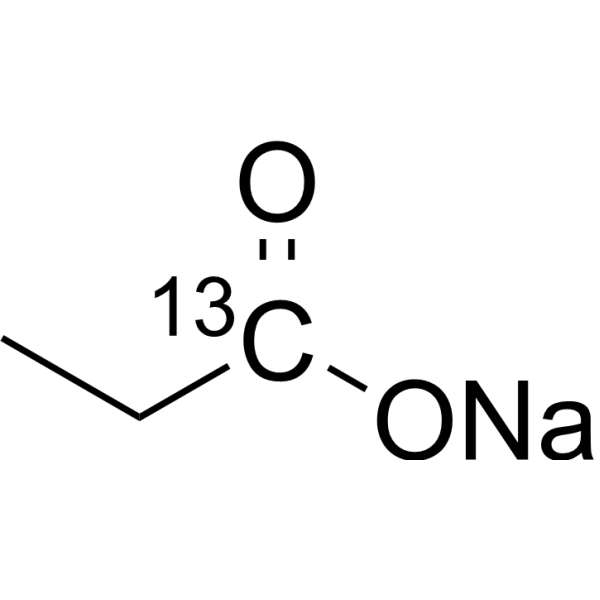
    Sodium propionate- 13C-1 is the 13C-labeled Propionate sodium (HY-B1773A). Sodium propionate is an orally active short-chain fatty acid. Sodium propionate can be produced by intestinal bacteria from the metabolism of dietary fiber. Sodium propionate increases PPAR-γ, inhibits NF-κB activation, and reduces COX-2 expression and NO production. Sodium propionate also induces Apoptosis and Autophagy. Sodium propionate reduces HSV-1-induced keratitis. Sodium propionate has anticancer effects against glioblastoma. Sodium propionate exhibits neuroprotective, antioxidant, and anti-inflammatory activities. Sodium propionate can be used in the research of spinal cord injury and Alzheimer's disease .
    Sodium propionate-13C-1
  • HY-181492

    Fungal Infection Inflammation/Immunology
    Antifungal agent 155 hydrochloride is an antifungal agent. Antifungal agent 155 hydrochloride induces bent, twisted, abnormally swollen hyphae, compromises fungal hyphal plasma membrane integrity, and triggers fungal cell death. Antifungal agent 155 hydrochloride can be used for the research of fusarium keratitis .
    Antifungal agent 155 hydrochloride
  • HY-100373R

    BAL8557-002 (Standard)

    Fungal Reference Standards Infection
    Isavuconazonium (sulfate) (Standard) is the analytical standard of Isavuconazonium (sulfate) (HY-100373). This product is intended for research and analytical applications. Isavuconazonium sulfate (BAL8557-002) is an orally active broad-spectrum antifungal molecule. Isavuconazonium sulfate is a precursor of the triazole antifungal active molecule Isavuconazole. Isavuconazonium sulfate can be used in the study of invasive aspergillosis, mucormycosis, blastomycosis, and Acanthamoeba keratitis .
    Isavuconazonium sulfate (Standard)
  • HY-N19801

    Toll-like Receptor (TLR) NF-κB Interleukin Related TNF Receptor Neurological Disease Inflammation/Immunology
    N-Palmitoyl-D-glucosamine is an orally active TLR4 antagonist. N-Palmitoyl-D-glucosamine stably binds MD-2 with, preventing LPS-induced NF-κB signaling, decreases pro-inflammatory cytokines (IL-1β, TNF-α, and IL-6), increases anti-inflammatory IL-10 and IL-1rα, and normalizes miR-20a-5p, miR-106a-5p, and miR-27a-3p levels. N-Palmitoyl-D-glucosamine decreases allodynia and prevents myelino-axonal degeneration of peripheral nerves. N-Palmitoyl-D-glucosamine can be used for the researches of keratitis and peripheral neuropathy .
    N-Palmitoyl-D-glucosamine
  • HY-W740485

    Isotope-Labeled Compounds Parasite Infection
    Hexamidine-d12 is the deuterium labeled Hexamidine. Hexamidine has amoebicidal effect that can be used for the research of Acanthamoeba keratitis .
    Hexamidine-d12
  • HY-179438

    Bacterial Cancer
    Antibacterial agent 302 is an antibacterial agent. Antibacterial agent 302 shows a potent and broad-spectrum antibacterial activity. Antibacterial agent 302 has no significant hemolytic toxicity and cytotoxicity, and a low tendency to induce resistance. Antibacterial agent 302 exerts its antibacterial mechanism by disrupting the integrity of the bacterial cell membranes. Antibacterial agent 302 can be used for the study of bacterial keratitis .
    Antibacterial agent 302
  • HY-10801R

    Reference Standards Phospholipase Inflammation/Immunology
    CAY10650 (Standard) is the analytical standard of CAY10650 (HY-10801). This product is intended for research and analytical applications. CAY10650 is a highly potent cytosolic phospholipase A2α (cPLA2α) inhibitor with an IC50 value of 12 nM. CAY10650 suppresses lipid droplets formation and PGE2 secretion .
    CAY10650 (Standard)

Inquiry Online

Your information is safe with us. * Required Fields.

Salutation


Country or Region *

Applicant Name *


Organization Name *

Department *


Email Address *


Product Name *

Cat. No.


Requested quantity *

Phone Number *


Remarks

Inquiry Online

Inquiry Information

Product Name:
Cat. No.:
Quantity:
MCE Japan Authorized Agent:

