
1. Search Result
Search Result
Results for "

lens

" in MedChemExpress (MCE) Product Catalog:

45

Inhibitors & Agonists

1

Fluorescent Dyes

8

Biochemical Assay Reagents

12

Natural
Products

1

Recombinant Proteins

1

Antibodies

Cat. No. Product Name Target Research Areas Chemical Structure
  • HY-N0033
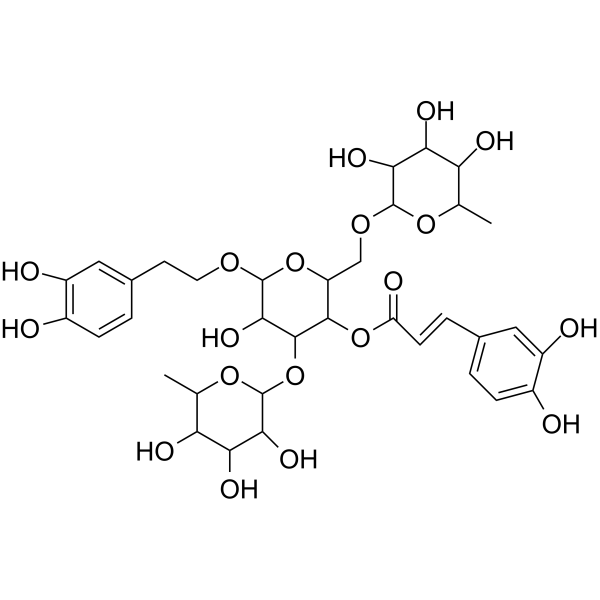
    Poliumoside
    5+ Cited Publications

    Aldose Reductase Cardiovascular Disease Metabolic Disease Inflammation/Immunology
    Poliumoside, a caffeoylated phenylpropanoid glycoside, is isolated from Brandisia hancei stems and leaves. Poliumoside is an advanced glycation end product (AGE) formation and rat lens aldose reductase (RLAR) inhibitor, with IC50s of 19.69 and 8.47 μM, respectively. Poliumoside also has antiinflammatory and antioxidant activity .
    Poliumoside
  • HY-112531

    Biochemical Assay Reagents Others
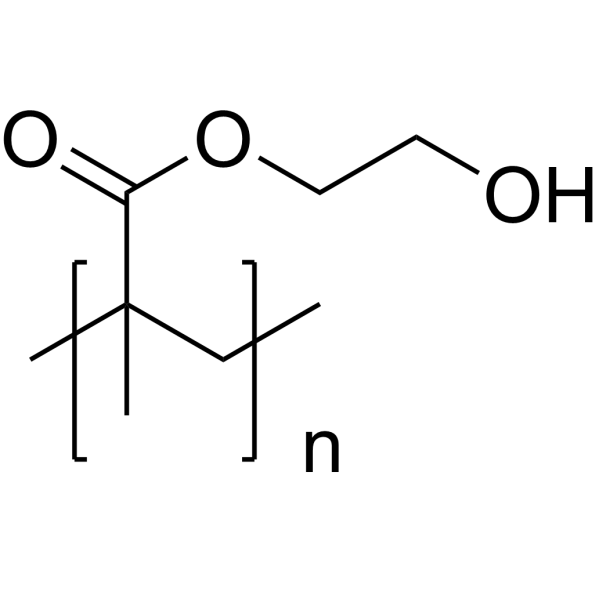
    Poly(2-hydroxyethyl methacrylate) (MW 20000) is one of the most important hydrogels in the biomaterials world. Poly(2-hydroxyethyl methacrylate) is the basic component of contact lenses, and is also used in implantation of soft tissues, synthetic transplant for gristle and bone, regeneration of neurotic tissue, transmission of agent and etc .
    Poly(2-hydroxyethyl methacrylate) (Mv 20000)
  • HY-134633

    EV 06 chloride; UNR 844 chloride

    Drug Intermediate Neurological Disease
    Alpha-lipoic acid choline ester (EV 06) chloride is choline ester of alpha-lipoic acid. Alpha-lipoic acid choline ester chloride reduces the disulfide bond level of lens proteins. Alpha-lipoic acid choline ester chloride improves lens elasticity. Alpha-lipoic acid choline ester chloride is hydrolyzed by ocular esterases to release alpha-lipoic acid and choline. Alpha-lipoic acid choline ester chloride is used for the research of presbyopia .
    Alpha-lipoic acid choline ester chloride
  • HY-112531A

    Biochemical Assay Reagents Others
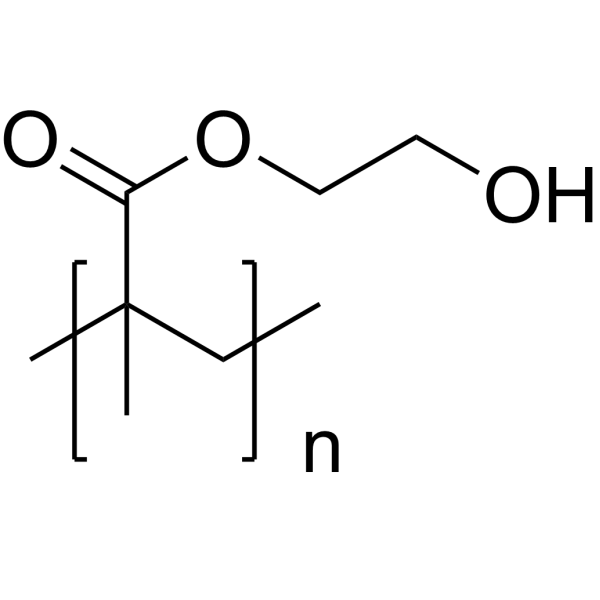
    Poly(2-hydroxyethyl methacrylate) (MW 1000000) is one of the most important hydrogels in the biomaterials world. Poly(2-hydroxyethyl methacrylate) is the basic component of contact lenses, and is also used in implantation of soft tissues, synthetic transplant for gristle and bone, regeneration of neurotic tissue, transmission of agent and etc .
    Poly(2-hydroxyethyl methacrylate) (Mv 1000000)
  • HY-N0311
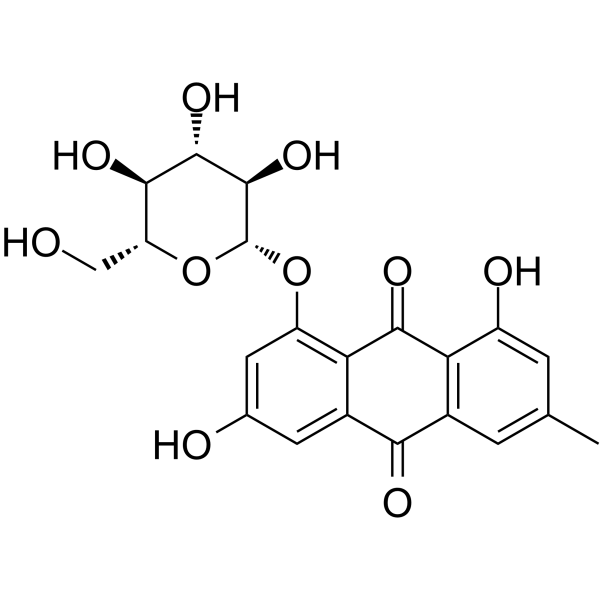
    Emodin-8-glucoside
    2 Publications Verification

    Aldose Reductase Topoisomerase SOD p38 MAPK Neurological Disease Inflammation/Immunology
    Emodin-8-glucoside is an anthraquinone derivative that can be isolated from Aloe vera. Emodin-8-glucoside is the inhibitor for MAPK with an inhibition constant of 430.14 pM. Emodin-8-glucoside exhibits moderate inhibitory activity against rat lens aldose reductase (ALAR) and topoisomerases II with IC50s of 14.4 μM and 66 μM. Emodin-8-glucoside exhibits antioxidant, anti-inflammatory and anti-fibrotic activities. Emodin-8-glucoside can cross the blood brain barrier .
    Emodin-8-glucoside
  • HY-112531B

    Biochemical Assay Reagents Others
    Poly(2-hydroxyethyl methacrylate) (Mv 300000) is a biocompatible, optically transparent, hydrophilic, and non-degradable polymer with excellent cytocompatibility, eliciting a minimal immunological response from host tissue. Poly(2-hydroxyethyl methacrylate) (Mv 300000) can be used for different biomedical applications, such as bone tissue regeneration, wound dressings and drug delivery .
    Poly(2-hydroxyethyl methacrylate) (Mv 300000)
  • HY-W014180

    Endogenous Metabolite Metabolic Disease
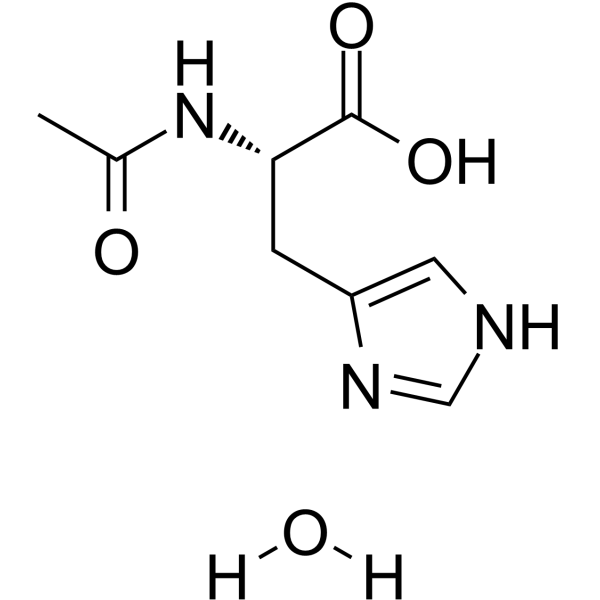
    N-Acetyl-L-histidine monohydrate, a histidine derivative, is a prominent biomolecule in brain, retina and lens of poikilothermic vertebrates. N-Acetyl-L-histidine monohydrate has a role as an animal metabolite .
    N-Acetyl-L-histidine monohydrate
  • HY-W089777

    GPTMS

    Biochemical Assay Reagents Others
    3-Glycidyloxypropyltrimethoxysilane (GPTMS) is a silicon source for the preparation of inorganic-organic hybrid polymers. 3-Glycidyloxypropyltrimethoxysilane can be used to prepare hard coatings of organic polymers, such as contact lens materials in the optical industry, as well as related materials in the fields of electronics, thin films, sensors, nanoimprinting, waveguides, and biology .
    3-Glycidyloxypropyltrimethoxysilane
  • HY-15314
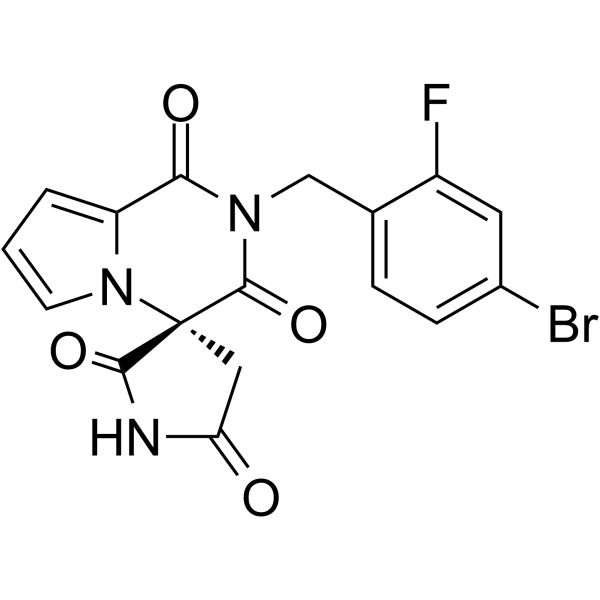
    Ranirestat
    1 Publications Verification

    AS-3201

    Aldose Reductase Neurological Disease Metabolic Disease
    Ranirestat (AS-3201) potent and orally active aldose reductase (AR) inhibitor with IC50s of 11 nM and 15 nM for rat lens AR and recombinant human AR, respectively, and a Ki of 0.38 nM for recombinant human AR. Ranirestat has the potential for diabetic sensorimotor polyneuropathy treatment. Ranirestat also has a neuroprotective effect on diabetic retinas .
    Ranirestat
  • HY-127032

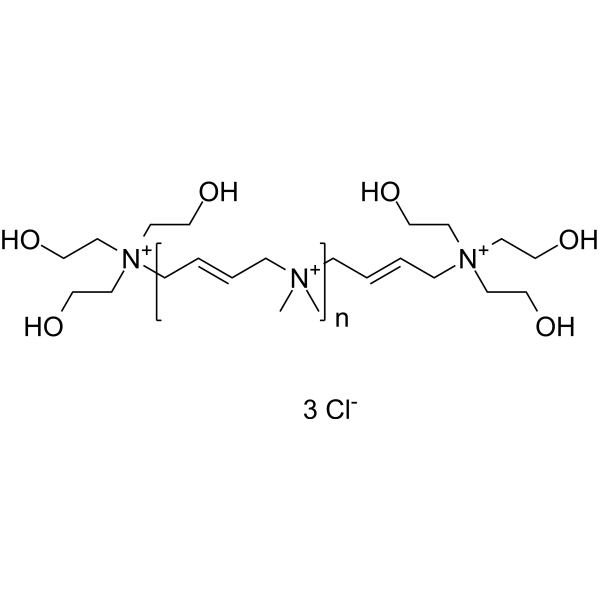
    Polidronium chloride

    Biochemical Assay Reagents Infection
    Polyquaternium-1 (Polidronium chloride; PQ-1) is an antimicrobial preservative and an activator of NF-κB. Polyquaternium-1 targets bacterial cell membranes, commonly used in ophthalmic surgery. Polyquaternium-1 adsorbs to the surface of microbial membranes through its polycationic properties, destroying membrane integrity and inducing potassium ion leakage, leading to bacterial death. Polyquaternium-1 exerts antimicrobial effects at a concentration of 0.001% and has low toxicity to mammalian cells. Polyquaternium-1 can be used to prepare products such as glaucoma eye drops (Travoprost preparations containing PQ-1), artificial tears, and contact lens solutions to reduce the ocular surface toxicity of traditional preservatives such as benzalkonium chloride (HY-B2232) .
    Polyquaternium-1
  • HY-NP087

    LCA

    Fluorescent Dye Others
    Lens Culinaris Agglutinin (LCA) is a plant lectin that can be used as a probe to specifically bind biomolecules (such as polysaccharides, peptides, etc.).Lens Culinaris Agglutinin (LCA) is a biological material or organic compound that can be used in life science research .
    Lens Culinaris Agglutinin
  • HY-D1005B
    Poloxamer 237 (F87)
    1 Publications Verification

    PEG-PPG-PEG, 7700 (Average Mn)

    Environmental Pollutants Others
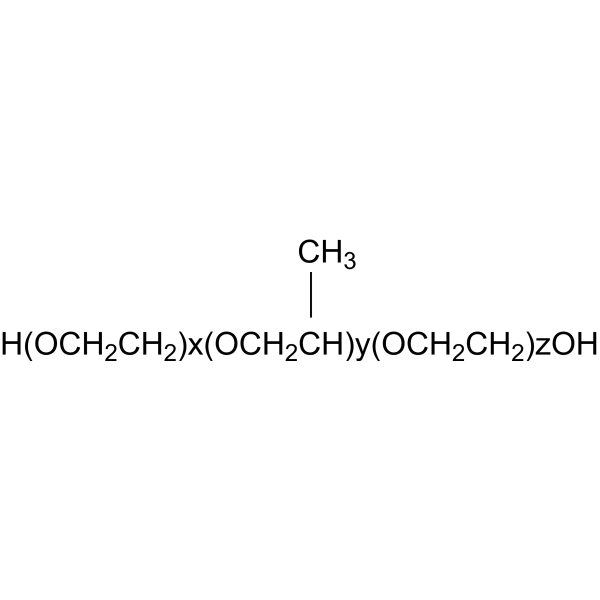
    Poloxamer 237 (F87) (PEG-PPG-PEG, 7700 (Average Mn)) is an alcohol substance that acts as an oil-in-water emulsifier and solubilizer. Poloxamer 237 (F87) is used in the research of formulations such as contact lens care solutions and eye drops .
    Poloxamer 237 (F87)
  • HY-B0400B

    Sorbito, for cell culture; D-Glucitol, for cell culture

    Environmental Pollutants Biochemical Assay Reagents Others
    D-Sorbitol (D-Glucitol), for cell culture is a six-carbon sugar alcohol that can be used as a sugar substitute. D-Sorbitol, for cell culture serves as an osmotic regulator, cryoprotectant and carbon source in various plant and microbial cell culture media .
    D-Sorbitol, for cell culture
  • HY-151231

    Aldose Reductase Neurological Disease Metabolic Disease
    6-Hydroxyluteolin (Compound 17) is a flavonoid derivative and also an inhibitor of Aldose reductase, with an experimental -log IC50 value of 6.690. 6-Hydroxyluteolin can be isolated from the leaves of multiple plant families, including Plantaginaceae, Globulariaceae and Labiatae. 6-Hydroxyluteolin serves as a phylogenetic marker for higher plants. 6-Hydroxyluteolin can be used in the research of diabetic cataract .
    6-Hydroxyluteolin
  • HY-113033

    Others Biochemical Assay Reagents Neurological Disease Metabolic Disease Inflammation/Immunology
    Pentosidine is a fluorescent advanced glycation end product (AGE) and cross-linker. Pentosidine is a fluorescent cross-linked structure formed by lysine and arginine in sugar oxidation reactions, and it is commonly found in collagen, skin, bone, lens and plasma proteins . Pentosidine is used in research related to type 1 diabetes, brown cataracts, rheumatoid arthritis, atherosclerosis and neurodegenerative diseases .
    Pentosidine
  • HY-NP0180

    LCA (Biotinylated)

    Fluorescent Dye Others
    Lens Culinaris Agglutinin (LCA) Biotinylated is a plant lectin that can be used as a probe to specifically bind biomolecules (such as polysaccharides, peptides, etc.).Lens Culinaris Agglutinin (LCA) Biotinylated is a biological material or organic compound that can be used in life science research .
    Lens Culinaris Agglutinin (Biotinylated)
  • HY-W250151

    Fluorescent Dye Others
    Leishman's stain is an essential staining tool for for staining of the peripheral blood and bone marrow smears (displayed pale bluish-grey to deep blue under oil-immersion lens) .
    Leishman's stain
  • HY-N8318

    Others Infection
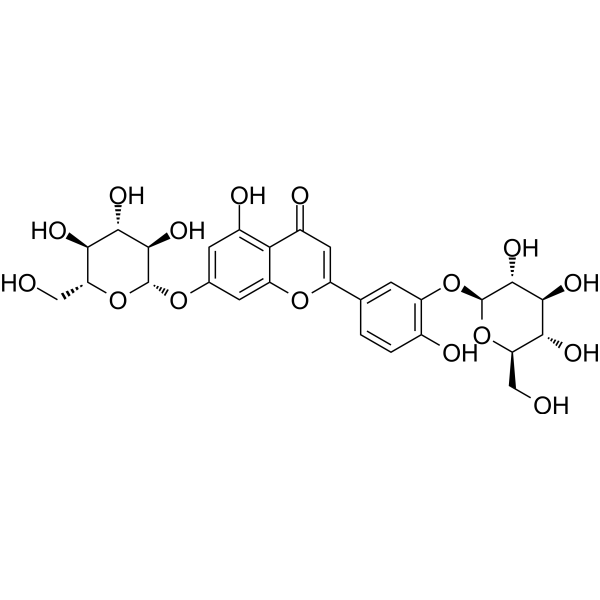
    Luteolin-3′,7-diglucoside is a glycoside that can be isolated from R. luteolin. Luteolin-3′,7-diglucoside significantly inhibits cataracts induced in ovine lenses. Luteolin-3′,7-diglucoside inhibits the activity of Ureaplasma urealyticumATCC and clinical strains .
    Luteolin-3′,7-diglucoside
  • HY-B1202
    Alrestatin
    1 Publications Verification

    AY-22284

    Aldose Reductase Metabolic Disease
    Alrestatin (AY-22284) is an aldose reductase inhibitor. Alrestatin reduces fructose levels in the uterine fluid of mice. Alrestatin interferes with sperm capacitation and impairs fertilization function in mice. Alrestatin decreases basal and tyramine-induced norepinephrine release in rat pancreatic specimens in vitro. Alrestatin enhances glucose- and arginine-stimulated insulin secretion in vivo. Alrestatin can be used in studies related to diabetes and reproductive diseases .
    Alrestatin
  • HY-145941

    2-Acryloxyethyltrimethylammonium chloride

    Biochemical Assay Reagents Inflammation/Immunology
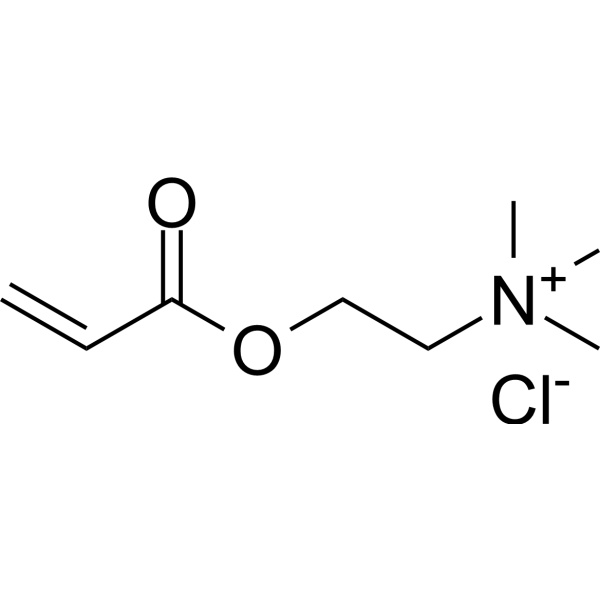
    AETA (2-Acryloxyethyltrimethylammonium chloride) can be used for the synthesis of hydrophilic polymers and hydrogels. Hydrogels are used for membranes, catheters, contact lenses, and drug delivery systems .
    AETA
  • HY-158812

    Drug Derivative Metabolic Disease
    Eicosapentaenoyl-L-carnitine chloride is a long-chain acylcarnitine composed of Eicosapentaenoic Acid (HY-B0660) and L-Carnitine (HY-B0399). The levels of Eicosapentaenoyl-L-carnitine chloride are increased in the eyes of mice fed a diet high in n-3/n-6 polyunsaturated fatty acids (PUFAs) in a mouse model of myopia induced by out-of-focus lenses .
    Eicosapentaenoyl-L-carnitine chloride
  • HY-W039865
    1-Thio-beta-D-glucose tetraacetate
    1 Publications Verification

    Biochemical Assay Reagents Cancer
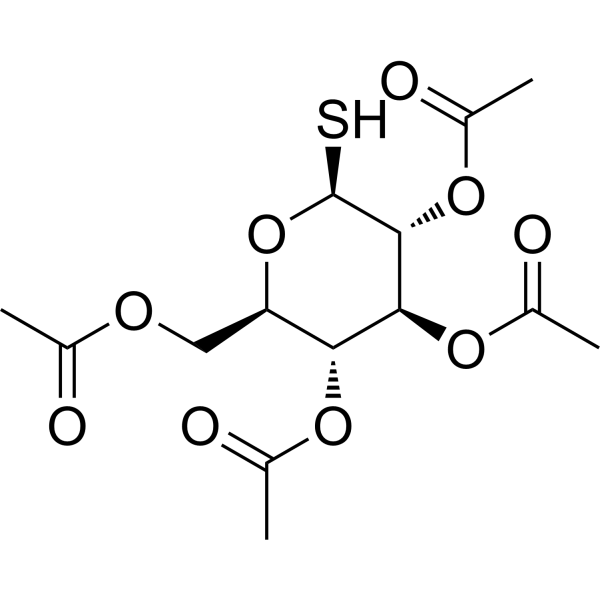
    1-Thio-beta-D-glucose tetraacetate exhibits cytotoxicity in cells HeLa and human ocular lens epithelium CECH with IC50s of >250 and >200 μM. 1-Thio-beta-D-glucose tetraacetate reveals moderate anticancer property .
    1-Thio-beta-D-glucose tetraacetate
  • HY-106915

    SPR 210

    Aldose Reductase Neurological Disease Metabolic Disease
    SG-210 (SPR 210) is an orally active and selective aldose reductase (AR) inhibitor. SG-210 has IC50 values of 9.5 nM and 10 nM for AR from porcine lens and human placenta, respectively. SG-210 can inhibit sorbitol accumulation and ameliorate diabetic neuropathy and retinopathy in Streptozotocin (HY-13753)-induced diabetic rats. SG-210 can be used in the research of diseases such as diabetes-related complications .
    SG-210
  • HY-NP0134

    LCA (Fluorescein)

    Fluorescent Dye Others
    Lens Culinaris Agglutinin (LCA) Fluorescein is a plant lectin that can be used as a probe to specifically bind biomolecules (such as polysaccharides, peptides, etc.).Lens Culinaris Agglutinin (LCA) Fluorescein is a biological material or organic compound that can be used in life science research .
    Lens Culinaris Agglutinin (Fluorescein)
  • HY-119842

    AL1567

    Aldose Reductase Endocrinology
    ALO1567 (AL1567) is an orally available aldose reductase inhibitor with an IC50 of 27 nM for rat lens aldose reductase. ALO1567 can be used in the research of diabetes .
    ALO1567
  • HY-W795259

    MMP Infection Inflammation/Immunology Cancer
    L-Val-P is a potent leucine aminopeptidase (LAP) inhibitor with a Ki of 0.15 μM. L-Val-P is promising for research of HIV infection, inflammation, eye lens cataract and cancer .
    L-Val-P
  • HY-129755

    Interleukin Related Inflammation/Immunology
    CK-17 is an orally active and potent anti-inflammatory agent. CK-17 shows potent inhibition of ocular inflammation induced by lens protein, endotoxin, and IL-1. The effects on IL-1-induced inflammation are about 2 fold more potent than Prednisolone (HY-17463) .
    CK-17
  • HY-101555

    Aldose Reductase Metabolic Disease
    M 16209 is an orally active aldose reductase (AR) inhibitor. M 16209 inhibits partially purified AR from various sources with IC50 values of 0.12, 0.24, 4.5, 1.2 and 9.3 μM for rat lens AR, bovine lens AR, bovine kidney AR, canine lens AR and human placental AR. M 16209 can be used for the research of metabolic disease, such as diabetes .
    M 16209
  • HY-N7962

    Aldose Reductase Inflammation/Immunology
    Cornoside is a phenolic glycoside and has inhibitory effect on rat lens aldose reductase (AR) with an IC50 of 150 μM .
    Cornoside
  • HY-N9335

    Aldose Reductase Neurological Disease
    Myrciacetin is a flavonoid from Rhododendron dauricum. Myrciacetin is against rat lens aldose reductase with an IC50 of 13 μM .
    Myrciacetin
  • HY-135301

    Others Inflammation/Immunology
    Flavanone hydrazine is a potent non-steroidal anti-inflammatory agent. Flavanone hydrazine effectively inhibits lens protein-induced ocular inflammation .
    Flavanone hydrazone
  • HY-N1517A

    Aldose Reductase Cancer
    (Rac)-Ganoderic acid C2 is the racemate of Ganoderic acid C2 (HY-N1517). Ganoderic acid C2 is a bioactive triterpenoid in Ganoderma lucidum. Ganoderic acid C2 possesses anti-tumor, antihistamine, anti-aging and cytotoxic effects. Ganoderic acid C2 exhibits high inhibitory activity against the rat lens aldose reductase (RLAR) with an IC50 of 3.8 µM[ .
    (Rac)-Ganoderic acid C2
  • HY-N0033R

    Reference Standards Aldose Reductase Cardiovascular Disease Metabolic Disease Inflammation/Immunology
    Poliumoside (Standard) is the analytical standard of Poliumoside. This product is intended for research and analytical applications. Poliumoside, a caffeoylated phenylpropanoid glycoside, is isolated from Brandisia hancei stems and leaves. Poliumoside is an advanced glycation end product (AGE) formation and rat lens aldose reductase (RLAR) inhibitor, with IC50s of 19.69 and 8.47 μM, respectively. Poliumoside also has antiinflammatory and antioxidant activity .
    Poliumoside (Standard)
  • HY-146329R

    Reference Standards Bacterial Antibiotic Infection
    Ganoderic acid C2 (Standard) is the analytical standard of Ganoderic acid C2. This product is intended for research and analytical applications. Ganoderic acid C2 is a bioactive triterpenoid in Ganoderma lucidum. Ganoderic acid C2 possesses the potential anti-tumor bioactivity, antihistamine, anti-aging and cytotoxic effects. Ganoderic acid C2 exhibits high inhibitory activity against the rat lens aldose reductase (RLAR) with an IC50 of 3.8 µM .
    PqsR/LasR-IN-3 (Standard)
  • HY-N0311R

    Reference Standards Aldose Reductase Topoisomerase SOD p38 MAPK Neurological Disease Inflammation/Immunology
    Emodin-8-glucoside (Standard) is the analytical standard of Emodin-8-glucoside. This product is intended for research and analytical applications. Emodin-8-glucoside is an anthraquinone derivative that can be isolated from Aloe vera. Emodin-8-glucoside is the inhibitor for MAPK with an inhibition constant of 430.14 pM. Emodin-8-glucoside exhibits moderate inhibitory activity against rat lens aldose reductase (ALAR) and topoisomerases II with IC50s of 14.4 μM and 66 μM. Emodin-8-glucoside exhibits antioxidant, anti-inflammatory and anti-fibrotic activities. Emodin-8-glucoside can cross the blood brain barrier .
    Emodin-8-glucoside (Standard)
  • HY-B1202A

    AY-22284A

    Aldose Reductase Metabolic Disease
    Alrestatin (AY-22284) sodium is an aldose reductase inhibitor. Alrestatin sodium reduces fructose levels in the uterine fluid of mice. Alrestatin sodium interferes with sperm capacitation and impairs fertilization function in mice. Alrestatin sodium decreases basal and tyramine-induced norepinephrine release in rat pancreatic specimens in vitro. Alrestatin sodium enhances glucose- and arginine-stimulated insulin secretion in vivo. Alrestatin sodium can be used in studies related to diabetes and reproductive diseases .
    Alrestatin sodium
  • HY-W151897

    CMTI

    Aldose Reductase Metabolic Disease
    Cemtirestat (CMTI) is a carboxymethylated thiatriazinoindole inhibitor of aldose reductase (ALR2). Cemtirestat potently inhibits rat ocular lens ALR2 with an IC50 of 0.116 μM, and exhibits a 302-fold selectivity for rat kidney ALR1. Cemtirestat is applicable to the research of advanced diabetic complications .
    Cemtirestat
  • HY-119058

    CP-744809

    Aldose Reductase Metabolic Disease
    ARI-809 (CP-744809) is a highly selective, orally active aldose reductase inhibitor with an IC50 of 1 nM. ARI-809 blocks excessive glucose flux through the polyol pathway. ARI-809 normalizes elevated sorbitol and fructose levels in sciatic nerve tissues of diabetic rat models, inhibits sorbitol accumulation in lens tissues, and brings elevated urinary albumin excretion close to normal. ARI-809 can be used in diabetes research .
    ARI-809
  • HY-108010

    Amyloid-β Neurological Disease
    Aftobetin is a non-invasive molecular probe used for the early diagnosis of Alzheimer's disease (AD). Aftobetin can specifically bind to the aggregated β-amyloid peptide () in the lens of the eye, enabling the early diagnosis of AD through a rapid and painless detection method .
    Aftobetin
  • HY-W014180R

    Endogenous Metabolite Reference Standards Metabolic Disease
    N-Acetyl-L-histidine (monohydrate) (Standard) is the analytical standard of N-Acetyl-L-histidine (monohydrate) (HY-W014180). This product is intended for research and analytical applications. N-Acetyl-L-histidine monohydrate, a histidine derivative, is a prominent biomolecule in brain, retina and lens of poikilothermic vertebrates. N-Acetyl-L-histidine monohydrate has a role as an animal metabolite .
    N-Acetyl-L-histidine monohydrate (Standard)
  • HY-W014242

    Aldose Reductase Metabolic Disease
    2-(2-Chlorobenzamido)acetic acid is an aldose reductase inhibitor with an IC50 of 31 μM. 2-(2-Chlorobenzamido)acetic acid can be used for the research of chronic diabetes .
    2-(2-Chlorobenzamido)acetic acid
  • HY-183923

    Aldose Reductase Metabolic Disease Inflammation/Immunology
    SX 3202 is an aldose reductase inhibitor. SX 3202 can be used for the research of diabetic complications .
    SX 3202
  • HY-118720A

    U-23 TFA

    Reactive Oxygen Species (ROS) Others
    Ovothiol A TFA (U-23 TFA) is an antioxidant. Ovothiol A TFA can be isolated from the tissues of marine invertebrates, algae and fish. Ovothiol A acts synergistically with glutathione to actively scavenge ROS and free radicals, and quench the triplet state of Kynurenic acid (HY-100806), thereby inhibiting oxidative stress and photodamage. OSH is expected to serve as an excellent photoprotective agent to inhibit the harmful effects caused by solar ultraviolet radiation .
    Ovothiol A TFA
  • HY-121303

    Interleukin Related DNA/RNA Synthesis Neurological Disease Inflammation/Immunology
    CK-102 is an interleukin-1 (IL-1) inhibitor. CK-102 reduces mRNA synthesis. CK-102 does not inhibit DNA synthesis. CK-102 only slightly inhibits protein synthesis, or has no effect on it. CK-102 delays wound healing after ophthalmic surgery and prolongs the failure time of trabeculectomy fistulas. CK-102 inhibits lens protein-induced ocular inflammation at both early and late stages. CK-102 inhibits endotoxin-induced uveitis. CK-102 does not inhibit interleukin-1-induced uveitis. CK-102 can be used in research related to glaucoma filtration failure and uveitis .
    CK-102
  • HY-N17737

    Fatty Acid Synthase (FASN) Cytochrome P450 Metabolic Disease Inflammation/Immunology
    Floramanoside F is a type of flavonol glycoside compound. Floramanoside F has a moderate free radical scavenging effect, with a SC₅₀ value of 25.1 μM. Floramanoside F has a relatively weak inhibitory activity on aldose reductase, with a IC₅₀ value greater than 100 μM. Floramanoside F has strong binding affinity with key target enzymes of type 1 diabetic nephropathy (T1DN) (Fasn, Cyp2e1, Cyp4a32), and can inhibit lipid accumulation and oxidative stress, thereby alleviating renal inflammation and fibrosis. Floramanoside F can be used to study type 1 diabetic nephropathy and diabetic complications .
    Floramanoside F

Inquiry Online

Your information is safe with us. * Required Fields.

Salutation


Country or Region *

Applicant Name *


Organization Name *

Department *


Email Address *


Product Name *

Cat. No.


Requested quantity *

Phone Number *


Remarks

Inquiry Online

Inquiry Information

Product Name:
Cat. No.:
Quantity:
MCE Japan Authorized Agent:

