1. Search Result
Search Result
Results for "

liver carcinogenicity

" in MedChemExpress (MCE) Product Catalog:

22

Inhibitors & Agonists

1

Fluorescent Dyes

2

Biochemical Assay Reagents

1

Peptides

5

Natural
Products

2

Isotope-Labeled Compounds

1

Click Chemistry

Targets Recommended:
Cat. No. Product Name Target Research Areas Chemical Structure
  • HY-Y1683

    Racementhol

    Environmental Pollutants GABA Receptor Infection Neurological Disease
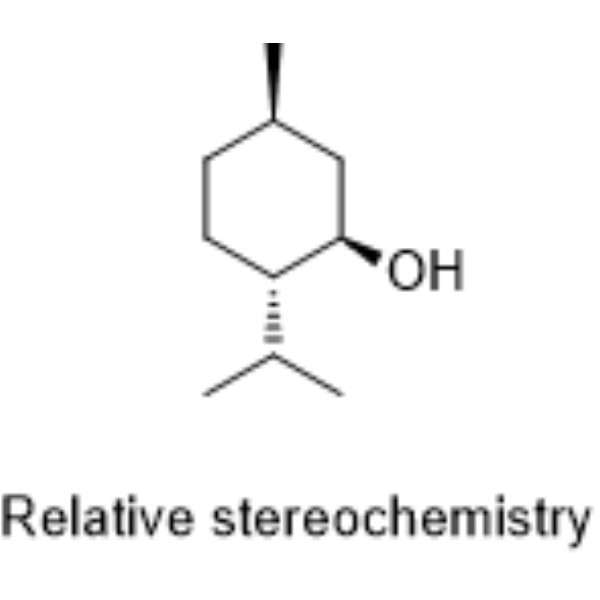
    DL-Menthol (Racementhol) is an orally active, GABAaR positive allosteric modulator and UDP-glucuronosyltransferase (UGT) inhibitor that can cross the blood-brain barrier. DL-Menthol binds to GABAAR and exhibits an allosteric activation effect, enhancing GABA-mediated chloride influx and inhibiting neuronal excitability. DL-Menthol can induce surgical anesthesia in fish and inhibit the metabolic detoxification of tobacco carcinogens by human liver and intestinal UGT enzymes, resulting in reduced NNAL-N-Gluc production .
    DL-Menthol
  • HY-B1198
    Piperonyl butoxide
    1 Publications Verification

    ENT-14250

    Environmental Pollutants Parasite Infection Cancer
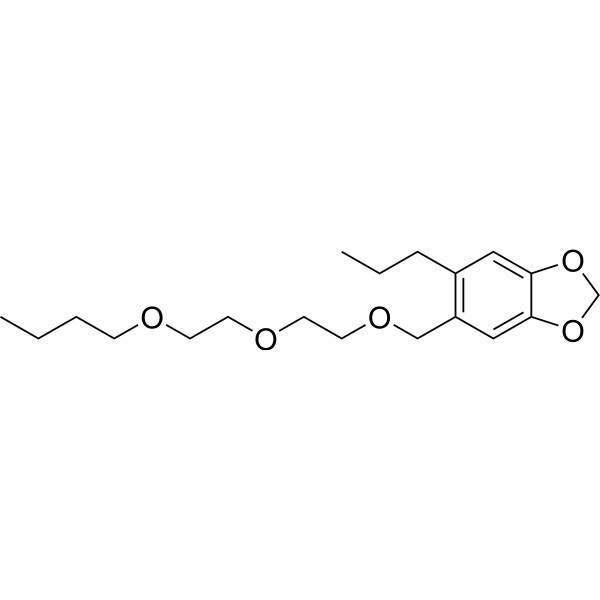
    Piperonyl butoxide (ENT-14250) is a pesticide synergist and food additive. Piperonyl butoxide has adverse effects on reproduction, development and behavior in mice. Piperonyl butoxide can activate c-Jun and ATF-2 in mouse hepatocytes. Piperonyl butoxide is a liver cancer carcinogen in rats and mice .
    Piperonyl butoxide
  • HY-D0203

    Malachite green

    Environmental Pollutants Fluorescent Dye Others
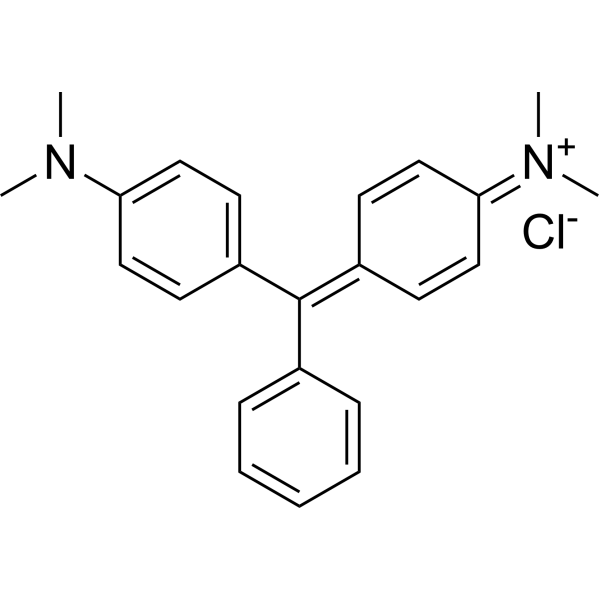
    Basic green 4 (Malachite green) is a cationic dye that is widely used as a bactericide in aquaculture and is also commonly used in laboratories for the determination of phosphates. Basic green 4 exhibits high cytotoxicity and carcinogenicity to mammalian cells, specifically shown by its IC50 values of 2.03 µM for HEp-2 human laryngeal cells and 13.8 µM for Caco-2 human colorectal adenocarcinoma cells, and it can promote the development of liver tumors. The maximum absorbance wavelength is 621 nm .
    Basic green 4
  • HY-148118A

    LYTACs Cancer
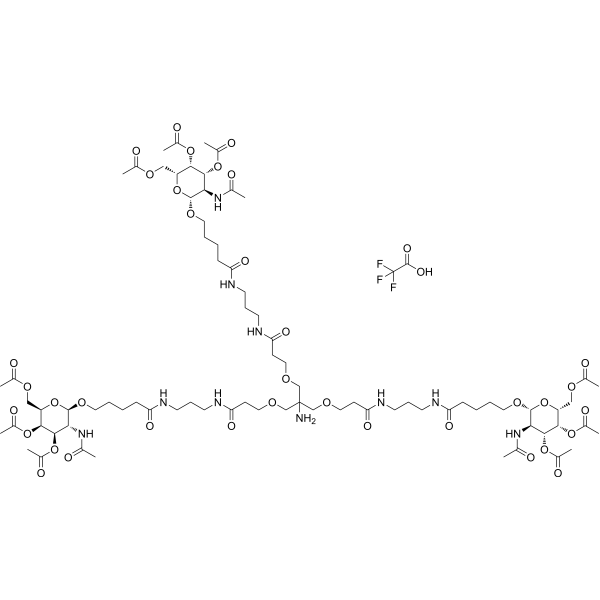
    Tri-GalNAc(OAc)3 TFA is a trivalent N-acetylgalactosamine (GalNAc) derivative that can be used to synthesize GalNAc-LYTAC. Tri-GalNAc is a specific ligand targeting the asialoglycoprotein receptor (ASGPR), mediating the endocytosis and transport of cell surface proteins (such as EGFR, HER2) to lysosomes for degradation by lysosomal targeting chimeras (LYTACs). Tri-GalNAc significantly reduces the level of target proteins and inhibits downstream signaling pathways (such as EGFR-mediated Akt and MAPK signals). Tri-GalNAc(OAc)3 TFA can be used for hepatocyte targeting studies, and can degrade carcinogenic membrane proteins and inhibit tumor cell proliferation in liver cancer cell models .
    Tri-GalNAc(OAc)3 TFA
  • HY-139838

    Herbicide Others Cancer
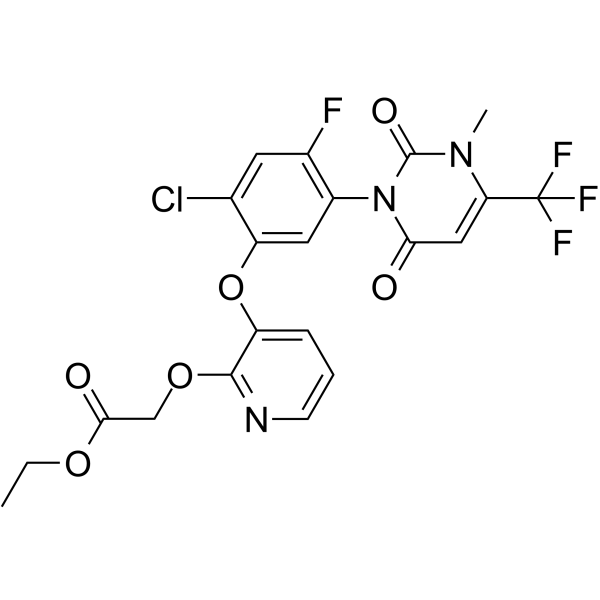
    Epyrifenacil is a protoporphyrinogen oxidase (PPO) inhibiting herbicide, potently targeting the PPO2 isoform from weeds such as Amaranthus palmeri with an IC50 of 0.637 nM. Epyrifenacil also inhibits liver mitochondrial PPO across species, with IC50 values of 2.2 nM (mouse), 2.6 nM (rat), 12.1 nM (rabbit), 7.6 nM (dog), and 10.2 nM (human). Epyrifenacil induces liver tumor development in mice. Epyrifenacil can be used for weed control, and also used as a tool compound in toxicological research to study the mechanism of PPO inhibition, chemical-induced hepatotoxicity, and the mode of action of non-genotoxic carcinogens in rodents [3].
    Epyrifenacil
  • HY-W075903

    Cobalt hexammine trichloride; Hexaamminecobalt trichloride

    Biochemical Assay Reagents SOD Glutathione S-transferase Metabolic Disease Cancer
    Hexaamminecobalt (III) chloride is an orally active cobalt coordination compound. Hexaamminecobalt (III) chloride restores the activities of liver antioxidant enzymes (SOD, Catalase) and detoxification enzyme GST. Hexaamminecobalt (III) chloride restores GSH content and reduces DAG. Hexaamminecobalt (III) chloride impairs renal function. Hexaamminecobalt (III) chloride exerts anti-carcinogenic effects in Diethylnitrosamine (HY-N7434)-induced hepatocarcinoma .
    Hexaamminecobalt(III) chloride
  • HY-W010981
    Acetyl tributyl citrate
    1 Publications Verification

    Tributyl O-acetylcitrate; ATBC

    Environmental Pollutants Biochemical Assay Reagents Others
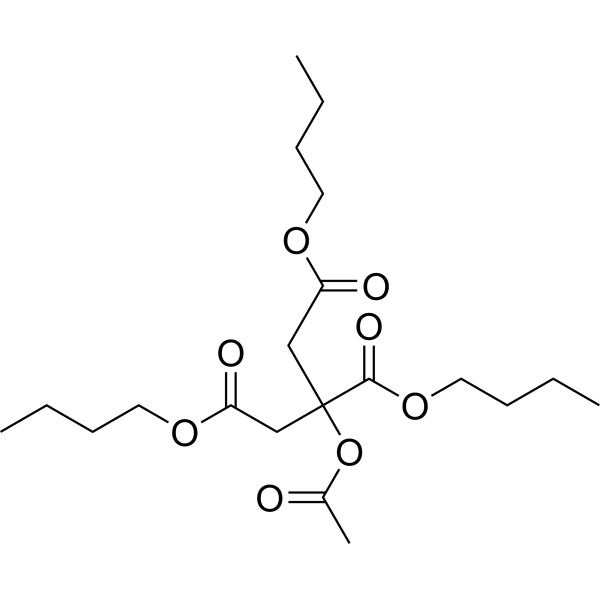
    Acetyl tributyl citrate (Tributyl O-acetylcitrate) is a pharmaceutical excipient and biodegradable hydrophobic plasticizer. Acetyl tributyl citrate can be used in cosmetics, food packaging, and as a flavoring substance for food .
    Acetyl tributyl citrate
  • HY-Y0496

    Insecticide Environmental Pollutants Mitosis Cancer
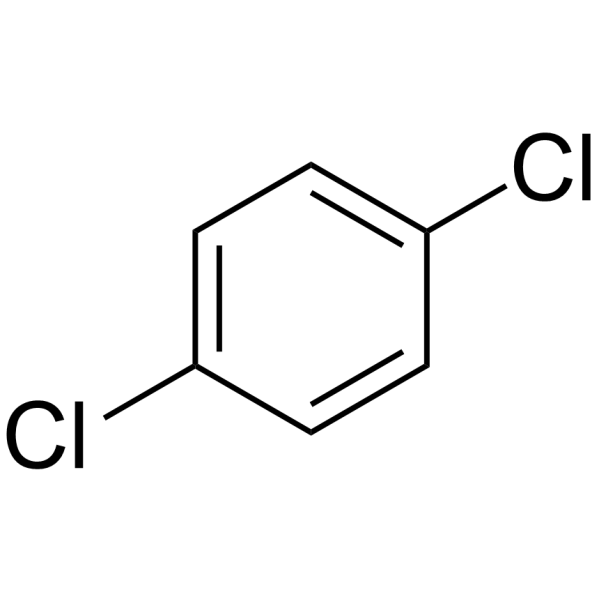
    1,4-Dichlorobenzene is a non-genotoxic, orally active mitogenic/tumor-promoting carcinogen that is also widely used as a dye, resin intermediate, and deodorant, moth repellent/insecticide. 1,4-Dichlorobenzene induces liver tumors in mice and promotes the growth of spontaneous precancerous lesions, but shows no liver tumor-inducing activity in F344 rats. Exposure to 1,4-dichlorobenzene leads to elevated leukocyte counts, serum alanine aminotransferase, and blood urea nitrogen levels. Due to the hepatotoxic characteristics, 1,4-Dichlorobenzene is applicable to liver cancer-related research .
    1,4-Dichlorobenzene
  • HY-Y0850U3

    Polyvinyl alcohol (Mw 125000, 98-99% hydrolyzed, ~2800 polymerization); Poly(Ethenol) (Mw 125000, 98-99% hydrolyzed, ~2800 polymerization)

    Biochemical Assay Reagents Others
    PVA (Polyvinyl alcohol) (Mw 125000, 98-99% hydrolyzed, ~2800 polymerization) is a water-soluble, biodegradable, biocompatible and non-immunogenic polymer. PVA (Mw 125000, 98-99% hydrolyzed, ~2800 polymerization) causes no irritation to rabbit eyes, no skin sensitization in guinea pigs, promotes the proliferation of human skin keratinocytes, and reduces the loss of corneal endothelial cells. The LD50 of PVA (Mw 125000, 98-99% hydrolyzed, ~2800 polymerization) in rats and dogs is greater than 10 g/kg. PVA (Mw 125000, 98-99% hydrolyzed, ~2800 polymerization) is hardly absorbed by the digestive system, causes no adverse effects upon long-term oral administration, and shows no mutagenicity or carcinogenicity. However, repeated intravenous or portal vein injection of PVA (Mw 125000, 98-99% hydrolyzed, ~2800 polymerization) may induce pathological changes such as glomerular lesions, anemia, hypertension or liver fibrosis in rats or dogs. Crosslinked nanofibers prepared by modifying PVA (Mw 125000, 98-99% hydrolyzed, ~2800 polymerization) can be used in studies related to wound dressings and other applications .
    PVA (Mw 125000, 98-99% hydrolyzed, ~2800 polymerization)
  • HY-124211

    Environmental Pollutants MDM-2/p53 Aryl Hydrocarbon Receptor Cancer
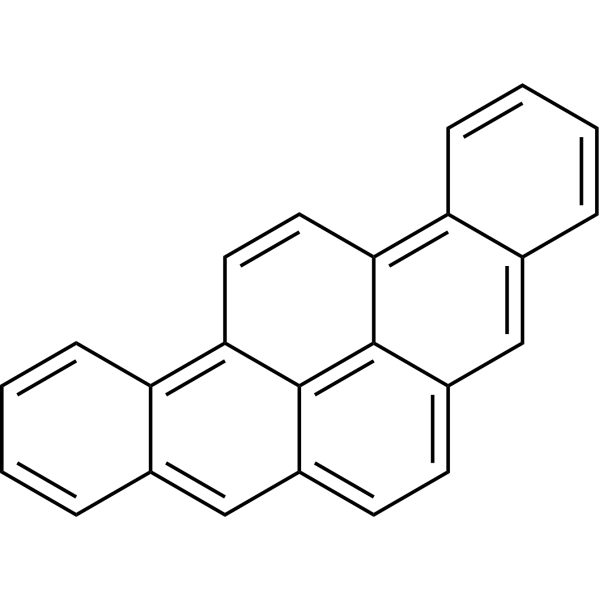
    Dibenzo (a,i) pyrene is a polycyclic aromatic hydrocarbon and also a carcinogenic ligand of the TCDD (Ah) receptor. Dibenzo (a,i) pyrene binds to the TCDD (Ah) receptor in rat liver. Dibenzo (a,i) pyrene induces DNA adduct formation and upregulates the protein levels of p53 and p21 WAF1 in diploid lung fibroblasts. Dibenzo (a,i) pyrene alters the cell cycle distribution of diploid lung fibroblasts, increasing the proportion of cells in the S phase, decreasing the proportions of cells in the G0/G1 and G2/M phases, and causing S phase delay/arrest. Dibenzo (a,i) pyrene is applicable for cancer research .
    Dibenzo(a,i)pyrene
  • HY-141638

    Methyl-IQ

    Biochemical Assay Reagents Cancer
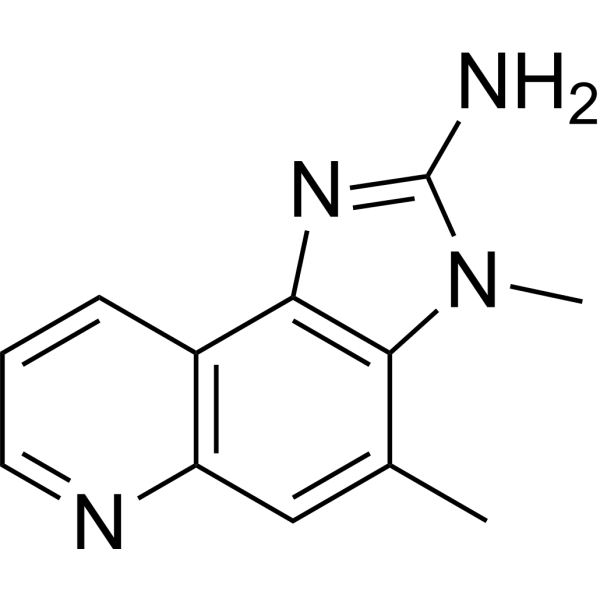
    Me-IQ (Methyl-IQ), an orally active heterocyclic amine, is carcinogenic and mutagenic. Me-IQ is several hundred-fold more mutagenic in liver than in lung microsomal preparations from uninduced mice and rabbits .
    Me-IQ
  • HY-W024365

    PROTAC Linkers Cancer
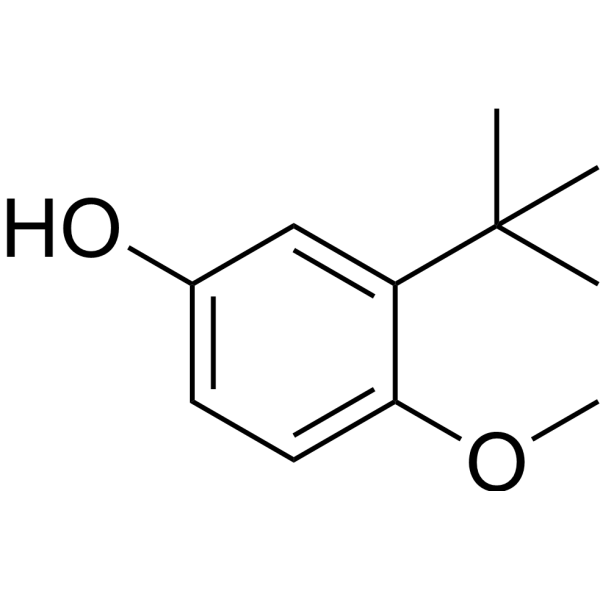
    3-tert-Butyl-4-methoxyphenol is a PROTAC linker, belongs to alkyl/ether class, with insecticidal activity. 3-tert-Butyl-4-methoxyphenol also induced increased activities of glutathione (GSH) S-transferase and epoxide hydrolase in the liver and forestomach tissues of A/HeJ mice, regulating the carcinogen metabolism system .
    3-tert-Butyl-4-methoxyphenol
  • HY-B1198R

    ENT-14250 (Standard)

    Parasite Reference Standards Infection Cancer
    Piperonyl butoxide (Standard) is the analytical standard of Piperonyl butoxide. This product is intended for research and analytical applications. Piperonyl butoxide (ENT-14250) is a pesticide synergist and food additive. Piperonyl butoxide has adverse effects on reproduction, development and behavior in mice. Piperonyl butoxide can activate c-Jun and ATF-2 in mouse hepatocytes. Piperonyl butoxide is a liver cancer carcinogen in rats and mice .
    Piperonyl butoxide (Standard)
  • HY-Y0496S

    Isotope-Labeled Compounds Insecticide Others
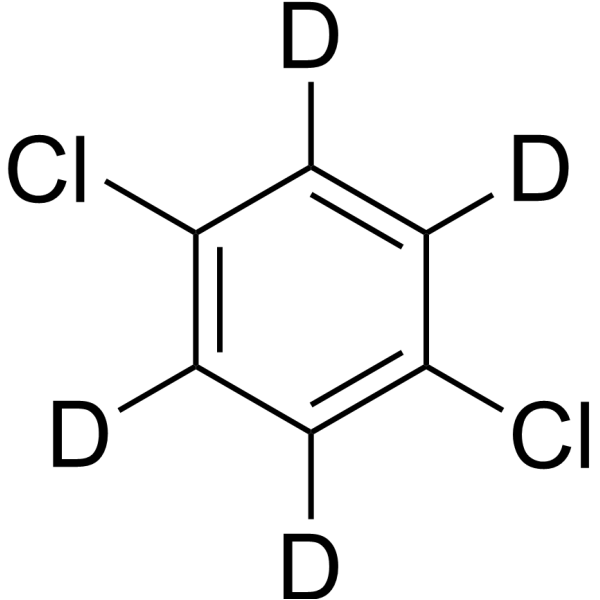
    1,4-Dichlorobenzene-d4 is the deuterium labeled 1,4-Dichlorobenzene. 1,4-Dichlorobenzene is a non-genotoxic, orally active mitogenic/tumor-promoting carcinogen that is also widely used as a dye, resin intermediate, and deodorant, moth repellent/insecticide. 1,4-Dichlorobenzene induces liver tumors in mice and promotes the growth of spontaneous precancerous lesions, but shows no liver tumor-inducing activity in F344 rats. 1,4-Dichlorobenzene increases the levels of white blood cell count, serum alanine aminotransferase and blood urea nitrogen in occupationally exposed populations. 1,4-Dichlorobenzene is metabolized to 2,5-dichlorophenol and excreted in urine, and this metabolite can serve as a biomarker for 1,4-Dichlorobenzene exposure. Due to its specific hepatotoxic characteristics, 1,4-Dichlorobenzene is applicable to liver cancer-related research .
    1,4-Dichlorobenzene-d4
  • HY-130053

    SU-13-437

    Endogenous Metabolite Cancer
    Nafenopin (SU-13-437) is a peroxidase proliferator with liver tumor promoting activity. Nafenopin is also used as an anti-hyperlipoproteinemia compound. Nafenopin is able to induce oxidative stress in vivo, showing its effects on the liver. The mechanism of action of nafenopin has differentiated features compared to other non-genotoxic carcinogens .
    Nafenopin
  • HY-116832

    NO Synthase Cancer
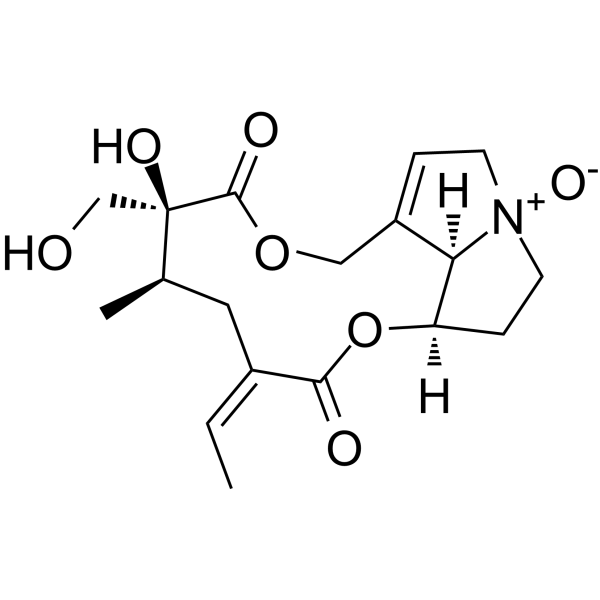
    Retrorsine N-oxide, an N-oxide of pyrrolizidine alkaloid, is a carcinogen. Retrorsine N-oxide-derived DNA adducts are common toxicological biomarkers of pyrrolizidine alkaloid N-oxides .
    Retrorsine N-oxide
  • HY-B1198S

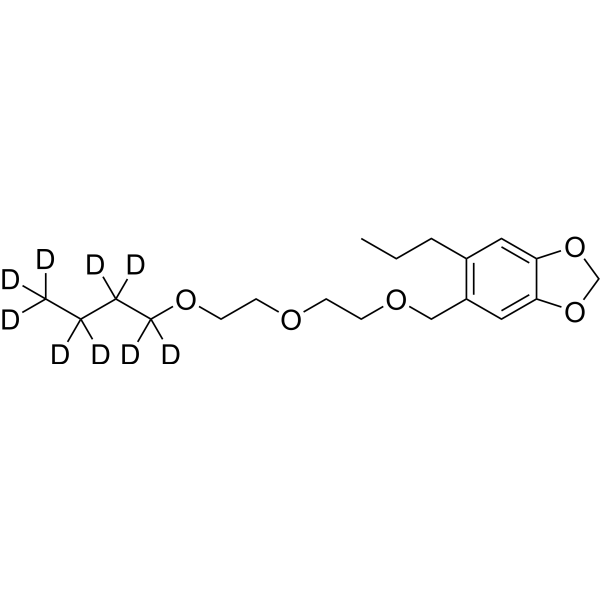
    ENT-14250-d9

    Isotope-Labeled Compounds Parasite Infection Cancer
    Piperonyl butoxide-d9 is the deuterium labeled Piperonyl butoxide.Piperonyl butoxide (ENT-14250) is a pesticide synergist and food additive. Piperonyl butoxide has adverse effects on reproduction, development and behavior in mice. Piperonyl butoxide can activate c-Jun and ATF-2 in mouse hepatocytes. Piperonyl butoxide is a liver cancer carcinogen in rats and mice .
    Piperonyl butoxide-d9
  • HY-Y0496R

    Reference Standards Insecticide Others
    1,4-Dichlorobenzene (Standard) is the analytical standard of 1,4-Dichlorobenzene. This product is intended for research and analytical applications. 1,4-Dichlorobenzene is a non-genotoxic, orally active mitogenic/tumor-promoting carcinogen that is also widely used as a dye, resin intermediate, and deodorant, moth repellent/insecticide. 1,4-Dichlorobenzene induces liver tumors in mice and promotes the growth of spontaneous precancerous lesions, but shows no liver tumor-inducing activity in F344 rats. 1,4-Dichlorobenzene increases the levels of white blood cell count, serum alanine aminotransferase and blood urea nitrogen in occupationally exposed populations. 1,4-Dichlorobenzene is metabolized to 2,5-dichlorophenol and excreted in urine, and this metabolite can serve as a biomarker for 1,4-Dichlorobenzene exposure. Due to its specific hepatotoxic characteristics, 1,4-Dichlorobenzene is applicable to liver cancer-related research .
    1,4-Dichlorobenzene (Standard)
  • HY-W024365R

    PROTAC Linkers Reference Standards Cancer
    3-tert-Butyl-4-methoxyphenol (Standard) is the analytical standard of 3-tert-Butyl-4-methoxyphenol. This product is intended for research and analytical applications. 3-tert-Butyl-4-methoxyphenol is a PROTAC linker, belongs to alkyl/ether class, with insecticidal activity. 3-tert-Butyl-4-methoxyphenol also induced increased activities of glutathione (GSH) S-transferase and epoxide hydrolase in the liver and forestomach tissues of A/HeJ mice, regulating the carcinogen metabolism system .
    3-tert-Butyl-4-methoxyphenol (Standard)
  • HY-W750595

    Drug Derivative Cancer
    6-(L-1,2,3-Trihydroxybutyl)-pterin is a derivative of L-biopterin (HY-102015) and is the oxidized form of tetrahydro-L-biopterin (BH4) as well as D-biopterin. Co-ingestion of 6-(L-1,2,3-Trihydroxybutyl)-pterin (0.5%) with the carcinogen 4-dimethylaminoazobenzene reduces the incidence of 4-dimethylaminoazobenzene-induced liver tumors in rats. 6-(L-1,2,3-Trihydroxybutyl)-pterin has been used as an internal standard for the LC-MS quantification of biopterin and neopterin in rat plasma.
    6-(L-1,2,3-Trihydroxybutyl)-pterin
  • HY-P2032

    Endogenous Metabolite Infection Cancer
    Cyclochlorotine is a mycotoxin that can be extracted from the yellow rice infectant Penicillium islandicum Sopp. Cyclochlorotine promotes glycogenolysis, inhibits glycogen synthesis, affects fat synthesis and protein synthesis in liver cells. Cyclochlorotine exhibits chronic toxicity in liver that induces liver fibrosis and cirrhosis in mouse models. Cyclochlorotine exhibits carcinogenicity .
    Cyclochlorotine
  • HY-119578

    Cytochrome P450 Cancer
    Imiprothrin is an inducer that induces CYP1A2 and metallothionein 1a, with significant genotoxicity and cytotoxicity. In rat hepatocytes, Imiprothrin initiates detoxification responses by triggering the overexpression of these two genes. Imiprothrin induces chromosomal aberrations and micronucleus formation in rat bone marrow cells, and causes DNA damage in hepatocytes. Imiprothrin triggers oxidative stress in rats, leading to lipid peroxidation, excessive reactive oxygen species production and redox imbalance, which in turn impairs liver and kidney functions and causes tissue damage. Imiprothrin inhibits weight gain in mice, and even causes high mortality in female mice at high doses. However, it shows no carcinogenicity in rat experiments; among relevant indicators, aspartate aminotransferase and total protein are identified as sensitive toxicity biomarkers .
    Imiprothrin

Inquiry Online

Your information is safe with us. * Required Fields.

Salutation


Country or Region *

Applicant Name *


Organization Name *

Department *


Email Address *


Product Name *

Cat. No.


Requested quantity *

Phone Number *


Remarks

Inquiry Online

Inquiry Information

Product Name:
Cat. No.:
Quantity:
MCE Japan Authorized Agent:

