
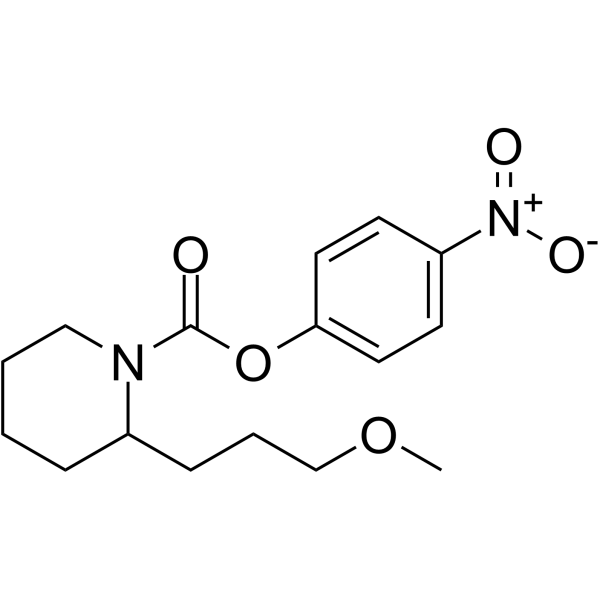
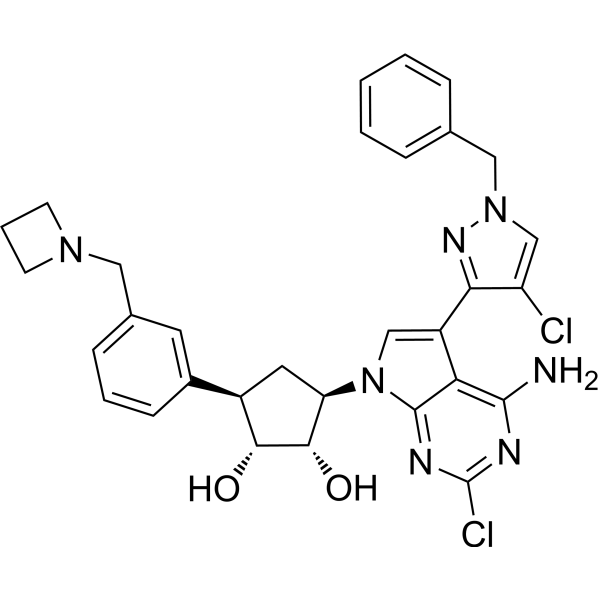
1. Search Result
Search Result
Results for "

lung impairment

" in MedChemExpress (MCE) Product Catalog:

31

Inhibitors & Agonists

1

Biochemical Assay Reagents

3

Natural
Products

1

Isotope-Labeled Compounds

1

Click Chemistry

4

Oligonucleotides

Cat. No. Product Name Target Research Areas Chemical Structure
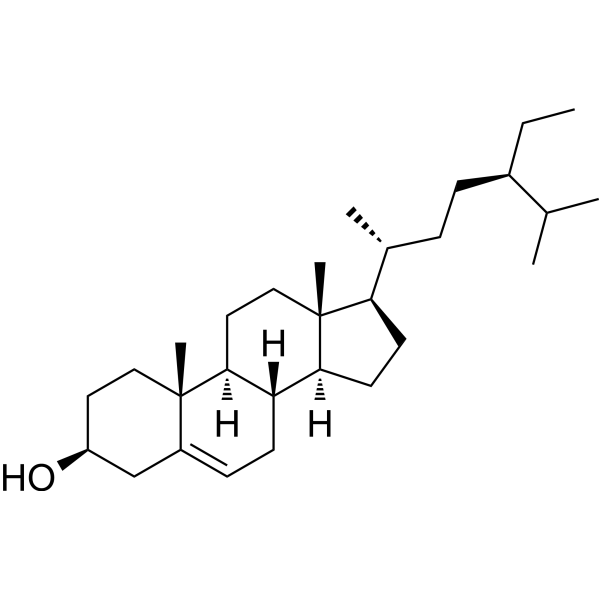
  • HY-N0171A
    Beta-Sitosterol (purity>98%)
    15+ Cited Publications

    β-Sitosterol (purity>98%); 22,23-Dihydrostigmasterol (purity>98%)

    Bacterial Apoptosis Reactive Oxygen Species (ROS) MDM-2/p53 Caspase PARP MMP Bcl-2 Family HIF/HIF Prolyl-Hydroxylase TNF Receptor Interleukin Related NF-κB mTOR Lactate Dehydrogenase CDK Glutathione Peroxidase SOD Infection Cardiovascular Disease Inflammation/Immunology Cancer
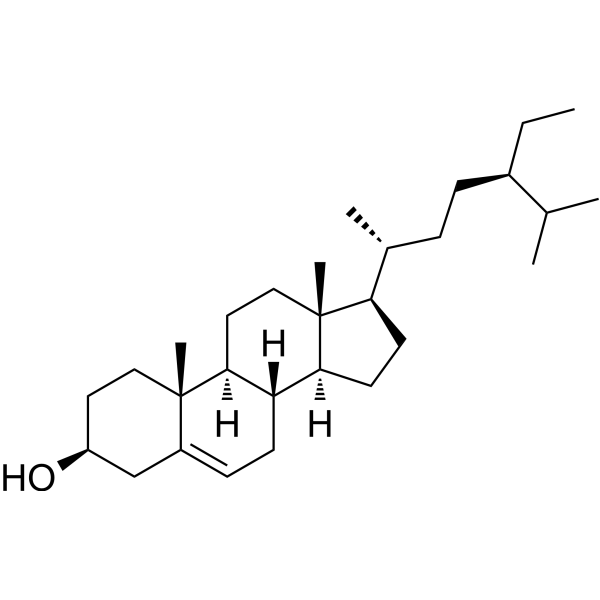
    Beta-Sitosterol (purity>98%) is orally active. Beta-Sitosterol exhibits multiple activities, including anti-inflammatory, anticancer, antioxidant, antimicrobial, antidiabetic, antioxidant enzyme, and analgesic. Beta-Sitosterol inhibits inflammation and impaired adipogenesis in bovine mammary epithelial cells by reducing levels of ROS, TNF-α, IL-1β, and NF-κB p65 and restoring the activity of the HIF-1α/mTOR signaling pathway. Beta-Sitosterol induces apoptosis in cancer cells through ROS-mediated mitochondrial dysregulation and p53 activation. Beta-Sitosterol exerts its anticancer effects in cancer cells by activating caspase-3, caspase-8, and caspase-9, mediating PARP inactivation, MMP loss, altered Bcl-2-Bax ratio, and cytochrome c release. Beta-Sitosterol modulates macrophage polarization and reduces rheumatoid inflammation in mice. Beta-Sitosterol inhibits tumor growth in multiple mouse cancer models. Beta-Sitosterol can be used in the research of arthritis, lung cancer, breast cancer and other cancers, diabetes, etc .
    Beta-Sitosterol (purity>98%)
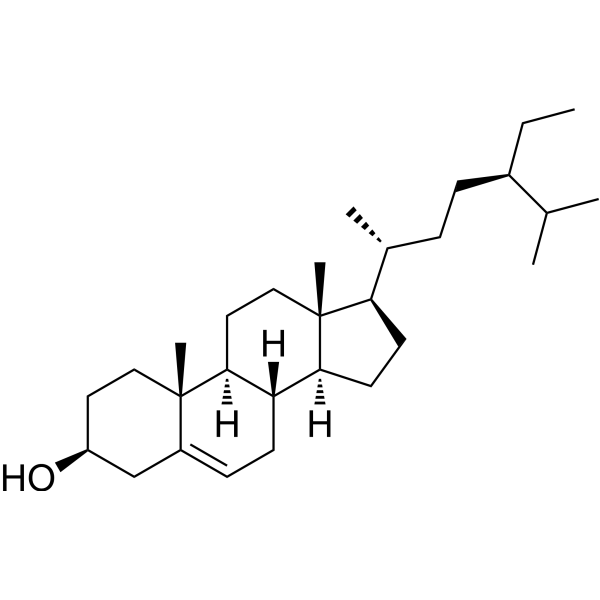
  • HY-N0171
    Beta-Sitosterol (purity>80%)
    Maximum Cited Publications
    22 Publications Verification

    Apoptosis Endogenous Metabolite Cardiovascular Disease Inflammation/Immunology Cancer
    Beta-Sitosterol (purity≥80%) is orally active. Beta-Sitosterol exhibits multiple activities, including anti-inflammatory, anticancer, antioxidant, antimicrobial, antidiabetic, antioxidant enzyme, and analgesic. Beta-Sitosterol inhibits inflammation and impaired adipogenesis in bovine mammary epithelial cells by reducing levels of ROS, TNF-α, IL-1β, and NF-κB p65 and restoring the activity of the HIF-1α/mTOR signaling pathway. Beta-Sitosterol induces apoptosis in cancer cells through ROS-mediated mitochondrial dysregulation and p53 activation. Beta-Sitosterol exerts its anticancer effects in cancer cells by activating caspase-3, caspase-8, and caspase-9, mediating PARP inactivation, MMP loss, altered Bcl-2-Bax ratio, and cytochrome c release. Beta-Sitosterol modulates macrophage polarization and reduces rheumatoid inflammation in mice. Beta-Sitosterol inhibits tumor growth in multiple mouse cancer models. Beta-Sitosterol can be used in the research of arthritis, lung cancer, breast cancer and other cancers, diabetes, etc .
    Beta-Sitosterol (purity>80%)
  • HY-145722
    Apatorsen sodium
    1 Publications Verification

    OGX-427 sodium

    HSP Cancer
    Apatorsen (OGX-427) sodium is a 2'-methoxyethyl-modified antisense oligonucleotide and also a Hsp27 inhibitor. Apatorsen sodium reduces Hsp27 mRNA and protein levels, impairs stress-induced cytoprotective functions, induces cell apoptosis, inhibits tumor growth and prevents metastasis. Apatorsen sodium is applicable to research related to non-small cell lung cancer, castration-resistant prostate cancer, breast cancer, ovarian cancer and bladder cancer .
    Apatorsen sodium
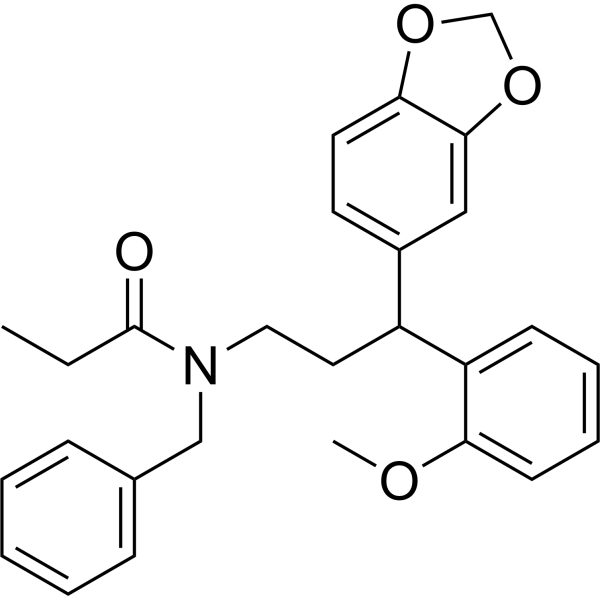
  • HY-W018587

    Mitochondrial Metabolism Cytochrome P450 TNF Receptor Interleukin Related HSP LDLR Eukaryotic Initiation Factor (eIF) ClpP Metabolic Disease Inflammation/Immunology
    TBPH is a brominated flame retardant. TBPH enhances hepatic steatosis, inflammation, and fibrosis in mice with nonalcoholic steatohepatitis (NASH). TBPH induces dysregulation of phospholipid metabolism, reducing cardiolipin (CL) and phosphatidylserine (PS) levels. TBPH leads to impaired endoplasmic reticulum-mitochondria (ER-Mito) contacts, subsequently causing mitochondrial dysfunction. TBPH induces lung injury through an inflammatory response mediated by mitochondria-derived ds-DNA. TBPH can be used to study the role of MFN2-mediated ER-mitochondria contacts in lipid metabolism homeostasis .
    TBPH
  • HY-N0171R
    Beta-Sitosterol (Standard)
    5+ Cited Publications

    β-Sitosterol (Standard); 22,23-Dihydrostigmasterol (Standard))

    Reference Standards Apoptosis Endogenous Metabolite Cardiovascular Disease Inflammation/Immunology Cancer
    Beta-Sitosterol (Standard) is the analytical standard of Beta-Sitosterol. This product is intended for research and analytical applications. Beta-Sitosterol (purity≥80%) is orally active. Beta-Sitosterol exhibits multiple activities, including anti-inflammatory, anticancer, antioxidant, antimicrobial, antidiabetic, antioxidant enzyme, and analgesic. Beta-Sitosterol inhibits inflammation and impaired adipogenesis in bovine mammary epithelial cells by reducing levels of ROS, TNF-α, IL-1β, and NF-κB p65 and restoring the activity of the HIF-1α/mTOR signaling pathway. Beta-Sitosterol induces apoptosis in cancer cells through ROS-mediated mitochondrial dysregulation and p53 activation. Beta-Sitosterol exerts its anticancer effects in cancer cells by activating caspase-3, caspase-8, and caspase-9, mediating PARP inactivation, MMP loss, altered Bcl-2-Bax ratio, and cytochrome c release. Beta-Sitosterol modulates macrophage polarization and reduces rheumatoid inflammation in mice. Beta-Sitosterol inhibits tumor growth in multiple mouse cancer models. Beta-Sitosterol can be used in the research of arthritis, lung cancer, breast cancer and other cancers, diabetes, etc.
    Beta-Sitosterol (Standard)
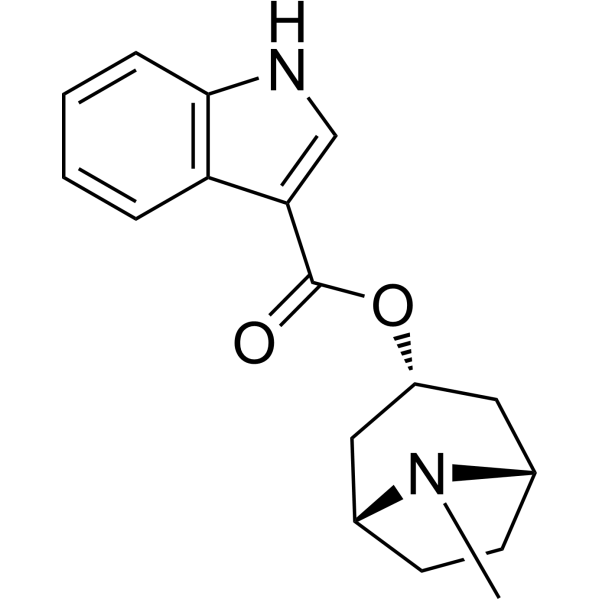
  • HY-B0072
    Tropisetron
    4 Publications Verification

    SDZ-ICS-930 free base

    5-HT Receptor nAChR p38 MAPK NF-κB AP-1 Nuclear Factor of activated T Cells (NFAT) JAK Neurological Disease Inflammation/Immunology Cancer
    Tropisetron is an orally active 5-HT3R antagonist (Ki = 5.3 nM) as well as being a potent and selective α7 nicotinic partial agonist (EC50 = 1.3 μM). Tropisetron prevents phosphorylation and activation of the p38 MAPK. Tropisetron inhibits both IL-2 gene transcription and IL-2 synthesis in stimulated T cells. Tropisetron inhibits the binding to DNA and the transcriptional activity of NFAT and AP-1. Tropisetron is anti-inflammatory and antiemetic. Tropisetron has antitumor and neuroprotective effects. Tropisetron can be studied in research for diseases including hemorrhagic cystitis, chronic joint inflammation, lung cancer and chronic cerebral hypoperfusion .
    Tropisetron
  • HY-122822

    PROTACs Histone Acetyltransferase Interleukin Related CXCR TNF Receptor CD28 Inflammation/Immunology Cancer
    GSK699 is a KAT2A/B/PCAF/GCN5 PROTAC degrader . GSK699 induces proteasome-dependent degradation of KAT2A, KAT2B, PCAF and GCN5, regulates the histone acetyltransferase activity of the SAGA complex, and reduces the level of histone H3K9ac. GSK699 inhibits the growth of neuroblastoma, acute myeloid leukemia and small cell lung cancer cells. GSK699 reduces the production of inflammatory cytokines and chemokines, and impairs LPS-stimulated immune cell responses. GSK699 is applicable to research related to acute myeloid leukemia, small cell lung cancer, neuroblastoma and inflammatory diseases .
    GSK699
  • HY-176785S

    Ras Apoptosis p38 MAPK Caspase TNF Receptor Cancer
    MCB-294 is a dual-state pan-KRAS inhibitor that selectively inhibits KRAS over NRAS and HRAS. MCB-294 capable of binding both the active (GTP-bound) and inactive (GDP-bound) forms of KRAS with Kds of approximately 1 pM and 10 nM, respectively. MCB-294 broadly impairs the growth of hTERT-HPNE cells expressing G12D, G12C, G12V, G12S, G13D, and wild-type KRAS, with IC50s of approximately 700 nM. MCB-294 induces irreversible apoptosis in KRAS-mutated tumors. MCB-294 effectively suppress KRAS G12C inhibitor-resistant cancer cells and remodel the tumor immune microenvironment. MCB-294 can be used for the study of pancreatic cancer, colorectal cancer and lung cancer .
    MCB-294
  • HY-145722A
    Apatorsen
    1 Publications Verification

    OGX-427

    HSP Cancer
    Apatorsen is a 2'-methoxyethyl-modified antisense oligonucleotide and also a Hsp27 inhibitor. Apatorsen reduces Hsp27 mRNA and protein levels, impairs stress-induced cytoprotective functions, induces cell apoptosis, inhibits tumor growth and prevents metastasis. Apatorsen is applicable to research related to non-small cell lung cancer, castration-resistant prostate cancer, breast cancer, ovarian cancer and bladder cancer .
    Apatorsen
  • HY-W115752

    Diamine sulfate (99%)

    PEPCK Aldehyde Dehydrogenase (ALDH) Neurological Disease Metabolic Disease Cancer
    Hydrazine sulfate is an orally active PEPCK inhibitor. Hydrazine sulfate inhibits PEPCK and low-Km ALDH. Hydrazine sulfate impairs gluconeogenesis and enhances the protective effect of energy substrates against MPP + toxicity. Hydrazine sulfate exacerbates liver damage in rats when combined with Ethanol. Hydrazine sulfate can be used in the research of shock, non-small cell lung cancer, colorectal cancer and Parkinson's disease .
    Hydrazine sulfate (99%)
  • HY-120602

    Carboxylesterase (CES) PPAR Interleukin Related Mitochondrial Metabolism Metabolic Disease Inflammation/Immunology
    WWL229 is a selective inhibitor of carboxylesterase 3 (CES3) with an IC50 1.94 μM. WWL229 attenuates LPS (HY-D1056)-induced pro-inflammatory cytokine mRNA levels, inhibits lipolysis and adipose thermogenesis, impairs mitochondrial function, and promotes lipid storage. WWL229 can be used for the research of obesity, insulin resistance, type 2 diabetes, and lung inflammation .
    WWL229
  • HY-157486

    Epigenetic Reader Domain Cancer
    KMI169 is a potent and selective inhibitor targeting lysine methyl-transferase (KMT9) (IC50 = 0.05 μM, Kd = 0.025 μM). KMI169 functions as a bi-substrate inhibitor targeting the cofactor S-5’-adenosyl-L-methionine (SAM) and substrate binding pockets of KMT9. KMI169 can downregulate target genes involved in cell cycle regulation and impair proliferation of tumor cells by inhibiting KMT9. KMI169 is a valuable tool to probe cellular KMT9 functions and can be research for combating diseases including prostate, lung, colon, and invasive bladder cancer .
    KMI169
  • HY-119715

    CDK Apoptosis Inflammation/Immunology Cancer
    AG-012986 is a pan-CDK inhibitor with Ki values of 44 nM (CDK1), 9.2 nM (CDK4), 94 nM (CDK2), and IC50 values of 22 nM (CDK5), 4 nM (CDK9). AG-012986 causes apoptosis of T-cells by targeting upstream kinases in the p38 Mitogen-activated protein kinase (MAPK) pathway and impairing cellular survival. AG-012986 induces cell cycle arrest, retinoblastoma protein hypophosphorylation, and reduces Ki-67 expression. AG-012986 exerts antiproliferative activity in tumor cells, demonstrates antitumor efficacy in human xenograft models, and causes retinal and peripheral neurotoxicity, plus immune cell toxicity. AG-012986 can be used for the research of colon carcinoma, non-small cell lung carcinoma, lung carcinoma, breast carcinoma, ovarian tumor, pancreatic carcinoma, osteosarcoma, lymphoma, leukemia, retinotoxicity .
    AG-012986
  • HY-W718423

    IDPP

    DNA/RNA Synthesis MDM-2/p53 Cancer
    Isodecyl diphenyl phosphate (IDPP) is a flame retardant. Isodecyl diphenyl phosphate induces cytotoxicity, DNA damage, mitochondrial dysfunction and oxidative stress in cancer cells, and mediates DNA damage and cell cycle arrest via a p53-dependent pathway .
    Isodecyl diphenyl phosphate
  • HY-164548

    HSP Apoptosis PI3K Akt NF-κB Inflammation/Immunology Cancer
    WK88-1 is an apoptosis inducer and Hsp90 client protein inhibitor with antiproliferative and immunomodulatory activities. WK88-1 inhibits signaling pathways such as PI3K/Akt and NF-κB, and induces mitochondrial dysfunction and cell cycle arrest. WK88-1 effectively suppresses cancer cell migration and invasion, and reverses various EGFR mutations and resistance to Gefitinib (HY-50895). WK88-1 also regulates the differentiation of monocytes and dendritic cells, blocks the expression of multiple chemokines, inhibits immune cell migration and M1 marker transcription, and restores impaired endocytic activity. WK88-1 has been used in studies of breast cancer, non-small cell lung cancer with various EGFR mutations or Met amplification, and atherosclerosis and other related diseases .
    WK88-1
  • HY-132849

    TD-0903

    JAK Infection Inflammation/Immunology
    Nezulcitinib (TD-0903) is an inhaled and lung-selective pan-Janus kinase (JAK) inhibitor. Nezulcitinib can be used for the research of COVID-19 associated acute lung injury and impaired oxygenation .
    Nezulcitinib
  • HY-169061

    Histone Methyltransferase Aminotransferases (Transaminases) Lactate Dehydrogenase Cancer
    WQQ-345 is an orally active BCAT1 inhibitor with an IC50 values of 10.8 mM. WQQ-345 reduces cellular α-KG levels, upregulating H3K27me3 expression, decreasing glycolytic enzyme expression, and impairing glycolysis activity. WQQ-345 reduces colony formation, suppresses growth of BCAT1-high TKI-resistant lung cancer cells. WQQ-345 exerts in vitro and in vivo antitumor activity. WQQ-345 can be used for the research of TKI-resistant non-small cell lung cancer and TKI-resistant lung cancer .
    WQQ-345
  • HY-155593

    JNK Inflammation/Immunology
    JNK-1-IN-2 (Compound c6) is a JNK-1 inhibitor (IC50: 33.5 nM). JNK-1-IN-2 also inhibits JNK-2 and JNK-3 with IC50s of 112.9 nM and 33.2 nM. JNK-1-IN-2 inhibits the phosphorylation of c-Jun. JNK-1-IN-2 reverses lung impairment. JNK-1-IN-2 can be used for research of pulmonary fibrosis .
    JNK-1-IN-2
  • HY-121571

    Insecticide Infection Cancer
    Prallethrin, a spatial mosquito repellent, is a non-fluorinated pyrethroid targeting lung surfactant proteins (SPs). prallethrin has vapor toxicity and can bind with the lung SPs by hydrogen and hydrophobic interactions, impairing functions of SPs. Prallethrin can be used for respiratory illness, pathogenic infections and malignancy research .
    Prallethrin
  • HY-129397

    BPG; 2,3-Dinor-11β-PGF2α; 2,3-dinor-11-epi PGF2α

    Prostaglandin Receptor Endocrinology
    2,3-Dinor-11beta-prostaglandin F2alpha (2,3-Dinor-11β-PGF2α) is a metabolite of PGD2. Urinary excretion of 2,3-Dinor-11beta-prostaglandin F2alpha is increased in patients with mast cell activation disease (MCAD) and has been used as a marker of increased PGD2 levels. 2,3-Dinor-11beta-prostaglandin F2alpha levels are also increased in the urine of patients with asthma and are positively correlated with impaired lung function.
    2,3-Dinor-11beta-prostaglandin F2alpha
  • HY-116504

    EGFR Akt ERK Apoptosis Cancer
    WB-308 is a novel small molecule that was identified as an inhibitor of EGFR by an in vitro EGFR kinase activity system. WB-308 was able to reduce the proliferation and clonogenicity of NSCLC cells, causing G2/M phase arrest and apoptosis. In addition, WB-308 inhibited tumor growth in two in vivo animal models (lung orthotopic transplantation model and patient-derived clonal mouse model). WB-308 impaired the phosphorylation of EGFR, AKT, and ERK1/2 proteins. Compared with Gefitinib, WB-308 had lower cytotoxicity. This study showed that WB-308 is a new EGFR-TKI that may be considered as an alternative to Gefitinib in the clinical treatment of NSCLC.
    WB-308
  • HY-19080

    Lipoxygenase Inflammation/Immunology
    SC-45662 is a 5-lipoxygenase inhibitor. SC-45662 inhibits the response of monocytes to phytohemagglutinin (PHA). SC-45662 inhibits superoxide production in neutrophils. SC-45662 slows early changes in lung mechanics and pulmonary hypertension in a sheep model of impaired lung function. SC-45662 can be used in research on diseases of the immune system, respiratory system, etc .
    SC-45662
  • HY-160844

    Prostaglandin Receptor TNF Receptor Interleukin Related Inflammation/Immunology
    CT-133 is a selective and potent CRTH2 Receptor antagonist, with a Ki value of 2.2 nM. The Ki value for the DP1 receptor is greater than 3800 nM. CT-133 inhibits neutrophil migration induced by PGD2 (HY-101988). CT-133 significantly alleviates lung inflammation and improves lung function impairment in a mouse model of acute lung injury (ALI) induced by cigarette smoke. CT-133 effectively inhibits the excessive expression of pro-inflammatory cytokines (TNF-α, IL-1β, and IL-6) and chemokines (KC), and reverses the inhibition of the anti-inflammatory factor IL-10. CT-133 can be used for the study of ALI .
    CT-133
  • HY-182942

    Bacterial Elastase Infection
    PV-DPD-19 is an autoinducer-2 (AI-2) quorum sensing inhibitor. PV-DPD-19 reduces AI-2 production and inhibits the expression of multiple MSCRAMMs. In co-culture systems with Staphylococcus aureus, PV-DPD-19 decreases the production of pyocyanin and Elastase in Pseudomonas aeruginosa. PV-DPD-19 impairs the adhesion ability of Staphylococcus aureus to lung epithelial cells. PV-DPD-19 inhibits biofilm formation of Pseudomonas aeruginosa (MBIC50 = 27 μg/mL) and Staphylococcus aureus (MBIC50 = 35 μg/mL). PV-DPD-19 shows no cytotoxicity in both in vitro lung epithelial cell models and in vivo Galleria mellonella larva models .
    PV-DPD-19
  • HY-183629

    Zinc Finger Protein Apoptosis Cardiovascular Disease Cancer
    ZNF281-IN-1 is a ZNF281 inhibitor. ZNF281-IN-1 disrupts the binding of transcriptionally active DNA-bound ZNF281 to the promoters of target genes including TRIM35 and ZEB1. ZNF281-IN-1 inhibits tumor cell proliferation, stabilizes P53 and upregulates PUMA to induce apoptosis, while triggering cellular senescence. ZNF281-IN-1 completely prevents Doxorubicin (HY-15142A)-induced cardiotoxicity (AIC), and enhances rather than impairs the antitumor efficacy of Doxorubicin. ZNF281-IN-1 completely blocks the distant metastasis of melanoma to the lungs. ZNF281-IN-1 can be used in the research of cardiotoxicity, lung cancer and metastatic melanoma .
    ZNF281-IN-1
  • HY-182470

    CDK
    AG-012986 (dihydrochloride) is a pan-CDK inhibitor with Ki values of 44 nM (CDK1), 9.2 nM (CDK4), 94 nM (CDK2), and IC50 values of 22 nM (CDK5), 4 nM (CDK9). AG-012986 (dihydrochloride) causes apoptosis of T-cells by targeting upstream kinases in the p38 Mitogen-activated protein kinase (MAPK) pathway and impairing cellular survival. AG-012986 (dihydrochloride) induces cell cycle arrest, retinoblastoma protein hypophosphorylation, and reduces Ki-67 expression. AG-012986 (dihydrochloride) exerts antiproliferative activity in tumor cells, demonstrates antitumor efficacy in human xenograft models, and causes retinal and peripheral neurotoxicity, plus immune cell toxicity. AG-012986 (dihydrochloride) can be used for the research of colon carcinoma, non-small cell lung carcinoma, lung carcinoma, breast carcinoma, ovarian tumor, pancreatic carcinoma, osteosarcoma, lymphoma, leukemia, retinotoxicity .
    AG-012986 dihydrochloride
  • HY-183098

    PROTACs IKK Apoptosis Cancer
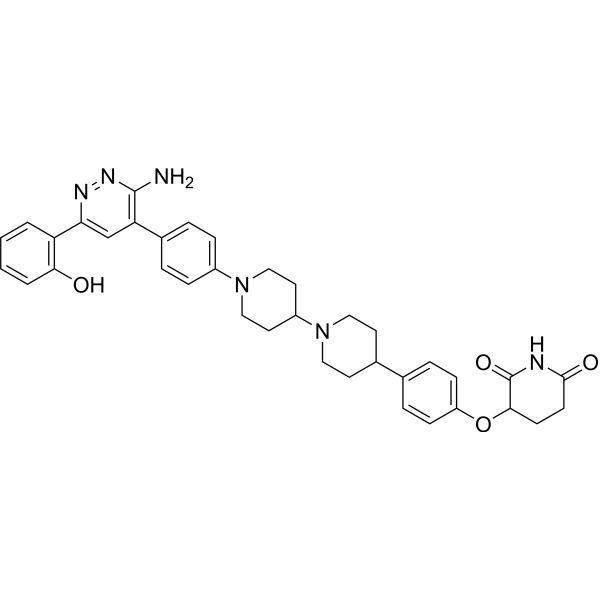
    UNC8209 is a selective PROTAC-based TANK-binding kinase 1 (TBK1) degrader. UNC8209 recruits cereblon (CRBN) to mediate ubiquitin-proteasome pathway-dependent TBK1 degradation and reduces AAK1, GAK, and AURKA abundance. UNC8209 suppresses tumor cell proliferation, impairs in vivo tumor growth, inhibits colony and clonogenic growth and enhances tumor cell sensitivity to TNFα or IFN-γ. UNC8209 modulates cell cycle and induces mild apoptosis. UNC8209 can be used for the research of clear cell renal cell carcinoma, non-small cell lung cancer, pancreatic ductal adenocarcinoma .
    UNC8209
  • HY-183257

    Autophagy Beclin1 Reactive Oxygen Species (ROS) p97 Cancer
    ATI-1 is an autophagy initiation inhibitor. ATI-1 targets valosin-containing protein (VCP/p97, disrupts its interaction with UFL1, impairs UFMylation homeostasis associated with VCP, promotes polyubiquitination and degradation of Beclin1, and blocks the formation of early autophagosomes. ATI-1 induces synergistic death of autophagy-dependent malignant tumor cells under nutrient deprivation conditions, accompanied by decreased mitochondrial membrane potential, reduced ROS levels and lysosomal stress. ATI-1 exhibits anti-tumor efficacy in a pancreatic adenocarcinoma xenograft mouse model. ATI-1 can be used for the research of pancreatic adenocarcinoma and lung cancer .
    ATI-1
  • HY-180292

    VEGFR Microtubule/Tubulin Reactive Oxygen Species (ROS) Apoptosis Cancer
    Tubulin/VEGFR-2-IN-2 is an orally active tubulin and VEGFR-2 inhibitor with IC50s of 3.27 and 0.09 μM, respectively. Tubulin/VEGFR-2-IN-2 exerts the antitumor effects through multifaceted pathways, including enhancing reactive oxygen species (ROS) generation, disrupting mitochondrial membrane potential, inducing apoptosis, and arresting the cell cycle. Tubulin/VEGFR-2-IN-2 demonstrates anti-angiogenic properties by significantly impairing endothelial cell migration, invasion, and tube formation in vitro. Tubulin/VEGFR-2-IN-2 suppresses angiogenesis, tumor growth, and metastasis in vivo. Tubulin/VEGFR-2-IN-2 can be used for non-small lung cancer, breast cancer, gastric cancer and lymphoma .
    Tubulin/VEGFR-2-IN-2
  • HY-182745

    VEGFR Apoptosis Cancer
    VEGFR-2-IN-85 is a strong VEGFR-2 inhibitor, with an IC50 value of 0.23 μM. VEGFR-2-IN-85 exhibits potent cytotoxic activity against multiple cancer cell lines with minimal toxicity toward normal cells. VEGFR-2-IN-85 also impairs cancer cell migration, likely through modulation of the VEGFR-2/p-Akt pathway. VEGFR-2-IN-85 can induce apoptosis through modulation of Caspase-3, Bax and Bcl-2. VEGFR-2-IN-85 arrests cell cycle at the G2/M phase and has anti-angiogenic activity. VEGFR-2-IN-85 is a targeted radiosensitizer enhancing radiation-induced cytotoxicity. VEGFR-2-IN-85 can be used for research on cancers such as non-small cell lung cancer, breast cancer, and liver cancer .
    VEGFR-2-IN-85
  • HY-182380

    STAT NOD-like Receptor (NLR) Apoptosis Others Neurological Disease Inflammation/Immunology Cancer
    ODZ10117 is a STAT3 and NLRP3 inhibitor with a human STAT3 SH2 domain IC50 of 7.5 μM. ODZ10117 binds to the STAT3 SH2 domain, suppressing tyrosine phosphorylation, dimerization, nuclear translocation, and transcriptional activity. ODZ10117 binds to NLRP3, impairs NEK7 interaction, prevents inflammasome formation, and inhibits caspase-1 and IL-1β cleavage.ODZ10117 reduces MSU (HY-B2130A)-induced IL-1β release, lowers LPS (HY-D1056)-induced sepsis mortality, and exhibits anti-inflammatory effects. ODZ10117 induces apoptosis, suppresses breast cancer cell migration and invasion, reduces tumor growth and lung metastasis, and extends survival in breast cancer models. ODZ10117 can be used for the research of Monosodium urate (HY-B2130A)-induced peritonitis, LPS-induced sepsis, breast cancer, glioblastoma, and Alzheimer's disease .
    ODZ10117

Inquiry Online

Your information is safe with us. * Required Fields.

Salutation


Country or Region *

Applicant Name *


Organization Name *

Department *


Email Address *


Product Name *

Cat. No.


Requested quantity *

Phone Number *


Remarks

Inquiry Online

Inquiry Information

Product Name:
Cat. No.:
Quantity:
MCE Japan Authorized Agent:

