1. Search Result
Search Result
Results for "

malaria

" in MedChemExpress (MCE) Product Catalog:

297

Inhibitors & Agonists

2

Screening Libraries

3

Fluorescent Dye

1

Biochemical Assay Reagents

8

Peptides

2

Inhibitory Antibodies

66

Natural
Products

21

Isotope-Labeled Compounds

3

Oligonucleotides

Cat. No. Product Name Target Research Areas Chemical Structure
  • HY-17589A
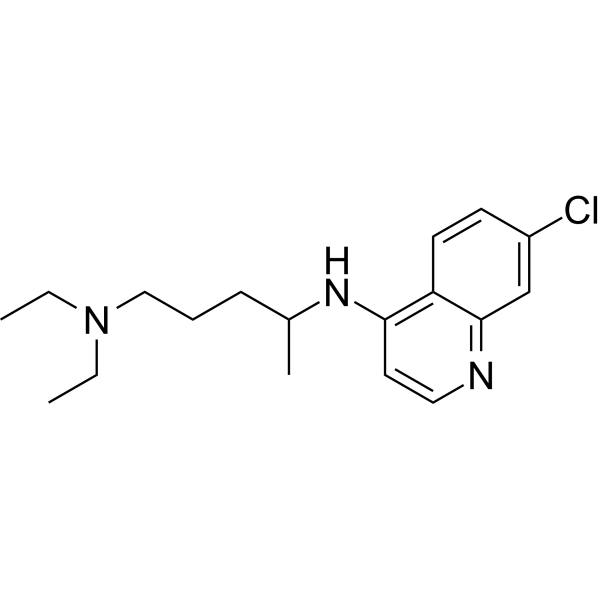
    Chloroquine
    Maximum Cited Publications
    1190 Publications Verification

    Parasite Autophagy SARS-CoV Toll-like Receptor (TLR) HIV Antibiotic Infection Inflammation/Immunology Cancer
    Chloroquine is an antimalarial and anti-inflammatory agent widely used to treat malaria and rheumatoid arthritis. Chloroquine is an autophagy and toll-like receptors (TLRs) inhibitor. Chloroquine is highly effective in the control of SARS-CoV-2 (COVID-19) infection in vitro (EC50=1.13 μM) .
    Chloroquine
  • HY-17589
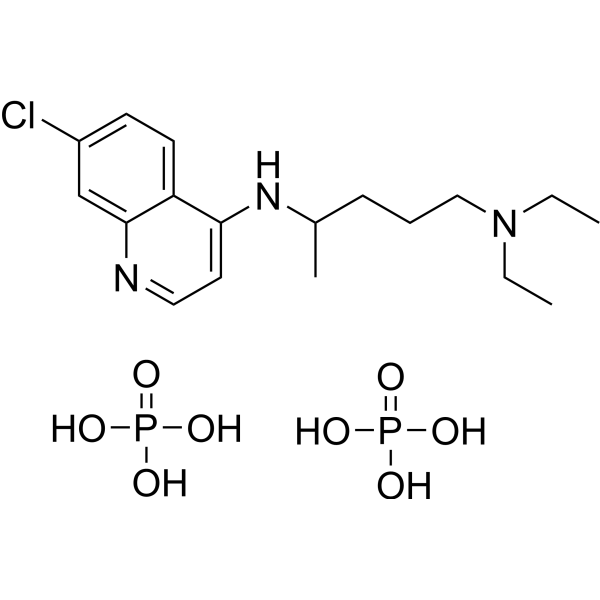
    Chloroquine phosphate
    Maximum Cited Publications
    1190 Publications Verification

    Parasite Autophagy SARS-CoV Toll-like Receptor (TLR) HIV Antibiotic Infection Inflammation/Immunology Cancer
    Chloroquine phosphate is an antimalarial and anti-inflammatory agent widely used to treat malaria and rheumatoid arthritis. Chloroquine phosphate is an autophagy and toll-like receptors (TLRs) inhibitor. Chloroquine phosphate is highly effective in the control of SARS-CoV-2 (COVID-19) infection in vitro (EC50=1.13 μM) .
    Chloroquine phosphate
  • HY-B1751
    Quinidine (15% dihydroquinidine)
    Maximum Cited Publications
    24 Publications Verification

    Potassium Channel Cytochrome P450 Apoptosis Parasite Infection Cardiovascular Disease Cancer
    Quinidine (15% dihydroquinidine) is an antiarrhythmic agent. Quinidine is a potent, orally active, selective cytochrome P450db inhibitor. Quinidine is also a K + channel blocker with an IC50 of 19.9 μM, and can induce apoptosis. Quinidine can be used for malaria research .
    Quinidine (15% dihydroquinidine)
  • HY-13832
    Atovaquone
    4 Publications Verification

    Atavaquone

    Parasite Cytochrome P450 Antibiotic Bacterial Infection Cancer
    Atovaquone (Atavaquone) is a potent, selective and orally active inhibitor of the parasite’s mitochondrial cytochrome bc1 complex. Atovaquone is against human and  P. falciparum cytochrome bc1 activity with IC50 values of 460 nM and 2.0 nM, respectively. Atovaquone is an antimalarial agent and has the potential for the investigation of neumocystis pneumonia, toxoplasmosis, malaria, and babesia .
    Atovaquone
  • HY-B1455
    Clindamycin
    10+ Cited Publications

    Bacterial Antibiotic Parasite Infection Cancer
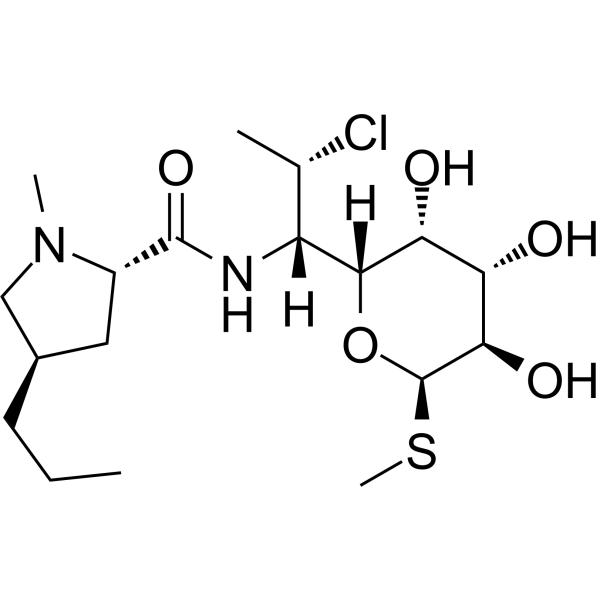
    Clindamycin is an orally active and broad-spectrum bacteriostatic lincosamide antibiotic. Clindamycin can inhibit bacterial protein synthesis, possessing the ability to suppress the expression of virulence factors in Staphylococcus aureus at sub-inhibitory concentrations (sub-MICs). Clindamycin resistance results from enzymatic methylation of the antibiotic binding site in the 50S ribosomal subunit (23S rRNA). Clindamycin decreases the production of Panton-Valentine leucocidin (PVL), toxic-shock-staphylococcal toxin (TSST-1) or alpha-haemolysin (Hla). Clindamycin also can be used for researching malaria .
    Clindamycin
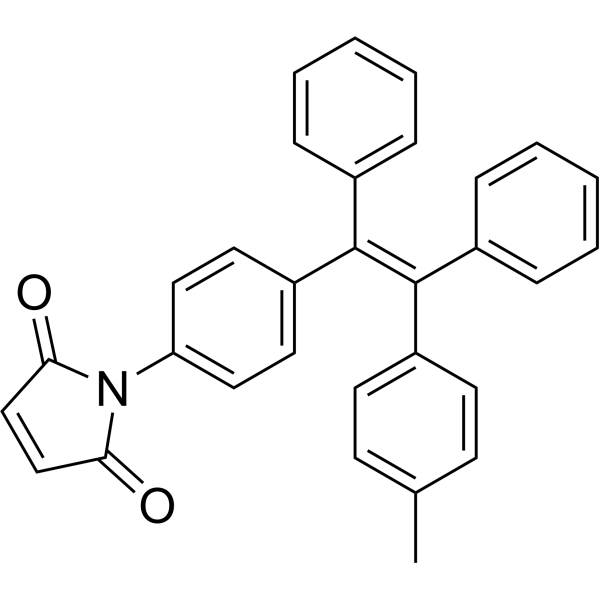
  • HY-143218
    TPE-MI
    10+ Cited Publications

    Tetraphenylethene maleimide

    Huntingtin Parasite Infection Neurological Disease
    TPE-MI (Tetraphenylethene maleimide) is a thiol probe for measuring unfolded protein load and proteostasis in cells (the excitation wavelength is 350 nm and the emission wavelength is 470 nm). TPE-MI can report imbalances in proteostasis in induced pluripotent stem cell models of Huntington disease, as well as cells transfected with mutant Huntington exon 1 before the formation of visible aggregates. TPE-MI also detects protein damage following dihydroartemisinin research of the malaria parasites Plasmodium falciparum .
    TPE-MI
  • HY-12651A
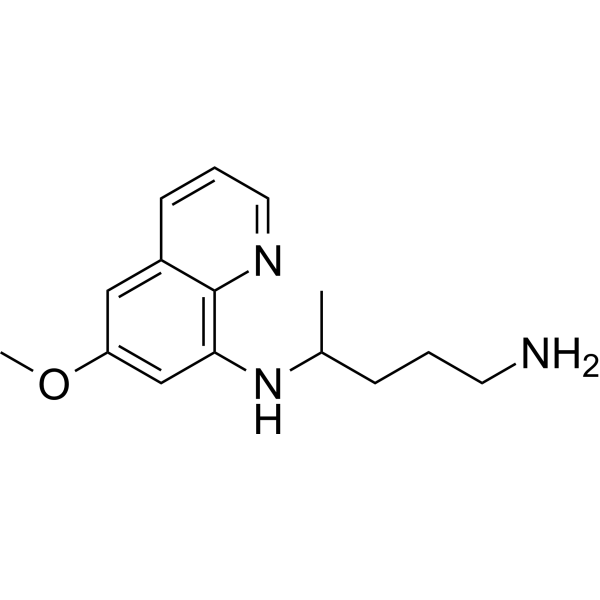
    Primaquine
    5+ Cited Publications

    Parasite Infection Cancer
    Primaquine is a potent antimalaria agent and a potent gametocytocide in falciparum malaria. Primaquine prevents relapse in vivax and ovale malaria .
    Primaquine
  • HY-12651
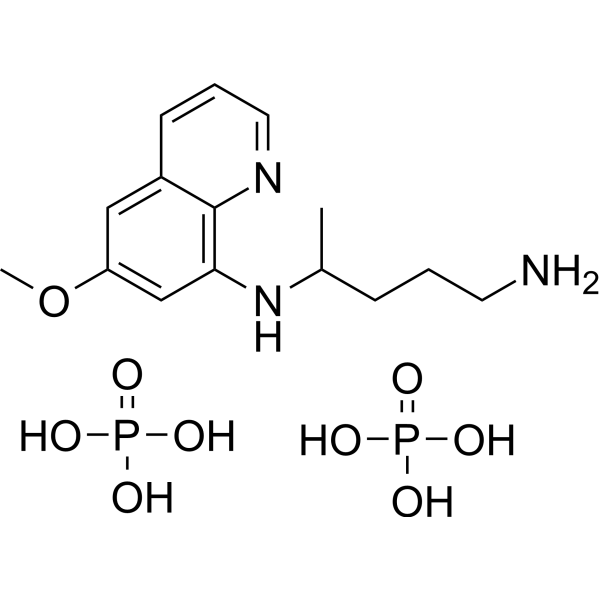
    Primaquine diphosphate
    5+ Cited Publications

    Primaquine phosphate; Primaquine bisphosphate

    Parasite Infection Cancer
    Primaquine diphosphate is a potent antimalaria agent and a potent gametocytocide in falciparum malaria. Primaquine diphosphate prevents relapse in vivax and ovale malaria .
    Primaquine diphosphate
  • HY-122218
    JHU-083
    5+ Cited Publications

    Glutaminase Neurological Disease
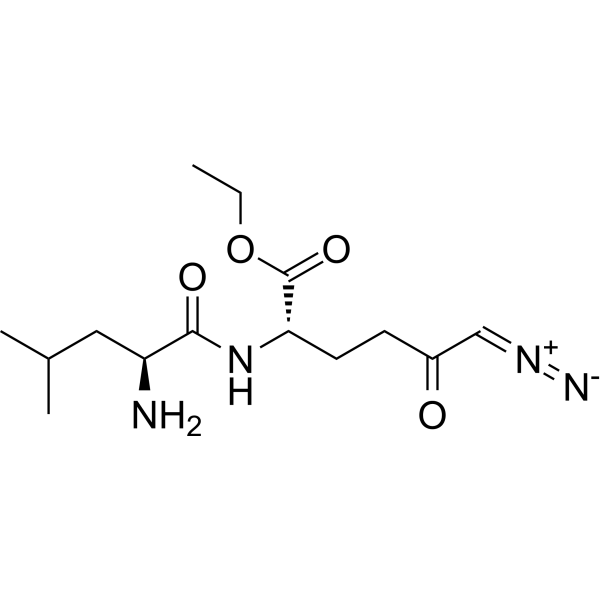
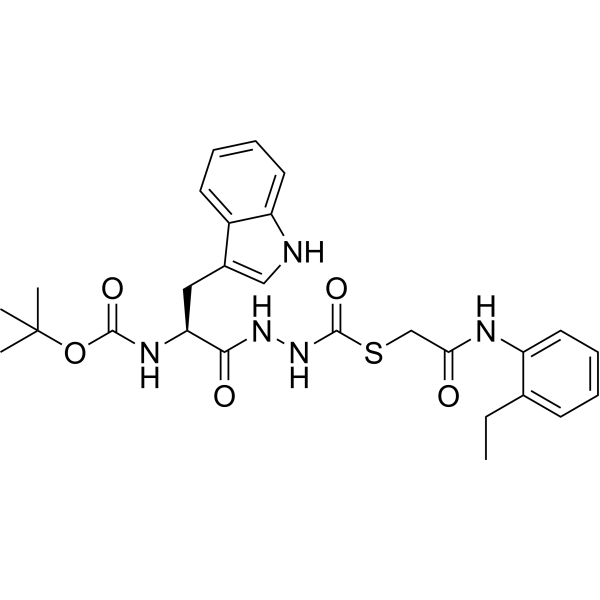
    JHU-083, a proagent of 6-diazo-5-oxo-L-norleucine (DON; HY-108357), is an orally active and selective glutaminase antagonist. JHU-083 blocks glutaminase activity in brain CD11b + cells and experimental cerebral malaria (ECM) resulting in a net decrease of glutamate levels in the animals .
    JHU-083
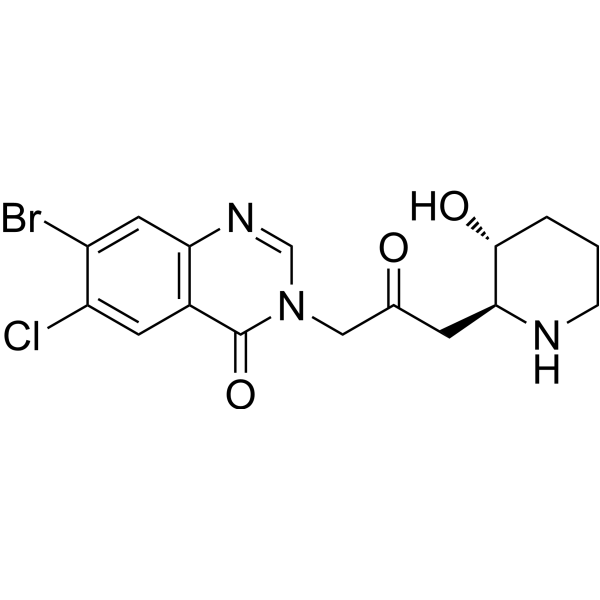
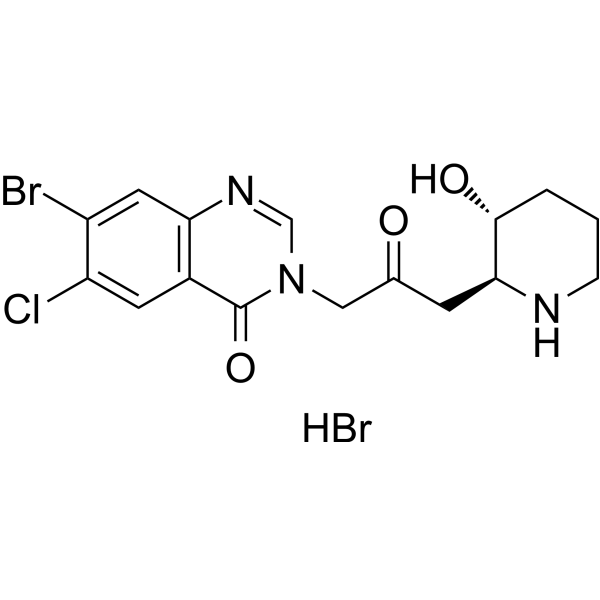
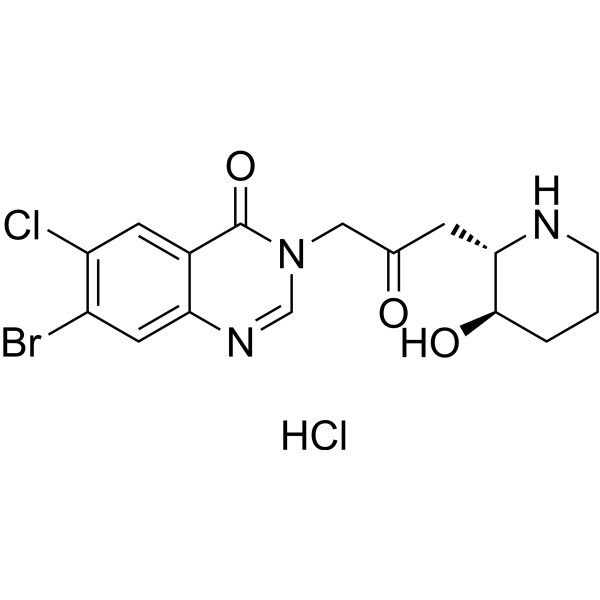
  • HY-A0148A
    Halofantrine hydrochloride
    2 Publications Verification

    SKF-102886; WR-171669 hydrochloride

    Parasite Fungal Reactive Oxygen Species (ROS) Potassium Channel Infection
    Halofantrine hydrochloride (SKF-102886 hydrochloride; WR-171669 hydrochloride) is a blocker that delays the delayed rectifier potassium current by inhibiting human ERG channels, and it is a potent antimalarial agent with oral activity. Halofantrine hydrochloride inhibits the Cap1-dependent oxidative stress response of Candida albicans, suppresses ROS responses, and enhances the antifungal (Fungal) activity of oxidative damage agents. Halofantrine hydrochloride exhibits antifungal activity in the Galleria mellonella model, and shows antimalarial activity against Plasmodium strains both in vitro and in animal models. Halofantrine hydrochloride can be used in studies related to invasive candidiasis, falciparum malaria, and vivax malaria .
    Halofantrine hydrochloride
  • HY-128554
    N-Desethyl amodiaquine
    1 Publications Verification

    Parasite Infection
    N-Desethyl amodiaquine is the biologically active metabolite of Amodiaquine (HY-B1322A). N-Desethyl amodiaquine is an antiparasitic agent, has inhibitory for strains V1/S and 3D7 with IC50 values of 97 nM and 25 nM, respectively. N-Desethyl amodiaquine can be used for the research of malaria .
    N-Desethyl amodiaquine
  • HY-17589B
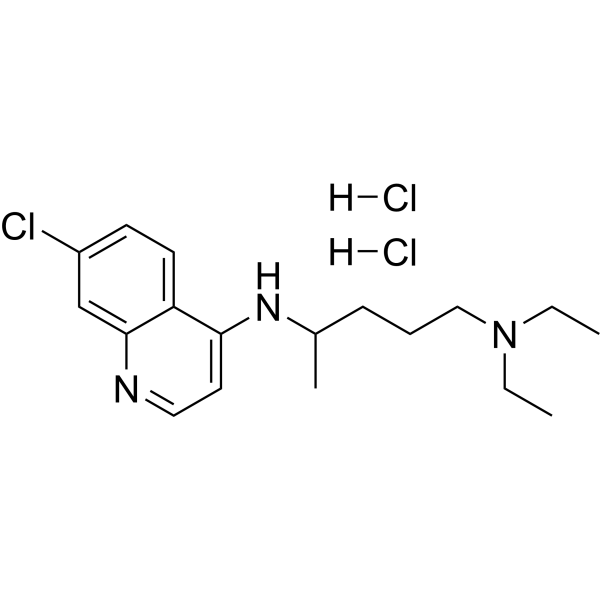
    Chloroquine dihydrochloride
    Maximum Cited Publications
    1190 Publications Verification

    Parasite Autophagy SARS-CoV Toll-like Receptor (TLR) HIV Antibiotic Infection Inflammation/Immunology Cancer
    Chloroquine dihydrochloride is an antimalarial and anti-inflammatory agent widely used to treat malaria and rheumatoid arthritis. Chloroquine dihydrochloride is an autophagy and toll-like receptors (TLRs) inhibitor. Chloroquine dihydrochloride is highly effective in the control of SARS-CoV-2 (COVID-19) infection in vitro (EC50=1.13 μM) .
    Chloroquine dihydrochloride
  • HY-103397
    Nanaomycin A
    4 Publications Verification

    Antibiotic DNA Methyltransferase Parasite Infection Cancer
    Nanaomycin A is the first selective DNMT3B inhibitor with an IC50 of 500 nM. Nanaomycin A, a quinone antibiotics, reactivates silenced tumor suppressor genes in human cancer cells . Nanaomycin A inhibits in vitro growth of the human malaria parasite Plasmodium falciparum with an IC80 value of 33.1 nM .
    Nanaomycin A
  • HY-150725

    IFNAR TNF Receptor Infection Inflammation/Immunology Cancer
    ODN 1585 is a potent inducer of IFN and TNFα production. ODN 1585 is a potent stimulator of NK (natural killer) function. ODN 1585 increases CD8+ T-cell function, including the CD8+ T cell-mediated production of IFN-γ. ODN 1585 induces regression of established melanomas in mice. ODN 1585 can confer complete protection against malaria in mice. ODN 1585 can be used for acute myelogenous leukemia (AML) and malaria research. ODN 1585 can be used as a vaccine adjuvant .
    ODN 1585
  • HY-14932
    Pafuramidine
    1 Publications Verification

    DB289

    Parasite Antibiotic Infection Neurological Disease
    Pafuramidine (DB289) is an orally active proagent of Furamidine (HY-110137A). Pafuramidine is a potent anti-parasitic agent, can be used to research trypanosomiasis, Pneumocystis pneumonia and malaria .
    Pafuramidine
  • HY-103353
    SID 26681509
    5 Publications Verification

    Cathepsin Parasite Infection Cancer
    SID 26681509 is a potent, reversible, competitive, and selective inhibitor of human cathepsin L with an IC50 of 56 nM. SID 26681509 inhibits in vitro propagation of malaria parasite Plasmodium falciparum and inhibits Leishmania major with IC50s of 15.4 μM and 12.5 μM, respectively. SID 26681509 shows no inhibitory activity against cathepsin G .
    SID 26681509
  • HY-76228

    Pyrazole

    Parasite iGluR Infection
    1H-pyrazole (Pyrazole) is a five-membered heterocyclic compound, and its derivatives are orally effective antimalarial and antileishmanial agents with the potential to modulate targets such as alcohol dehydrogenase and NMDA receptors. 1H-pyrazole derivatives exhibit inhibitory effects on Plasmodium berghei in infected mice and on promastigotes of Leishmania aethiopica, respectively. 1H-pyrazole can be used in research related to malaria and leishmaniasis .
    1H-pyrazole
  • HY-145964

    Parasite Haspin Kinase FLT3 Infection
    INE963 is a potent and fast-acting blood-stage antimalarial agent, with an EC50s of 3-6 nM. INE963 is potential for single-dose cures in uncomplicated malaria .
    INE963
  • HY-151561

    Parasite Infection
    WM382 is an orally active and potent dual plasmepsin IX/X (PMIX/X) inhibitor with IC50 values of 1.4 nM and 0.03 nM, respectively. WM382 has robust in vivo efficacy at multiple stages of the malaria parasite life cycle and an excellent resistance profile .
    WM382
  • HY-128554A
    N-Desethyl amodiaquine dihydrochloride
    1 Publications Verification

    Parasite Infection
    N-Desethyl amodiaquine dihydrochloride is the biologically active metabolite of Amodiaquine (HY-B1322A). N-Desethyl amodiaquine dihydrochloride is an antiparasitic agent, has inhibitory for strains V1/S and 3D7 with IC50 values of 97 nM and 25 nM, respectively. N-Desethyl amodiaquine dihydrochloride can be used for the research of malaria .
    N-Desethyl amodiaquine dihydrochloride
  • HY-B2031
    Pyriproxyfen
    1 Publications Verification

    S-31183

    Environmental Pollutants Autophagy Parasite Infection
    Pyriproxyfen is a juvenile hormone analog and insect growth regulator. Pyriproxyfen is used in research related to dengue fever and malaria .
    Pyriproxyfen
  • HY-17589AR
    Chloroquine (Standard)
    1 Publications Verification

    Reference Standards Parasite Autophagy SARS-CoV Toll-like Receptor (TLR) HIV Antibiotic Infection Inflammation/Immunology Cancer
    Chloroquine (Standard) is the analytical standard of Chloroquine. This product is intended for research and analytical applications. Chloroquine is an antimalarial and anti-inflammatory agent widely used to treat malaria and rheumatoid arthritis. Chloroquine is an autophagy and toll-like receptors (TLRs) inhibitor. Chloroquine is highly effective in the control of SARS-CoV-2 (COVID-19) infection in vitro (EC50=1.13 μM) .
    Chloroquine (Standard)
  • HY-P990219

    Interleukin Related Infection Inflammation/Immunology
    Anti-Mouse IL-2 Antibody (JES6-1A12) is an anti-mouse IL-2 IgG1 monoclonal antibody. Anti-Mouse IL-2 Antibody (JES6-1A12) can inhibit Treg amplification and enhance Th1 response. Anti-Mouse IL-2 Antibody (JES6-1A12) can form a complex with IL-2 for experimentation. Anti-Mouse IL-2 Antibody (JES6-1A12) can be used for research on infection conditions such as malaria .
    Anti-Mouse IL-2 Antibody (JES6-1A12)
  • HY-18684

    5'-Isobutylthioadenosine; 5'-Deoxy-5'-isobutylthioadenosine

    Nucleoside Antimetabolite/Analog HSV Parasite Infection Metabolic Disease Cancer
    SIBA (5'-Isobutylthioadenosine) is a transmethylation inhibitor (SAH (HY-19528) analogue), with potent anti-proliferative activity. SIBA reversibly inhibits the production of HSV-1 by blocking methylation, specifically by blocking the 5' end-capping of viral mRNA. SIBA also inhibits the growth of tumour cells in vitro and metastatic spread in vivo. SIBA can be used in cancer, HSV-1 infection and anti-malaria studies .
    SIBA
  • HY-N7583

    Parasite Infection
    Norcaesalpinin E, a C-17-norcassane-type diterpene found in Caesalpinia crista, is a Plasmodium falciparum growth inhibitor with an IC50 of 90 nM. Norcaesalpinin E induces dose-dependent growth inhibition of Plasmodium falciparum. Norcaesalpinin E can be used for the research of malaria .
    Norcaesalpinin E
  • HY-150725C

    TNF Receptor IFNAR Infection Inflammation/Immunology Cancer
    ODN 1585 sodium is a potent inducer of IFN and TNFα production. ODN 1585 sodium is a potent stimulator of NK (natural killer) function. ODN 1585 sodium increases CD8+ T-cell function, including the CD8+ T cell-mediated production of IFN-γ. ODN 1585 sodium induces regression of established melanomas in mice. ODN 1585 sodium can confer complete protection against malaria in mice. ODN 1585 sodium can be used for acute myelogenous leukemia (AML) and malaria research. ODN 1585 sodium can be used as a vaccine adjuvant .
    ODN 1585 sodium
  • HY-148433

    Parasite Infection Inflammation/Immunology
    SpdSyn binder-1 is a weak binder, which binds in the active site of plasmodium falciparum spermidine synthase. SpdSyn binder-1 can be used for the research of malaria .
    SpdSyn binder-1
  • HY-N1667

    Parasite Infection
    2',4'-Dihydroxy-6'-Methoxyacetophenone is a phenolic acetophenone from Artemisia annua. Artemisia annua is an analog of Artemisinin that is effective in the research of malaria .
    2',4'-Dihydroxy-6'-Methoxyacetophenone
  • HY-N7935

    Reactive Oxygen Species (ROS) Cardiovascular Disease Infection Cancer
    Procyanidin B5 is an antioxidant with a IC50 of 0.1 mM in lipid peroxidation assays using mouse liver homogenates. Procyanidin B5 scavenges superoxide anions and hydroxyl radicals, and inhibits lipid peroxidation. Procyanidin B5 can be used in research related to cardiovascular diseases, cancer, and malaria .
    Procyanidin B5
  • HY-117015

    Parasite Infection
    Purfalcamine is an orally active, selective Plasmodium falciparum calcium-dependent protein kinase 1 (PfCDPK1) inhibitor with an IC50 of 17 nM and an EC50 of 230 nM. Purfalcamine has antimalarial activity and causes malaria parasites developmental arrest at the schizont stage .
    Purfalcamine
  • HY-12651R

    Primaquine phosphate (Standard); Primaquine bisphosphate (Standard)

    Reference Standards Parasite Infection Cancer
    Primaquine (diphosphate) (Standard) is the analytical standard of Primaquine (diphosphate). This product is intended for research and analytical applications. Primaquine diphosphate is a potent antimalaria agent and a potent gametocytocide in falciparum malaria. Primaquine diphosphate prevents relapse in vivax and ovale malaria .
    Primaquine diphosphate (Standard)
  • HY-A0148

    SKF-102886 free base; WR-171669

    Parasite Fungal Potassium Channel Reactive Oxygen Species (ROS) Infection Cancer
    Halofantrine (SKF-102886 hydrochloride; WR-171669 hydrochloride) is a blocker that delays the delayed rectifier potassium current by inhibiting human ERG channels, and it is a potent antimalarial agent with oral activity. Halofantrine inhibits the Cap1-dependent oxidative stress response of Candida albicans, suppresses ROS responses, and enhances the antifungal (Fungal) activity of oxidative damage agents. Halofantrine exhibits antifungal activity in the Galleria mellonella model, and shows antimalarial activity against Plasmodium strains both in vitro and in animal models. Halofantrine can be used in studies related to invasive candidiasis, falciparum malaria, and vivax malaria .
    Halofantrine
  • HY-B1751D

    Cytochrome P450 Parasite Potassium Channel Apoptosis Infection Cardiovascular Disease Cancer
    Quinidine sulfate dihydrate is an antiarrhythmic agent. Quinidine sulfate dihydrate is a potent, orally active, selective cytochrome P450db inhibitor. Quinidine sulfate dihydrate is also a K + channel blocker with an IC50 of 19.9 μM, and can induce apoptosis. Quinidine sulfate dihydrate can be used for malaria research .
    Quinidine sulfate dihydrate
  • HY-17656

    Parasite Infection
    C3361 is a moderate specific Plasmodium falciparum hexose transporter 1 (PfHT1) and Plasmodium berghei hexose transporter 1 (PbHT1) inhibitor with Ki values of 8.6 and 9.4 μM. C3361 inhibits TgGT1 with a Ki of 82 μM. C3361 attenuates hepatic (IC50 = 15 μM) and ookinete development of P. berghei. C3361 can suppress the growth of blood-stage parasites. C3361 can be used for the research of infection, such as malaria .
    C3361
  • HY-DY1024

    Huntingtin Parasite Infection Neurological Disease
    TPE-MI (Tetraphenylethene maleimide) (solution) is a thiol probe for measuring unfolded protein load and proteostasis in cells (the excitation wavelength is 350 nm and the emission wavelength is 470 nm). TPE-MI can report imbalances in proteostasis in induced pluripotent stem cell models of Huntington disease, as well as cells transfected with mutant Huntington exon 1 before the formation of visible aggregates. TPE-MI also detects protein damage following dihydroartemisinin research of the malaria parasitesPlasmodium falciparum .
    Solvent and concentration: DMSO: 10 mM
    TPE-MI (solution)
  • HY-174134

    PI4K PKG Parasite Infection
    PI4Kβ/PKG-IN-2 (Compound 20) is an orally active dual inhibitor of Plasmodium phosphatidylinositol 4-kinase beta (PI4Kβ) and cGMP-dependent protein kinase (PKG). PI4Kβ/PKG-IN-2 has potent inhibitory effects on Plasmodium. PI4Kβ/PKG-IN-2 is promising for research of malaria .
    PI4Kβ/PKG-IN-2
  • HY-129684

    Toll-like Receptor (TLR) Infection Inflammation/Immunology
    IAXO-101 iodide is a TLR4/CD14 blocker. IAXO-101 iodide can inhibit the innate immune pathway of CD14. IAXO-101 iodide is capable of improving the recording performance of intracortical microelectrodes in mice. IAXO-101 iodide can also partially alleviate fetal growth restriction, placental vascular damage, and reduce the level of the inflammatory factor TNF-α in pregnant mice infected with malaria. IAXO-101 iodide can be used in the research of gestational malaria and inflammatory diseases .
    IAXO-101 iodide
  • HY-B1751R

    Reference Standards Potassium Channel Cytochrome P450 Apoptosis Parasite Infection Cardiovascular Disease Cancer
    Quinidine (15% dihydroquinidine) (Standard) is the analytical standard of Quinidine (15% dihydroquinidine). This product is intended for research and analytical applications. Quinidine (15% dihydroquinidine) is an antiarrhythmic agent. Quinidine is a potent, orally active, selective cytochrome P450db inhibitor. Quinidine is also a K+ channel blocker with an IC50 of 19.9 μM, and can induce apoptosis. Quinidine can be used for malaria research .
    Quinidine (15% dihydroquinidine) (Standard)
  • HY-134914

    Antibiotic Parasite Infection
    Fosmidomycin is an orally active antibiotic, which exhibits antimalarial activity through inhibition of 1-deoxy-D-xylulose 5-phosphate reductoisomerase (DOXP reductoisomerase). Fosmidomycin inhibits P. falciparum strains 3D7, HB3, Dd2 and A2, with IC50s of 150, 71, 170 and 150 ng/mL, respectively. Fosmidomycin exhibits synergistic effect with Clindamycin (HY-B1455), and ameliorates malaria in mouse model .
    Fosmidomycin
  • HY-101672

    FBS 0701

    Ferroptosis Parasite Infection
    Deferitazole (FBS 0701) is an orally active iron chelator. Deferitazole shows antimalarial activity and Can be used for study of malaria .
    Deferitazole
  • HY-175362

    Parasite Infection
    WEHI-326 is a potent antimalarial agent targeting Plasmodium falciparum ROM8 and CSC1 proteins (IC50=0.006 μM). WEHI-326 is promising for research of malaria .
    WEHI-326
  • HY-174342

    Cytochrome P450 Parasite Infection
    ELQ-453 is an inhibitor targeting the Qo site of the Plasmodium falciparum cytochrome bc1 complex (CytB) with an IC50 value of 0.57 nM. ELQ-453 blocks the mitochondrial function of the parasite, and suppresses Plasmodium infection in mosquitoes. ELQ-453 is promising for research of malaria .
    ELQ-453
  • HY-N1667R

    Reference Standards Parasite Infection
    2',4'-Dihydroxy-6'-Methoxyacetophenone is a phenolic acetophenone from Artemisia annua. Artemisia annua is an analog of Artemisinin that is effective in the research of malaria .
    2',4'-Dihydroxy-6'-Methoxyacetophenone (Standard)
  • HY-136448

    Parasite Infection
    SJ000025081 is a dihydropyridine and acts as a potent antimalarial agent. SJ000025081 results in an obvious suppression of the parasitemia in a murine malaria model infected with P. yoelii .
    SJ000025081
  • HY-B1751F

    Parasite Potassium Channel Cytochrome P450 Apoptosis Infection Cardiovascular Disease Cancer
    Quinate is an antiarrhythmic agent. Quinate is a potent, orally active, selective cytochrome P450db inhibitor. Quinate is also a K + channel blocker with an IC50 of 19.9 μM, and can induce apoptosis. Quinate can be used for malaria research .
    Quinidine gluconic acid
  • HY-149289

    Parasite DNA Methyltransferase Others
    DNMT-IN-3 is an DNA Methyltransferase (DNMT) inhibitor, and plays an antimalarial role with IC50 of 60 nM against Plasmodium falciparum (Plasmodium). DNMT-IN-3 can be used for malaria related research .
    DNMT-IN-3
  • HY-B1751A

    Parasite Potassium Channel Cytochrome P450 Apoptosis Infection Cardiovascular Disease Cancer
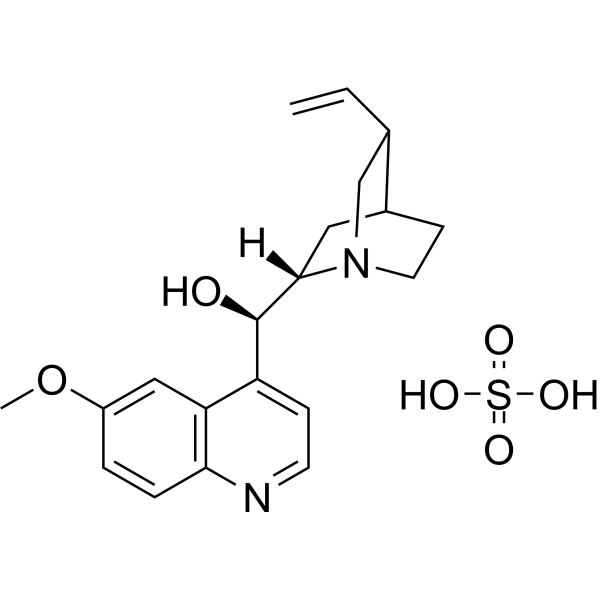
    Quinidine Monosulfate is an antiarrhythmic agent. Quinidine Monosulfate is a potent, orally active, selective cytochrome P450db inhibitor. Quinidine Monosulfate is also a K + channel blocker with an IC50 of 19.9 μM, and can induce apoptosis. Quinidine Monosulfate can be used for malaria research .
    Quinidine sulfate
  • HY-B1751E

    Potassium Channel Cytochrome P450 Apoptosis Parasite Infection Cardiovascular Disease Cancer
    Quinidine polygalacturonate is an antiarrhythmic agent. Quinidine polygalacturonate is a potent, orally active, selective cytochrome P450db inhibitor. Quinidine polygalacturonate is also a K + channel blocker with an IC50 of 19.9 μM, and can induce apoptosis. Quinidine polygalacturonate can be used for malaria research .
    Quinidine polygalacturonate
  • HY-175732

    PI4K Parasite Infection
    PI4Kβ-IN-1 is an orally active and selective PI4Kβ inhibitor, with an IC50 of 0.9 nM. PI4Kβ-IN-1 exhibits inhibitory activity against all stages of the P. falciparum life cycle, including blood, liver, and transmission stages. PI4Kβ-IN-1 demonstrates potent antimalarial efficacy in the mouse model infected with Plasmodium falciparum. PI4Kβ-IN-1 can be used for the study of malaria caused by Plasmodium falciparum .
    PI4Kβ-IN-1
  • HY-13832R

    Atavaquone (Standard)

    Reference Standards Parasite Cytochrome P450 Antibiotic Bacterial Infection Cancer
    Atovaquone (Standard) is the analytical standard of Atovaquone. This product is intended for research and analytical applications. Atovaquone (Atavaquone) is a potent, selective and orally active inhibitor of the parasite’s mitochondrial cytochrome bc1 complex. Atovaquone is against human and  P. falciparum cytochrome bc1 activity with IC50 values of 460 nM and 2.0 nM, respectively. Atovaquone is an antimalarial agent and has the potential for the investigation of neumocystis pneumonia, toxoplasmosis, malaria, and babesia .
    Atovaquone (Standard)

Inquiry Online

Your information is safe with us. * Required Fields.

Salutation


Country or Region *

Applicant Name *


Organization Name *

Department *


Email Address *


Product Name *

Cat. No.


Requested quantity *

Phone Number *


Remarks

Inquiry Online

Inquiry Information

Product Name:
Cat. No.:
Quantity:
MCE Japan Authorized Agent:

