1. Search Result
Search Result
Pathways Recommended: Membrane Transporter/Ion Channel
Results for "

metal ion chelator

" in MedChemExpress (MCE) Product Catalog:

34

Inhibitors & Agonists

2

Fluorescent Dyes

3

Biochemical Assay Reagents

7

Natural
Products

3

Isotope-Labeled Compounds

1

Oligonucleotides

Targets Recommended:
Cat. No. Product Name Target Research Areas Chemical Structure
  • HY-100138

    Radionuclide-Drug Conjugates (RDCs) ADC Linker Cancer
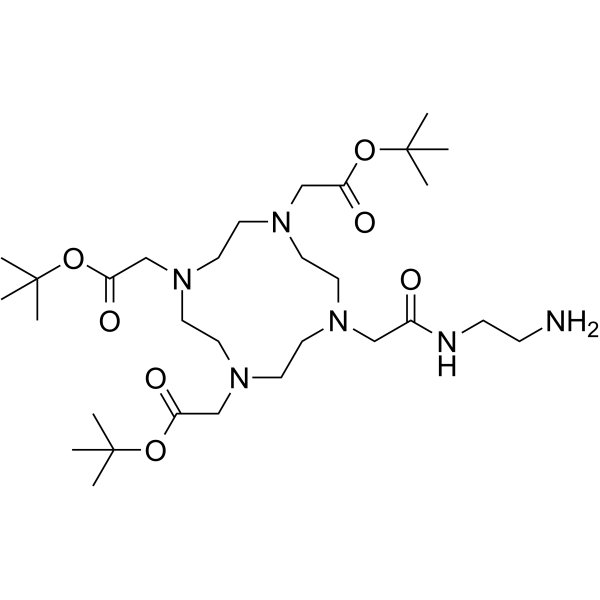
    2-Aminoethyl-mono-amide-DOTA-tris(tBu ester) is a metal chelator precursor containing a DOTA macrocyclic structure. DOTA can form highly stable complexes with metal ions (such as 68Ga, 177Lu) through four nitrogen atoms and four carboxylic acid groups to mediate targeted delivery of radionuclides. The tert-butyl ester group (tBu ester) of 2-Aminoethyl-mono-amide-DOTA-tris(tBu ester) also protects the carboxylic acid group during synthesis, and forms a free carboxyl group after deprotection reaction for coupling with targeting molecules (such as antibodies, peptides). 2-Aminoethyl-mono-amide-DOTA-tris(tBu ester) may be combined with tumor pre-targeting systems through bioorthogonal reactions (such as reverse electron demand Diels-Alder reaction) to study radioactive imaging or therapy of tumor tissues, and is mainly used in tumor pre-targeting research in the field of nuclear medicine .
    2-Aminoethyl-mono-amide-DOTA-tris(tBu ester)
  • HY-N0928
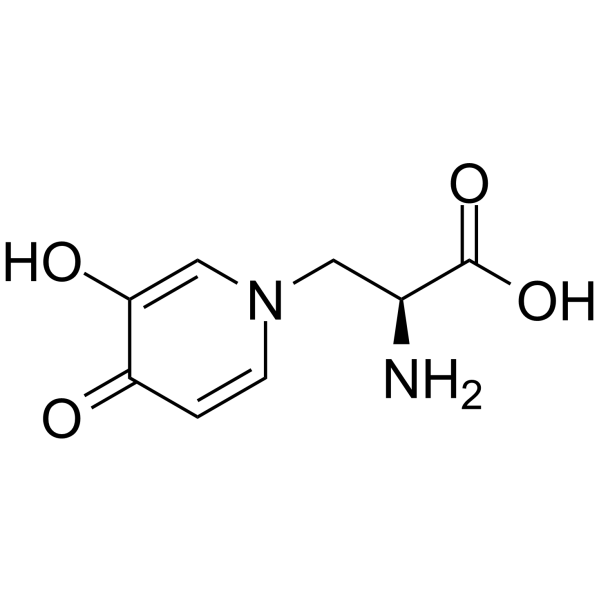
    Mimosine
    4 Publications Verification

    Apoptosis Inflammation/Immunology Cancer
    Mimosine, a tyrosine analog , can act as an antioxidant by its potent iron-binding activity . Mimosine is a known chelator of Fe(III) . Mimosine induces apoptosis through metal ion chelation, mitochondrial activation and ROS production in human leukemic cells . Anti-cancer, antiinflammation.
    Mimosine
  • HY-W012788
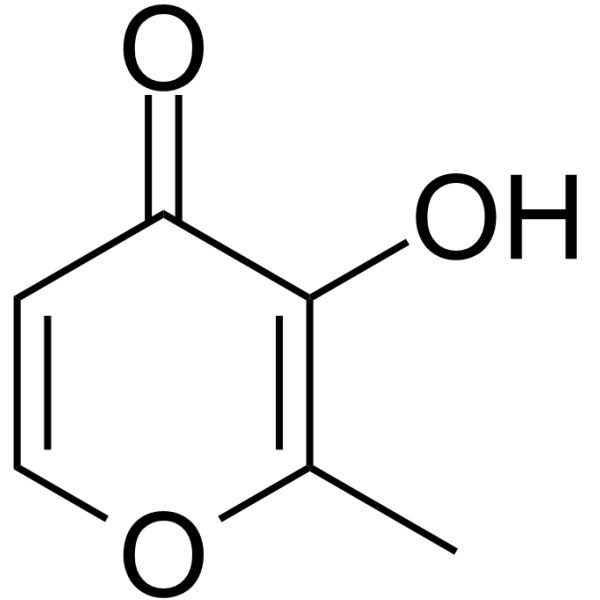
    Maltol
    2 Publications Verification

    Environmental Pollutants Endogenous Metabolite Apoptosis Infection Neurological Disease
    Maltol, a type of aromatic compound, is an antioxidant agent. Maltol enhances neural function by mitigating oxidative stress and cell apoptosis. Maltol is an inhibitor of oxidative damage in nerve cells and is effective in preventing diabetic peripheral neuropathy (DPN). Maltol is used extensively as a safe flavoring agent and food preservative. Maltol is a metal ion chelator that can be used in the field of catalysis, cosmetics, and medicine .
    Maltol
  • HY-Y0682S

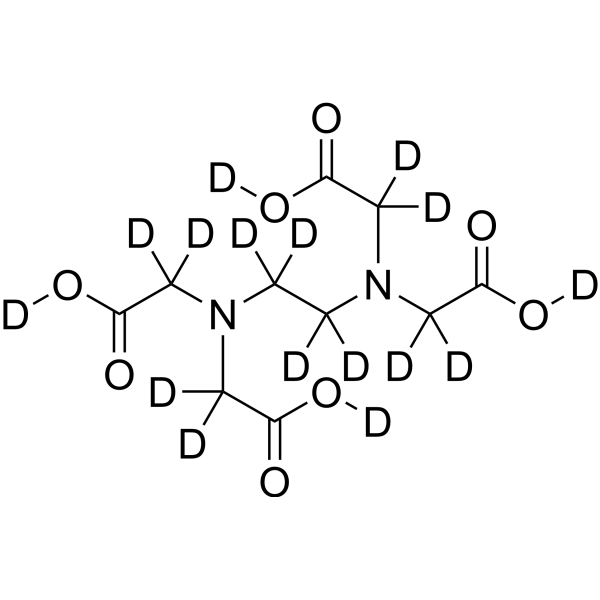
    EDTA-d12

    Isotope-Labeled Compounds Neurological Disease
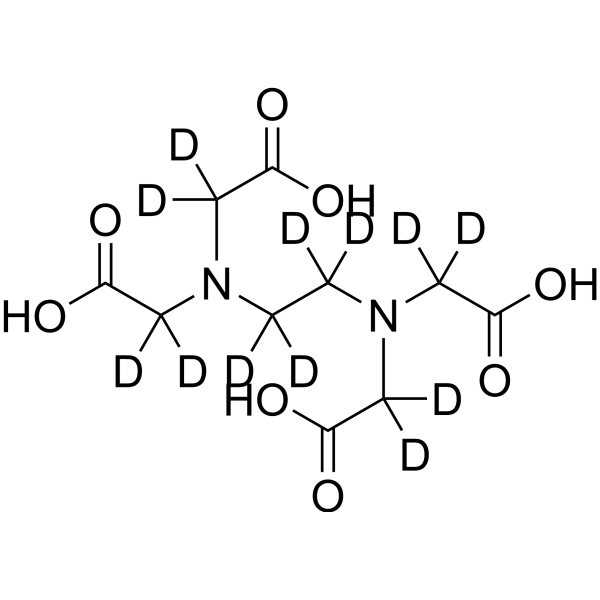
    Ethylenediaminetetraacetic acid-d12 is the deuterium labeled Ethylenediaminetetraacetic acid . Ethylenediaminetetraacetic acid (EDTA) is a metal chelators (binds to metal divalent and trivalent cations including calcium), which shows activities of anticoagulant and anti-hypercalcemic. Ethylenediaminetetraacetic acid decreases the metal ion-catalyzed oxidative damage to proteins, and allows maintenance of reducing environment during protein purification. Ethylenediaminetetraacetic acid can also decrease the formation of disulfide bonds .
    Ethylenediaminetetraacetic acid-d12
  • HY-D0836
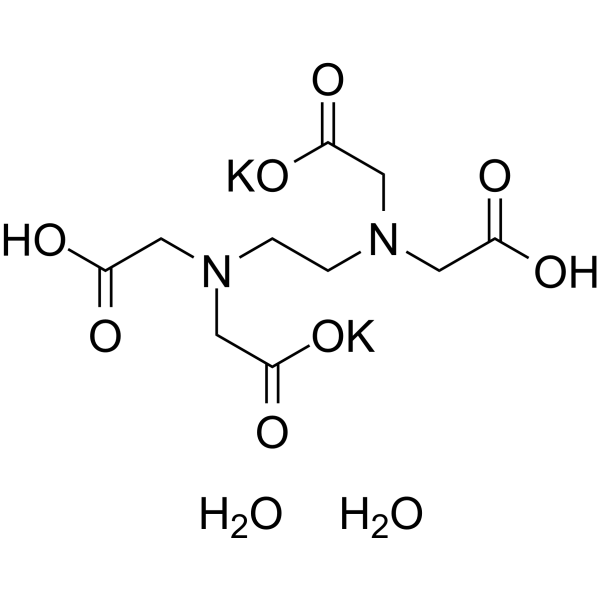
    EDTA dipotassium dihydrate
    25+ Cited Publications

    Ethylenediaminetetraacetic acid dipotassium dihydrate

    DNA/RNA Synthesis Others
    EDTA dipotassium dihydrate is a metal ion chelator that forms stable and water-soluble chelates with a variety of metal ions. EDTA dipotassium is commonly used as a blood anticoagulant, which can effectively prevent blood coagulation and maintain the morphology and function of cells in blood samples. In the industrial field, EDTA dipotassium can be used to remove the adverse effects of metal ions and prevent oxidation and deterioration caused by metal ions .
    EDTA dipotassium dihydrate
  • HY-164569

    Radionuclide-Drug Conjugates (RDCs) Cancer
    NH2 DOTA-GA is a DOTA-based metal chelator that can be used to prepare radionuclide drug conjugates (RDCs) whose carboxylic acid groups can complex metal ions, for example, NH2 DOTA-GA complexes Gd(III) ions.
    NH2 DOTA-GA
  • HY-W011060

    4,7,13,16,21,24-Hexaoxa-1,10-diazabicyclo[8.8.8]hexacosane

    Biochemical Assay Reagents Others
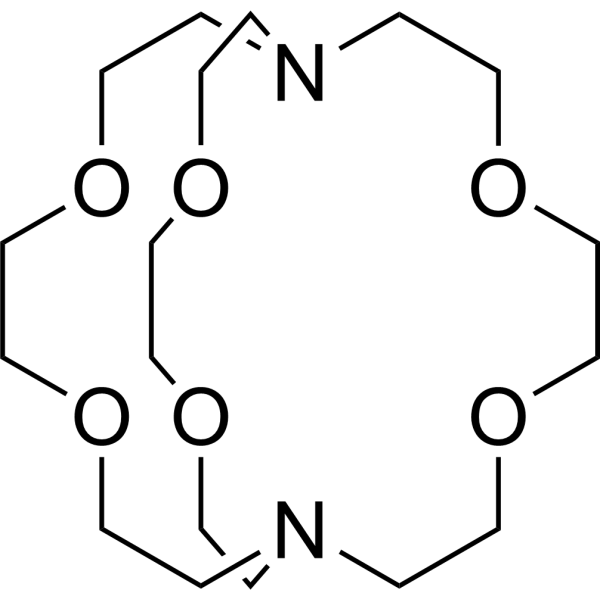
    Cryptand 2.2.2 (4,7,13,16,21,24-Hexaoxa-1,10-diazabicyclo[8.8.8]hexacosane) is a metal ion chelator. Cryptand 2.2.2 forms stable mononuclear, protonated and dinuclear complexes with copper (II) ions; forms protonated complexes with hydrogen ions; and also forms stable complexes with Zn 2+, Co 2+, Ni 2+, Cd 2+, Hg 2+ and Pb 2+ ions. Cryptand 2.2.2 can be used for the preparation of nanoparticles, transition metal compounds, etc.
    Cryptand 2.2.2
  • HY-126823

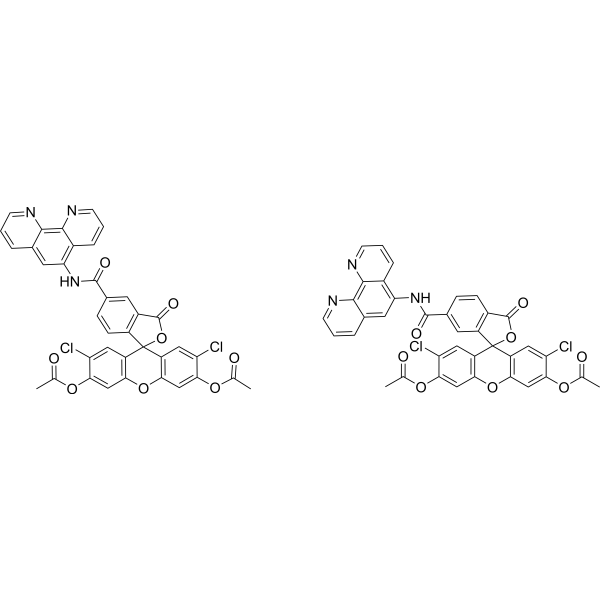
    PGSK diacetate (5/6-mixture)

    Fluorescent Dye Others
    Phen green SK (PGSK) diacetate (PGSK diacetate (5/6-mixture)) is a metal ion-sensitive fluorescent probe that can penetrate cell membranes. Phen green SK (PGSK) diacetate can react with a variety of metal ions, including Fe 2+, Cd 2+, Co 2+, Ni 2+, Zn 2+, etc. Phen green SK (PGSK) diacetate chelates Fe 2+, resulting in fluorescence quenching, which can be restored when a membrane-permeable chelator is added, thereby reflecting the changes in the intracellular chelatable iron pool. The excitation/emission maxima of Phen green SK diacetate are 507/532 nm, respectively .
    Phen Green SK diacetate (5/6-mixture)
  • HY-W047709

    THEED; THEEN

    Biochemical Assay Reagents Bacterial Fungal Infection Cancer
    N,N,N',N'-Tetrakis(2-hydroxyethyl)ethylenediamine (THEED; THEEN) is a tetrapodal pentadentate chelating ligand that functions as a chelator to form stable complexes with metal ions. N,N,N',N'-Tetrakis(2-hydroxyethyl)ethylenediamine serves as a versatile building block for organic synthesis, a reagent for metal extraction, and an auxiliary for catalytic reactions. N,N,N',N'-Tetrakis(2-hydroxyethyl)ethylenediamine-derived metal complexes exhibit antibacterial, antifungal, and anticancer activities. N,N,N',N'-Tetrakis(2-hydroxyethyl)ethylenediamine and its metal complexes can be used for research related to breast cancer, leukemia, various bacterial and fungal infections .
    N,N,N',N'-Tetrakis(2-hydroxyethyl)ethylenediamine
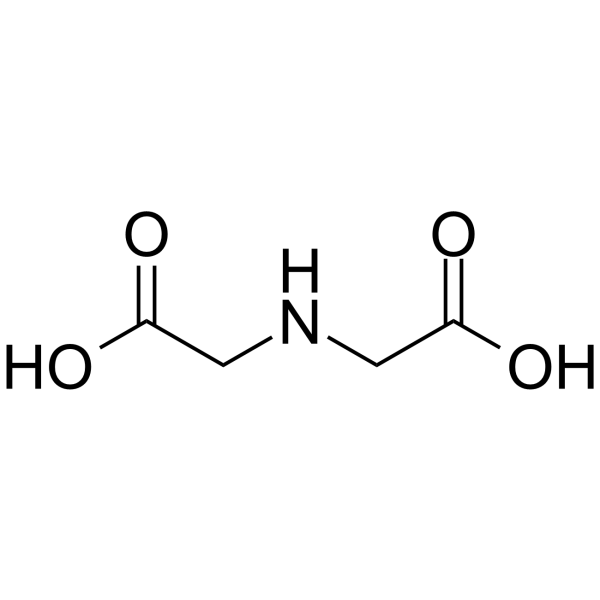
  • HY-W012683

    Biochemical Assay Reagents Cancer
    Iminodiacetic acid is a metal ion chelator targeting Cr 6+, Cd 2+, Ni 2+, and Pb 2+. Iminodiacetic acid selectively and irreversibly binds metal ions through the coordination of carboxyl and imino groups, reduces the toxicity of metal ions and promotes their adsorption and separation. Iminodiacetic acid has the functions of heavy metal ion removal and coordination complex stabilization. Iminodiacetic acid is often used in environmental pollution control (such as heavy metal adsorption in water) and coordination chemistry (such as metal ion detection and separation) research .
    Iminodiacetic acid
  • HY-D0179

    Biochemical Assay Reagents Infection Cardiovascular Disease
    Cyclam is a metal chelator that forms metal complexes with a variety of metal ions. Cyclam metal complexes exhibits anti-HIV (such as AMD3100), nitric oxide (NO) releasing and scavenging (such as Zn(II)-Cyclam and Ru(II)-Cyclam), and SOD mimetic (such as Mn(III)-Cyclam and Zn(II)-Cyclam) activities .
    Cyclam
  • HY-103528

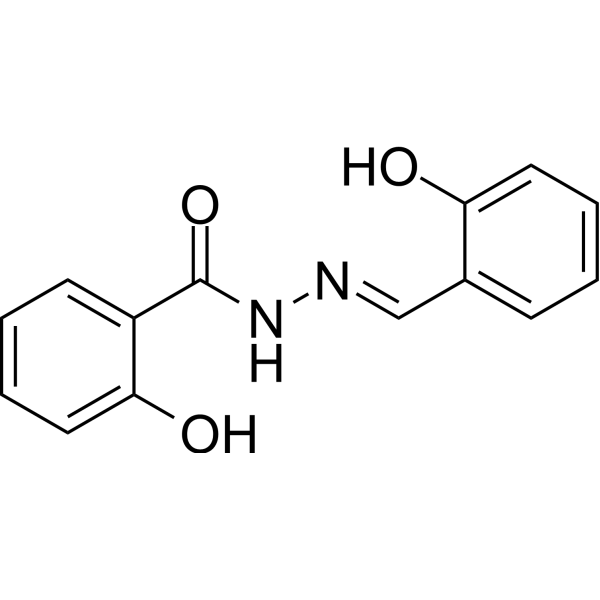
    Salicylidene salicylhydrazide

    GABA Receptor Neurological Disease Inflammation/Immunology
    SCS (Salicylidene salicylhydrazide) is a potent, allosteric and selective inhibitor of β1-containing GABAA receptors with an IC50 of 32 nM against α2β1γ1θ by VIPR measurement. SCS is also a chelator of metal ions .
    SCS
  • HY-D1746
    EDTA-AM
    2 Publications Verification

    EDTA acetoxymethyl ester; Ethylenediaminetetraacetic acid acetoxymethyl ester

    Biochemical Assay Reagents Mitosis Others
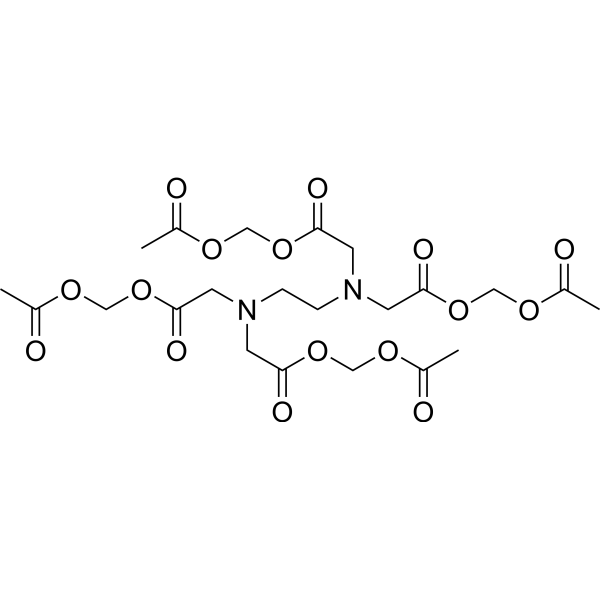
    EDTA-AM (ethylenediaminetetraacetic acid, acetoxymethyl ester) is the membrane-permeant form of the metal chelator EDTA (HY-Y0682). Live cells passively load EDTA-AM by incubating with EDTA-AM. Once internalized, cytoplasmic esterase decomposes AM esters, releasing the active ligand EDTA, which isolates metal ions within the cell. EDTA-AM induces an arrest of mitotic progression and chromosome decondensation .
    EDTA-AM
  • HY-164574

    Biochemical Assay Reagents Radionuclide-Drug Conjugates (RDCs) Others
    BCN-DOTA is a cyclooctyne-linked DOTA chelator. BCN-DOTA integrates BCN and DOTA, enabling conjugation with azide-functionalized groups via the click chemistry properties of BCN, while binding to metal ions through the coordination capacity of DOTA. BCN-DOTA can serve as a radionuclide-drug conjugate (RDC) to target specific biomolecules, cells or tissues after radiolabeling with zirconium-89. BCN-DOTA is applicable to research related to PET imaging and targeted therapy .
    BCN-DOTA
  • HY-45290

    Biochemical Assay Reagents Others
    trans-1,2-Cyclohexanediaminetetraacetic acid is a commonly used aminopolycarboxylic acid and a strong chelator of heavy metal ions .
    trans-1,2-Cyclohexanediaminetetraacetic acid
  • HY-W105699

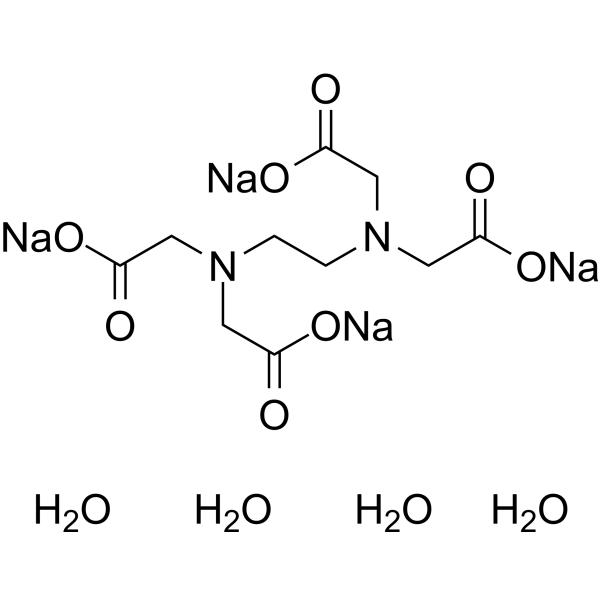
    Ethylenediaminetetraacetic acid tetrasodium tetrahydrate

    Environmental Pollutants Biochemical Assay Reagents Others
    EDTA tetrasodium tetrahydrate is a metal chelator (binds to metal divalent and trivalent cations including calcium), which shows activities of anticoagulant and anti-hypercalcemic. EDTA tetrasodium tetrahydrate decreases the metal ion-catalyzed oxidative damage to proteins, and allows maintenance of reducing environment during protein purification. EDTA tetrasodium tetrahydrate can also decrease the formation of disulfide bonds .
    EDTA tetrasodium tetrahydrate
  • HY-Y0682S1

    EDTA-d16

    Isotope-Labeled Compounds Neurological Disease
    Ethylenediaminetetraacetic acid-d16 is the deuterium labeled Ethylenediaminetetraacetic acid . Ethylenediaminetetraacetic acid (EDTA) is a metal chelators (binds to metal divalent and trivalent cations including calcium), which shows activities of anticoagulant and anti-hypercalcemic. Ethylenediaminetetraacetic acid decreases the metal ion-catalyzed oxidative damage to proteins, and allows maintenance of reducing environment during protein purification. Ethylenediaminetetraacetic acid can also decrease the formation of disulfide bonds .
    Ethylenediaminetetraacetic acid-d16
  • HY-D1641

    Fluorescent Dye Others
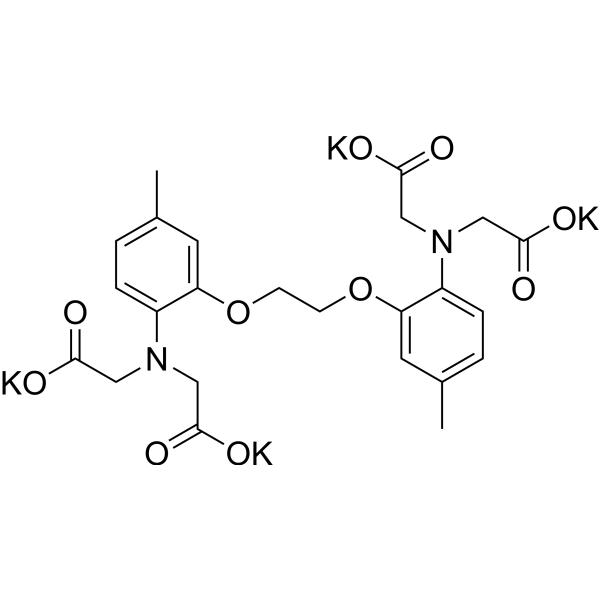
    5,5'-Dimethyl BAPTA tetrapotassium is a water-soluble, extracellular membrane metal chelator with relative selectivity for calcium ions .
    5,5'-Dimethyl BAPTA tetrapotassium
  • HY-131673

    Biochemical Assay Reagents Others
    p-SCN-Bn-TCMC tetrahydrochloride is a bifunctional chelator that exhibits high reactivity due to its powerful TCMC component, making it effective for binding radio-isotopic heavy metal ions, which are essential in radio-diagnostic imaging applications.
    p-SCN-Bn-TCMC tetrahydrochloride
  • HY-W1113135

    Biochemical Assay Reagents Others
    Carboxymethyl-β-cyclodextrin sodium salt is a negatively charged β-cyclodextrin derivative, as well as a metal ion chelator and solubilizing reagent. Carboxymethyl-β-cyclodextrin sodium salt forms stable aqueous complexes with Ba 2+, Ca 2+, Cd 2+, Ni 2+, Pb 2+, Sr 2+, and Zn 2+ ions. Carboxymethyl-β-cyclodextrin sodium salt derived hydrogel carriers support oral insulin delivery via paracellular permeation across Caco-2 monolayers and produce sustained hypoglycemic effects in diabetic mice. Carboxymethyl-β-cyclodextrin sodium salt can be conjugated onto folate-modified BSA nanoparticles to boost folate receptor-mediated endocytosis, elevate intracellular anticancer drug uptake and trigger cell apoptosis. Carboxymethyl-β-cyclodextrin sodium salt can be utilized for chiral separation in capillary electrophoresis, development of nanoscale drug carriers and nucleic acid transfection research .
    Carboxymethyl-β-cyclodextrin sodium salt
  • HY-W012683R

    Biochemical Assay Reagents Reference Standards Cancer
    Iminodiacetic acid is a metal ion chelator targeting Cr6+, Cd2+, Ni2+, and Pb2+. Iminodiacetic acid selectively and irreversibly binds metal ions through the coordination of carboxyl and imino groups, reduces the toxicity of metal ions and promotes their adsorption and separation. Iminodiacetic acid has the functions of heavy metal ion removal and coordination complex stabilization. Iminodiacetic acid is often used in environmental pollution control (such as heavy metal adsorption in water) and coordination chemistry (such as metal ion detection and separation) research .
    Iminodiacetic acid (Standard)
  • HY-N0928R

    Reference Standards Apoptosis Inflammation/Immunology Cancer
    Mimosine, a tyrosine analog , can act as an antioxidant by its potent iron-binding activity . Mimosine is a known chelator of Fe(III) . Mimosine induces apoptosis through metal ion chelation, mitochondrial activation and ROS production in human leukemic cells . Anti-cancer, antiinflammation.
    Mimosine (Standard)
  • HY-W012788R

    Reference Standards Endogenous Metabolite Apoptosis Infection Neurological Disease
    Maltol (Standard) is the analytical standard of Maltol. This product is intended for research and analytical applications. Maltol, a type of aromatic compound, is an antioxidant agent. Maltol enhances neural function by mitigating oxidative stress and cell apoptosis. Maltol is an inhibitor of oxidative damage in nerve cells and is effective in preventing diabetic peripheral neuropathy (DPN). Maltol is used extensively as a safe flavoring agent and food preservative. Maltol is a metal ion chelator that can be used in the field of catalysis, cosmetics, and medicine .
    Maltol (Standard)
  • HY-120391

    Biochemical Assay Reagents Others
    LiLo is a new bifunctional chelator that has the activity of forming kinetically stable chelates with metal ions (such as indium). After using LiLo to bind indium-111 to monoclonal antibodies, the in vitro stability and in vivo biodistribution of the conjugates are superior to those using other chelators.
    LiLo
  • HY-145888

    Amyloid-β Neurological Disease
    Antioxidant agent-2 (comp 3c), an BBB-penetrated antioxidant agent and a selective metal ions chelator, presents good neuroprotective effect and hepatoprotective effect for the study of Alzheimer’s disease .
    Antioxidant agent-2
  • HY-W339484

    Biochemical Assay Reagents Others
    1-Ethyl-2-methyl-3-hydroxypyrid-4-one is an α-ketohydroxypyridinium iron chelator with high specificity for iron and no specific activity against other metal ions such as copper, zinc, calcium and magnesium. In rabbits with iron overload, 1-Ethyl-2-methyl-3-hydroxypyrid-4-one increased iron excretion after oral or parenteral administration.
    1-Ethyl-2-methyl-3-hydroxypyrid-4-one
  • HY-W012788S

    Isotope-Labeled Compounds Endogenous Metabolite Apoptosis Infection Neurological Disease
    Maltol-d3 is a deuterium labeled Maltol (HY-W012788). Maltol, a type of aromatic compound, is an antioxidant agent. Maltol enhances neural function by mitigating oxidative stress and cell apoptosis. Maltol is an inhibitor of oxidative damage in nerve cells and is effective in preventing diabetic peripheral neuropathy (DPN). Maltol is used extensively as a safe flavoring agent and food preservative. Maltol is a metal ion chelator that can be used in the field of catalysis, cosmetics, and medicine .
    Maltol-d3
  • HY-149418

    HDAC Cholinesterase (ChE) Tau Protein Neurological Disease
    BChE/HDAC6-IN-2 (compound 29a) is a dual inhibitor of BChE and HDAC6 with IC50s of 1.8 nM and 71.0 nM, respectively. BChE/HDAC6-IN-2 has prominently neuroprotective effects and reactive oxygen species (ROS) scavenging activity. BChE/HDAC6-IN-2 is also an effective chelator of metal ion (Fe 2+ and Cu 2+). BChE/HDAC6-IN-2 inhibits phosphorylation of tau, and exhibits moderate immunomodulatory effect.
    BChE/HDAC6-IN-2
  • HY-115973

    Cholinesterase (ChE) Neurological Disease
    AChE-IN-11 (compound 5C) is a triple inhibitor targeting AChE/MAO-B/BACE1 (IC50=7.9 μM, 9.9 μM, 8.3 μM, respectively) and a selective metal ion chelators. AChE-IN-11 exhibits mixed AChE inhibitory effects, binding to both CAS and PAS of AChE. AChE-IN-11 also exhibits good antioxidant activity (ORAC=2.5 eq) and potential neuroprotective effects in Alzheimer's disease .
    AChE-IN-11
  • HY-129200

    Endogenous Metabolite Others
    Aspergillomarasmine A is a natural aminopolycarboxylic acid with potent inhibitory activity against class B metallo-β-lactamases (MBLs). Aspergillomarasmine A inactivates MBLs by removing a catalytic Zn2+ cofactor. Aspergillomarasmine A acts as a selective Zn2+ scavenger, promoting the dissociation of the metal cofactor, thereby indirectly inactivating NDM-1. Aspergillomarasmine A causes the loss of Zn2+ ions from the low-affinity binding site of NDM-1. The action of Aspergillomarasmine A results in the rapid degradation of Zn2+-deficient NDM-1, thereby enhancing its potency as a β-lactam enhancer. The mechanism of Aspergillomarasmine A has broad applicability among different Zn2+ chelators .
    Aspergillomarasmine A
  • HY-103528R

    Salicylidene salicylhydrazide (Standard)

    Reference Standards GABA Receptor Neurological Disease Inflammation/Immunology
    SCS (Standard) is the analytical standard of SCS (HY-103528). This product is intended for research and analytical applications. SCS (Salicylidene salicylhydrazide) is a potent, allosteric and selective inhibitor of β1-containing GABAA receptors with an IC50 of 32 nM against α2β1γ1θ by VIPR measurement. SCS is also a chelator of metal ions .
    SCS (Standard)
  • HY-165381

    MDM-2/p53 Reactive Oxygen Species (ROS) Cancer
    ZMC2 is a thiosemicarbazone-class metal ion chelator and zinc ionophore with a human mutant p53 R175H binding Ka of 27.4 nM.ZMC2 binds Fe, Cu, Mn, Zn, and other transition metals.ZMC2 facilitates zinc transport across membranes.ZMC2 restores zinc binding to zinc-deficient p53 mutants, restoring wild-type structure and function, including site-specific DNA binding.ZMC2 generates reactive oxygen species (ROS).ZMC2 can be used for the research of cancer .
    ZMC2
  • HY-100138R

    Radionuclide-Drug Conjugates (RDCs) ADC Linker Reference Standards Cancer
    2-Aminoethyl-mono-amide-DOTA-tris(tBu ester) (Standard) is the analytical standard of 2-Aminoethyl-mono-amide-DOTA-tris(tBu ester) (HY-100138). This product is intended for research and analytical applications. 2-Aminoethyl-mono-amide-DOTA-tris(tBu ester) is a metal chelator precursor containing a DOTA macrocyclic structure. DOTA can form highly stable complexes with metal ions (such as 68Ga, 177Lu) through four nitrogen atoms and four carboxylic acid groups to mediate targeted delivery of radionuclides. The tert-butyl ester group (tBu ester) of 2-Aminoethyl-mono-amide-DOTA-tris(tBu ester) also protects the carboxylic acid group during synthesis, and forms a free carboxyl group after deprotection reaction for coupling with targeting molecules (such as antibodies, peptides). 2-Aminoethyl-mono-amide-DOTA-tris(tBu ester) may be combined with tumor pre-targeting systems through bioorthogonal reactions (such as reverse electron demand Diels-Alder reaction) to study radioactive imaging or therapy of tumor tissues, and is mainly used in tumor pre-targeting research in the field of nuclear medicine .
    2-Aminoethyl-mono-amide-DOTA-tris(tBu ester) (Standard)
  • HY-W783351

    Coppersensor 790 acetoxymethyl ester

    Fluorescent Dye Metabolic Disease
    CS790AM (Coppersensor 790 acetoxymethyl ester) is a cell-permeable, Cu +-targeted near-infrared fluorescent probe (λabs=760 nm, λem=790 nm) applicable to live cells. CS790AM can cross lipophilic cell membranes, and is converted into negatively charged CS790 under the action of intracellular esterases to be retained, thus enabling highly sensitive, reversible "turn-on" detection of labile Cu + pools in live cells and mice. CS790AM possesses excellent biocompatibility and selectivity, avoids interference from other metal ions, shows no obvious toxicity, and can be rapidly cleared. CS790AM allows long-term longitudinal monitoring of individual mice, visualizes copper levels in internal organs and isolated livers, and effectively evaluates abnormal copper accumulation in Wilson's disease models (Atp7b -/-) as well as dynamic changes after chelator treatment. CS790AM can be used for research on Wilson's disease and related copper metabolic disorders .
    CS790AM

Inquiry Online

Your information is safe with us. * Required Fields.

Salutation


Country or Region *

Applicant Name *


Organization Name *

Department *


Email Address *


Product Name *

Cat. No.


Requested quantity *

Phone Number *


Remarks

Inquiry Online

Inquiry Information

Product Name:
Cat. No.:
Quantity:
MCE Japan Authorized Agent:

