1. Search Result
Search Result
Results for "

mitochondria stress

" in MedChemExpress (MCE) Product Catalog:

42

Inhibitors & Agonists

2

Screening Libraries

3

Fluorescent Dyes

3

Peptides

10

Natural
Products

2

Isotope-Labeled Compounds

1

Oligonucleotides

Cat. No. Product Name Target Research Areas Chemical Structure
  • HY-113466
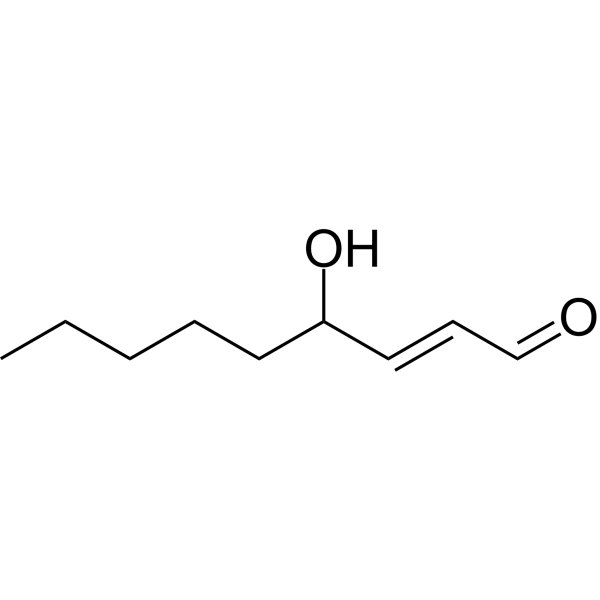
    4-Hydroxynonenal
    Maximum Cited Publications
    17 Publications Verification

    4-HNE

    Aldehyde Dehydrogenase (ALDH) Endogenous Metabolite Cardiovascular Disease Neurological Disease Cancer
    4-Hydroxynonenal (4-HNE) is an α,β unsaturated hydroxyalkenal and an oxidative/nitrosative stress biomarker. 4-Hydroxynonenal is a substrate and an inhibitor of acetaldehyde dehydrogenase 2 (ALDH2). 4-Hydroxynonenal can modulate a number of signaling processes mainly through forming covalent adducts with nucleophilic functional groups in proteins, nucleic acids, and membrane lipids. 4-Hydroxynonenal plays an important role in cancer through mitochondria .
    4-Hydroxynonenal
  • HY-B0239
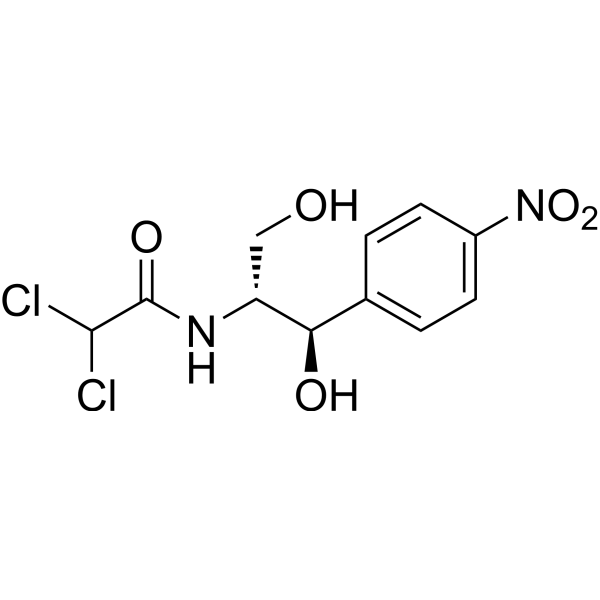
    Chloramphenicol
    15+ Cited Publications

    Antibiotic Bacterial HIF/HIF Prolyl-Hydroxylase VEGFR Autophagy Apoptosis Beclin1 JNK Akt MMP Infection Cancer
    Chloramphenicol is an orally active, potent and broad-spectrum antibiotic. Chloramphenicol shows antibacterial activity. Chloramphenicol represses the oxygen-labile transcription factor and hypoxia inducible factor-1 alpha (HIF-1α) in hypoxic A549 and H1299 cells. Chloramphenicol suppresses the mRNA levels of vascular endothelial growth factor (VEGF) and glucose transporter 1, eventually decreasing VEGF release. Chloramphenicol can be used for anaerobic infections and lung cancer research .
    Chloramphenicol
  • HY-125623
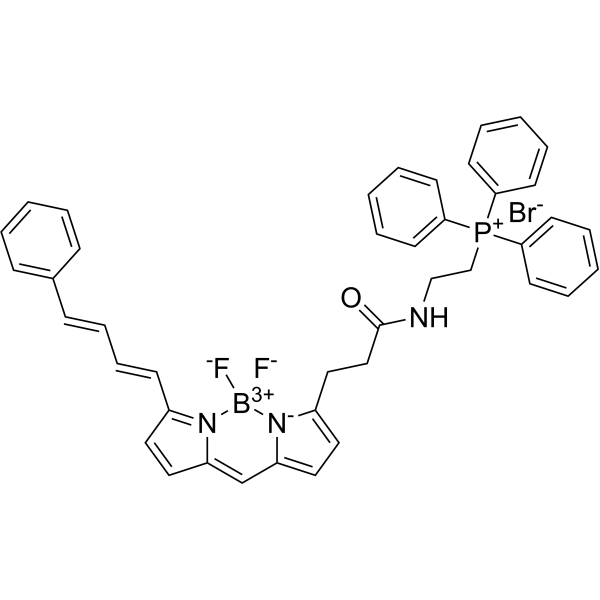
    MitoPerOx
    3 Publications Verification

    Fluorescent Dye Others
    MitoPerOx is a mitochondrial-targeted, lipid peroxidation-indicating fluorescent probe with BODIPY581/591 fluorophores. The triphenylphosphine cation (TPP+) of MitoPerOx can be selectively enriched in mitochondria (depending on membrane potential) and can be used to detect lipid peroxidation in the inner mitochondrial membrane. Under the action of lipid peroxides, the BODIPY581/591 fluorophores of MitoPerOx shift their emission wavelength from 590 nm (reduced state) to 520 nm (oxidized state), and ratiometric detection can be performed at an excitation wavelength of 488 nm. MitoPerOx can specifically monitor the peroxidation of mitochondrial phospholipids (especially cardiolipin) and is used in the study of oxidative stress-related diseases (such as aging, neurodegenerative diseases, and mitochondrial dysfunction)[1][2].
    MitoPerOx
  • HY-N1441
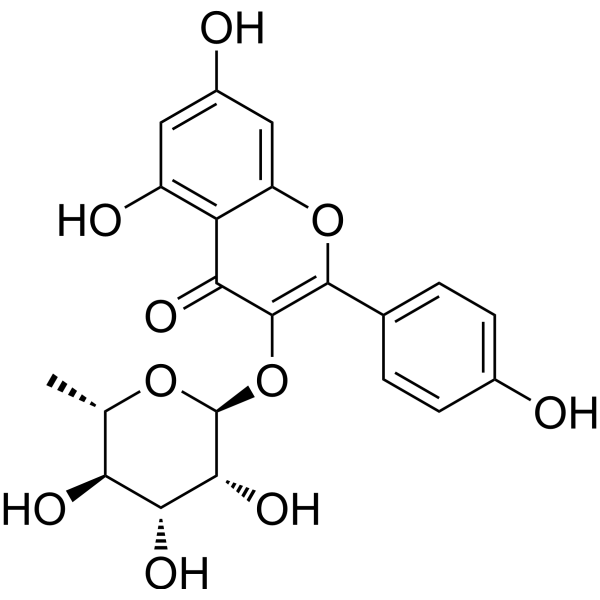
    Afzelin
    5+ Cited Publications

    Kaempferol-3-O-rhamnoside

    Mitochondrial Metabolism PTEN Autophagy Bacterial Infection Cardiovascular Disease Neurological Disease Inflammation/Immunology
    Afzelin (Kaempferol-3-O-rhamnoside)It is a flavonol glycoside that has anti-inflammatory, anti-oxidative stress response, anti-apoptotic, and anti-cardiac cytotoxic effects. AfzelinIt can reduce mitochondrial damage, enhance mitochondrial biosynthesis, and reduce mitochondria-related proteins. Parkinand PTENinduced putative kinase 1 (putative kinase 1)s level. AfzelinCan be improved D-galactosamine(GalN)/LPSSurvival rate of mice treated with doxorubicin prophylaxis (HY-15142A)Induced cardiotoxicity and scopolamine (HY-N0296)-induced neurological injury. AfzelinAlso inhibits asthma and allergies caused by ovalbumin .
    Afzelin
  • HY-124410
    Mitoquinol
    3 Publications Verification

    Reactive Oxygen Species (ROS) HIF/HIF Prolyl-Hydroxylase Metabolic Disease Inflammation/Immunology
    Mitoquinol is an orally active mitochondria-targeted antioxidant. Mitoquinol can regulate mitochondrial respiration and oxidation. Mitoquinol inhibits ROS production, and improves phagocytosis and glycolysis in ethanol-exposed macrophages via the HIF-1α-PFKP axis. Additionally, Mitoquinol can partially alleviate heat stress-induced decreases in growth performance, inflammatory responses, and metabolic disorders in pigs .
    Mitoquinol
  • HY-126124
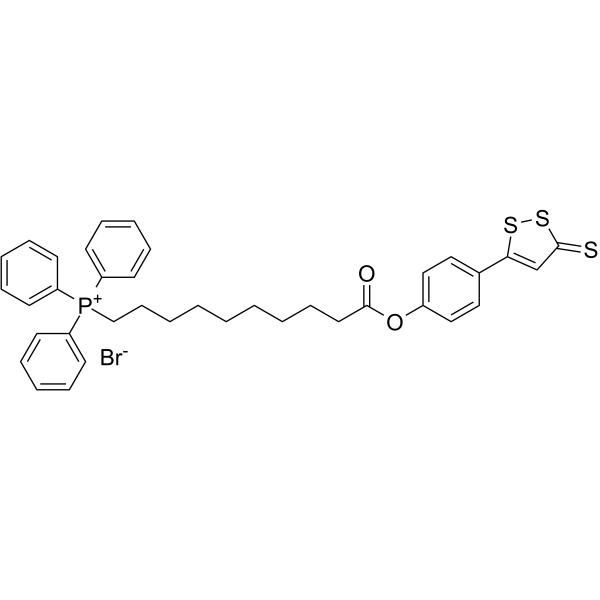
    AP39
    5+ Cited Publications

    Reactive Oxygen Species (ROS) Cardiovascular Disease Neurological Disease
    AP39 is a triphenylphosphonium derivatised anethole dithiolethione and mitochondria-targeting hydrogen sulfide (H2S) donor. AP39 increases intracellular H2S levels. AP39 exerts cytoprotective effects and maintains mitochondrial DNA integrity under oxidative stress conditions. AP39 protects against myocardial reperfusion injury in mice model and has the potential for Alzheimer's disease research .
    AP39
  • HY-N16308

    Fluorescent Dye Others
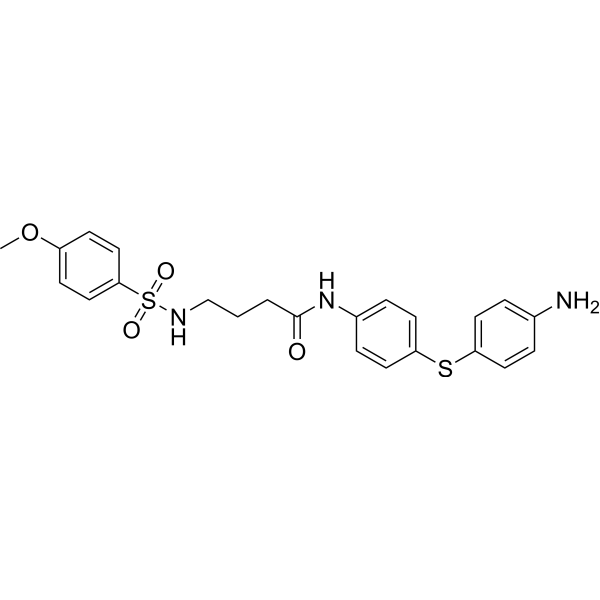
    ER-Laurdan is a derivative of the membrane-permeable fluorescent probe Laurdan (HY-D0080) that targets the endoplasmic reticulum (ER). As a membrane fluidity reporter, ER-Laurdan specifically localizes to the ER luminal membrane, and exhibits a prominent solvatochromic response to fluidity changes caused by membrane packing and exogenous saturated fatty acid stress. ER-Laurdan shows no overlapping localization with mitochondria, enables quantitative analysis of ER membrane fluidity via generalized polarization ratio measurement, and allows automatic signal masking with the help of ER markers. With high specificity and quantitative capability, ER-Laurdan serves as an important tool for investigating metabolic disorders and associated changes in the physical properties of cell membranes .
    ER-Laurdan
  • HY-103661
    BI-6C9
    3 Publications Verification

    Mitochondrial Metabolism Apoptosis Neurological Disease
    BI-6C9 is a highly specific BH3 interacting domain (Bid) inhibitor, which prevents mitochondrial outer membrane potential (MOMP) and mitochondrial fission, and protects the cells from mitochondrial apoptosis inducing factor (AIF) release and caspase-independent cell death in neurons .
    BI-6C9
  • HY-W010451

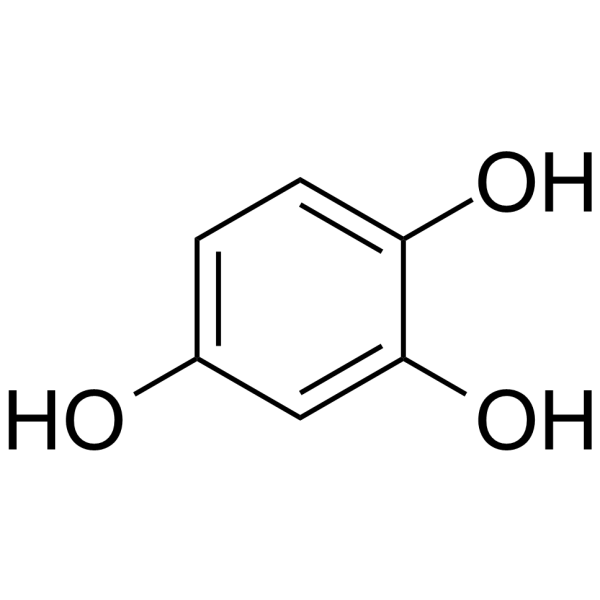
    Hydroxyhydroquinone

    PERK Eukaryotic Initiation Factor (eIF) Potassium Channel Apoptosis Cardiovascular Disease Cancer
    1,2,4-Trihydroxybenzene (Hydroxyhydroquinone) is an ER stress inducer that targets proteins such as PKR-like ER kinase PERK to induce cytotoxicity. 1,2,4-Trihydroxybenzene selectively activates eIF2α phosphorylation, activates the PERK-eIF2α signaling pathway and induces stress granule formation. 1,2,4-Trihydroxybenzene subsequently exacerbates oxidative stress and causes DNA double-strand breaks, destroying organelles such as mitochondria and ER, and inducing cell death. 1,2,4-Trihydroxybenzene also has the potential to exhibit anti-tumor effect, increase blood pressure, and relieve spasm .
    1,2,4-Trihydroxybenzene
  • HY-118020A

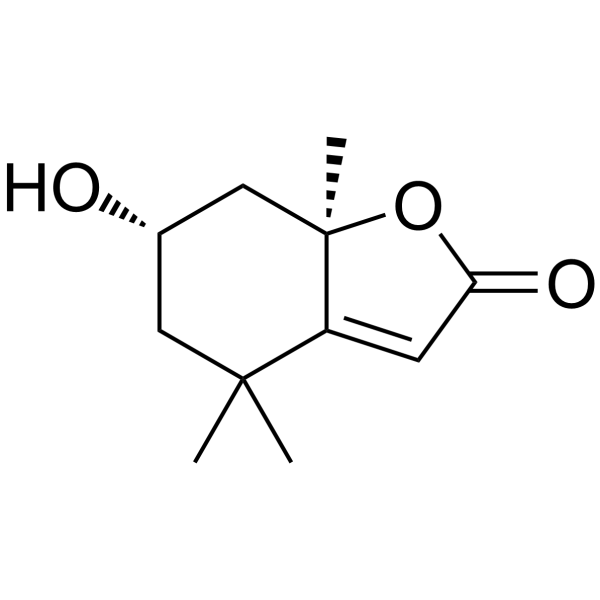
    Loliolid; Digiprolactone

    Endogenous Metabolite Caspase PI3K Apoptosis Akt Sirtuin Reactive Oxygen Species (ROS) NF-κB MMP Neurological Disease Cancer
    Loliolide (Loliolid) is a β-carotene metabolite. Loliolide reduces caspase 3, 8, 9 expression, enhances PI3K, AKT, SIRT1, inhibits ROS, apoptosis, and blocks NF-κB p65 nuclear translocation. Loliolide protects mitochondria, reduces oxidative stress, and increases cell viability in neuroblastoma cells. Loliolide can be used for the research of UV-induced skin damage and Parkinson’s disease .
    Loliolide
  • HY-DY1073

    Fluorescent Dye Others
    MitoPerOx (solution) is a mitochondrial-targeted, lipid peroxidation-indicating fluorescent probe with BODIPY581/591 fluorophores. The triphenylphosphine cation (TPP+) of MitoPerOx can be selectively enriched in mitochondria (depending on membrane potential) and can be used to detect lipid peroxidation in the inner mitochondrial membrane. Under the action of lipid peroxides, the BODIPY581/591 fluorophores of MitoPerOx shift their emission wavelength from 590 nm (reduced state) to 520 nm (oxidized state) , and ratiometric detection can be performed at an excitation wavelength of 488 nm. MitoPerOx can specifically monitor the peroxidation of mitochondrial phospholipids (especially cardiolipin) and is used in the study of oxidative stress-related diseases (such as aging, neurodegenerative diseases, and mitochondrial dysfunction) .
    Solvent and concentration: DMSO: 2 mM
    MitoPerOx (solution)
  • HY-113466S

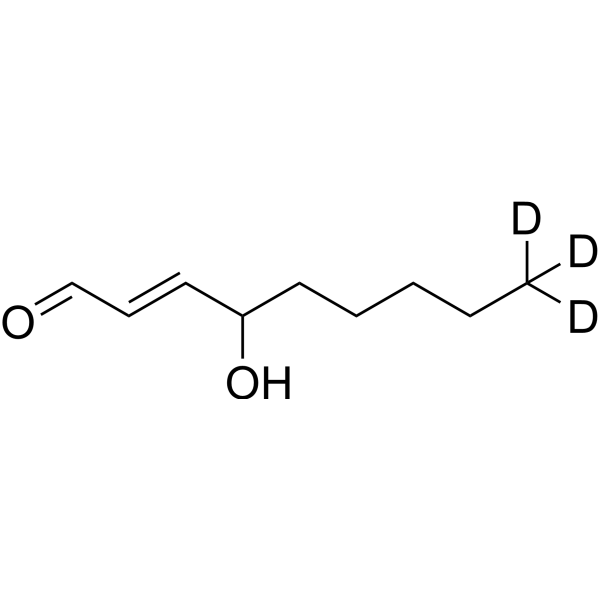
    4-HNE-d3

    Isotope-Labeled Compounds Aldehyde Dehydrogenase (ALDH) Endogenous Metabolite Cardiovascular Disease Neurological Disease Cancer
    4-Hydroxynonenal-d3 is the deuterium labeled 4-Hydroxynonenal. 4-Hydroxynonenal (4-HNE) is an α,β unsaturated hydroxyalkenal and an oxidative/nitrosative stress biomarker. 4-Hydroxynonenal is a substrate and an inhibitor of acetaldehyde dehydrogenase 2 (ALDH2). 4-Hydroxynonenal can modulate a number of signaling processes mainly through forming covalent adducts with nucleophilic functional groups in proteins, nucleic acids, and membrane lipids. 4-Hydroxynonenal plays an important role in cancer through mitochondria .
    4-Hydroxynonenal-d3
  • HY-B0239R

    Reference Standards Antibiotic Bacterial HIF/HIF Prolyl-Hydroxylase VEGFR Autophagy Apoptosis Beclin1 JNK Akt MMP Infection Cancer
    Chloramphenicol (Standard) is the analytical standard of Chloramphenicol. This product is intended for research and analytical applications. Chloramphenicol is an orally active, potent and broad-spectrum antibiotic. Chloramphenicol shows antibacterial activity. Chloramphenicol represses the oxygen-labile transcription factor and hypoxia inducible factor-1 alpha (HIF-1α) in hypoxic A549 and H1299 cells. Chloramphenicol suppresses the mRNA levels of vascular endothelial growth factor (VEGF) and glucose transporter 1, eventually decreasing VEGF release. Chloramphenicol can be used for anaerobic infections and lung cancer research .
    Chloramphenicol (Standard)
  • HY-W023323

    Endogenous Metabolite Metabolic Disease
    (S)-β-Aminoisobutyric acid hydrochloride is a cytoprotective agent, which is a non-proteinogenic amino acid enantiomer derived from valine metabolism in skeletal muscle mitochondria. The plasma level of (S)-β-Aminoisobutyric acid hydrochloride increases significantly after acute aerobic exercise (and is not affected by the AGXT2 rs37369 genotype), and it is secreted by mouse extensor digitorum longus and soleus muscles in ex vivo contraction assays. (S)-β-Aminoisobutyric acid hydrochloride specifically protects osteocytes from oxidative stress-induced cell death .
    (S)-β-Aminoisobutyric acid hydrochloride
  • HY-131364

    Nuclear Hormone Receptor 4A/NR4A Apoptosis Cancer
    Nur77 modulator 1 is a good Nur77 binder (KD = 3.58 μM). Nur77 modulator 1 up-regulates Nur77 expression, mediates sub-cellular localization of Nur77, induces Nur77-dependent ER stress and autophagy, and results in cell apoptosis. Anti-hepatoma activity .
    Nur77 modulator 1
  • HY-148365

    Mixed Lineage Kinase RIP kinase CDK Cancer
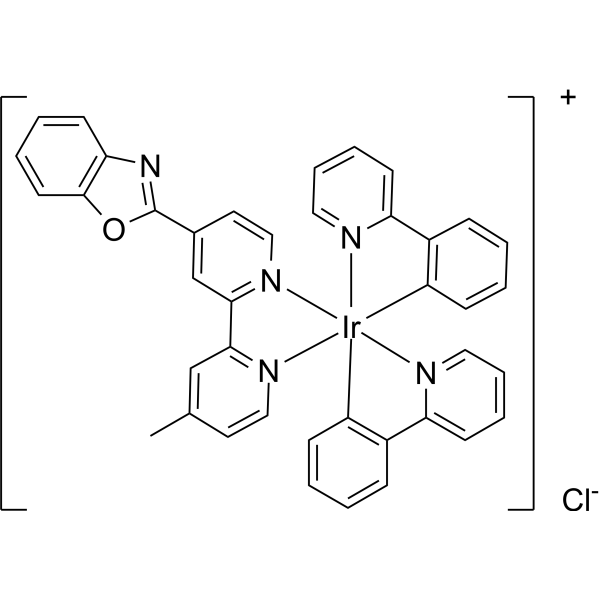
    NecroIr1 is an iridium(III) complex, serves as necroptosis inducers in Cisplatin (HY-17394)-resistant lung cancer cells (A549R). NecroIr1 selectively accumulates in mitochondria, leading to oxidative stress and loss of mitochondrial membrane potential (MMP). NecroIr1 activates receptor-interacting serine-threonine kinase 3 (RIPK3) and Mixed Lineage Kinase (MLKL), and regulates CDK4 expression .
    NecroIr1
  • HY-148366

    Mixed Lineage Kinase RIP kinase CDK Cancer
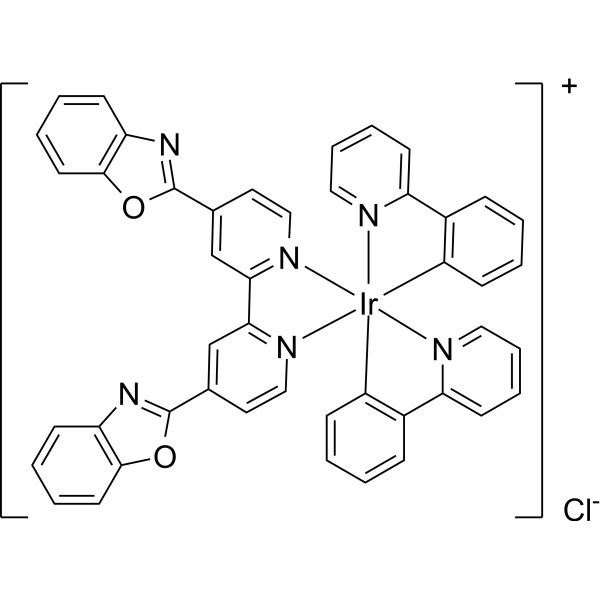
    NecroIr2 is an iridium(III) complex, serves as necroptosis inducers in Cisplatin (HY-17394)-resistant lung cancer cells (A549R). NecroIr2 selectively accumulates in mitochondria, leading to oxidative stress and loss of mitochondrial membrane potential (MMP). NecroIr2 activates receptor-interacting serine-threonine kinase 3 (RIPK3) and mixed lineage kinase domain-like pseudokinase (MLKL), and regulates CDK4 expression .
    NecroIr2
  • HY-E70425

    Glycosyltransferase Metabolic Disease
    Sucrose synthase belongs to glycosyltransferases and is a reversible catalyst present in plants, which catalyzes the conversion of sucrose into fructose and UDP-G or ADP-G. Sucrose synthase localizes to the cytoplasm, plasma membrane, cell wall, vacuole and mitochondria of plants. Sucrose synthase regulates sugar metabolism, supports the development of taproots, fruits, seeds and vascular tissues, drives the synthesis of starch, cellulose and callose, and enhances nitrogen fixation capacity. Sucrose synthase mediates signal transduction in plant meristems. Sucrose synthase is associated with plant growth, anaerobic stress tolerance, as well as shoot apical meristem and leaf morphology; overexpression of this enzyme promotes plant growth, increases xylem size, and elevates cellulose and starch contents .
    Sucrose synthase
  • HY-N1441R

    Kaempferol-3-O-rhamnoside (Standard)

    Mitochondrial Metabolism PTEN Autophagy Bacterial Reference Standards Infection Cardiovascular Disease Neurological Disease Inflammation/Immunology
    Afzelin (Standard) is the analytical standard of Afzelin. This product is intended for research and analytical applications. Afzelin (Kaempferol-3-O-rhamnoside)It is a flavonol glycoside that has anti-inflammatory, anti-oxidative stress response, anti-apoptotic, and anti-cardiac cytotoxic effects. AfzelinIt can reduce mitochondrial damage, enhance mitochondrial biosynthesis, and reduce mitochondria-related proteins. Parkinand PTENinduced putative kinase 1 (putative kinase 1)s level. AfzelinCan be improved D-galactosamine(GalN)/LPSSurvival rate of mice treated with doxorubicin prophylaxis (HY-15142A)Induced cardiotoxicity and scopolamine (HY-N0296)-induced neurological injury. AfzelinAlso inhibits asthma and allergies caused by ovalbumin .
    Afzelin (Standard)
  • HY-108385

    Isotope-Labeled Compounds Endogenous Metabolite DNA/RNA Synthesis PPAR Reactive Oxygen Species (ROS) Apoptosis Fungal Inflammation/Immunology Cancer
    Ochratoxin A-D4 (Phe-​OTA-D4) is the deuterium labeled Ochratoxin A. Ochratoxin A is an orally active food-borne mycotoxin that can cross the blood-brain barrier. Ochratoxin A is a secondary metabolite of fungi belonging to the genera Aspergillus and Penicillium, and is classified as a Group 2B carcinogen. Ochratoxin A exerts its effects through multiple pathways, including inducing oxidative stress, inhibiting mitochondrial respiration, causing oxidative DNA damage, disrupting the PPAR-γ-CD36 axis, inducing immunosuppression, generating ROS, mediating mitochondria-dependent apoptosis, inhibiting glutamate uptake, triggering demyelination and neuroinflammation, inducing DNA hypomethylation, and inhibiting cell proliferation. Ochratoxin A can induce nephrotoxicity, hepatotoxicity, immunotoxicity, and neurotoxicity, and also exhibits mutagenicity, teratogenicity, and carcinogenicity.
    Ochratoxin A-D4
  • HY-179429

    NOD-like Receptor (NLR) TNF Receptor Interleukin Related Inflammation/Immunology
    NLRP3-IN-85 (compound 5d) is a potent NLRP3 inhibitor that targets mitochondria in a ΔΨm-independent manner. NLRP3-IN-85 protects mitochondria from oxidative stress and inflammation damage and suppresses key inflammatory factors (NO, TNF-α, IL-6). NLRP3-IN-85 relives acute lung injury in mice and inhibits paw edema in rats. NLRP3-IN-85 can be used for acute lung injury (ALI) research .
    NLRP3-IN-85
  • HY-113466R

    4-HNE (Standard)

    Aldehyde Dehydrogenase (ALDH) Endogenous Metabolite Reference Standards Cardiovascular Disease Neurological Disease Cancer
    4-Hydroxynonenal (Standard) is the analytical standard of 4-Hydroxynonenal. This product is intended for research and analytical applications. 4-Hydroxynonenal (4-HNE) is an α,β unsaturated hydroxyalkenal and an oxidative/nitrosative stress biomarker. 4-Hydroxynonenal is a substrate and an inhibitor of acetaldehyde dehydrogenase 2 (ALDH2). 4-Hydroxynonenal can modulate a number of signaling processes mainly through forming covalent adducts with nucleophilic functional groups in proteins, nucleic acids, and membrane lipids. 4-Hydroxynonenal plays an important role in cancer through mitochondria .
    4-Hydroxynonenal (Standard)
  • HY-174777

    mRNA Cancer
    Human BAK1 mRNA encodes the human BCL2 antagonist/killer 1 (BAK1) protein, a member of the BCL2 protein family. BAK1 localizes to mitochondria, and functions to induce apoptosis. It also interacts with the tumor suppressor P53 after exposure to cell stress.
    Human BAK1 mRNA
  • HY-149586

    Reactive Oxygen Species (ROS) Others
    ROS-IN-2 (compound 85) is a seco-lupane triterpenoid derivative. ROS-IN-2 blocks ROS production and protects mitochondria from damage by inhibiting excessive production of oxidative stressors. ROS-IN-2 can be used for myocardial ischemia/reperfusion (MI/R) injury research .
    ROS-IN-2
  • HY-169957

    Reactive Oxygen Species (ROS) Cancer
    ROS-ERS inducer 2 (Complex 3f) triggers intracellular ROS generation and affect the function of mitochondria. promote the release of damage-associated molecular patterns (DAMPs), induce immunogenic cell death (ICD) and activates endoplasmic reticulum stress (ERS). ROS-ERS inducer 2 plays an important role in anti-liver cancer research .
    ROS-ERS inducer 2
  • HY-174411

    Microtubule/Tubulin MMP Bcl-2 Family Reactive Oxygen Species (ROS) Caspase Cancer
    Tubulin polymerization-IN-82 is a tubulin inhibitor. Tubulin polymerization-IN-82 inhibits cell migration and invasion, and triggers cell apoptosis through the mitochondria and ER stress mediated pathway. Tubulin polymerization-IN-82 exhibits antitumor activity against drug resistance cancer cells, and inhibits tumor growth, can be used for liver cancer research .
    Tubulin polymerization-IN-82
  • HY-124410S

    Isotope-Labeled Compounds Reactive Oxygen Species (ROS) Metabolic Disease Inflammation/Immunology
    Mitoquinol-d15 is deuterium labeled Mitoquinol (HY-124410). Mitoquinol is an orally active mitochondria-targeted antioxidant. Mitoquinol can regulate mitochondrial respiration and oxidation. Mitoquinol inhibits ROS production, and improves phagocytosis and glycolysis in ethanol-exposed macrophages via the HIF-1α-PFKP axis. Additionally, Mitoquinol can partially alleviate heat stress-induced decreases in growth performance, inflammatory responses, and metabolic disorders in pigs .
    Mitoquinol-d15
  • HY-151616

    Epoxide Hydrolase Cardiovascular Disease Metabolic Disease Inflammation/Immunology
    sEH inhibitor-10 (Compound 37) is a selective soluble epoxide hydrolase (sEH) inhibitor (IC50=0.5 μM). sEH inhibitor-10 maintains high cycloeicosatrienoic acid (EETs) levels by inhibiting sEH, thereby reducing inflammation, regulating endothelial tone, improving mitochondrial function, and reducing oxidative stress. sEH inhibitor-10 has good research potential in metabolic, renal and cardiovascular diseases .
    sEH inhibitor-10
  • HY-W010451R

    Hydroxyhydroquinone (Standard)

    Reference Standards PERK Potassium Channel Apoptosis Eukaryotic Initiation Factor (eIF) Cardiovascular Disease Cancer
    1,2,4-Trihydroxybenzene (Hydroxyhydroquinone) (Standard) is the analytical standard of 1,2,4-Trihydroxybenzene (HY-W010451). This product is intended for research and analytical applications. 1,2,4-Trihydroxybenzene (Hydroxyhydroquinone) is an ER stress inducer that targets proteins such as PKR-like ER kinase PERK to induce cytotoxicity. 1,2,4-Trihydroxybenzene selectively activates eIF2α phosphorylation, activates the PERK-eIF2α signaling pathway and induces stress granule formation. 1,2,4-Trihydroxybenzene subsequently exacerbates oxidative stress and causes DNA double-strand breaks, destroying organelles such as mitochondria and ER, and inducing cell death. 1,2,4-Trihydroxybenzene also has the potential to exhibit anti-tumor effect, increase blood pressure, and relieve spasm .
    1,2,4-Trihydroxybenzene (Standard)
  • HY-P11264

    GPR55 Collagen Reactive Oxygen Species (ROS) Apoptosis Metabolic Disease Inflammation/Immunology
    Cyclic peptide P1-1 is a high-potent GPR55 antagonist. Cyclic peptide P1-1 antagonizes GPR55 and suppresses collagen secretion. Cyclic peptide P1-1 reduces ROS production, attenuates ER stress, and inhibits mitochondria-associated Apoptosis. Cyclic peptide P1-1 inhibits the expression of α-SMA and COL1α. Cyclic peptide P1-1 ameliorates CCl4 (HY-Y0298)-induce and MCD-diet-induce acute liver inflammation and fibrosis .
    Cyclic peptide P1-1
  • HY-161874

    Apoptosis MDM-2/p53 Bcl-2 Family Caspase PARP Autophagy Cancer
    RPS6-IN-1 (Compound 22o) inhibits cell metastasis, induces cell apoptosis (increases the expression of Bax, p53, cleaved-caspase 3, and cleaved-PARP). RPS6-IN-1 decreases mitochondrial membrane potential. RPS6-IN-1 activates autophagy through the PI3K-Akt-mTOR signaling pathway, damages intracellular mitochondria and lysosomes, and cause ER stress. RPS6-IN-1 inhibits RPS6 phosphorylation. RPS6-IN-1 is an anticancer agent with low systemic toxicity .
    RPS6-IN-1
  • HY-P11638

    Mitochondrial Metabolism Neurological Disease Inflammation/Immunology
    Mitochondrial-targeted peptide BP29 is a mitochondria-targeted iron chelator linked to a mitochondria-homing SS-peptide. Mitochondrial-targeted peptide BP29 protects human primary skin fibroblasts against ultraviolet A-induced oxidative damage to mitochondrial membranes, ATP depletion, and necrotic cell death. Mitochondrial-targeted peptide BP29 prevents hydrogen peroxide-induced oxidative stress and cytotoxicity in both healthy and Friedreich's ataxia skin fibroblasts. Mitochondrial-targeted peptide BP29 can be used for the research of Friedreich's ataxia .
    Mitochondrial-targeted peptide BP29
  • HY-W032878

    Fungal SOD Infection
    N,N-Bis(3-aminopropyl)dodecylamine is a potent fungicidal agent with remarkable activity against Aspergillus niger. N,N-Bis(3-aminopropyl)dodecylamine induces oxidative stress and regulates the activities of multiple antioxidant and mitochondrial enzymes in a concentration‑ and duration‑dependent manner. N,N-Bis(3-aminopropyl)dodecylamine disrupts fungal organelles, remodels mitochondrial morphology and impairs mitochondria‑related cellular functions. N,N-Bis(3-aminopropyl)dodecylamine can be used for the research of fungicidal mechanisms and oxidative stress in Aspergillus niger .
    N,N-Bis(3-aminopropyl)dodecylamine
  • HY-P11638A

    Mitochondrial Metabolism Neurological Disease Inflammation/Immunology
    Mitochondrial-targeted peptide BP29 acetate is a mitochondria-targeted iron chelator linked to a mitochondria-homing SS-peptide. Mitochondrial-targeted peptide BP29 acetate protects human primary skin fibroblasts against ultraviolet A-induced oxidative damage to mitochondrial membranes, ATP depletion, and necrotic cell death. Mitochondrial-targeted peptide BP29 acetate prevents hydrogen peroxide-induced oxidative stress and cytotoxicity in both healthy and Friedreich's ataxia skin fibroblasts. Mitochondrial-targeted peptide BP29 acetate can be used for the research of Friedreich's ataxia .
    Mitochondrial-targeted peptide BP29 acetate
  • HY-182266

    Mitochondrial Metabolism Apoptosis Reactive Oxygen Species (ROS) DNA/RNA Synthesis Cancer
    FBP is a mitochondria-targeted, selective anticancer agent. FBP induces oxidative stress and mitochondrial dysfunction, leading to Apoptosis. FBP generates ROS and causes double-strand DNA breaks in cancer cells. FBP exhibits cytotoxic efficacy against cancer cells, with cervical cancer cells being the most sensitive. FBP can be used for the research of cervical cancer, lung cancer, melanoma and breast cancer .
    FBP
  • HY-180786

    Nuclear Hormone Receptor 4A/NR4A Pyroptosis Reactive Oxygen Species (ROS) PERK Caspase Cancer
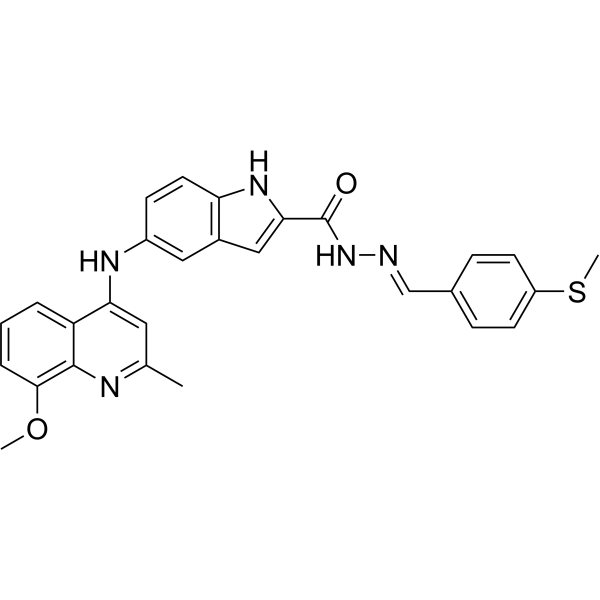
    DdBIC is a pyroptosis inducer. DdBIC binds to Nur77 and triggers its translocation to mitochondria, activates SDHA to deplete succinyl-CoA, disrupts heme homeostasis, induces electron leakage, and elicits mitochondrial ROS production. DdBIC induces mitochondrial ROS that oxidatively activates OMA1, promotes OPA1 cleavage and its release into the cytoplasm, activates the integrated stress response via PERK, and ultimately activates granzyme B to cleave GSDMC. DdBIC can be used for the study of melanoma .
    DdBIC
  • HY-156898

    α-synuclein Caspase Reactive Oxygen Species (ROS) Neurological Disease
    NPT100-18A is an αSyn oligomerization inhibitor. NPT10018A rescues cleaved caspase-3 levels to control levels. NPT10018A attenuates mitochondrial oxidative stress probe levels in a compartment-specific manner and, at higher concentrations, increases ATP signals. NPT100-18A can be used for the study of Parkinson’s disease (PD) .
    NPT100-18A
  • HY-W714183

    Herbicide ERK p38 MAPK JNK PI3K Akt Apoptosis Microtubule/Tubulin Metabolic Disease
    Dinitramine is a herbicide. Dinitramine activates the Erk/P38/JNK/MAPK pathway and inactivates the PI3k/Akt pathway in testicular cells. Dinitramine induces endoplasmic reticulum stress, dysregulation of calcium homeostasis in the cytoplasm and mitochondria, apoptosis, and downregulated expression of cell cycle genes in testicular cells. Dinitramine reduces the viability and proliferation capacity of testicular cells, and inhibits cell division by suppressing the synthesis of tubulin. Dinitramine induces abnormal heart development, inhibited angiogenesis, inflammatory responses, apoptosis, and impaired embryonic growth in zebrafish embryos .
    Dinitramine
  • HY-156184

    Endogenous Metabolite Neurological Disease Metabolic Disease Cancer
    Octanoylcarnitine is an orally active medium-chain acylcarnitine transport intermediate in fatty acid β-oxidation. Octanoylcarnitine is converted to octanoyl-CoA by carnitine acetyltransferase (CrAT), which then generates energy via β-oxidation in mitochondria of the heart and skeletal muscle. Octanoylcarnitine enhances grip strength and treadmill endurance, alleviates lactic acidosis, distributes in muscle and heart tissues, increases free carnitine levels, and mitigates mitochondrial stress. Octanoylcarnitine is associated with long-chain fatty acid metabolism, shows a positive correlation with subcutaneous fat area in patients with metastatic pancreatic ductal adenocarcinoma, and is closely related to central retinal artery occlusion (CRAO) .
    Octanoylcarnitine
  • HY-183554

    TrxR Glutathione Peroxidase Ferroptosis Reactive Oxygen Species (ROS) IFNAR STAT Cancer
    Fa-Au is a TrxR inhibitor. Fa-Au downregulates GPX4, induces oxidative stress, mitochondria-associated ferroptosis (ferroptosis) and immunogenic cell death. Fa-Au induces ROS production in hepatoma cells. Fa-Au remodels the tumor immune microenvironment via M1 macrophage polarization, dendritic cell maturation, CD8+ T cell activation and reduction of regulatory T cells. Fa-Au induces an anti-tumor immune feedback loop through the IFNγ/STAT1/SLC7A11 axis. Fa-Au inhibits tumor growth. Fa-Au is applicable to hepatocellular carcinoma-related research .
    Fa-Au
  • HY-D3311

    Fluorescent Dye Cancer
    M1219 is a GSH/ATP dual near-infrared activated fluorescent probe that enables independent real-time monitoring of dynamic changes in intracellular GSH and ATP without spectral crosstalk (GSH: Ex=640 nm, Em=740~800 nm; ATP: Ex=594 nm/610 nm, Em=650~700 nm). M1219 not only visualizes the metabolic regulatory mechanism of TNBC under single/dual-target inhibition of SLC7A11/GLUT1 and accurately evaluates its in vivo efficacy, but also achieves precise localization of the TNBC tumor invasion boundary. M1219 can be used for the research of triple-negative breast cancer .
    M1219
  • HY-103661R

    Reference Standards Mitochondrial Metabolism Apoptosis Neurological Disease
    BI-6C9 (Standard) is the analytical standard of BI-6C9 (HY-103661). This product is intended for research and analytical applications. BI-6C9 is a highly specific BH3 interacting domain (Bid) inhibitor, which prevents mitochondrial outer membrane potential (MOMP) and mitochondrial fission, and protects the cells from mitochondrial apoptosis inducing factor (AIF) release and caspase-independent cell death in neurons .
    BI-6C9 (Standard)

Inquiry Online

Your information is safe with us. * Required Fields.

Salutation


Country or Region *

Applicant Name *


Organization Name *

Department *


Email Address *


Product Name *

Cat. No.


Requested quantity *

Phone Number *


Remarks

Inquiry Online

Inquiry Information

Product Name:
Cat. No.:
Quantity:
MCE Japan Authorized Agent:

