

From 11:00 pm to 12:00 pm EST ( 8:00 pm to 9:00 pm PST ) on January 6th, the website will be under maintenance. We are sorry for the inconvenience. Please arrange your schedule properly.
12(S)-HETE is the 12-lipoxygenase metabolite of arachidonic acid and has a mitogenic effect on cancer cell proliferation. 12(S)-HETE induces tyrosine phosphorylation of cellular proteins, promotes ERK and P38 MAPK phosphorylation, increases DNA synthesis, and stimulates the proliferation of pancreatic cancer cells .
Bovine pituitary extract is a bovine pituitary extract that can be used as a mitogenic supplement in serum-free growth media. Bovine pituitary extract is rich in growth factors. Bovine pituitary extract not only promotes the proliferation of corneal keratinocytes and maintains their phenotype, but also exerts significant antioxidant stress protective effects on human prostate epithelial cells .
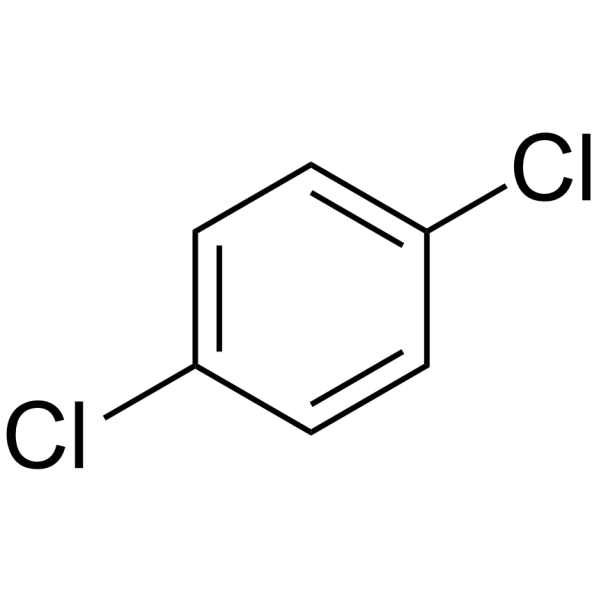
1,4-Dichlorobenzene is a non-genotoxic, orally active mitogenic/tumor-promoting carcinogen that is also widely used as a dye, resin intermediate, and deodorant, moth repellent/insecticide. 1,4-Dichlorobenzene induces liver tumors in mice and promotes the growth of spontaneous precancerous lesions, but shows no liver tumor-inducing activity in F344 rats. Exposure to 1,4-dichlorobenzene leads to elevated leukocyte counts, serum alanine aminotransferase, and blood urea nitrogen levels. Due to the hepatotoxic characteristics, 1,4-Dichlorobenzene is applicable to liver cancer-related research .
SKI V is a noncompetitive and potent non-lipid sphingosine kinase (SPHK; SK) inhibitor with an IC50 of 2 μM for GST-hSK. SKI V potently inhibits PI3K with an IC50 of 6 μM for hPI3k. SKI V decreases formation of the mitogenic second messenger sphingosine-1-phosphate (S1P). SKI V induces apoptosis and has antitumor activity .
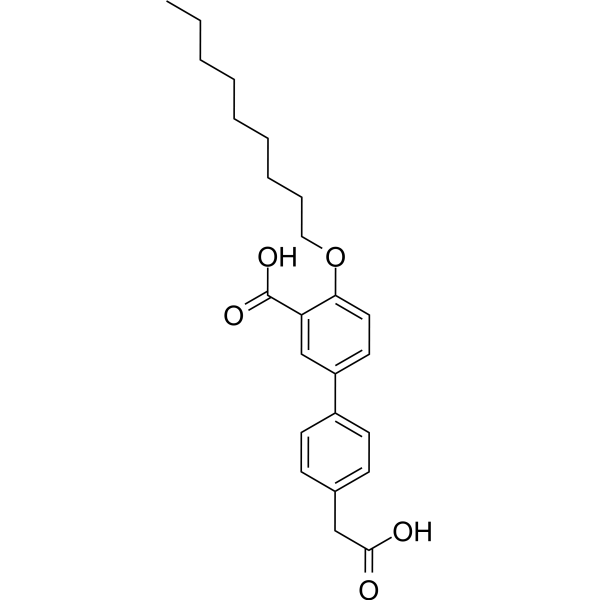
BPDA2 is a highly selective and competitive active site SHP2 inhibitor with IC50s of 92.0 nM, 33.39 μM, 40.71 μM for SHP2, SHP1, SHP1B, respectively. DBDA2 downregulates mitogenic and cell survival signaling and RTK expression. BPDA2 suppresses SHP2 mediated signaling and breast cancer cell phenotypes .
Keratin sulfate is a heparin-related proteoglycan that interacts with the receptor or alters its stability and function. Keratin sulfate does not enhance the mitogenic effect of FGF-2 .
VIP Guinea pig (Vasoactive intestinal peptide), a trophic and mitogenic factor, stimulates growth in whole cultured embryos. VIP Guinea pig functions as a simple gastrointestinal hormone and suggest a possible neurotransmitter function .
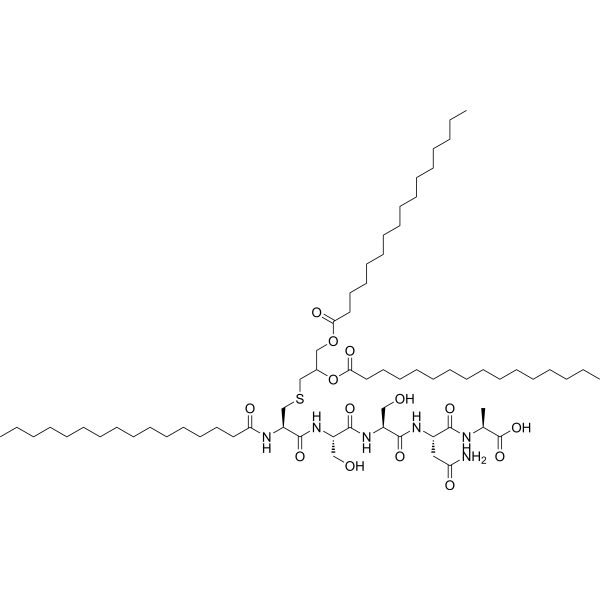
Mitogenic Pentapeptide (Tripalmitoyl pentapeptide) is an effective activator of B lymphocyte mitogen and polyclonal. Mitogen Pentapeptide is a synthetic N-terminal analog of E. coli outer membrane lipoproteins. Mitogenic Pentapeptide can be used for the study of immune adjuvants .
Pisum sativum Agglutinin (PSA) FITC is a plant lectin conjugated with FITC (HY-66019). Pisum sativum Agglutinin FITC serves as an acrosome stain for detecting the acrosomal status of sperm. Pisum sativum Agglutinin exhibits lymphocyte mitogenic and immunomodulatory activities .
Gymnin is a defensin-like antifungal peptide. Gymnin has significant antifungal activities against phytopathogenic and mycotoxigenic fungi. Gymnin inhibits HIV-1 reverse transcriptase with an IC50 of 200 μM and the proliferation of tumor cells. Gymnin has a weak mitogenic activity toward murine splenocytes. Gymnin can be used for plant disease treatments research .
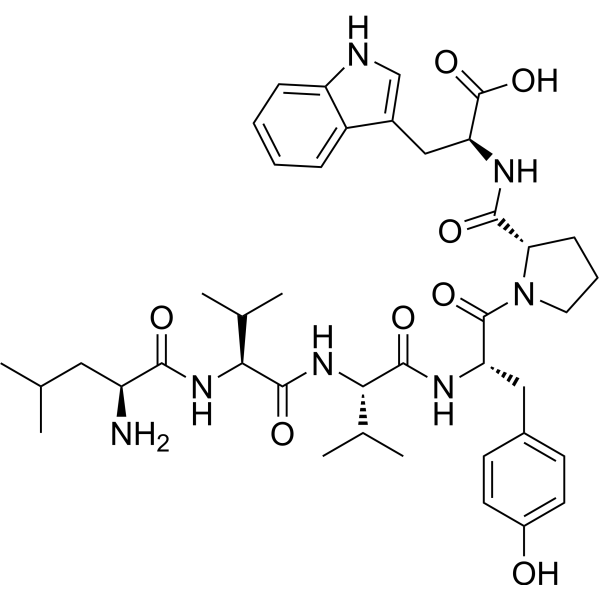
Myelopeptide-2 is a peptide originally isolated from the supernatant of porcine bone marrow cell cultures, can restore mitogenic reactivity of human T lymphocytes inhibited by HL-60 leukemia cells or measles virus conditions. Myelopeptide-2 also recover depressed interleukin-2 (IL-2) synthesis and interleukin-2 receptor (IL-2R) expression. Myelopeptide-2 involves in immunity homeostasis, is perspective to be applied in antitumor and antivirus research .
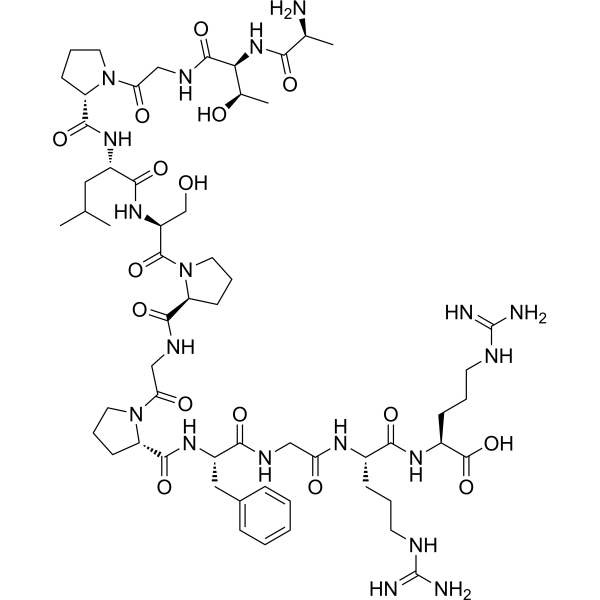
ERKtide is a biological active peptide. (ERKtide is a peptide substrate for ERK2. Extracellular regulated protein kinase 2 (ERK2) is a eukaryotic protein kinase whose activity is regulated by mitogenic stimuli.)
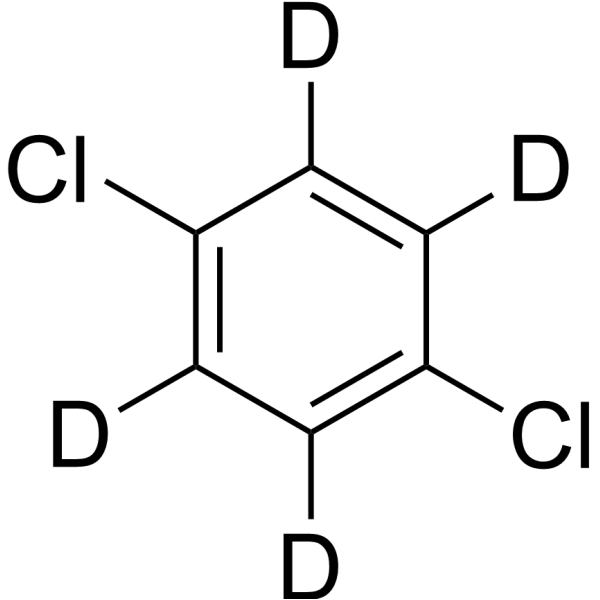
1,4-Dichlorobenzene-d4 is the deuterium labeled 1,4-Dichlorobenzene. 1,4-Dichlorobenzene is a non-genotoxic, orally active mitogenic/tumor-promoting carcinogen that is also widely used as a dye, resin intermediate, and deodorant, moth repellent/insecticide. 1,4-Dichlorobenzene induces liver tumors in mice and promotes the growth of spontaneous precancerous lesions, but shows no liver tumor-inducing activity in F344 rats. 1,4-Dichlorobenzene increases the levels of white blood cell count, serum alanine aminotransferase and blood urea nitrogen in occupationally exposed populations. 1,4-Dichlorobenzene is metabolized to 2,5-dichlorophenol and excreted in urine, and this metabolite can serve as a biomarker for 1,4-Dichlorobenzene exposure. Due to its specific hepatotoxic characteristics, 1,4-Dichlorobenzene is applicable to liver cancer-related research .
Lipopolysaccharides, from E. coli (Escherichia coli) K-235 are lipopolysaccharide endotoxins and TLR-4 activators derived from E. coli, classified as S-type LPS, which can activate pathogen-associated molecular patterns (PAMP) of the immune system and induce cellular secretion of migrasomes. Lipopolysaccharides, from E. coli K-235 exhibit a typical three-part structure: O-antigen (O-antigen), core oligosaccharide (core oligosaccharide), and lipid A (Lipid A). Lipopolysaccharides, from E. coli K-235 have a mitogenic effect on C57BL/10ScN spleen cells. Additionally, LPS purified using butanol and deoxycholic acid methods stimulates spleen cells in C57BL/10ScCR and C3H/HeJ mice .
It is recommended to prepare a solution with concentration ≥2 mg/mL. Vortex thoroughly for more than 10 minutes. Due to the adsorption characteristics of LPS, silanized container or low adsorption centrifuge tubes should be used for aliquoting and storage, and mix thoroughly before use.
VIP Guinea pig TFA (Vasoactive intestinal peptide), a trophic and mitogenic factor, stimulates growth in whole cultured embryos. VIP Guinea pig functions as a simple gastrointestinal hormone and suggest a possible neurotransmitter function .
PDGFR Y1021 peptide (non-phosphorylation) is the non-phosphorylated fragment of platelet-derived growth factor receptor (PDGFR). PDGFR Y1021 peptide (non-phosphorylation) blocks the PLCγ association to PDGFR through PLCγSH2 domain, and thus inhibits mitogenic response .
Human FGF10 mRNA encodes the human fibroblast growth factor 10 (FGF10) protein, a member of the fibroblast growth factor (FGF) family. FGF10 exhibits mitogenic activity for keratinizing epidermal cells, but essentially no activity for fibroblasts, which is similar to the biological activity of FGF7.
PDGFR Y1021 peptide (phosphorylation) is the phosphorylated fragment of platelet-derived growth factor receptor (PDGFR). PDGFR Y1021 peptide (phosphorylation) supports association of PLCγ to PDGFR through PLCγSH2 domains, and thus promotes the production of inositol phosphates and mitogenic response .
Human FGF8 mRNA encodes the human fibroblast growth factor 8 (FGF8) protein, a member of the fibroblast growth factor (FGF) family. FGF family members possess broad mitogenic and cell survival activities, and are involved in a variety of biological processes, including embryonic development, cell growth, morphogenesis, tissue repair, tumor growth and invasion.
Human FGF7 mRNA encodes the human fibroblast growth factor 7 (FGF7) protein, a member of the fibroblast growth factor (FGF) family. FGF family members possess broad mitogenic and cell survival activities, and are involved in a variety of biological processes, including embryonic development, cell growth, morphogenesis, tissue repair, tumor growth and invasion.
Human FGF9 mRNA encodes the human fibroblast growth factor 9 (FGF9) protein, a member of the fibroblast growth factor (FGF) family. FGF family members possess broad mitogenic and cell survival activities, and are involved in a variety of biological processes, including embryonic development, cell growth, morphogenesis, tissue repair, tumor growth and invasion.
Salusin-β is an endogenous bioactive peptide with significant hemodynamic and mitogenic activity. Salusin-β can stimulate the proliferation of quiescent vascular smooth muscle cells (VSMCs) and fibroblasts, leading to a rapid and significant decrease in blood pressure and heart rate. In addition, Salusin-β can stimulate the release of arginine vasopressin from the pituitary gland in rats. This makes Salusin-β have important application potential in cardiovascular disease research .
Reveromycin B is a spiroketal bacterial metabolite originally isolated from Streptomyces. It inhibits EGF-induced mitogenic activity in Balb/MK cells (IC50=6 μg/mL) and exhibits pH-dependent antifungal activity against C. albicans (MICs=15.6 and >500 μg/mL at pH 3.0 and 7.4, respectively). Unlike reveromycin A and reveromycin C, reveromycin B does not inhibit proliferation of KB and K562 cells.
Reveromycin D is a bacterial metabolite originally isolated from Streptomyces. It inhibits EGF-induced mitogenic activity in Balb/MK cells and has pH-dependent antifungal activity against C. albicans (MICs=2 and >500 μg/mL at pH 3 and 7.4, respectively).2 Reveromycin D also inhibits proliferation of KB and K562 cells (IC50s=1.6 and 1.3 μg/mL, respectively).
(-)-Zuonin A (D-Epigalbacin), a naturally occurring lignin, is a potent, selective JNKs inhibitor, with IC50s of 1.7 μM, 2.9 μM and 1.74 μM for JNK1, JNK2 and JNK3, respectively .
Reveromycin C is a polyketide originally isolated from Streptomyces that has antifungal activity against C. albicans (MICs=2.0 and >500 μg/mL at pH 3 and 7.4, respectively). Reveromycin C inhibits EGF-induced mitogenic activity in the Balb/MK mouse epidermal cell line. It also reverses the morphology of sarcoma-virus-transformed NRK rat kidney cells (EC50=1.58 μg/mL) and inhibits proliferation of KB cells and K562 human chronic myelogenous leukemia cells (IC50=2.0 μg/mL for both).
1,4-Dichlorobenzene (Standard) is the analytical standard of 1,4-Dichlorobenzene. This product is intended for research and analytical applications. 1,4-Dichlorobenzene is a non-genotoxic, orally active mitogenic/tumor-promoting carcinogen that is also widely used as a dye, resin intermediate, and deodorant, moth repellent/insecticide. 1,4-Dichlorobenzene induces liver tumors in mice and promotes the growth of spontaneous precancerous lesions, but shows no liver tumor-inducing activity in F344 rats. 1,4-Dichlorobenzene increases the levels of white blood cell count, serum alanine aminotransferase and blood urea nitrogen in occupationally exposed populations. 1,4-Dichlorobenzene is metabolized to 2,5-dichlorophenol and excreted in urine, and this metabolite can serve as a biomarker for 1,4-Dichlorobenzene exposure. Due to its specific hepatotoxic characteristics, 1,4-Dichlorobenzene is applicable to liver cancer-related research .
Bovine pituitary extract is a bovine pituitary extract that can be used as a mitogenic supplement in serum-free growth media. Bovine pituitary extract is rich in growth factors. Bovine pituitary extract not only promotes the proliferation of corneal keratinocytes and maintains their phenotype, but also exerts significant antioxidant stress protective effects on human prostate epithelial cells .
Pisum sativum Agglutinin (PSA) FITC is a plant lectin conjugated with FITC (HY-66019). Pisum sativum Agglutinin FITC serves as an acrosome stain for detecting the acrosomal status of sperm. Pisum sativum Agglutinin exhibits lymphocyte mitogenic and immunomodulatory activities .
Lipopolysaccharides, from E. coli (Escherichia coli) K-235 are lipopolysaccharide endotoxins and TLR-4 activators derived from E. coli, classified as S-type LPS, which can activate pathogen-associated molecular patterns (PAMP) of the immune system and induce cellular secretion of migrasomes. Lipopolysaccharides, from E. coli K-235 exhibit a typical three-part structure: O-antigen (O-antigen), core oligosaccharide (core oligosaccharide), and lipid A (Lipid A). Lipopolysaccharides, from E. coli K-235 have a mitogenic effect on C57BL/10ScN spleen cells. Additionally, LPS purified using butanol and deoxycholic acid methods stimulates spleen cells in C57BL/10ScCR and C3H/HeJ mice .
It is recommended to prepare a solution with concentration ≥2 mg/mL. Vortex thoroughly for more than 10 minutes. Due to the adsorption characteristics of LPS, silanized container or low adsorption centrifuge tubes should be used for aliquoting and storage, and mix thoroughly before use.
VIP Guinea pig (Vasoactive intestinal peptide), a trophic and mitogenic factor, stimulates growth in whole cultured embryos. VIP Guinea pig functions as a simple gastrointestinal hormone and suggest a possible neurotransmitter function .
Mitogenic Pentapeptide (Tripalmitoyl pentapeptide) is an effective activator of B lymphocyte mitogen and polyclonal. Mitogen Pentapeptide is a synthetic N-terminal analog of E. coli outer membrane lipoproteins. Mitogenic Pentapeptide can be used for the study of immune adjuvants .
Gymnin is a defensin-like antifungal peptide. Gymnin has significant antifungal activities against phytopathogenic and mycotoxigenic fungi. Gymnin inhibits HIV-1 reverse transcriptase with an IC50 of 200 μM and the proliferation of tumor cells. Gymnin has a weak mitogenic activity toward murine splenocytes. Gymnin can be used for plant disease treatments research .
Myelopeptide-2 is a peptide originally isolated from the supernatant of porcine bone marrow cell cultures, can restore mitogenic reactivity of human T lymphocytes inhibited by HL-60 leukemia cells or measles virus conditions. Myelopeptide-2 also recover depressed interleukin-2 (IL-2) synthesis and interleukin-2 receptor (IL-2R) expression. Myelopeptide-2 involves in immunity homeostasis, is perspective to be applied in antitumor and antivirus research .
ERK2 Substrate (Erktide) is a biological active peptide. (Erktide is a peptide substrate for ERK2 (extracellular regulated protein kinase 2) whose activity is regulated by mitogenic stimuli.)
ERKtide is a biological active peptide. (ERKtide is a peptide substrate for ERK2. Extracellular regulated protein kinase 2 (ERK2) is a eukaryotic protein kinase whose activity is regulated by mitogenic stimuli.)
VIP Guinea pig TFA (Vasoactive intestinal peptide), a trophic and mitogenic factor, stimulates growth in whole cultured embryos. VIP Guinea pig functions as a simple gastrointestinal hormone and suggest a possible neurotransmitter function .
PDGFR Y1021 peptide (non-phosphorylation) is the non-phosphorylated fragment of platelet-derived growth factor receptor (PDGFR). PDGFR Y1021 peptide (non-phosphorylation) blocks the PLCγ association to PDGFR through PLCγSH2 domain, and thus inhibits mitogenic response .
PDGFR Y1021 peptide (phosphorylation) is the phosphorylated fragment of platelet-derived growth factor receptor (PDGFR). PDGFR Y1021 peptide (phosphorylation) supports association of PLCγ to PDGFR through PLCγSH2 domains, and thus promotes the production of inositol phosphates and mitogenic response .
Salusin-β is an endogenous bioactive peptide with significant hemodynamic and mitogenic activity. Salusin-β can stimulate the proliferation of quiescent vascular smooth muscle cells (VSMCs) and fibroblasts, leading to a rapid and significant decrease in blood pressure and heart rate. In addition, Salusin-β can stimulate the release of arginine vasopressin from the pituitary gland in rats. This makes Salusin-β have important application potential in cardiovascular disease research .
12(S)-HETE is the 12-lipoxygenase metabolite of arachidonic acid and has a mitogenic effect on cancer cell proliferation. 12(S)-HETE induces tyrosine phosphorylation of cellular proteins, promotes ERK and P38 MAPK phosphorylation, increases DNA synthesis, and stimulates the proliferation of pancreatic cancer cells .
(-)-Zuonin A (D-Epigalbacin), a naturally occurring lignin, is a potent, selective JNKs inhibitor, with IC50s of 1.7 μM, 2.9 μM and 1.74 μM for JNK1, JNK2 and JNK3, respectively .
The NOX1 protein contains two isoforms with different functions. NOH-1S acts as a voltage-gated proton channel, manages H(+) currents in quiescent phagocytes and tissues, affects cellular pH, and is inhibited by zinc. NOX1 Protein, Human (Cell-Free, His) is the recombinant human-derived NOX1 protein, expressed by E. coli Cell-free , with N-10*His labeled tag.
BRAP protein acts as a negative regulator of MAP kinase activation, inhibits the formation of the Raf/MEK complex, and may inactivate the KSR1 scaffolding protein. As a Ras-responsive E3 ubiquitin ligase, BRAP undergoes autopolyubiquitination upon Ras activation, releasing its inhibitory effect on Raf/MEK complex formation. BRAP Protein, Human is the recombinant human-derived BRAP protein, expressed by E. coli , with tag free.
1,4-Dichlorobenzene-d4 is the deuterium labeled 1,4-Dichlorobenzene. 1,4-Dichlorobenzene is a non-genotoxic, orally active mitogenic/tumor-promoting carcinogen that is also widely used as a dye, resin intermediate, and deodorant, moth repellent/insecticide. 1,4-Dichlorobenzene induces liver tumors in mice and promotes the growth of spontaneous precancerous lesions, but shows no liver tumor-inducing activity in F344 rats. 1,4-Dichlorobenzene increases the levels of white blood cell count, serum alanine aminotransferase and blood urea nitrogen in occupationally exposed populations. 1,4-Dichlorobenzene is metabolized to 2,5-dichlorophenol and excreted in urine, and this metabolite can serve as a biomarker for 1,4-Dichlorobenzene exposure. Due to its specific hepatotoxic characteristics, 1,4-Dichlorobenzene is applicable to liver cancer-related research .
Human FGF10 mRNA encodes the human fibroblast growth factor 10 (FGF10) protein, a member of the fibroblast growth factor (FGF) family. FGF10 exhibits mitogenic activity for keratinizing epidermal cells, but essentially no activity for fibroblasts, which is similar to the biological activity of FGF7.
Human FGF8 mRNA encodes the human fibroblast growth factor 8 (FGF8) protein, a member of the fibroblast growth factor (FGF) family. FGF family members possess broad mitogenic and cell survival activities, and are involved in a variety of biological processes, including embryonic development, cell growth, morphogenesis, tissue repair, tumor growth and invasion.
Human FGF7 mRNA encodes the human fibroblast growth factor 7 (FGF7) protein, a member of the fibroblast growth factor (FGF) family. FGF family members possess broad mitogenic and cell survival activities, and are involved in a variety of biological processes, including embryonic development, cell growth, morphogenesis, tissue repair, tumor growth and invasion.
Human FGF9 mRNA encodes the human fibroblast growth factor 9 (FGF9) protein, a member of the fibroblast growth factor (FGF) family. FGF family members possess broad mitogenic and cell survival activities, and are involved in a variety of biological processes, including embryonic development, cell growth, morphogenesis, tissue repair, tumor growth and invasion.
Inquiry Online
Your information is safe with us. * Required Fields.
Western blot analysis of extracts from THP-1(lane 2(20μg), Jurkat (lane 3(20μg) and NIH3T3(lane 4(20μg) using FOXO1A (HY-P80132) Rabbit mAb. Proteins were transferred
to a PVDF membrane and blocked with 5% non-fat milk in TBST for 2 hour at room temperature. The primary antibody (1/1000) and Loading control antibody (Beta Actin, HY-P80438, 1/10000) was
used in 5% non-fat milk in TBST at 4°C overnight. Goat Anti-Mouse/Rabbit IgG-HRP Secondary Antibody (1/10000) was used for 1 hour at room temperature.
Western blot analysis of extracts from THP-1(lane 2(20μg), Jurkat (lane 3(20μg) and NIH3T3(lane 4(20μg) using FOXO1A (HY-P80132) Rabbit mAb. Proteins were transferred
to a PVDF membrane and blocked with 5% non-fat milk in TBST for 2 hour at room temperature. The primary antibody (1/1000) and Loading control antibody (Beta Actin, HY-P80438, 1/10000) was
used in 5% non-fat milk in TBST at 4°C overnight. Goat Anti-Mouse/Rabbit IgG-HRP Secondary Antibody (1/10000) was used for 1 hour at room temperature.
Western blot analysis of extracts from THP-1(lane 2(20μg), Jurkat (lane 3(20μg) and NIH3T3(lane 4(20μg) using FOXO1A (HY-P80132) Rabbit mAb. Proteins were transferred
to a PVDF membrane and blocked with 5% non-fat milk in TBST for 2 hour at room temperature. The primary antibody (1/1000) and Loading control antibody (Beta Actin, HY-P80438, 1/10000) was
used in 5% non-fat milk in TBST at 4°C overnight. Goat Anti-Mouse/Rabbit IgG-HRP Secondary Antibody (1/10000) was used for 1 hour at room temperature.
Western blot analysis of extracts from THP-1(lane 2(20μg), Jurkat (lane 3(20μg) and NIH3T3(lane 4(20μg) using FOXO1A (HY-P80132) Rabbit mAb. Proteins were transferred
to a PVDF membrane and blocked with 5% non-fat milk in TBST for 2 hour at room temperature. The primary antibody (1/1000) and Loading control antibody (Beta Actin, HY-P80438, 1/10000) was
MedchemExpress Validation 03
Western blot analysis of extracts from THP-1(lane 2(20μg), Jurkat (lane 3(20μg) and NIH3T3(lane 4(20μg) using FOXO1A (HY-P80132) Rabbit mAb. Proteins were transferred
MedchemExpress Validation 04
Western blot analysis of extracts from THP-1(lane 2(20μg), Jurkat (lane 3(20μg) and NIH3T3(lane 4(20μg) using FOXO1A (HY-P80132) Rabbit mAb. Proteins were transferred
to a PVDF membrane and blocked with 5% non-fat milk in TBST for 2 hour at room temperature. The primary antibody (1/1000) and Loading control antibody (Beta Actin, HY-P80438, 1/10000) was
used in 5% non-fat milk in TBST at 4°C overnight. Goat Anti-Mouse/Rabbit IgG-HRP Secondary Antibody (1/10000) was used for 1 hour at room temperature.
MedchemExpress Validation
Western blot analysis of extracts from THP-1(lane 2(20μg), Jurkat (lane 3(20μg) and NIH3T3(lane 4(20μg) using FOXO1A (HY-P80132) Rabbit mAb. Proteins were transferred
to a PVDF membrane and blocked with 5% non-fat milk in TBST for 2 hour at room temperature. The primary antibody (1/1000) and Loading control antibody (Beta Actin, HY-P80438, 1/10000) was
used in 5% non-fat milk in TBST at 4°C overnight. Goat Anti-Mouse/Rabbit IgG-HRP Secondary Antibody (1/10000) was used for 1 hour at room temperature.
Western blot analysis of extracts from THP-1(lane 2(20μg), Jurkat (lane 3(20μg) and NIH3T3(lane 4(20μg) using FOXO1A (HY-P80132) Rabbit mAb. Proteins were transferred
to a PVDF membrane and blocked with 5% non-fat milk in TBST for 2 hour at room temperature. The primary antibody (1/1000) and Loading control antibody (Beta Actin, HY-P80438, 1/10000) was
used in 5% non-fat milk in TBST at 4°C overnight. Goat Anti-Mouse/Rabbit IgG-HRP Secondary Antibody (1/10000) was used for 1 hour at room temperature.
MedchemExpress Validation
Western blot analysis of extracts from THP-1(lane 2(20μg), Jurkat (lane 3(20μg) and NIH3T3(lane 4(20μg) using FOXO1A (HY-P80132) Rabbit mAb. Proteins were transferred
to a PVDF membrane and blocked with 5% non-fat milk in TBST for 2 hour at room temperature. The primary antibody (1/1000) and Loading control antibody (Beta Actin, HY-P80438, 1/10000) was
used in 5% non-fat milk in TBST at 4°C overnight. Goat Anti-Mouse/Rabbit IgG-HRP Secondary Antibody (1/10000) was used for 1 hour at room temperature.
MedchemExpress Validation
Western blot analysis of extracts from THP-1(lane 2(20μg), Jurkat (lane 3(20μg) and NIH3T3(lane 4(20μg) using FOXO1A (HY-P80132) Rabbit mAb. Proteins were transferred
to a PVDF membrane and blocked with 5% non-fat milk in TBST for 2 hour at room temperature. The primary antibody (1/1000) and Loading control antibody (Beta Actin, HY-P80438, 1/10000) was
used in 5% non-fat milk in TBST at 4°C overnight. Goat Anti-Mouse/Rabbit IgG-HRP Secondary Antibody (1/10000) was used for 1 hour at room temperature.
MedchemExpress Validation
Western blot analysis of extracts from THP-1(lane 2(20μg), Jurkat (lane 3(20μg) and NIH3T3(lane 4(20μg) using FOXO1A (HY-P80132) Rabbit mAb. Proteins were transferred
to a PVDF membrane and blocked with 5% non-fat milk in TBST for 2 hour at room temperature. The primary antibody (1/1000) and Loading control antibody (Beta Actin, HY-P80438, 1/10000) was
used in 5% non-fat milk in TBST at 4°C overnight. Goat Anti-Mouse/Rabbit IgG-HRP Secondary Antibody (1/10000) was used for 1 hour at room temperature.
MedchemExpress Validation
Western blot analysis of extracts from THP-1(lane 2(20μg), Jurkat (lane 3(20μg) and NIH3T3(lane 4(20μg) using FOXO1A (HY-P80132) Rabbit mAb. Proteins were transferred
to a PVDF membrane and blocked with 5% non-fat milk in TBST for 2 hour at room temperature. The primary antibody (1/1000) and Loading control antibody (Beta Actin, HY-P80438, 1/10000) was
used in 5% non-fat milk in TBST at 4°C overnight. Goat Anti-Mouse/Rabbit IgG-HRP Secondary Antibody (1/10000) was used for 1 hour at room temperature.
MedchemExpress Validation
Western blot analysis of extracts from THP-1(lane 2(20μg), Jurkat (lane 3(20μg) and NIH3T3(lane 4(20μg) using FOXO1A (HY-P80132) Rabbit mAb. Proteins were transferred
to a PVDF membrane and blocked with 5% non-fat milk in TBST for 2 hour at room temperature. The primary antibody (1/1000) and Loading control antibody (Beta Actin, HY-P80438, 1/10000) was
used in 5% non-fat milk in TBST at 4°C overnight. Goat Anti-Mouse/Rabbit IgG-HRP Secondary Antibody (1/10000) was used for 1 hour at room temperature.
MedchemExpress Validation
Western blot analysis of extracts from THP-1(lane 2(20μg), Jurkat (lane 3(20μg) and NIH3T3(lane 4(20μg) using FOXO1A (HY-P80132) Rabbit mAb. Proteins were transferred
to a PVDF membrane and blocked with 5% non-fat milk in TBST for 2 hour at room temperature. The primary antibody (1/1000) and Loading control antibody (Beta Actin, HY-P80438, 1/10000) was
used in 5% non-fat milk in TBST at 4°C overnight. Goat Anti-Mouse/Rabbit IgG-HRP Secondary Antibody (1/10000) was used for 1 hour at room temperature.
MedChemExpress values your privacy and your trust is important to us. We use cookies to enhance your website experience. Some cookies are necessary to run the website.
Privacy and Cookie Policy

