
563 Results for "

myocardial hypercontractility

" in MedChemExpress (MCE) Product Catalog:
Products (563)

563 Results for "myocardial hypercontractility" in MCE Product Catalog:

644
644 Publications Verification
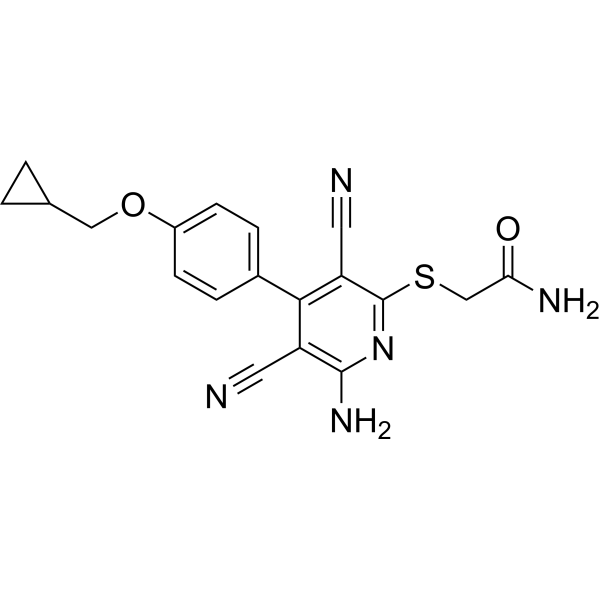
Cat. No.: HY-100523
CAS No.: 846557-71-9
Purity:  99.96%
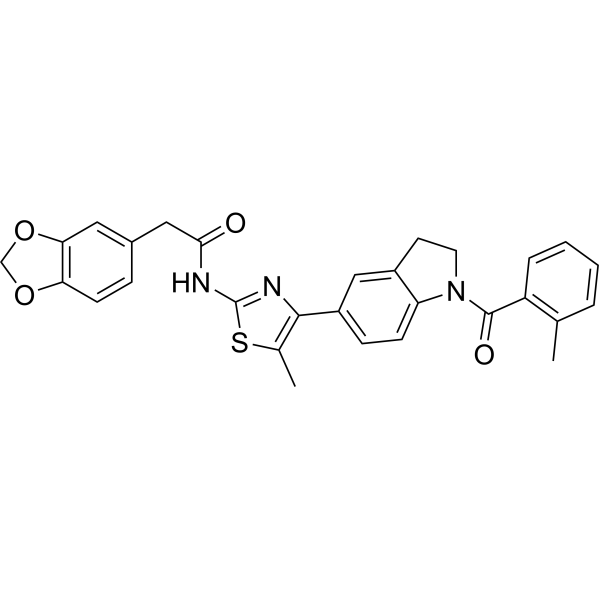
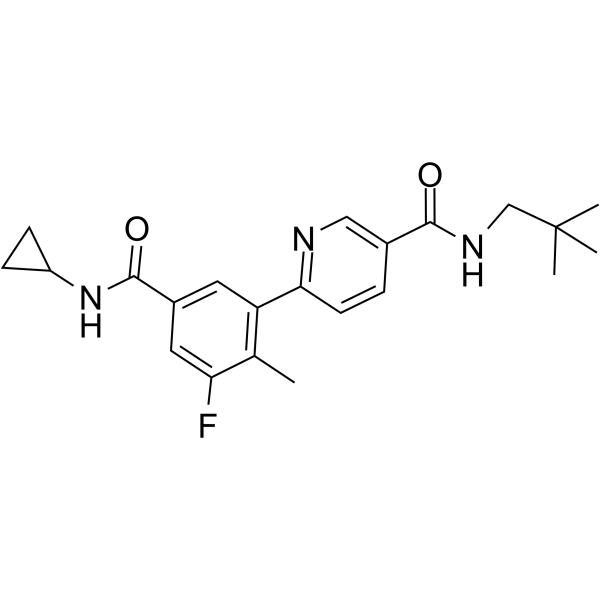
ML385 is a potent and selective Nrf2 inhibitor with an IC50 of 1.9 μM. ML385 directly binds to the Neh1 domain of NRF2, interferes with the binding of the MAFG-NRF2 protein complex to the antioxidant response element (ARE) DNA sequence, thereby blocking the expression of downstream target genes of NRF2. ML385 can be used in studies related to adult T-cell leukemia, breast cancer, myocardial ischemia/reperfusion injury, non-small cell lung cancer, esophageal squamous cell carcinoma, head and neck squamous cell carcinoma, and lung squamous cell carcinoma .
loading...
    loading...
65
65 Cited Publications
Cat. No.: HY-112654
CAS No.: 2183470-12-2
Purity:  99.83%
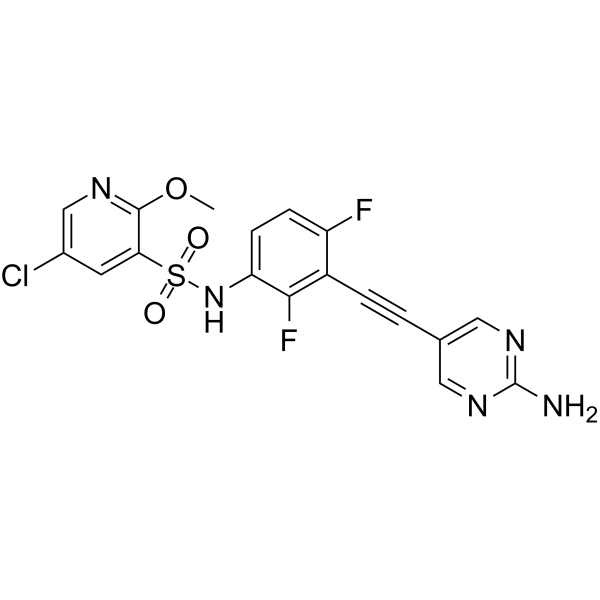
GCN2iB is an ATP-competitive, selective GCN2 inhibitor with an IC50 of 2.4 nM. GCN2iB inhibits the activation of the GCN2 pathway and upregulates GPX4. GCN2iB enhances the anticancer effect of ASNase against acute lymphoblastic leukemia. GCN2iB increases left ventricular ejection fraction, while reducing fasting blood glucose and myocardial fibrosis. GCN2iB can be used in research related to acute lymphoblastic leukemia, acute myeloid leukemia and diabetic cardiomyopathy .
loading...
    loading...
57
57 Cited Publications
Cat. No.: HY-123606
CAS No.: 1652629-23-6
GSK484 is a PAD4 inhibitor that effectively inhibits protein citrullination and the formation of neutrophil extracellular traps (NETs) by blocking the catalytic activity of PAD4. GSK484 suppresses the production of histone H3, MHC-I expression, CD8 + T cell activation, proliferation and inflammatory cytokine release. GSK484 reduces inflammation and bone destruction in collagen-induced rheumatoid arthritis, alleviates pain and mast cell activation in sickle cell disease, and improves myocardial ischemia-reperfusion injury and experimental colitis. In addition, GSK484 restores intestinal microbial homeostasis by reversing ferroptosis-induced dysbiosis. GSK484 can be used to study the disease mechanisms of rheumatoid arthritis, sickle cell disease, thrombosis, myocardial injury, colitis and other conditions .
loading...
    loading...
57
57 Cited Publications
Cat. No.: HY-108841
CAS No.: 143090-92-0
Purity:  99.40%
Synonyms: Kineret; Anakinra
Raleukin (Kineret) is a recombinant, nonglycosylated human interleukin-1 receptor (IL-1R) antagonist. Raleukin significantly reduces neutrophil accumulation in blood vessels and brain infarct volume as well as improves motor coordination performance in ischemic stroke mice model. Anakinra can be used to study chronic inflammatory disorders like rheumatoid arthritis and cardiovascular recurrence post-myocardial infarction .
loading...
    loading...
52
52 Cited Publications
Cat. No.: HY-B0573
CAS No.: 318-98-9
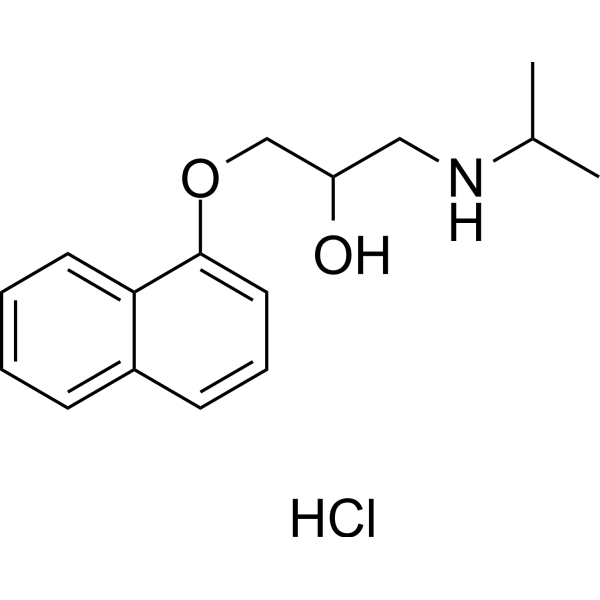
Propranolol hydrochloride is a nonselective and BBB-permeableβ-adrenergic receptor (βAR) antagonist, has high affinity for the β1AR and β2AR with Ki values of 1.8 nM and 0.8 nM, respectively. Propranolol hydrochloride inhibits [ 3H]-DHA binding to rat brain membrane preparation with an IC50 of 12 nM. Propranolol hydrochloride is used for study of hypertension, pheochromocytoma, myocardial infarction, cardiac arrhythmias, angina pectoris, and hypertrophic cardiomyopathy .
loading...
    loading...
52
52 Cited Publications
Cat. No.: HY-B0573B
CAS No.: 525-66-6
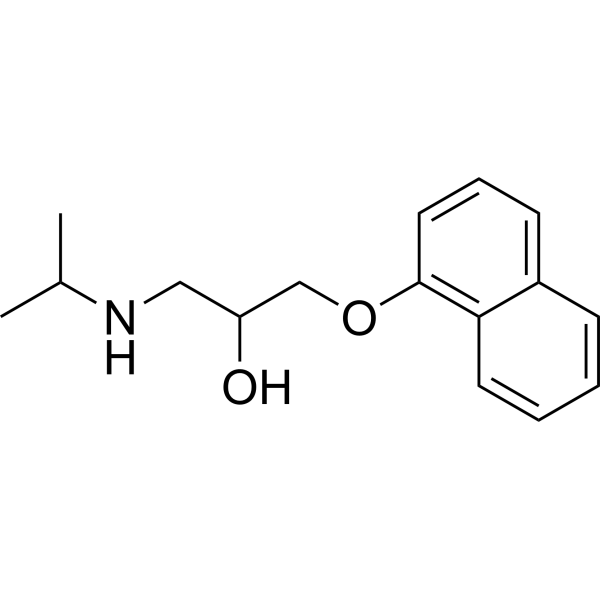
Propranolol is a nonselective and BBB-permeable β-adrenergic receptor (βAR) antagonist, has high affinity for the β1AR and β2AR with Ki values of 1.8 nM and 0.8 nM, respectively . Propranolol inhibits [ 3H]-DHA binding to rat brain membrane preparation with an IC50 of 12 nM . Propranolol is used for the study of hypertension, pheochromocytoma, myocardial infarction, cardiac arrhythmias, angina pectoris, and hypertrophic cardiomyopathy .
loading...
    loading...
34
34 Cited Publications
Cat. No.: HY-139397
CAS No.: 1357471-57-8
Purity:  99.85%
Target:  

MyD88

Research Areas:  

Cardiovascular Disease

TJ-M2010-5 is a MyD88 inhibitor that binds to the TIR domain of MyD88 to interfere with its homodimerization, and the TLR/MyD88 signal pathway . TJ-M2010-5 can be used for the research of myocardial ischemia/reperfusion injury (MIRI) .
loading...
    loading...
29
29 Cited Publications
Cat. No.: HY-100001
CAS No.: 130495-35-1
Purity:  ≥99.01%
SKF-96365 hydrochloride is a TRPC channel antagonist and store-operated calcium entry (SOCE) inhibitor. SKF-96365 hydrochloride reduces calcium ion influx by inhibiting the activity and expression of TRPC6, STIM1 and Orai1. SKF-96365 hydrochloride inhibits voltage-gated sodium current (cardiac INa/NaV1.5) and slows myocardial conduction. SKF-96365 hydrochloride inhibits phosphorylation/activation of CaMKIIγ and suppresses the downstream AKT signaling pathway. SKF-96365 hydrochloride induces G2/M phase cell cycle arrest, apoptosis and cytoprotective autophagy in colorectal cancer cells. SKF-96365 hydrochloride alleviates allergic rhinitis symptoms by reducing inflammatory cytokine levels. SKF-96365 hydrochloride reduces intracellular calcium overload, inhibits Homer1 expression, prevents nuclear damage and suppresses apoptosis. SKF-96365 hydrochloride inhibits the growth of colorectal cancer xenografts in nude mice . SKF-96365 hydrochloride is applicable to research related to allergic rhinitis, colorectal cancer, Parkinson's disease, persistent spontaneous nociception and hyperalgesia .
loading...
    loading...
29
29 Cited Publications
Cat. No.: HY-125942
CAS No.: 162849-90-3
SKF-96365 is a TRPC channel antagonist and store-operated calcium entry (SOCE) inhibitor. SKF-96365 reduces calcium ion influx by inhibiting the activity and expression of TRPC6, STIM1 and Orai1. SKF-96365 inhibits voltage-gated sodium current (cardiac INa/NaV1.5) and slows myocardial conduction. SKF-96365 inhibits phosphorylation/activation of CaMKIIγ and suppresses the downstream AKT signaling pathway. SKF-96365 induces G2/M phase cell cycle arrest, apoptosis and cytoprotective autophagy in colorectal cancer cells. SKF-96365 alleviates allergic rhinitis symptoms by reducing inflammatory cytokine levels. SKF-96365 reduces intracellular calcium overload, inhibits Homer1 expression, prevents nuclear damage and suppresses apoptosis. SKF-96365 inhibits the growth of colorectal cancer xenografts in nude mice . SKF-96365 is applicable to research related to allergic rhinitis, colorectal cancer, Parkinson's disease, persistent spontaneous nociception and hyperalgesia .
loading...
    loading...
26
26 Cited Publications
Cat. No.: HY-P1731C
Synonyms: LY3298176 sodium
Tirzepatide sodium (LY3298176 sodium) is a dual glucose-dependent insulinotropic polypeptide (GIP) and glucagon-like peptide-1 (GLP-1) receptor agonist. Tirzepatide sodium exerts anti-apoptotic and pro-differentiation effects via the pAkt/CREB/BDNF cascade and miRNA in neurons; in the heart, it promotes BCAA catabolism and inhibits the mTOR pathway by mediating the dephosphorylation of BCKDHA; meanwhile, it effectively reduces insulin and leptin levels and suppresses inflammatory responses at the systemic level. Tirzepatide sodium can be used for research on myocardial infarction, colon cancer, diabetes, diabetic cognitive impairment, neurodegeneration, diabetes-related neuropathy, and obesity .
loading...
    loading...
16
16 Cited Publications
Cat. No.: HY-16657
CAS No.: 163847-77-6
TAPI-1 is a broad-spectrum MMP inhibitor and NF-κB p65 inhibitor that targets ADAM17/TACE, ADAM10 and other proteins. TAPI-1 reduces the proteolytic cleavage of membrane-bound TNF-α, decreases TNF-α levels, inhibits NF-κB pathway activation, and downregulates profibrotic markers. TAPI-1 reduces the proportion of proinflammatory immune cells, alleviates cardiac and airway fibrosis, and improves cardiac function after myocardial infarction. Meanwhile, TAPI-1 inhibits the viability, migration and invasion of esophageal squamous cell carcinoma cells, enhances the chemosensitivity of Cisplatin (HY-17394), induces apoptosis, and shows low toxicity to normal esophageal epithelial cells. TAPI-1 can be widely used in studies related to myocardial infarction-induced heart failure, severe traumatic tracheal stenosis, esophageal squamous cell carcinoma and other conditions .
loading...
    loading...
13
13 Cited Publications
Cat. No.: HY-18100A
CAS No.: 75136-54-8
PRE-084 hydrochloride is a highly selective σ1 receptor (S1R) agonist, with an IC50 of 44 nM. PRE-084 hydrochloride exhibits good neuroprotective effects, can improve motor function and motor neuron survival in mice. PRE-084 hydrochloride also can ameliorate myocardial ischemia-reperfusion injury in rats by activating the Akt-eNOS pathway .
loading...
    loading...
13
13 Cited Publications
Cat. No.: HY-B0331
CAS No.: 75847-73-3
Synonyms: MK-421
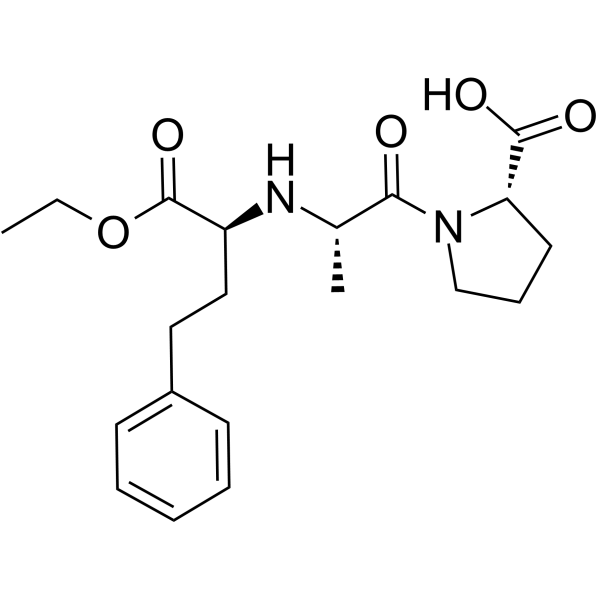
Enalapril (MK-421) is an orally active angiotensin-converting enzyme inhibitor. Enalapril blocks the conversion of angiotensin I to angiotensin II, regulates the renin-angiotensin system, reduces preload and afterload, and decreases plasma angiotensin II levels. Enalapril inhibits apoptosis, reduces nitric oxide metabolite levels, stabilizes endothelial cells, enhances endothelial antioxidant defense, scavenges reactive oxygen species (ROS), and alleviates neuronal damage. Enalapril attenuates glutathione depletion, protein/lipid oxidation, tissue damage, and type III collagen immunolabeling in organs of diabetic rats. Enalapril reduces systolic blood pressure and urinary albumin excretion, and delays the progression of diabetic cardiac/renal injury. Enalapril is used in research related to asymptomatic left ventricular dysfunction, congestive heart failure, Alzheimer's disease, diabetes mellitus, acute myocardial infarction, atrial fibrillation, hypertension, cerebral ischemia, chronic heart failure, and single-ventricle physiology .
loading...
    loading...
13
13 Cited Publications
Cat. No.: HY-B0331A
CAS No.: 76095-16-4
Synonyms: MK-421 maleate
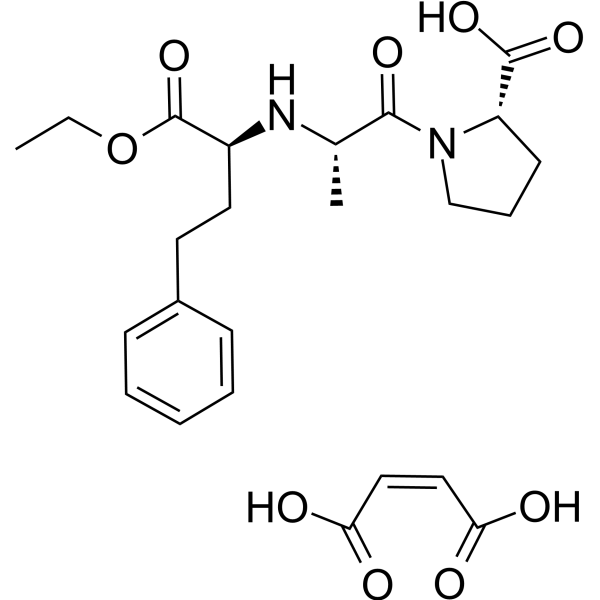
Enalapril maleate (MK-421 maleate) is an orally active angiotensin-converting enzyme inhibitor. Enalapril maleate blocks the conversion of angiotensin I to angiotensin II, regulates the renin-angiotensin system, reduces preload and afterload, and decreases plasma angiotensin II levels. Enalapril maleate inhibits apoptosis, reduces nitric oxide metabolite levels, stabilizes endothelial cells, enhances endothelial antioxidant defense, scavenges reactive oxygen species (ROS), and alleviates neuronal damage. Enalapril maleate attenuates glutathione depletion, protein/lipid oxidation, tissue damage, and type III collagen immunolabeling in organs of diabetic rats. Enalapril maleate reduces systolic blood pressure and urinary albumin excretion, and delays the progression of diabetic cardiac/renal injury. Enalapril maleate is used in research related to asymptomatic left ventricular dysfunction, congestive heart failure, Alzheimer's disease, diabetes mellitus, acute myocardial infarction, atrial fibrillation, hypertension, cerebral ischemia, chronic heart failure, and single-ventricle physiology .
loading...
    loading...
12
12 Cited Publications
Cat. No.: HY-10402
CAS No.: 585543-15-3
Purity:  99.94%
Synonyms: GSK-AHAB; GW856553X; SB856553
Losmapimod (GSK-AHAB; GW856553X) is an orally active p38α/β MAPK inhibitor, with pKi values of 8.1 and 7.6 for p38α and p38β, respectively. Losmapimod reduces DUX4 expression, thus exerting efficacy in facioscapulohumeral muscular dystrophy. By inhibiting MAPK/NF-κB, Losmapimod reduces apoptosis of epileptiform hippocampal neurons, and exhibits anti-allodynia and anti-hyperalgesic activities. Losmapimod blocks the entry and fusion of Lassa fever virus (LASV). Losmapimod overcomes tyrosine kinase inhibitor resistance in non-small cell lung cancer (NSCLC). Losmapimod inhibits myocardial senescence and inflammation, and possesses cardioprotective activity against cardiotoxicity .
loading...
    loading...
12
12 Cited Publications
Cat. No.: HY-N2037
CAS No.: 5843-65-2
Synonyms: Norcoclaurine; Demethyl-Coclaurine
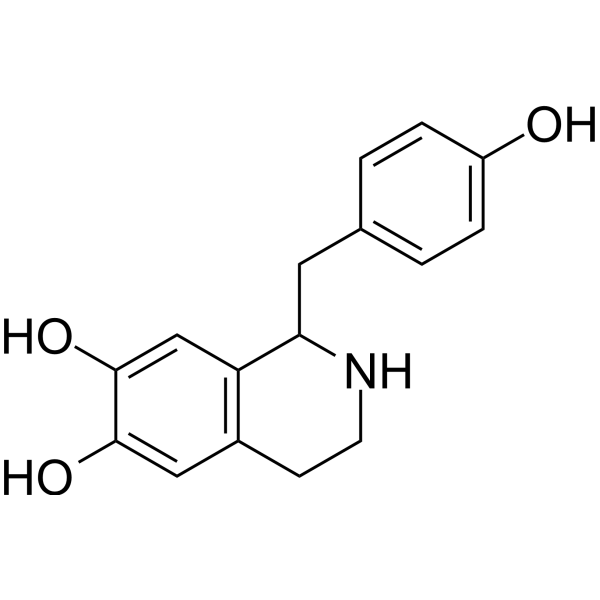
Higenamine (Norcoclaurine), a β2-AR agonist with antioxidant capability, is a key component of the Chinese herb aconite root that prescribes for treating symptoms of heart failure in the oriental Asian countries. Higenamine is also a α1-adrenergic receptor antagonist with hypotensive effect. is a selective LSD1 inhibitor (IC50=1.47 μM) that can be isolated from aconite. Higenamine hydrochloride has anti-inflammatory and antibacterial activity. Higenamine protects myocyte Apoptosis and ischemia/reperfusion (I/R) injury through selective activation of beta2-adrenergic receptor (β2-AR). Higenamine also reduces I/R-induced myocardial infarction in mice. Higenamine can attenuate IL-1β-induced Apoptosis through ROS-mediated PI3K/Akt signaling pathway. Higenamine protects brain cells from oxygen deprivation. Higenamine can promote bone formation in osteoporosis through the SMAD2/3 pathway. Higenamine can be used to study cancer, inflammation, cardiorenal syndrome and other diseases .
loading...
    loading...
9
9 Cited Publications
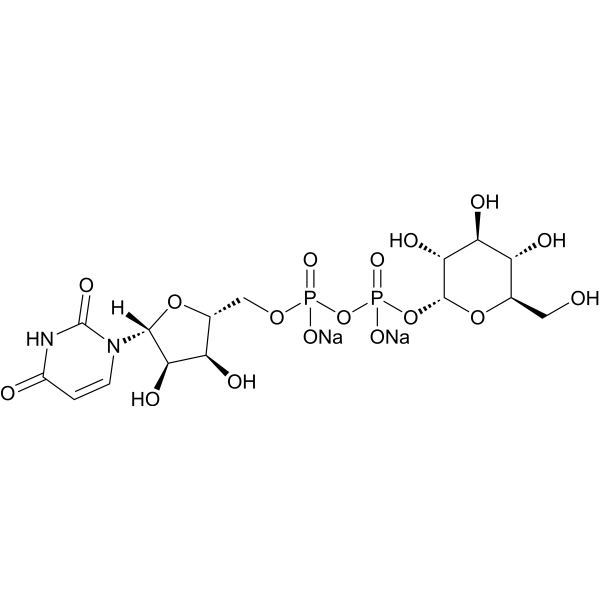
Cat. No.: HY-N7032
CAS No.: 28053-08-9
Synonyms: UDP-D-Glucose disodium
Uridine 5’-diphosphoglucose (UDP-glucose) disodium, secreted by cardiomyocytes during ischemia and reperfu, is a potent agonist of the proinflammatory P2Y14 receptor. It acts an important role in the regulation of inflammation and neutrophil polarization in neutrophils. Uridine 5’-diphosphoglucose disodium is also the precursor of glucose-containing oligosaccharides, polysaccharides, glycoproteins, and glycolipids in animal tissues and in some microorganisms. Uridine 5’-diphosphoglucose disodium is promising for research in counteracting myocardial infarction/reperfusion (MIR)-induced inflammation in the heart tissue.
loading...
    loading...
8
8 Cited Publications
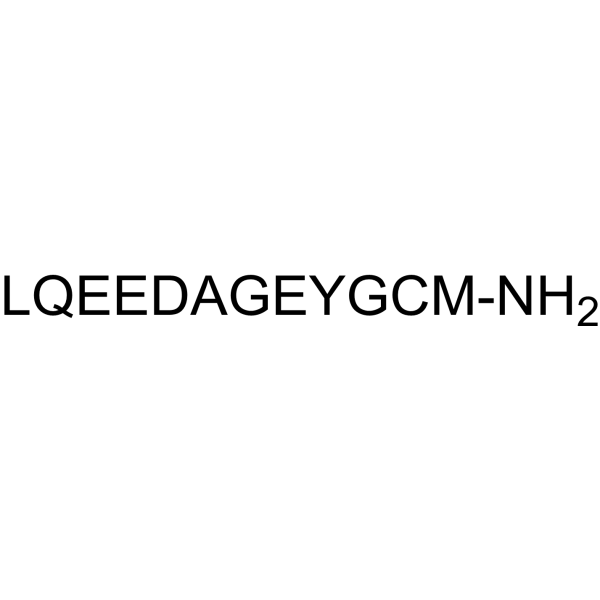
Cat. No.: HY-P3211
CAS No.: 2014384-91-7
Synonyms: LR12
Nangibotide (LR12) is a synthetic peptide and TREM-1 receptor inhibitor. Nangibotide inhibits NF-κB and NLRP3 inflammasome activation and reduces the release of pro-inflammatory factors (such as IL-1β, IL-8). Nangibotide inhibits Apoptosis. Nangibotide reduces excessive inflammatory responses and protects tissues (liver, lung) from damage. Nangibotide can be used in the researches for myocardial ischemia-reperfusion injury, septic shock, acute lung injury, osteoarthritis, and acute liver failure .
loading...
    loading...
8
8 Cited Publications
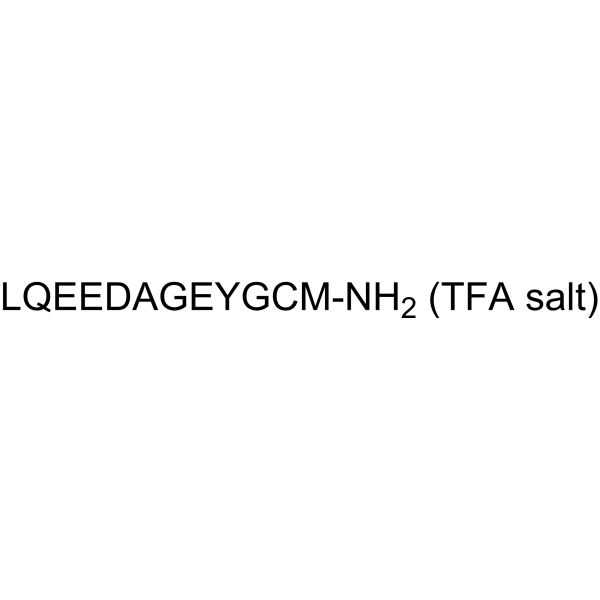
Cat. No.: HY-P3211A
Synonyms: LR12 TFA
Nangibotide TFA (LR12 TFA) is a synthetic peptide and TREM-1 receptor inhibitor. Nangibotide TFA inhibits NF-κB and NLRP3 inflammasome activation and reduces the release of pro-inflammatory factors (such as IL-1β, IL-8). Nangibotide TFA inhibits Apoptosis. Nangibotide TFA reduces excessive inflammatory responses and protects tissues (liver, lung) from damage. Nangibotide TFA can be used in the researches for myocardial ischemia-reperfusion injury, septic shock, acute lung injury, osteoarthritis, and acute liver failure .
loading...
    loading...
7
7 Cited Publications
Cat. No.: HY-103171
CAS No.: 910487-58-0
Purity:  99.93%
BAY 60-6583 is a potent and high-affinity agonist of adenosine A2B receptor (EC50=3 nM) over A1, A2A, and A3 receptors. BAY 60-6583 binds to mouse, rabbit, and dog A2BAR with Ki values of 750 nM, 340 nM and 330 nM, respectively. BAY 60-6583 has a cardioprotective effect in a myocardial ischemia model .
loading...
    loading...

