

1. Search Result
Search Result
Pathways Recommended: Apoptosis Neuronal Signaling
Results for "

neuronal apoptosis

" in MedChemExpress (MCE) Product Catalog:

125

Inhibitors & Agonists

2

Biochemical Assay Reagents

12

Peptides

1

MCE Kits

49

Natural
Products

13

Isotope-Labeled Compounds

1

Antibodies

1

Oligonucleotides

Targets Recommended:
Cat. No. Product Name Target Research Areas Chemical Structure
  • HY-100807
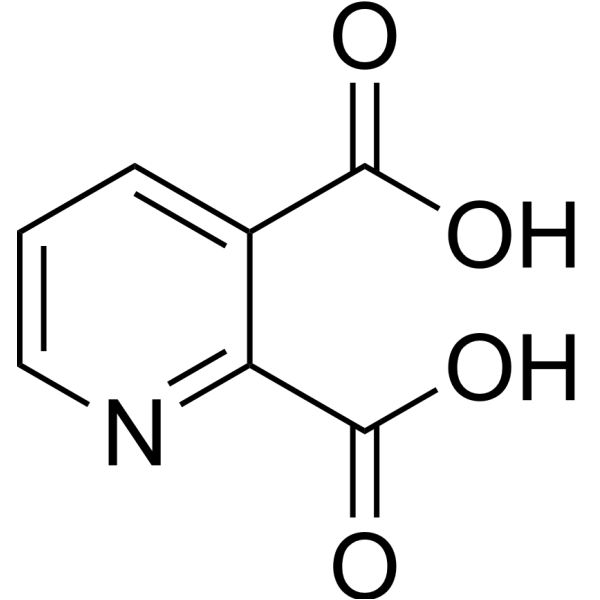
    Quinolinic acid
    5+ Cited Publications

    MOFs iGluR Endogenous Metabolite Reactive Oxygen Species (ROS) NO Synthase Apoptosis Neurological Disease Inflammation/Immunology
    Quinolinic acid, an endogenous metabolite of tryptophan, is a N-methyl-D-aspartate receptor (NMDA receptor) agonist. Quinolinic acid increases glutamate efflux, induces the generation of ROS, activates nitric oxide synthase, produces excessive NO, leading to calcium ion influx and neuronal apoptosis .
    Quinolinic acid
  • HY-B1272
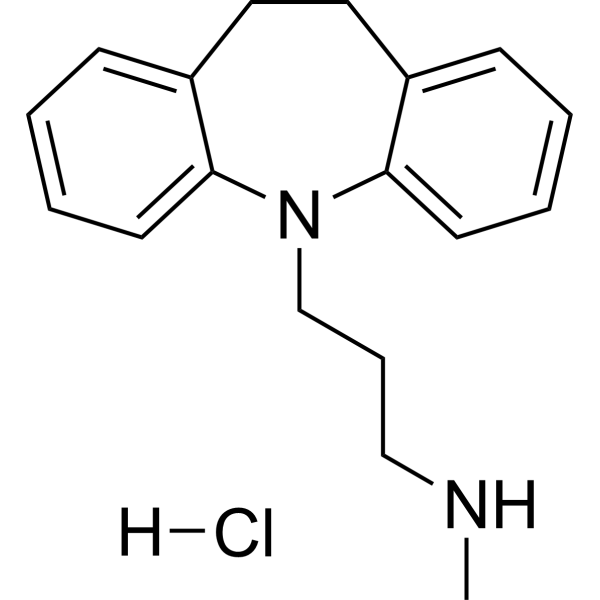
    Desipramine hydrochloride
    10+ Cited Publications

    Adrenergic Receptor ERK JNK p38 MAPK NF-κB AP-1 Apoptosis Reactive Oxygen Species (ROS) Mitochondrial Metabolism TNF Receptor Neurological Disease Inflammation/Immunology Cancer
    Desipramine hydrochloride is a first-generation tricyclic antidepressant. Desipramine hydrochloride selectively binds to norepinephrine transporter and blocks neuronal norepinephrine reuptake. Desipramine hydrochloride activates MAPK signaling via ERK1/2, JNK, and p38, represses NF-κB and AP-1 activity, and induces apoptosis via ROS elevation, mitochondrial membrane potential reduction, and intracellular calcium increase. Desipramine hydrochloride also shows anyi-inflammatory activity, inhibiting TNF-α production. Desipramine hydrochloride can be used for the research of hepatocellular cancer, inflammation, and neurological diseases .
    Desipramine hydrochloride
  • HY-18731
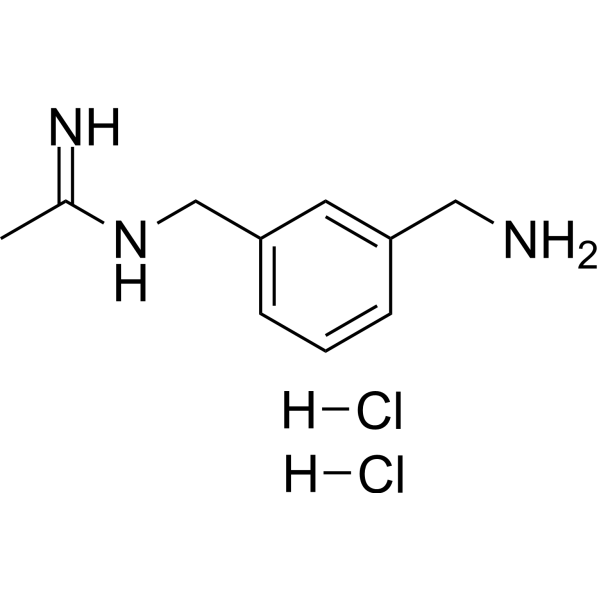
    1400W Dihydrochloride
    25+ Cited Publications

    NO Synthase Apoptosis Cardiovascular Disease Inflammation/Immunology Cancer
    1400W dihydrochloride is the dihydrochloride form of 1400W (HY-18730). 1400W is a slow, tight binding, and highly selective inducible nitric-oxide synthase (iNOS) inhibitor, with a Kd value ≤ 7 nM. 1400W inhibits iNOS induction in microglial cells, and reduces generation of NO, thereby mitigating oxidative stress and neuronal cell apoptosis in the rat cerebral cortex, and improving the spatial memory dysfunction caused by acute hypobaric hypoxia-reoxygenation .
    1400W Dihydrochloride
  • HY-P1061
    Colivelin
    Maximum Cited Publications
    92 Publications Verification

    STAT Amyloid-β Neurological Disease
    Colivelin is a brain penetrant neuroprotective peptide and a potent activator of STAT3, suppresses neuronal death by activating STAT3 in vitro . Colivelin exhibits long-term beneficial effects against neurotoxicity, Aβ deposition, neuronal apoptosis, and synaptic plasticity deficits in neurodegenerative disease . Colivelin has the potential for the treatment of alzheimer's disease and ischemic brain injury
    Colivelin
  • HY-113294
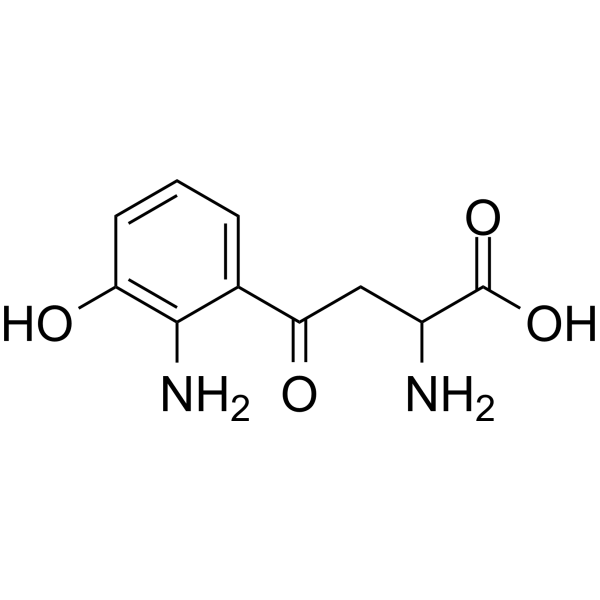
    3-Hydroxykynurenine
    2 Publications Verification

    3-Hydroxy-DL-kynurenine

    Endogenous Metabolite Apoptosis Neurological Disease
    3-Hydroxykynurenine, a metabolite of tryptophan, is a potential endogenous neurotoxin whose increased levels have been described in several neurodegenerative disorders. 3-Hydroxykynurenine induces neuronal apoptosis .
    3-Hydroxykynurenine
  • HY-W011474

    NF-κB Inflammation/Immunology
    Geranylgeraniol is an orally acitve vitamin K2 sub-type, an intermediate of the mevalonate pathway. Geranylgeraniol targets NF-kB signaling pathway and could alleviate LPS-induced microglial inflammation in animal model .
    Geranylgeraniol
  • HY-Y1787
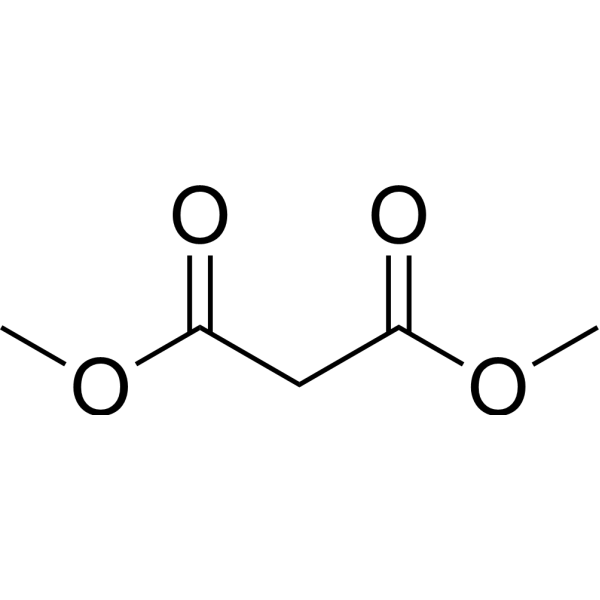
    Dimethyl malonate
    5+ Cited Publications

    Apoptosis Neurological Disease
    Dimethyl malonate is a competitive inhibitor of succinate dehydrogenase (SDH). Dimethyl malonate is able to cross the blood-brain barrier and hydrolyse to malonate. Dimethyl malonate reduces neuronal apoptosis .
    Dimethyl malonate
  • HY-Y0669
    Pipecolic acid
    2 Publications Verification

    Endogenous Metabolite YAP Glutathione Peroxidase Ferroptosis Neurological Disease Metabolic Disease Inflammation/Immunology
    Pipecolic acid is an orally bioavailable, blood-brain barrier-permeable metabolite of lysine with antioxidant, inhibitor, and inducer activity. Pipecolic acid modulates the YAP-GPX4 signaling pathway, reduces retinal vascular tube formation, and mitigates ferroptosis. Pipecolic acid potentiates voltage-sensitive Ca 2+ channel currents and induces neuronal apoptosis. Pipecolic acid can be used for the research of diabetic retinopathy .
    Pipecolic acid
  • HY-W010892
    Scopolamine hydrobromide trihydrate
    Maximum Cited Publications
    21 Publications Verification

    Hyoscine hydrobromide trihydrate

    mAChR 5-HT Receptor Neurological Disease
    Scopolamine (Hyoscine) hydrobromide trihydrate is a high-affinity muscarinic antagonist that can cross the blood-brain barrier. Scopolamine hydrobromide trihydrate competitively antagonizes 5-HT3 receptors with an IC50 of 2.09 μM. Scopolamine hydrobromide trihydrate can induce cognitive and memory deficits in animals. Scopolamine hydrobromide trihydrate can be used in the research of preventing postoperative nausea and vomiting, motion sickness, nervous system diseases, etc .
    Scopolamine hydrobromide trihydrate
  • HY-W040129
    Chromomycin A3
    1 Publications Verification

    DNA Alkylator/Crosslinker DNA/RNA Synthesis Apoptosis Caspase Infection Neurological Disease Cancer
    Chromomycin A3 is an inhibitor that selectively binds to GC-rich DNA sequences. Chromomycin A3 targets the DNA minor groove after forming a dimer with Mg 2+. Chromomycin A3 inhibits DNA replication and transcription, blocks the binding of Sp1 transcription factor to target gene promoters, downregulates the expression of anti-apoptotic proteins such as FLIP, Mcl-1, and XIAP, and induces S-phase cycle arrest and caspase-dependent apoptosis in tumor cells. Chromomycin A3 can antagonize oxidative stress induced by glutathione depletion and neuronal apoptosis induced by Camptothecin (HY-15660). Chromomycin A3 can be used in basic research on malignant tumors such as cholangiocarcinoma, and is a potential chemosensitizer and GC-rich region probe .
    Chromomycin A3
  • HY-P1061A
    Colivelin TFA
    Maximum Cited Publications
    92 Publications Verification

    STAT Amyloid-β Apoptosis Neurological Disease
    Colivelin TFA is a brain penetrant neuroprotective peptide and a potent activator of STAT3, suppresses neuronal death by activating STAT3 in vitro . Colivelin TFA exhibits long-term beneficial effects against neurotoxicity, Aβ deposition, neuronal apoptosis, and synaptic plasticity deficits in neurodegenerative disease . Colivelin TFA has the potential for the treatment of alzheimer's disease and ischemic brain injury .
    Colivelin TFA
  • HY-B0553
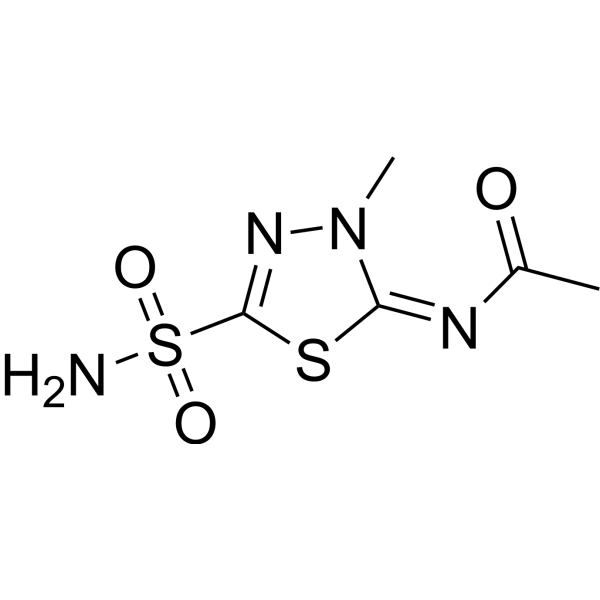
    Methazolamide
    4 Publications Verification

    L584601

    Carbonic Anhydrase Apoptosis Reactive Oxygen Species (ROS) Caspase Cardiovascular Disease Neurological Disease Inflammation/Immunology Cancer
    Methazolamide (L584601) is a BBB-penetrable and orally active carbonic anhydrase inhibitor, with a Ki of 14 nM for human carbonic anhydrase II. Methazolamide can reduce intraocular pressure and has a neuroprotective effect, being able to inhibit neuronal apoptosis. Methazolamide can be used in the research of ophthalmic diseases such as glaucoma and cerebrovascular diseases such as subarachnoid hemorrhage .
    Methazolamide
  • HY-B0863
    Glyphosate
    1 Publications Verification

    Environmental Pollutants Necroptosis Apoptosis Autophagy Neurological Disease
    Glyphosate, a non-selective systemic biocide with broad-spectrum activity, is an herbicidal derivative of the amino acid glycine. Glyphosate inhibits the enzymatic activity of the 5-endopyruvylshikimate 3-phosphate synthase (EPSPS) in the shikimic acid pathway, preventing the synthesis of the aromatic amino acids tyrosine, phenylalanine, and tryptophan. Glyphosate induces oxidative stress, neuroinflammation, and mitochondrial dysfunction, processes that lead to neuronal death by autophagia, necrosis, or apoptosis, as well as the appearance of behavioral and motor disorders .
    Glyphosate
  • HY-N7922
    Urolithin M5
    1 Publications Verification

    Decarboxyellagic acid

    Influenza Virus p38 MAPK EGFR Akt Reactive Oxygen Species (ROS) Apoptosis Infection Neurological Disease
    Urolithin M5 (Decarboxyellagic acid) is an orally active influenza virus neuraminidase inhibitor and neuroprotective agent, with IC50 values of 174.8 μM (HK68), 191.5 μM (pdm09), 243.2 μM (WSN) and 257.1 μM (PR8) against four influenza virus neuraminidases, respectively. Urolithin M5 inhibits viral neuraminidase activity, thereby blocking influenza virus replication (including oseltamivir (HY-13317)-resistant strains), protecting infected mammals from death and improving pulmonary edema. Urolithin M5 forms a hydrogen-bond stabilized complex with IGF1R, and binds to MAPK14, AKT1, NFKB1 and EGFR. Urolithin M5 reduces reactive oxygen species production, inhibits neuronal apoptosis, restores mitochondrial transmembrane potential, and promotes neurite outgrowth of damaged neuronal cells. Urolithin M5 can be used in research related to influenza virus infection and Alzheimer's disease .
    Urolithin M5
  • HY-B1065

    α-N-Acetyl-L-glutamine; N2-Acetylglutamine

    Keap1-Nrf2 Akt ASK1 Apoptosis Neurological Disease
    Aceglutamide (α-N-Acetyl-L-glutamine; N2-Acetylglutamine) is a neuroprotectant that can penetrate the blood-brain barrier. Aceglutamide can enhance the antioxidant systems of glutathione (GSH), thioredoxin (Trx) and Nrf2. Aceglutamide also inhibits ASK1 and TRAF1, activates the Akt/Bcl-2 anti-apoptotic pathway, enhances the activity of antioxidant enzymes and reduces oxidative damage. Aceglutamide can improve neurological deficits after cerebral ischemia, reduce infarct volume, and inhibit neuronal apoptosis, especially substantia nigra dopaminergic neurons. Aceglutamide can reduce cerebral ischemia/reperfusion injury, improve motor dysfunction, and is used in ischemic stroke-related research .
    Aceglutamide
  • HY-100807S
    Quinolinic acid-d3
    2 Publications Verification

    Isotope-Labeled Compounds iGluR Endogenous Metabolite Reactive Oxygen Species (ROS) NO Synthase Apoptosis Neurological Disease Inflammation/Immunology
    Quinolinic acid-d3 is the deuterium labeled Quinolinic acid. Quinolinic acid, an endogenous metabolite of tryptophan, is a N-methyl-D-aspartate receptor (NMDA receptor) agonist. Quinolinic acid increases glutamate efflux, induces the generation of ROS, activates nitric oxide synthase, produces excessive NO, leading to calcium ion influx and neuronal apoptosis.
    Quinolinic acid-d3
  • HY-N12060

    Bcl-2 Family Caspase Apoptosis Autophagy Reactive Oxygen Species (ROS) Akt JNK ERK Cardiovascular Disease Neurological Disease
    Ginkgo biloba extract is a natural product that can be isolated from Ginkgo biloba leaves . Ginkgo biloba extract alleviates oxidative stress-induced neuronal apoptosis (Apoptosis) by stabilizing mitochondrial function, regulating Bcl-2 family proteins and inhibiting caspase activation. Ginkgo biloba extract alleviates testicular injury by upregulating SKP2 and inhibiting Beclin1-independent autophagy (Autophagy) . Ginkgo biloba extract alleviates various types of neuronal damage in animal models. Ginkgo biloba extract reduces behavioral sensitization in rats. Ginkgo biloba extract counteracts Aβ-induced neurotoxicity by blocking a series of Aβ-triggered events, including glucose uptake, ROS accumulation, AKT activation, mitochondrial dysfunction, JNK and ERK 1/2 pathways, and apoptosis, and also interferes with the formation of Aβ oligomers. Ginkgo biloba extract is applicable to research related to cerebral hypoperfusion, testicular injury, Alzheimer's disease, Parkinson's disease, multi-infarct dementia, stroke, traumatic brain injury and amyotrophic lateral sclerosis .
    Ginkgo biloba extract
  • HY-B0886A
    Iproniazid
    2 Publications Verification

    Monoamine Oxidase Apoptosis Neurological Disease Metabolic Disease Endocrinology
    Iproniazid is an orally active, irreversible, non-selective monoamine oxidase (MAO) inhibitor. Iproniazid inhibits MAO activity and enhances Rotenone (HY-B1756)-induced Apoptosis. Iproniazid modulates neurotransmitter levels, affects neuronal function, induces hepatic necrosis, and interferes with the endocrine system. Iproniazid can be used in the research of depression, Parkinson's disease, and hepatotoxicity .
    Iproniazid
  • HY-N7046

    Silibinin B

    Amyloid-β Apoptosis JNK p38 MAPK Neurological Disease Cancer
    Silybin B (Silibinin B) is an orally active amyloid-β aggregation inhibitor and ATR pathway activator that can cross the blood-brain barrier. Silybin B inhibits Aβ fibril formation and promotes amorphous aggregate formation, while activating the ATR-mediated DNA damage repair pathway and inhibiting JNK/p38 MAPK signaling. Silybin B can reduce Cisplatin (HY-17394)-induced neuronal DNA damage and apoptosis. Silybin B has anti-oxidative stress, cell cycle regulation and neuroprotective activities. Silybin B is mainly used in the study of Alzheimer's disease and Cisplatin chemotherapy-related neurotoxicity .
    Silybin B
  • HY-122816
    HLY78
    10+ Cited Publications

    Wnt β-catenin Apoptosis Cardiovascular Disease Neurological Disease Cancer
    HLY78, a Lycorine (HY-N0288) derivative, is a potent activator of the Wnt/β-catenin signaling pathway. HLY78 targets the DIX domain of Axin and promotes the Axin-LRP6 (lipoprotein receptor-related protein 6) association, thus promoting LRP6 phosphorylation and Wnt signal transduction. HLY78 can be used for subarachnoid hemorrhage (SAH) research .
    HLY78
  • HY-15322
    PRT062607
    4 Publications Verification

    P505-15; PRT-2607; BIIB-057

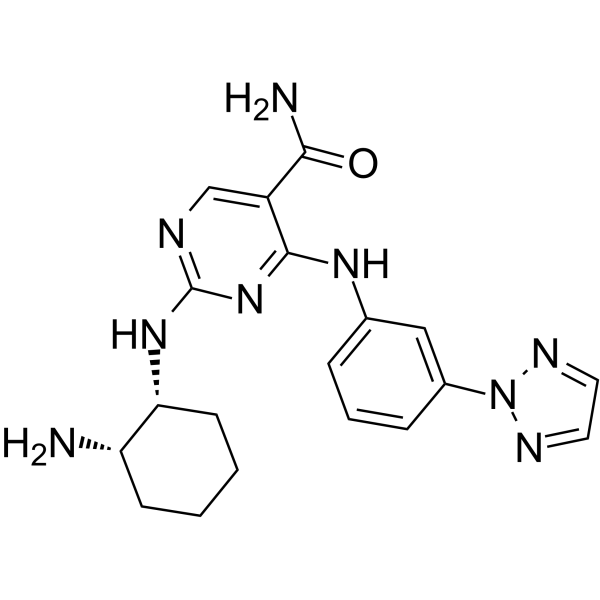
    Syk Apoptosis Caspase Inflammation/Immunology Cancer
    PRT062607 (P505-15; PRT-2607) is an orally active ATP-competitive Syk inhibitor with an IC50 value of 1 nM, and exhibits at least 80-fold selectivity over other kinases. PRT062607 blocks B cell antigen receptor-mediated activation, Fcε receptor 1-mediated basophil degranulation and microglial phagocytosis, and induces caspase-dependent apoptosis and microglial death. PRT062607 inhibits tumor growth and peripheral nerve injury-induced mechanical allodynia, and prevents neuronal loss. PRT062607 can be used in research related to rheumatoid arthritis, chronic lymphocytic leukemia, non-Hodgkin's lymphoma, neurodegenerative diseases and neuropathic pain .
    PRT062607
  • HY-N0334

    Magnoflorine; α-Magnoflorine; Thalictrine

    Fungal Autophagy Apoptosis PINK1/Parkin NOD-like Receptor (NLR) Caspase JNK NF-κB Sirtuin AMPK Reactive Oxygen Species (ROS) Cardiovascular Disease Infection Neurological Disease Metabolic Disease Inflammation/Immunology Cancer
    (+)-Magnoflorine (α-Magnoflorine) is an orally active aporphine alkaloid with multiple biological activities. (+)-Magnoflorine promotes Parkin/PINK1 -mediated mitochondrial autophagy, inhibits the activation of NLRP3/Caspase-1 pathway, regulates the intestinal microbiota, and exhibits significant anti-inflammatory and immunomodulatory activities. (+)-Magnoflorine inhibits JNK and TLR4/NF-κB signaling pathways, activates Sirt1/AMPK pathway, alleviates neuronal oxidative stress and apoptosis. Magnoflorine upregulates miR-410-3p, inhibits HMGB1/NF-κB pathway, and has anti-tumor activity. (+)-Magnoflorine also has significant antifungal activity .
    (+)-Magnoflorine
  • HY-18730
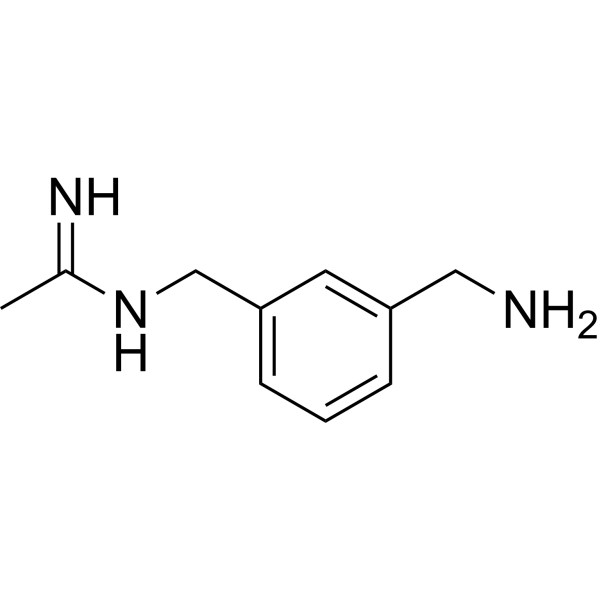
    1400W
    25+ Cited Publications

    W1400

    NO Synthase Apoptosis Cardiovascular Disease Inflammation/Immunology Cancer
    1400W is a slow, tight binding, and highly selective inducible nitric-oxide synthase (iNOS) inhibitor, with a Kd value ≤ 7 nM. 1400W inhibits iNOS induction in microglial cells, and reduces generation of NO, thereby mitigating oxidative stress and neuronal cell apoptosis in the rat cerebral cortex, and improving the spatial memory dysfunction caused by acute hypobaric hypoxia-reoxygenation .
    1400W
  • HY-P10275

    Apoptosis Neurological Disease
    Tat-NTS peptide is a cell-penetrating peptide with neuroprotective effects. Tat-NTS peptide can specifically inhibit the nuclear translocation of ANXA1 and reduce neuronal apoptosis in ischemic areas. Moreover, Tat-NTS peptide can reduce the volume of cerebral ischemic infarction and can be used in the research of ischemic stroke .
    Tat-NTS peptide
  • HY-113366

    PGJ2

    Prostaglandin Receptor Endogenous Metabolite Neurological Disease
    Prostaglandin J2 (PGJ2), an endogenous metabolite of Prostaglandin D2 (PGD2; HY-101988), is a potent PGD2 receptor (DP) agonist with Kis of 0.9 nM and 6.6 nM for hDP and hCRTH2, respectively. Prostaglandin J2 stimulates intracellular cyclic AMP production with an EC50 value of 1.2 nM. Prostaglandin J2 induces oxidative stress and neuronal apoptosis. Prostaglandin J2 induces the accumulation/aggregation of ubiquitinated (Ub) proteins. Prostaglandin J2 is highly neurotoxic and potentially contributes to many neurodegenerative conditions, including Alzheimer's (AD) and Parkinson's diseases (PD) .
    Prostaglandin J2
  • HY-W040045
    Callistephin chloride
    1 Publications Verification

    Pelargonidin-3-O-glucoside chloride

    Reactive Oxygen Species (ROS) COX NO Synthase p38 MAPK TNF Receptor Apoptosis Neurological Disease Metabolic Disease Inflammation/Immunology Cancer
    Callistephin (Pelargonidin 3-O-glucoside) chloride is an anthocyanin. Callistephin chloride regulates the expression of inflammatory (reducing iNOS/TNF-α/COX-2) and apoptosis-related proteins by inhibiting p38 phosphorylation, and enhances the protective effect of Isoflurane (HY-A0134) on microglial cell damage. Callistephin chloride significantly reduces ROS levels, eliminates DPPH free radicals, protects retinal pigment epithelial cells, and inhibits lipid peroxidation. Callistephin chloride can alleviate glutamate excitotoxicity, reduce neuronal apoptosis, and protect cerebellar granule neurons. Callistephin chloride can inhibit the proliferation and metastasis of breast cancer cells by inducing apoptosis .
    Callistephin chloride
  • HY-103661
    BI-6C9
    3 Publications Verification

    Mitochondrial Metabolism Apoptosis Neurological Disease
    BI-6C9 is a highly specific BH3 interacting domain (Bid) inhibitor, which prevents mitochondrial outer membrane potential (MOMP) and mitochondrial fission, and protects the cells from mitochondrial apoptosis inducing factor (AIF) release and caspase-independent cell death in neurons .
    BI-6C9
  • HY-129724A

    ACTH-(11-13) acetate; Lys-Pro-Val acetate; H-Lys-Pro-Val-OH acetate

    Melanocortin Receptor NF-κB Bacterial Interleukin Related Apoptosis Infection Neurological Disease Metabolic Disease Inflammation/Immunology
    α-MSH (11-13) (ACTH-(11-13)) acetate is a C-terminal tripeptide of α-MSH that can cross the blood-brain barrier. α-MSH (11-13) acetate exhibits antipyretic, anti-inflammatory, and antibacterial activities. α-MSH (11-13) acetate also exerts neuroprotective effects after traumatic brain injury by inhibiting excessive activation of microglia and reducing neuronal apoptosis. α-MSH (11-13) acetate can be used in research related to traumatic brain injury, fever, and bacterial infections .
    α-MSH (11-13) acetate
  • HY-N5064

    Apoptosis NO Synthase COX Neurological Disease Inflammation/Immunology
    Bacoside A3 is a triterpenoid saponin isolated from Bacopa monnieri. Bacoside A3 has neuroprotective activity, downregulating β-amyloid-induced inflammatory responses and inhibiting neuronal apoptosis. Bacoside A3 can be used in the study of Alzheimer's disease .
    Bacoside A3
  • HY-100807R
    Quinolinic acid (Standard)
    5+ Cited Publications

    Reference Standards iGluR Endogenous Metabolite Reactive Oxygen Species (ROS) NO Synthase Apoptosis Neurological Disease Inflammation/Immunology
    Quinolinic acid (Standard) is the analytical standard of Quinolinic acid. This product is intended for research and analytical applications. Quinolinic acid, an endogenous metabolite of tryptophan, is a N-methyl-D-aspartate receptor (NMDA receptor) agonist. Quinolinic acid increases glutamate efflux, induces the generation of ROS, activates nitric oxide synthase, produces excessive NO, leading to calcium ion influx and neuronal apoptosis.
    Quinolinic acid (Standard)
  • HY-B0927

    (-)-β-Hydrastine; (1R,9S)-β-Hydrastine

    Tyrosine Hydroxylase Dopamine Receptor OAT Neurological Disease
    Hydrastine ((-)-β-Hydrastine; (1R,9S)-β-Hydrastine) is a selective competitive inhibitor of tyrosine hydroxylase (TH), inhibiting dopamine biosynthesis (IC50=20.7 μM, PC12 cells). Hydrastine also inhibits the organic cation transporter OCT1 (IC50=6.6 μM). Hydrastine may cause neuronal toxicity through mitochondrial dysfunction rather than oxidative stress damage, and can aggravate cell apoptosis when combined with L-DOPA. Hydrastine can be used to study Parkinson's disease-related dopaminergic neuronal damage .
    Hydrastine
  • HY-W040128

    Antibiotic Autophagy JNK Bcl-2 Family Infection
    Kanamycins sulfate is a blood-brain barrier-permeable JNK1 and Bcl-2 modulator as well as an antibiotic, with broad-spectrum antibacterial, and biofilm-inhibiting activities, and it induces autophagy. Kanamycins sulfate promotes Bcl-2 phosphorylation to upregulate autophagy levels, triggering changes such as mitochondrial swelling and endoplasmic reticulum expansion. Consequently, it causes reversible neuronal damage in the dorsal cochlear nucleus without inducing significant neuronal apoptosis. In the presence of exogenous alanine or glucose, Kanamycins sulfate effectively kills drug-resistant bacteria, restores drug sensitivity of multidrug-resistant bacteria, and alleviates urinary tract and kidney infections in mice. Kanamycins sulfate can be applied to scientific research related to Mycobacterium tuberculosis, salmonellosis, brucellosis, shigellosis, urinary tract infections, and reversible neurotoxicity .
    Kanamycins sulfate
  • HY-B1752
    Quinpirole
    4 Publications Verification

    LY 171555; (-)-LY 141865

    Dopamine Receptor Calcium Channel Bcl-2 Family iGluR Apoptosis Neurological Disease
    Quinpirole (LY 171555; (-)-LY 141865) is a D2/D3 dopamine receptor agonist and a CaV1.3 calcium channel modulator. Quinpirole normalizes dendritic spine density in dopamine-depleted striatum, upregulates the protein expression of BCL2 and GluR2, downregulates the protein expression of BAX, and delays the onset of seizures. Quinpirole enhances learning and memory, inhibits neuronal apoptosis (apoptosis), and induces anxiety-like, stereotyped, and compulsive behaviors. Quinpirole disrupts prepulse inhibition in rhesus monkeys, enhances the activity of paraventricular thalamic neurons to promote recovery from Isoflurane anesthesia, and alters the composition of the gut microbiota in rats. Quinpirole can be used in research related to dyskinesia, pain, epilepsy, and neurological disorders including anxiety disorder, obsessive-compulsive disorder, and schizophrenia .
    Quinpirole
  • HY-B2065
    Scopolamine hydrochloride
    Maximum Cited Publications
    21 Publications Verification

    (-)-Scopolamine hydrochloride; Hyoscine hydrochloride

    mAChR 5-HT Receptor Neurological Disease
    Scopolamine (Hyoscine) hydrochloride is a high-affinity muscarinic antagonist that can cross the blood-brain barrier. Scopolamine hydrochloride competitively antagonizes 5-HT3 receptors with an IC50 of 2.09 μM. Scopolamine hydrochloride can induce cognitive and memory deficits in animals. Scopolamine hydrochloride can be used in the research of preventing postoperative nausea and vomiting, motion sickness, nervous system diseases, etc .
    Scopolamine hydrochloride
  • HY-19820A
    NSC45586 sodium
    1 Publications Verification

    Akt Ser/Thr Protease Apoptosis MMP Cardiovascular Disease Neurological Disease Inflammation/Immunology
    NSC45586 sodium is an inhibitor of PHLPP. NSC45586 sodium targets the PP2C phosphatase domains of PHLPP1 and PHLPP2, blocks the phosphatase activity of PHLPP, increases the expression level of FOXO1 in the nucleus, and reduces the protein expression of PHLPP1. NSC45586 sodium activates the AKT survival signaling pathway, enhances IGF-1-induced AKT activation, and inhibits the phosphorylation of AKT/ERK under basal conditions. NSC45586 sodium reduces staurosporine-induced neuronal death, preserves notochord cell morphology and KRT19 expression, inhibits cell apoptosis (apoptosis), improves the viability and proliferation of nucleus pulposus cells, upregulates the expression of ACAN/SOX9, and downregulates the expression of MMP13. NSC45586 sodium binds tightly to bovine serum albumin (bovine serum albumin), and exerts a more significant effect on nucleus pulposus in male individuals. NSC45586 sodium can be used in studies related to global cerebral ischemia and intervertebral disc degeneration .
    NSC45586 sodium
  • HY-B1941
    4-tert-Octylphenol
    2 Publications Verification

    Endogenous Metabolite Apoptosis DNA/RNA Synthesis Neurological Disease Metabolic Disease Inflammation/Immunology Endocrinology
    4-tert-Octylphenol, a endocrine-disrupting chemical, is an estrogenic agent. 4-tert-Octylphenol is also a biodegradation product of non-ionic surfactants alkylphenol polyethoxylates. 4-tert-Octylphenol induces apoptosis in neuronal progenitor cells in offspring mouse brain. 4-tert-Octylphenol reduces bromodeoxyuridine (BrdU), mitotic marker Ki67, and phospho-histone H3 (p-Histone-H3), resulting in a reduction of neuronal progenitor proliferation. 4-tert-Octylphenol disrupts brain development and behavior in mice, which is promising for reserch of immune response, neuro-related diseases and ethology .
    4-tert-Octylphenol
  • HY-101446

    Trk Receptor ERK Apoptosis Neurological Disease
    HIOC is a potent and selective activator of TrkB (tropomyosin related kinase B) receptor. HIOC can pass the blood-brain and blood-retinal barriers.HIOC activates TrkB/ERK pathway and decreases neuronal cell apoptosis. HIOC attenuates early brain injury after SAH (subarachnoid hemorrhage). HIOC shows protective activity in an animal model for light-induced retinal degeneration .
    HIOC
  • HY-N4098

    Apoptosis Neurological Disease
    Incensole acetate is a main constituent of Boswellia carterii resin, has neuroprotective effects against neuronal damage in traumatic and ischemic head injury. Incensole acetate reduces Aβ25–35-triggered apoptosis in hOBNSCs .
    Incensole Acetate
  • HY-120553
    B-355252
    1 Publications Verification

    Apoptosis Neurological Disease
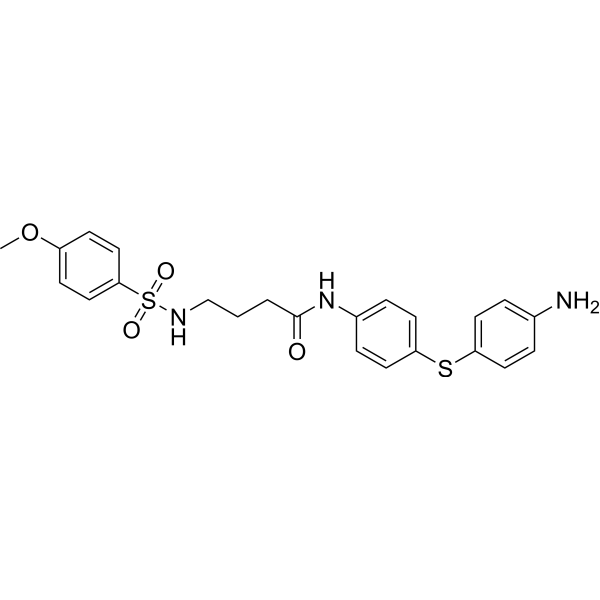
    B355252, a phenoxy thiophene sulfonamide small molecule, is a potent NGF receptor agonist. B355252 potentiates NGF-induced neurite outgrowth. B355252 protects ischemic neurons from neuronal loss by attenuating DNA damage, reducing ROS production and the LDH level, and preventing neuronal apoptosis. B355252 has anti-apoptotic effects in glutamate-induced excitotoxicity, as well as in a murine hippocampal cell line (HT22) model of Parkinson disease (PD) .
    B-355252
  • HY-N3711

    JNK ERK Apoptosis Neurological Disease
    Dehydrocrenatidine, a β-carboline alkaloid that can be isolated from Picrasma quassioides. Dehydrocrenatidine induces cell apoptosis by activates ERK and JNK. Dehydrocrenatidine inhibits invasion and migration of cancer cells, it also suppresses neuronal excitability to exert analgesic effects .
    Dehydrocrenatine
  • HY-100807S2

    Isotope-Labeled Compounds iGluR Endogenous Metabolite Reactive Oxygen Species (ROS) NO Synthase Apoptosis Neurological Disease Inflammation/Immunology
    Quinolinic acid-13C4, 15N is an isotopic labeled Quinolinic acid (HY-100807). Quinolinic acid, an endogenous metabolite of tryptophan, is a N-methyl-D-aspartate receptor (NMDA receptor) agonist. Quinolinic acid increases glutamate efflux, induces the generation of ROS, activates nitric oxide synthase, produces excessive NO, leading to calcium ion influx and neuronal apoptosis.
    Quinolinic acid-13C4,15N
  • HY-B0886
    Iproniazid phosphate
    2 Publications Verification

    Monoamine Oxidase Apoptosis Neurological Disease Metabolic Disease Endocrinology
    Iproniazid phosphate is an orally active, irreversible, non-selective monoamine oxidase (MAO) inhibitor. Iproniazid phosphate inhibits MAO activity and enhances Rotenone (HY-B1756)-induced Apoptosis. Iproniazid phosphate modulates neurotransmitter levels, affects neuronal function, induces hepatic necrosis, and interferes with the endocrine system. Iproniazid phosphate can be used in the research of depression, Parkinson's disease, and hepatotoxicity .
    Iproniazid phosphate
  • HY-P1075
    CALP3
    2 Publications Verification

    Calcium Channel Neurological Disease Cancer
    CALP3, a Ca 2+-like peptide, is a potent Ca 2+ channel blocker that activates EF hand motifs of Ca 2+-binding proteins. CALP3 can functionally mimic increased [Ca 2+]i by modulating the activity of Calmodulin (CaM), Ca 2+ channels and pumps. CALP3 has the potential in controlling apoptosis in diseases such as AIDS or neuronal loss due to ischemia .
    CALP3
  • HY-114520

    Monoamine Oxidase Mitochondrial Metabolism Apoptosis Reactive Oxygen Species (ROS) Neurological Disease Metabolic Disease
    TT01001 is a selective and orally active mitoNEET agonist and a monoamine oxidase B (MAO-B) inhibitor (IC50 = 8.84 μM). TT01001 does not activate PPARγ but interacts with MitoNEET. TT01001 attenuates oxidative stress and neuronal apoptosis by preventing mitoNEET-mediated mitochondrial dysfunction. TT01001 improves type II diabetes and ameliorates mitochondrial function of mice. TT01001 can used for the studies of type II diabetes and neurological disorders .
    TT01001
  • HY-W747676

    Isotope-Labeled Compounds Apoptosis Autophagy Necroptosis Neurological Disease
    Glyphosate- 13C is the 13C-labeled Glyphosate (HY-B0863). Glyphosate, a non-selective systemic biocide with broad-spectrum activity, is an herbicidal derivative of the amino acid glycine. Glyphosate inhibits the enzymatic activity of the 5-endopyruvylshikimate 3-phosphate synthase (EPSPS) in the shikimic acid pathway, preventing the synthesis of the aromatic amino acids tyrosine, phenylalanine, and tryptophan. Glyphosate induces oxidative stress, neuroinflammation, and mitochondrial dysfunction, processes that lead to neuronal death by autophagia, necrosis, or apoptosis, as well as the appearance of behavioral and motor disorders .
    Glyphosate-13C
  • HY-103435
    Vialinin A
    2 Publications Verification

    Terrestrin A

    Deubiquitinase TNF Receptor E1/E2/E3 Enzyme Keap1-Nrf2 Inflammation/Immunology Cancer
    Vialinin A (Terrestrin A) is a p-terphenyl compound that can be derived from a Chinese edible mushroom. Vialinin A is an inhibitor of ubiquitin-specific peptidase 4 (USP4) and has anti-inflammatory and antioxidant properties. Vialinin A can alleviate cerebral ischaemia-reperfusion injury-induced neurological deficits and neuronal apoptosis. Vialinin A promotes activation of Keap1-Nrf2-ARE signaling pathway and increases the protein degradation of Keap1. Vialinin A possesses various pharmacological activities in cancer, Kawasaki disease, asthma, and pathological scarring. Vialinin A is a potent inhibitor of TNF-α, USP4, USP5, and sentrin/SUMO-specific protease 1 (SENP1). Vialinin A can be studied in reseach for autoimmune diseases, cancer and ischaemic stroke .
    Vialinin A
  • HY-NP019

    Sirtuin Caspase Apoptosis Neurological Disease
    Agkistrodon halys batroxobin is a thrombin-like serine protease. Agkistrodon halys batroxobin reduces the expression of Sirt1 and extracellular signal-regulated kinase activation in brain tissue. Agkistrodon halys batroxobin reduces cleaved caspase-3 expression and inhibits neuronal apoptosis in rat .
    Agkistrodon halys batroxobin
  • HY-113294R

    3-Hydroxy-DL-kynurenine (Standard)

    Reference Standards Endogenous Metabolite Apoptosis Neurological Disease
    3-Hydroxykynurenine (Standard) is the analytical standard of 3-Hydroxykynurenine. This product is intended for research and analytical applications. 3-Hydroxykynurenine, a metabolite of tryptophan, is a potential endogenous neurotoxin whose increased levels have been described in several neurodegenerative disorders. 3-Hydroxykynurenine induces neuronal apoptosis .
    3-Hydroxykynurenine (Standard)
  • HY-113294S2

    3-Hydroxy-DL-kynurenine-13C2,15N hydrochloride

    Isotope-Labeled Compounds Endogenous Metabolite Apoptosis Neurological Disease
    3-Hydroxykynurenine- 13C2, 15N (3-Hydroxy-DL-kynurenine- 13C2, 15N) hydrochloride is the 13C and 15N labeled 3-Hydroxykynurenine hydrochloride (HY-113294) . 3-Hydroxykynurenine, a metabolite of tryptophan, is a potential endogenous neurotoxin whose increased levels have been described in several neurodegenerative disorders. 3-Hydroxykynurenine induces neuronal apoptosis .
    3-Hydroxykynurenine-13C2,15N hydrochloride
  • HY-W011474R

    Reference Standards NF-κB Inflammation/Immunology
    Geranylgeraniol (Standard) is the analytical standard of Geranylgeraniol. This product is intended for research and analytical applications. Geranylgeraniol is an orally acitve vitamin K2 sub-type, an intermediate of the mevalonate pathway. Geranylgeraniol targets NF-kB signaling pathway and could alleviate LPS-induced microglial inflammation in animal model [4].
    Geranylgeraniol (Standard)

Inquiry Online

Your information is safe with us. * Required Fields.

Salutation


Country or Region *

Applicant Name *


Organization Name *

Department *


Email Address *


Product Name *

Cat. No.


Requested quantity *

Phone Number *


Remarks

Inquiry Online

Inquiry Information

Product Name:
Cat. No.:
Quantity:
MCE Japan Authorized Agent:

