1. Search Result
Search Result
Results for "

optical

" in MedChemExpress (MCE) Product Catalog:

147

Inhibitors & Agonists

37

Fluorescent Dye

14

Biochemical Assay Reagents

2

Peptides

21

Natural
Products

14

Isotope-Labeled Compounds

3

Oligonucleotides

1

GMP Molecules

Cat. No. Product Name Target Research Areas Chemical Structure
  • HY-W105135

    Biochemical Assay Reagents Others
    2,6-Dichloroquinone-4-chloroimide is a spray reagent for organic compounds. 2,6-Dichloroquinone-4-chloroimide can be used in thin-layer chromatograms and detecting phenol and its derivatives. 2,6-Dichloroquinone-4-chloroimide can be used as an optical sensor for rapid detection of permethrin in treated wood .
    2,6-Dichloroquinone-4-chloroimide
  • HY-111263
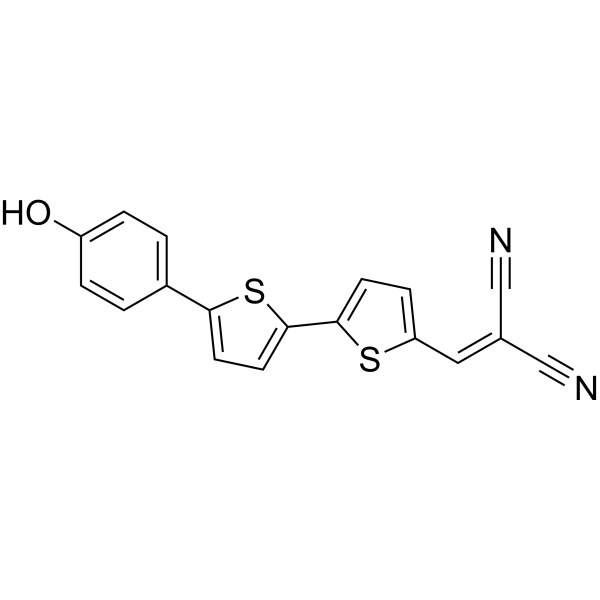
    NIAD-4
    1 Publications Verification

    Fluorescent Dye Amyloid-β Others
    NIAD-4 is a blood-brain barrier permeable fluorophore for optical imaging of amyloid-β () in the central nervous system (CNS) for Alzheimer’s disease (AD). NIAD-4 binds to the same Aβ site with the binding affinity (Ki) of 10 nM .
    NIAD-4
  • HY-B1398
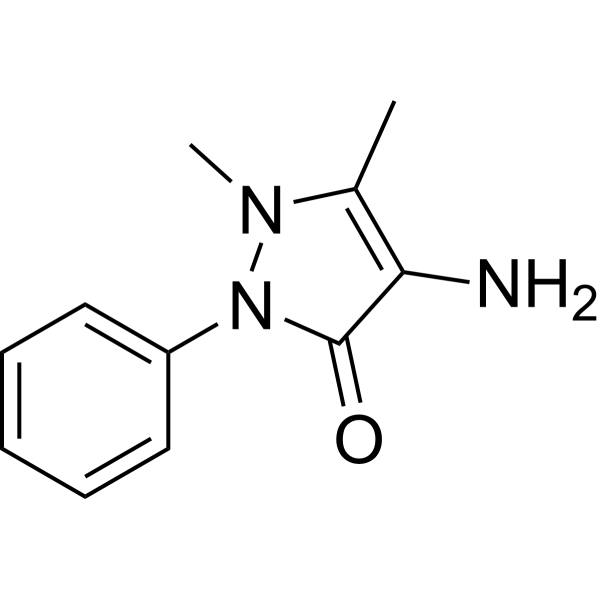
    Ampyrone
    1 Publications Verification

    4-Aminophenazone

    COX Drug Metabolite Neurological Disease Inflammation/Immunology Cancer
    Ampyrone (4-Aminophenazone; 4-Aminoantipyrine) is a reversible and low-damage optical clearing agent and non-selective COX inhibitor based on UV absorption properties. Ampyrone can improve the optical transmittance of mouse skin and other tissues. Ampyrone can induce tissue refractive index matching by enhancing UV absorption, reduce light scattering, and achieve tissue transparency in vivo. Ampyrone reduces the synthesis of prostaglandin PGE2, thereby exerting anti-inflammatory, analgesic and antipyretic effects. Ampyrone inhibits DNA damage, cell apoptosis and immune cell phagocytosis induced by Doxorubicin (HY-15142A) and Cisplatin (HY-17394), etc., and participates in the regulation of toxicity in tumor chemotherapy .
    Ampyrone
  • HY-D0023
    Pyranine
    2 Publications Verification

    HPTS; Solvent Green 7

    Environmental Pollutants Fluorescent Dye Others
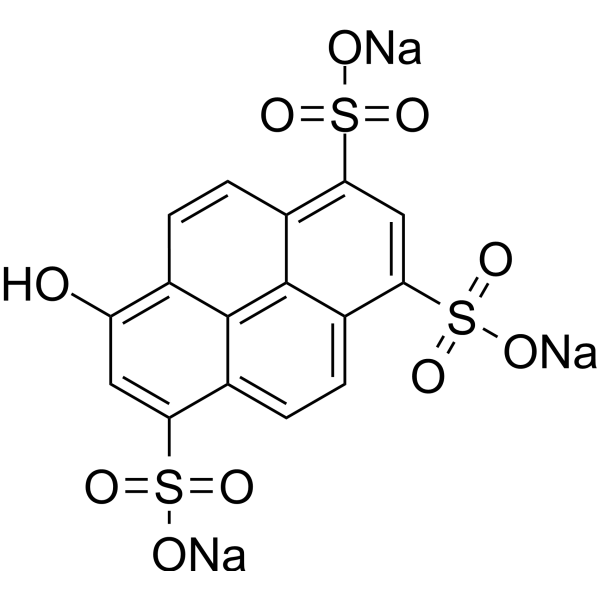
    Pyranine (HPTS; Solvent Green 7) is a cell-impermeant pH-sensitive fluorescent indicator. Pyranine acts as a class of fluorescent chemosensor for the Cu + ion. Pyranine is used as a coloring agent, biological stain, optical detecting reagent, and pH indicator (Ex/Em = 450/510 nm) .
    Pyranine
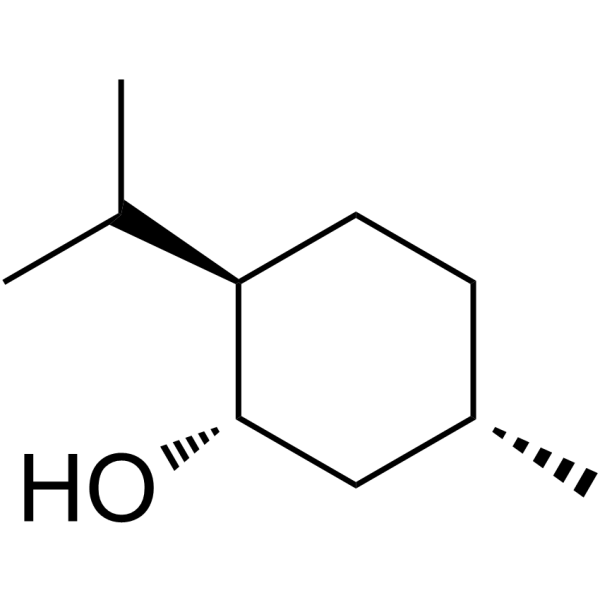
  • HY-W017277

    D-Menthol

    Fungal Neurological Disease
    (+)-Menthol (D-Menthol) is one of the optical isomers of Menthol. (+)-Menthol can reduce the electrically evoked contractions of rat phrenic hemidiaphragm in vitro. Local anaesthetic activity. (+)-Menthol inhibits fungal growth and sporulation. (+)-Menthol can also inhibit the growth of Microcystis aeruginosa cells .
    (+)-Menthol
  • HY-111095B

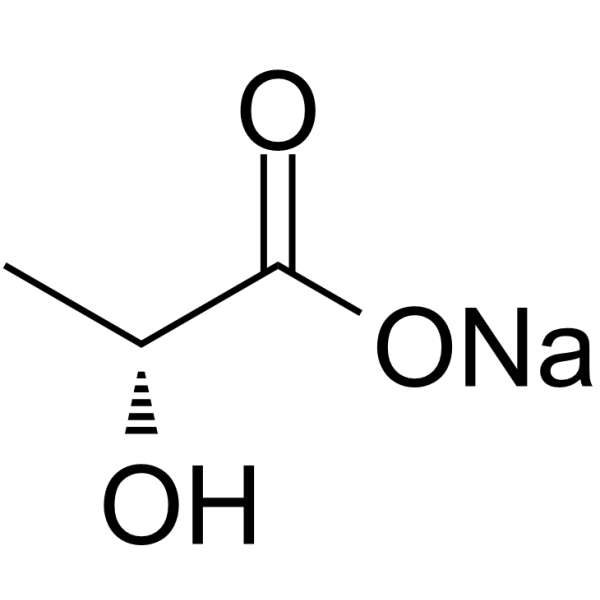
    (R)-2-Hydroxypropionic acid sodium

    Endogenous Metabolite Drug Isomer Neurological Disease Metabolic Disease
    D-(-)-Lactic acid ((R)-2-Hydroxypropionic acid) sodium is an orally active, toxic optical isomer of Lactic acid (HY-B2227), mainly derived from overproduction by intestinal bacteria or exogenous intake. D-(-)-Lactic acid sodium can induce intoxication, characterized by severe metabolic acidosis accompanied by neurological symptoms .
    D-(-)-Lactic acid sodium
  • HY-W012669

    Phthaldialdehyde

    Environmental Pollutants Biochemical Assay Reagents Infection
    Phthalaldehyde reacts with proteins containing primary amines and blocked amino-terminal peptides of amino acids. Phthalaldehyde stabilizes bacterial outer membranes and cell walls, increases the optical density of bacterial cell suspensions, and inhibits bacterial lysis induced by ethylenediaminetetraacetic acid and sodium dodecyl sulfate. Phthalaldehyde exhibits bactericidal activity against Gram-negative vegetative bacteria .
    Phthalaldehyde
  • HY-D0850

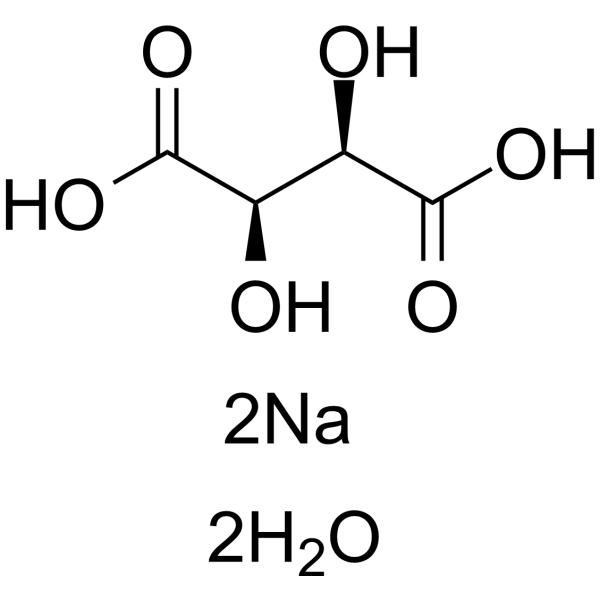
    Sodium tartrate dibasic dihydrate; Sodium tartrate dihydrate

    Phosphatase Endogenous Metabolite Cardiovascular Disease
    Tartaric acid disodium dehydrate (L-(+) -tartaric acid) is an orally active weak organic acid that can be isolated from grapes. Tartaric acid disodium dehydrate has vasodilatory and antihypertensive effects. Tartaric acid disodium dehydrate can be used as flavorings and antioxidants in a range of foods and beverages. Tartaric acid disodium dehydrate can be used in laser frequency doubling and optical limiting applications .
    Tartaric acid disodium dihydrate
  • HY-128793

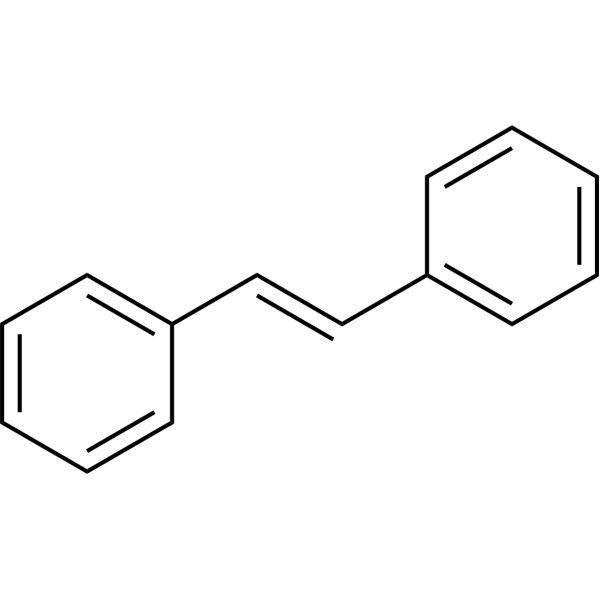
    (E)-Stilbene

    Drug Intermediate Others
    trans-Stilbene ((E)-Stilbene) is used in the manufacturing of dye lasers, optical brighteners, non-steroidal synthetic estrogens .
    trans-Stilbene
  • HY-W110542N

    PEGDA (MW 250),MEHQ as inhibitor

    Biochemical Assay Reagents Others
    Poly(ethylene glycol) diacrylate (PEGDA) (MW 250), MEHQ as inhibitor is a versatile polymer material that is widely used as a building material for hydrogel scaffolds, especially in the fields of tissue engineering and regenerative medicine. Poly(ethylene glycol) diacrylate (MW 250), MEHQ as inhibitor can be used to construct optical cross-linked hydrogel implants .
    Poly(ethylene glycol) diacrylate (MW 250),MEHQ as inhibitor
  • HY-B2127

    Environmental Pollutants Reactive Oxygen Species (ROS) Others
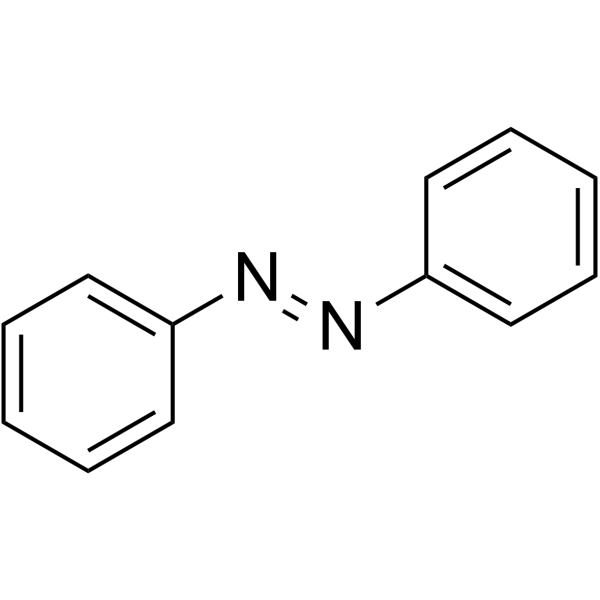
    Azobenzene can be used as an optical trigger for the design and synthesis of a large variety of photoresponsive systems.
    Azobenzene
  • HY-125815
    Reactive Blue 4
    3 Publications Verification

    Fluorescent Dye Others
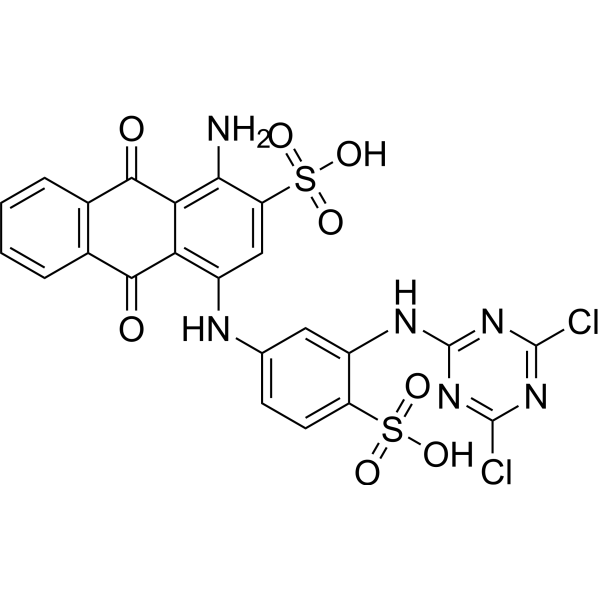
    Reactive Blue 4 is an anthraquinone dye used extensively in the textile industry. Reactive Blue 4 is a single colorimetric chemosensor for sequential determination of multiple analytes with different optical responses in aqueous media .
    Reactive Blue 4
  • HY-133675

    MECPP

    Drug Metabolite Others
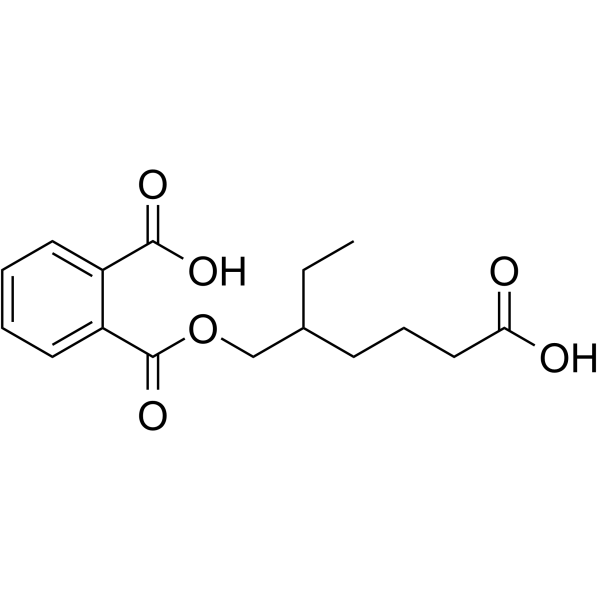
    Mono (5-carboxy-2-ethylpentyl) phthalate (MECPP) is a metabolite of di-(2-ethylhexyl) phthalate (DEHP). Di (2-ethylhexyl) phthalate is the primary plasticizer added to rigid polyvinyl chloride (PVC), and it imparts flexibility, temperature resistance, optical transparency, strength, and kink resistance .
    Mono(5-carboxy-2-ethylpentyl) phthalate
  • HY-D1716

    Fluorescent Dye Drug Intermediate Cancer
    S0456 is a raw material that plays a crucial role in the construction of the folate receptor-targeted near-infrared dye OTL 38 (HY-139579). S0456 is connected to the modified folic acid to form OTL 38, endowing OTL 38 with good optical properties, high affinity, and specificity. S0456 can be used in the research of tumor optical imaging agents .
    S0456
  • HY-128383

    Environmental Pollutants Drug Intermediate Others
    1-Methylpyrrolidine is a methylated pyrrolidine, and cation with thermal-origin negative nonlinear optical (self-defocusing) properties .
    1-Methylpyrrolidine
  • HY-W923198

    Methacryloyloxy fluorescein

    Fluorescent Dye Others
    Fluorescein O-methacrylate (Methacryloyloxy fluorescein) is a pH-responsive fluorescent monomeric dye. Fluorescein O-methacrylate exhibits pH-responsive fluorescence properties: its fluorescence is activated under alkaline conditions and quenched under neutral or acidic conditions; reversible switching of fluorescence is achievable by adjusting the pH of the solution. Fluorescein O-methacrylate can be used as a monomer for the synthesis of amphiphilic fluorescein polymers. These polymers can self-assemble into stable polymer nanoparticles with enhanced aqueous-phase fluorescence, and also enable the conjugation of nanoparticles with amine-containing biomolecules to support sensitive optical detection of biomarkers (Ex/Em = 490/520 nm) .
    Fluorescein O-methacrylate
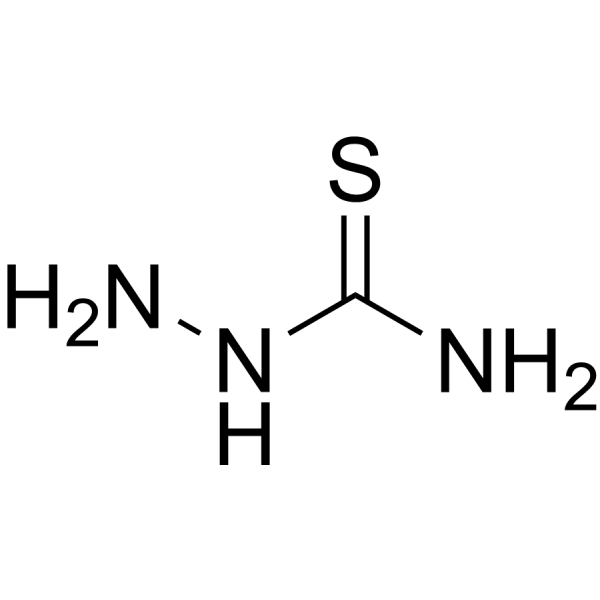
  • HY-Y0032
    Thiosemicarbazide
    1 Publications Verification

    Orthopoxvirus Infection Others Cancer
    Thiosemicarbazide is a vitamin B6 antagonist with anti-acne activity. Thiosemicarbazide is also a well-known source in the synthesis of heterocycles, and its derivatives have potential anticancer activity. Thiosemicarbazide (TSC: HL1) reacts with metal salts, urea (U), to prepare Co(II) and Cu(I) metal complexes. Thiosemicarbazide is also used in the fields of media communications and optical storage, and in the spectrophotometric detection of metals .
    Thiosemicarbazide
  • HY-W020249

    Biochemical Assay Reagents Others
    Sodium ionophore X is a neutral ionophore that binds highly selectively to sodium ions (Na +) to form stable complexes. Sodium ionophore X can be used to construct ion-selective chemical sensors (including optical sensors and electrochemical sensors) .
    Sodium ionophore X
  • HY-W089777

    GPTMS

    Biochemical Assay Reagents Others
    3-Glycidyloxypropyltrimethoxysilane (GPTMS) is a silicon source for the preparation of inorganic-organic hybrid polymers. 3-Glycidyloxypropyltrimethoxysilane can be used to prepare hard coatings of organic polymers, such as contact lens materials in the optical industry, as well as related materials in the fields of electronics, thin films, sensors, nanoimprinting, waveguides, and biology .
    3-Glycidyloxypropyltrimethoxysilane
  • HY-112624N

    Dextran 200; Dextran D200; Dextran T200(MW 180000-220000)

    Biochemical Assay Reagents Others
    Dextran T200 (Dextran 200; Dextran D200) (MW 200,000) is a dehydrated glucose polymer with an average molecular weight of 200,000. Dextran T200 (MW 200,000) has excellent biodegradability and good biocompatibility, and can be used as a high-molecular-weight tracer and optical clearing agent .
    Dextran T200 (MW 200,000)
  • HY-D1435

    Na+/K+ ATPase Fluorescent Dye Metabolic Disease
    Oxonol VI is an optical indicator of membrane potential in lipid vesicles (excitation/emission wavelengths: 614/646 nm). Oxonol VI can be used to detect changes in membrane potential associated with (Na + + K +)-ATPase activity in reconstituted vesicles .
    Oxonol VI
  • HY-159500

    OTL-0078; OTL78

    PSMA Cancer
    Zopocianine (OTL-0078; OTL78) is a near-infrared optical probe targeting PSMA. Zopocianine binds to PSMA on the surface of PSMA-expressing cells, enters cells via receptor-mediated endocytosis, and accumulates in acidic endosomes. Zopocianine selectively accumulates in PSMA-positive cancer tissues and enables the detection of small tumors, primary prostate tumors, and locoregional metastases. Zopocianine helps achieve negative tumor surgical margins during fluorescence-guided surgery. Zopocianine is applicable to research related to prostate cancer .
    Zopocianine
  • HY-N0443
    N-Methylcytisine
    2 Publications Verification

    Caulophylline

    nAChR Inflammation/Immunology
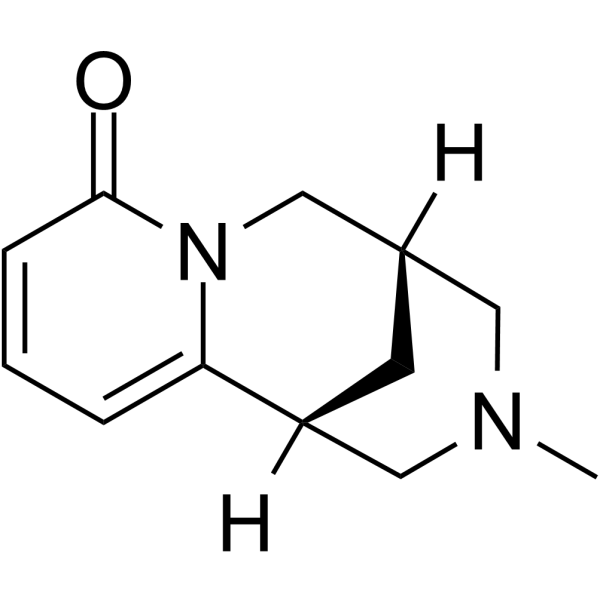
    N-Methylcytisine (Caulophylline), a tricyclic quinolizidine alkaloid, exerts hypoglycaemic, analgesic and anti-inflammatory activities. N-methylcytisine is a selective ligand of nicotinic receptors of acetylcholine in the central nervous system and has a high affinity (Kd = 50 nM) to nicotinic acetylcholine receptors (nAChR) from squid optical ganglia .
    N-Methylcytisine
  • HY-W007729

    Biochemical Assay Reagents Others
    Boc-L-Alaninol is a Boc-protected chiral amino alcohol. Boc-L-Alaninol can be used in the synthesis of optically active bipyridine-containing polymers .
    Boc-L-Alaninol
  • HY-D1171

    Fluorescent Dye
    Fluorescent brightener 220 is an optical brightener dye.
    Fluorescent brightener 220
  • HY-D1719A
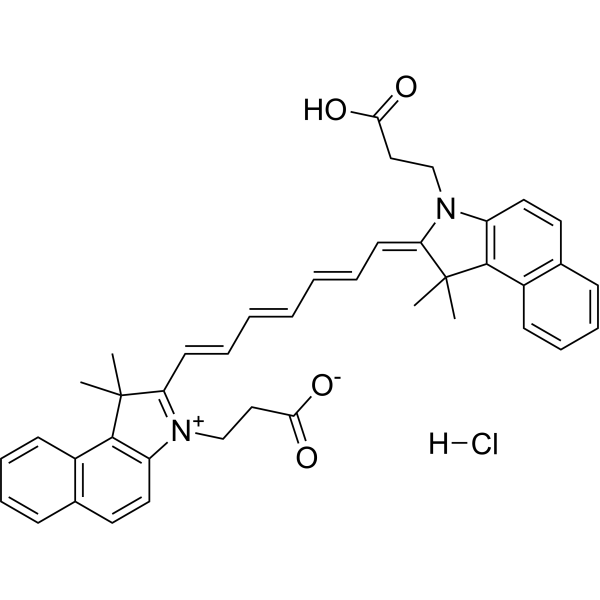
    Cypate hydrochloride
    1 Publications Verification

    Fluorescent Dye Cancer
    Cypate is a near-infrared fluorescent dye that belongs to the family of photosensitizers. Cypate has high photostability and optical properties, and is often used in near-infrared optical imaging, as well as optical imaging, tumor marking, and drug delivery. In addition, Cypate is also used as a molecular probe and combined with targeting molecules (such as CBT or small interfering RNA) to achieve efficient detection and imaging of specific cells or tissues .
    Cypate hydrochloride
  • HY-W016568

    Endogenous Metabolite Others
    Isoxanthopterin is a heterocyclic compound belonging to the pteridine family and its activity is mainly reflected in its optical properties. Isoxanthopterin can form a reflective layer in the eyes of animals, enhancing visual function. The main regulatory mechanism of isoxanthopterin involves its ability to form a crystalline structure within organisms, which achieves a high refractive index through specific hydrogen bonding patterns and molecular arrangements. Isoxanthopterin can be used for research in materials science and optical engineering .
    Isoxanthopterin
  • HY-139446A

    ETPTA (MW 912); TMPETA (MW 912)

    Biochemical Assay Reagents Others
    Trimethylolpropane ethoxylate triacrylate (MW 912) (ETPTA (MW 912); TMPETA (MW 912)) is a trifunctional acrylate monomer with multiple acrylate functional groups, which can be used in polymerization and crosslinking reactions. Trimethylolpropane ethoxylate triacrylate (MW 912) is widely used in the preparation of cured resins for 3D printing, optical coatings for display devices, and dental composite restorative materials .
    Trimethylolpropane ethoxylate triacrylate (MW 912)
  • HY-155254

    Biochemical Assay Reagents Others
    Sodium ionophore VI is a sodium ionophore that has been employed for developing cation optical sensors .
    Sodium ionophore VI
  • HY-N7259B

    Others Others
    (±)-Isomenthone is a naturally active compound, a racemate of Isomenthone. (±)-Isomenthone has optical activity and is mainly used to measure the activity .
    (±)-Isomenthone
  • HY-116790A

    (R)-Penbutolol; (+)-Isopenbutolol

    Adrenergic Receptor Metabolic Disease Endocrinology
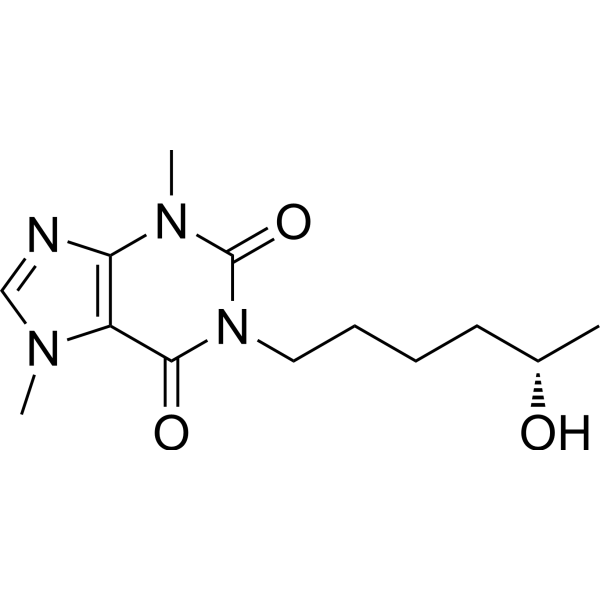
    (+)-Penbutolol is a β-adrenoceptor antagonist, with an IC50 of 0.74 μM . (+)-Penbutolol is an optical isomer of l-penbutolol with Na + channel-blocking action .
    (+)-Penbutolol
  • HY-41984

    D-Glucose diacetonide; 1,2:5,6-Diisopropylidene-D-glucose

    Biochemical Assay Reagents Drug Intermediate Others
    Diacetone-D-glucose (D-Glucose diacetonide) is a sugar-derived secondary alcohol that serves as an important pharmaceutical intermediate for the synthesis of other active compounds .
    Diacetone-D-glucose
  • HY-163445

    NAMPT Cancer
    NAMPT activator-6 is a NAMPT activator, a regulatory molecule for the optical control system of NAMPT and NAD+. NAMPT activator-6 can be used to design efficient photoswitchable proteolysis-targeting chimeras (PS-PROTACs) to achieve up-down reversible regulation of NAMPT and NAD+ in a light-dependent manner and reduce the toxicity associated with inhibitor-based PS-PROTACs. PS-PROTAC can be used to achieve antitumor activity, NAMPT, and NAD+ modulation in vivo via optical manipulation .
    NAMPT activator-6
  • HY-W109973

    L-(+)-Tartaric acid diammonium

    Endogenous Metabolite Cardiovascular Disease
    L-Tartaric acid diammonium (L-(+) -tartaric acid) is an orally active weak organic acid that can be isolated from grapes. L-Tartaric acid diammonium has vasodilatory and antihypertensive effects. L-Tartaric acid diammonium can be used as flavorings and antioxidants in a range of foods and beverages. L-Tartaric acid diammonium can be used in laser frequency doubling and optical limiting applications .
    L-Tartaric acid diammonium
  • HY-D1438

    Fluorescent Dye Others
    RH 414 is the styryl pyridinium dye. RH 414 can be used for optical monitoring of synaptic vesicle membrane trafficking .
    RH 414
  • HY-W017761

    m-Dimethylaminobenzoic acid

    Biochemical Assay Reagents Others
    3-(Dimethylamino)benzoic acid (m-Dimethylaminobenzoic acid) is used in the field of materials science to develop novel polymers and coatings with specific optical and electronic properties.
    3-(Dimethylamino)benzoic acid
  • HY-W040295

    Phosphatase Others
    Fast Red ITR is a nonlinear optical material . Fast Red ITR can be used in alkaline phosphatase histochemistry .
    Fast Red ITR
  • HY-D0520

    Fluorescent Dye
    Fluorescent brightener 85 is an optical brightener dye.
    Fluorescent brightener 85
  • HY-W141955

    Amino Acid Derivatives Others
    γ-Carboxy-DL-glutamic acid is a glutamic acid derivative. γ-Carboxy-DL-glutamic acid is optically active .
    γ-Carboxy-DL-glutamic acid
  • HY-34465

    Environmental Pollutants Others
    5-Methyl-2-thiophenecarboxaldehyde acts as a candidate to microscopic third order non-linear optical (NLO) material .
    5-Methyl-2-thiophenecarboxaldehyde
  • HY-D0374

    Fluorescent Dye Others
    Reactive Blue 4 sodium is an anthraquinone dye used extensively in the textile industry. Reactive Blue 4 sodium is a single colorimetric chemosensor for sequential determination of multiple analytes with different optical responses in aqueous media .
    Reactive Blue 4 sodium
  • HY-B1398R
    Ampyrone (Standard)
    1 Publications Verification

    4-Aminophenazone (Standard)

    Reference Standards COX Drug Metabolite Neurological Disease Inflammation/Immunology Cancer
    Ampyrone (4-Aminophenazone) (Standard) is the analytical standard of Ampyrone (HY-B1398). This product is intended for research and analytical applications. Ampyrone (4-Aminophenazone; 4-Aminoantipyrine) is a reversible and low-damage optical clearing agent and non-selective COX inhibitor based on UV absorption properties. Ampyrone can improve the optical transmittance of mouse skin and other tissues. Ampyrone can induce tissue refractive index matching by enhancing UV absorption, reduce light scattering, and achieve tissue transparency in vivo. Ampyrone reduces the synthesis of prostaglandin PGE2, thereby exerting anti-inflammatory, analgesic and antipyretic effects. Ampyrone inhibits DNA damage, cell apoptosis and immune cell phagocytosis induced by Doxorubicin (HY-15142A) and Cisplatin (HY-17394), etc., and participates in the regulation of toxicity in tumor chemotherapy .
    Ampyrone (Standard)
  • HY-W337618

    Fluorescent Dye Cancer
    7-Aminocoumarin is highly fluorescent, acts as an optical brightener and fluorescent probe .
    7-Aminocoumarin
  • HY-W025817

    Fluorescent Dye Others
    Citrazinic acid is a weakly fluorescent compound whose optical properties are dependent on aggregation states and chemical environment. Citrazinic acid strongly tends to form dimers at high concentrations .
    Citrazinic acid
  • HY-N10637

    Others Others
    N-Acetyldopamine dimer-1 is a 2-(3',4'-dihydroxyphenyl)-1,4-benzodioxane derivative. N-Acetyldopamine dimer-1 is optically active, can be isolated from crude agent "Zentai," a cast-off shell of the cicada of Cryptotympana sp. (Cicadidae) .
    N-Acetyldopamine dimer-1
  • HY-Y0032R

    Orthopoxvirus Reference Standards Infection Others Cancer
    Thiosemicarbazide is a vitamin B6 antagonist with anti-acne activity. Thiosemicarbazide is also a well-known source in the synthesis of heterocycles, and its derivatives have potential anticancer activity. Thiosemicarbazide (TSC: HL1) reacts with metal salts, urea (U), to prepare Co(II) and Cu(I) metal complexes. Thiosemicarbazide is also used in the fields of media communications and optical storage, and in the spectrophotometric detection of metals .
    Thiosemicarbazide (Standard)
  • HY-D0351

    C.I. Fluorescent Brightener 90

    Fluorescent Dye
    Fluorescent Brightener 134 is an optical brightener dye.
    Fluorescent Brightener 134
  • HY-D0310

    Fluorescent Dye
    Fluorescent Brightener 135 is an optical brightener dye.
    Fluorescent Brightener 135
  • HY-W112090

    PdTFPP; 5,10,15,20-Tetrakis(pentafluorophenyl)-21H,23H-porphine palladium(II)

    Fluorescent Dye Others
    Palladium meso-tetra(pentafluorophenyl)porphyrin (PdTFPP) derives from palladium(II), acting as a fluorescence-quenched optical probe and high-performance oxygen concentration sensor with outstanding photostability and antioxidant capacity. Palladium meso-tetra(pentafluorophenyl)porphyrin exhibits reduced luminescence intensity as dissolved oxygen concentration rises. Palladium meso-tetra(pentafluorophenyl)porphyrin can be applied for real-time monitoring of live-cell respiration, hypoxic tissue imaging, and nanofibrous organic semiconductors in photodetectors for ambient oxygen detection .
    Palladium meso-tetra(pentafluorophenyl)porphyrin
  • HY-W756217

    (R)-AAD1566

    nAChR Others
    (R)-Monepantel (AAD2224) is the optical R-enantiomer of monepantel. (R)-Monepantel has no nematocidal effect, is inactive .
    (R)-Monepantel

Inquiry Online

Your information is safe with us. * Required Fields.

Salutation


Country or Region *

Applicant Name *


Organization Name *

Department *


Email Address *


Product Name *

Cat. No.


Requested quantity *

Phone Number *


Remarks

Inquiry Online

Inquiry Information

Product Name:
Cat. No.:
Quantity:
MCE Japan Authorized Agent:

