1. Search Result
Search Result
Results for "

p21,

" in MedChemExpress (MCE) Product Catalog:

179

Inhibitors & Agonists

5

Peptides

32

Natural
Products

17

Recombinant Proteins

8

Isotope-Labeled Compounds

30

Antibodies

1

Click Chemistry

7

Oligonucleotides

Targets Recommended:
Cat. No. Product Name Target Research Areas Chemical Structure
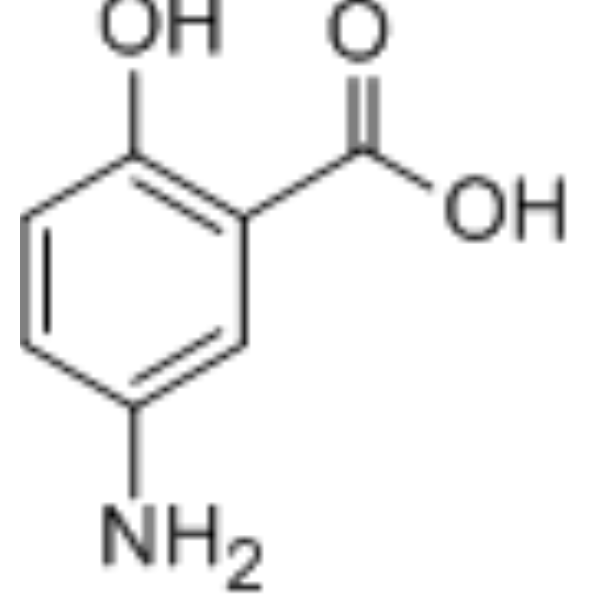
  • HY-15027
    5-Aminosalicylic Acid
    Maximum Cited Publications
    33 Publications Verification

    Mesalamine; 5-ASA; Mesalazine

    PPAR PAK NF-κB Endogenous Metabolite Inflammation/Immunology Cancer
    5-Aminosalicylic acid (Mesalamine) acts as a specific PPARγ agonist and also inhibits p21-activated kinase 1 (PAK1) and NF-κB. 5-Aminosalicylic acid can inhibit the activity of osteopontin (OPN).
    5-Aminosalicylic Acid
  • HY-15542B
    FRAX486
    5+ Cited Publications

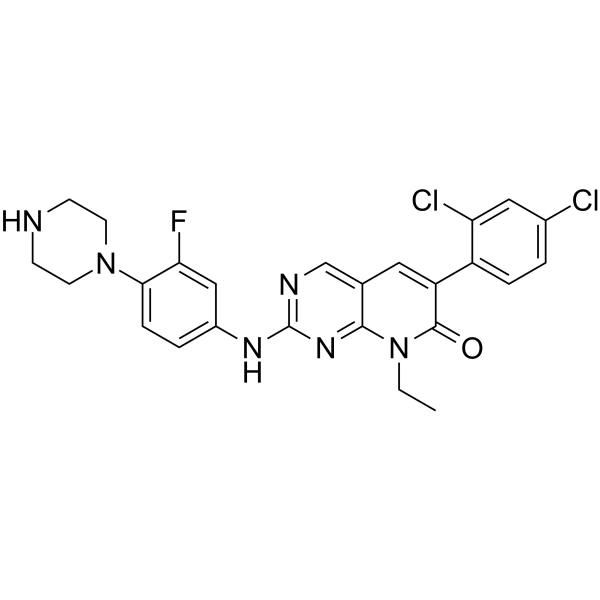
    PAK Cancer
    FRAX486 is a p21-activated kinase (PAK) inhibitor with IC50s of 14, 33 and 39 nM for PAK1, PAK2 and PAK3, respectively.
    FRAX486
  • HY-112780
    UC2288
    5+ Cited Publications

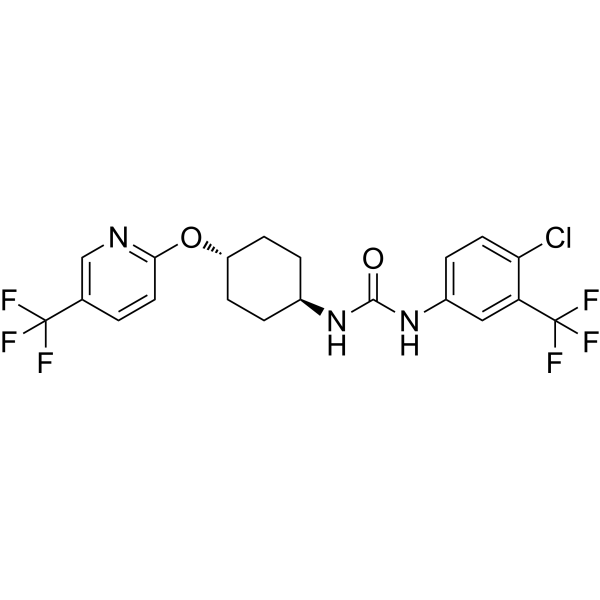
    MDM-2/p53 Apoptosis Cancer
    UC2288 is a potent and orally active p21 attenuator (relatively selective activity for p21), which is synthesized based Sorafenib (HY-10201). UC2288 potently inhibits cancer cell growth by inducing apoptosis. UC2288 has no inhibition of VEGFR2 and Raf kinases even at 10 μM .
    UC2288
  • HY-15681
    Senexin A
    5+ Cited Publications

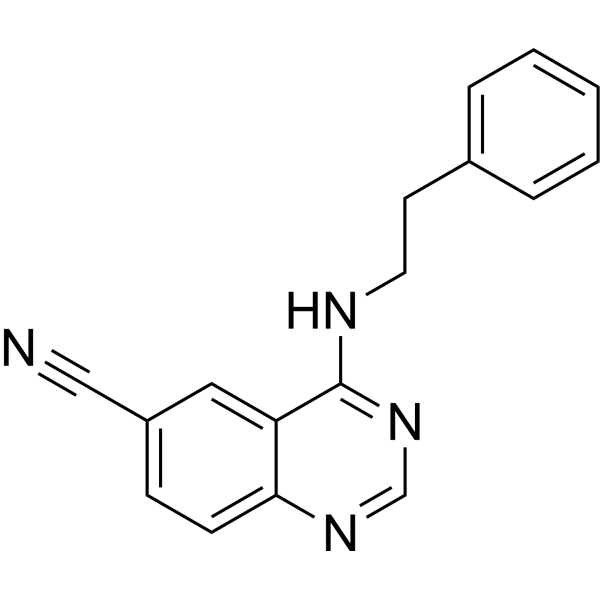
    CDK Cancer
    Senexin A is an inhibitor of CDK8/19 (IC50: 280 nM, CDK8) and an inhibitor downstream of p21 transcription. It only inhibits p21-induced transcription but does not inhibit other biological effects of p21. Senexin A inhibits CMV-GFP induction as well as the p21 stimulatory activity of the consensus NF-κB-dependent promoters .
    Senexin A
  • HY-15542A
    FRAX597
    5+ Cited Publications

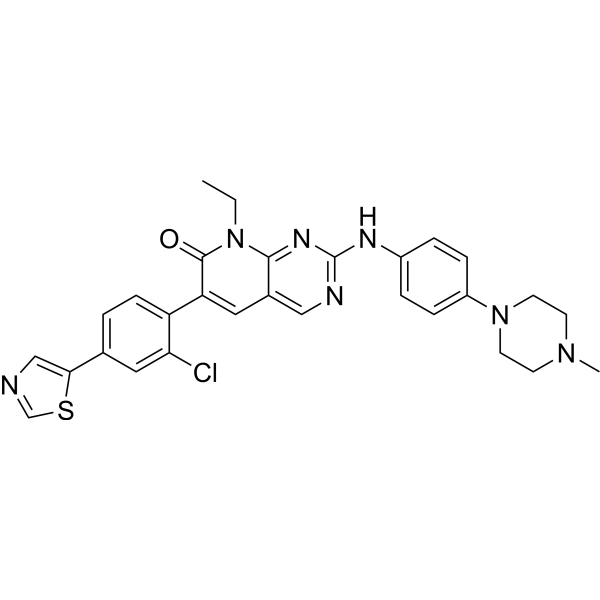
    PAK Cancer
    FRAX597 is a potent group I p21-activated Kinases (PAKs) inhibitor with IC50 of 8, 13 and 19 nM for PAK1, 2 and 3.
    FRAX597
  • HY-19635
    G-5555
    5+ Cited Publications

    PAK Cancer
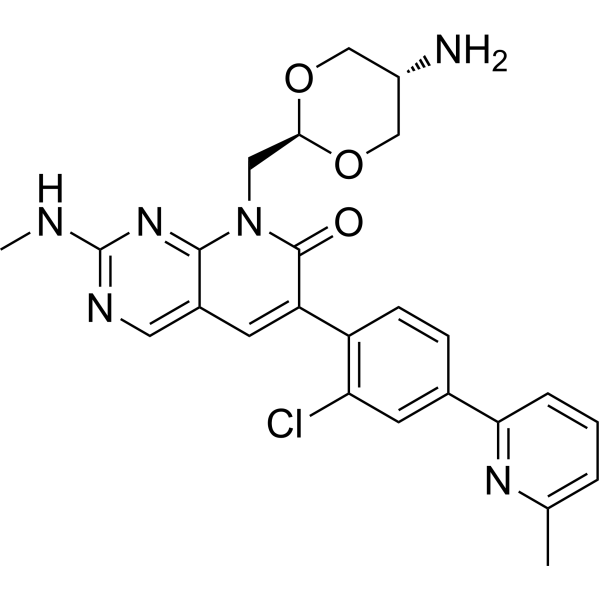
    G-5555 is a potent p21-activated kinase 1 (PAK1) inhibitor with Kis of 3.7 nM and 11 nM for PAK1 and PAK2, respectively.
    G-5555
  • HY-131031
    KCC-07
    1 Publications Verification

    DNA Alkylator/Crosslinker Cancer
    KCC-07 is a potent and brain-penetrant MBD2 (methyl-CpG-binding domain protein 2) inhibitor. KCC-07 prevents binding of MBD2 to methylated DNA and activates brain specific angiogenesis inhibitor 1 (BAI1) inducing anti-proliferative BAI1/p53/p21 signaling. Anticancer activity .
    KCC-07
  • HY-13721
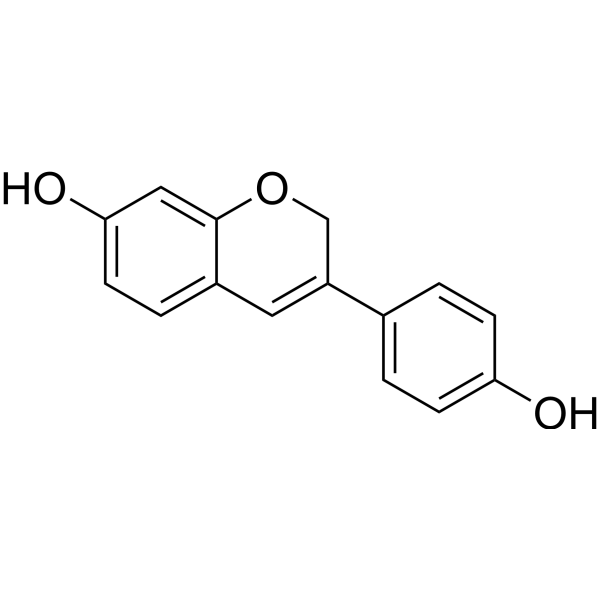
    Phenoxodiol
    3 Publications Verification

    Idronoxil; Dehydroequol; Haginin E

    Caspase Apoptosis Topoisomerase Cancer
    Phenoxodiol (Idronoxil), a synthetic analog of Genestein, activates the mitochondrial caspase system, inhibits XIAP (an apoptosis inhibitor), and sensitizes the cancer cells to Fas-mediated apoptosis. Phenoxodiol also inhibits DNA topoisomerase II by stabilizing the cleavable complex. Phenoxodiol induces cell cycle arrest in the G1/S phase of the cell cycle and upregulates p21 WAF1 via a p53 independent manner .
    Phenoxodiol
  • HY-15221
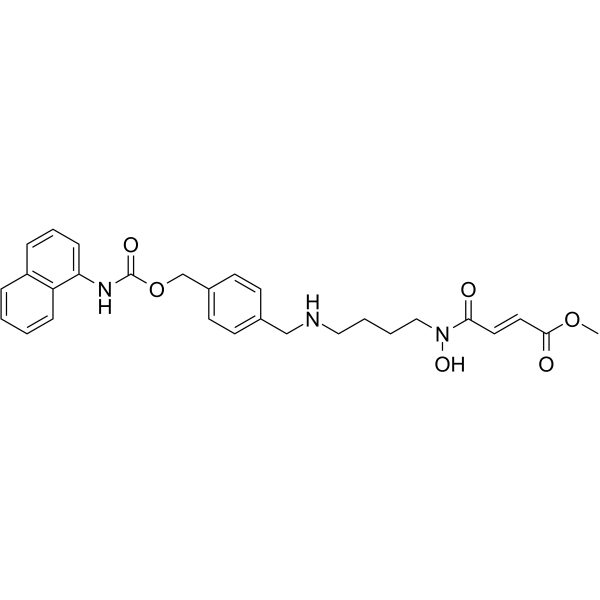
    Methylstat
    3 Publications Verification

    Apoptosis Histone Demethylase MDM-2/p53 Cardiovascular Disease Cancer
    Methylstat is a potent histone demethylases inhibitor. Methylstat shows anti-proliferative activity with low cytotoxicity. Methylstat induces apoptosis and cell cycle arrest at G0/G1 phase. Methylstat increases the expression of p53 and p21 protein levels. Methylstat inhibits angiogenesis induced by various cytokines. Methylstat can be used as a chemical probe for addressing its role in angiogenesis .
    Methylstat
  • HY-W014612

    Acetyleugenol

    Environmental Pollutants Endogenous Metabolite Bacterial Fungal Infection Inflammation/Immunology Cancer
    Eugenol acetate (Eugenyl acetate) is an antibacterial, anticancer, anti-inflammatory and antioxidant. Eugenol acetate inhibits NF-κB and enhances the expression of p53 and p21 (WAF1). Eugenol acetate can prevent chemically induced skin cancer, inhibit cancer cell proliferation and induce apoptosis .
    Eugenol acetate
  • HY-112158
    NSC139021
    1 Publications Verification

    ERGi-USU

    RIO Kinase Cancer
    NSC139021 (ERGi-USU) is a RIOK2 inhibitor with anticancer activity. RIOK2 can highly selectively inhibit the growth of ERG-positive cancer cells with IC50s of 30-400 nM against cell lines. RIOK2 also causes cell cycle arrest and apoptosis in glioblastoma via induction of Skp2 and Skp2-p27/p21-Cyclin E/CDK2-pRb signaling .
    NSC139021
  • HY-13468
    KW-2478
    4 Publications Verification

    HSP Apoptosis Bcr-Abl p38 MAPK CDK STAT Cancer
    KW-2478 is an HSP90 inhibitor (IC50 = 3.8 nM). KW-2478 inhibits the growth and induces apoptosis in chronic myeloid leukemia (CML) cells and liver cancer cells. KW-2478 weakens the BCR/ABL and MAPK signaling pathways, leading to increased p27 and p21 expression and decreased cyclin B1 expression. KW-2478 downregulates STAT3 expression. KW-2478 may be used in research on cancers such as CML and liver cancer .
    KW-2478
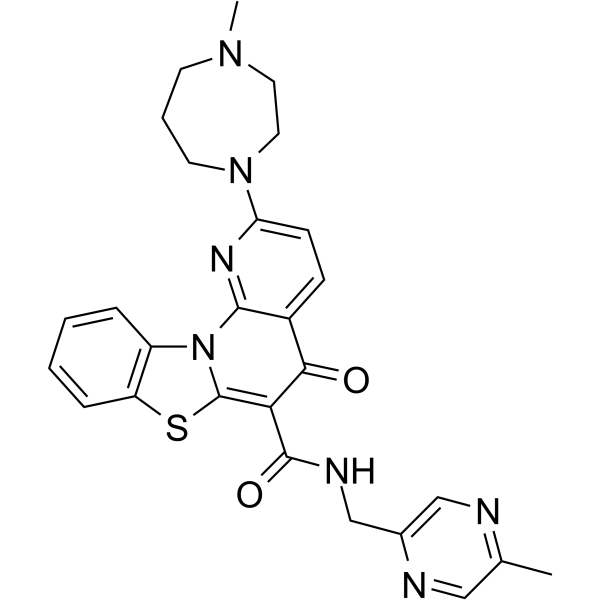
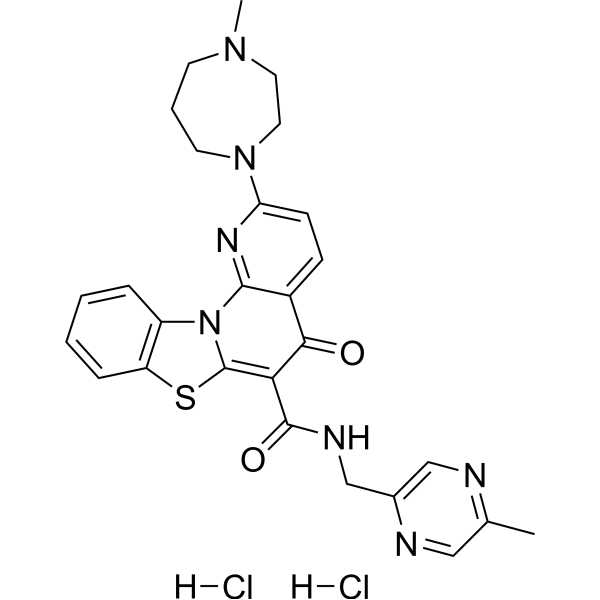
  • HY-172737

    Polo-like Kinase (PLK) Cancer
    RP-1664 is a selective and orally active PLK4 inhibitor with an IC50 of 3 nM. RP-1664 demonstrates exquisite selectivity over related kinases, including AURKA/B and PLK1. RP-1664 disrupts centriole biogenesis in cancer cells and leads an accumulation of PLK4 and p21 protein. RP-1664 demonstrates increased sensitivity in TRIM37-high-expressing cells or tumors. RP-1664 exhibits anti-tumor activity in breast cancer and neuroblastoma research [1][2].
    RP-1664
  • HY-115715
    EN219
    1 Publications Verification

    E1/E2/E3 Enzyme Cancer
    EN219 is a moderately selective synthetic covalent ligand against an N-terminal cysteine (C8) of RNF114 with an IC50 of 470 nM. EN219 inhibits RNF114-mediated autoubiquitination and p21 ubiquitination .
    EN219
  • HY-113471A

    Apoptosis Bacterial Infection Cancer
    (S)-(-)-Perillic acid is a terpenoid plant extract with antimicrobial and anticancer activities. (S)-(-)-Perillic acid induces cell apoptosis and cell cycle arrest, and increases the levell of Bax, Bcl2, p21 and caspase-3 proteins. (S)-(-)-Perillic acid can be used for cancer and infection research .
    (S)-(-)-Perillic acid
  • HY-107426
    Verrucarin A
    1 Publications Verification

    Muconomycin A

    Apoptosis Reactive Oxygen Species (ROS) Cancer
    Verrucarin A (Muconomycin A), a Type D macrocyclic mycotoxin derived from the pathogen fungus Myrothecium verrucaria, is an inhibitor of protein synthesis. Verrucarin A inhibits growth of leukemia cell lines and activates caspases and apoptosis and inflammatory signaling in macrophages. Verrucarin A effectively increased the phosphorylation of p38 MAPK and diminished the phosphorylation of ERK/Akt. Verrucarin A caused cell cycle deregulation through the induction of p21 and p53 .
    Verrucarin A
  • HY-157334
    DEG-77
    1 Publications Verification

    Molecular Glues Casein Kinase IKZF Family Bcl-2 Family CDK Apoptosis Cancer
    DEG-77 is a molecular glue targeting IKZF2 and CK1α, with DC50 values of 15.3 nM and 10 nM, respectively. DEG-77 exhibits significant anti-tumor activity, inducing increased transcriptional levels of the pro-apoptotic protein Bax and the cell cycle arrest protein p21. DEG-77 is applicable to the research of acute myeloid leukemia (AmL), diffuse large B-cell lymphoma and ovarian cancer.
    DEG-77
  • HY-13265
    AR-42
    4 Publications Verification

    HDAC-42; OSU-HDAC42

    HDAC Autophagy Apoptosis Cancer
    AR-42 (HDAC-42; OSU-HDAC42) is a potent, orally bioavailable pan-HDAC inhibitor (IC50=16 nM). AR-42 induces growth inhibition, cell-cycle arrest, apoptosis, and activation of caspases-3/7. AR-42 promotes hyperacetylation of H3, H4, and alpha-tubulin, and up-regulation of p21. AR-42 shows cytotoxicity against various human cancer cell lines .
    AR-42
  • HY-Y1177

    Phenyl disulfide

    PI3K Akt mTOR Ferroptosis Apoptosis Autophagy Glutathione Peroxidase Keap1-Nrf2 Cancer
    Diphenyl disulfide (Phenyl disulfide) is an organic disulfide compound. Diphenyl disulfide inhibits the PI3K/AKT/mTOR pathway, and induces ferroptosis (ferroptosis), apoptosis (apoptosis) and autophagy (autophagy) in cancer cells. Diphenyl disulfide downregulates GPX4 expression, inhibits NRF2 phosphorylation, induces lipid peroxidation, promotes xCT ubiquitination, induces proteolytic cleavage of p21 Bax into p18 Bax, and suppresses cell proliferation and viability. Diphenyl disulfide can be used in research related to melanoma and breast cancer .
    Diphenyl disulfide
  • HY-18399
    YM-1
    1 Publications Verification

    HSP NO Synthase Cancer
    YM-1 is a stable MKT-077 (HY-15096) analog and an orally active Hsp70 inhibitor. YM-1 induces cell death of HeLa cells and up-regulates the level of p53 and p21 proteins .
    YM-1
  • HY-118672

    HDAC MMP HIF/HIF Prolyl-Hydroxylase Cancer
    HNHA is a potent HDAC inhibitor with an IC50 of 100 nM. HNHA arrests the cell cycle at the G1/S phase via p21 induction. HNHA inhibits tumor growth and tumor neovascularization. HNHA may be a potent anti-cancer agent against breast cancer .
    HNHA
  • HY-W013386
    LY83583
    1 Publications Verification

    Guanylate Cyclase Cardiovascular Disease Neurological Disease Cancer
    LY83583 is inhibitor of soluble guanylate cyclase (sGC) with the ability to target the cGMP signaling pathway. LY83583 inhibits the kinase activity-related proliferation of tumor cells by inducing the Cdk inhibitor p21. LY83583 can be used for the study of cancers (colorectal cancer, breast cancer and melanoma) and cardiovascular disease .
    LY83583
  • HY-N4225
    Aaptamine
    2 Publications Verification

    Adrenergic Receptor Proteasome Cholinesterase (ChE) Bacterial Apoptosis AP-1 NF-κB Infection Neurological Disease Inflammation/Immunology Endocrinology Cancer
    Aaptamine is an alkaloid that can be isolated from the sponge Aaptos suberitoides. Aaptamine is a competitive antagonist of the α-adrenergic receptor, as well as an inhibitor of the proteasome and cholinesterase. Aaptamine is cytotoxic to tumor cells and can induce apoptosis, cell cycle arrest of tumor cells, and the expression of p21 through a p53-independent pathway. Aaptamine has multiple activities such as anti-tumor, antioxidant, antibacterial, and analgesic effects .
    Aaptamine
  • HY-19635A
    G-5555 hydrochloride
    5+ Cited Publications

    PAK Cancer
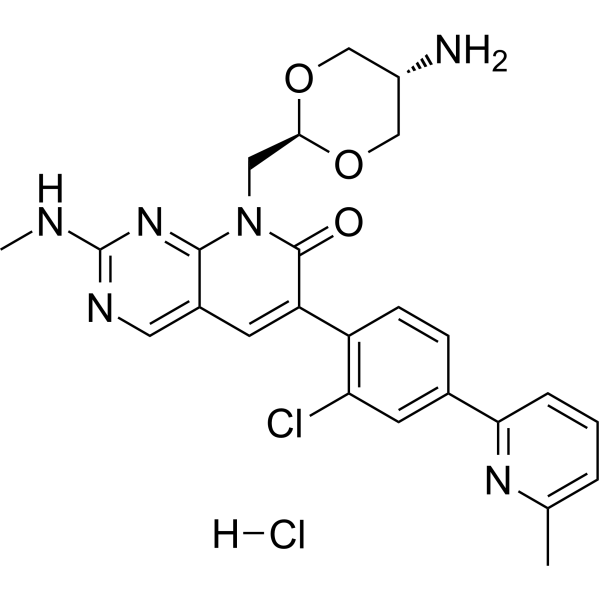
    G-5555 hydrochloride is a potent and selective p21-activated kinase 1 (PAK1) inhibitor with a Ki of 3.7 nM.
    G-5555 hydrochloride
  • HY-15027S1

    Mesalamine-d3; 5-ASA-d3; Mesalazine-d3

    Isotope-Labeled Compounds Endogenous Metabolite NF-κB PAK PPAR Inflammation/Immunology Cancer
    5-Aminosalicylic acid-d3 is the deuterium labeled 5-Aminosalicylic Acid. 5-Aminosalicylic acid (Mesalamine) acts as a specific PPARγ agonist and also inhibits p21-activated kinase 1 (PAK1) and NF-κB .
    5-Aminosalicylic acid-d3
  • HY-N6725

    DNA/RNA Synthesis Bacterial Apoptosis Antibiotic Endogenous Metabolite Infection Cancer
    Sterigmatocystine is a precursor of aflatoxins and a mycotoxin produced by common mold strains from Aspergillus versicolor . Sterigmatocystine, a inhibitor of G1 Phase and DNA synthesis, is used to inhibit p21 activity. Sterigmatocystine has teratogenic, and carcinogenic effects in animals .
    Sterigmatocystine
  • HY-149428
    AD4
    1 Publications Verification

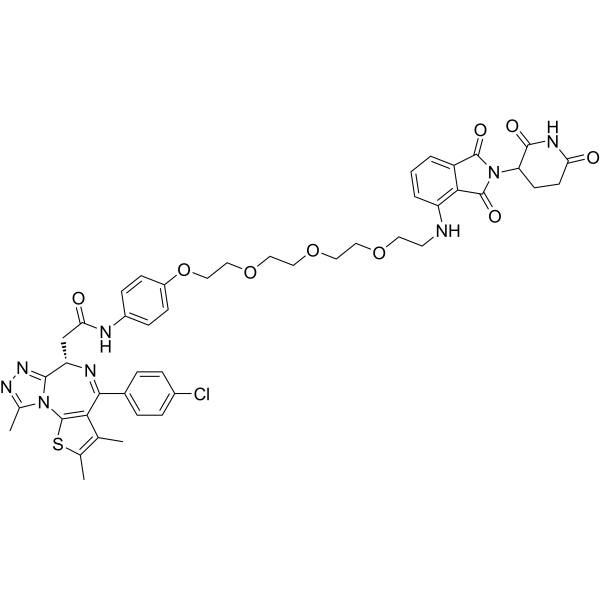
    PROTACs Cancer
    AD4 is an artemisinin derivative that is a proteolytic targeting chimera (PROTAC) targeting PCLAF. AD4 can effectively degrade PCLAF in RS4;11 cells (IC50: 0.6 nM), thereby activating the p21/Rb axis and exerting anti-tumor activity. AD4 also prolonged survival of RS4;11-transplanted NOD/SCID mice, with in vivo efficacy .
    AD4
  • HY-126075A

    E1/E2/E3 Enzyme Cancer
    WS-383 is a potent, selective and reversible inhibitor of DCN1-UBC12 interaction, with an IC50 of 11 nM. WS-383 inhibits Cul3/1 neddylation, induces accumulation of p21, p27 and NRF2 .
    WS-383
  • HY-143412

    HDAC DNA/RNA Synthesis Apoptosis Cancer
    MIR002 is a potent and orally active DNA polymerase α (POLA1) and HDAC 11 dual inhibitor. MIR002 induces acetylation of p53, activation of p21, G1/S cell cycle arrest, and apoptosis. MIR002 shows significant antitumor activity in vivo .
    MIR002
  • HY-143411

    HDAC Apoptosis DNA/RNA Synthesis Cancer
    GEM144 is a potent and orally active DNA polymerase α (POLA1) and HDAC 11 dual inhibitor. GEM144 induces acetylation of p53, activation of p21, G1/S cell cycle arrest, and apoptosis. GEM144 has significant antitumor activity in human orthotopic malignant pleural mesothelioma xenografts .
    GEM144
  • HY-12310

    DNA Methyltransferase HDAC MDM-2/p53 Others Inflammation/Immunology
    RSC133 is a dual inhibitor of DNA methyltransferase 1 and histone deacetylase 1 inhibitor. RSC133 promotes cell proliferation, up-regulates H3K9 histone acetylation, down-regulates p53, p21, p16/INK4A, and ablates pro-senescence phenotypes .
    RSC133
  • HY-163942

    DNA/RNA Synthesis Cancer
    GSK_WRN4 is an orally active WRN helicase inhibitor (pIC50=7.6). GSK_WRN4 induces DNA damage markers (p21, p-γH2AX, p-KAP1). GSK_WRN4 selectively inhibits microsatellite-unstable tumor growth in vitro and in vivo by inducing DNA double-strand breaks, particularly at expanded TA repeats and regions of DNA damage .
    GSK_WRN4
  • HY-171030

    Reactive Oxygen Species (ROS) Cancer
    Pro-GA is a γ-glutamyl cyclotransferase (GGCT) inhibitor. Pro-GA inhibits the enzymatic activity of GGCT, disrupts glutathione homeostasis, induces the production of mitochondrial ROS, and upregulates the expression of p21, p27 and p16 in cells. Pro-GA inhibits the growth of cancer cells, induces cell cycle arrest and cellular senescence. Pro-GA exerts anti-tumor effects in breast cancer xenograft mouse models. Pro-GA can be used in research related to bladder cancer and breast cancer .
    Pro-GA
  • HY-115514A

    BRK Cancer
    BRK inhibitor P21d hydrochloride is a potent breast tumor kinase (BRK/PTK6) inhibitor with an IC50 of 30 nM. BRK inhibitor P21d hydrochloride inhibits p-SAM68 with an IC50 of 52 nM. BRK inhibitor P21d hydrochloride can be used to evaluate the in vivo activity of BRK inhibitors in xenograft breast tumor models .
    BRK inhibitor P21d hydrochloride
  • HY-N12281

    Apoptosis MDM-2/p53 PAK Calcium Channel Endocrinology Cancer
    Sennoside is an orally active apoptosis inducer and stimulant laxative, found in Senna (Cassia angustifolia). Sennoside induces overexpression of wild-type p53 and p21/WAF as part of pathways mediating colonic epithelial cell apoptosis. Sennoside stimulates colonic peristalsis, reverses net water, sodium, chloride absorption to secretion and enhances potassium and calcium secretion. Sennoside increases paracellular permeability to small molecules, accelerates colon transit and softens fecal pellets. Sennoside can be used for the research of constipation, melanosis coli, and colorectal cancer .
    Sennoside
  • HY-169265

    Bcl-2 Family Others
    BRD-K20733377 is an inhibitor for Bcl-2, and exhibits selective cytotoxicity against senescent cells, that inhibits the viability of Etoposide (HY-13629)-induced IMR-90 senescent cell with an IC50 of 10.7 μM. BRD-K20733377 reduces the mRNA expression of aging-related genes p16, p21 and KI67 in aged mouse model .
    BRD-K20733377
  • HY-107835

    FCR 2769

    Environmental Pollutants Apoptosis Bcl-2 Family Parasite Insecticide Infection Cancer
    Flumethrin (FCR 2769) is a pyrethroid insecticide and acaricide . Flumethrin targets voltage-gated sodium channels and estrogen receptor α (ERα). Flumethrin induces cytotoxicity, apoptosis, genotoxicity and DNA damage in breast cancer cells by regulating the expression of BCL2, BAX, TP53 and P21 genes. Flumethrin is applicable to relevant studies on ectoparasite infections (tick and flea burdens) in dogs and cats, as well as breast cancer .
    Flumethrin
  • HY-106263B

    PTEN PDK-1 MDM-2/p53 Apoptosis Akt Cancer
    Tyroserleutide hydrochloride is a tripeptide isolated from the degradation products of porcine spleen with antitumor activity. Tyroserleutide hydrochloride can upregulate the expression of the tumor suppressor gene PTEN and inhibit the activity of AKT and PDK1. Tyroserleutide hydrochloride inhibits tumor cell proliferation and MDM2 phosphorylation by inhibiting the PI3K/AKT pathway, and also upregulates P21, P27, P53, and induces mitochondrial damage and cell apoptosis .
    Tyroserleutide hydrochloride
  • HY-173084

    Phosphatase MDM-2/p53 Cancer
    BRD6257 is an orally active inhibitor for protein phosphatase, Mg2+/Mn2+ dependent 1D PPM1D with an IC50 of 5 nM. BRD6257 activates p53 signaling pathway with an EC50 of 51 nM, increases the p21 expression, inhibits the proliferation of cancer cell MOLM13 (IC50=2.8 μM). BRD6257 exhibits good metabolic stability in human and rat liver microsomes .
    BRD6257
  • HY-146887

    Deubiquitinase Apoptosis Cancer
    USP7-IN-9 is a highly potent ubiquitin-specific protease 7 (USP7) inhibitor with an IC50 value of 40.8 nM. USP7-IN-9 can induce apoptosis and arrest cell progression at G0/G1 and S phases in RS4; 11 cells. USP7-IN-9 reduces the protein levels of oncoproteins MDM2 and DNMT1 and increases the protein levels of tumor suppressors p53 and p21 .
    USP7-IN-9
  • HY-103664A

    Amino Acid Derivatives Cancer
    Fmoc-1,6-diaminohexane hydrochloride is the hydrochloride form of Fmoc-1,6-diaminohexane (HY-103664). Fmoc-1,6-diaminohexane hydrochloride conjugates with monoclonal antibody, and exhibits anticancer activity against p21-deficient cancer .
    Fmoc-1,6-diaminohexane hydrochloride
  • HY-15027R

    Mesalamine (Standard); 5-ASA (Standard); Mesalazine (Standard)

    Reference Standards PPAR PAK NF-κB Endogenous Metabolite Inflammation/Immunology Cancer
    5-Aminosalicylic Acid (Standard) is the analytical standard of 5-Aminosalicylic Acid. This product is intended for research and analytical applications. 5-Aminosalicylic acid (Mesalamine) acts as a specific PPARγ agonist and also inhibits p21-activated kinase 1 (PAK1) and NF-κB. 5-Aminosalicylic acid can inhibit the activity of osteopontin (OPN).
    5-Aminosalicylic Acid (Standard)
  • HY-N7526R

    DHNQ (Standard); 5,8-Dihydroxy-1,4-naphthoquinone (Standard)

    Reference Standards Apoptosis Neurological Disease Cancer
    Naphthazarin (DHNQ) is a naturally occurring compound. Naphthazarin is effective by various cellular mechanisms including oxidative stress, activation of mitochondrial apoptosis-inducing factor (AIF), depolymerization of microtubules, interference with lysosomal function and p53-dependent p21 activation. Naphthazarin triggers apoptosis and has anti-tumor effects .
    Naphthazarin (Standard)
  • HY-110315

    Apoptosis MDM-2/p53 Epigenetic Reader Domain Cardiovascular Disease
    Ischemin sodium is a CBP bromodomain inhibitor that inhibits p53 interaction with CBP and transcriptional activity in cells. Ischemin sodium salt inhibits p53-induced p21 activation with an IC50 value of 5 µM. Ischemin sodium salt also prevents apoptosis in ischemic cardiomyocytes. Ischemin sodium salt can be used in the study of cardiovascular diseases (such as myocardial ischemia) .
    Ischemin sodium
  • HY-143704S

    Mesalamine-13C6 hydrochloride; 5-ASA-13C6 hydrochloride; Mesalazine-13C6 hydrochloride

    PPAR NF-κB PAK Metabolic Disease
    5-Aminosalicylic acid-13C6 hydrochloride?(Mesalamine-13C6 hydrochloride; 5-ASA-13C6 hydrochloride; Mesalazine-13C6 hydrochloride) is the 13C labeled 5-Aminosalicylic Acidhydrochloride. 5-Aminosalicylic acid-13C6 hydrochloride?acts as a PPARγ agonist, and also inhibits p21-activated kinase 1 (PAK1) and NF-κB .
    5-Aminosalicylic acid-13C6 hydrochloride
  • HY-120105

    DNA/RNA Synthesis Apoptosis MDM-2/p53 Bcl-2 Family Caspase PARP Cancer
    NSC666715 is a DNA polymerase β (Pol-β) inhibitor. NSC666715 directly and specifically interacts with Pol-β, interferes with its binding to damaged DNA, blocks its dRP lyase activity, and inhibits Pol-β-mediated SN- and LP-BER. NSC666715 induces AP site accumulation and S-phase cell cycle arrest, and triggers senescence and apoptosis (apoptosis) via the p53/p21 pathway in colorectal cancer cells. NSC666715 enhances TMZ (HY-17364)-induced DNA damage, senescence and apoptosis, and potentiates the cytotoxicity of TMZ. NSC666715 inhibits tumor growth in colon cancer xenograft models. NSC666715 can be used in research related to colorectal cancer .
    NSC666715
  • HY-151884

    c-Myc Cancer
    FUBP1-IN-2 (compound 9) is a potent FUBP1 (far upstream binding protein 1) inhibitor. FUBP1-IN-2 inhibits the KH4 FUBP1-FUSE interaction in a gel shift assay. FUBP1-IN-2 binds to FUBP1 in a ChIP assay. FUBP1-IN-2 reduces both c-Myc mRNA and protein expression, increases p21 mRNA and protein expression, and depletes intracellular polyamines .
    FUBP1-IN-2
  • HY-177373

    CDK Cancer
    P21 saRNA is a small activating RNA (saRNA) targeting the p21 genes. P21 saRNA induce expression of the p21 genes, and targets the p21 promoters at ?322 relative to gene's transcription start site .
    P21 saRNA
  • HY-131265

    PPAR PAK NF-κB Inflammation/Immunology Cancer
    Mesalamine impurity P is an impurity of Mesalamine (HY-15027). 5-Aminosalicylic acid (Mesalamine) acts as a specific PPARγ agonist and also inhibits p21-activated kinase 1 (PAK1) and NF-κB .
    Mesalamine impurity P
  • HY-15027S

    Mesalamine-D3 hydrochloride; 5-ASA-D3 hydrochloride; Mesalazine-D3 hydrochloride

    Isotope-Labeled Compounds PPAR PAK NF-κB Endogenous Metabolite Inflammation/Immunology Cancer
    5-Aminosalicylic Acid-d3 (hydrochloride) is the deuterium labeled 5-Aminosalicylic Acid. 5-Aminosalicylic acid (Mesalamine) hydrochloride acts as a specific PPARγ agonist and also inhibits p21-activated kinase 1 (PAK1) and NF-κB.
    5-Aminosalicylic Acid-d3 hydrochloride

Inquiry Online

Your information is safe with us. * Required Fields.

Salutation


Country or Region *

Applicant Name *


Organization Name *

Department *


Email Address *


Product Name *

Cat. No.


Requested quantity *

Phone Number *


Remarks

Inquiry Online

Inquiry Information

Product Name:
Cat. No.:
Quantity:
MCE Japan Authorized Agent:

